Cognitive Development Worksheets for Ages 3-9 - Page 3
260 filtered results
-
From - To
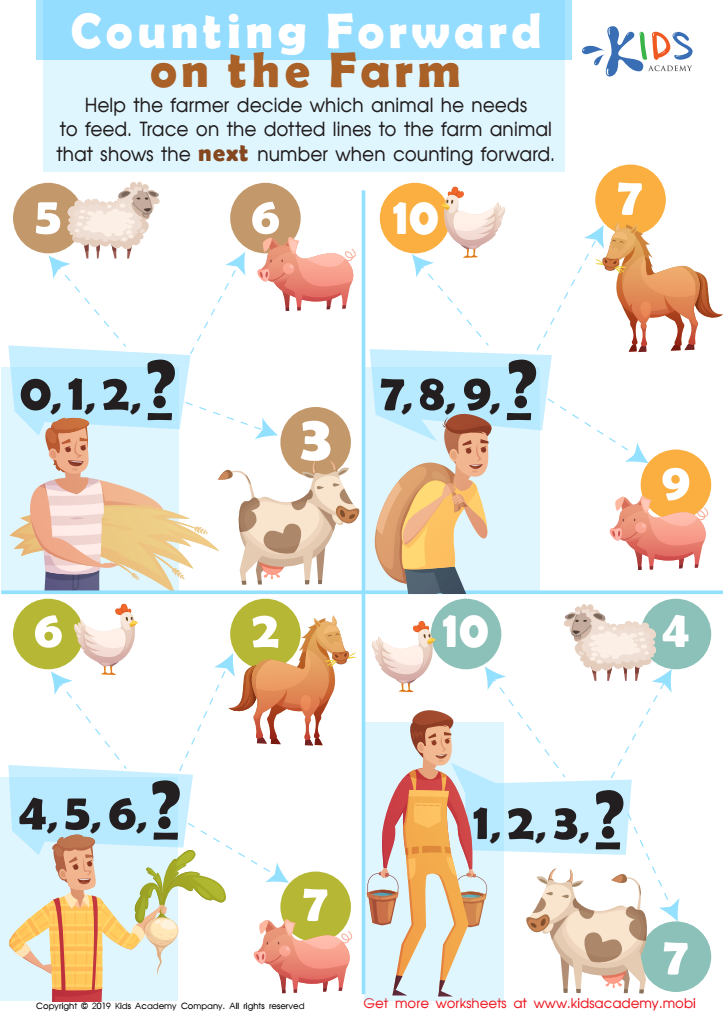
Counting Forward On the Farm Worksheet
 Assign to My Students
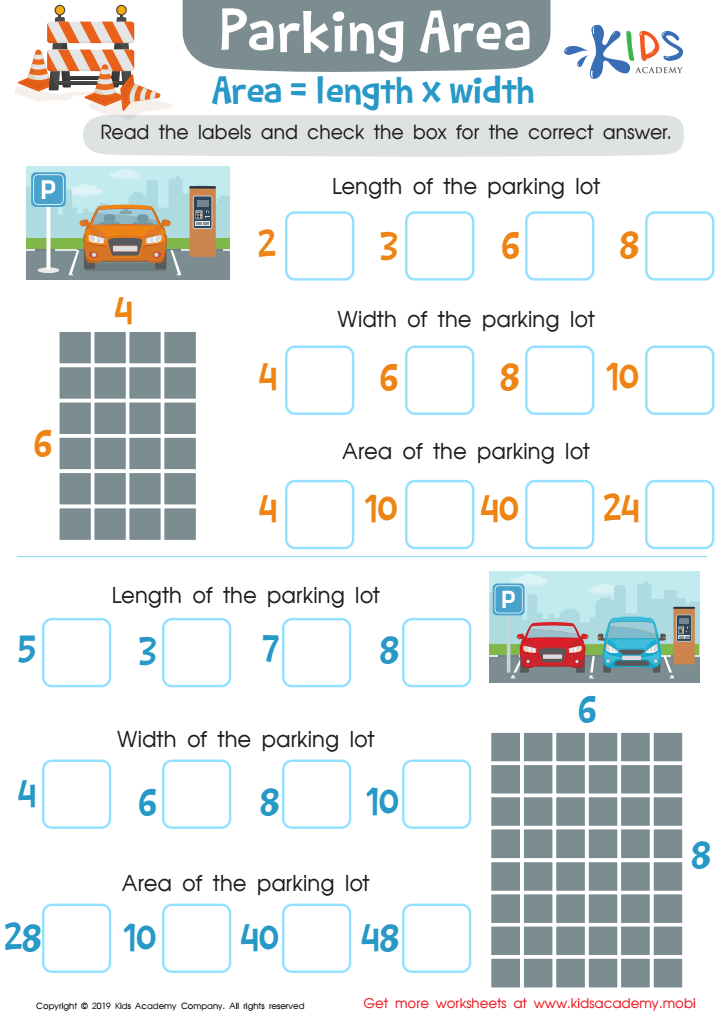
Parking Area Worksheet
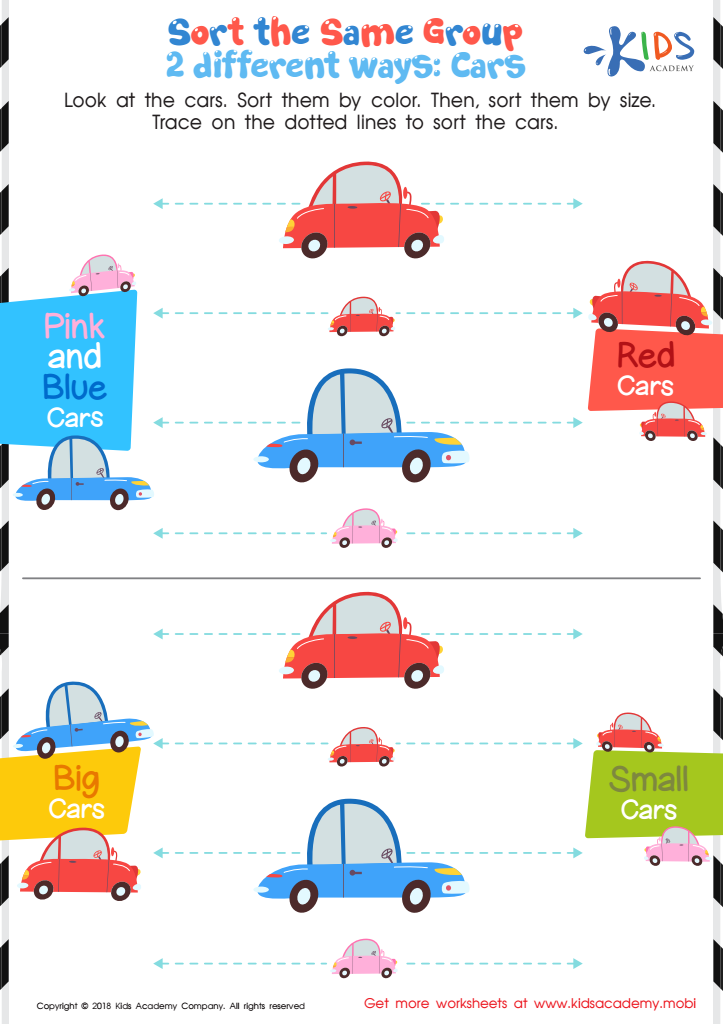
Sort the Same Group 2 Different Ways: Cars Worksheet
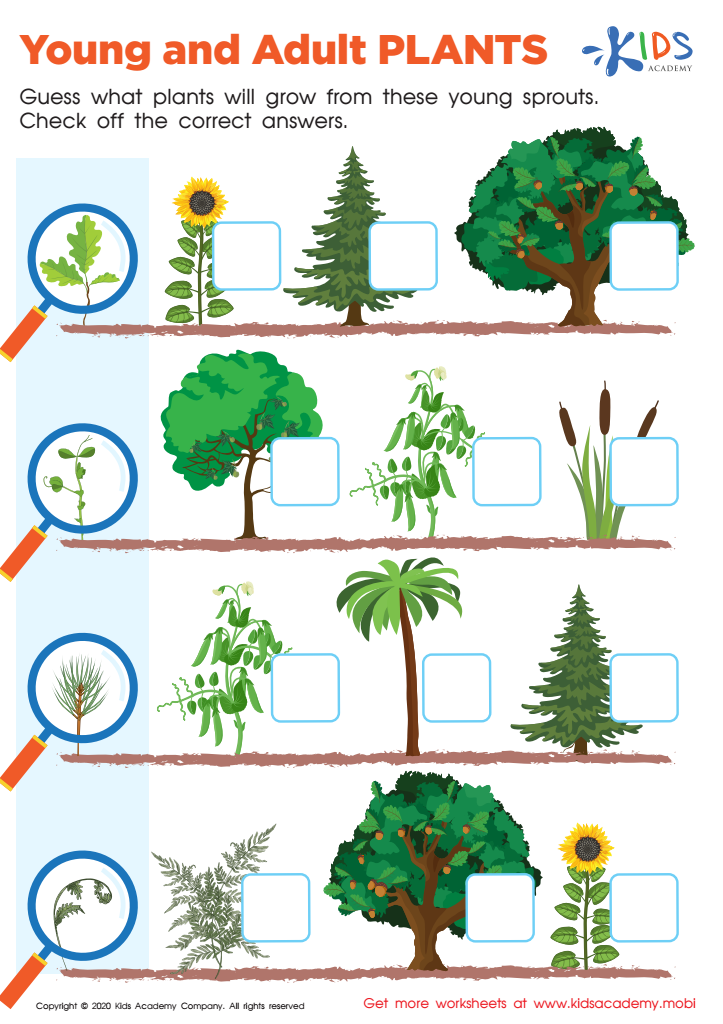
Young and Adult Plants Worksheet
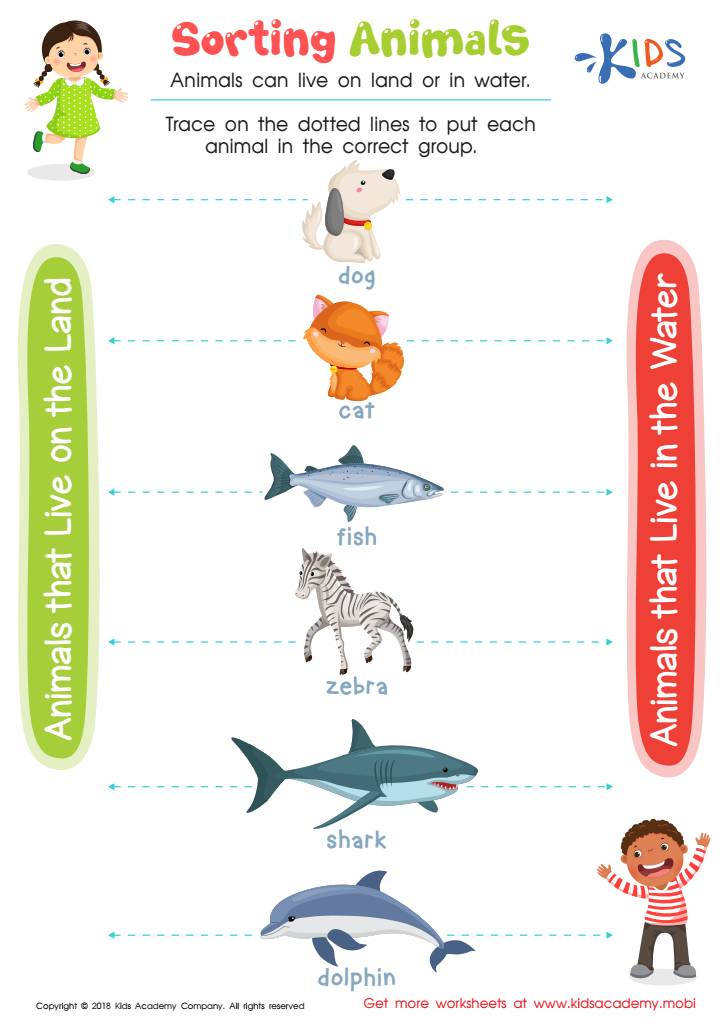
Sorting Animals Worksheet
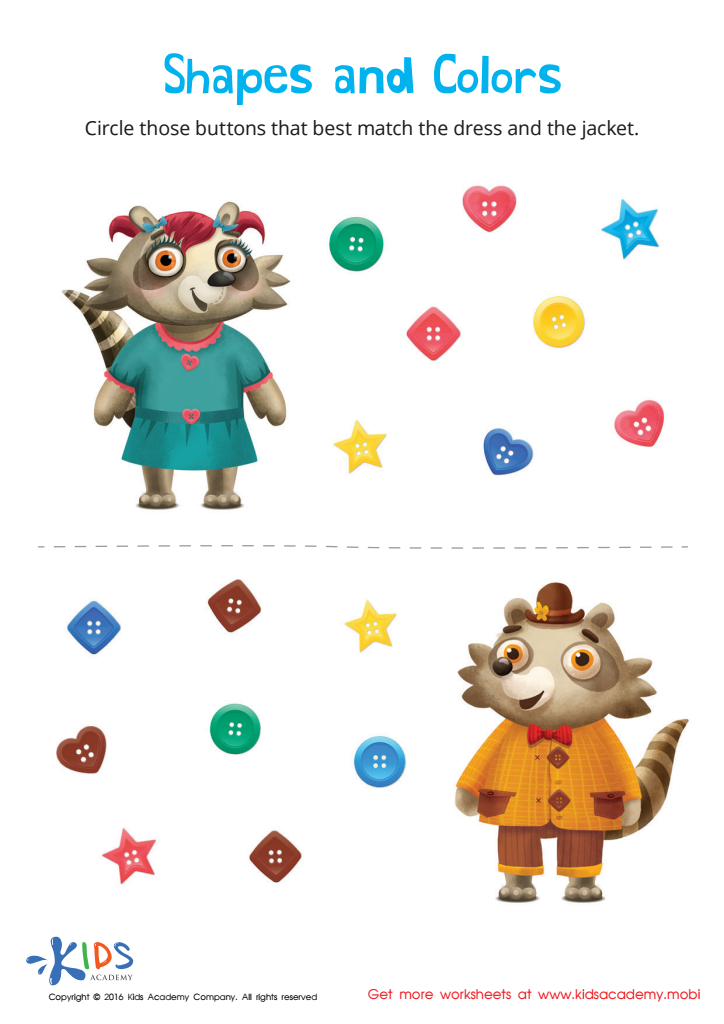
Matching: Shapes and Colors Worksheet
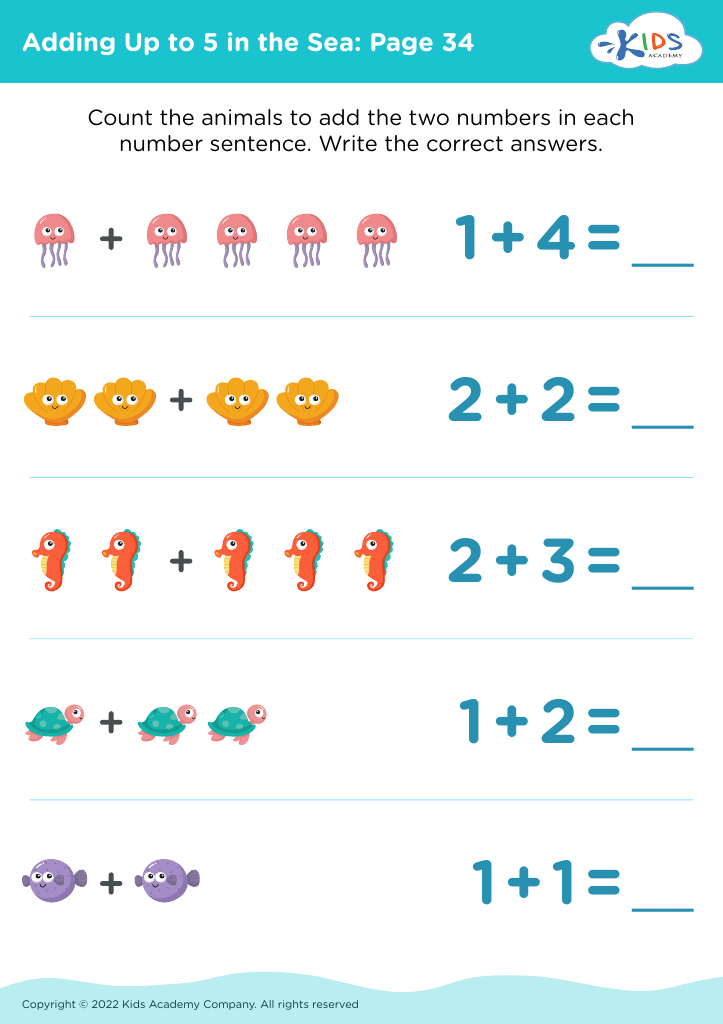
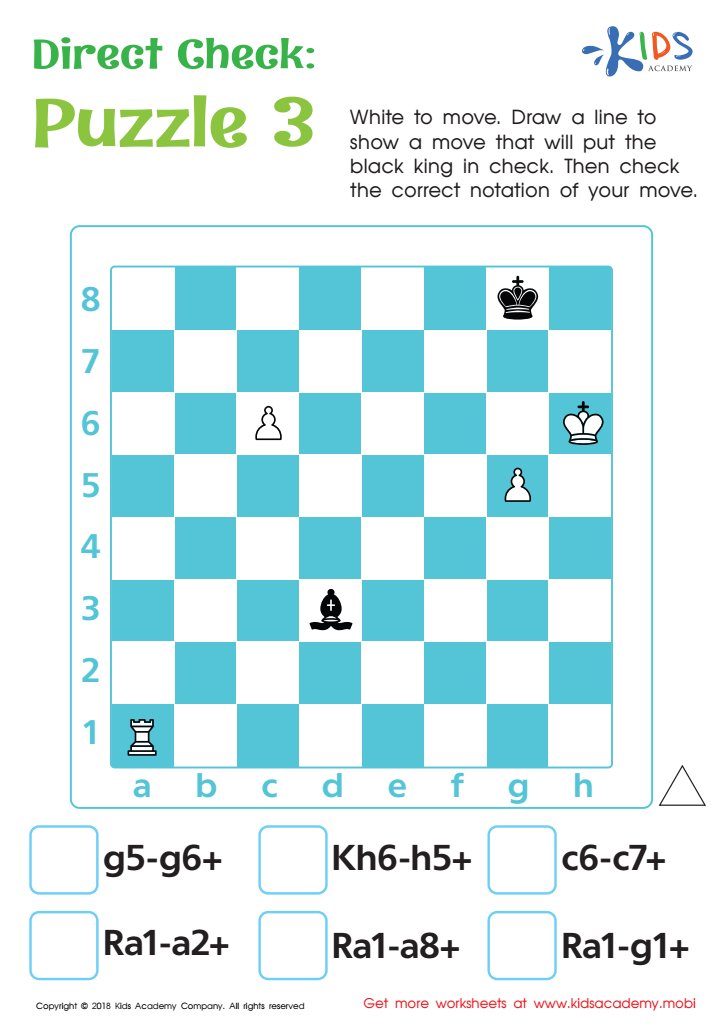
Direct Check: Puzzle 3 Worksheet
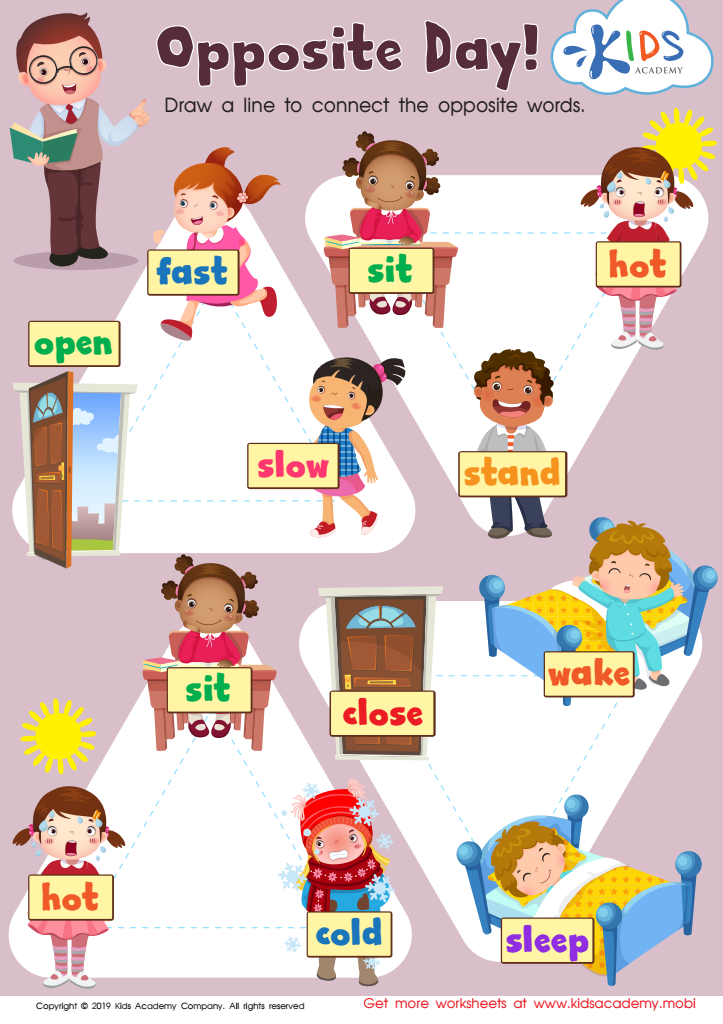
Opposite Day Worksheet
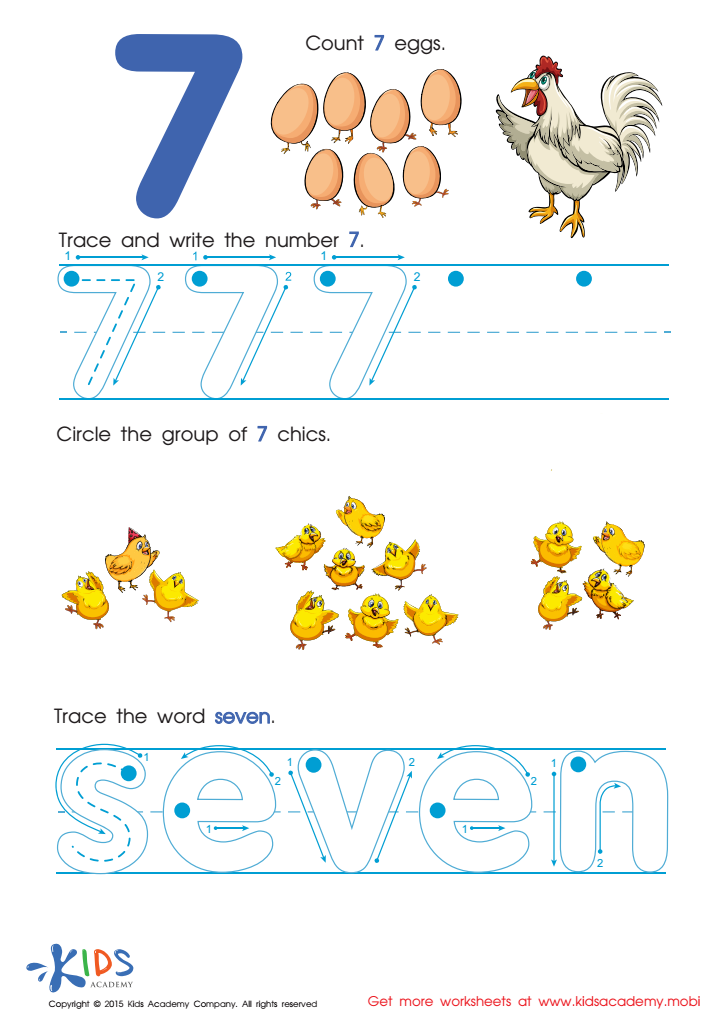
Trace And Write Number 7 with Fun Worksheet
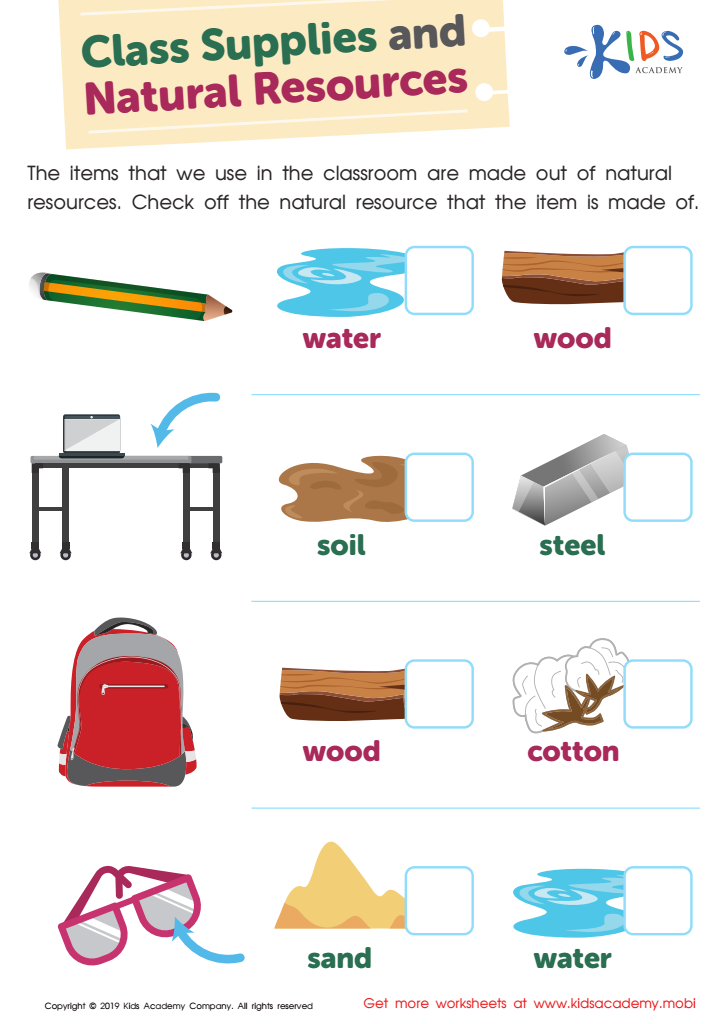
Class Supplies and Natural Resources Worksheet
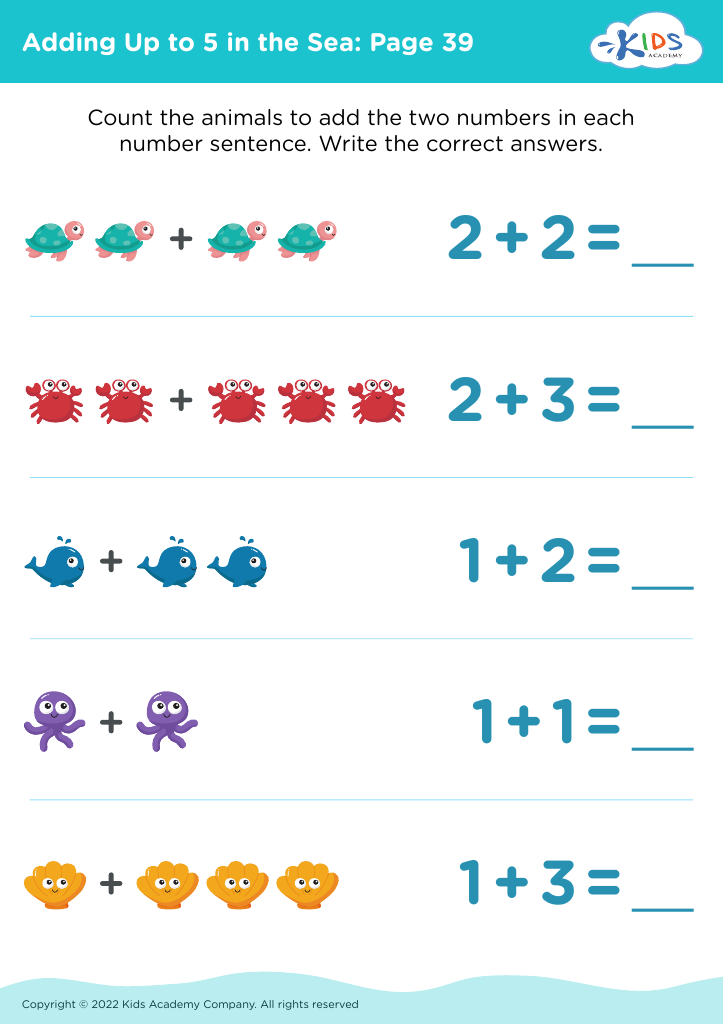
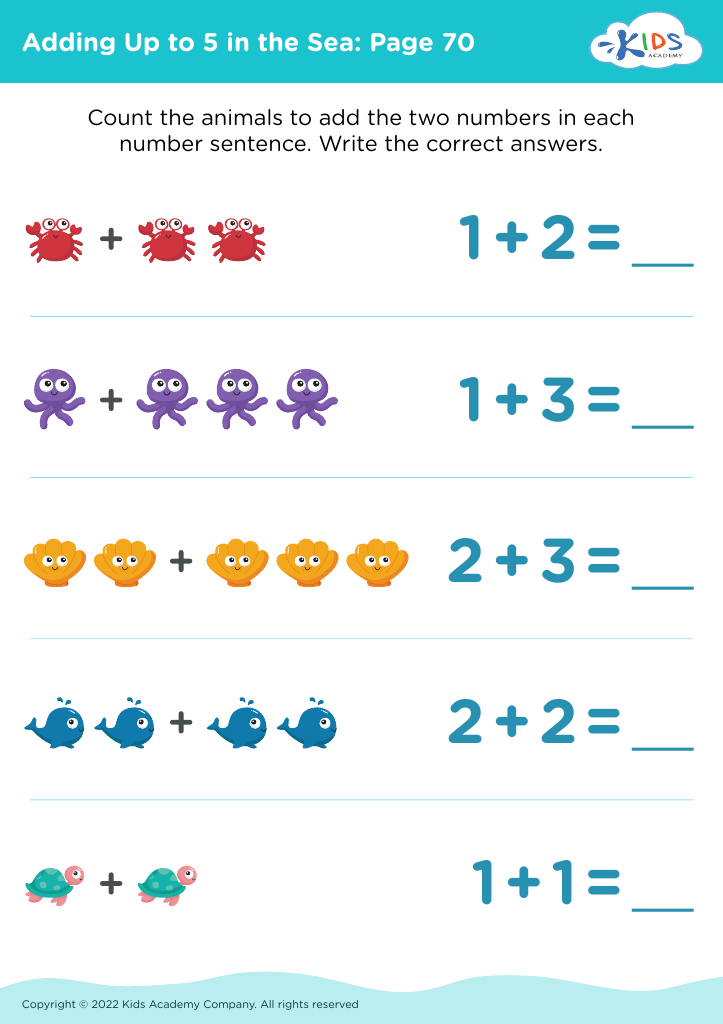
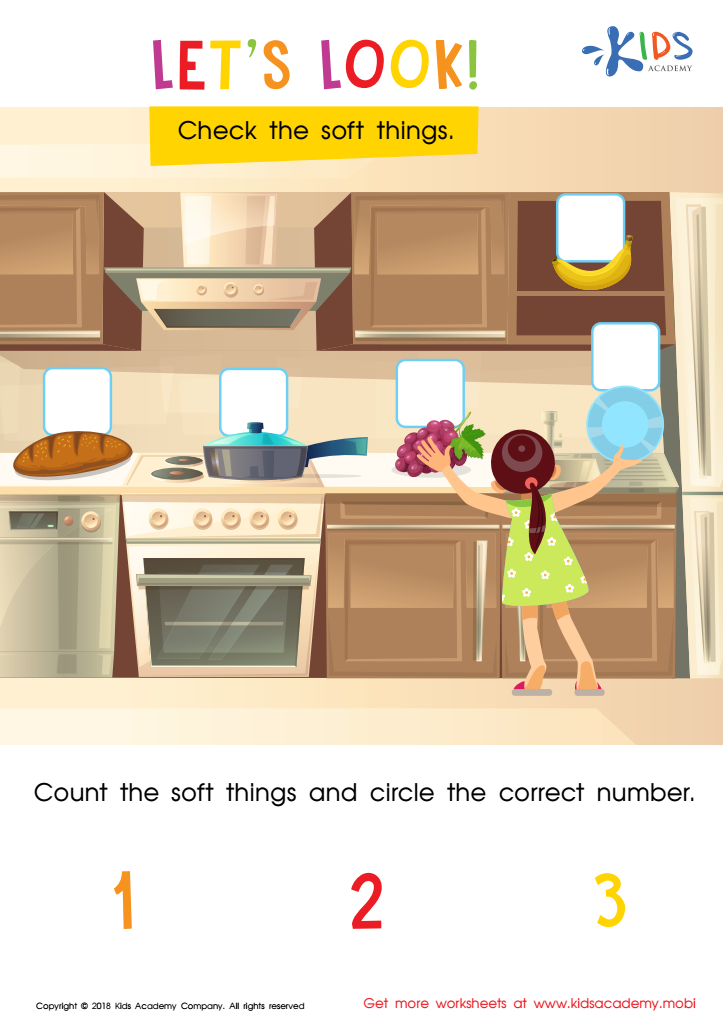
Let's Look! Assessment Worksheet
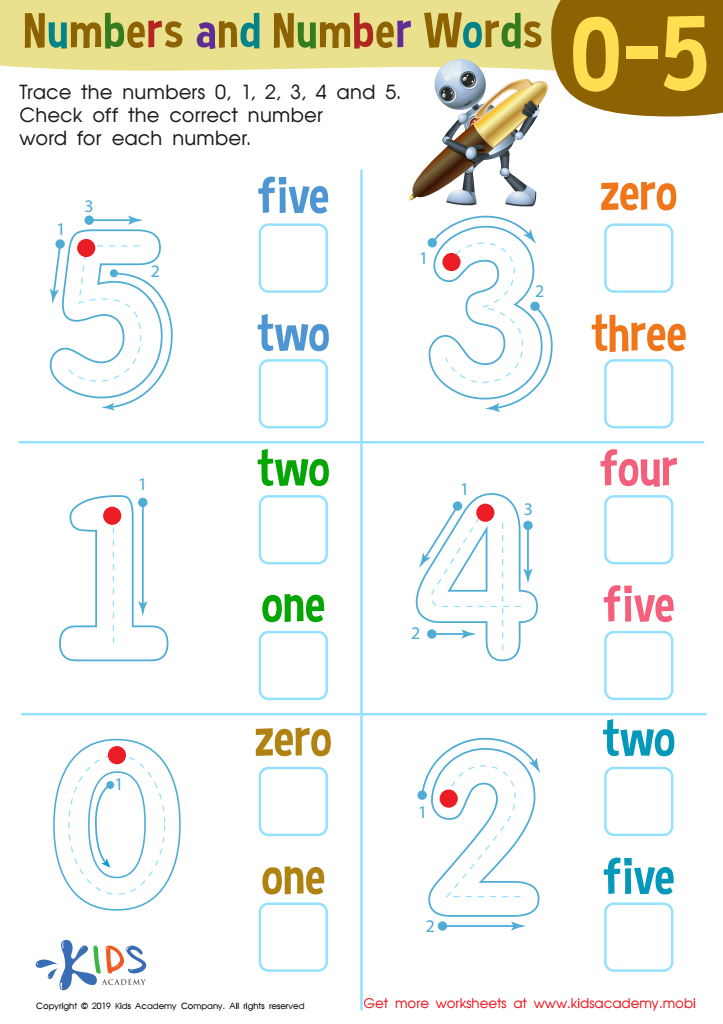
Numbers and Number Words Worksheet
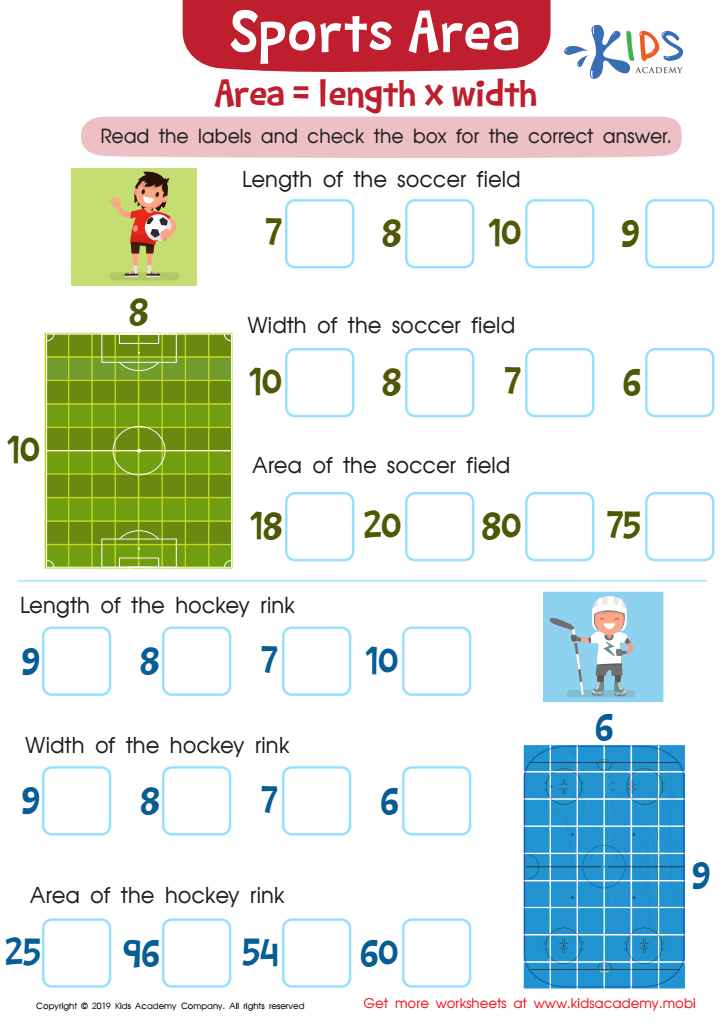
Sports Area Worksheet
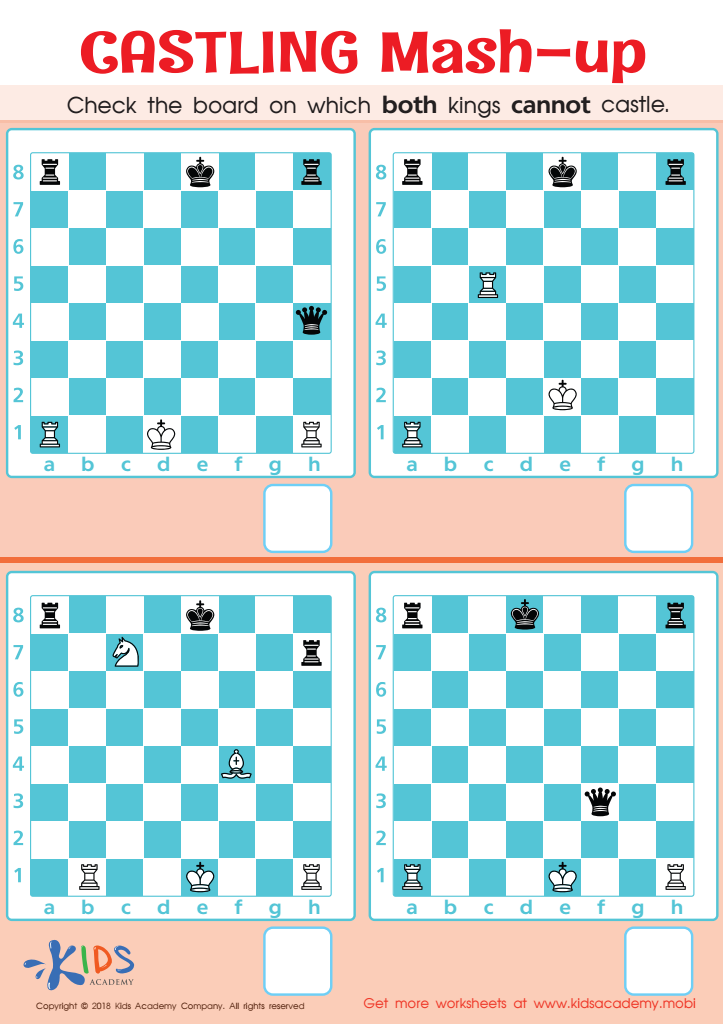
Castling Mash–up Worksheet
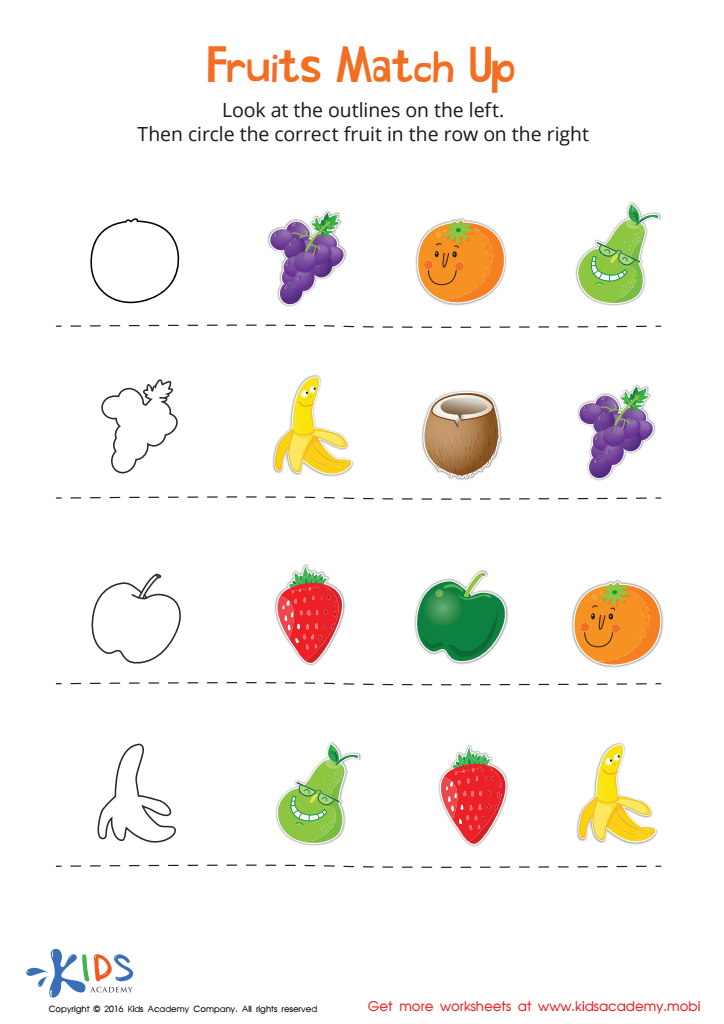
Fruits Match Up Worksheet
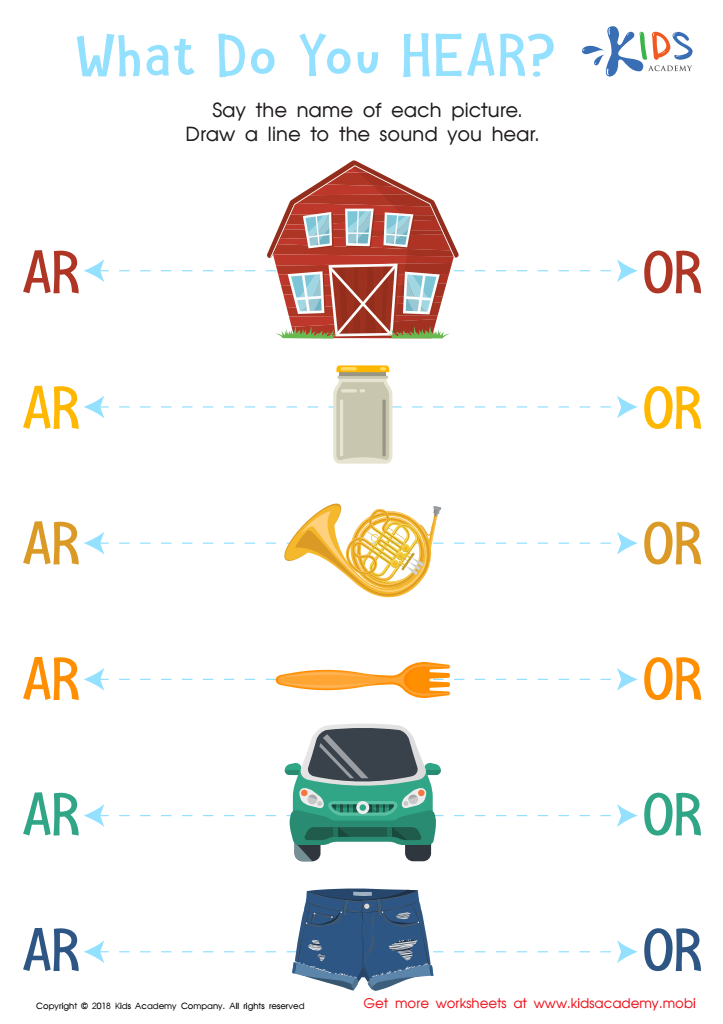
What do you hear Worksheet
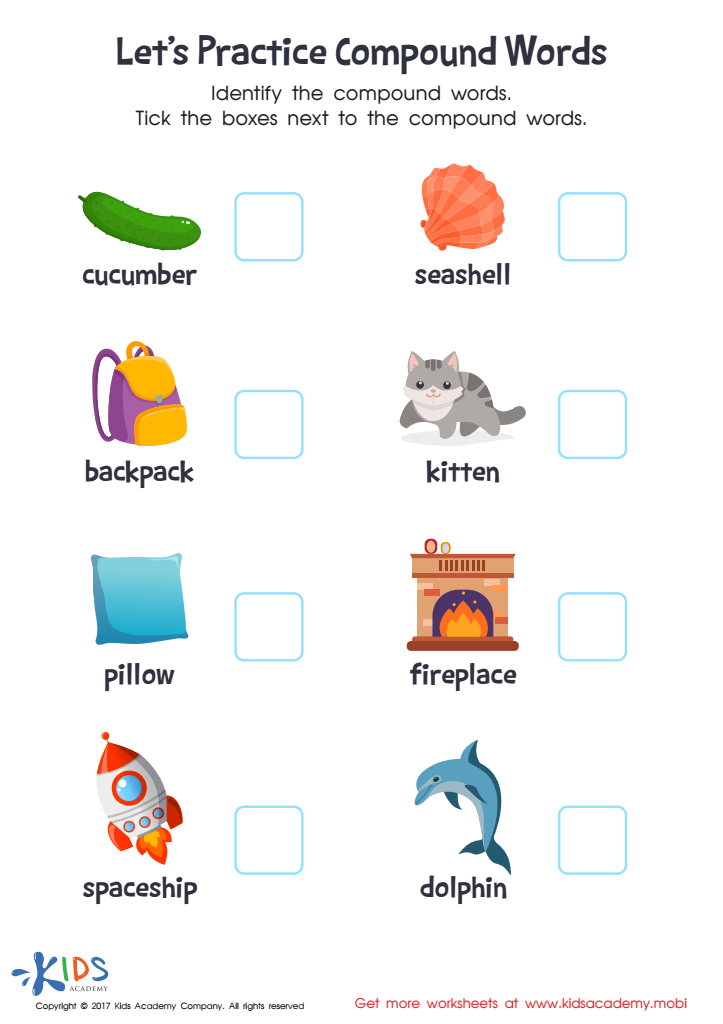
Let's Practice Compound Words Word Structure Worksheet
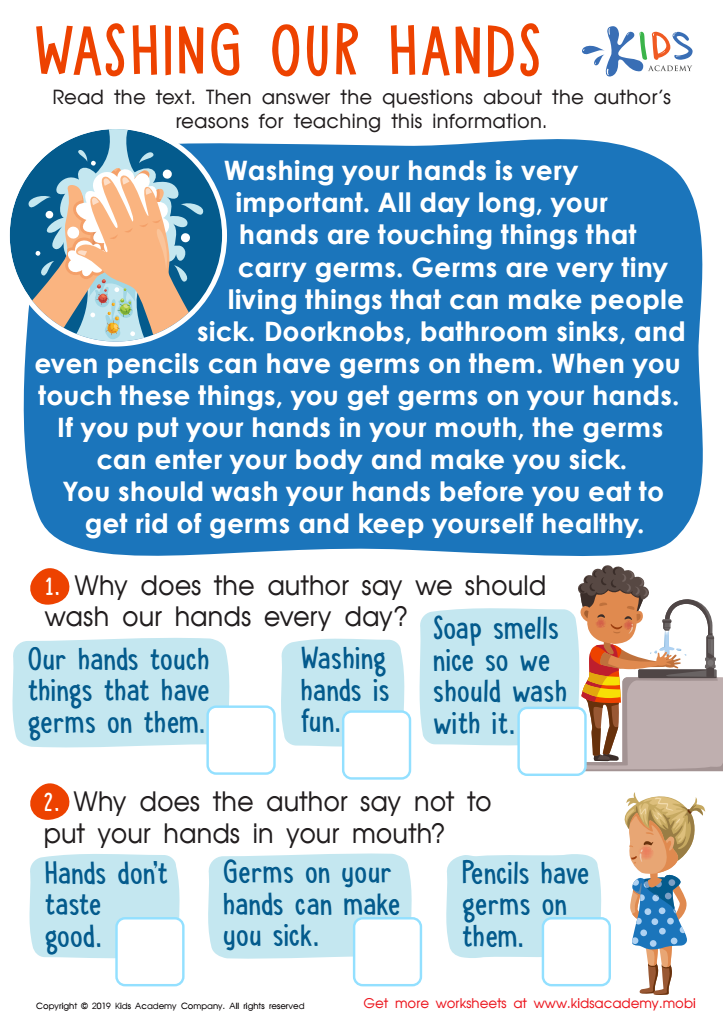
Washing Our Hands Worksheet







Cognitive development in children aged 3-9 is crucial for several reasons. During this period, a child’s brain undergoes rapid growth and significant changes, establishing the foundation for future learning, problem-solving, and decision-making skills. For parents and teachers, supporting cognitive development means fostering an environment where a child can explore, ask questions, and develop critical thinking abilities.
At this age, children's brains are incredibly receptive to new information. They learn through play, interaction, and observation. Ensuring they have a variety of stimulating activities and experiences can enhance their curiosity and cognitive skills. This includes reading books, solving puzzles, engaging in imaginative play, and exploring the natural world. Additionally, cultivating social and emotional skills, such as cooperation, empathy, and impulse control, is part of cognitive development and crucial for overall success.
Neglecting cognitive development opportunities can have long-term impacts, potentially leading to difficulties in academic performance and adaptive functioning. Therefore, by prioritizing and engaging in activities that promote cognitive growth, parents and teachers can help children develop the essential skills they need for lifelong learning, adaptability in a rapidly changing world, and overall mental well-being. Independent thinking, problem-solving skills, and a love of learning are some of the most valuable tools a child can develop in these early years.








