Cognitive Development Geometry Worksheets for Ages 3-9
21 filtered results
-
From - To
Boost your child's cognitive abilities with our engaging Geometry Worksheets for ages 3-9! Designed to stimulate young minds, these expertly crafted activities focus on shapes, patterns, and spatial reasoning, helping children develop crucial problem-solving skills. Each worksheet integrates fun with learning, allowing kids to recognize different geometrical figures, understand their properties, and improve their critical thinking. Ideal for both classroom and home use, our collection accommodates various learning styles, ensuring every child grasps foundational geometry concepts while enhancing cognitive development. Explore our wide range of interactive worksheets today to set your child on the path to academic success!
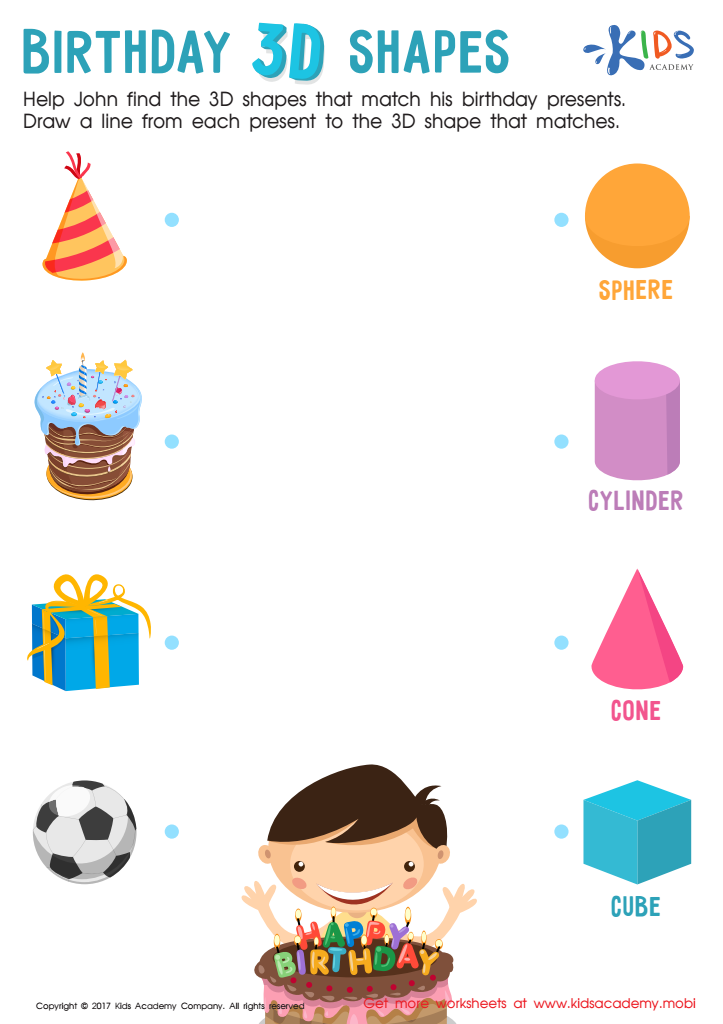
Birthday 3D Shapes Worksheet
 Assign to My Students











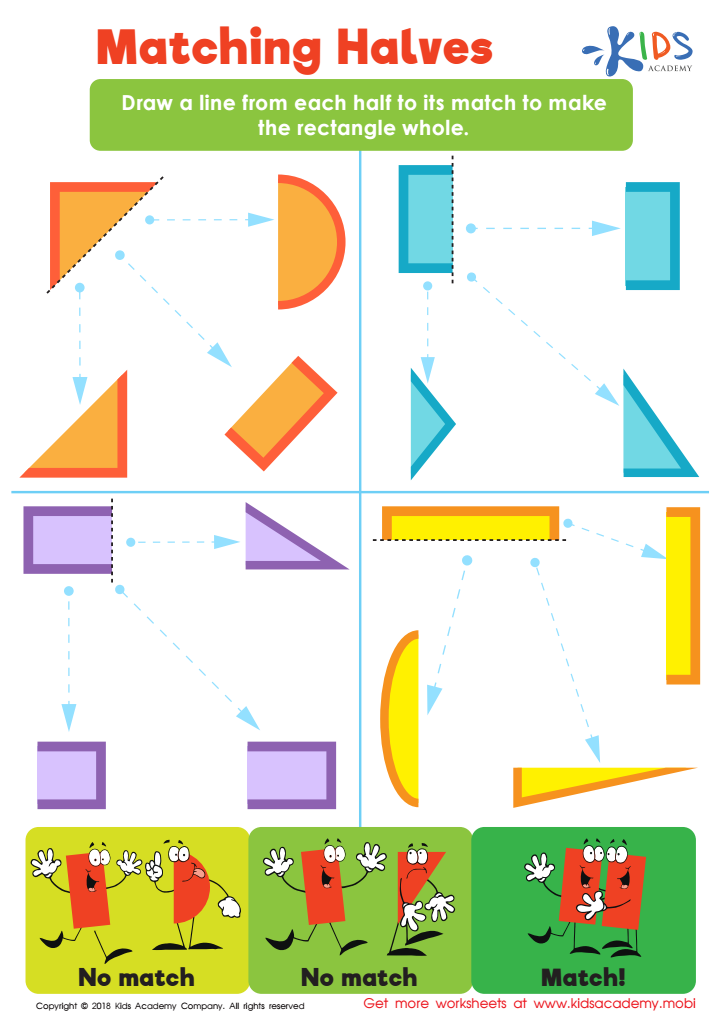
Matching Halves Worksheet
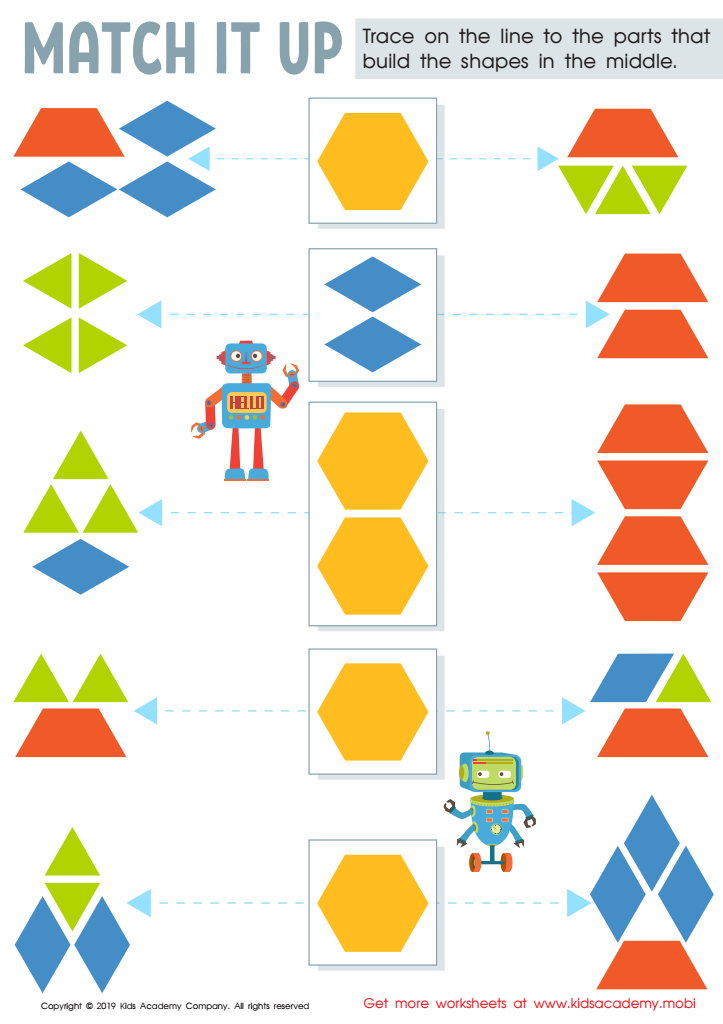
Match It up Worksheet
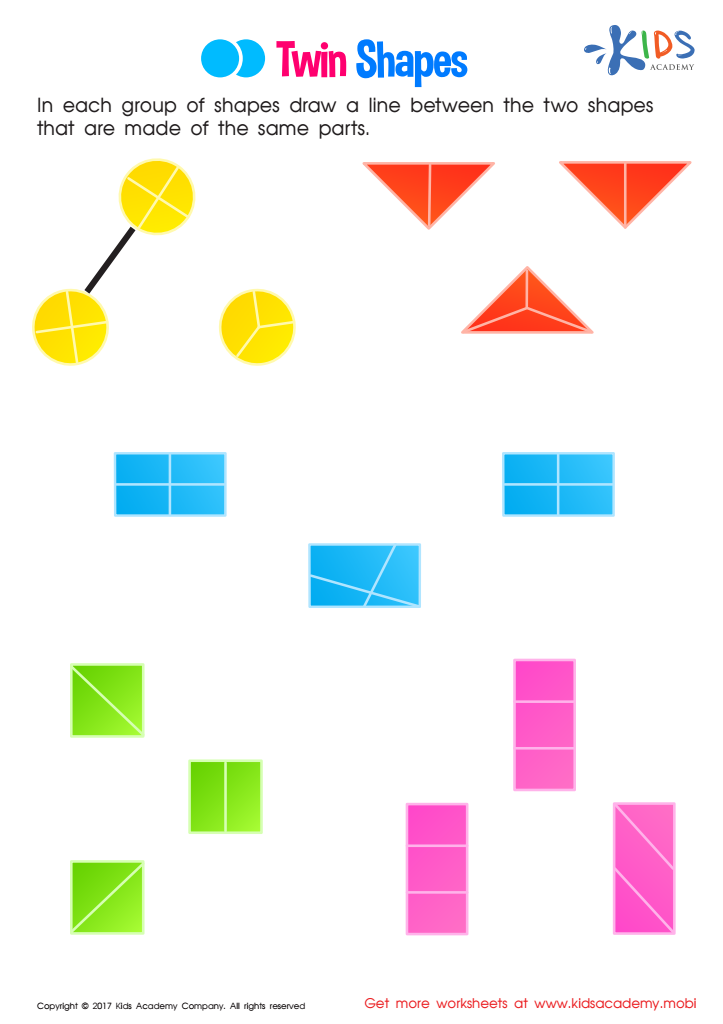
Twin Shapes Worksheet
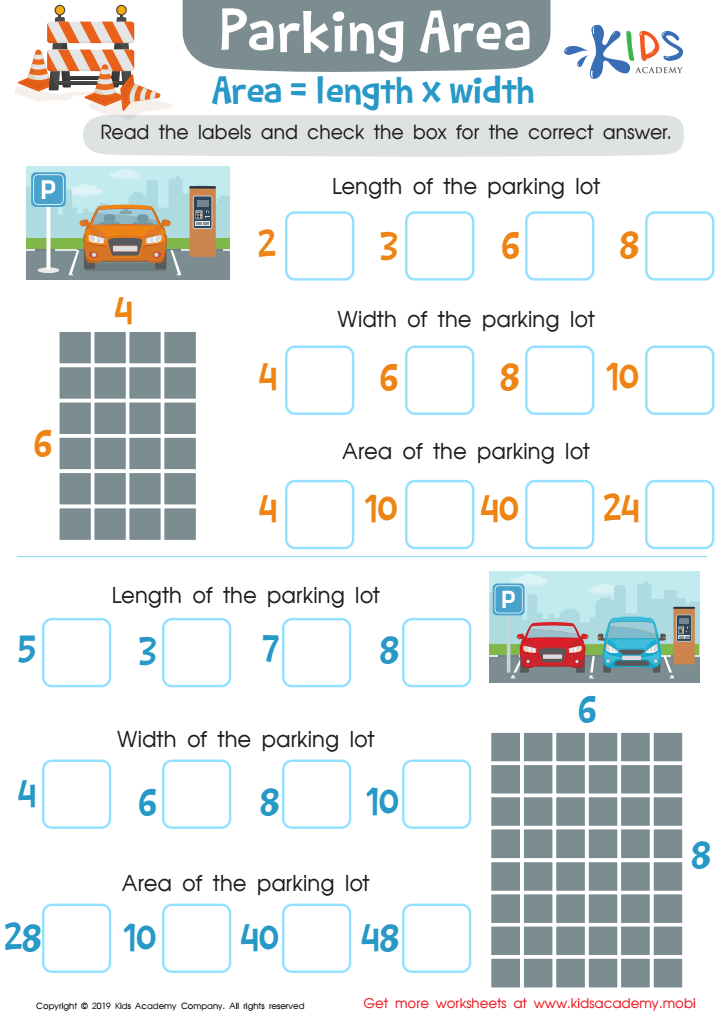
Parking Area Worksheet
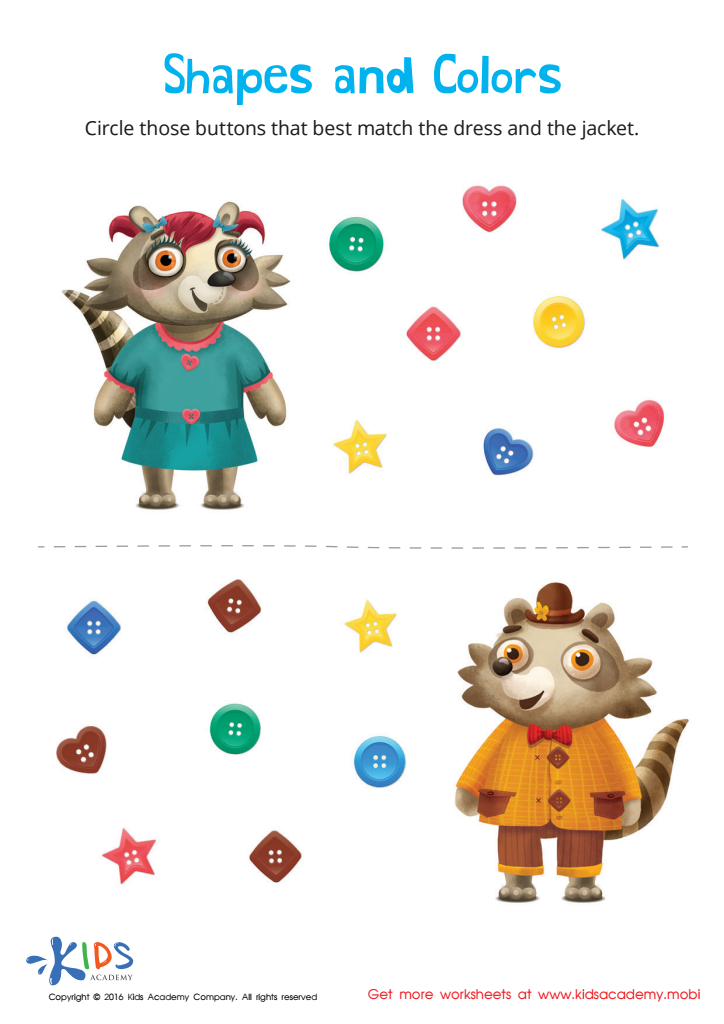
Matching: Shapes and Colors Worksheet
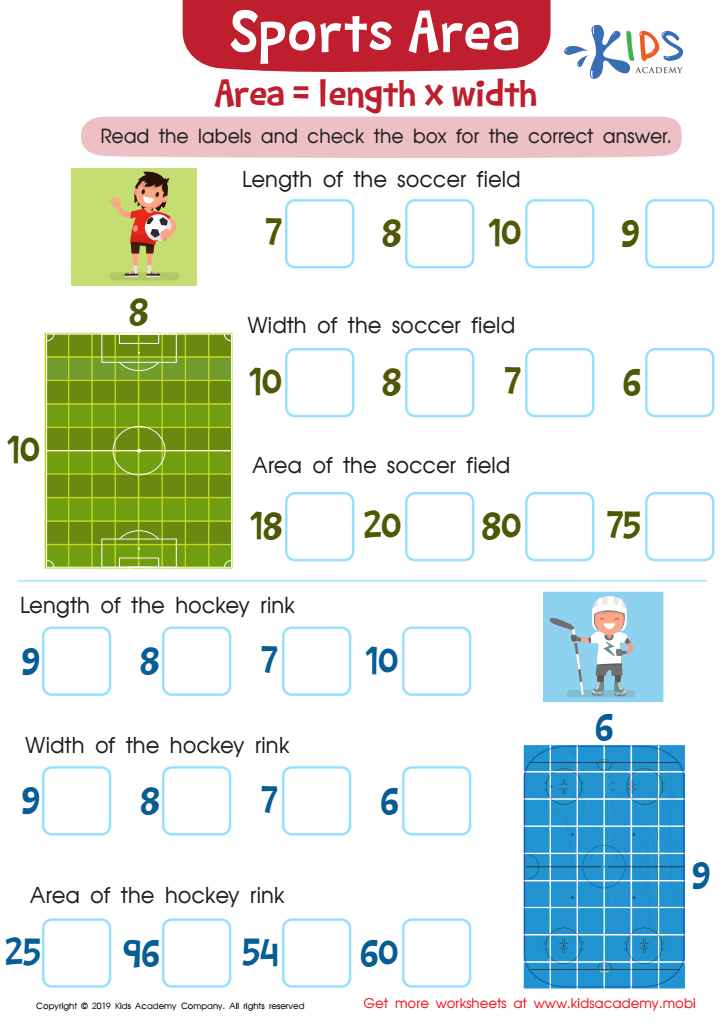
Sports Area Worksheet
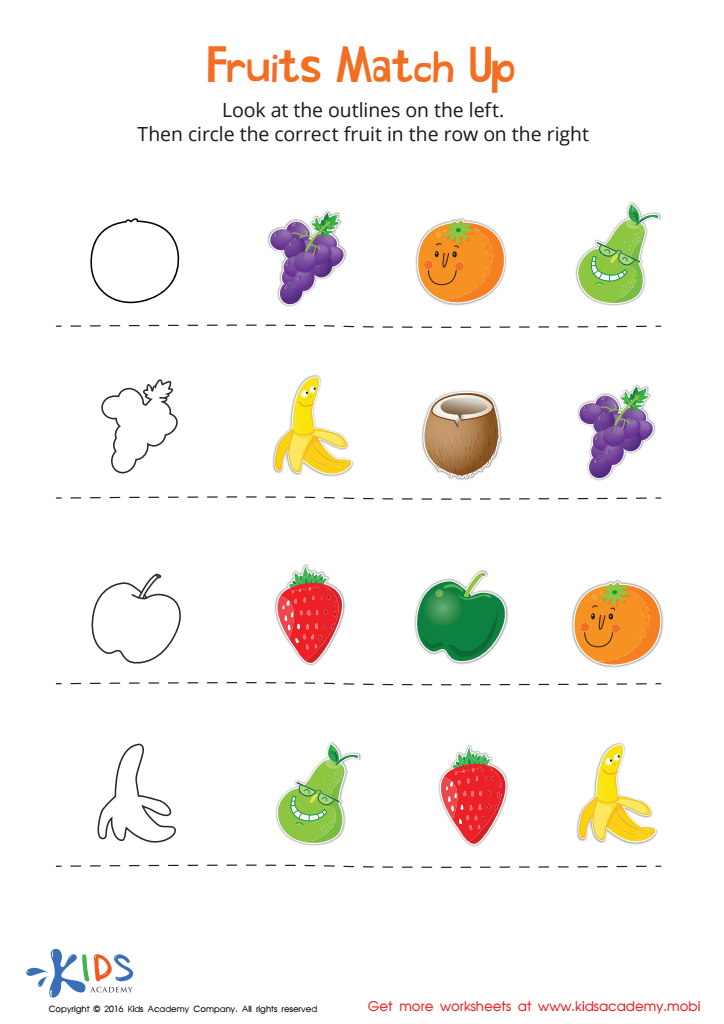
Fruits Match Up Worksheet
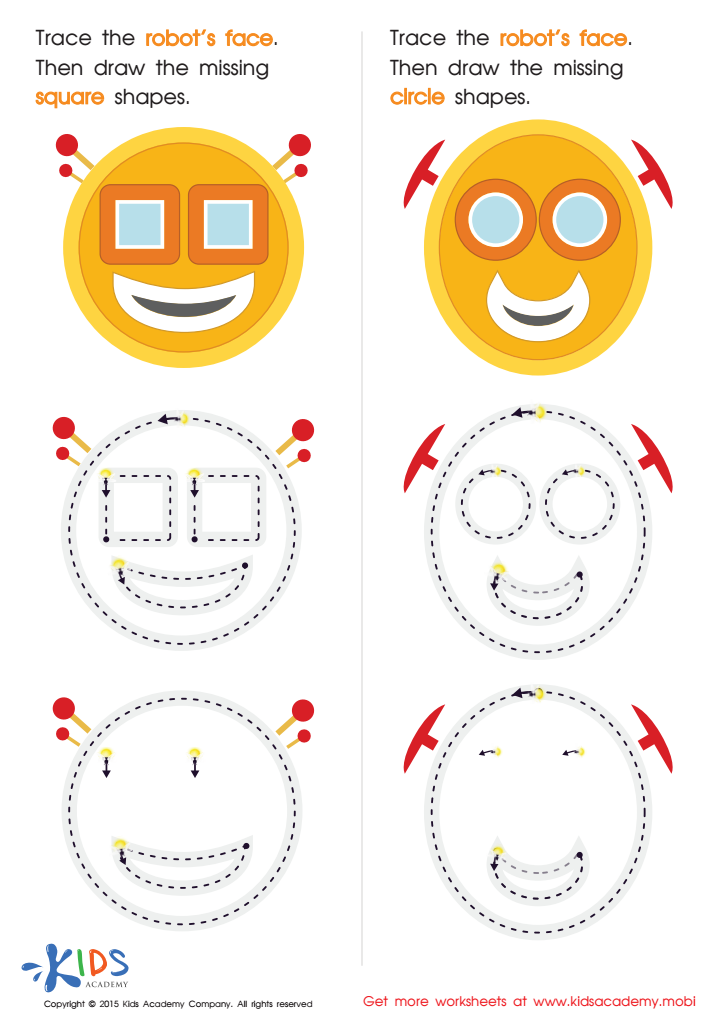
Practicing to Draw Circles And Squares Printable
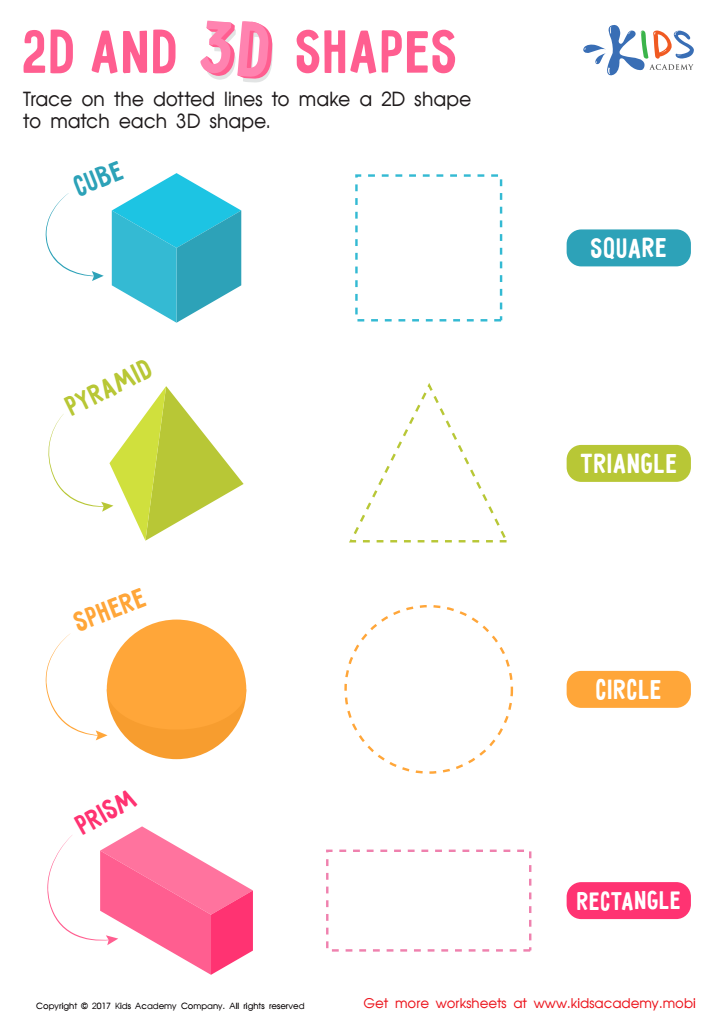
2D and 3D Shapes Worksheet
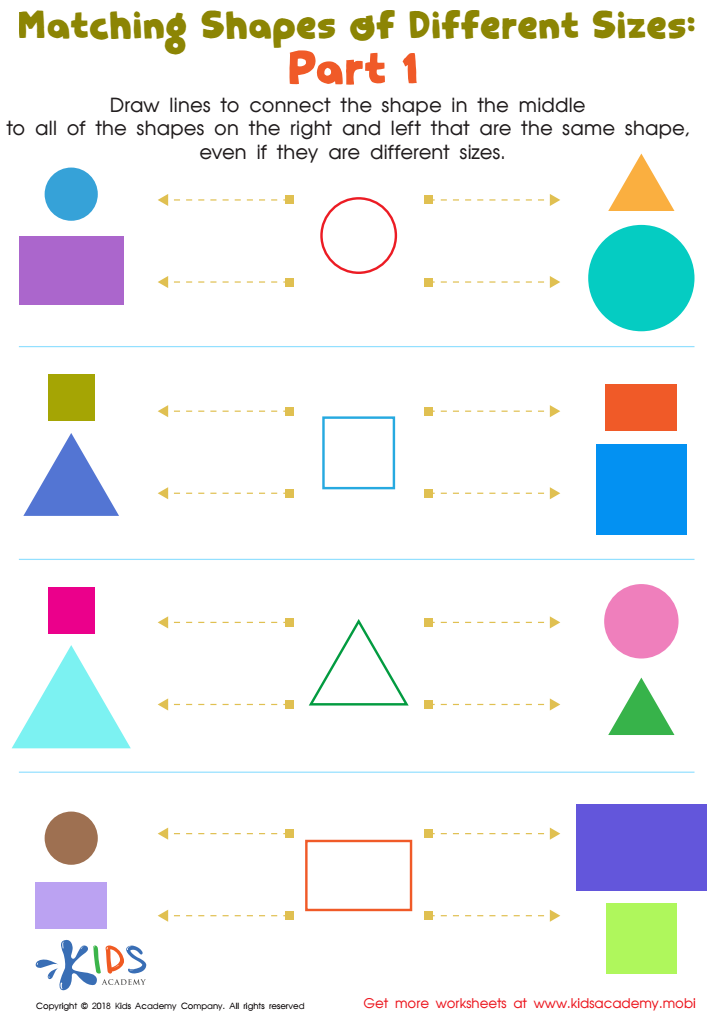
Geometry: part 1 Worksheet
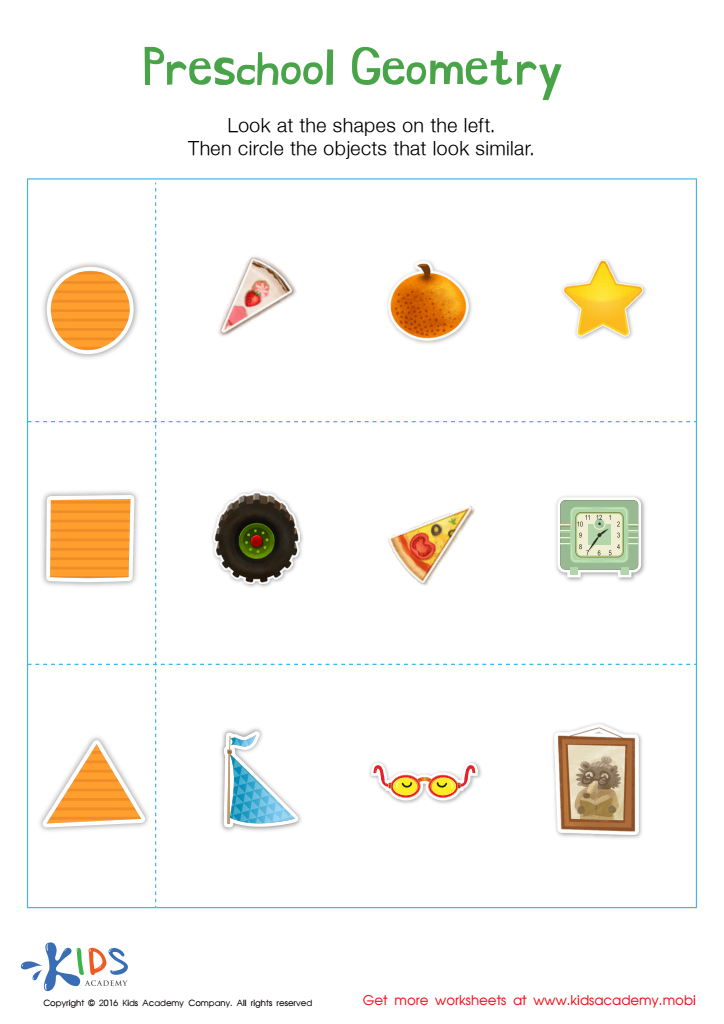
Preschool Geometry Match Up Worksheet
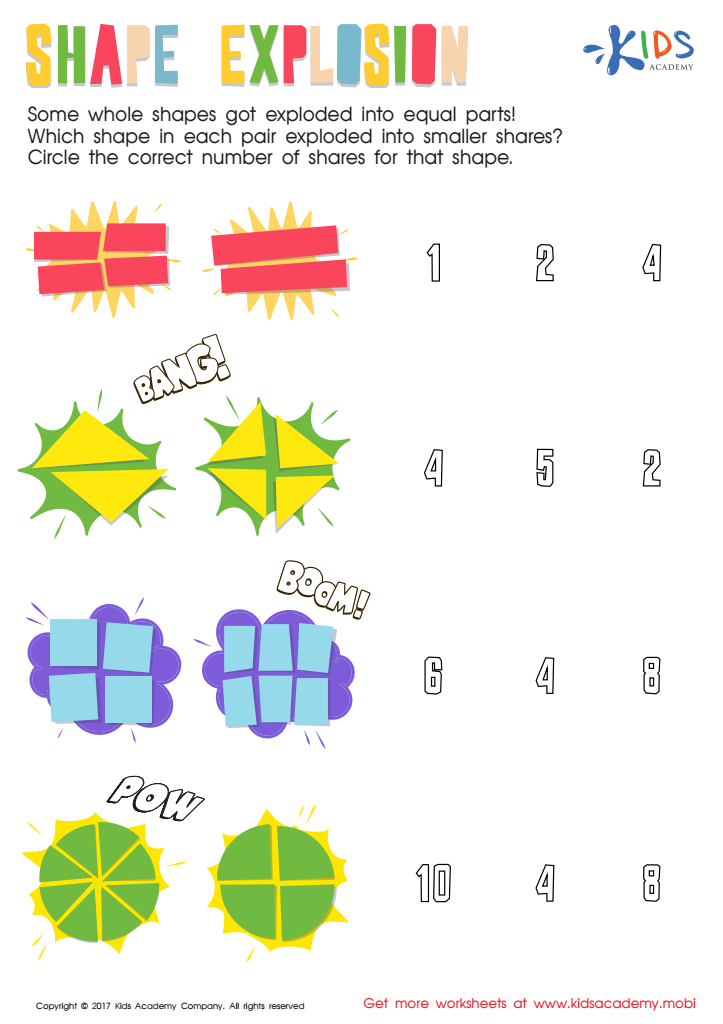
Shape Explosion Worksheet
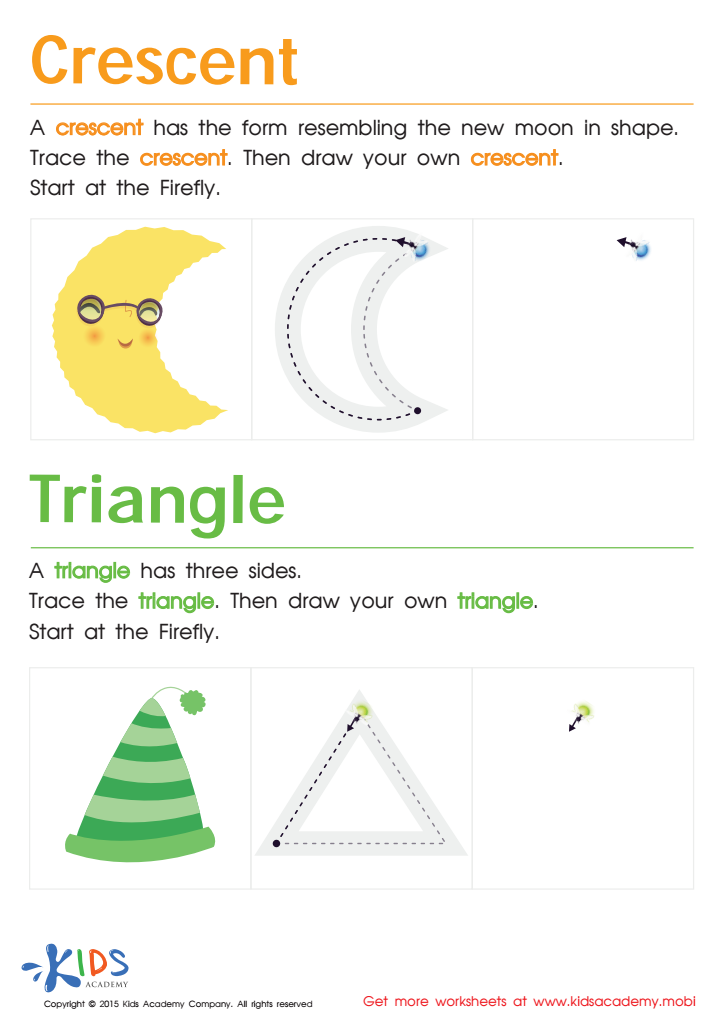
Learning to Draw Crescents And Triangles Worksheet
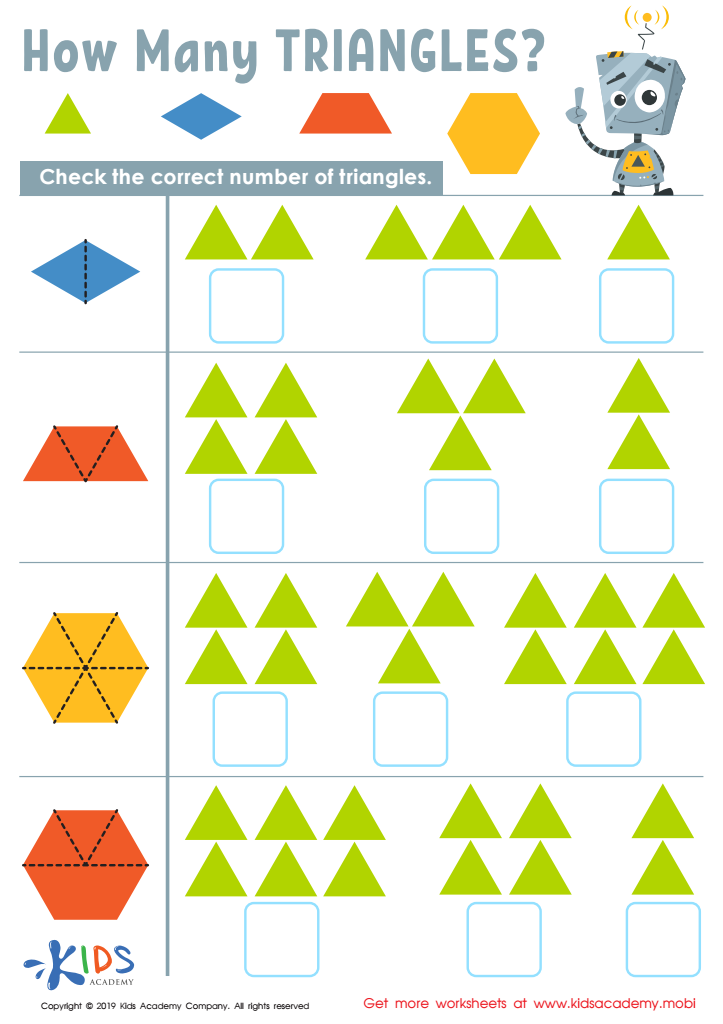
How Many Triangles Worksheet
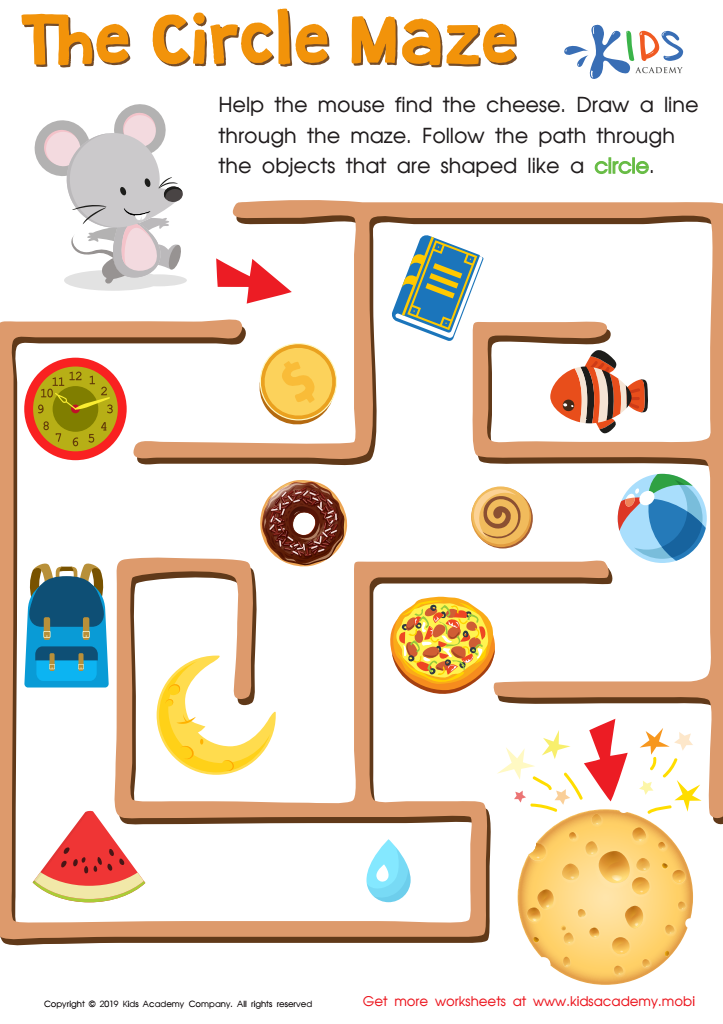
The Circle Maze Worksheet
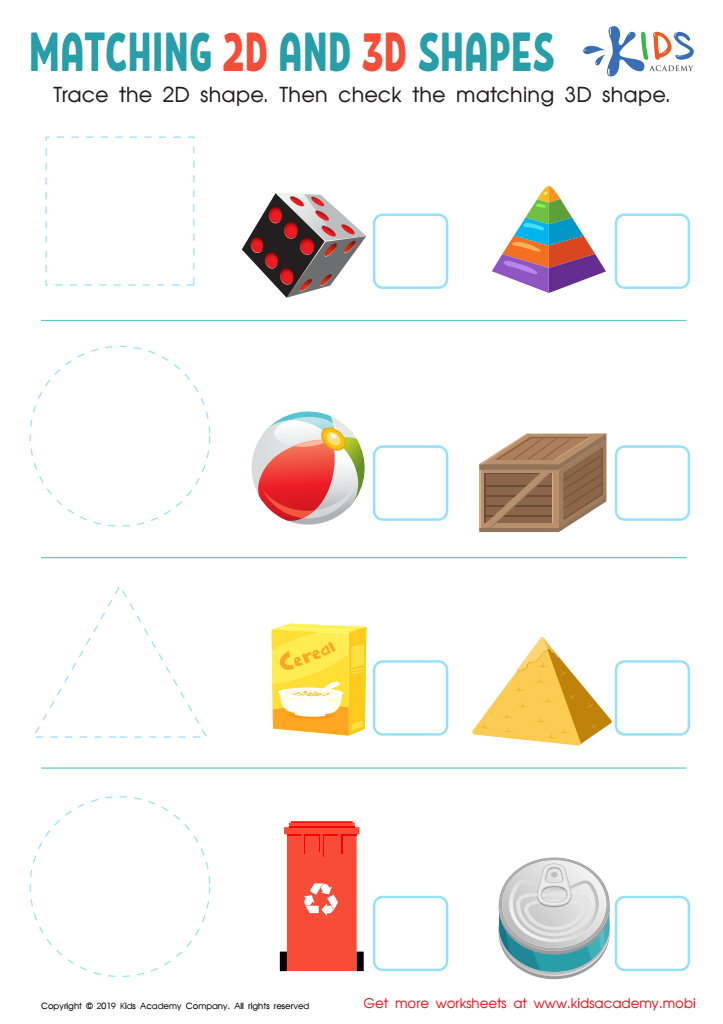
Matching 2D and 3D Shapes Worksheet
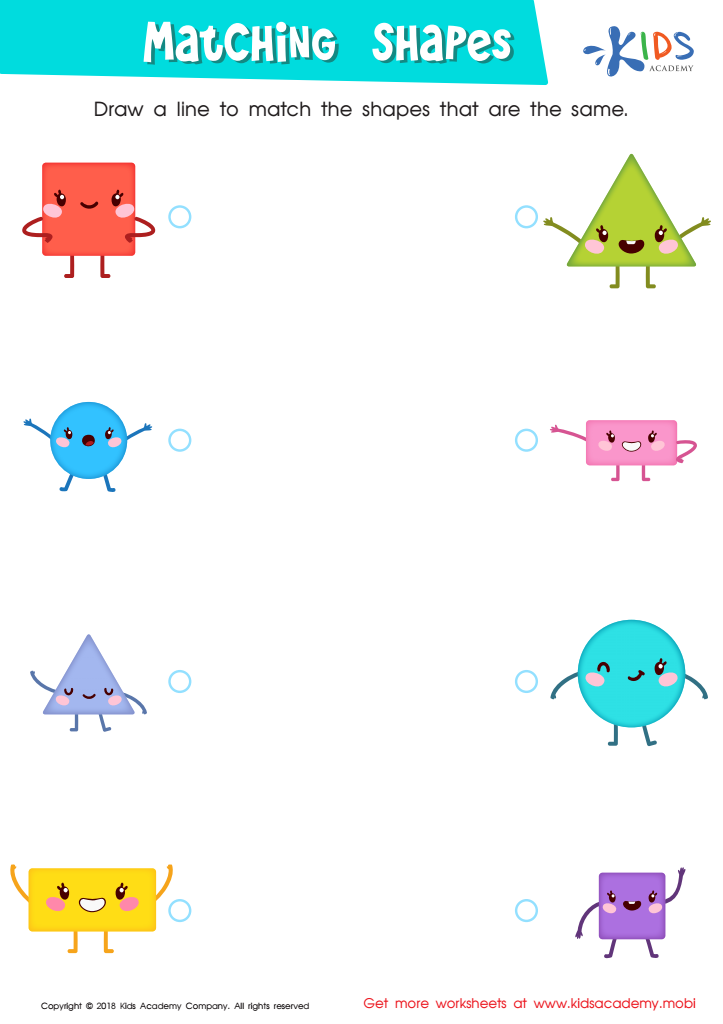
Matching Shapes Worksheet
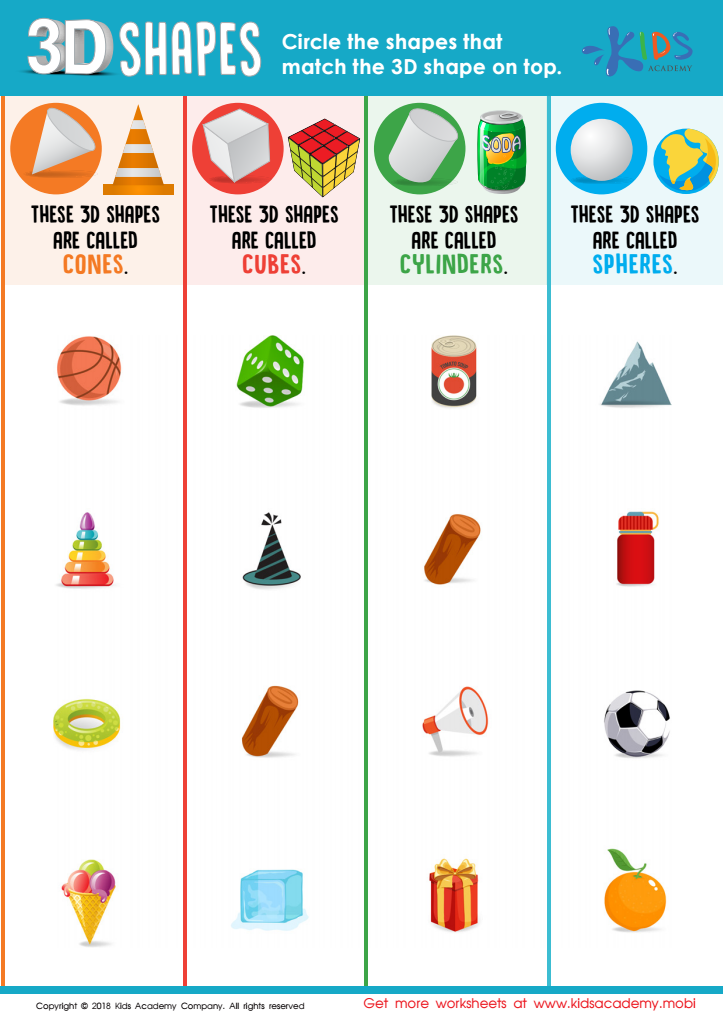
3D Shapes Worksheet
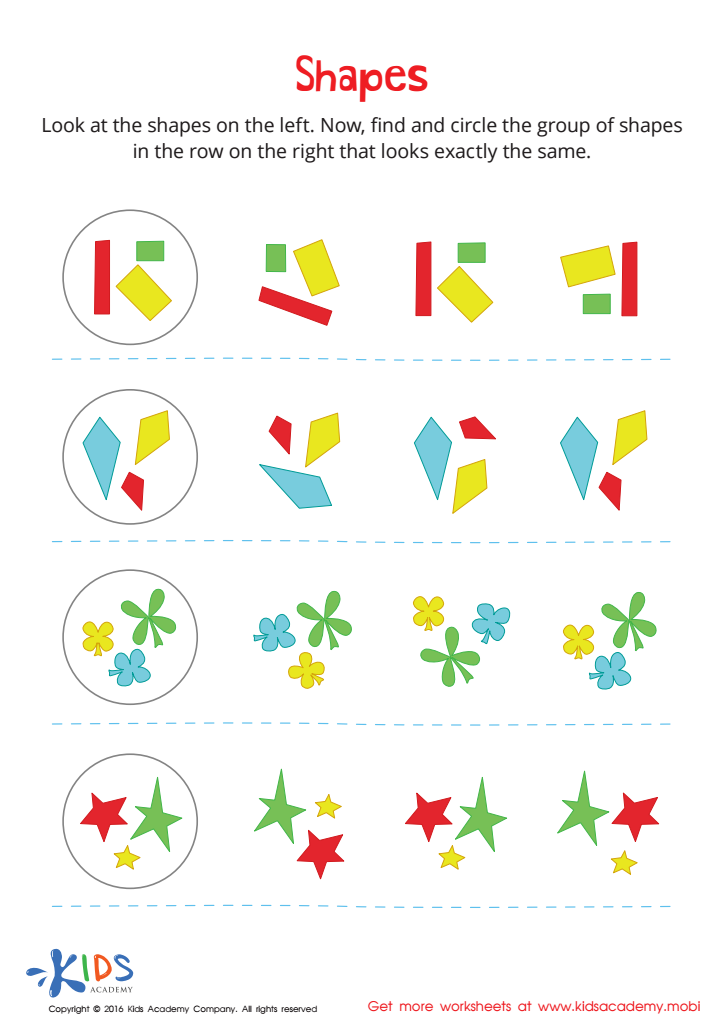
Shapes Worksheet
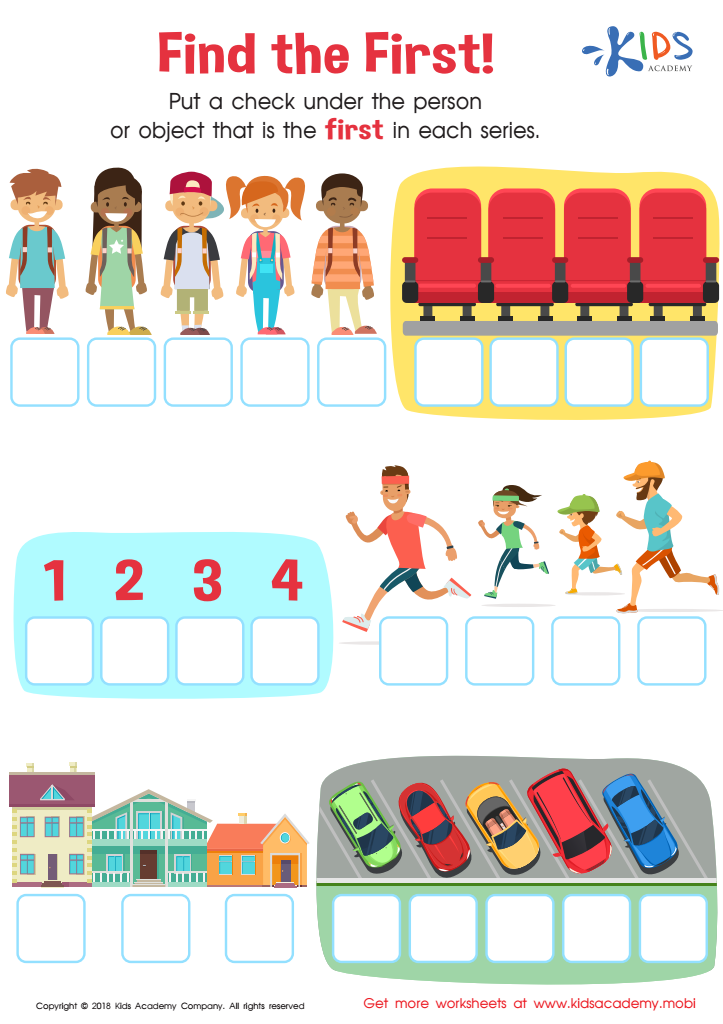
Find the First! Worksheet








Cognitive development in geometry for children ages 3-9 is crucial because it forms the foundation for spatial reasoning, which is integral to various aspects of everyday life and learning. During these formative years, children's brains are highly adaptive and capable of absorbing new concepts rapidly. Introducing geometric concepts such as shapes, sizes, positions, directions, and movements helps develop critical thinking, problem-solving, and mathematical skills that will benefit them throughout their education and beyond.
Spatial reasoning skills are strongly linked to success in STEM (Science, Technology, Engineering, Mathematics) fields. By encouraging geometry exploration early, parents and teachers facilitate better understanding and retention of these crucial concepts. Activities that involve sorting shapes, building structures, and visualizing objects from different perspectives cultivate cognitive flexibility and stimulate intellectual curiosity.
Moreover, geometry helps children with daily tasks like understanding maps, organizing spaces, and following directions, thereby fostering independence and confidence. For children aged 3-9, playful engagement with geometry makes learning enjoyable and promotes a love for mathematics.
Therefore, parents and educators should prioritize cognitive development in geometry to establish a groundwork for future academic achievement and to equip children with critical life skills. The investment made during these early years pays dividends as children grow older and tackle more complex problems, both in school and in life.








