Measurement Worksheets for Ages 3-9 - Page 2
110 filtered results
-
From - To
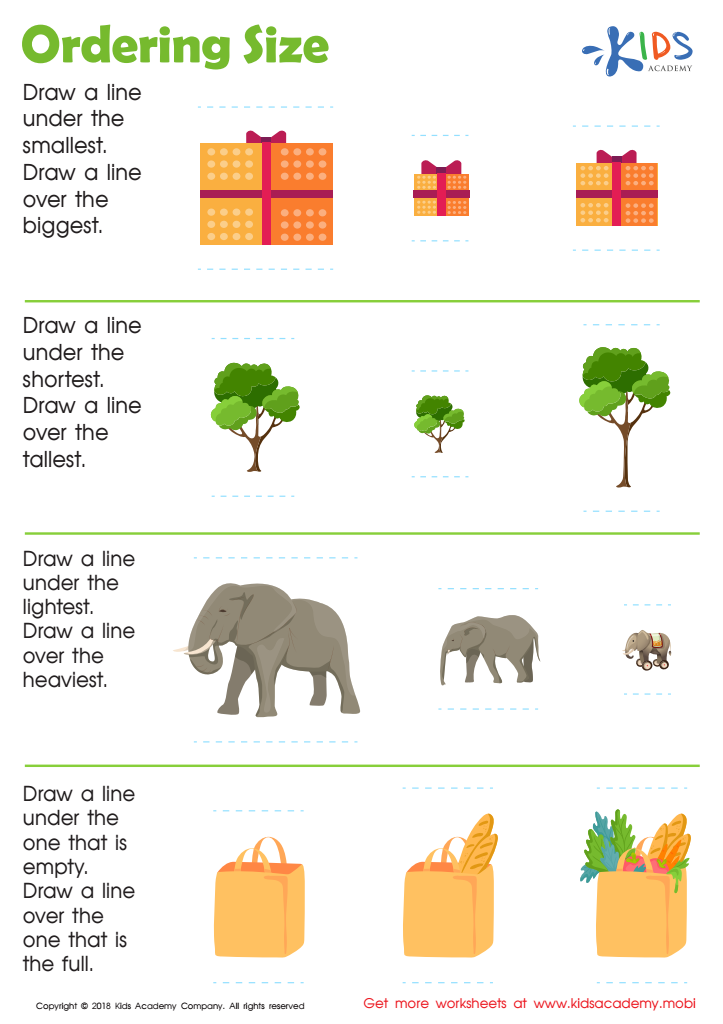
Ordering Size Worksheet
 Assign to My Students
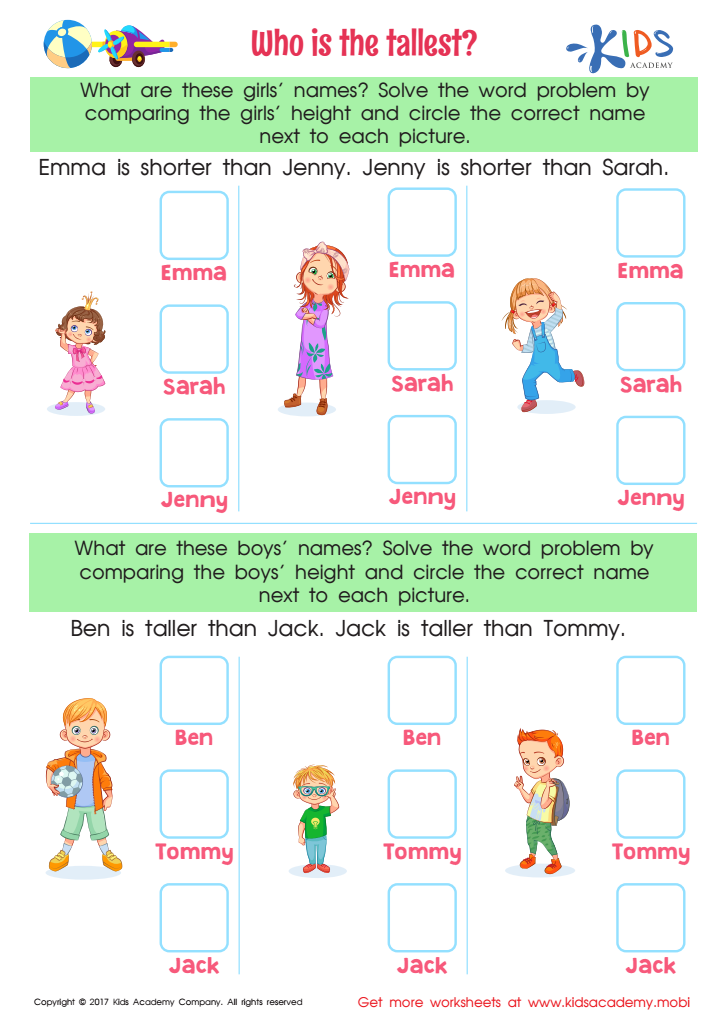
Who Tallest Printable
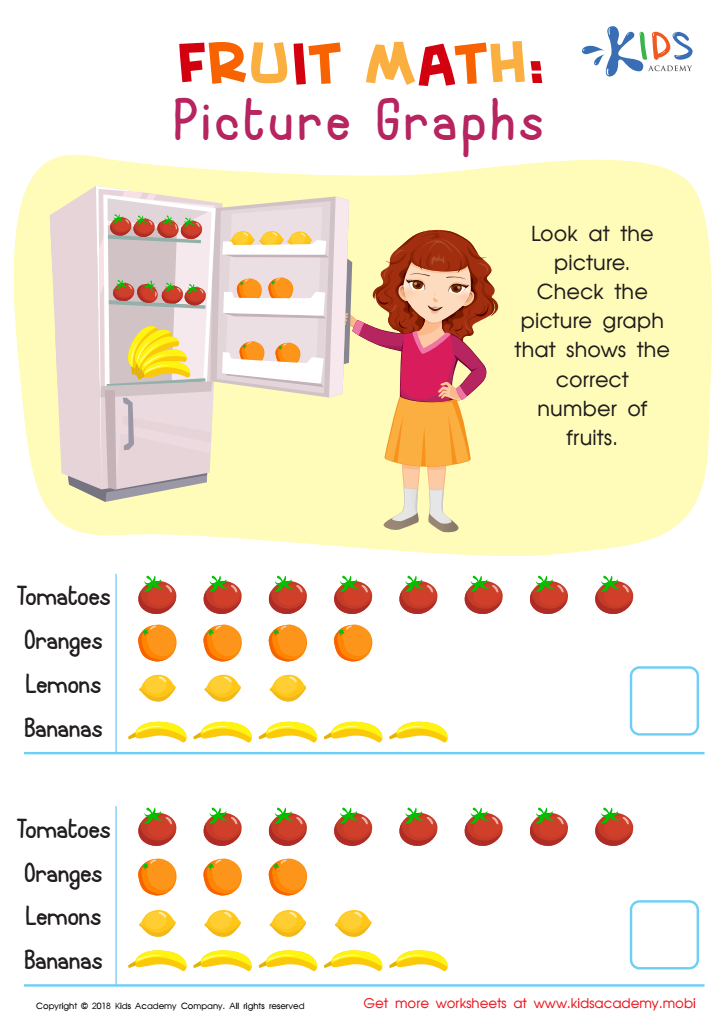
Fruit Math: Picture Graphs Worksheet
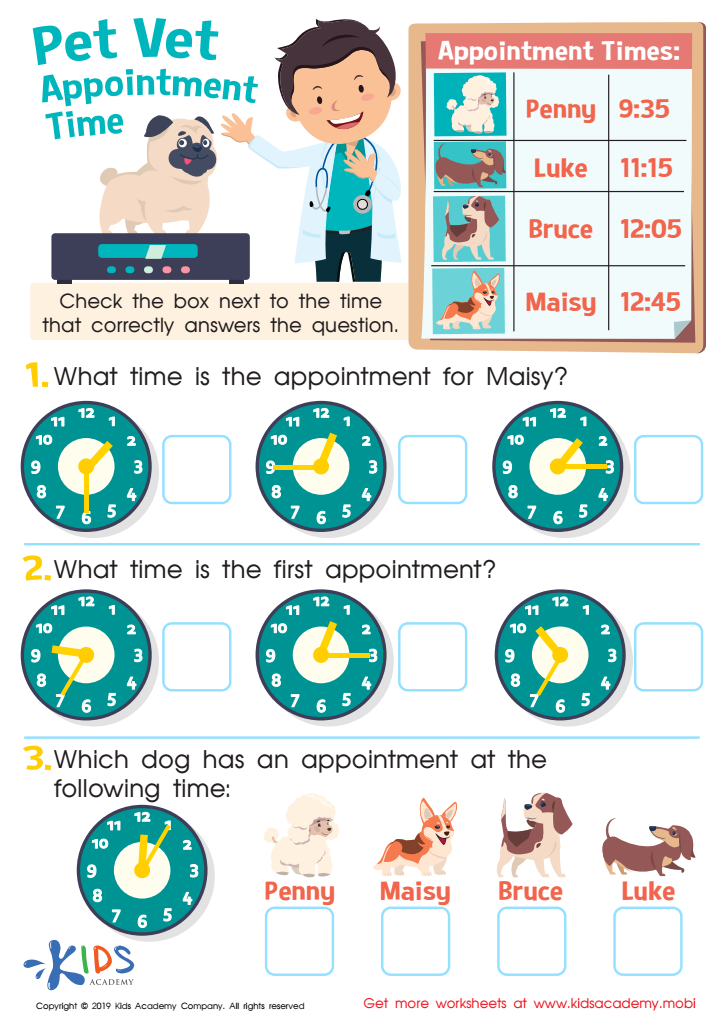
Pet Vet Appointment Time Worksheet
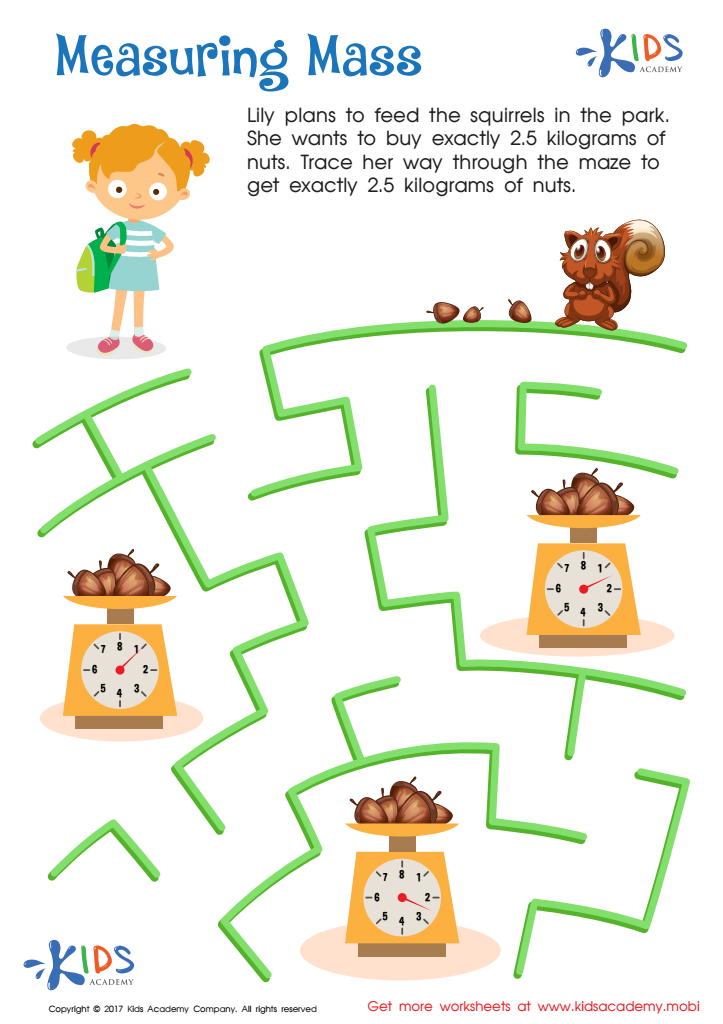
Measuring Mass Worksheet
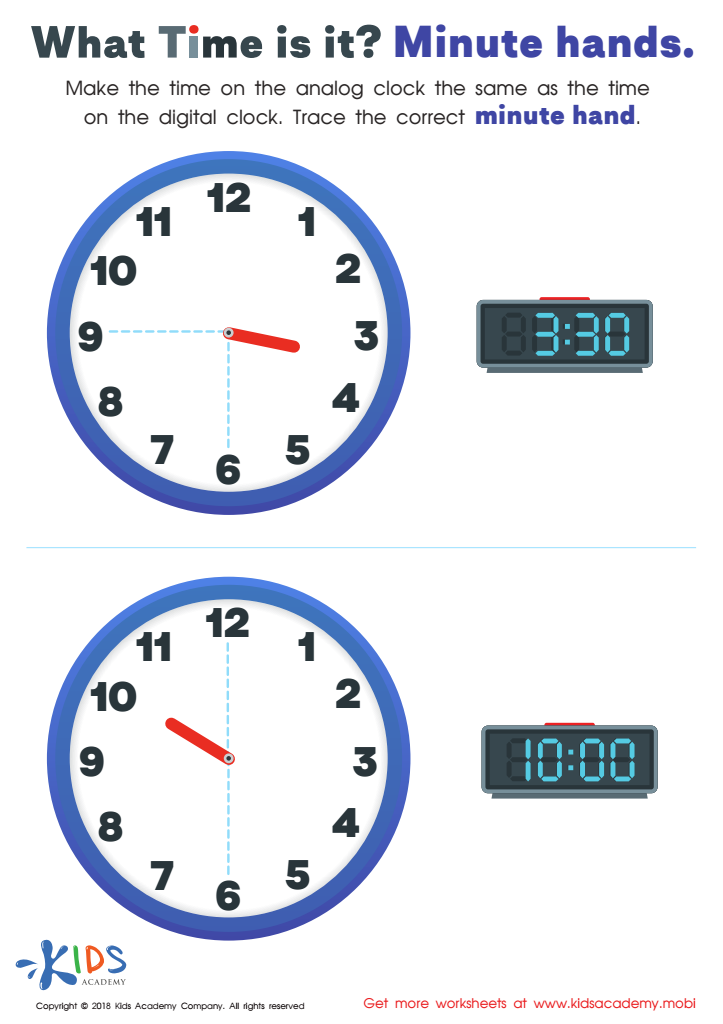
What Time Is it? Minute Hands Worksheet
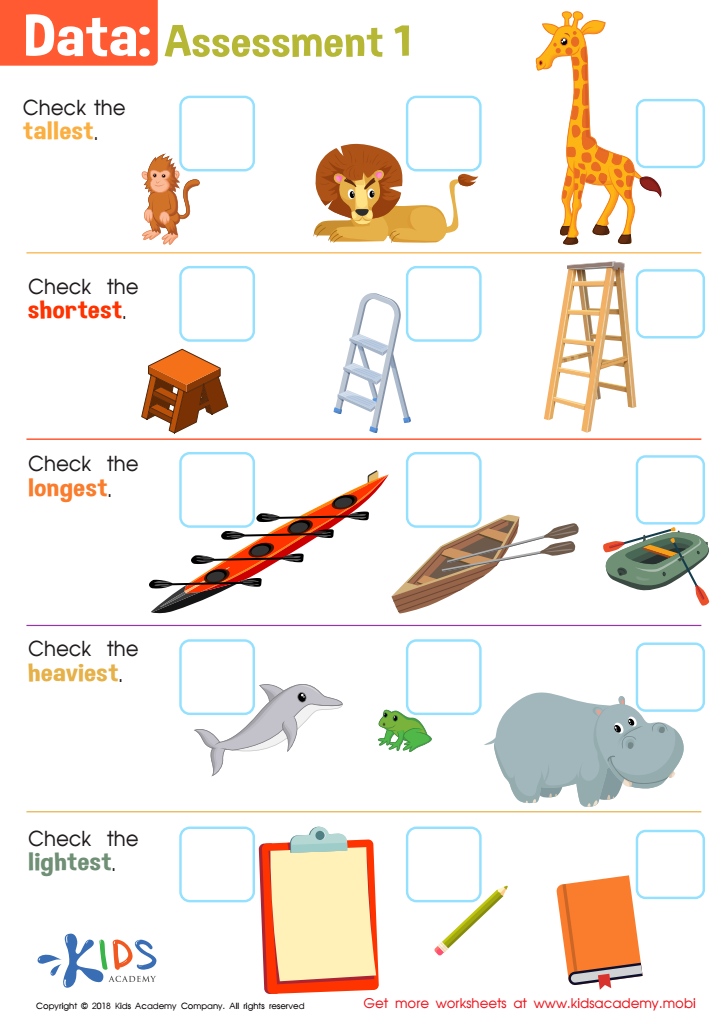
Data: Assessment 1 Worksheet
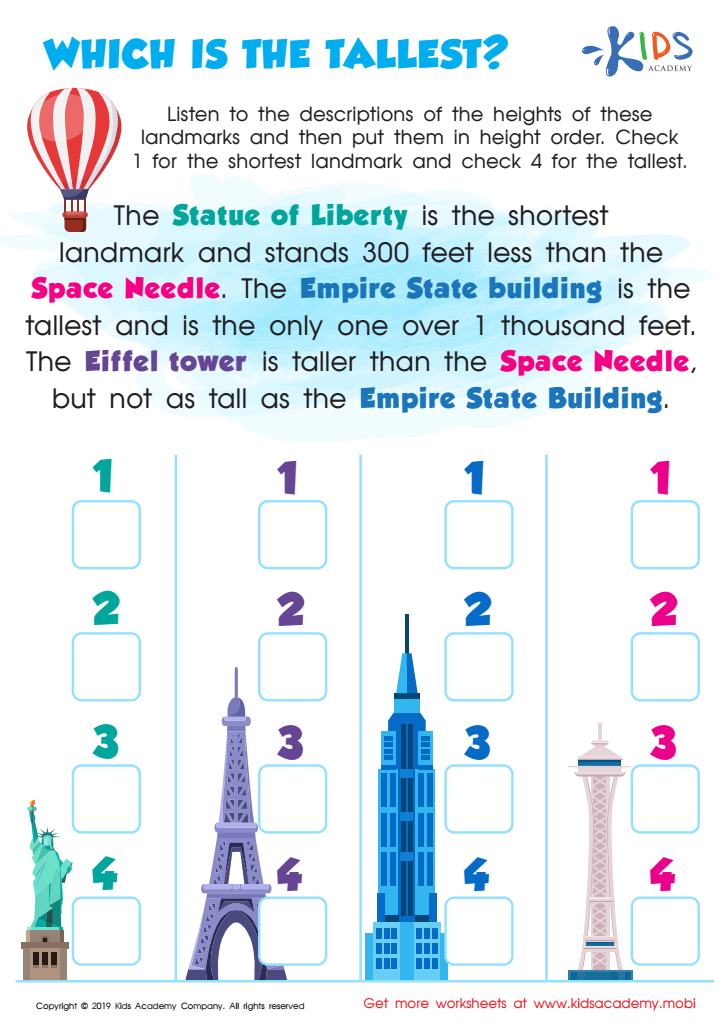
Which is the Tallest? Worksheet
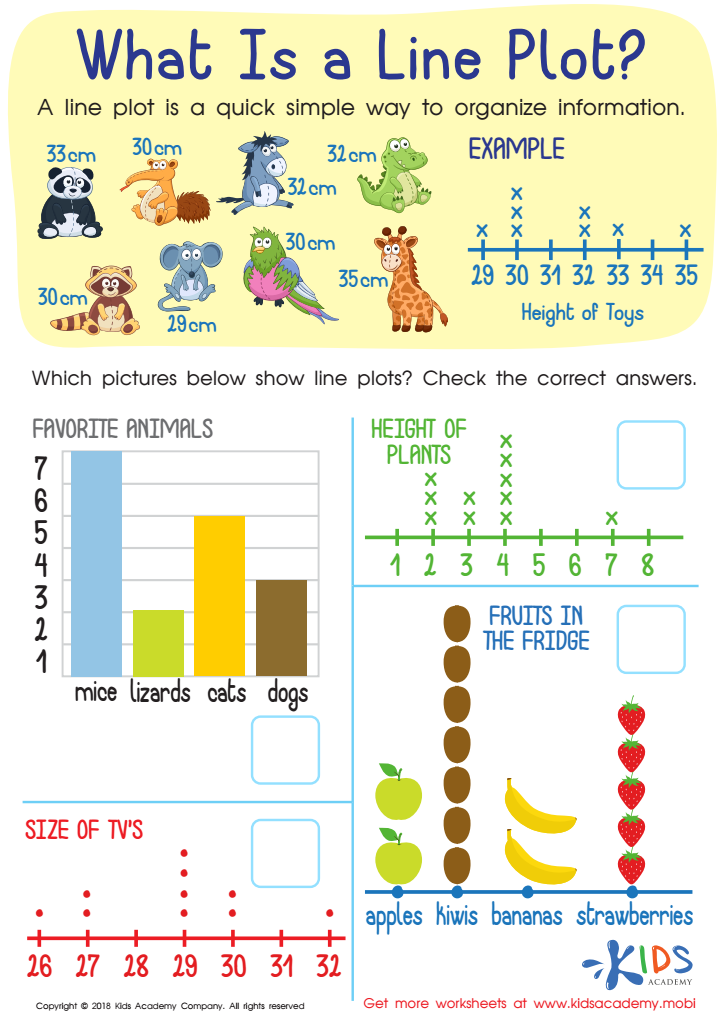
What Is a Line Plot? Worksheet
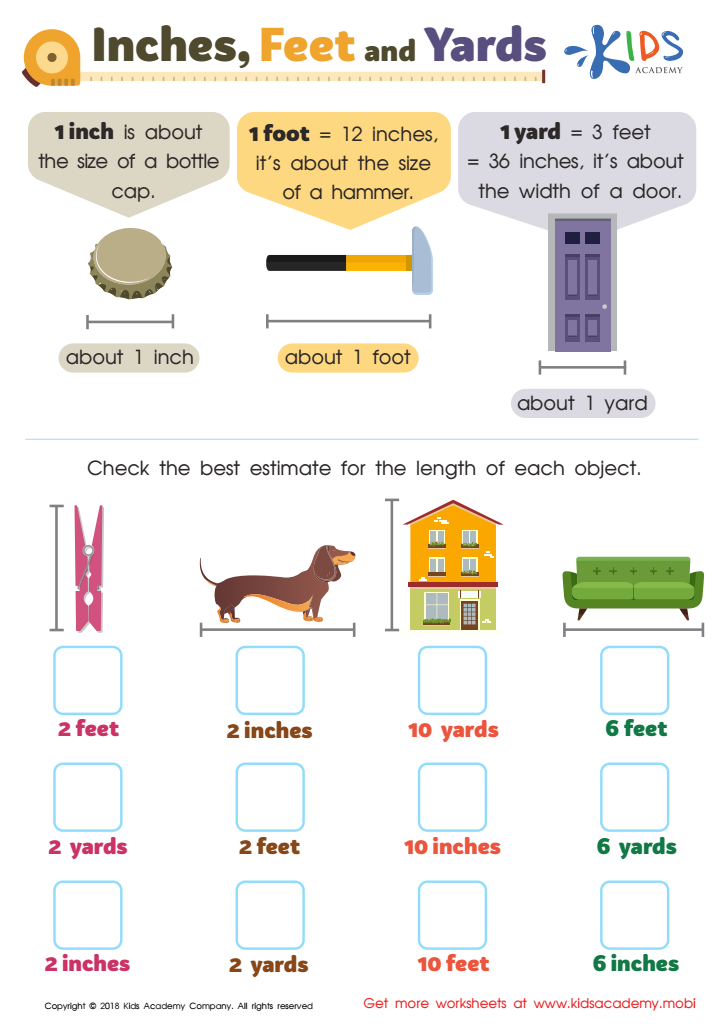
Inches, Feet and Yards Worksheet
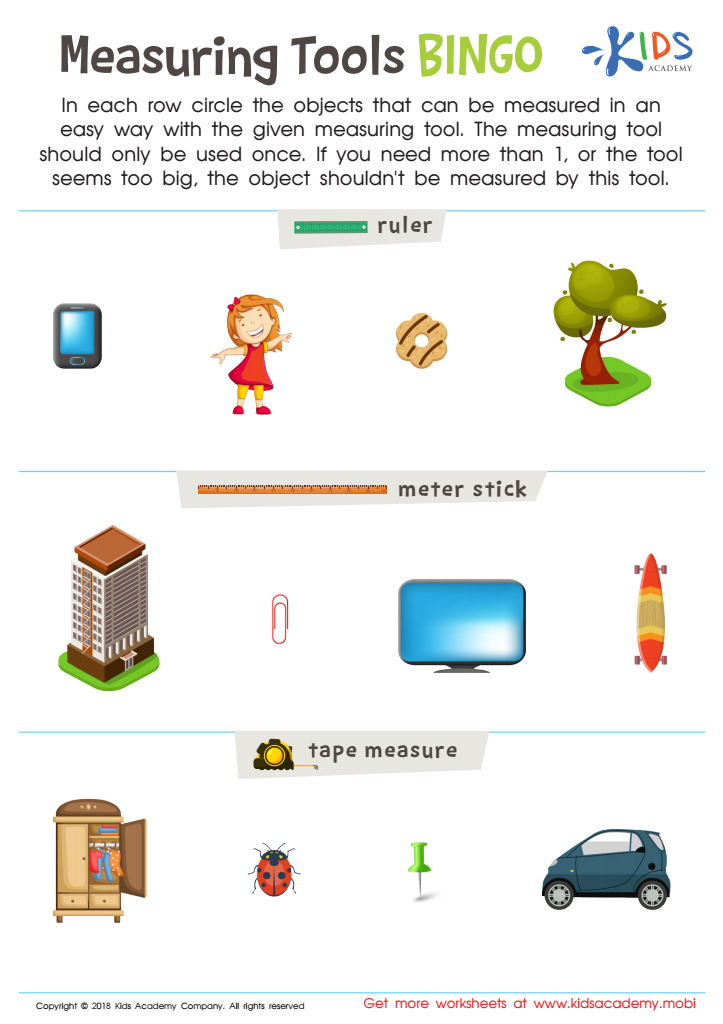
Measuring Tools Bingo Worksheet
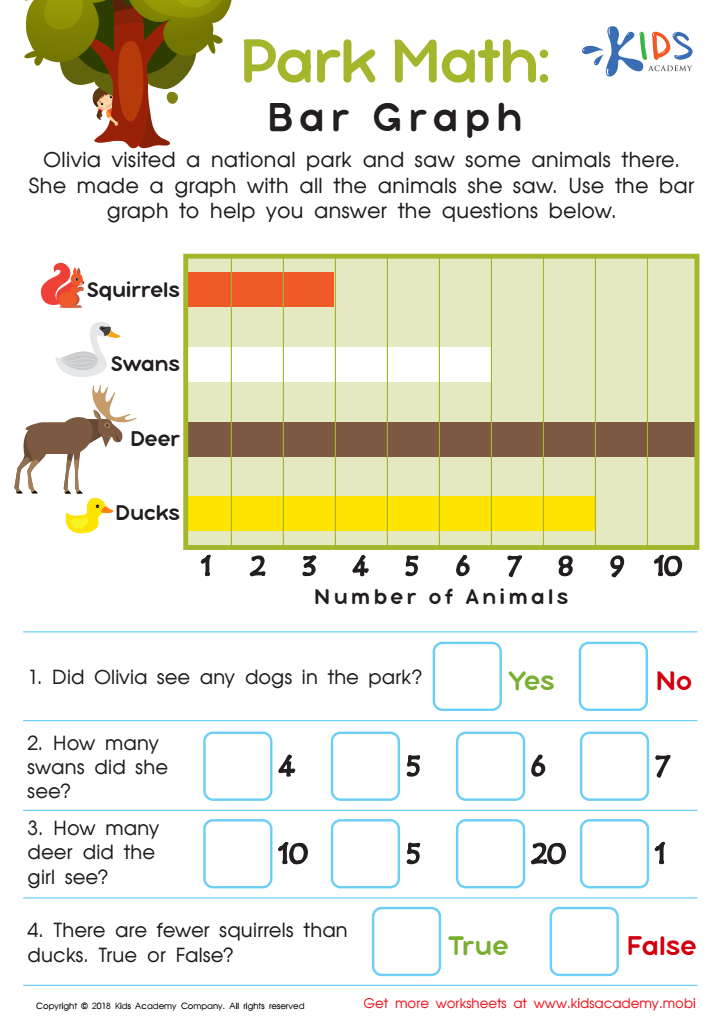
Park Math: Bar Graph Worksheet
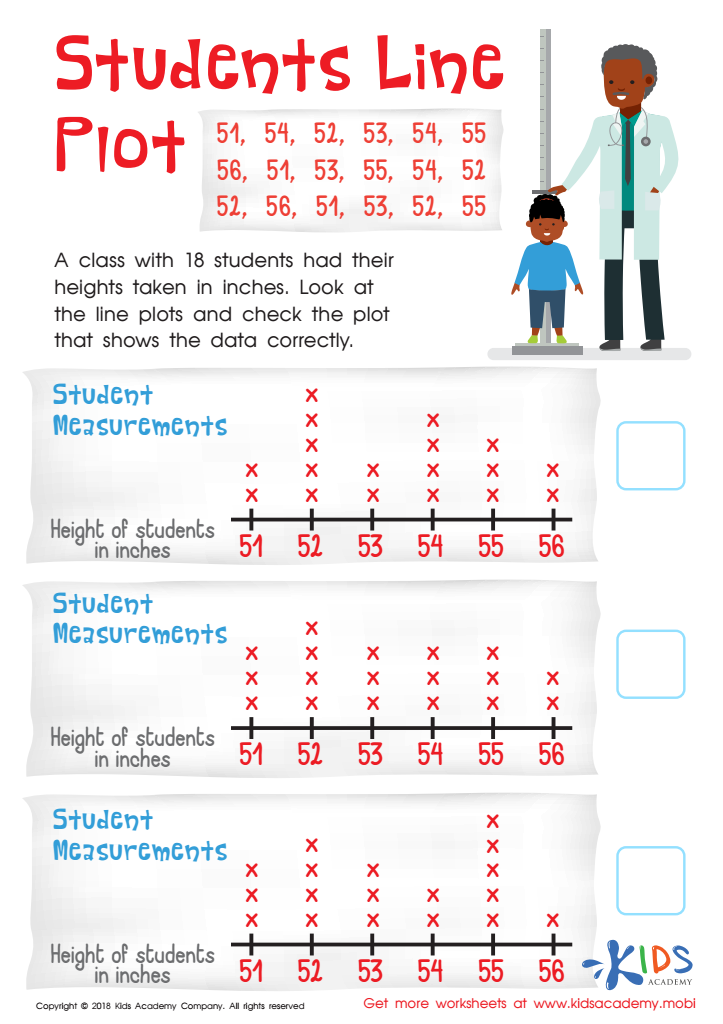
Students Line Plot Worksheet
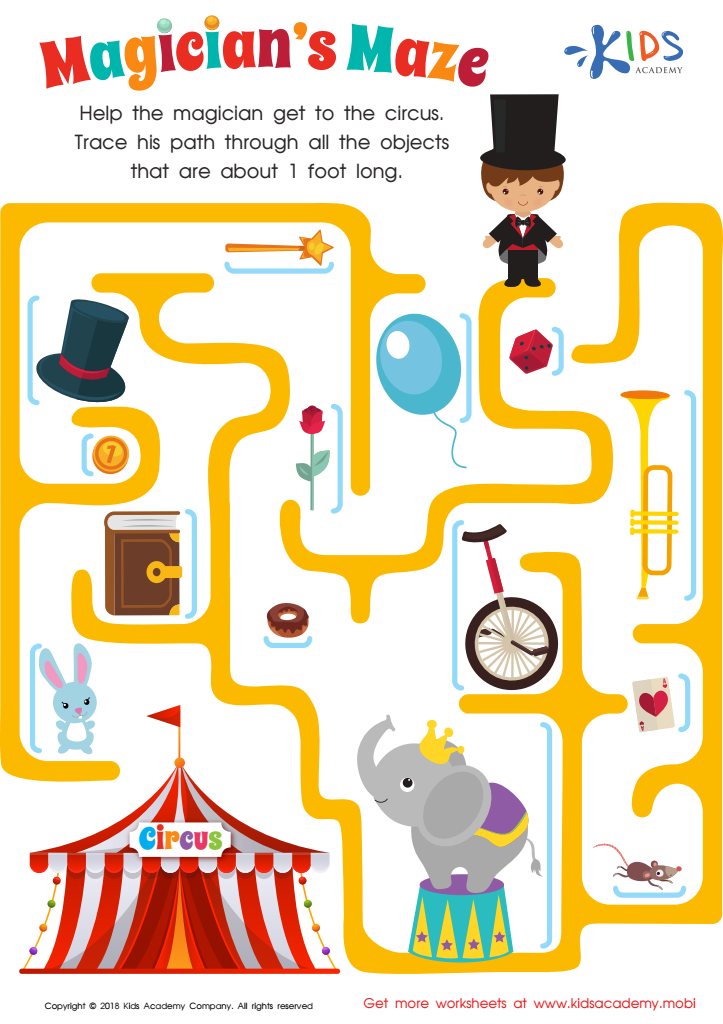
Estimating Length: Magician's Maze Worksheet
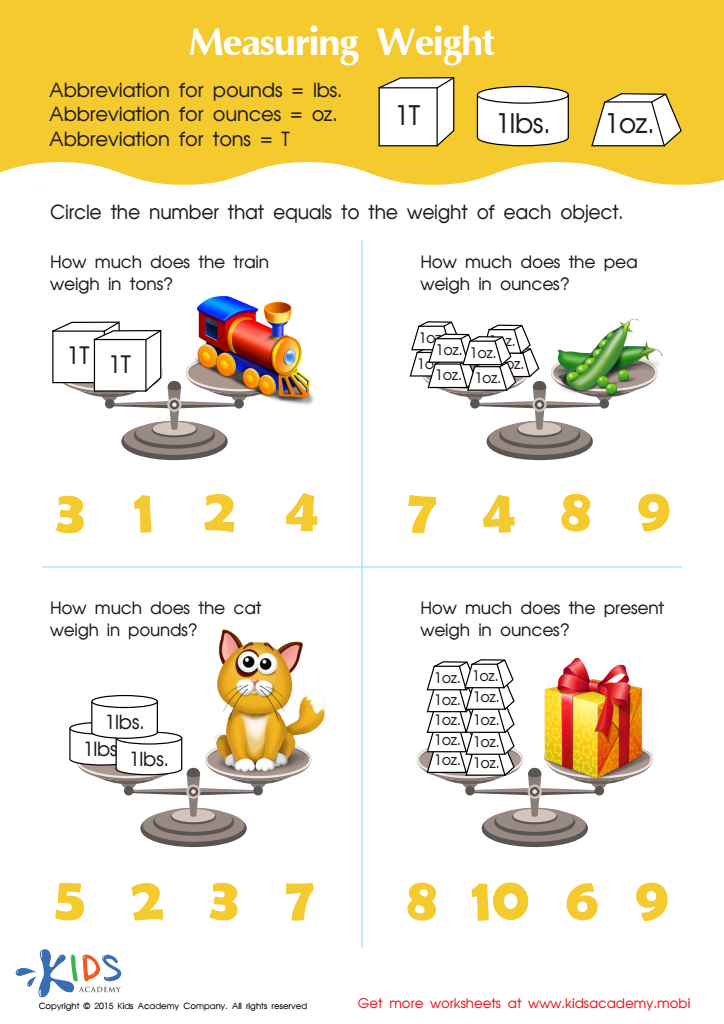
Measuring Weight in Ounces, Pounds and Tons Worksheet
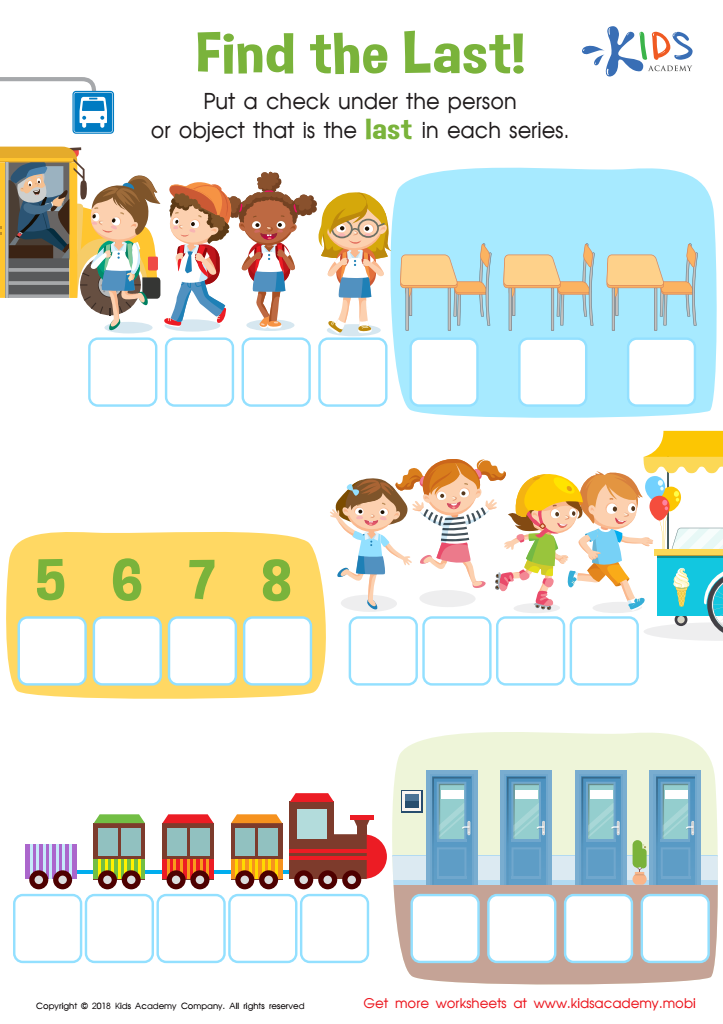
Find the Last! Worksheet
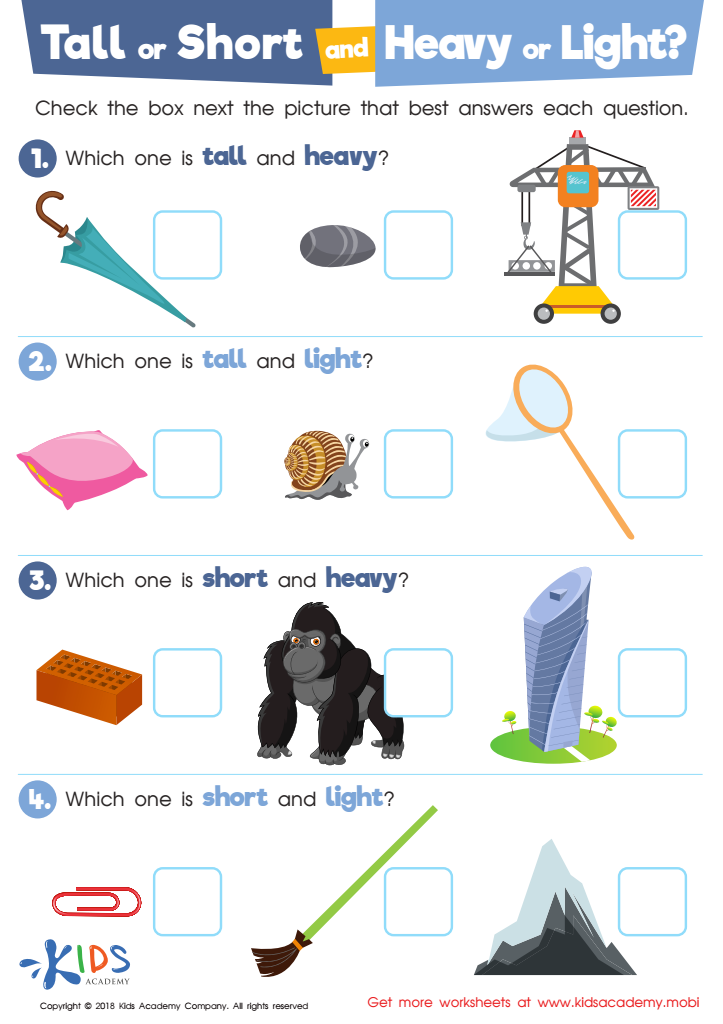
Tall or Short and Heavy or Light? Worksheet
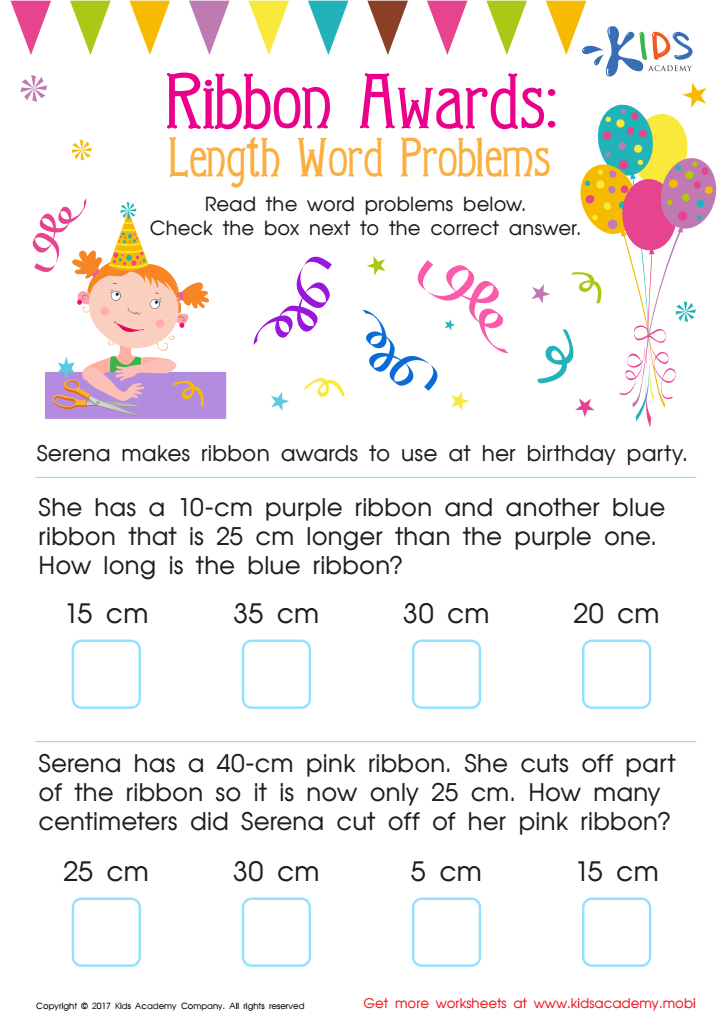
Length Word Problems Worksheet
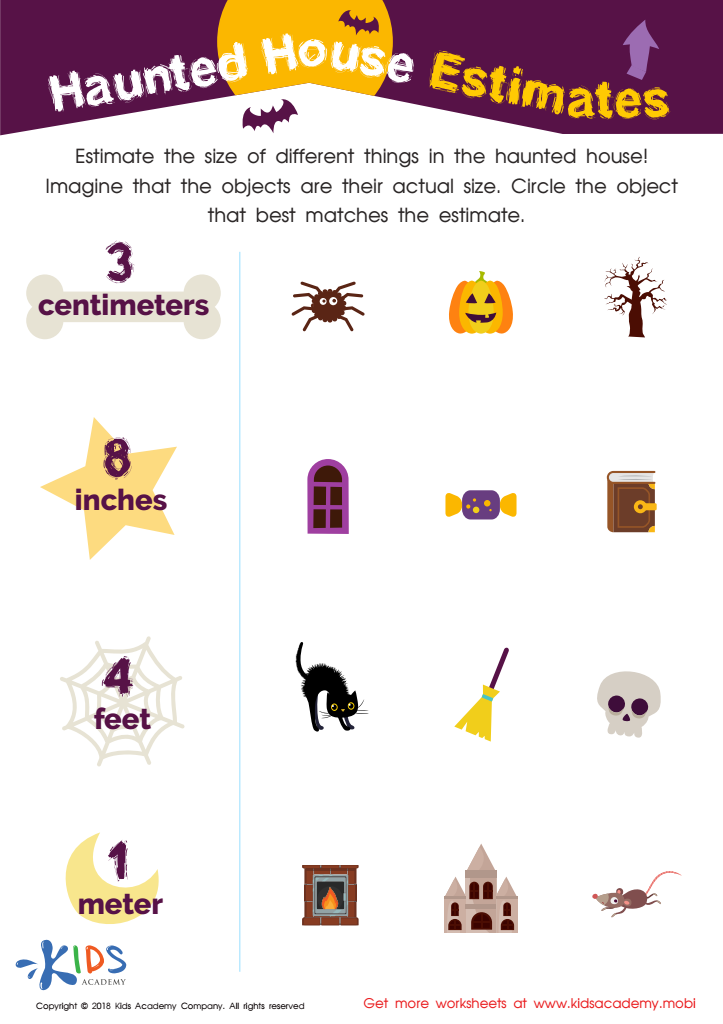
Haunted House Estimates Worksheet
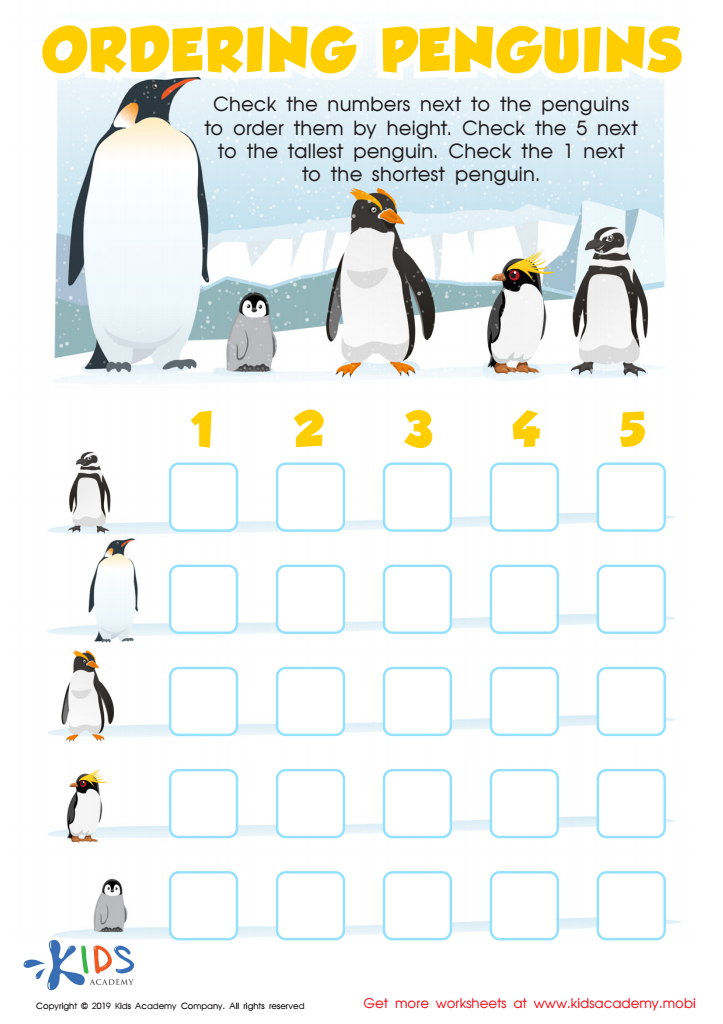
Ordering Penguins Worksheet
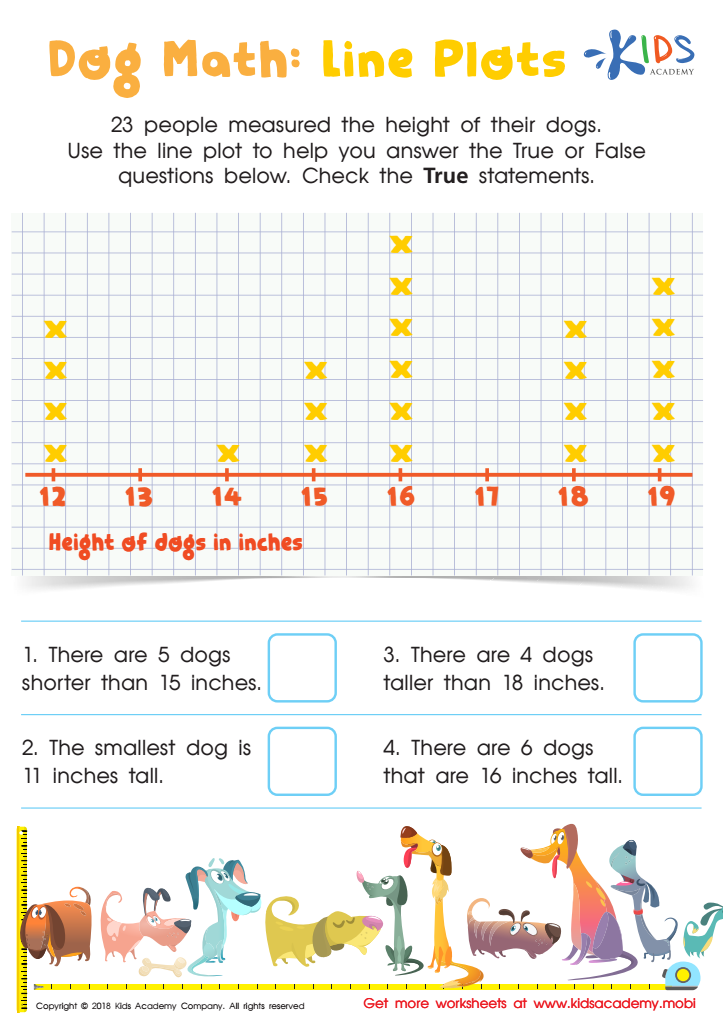
Dog Math: Line Plots Worksheet
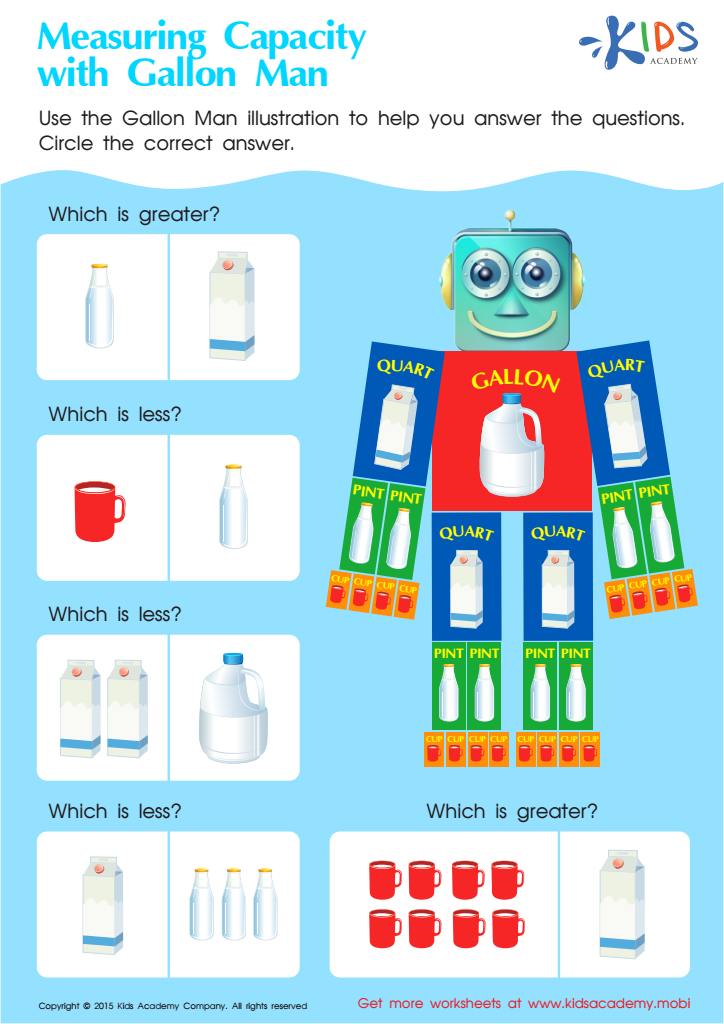
Measurement: Measuring Capacity with Gallon Man Worksheet
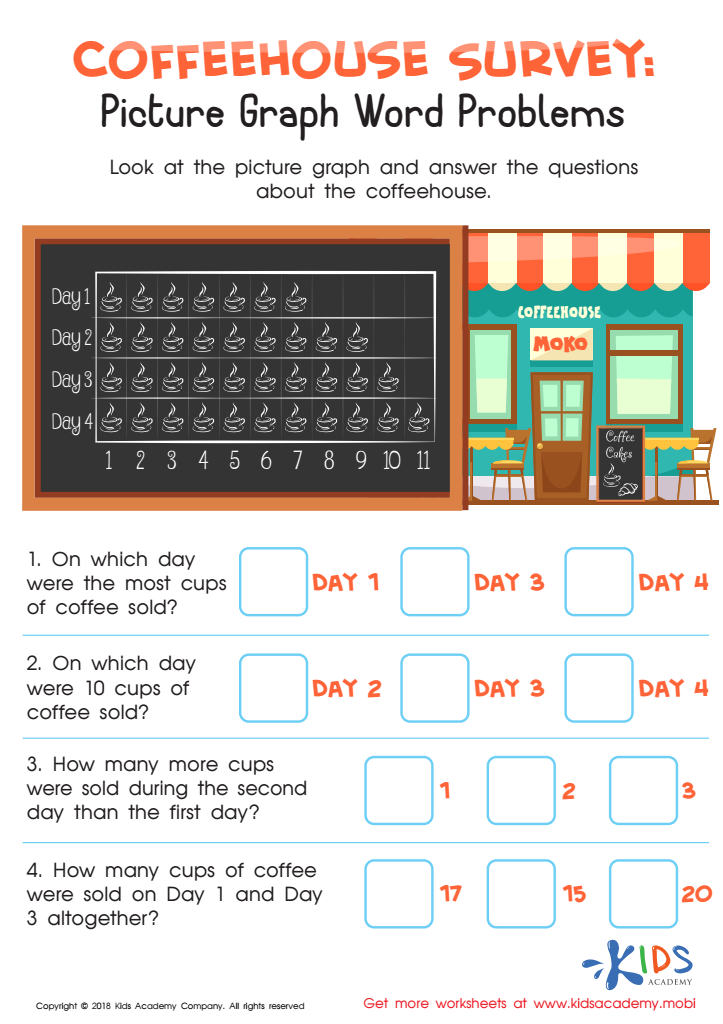
Coffeehouse Survey: Picture Graph Word Problems Worksheet
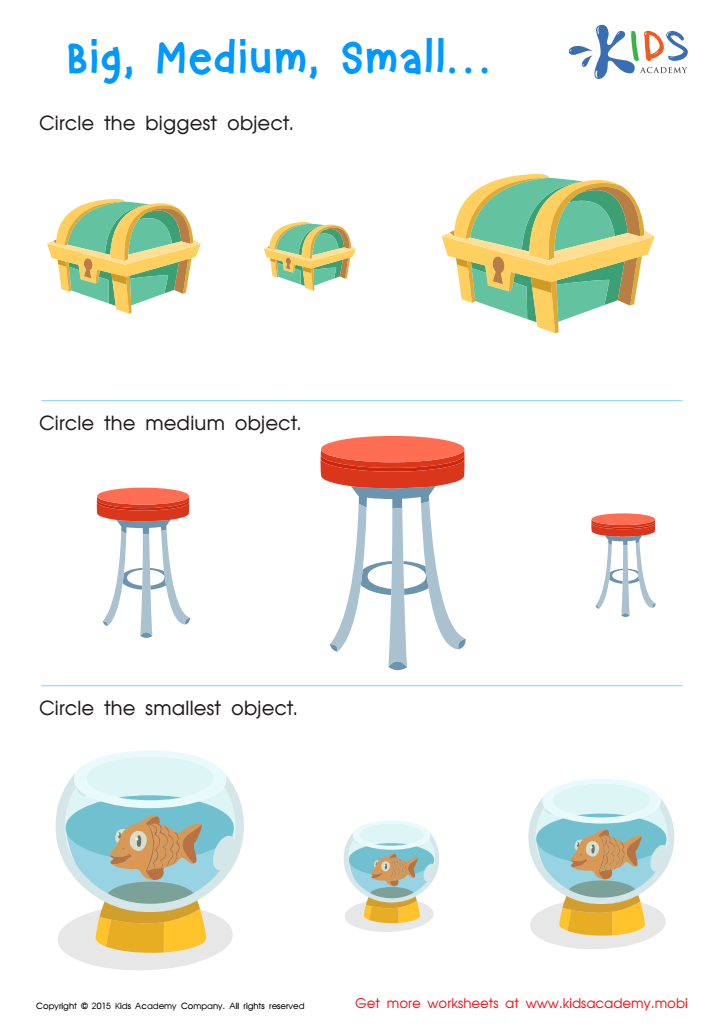
Big Medium Small Worksheet






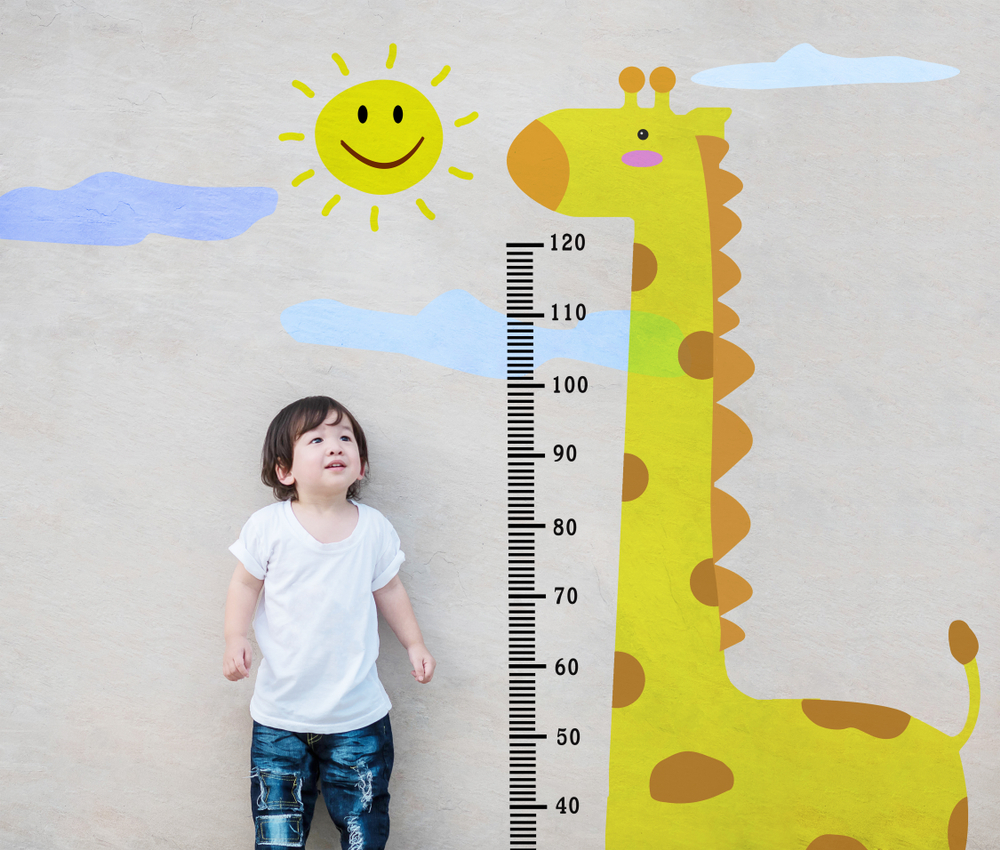

Measurement is a fundamental concept that forms the building block for many skills children will use throughout their lives. For parents and teachers, understanding measurement is crucial for several reasons.
Firstly, measuring helps children develop critical thinking and problem-solving skills. When children learn to compare lengths, weights, and volumes, they enhance their ability to make sense of the world around them. It promotes curiosity and inquiry, as they begin to ask questions about size, quantity, and distance.
Secondly, measurement is essential in establishing a foundation for future mathematical concepts. Early exposure to measurement fosters a strong understanding of mathematics, making it easier for children to grasp more complex topics in later grades. It also reinforces the importance of precision and attention to detail, skills that are valuable beyond the classroom.
Moreover, measurement is relevant in daily life. Teaching children how to measure ingredients for a recipe or the height of a plant not only makes learning practical but also instills confidence in their ability to utilize math skills in real-world situations.
In essence, parents and teachers should care about measurement for children ages 3-9 because it enhances cognitive development, supports academic achievement, and equips them with essential life skills.








