Community Worksheets for Ages 3-9 - Page 5
126 filtered results
-
From - To
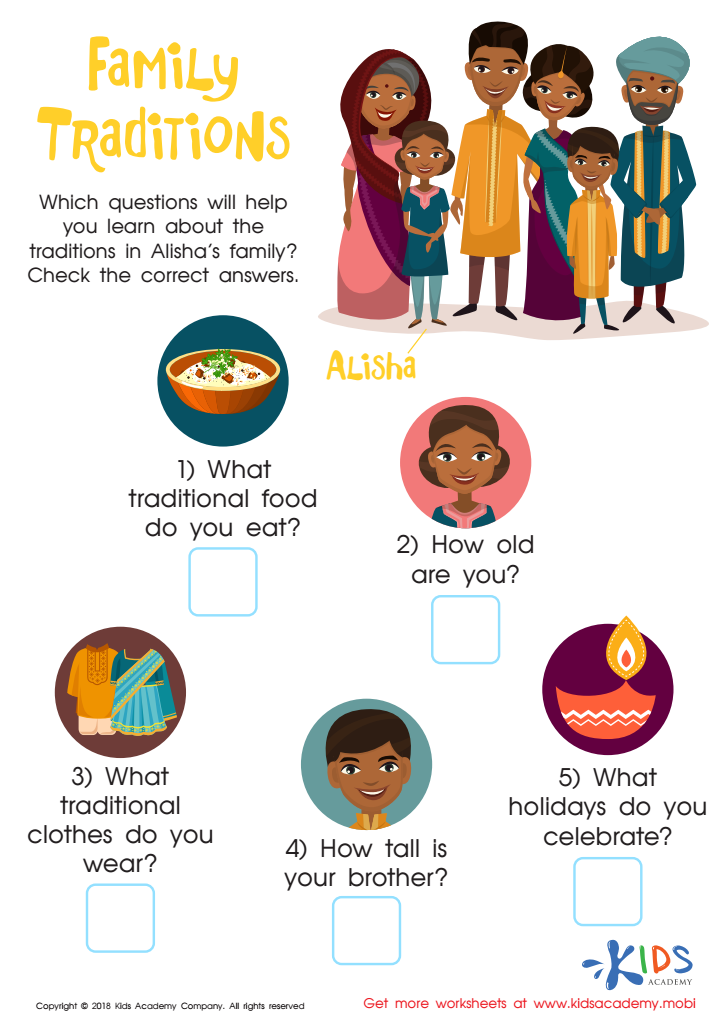
Family Traditions Worksheet

Chinese Word Tracing: Ni Hao Worksheet
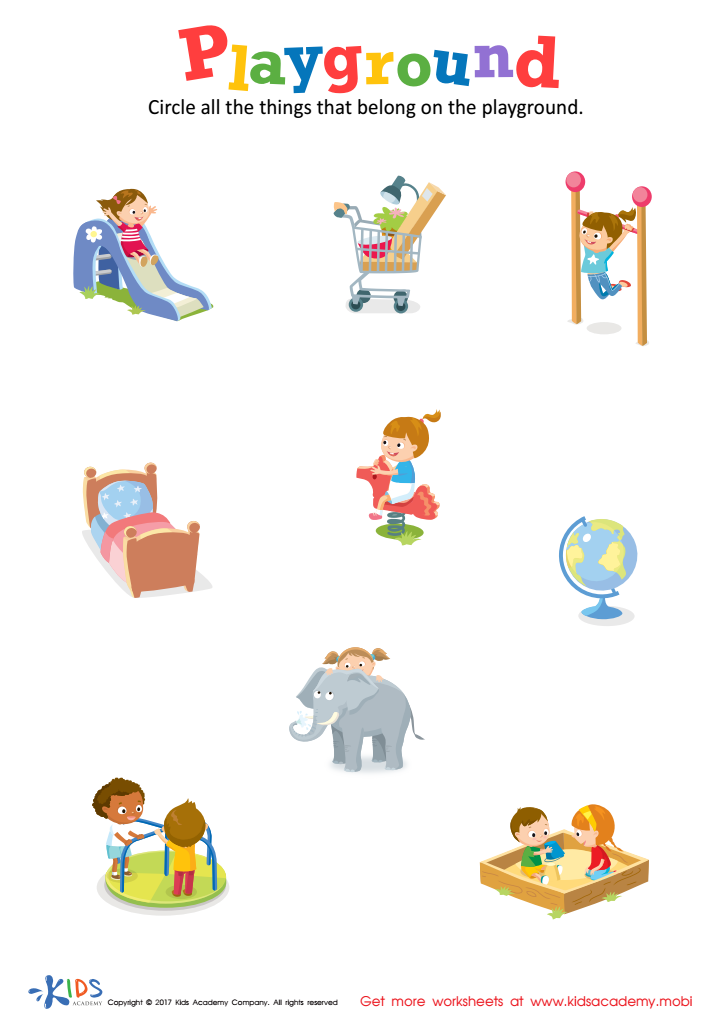
Playground Worksheet
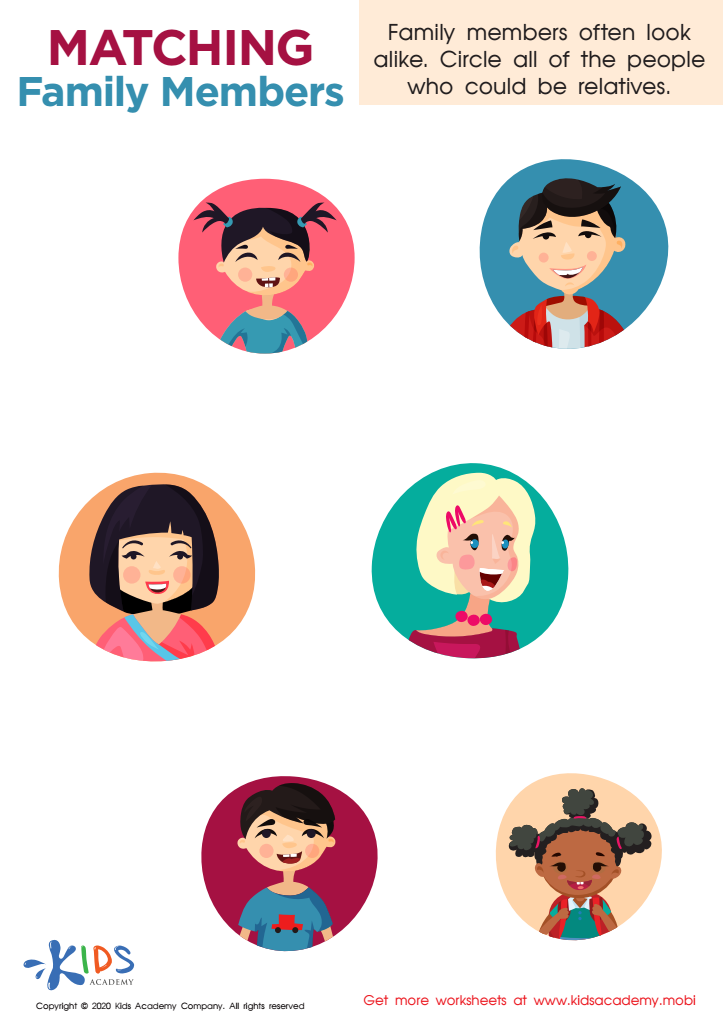
Matching Family Members Worksheet
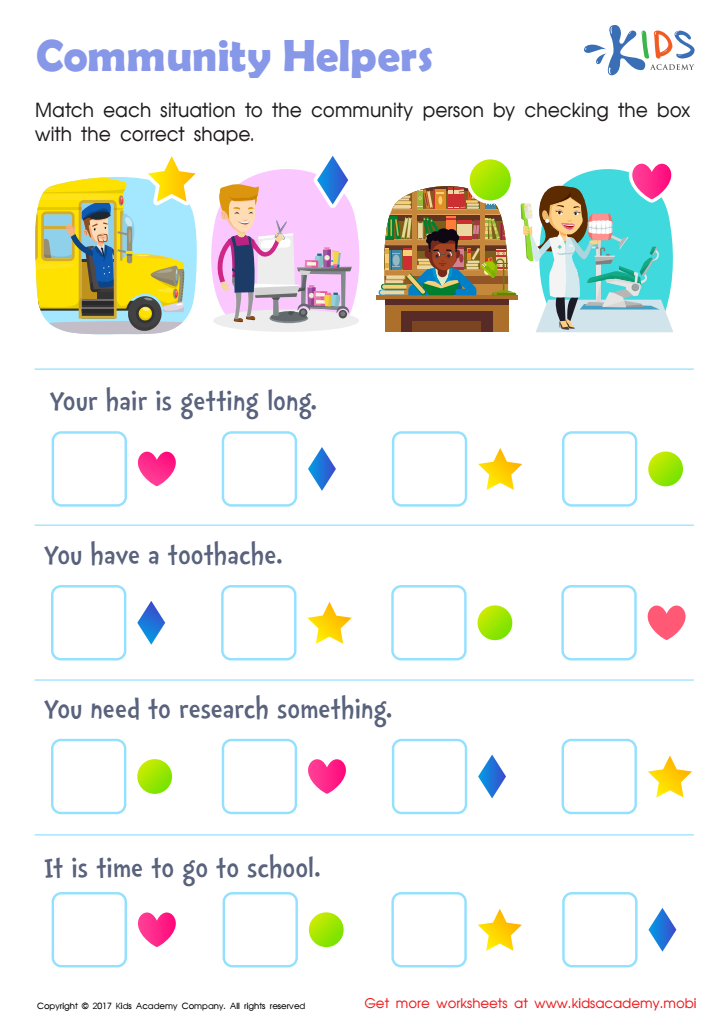

Let's Go to School! Worksheet

Towns Worksheet
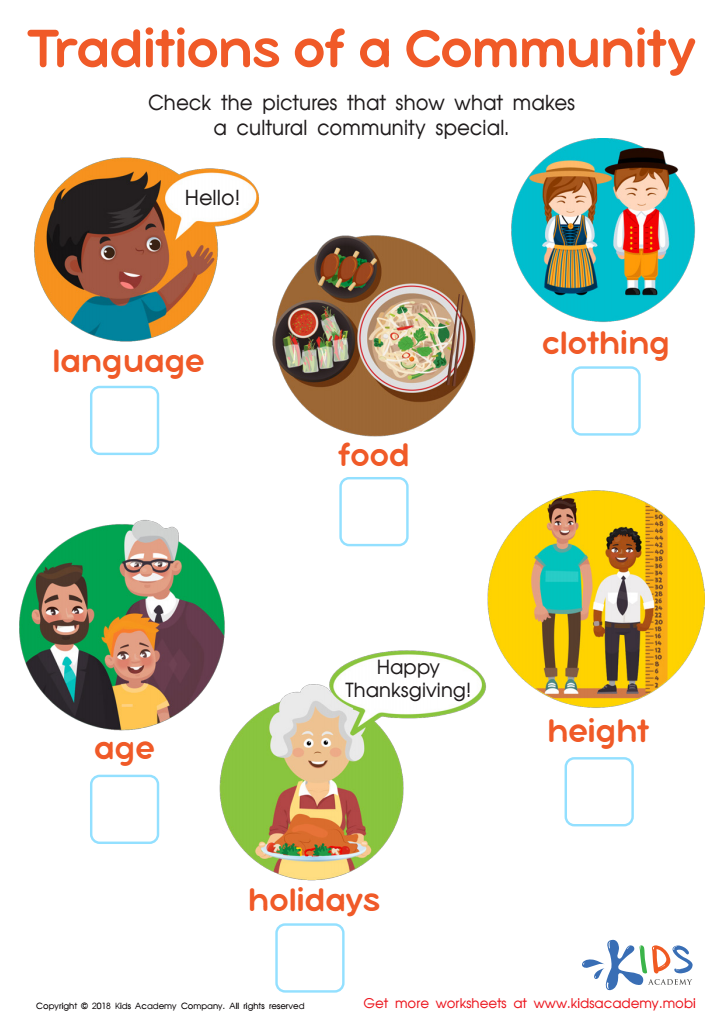
Traditions of a Community Worksheet
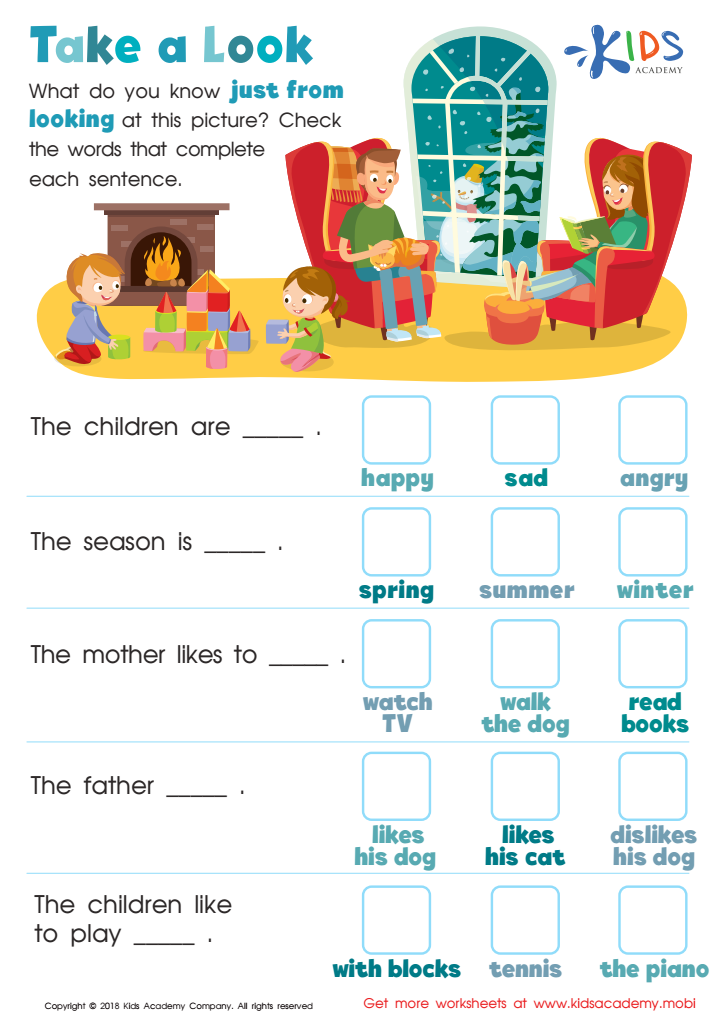
Take a Look - Part 1 Worksheet
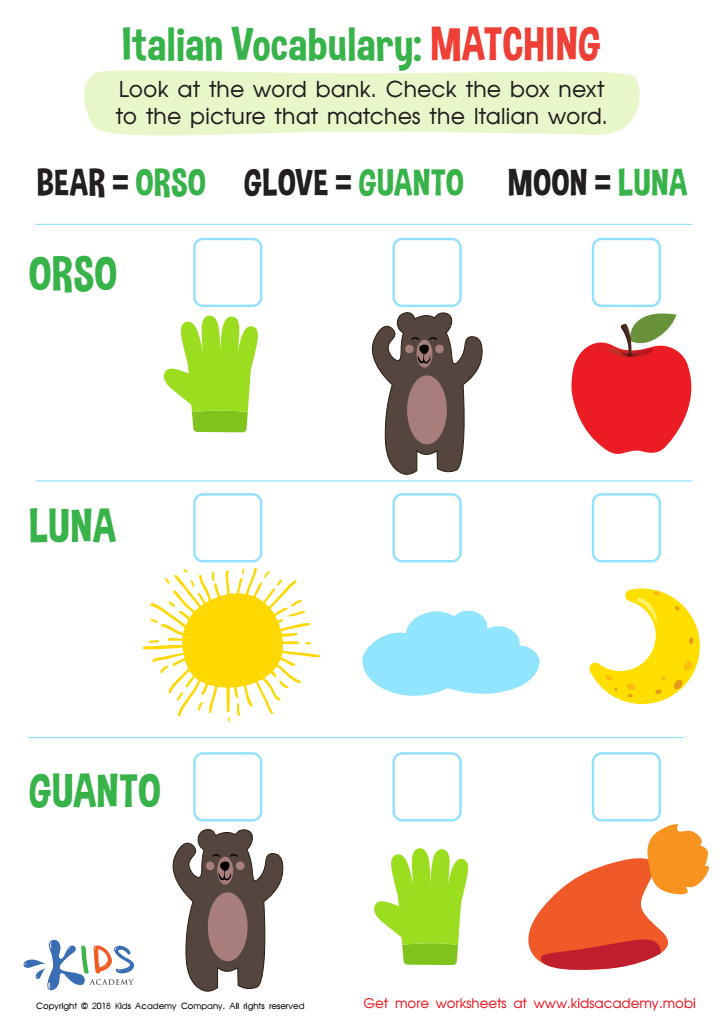
Italian Vocabulary Matching Worksheet
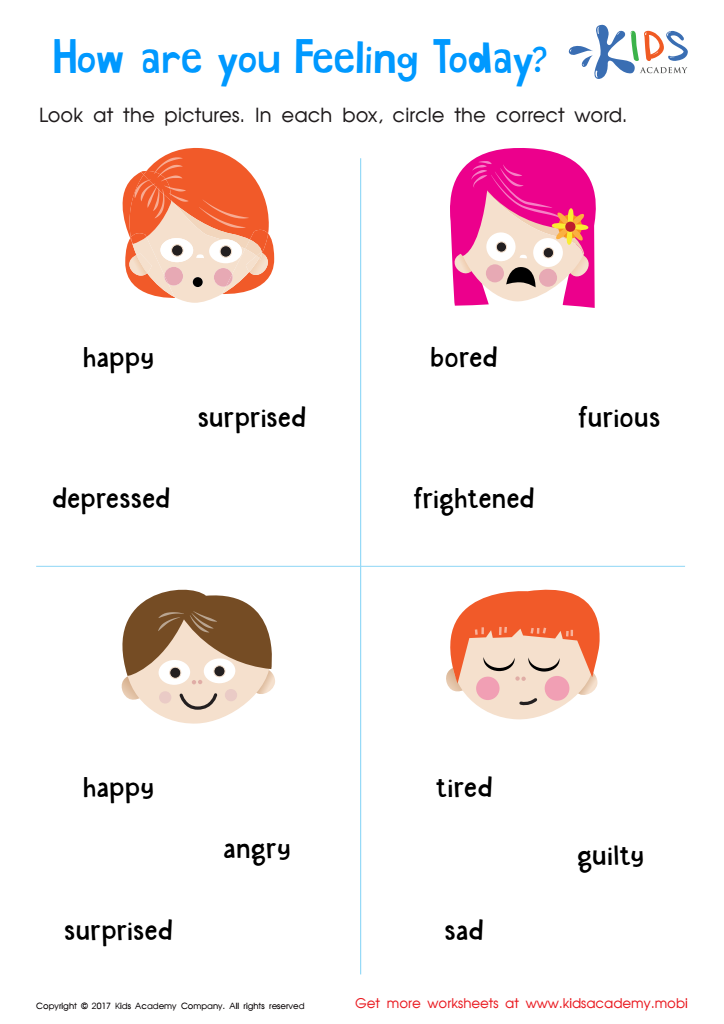
Understanding Feelings Worksheet
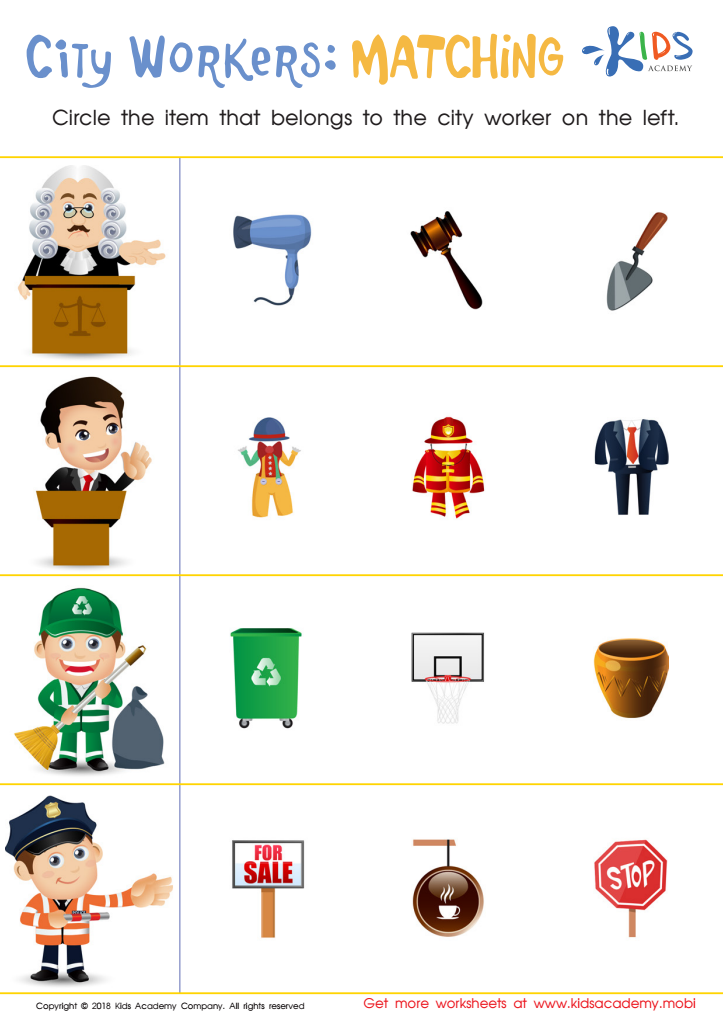
City Workers: Matching Worksheet
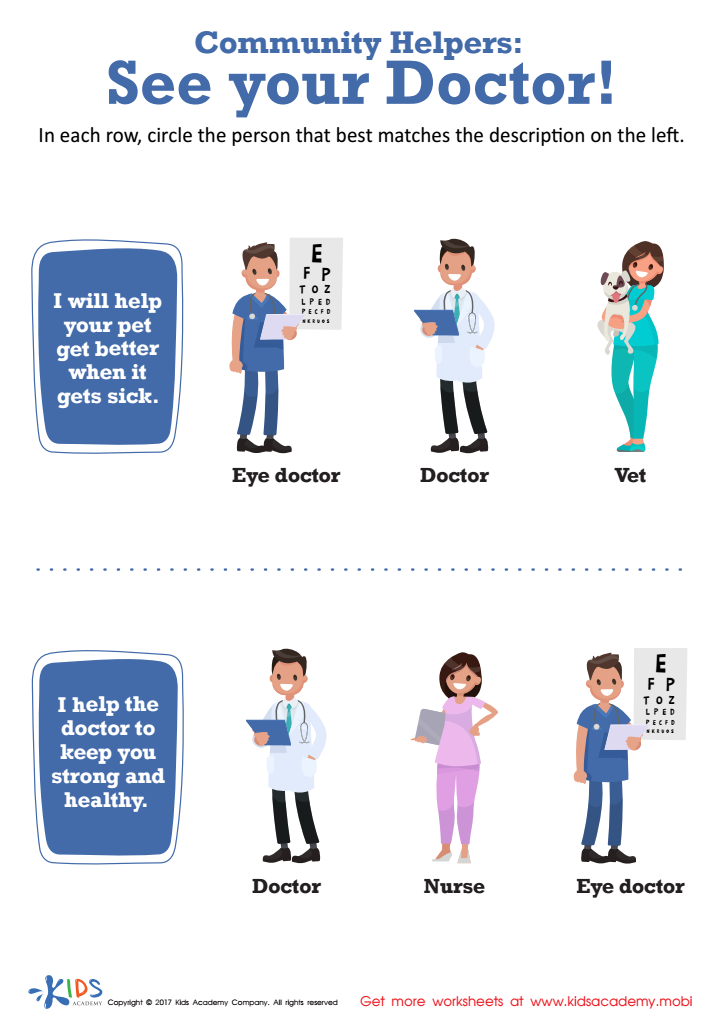
See Your Doctor (Part 2) Printable
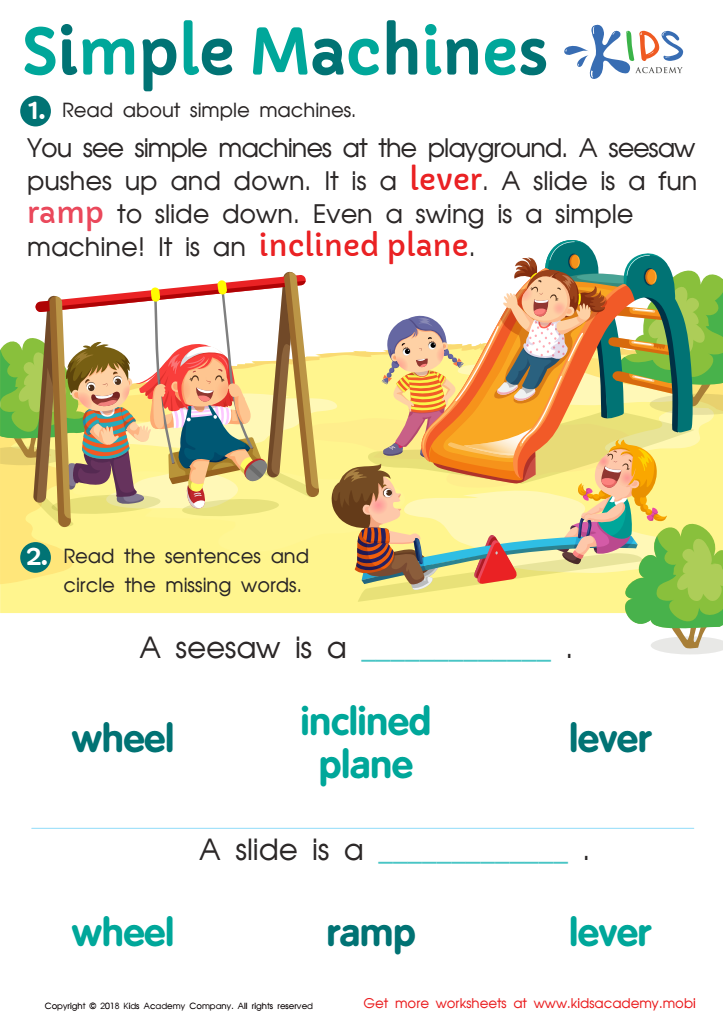
Simple Machines Worksheet

Traditional Dances in India Worksheet
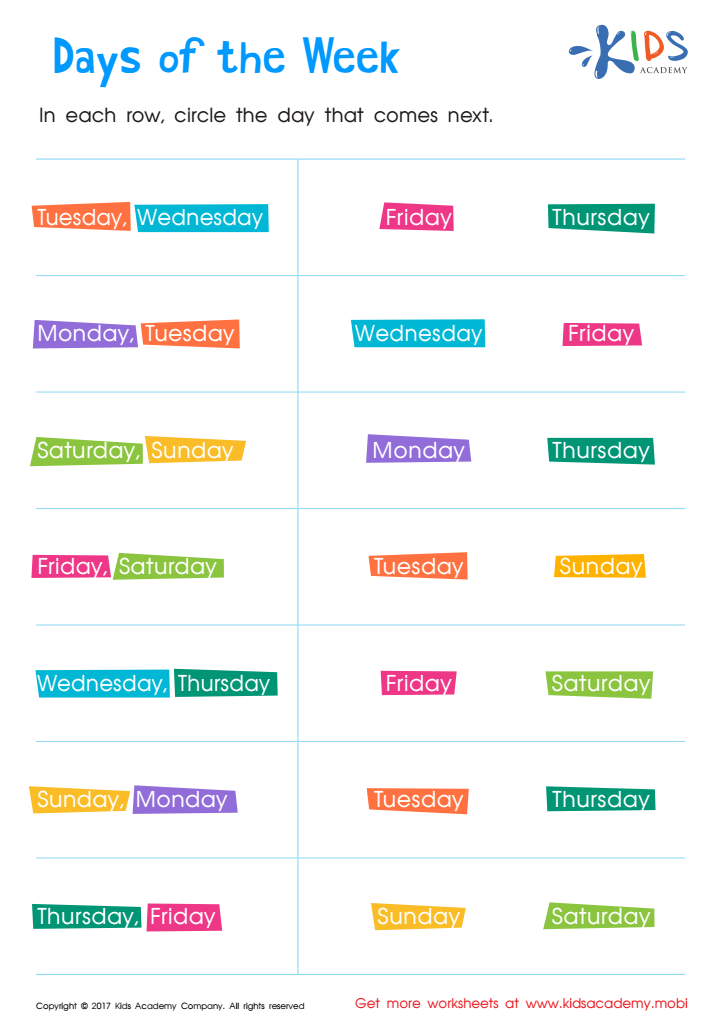
Days of the Week Worksheet
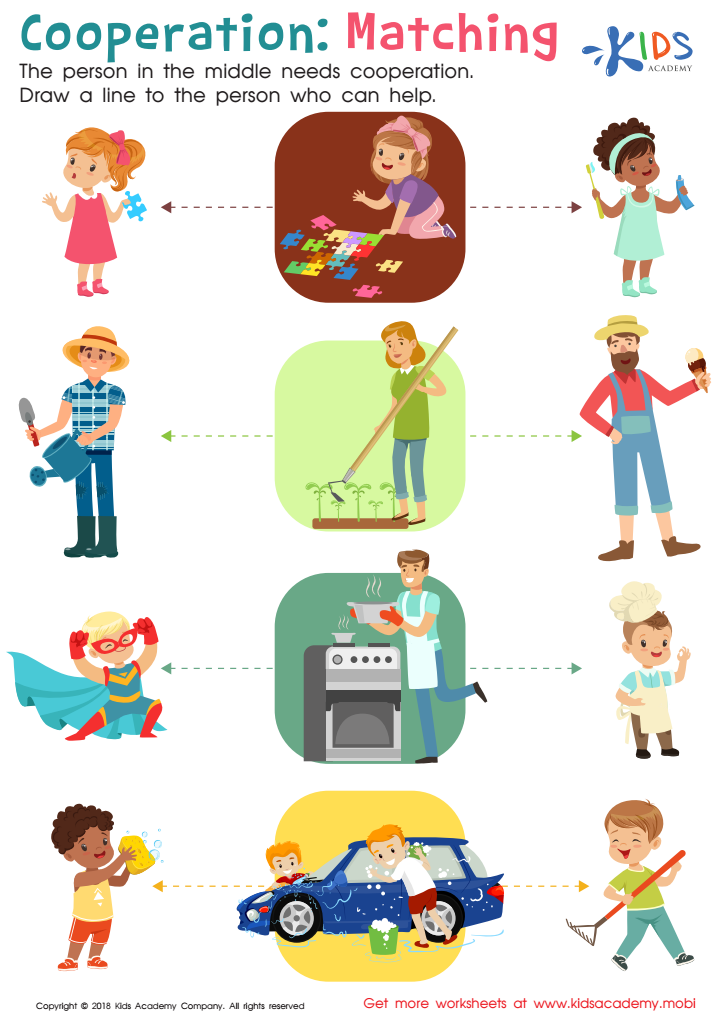
Cooperation: Matching Worksheet
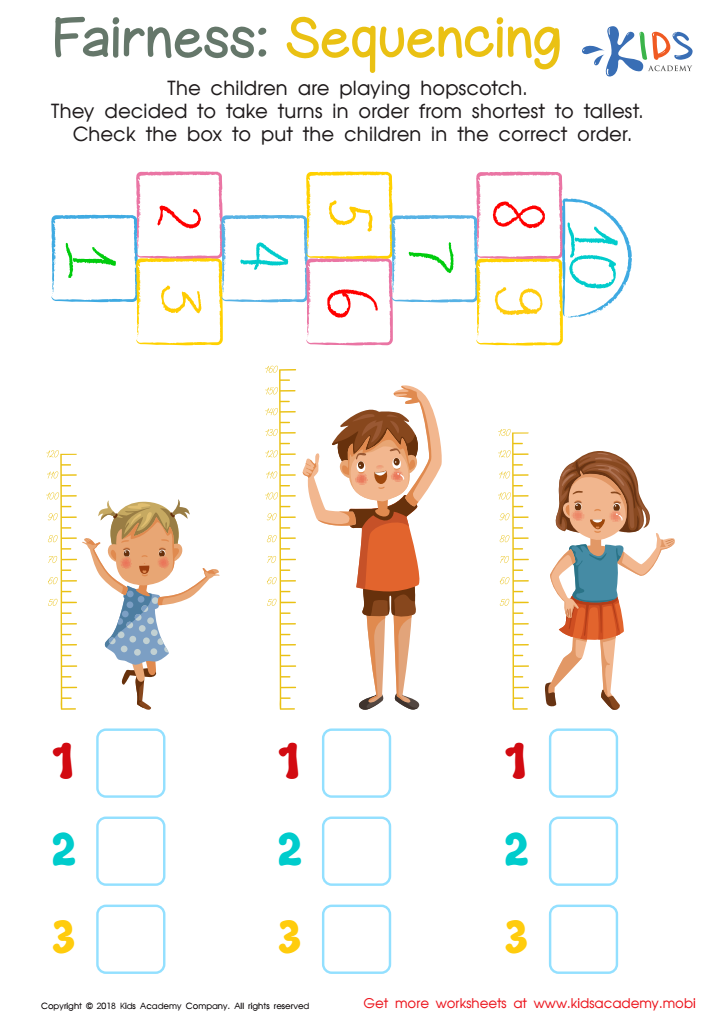
Fairness: Sequencing Worksheet
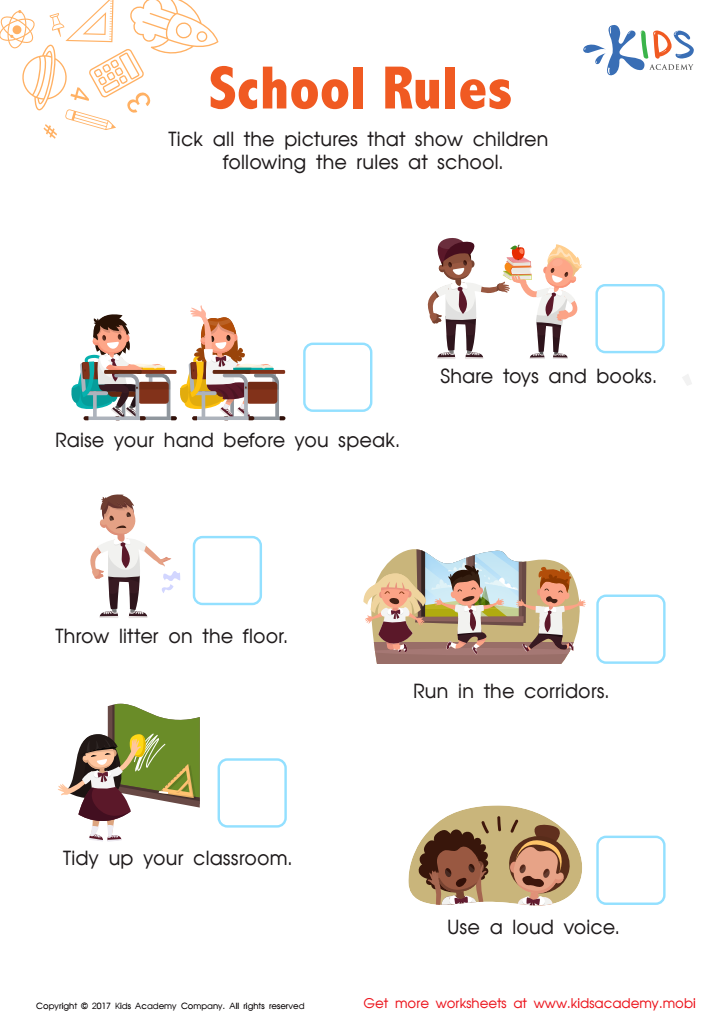
School Rules Worksheet
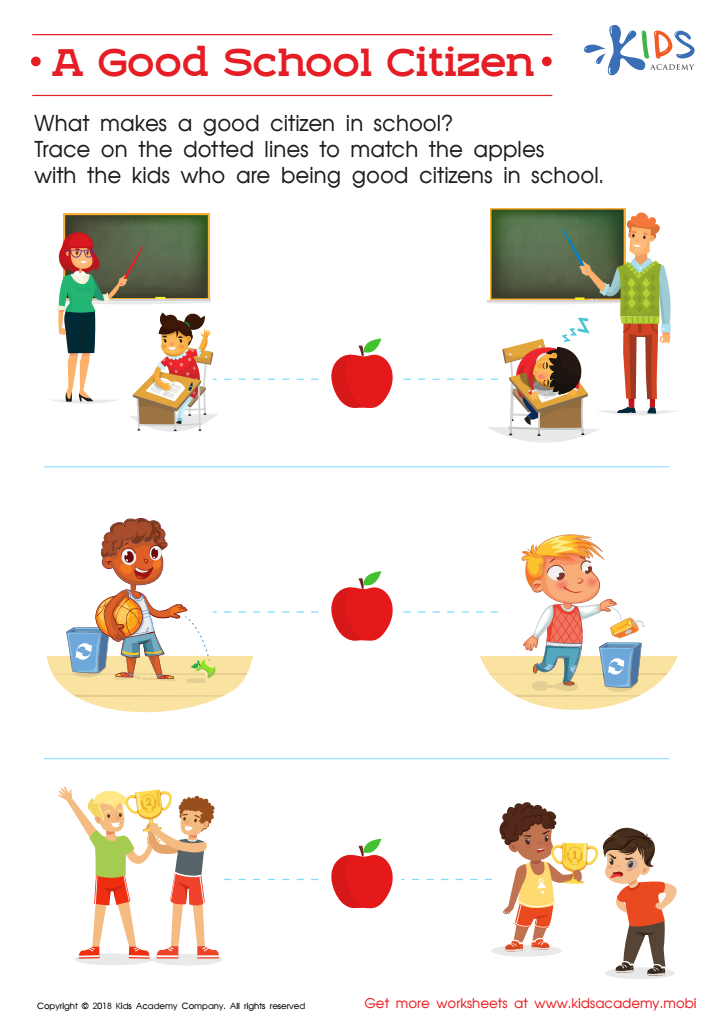
A Good School Citizen Worksheet

Family Coloring Page
 Assign to My Students
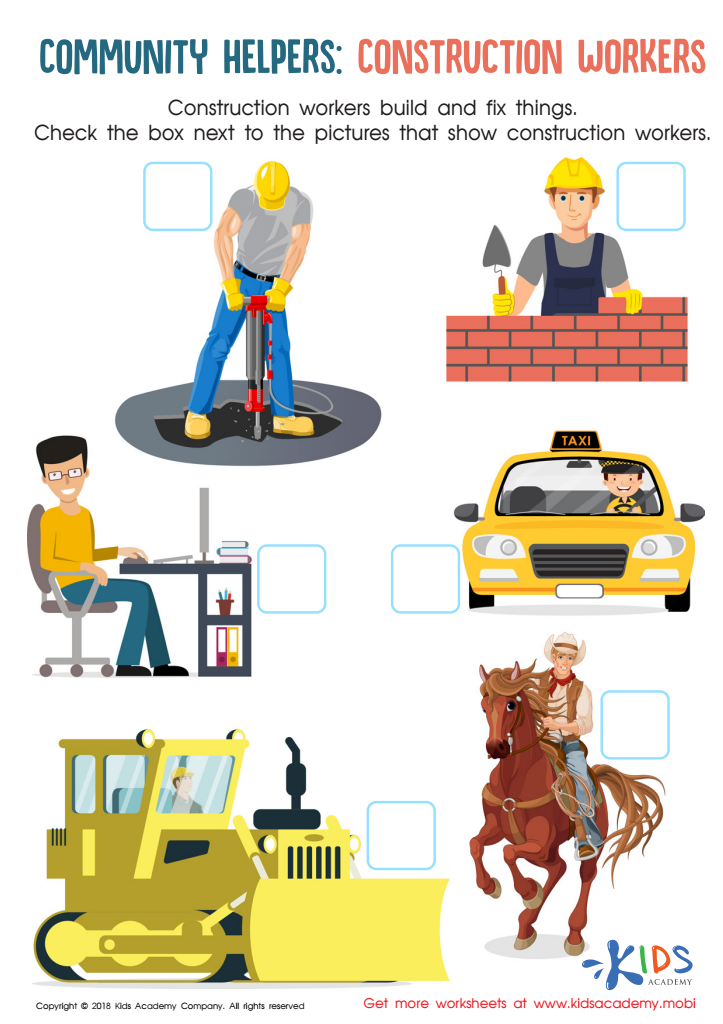
Construction Workers Community Helpers Worksheet
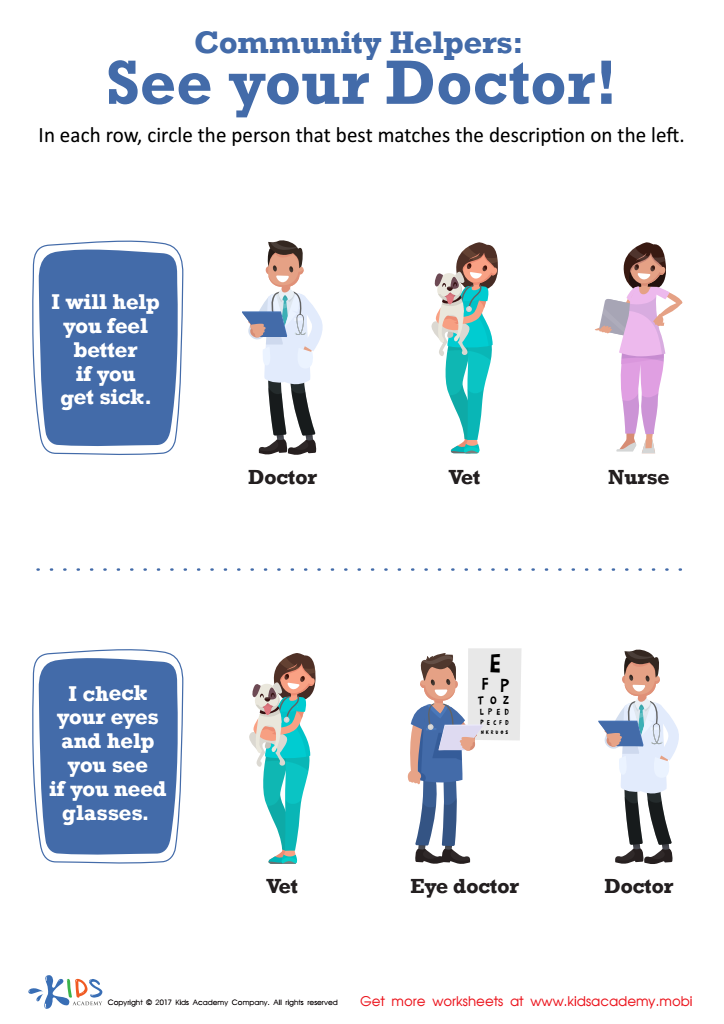
See Your Doctor (Part 1) Printable








Parents and teachers should care about community for children ages 3-9 because it plays a crucial role in their social, emotional, and cognitive development. During these formative years, children are like sponges, absorbing lessons about relationships, cooperation, and empathy from their surroundings. A strong community provides a safe and nurturing environment that fosters these essential connections, enabling children to learn and grow.
In a supportive community, children gain opportunities to interact with peers, develop communication skills, and establish friendships. They learn to navigate social situations, resolve conflicts, and collaborate on shared activities. These interactions help cultivate a sense of belonging, which is vital for self-esteem and overall well-being.
Moreover, communities often provide resources and programs that enrich children's learning experiences, such as libraries, recreational facilities, and after-school activities. Engaging with local organizations helps children understand their role within the community and builds a sense of responsibility and civic awareness from a young age.
Furthermore, when parents and teachers actively participate in community life, they model positive behaviors for children, reinforcing the importance of connection, mentorship, and collaboration. Ultimately, a strong community forms the foundation for healthy development, setting children on a path for future success.








