Shape Recognition Worksheets for 3-Year-Olds
45 filtered results
-
From - To
Unlock the world of shapes for your little explorer with our Shape Recognition Worksheets for 3-Year-Olds! Designed to engage and educate, these worksheets introduce basic geometric shapes through fun, interactive activities that captivate young minds. Perfectly catering to preschool skills, the exercises promote hand-eye coordination, fine motor skills, and cognitive development. Each worksheet features vibrant illustrations and creative tasks that make learning shapes enjoyable and effective. Whether at home or in the classroom, our expertly crafted sheets provide a solid foundation for your child’s early education journey. Start shaping their bright future today!
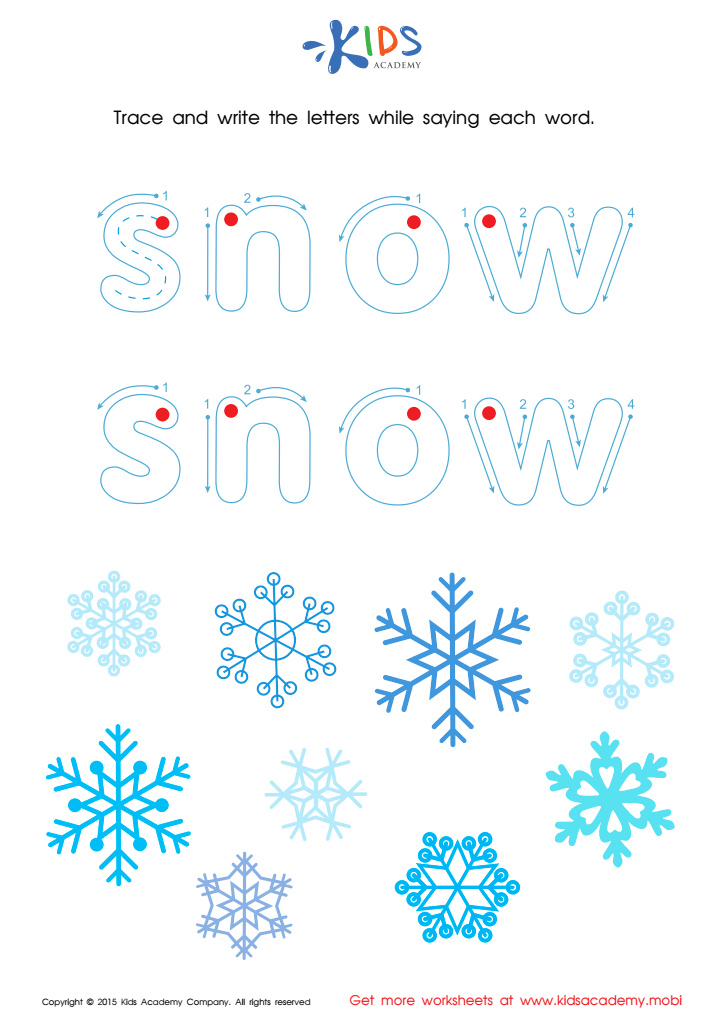
Snowflake Tracing Winter Words Worksheet
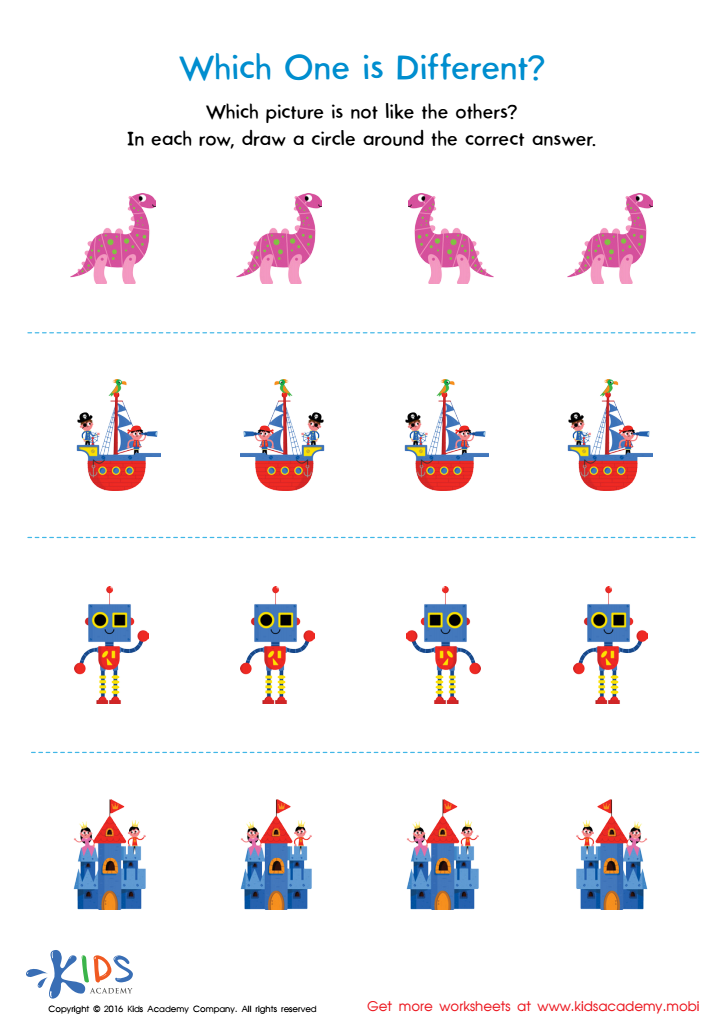
Which One Is Different Worksheet
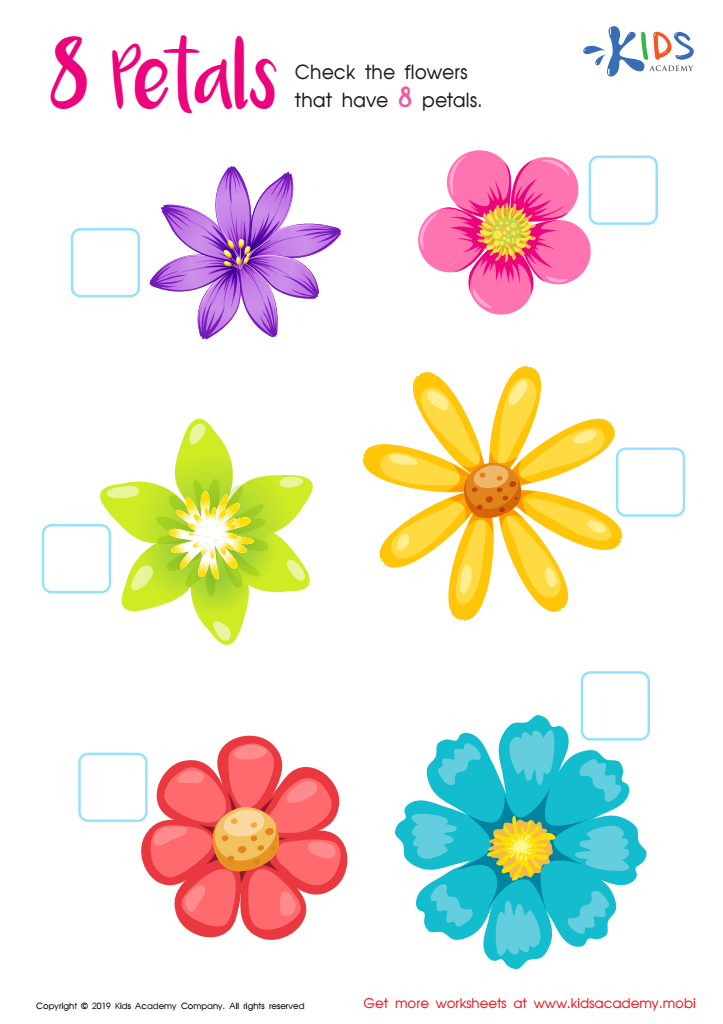
8 Petals Worksheet
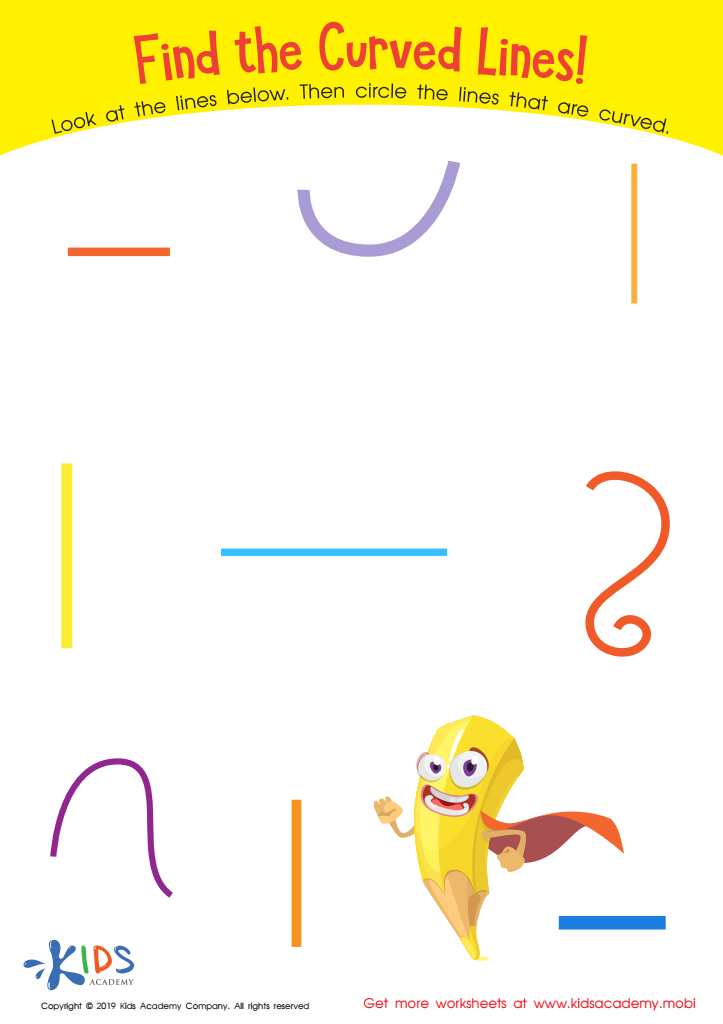
Find the Curved Lines! Worksheet
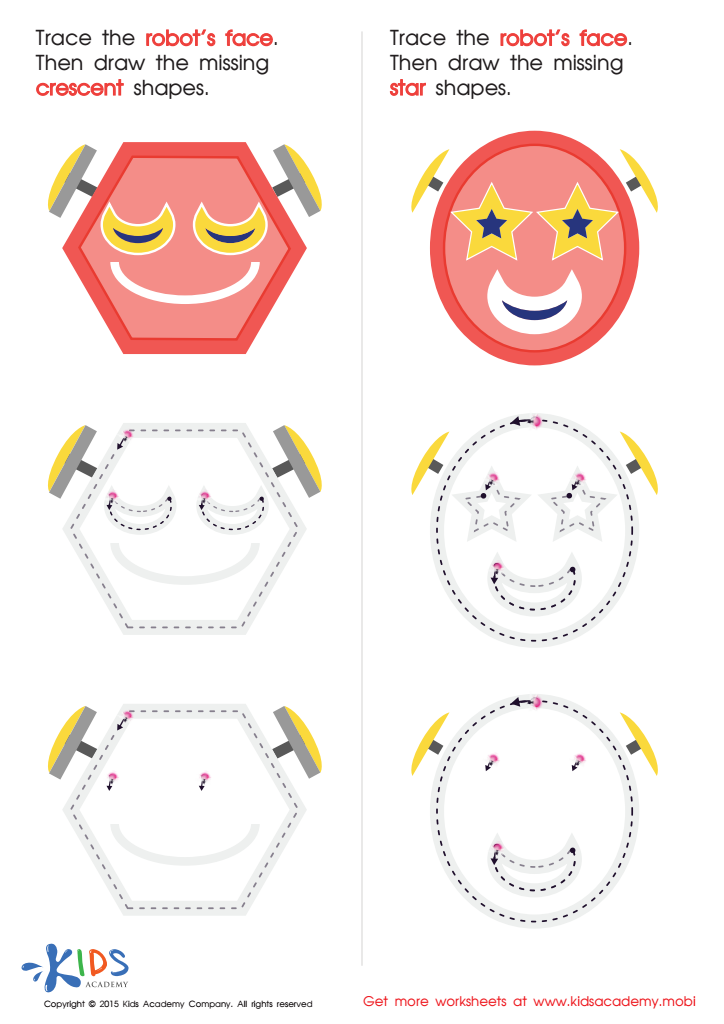
Composing a Robot's Face of Crescents And Stars Worksheet
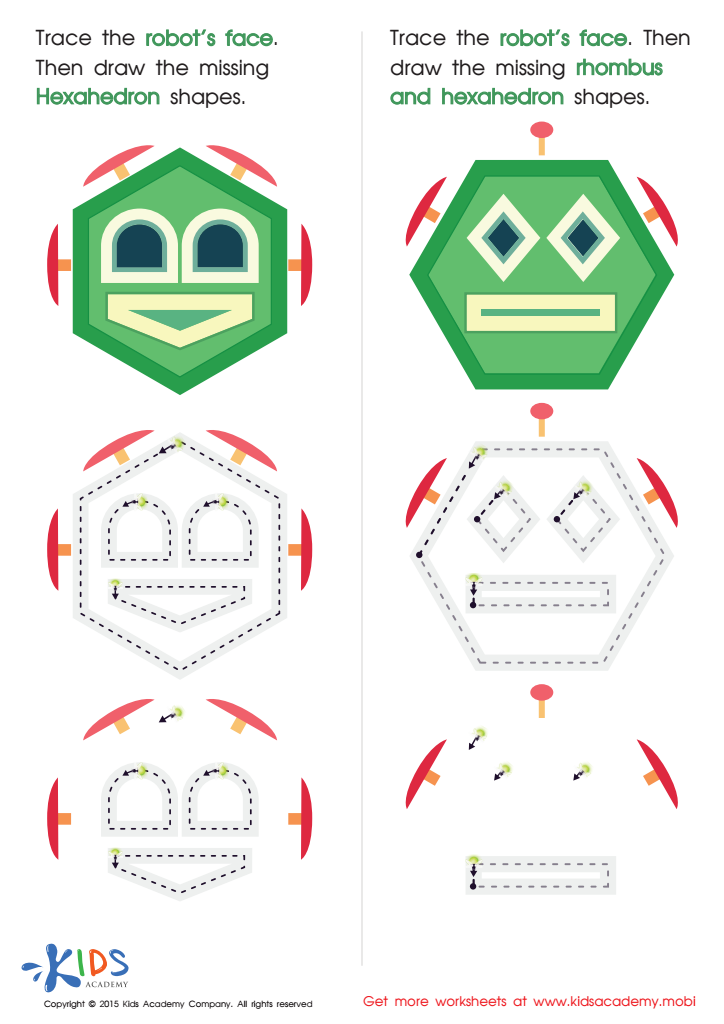
Practice Drawing Hexahedrons And a Rhombus Worksheet
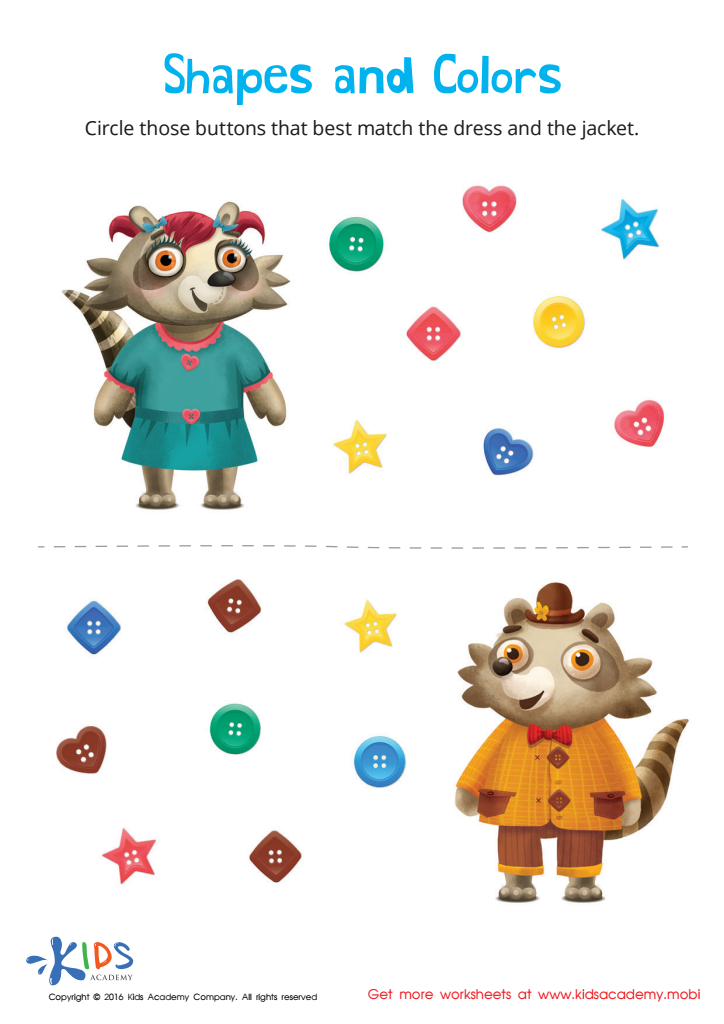
Matching: Shapes and Colors Worksheet
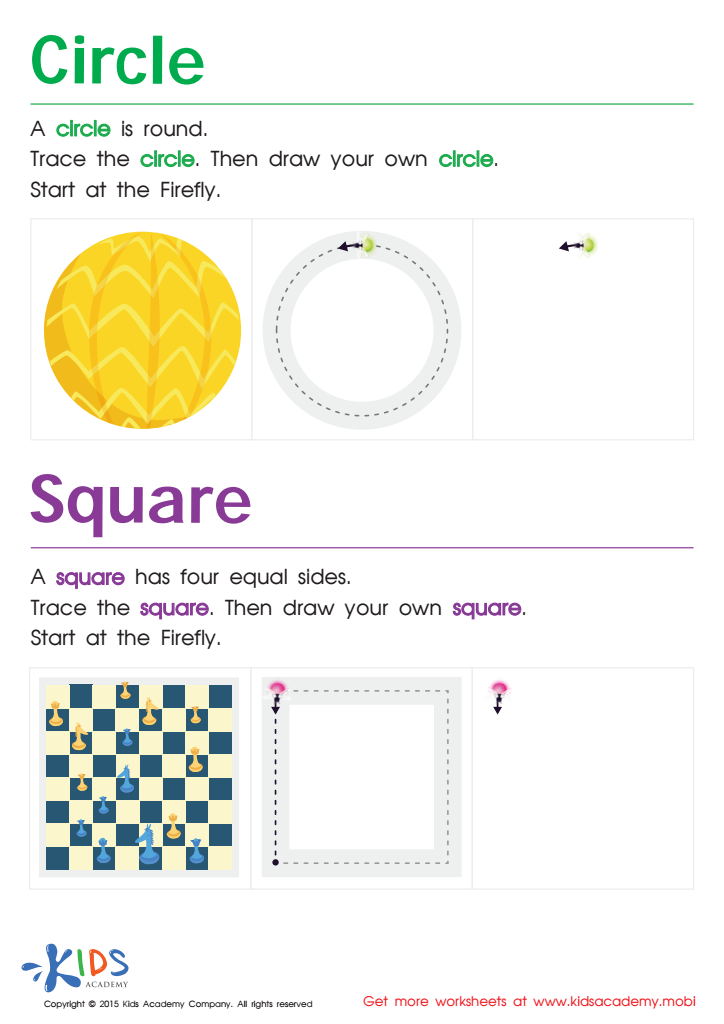
Trace And Draw a Circle And a Square Worksheet
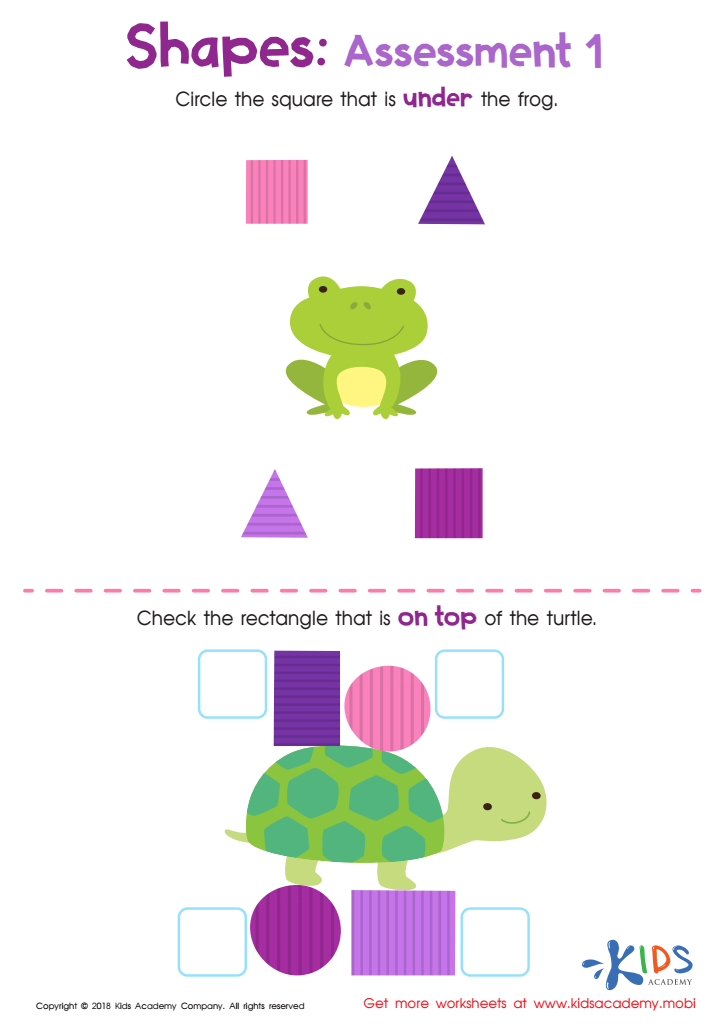
Geometry – Assessment 1 Worksheet
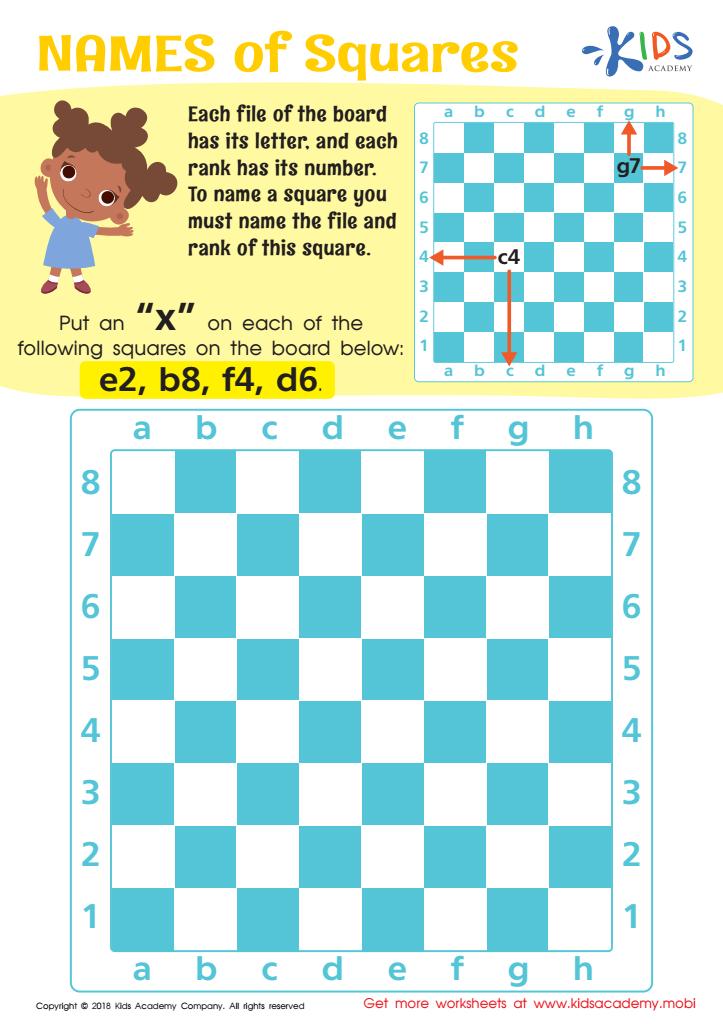
Names of Squares Worksheet
Halloween: A Funny Monster Worksheet
 Assign to My Students
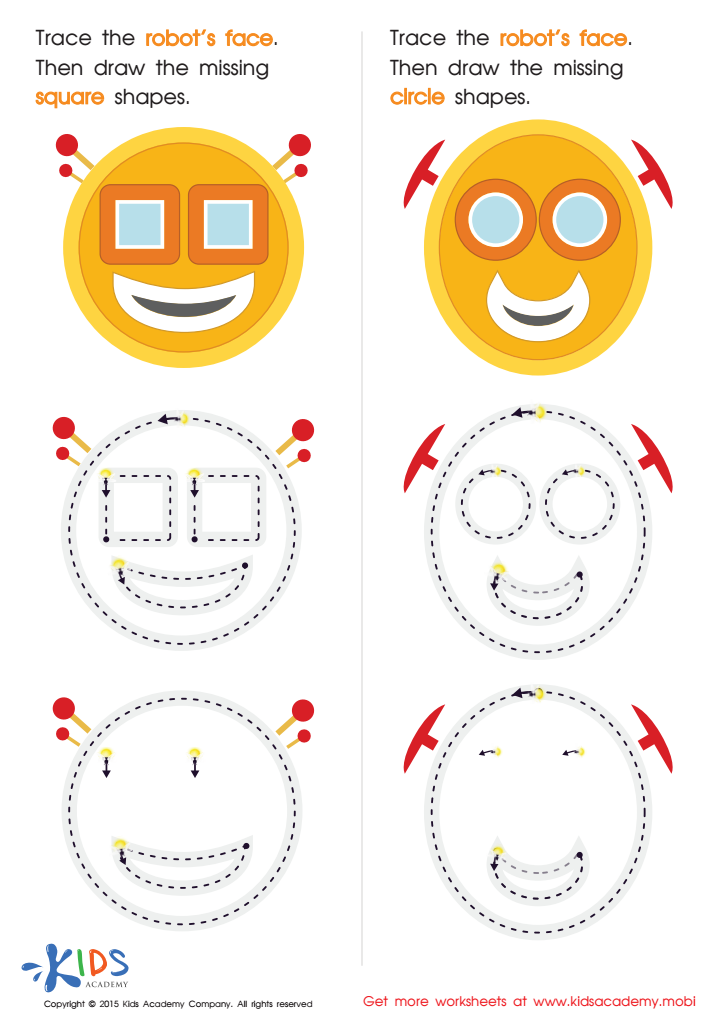
Practicing to Draw Circles And Squares Printable
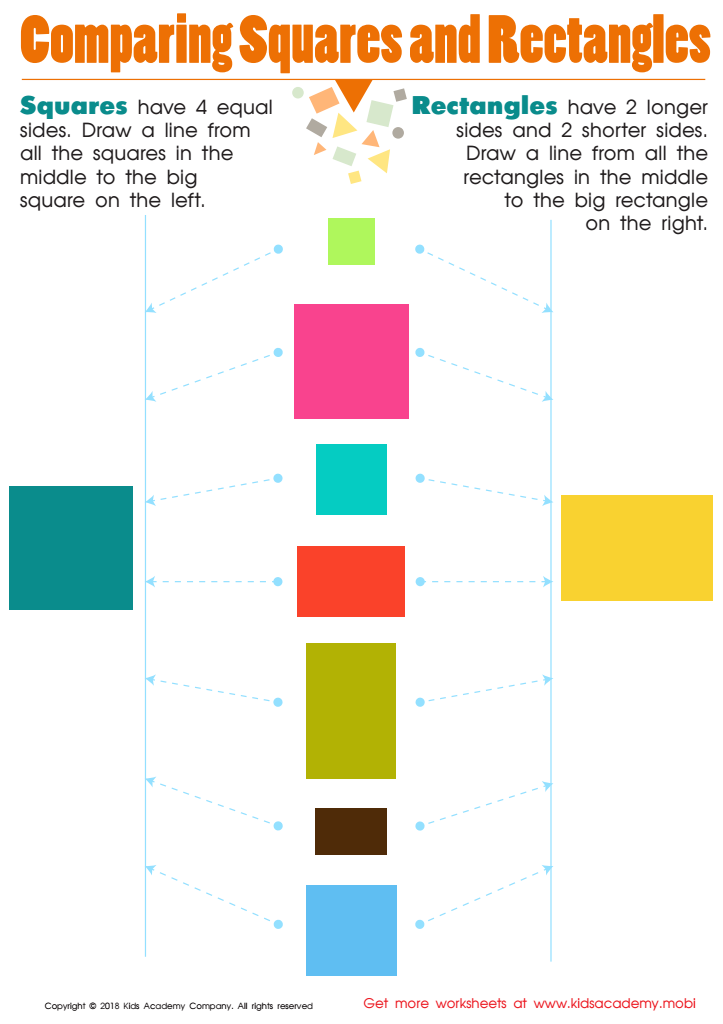
Comparing Squares Rectangles Worksheet
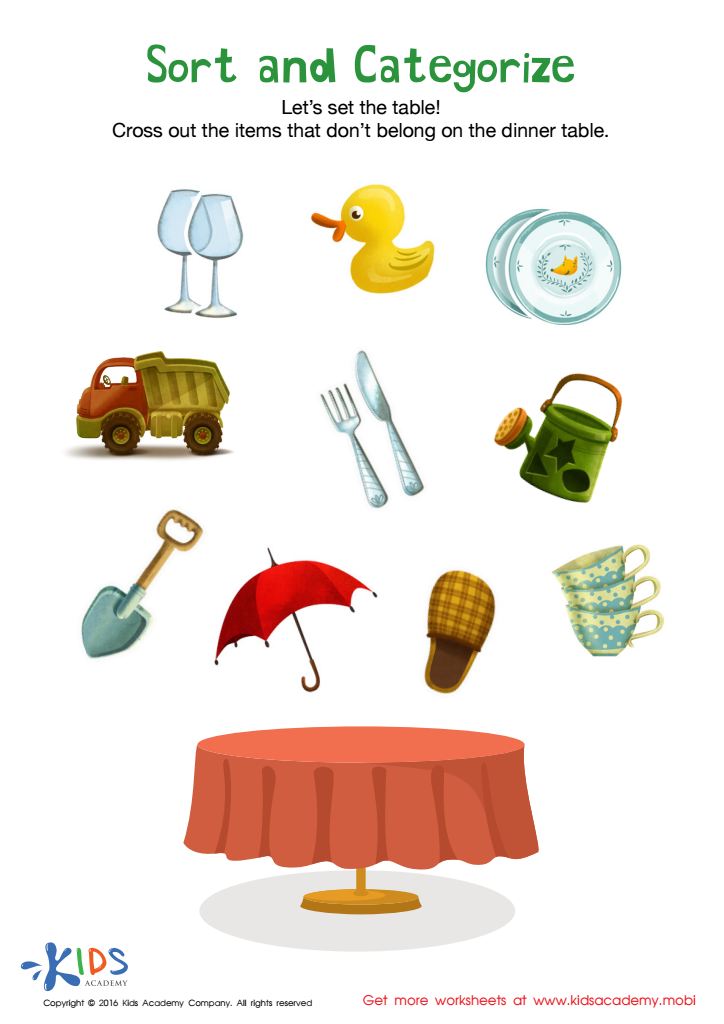
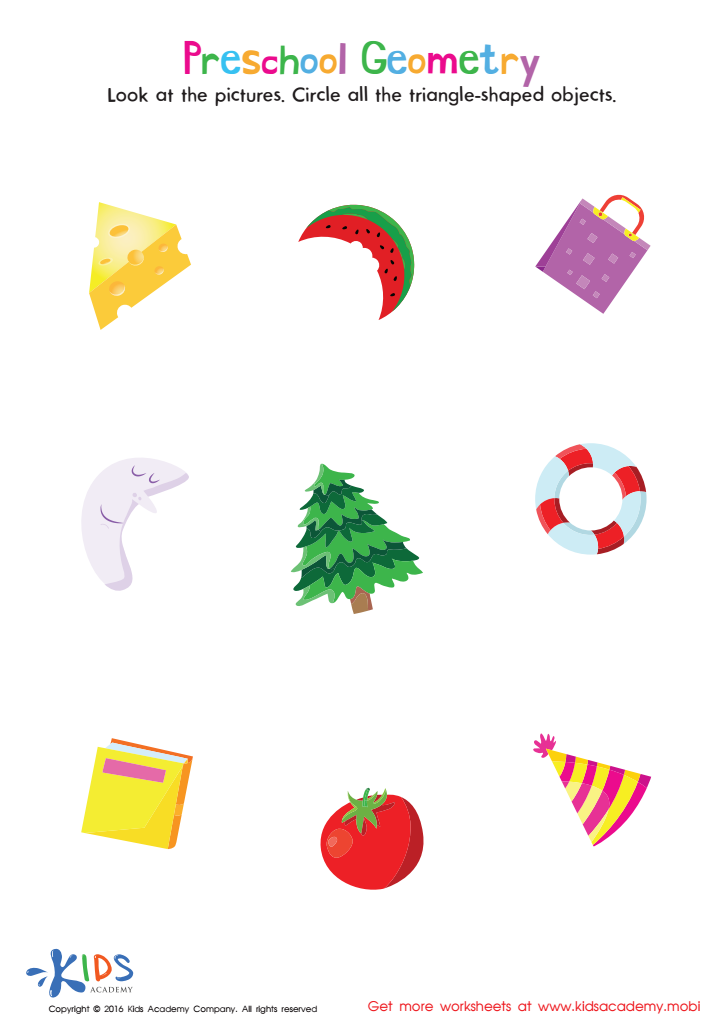
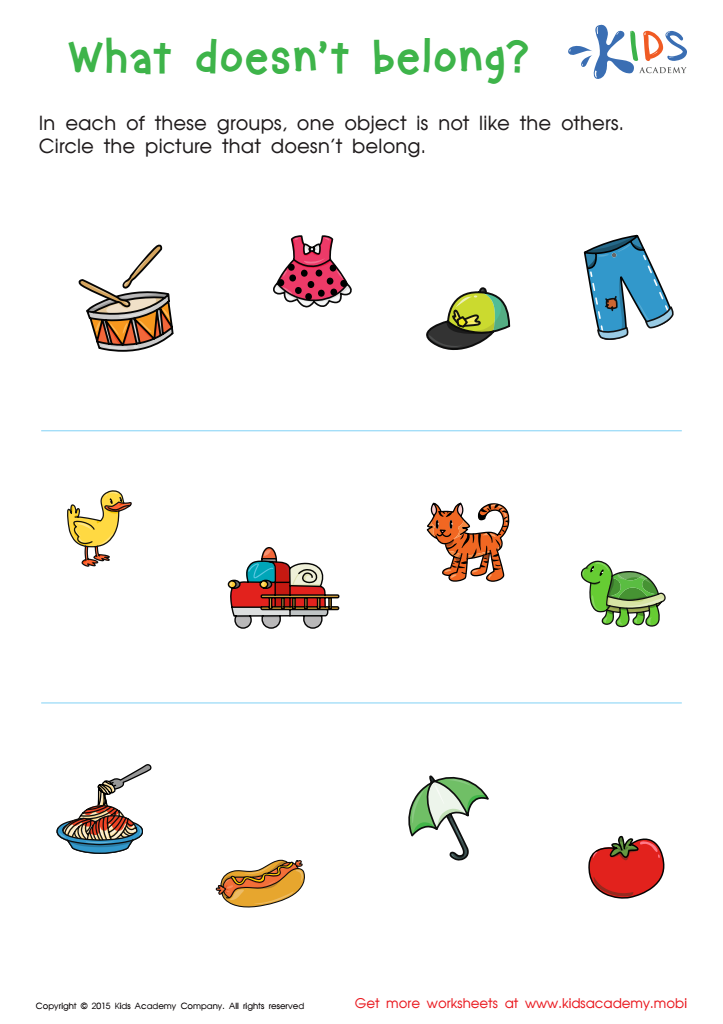
First Words: What Doesn't Belong Worksheet
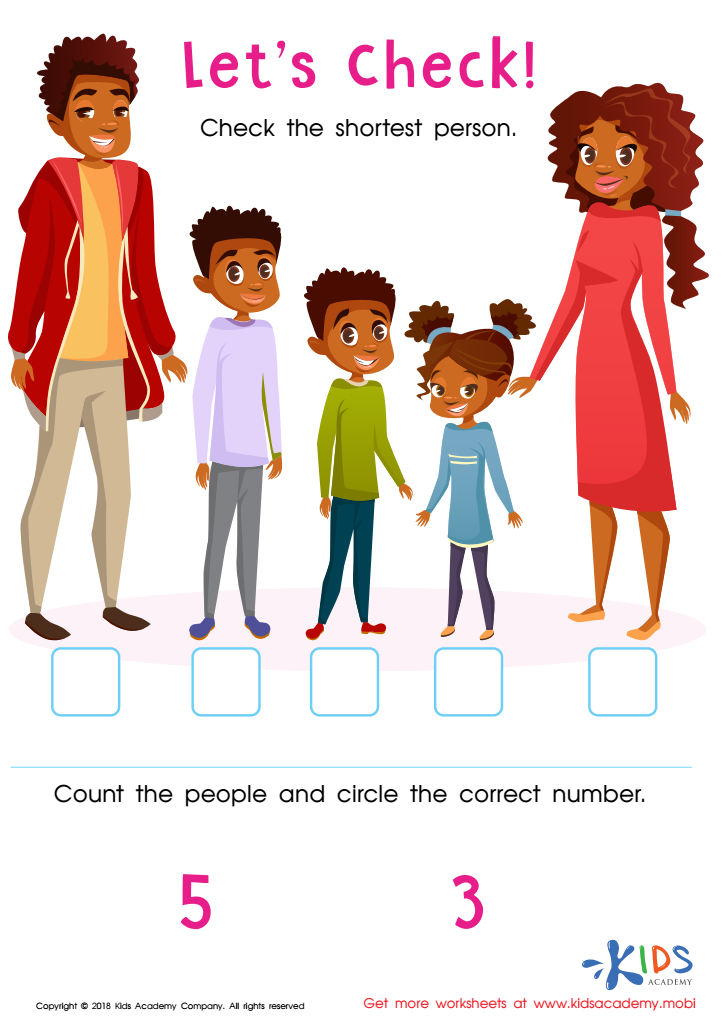
Let's Check! Assessment Worksheet
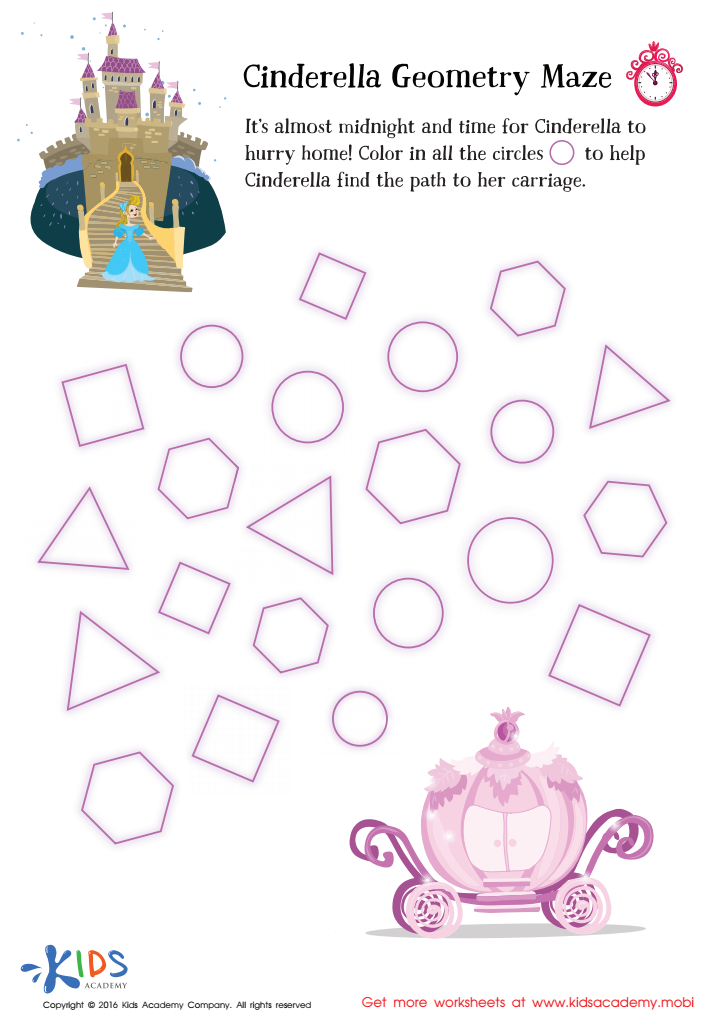
Cinderella Geometry Maze Worksheet
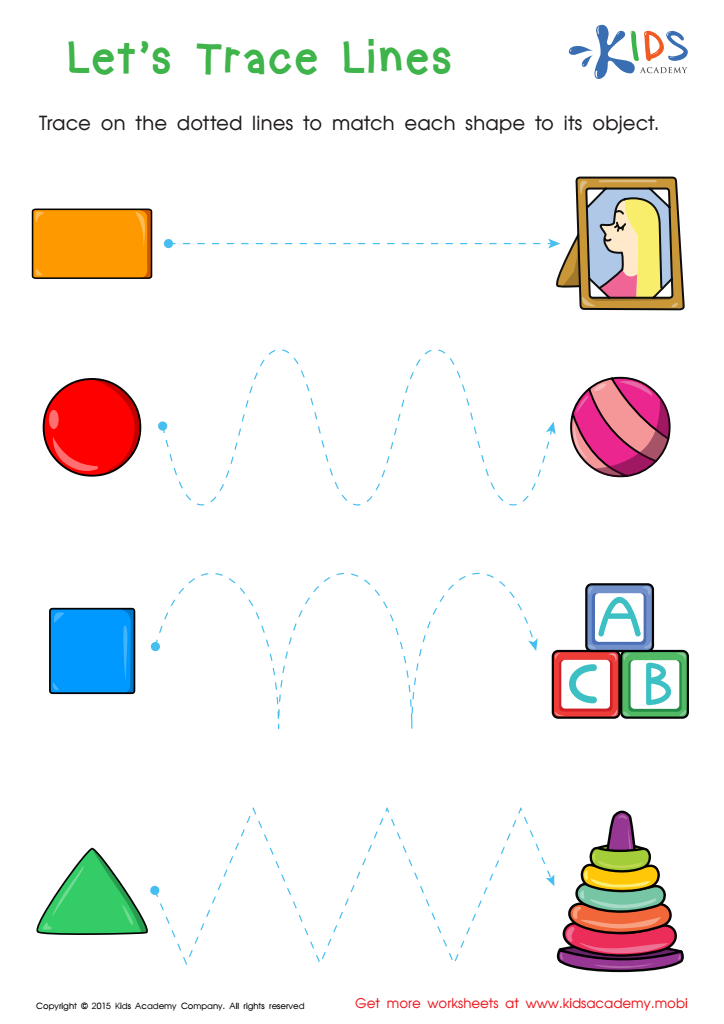
First Words: Let's Trace Lines Worksheet
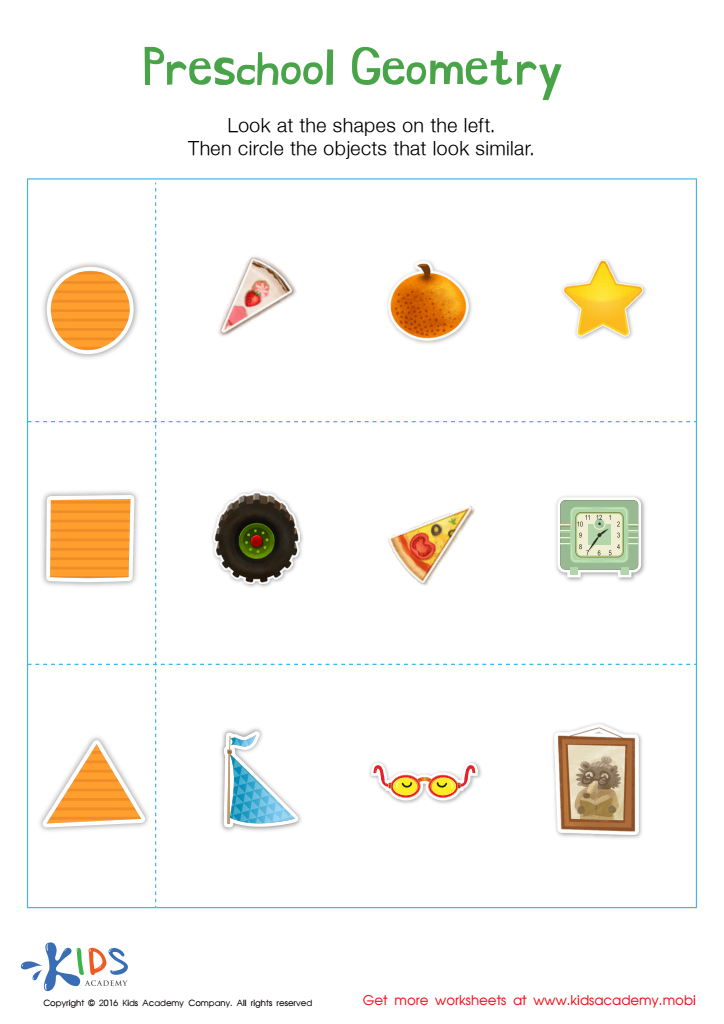
Preschool Geometry Match Up Worksheet
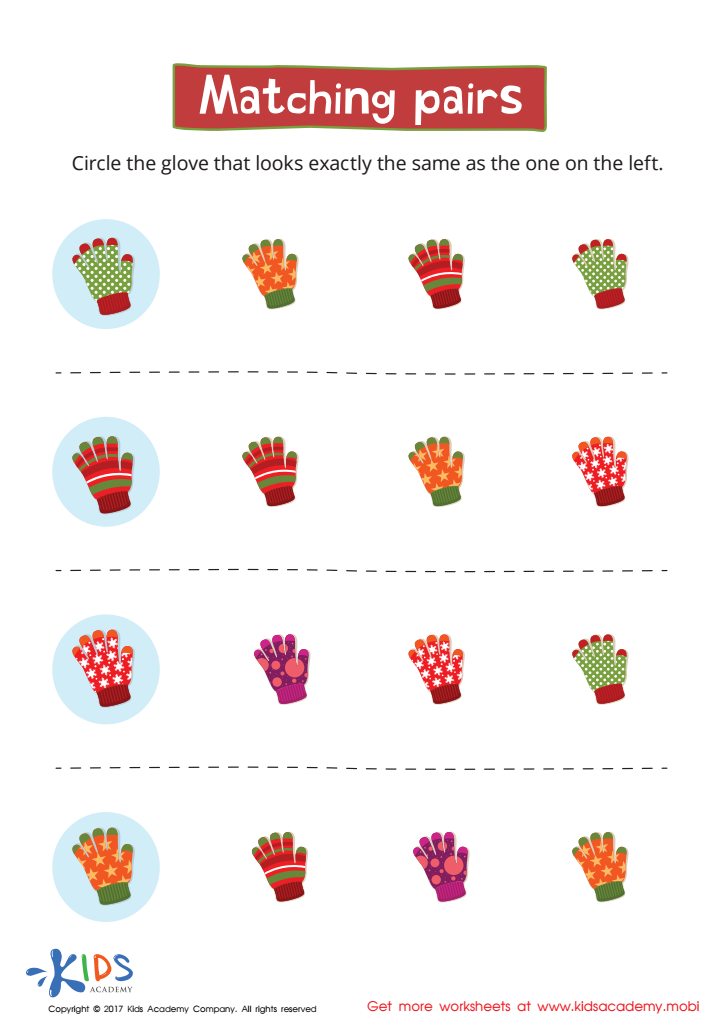
Matching: Matching Pairs Worksheet

Learning to Draw Crescents And Triangles Worksheet
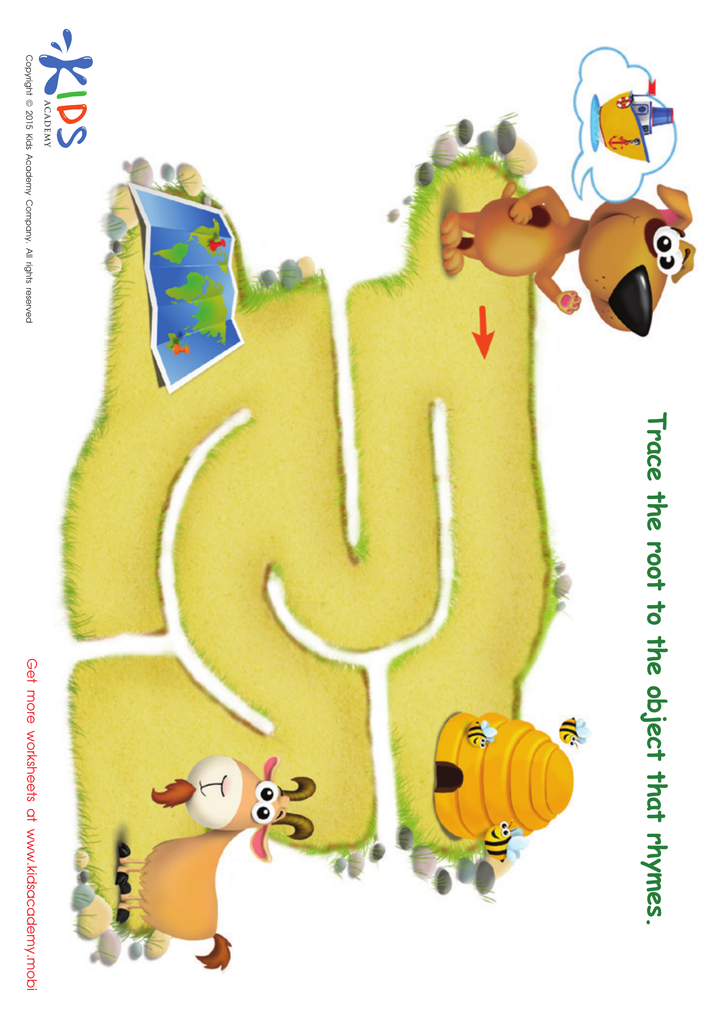
Boat Rhyming Words Worksheet
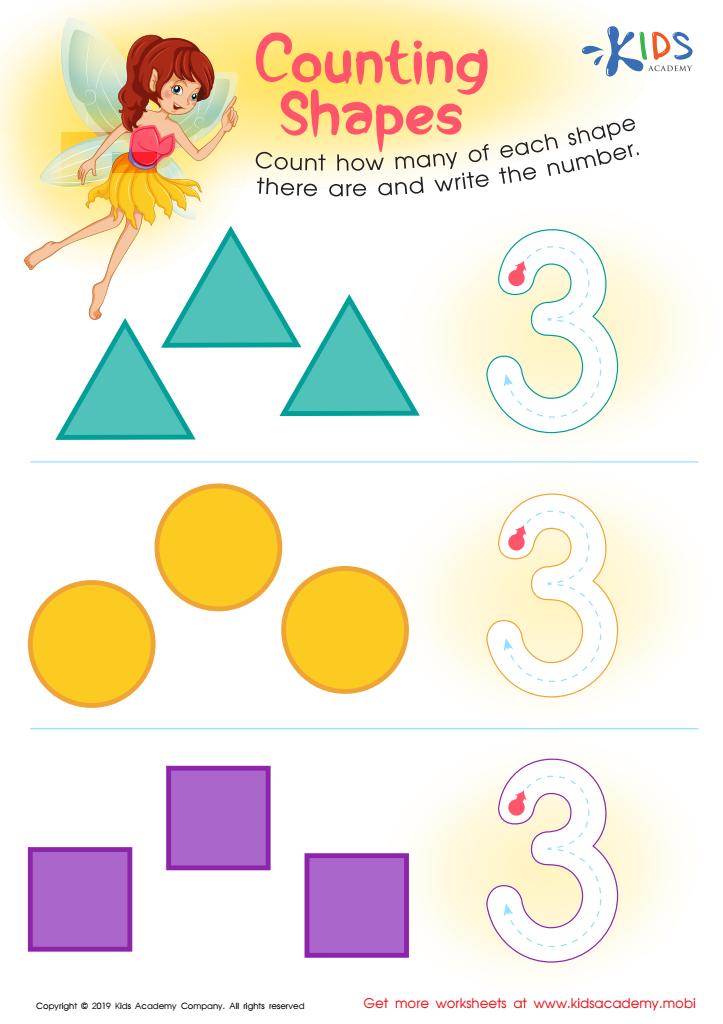
Counting Shapes Worksheet








Shape recognition is a foundational skill that plays a crucial role in early childhood development. For parents and teachers, fostering this ability in 3-year-olds is important for several reasons. Firstly, recognizing shapes enhances cognitive development by helping children categorize and compare different objects. This forms the basis for more complex problem-solving and logical thinking skills later on.
Shape recognition also supports early math skills. Understanding and identifying shapes lays the groundwork for geometry, spatial awareness, and measurement concepts. For instance, knowing the difference between a circle and a square can help children grasp the basic properties of these shapes, which are important in advanced math lessons.
Additionally, recognizing shapes is tied to literacy development. Letters and numbers are essentially shapes, and distinguishing between them helps children as they begin to learn to read and write. For example, recognizing that an "O" is round and a "V" has straight sides aids in letter differentiation.
Shapes are also part of every child’s daily environment. Recognizing them can improve their observational skills and make them feel more connected to the world around them. When children can name and recognize shapes, they are more confident in navigating their surroundings, which further cultivates their independence and self-esteem.
Ultimately, nurturing shape recognition in young children equips them with essential cognitive, mathematical, and literacy skills that will support their academic and personal growth.








