Pattern recognition Worksheets for Ages 4-5
21 filtered results
-
From - To
Discover engaging Pattern Recognition Worksheets for Ages 4-5 that help young learners identify and complete patterns! Our thoughtfully designed worksheets are perfect for preschool and kindergarten children, promoting essential cognitive and mathematical skills. Through colorful illustrations and fun activities, kids will practice recognizing sequences and relationships, laying the foundation for critical thinking. These worksheets are easy to print and ideal for classroom or at-home learning. Encourage your child’s curiosity and creativity as they explore patterns in a variety of formats. Browse our collection now and watch your little ones thrive in their educational journey with our interactive and playful resources!
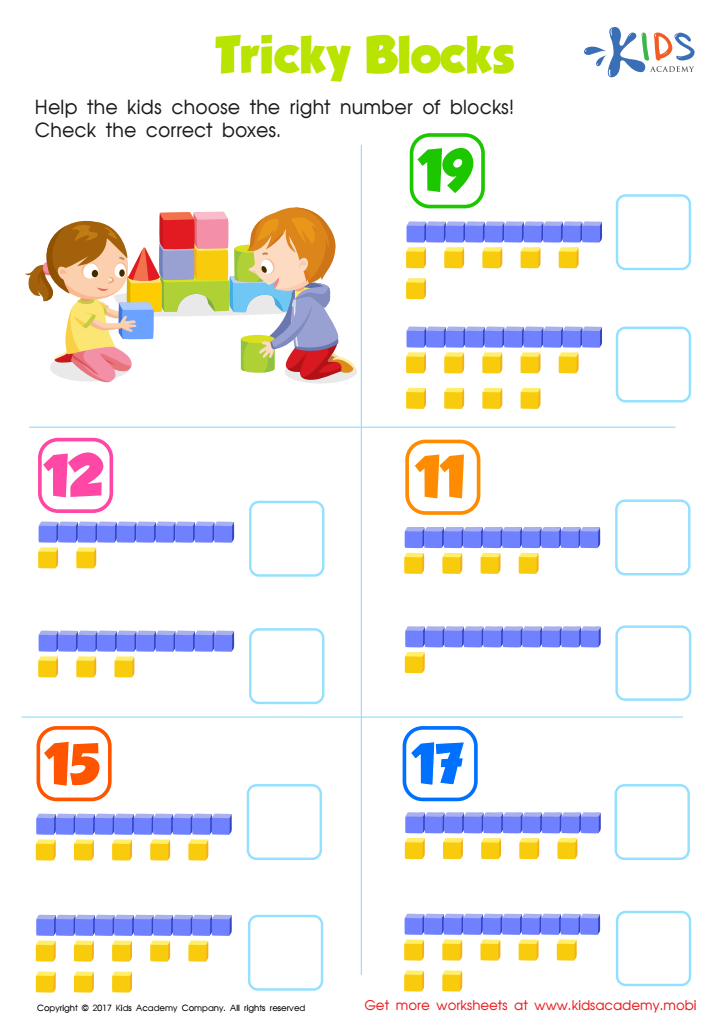
Tricky Blocks Worksheet
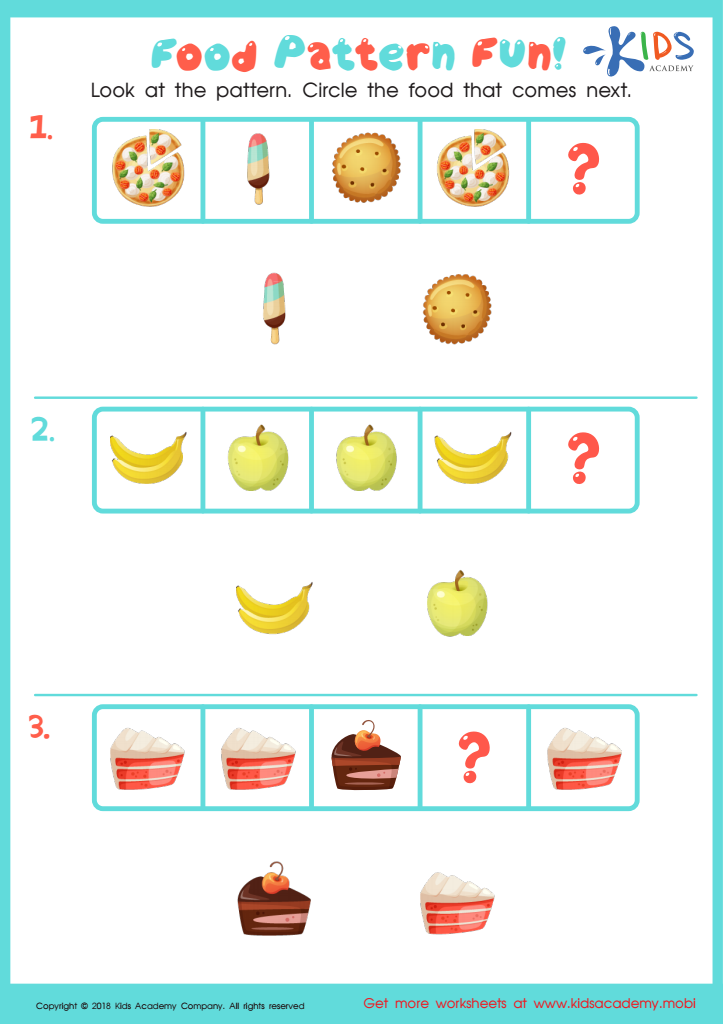
Food Pattern Fun Worksheet
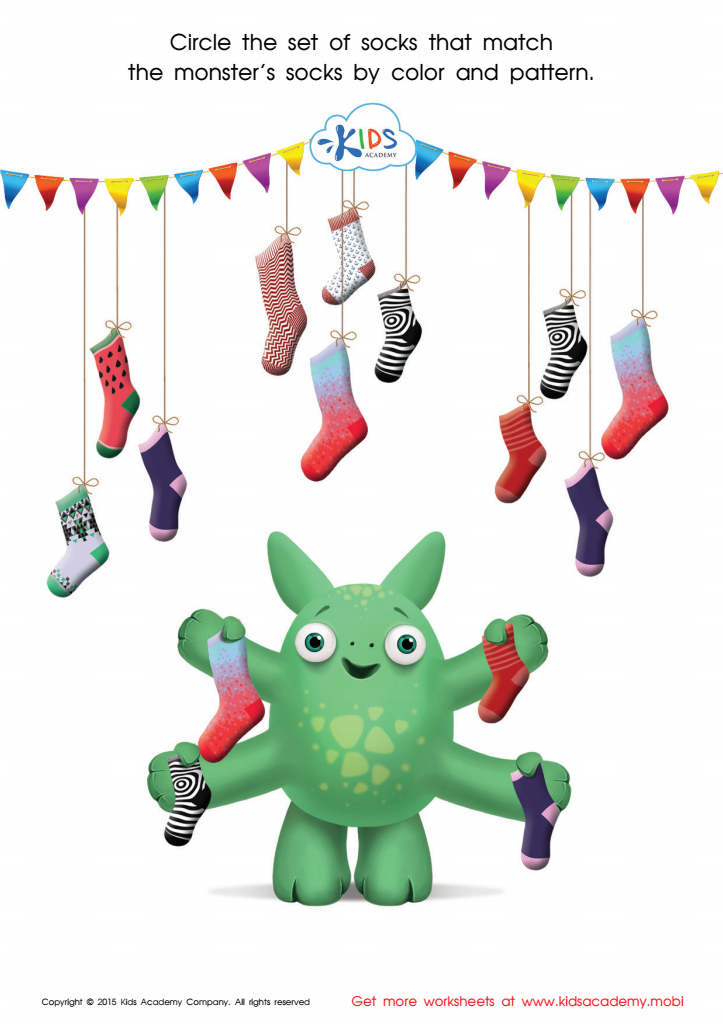
Sort the Monster's Socks Worksheet
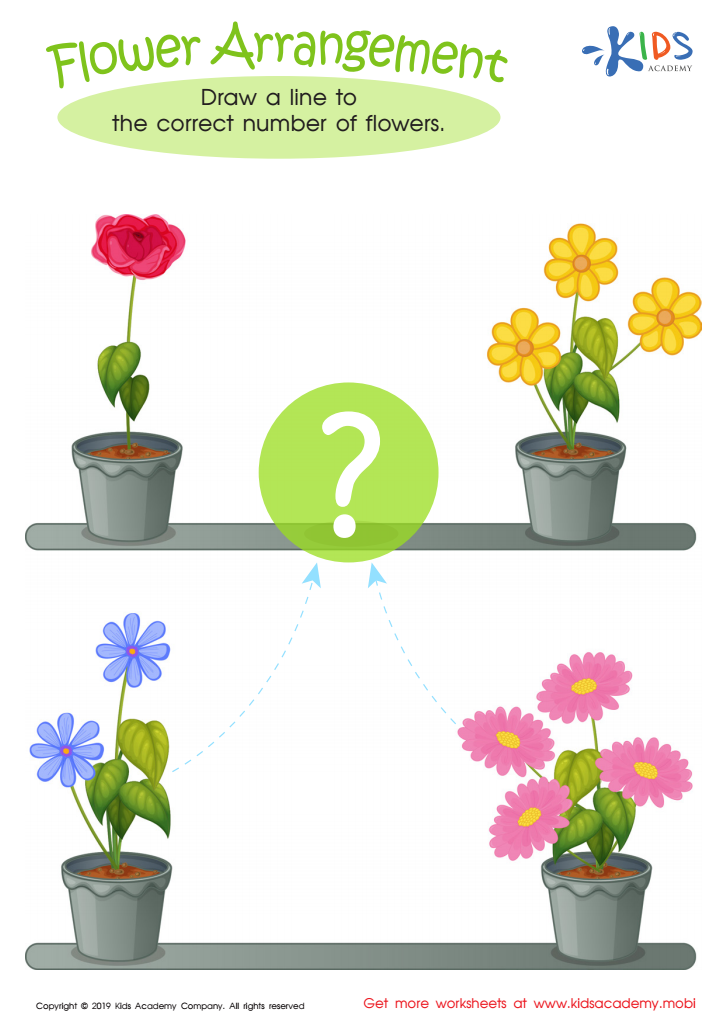
Flower Arrangement Worksheet
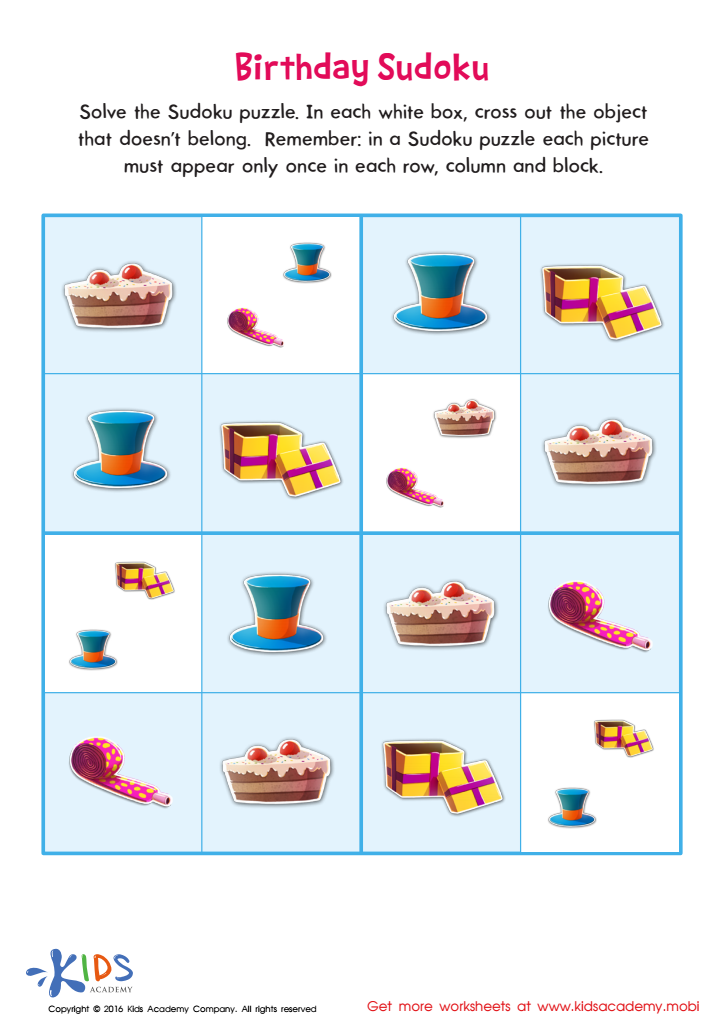
Birthday Sudoku Sorting Worksheet
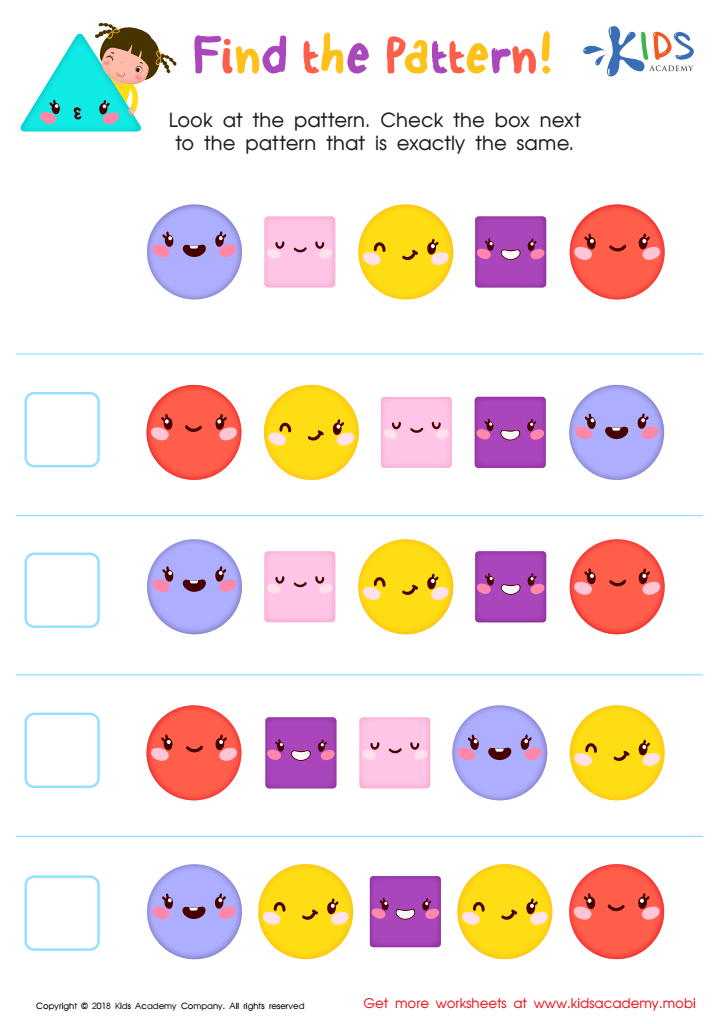
Find the Pattern Worksheet
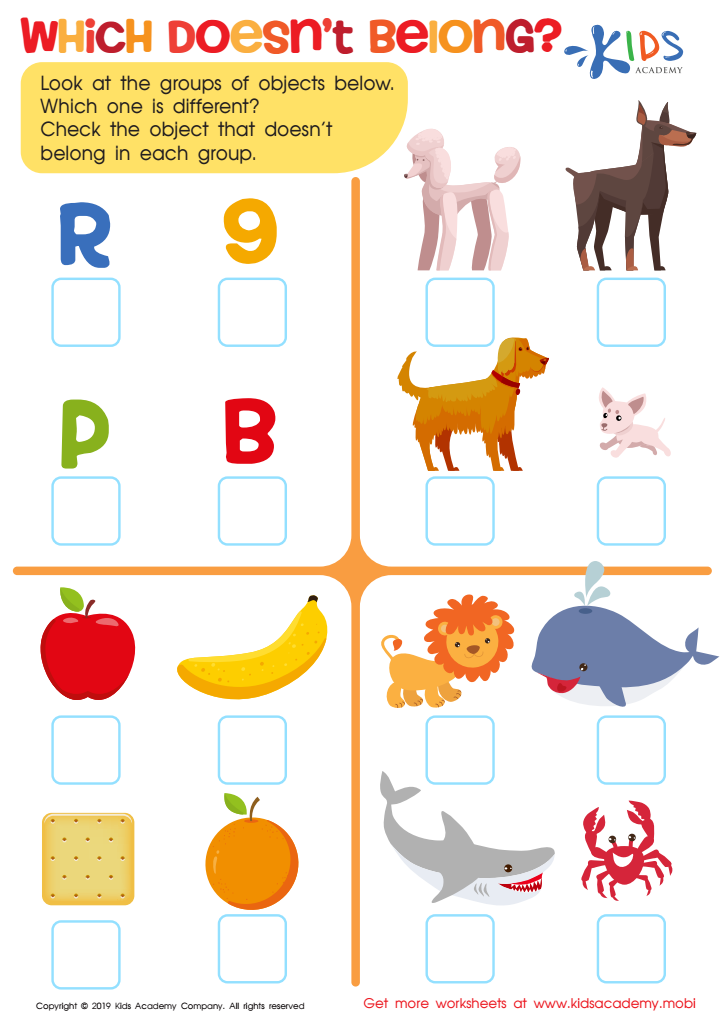
Which Doesn't Belong? Worksheet
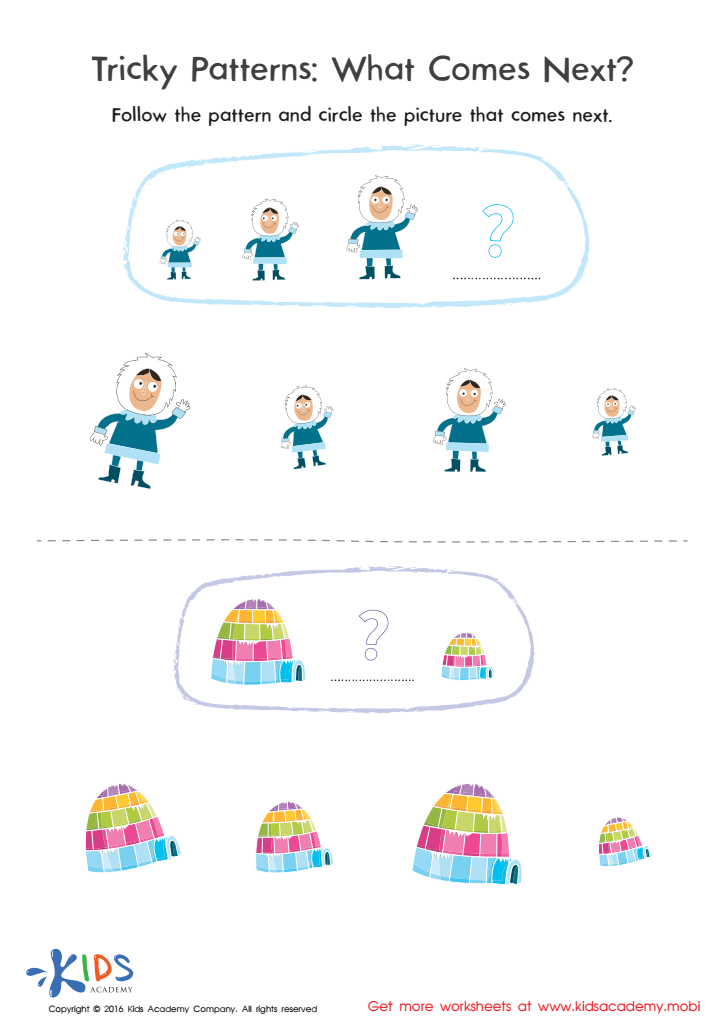
Tricky Patterns Size Worksheet
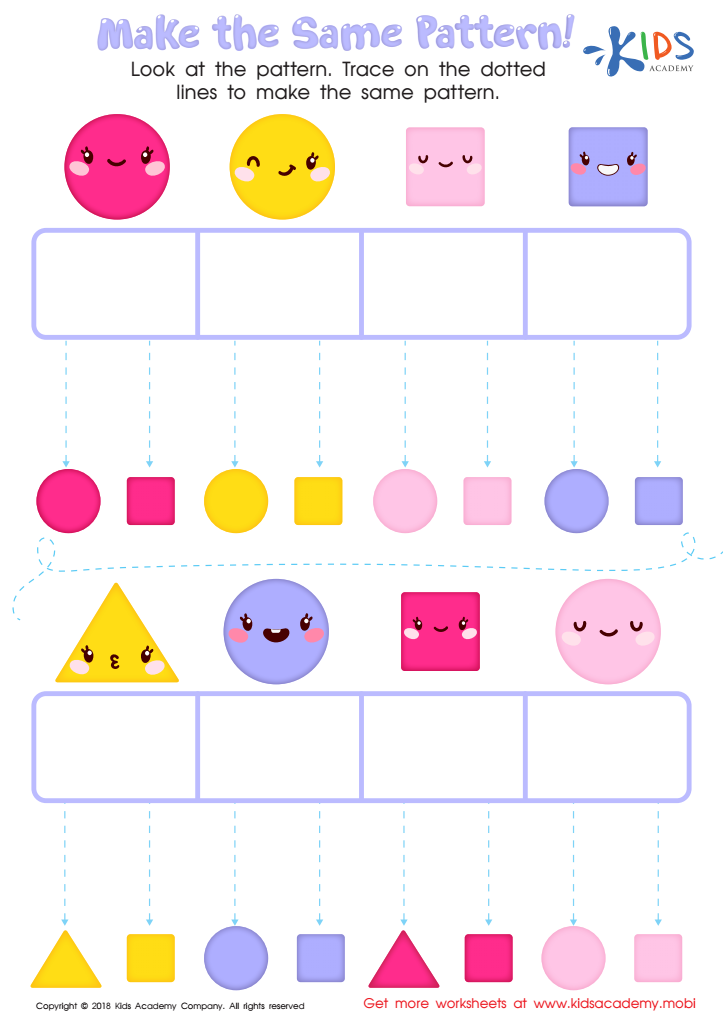
Make the Same Pattern Worksheet
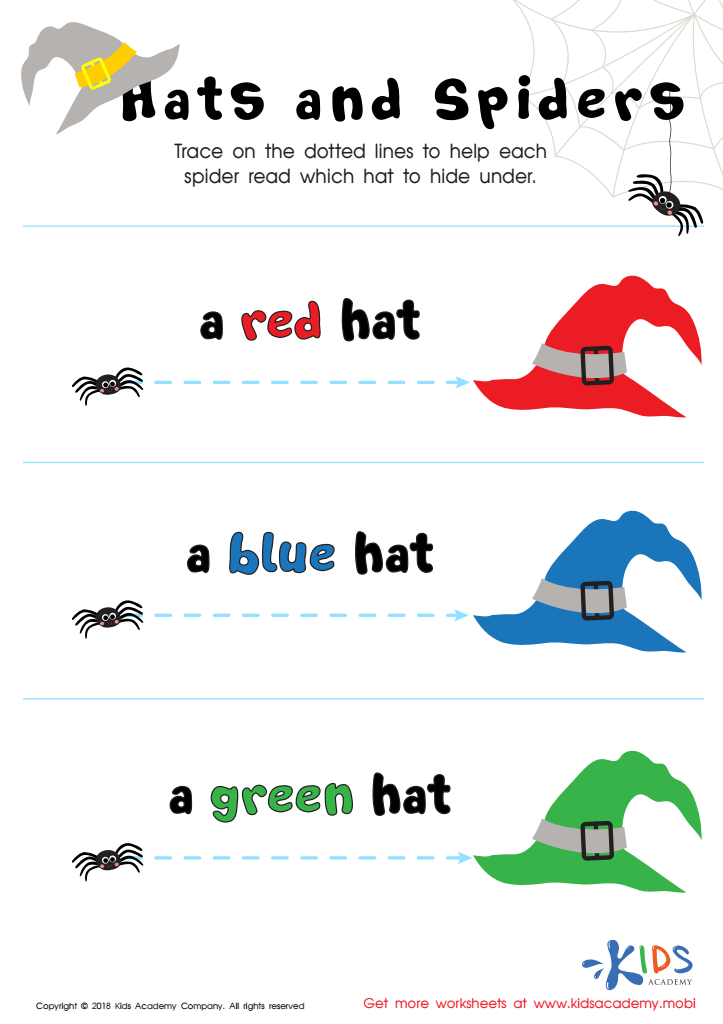
Read from Left to Right: Hats and Spiders Worksheet
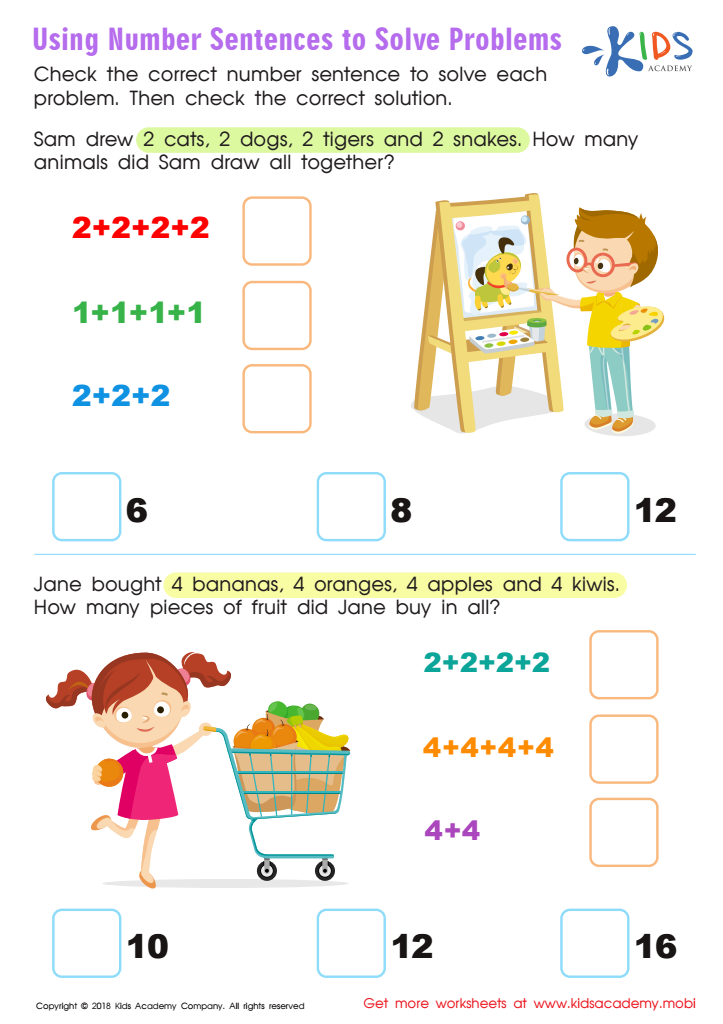
Using Number Sentences to Solve Problems Worksheet
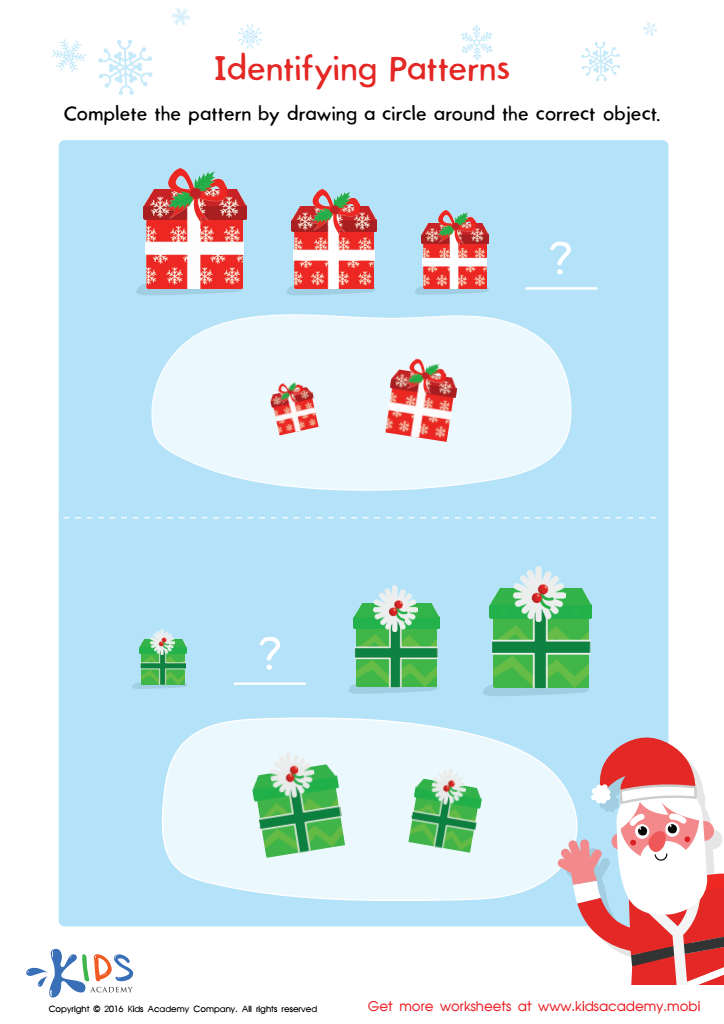
Identifying Patterns Worksheet
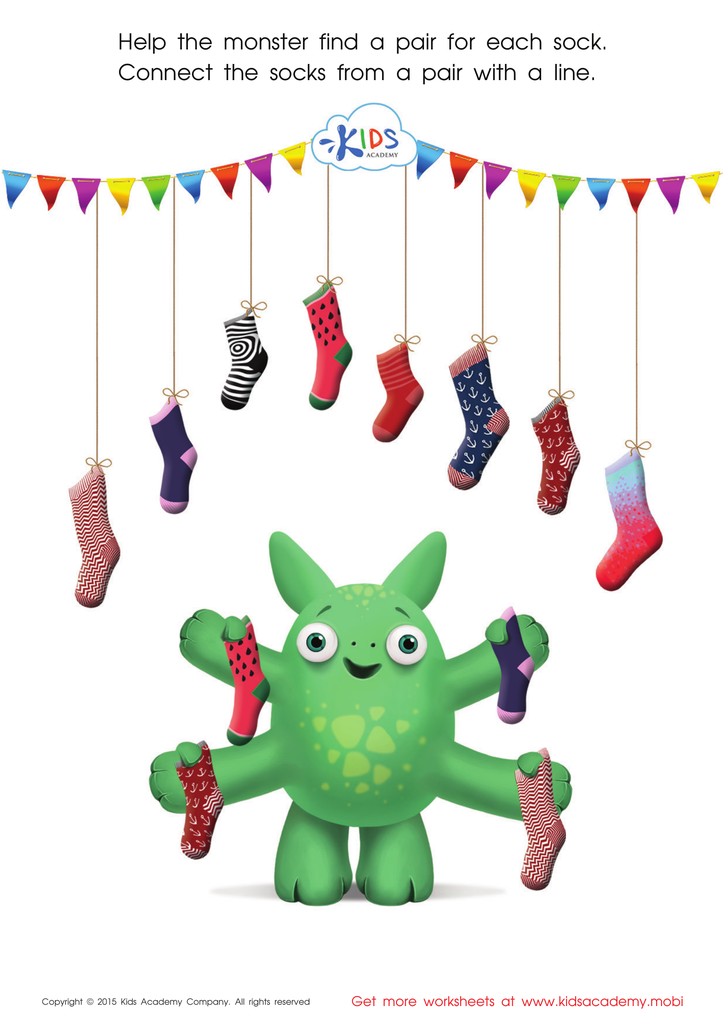
Math Matching Game: Monsterв's Socks Worksheet
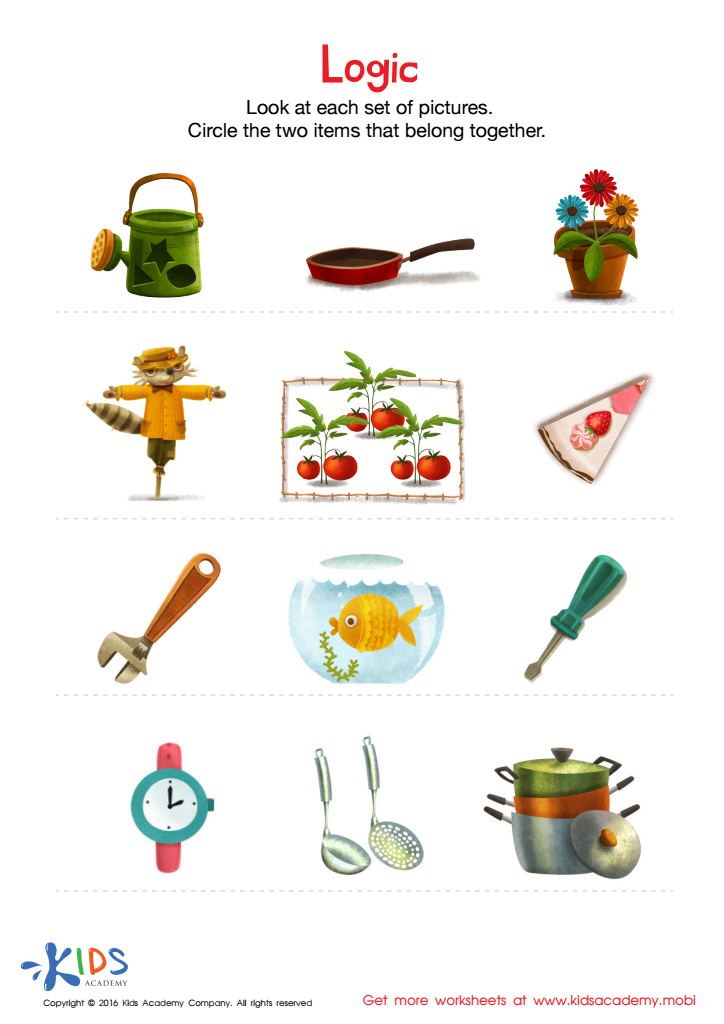
Logic Game Sorting Worksheet
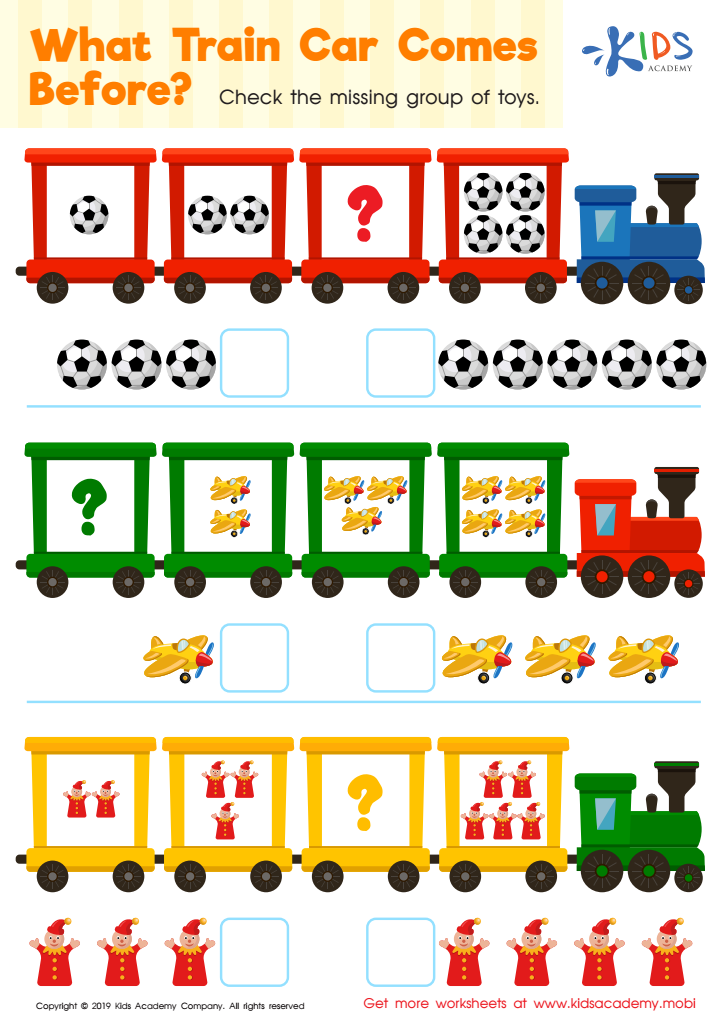
What Train Car Comes Before? Worksheet
Christmas: Christmas Tree Printable
 Assign to My Students
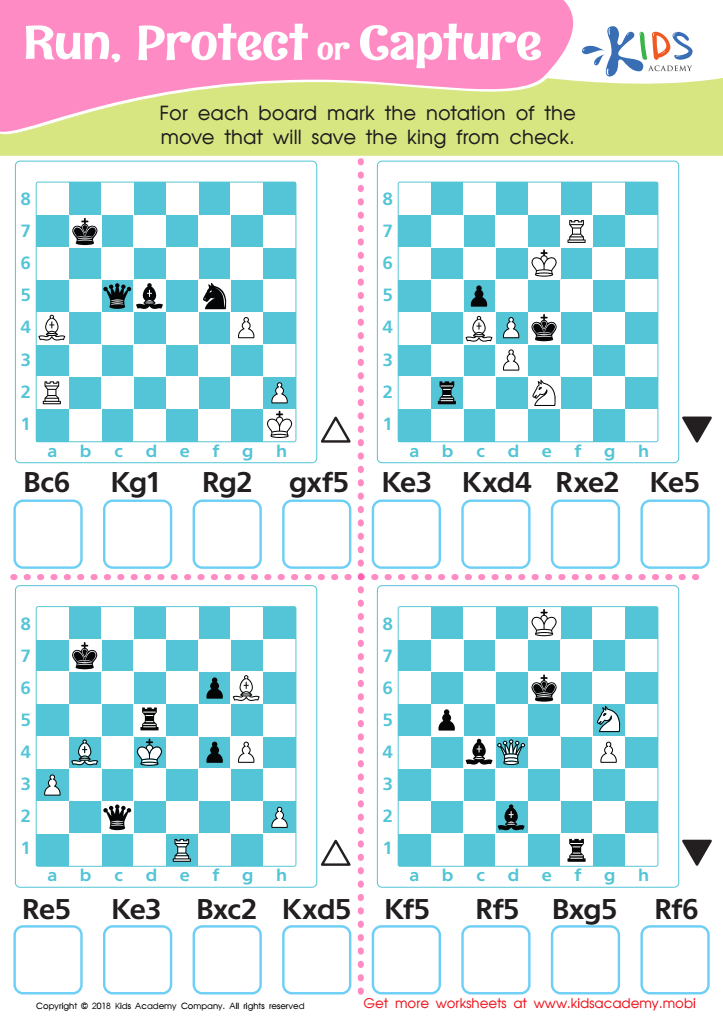
Run, Protect or Capture Worksheet
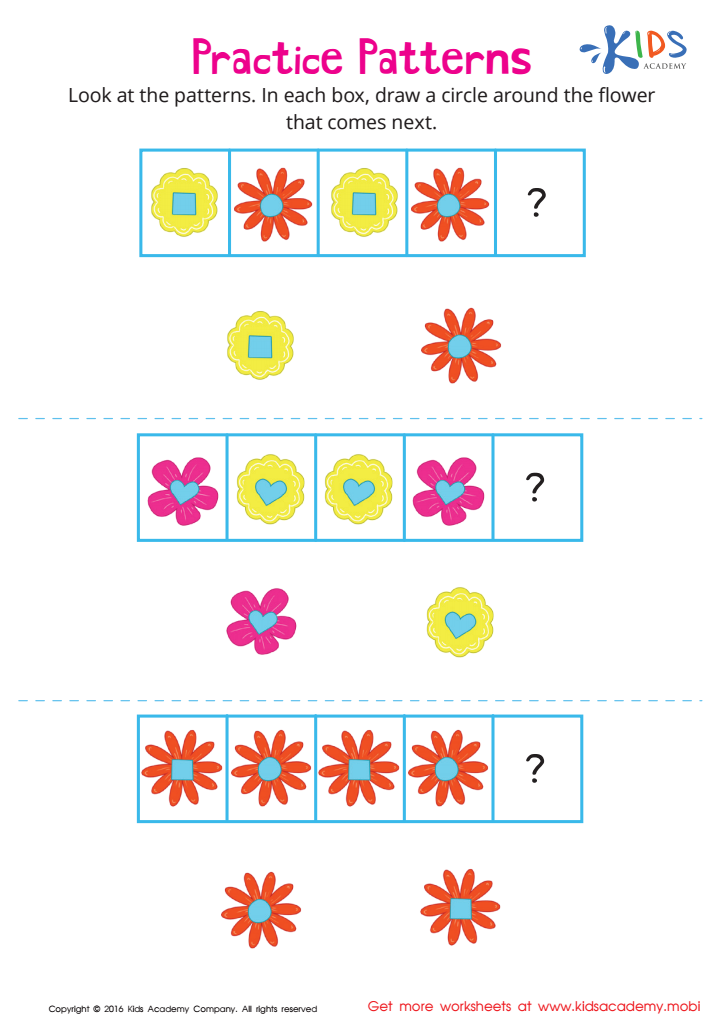
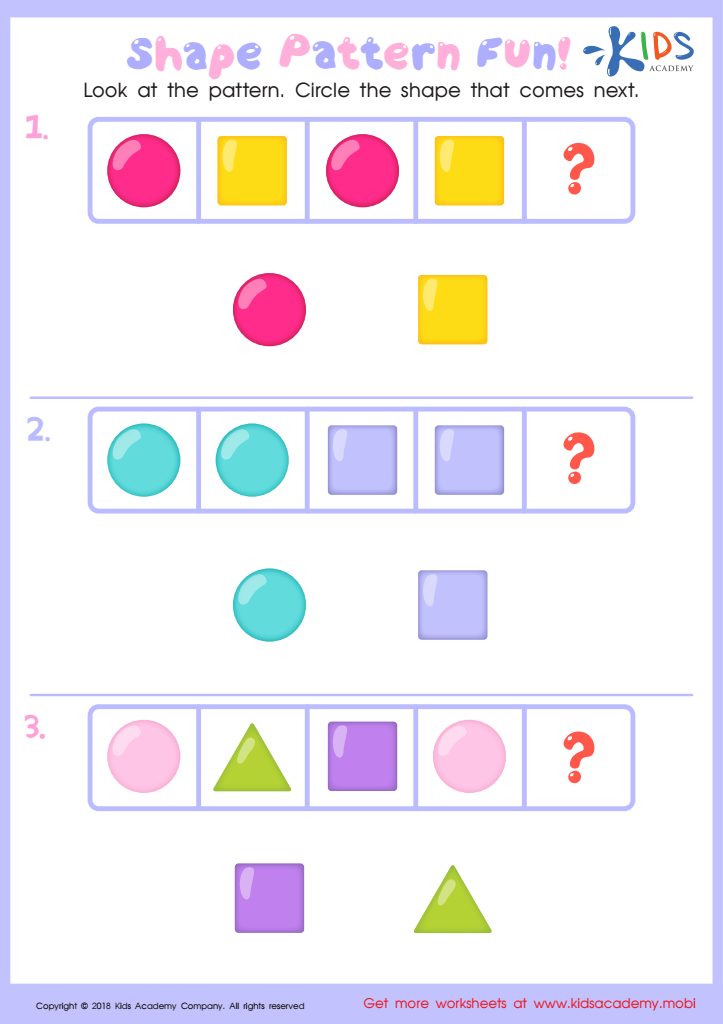
Shape Pattern Fun Worksheet
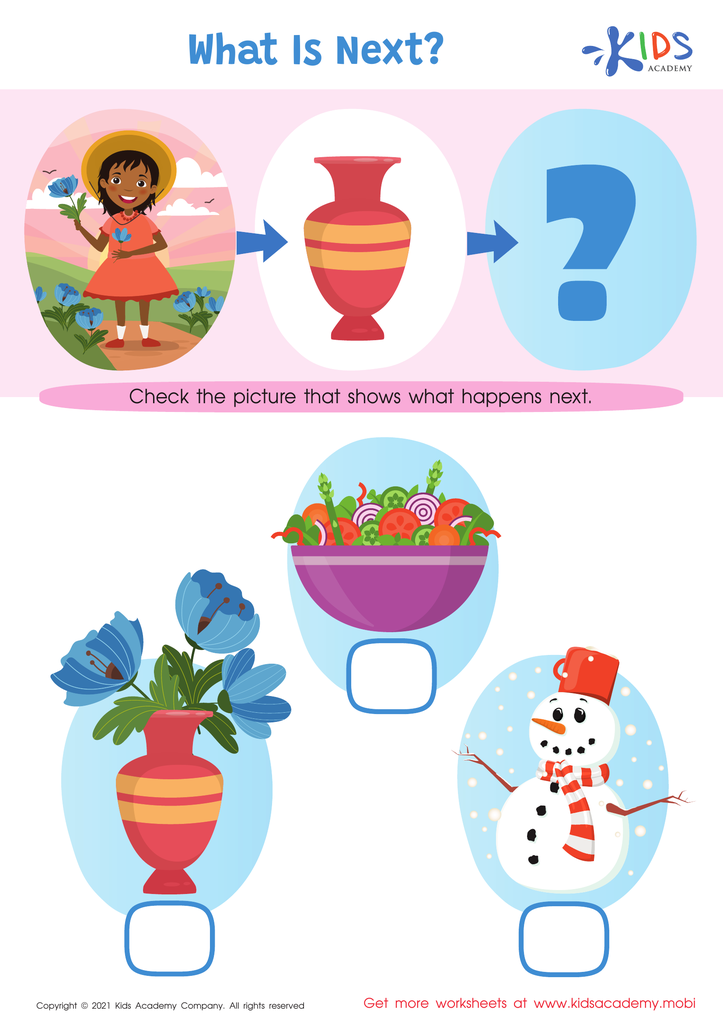
What is Next? Worksheet
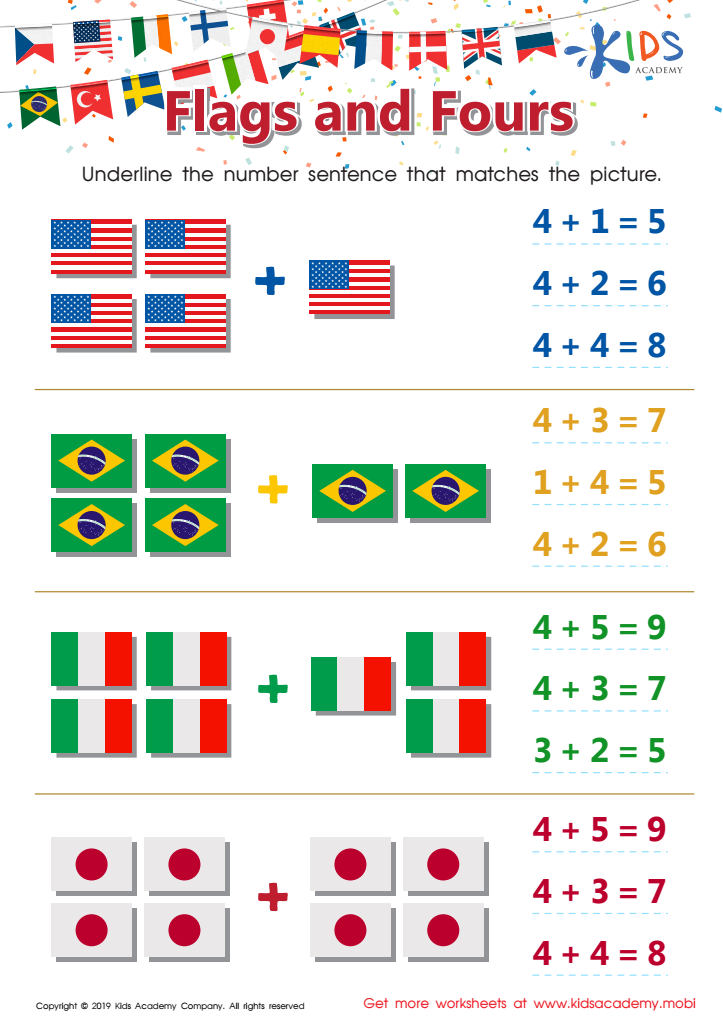
Flags and Fours Worksheet



.jpg)

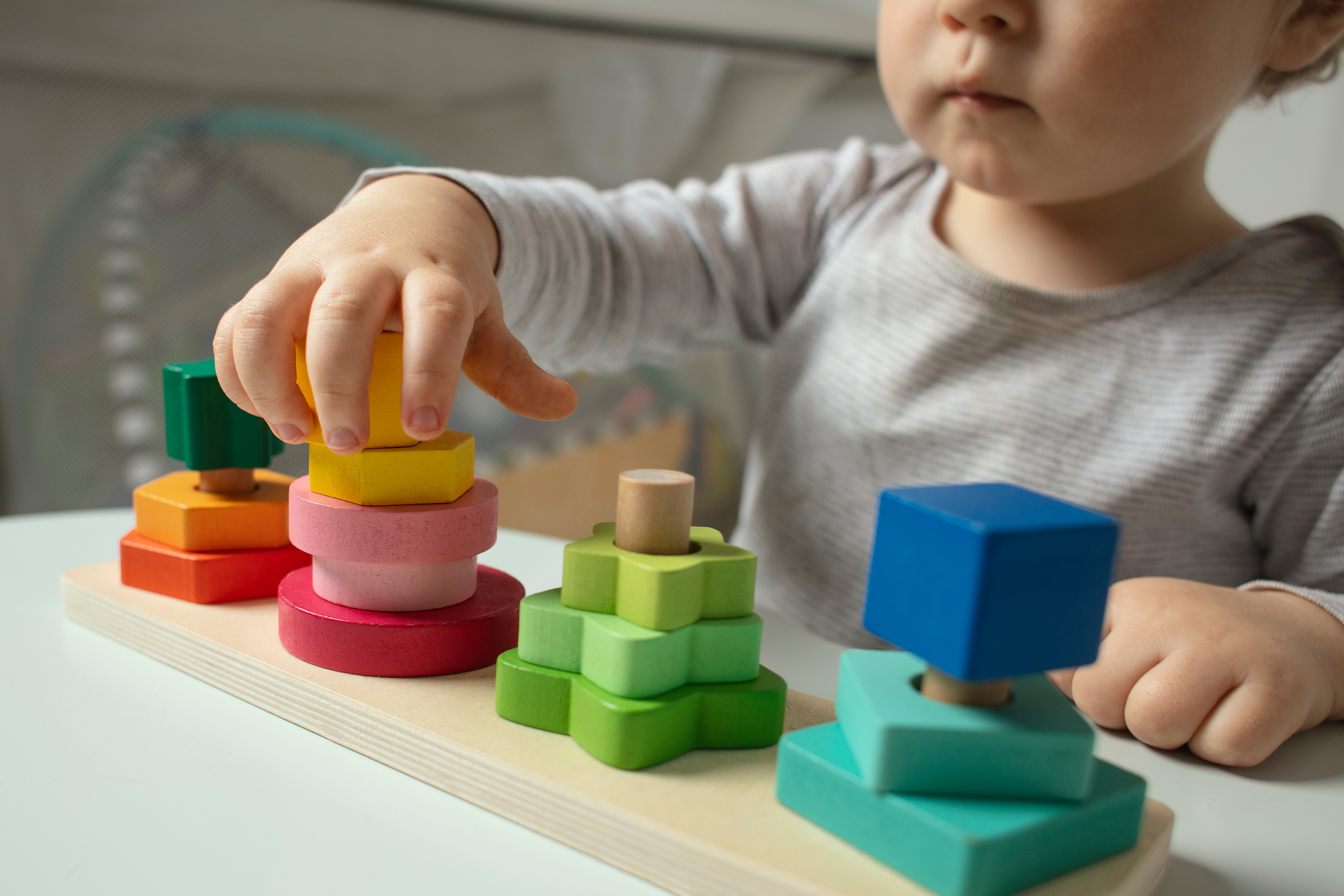
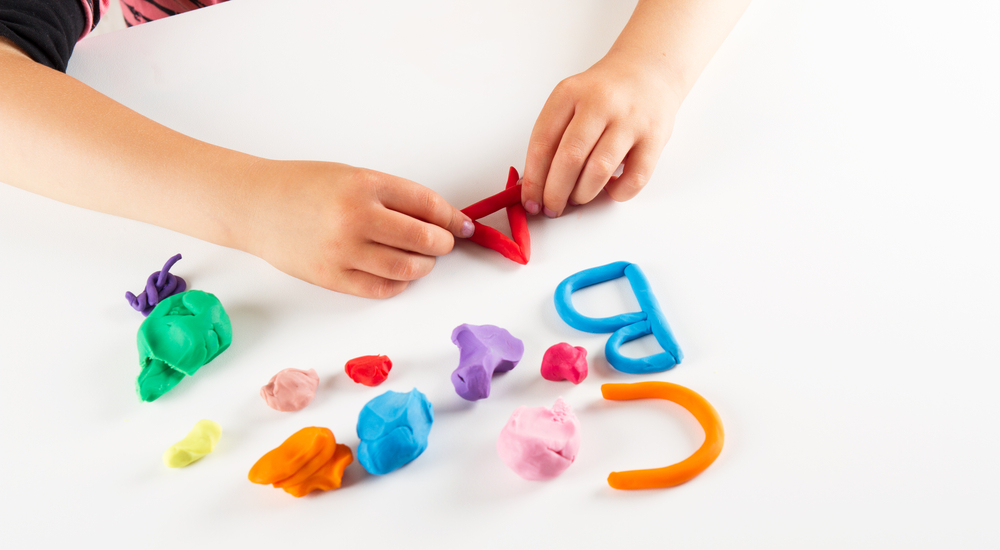
Pattern recognition is a crucial cognitive skill for children aged 4-5, significantly contributing to their overall development. At this age, children are naturally curious and cultivate their learning abilities through exploration. Parents and teachers should care about nurturing this skill because it lays the foundational groundwork for math, reading, and critical thinking skills.
Recognizing patterns helps children identify relationships, make predictions, and understand their environment. For instance, recognizing numerical patterns aids in developing early math skills, while identifying rhythmic patterns in music can enhance language and phonemic awareness. This skill fosters logical reasoning and problem-solving in young learners.
Moreover, engaging children in pattern recognition activities—such as sorting objects, completing patterns with colors or shapes, or even simple musical exercises—encourages analytical thinking and boosts their confidence as they successfully make connections. It also promotes collaborative learning as children work together to identify and create patterns, enhancing social skills.
Ultimately, pattern recognition is not just an academic endeavor; it cultivates a child’s curiosity and creativity, empowering them in every aspect of life. Parents and teachers play a pivotal role in encouraging this essential skill, setting the stage for a lifelong love of learning.








