Problem-Solving Skills Science Worksheets for Ages 4-5
6 filtered results
-
From - To
Unlock your child's potential with our engaging "Problem-Solving Skills Science Worksheets" designed specifically for ages 4-5. These worksheets foster critical thinking and creativity through fun science-related challenges. Your little ones will explore problems in nature, patterns, and everyday situations, enhancing their reasoning abilities while starting their scientific journey. Each worksheet is colorful and interactive, making learning enjoyable and effective. Ideal for parents and educators alike, these resources will help children gain confidence in their problem-solving skills while nurturing their curiosity about the world around them. Explore, experiment, and watch young minds grow with our thoughtful and educational worksheets today!
 Assign to My Students
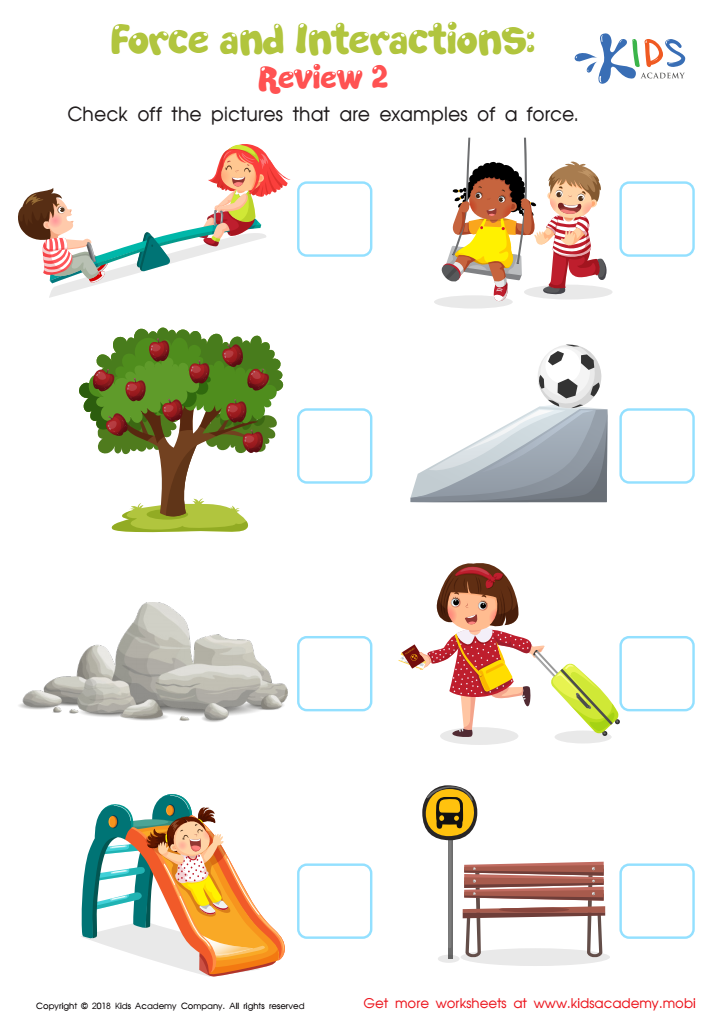
Force and Interactions: Review 2 Worksheet
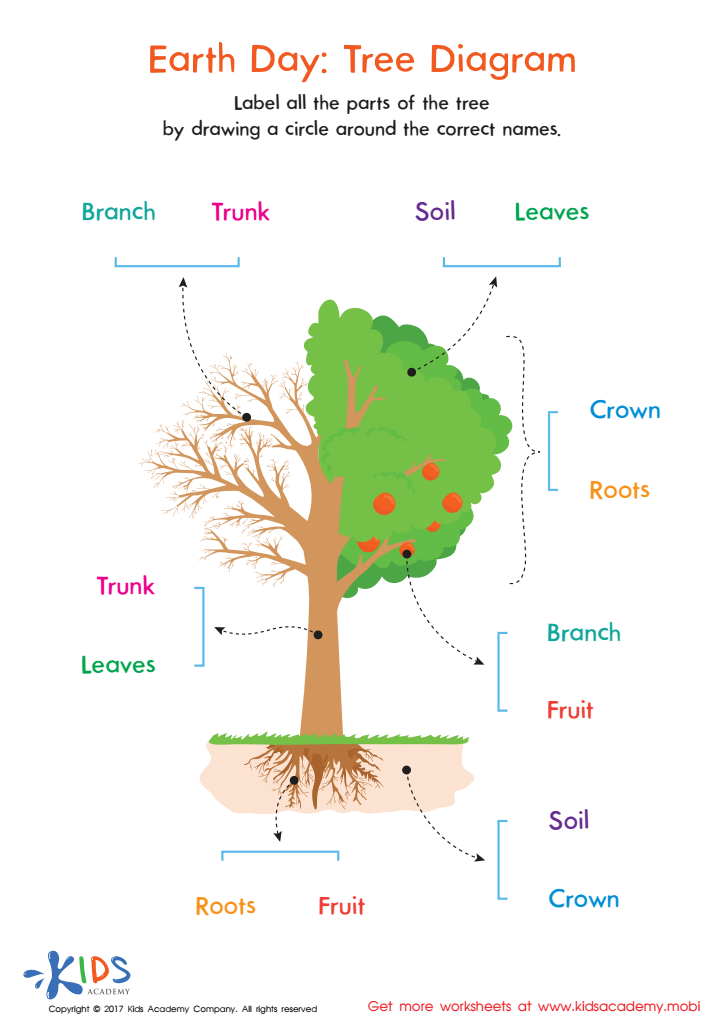
Earth Day: Tree Diagram Worksheet
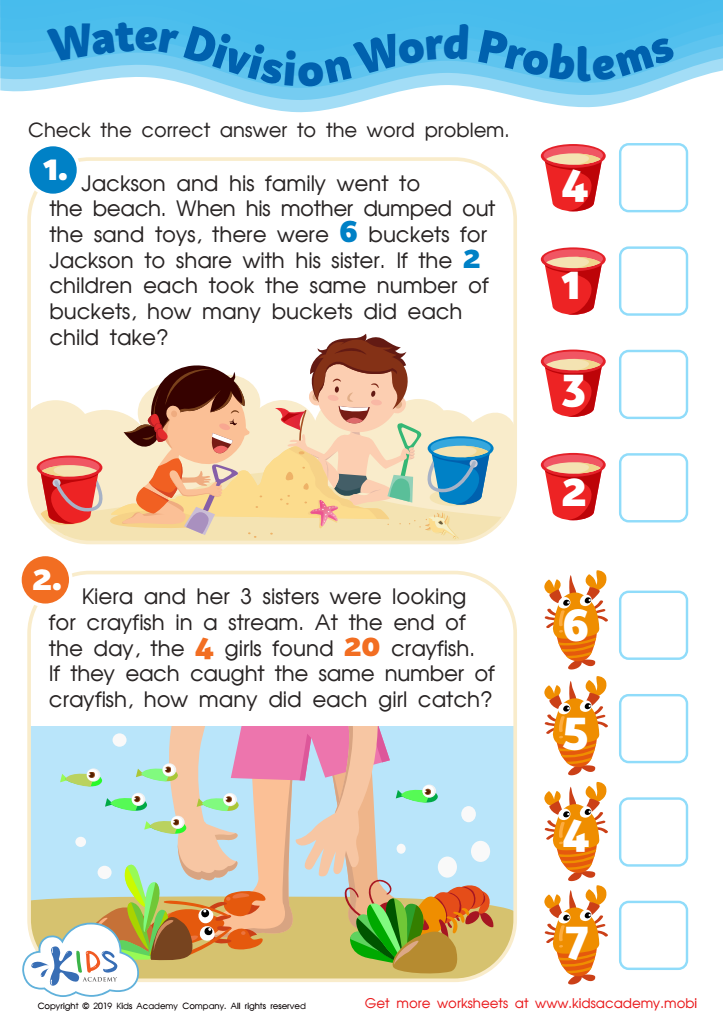
Water Division Word Problems Worksheet
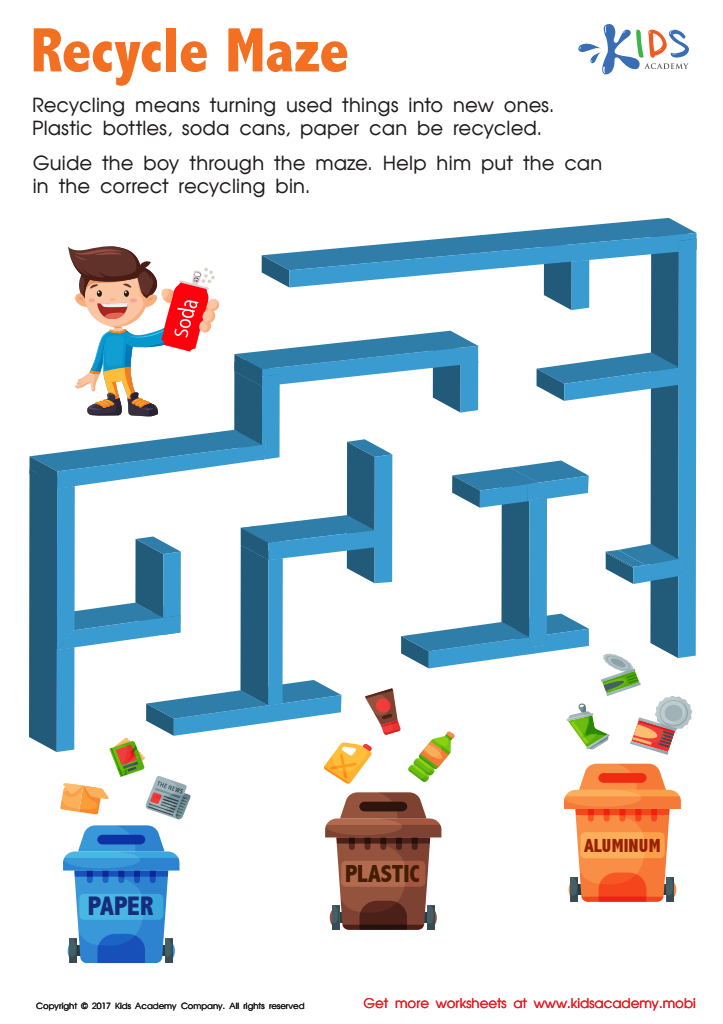
Recycle Maze Worksheet
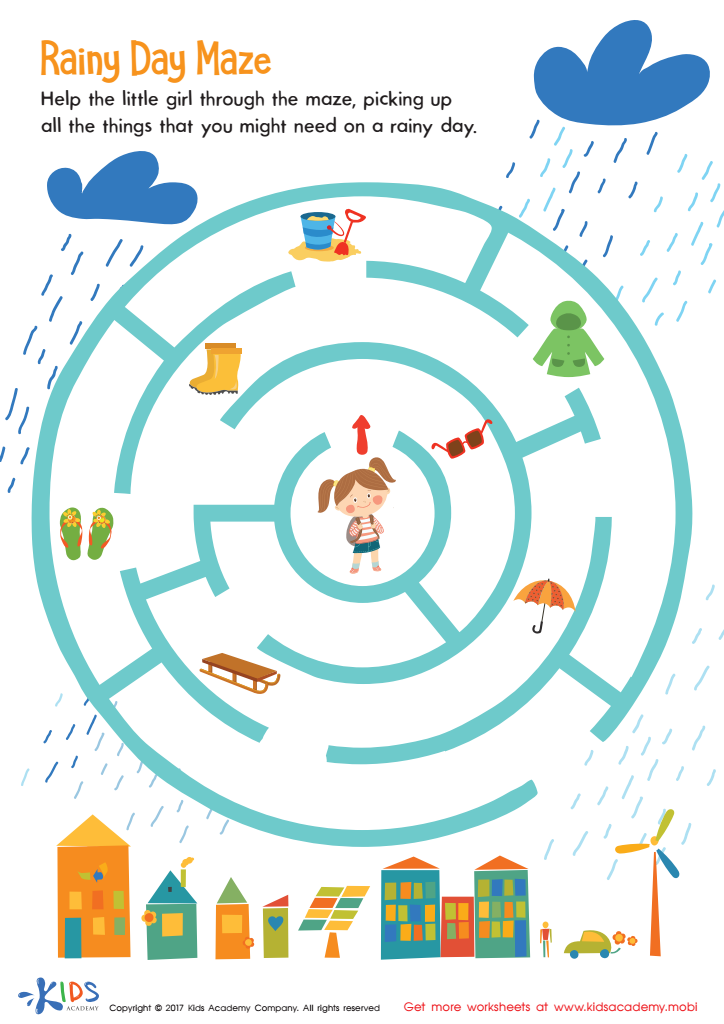
Rainy Day Maze Worksheet



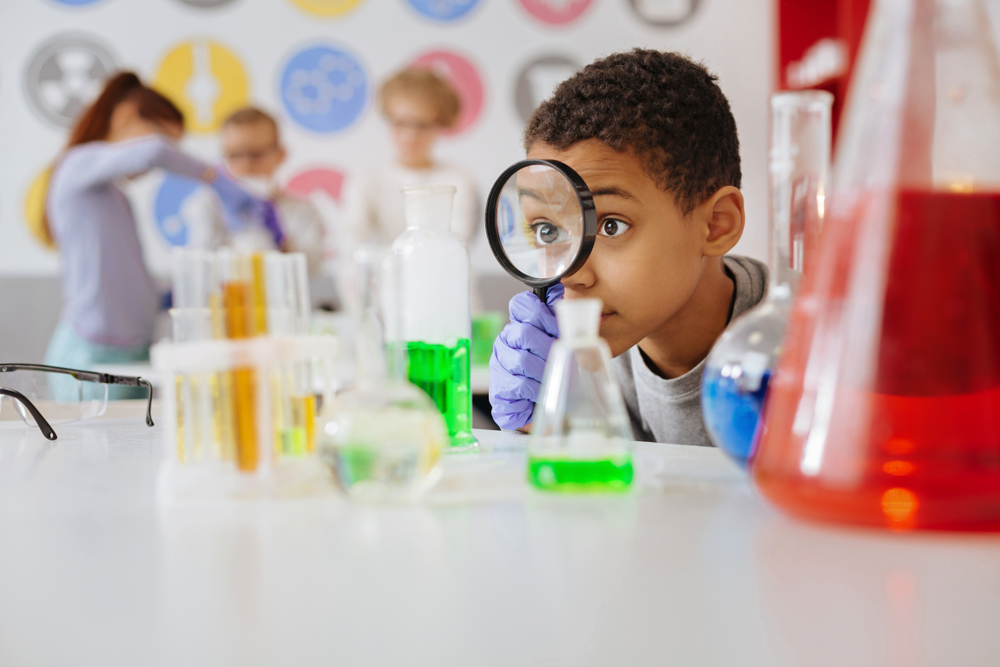




Parents and teachers should prioritize problem-solving skills in science for children ages 4-5 because these skills lay a crucial foundation for lifelong learning and cognitive development. At this age, children are naturally curious, and engaging them in scientific inquiry enhances their critical thinking abilities. When young learners explore how things work, they become adept at making observations, asking questions, experimenting, and evaluating outcomes—skills that transcend science and apply to all areas of life.
Moreover, problem-solving fosters creativity and resilience. Children learn to approach challenges with an open mind, seeking innovative solutions while also developing the emotional strength to navigate failures as part of the learning process. This mindset is essential for both academic success and personal growth.
Integrating problem-solving skills in science also promotes collaboration. Children often work together during experiments, learning to communicate their ideas, listen to others, and appreciate diverse perspectives, which are key components of social-emotional development.
In addition, engaging in scientific problem-solving helps develop early numeracy and literacy skills, as they learn to classify, measure, and communicate their findings. Consequently, prioritizing problem-solving in science helps prepare children not just for academic achievement, but for effectively navigating the complexities of the world around them.







