Shape Recognition Worksheets for Ages 4-6 - Page 2
88 filtered results
-
From - To
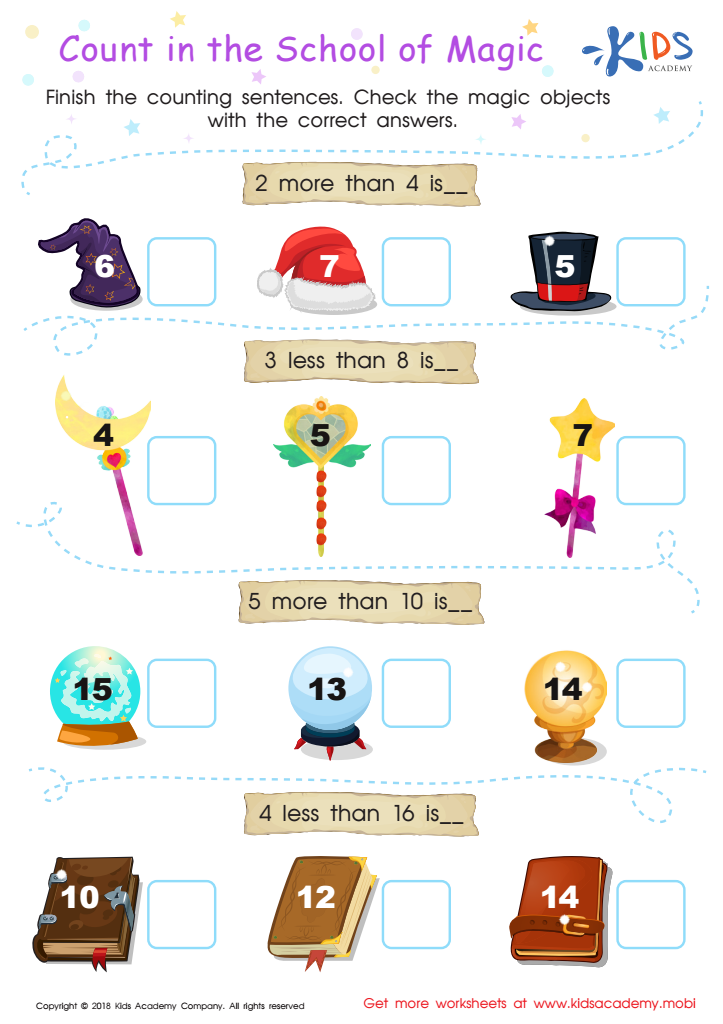
Count in the School of Magic Worksheet
 Assign to My Students
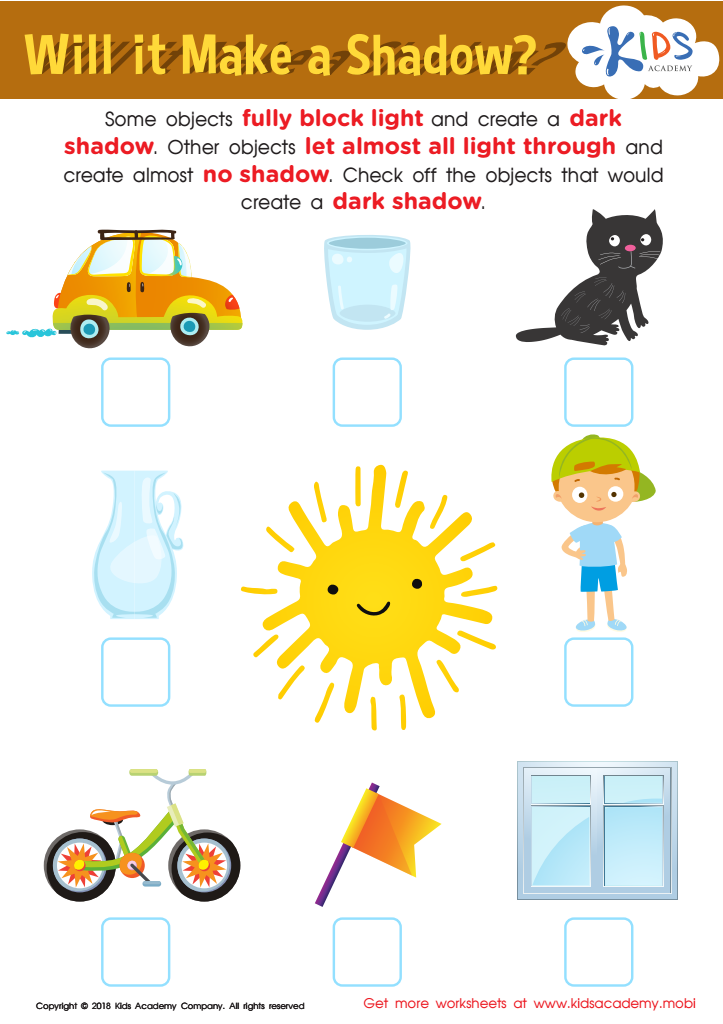
Will It Make a Shadow? Worksheet
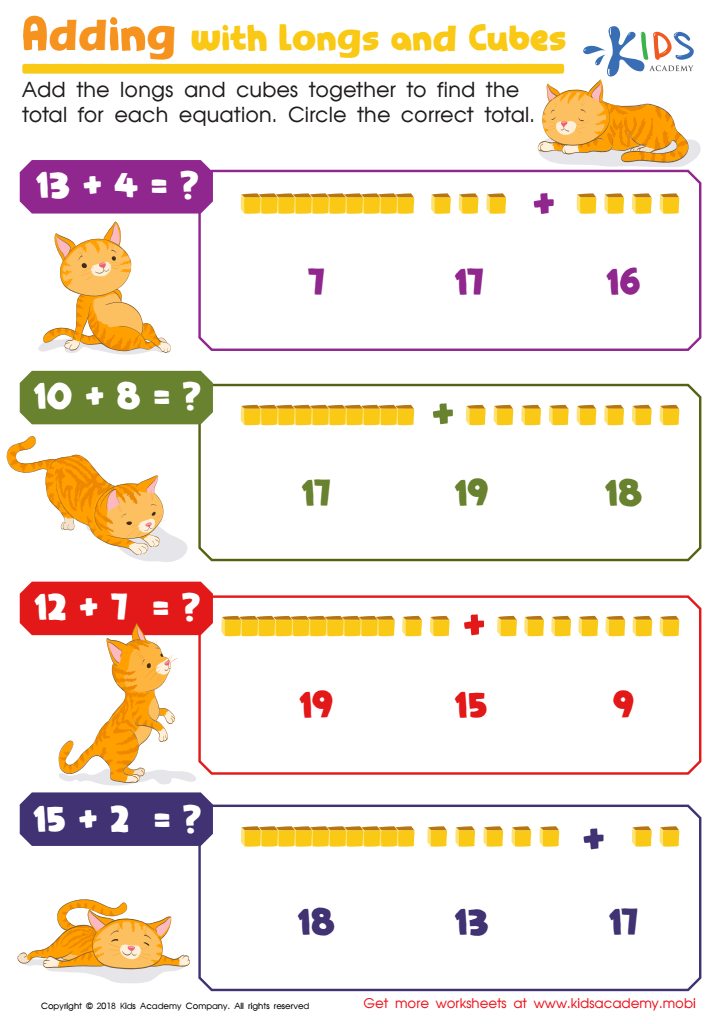
Adding With Longs and Cubes Worksheet
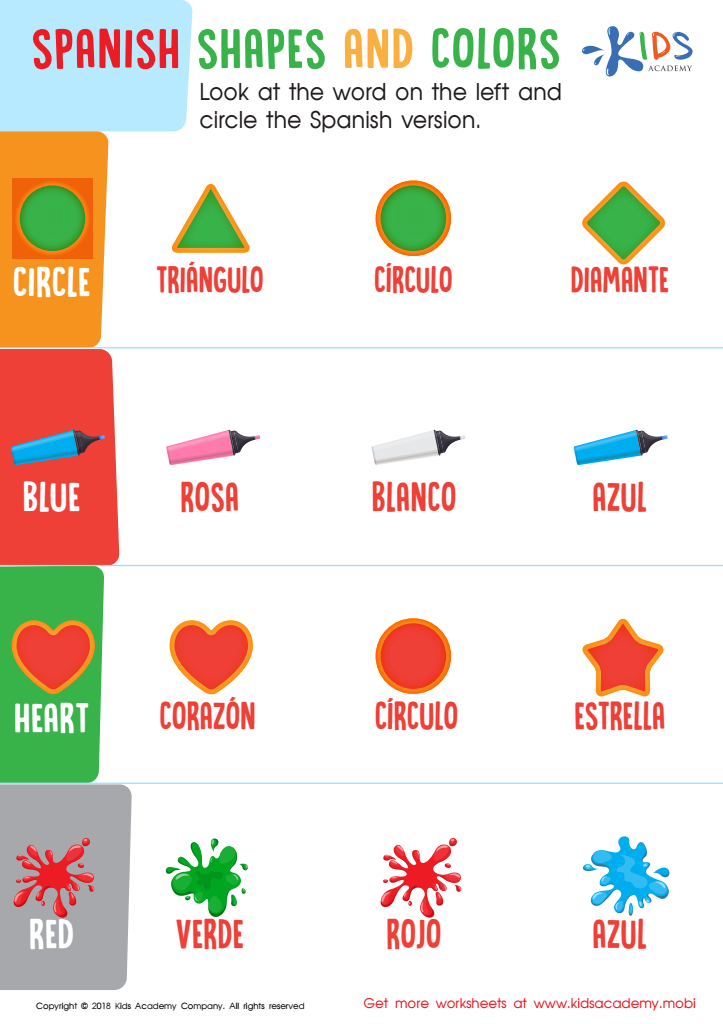
Spanish Shapes and Colors Worksheet
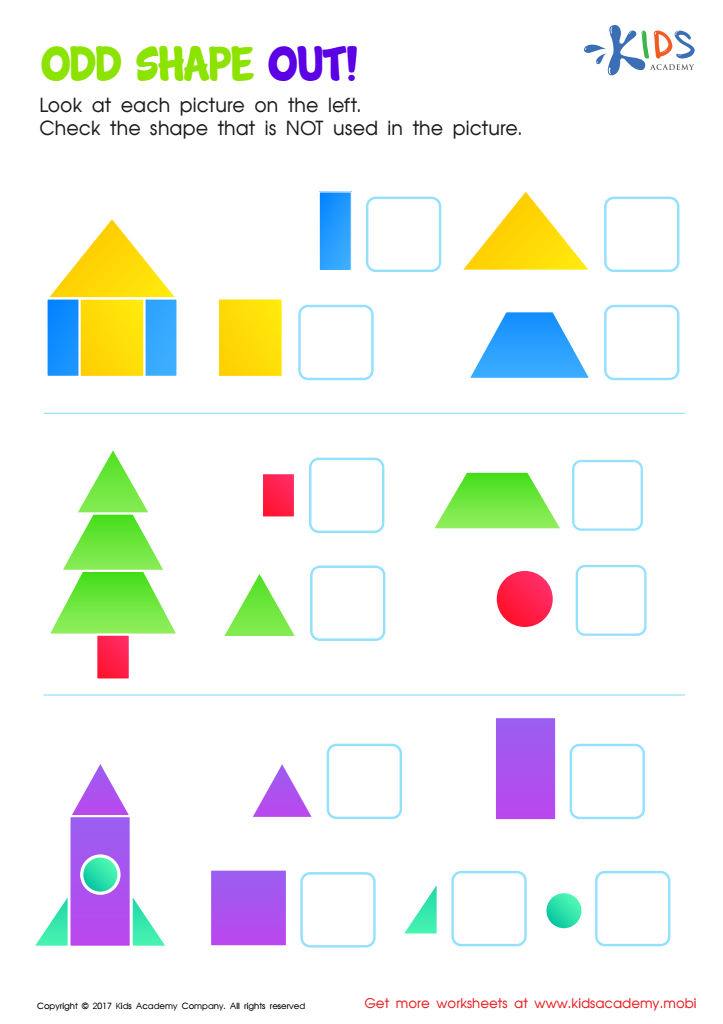
Odd Shape Out Worksheet for Grade 1
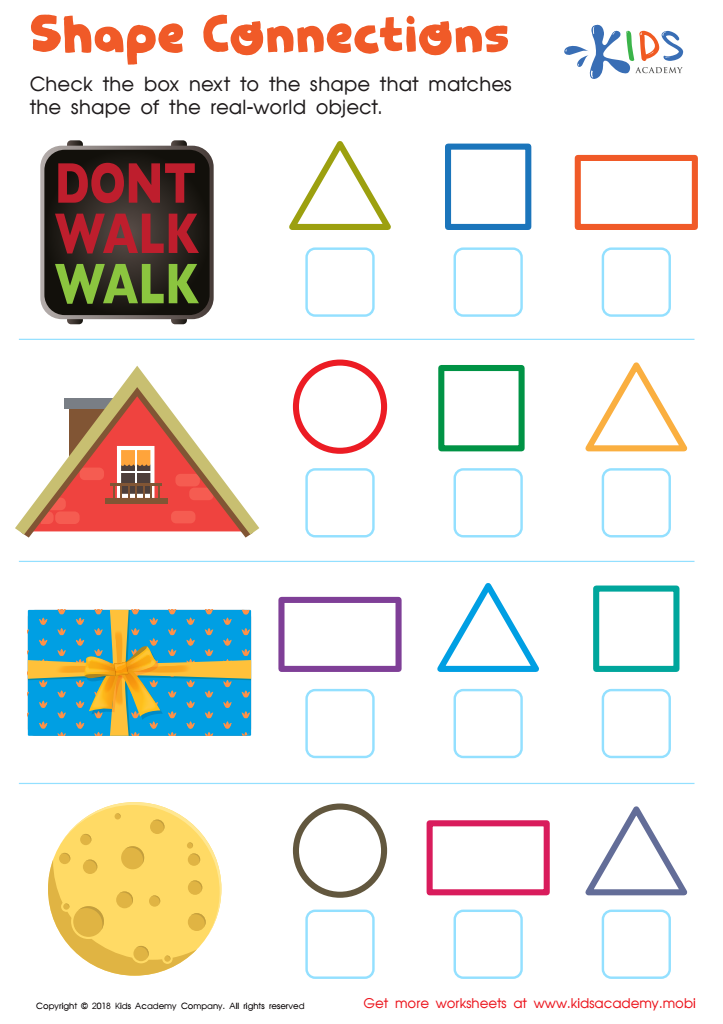
Shape Connections Worksheet
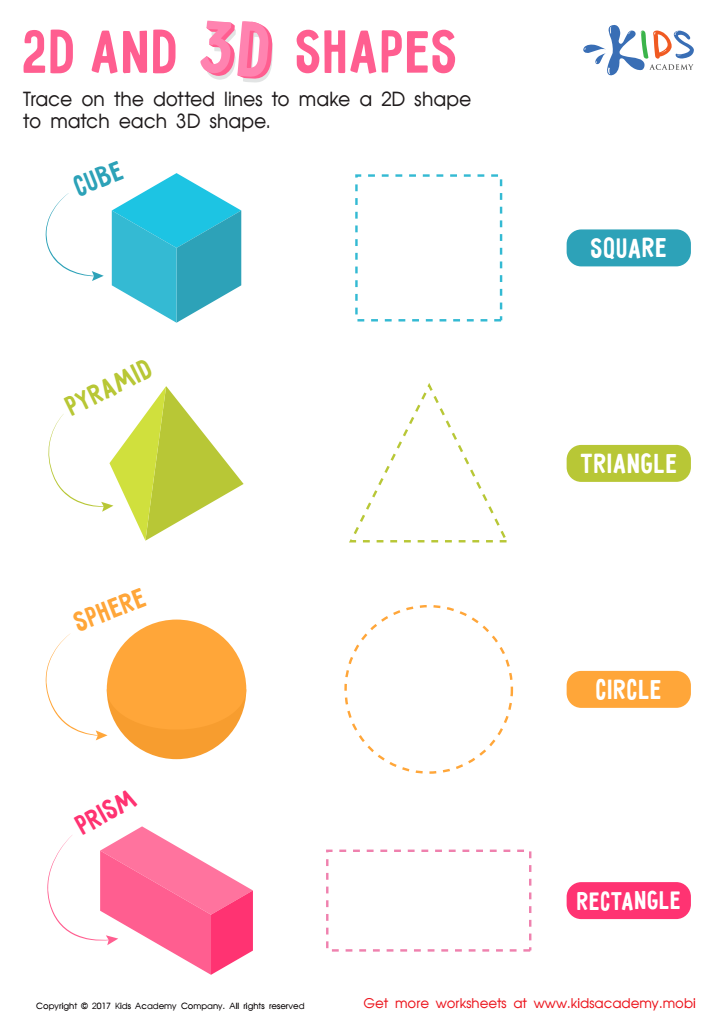
2D and 3D Shapes Worksheet
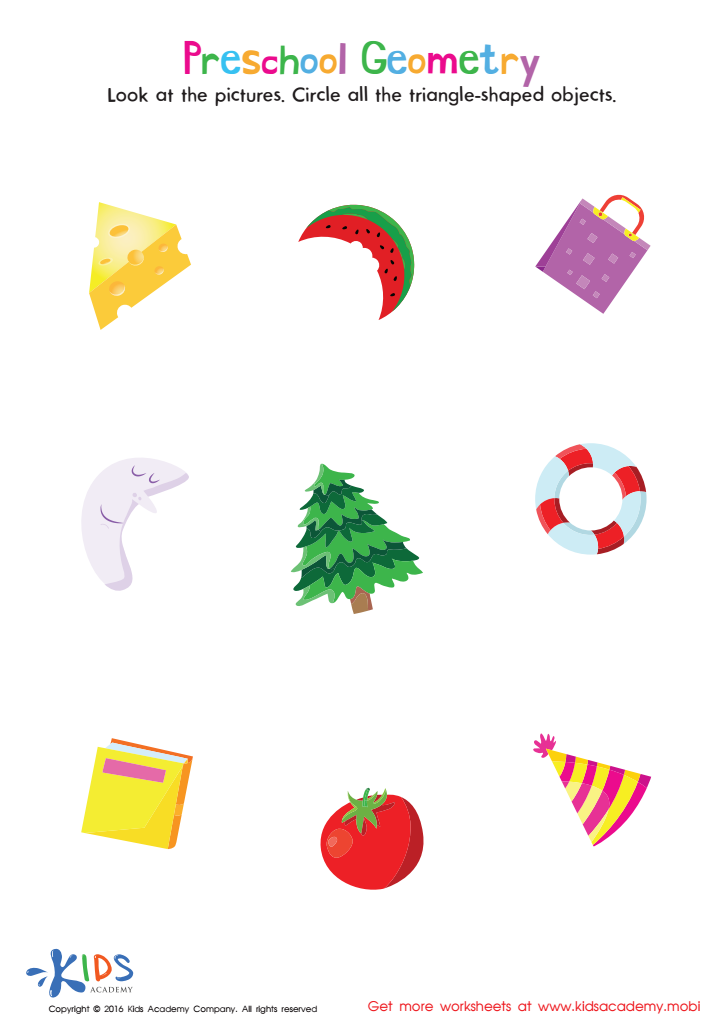
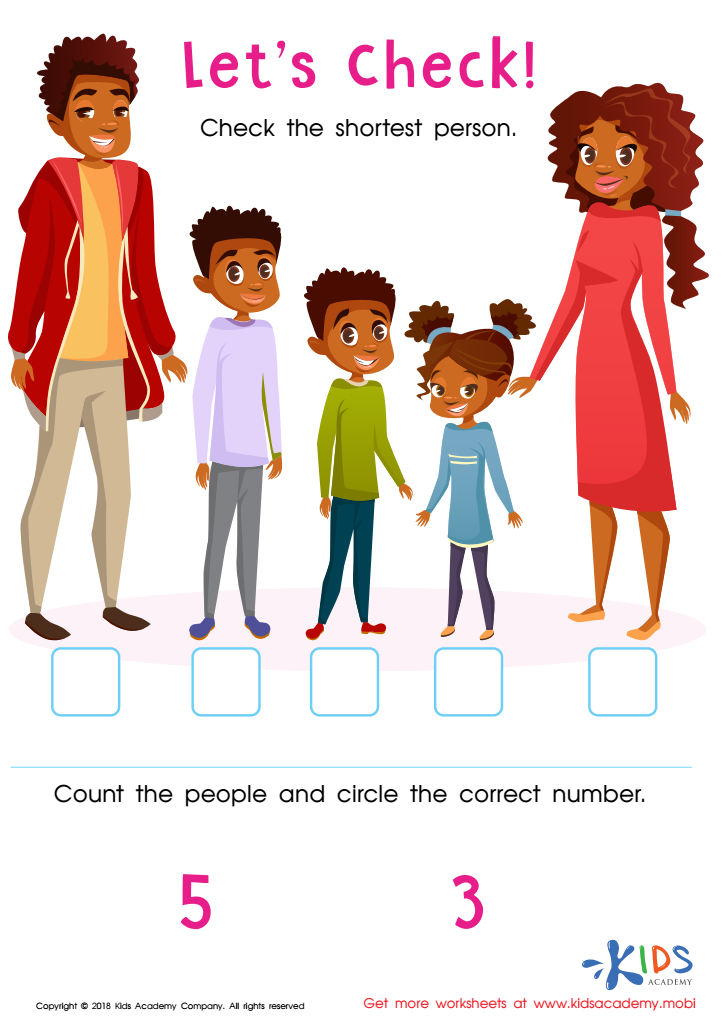
Let's Check! Assessment Worksheet
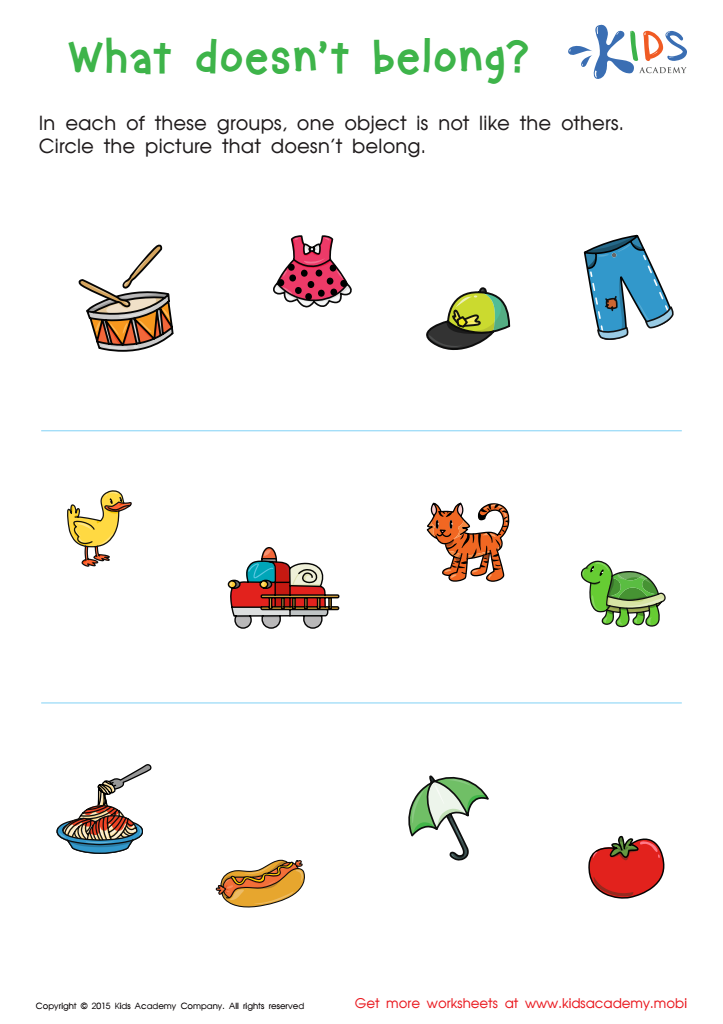
First Words: What Doesn't Belong Worksheet
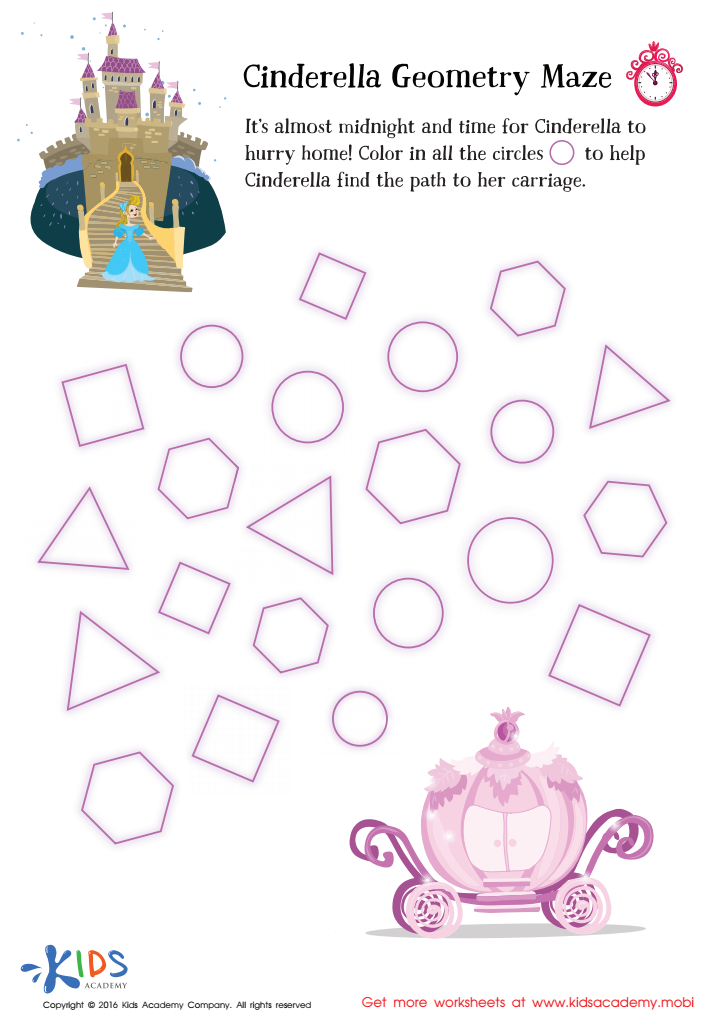
Cinderella Geometry Maze Worksheet
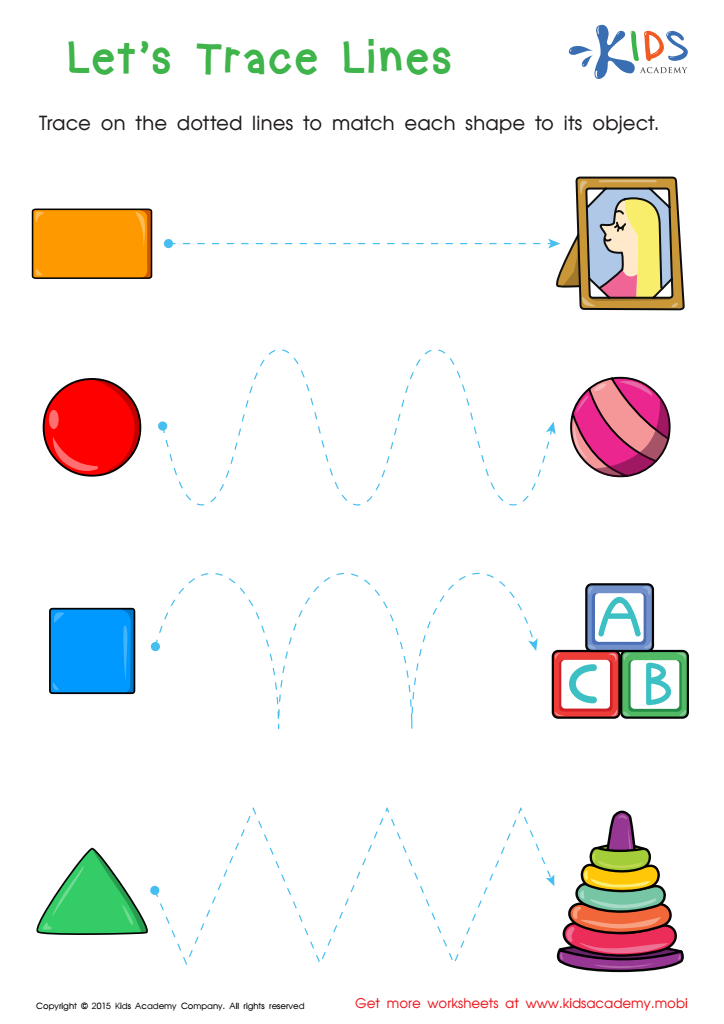
First Words: Let's Trace Lines Worksheet
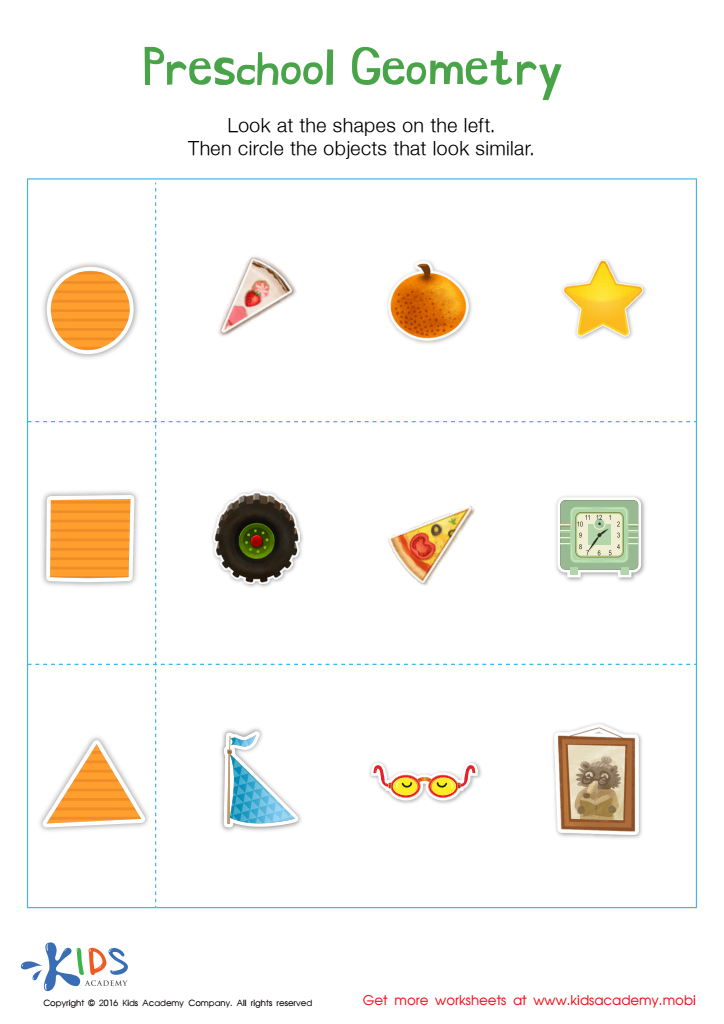
Preschool Geometry Match Up Worksheet
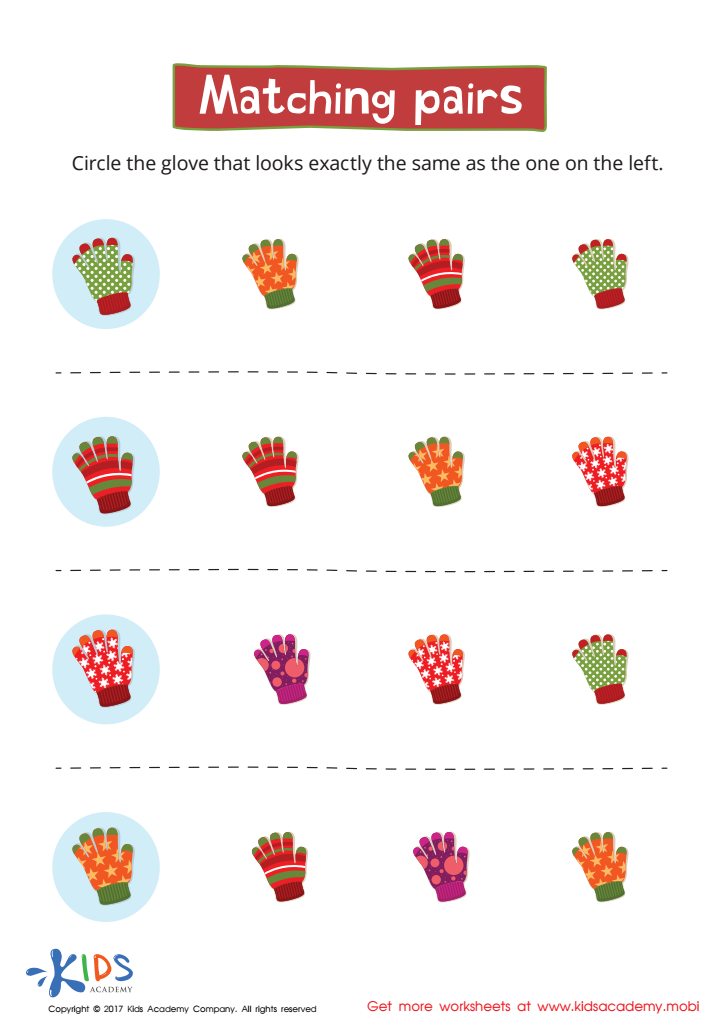
Matching: Matching Pairs Worksheet
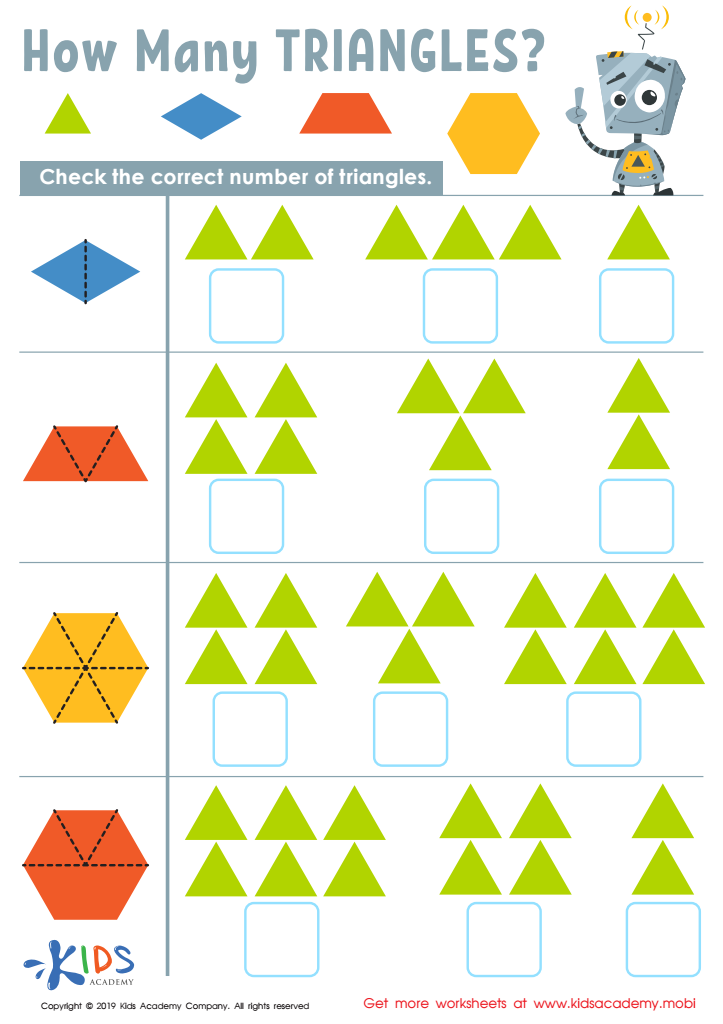
How Many Triangles Worksheet
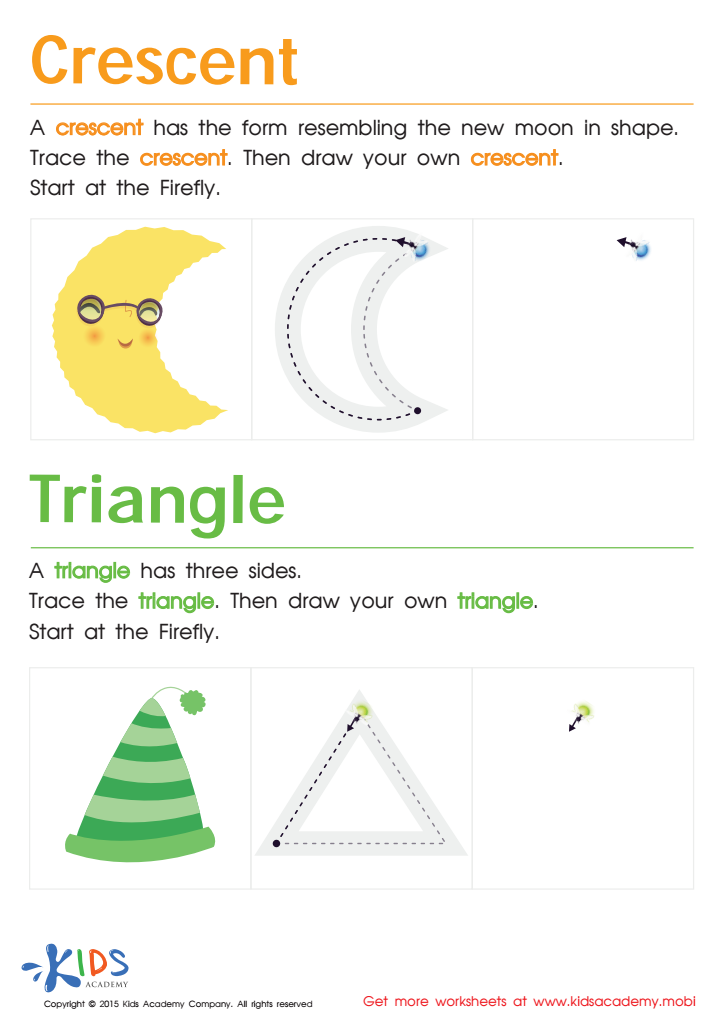
Learning to Draw Crescents And Triangles Worksheet
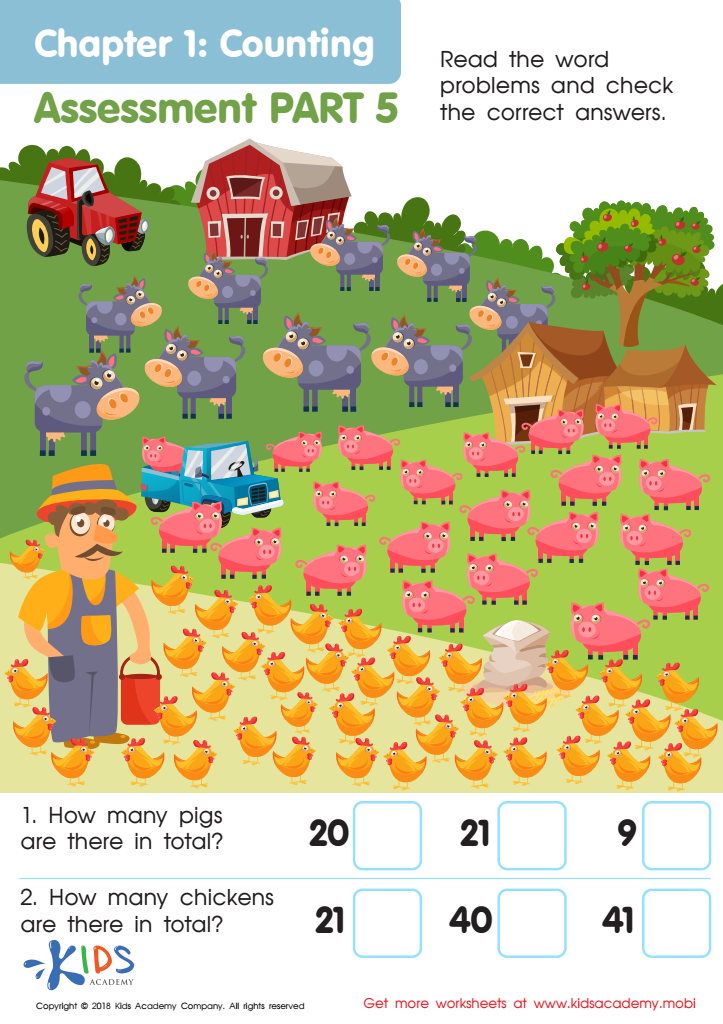
Counting: Assessment 5 Worksheet
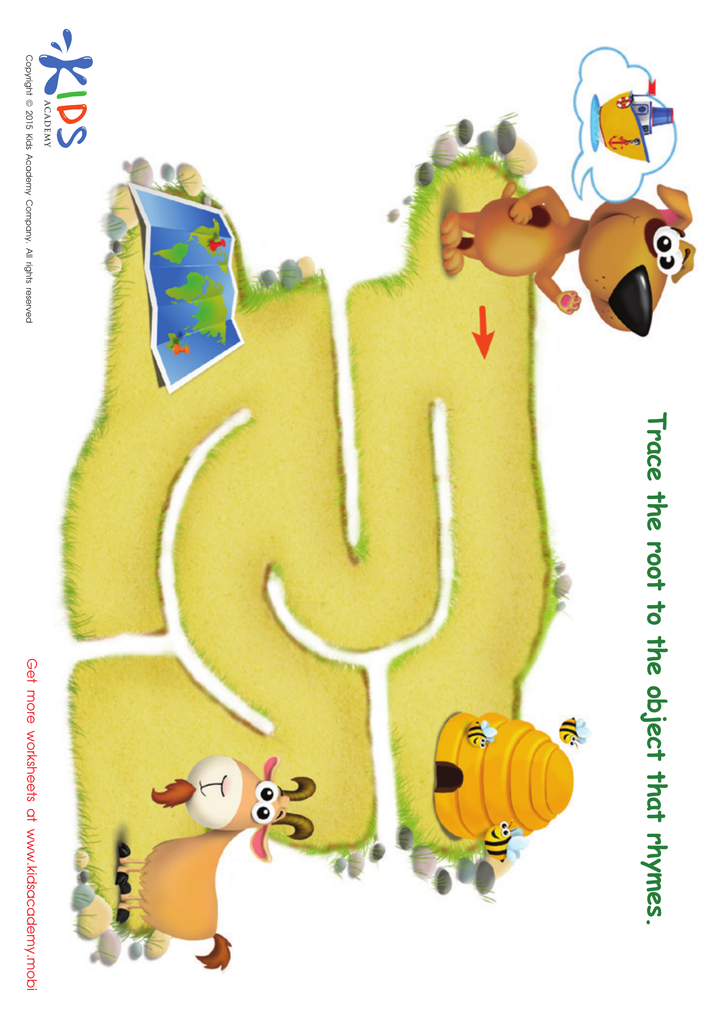
Boat Rhyming Words Worksheet
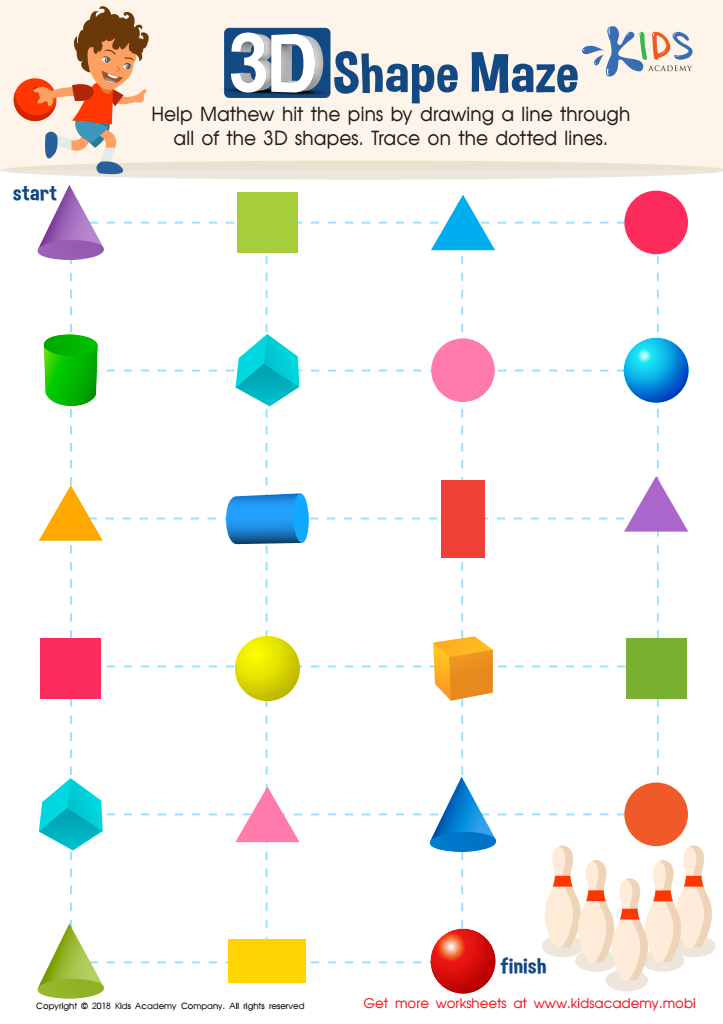
Shapes Maze Geometry Worksheet
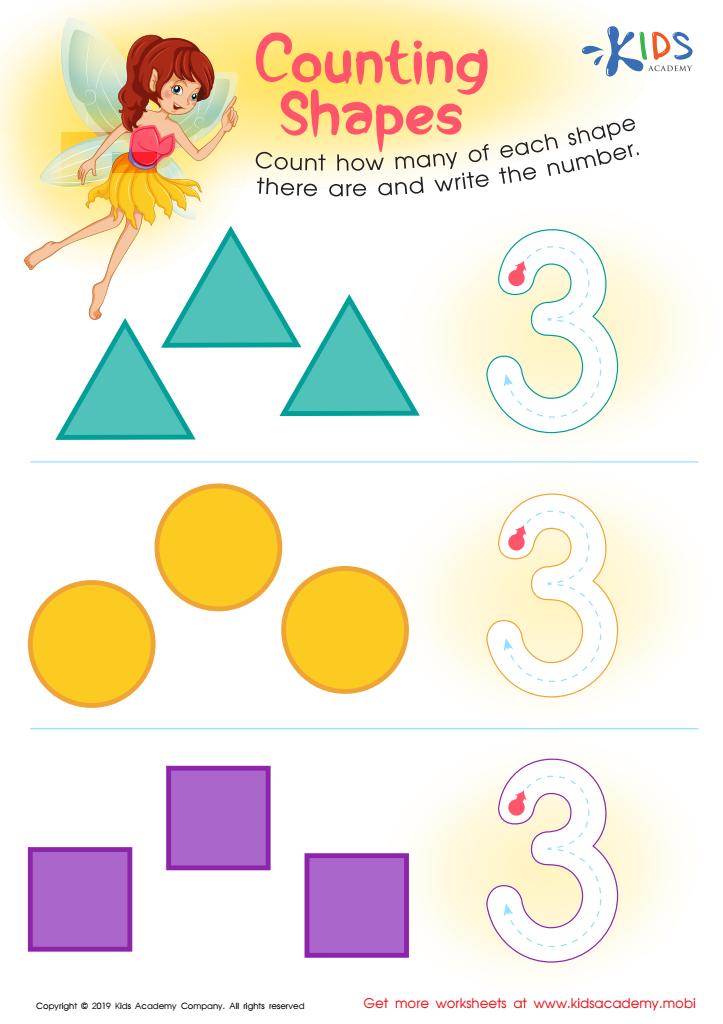
Counting Shapes Worksheet
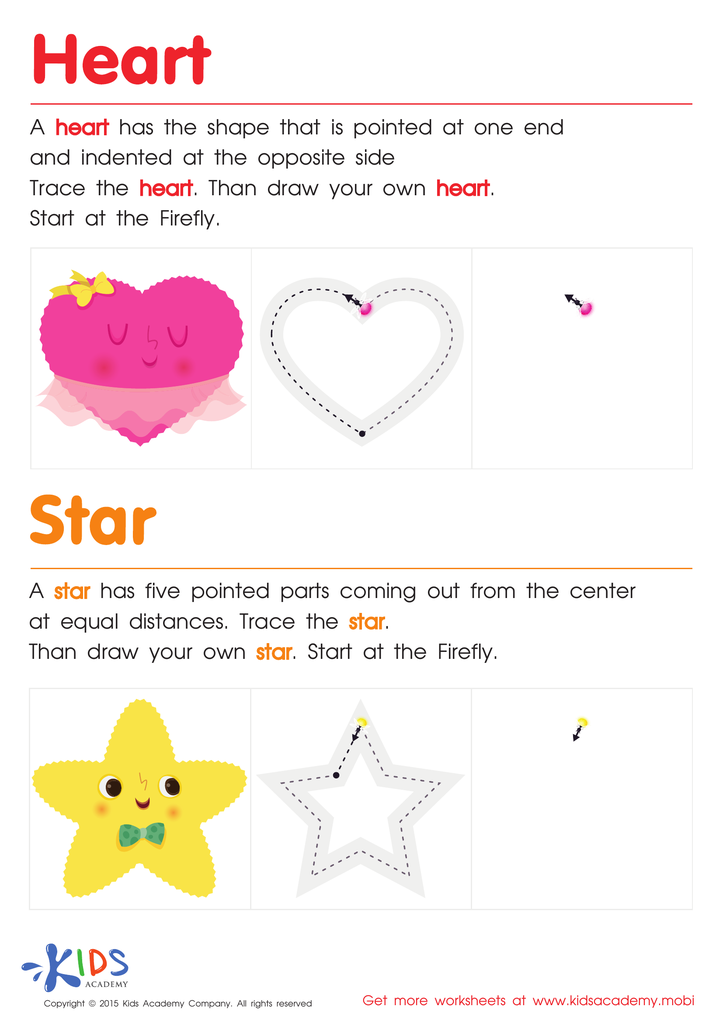
Let's Learn to Draw Hearts And Stars Printable
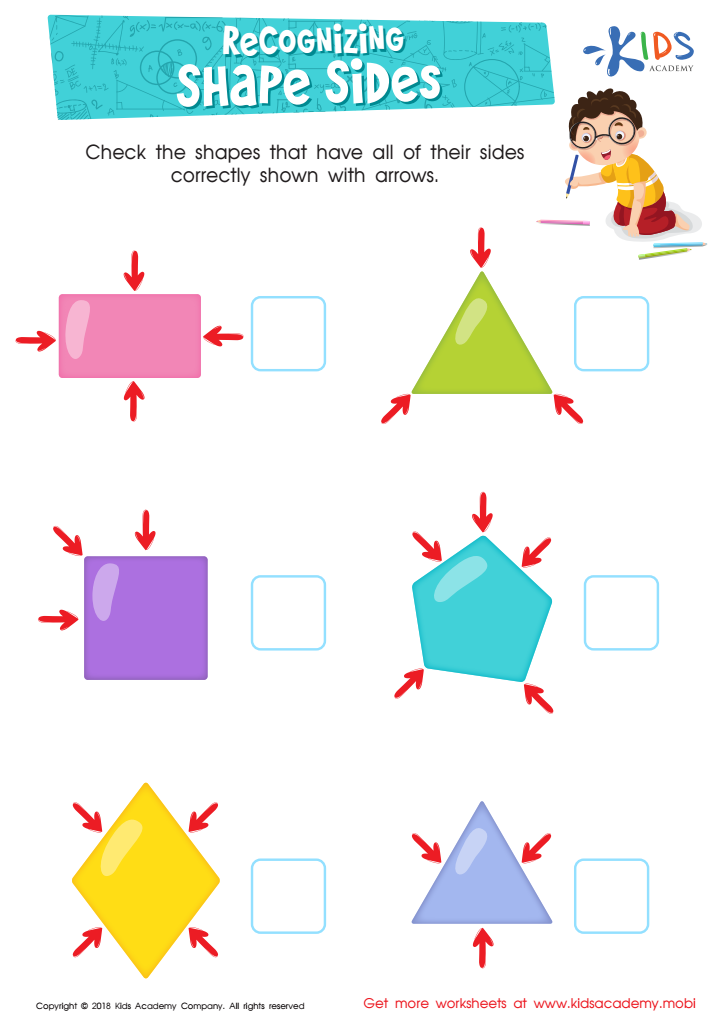
Recognizing Shape Sides Worksheet
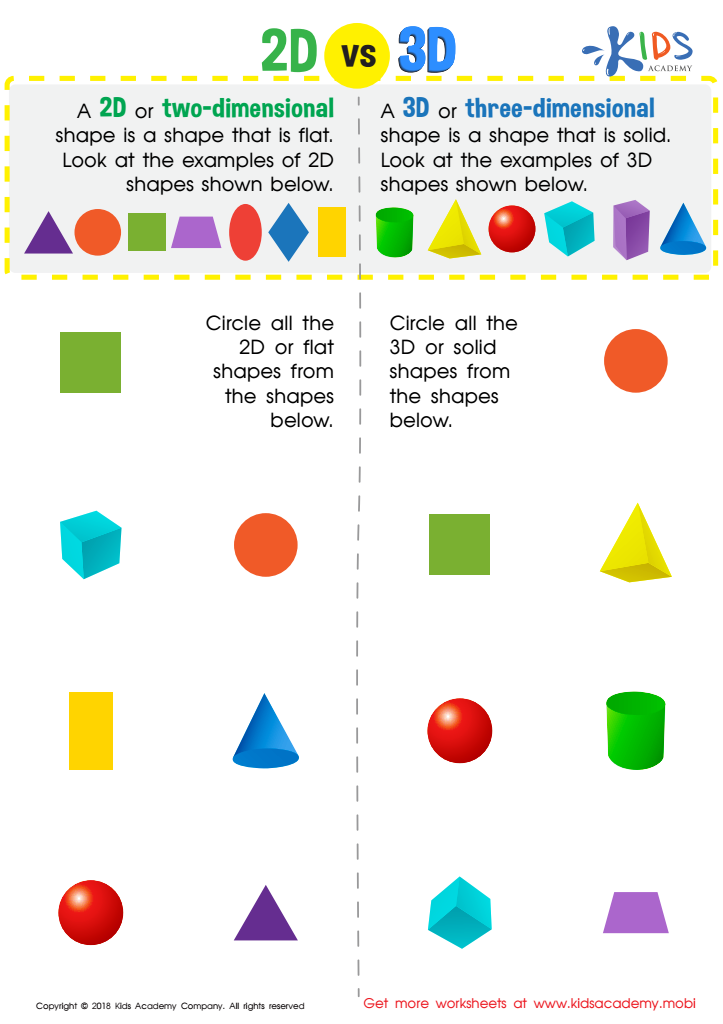
2D vs 3D Shapes Worksheet


.jpg)


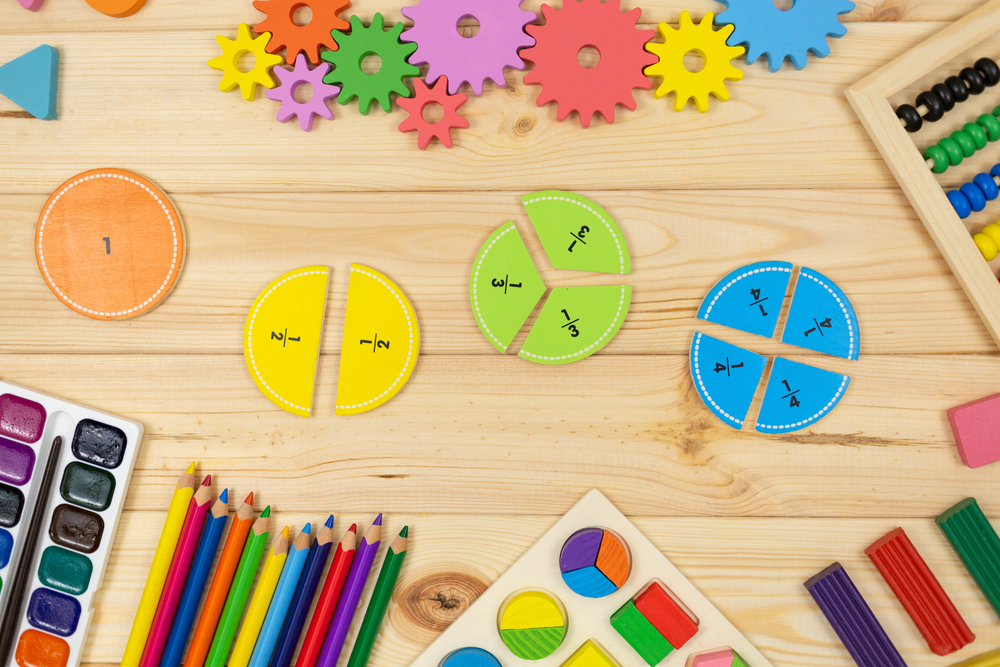


Shape recognition is a fundamental aspect of early childhood development and plays a crucial role in a child's cognitive growth. For children aged 4-6, recognizing and identifying shapes helps build foundational skills in various areas, both academic and practical.
Firstly, shape recognition aids in mathematical development. Understanding basic shapes is a precursor to more complex mathematical concepts such as geometry, spatial awareness, and problem-solving. When children learn to differentiate shapes, they enhance their ability to recognize patterns, compare objects, and understand symmetry which are all vital mathematical skills.
Secondly, shape recognition supports literacy skills. Letters and numbers are essentially shapes, and distinguishing different shapes helps children in recognizing different forms of letters, aiding in reading and writing activities.
Moreover, recognizing shapes fosters analytical and observational abilities, as children learn to notice the differences and similarities between various objects. This is essential for critical thinking and categorization skills.
Additionally, shape recognition is integral to everyday life. It helps children make sense of the world around them, from identifying traffic signs to understanding simple instructions like putting a square block into a square hole.
Therefore, by focusing on shape recognition, parents and teachers are equipping children with invaluable tools that enhance their learning capabilities and prepare them comprehensively for future educational challenges.








