Tracing Letters Worksheets for Ages 4-7 - Page 2
58 filtered results
-
From - To
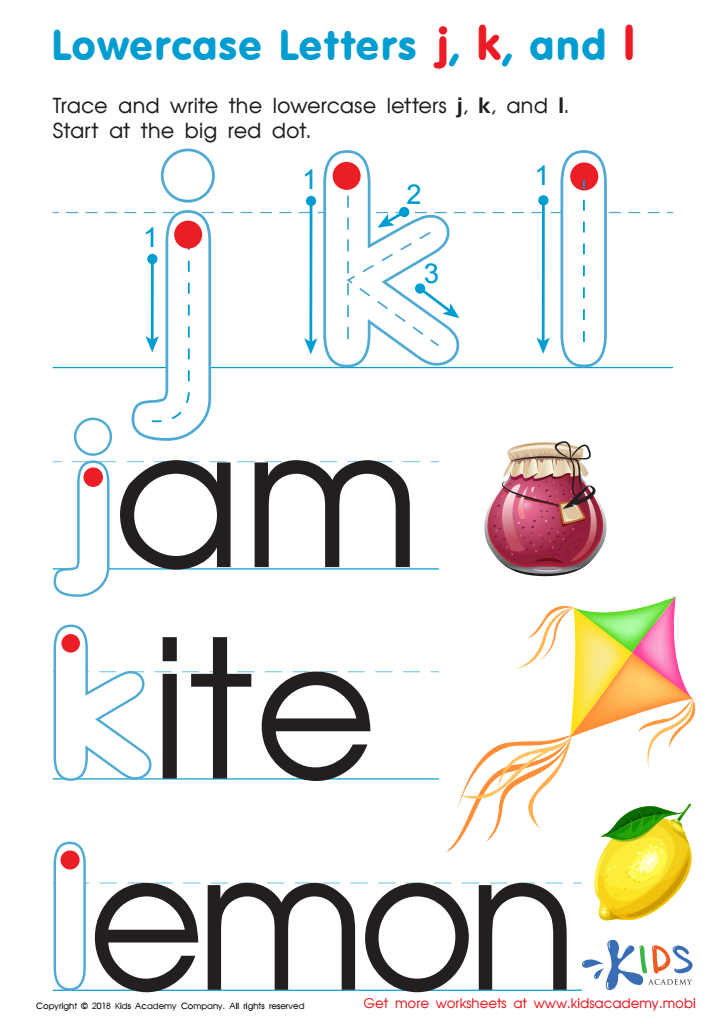
Lowercase Letters j k l Worksheet
 Assign to My Students
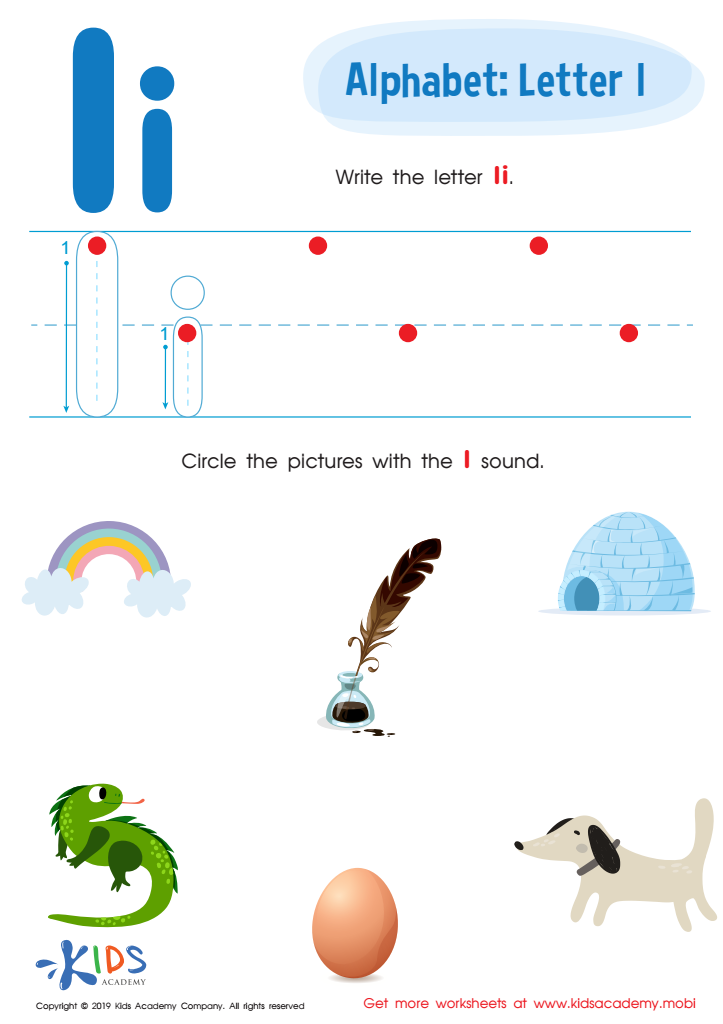
Letter I Tracing Worksheet
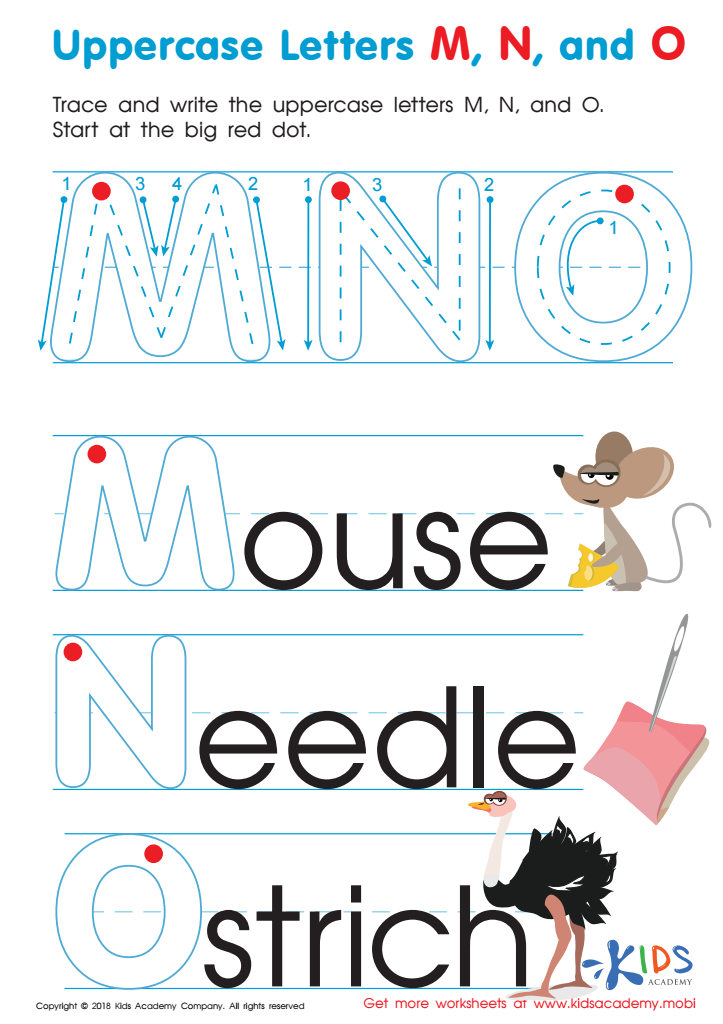
Uppercase Letters M, N, and O Worksheet
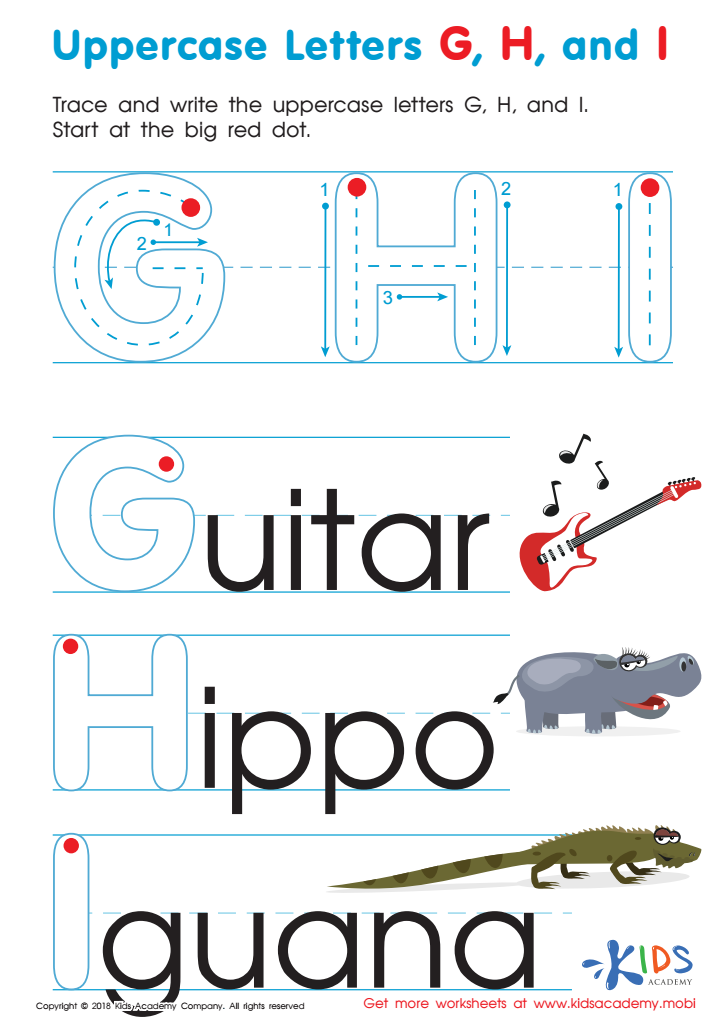
Uppercase Letters G, H, and I Worksheet

Letter G Tracing Page
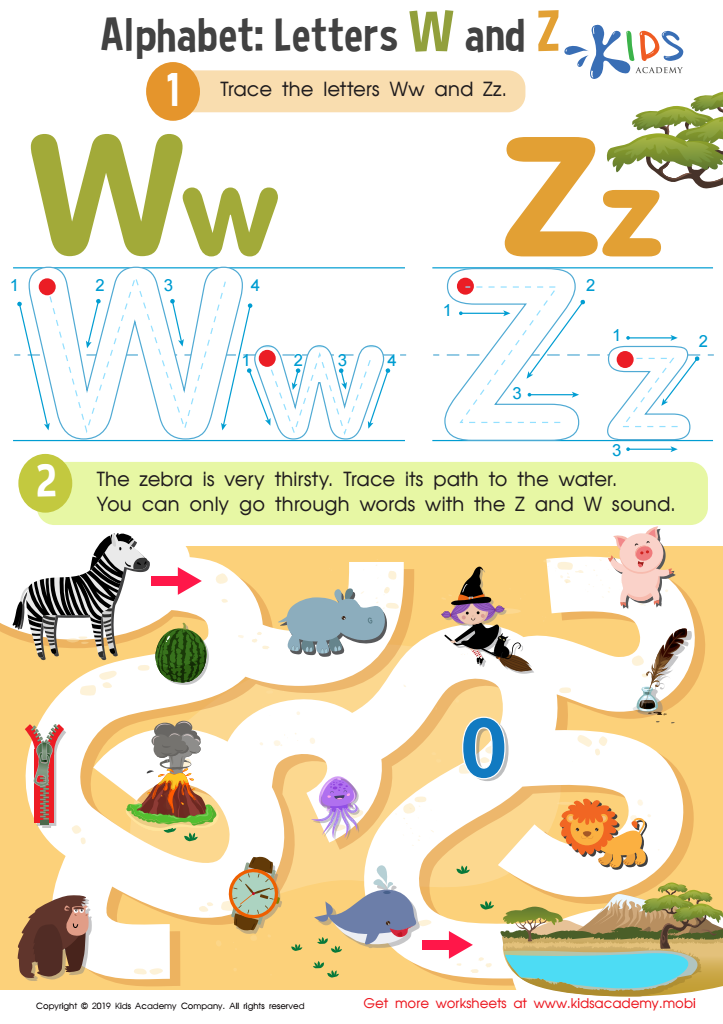
Letters W and Z Tracing Worksheet
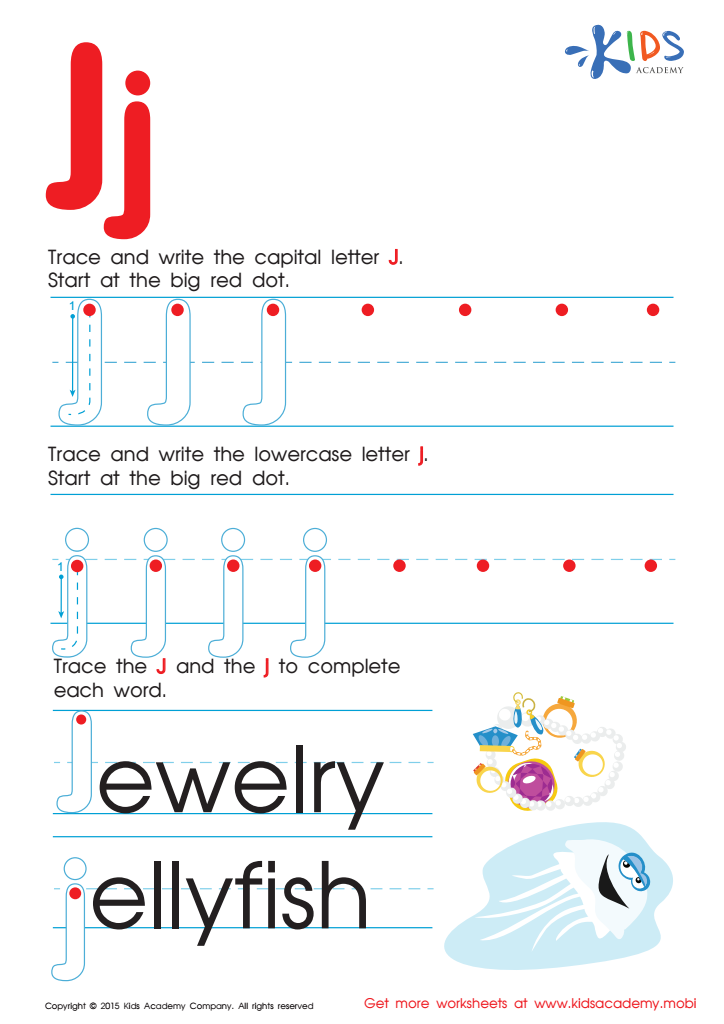
Letter J Tracing Page
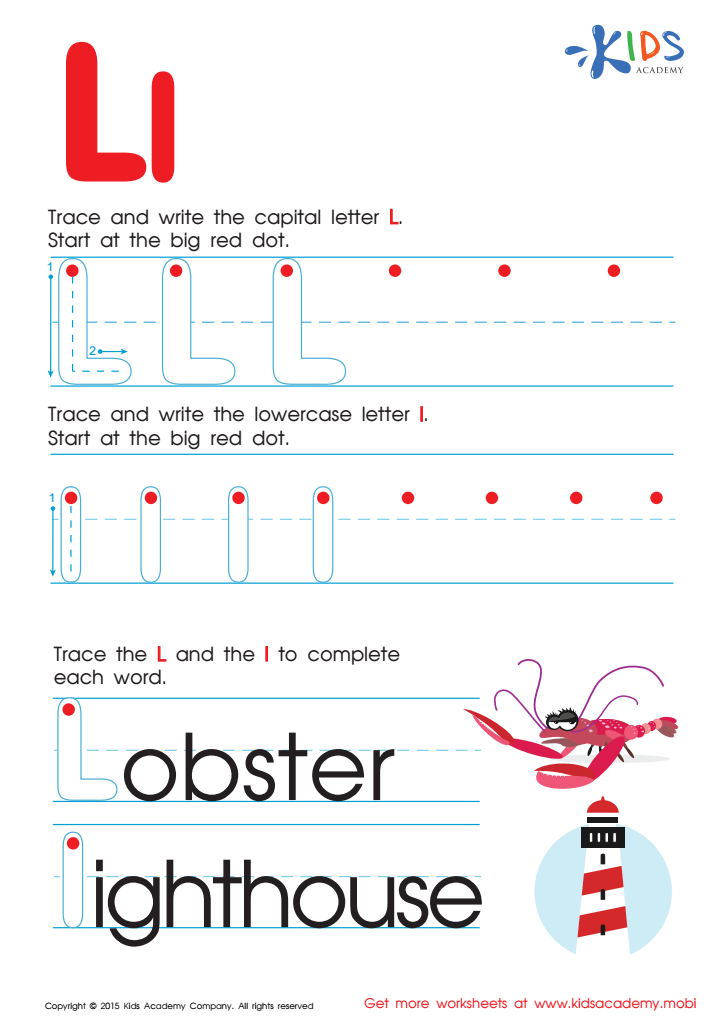
Letter L Tracing Page
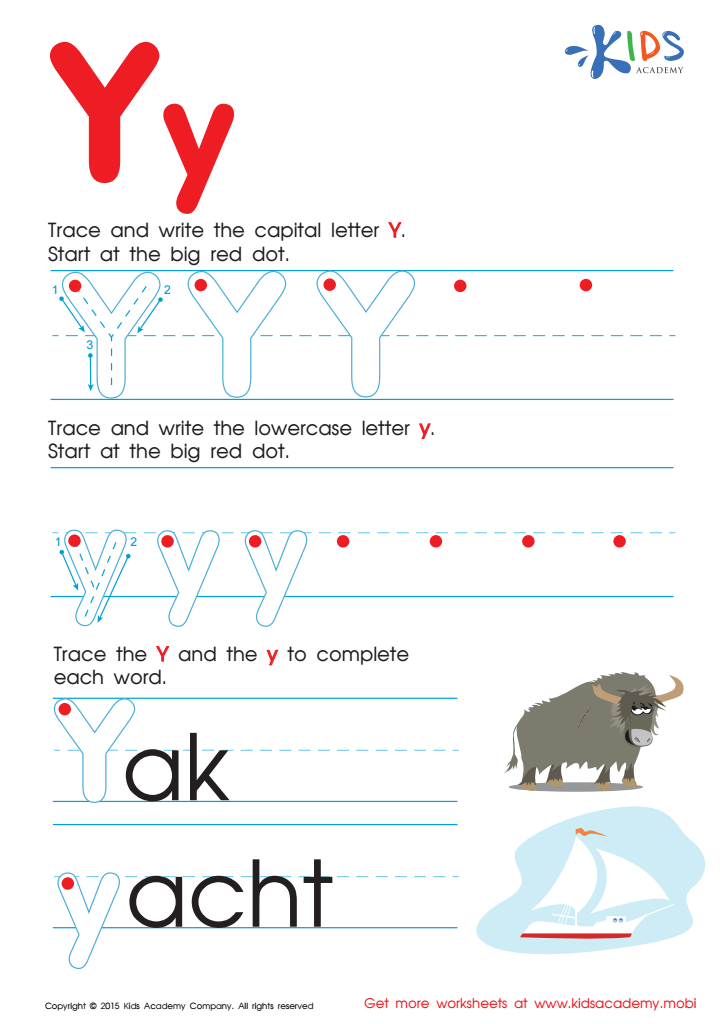
Letter Y Tracing Page
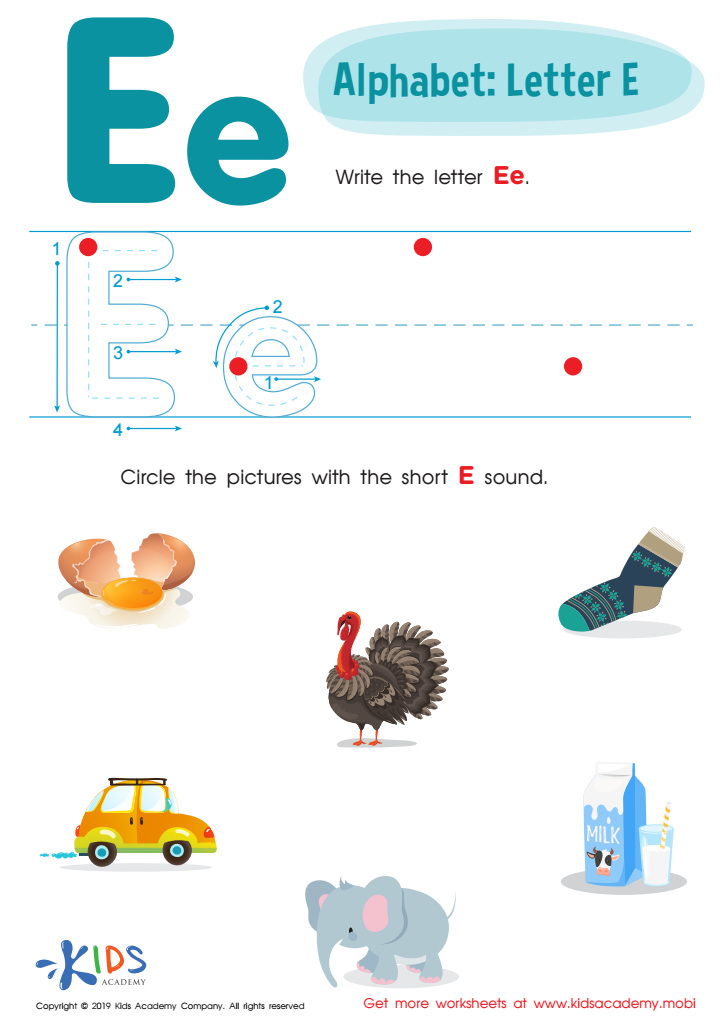
Letter E Tracing Worksheet
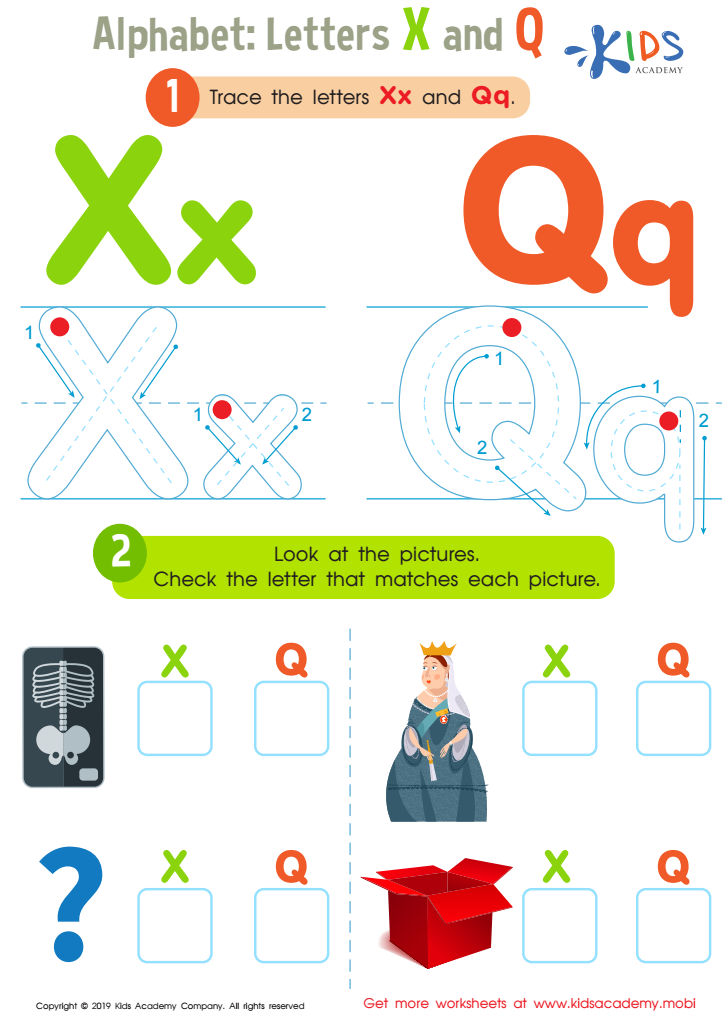
Letters X and Q Tracing Worksheet
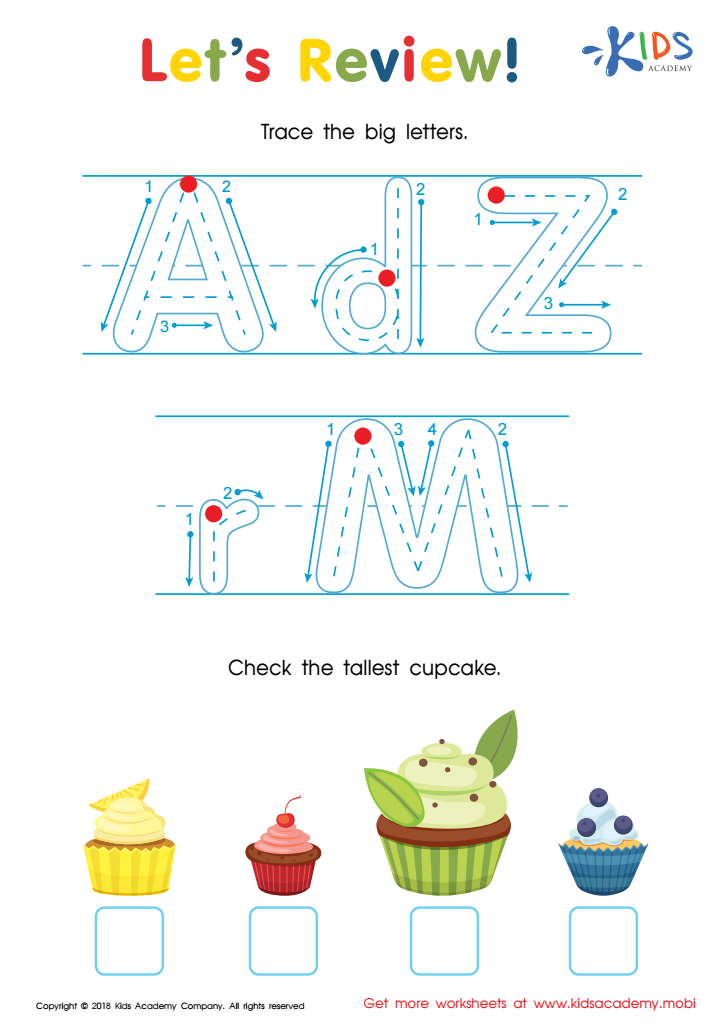
Let's Review! Big Letters Worksheet
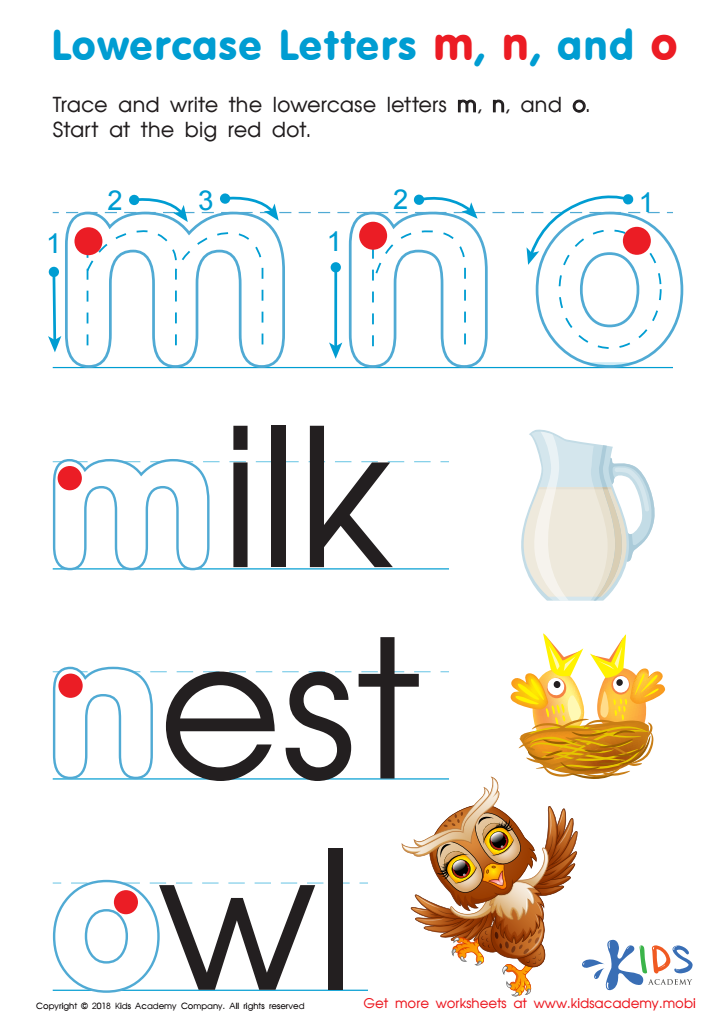
Lowercase Letters m n o Worksheet
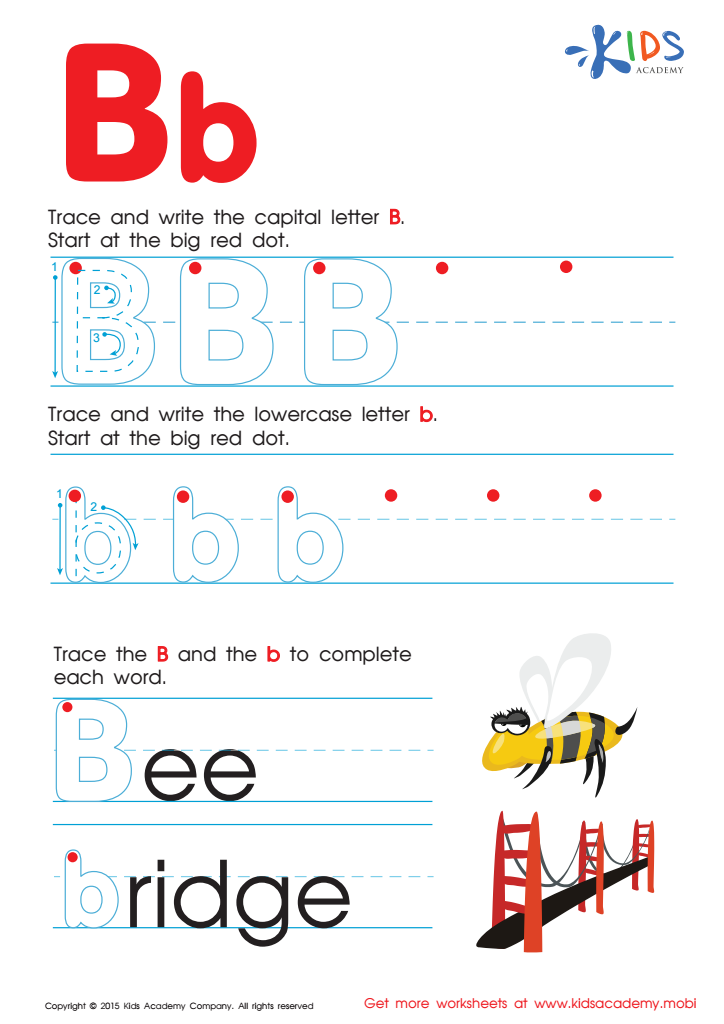
Letter B Tracing Page
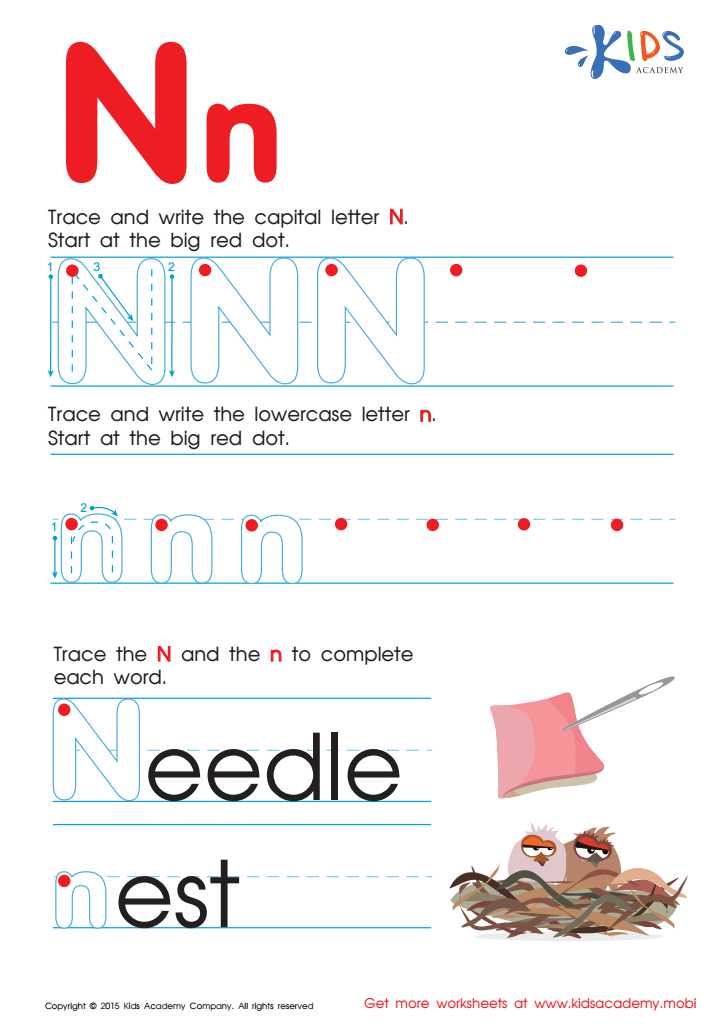
Letter N Tracing Page
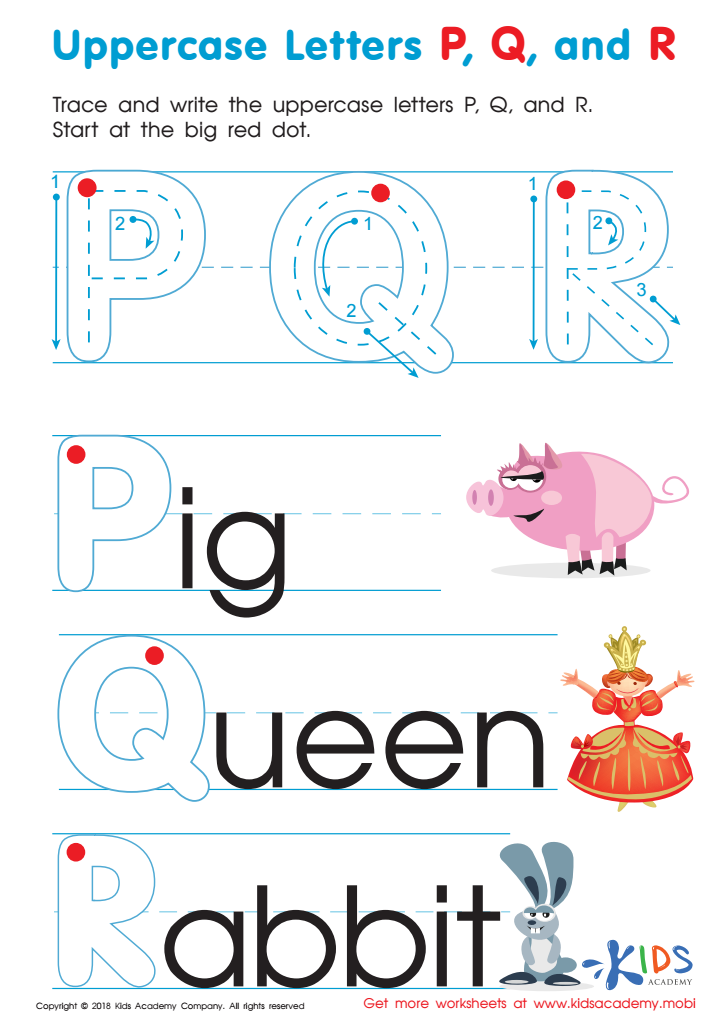
Uppercase Letters P, Q, and R Worksheet
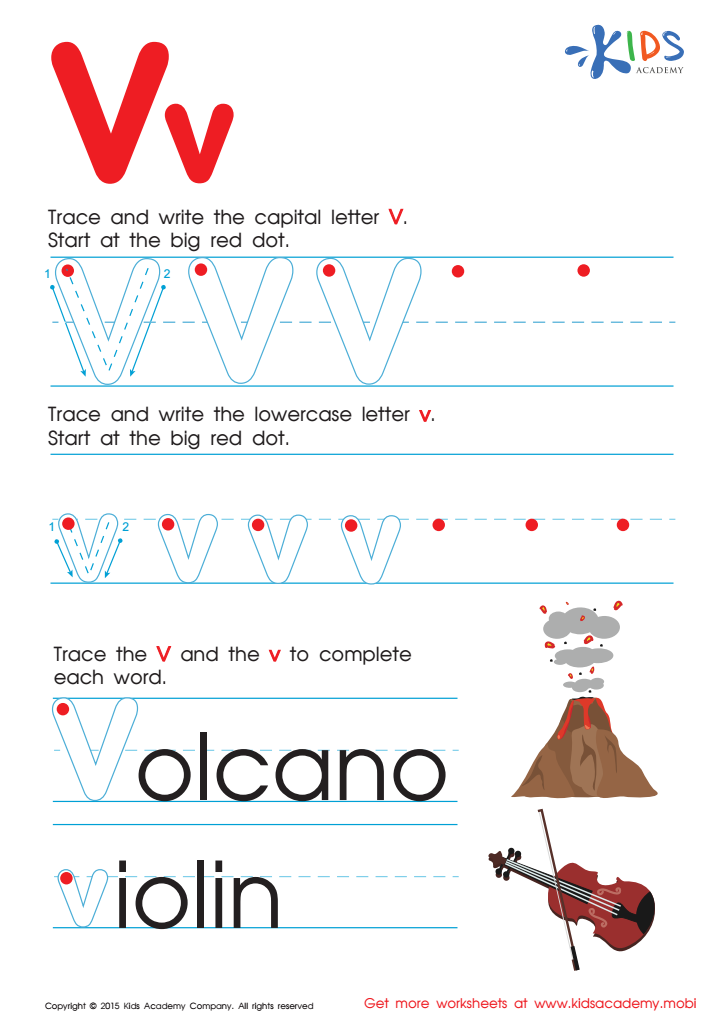
Letter V Tracing Page
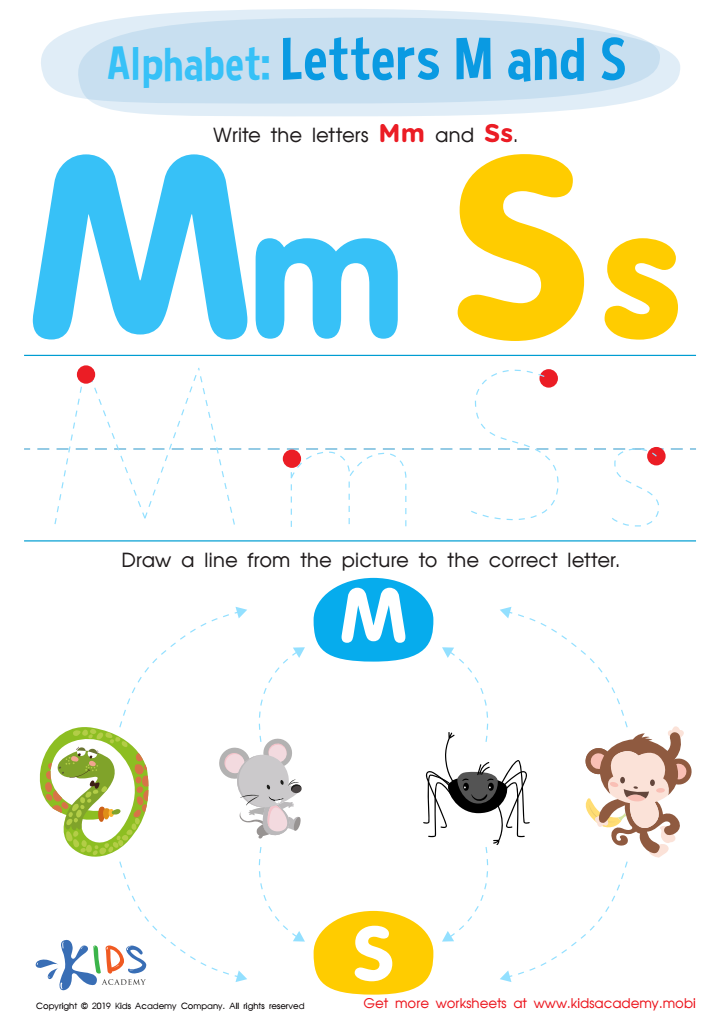
Letters M and S Tracing Worksheet
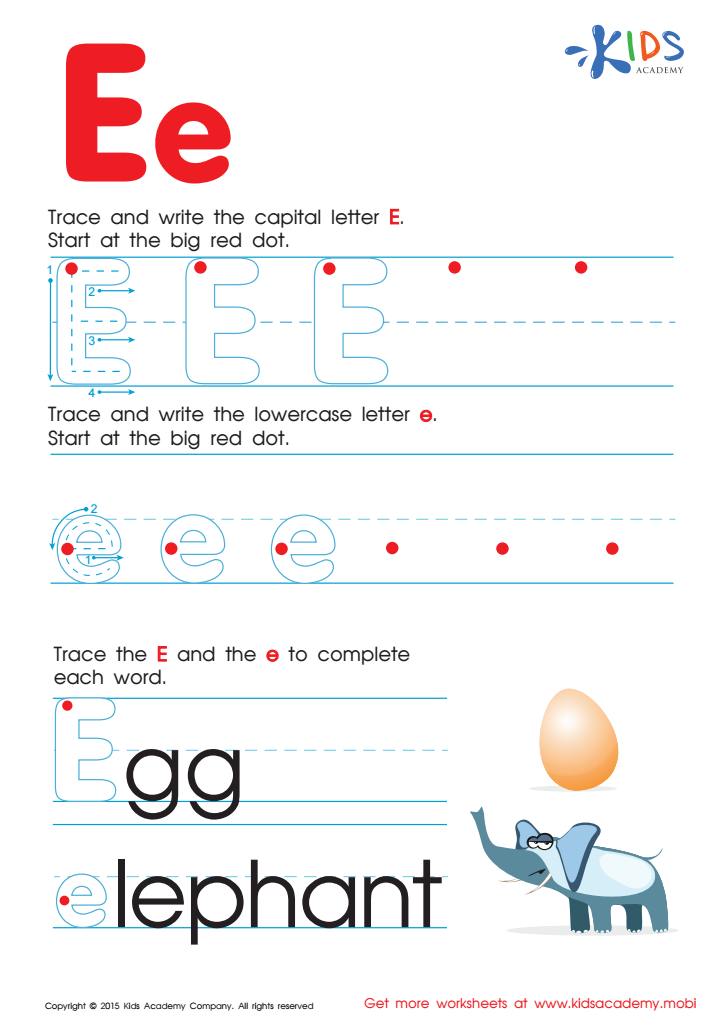
Letter E Tracing Page
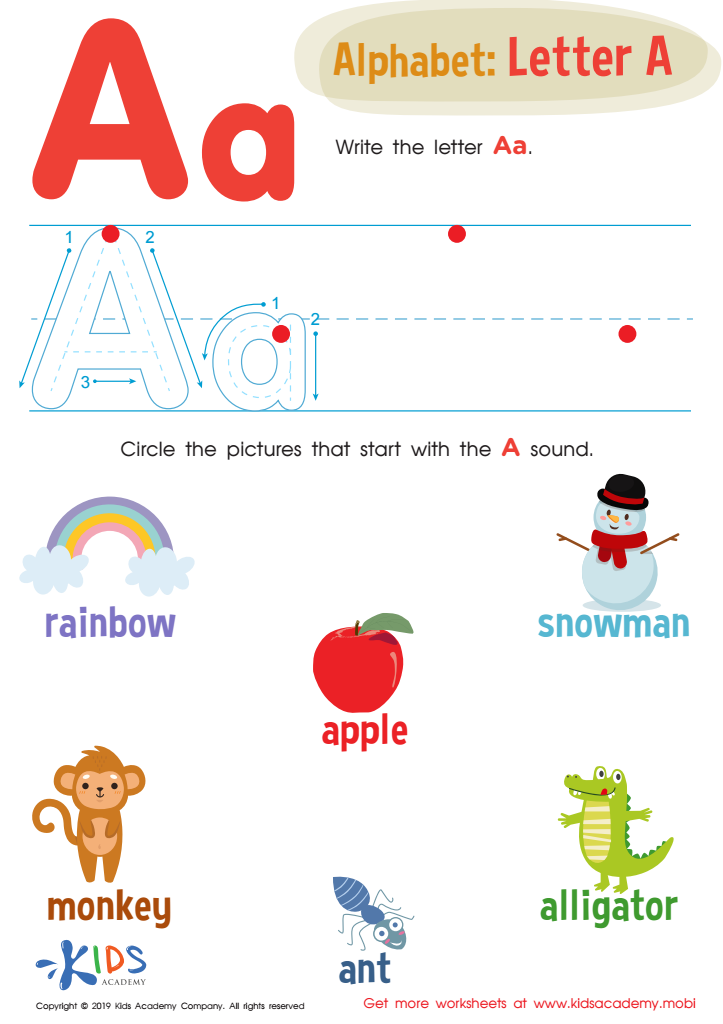
Letter A Tracing Worksheet
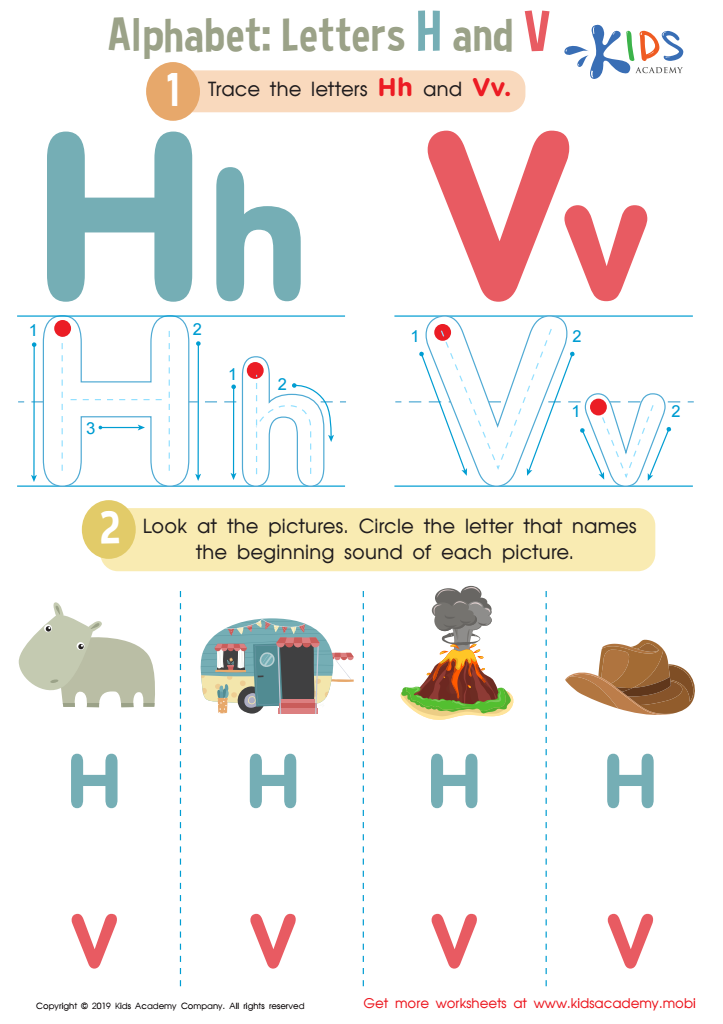
Letters H and V Tracing Worksheet
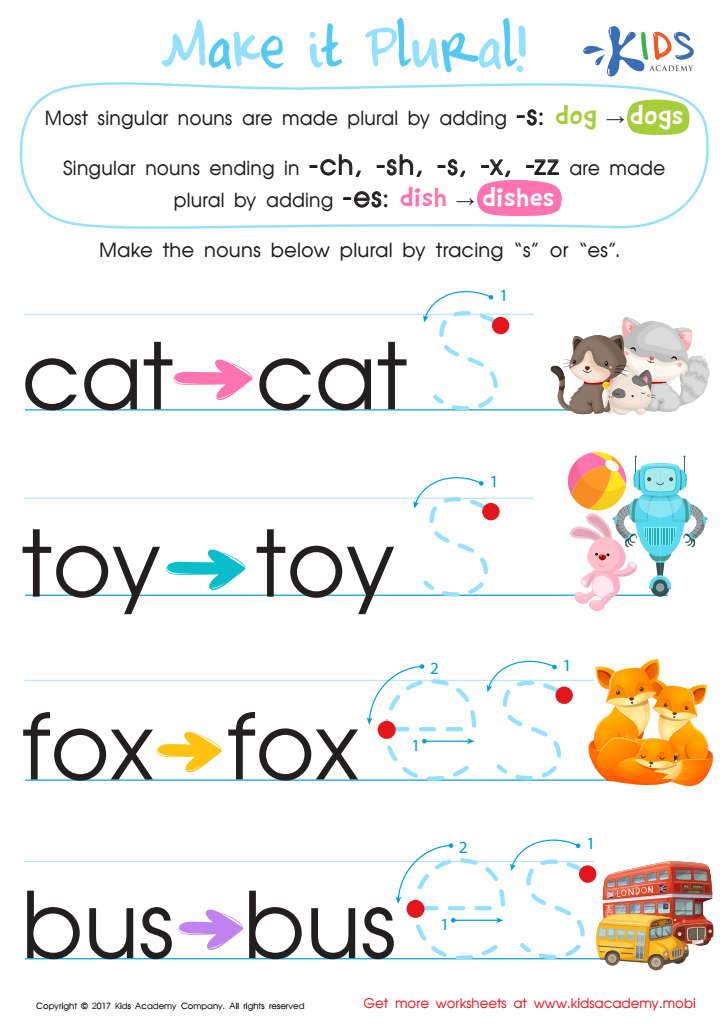
Make it Plural Worksheet
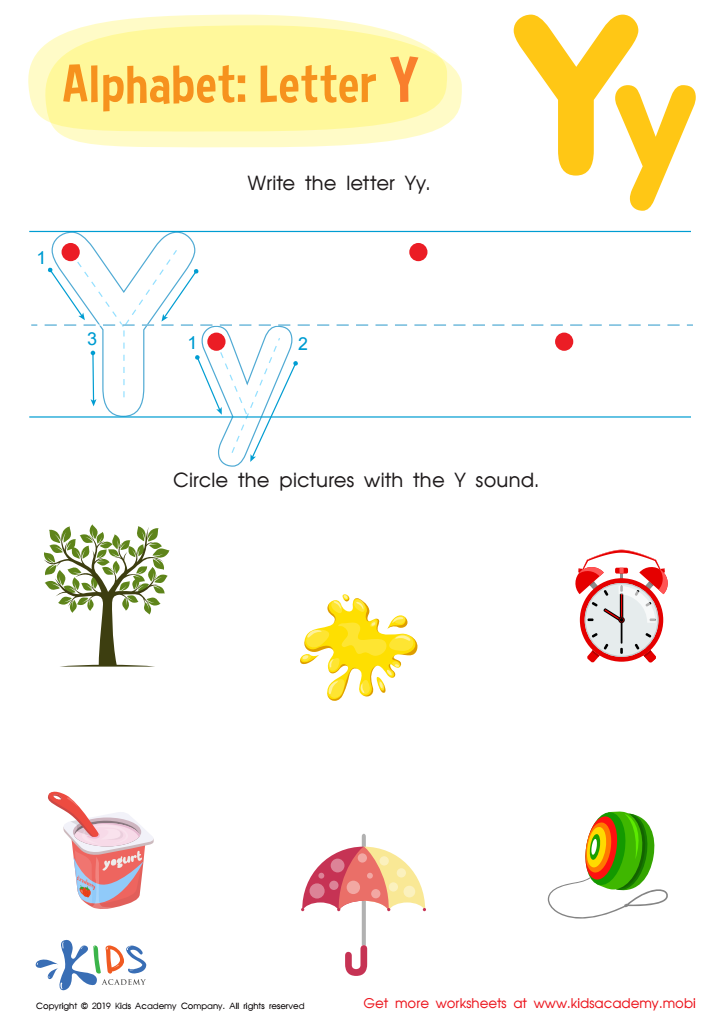
Letter Y Tracing Worksheet
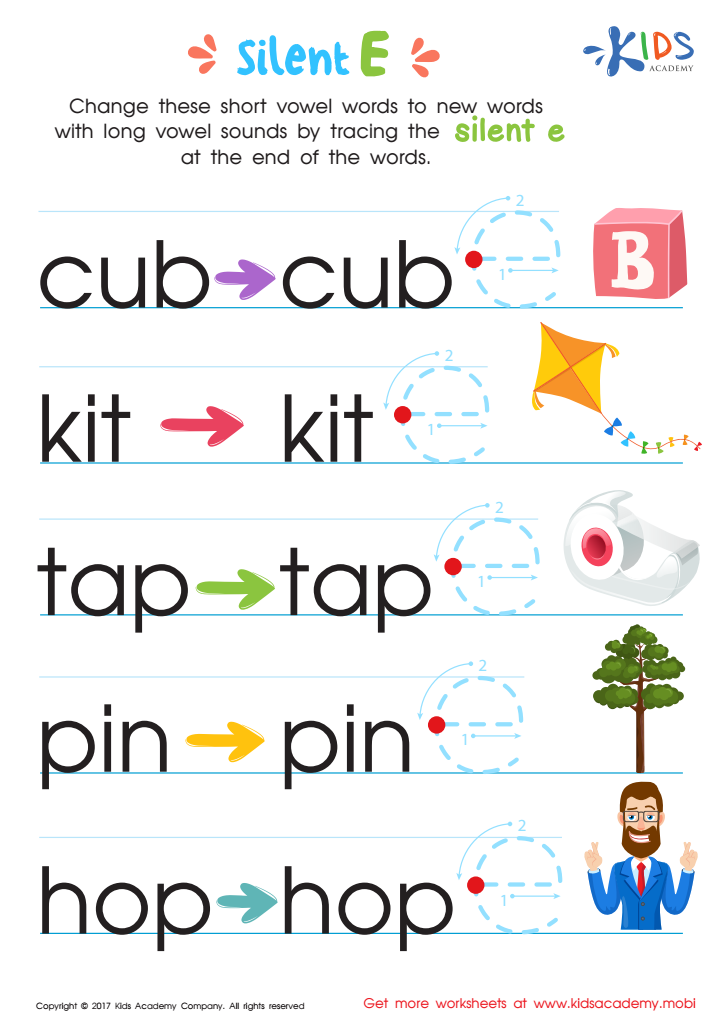
Silent E Words Worksheet








Tracing letters is a vital early literacy activity for children aged 4-7 that significantly impacts their development and learning. Firstly, tracing helps fine-tune motor skills essential for writing; as young learners practice forming letters, they enhance hand-eye coordination and dexterity. This foundational skill primes them for future writing success.
Moreover, letter tracing serves as an engaging way to introduce children to the alphabet, reinforcing letter recognition and phonics. As they trace, children often verbalize letters and sounds, linking visual and auditory tasks that aid memory retention. This multi-sensory approach makes learning enjoyable and effective.
Furthermore, tracing builds confidence in writing, providing children with a structured method to practice. This can reduce anxiety associated with writing, promoting a positive attitude toward literacy activities. As they progress, children gain a sense of achievement, motivating them to tackle more challenging tasks.
By encouraging tracing, parents and teachers foster a solid literary foundation, paving the way for reading and writing proficiency. This skill is critical for academic success and lifelong learning, making tracing an essential focus for caregivers who support early education.








