Fractions of Shapes Worksheets for Ages 4-7
38 filtered results
-
From - To
Discover our engaging “Fractions of Shapes Worksheets” tailored for children aged 4-7! This interactive resource introduces young learners to the fundamental concept of fractions through colorful and captivating shapes. Each worksheet includes fun activities that help kids understand how to divide shapes into equal parts, promoting essential math skills in an enjoyable way. With various exercises designed to stimulate creativity and critical thinking, these worksheets make learning fractions both accessible and entertaining. Parents and teachers can easily print these worksheets, making them perfect for home practice or classroom use. Start your child's mathematical journey with us today!
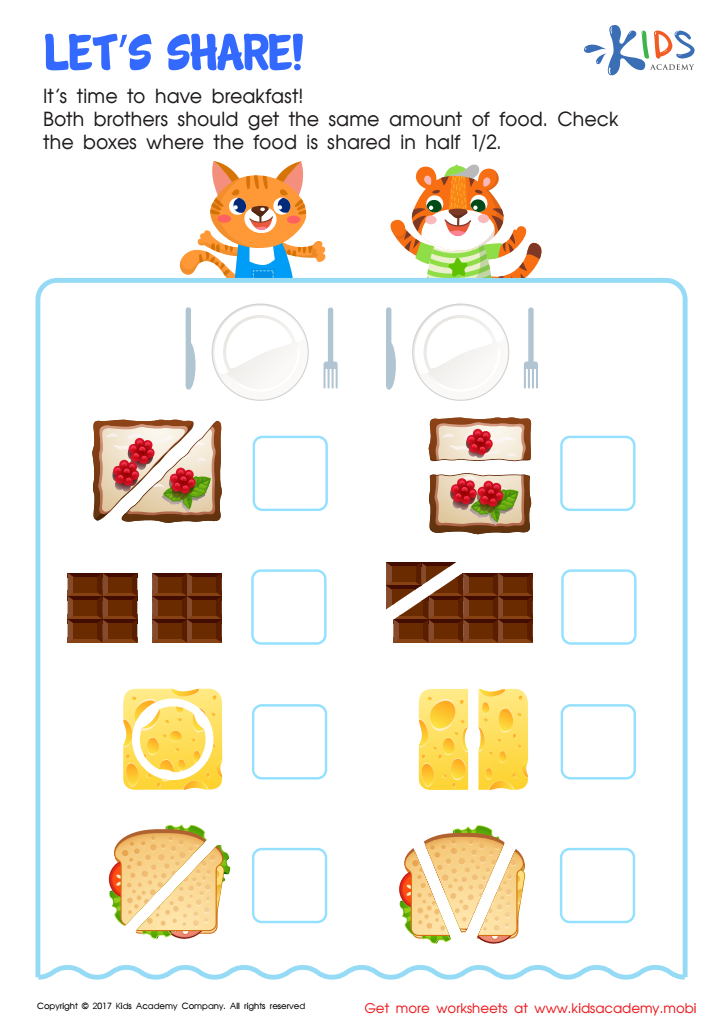
Let's Share Worksheet
 Assign to My Students
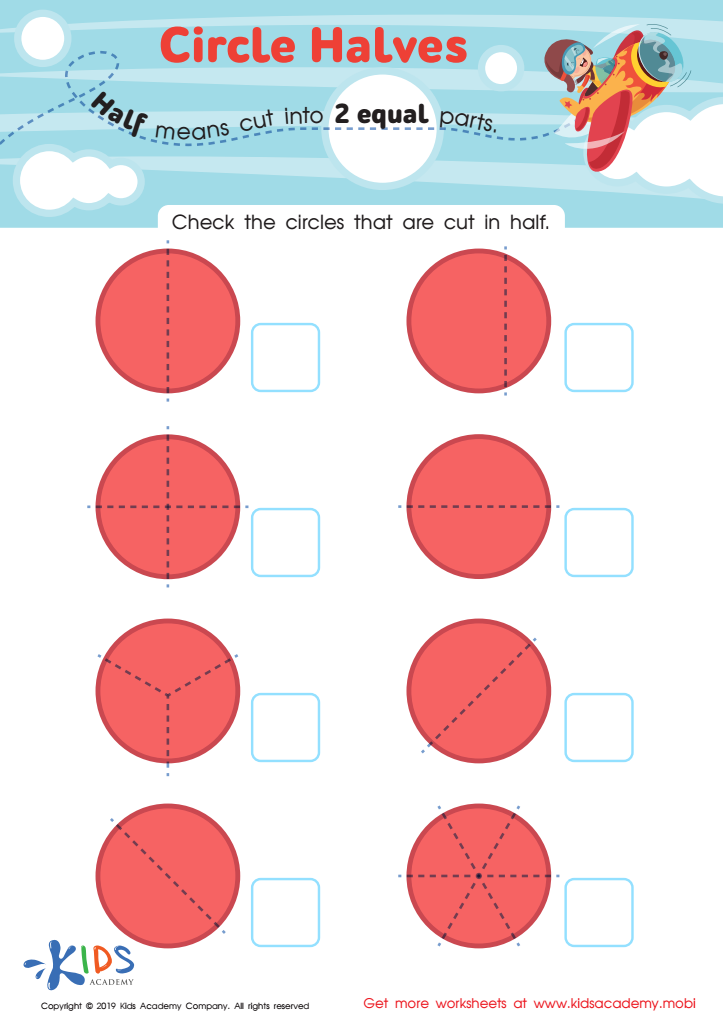
Circle Halves Worksheet
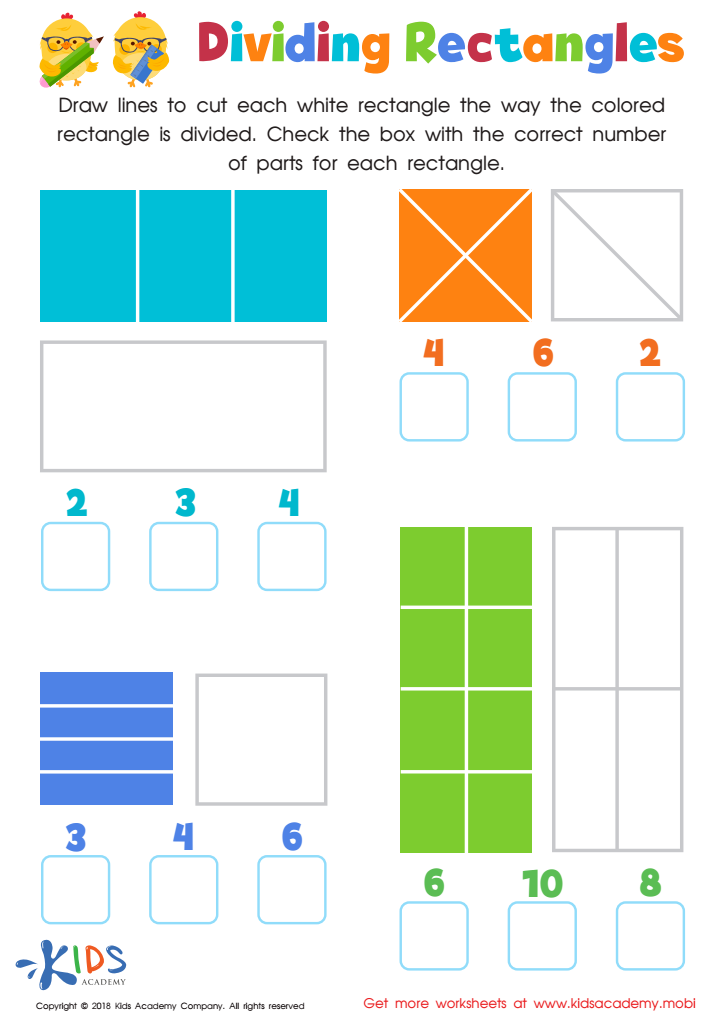
Dividing Rectangles Worksheet
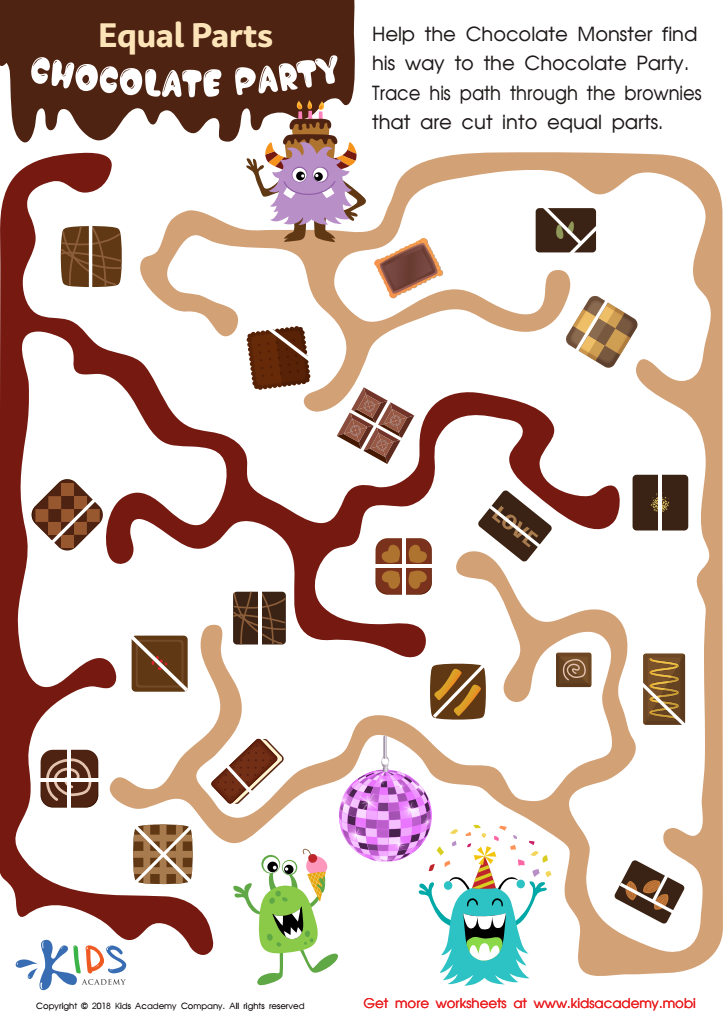
Equal Parts: Chocolate Party Worksheet
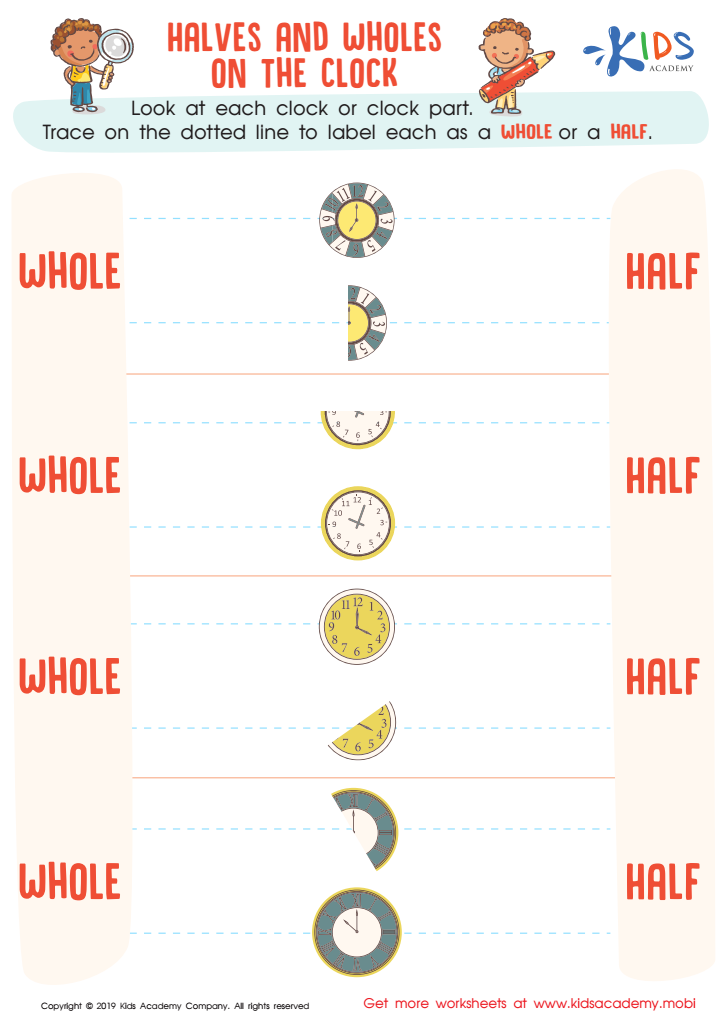
Halves and Wholes on the Clock Worksheet
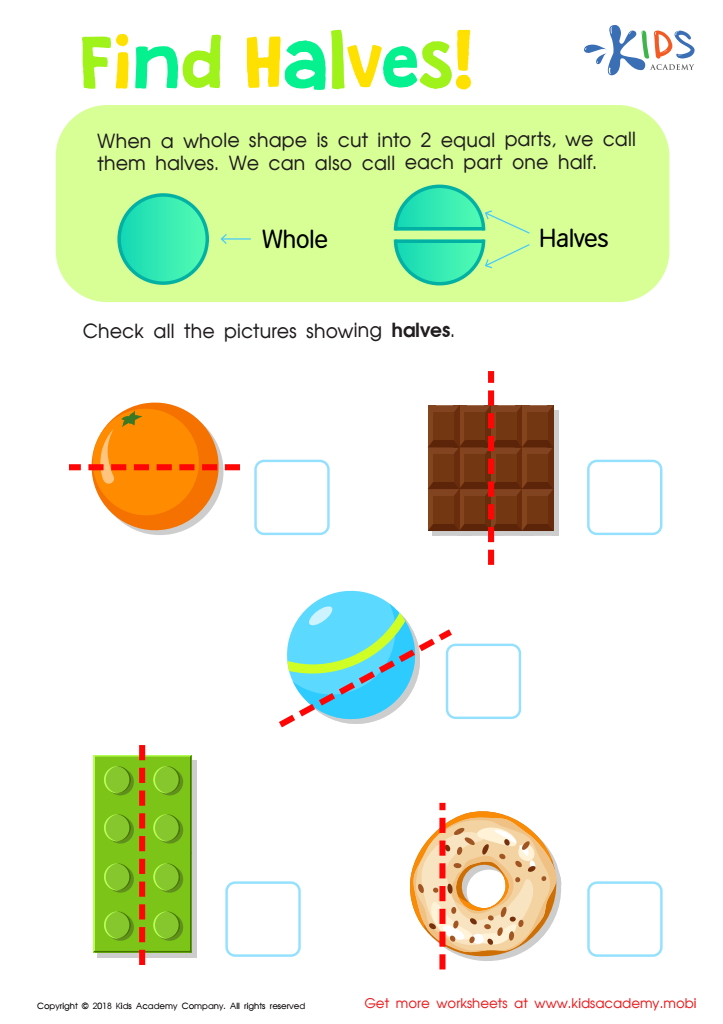
Find Halves Worksheet
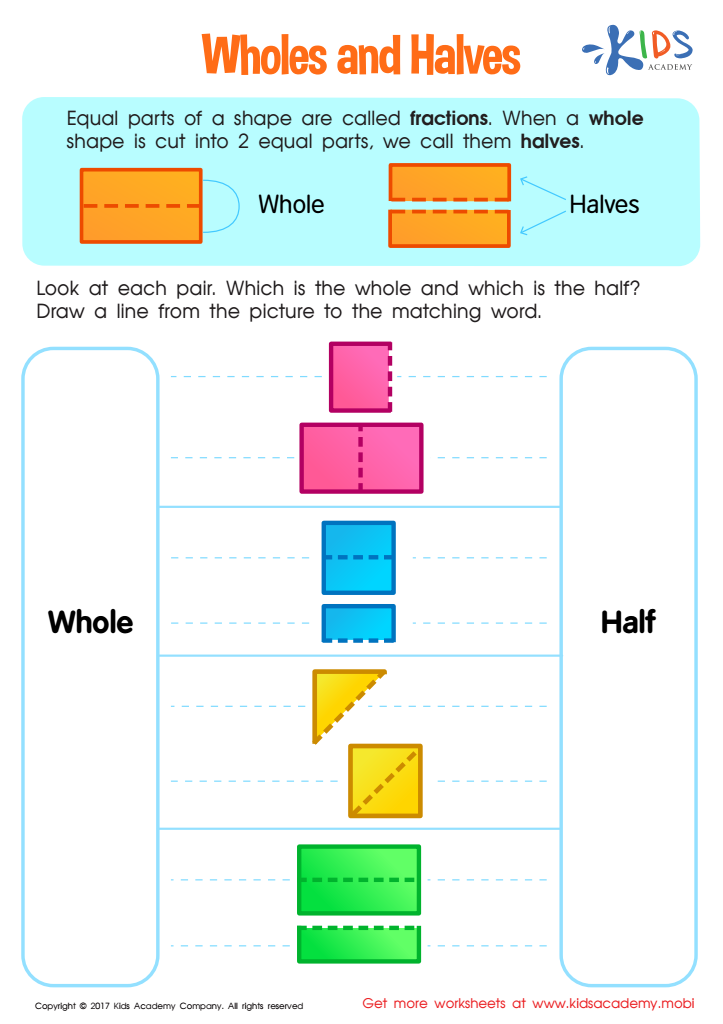
Wholes and Halves Worksheet
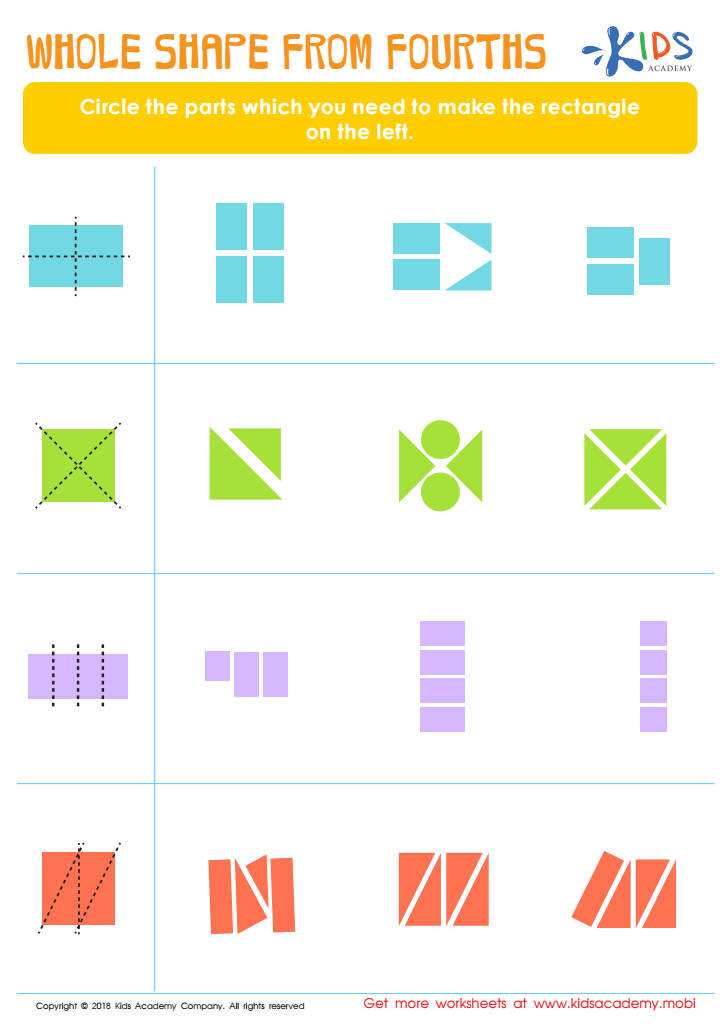
Whole Shape from Fourths Worksheet
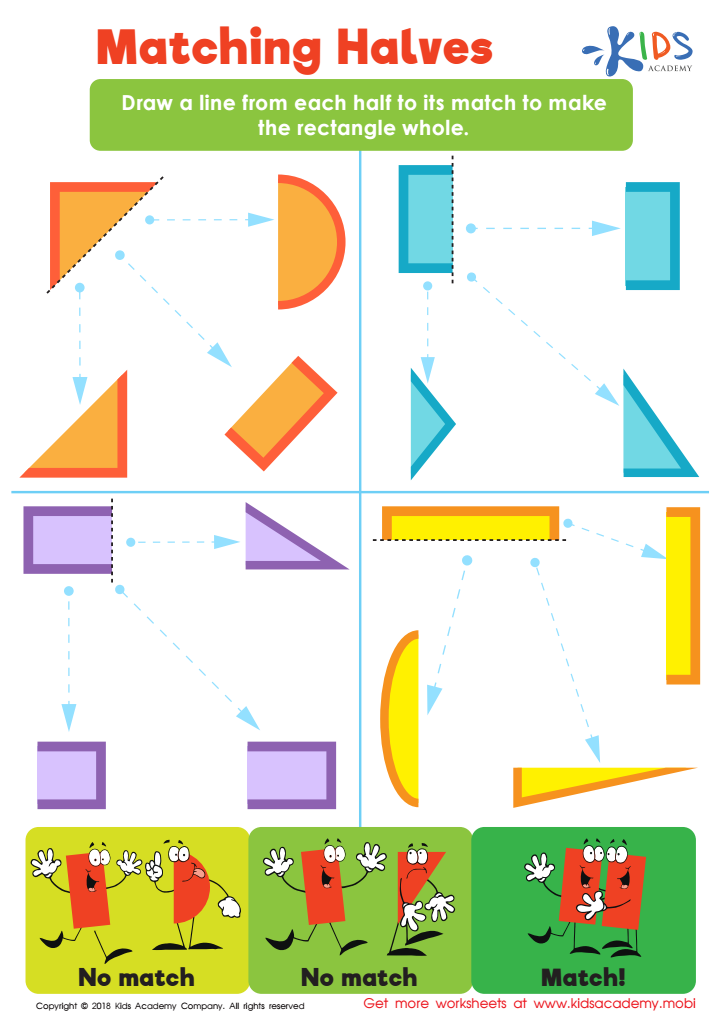
Matching Halves Worksheet
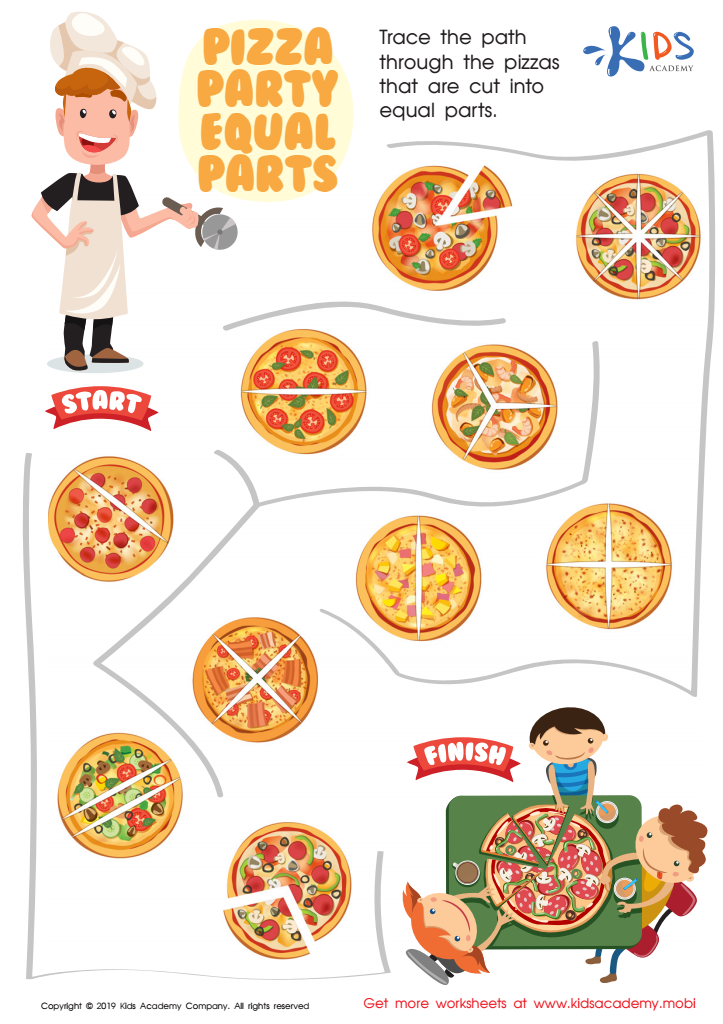
Pizza Party Equal Parts Worksheet
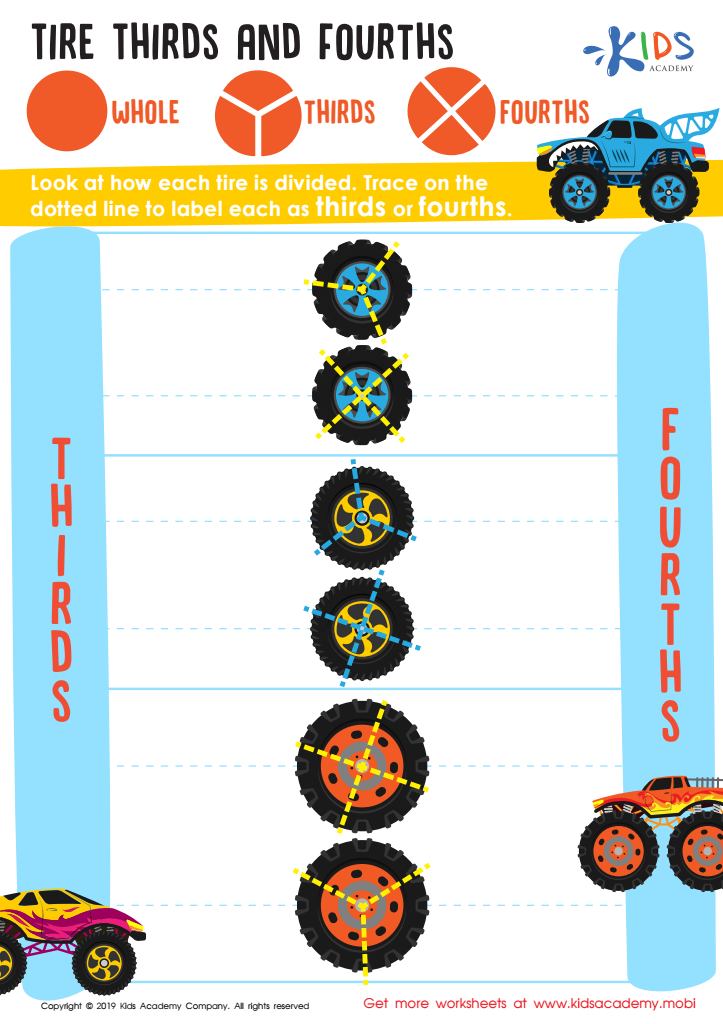
Tire Thirds and Fourths Worksheet
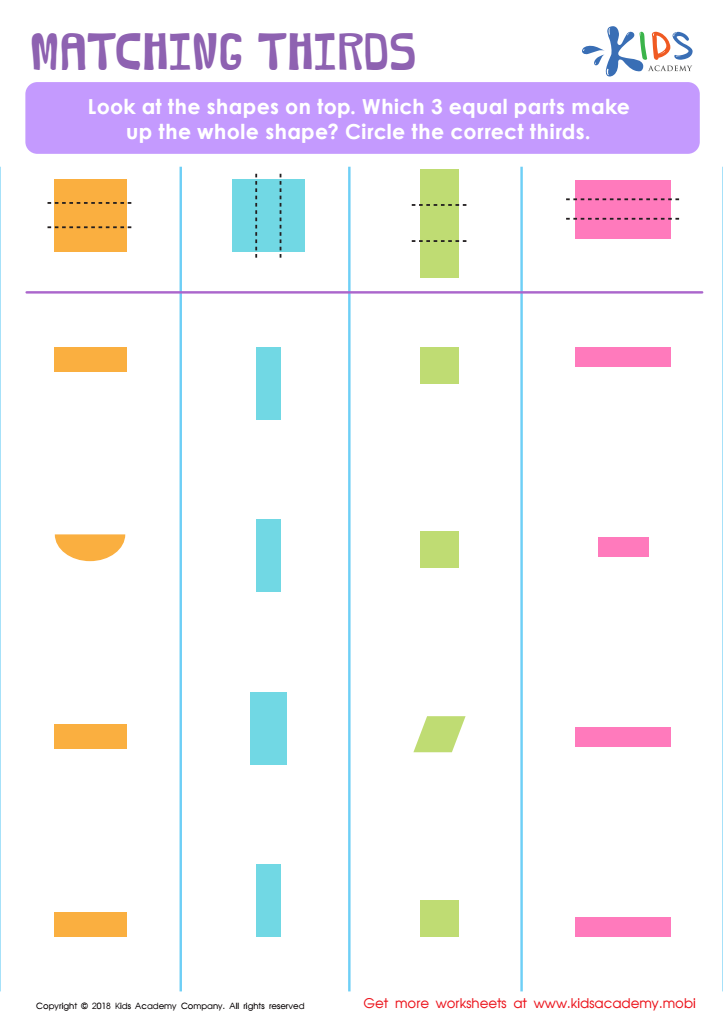
Matching Thirds Worksheet
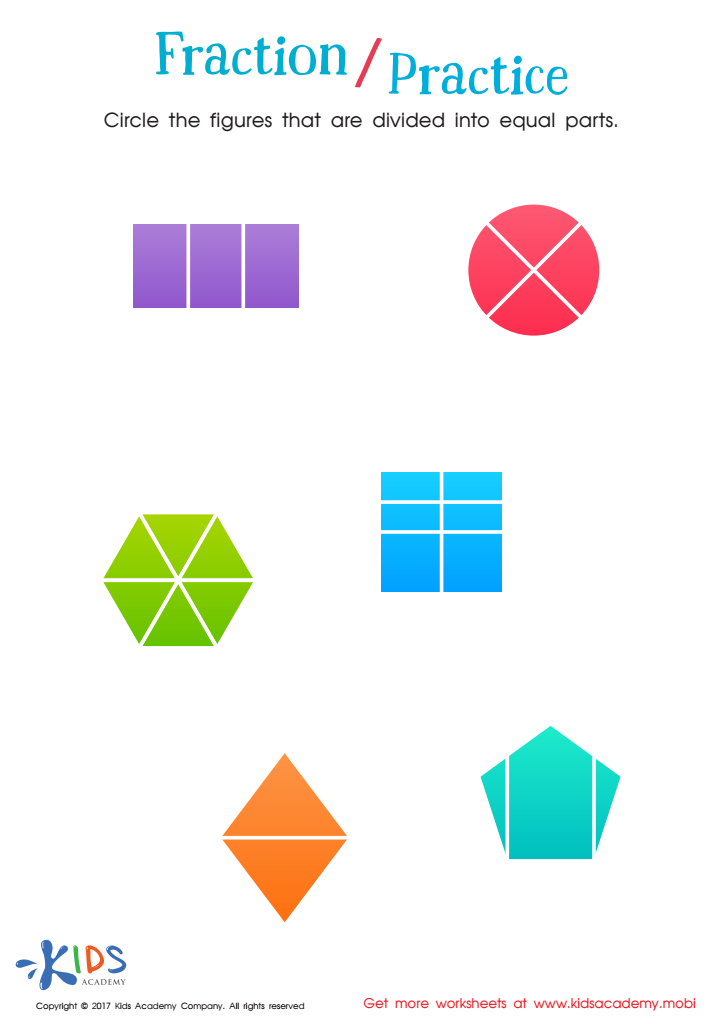
Fractions: Shapes Worksheet
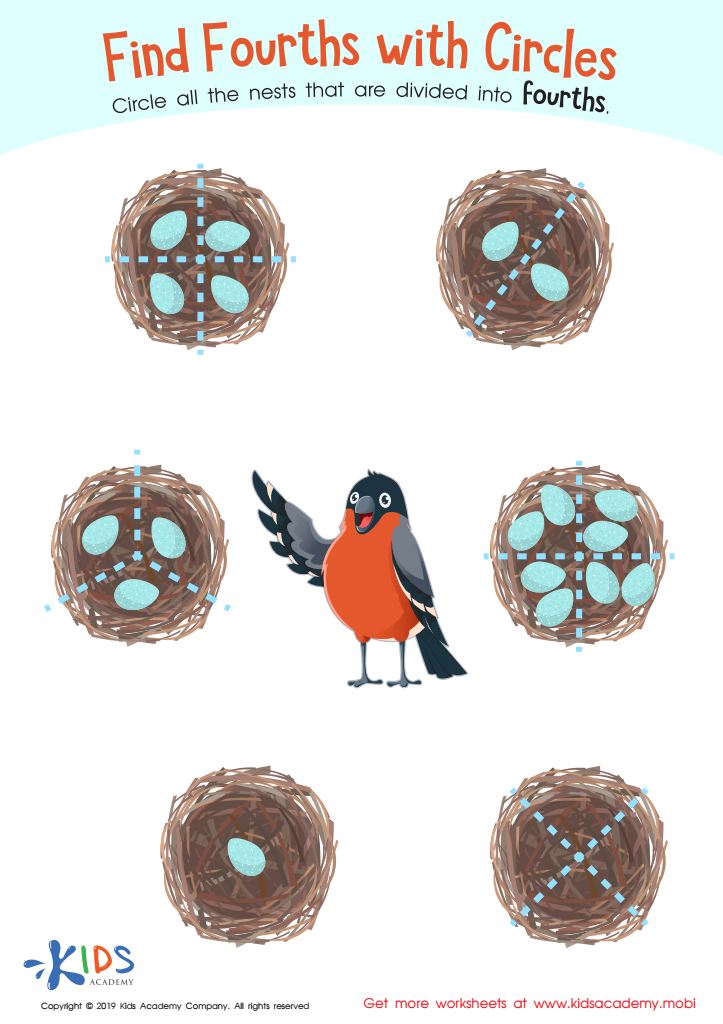
Find Fourths Circles Worksheet
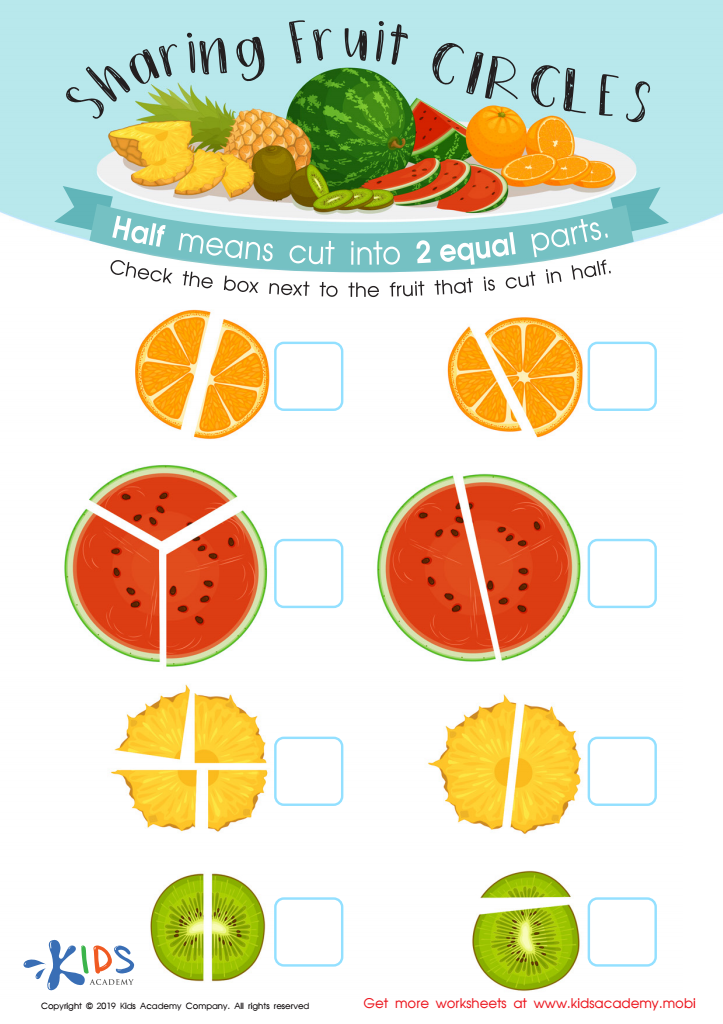
Sharing Fruit Circles Worksheet
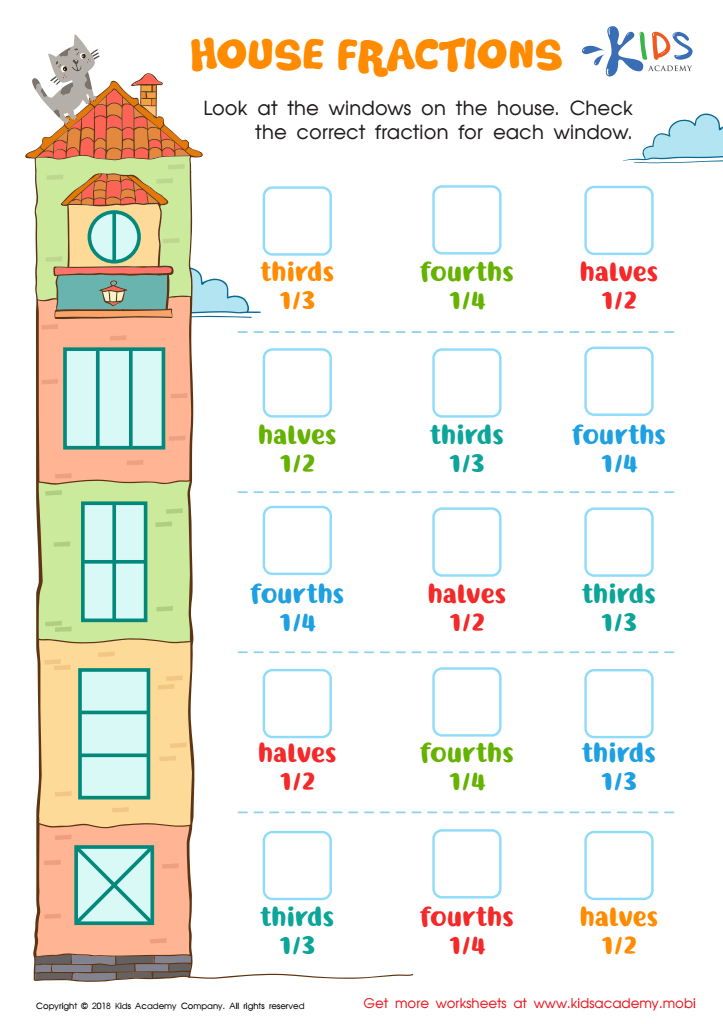
House Fractions Worksheet
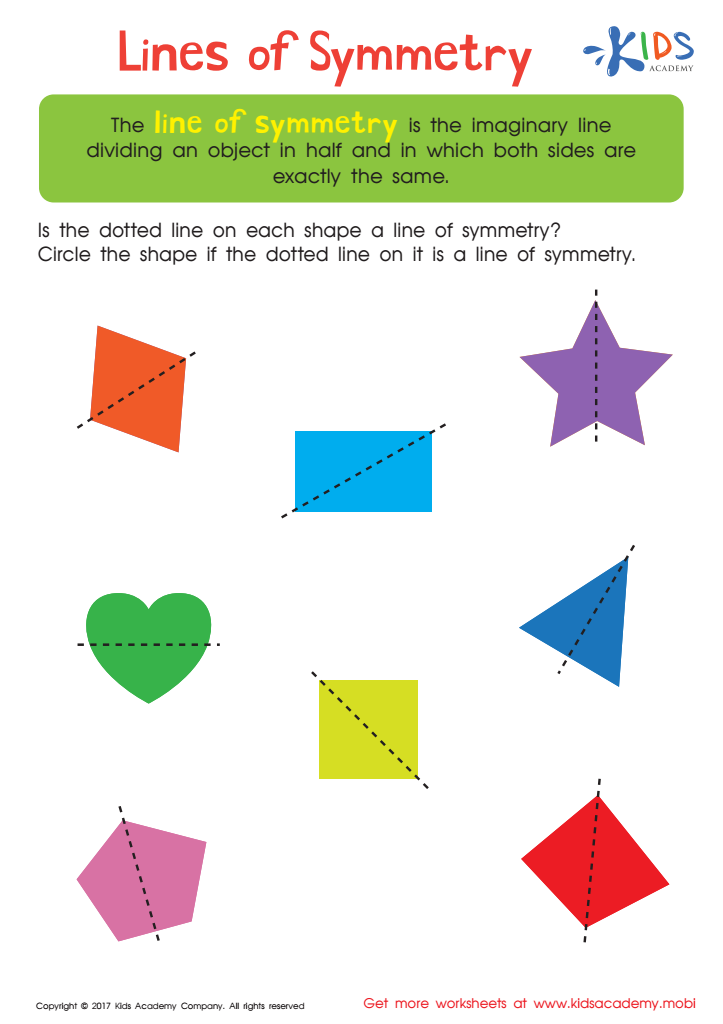
Lines of Symmetry Printable
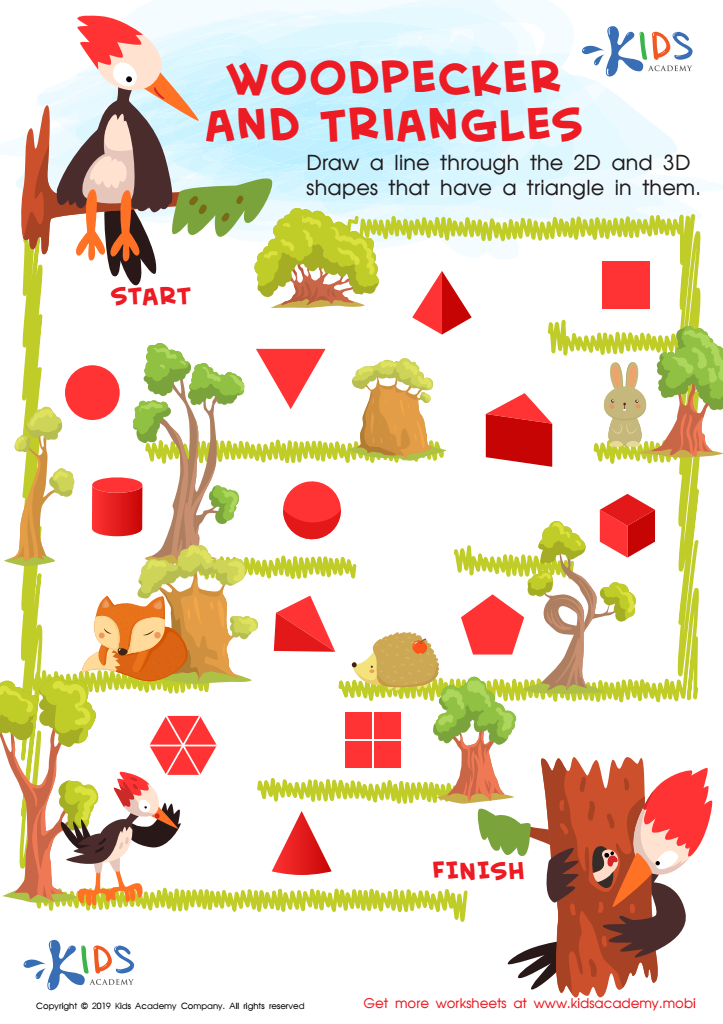
Woodpecker and Triangles Worksheet
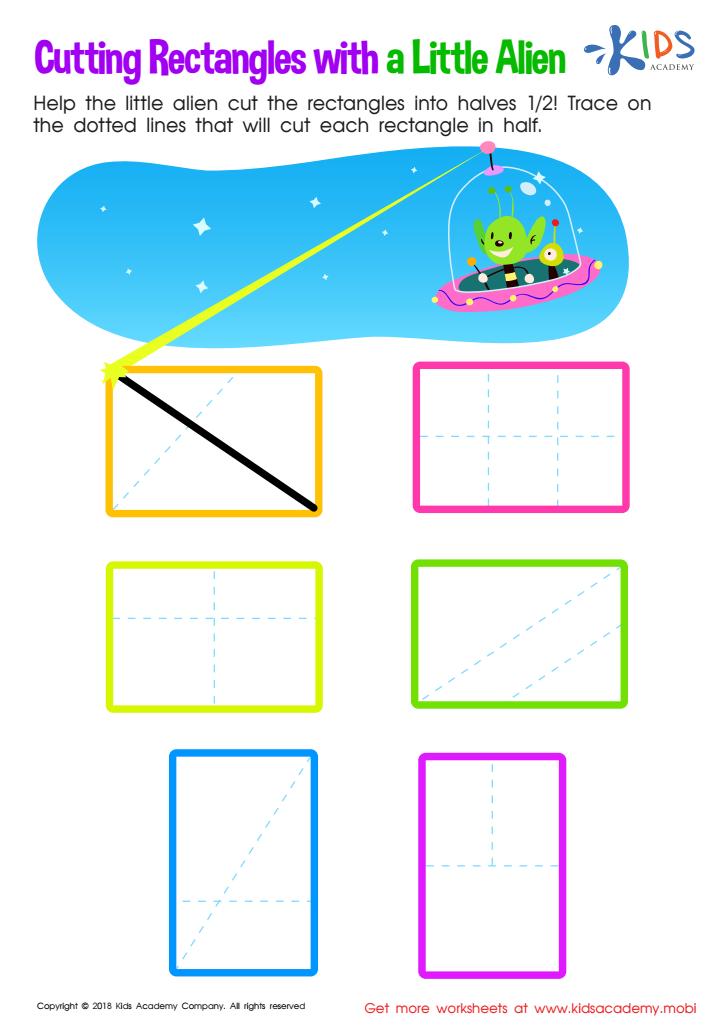
Cutting Rectangles with Alien Worksheet
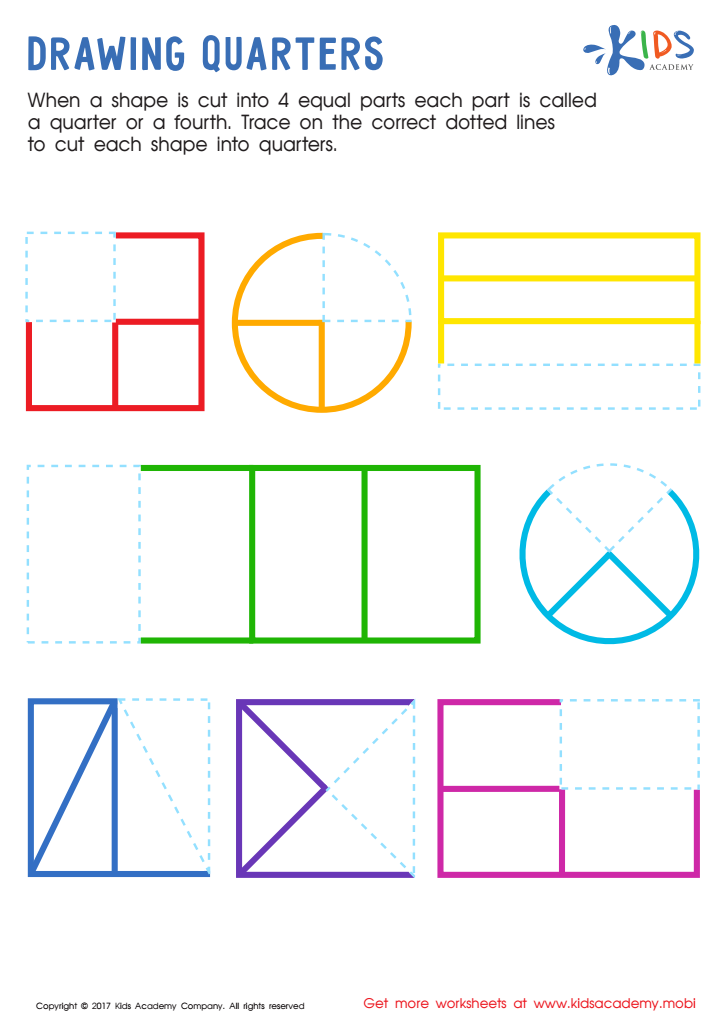
Drawing Quarters Worksheet
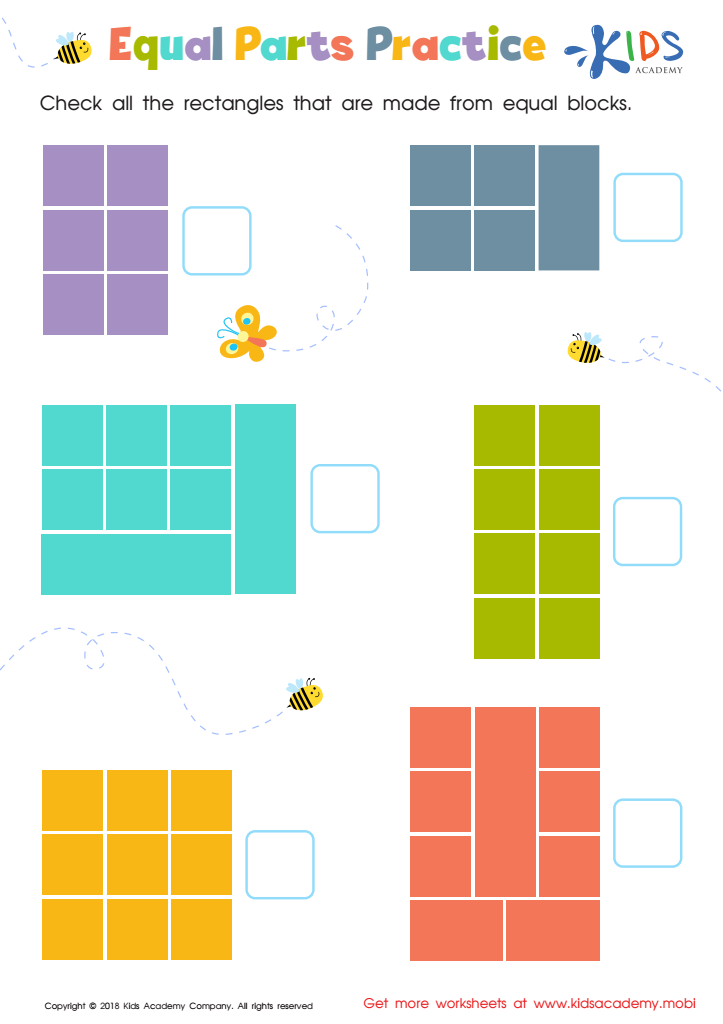
Equal Parts Practice Worksheet
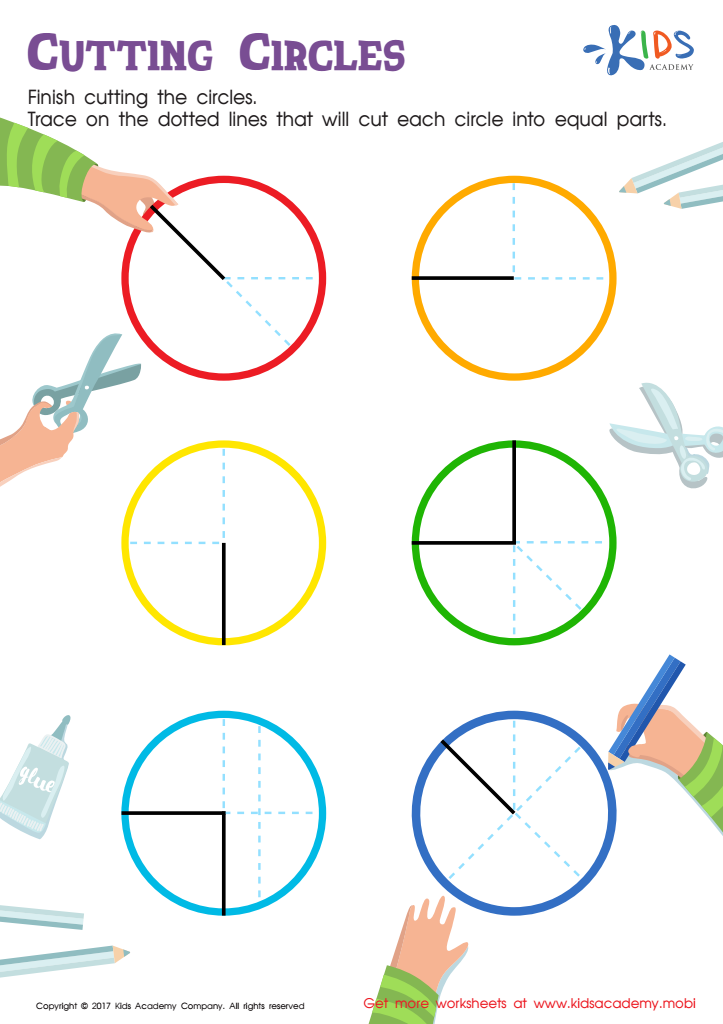
Cutting Circles Worksheet
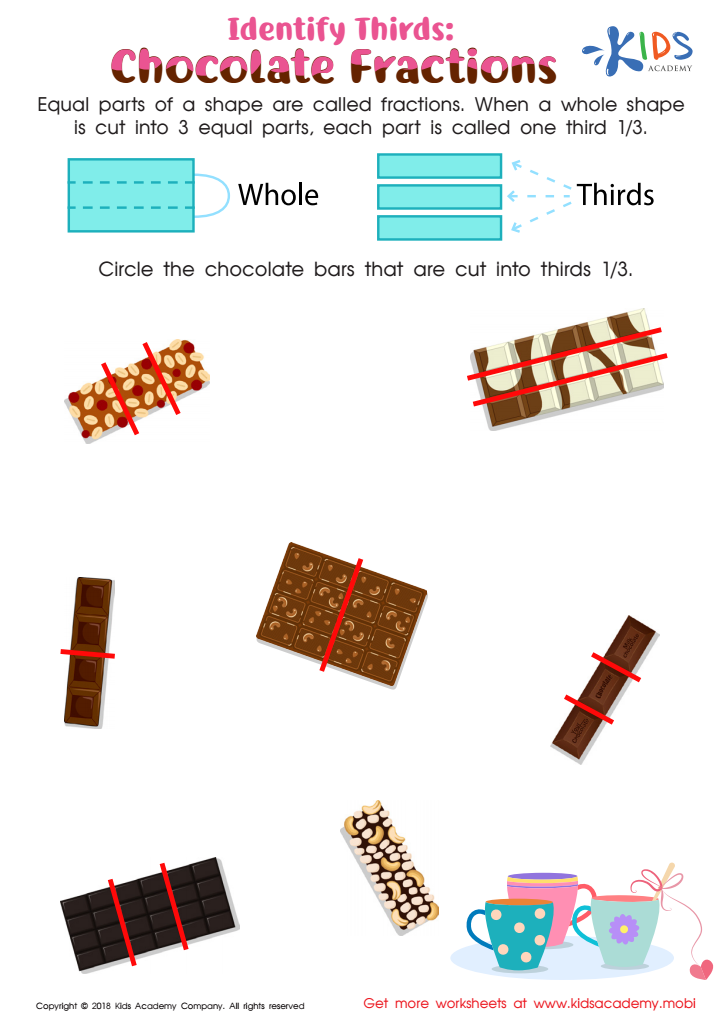
Identify Thirds: Chocolate Fractions Worksheet
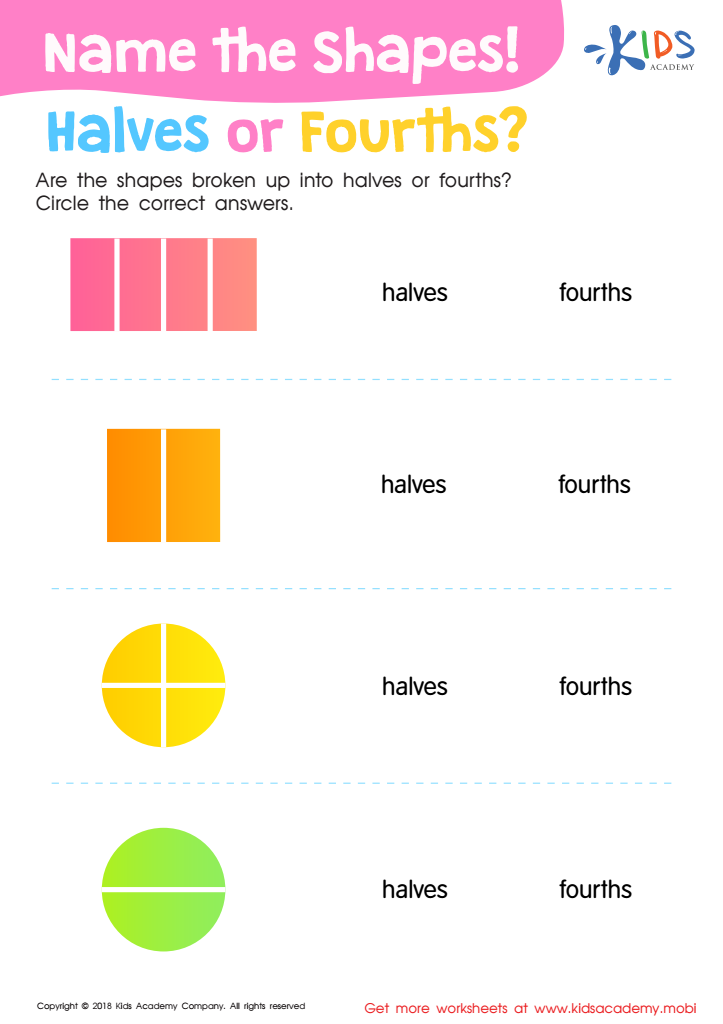
Name the Shapes Halves or Fourths? Worksheet








Understanding fractions of shapes is a fundamental concept for children aged 4-7, as it lays the groundwork for mathematical skills they will use throughout their education. Here are several reasons why parents and teachers should care about this topic:
-
Cognitive Development: Introducing fractions helps develop critical thinking and reasoning skills. Children learn to recognize parts of a whole, which builds their ability to categorize and reason about relationships between different objects or numbers.
-
Foundation for Future Math Skills: Mastery of fractions is essential for advanced math concepts, including decimals, percentages, and ratios. By grasping fractions early, children build a strong numeracy foundation.
-
Real-Life Applications: Understanding fractions enhances children's ability to relate math to everyday situations, like cooking, sharing, or even playing games. This not only makes math more relevant but also more enjoyable.
-
Visual and Spatial Skills: Working with shapes fractions sharpens visual-spatial awareness, as children learn to visualize how parts make up a whole. For young learners, engaging with shapes encourages hands-on exploration, keeping their interest alive.
By supporting children's grasp of fractions, parents and teachers enable them to become confident, capable learners who can tackle increasingly complex math concepts in the future.