Matching Worksheets for Ages 4-7 - Page 4
80 filtered results
-
From - To
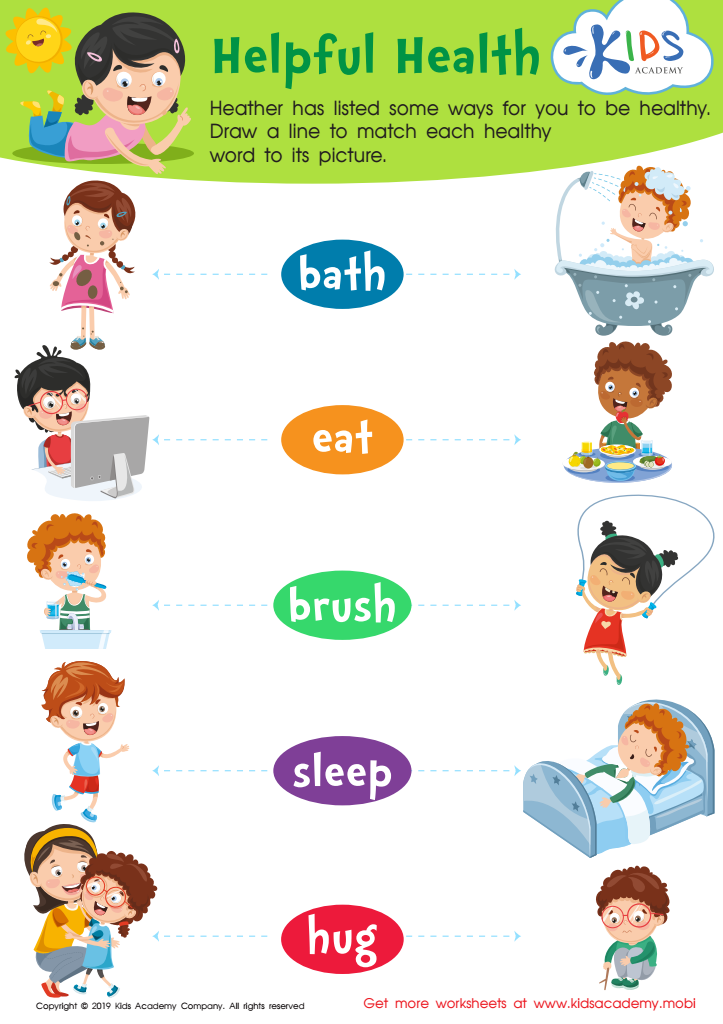
Helpful Health Worksheet
 Assign to My Students
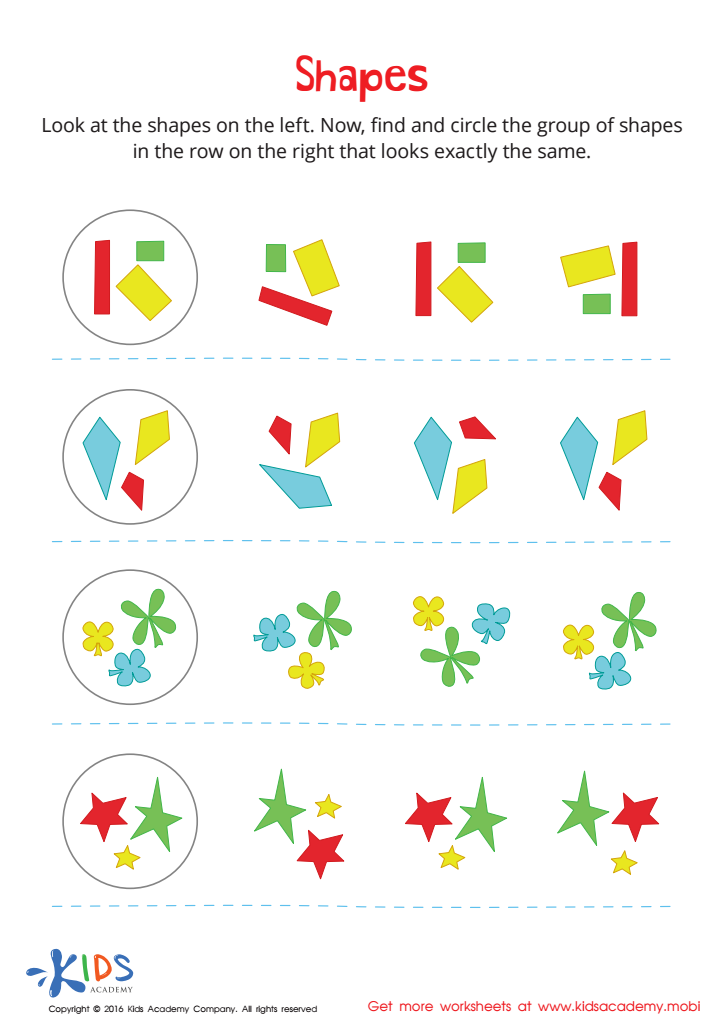
Shapes Worksheet
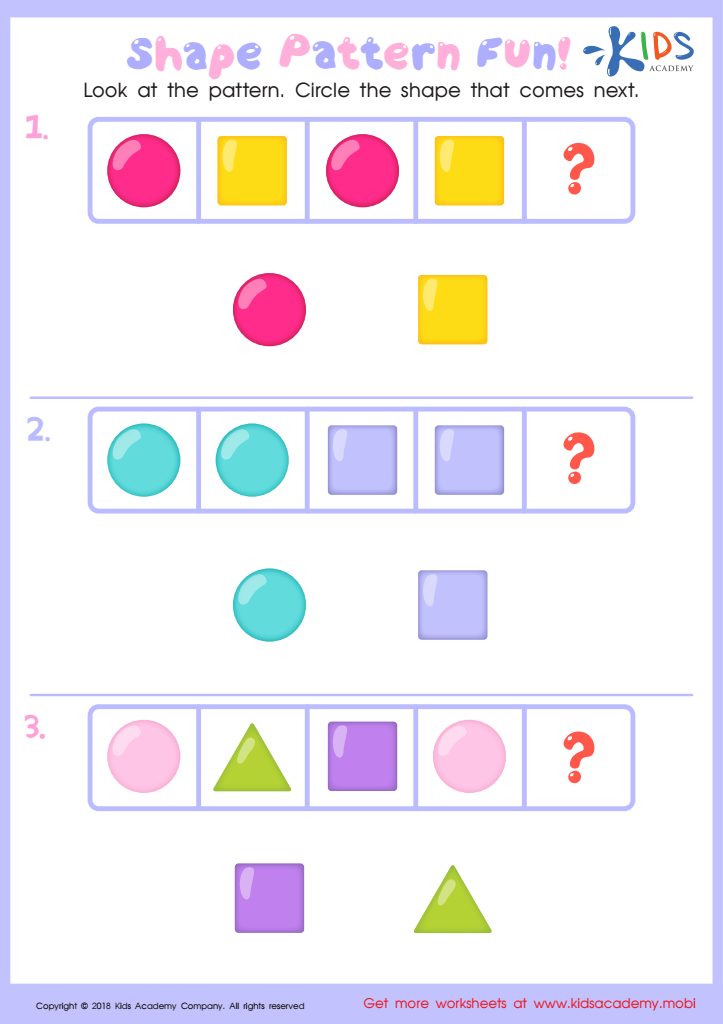
Shape Pattern Fun Worksheet
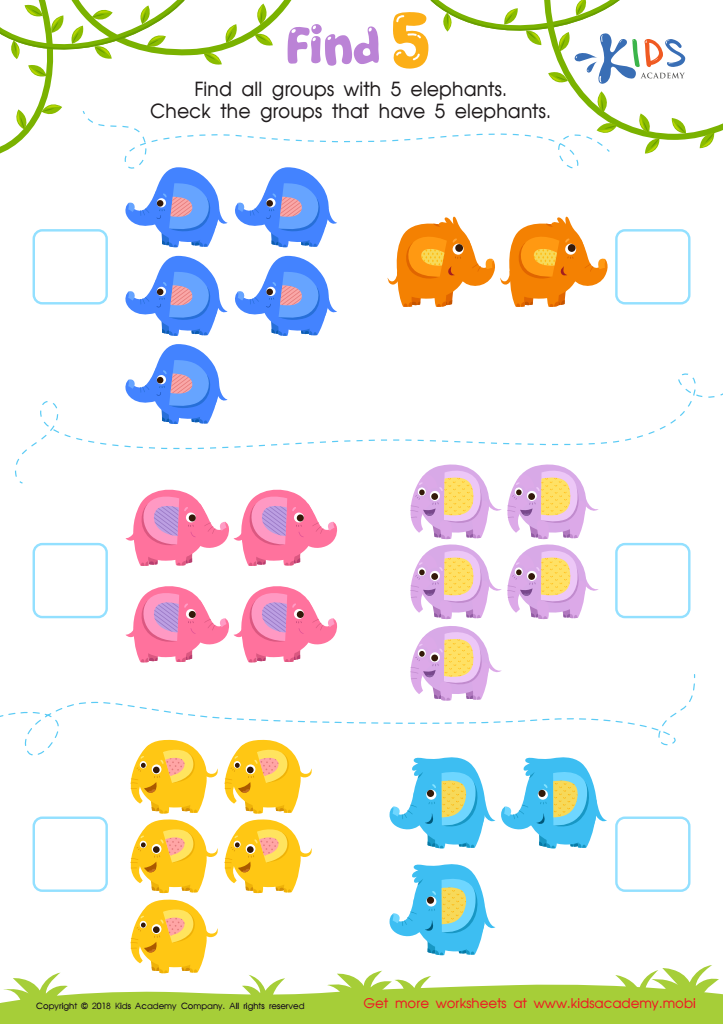
Find 5 Worksheet
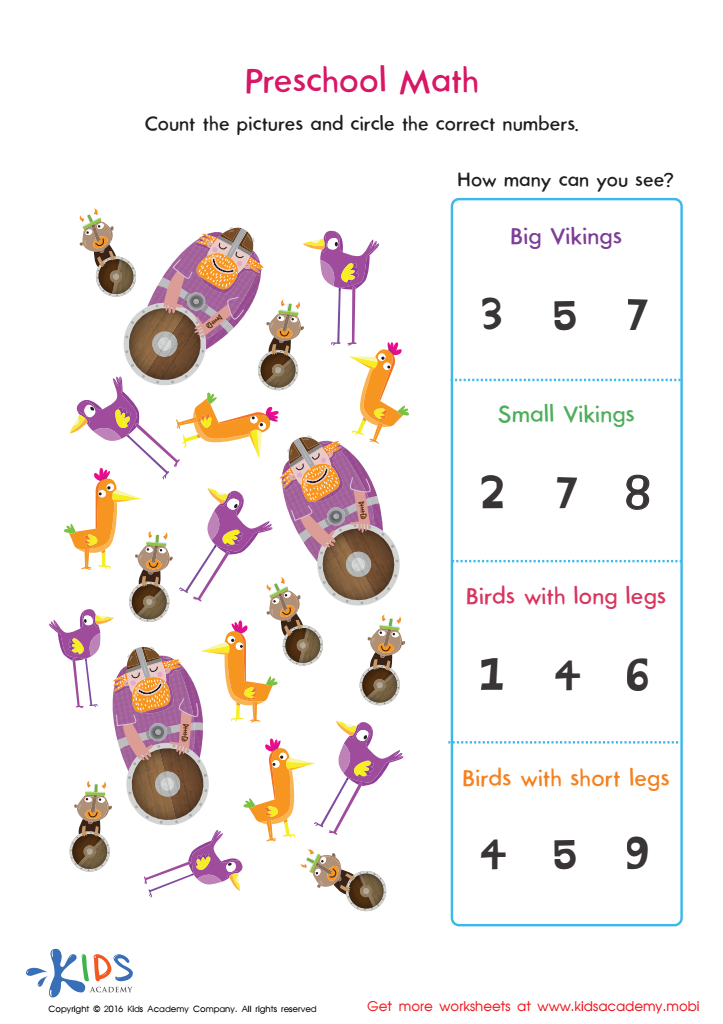
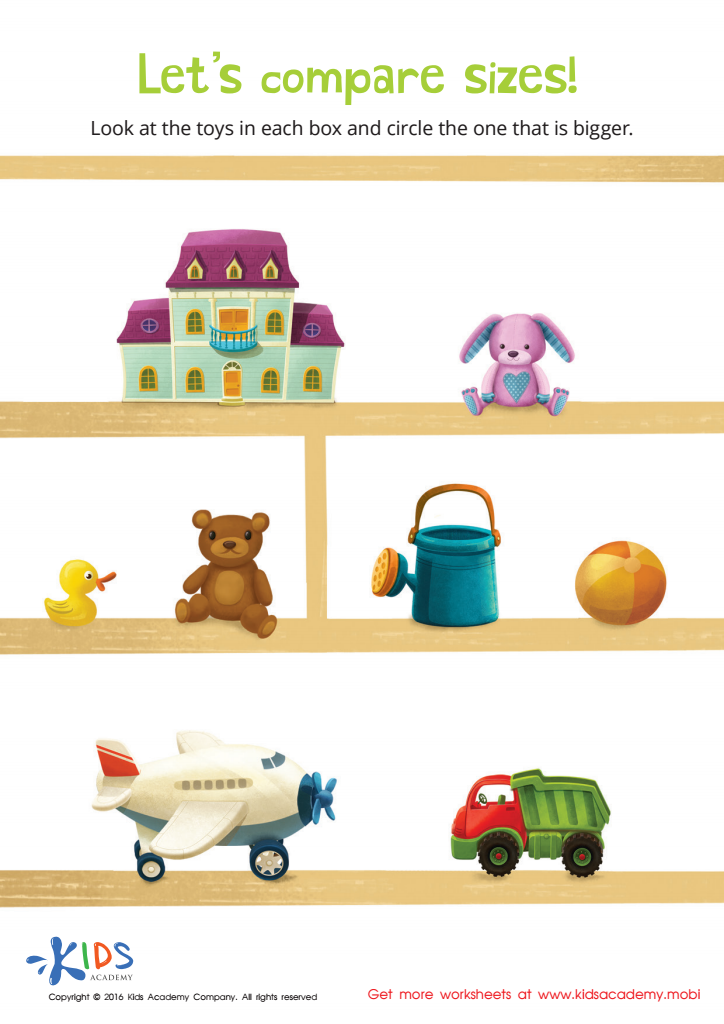
Classifying by Size Sorting Worksheet
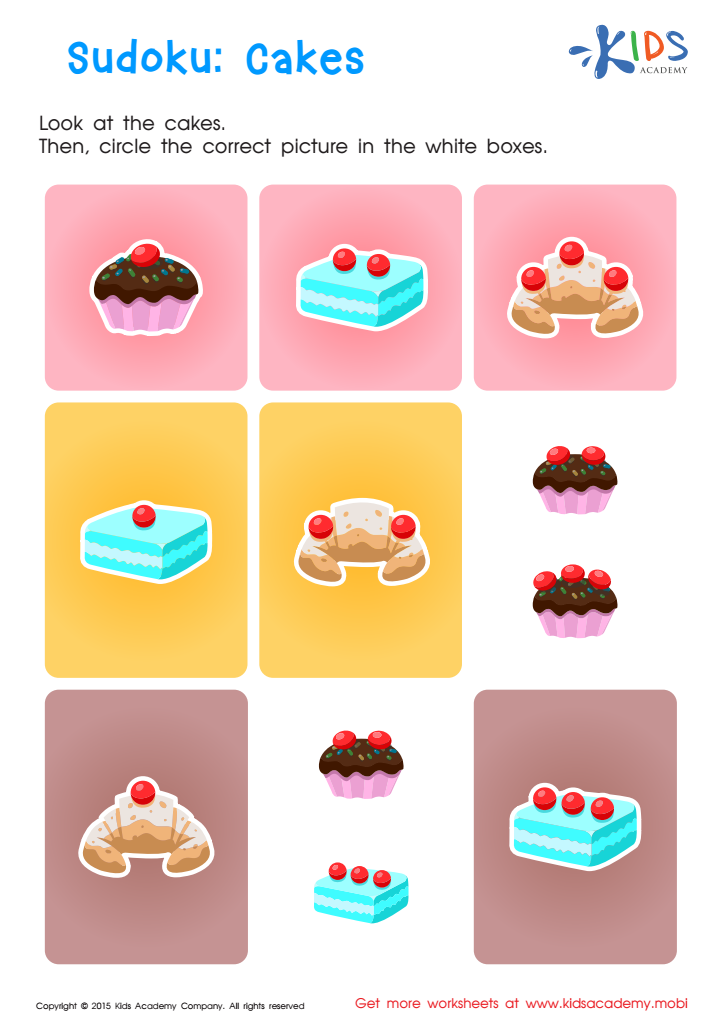
Sudoku Worksheet
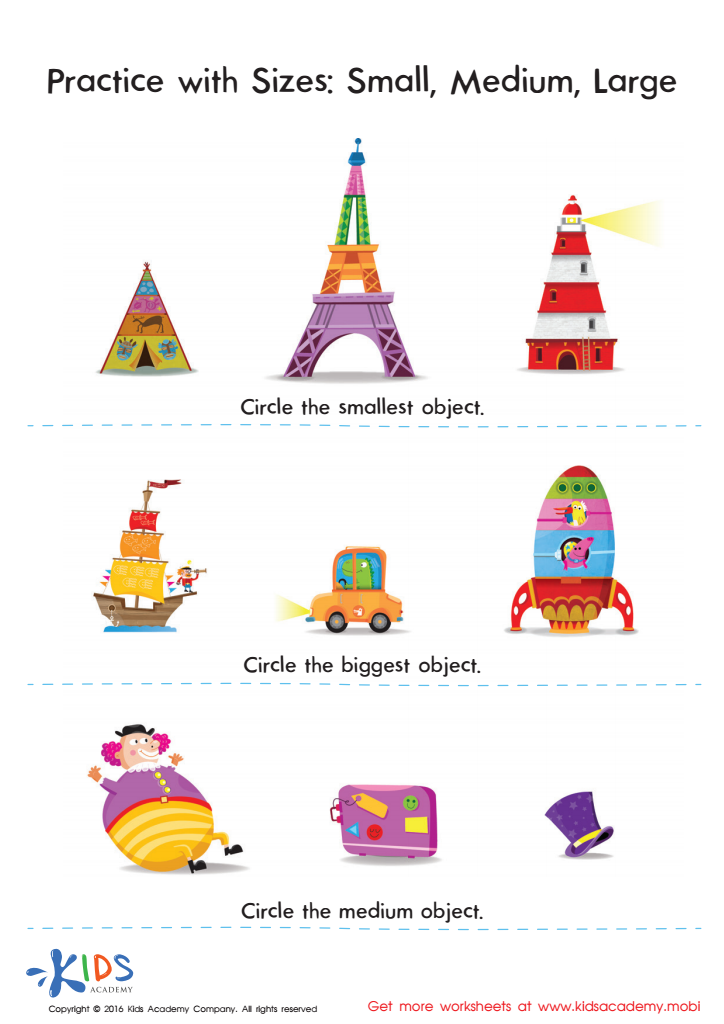








Matching activities for children aged 4-7 are crucial for cognitive, social, and emotional development. At this age, children begin to develop critical thinking skills, and matching games encourage them to recognize patterns, shapes, and colors. Engaging in these activities sharpens memory, enhances attention, and supports problem-solving abilities, which are essential skills for academic success.
Moreover, matching activities promote social interaction. When children play together, they learn important social cues, such as taking turns and collaboration, and develop their communication skills. This interactive play fosters relationships not only with peers but also with adults, leading to increased emotional intelligence.
From a teaching perspective, incorporating matching tasks into literacy and numeracy lessons can reinforce concepts and make learning enjoyable. These activities serve as an engaging tool for introducing new topics or reviewing previously learned material.
Lastly, physical matching games can enhance fine motor skills as children manipulate cards or objects while playing. Overall, matching exercises provide a multifaceted approach to nurturing young learners. By emphasizing the importance of these activities, parents and teachers can support well-rounded growth and a positive attitude towards learning in children.








