Number Sequencing Worksheets for Ages 4-8
44 filtered results
-
From - To
Discover our engaging collection of number sequencing worksheets designed specifically for children aged 4 to 8. These interactive resources help young learners develop essential math skills by practicing the order of numbers through fun exercises, including filling in missing numbers, arranging sequences, and identifying patterns. Our worksheets cater to various learning styles, ensuring a comprehensive understanding of number sequences while promoting cognitive growth. Ideal for parents and educators, these printable worksheets foster a solid foundation in mathematics and critical thinking. Dive into a world of numerical fun and boost your child's confidence in math with our thoughtfully crafted activities!
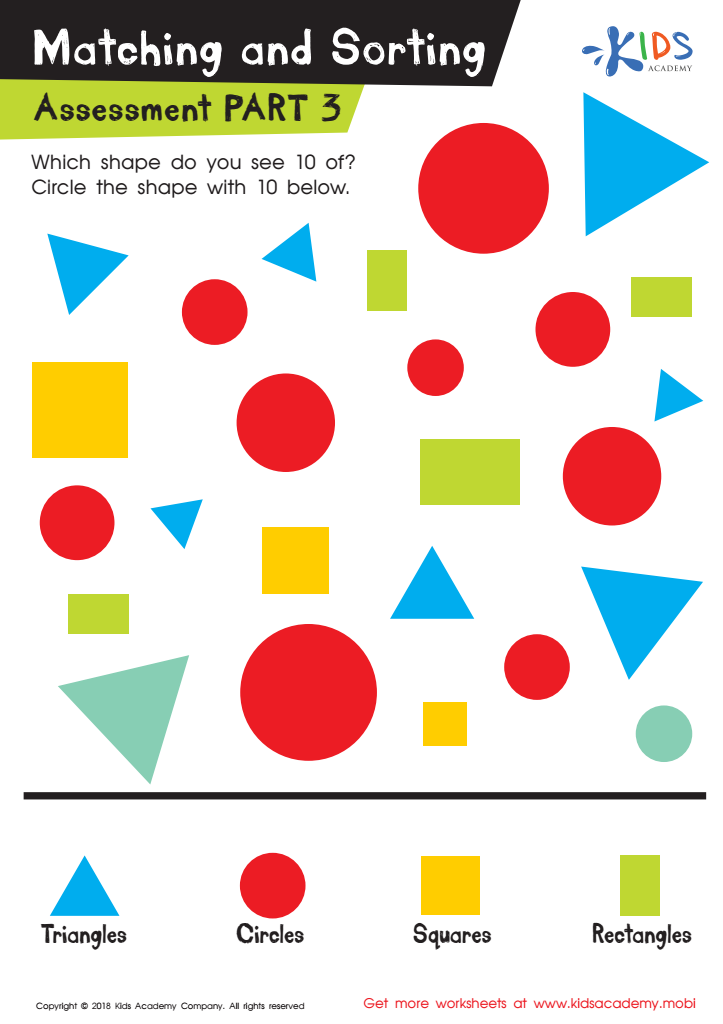
Matching and Sorting for Kindergarten: Assessment 3 Worksheet
 Assign to My Students
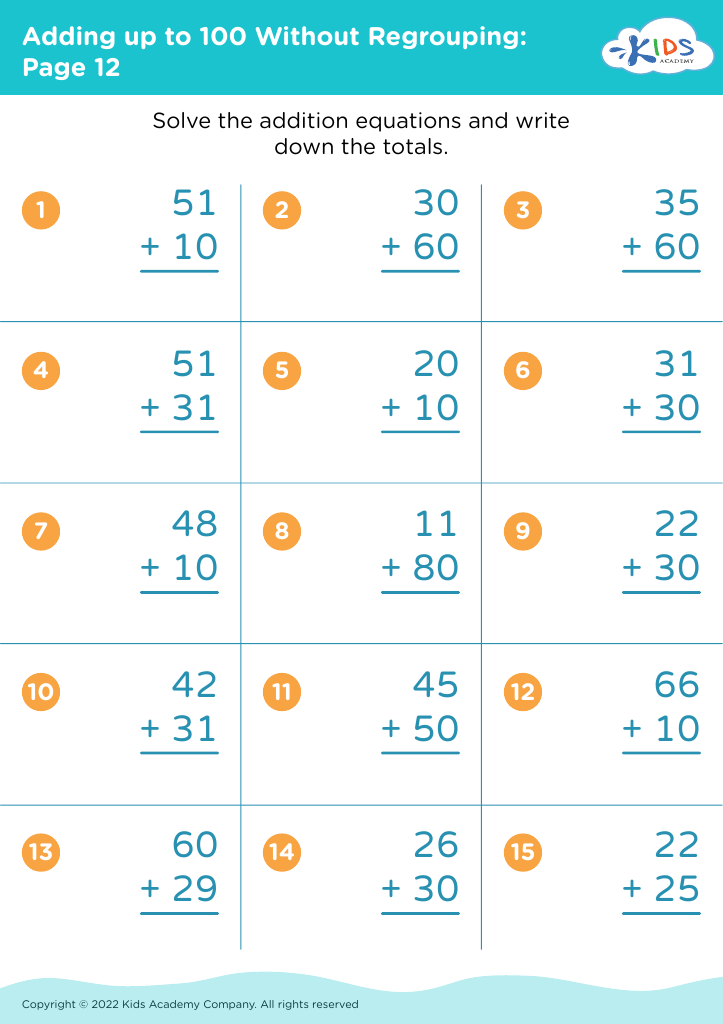
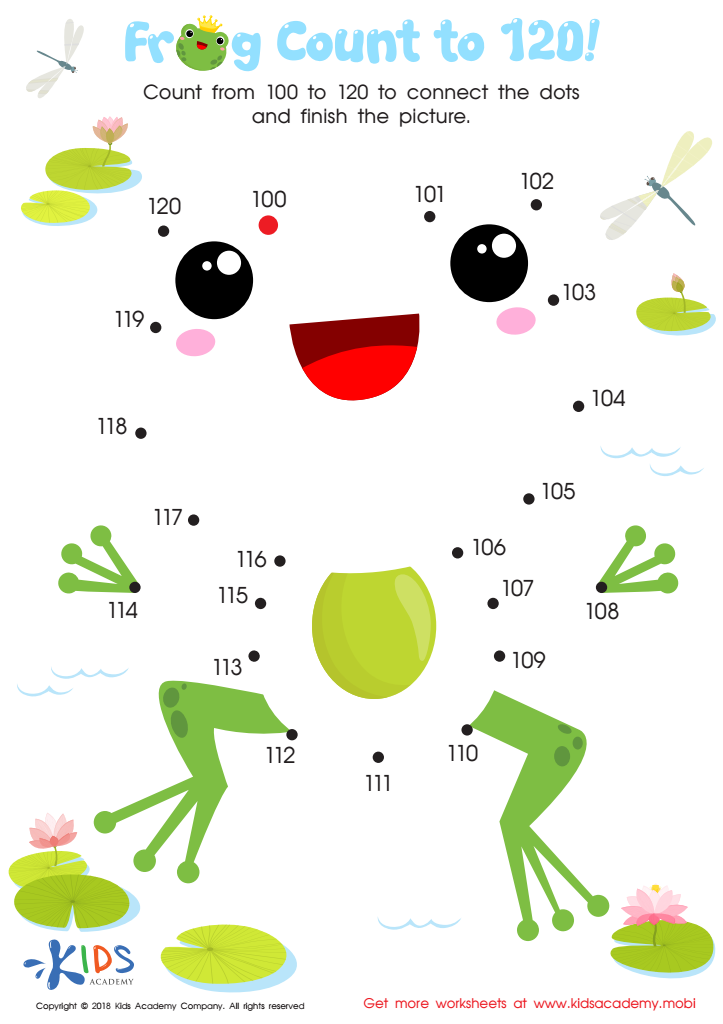
Frog Count to 120 Worksheet
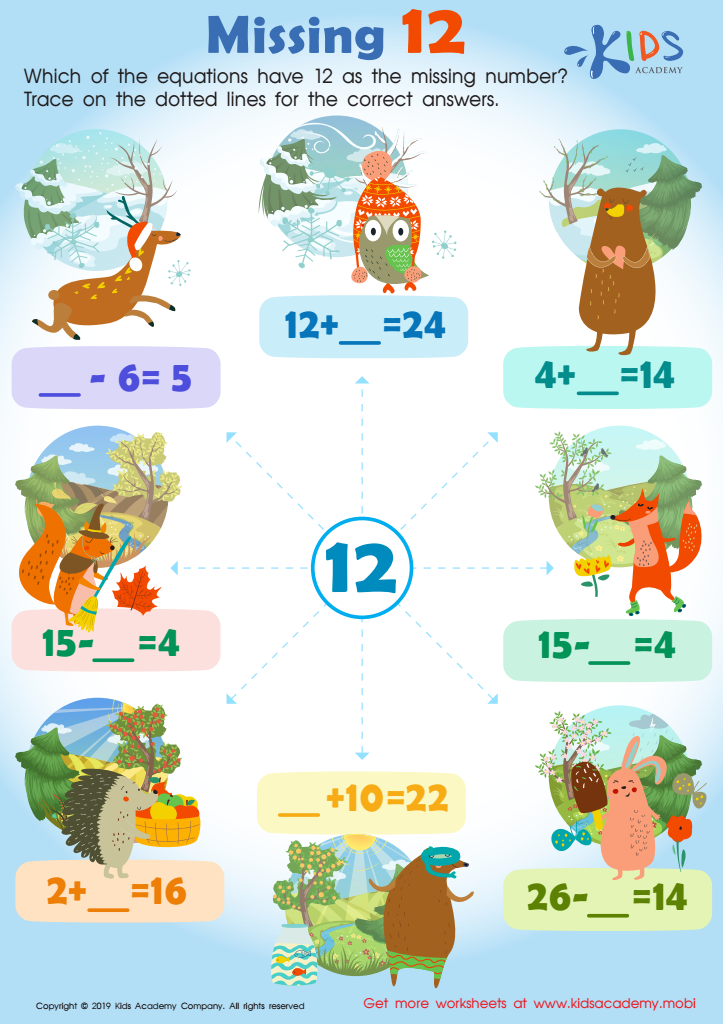
Missing 12 Worksheet
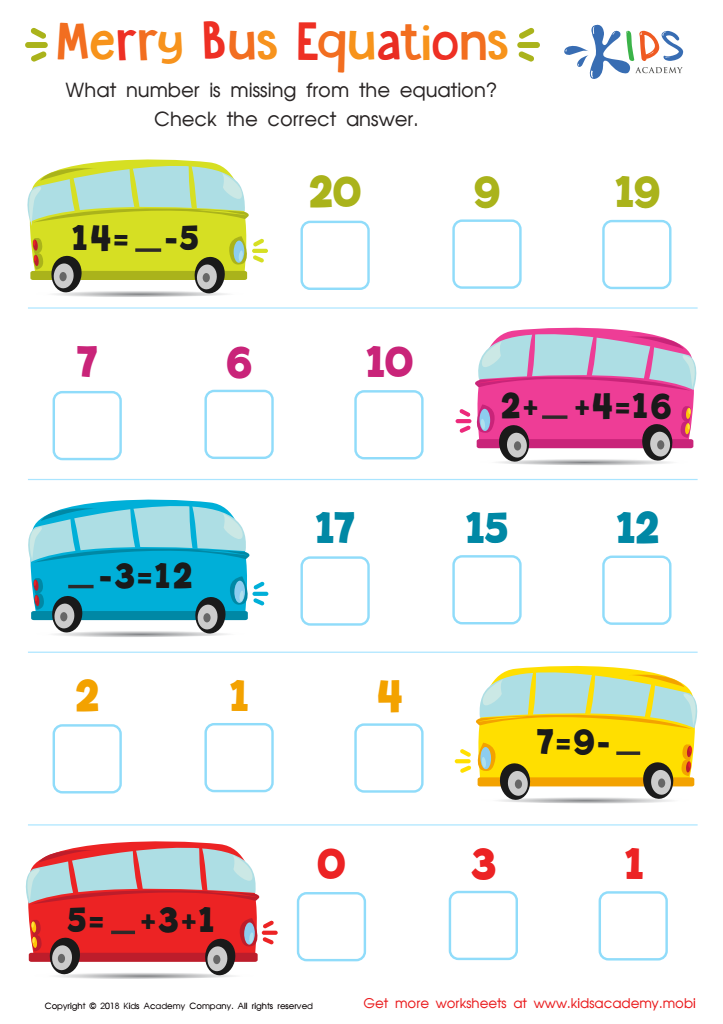
Merry Bus Equations Worksheet
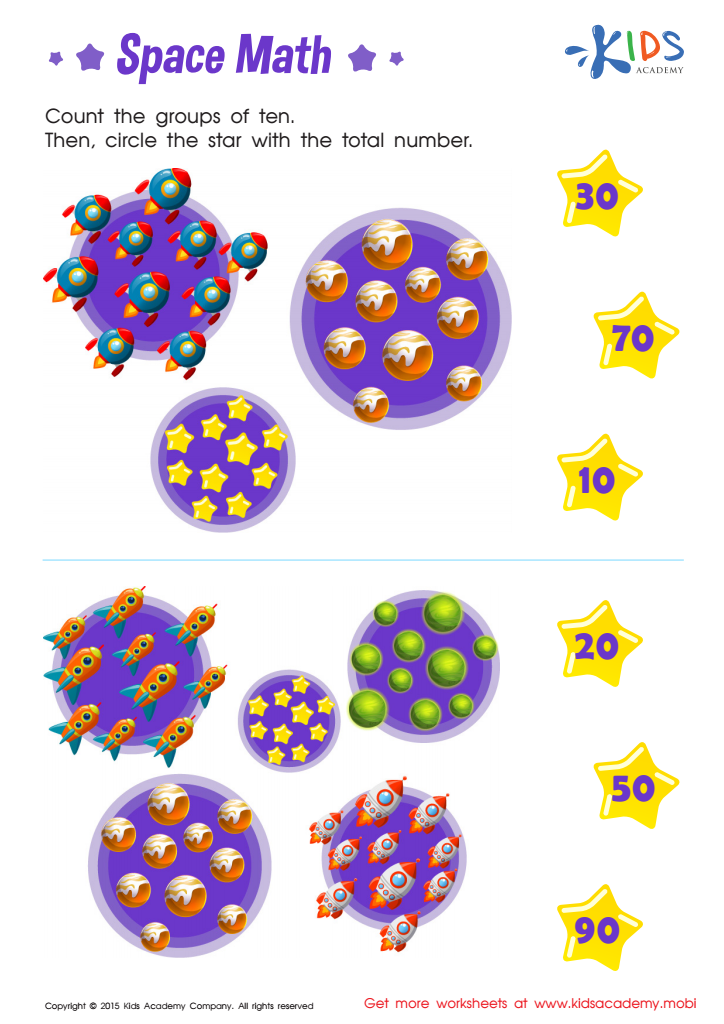
Learn dozens: Space math Worksheet
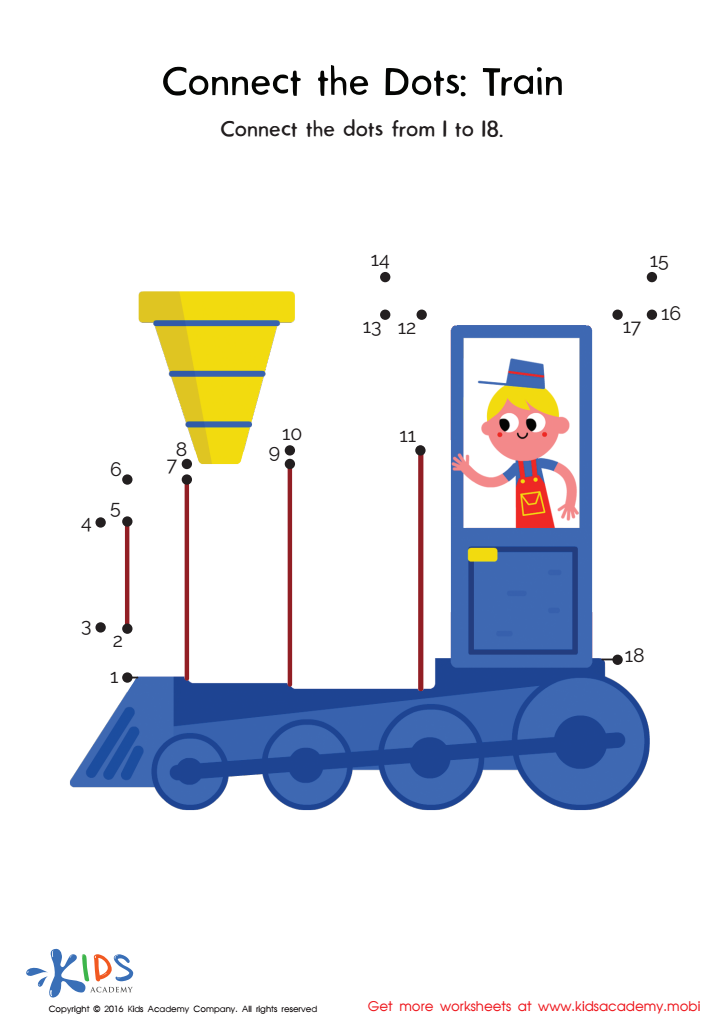
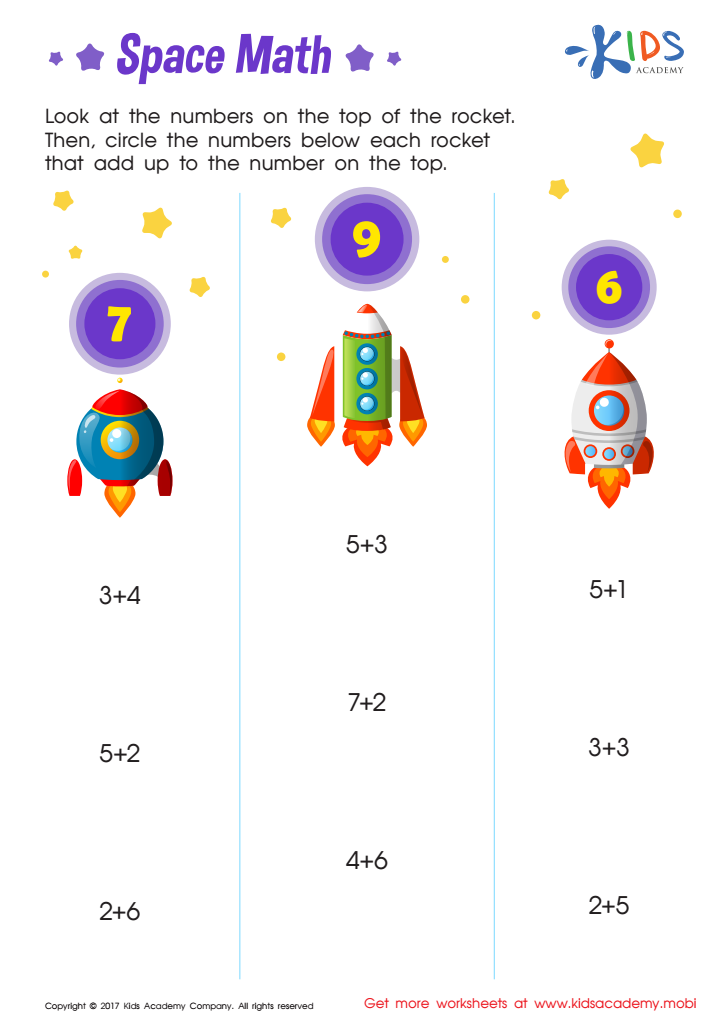
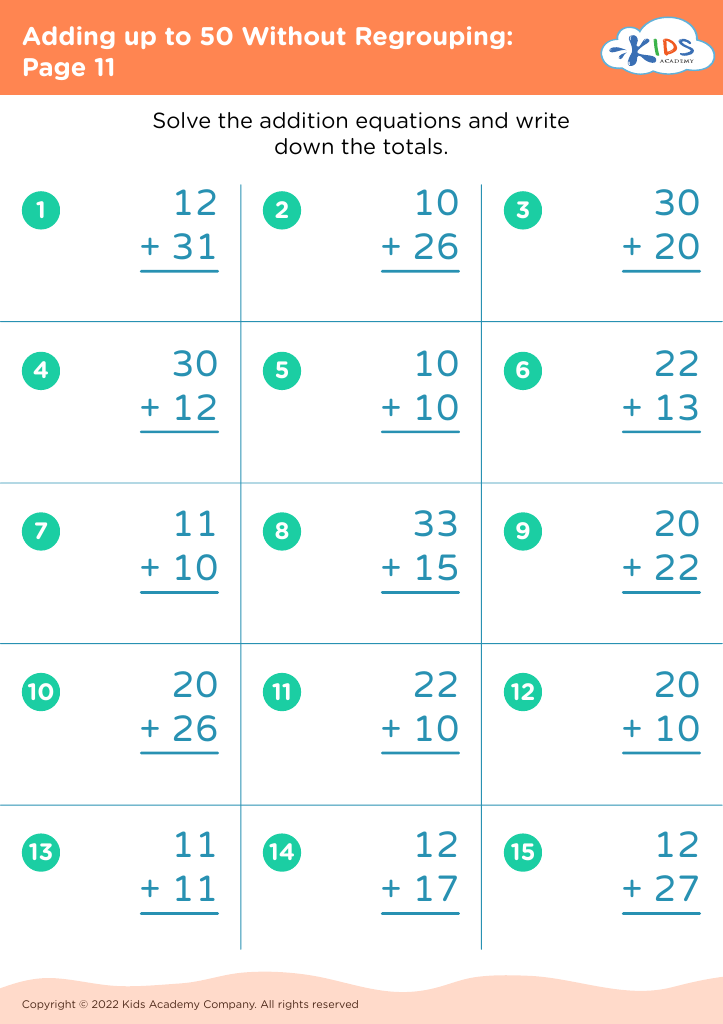
Addition: Space Math Worksheet
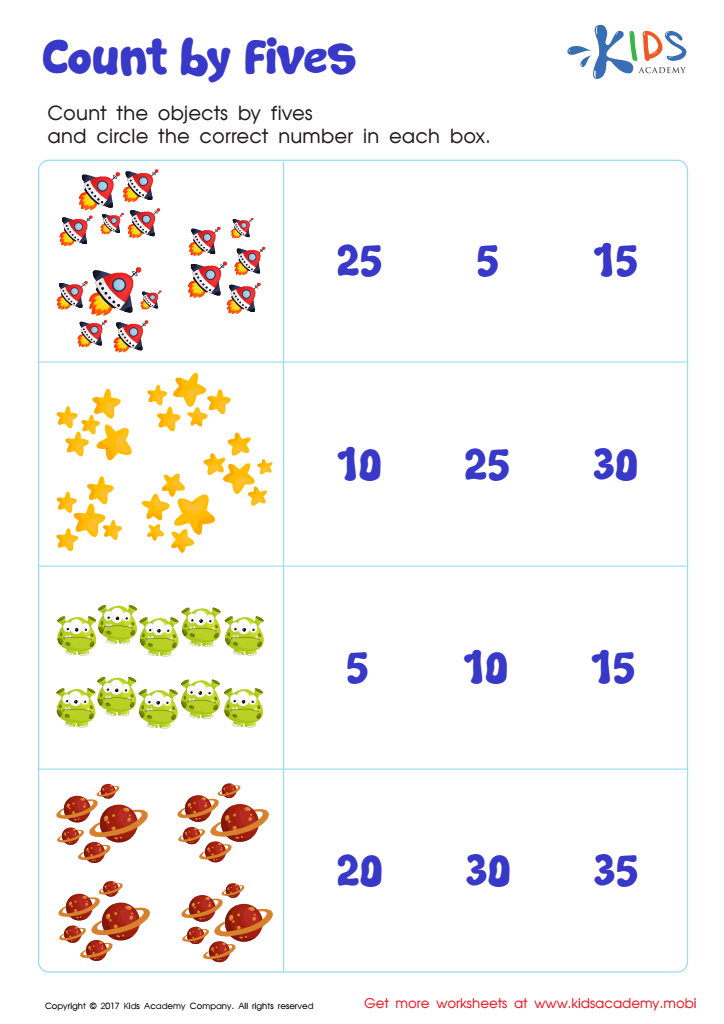
Skip Counting by 5s: Space Math Printable
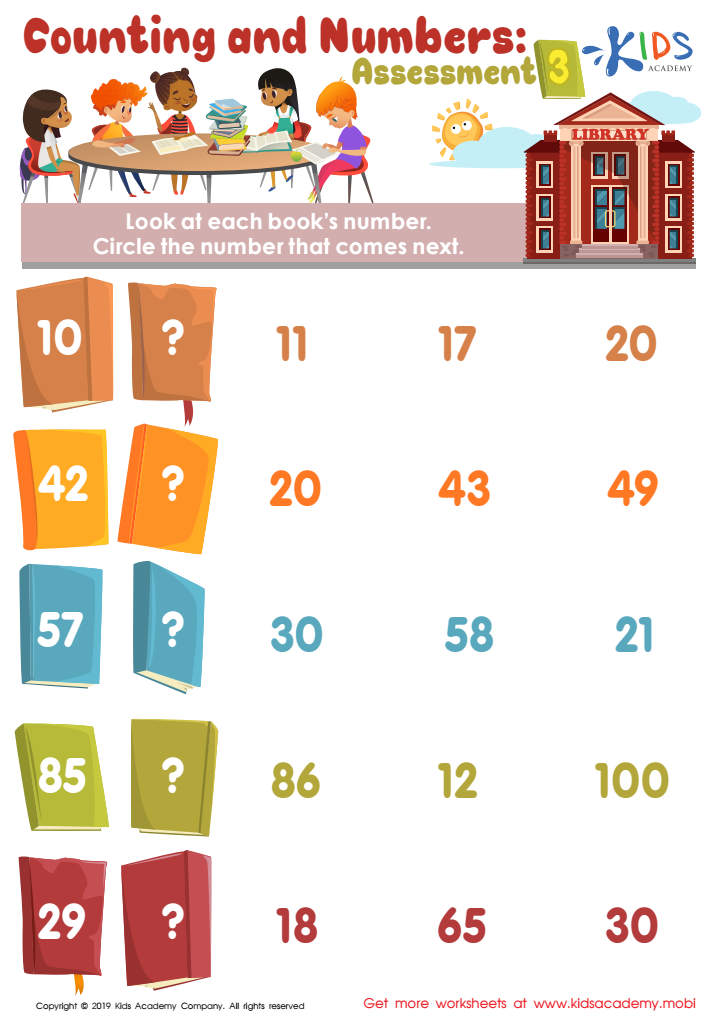
Counting and Numbers: Assessment Worksheet
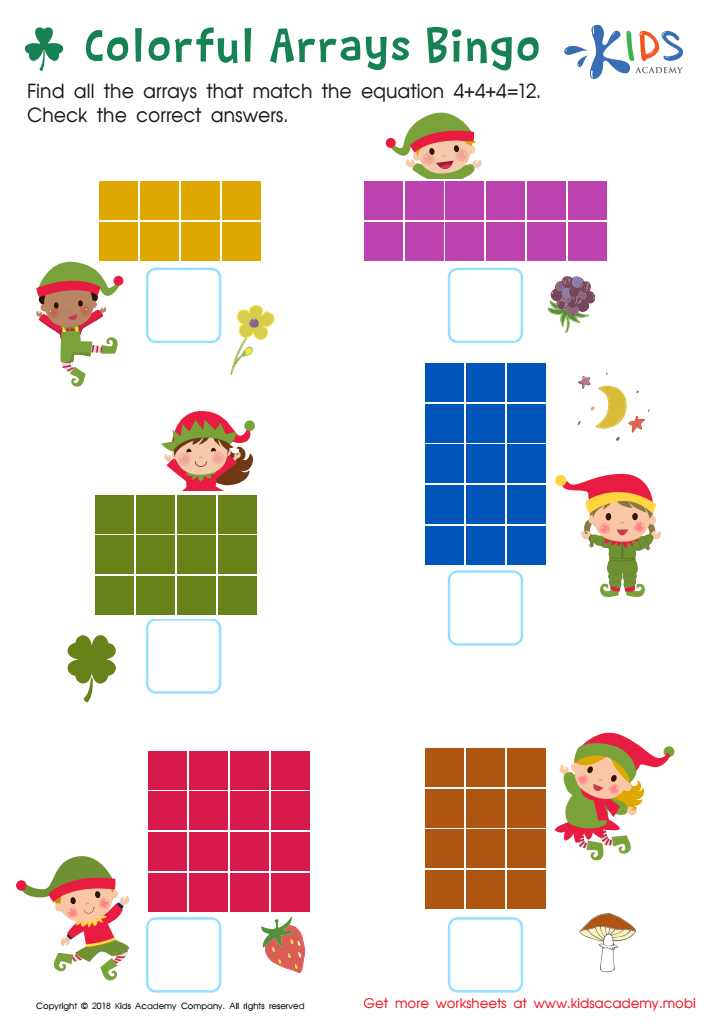
Colorful Arrays Bingo Worksheet
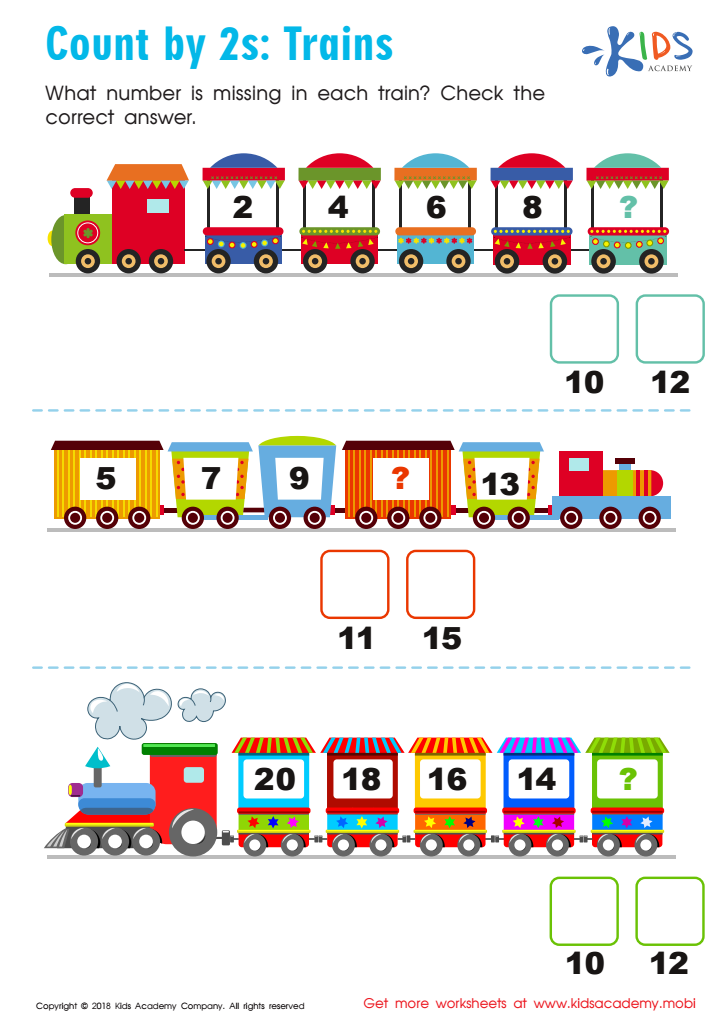
Count by 2's: Trains Worksheet
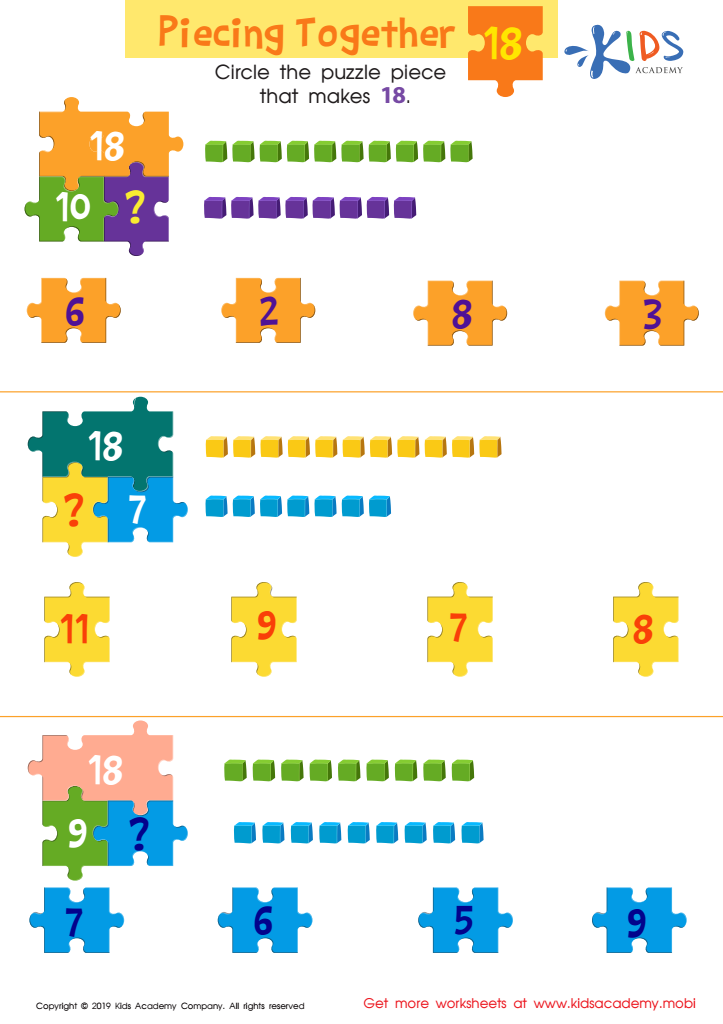
Piecing Together 18 Worksheet
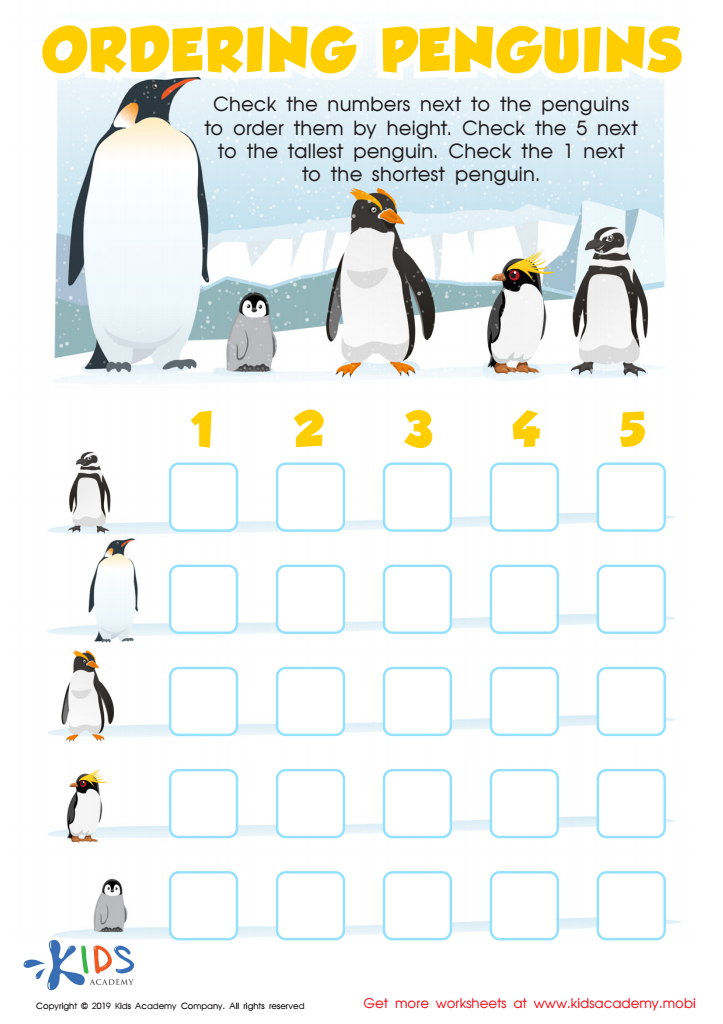
Ordering Penguins Worksheet
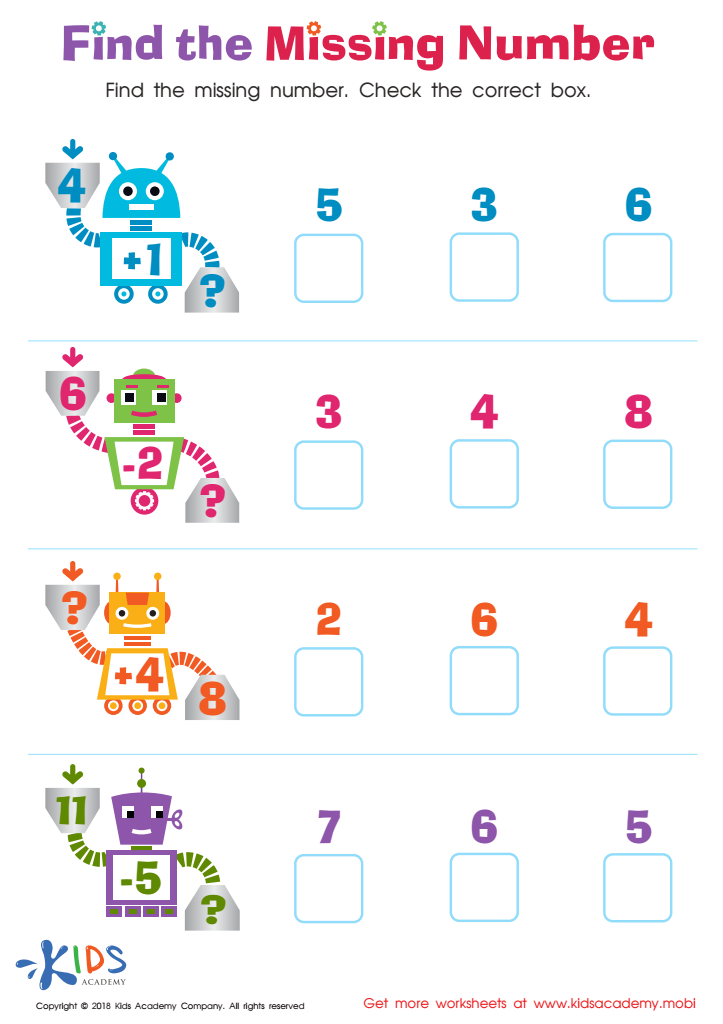
Find the Missing Number Worksheet
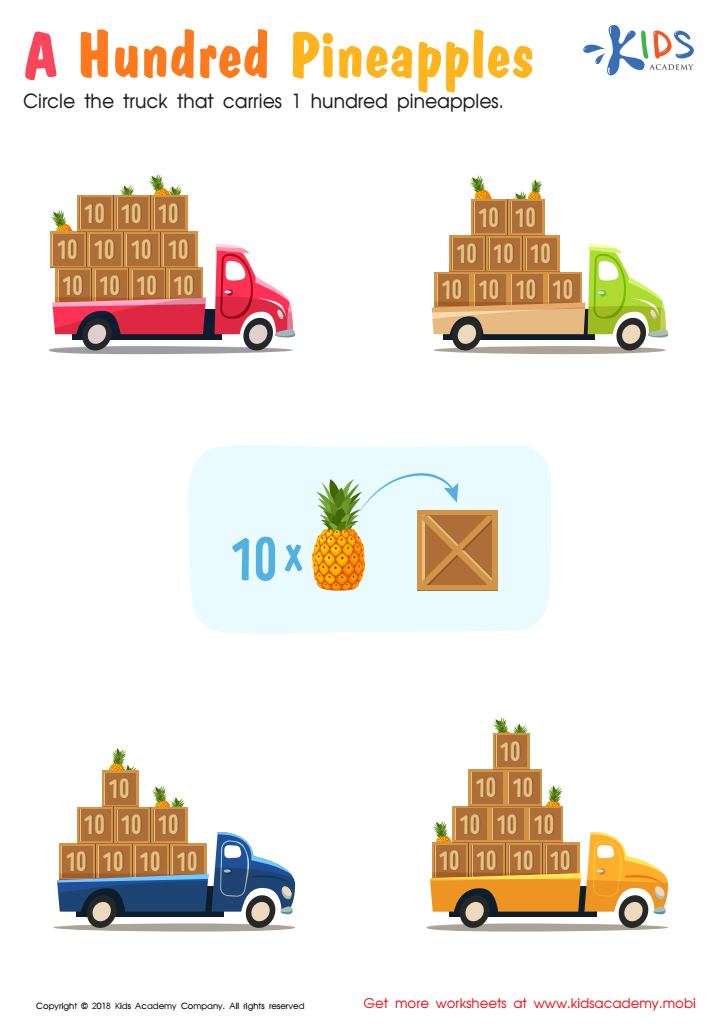
A Hundred Pineapples Worksheet
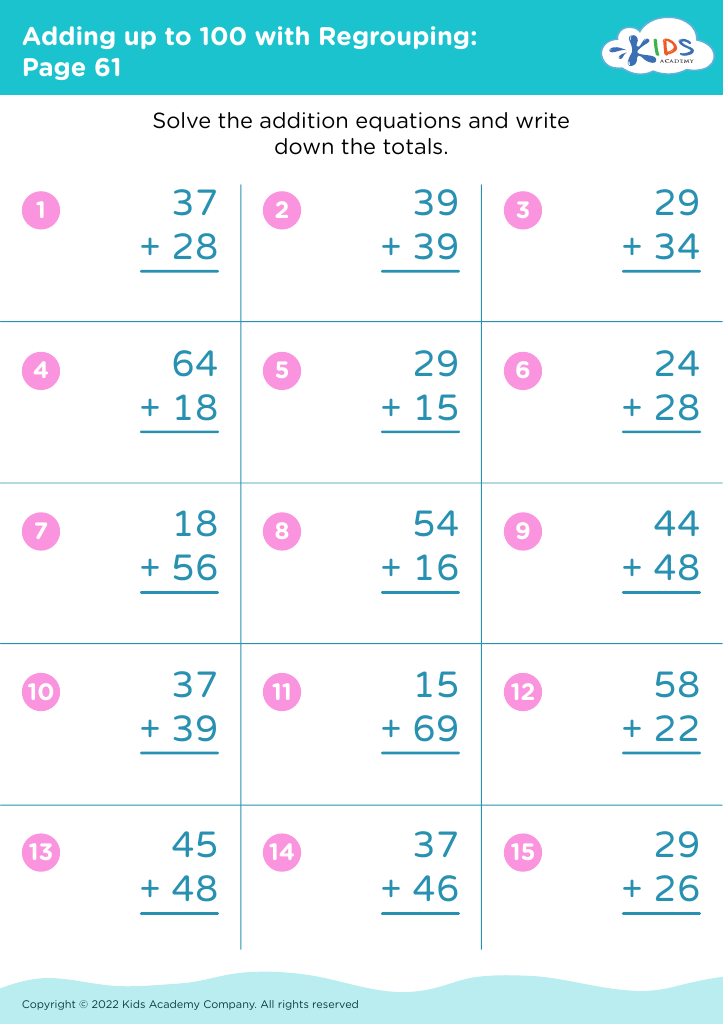
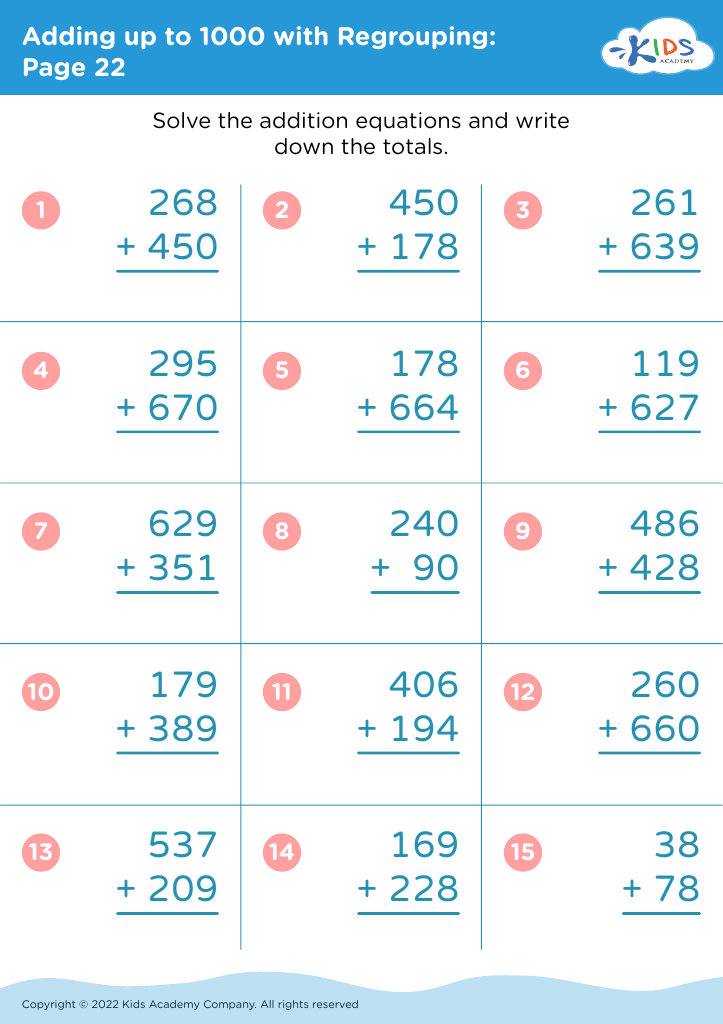
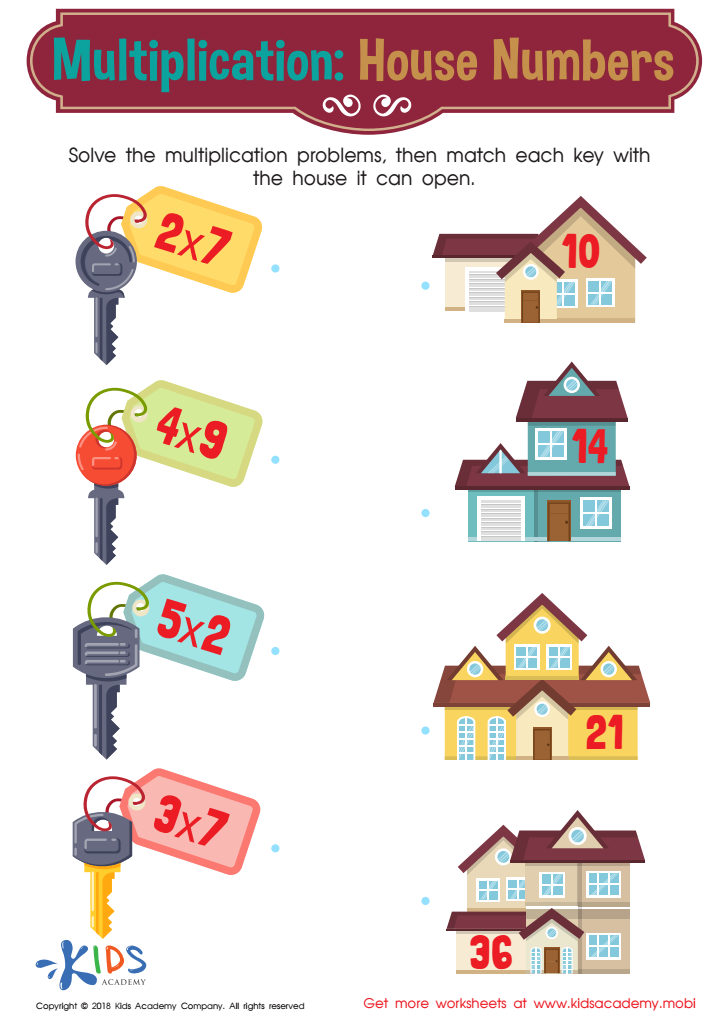
House Numbers Worksheet
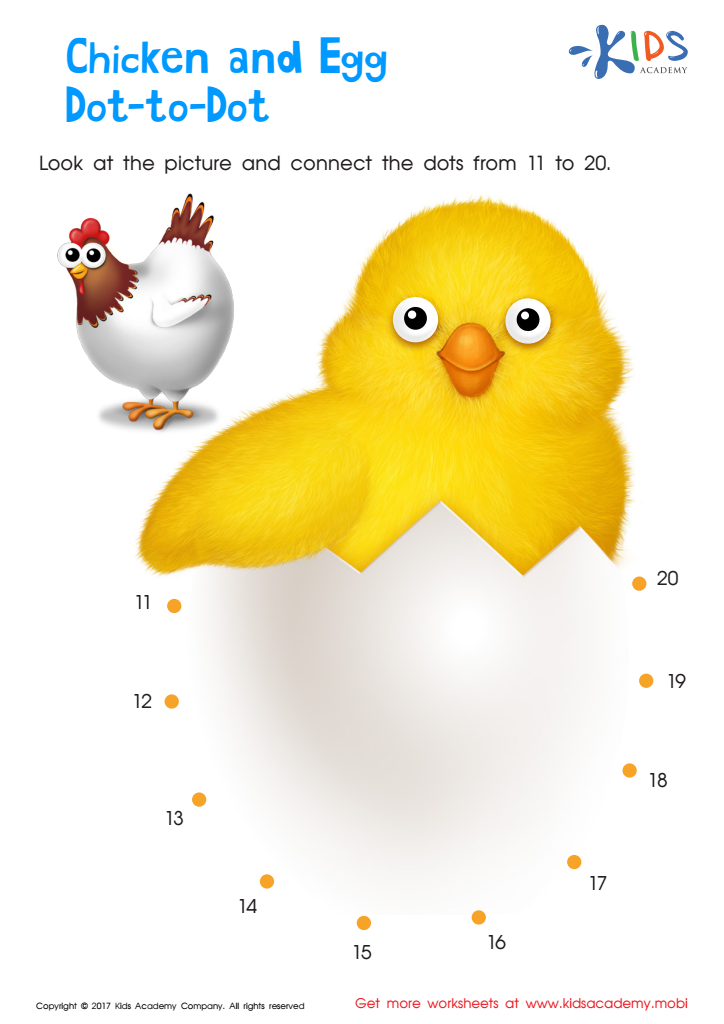
Ordering 11–20: Chicken & Egg Dot–to–dot Worksheet
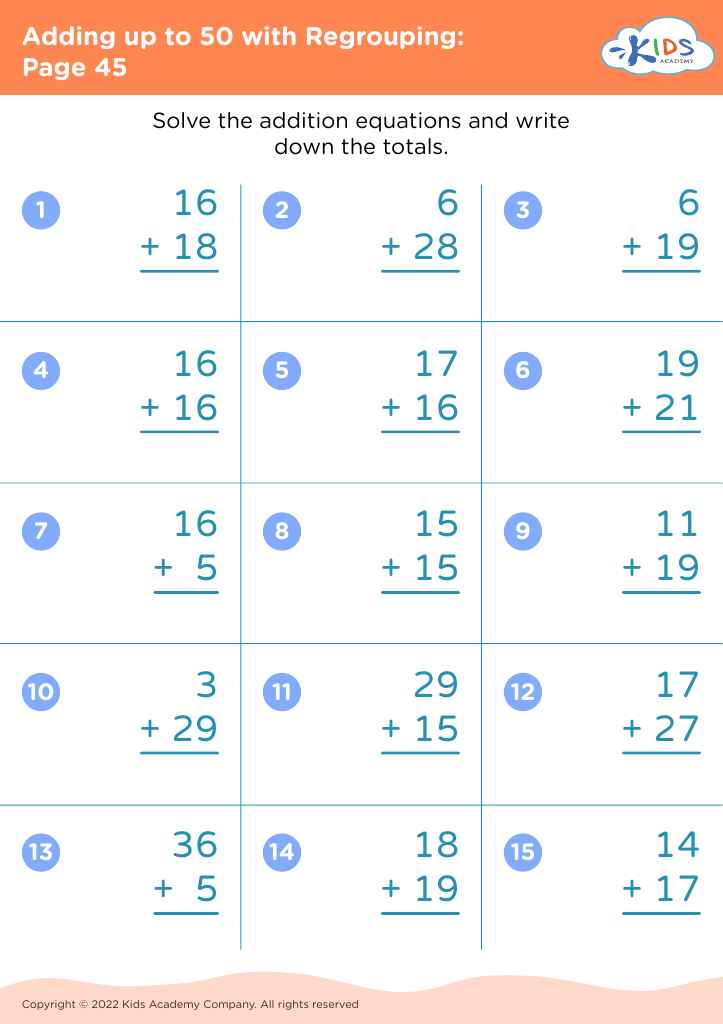
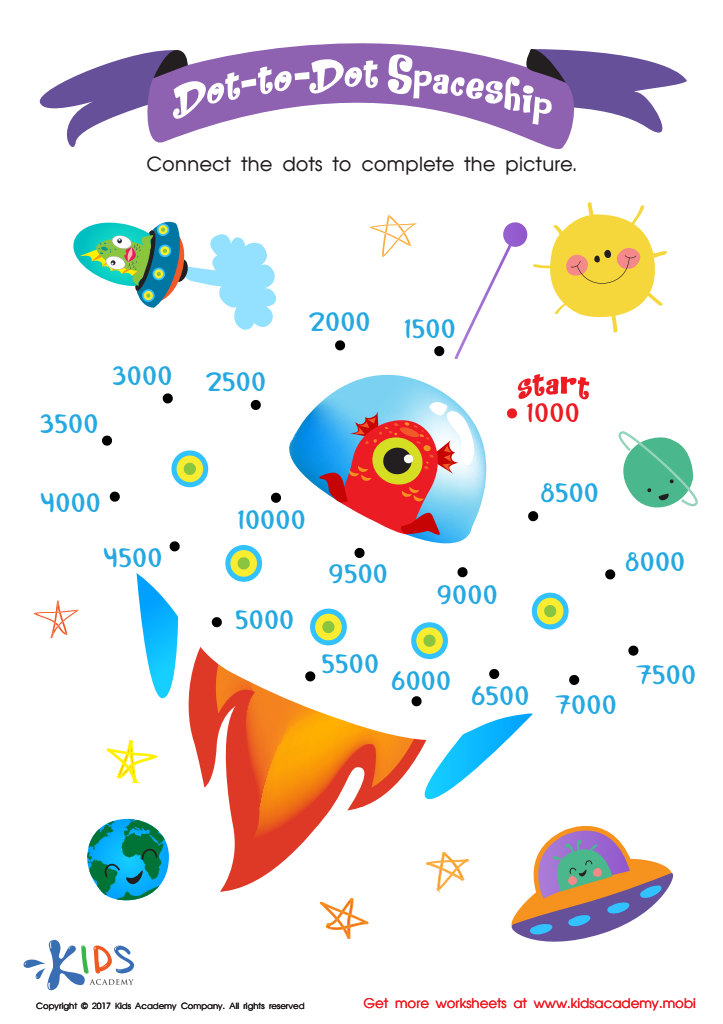
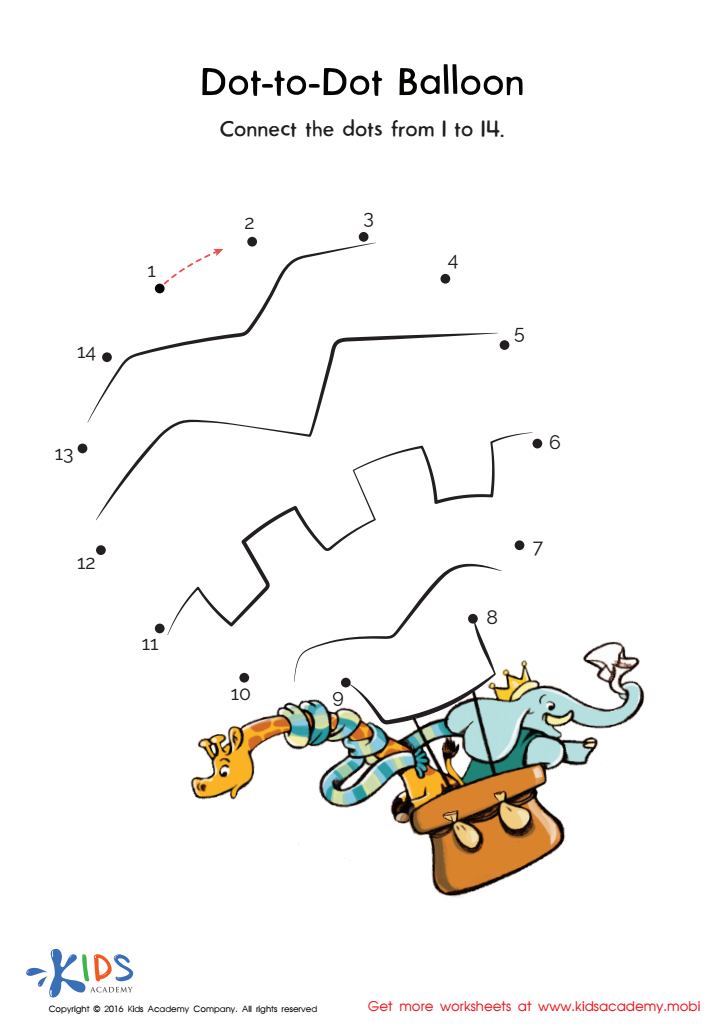
Dot to Dot Worksheet for 3rd Grade







Number sequencing is a foundational skill vital for young learners aged 4-8, shaping their mathematical understanding and problem-solving abilities. When parents and teachers prioritize number sequencing, they equip children with essential cognitive tools.
First, sequencing enhances numerical fluency, allowing children to identify patterns and develop a stronger grasp of number relationships. This precursor to arithmetic ensures that learners can confidently tackle addition, subtraction, and eventually multiplication and division.
Second, number sequencing exercises critical thinking. As children arrange numbers and identify missing elements, they cultivate analytical skills that benefit them across all subjects, from math to reading comprehension.
Moreover, mastering sequencing fosters confidence. When children can sequence numbers effectively, they gain a sense of accomplishment, driving their motivation to explore more complex math concepts. They learn that mathematics is not just about memorization, but about understanding the relationships between numbers.
Finally, number sequencing supports everyday experiences. Whether it’s telling time, organizing events, or understanding simple numerical data, these skills are deeply integrated into daily life.
In summary, a focus on number sequencing nurtures mathematical readiness, critical thinking, and confidence, making it an essential aspect of early education that parents and teachers should value.








