Problem-Solving Skills Worksheets for Ages 4-8 - Page 4
422 filtered results
-
From - To
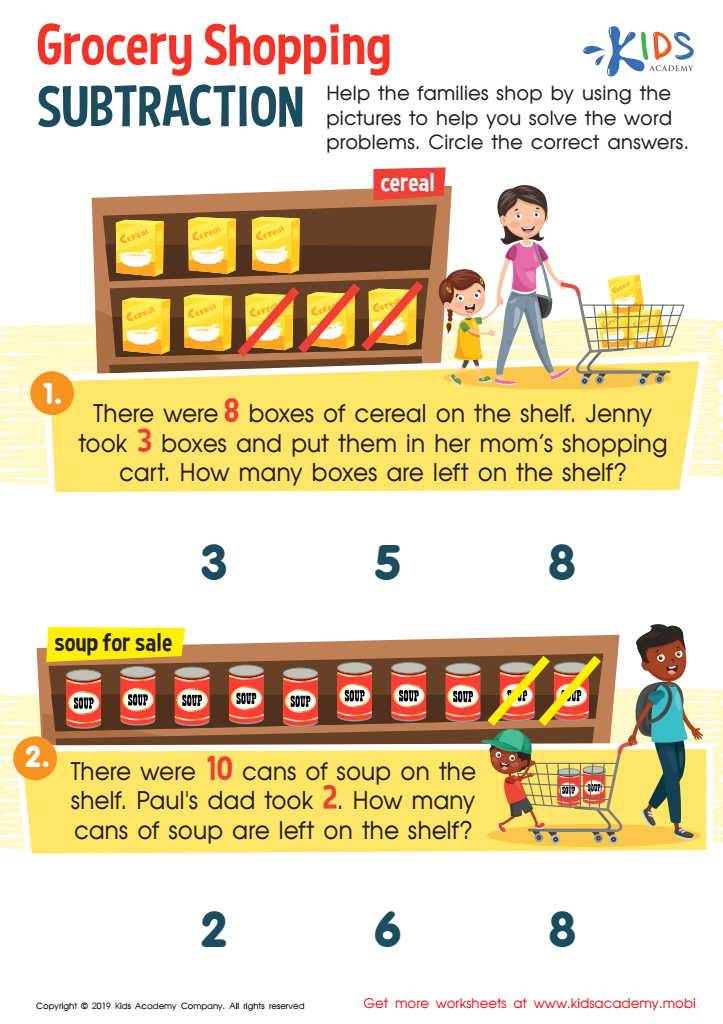
Grocery Shopping Subtraction Worksheet
 Assign to My Students
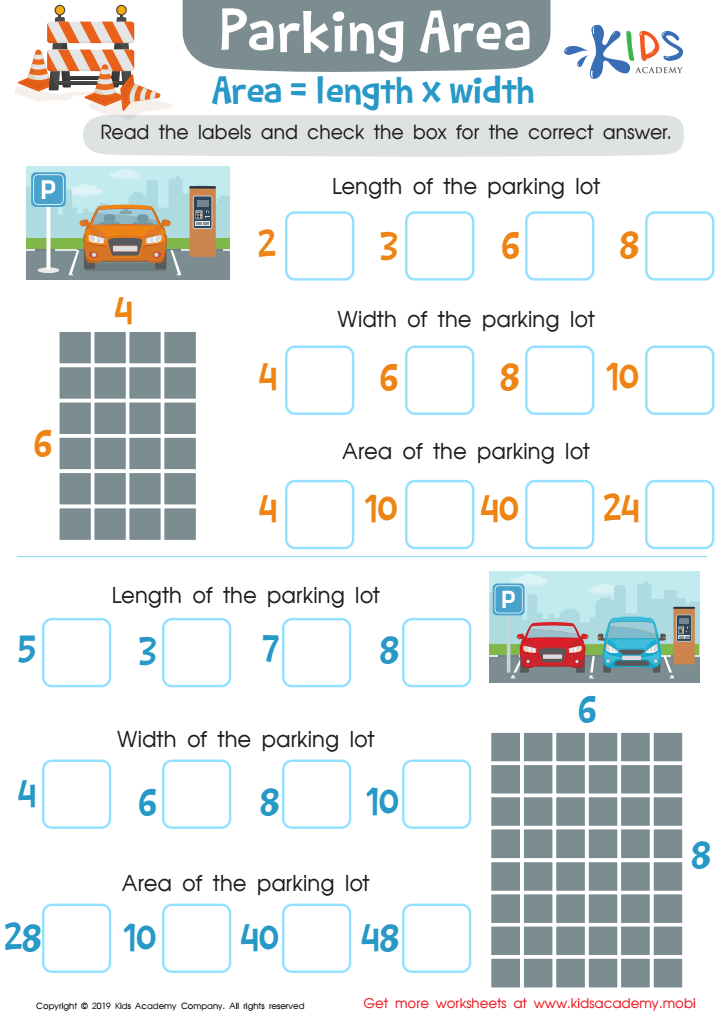
Parking Area Worksheet

Halloween Problem Solving Worksheet

Community Doctors: Maze Printable

Skip Counting by 5s: Outer Space Math Printable

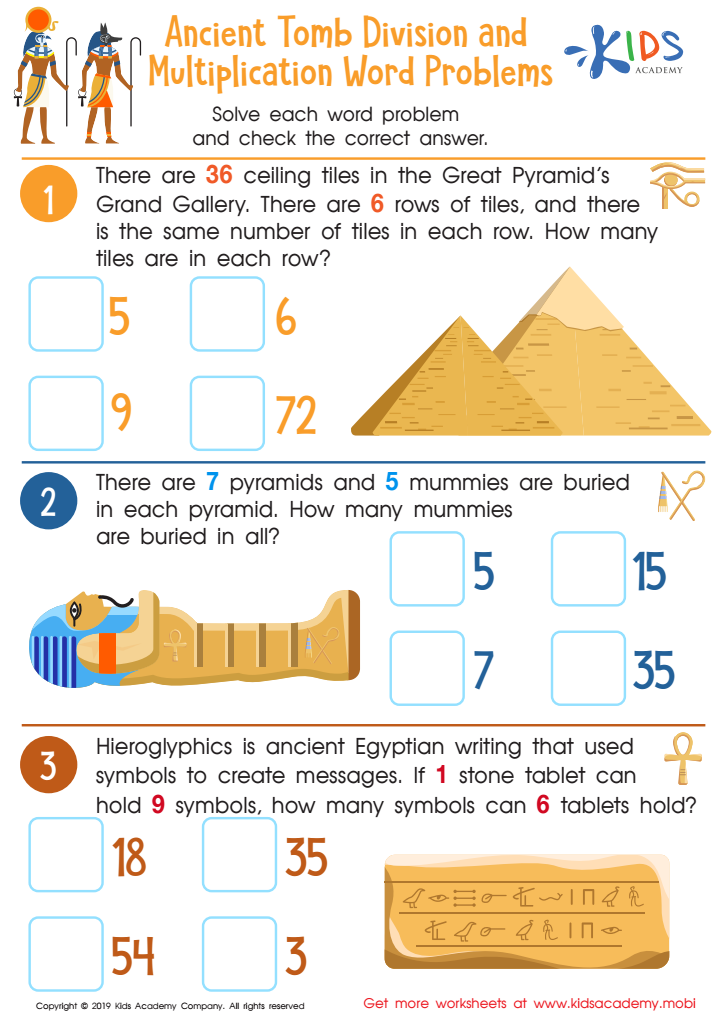
Ancient Tomb Division and Multiplication Word Problems Worksheet
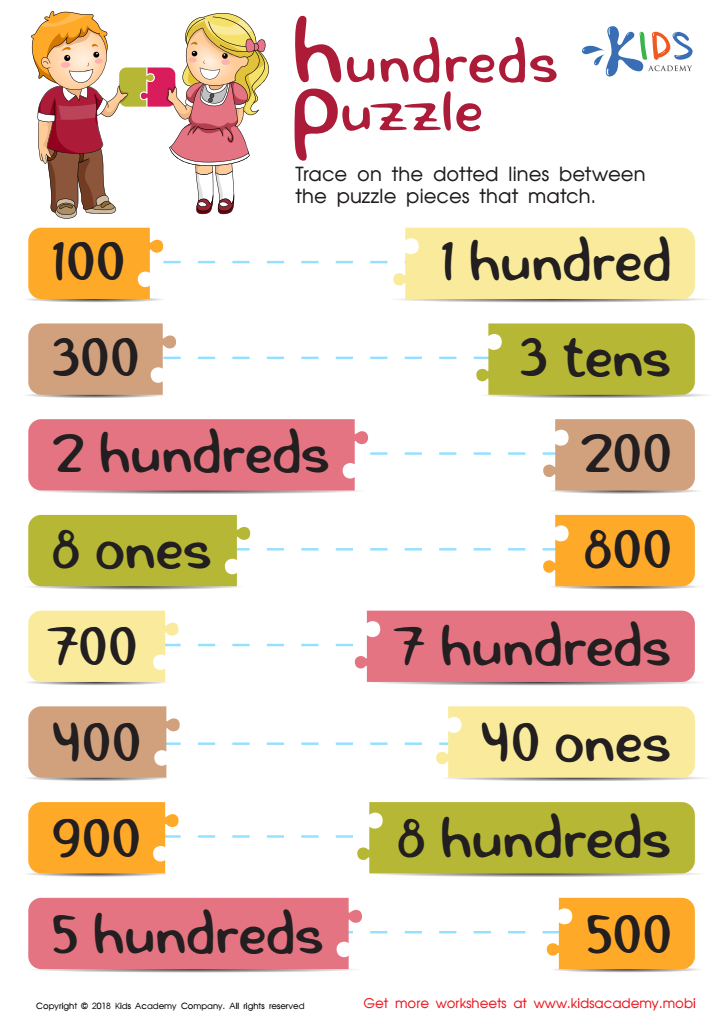
Hundreds Puzzle Worksheet
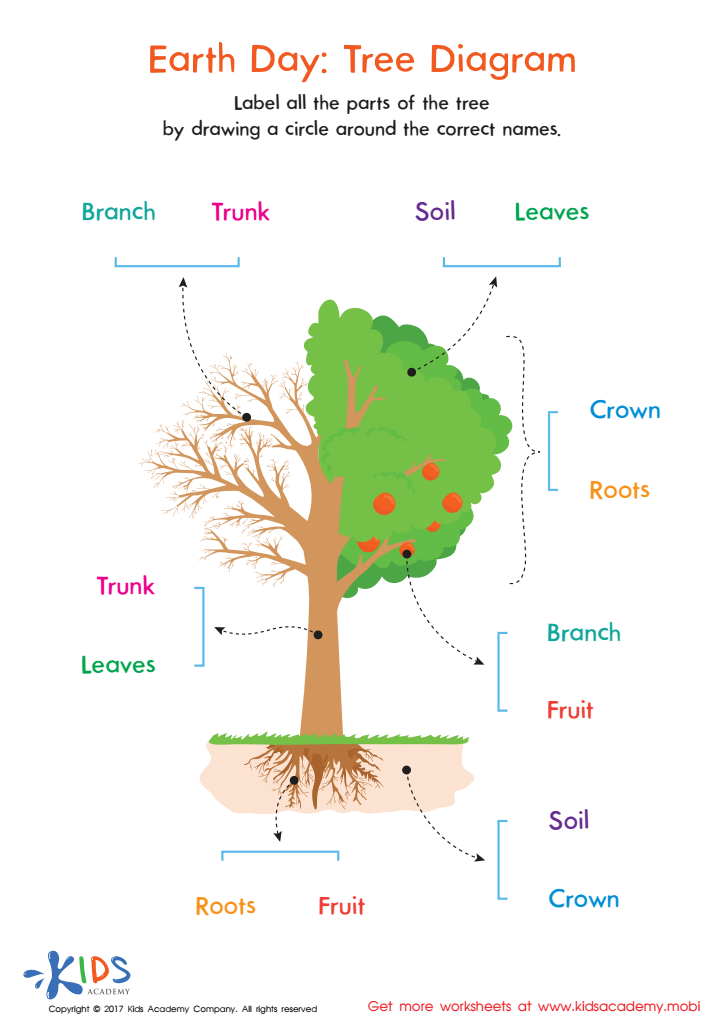
Earth Day: Tree Diagram Worksheet
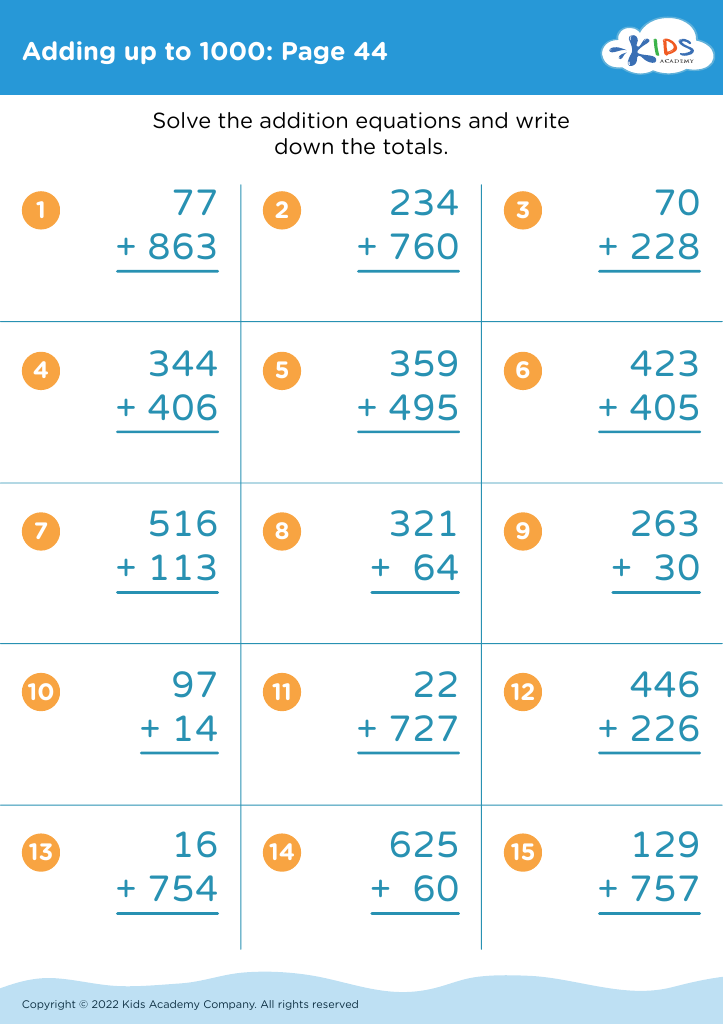
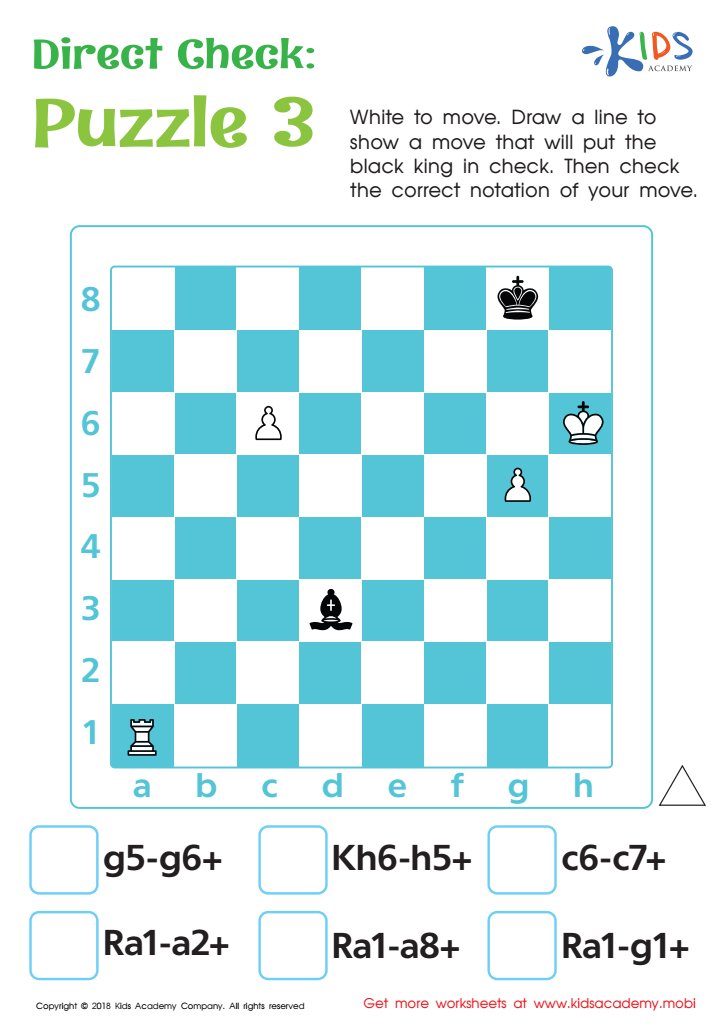
Direct Check: Puzzle 3 Worksheet
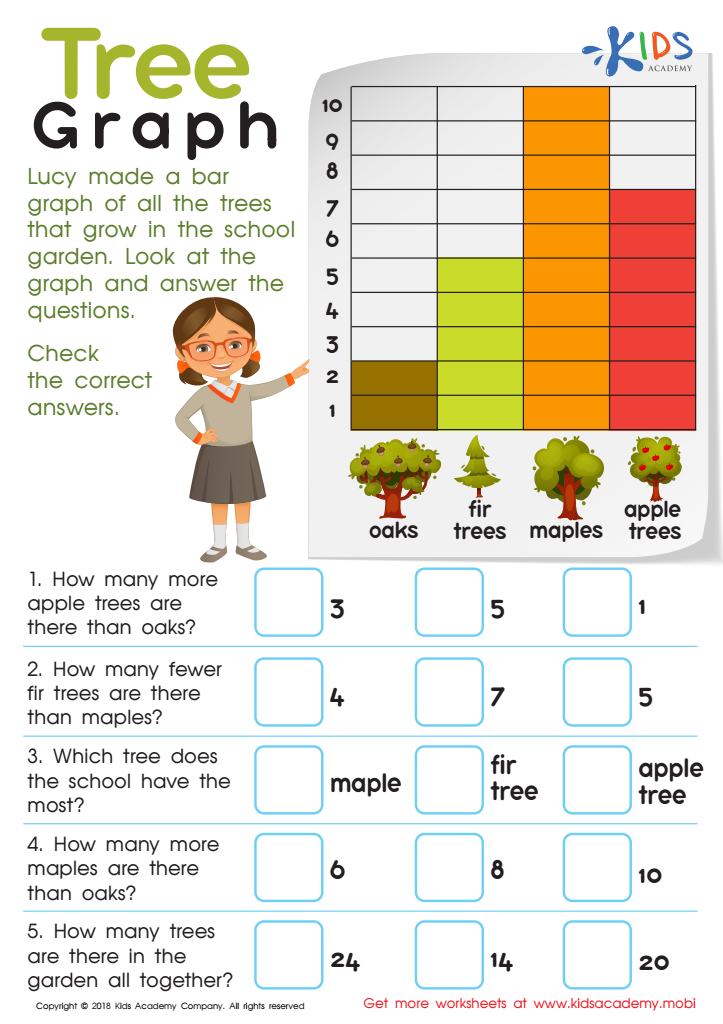
Tree Graph Worksheet
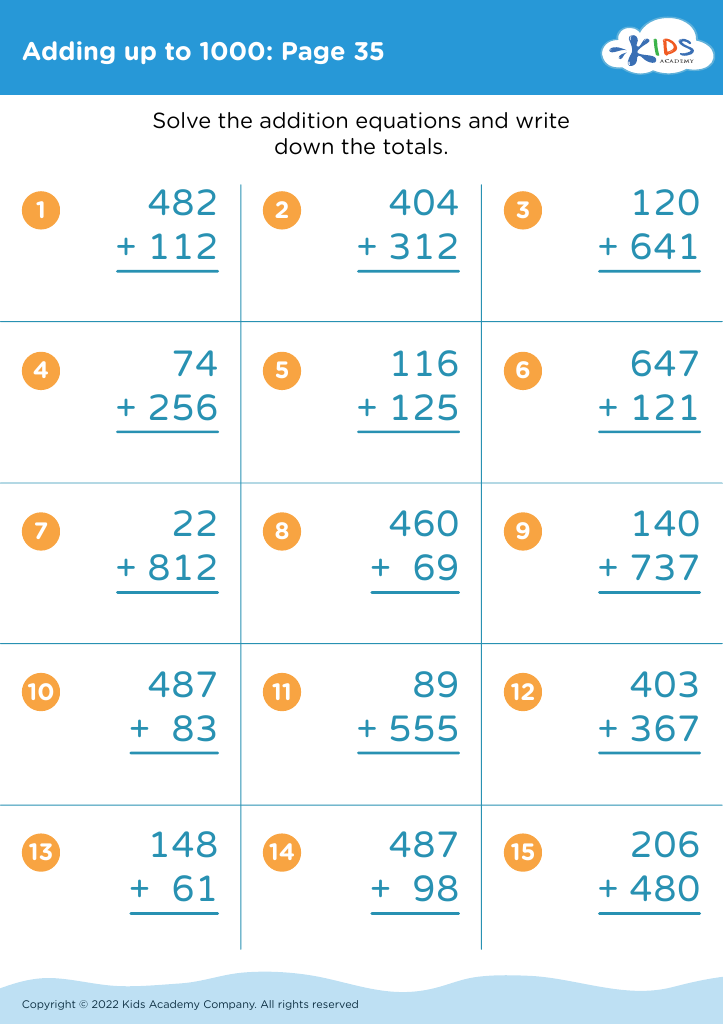
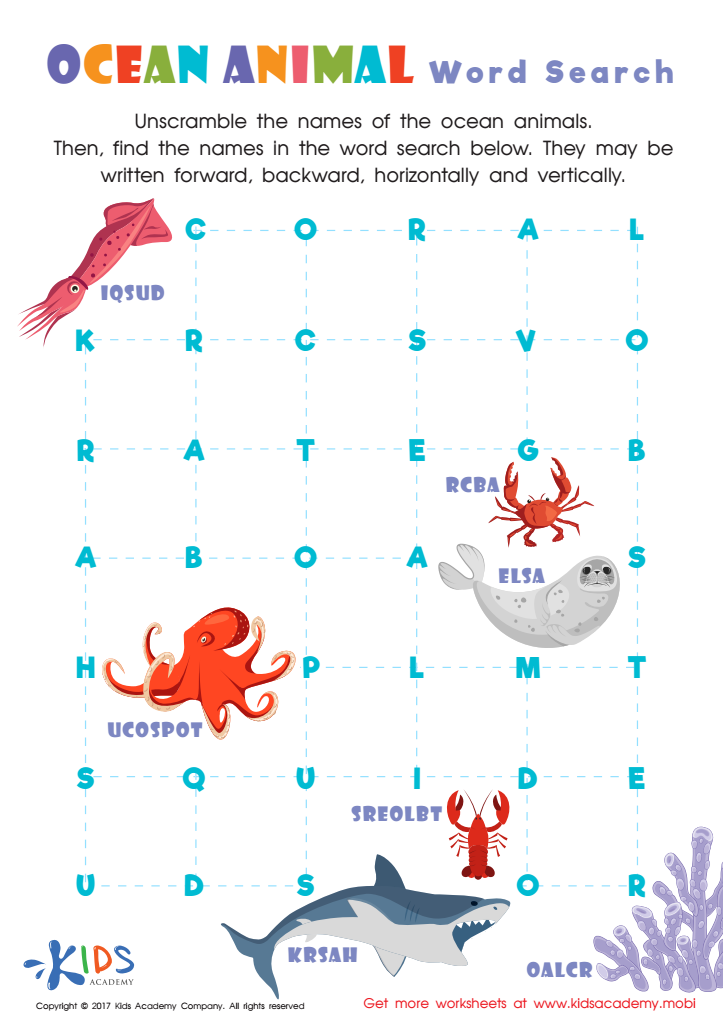
Ocean Animals Word Search Printable
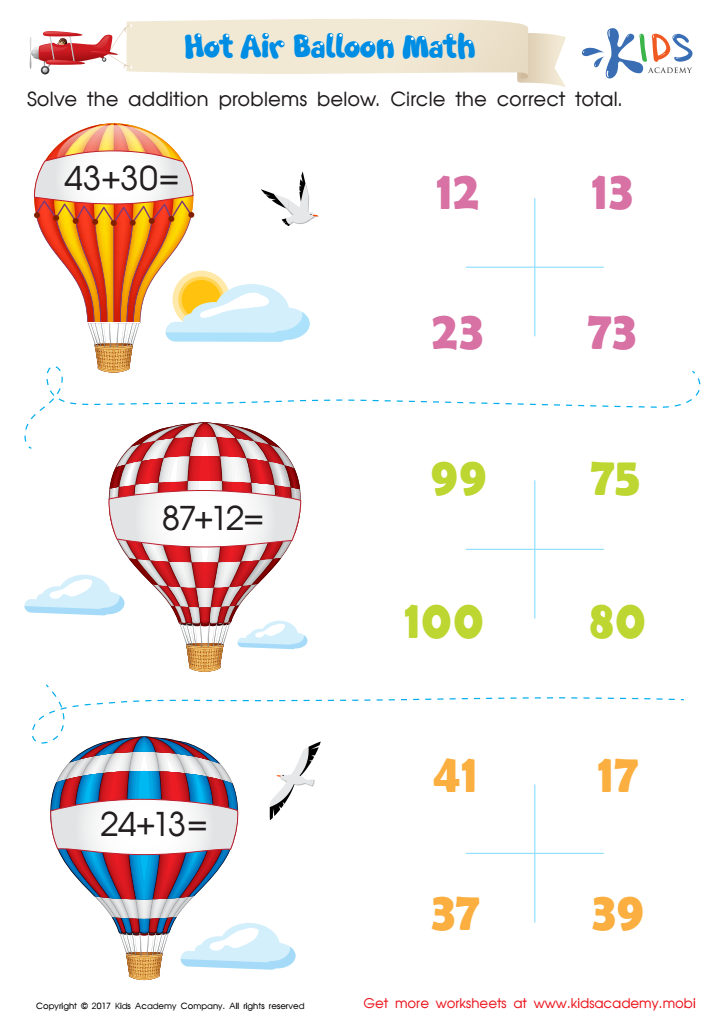
Hot Air Balloon Math Worksheet
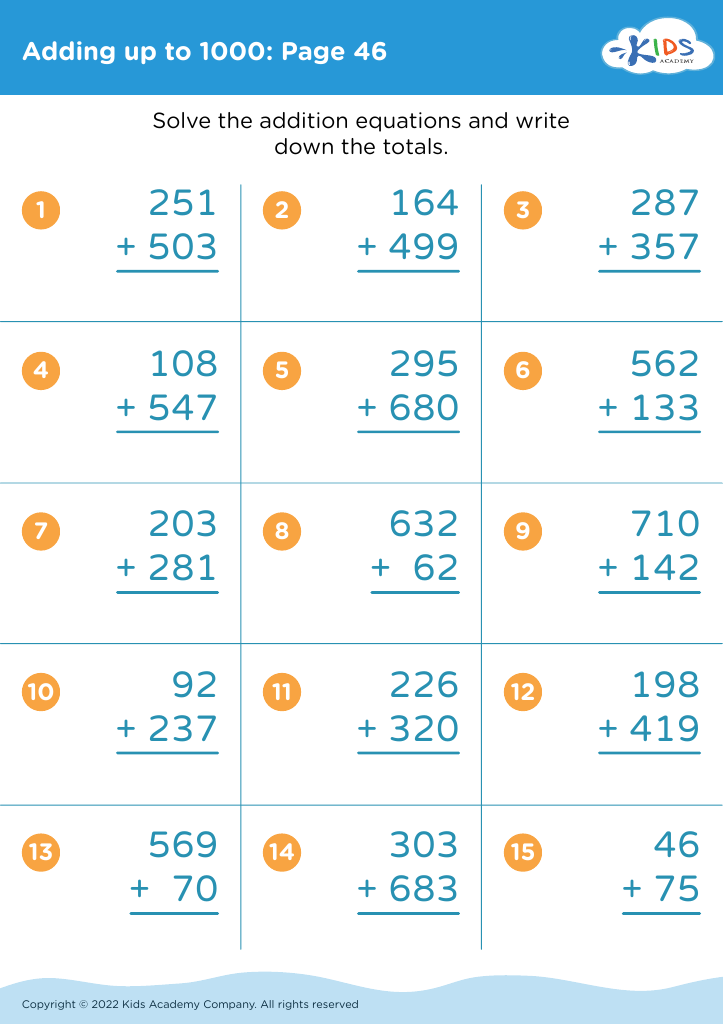
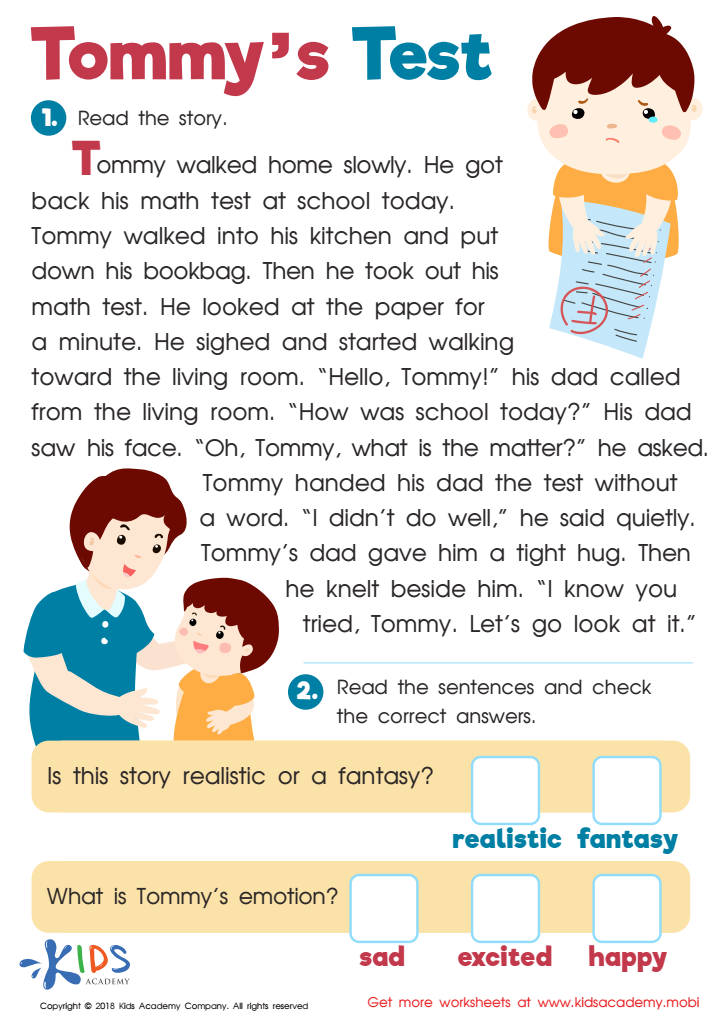
Tommys Test Worksheet

Thanksgiving Word Search Sight Words Worksheet
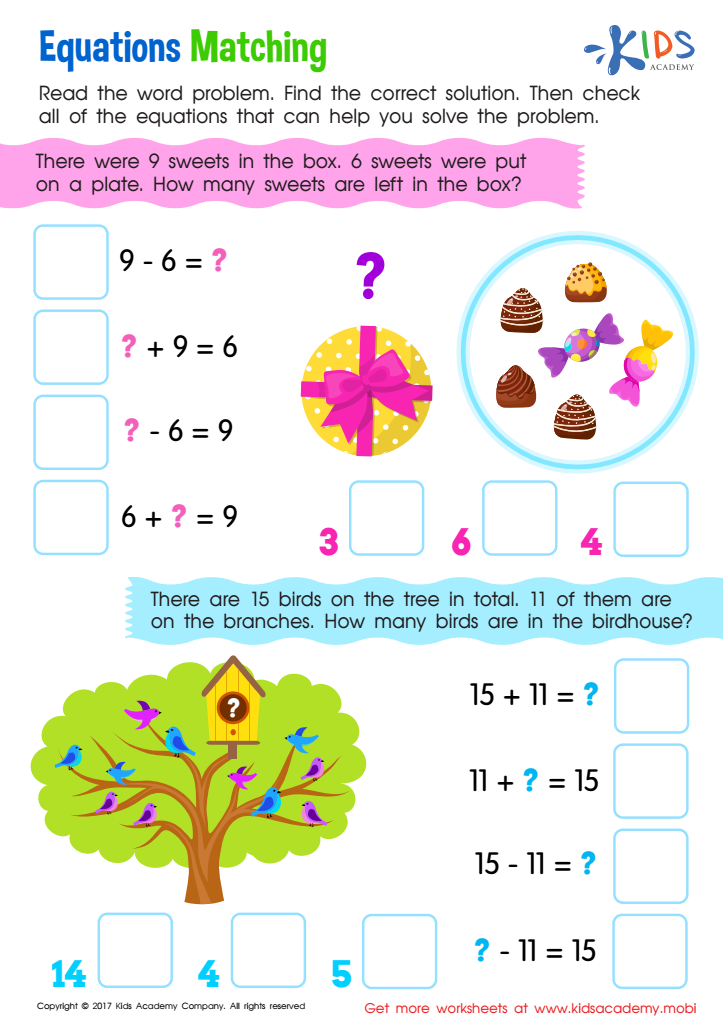
Equations Matching Word Problems Worksheet

Spaceship Maze: Galaxies Worksheet







Problem-solving skills are vital for children aged 4-8 as they lay the foundation for critical thinking and decision-making abilities essential for future learning and personal growth. During these formative years, children's brains are highly adaptable, making it an opportune time for parents and teachers to nurture these skills.
Caring about problem-solving skills encourages cognitive development. When children engage in problem-solving activities, they learn to analyze situations, generate possible solutions, and evaluate outcomes. This process fosters creativity and encourages perseverance, two attributes that will serve them well throughout their lives.
Moreover, strong problem-solving abilities enhance social interactions. Collaborative problem-solving activities help children learn essential communication and teamwork skills, aiding them in resolving conflicts and understanding different perspectives. These interactions contribute to emotional intelligence, helping children form healthy relationships.
Finally, supporting the development of problem-solving skills prepares children for formal education. Enhanced problem-solving capacities lead to improved academic performance in subjects such as math and science, where analytical skills are crucial.
In summary, fostering problem-solving skills in young children not only cultivates lifelong learners but also equips them with the tools needed to navigate an increasingly complex world. Our investment in their development today has lasting benefits for their tomorrows.








