Hand-eye Coordination Math Worksheets for Ages 4-8 - Page 2
66 filtered results
-
From - To
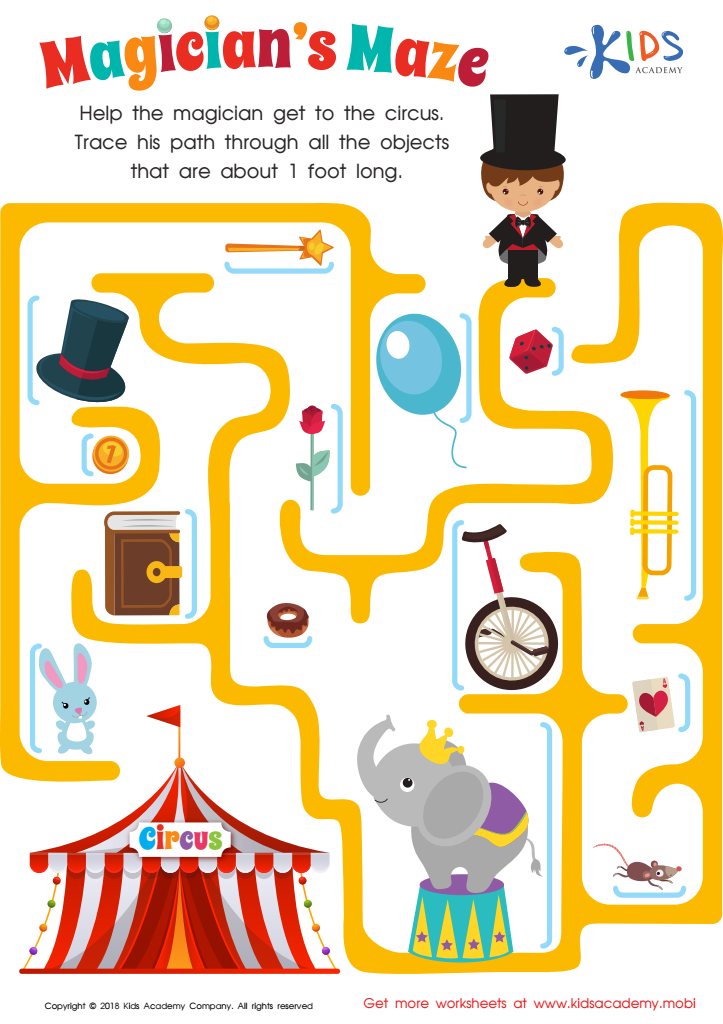
Estimating Length: Magician's Maze Worksheet
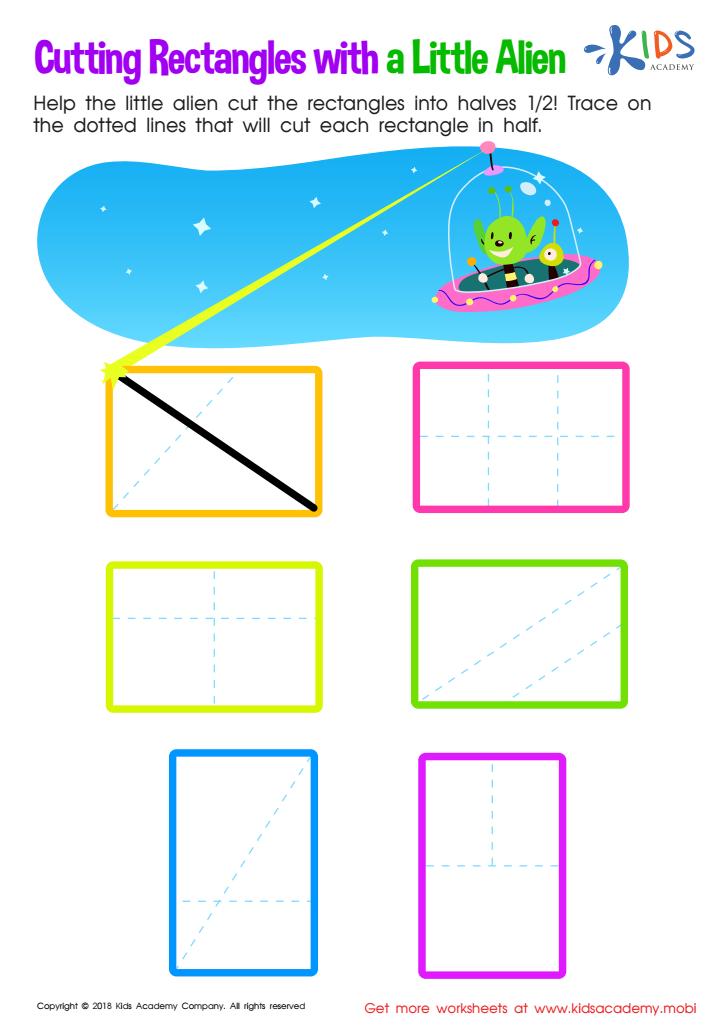
Cutting Rectangles with Alien Worksheet
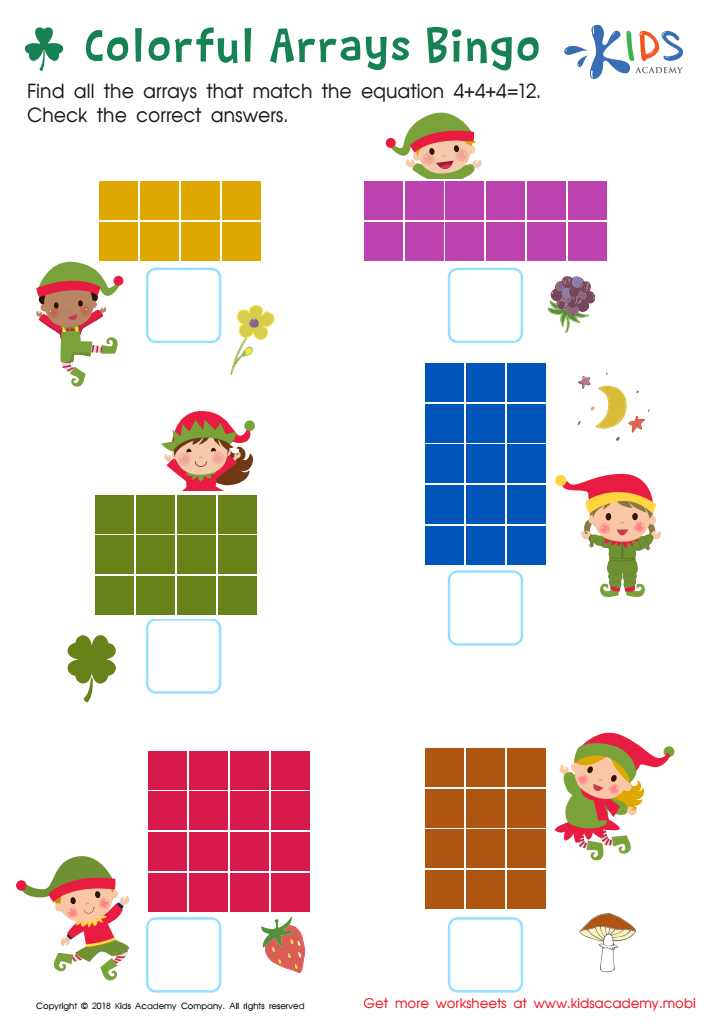
Colorful Arrays Bingo Worksheet
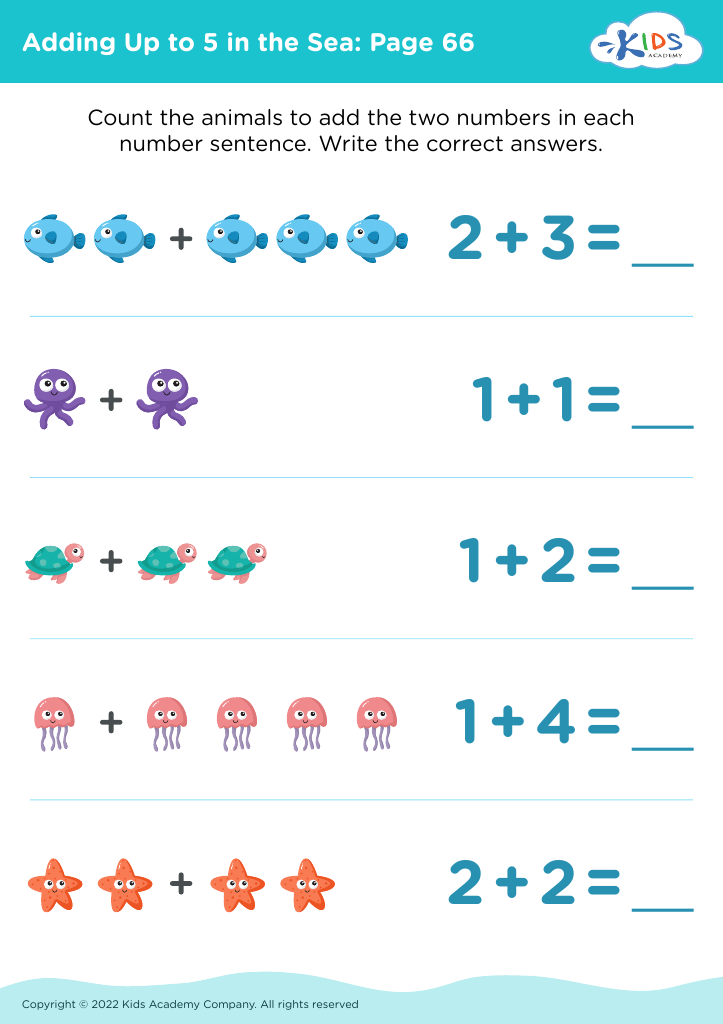
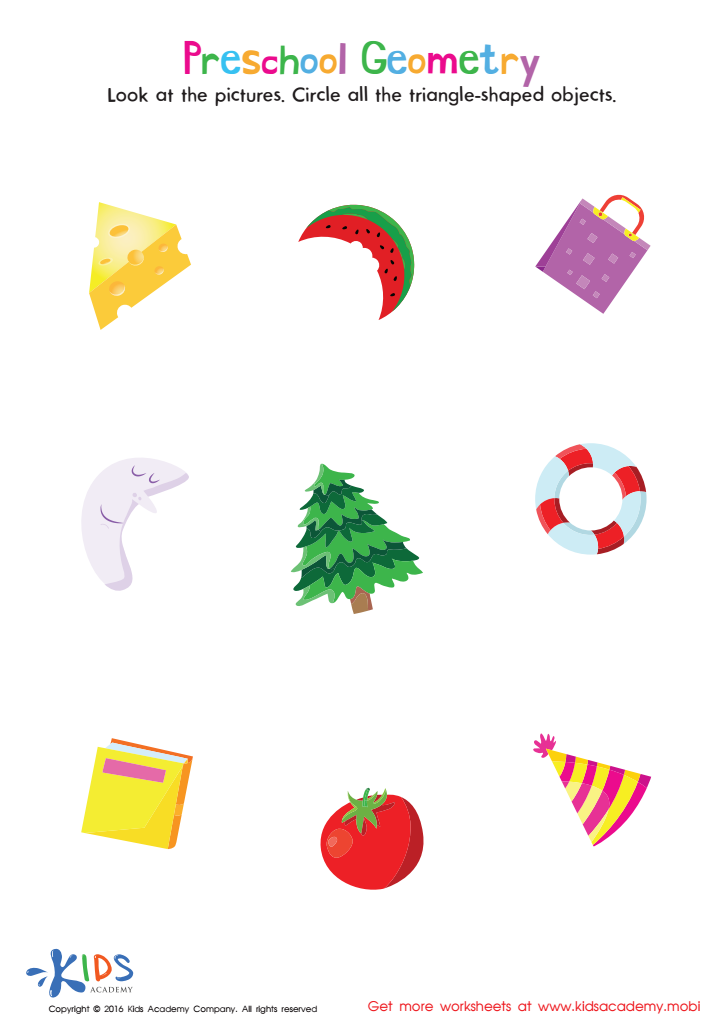
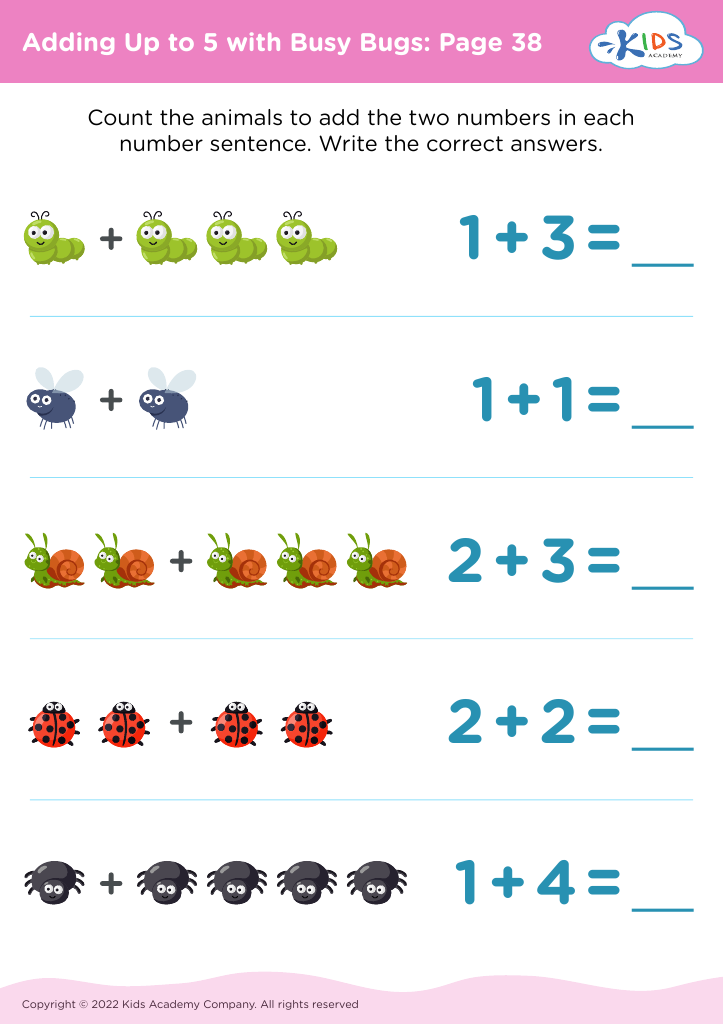
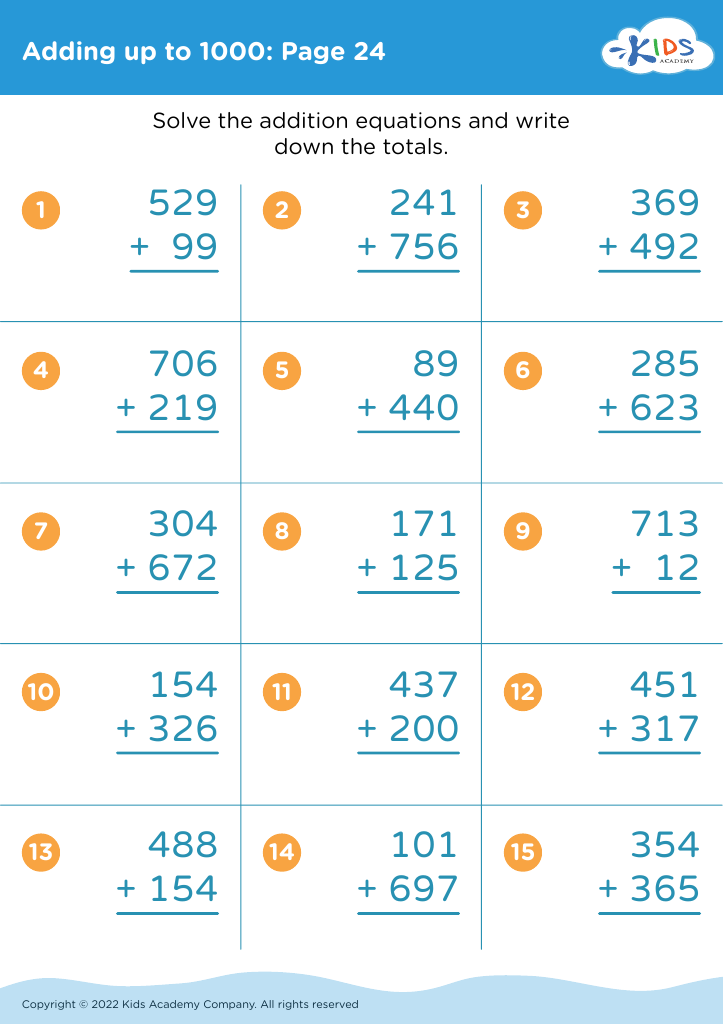
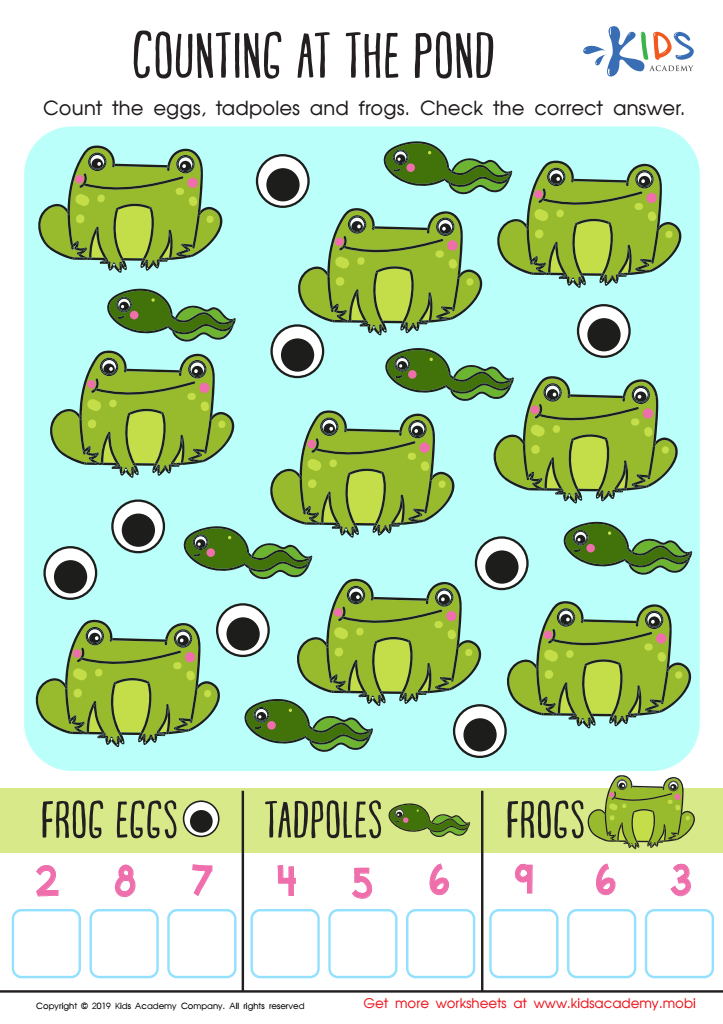
Counting at the Pond Worksheet
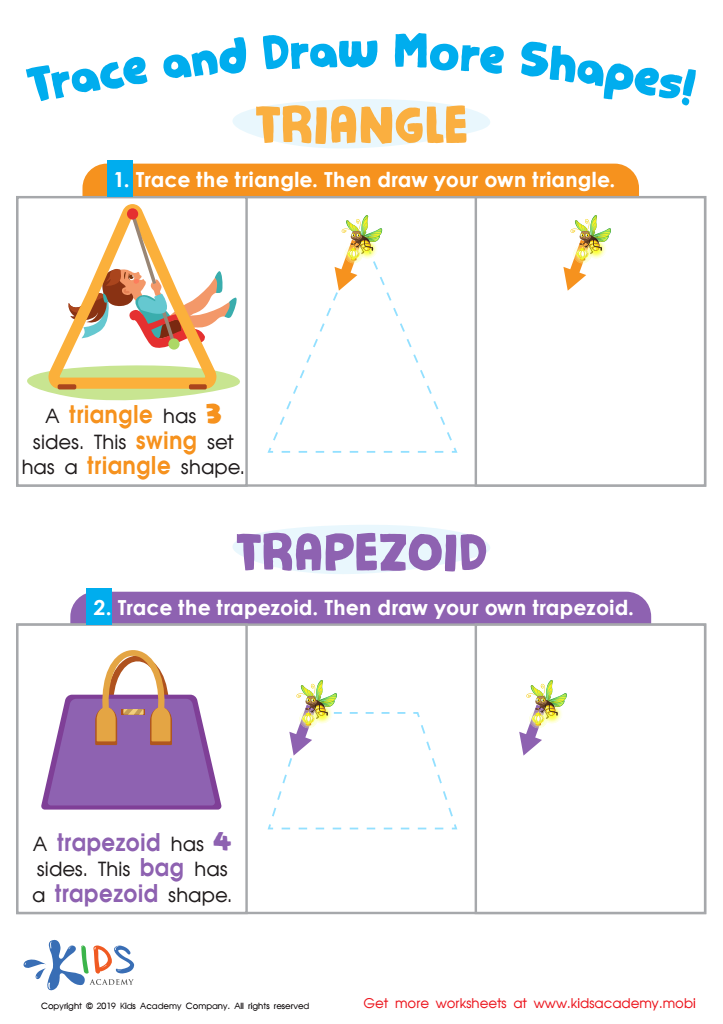
Trace and Draw More Shapes Worksheet
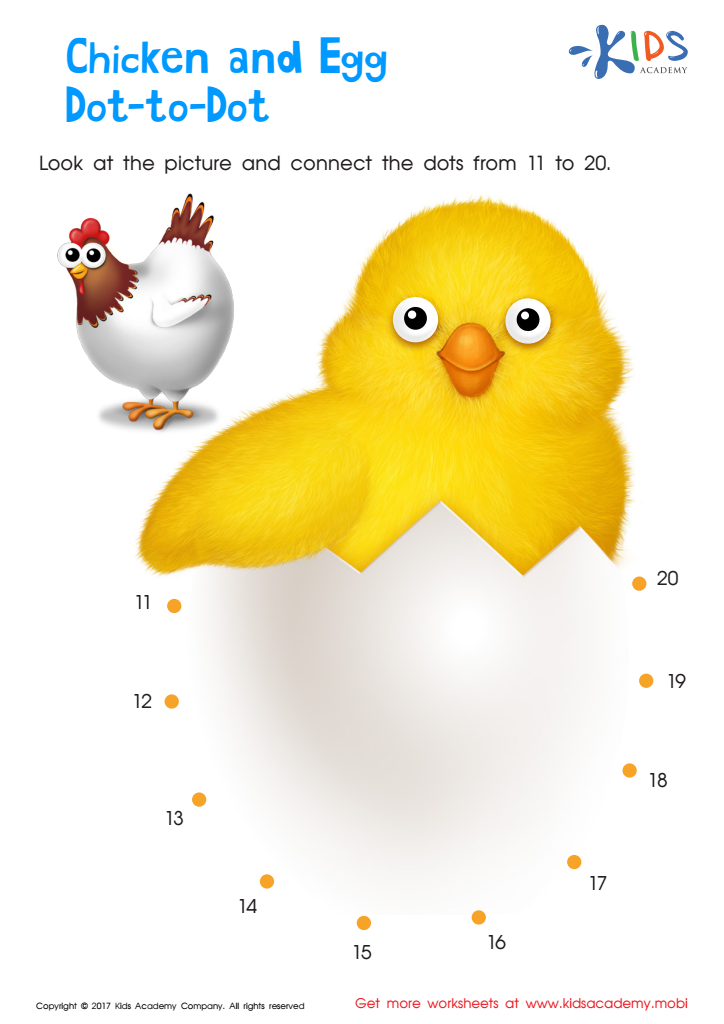
Ordering 11–20: Chicken & Egg Dot–to–dot Worksheet
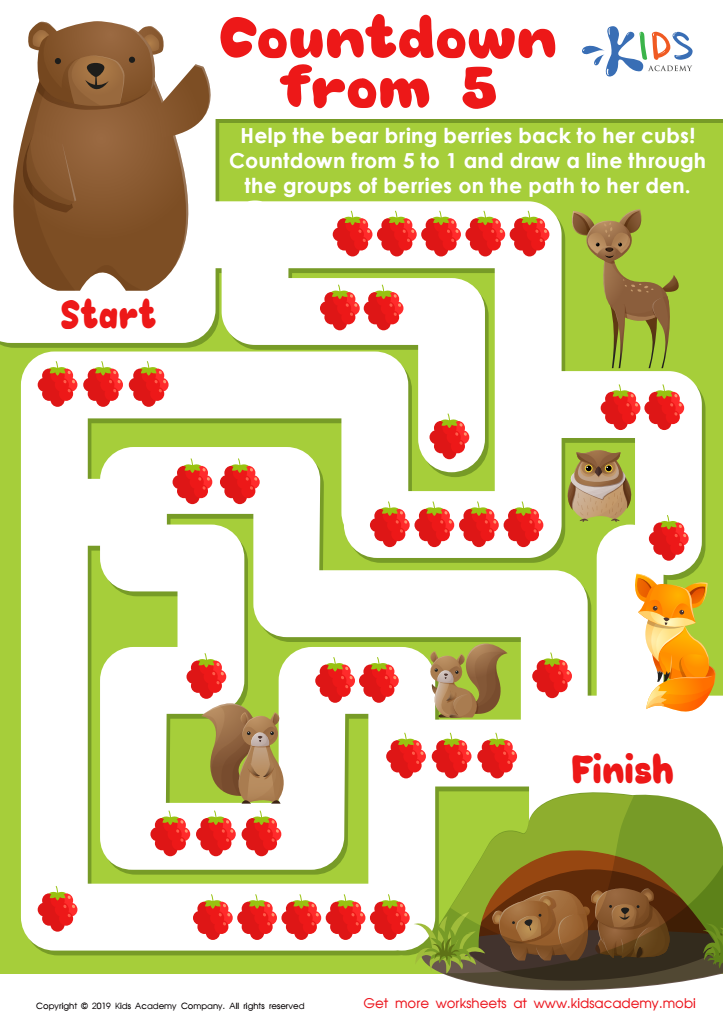
Countdown from 5 Worksheet
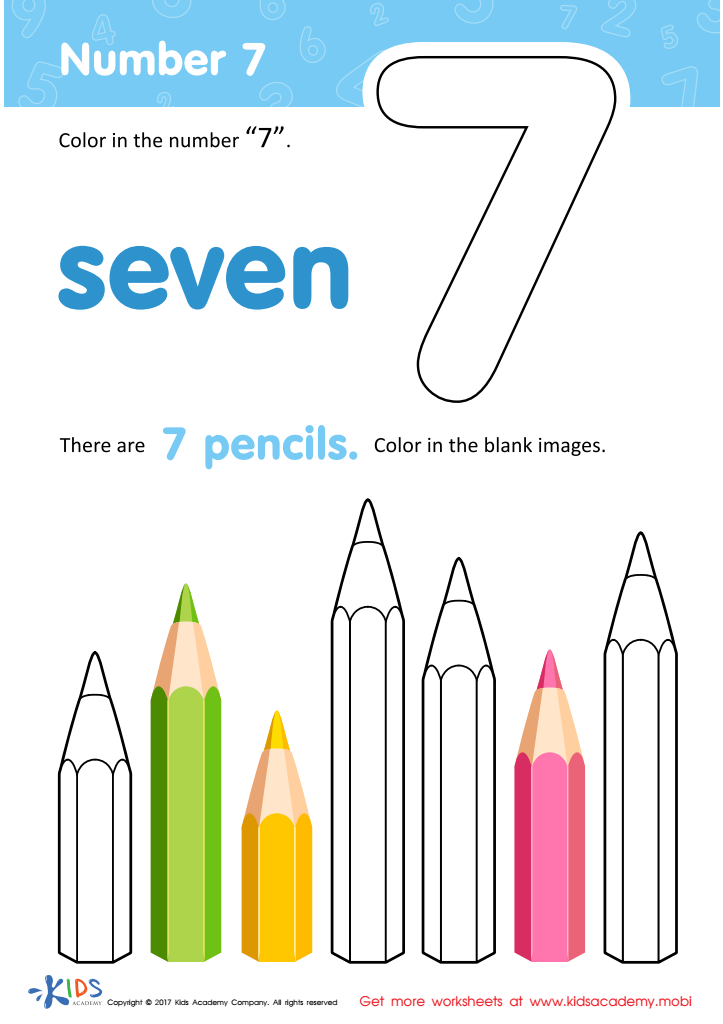
Number 7 Worksheet
 Assign to My Students
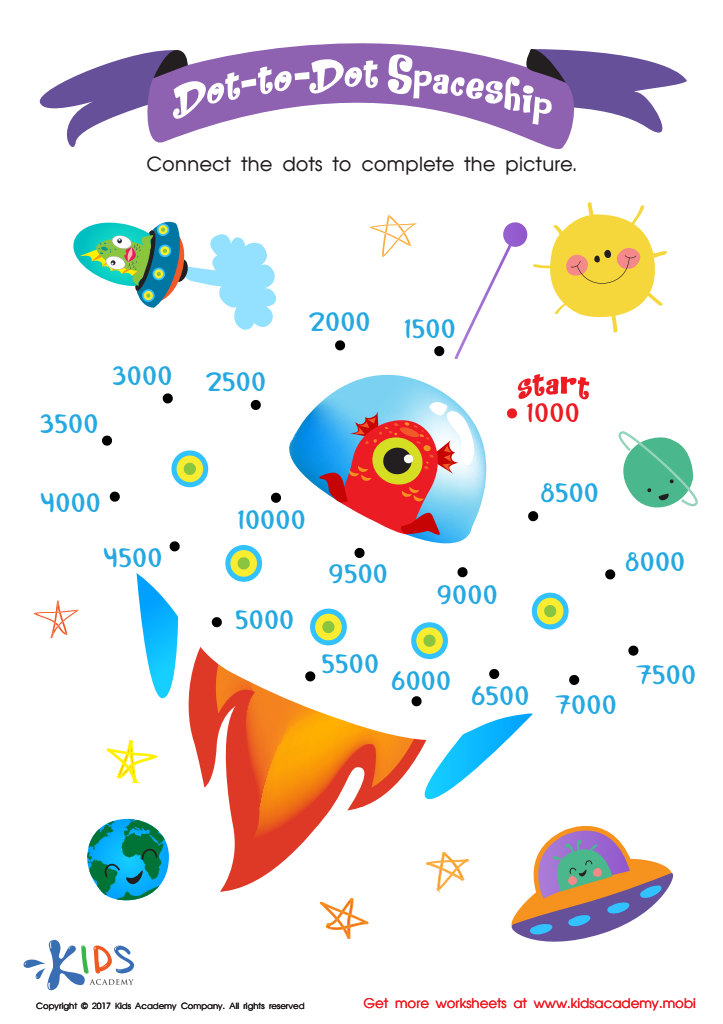
Dot to Dot Worksheet for 3rd Grade
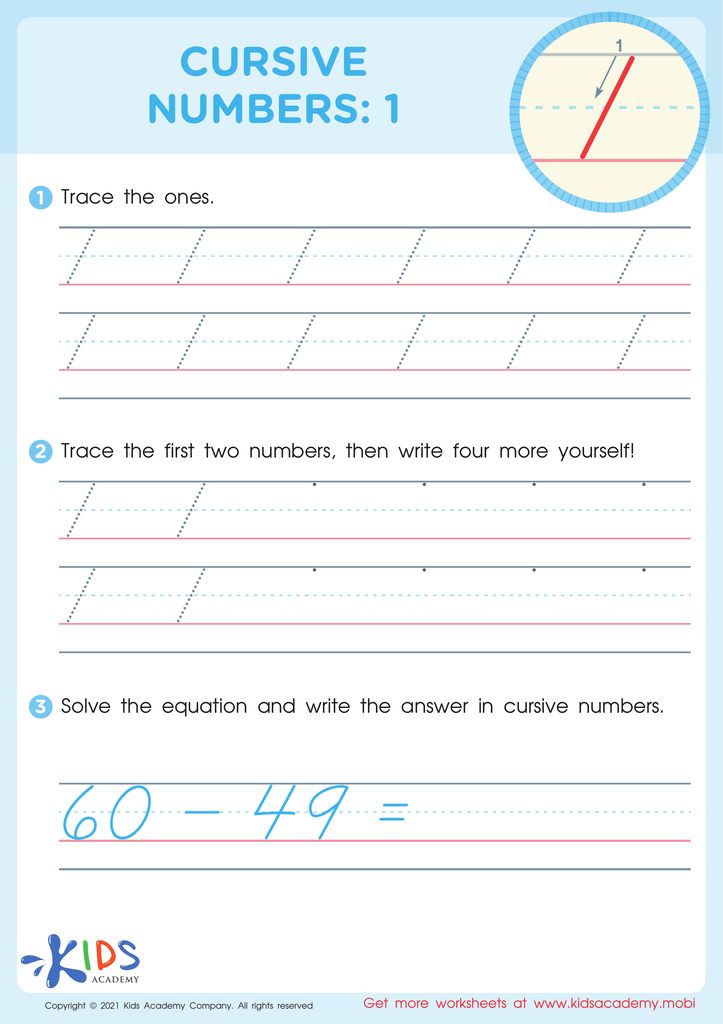
Cursive Numbers: 1 Worksheet
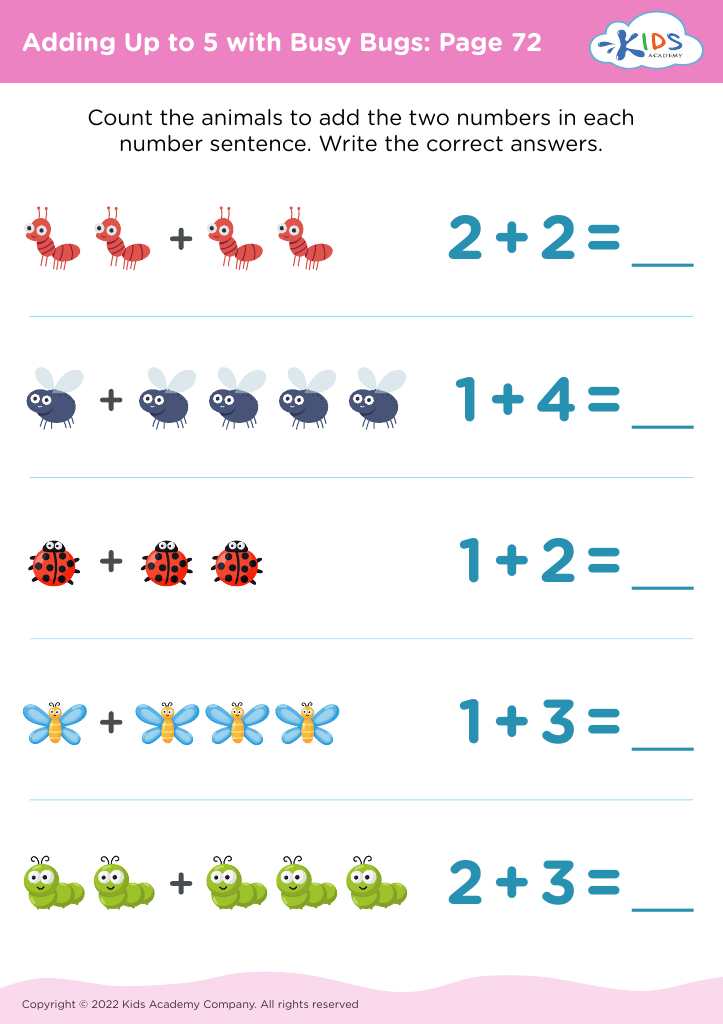
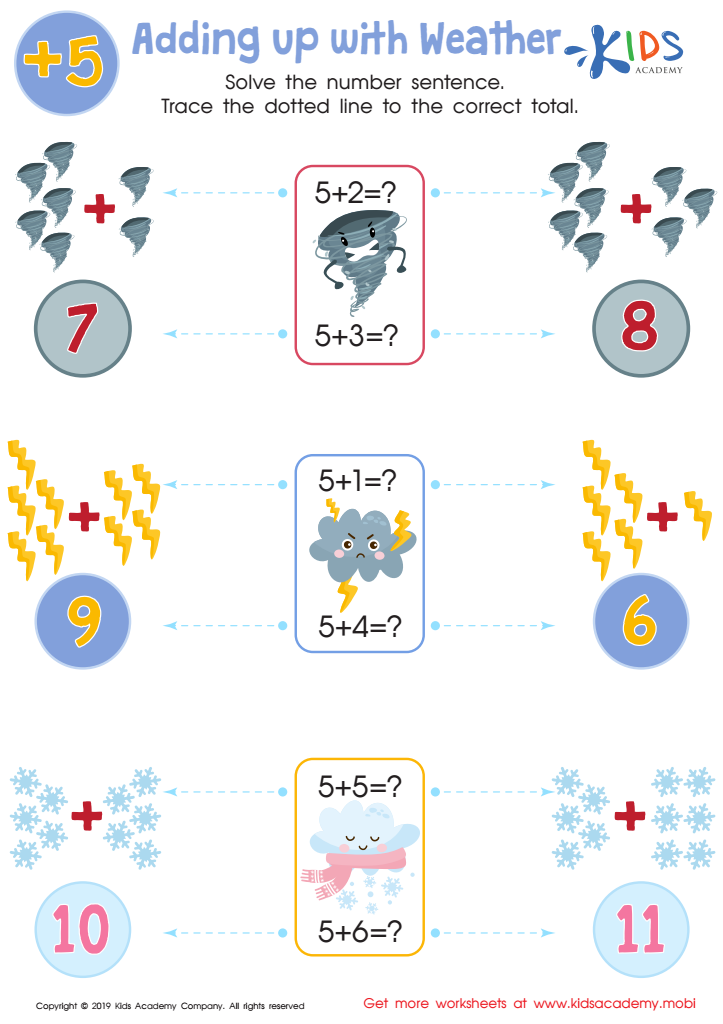
Adding up With Water Worksheet
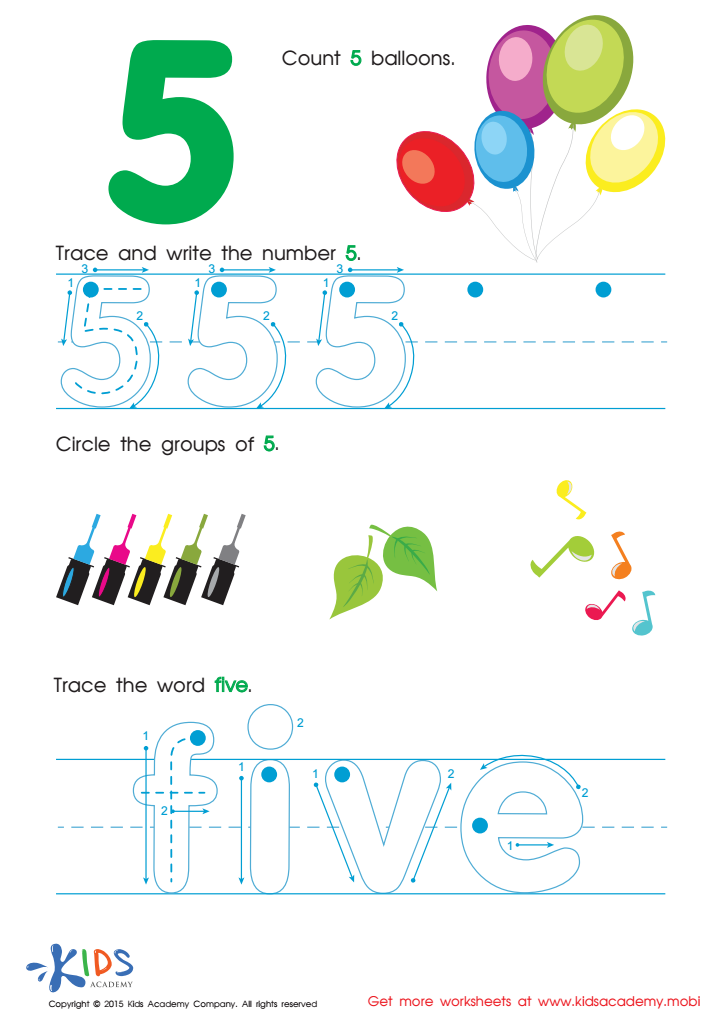
Practice Writing Number 5 Worksheet
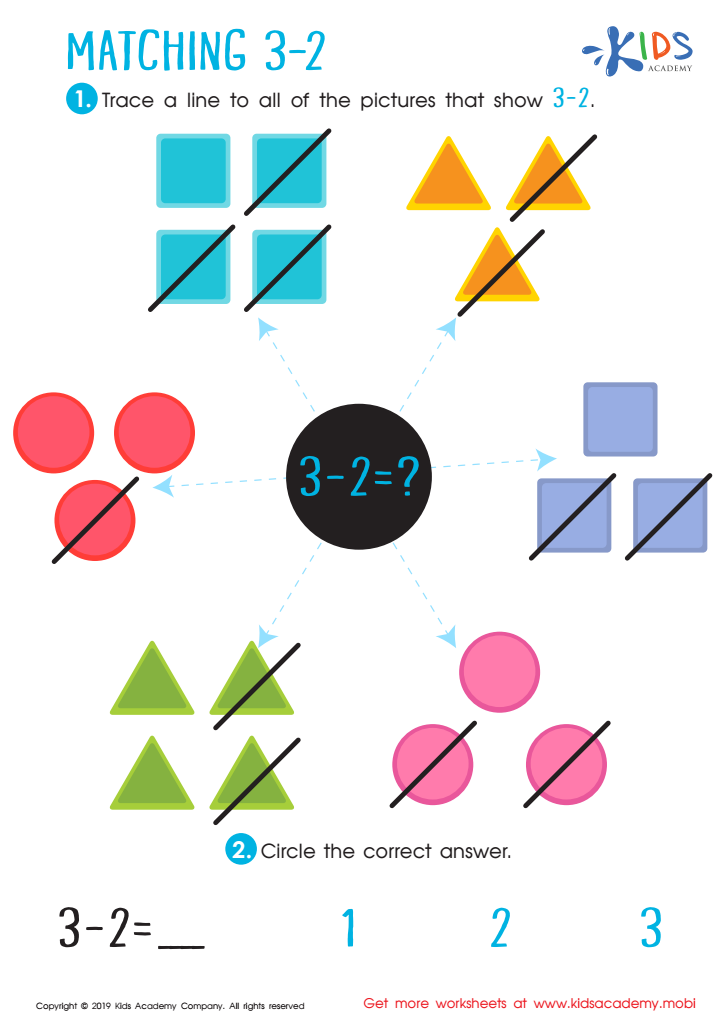
Matching 3-2 Worksheet
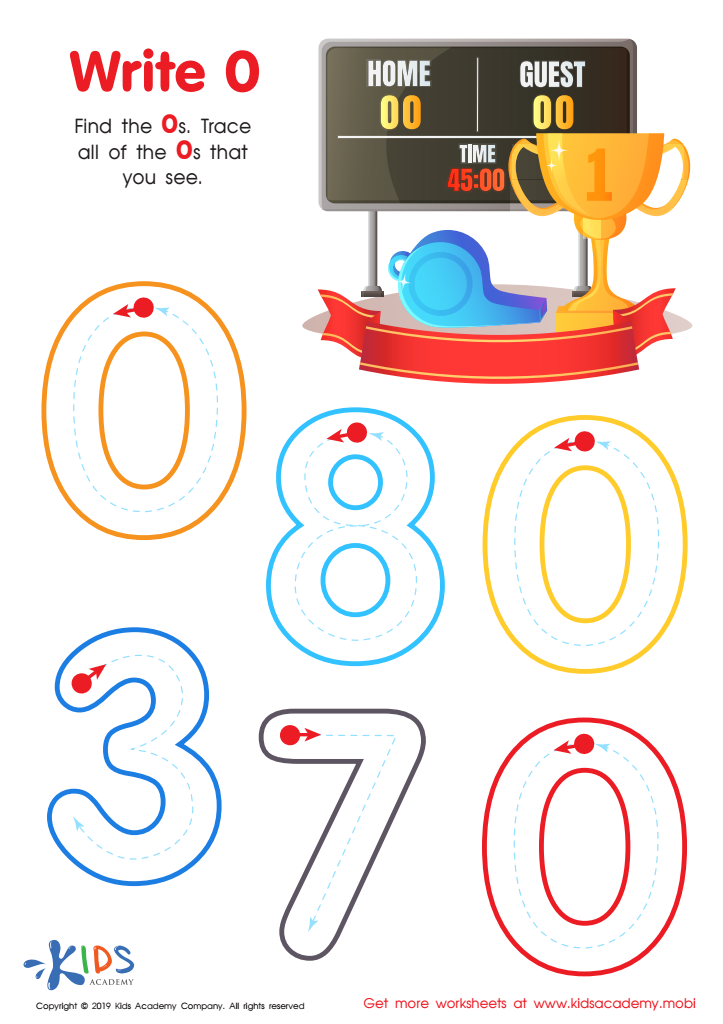
Write 0 Worksheet
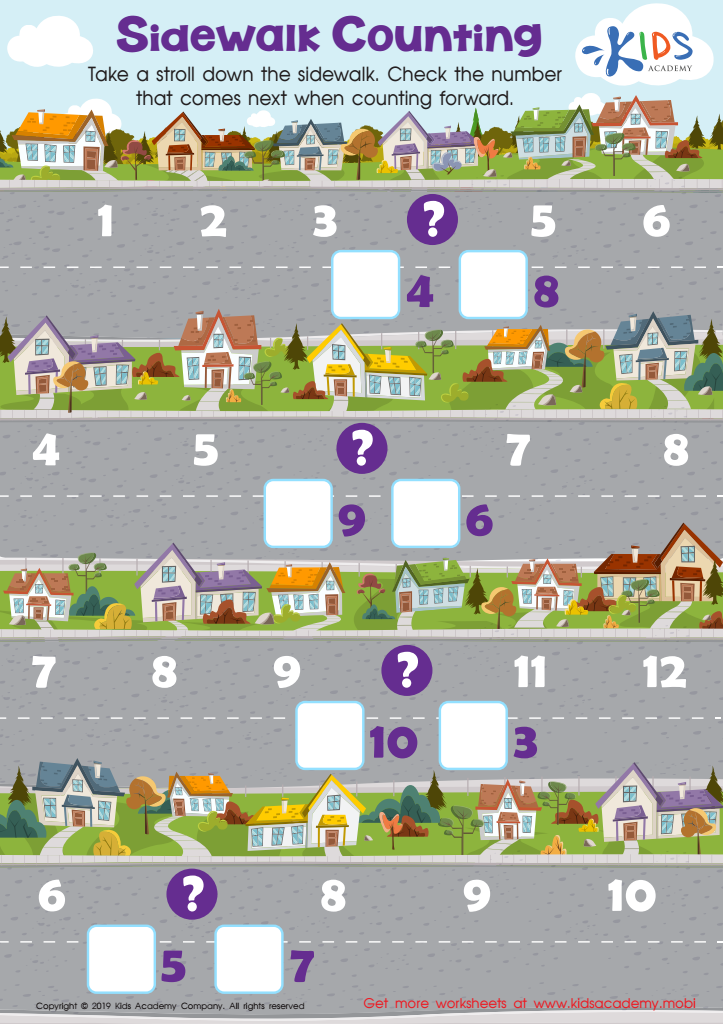
Sidewalk Counting Worksheet
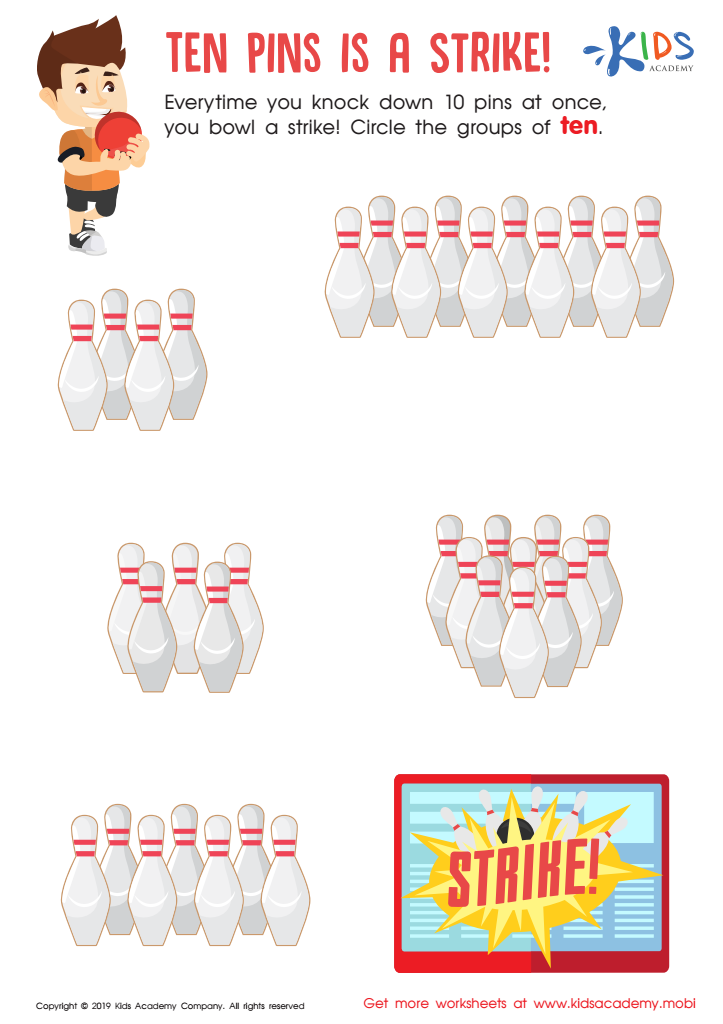
Ten Pins is a Strike Worksheet


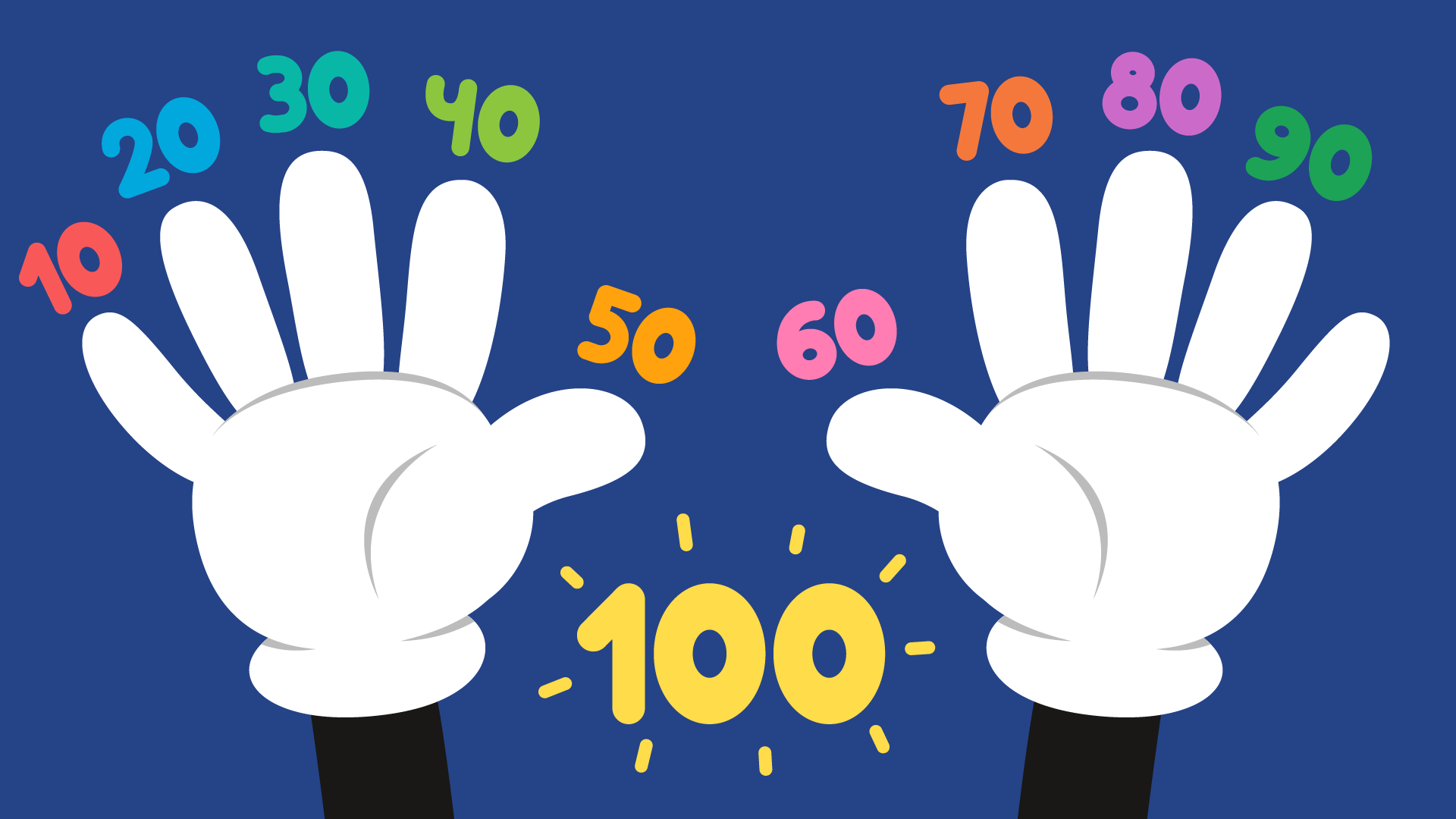





Hand-eye coordination is the harmonious synching of visual processing with physical movement, essential for a child's overall development. Parents and teachers should prioritize hand-eye coordination math activities for children aged 4-8 because these exercises lay foundational skills critical for future learning and daily activities.
Engaging in hand-eye coordination math enhances motor skills and spatial awareness, which are vital for writing and fine motor activities. Simple tasks, such as threading beads in patterns or manipulating objects to count, directly strengthen these abilities, ensuring smoother transitions to more complex tasks later.
Moreover, such activities foster cognitive growth by tightly integrating sensory input with cognitive processes. Children learn to make quick, precise decisions, improving their problem-solving skills and fostering a stronger grasp of mathematical concepts like shapes, sizes, and numbers.
Additionally, hand-eye coordination tasks build focus and attention span, requisite skills for academic success. Interacting with tangible, physical items rather than digital screens encourages interactive and experiential learning, making math more relatable and enjoyable.
Socially, these activities can boost self-esteem and foster collaborative skills in group settings, promoting a positive learning environment. Principally, early intervention through hand-eye coordination math can act as a springboard, nurturing well-rounded, confident learners adept at both academic subjects and everyday tasks.








