Number Sequencing Math Worksheets for Ages 4-8
42 filtered results
-
From - To
Unlock your child's mathematical potential with our engaging Number Sequencing Math Worksheets designed for ages 4-8! These interactive worksheets help young learners grasp fundamental number ordering skills through fun activities and colorful illustrations. Perfect for beginners, our worksheets feature various exercises, including fill-in-the-blanks, arrange and sequence tasks, and counting games that cater to different learning styles. By practicing number sequencing, children enhance their critical thinking, problem-solving abilities, and early math skills, laying a strong foundation for future learning. Ideal for homeschooling, classroom use, or extra at-home practice, these printable resources will capture your child's interest while fostering a love for math!
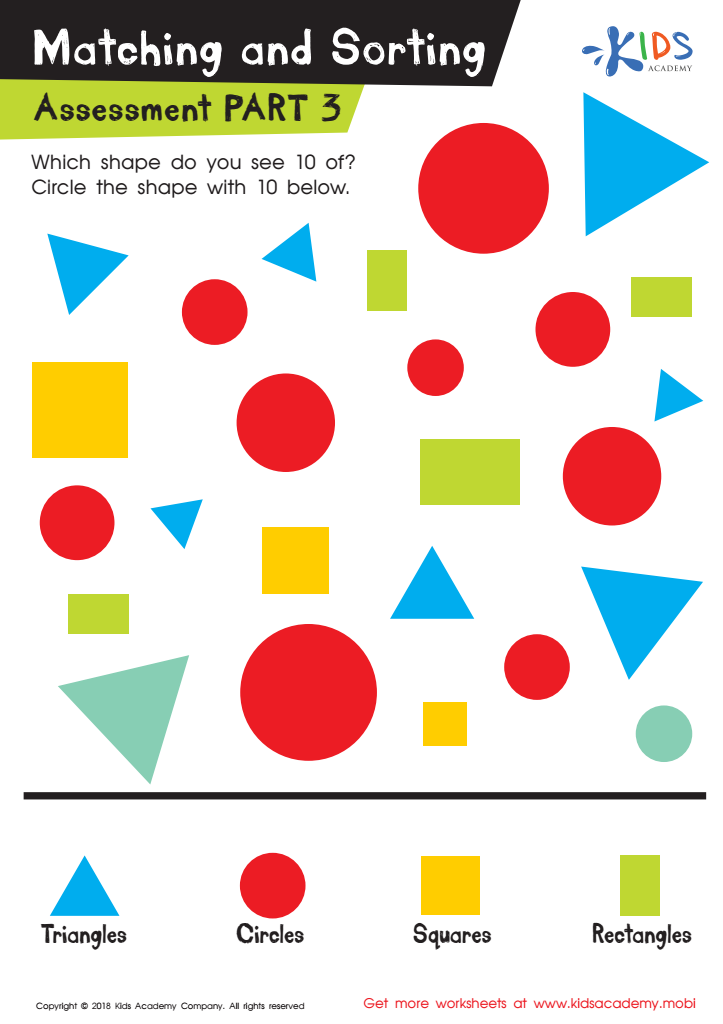
Matching and Sorting for Kindergarten: Assessment 3 Worksheet
 Assign to My Students
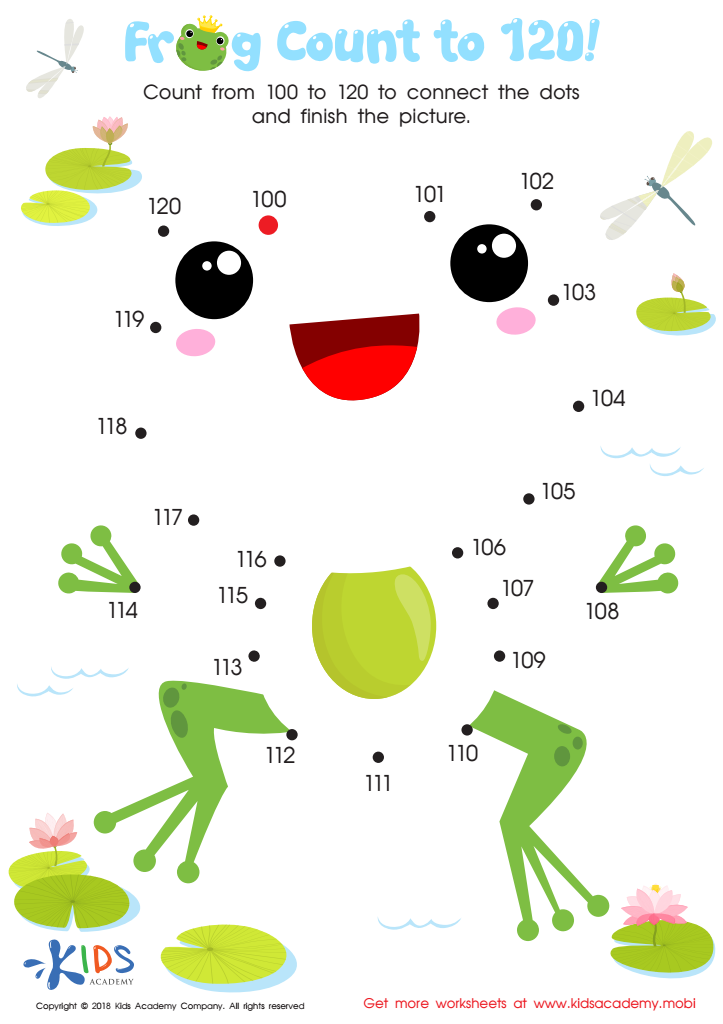
Frog Count to 120 Worksheet
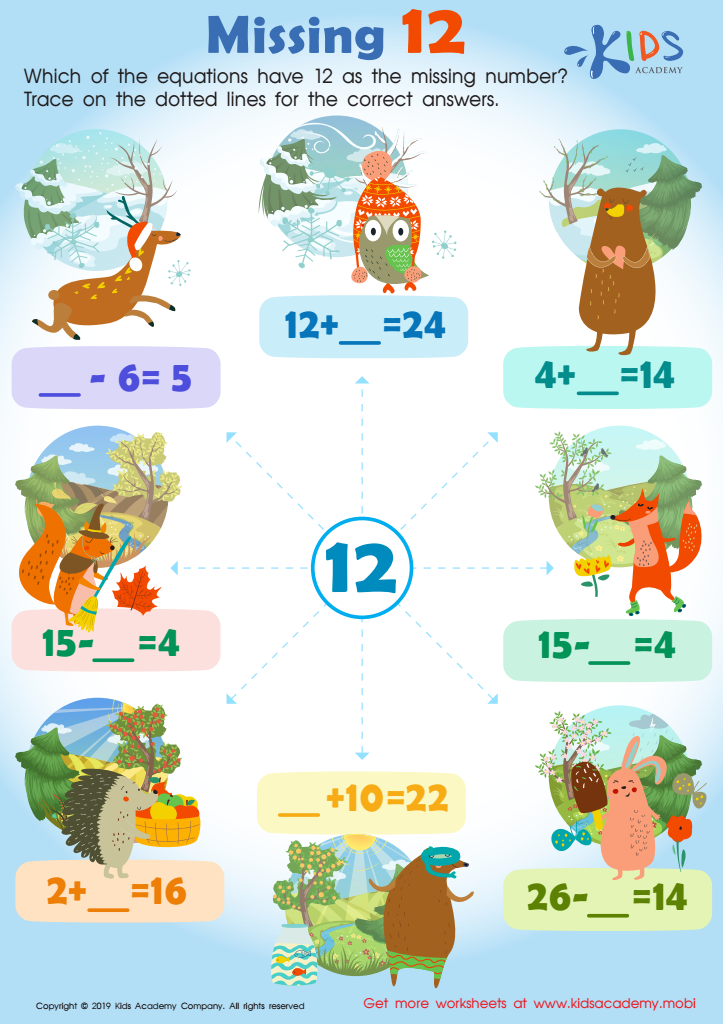
Missing 12 Worksheet
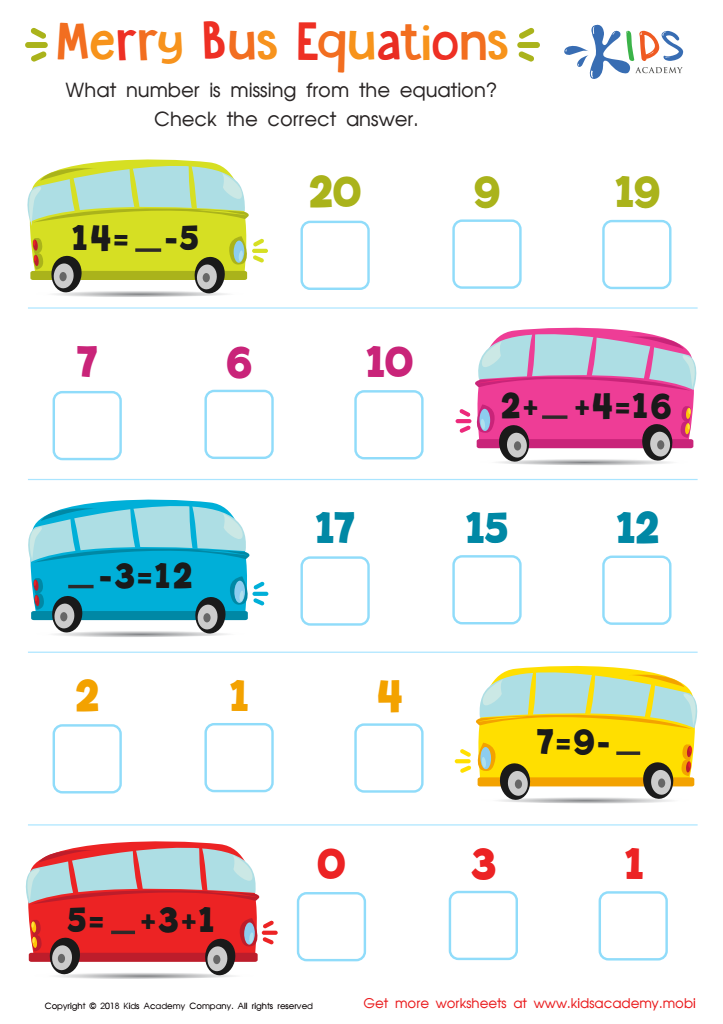
Merry Bus Equations Worksheet
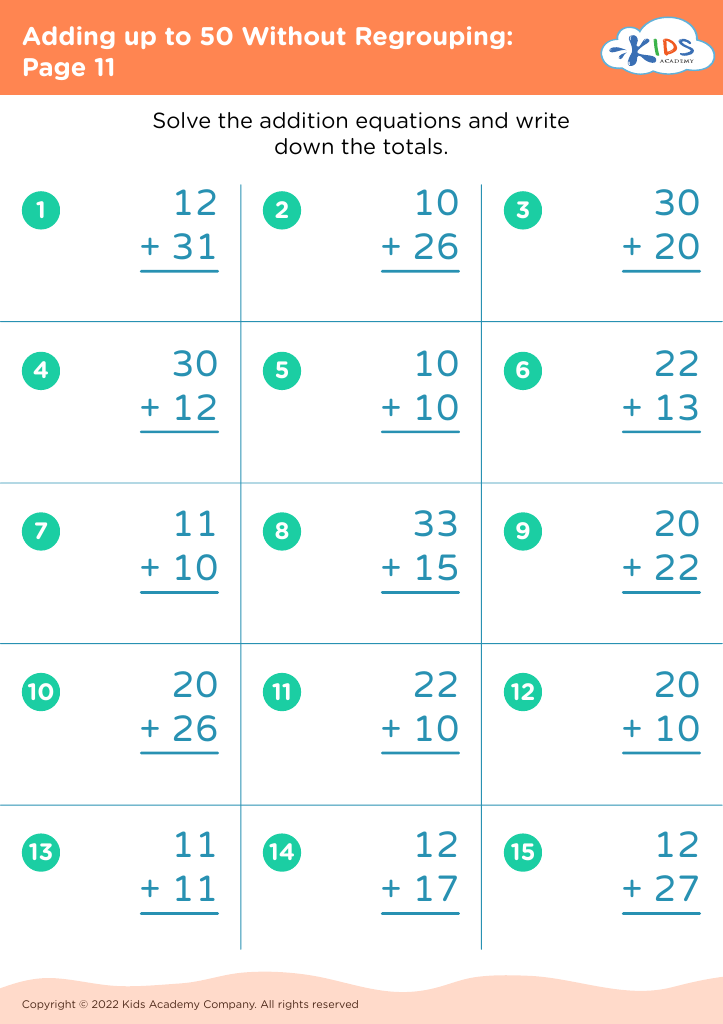
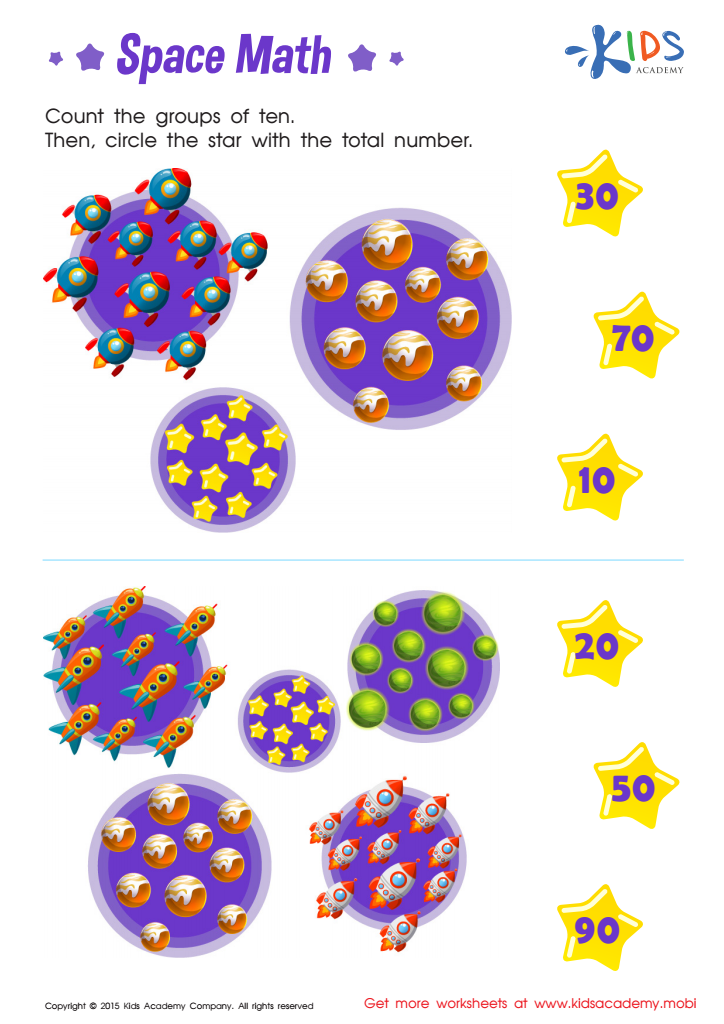
Learn dozens: Space math Worksheet
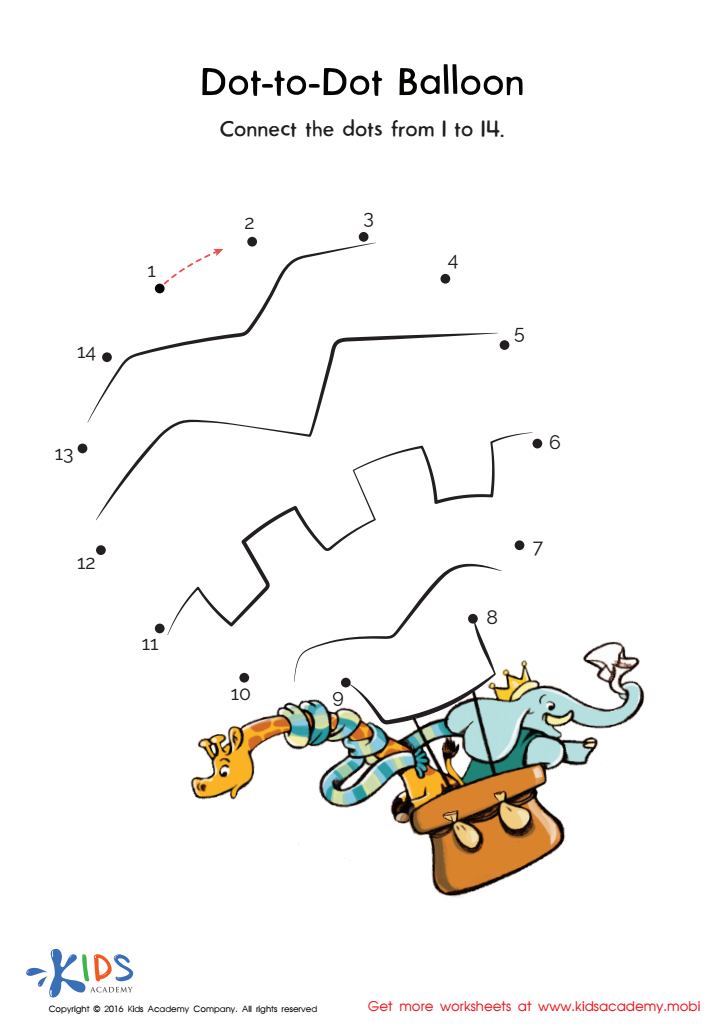
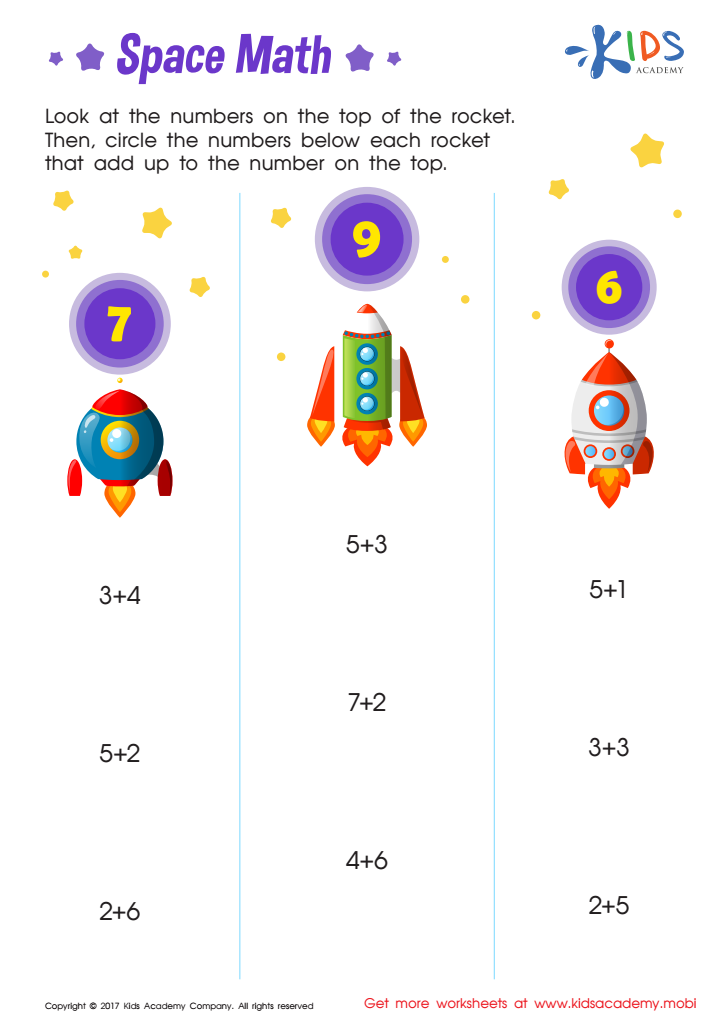
Addition: Space Math Worksheet
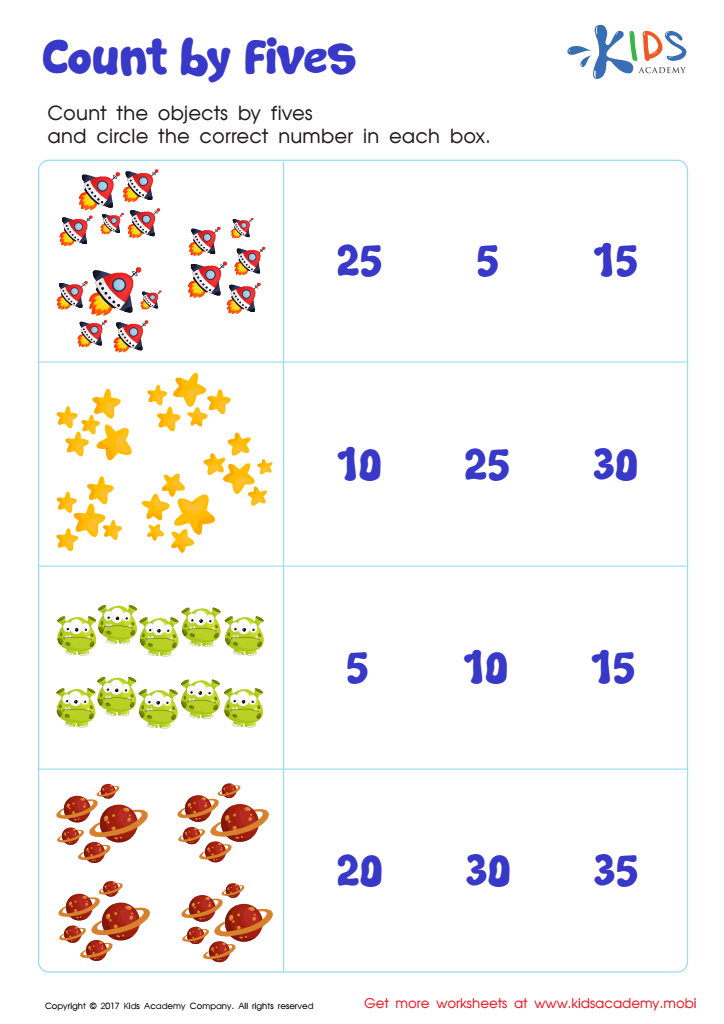
Skip Counting by 5s: Space Math Printable
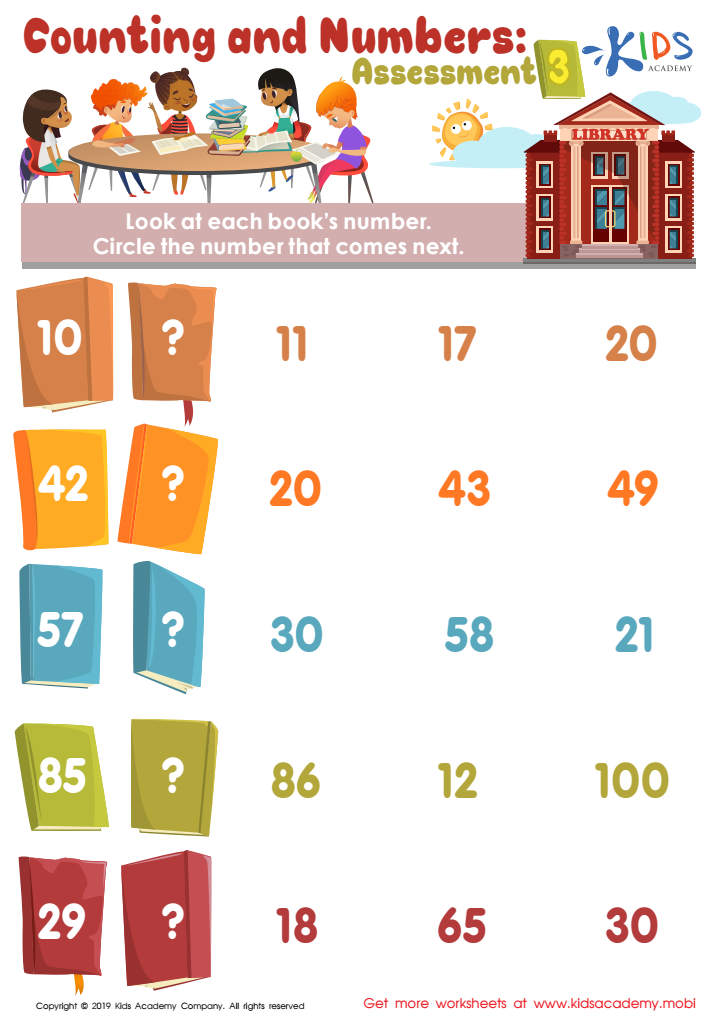
Counting and Numbers: Assessment Worksheet
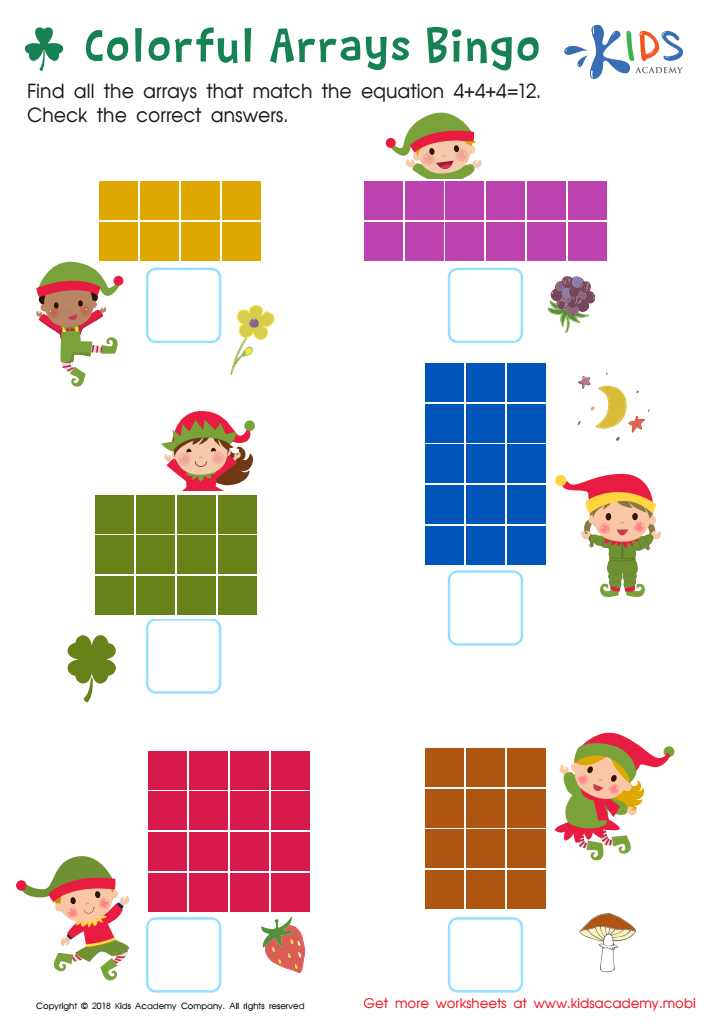
Colorful Arrays Bingo Worksheet
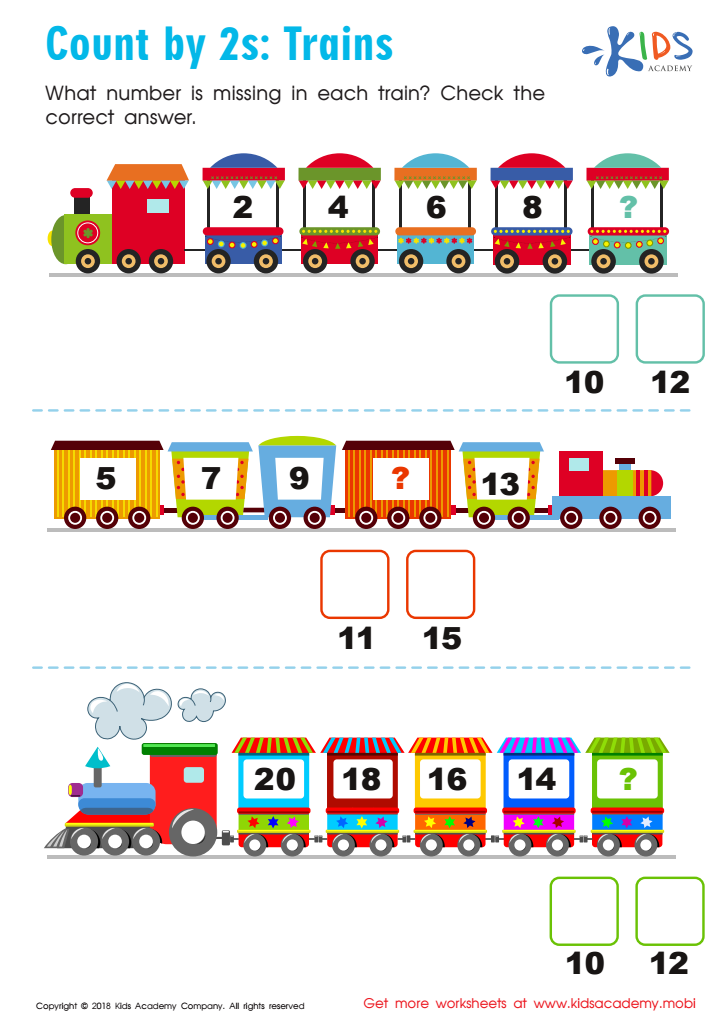
Count by 2's: Trains Worksheet
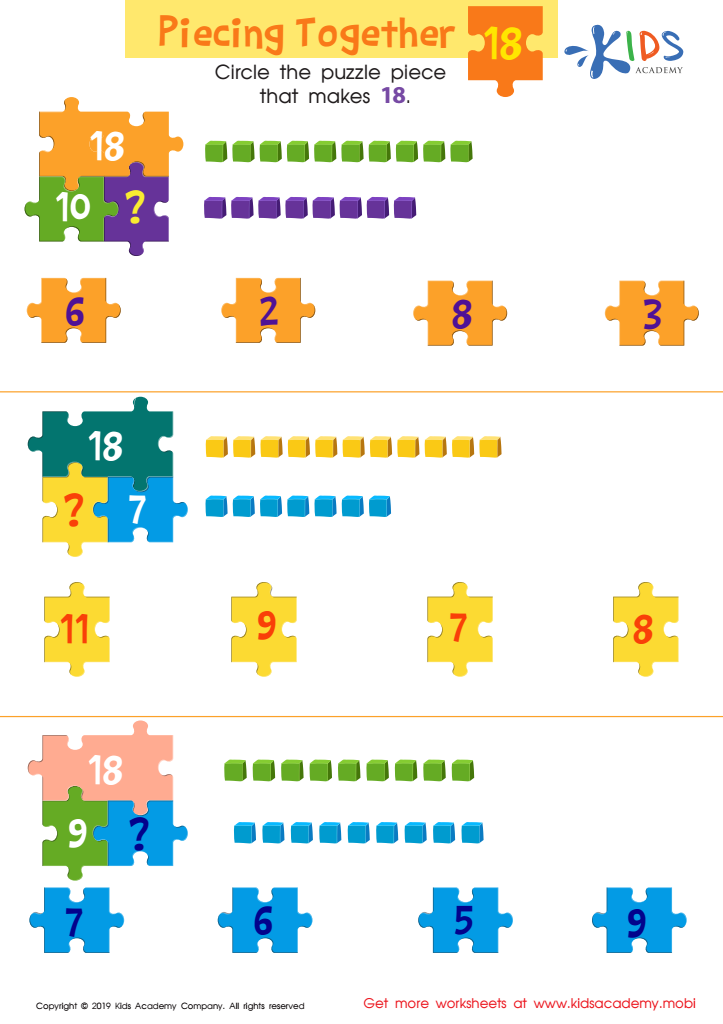
Piecing Together 18 Worksheet
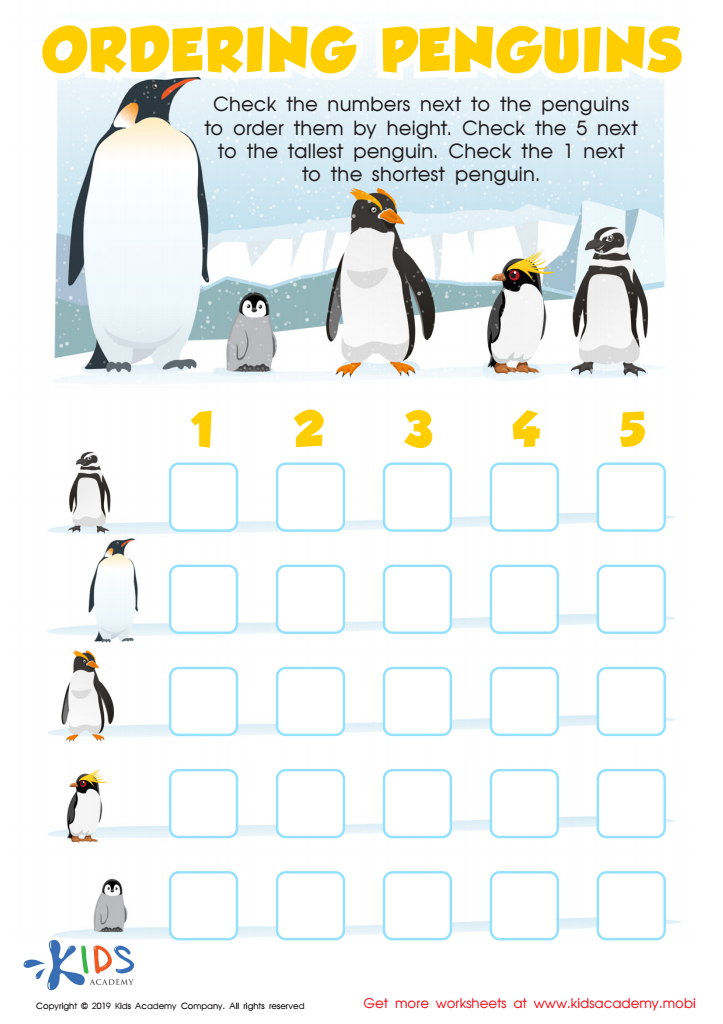
Ordering Penguins Worksheet
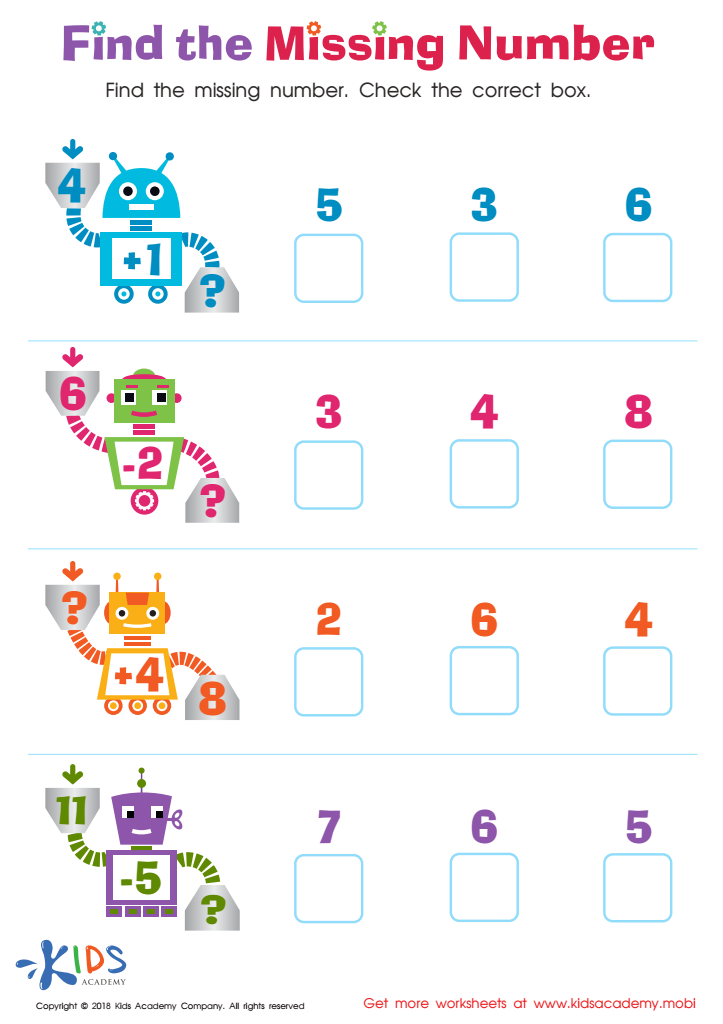
Find the Missing Number Worksheet
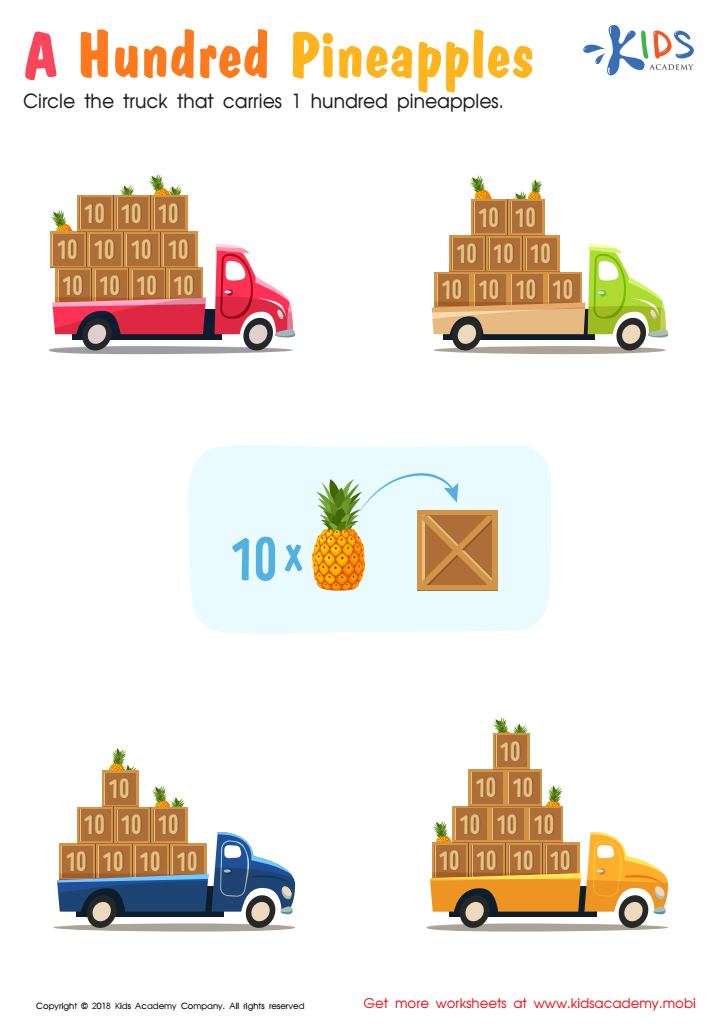
A Hundred Pineapples Worksheet
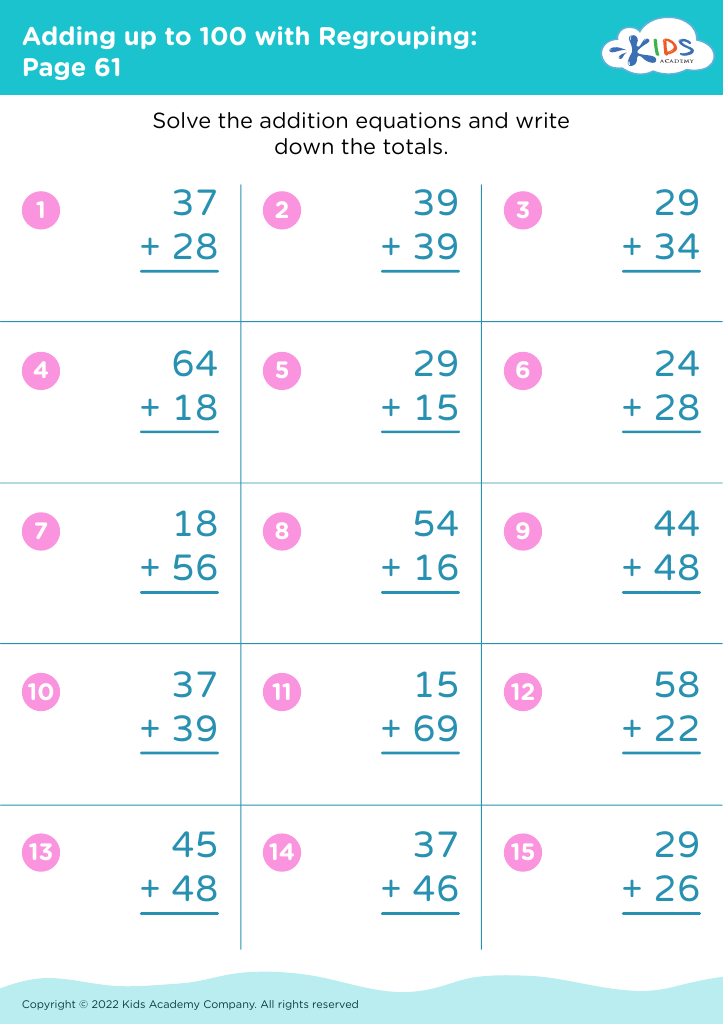
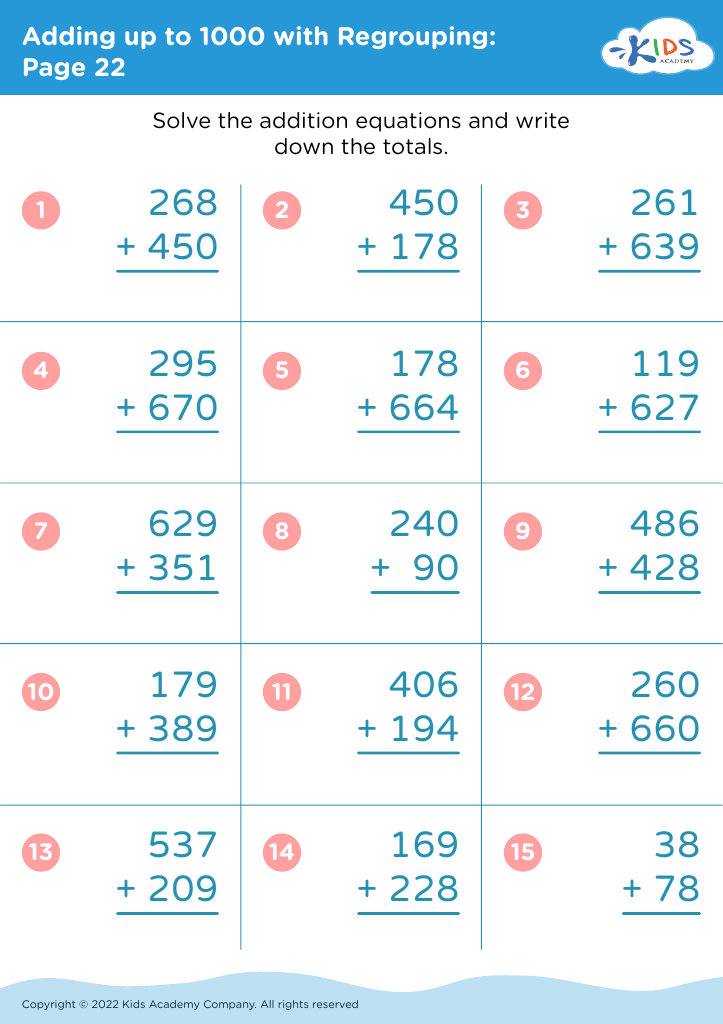
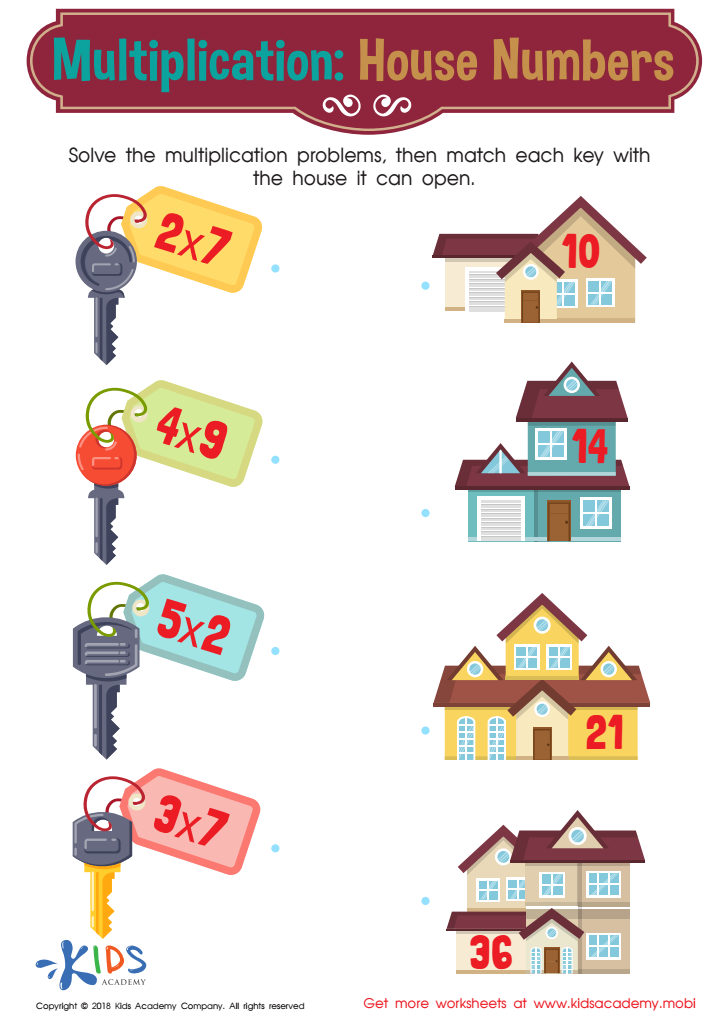
House Numbers Worksheet
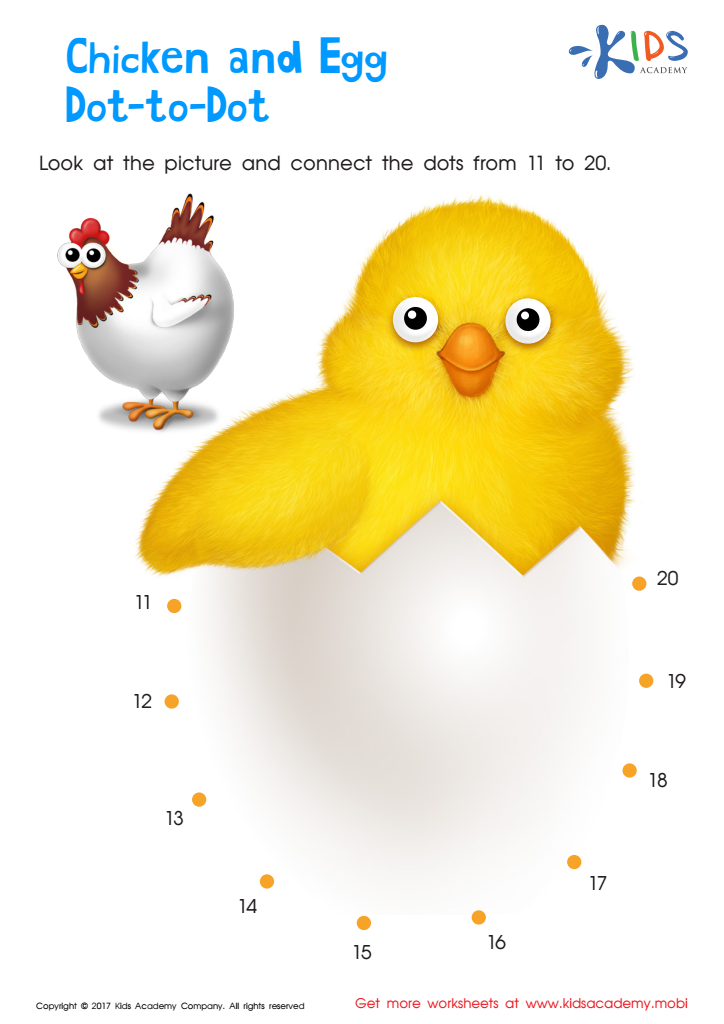
Ordering 11–20: Chicken & Egg Dot–to–dot Worksheet
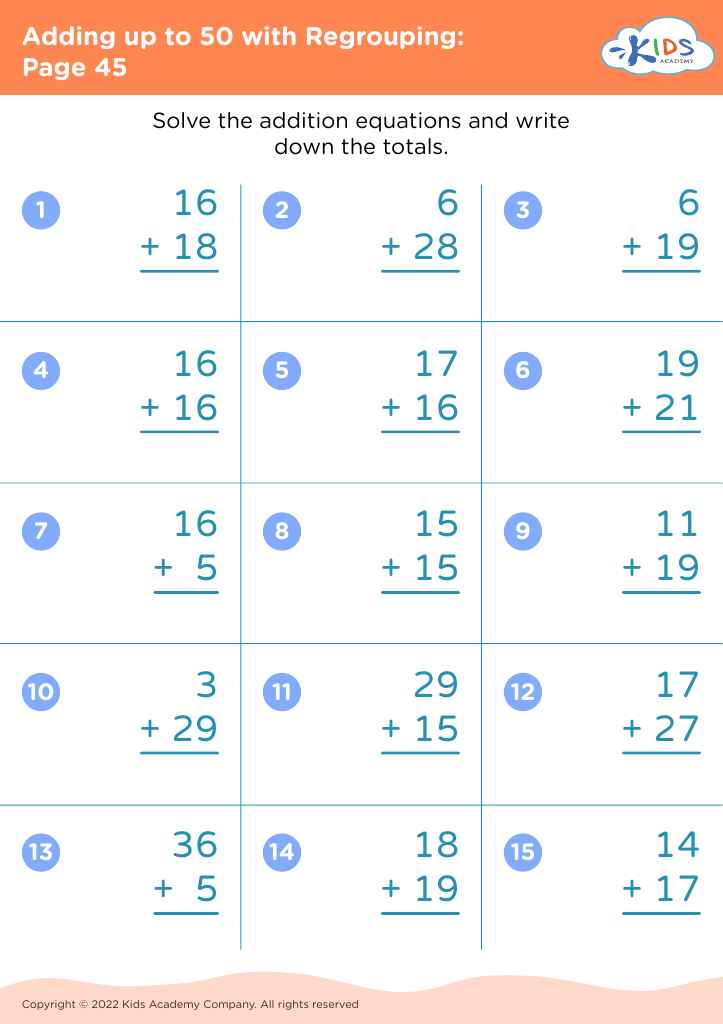
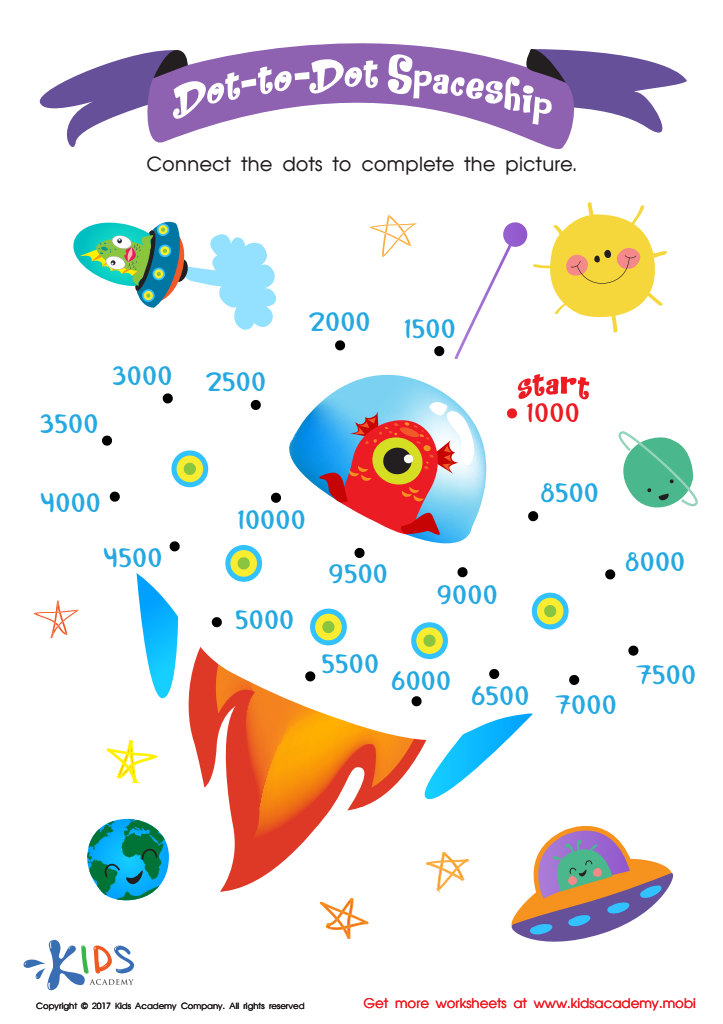
Dot to Dot Worksheet for 3rd Grade






%20(1).jpg)

Number sequencing is a fundamental math skill that plays a crucial role in the early cognitive development of children aged 4-8. Parents and teachers should prioritize this area of learning for several reasons. Firstly, mastering number sequencing lays the groundwork for basic arithmetic and mathematical concepts such as addition, subtraction, and place value. By understanding how numbers are ordered and how to manipulate them, children can build confidence in their math abilities and better prepare for more complex problem-solving tasks.
Secondly, number sequencing enhances children’s critical thinking and logic skills. It promotes pattern recognition, an essential cognitive skill that translates into various areas of learning. This not only supports mathematical development but also strengthens abilities in subjects like science and reading.
Moreover, engaging in number sequencing activities fosters curiosity and a love for learning. Fun and interactive methods, such as games and songs, can make these concepts more accessible and enjoyable, creating positive associations with math from a young age.
Ultimately, investing time in number sequencing during early childhood education encourages lifelong learning and equips children with essential skills for academic success and real-world problem-solving. Both parents and teachers play a vital role in nurturing these foundational skills during this critical developmental stage.








