Reading comprehension Reading Worksheets for Ages 4-8 - Page 8
260 filtered results
-
From - To
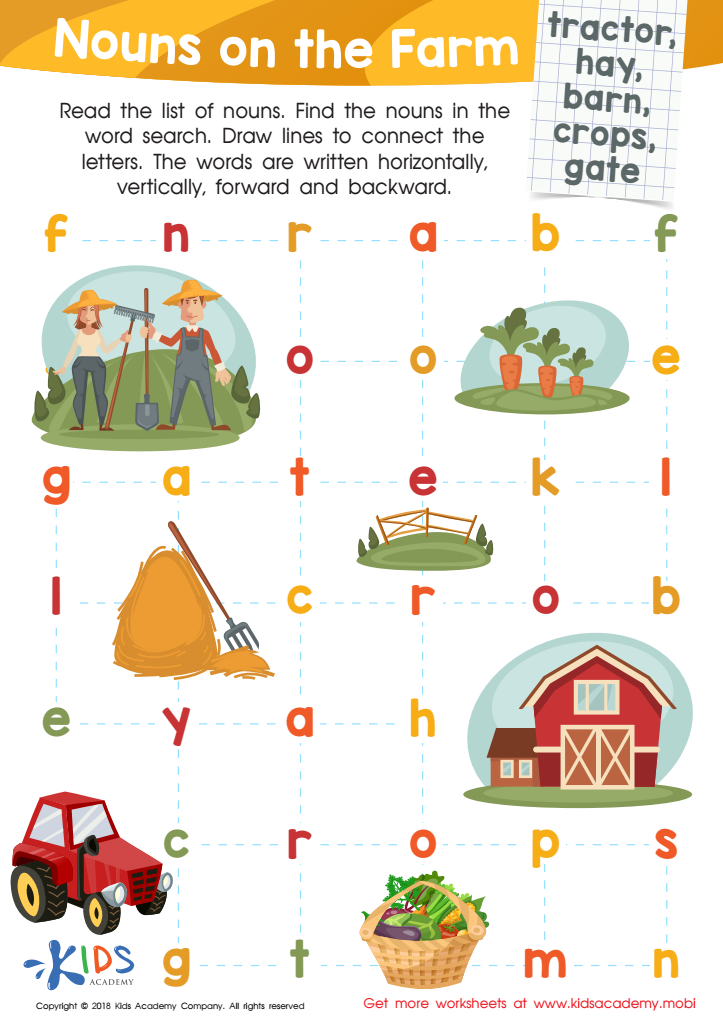
Nouns on the Farm Worksheet
 Assign to My Students
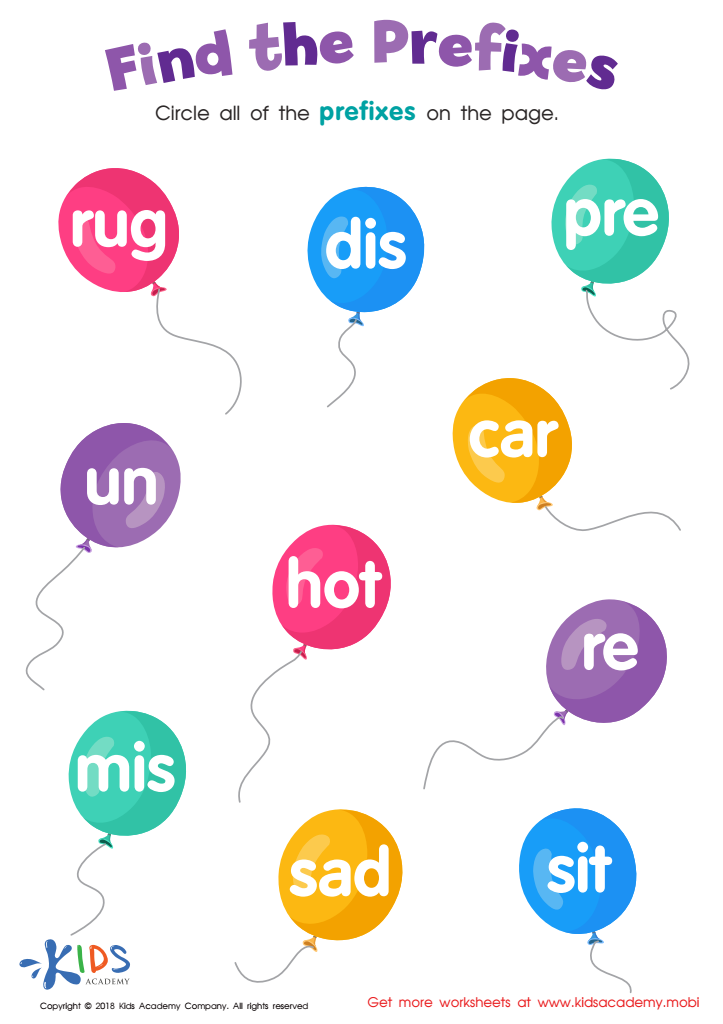
Reading: Find the Prefixes Worksheet
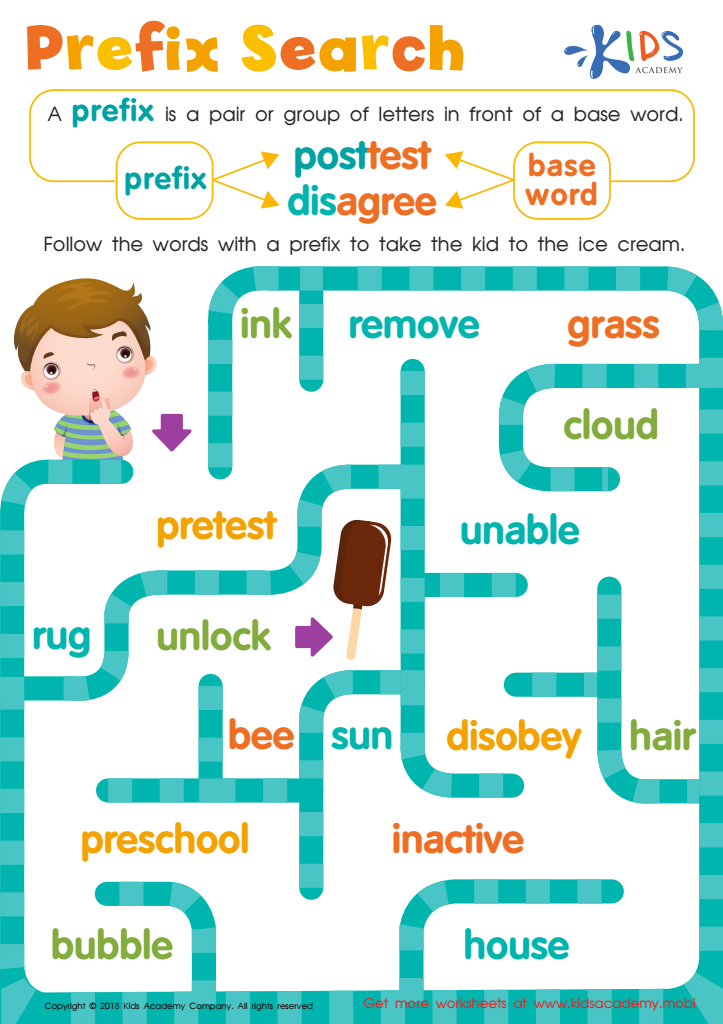
Reading: Prefix Search Worksheet
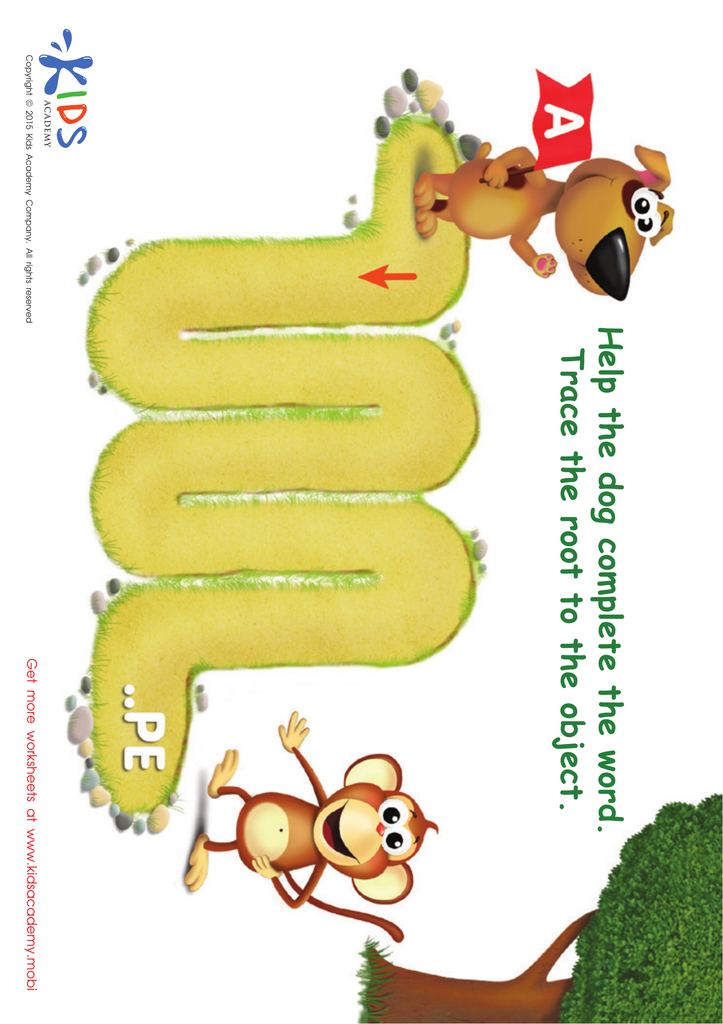
Long Vowel Sound A Worksheet Worksheet
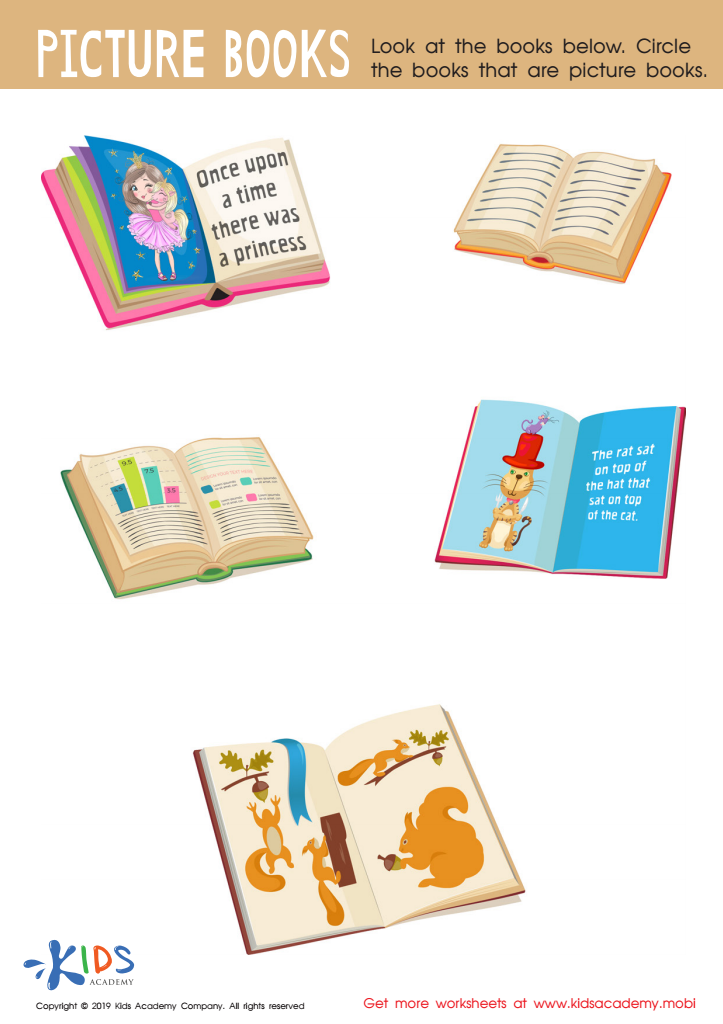
Picture Books Worksheet
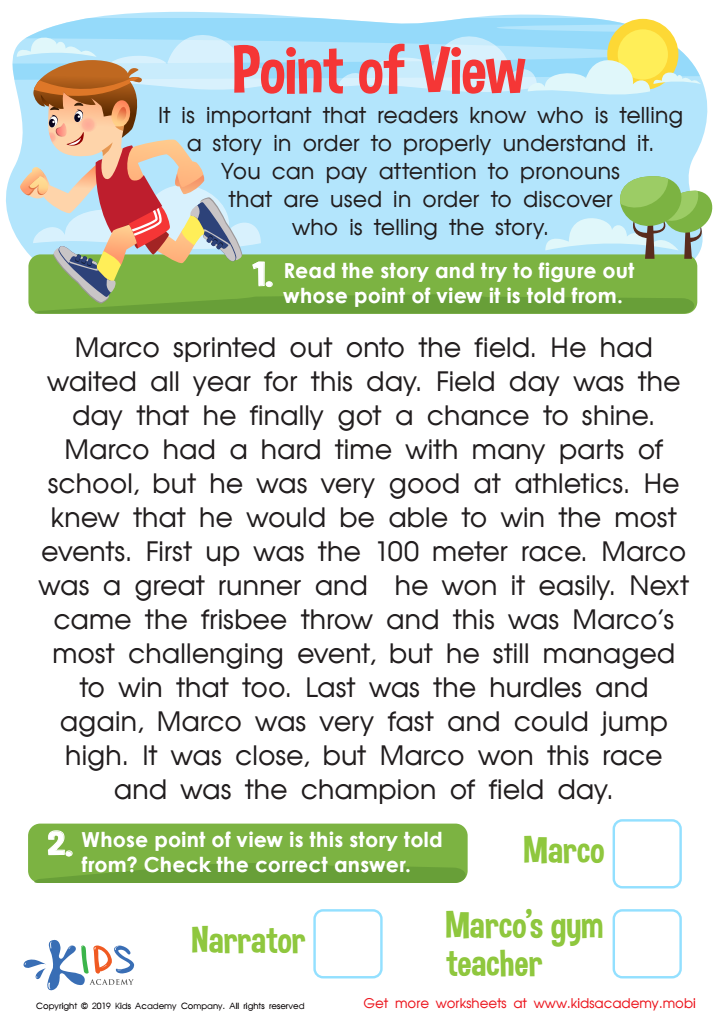
Point of View Worksheet
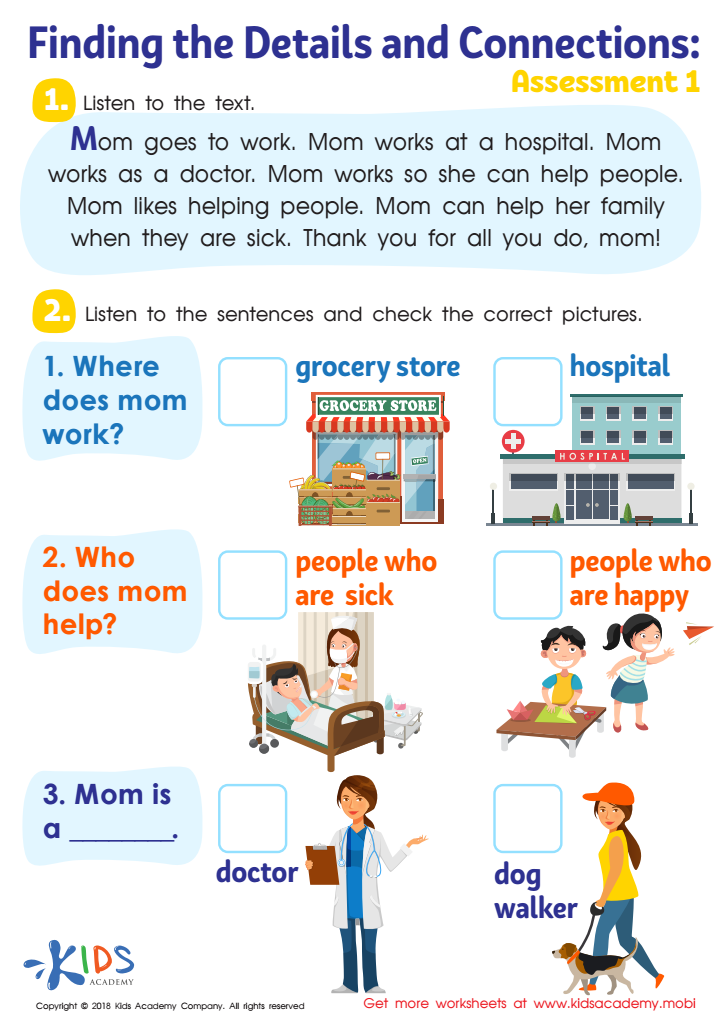
Finding the Details and Connections: Assessment 1 Worksheet
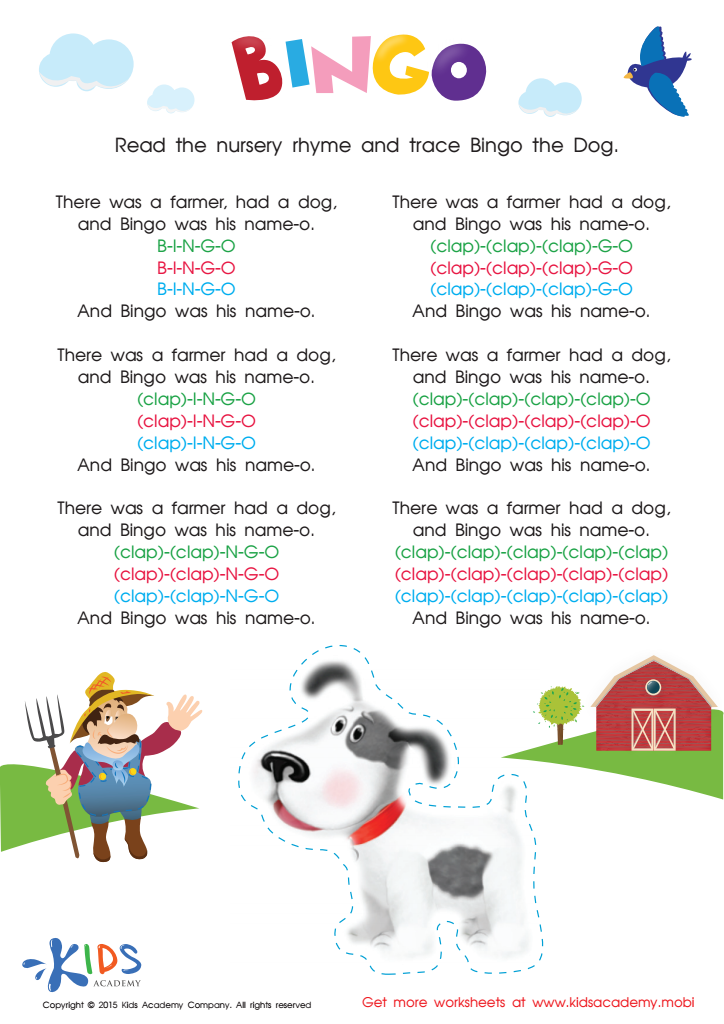
Nursery Rhymes: The Bingo Song Worksheet
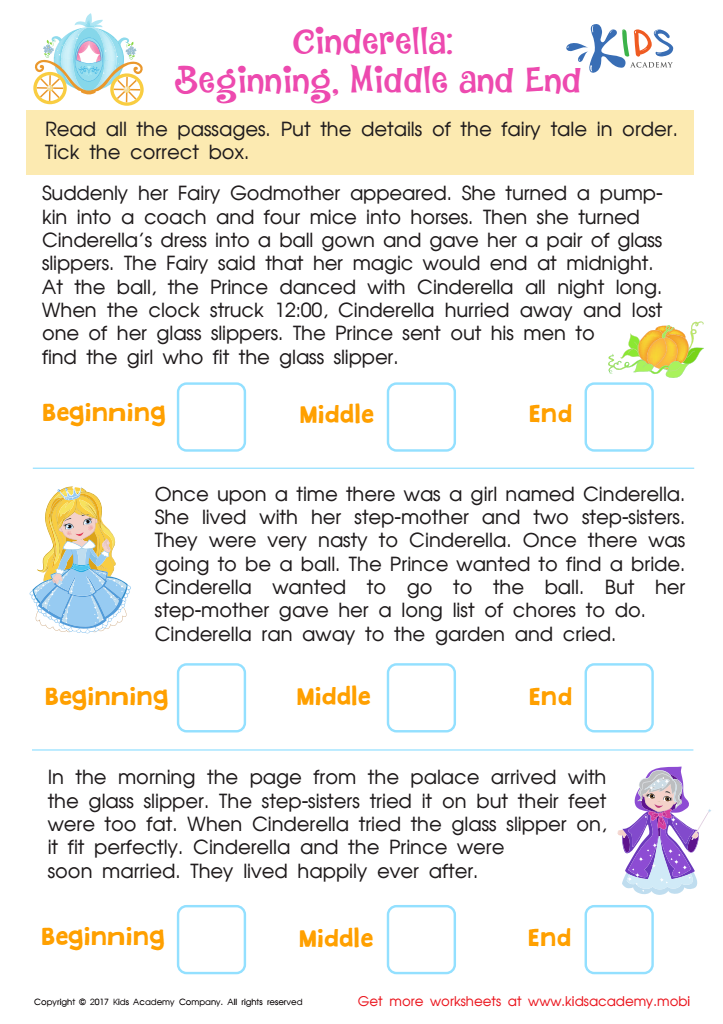
Cinderella: Beginning, Middle and End Worksheet
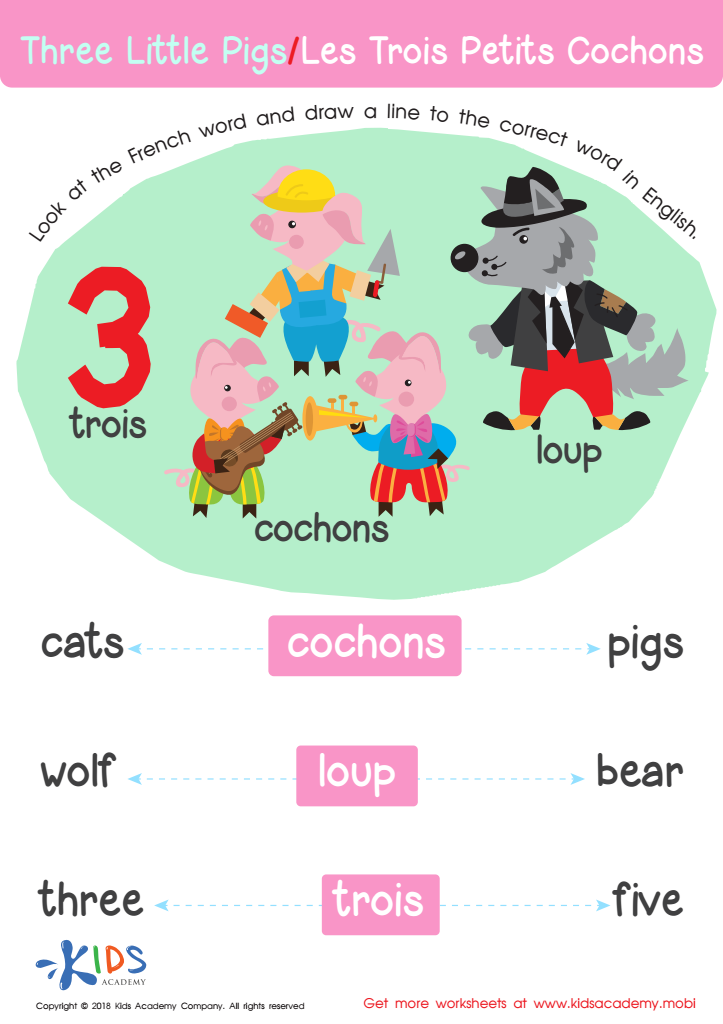
Three Little Pigs / Les Trois Petits Cochons Worksheet
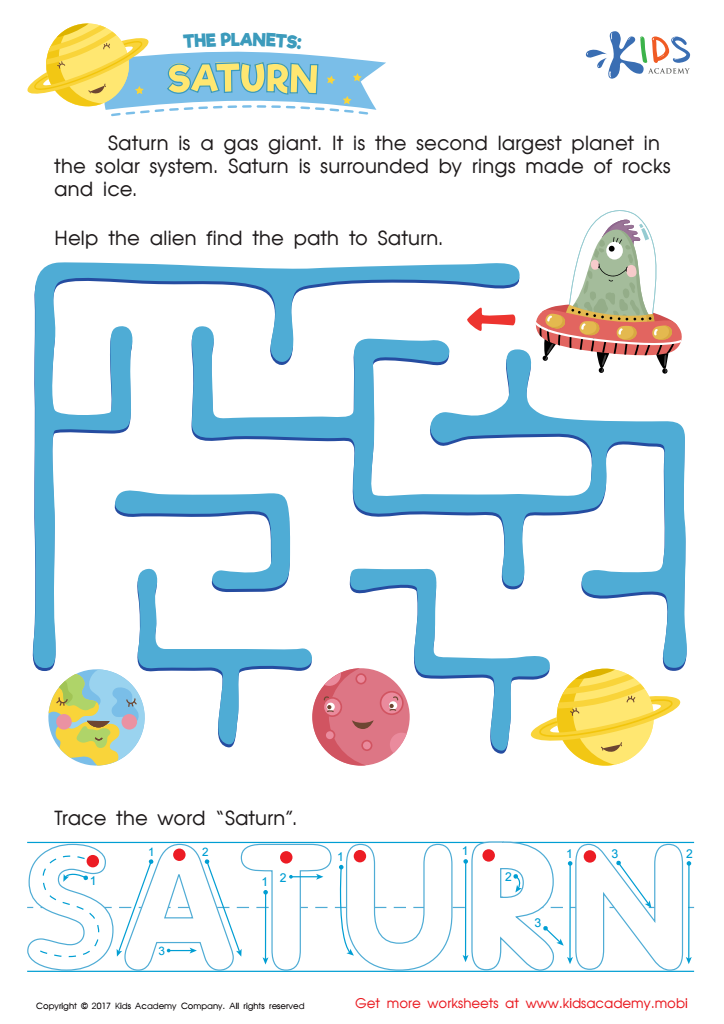
The Planets: Saturn Printable
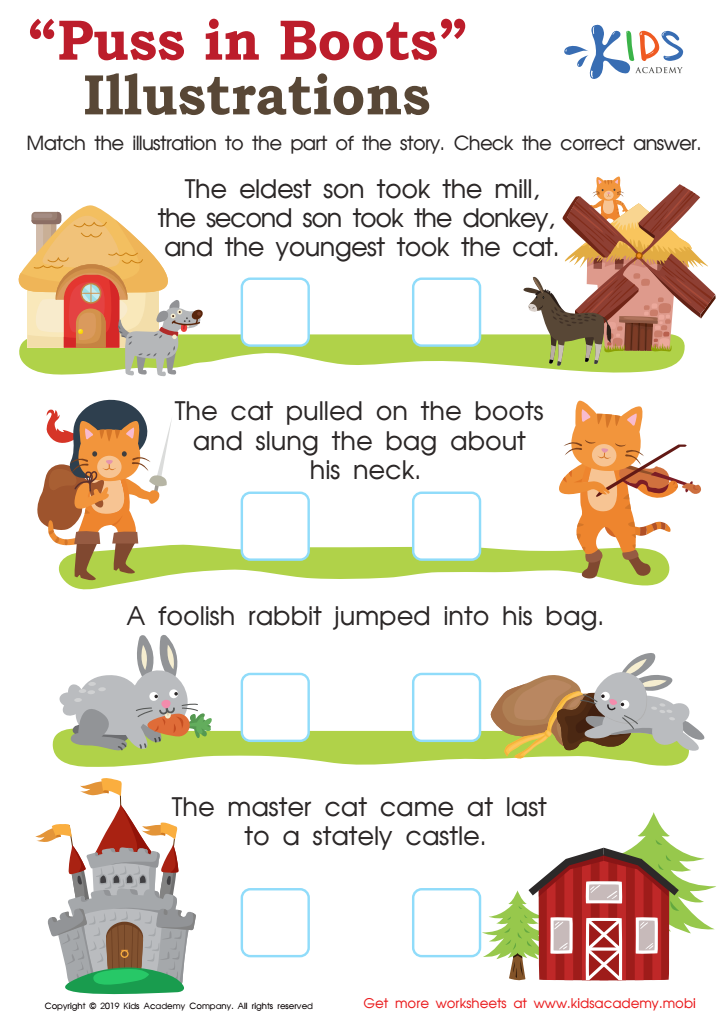
Puss in Boots Illustrations Worksheet
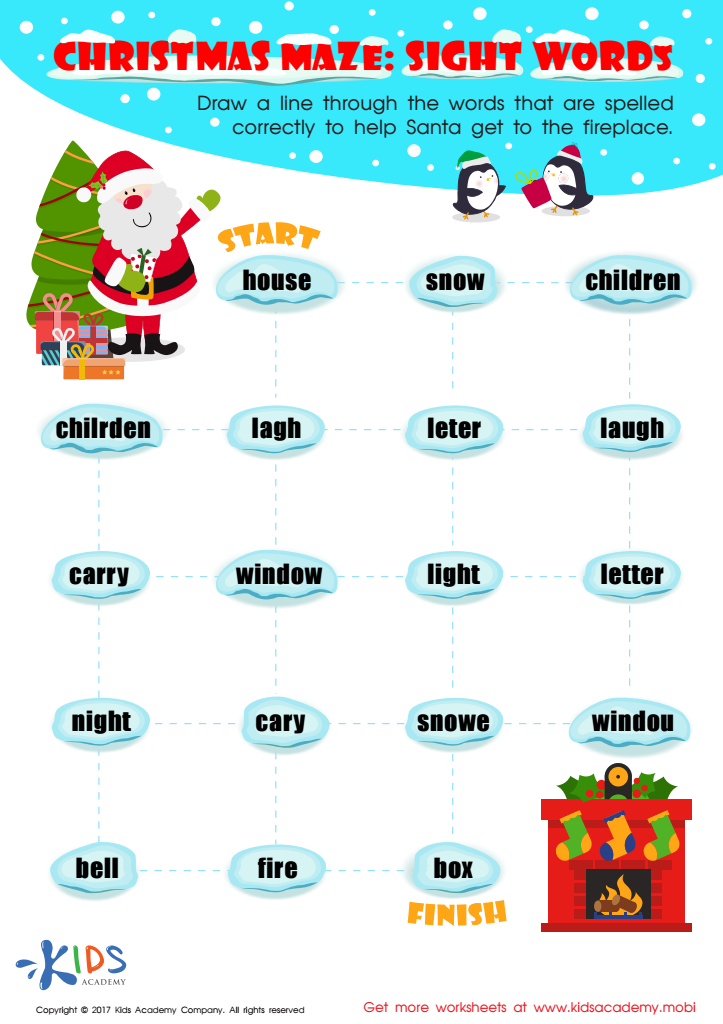
Sight Words Christmas Maze Printable
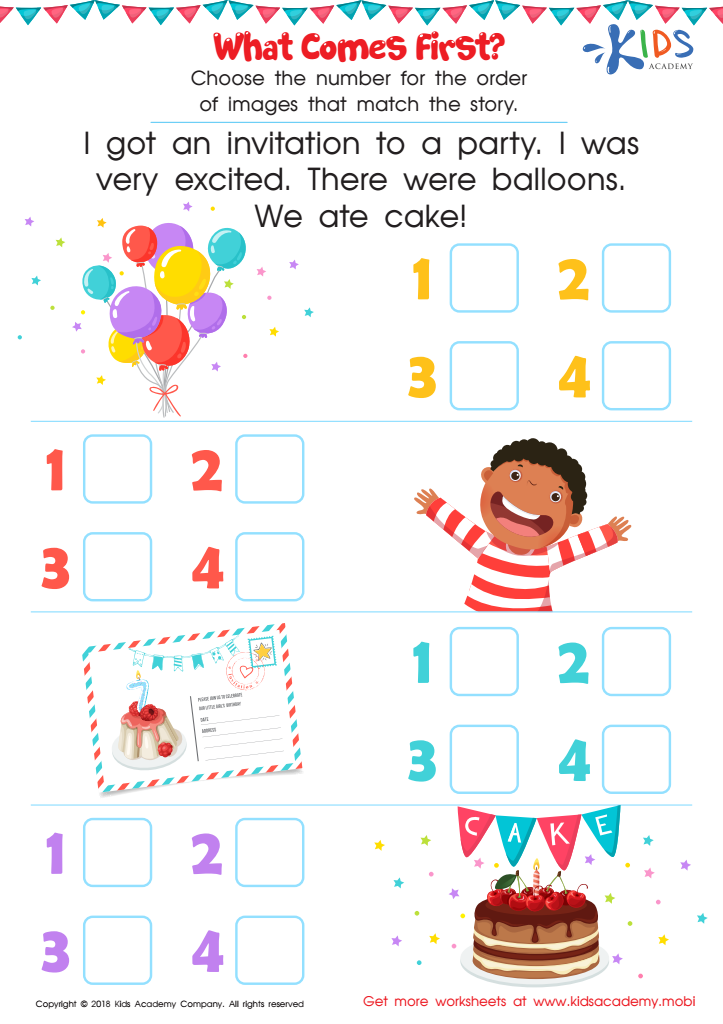
What Comes First Worksheet
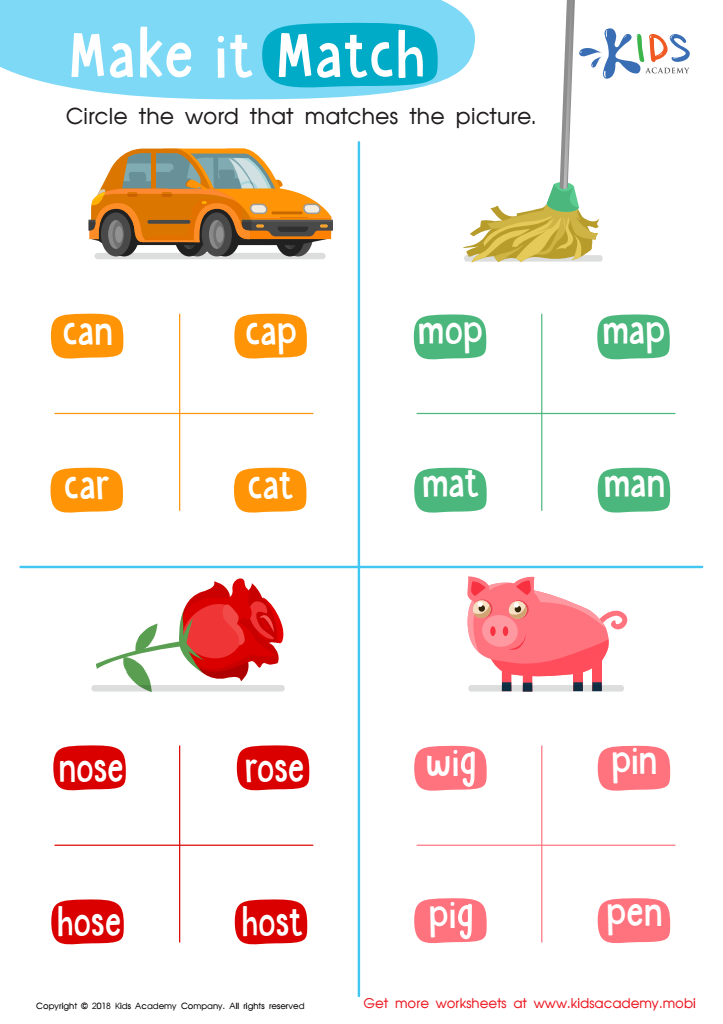
Make It Match Worksheet
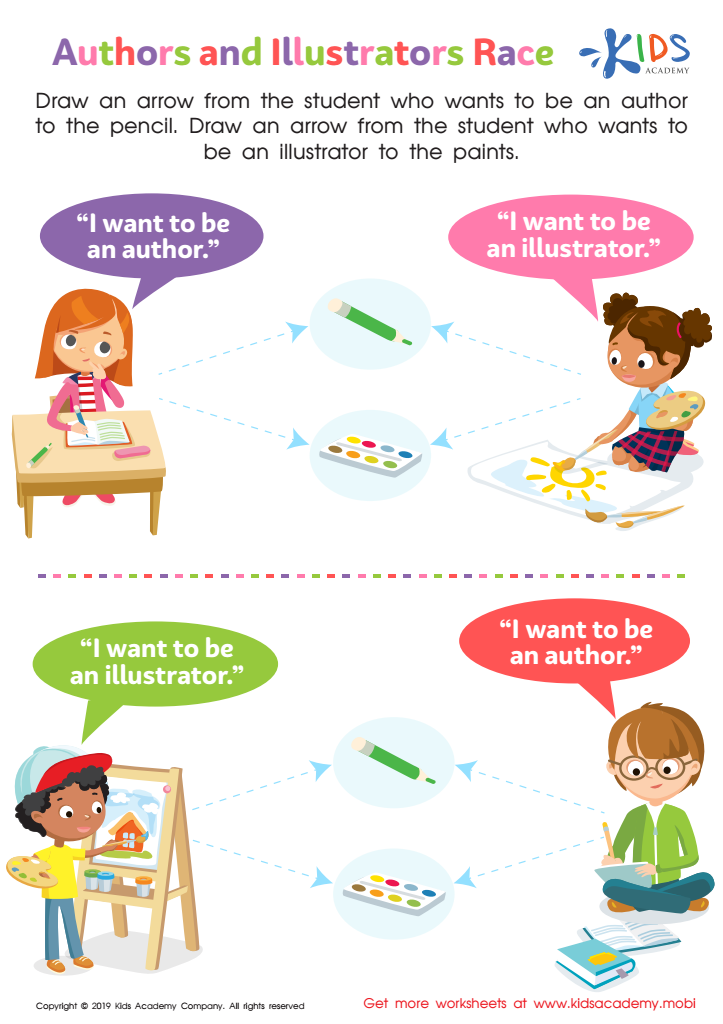
Authors and Illustrators Race Worksheet
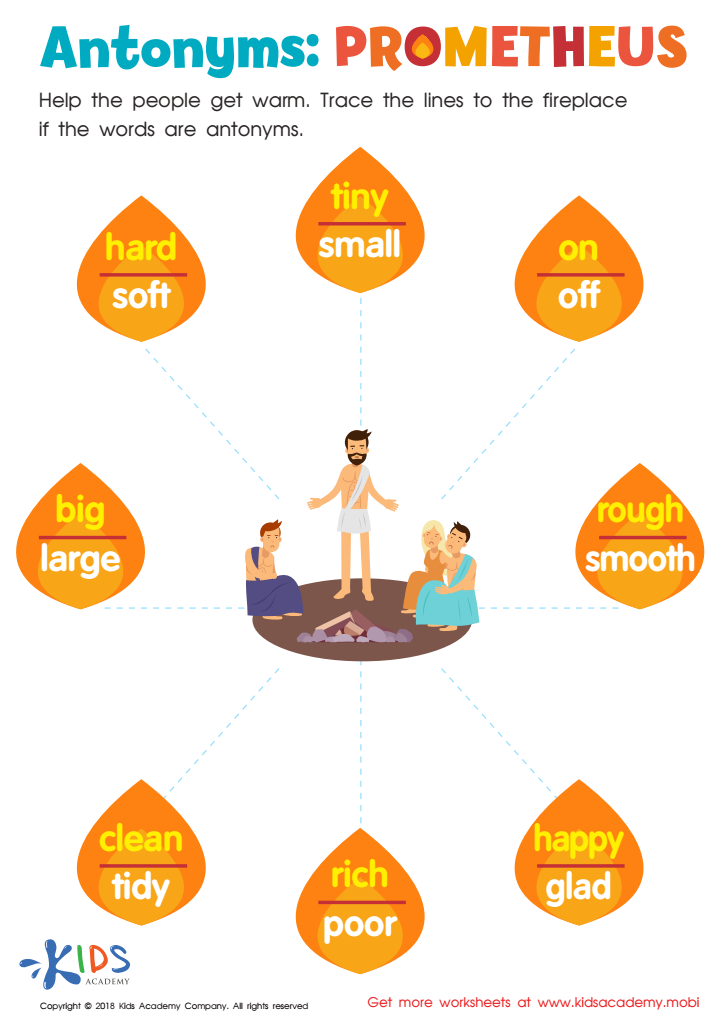
Antonyms: Prometheus Worksheet
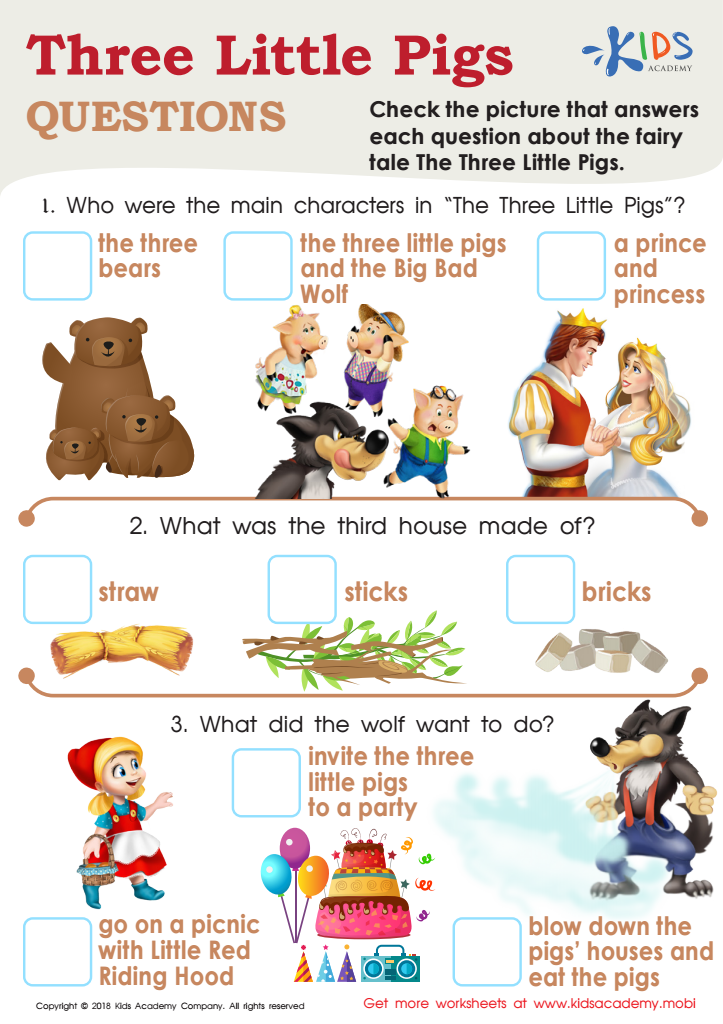
Three Little Pigs Questions Worksheet
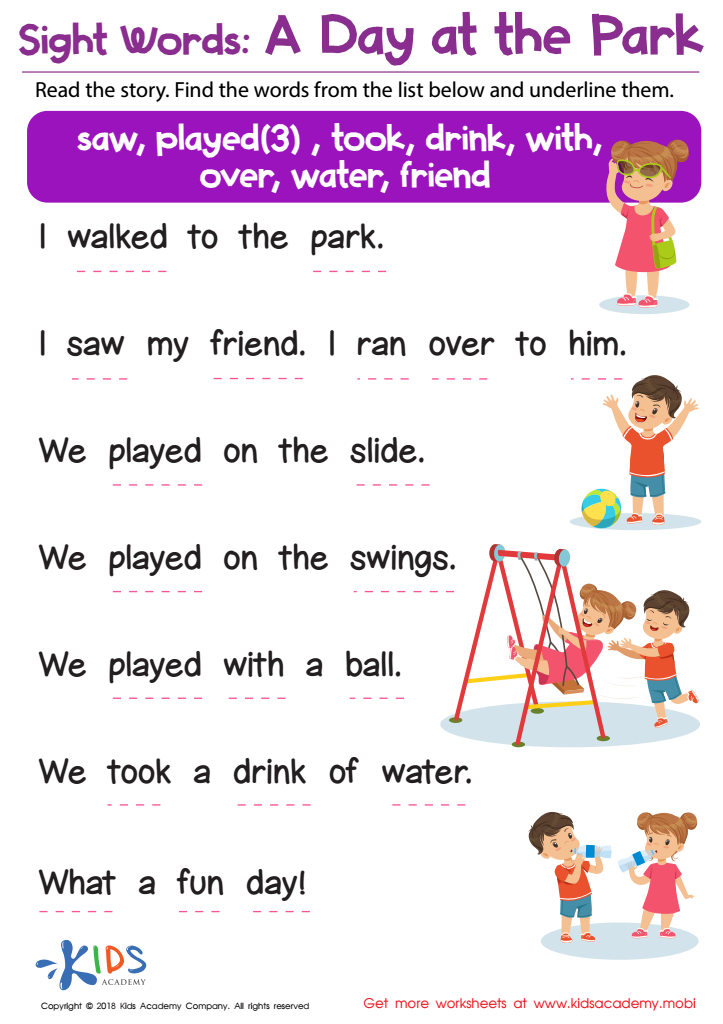
Sight Words: A Day at the Park Worksheet
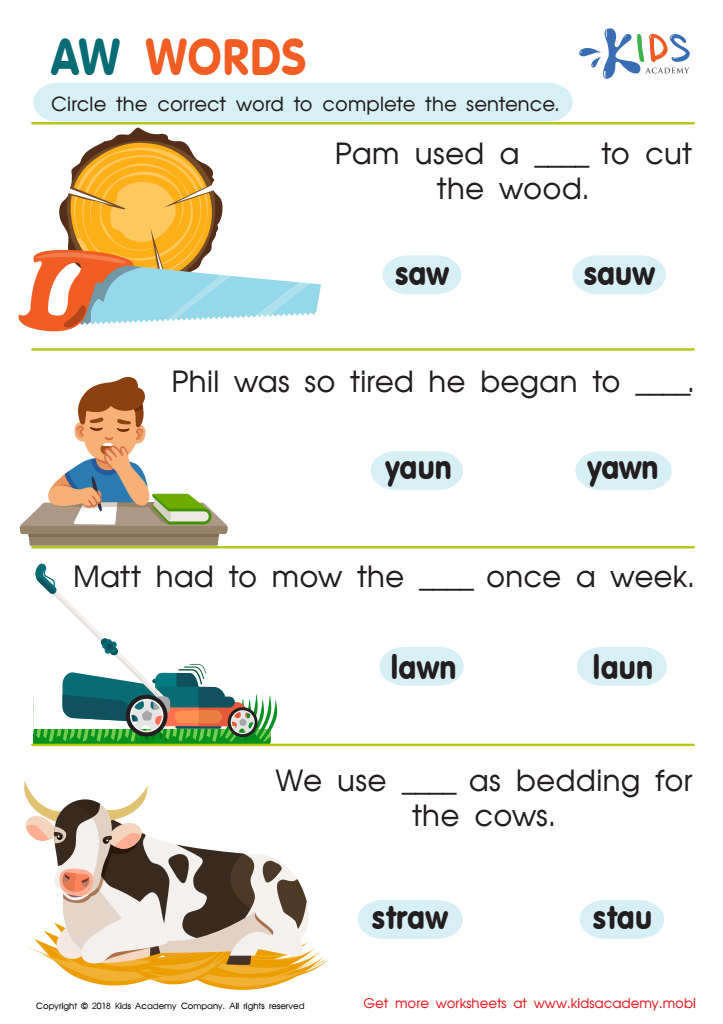
Reading: AW Words Worksheet
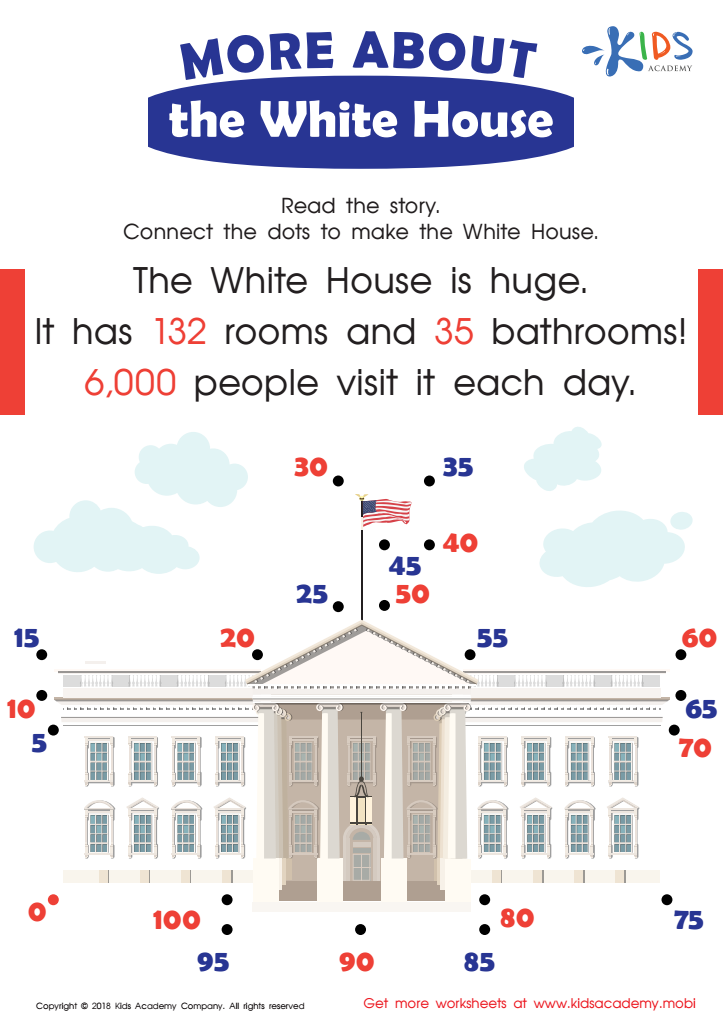
More About the White House Worksheet
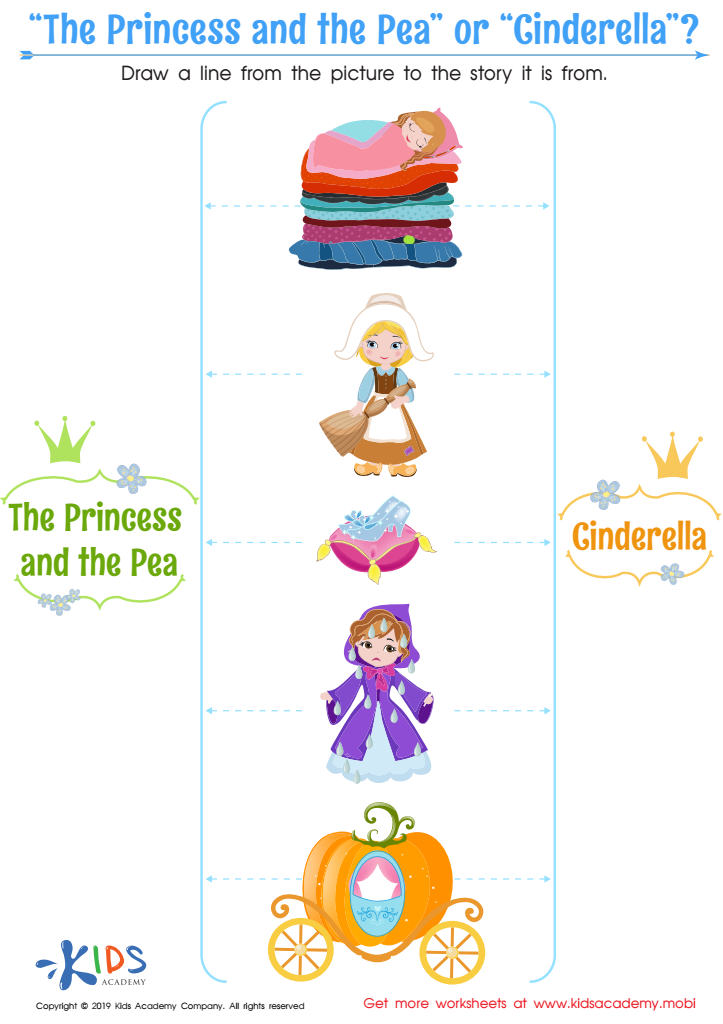
“The Princess and the Pea” or “Cinderella” Worksheet
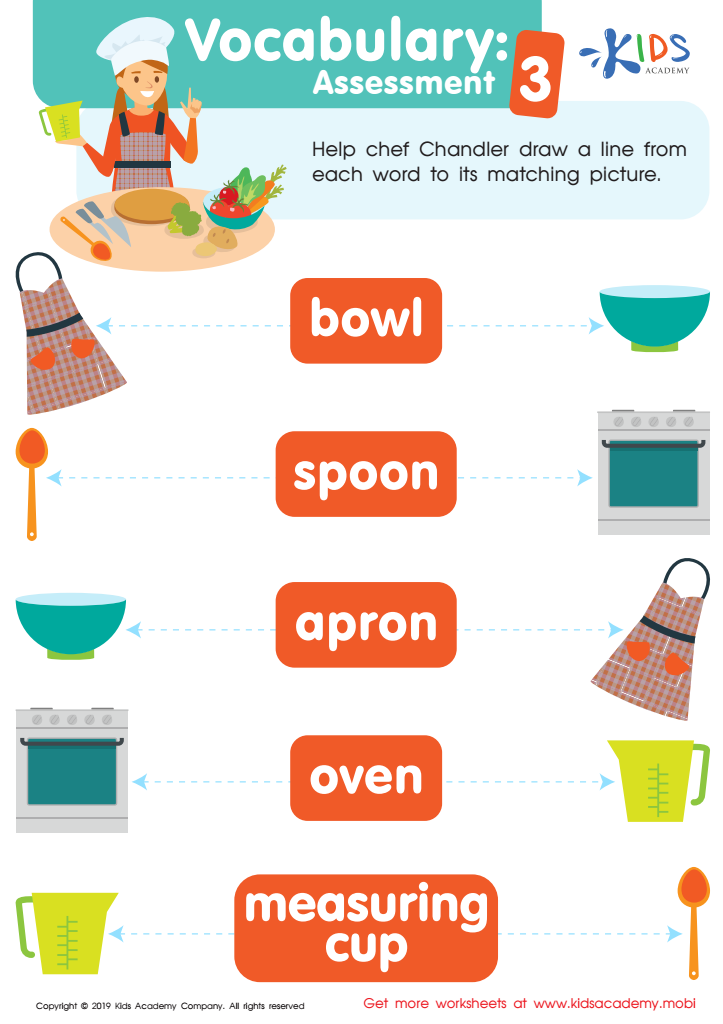
Vocabulary: Assessment 3 Worksheet
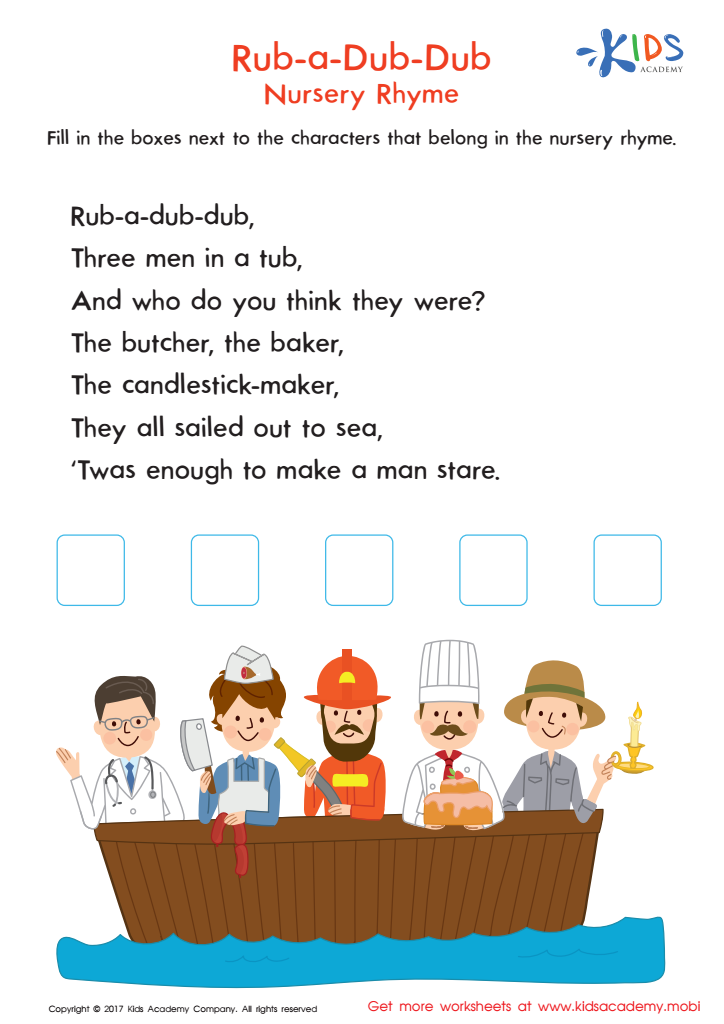
Rub a Dub Dub Printable







Reading comprehension is crucial for children aged 4-8 as it lays the foundation for their future academic success and lifelong learning. At this formative stage, children are not only learning to read but also starting to understand the meaning behind the words they encounter. By fostering strong reading comprehension skills, parents and teachers can help children develop critical thinking abilities, enhance their vocabulary, and improve their overall communication skills.
Understanding stories and information allows young learners to make connections with their own experiences, instills empathy by exposing them to diverse perspectives, and enhances their ability to solve problems. Engaging in discussions about what they've read can deepen comprehension and promote curiosity.
Moreover, children who struggle with reading comprehension may develop anxieties around learning and school, which can affect their self-esteem. By supporting and prioritizing reading comprehension in early education, we can help build a positive attitude towards learning.
Encouraging children to ask questions, summarize stories, and engage in discussions enhances their cognitive skills and reinforces the idea that reading is both valuable and enjoyable. In short, emphasizing reading comprehension in early childhood education defines not only academic success but also instills a love for reading that can last a lifetime.








