Life Science Worksheets for Ages 4-8 - Page 2
36 filtered results
-
From - To
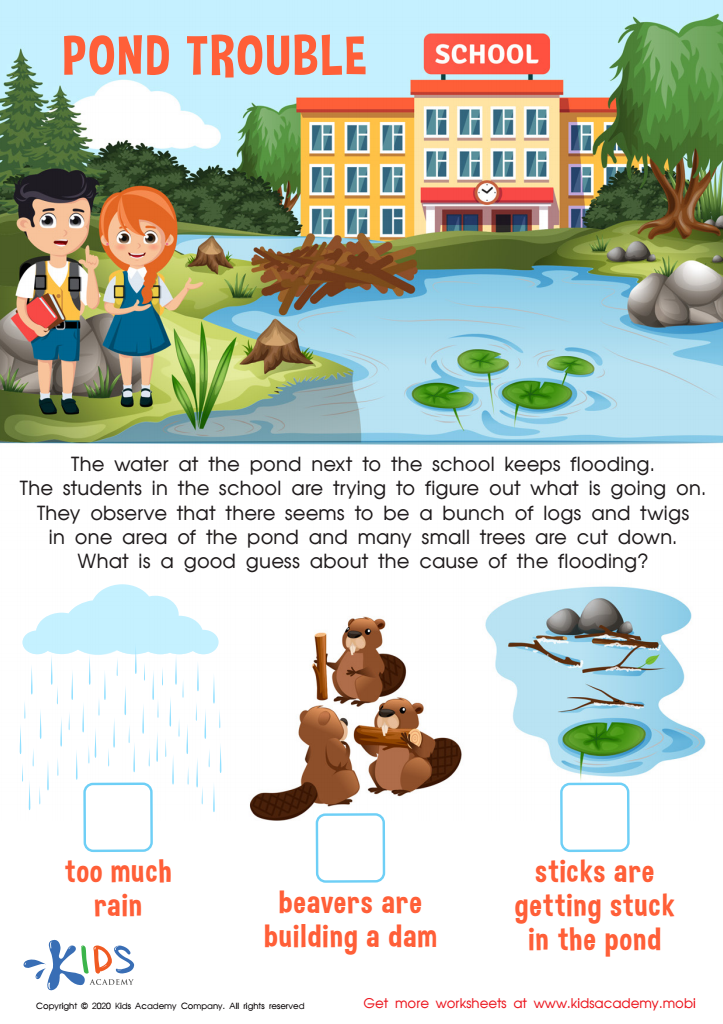
Pond Trouble Worksheet
 Assign to My Students
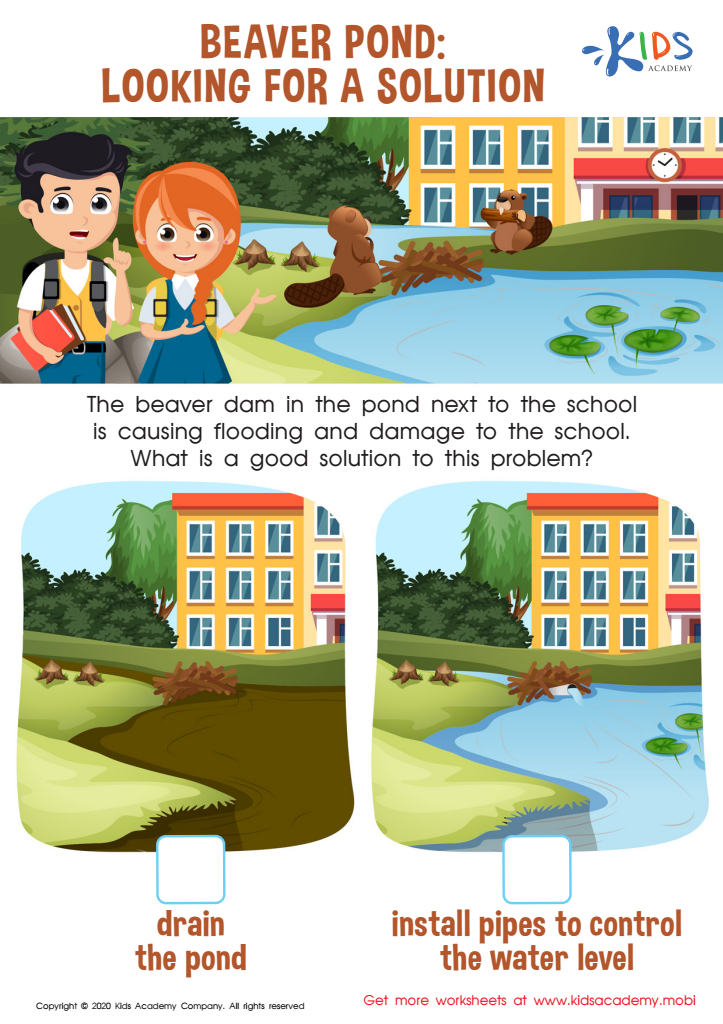
Beaver Pond: Looking for a Solution Worksheet
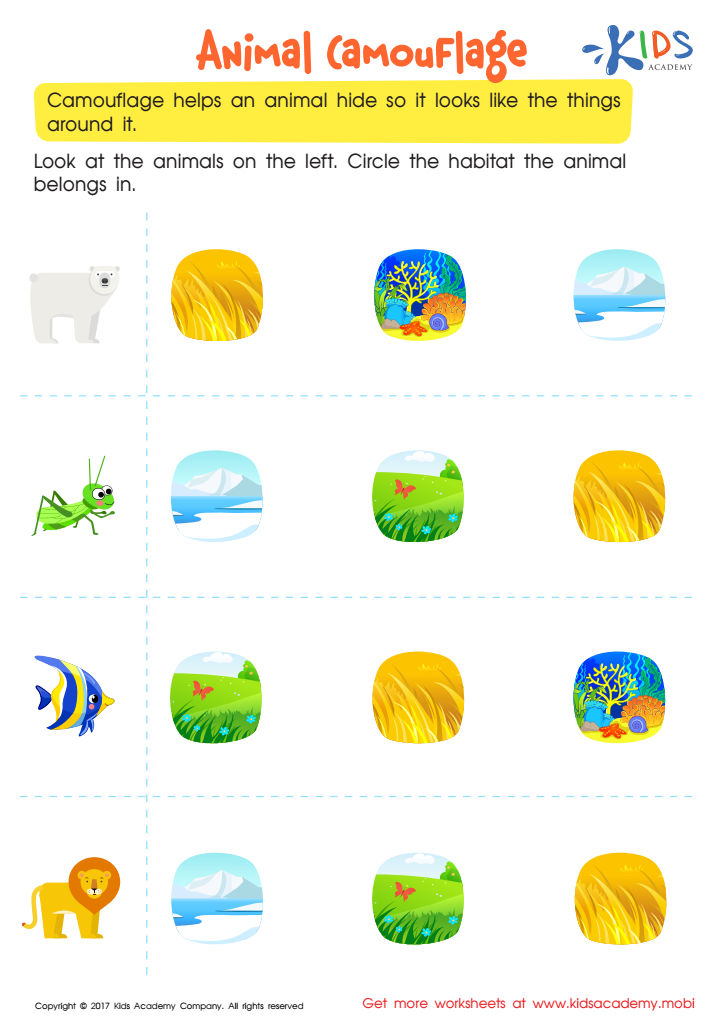
Animal Camouflage Worksheet
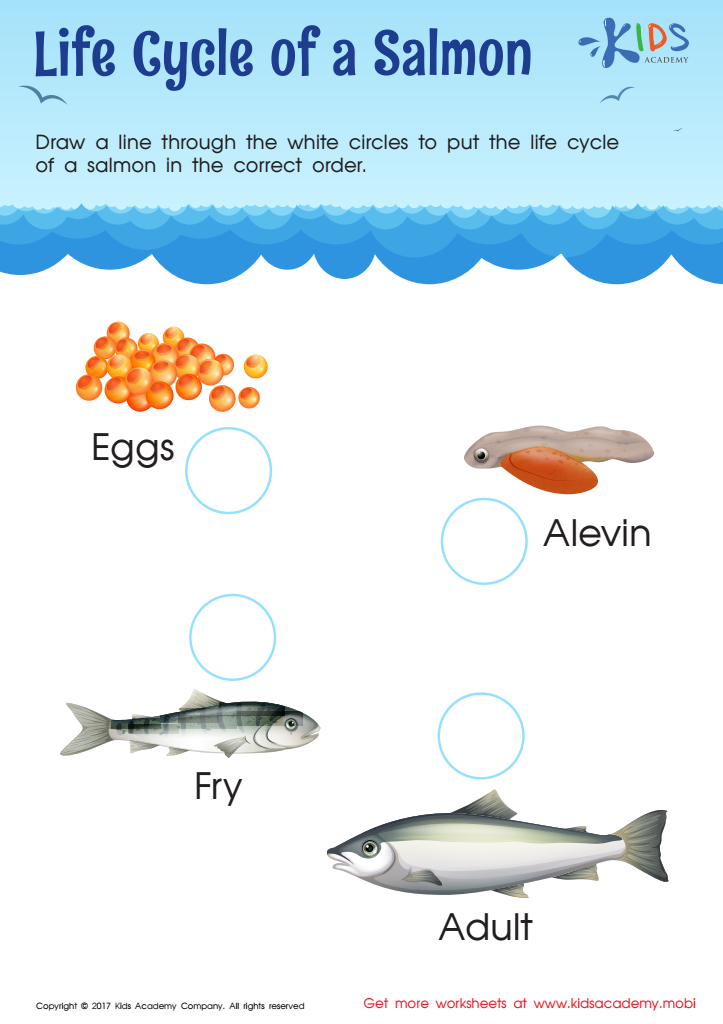
Cycle Of Salmon Worksheet
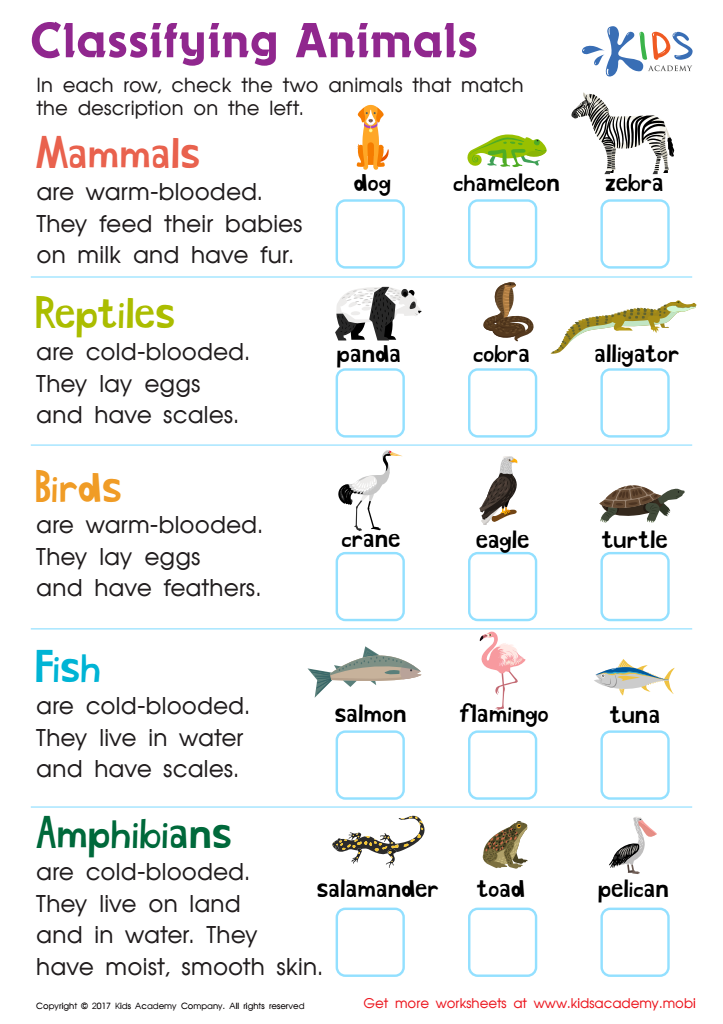
Classifying Animals Worksheet
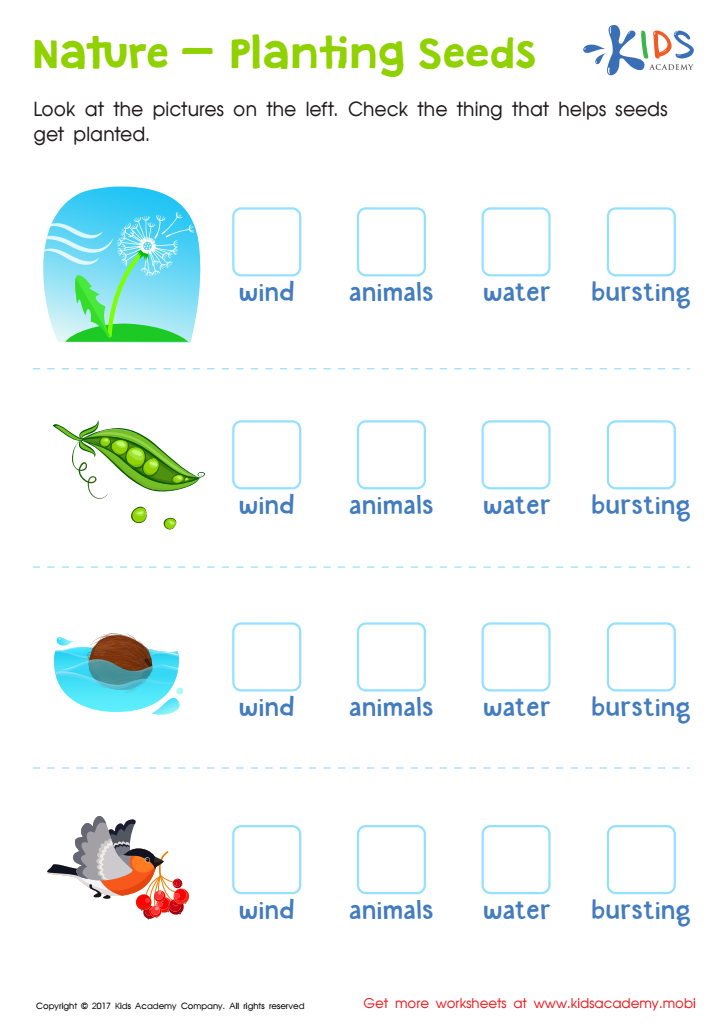
Nature Planting Seeds Worksheet
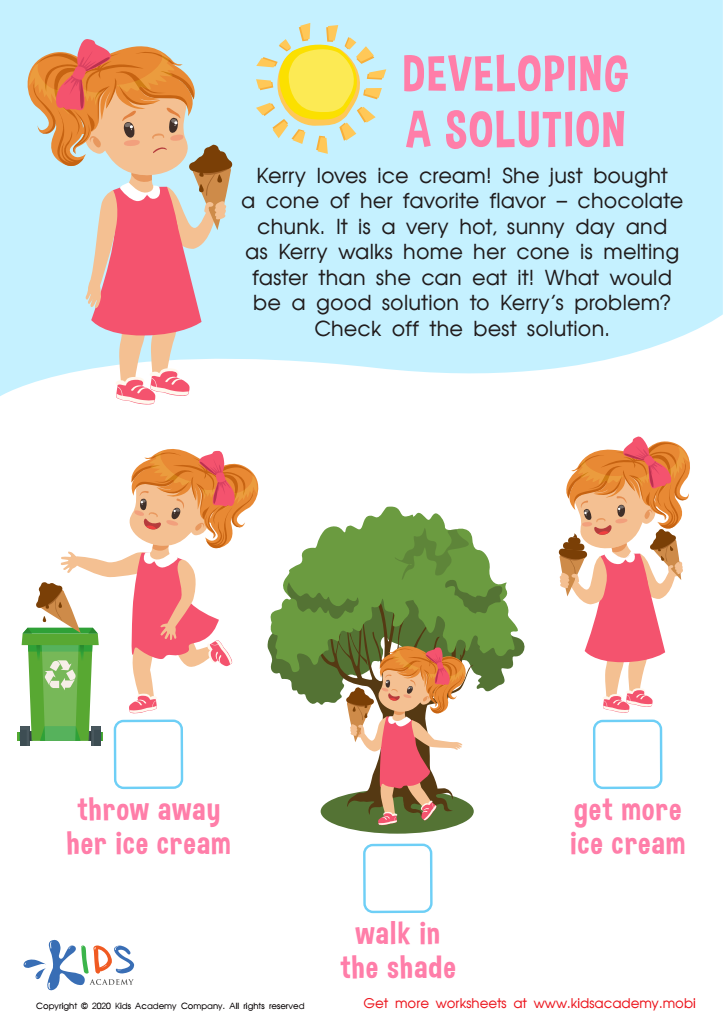
Developing Solution Worksheet
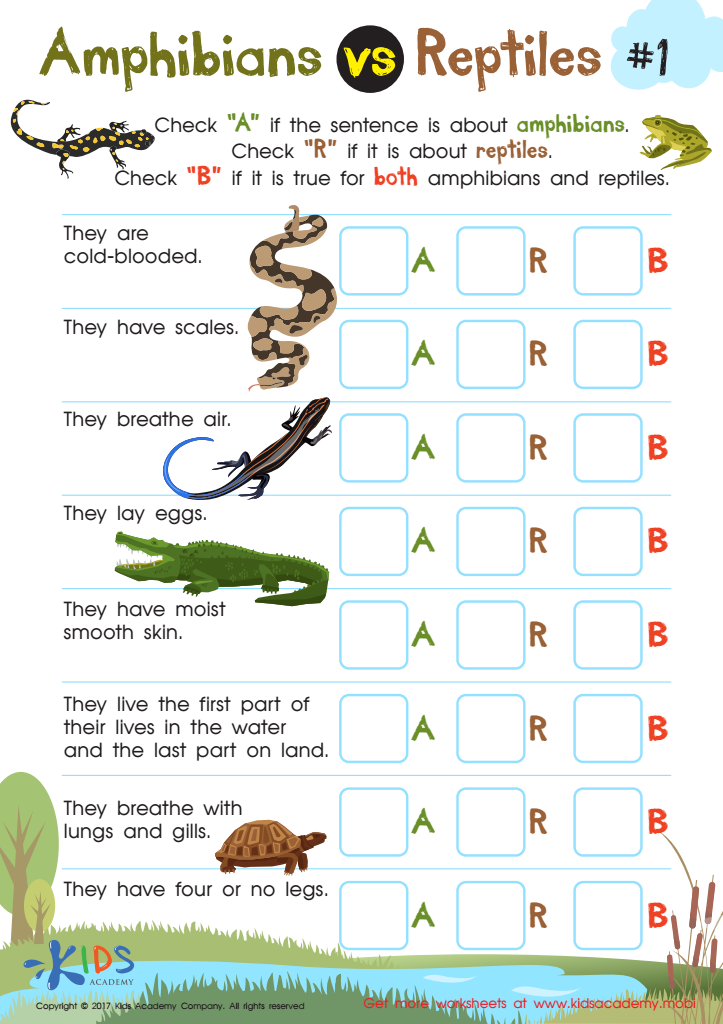
Amphibians vs Reptiles Worksheet
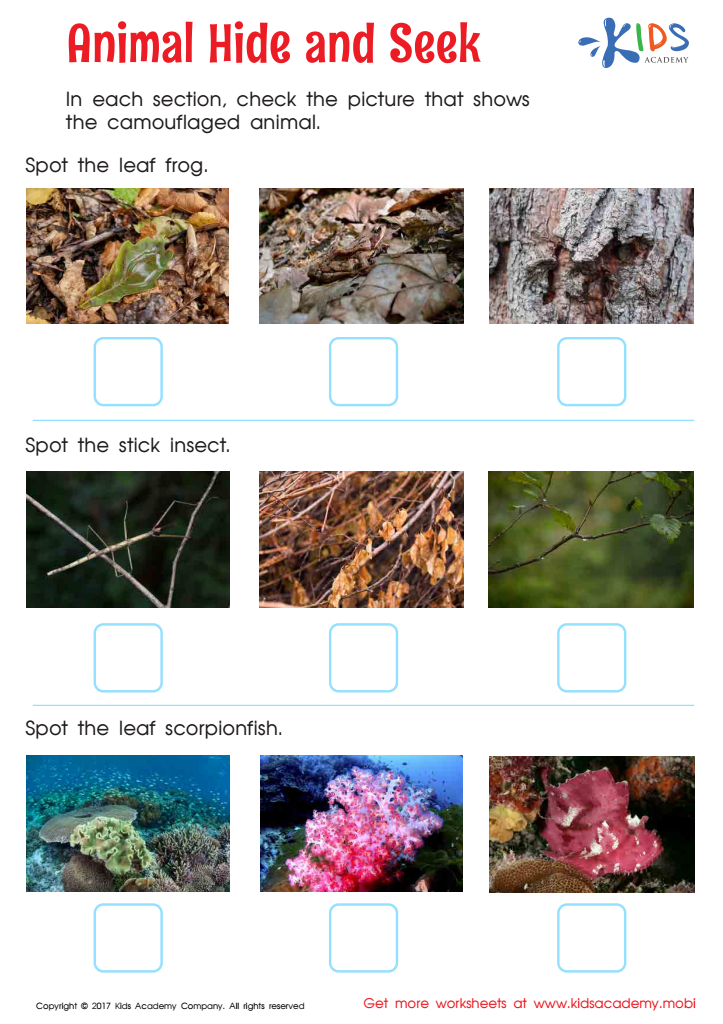
Animal Hide and Seek Worksheet
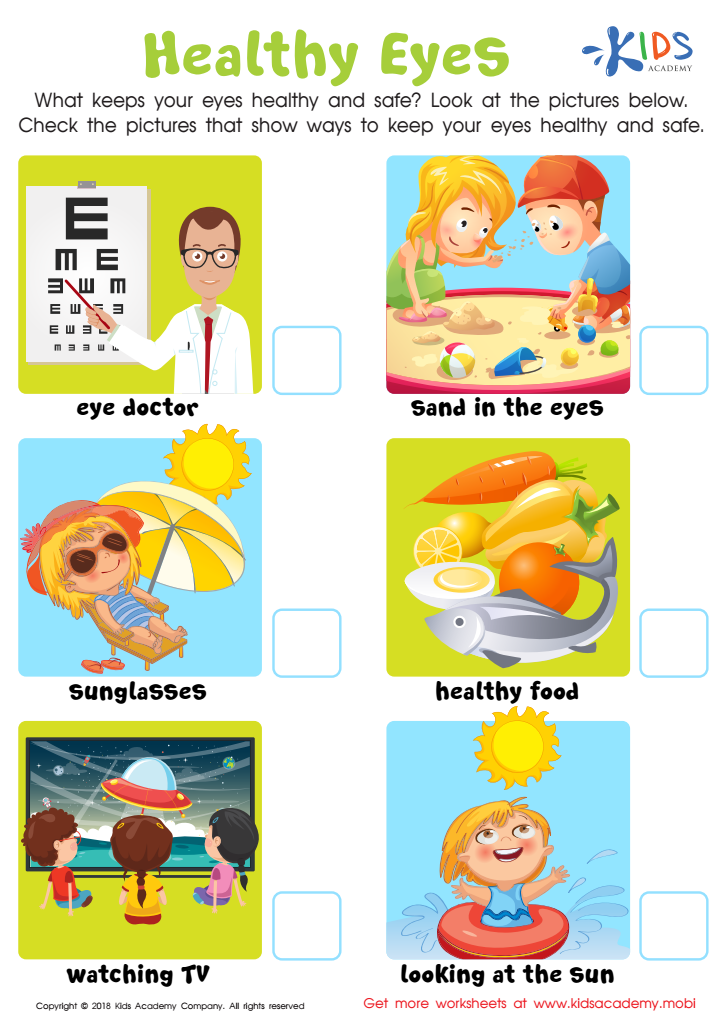
Healthy Eyes Worksheet
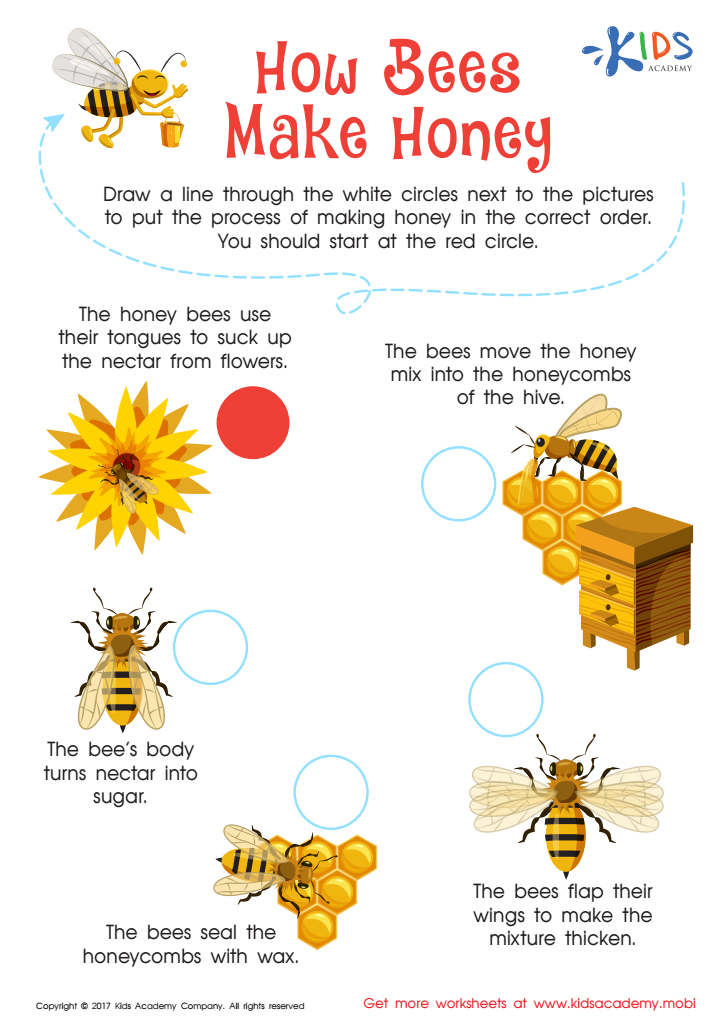
Honey Bee Worksheet
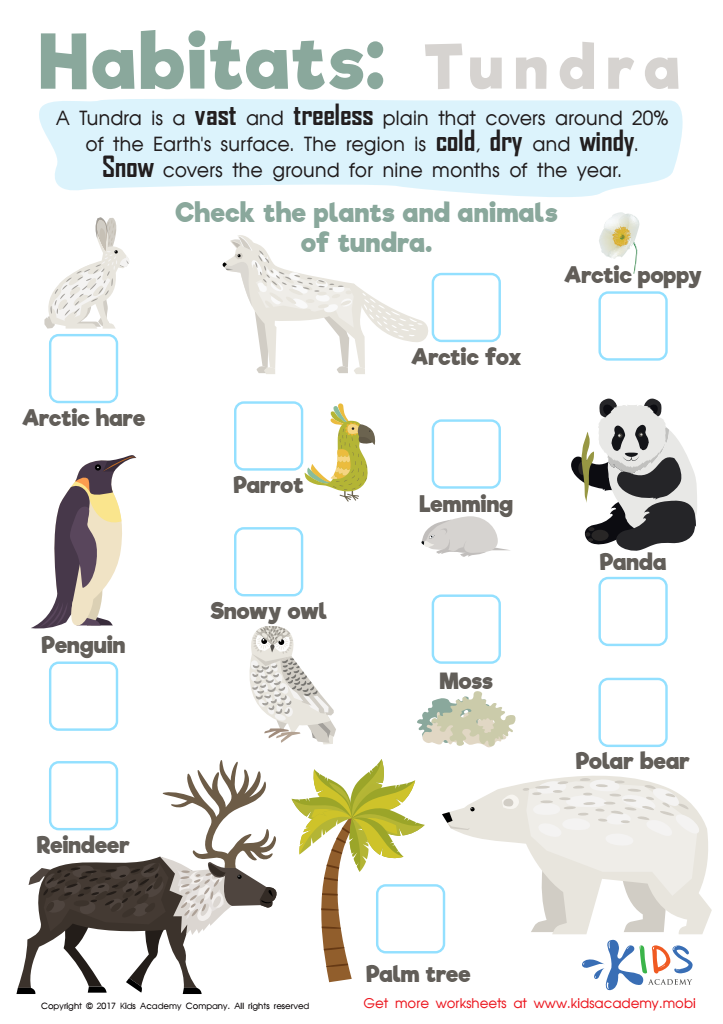
Tundra Habitats Worksheet




.jpg)

Life Science is essential for young children because it lays the foundation for understanding the natural world and fosters a sense of curiosity and appreciation for living things. Ages 4-8 are formative years for cognitive and emotional development, and introducing Life Science at this stage nurtures a child's innate curiosity about their surroundings. By exploring topics like plants, animals, habitats, and ecosystems, children develop observational skills, critical thinking, and an appreciation for biodiversity.
Moreover, engaging in Life Science activities encourages hands-on learning and experiential education. Activities like growing plants, observing insects, or going on nature walks are not only educational but also help in developing motor skills and introducing basic scientific concepts. These activities also underscore the importance of environmental stewardship and responsibility from an early age, instilling values that promote conservation and respect for nature.
Parents and teachers play a crucial role in guiding children through these explorations. Encouraging curiosity and providing answers can create a positive learning environment, making science enjoyable and accessible. This early engagement helps foster lifelong learning and sets the stage for more complex scientific understanding in later years. Overall, Life Science education is vital for cultivating informed, curious, and responsible future citizens.








