Space Worksheets for Ages 4-8 - Page 2
43 filtered results
-
From - To
 Assign to My Students
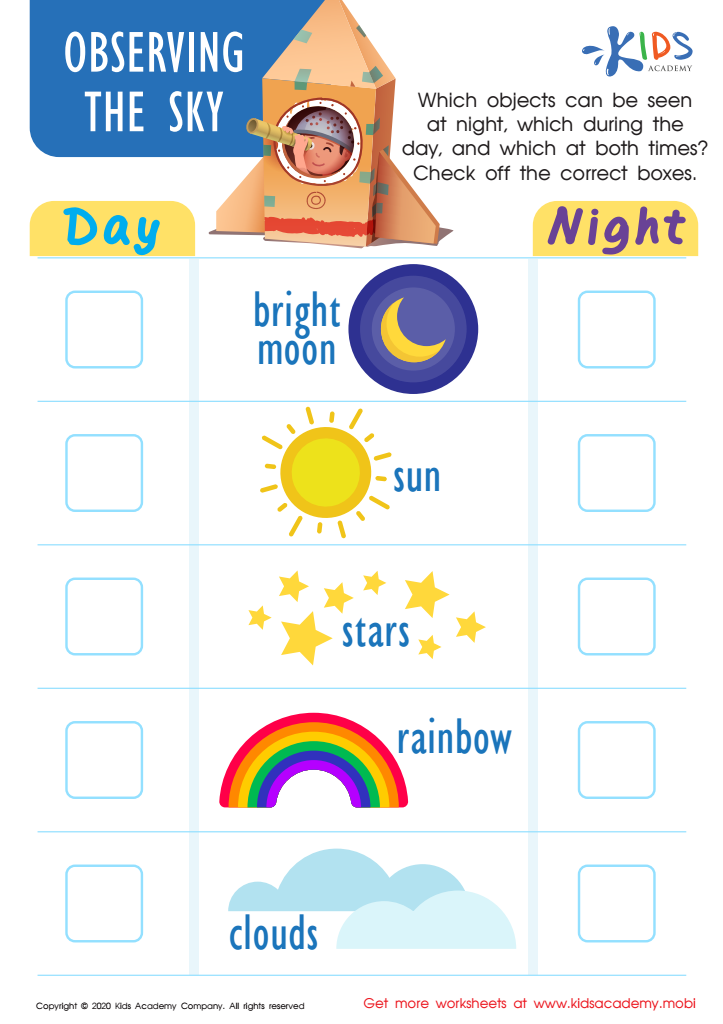
Observing the Sky Worksheet
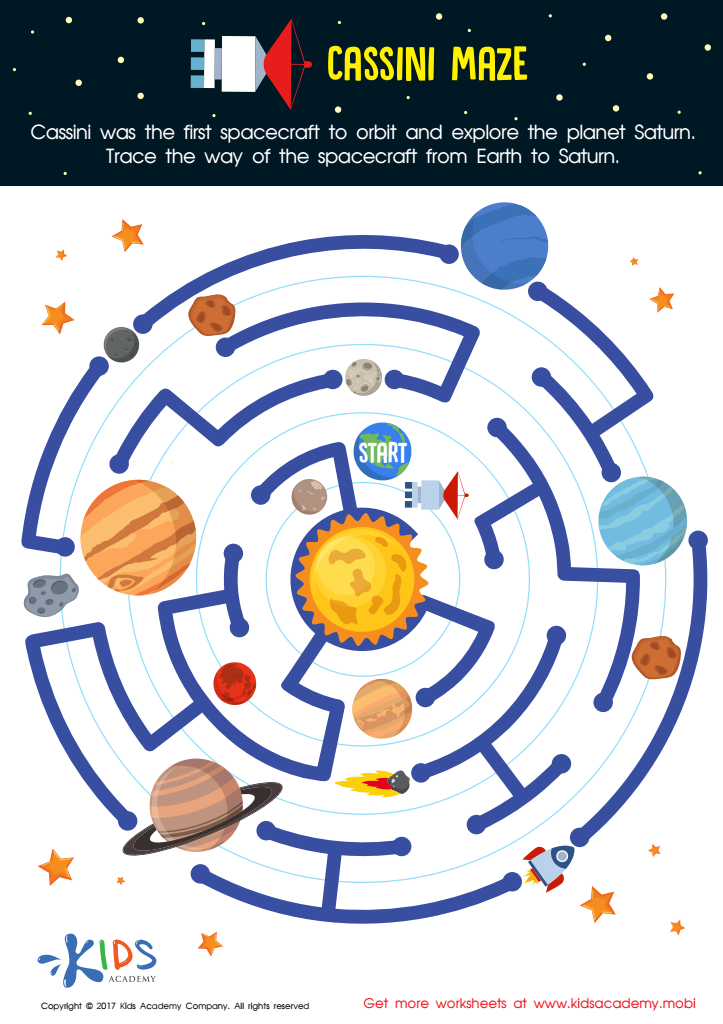
Cassini Printable Worksheet
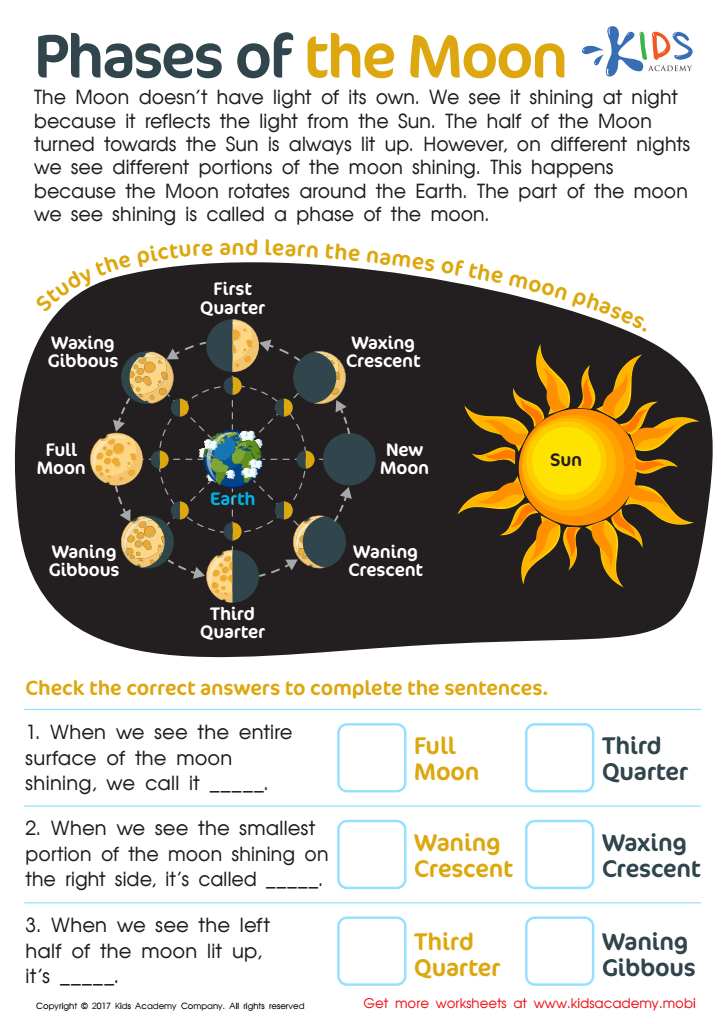
Phases of The Moon Worksheet
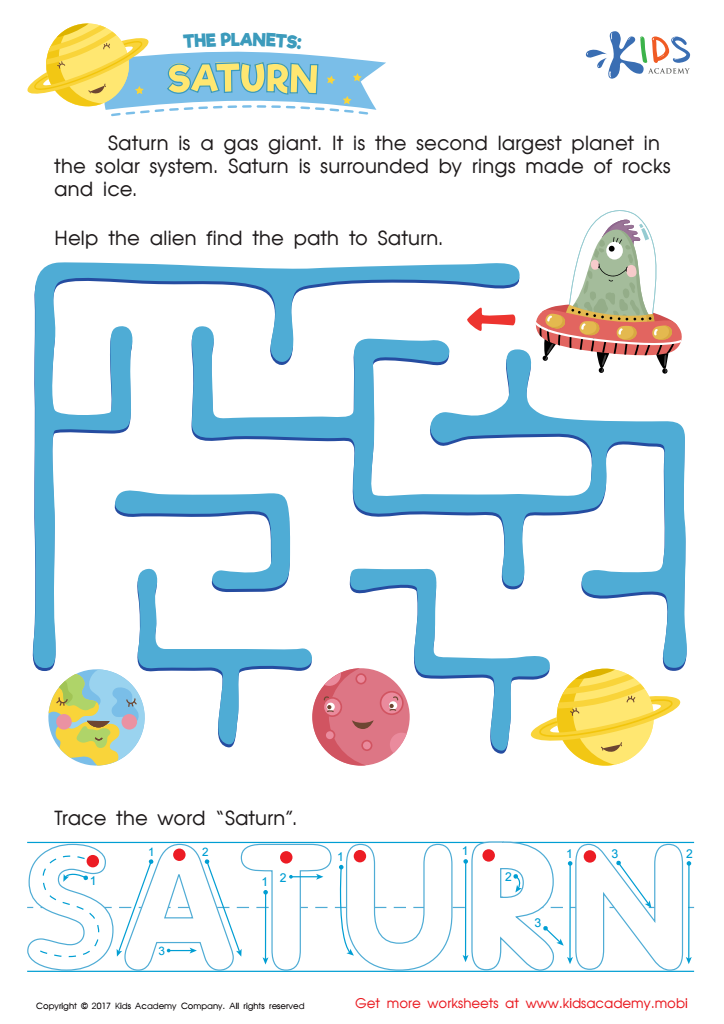
The Planets: Saturn Printable
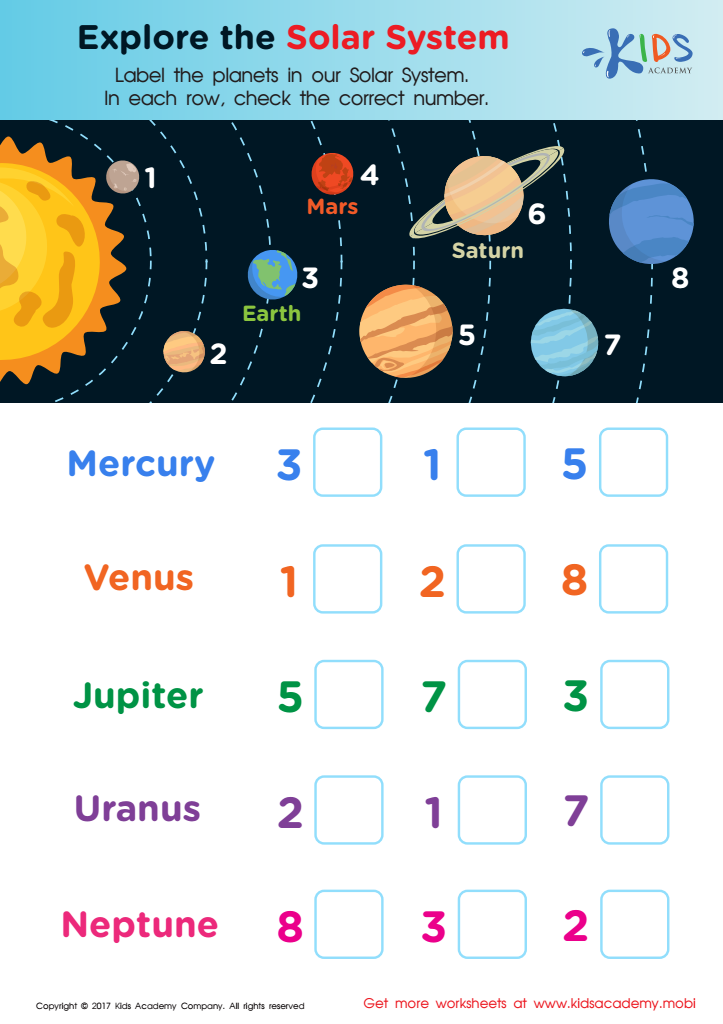
Solar System Planets Worksheet
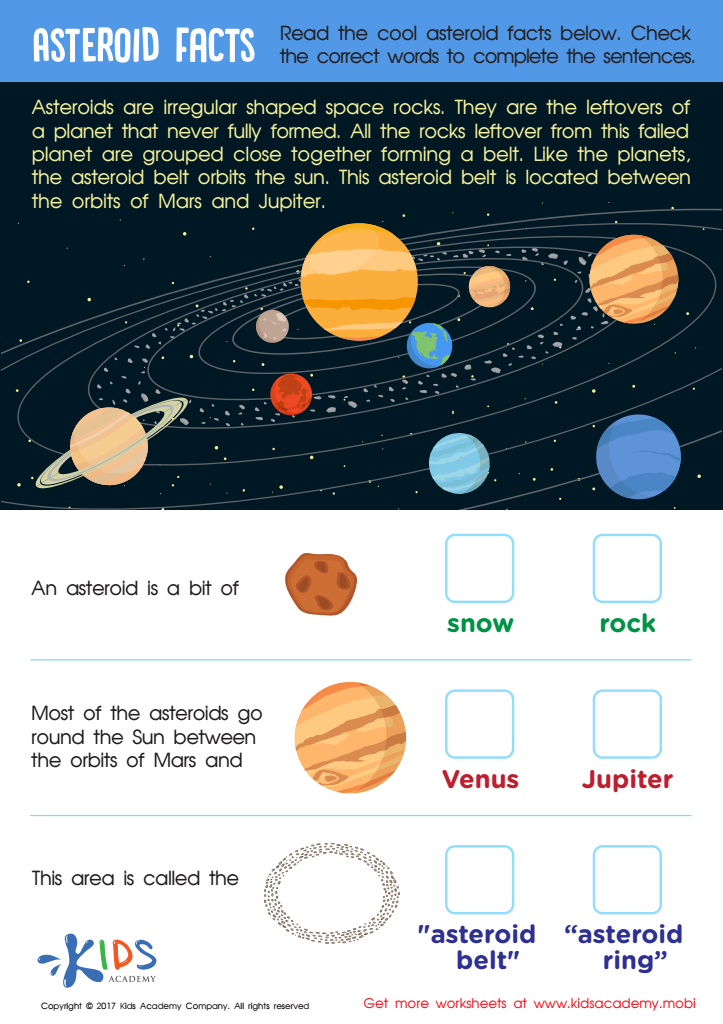
Asteroid Facts Worksheet
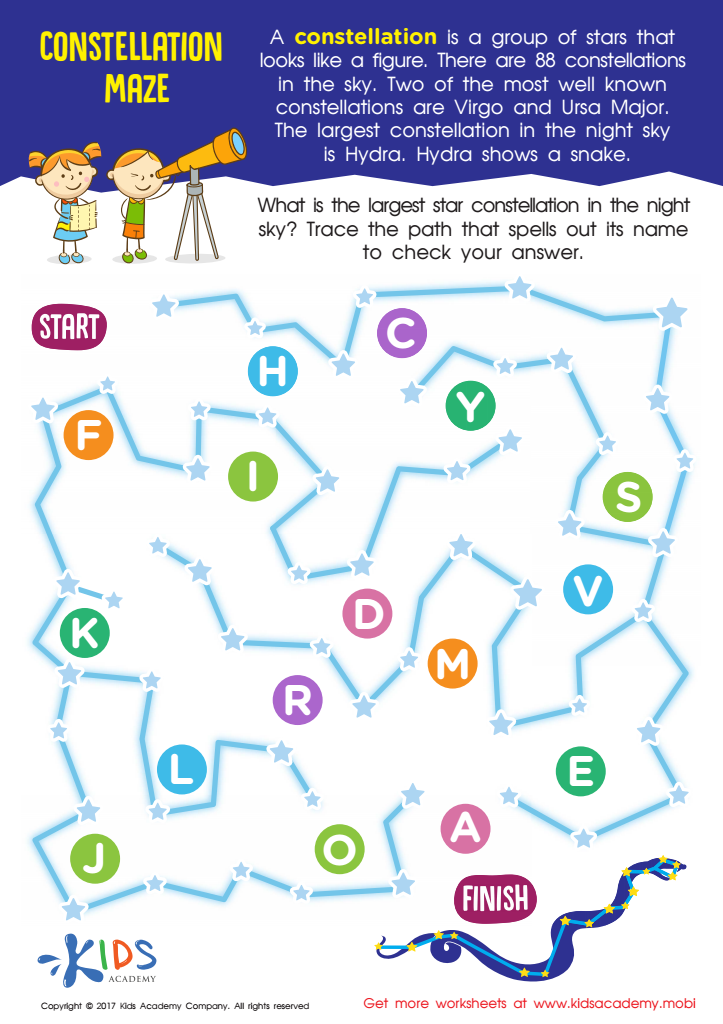
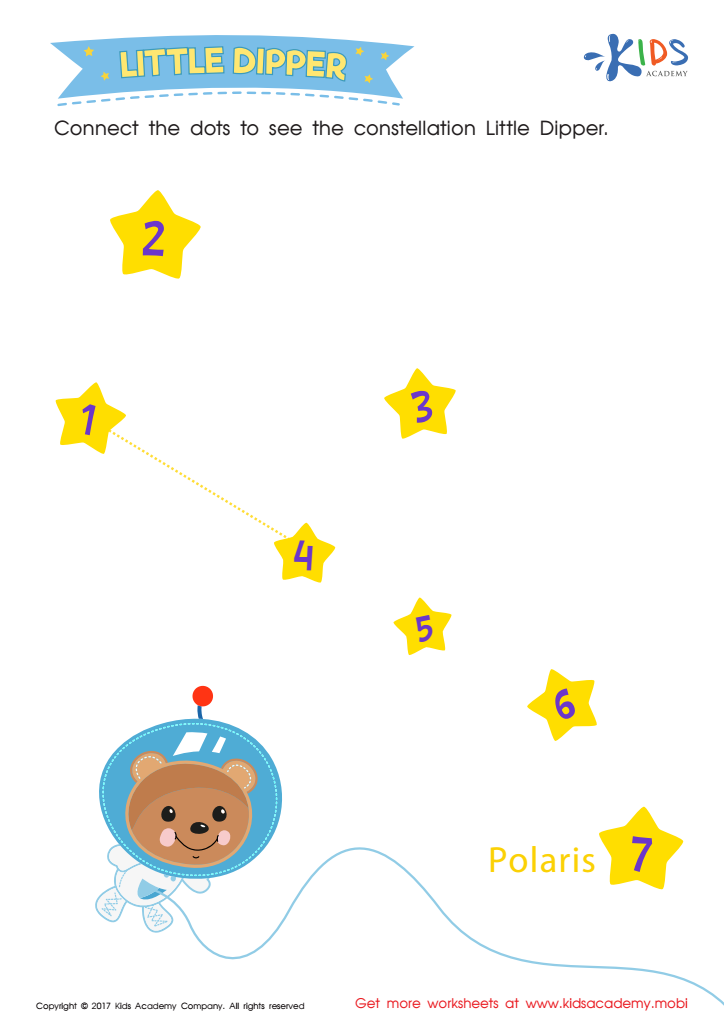
Constellations Worksheet
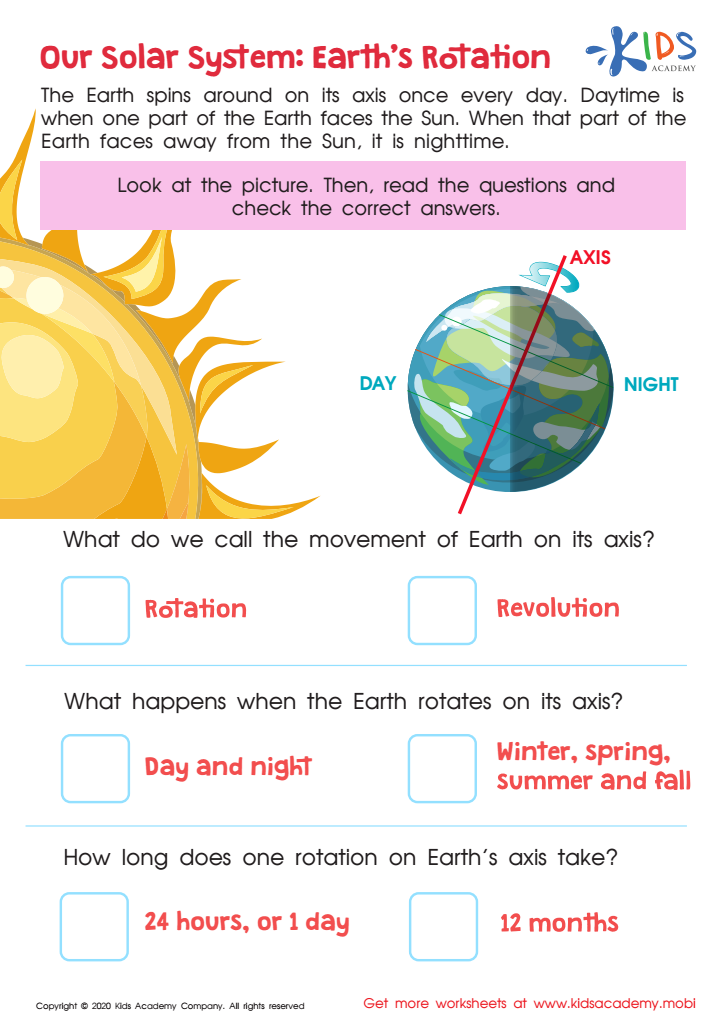
Our Solar System: Earth's Rotation Printable
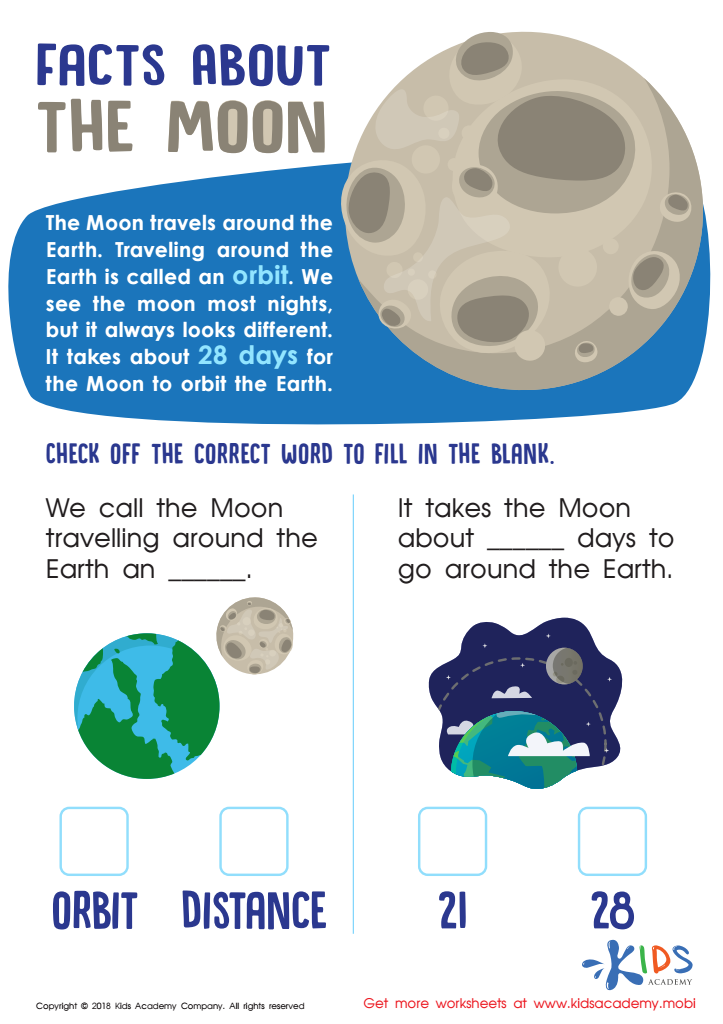
Facts About the Moon Worksheet
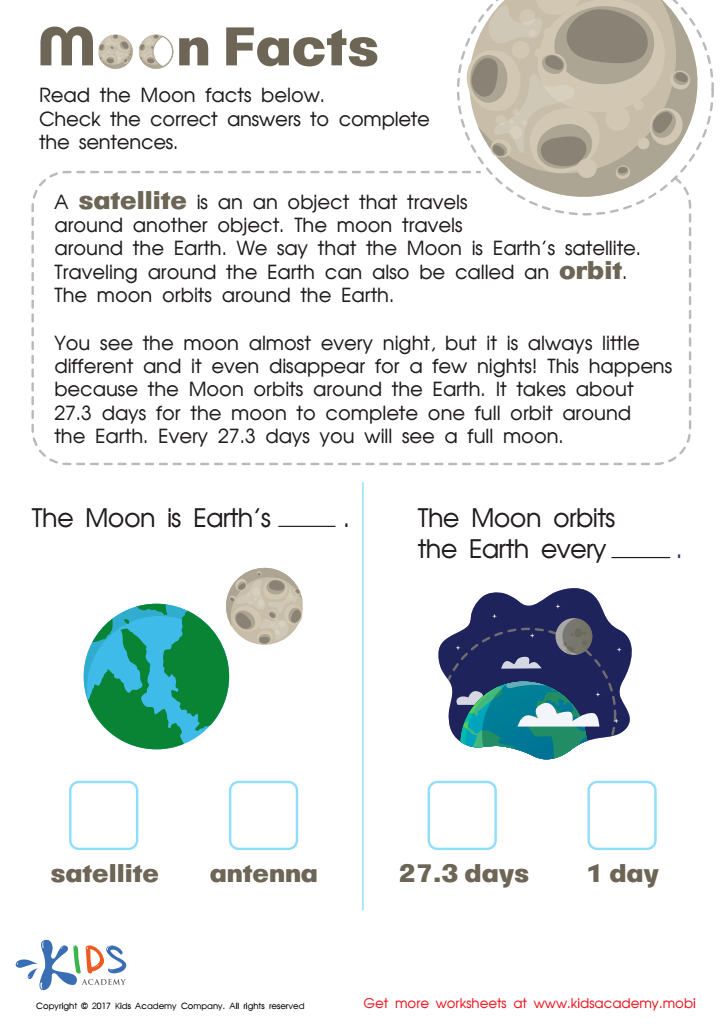
Moon Facts Worksheet
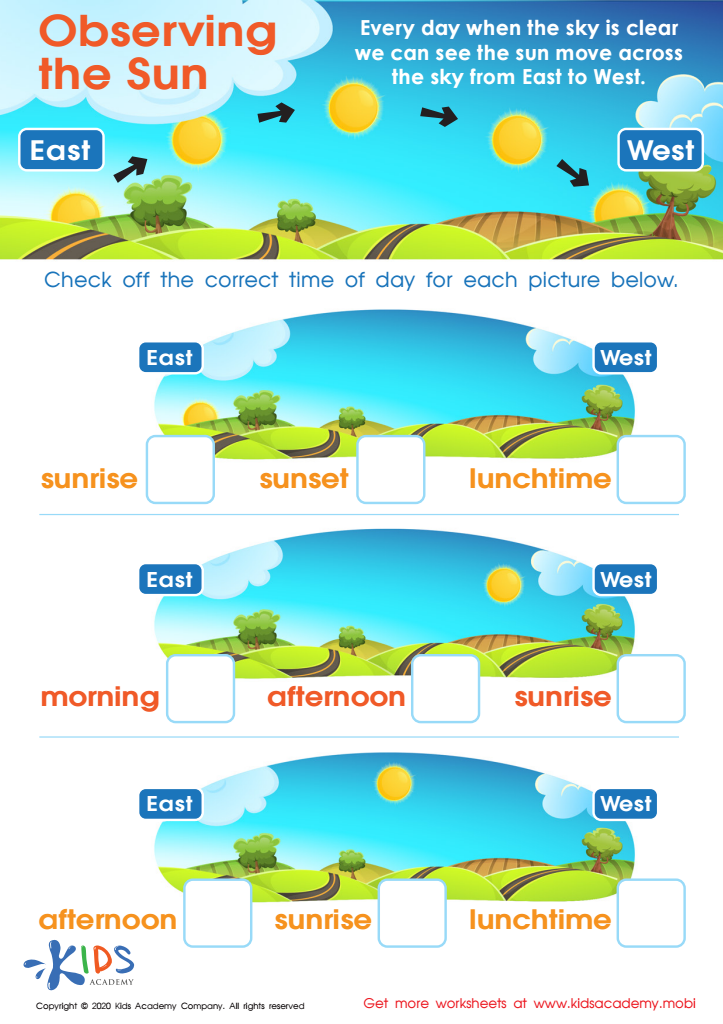
Observing the Sun Worksheet
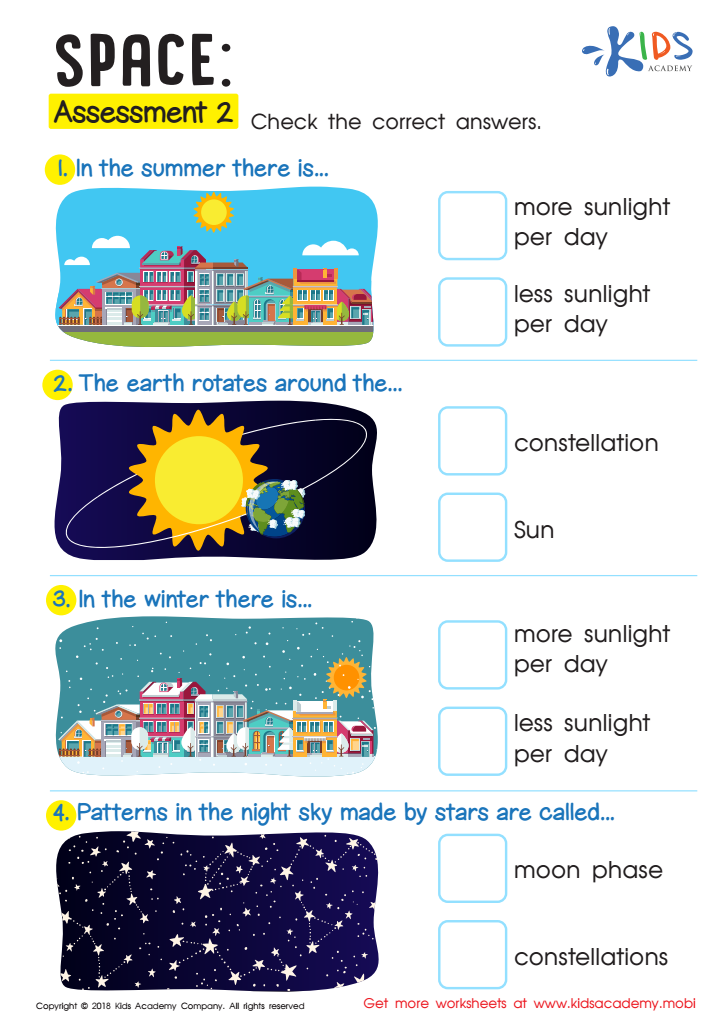
Space: Assessment 2 Worksheet
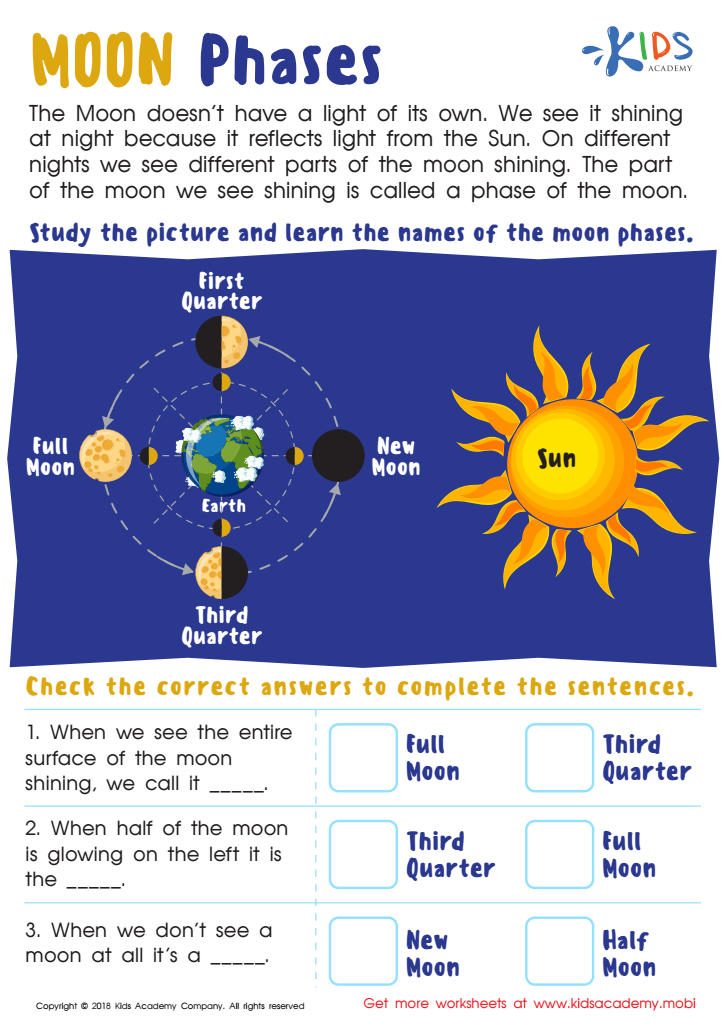
Moon Phases Worksheet
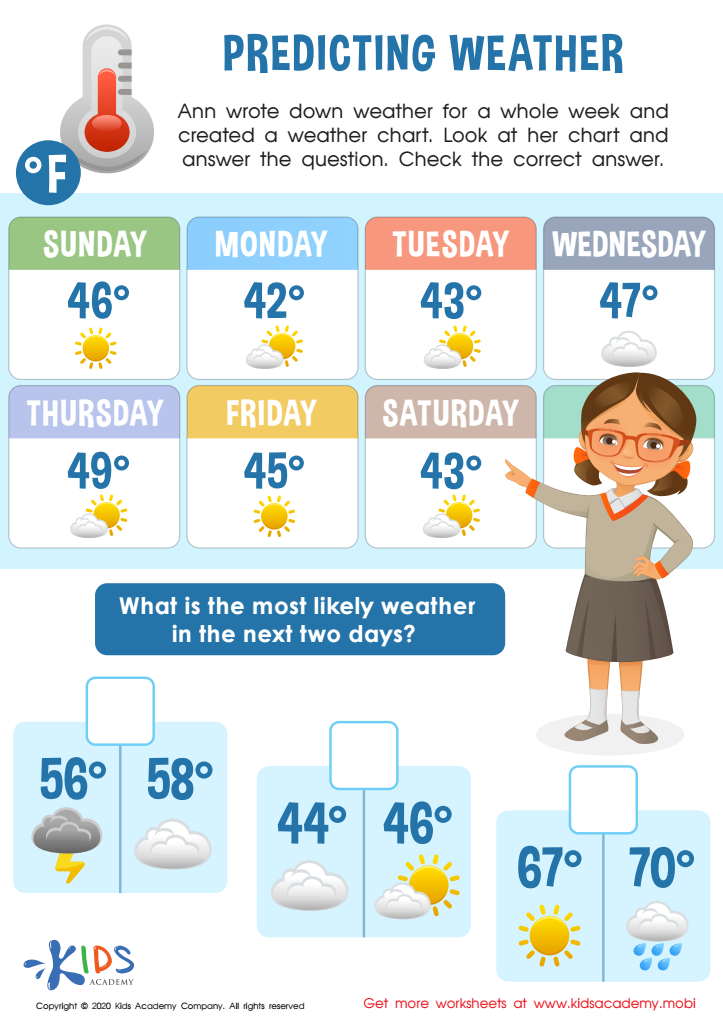
Predicting Weather Worksheet
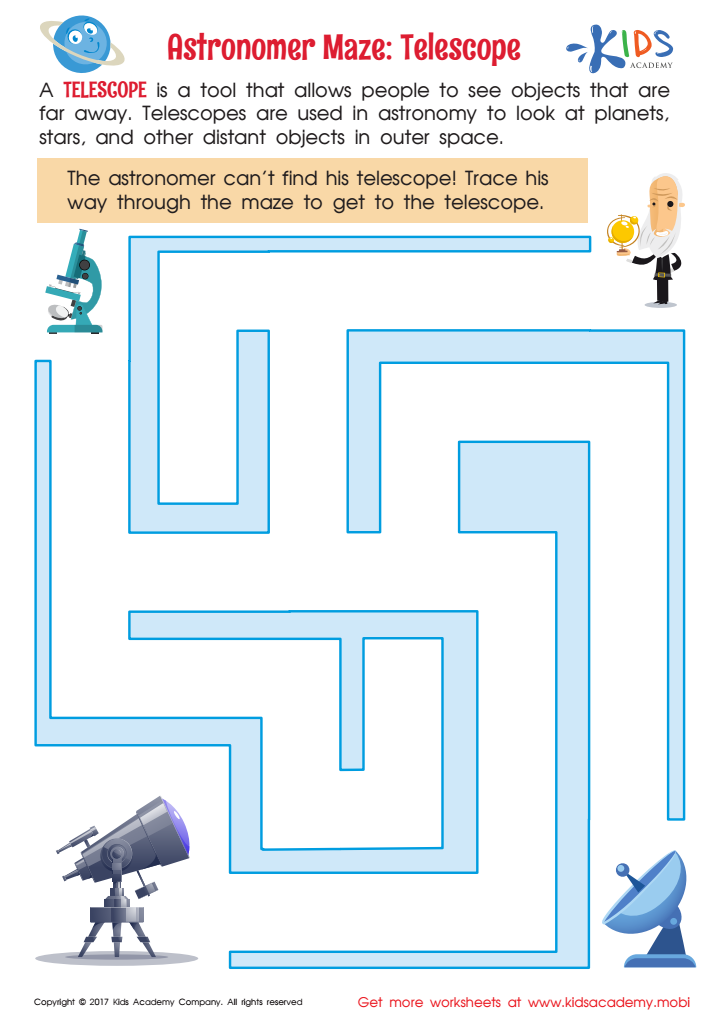
Astronomer Maze: Telescope Worksheet
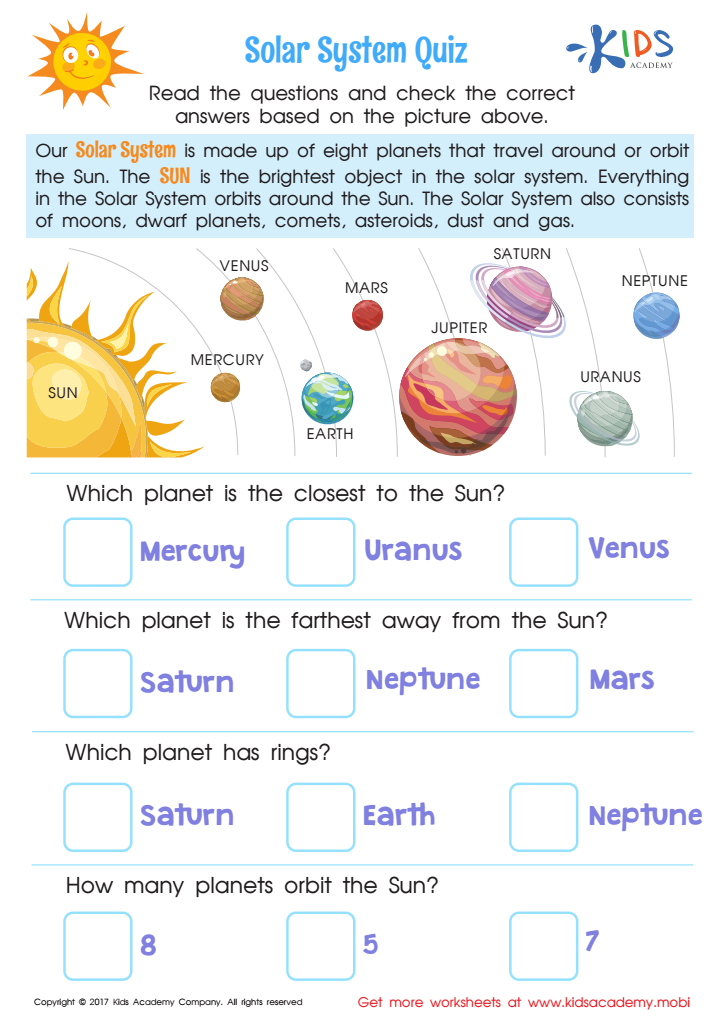
Solar System Quiz Printable
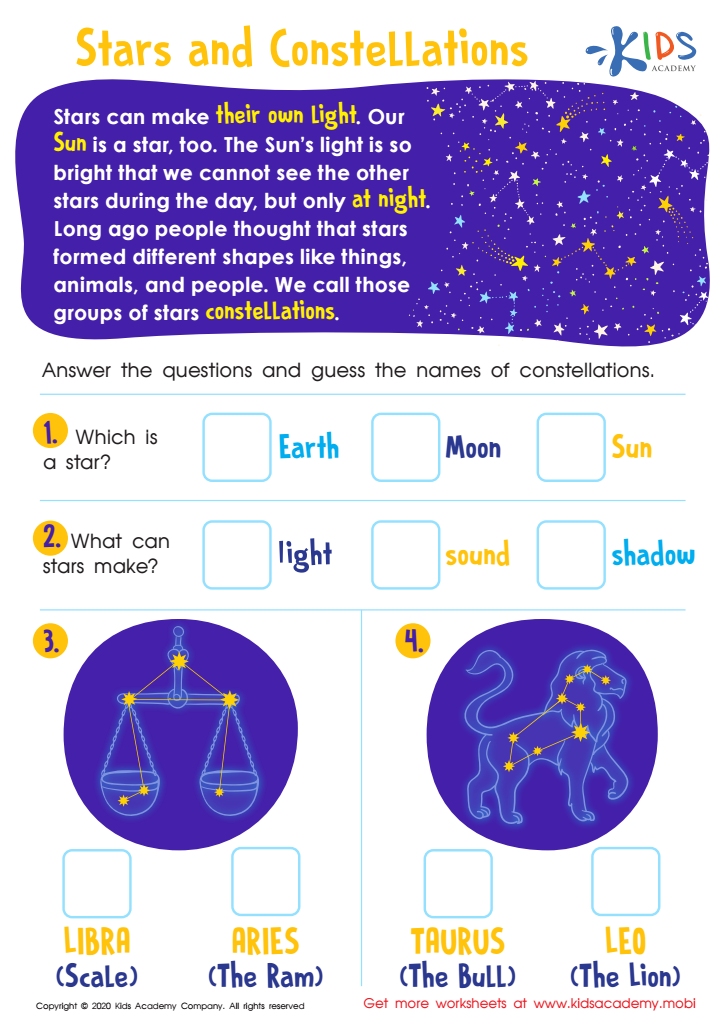
Stars and Constellations Worksheet
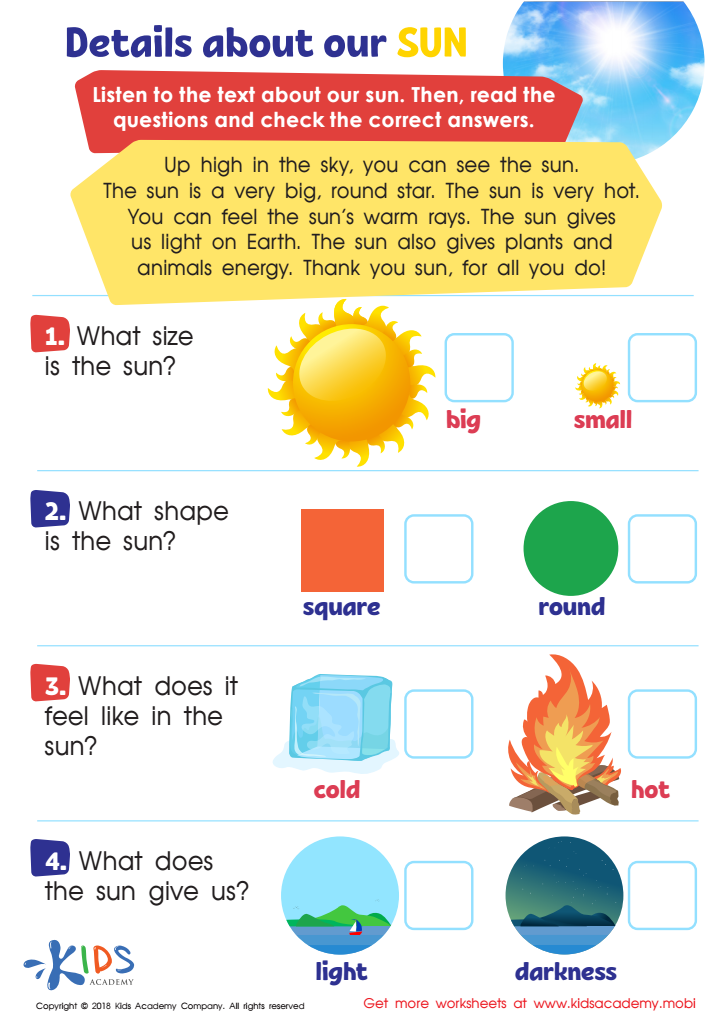
Details About Our Sun Worksheet


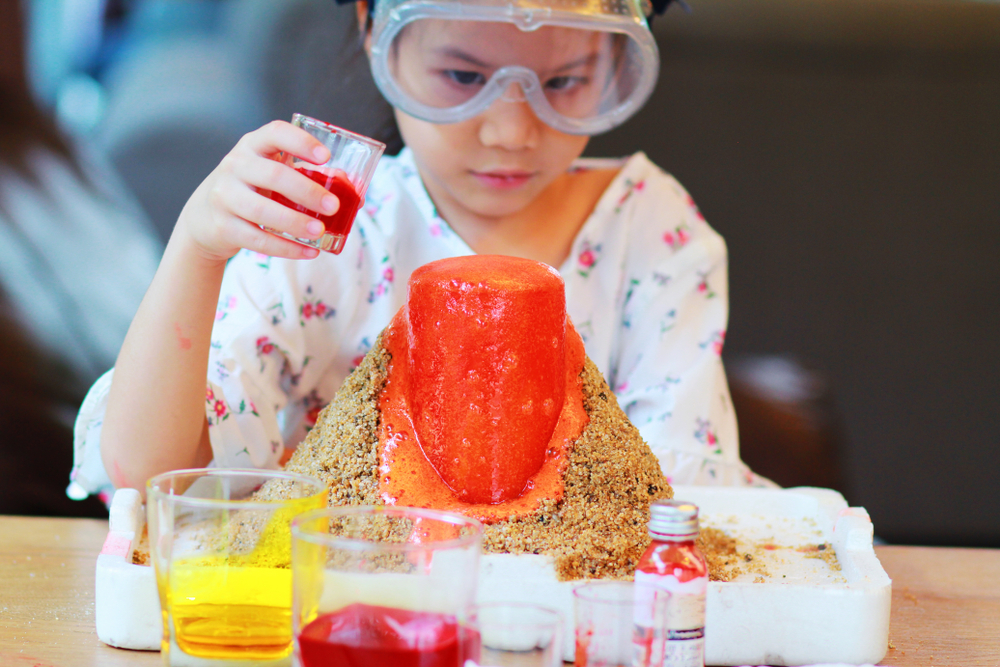





Teaching children about space from a young age is crucial for several reasons. First, it sparks curiosity and wonder. Young children are naturally inquisitive, and space exploration opens up a world of questions about our universe—planets, stars, and beyond. This sense of wonder fosters a love for learning that can carry into other subjects, enhancing overall educational experiences.
Second, understanding space can encourage critical thinking and scientific inquiry. It introduces basic concepts of physics, astronomy, and even biological sciences in an engaging way, laying a strong foundation for STEM (science, technology, engineering, and mathematics) learning.
Moreover, discussing space promotes creativity through stories and imaginative play, empowering children to visualize and think outside the box.
Lastly, space education contributes to social development. Group activities, whether they involve science projects or storytelling about astronauts, encourage teamwork and communication skills.
By caring about space education, parents and teachers support children's holistic development, nurturing not only their academic growth but also their ability to collaborate, think critically, and dream big—all essential skills for their future. Discovering space together creates a bonding experience that fuels lifelong passion and knowledge.







