Comparing Numbers Worksheets for Ages 4-9 - Page 2
52 filtered results
-
From - To
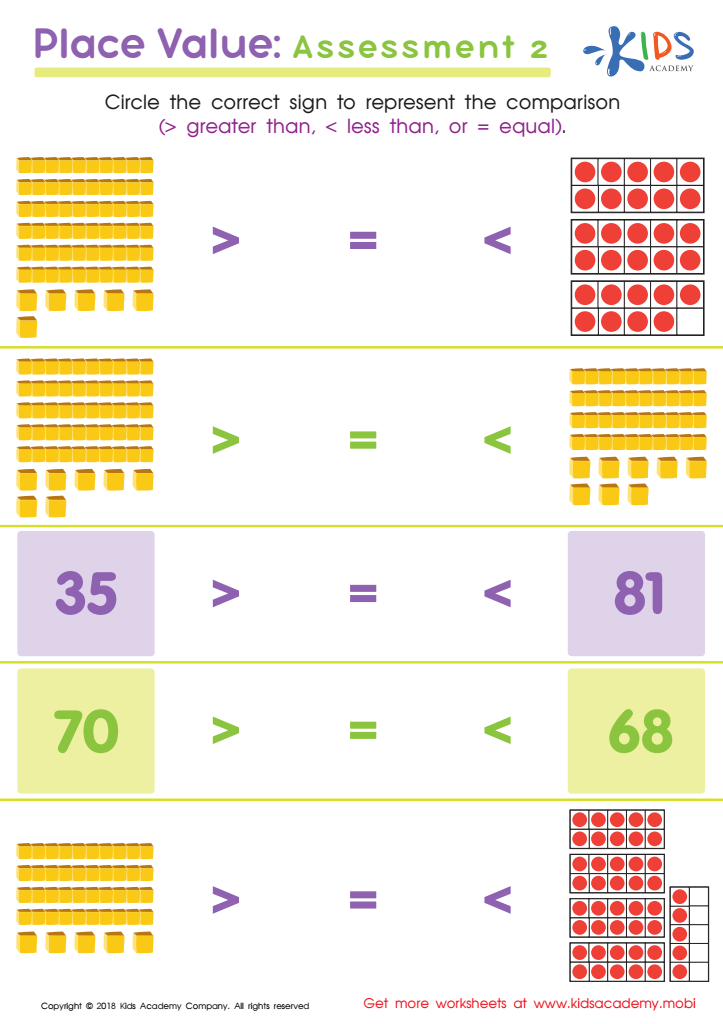
Place Value: Assessment 2 Worksheet
 Assign to My Students

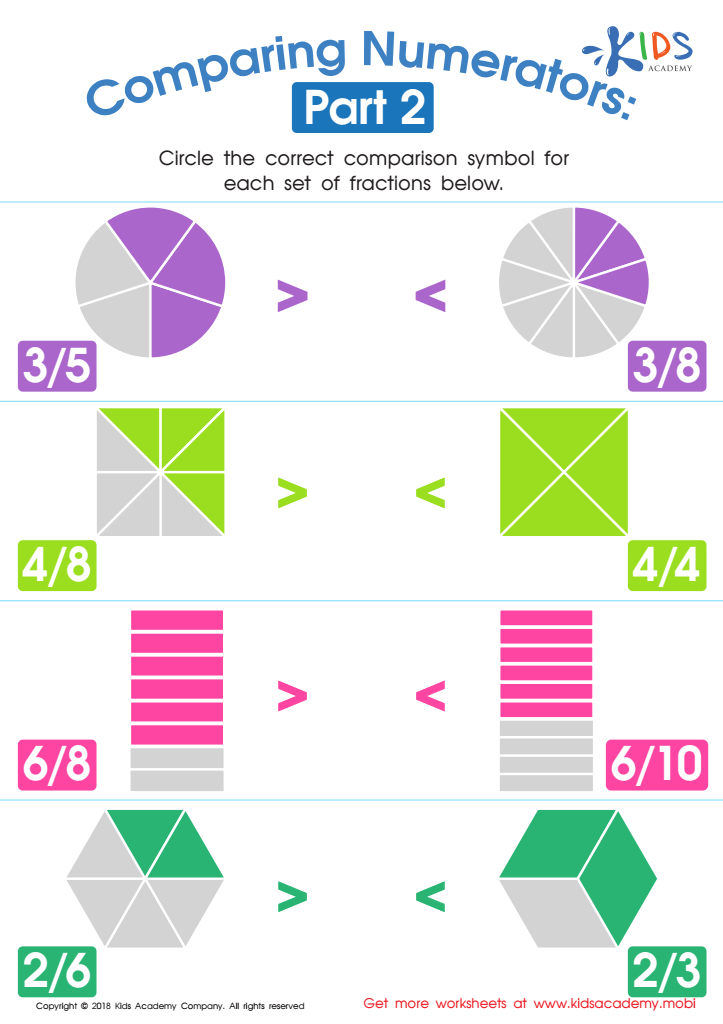
Comparing Numerators Part 2 Worksheet
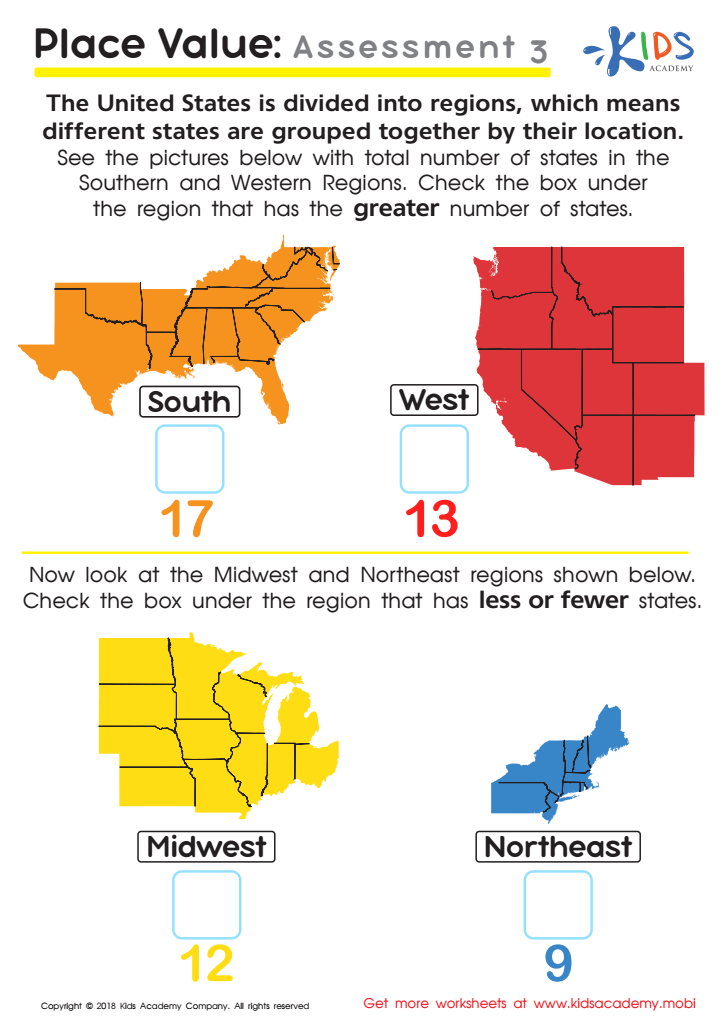
Place Value: Assessment 3 Worksheet
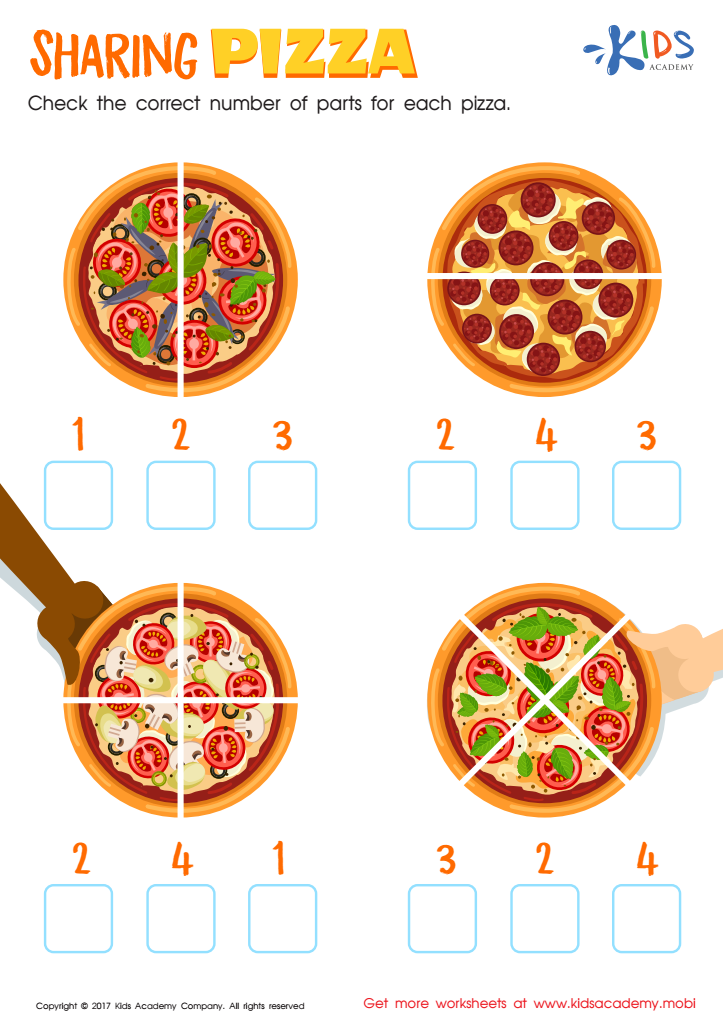
Sharing Pizza Worksheet
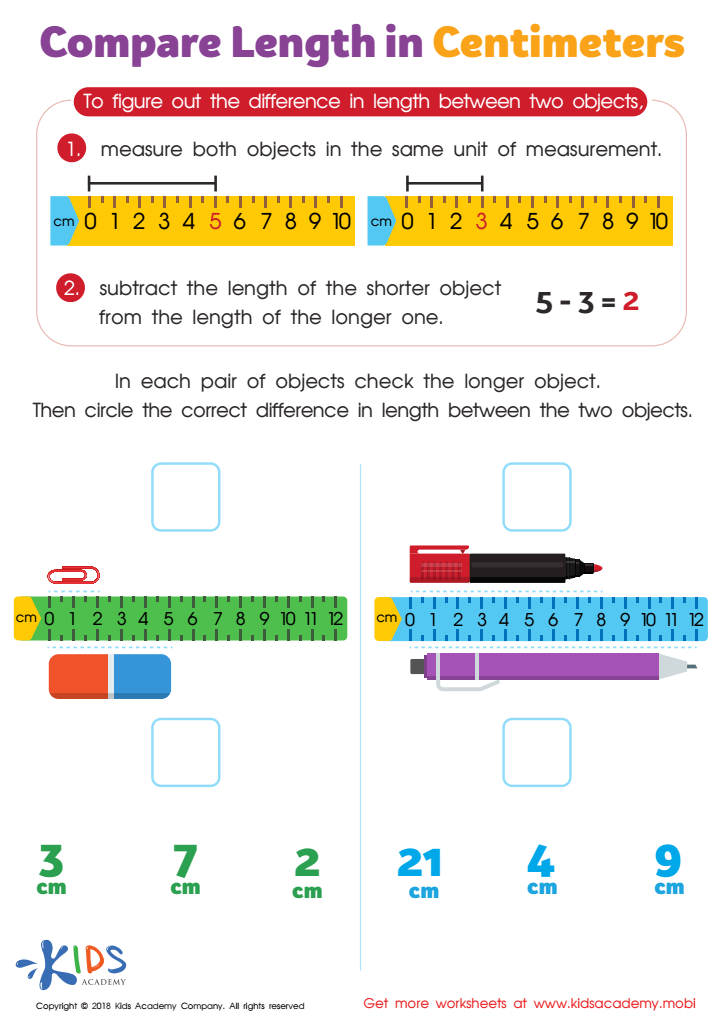
Compare Length in Centimeters Worksheet
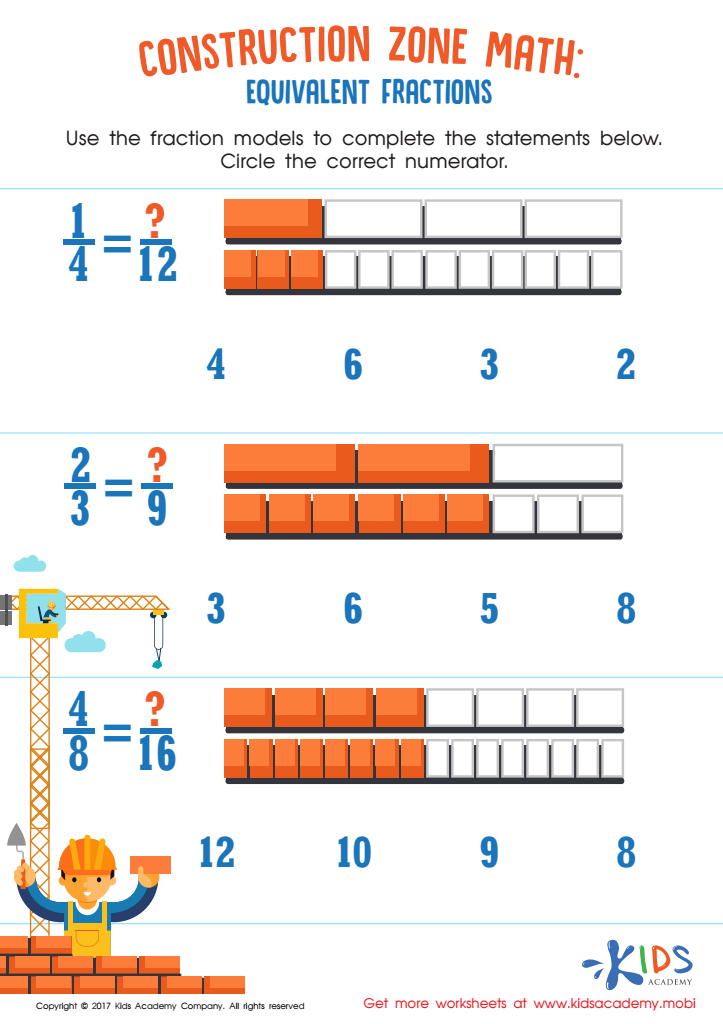
Equivalent Fractions Worksheet
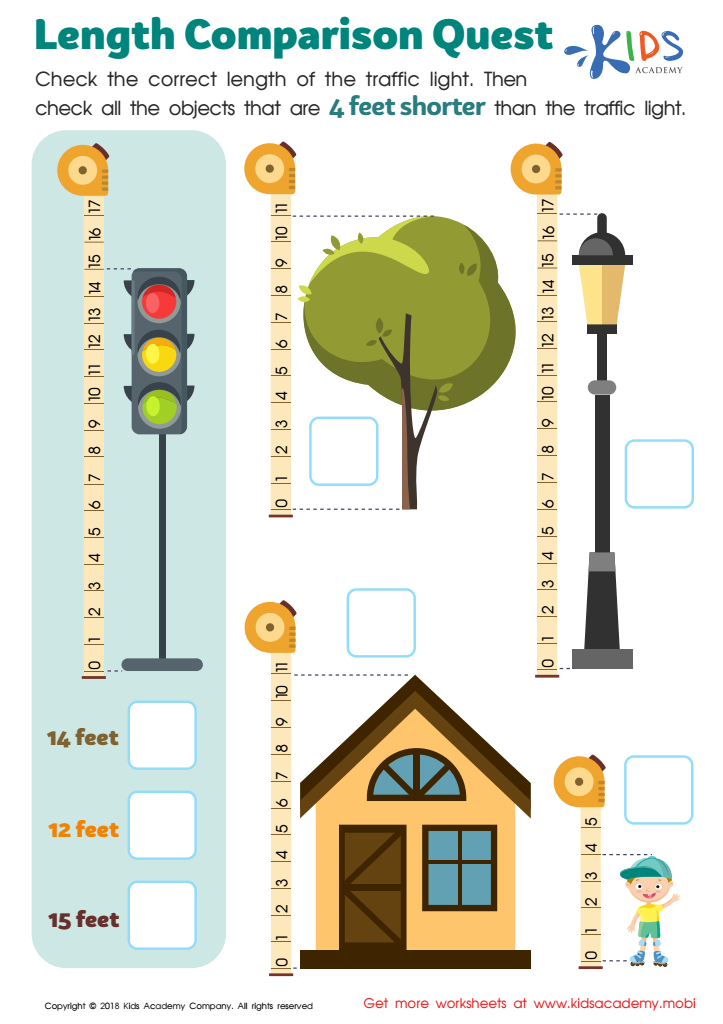
Length Comparison Quest Worksheet
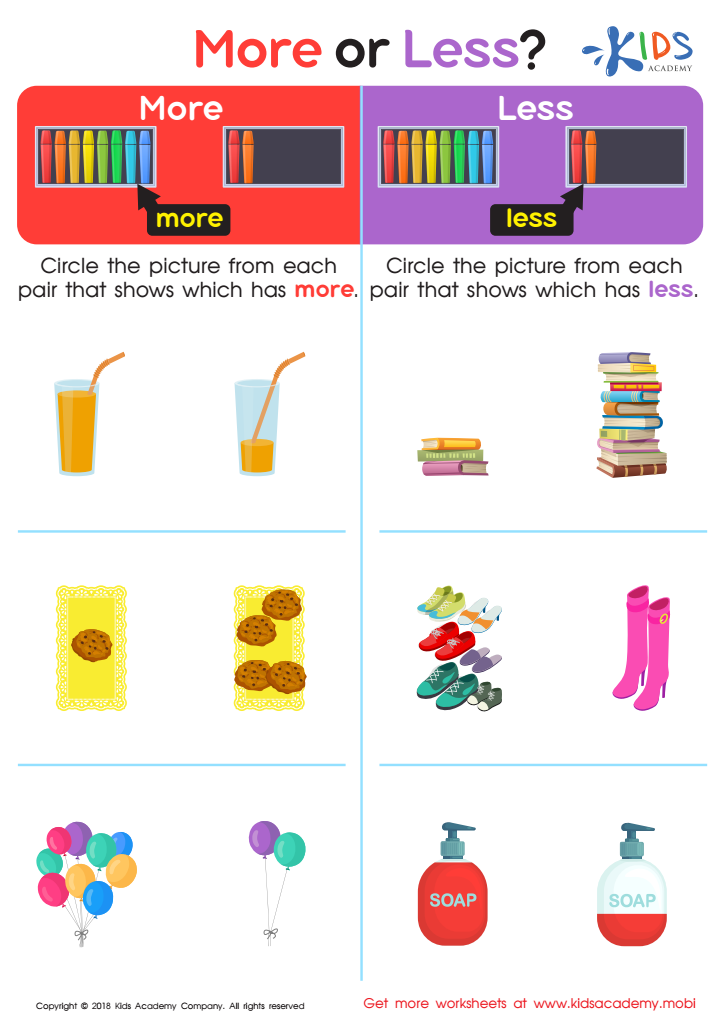
More or Less? Worksheet
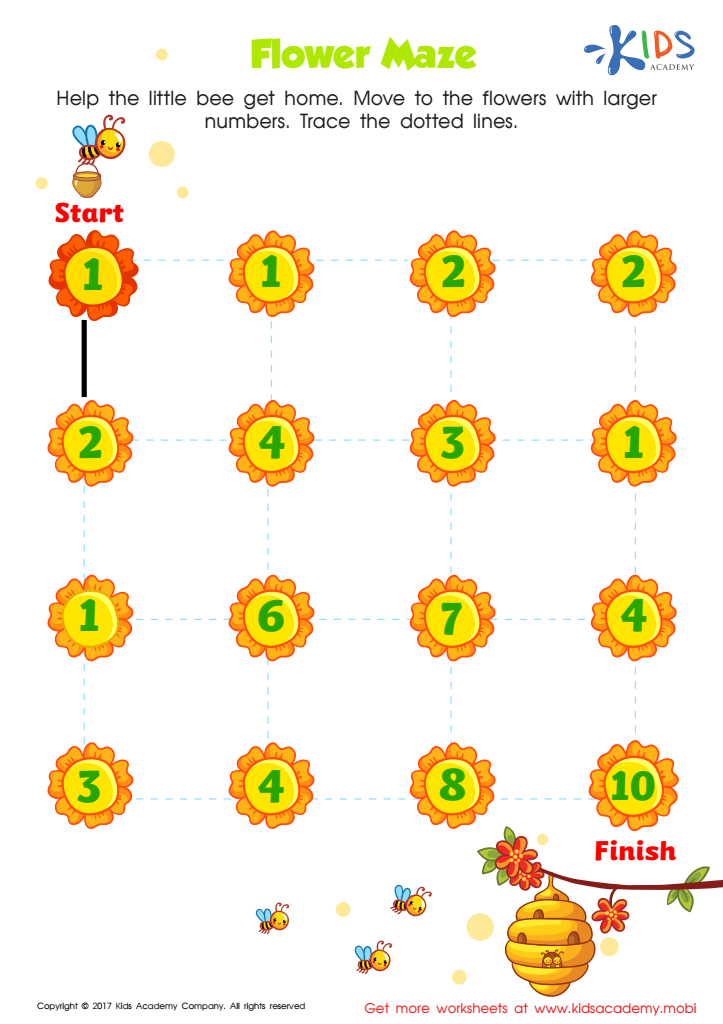
Number Maze For Kindergarten Printable
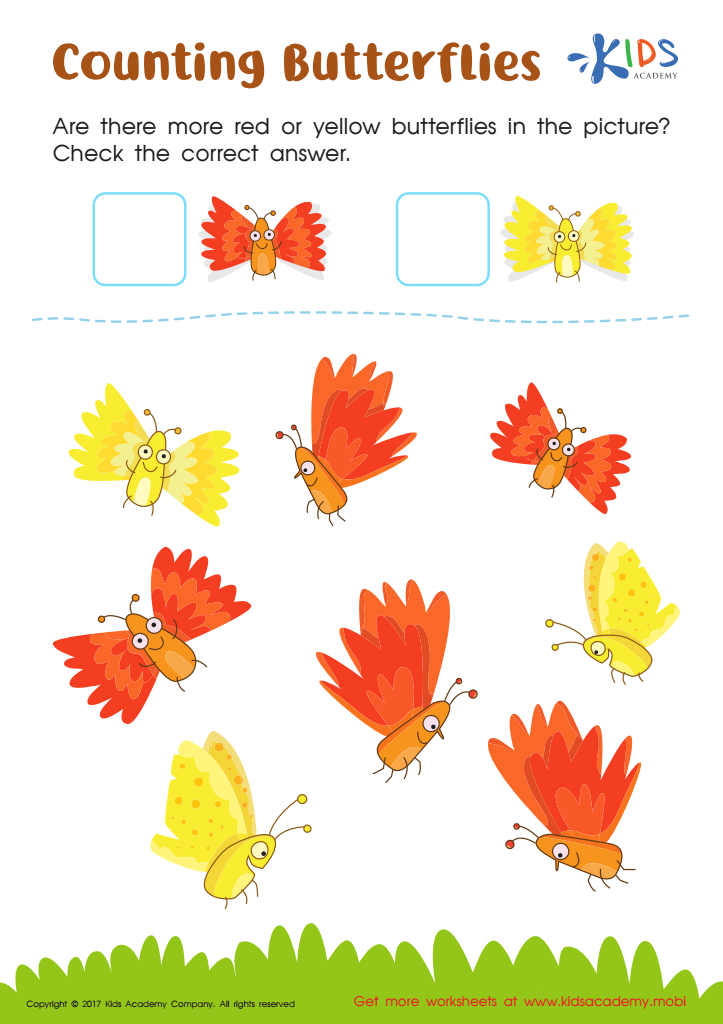
Counting Butterflies Worksheet
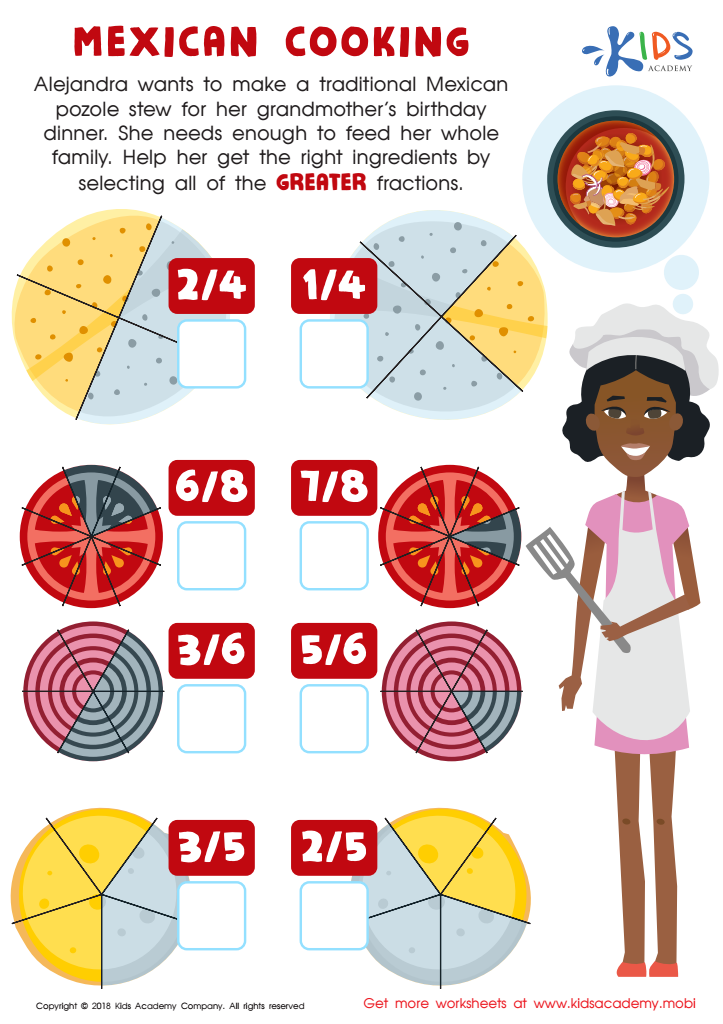
Mexican Cooking Worksheet
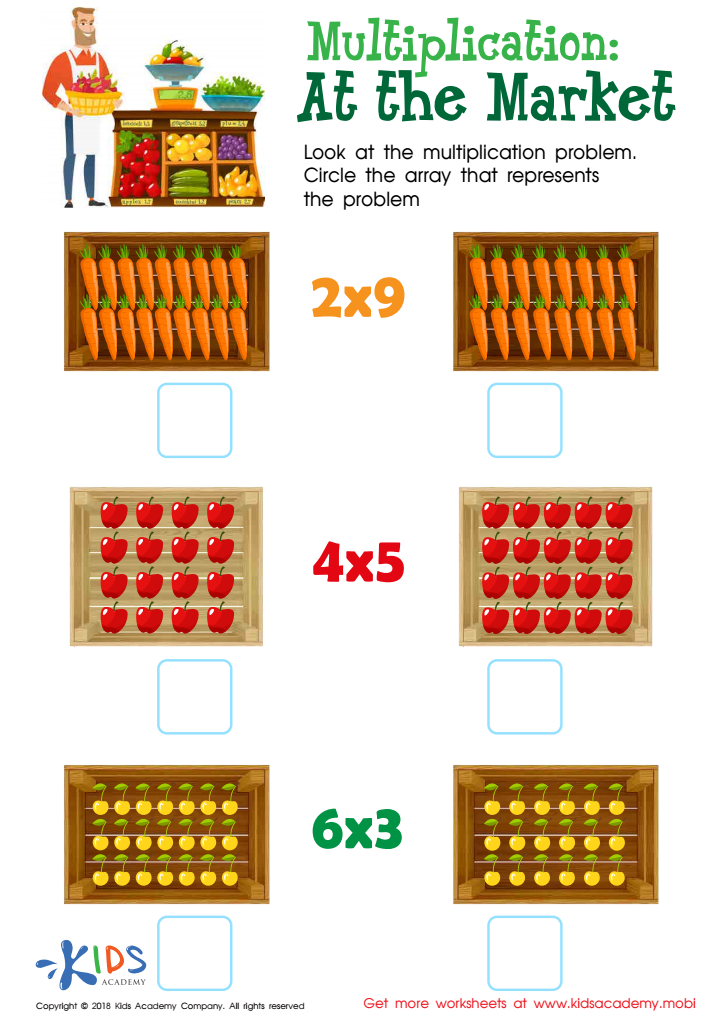
At the Market Worksheet
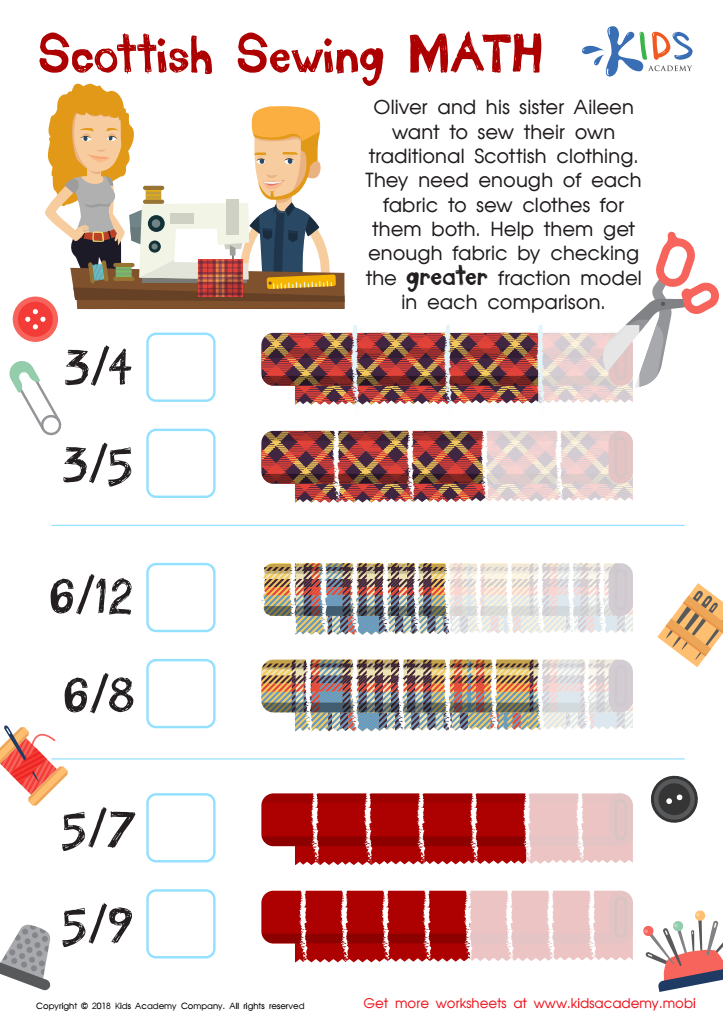
Scottish Sewing Math Worksheet
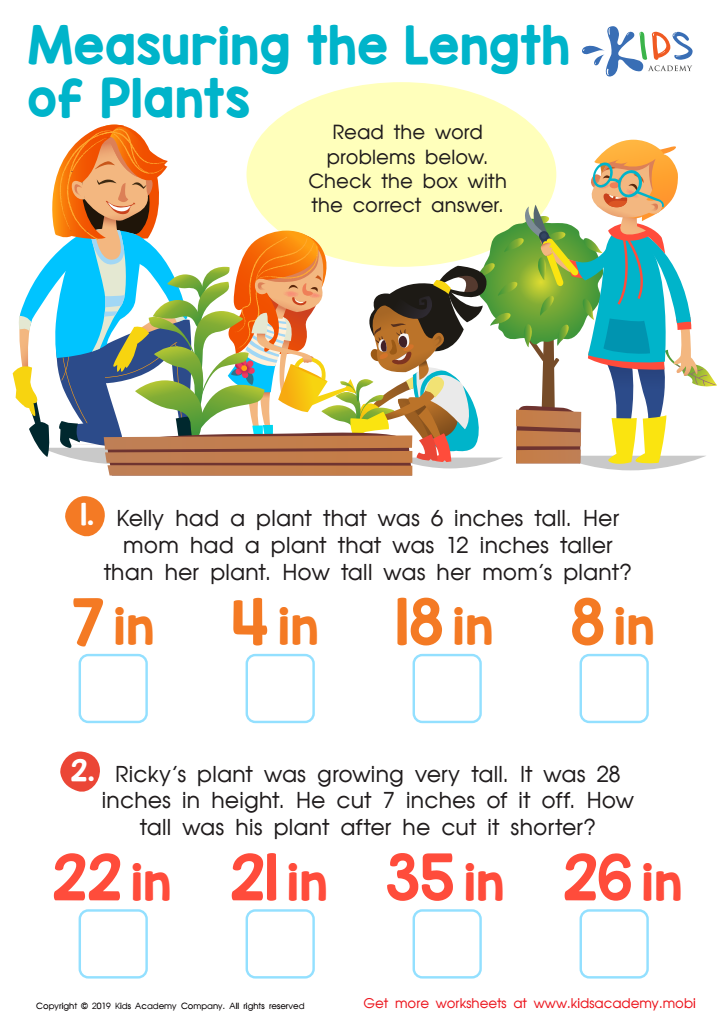
Measuring the Length of Plants Worksheet
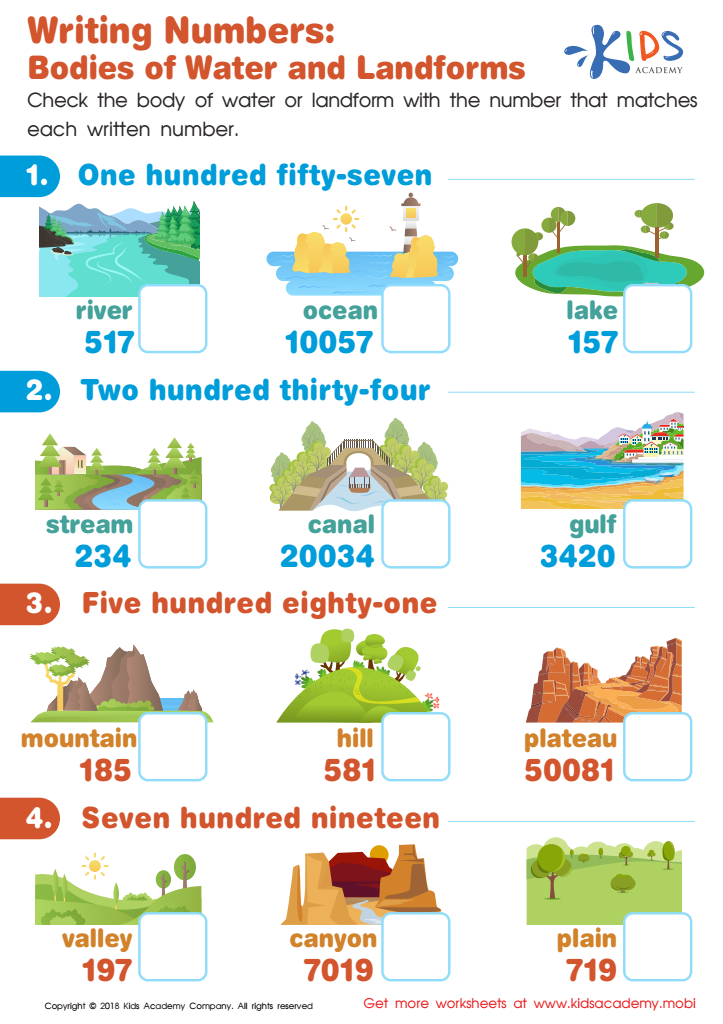
Bodies of Water and Landforms Writing Numbers Worksheet
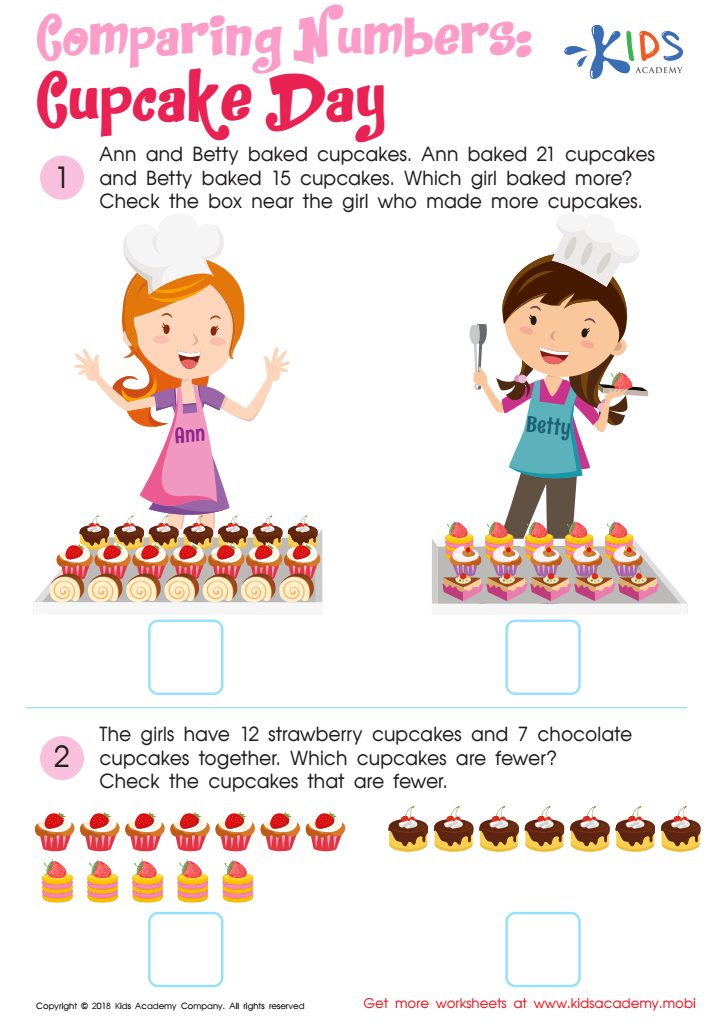
Cupcake Day Worksheet
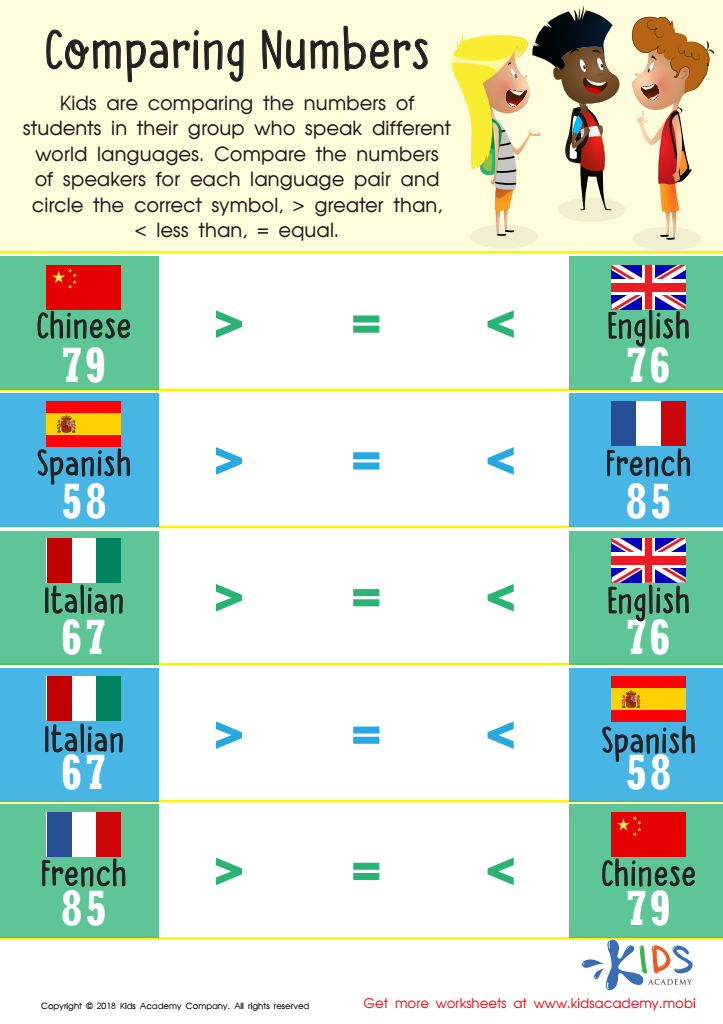
Comparing Numbers Worksheet for 1st Grade
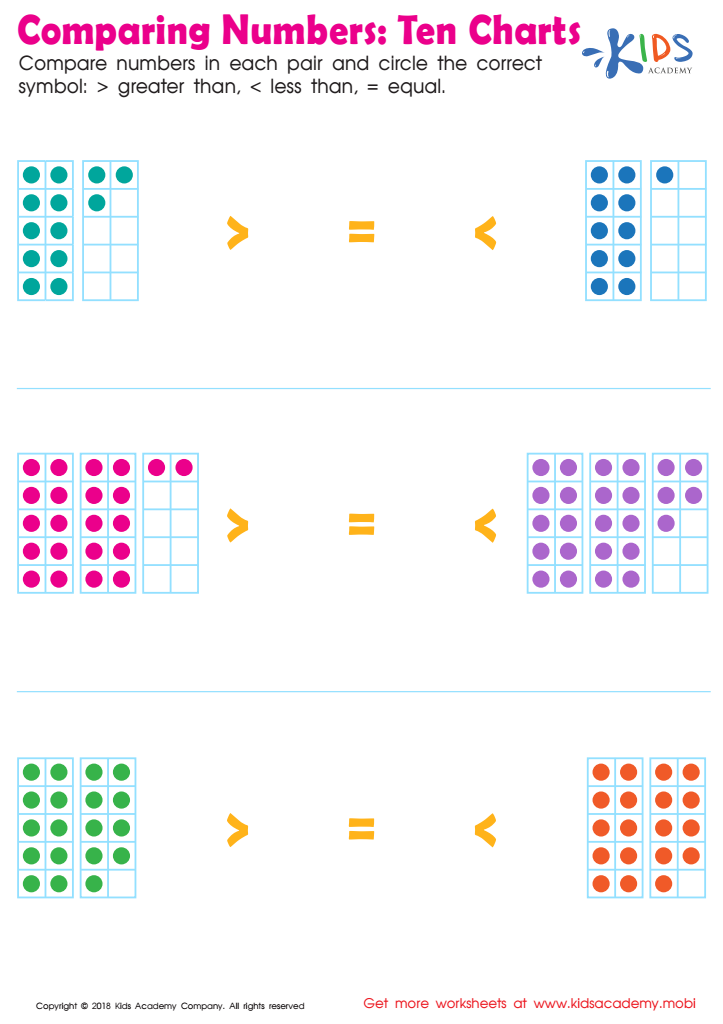
Ten Charts Worksheet
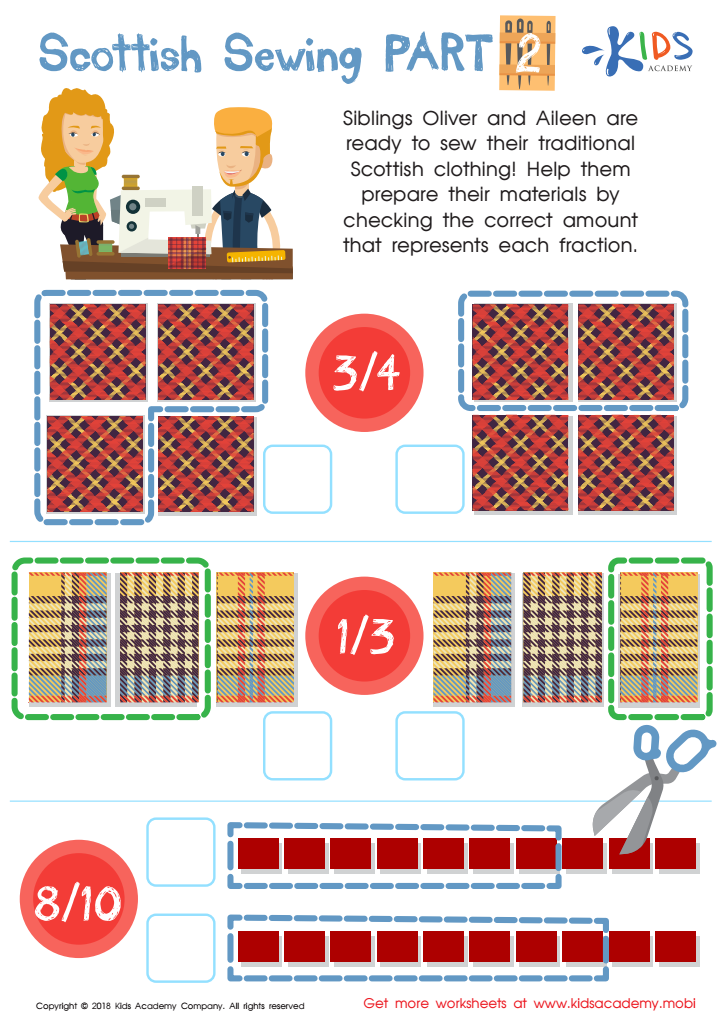
Scottish Sewing Part 2 Worksheet
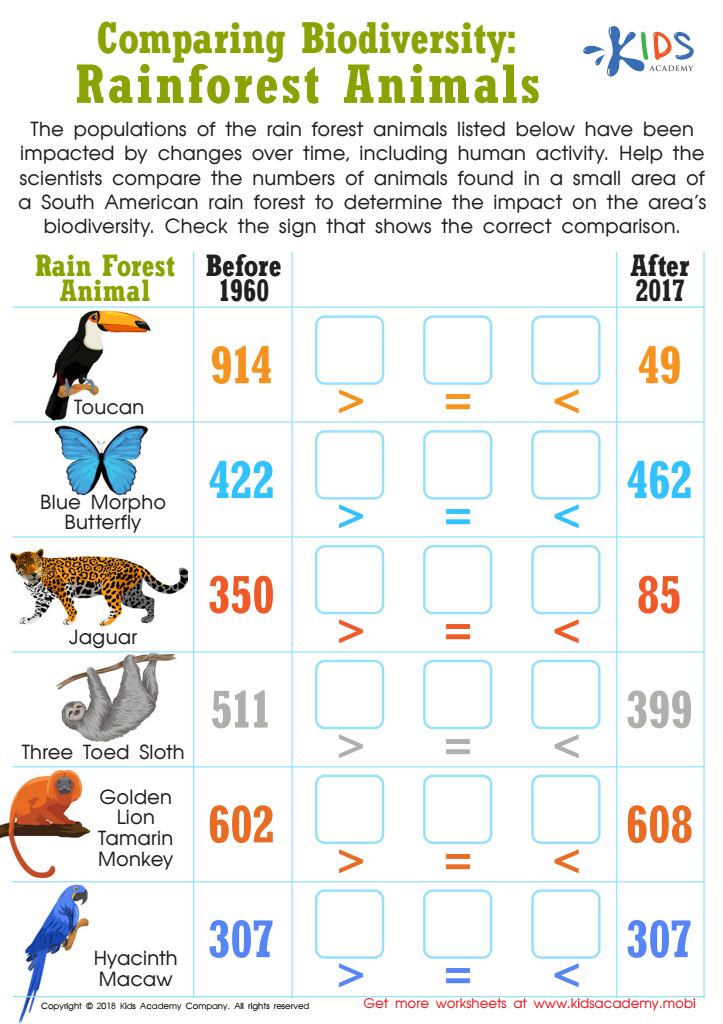
Comparing Biodiversity: Rainforest Animals Worksheet
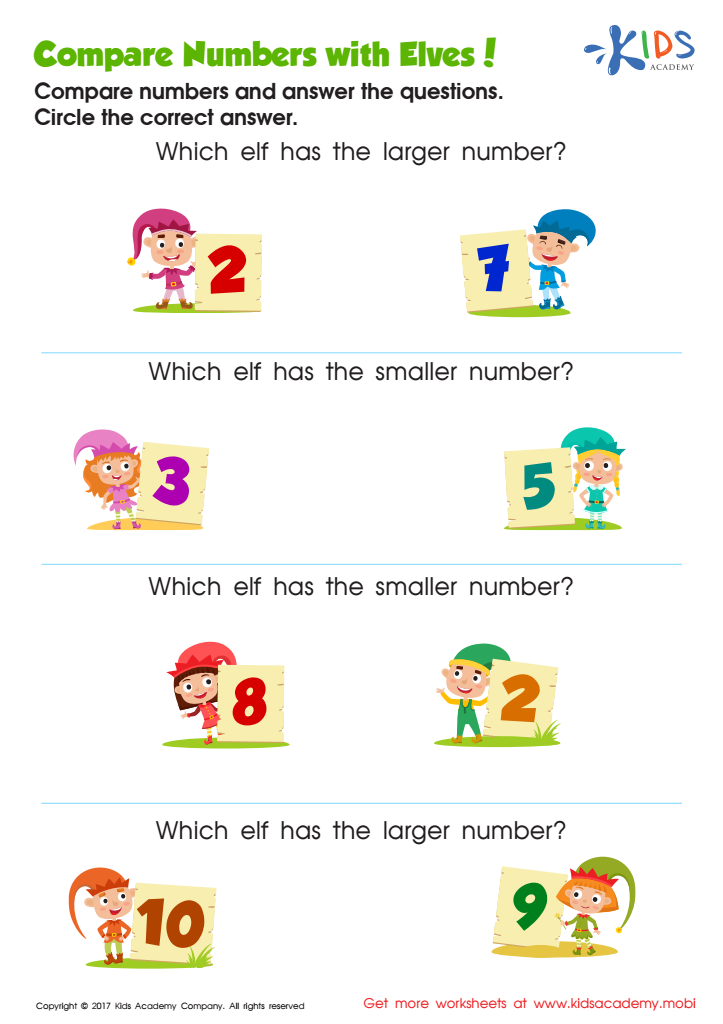
Comparing Numbers Worksheet for Kindergarten
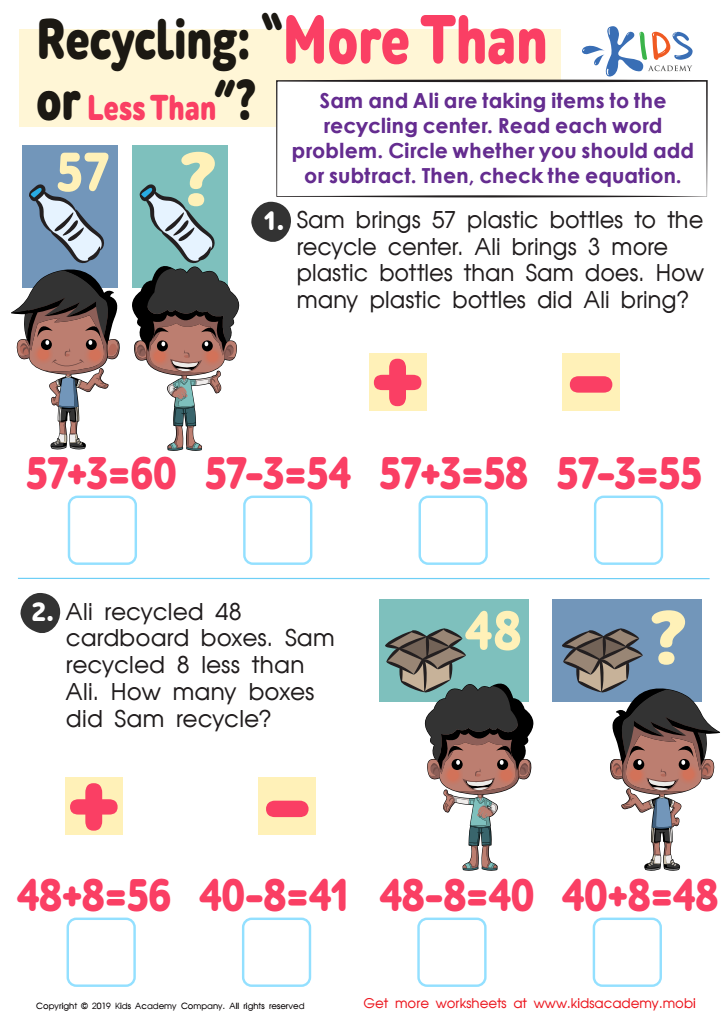
Recycling - More or Less Worksheet
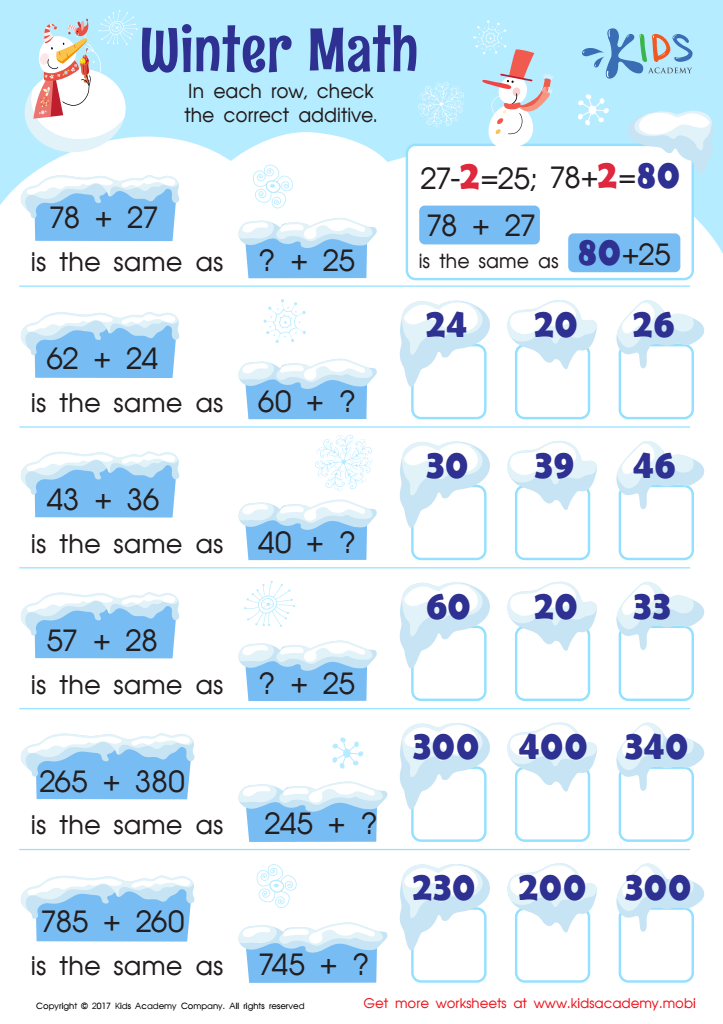
Free Addition Worksheet
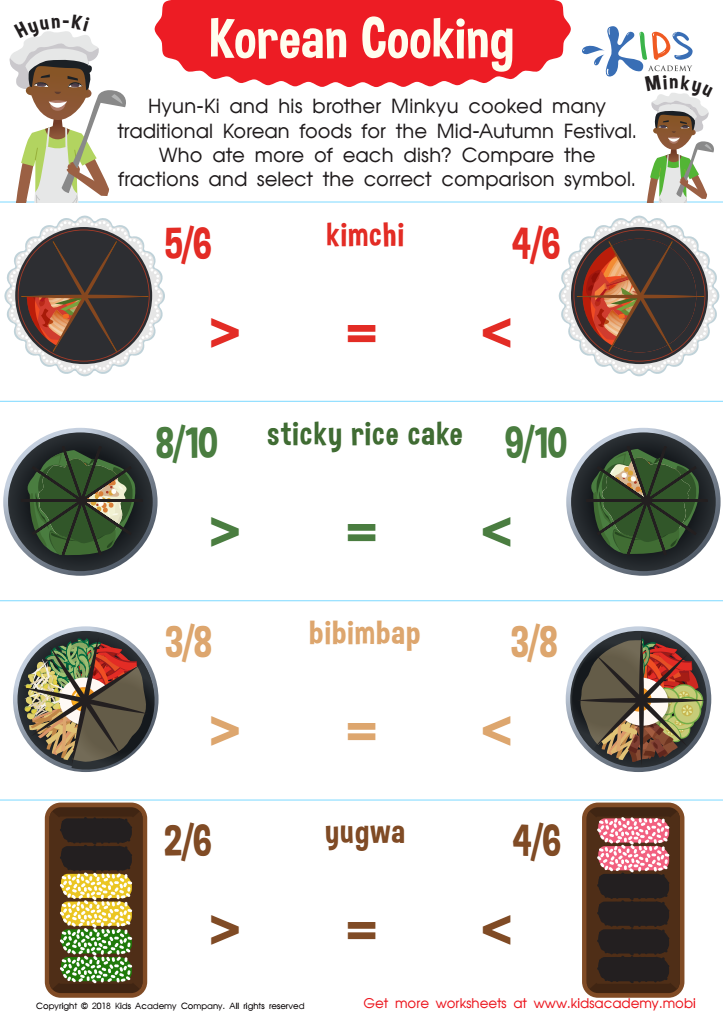
Korean Cooking Worksheet








Comparing numbers for children aged 4-9 is a crucial foundational skill for several reasons. It fosters mathematical understanding, setting the stage for future cognitive development. When children learn to compare numbers, they understand quantity concepts, which are fundamental for arithmetic operations like addition, subtraction, multiplication, and division.
Early development of number comparison skills aids in problem-solving and logical reasoning. These abilities extend beyond mathematics and are useful in daily decision-making and in subjects like science and economics. Moreover, grasping number comparison improves visual and spatial reasoning. For instance, recognizing that 8 is greater than 3 involves visualizing quantities and differences, which enhances spatial awareness.
From an educational perspective, these skills support a child's ability to follow more complex instructions in the classroom. They also boost confidence in math, reducing anxiety and fostering a positive attitude toward learning. Socially, number comparison can enhance play and cooperation, such as sharing equally or playing number-based games.
Instilling these skills early gives children a robust foundation, making future academic challenges more approachable. Thus, both parents and teachers play a pivotal role in engaging children in activities that promote number comparison, ensuring a smoother transition to higher-level math and other subjects.