Problem-Solving Skills Numbers Worksheets for Ages 4-9 - Page 2
52 filtered results
-
From - To
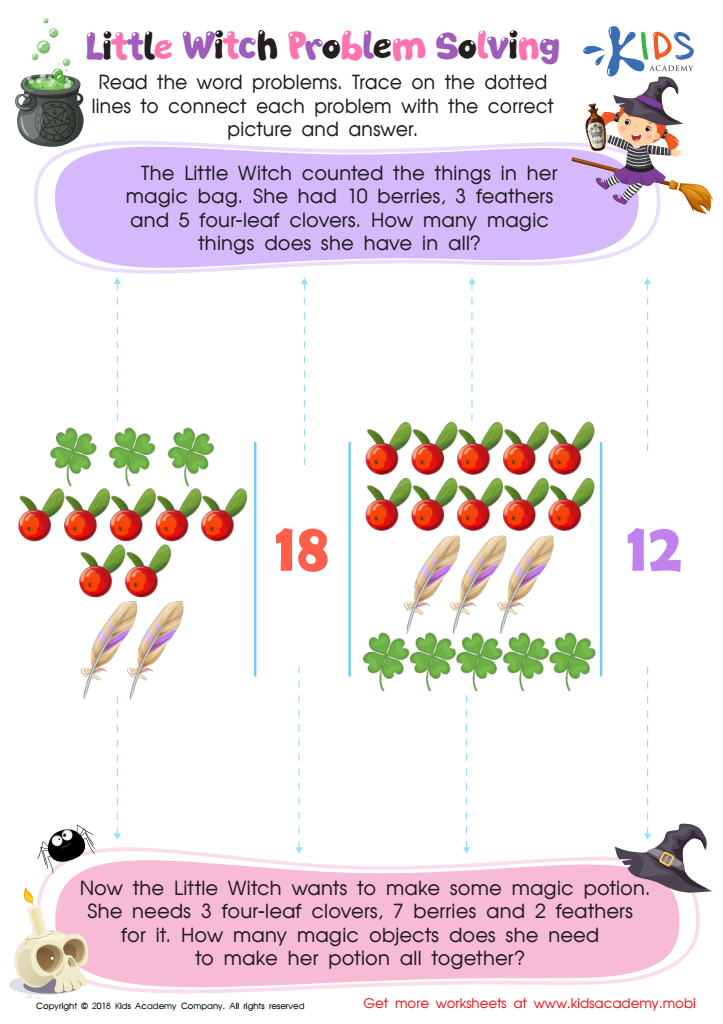
Little Witch Problem Solving Worksheet
 Assign to My Students
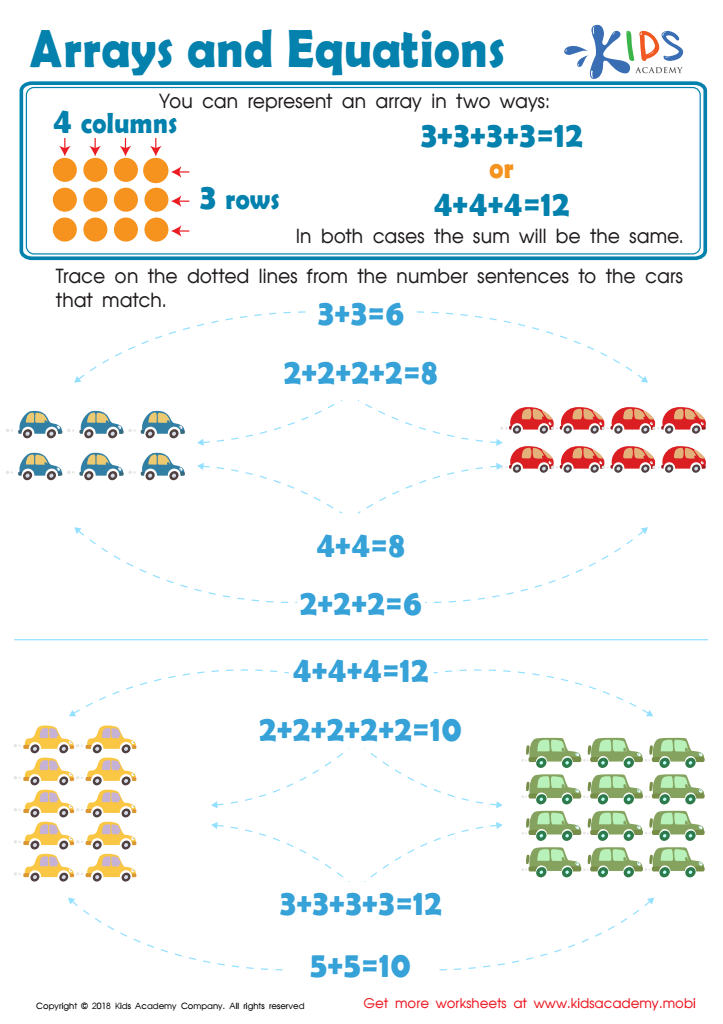
Arrays and Equations Worksheet
Count with the Captain Connect Dots Worksheet
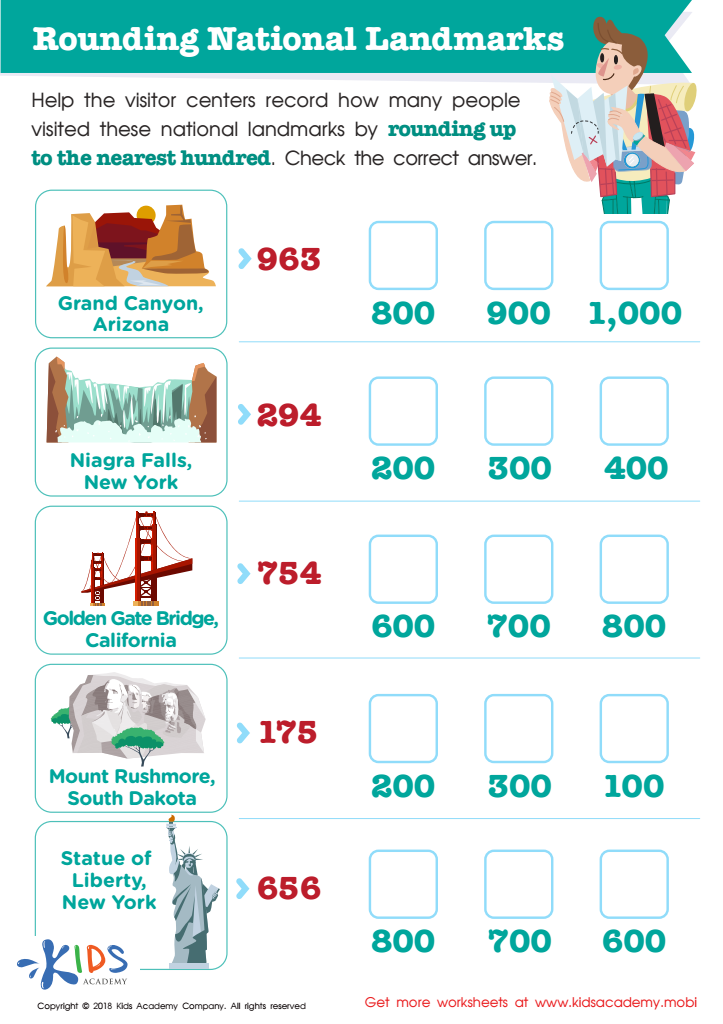
Rounding National Landmarks Worksheet
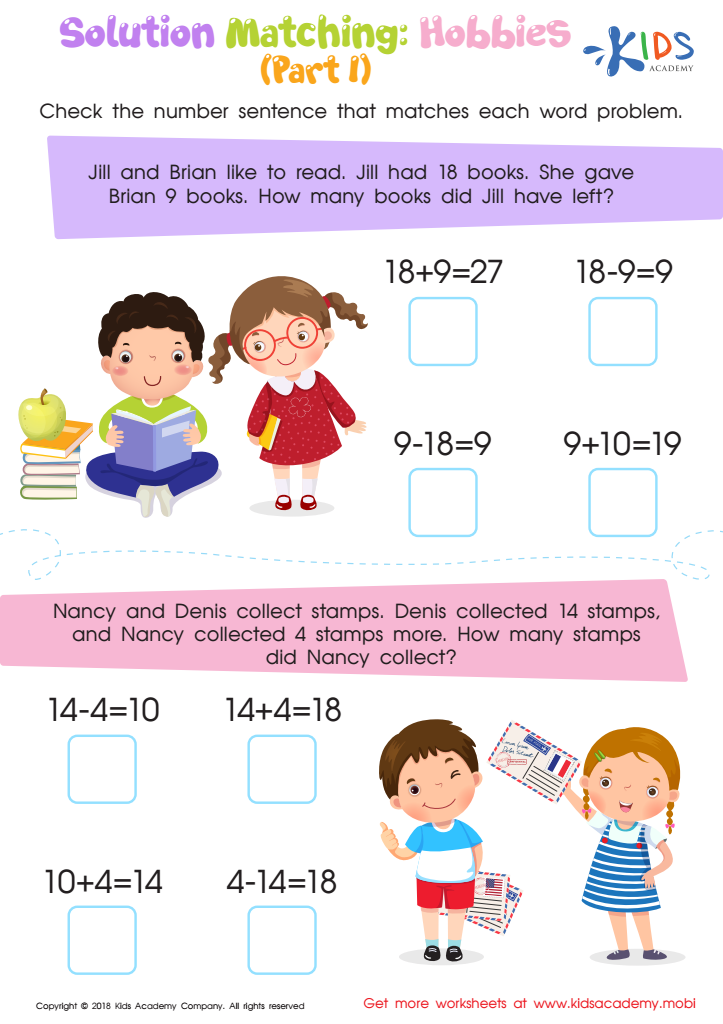
Solution Matching: Hobbies. Part 1 Worksheet
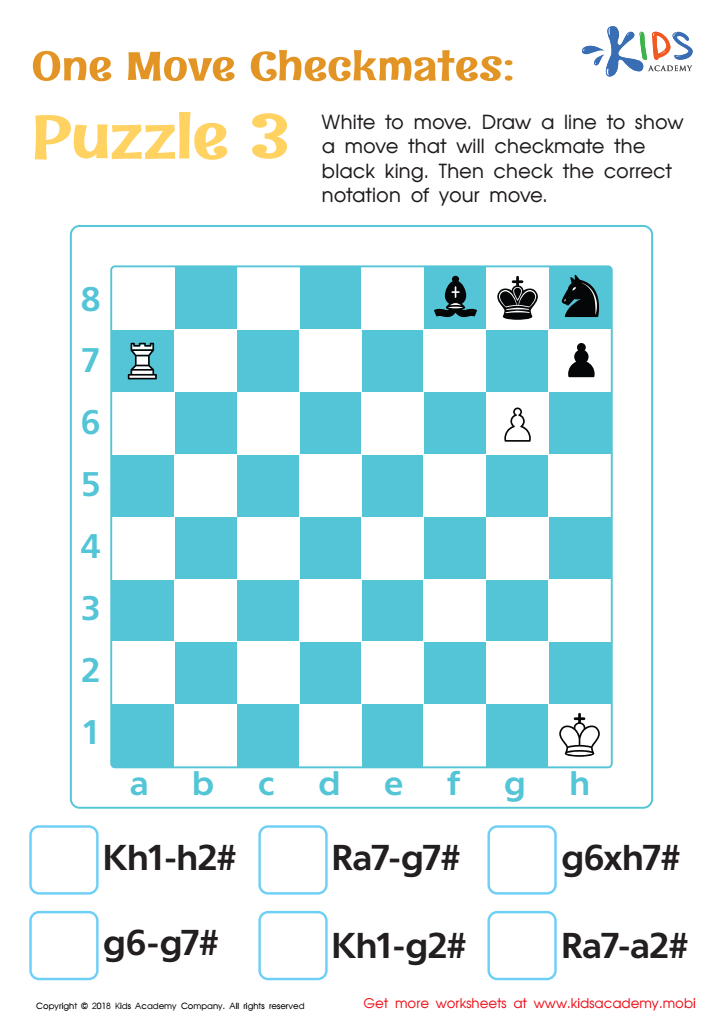
One Move Checkmates: Puzzle 3 Worksheet
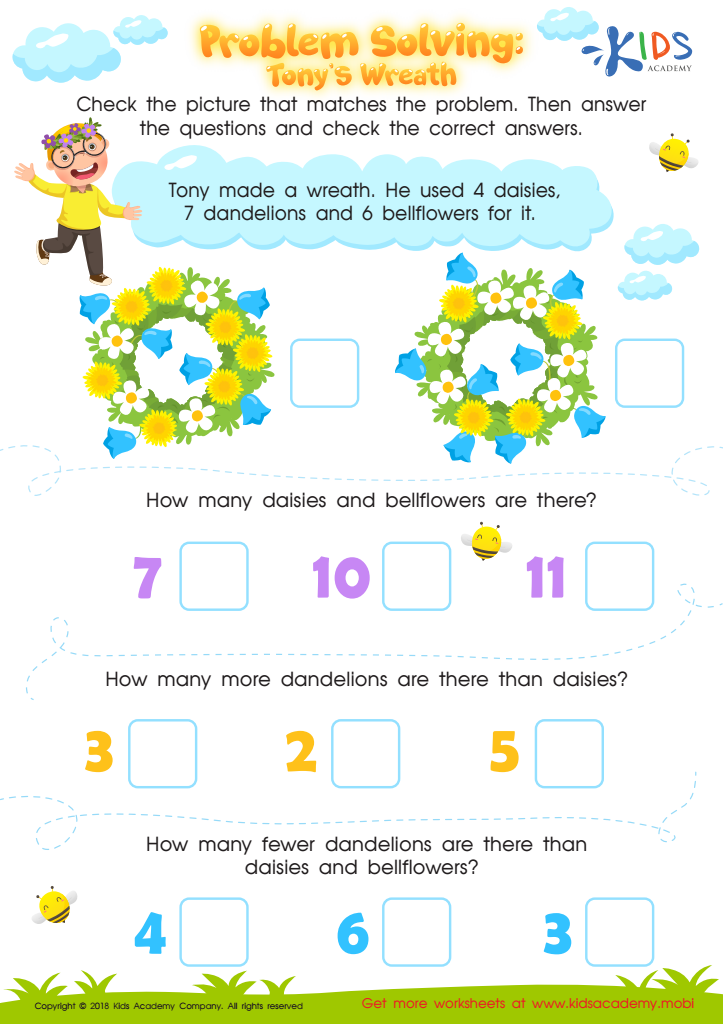
Problem Solving: Tony's Wreath Worksheet

Count Santa's Presents Worksheet
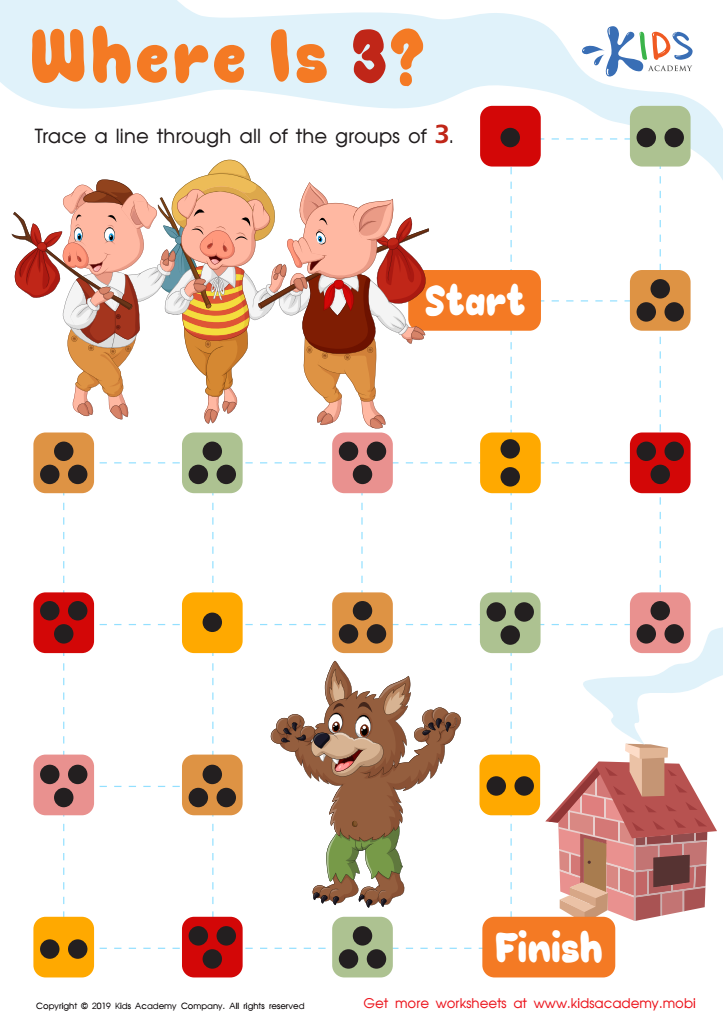
Where Is 3? Worksheet
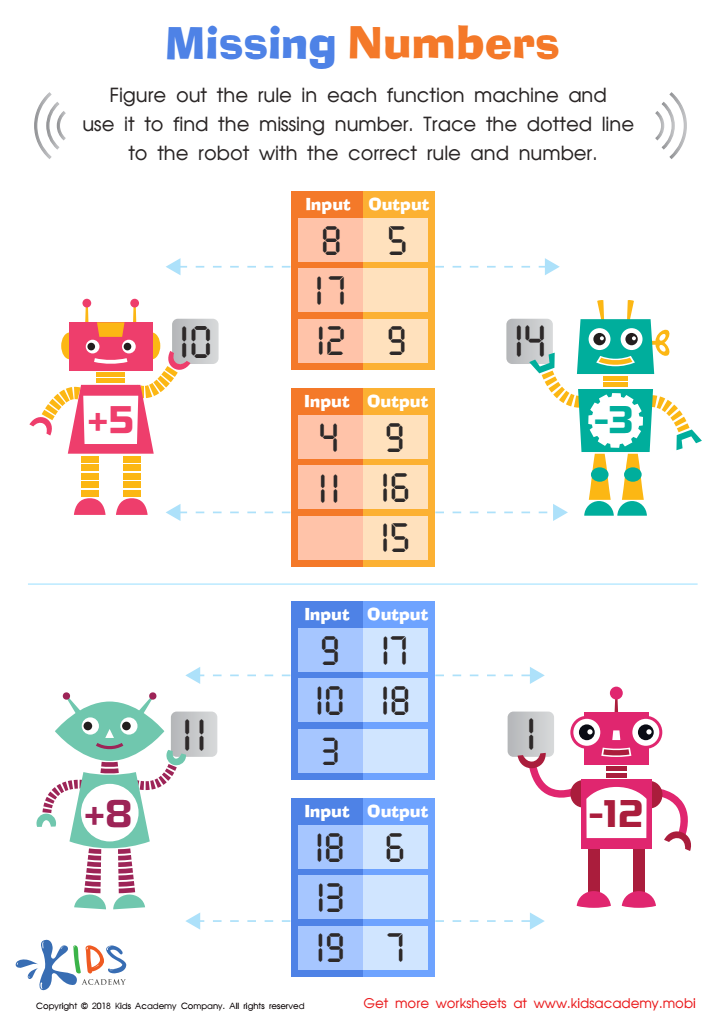
Missing Numbers Worksheet
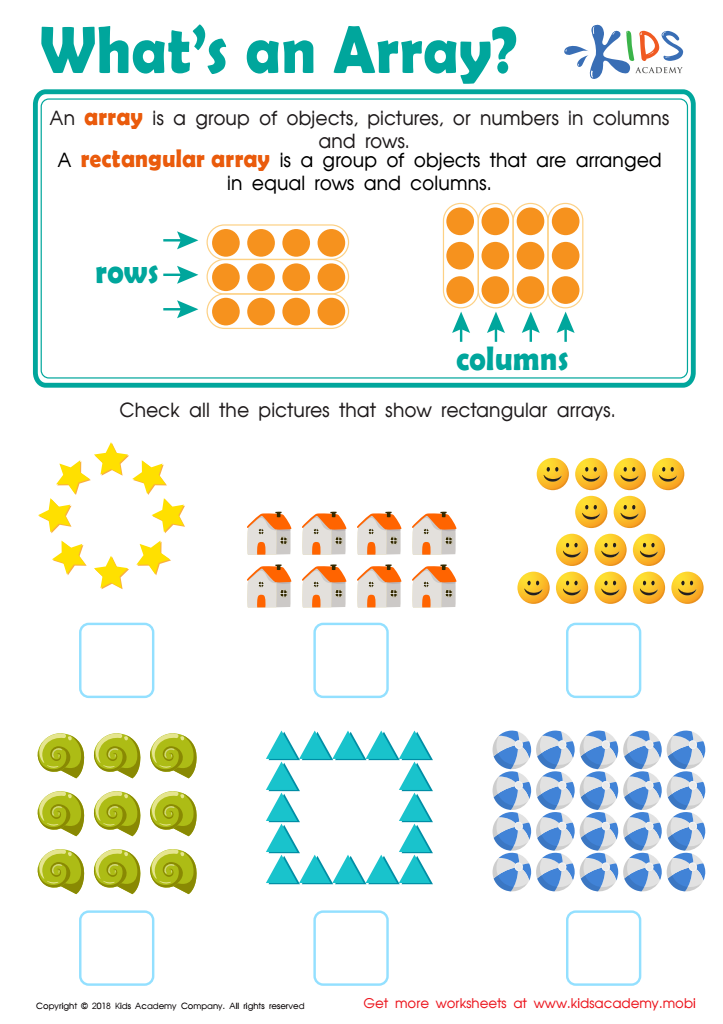
What's an Array? Worksheet

Equal Fractions Maze Worksheet
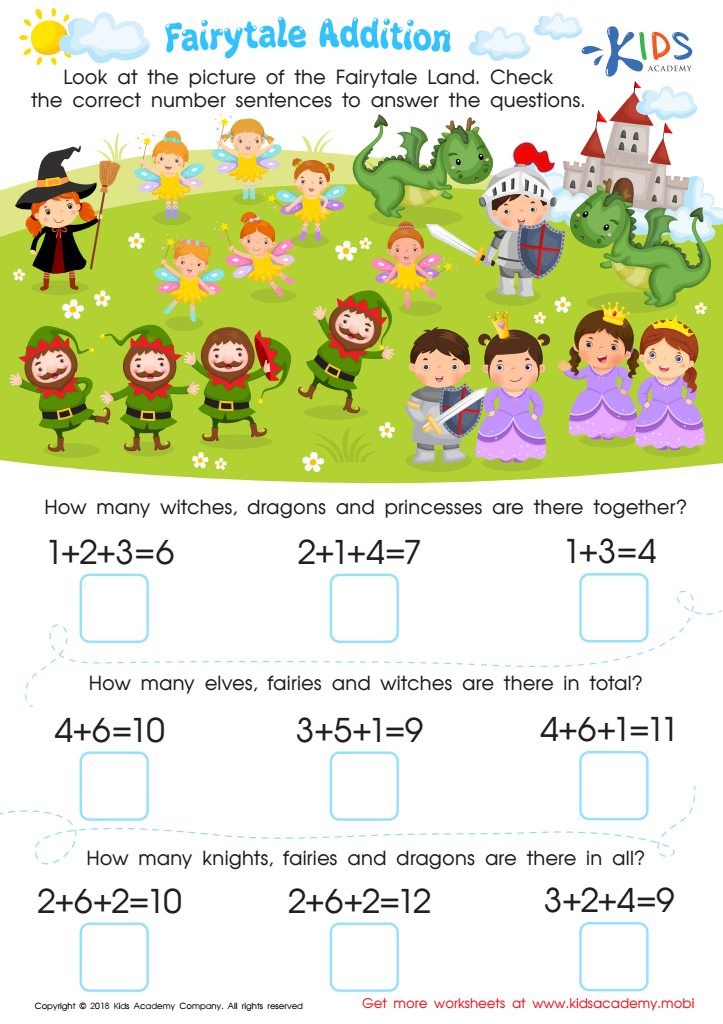
Fairytale Addition Worksheet
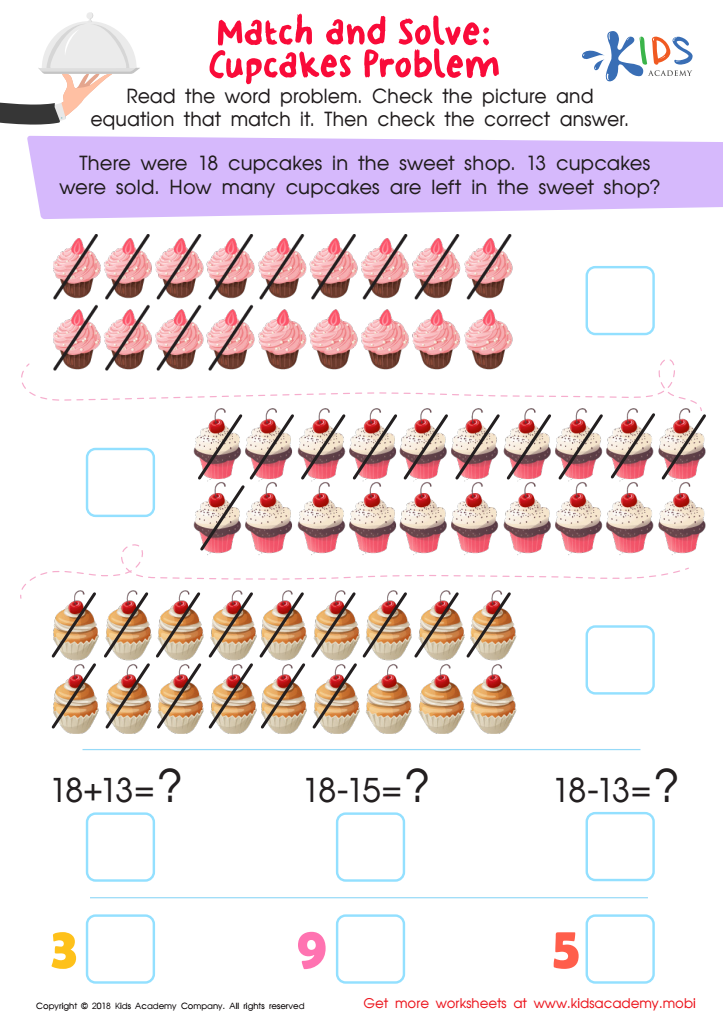
Match and Solve: Cupcakes Problem Worksheet
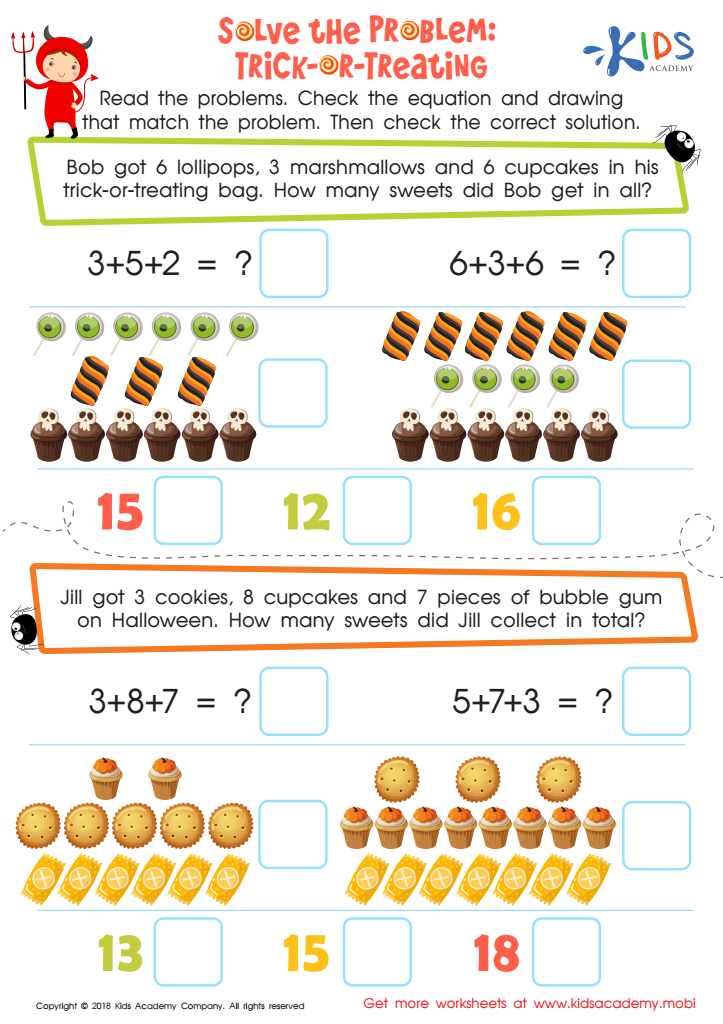
Solve the Problem: Trick–or–treating Worksheet

Picking Carrots Worksheet
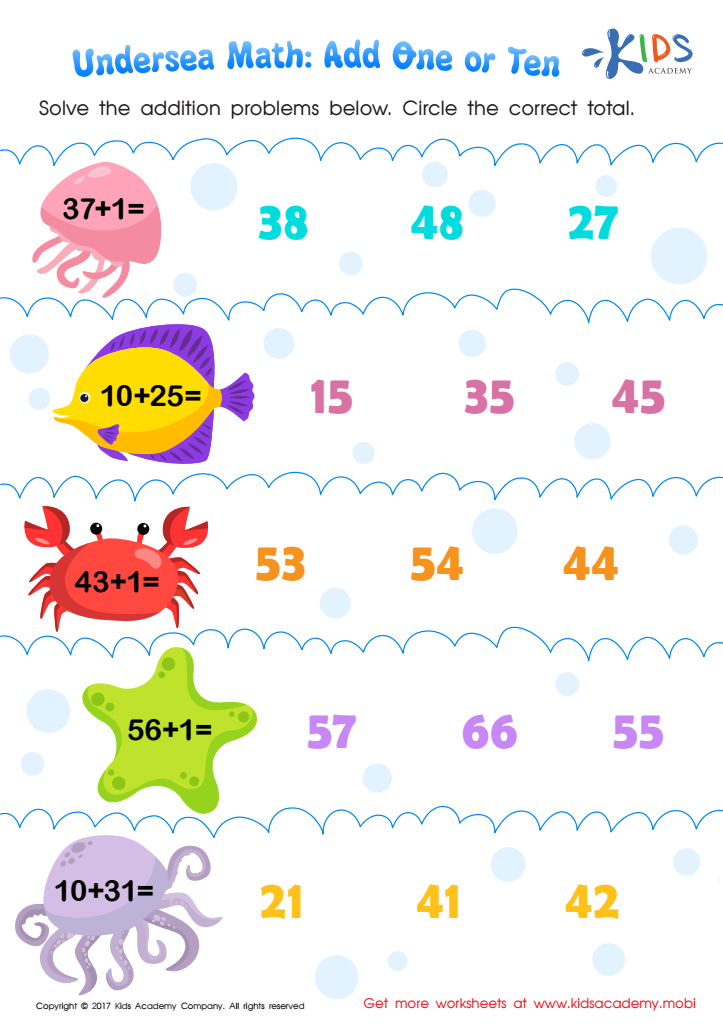
Undersea Math Worksheet

Rounding Numbers Worksheet
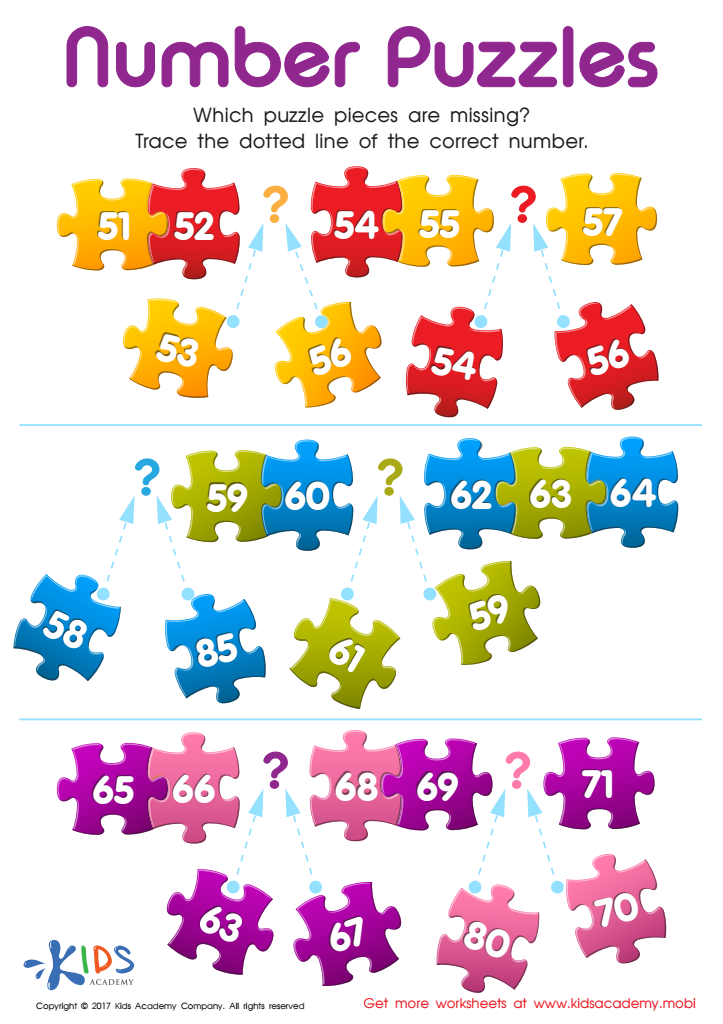
Number Puzzles Worksheet
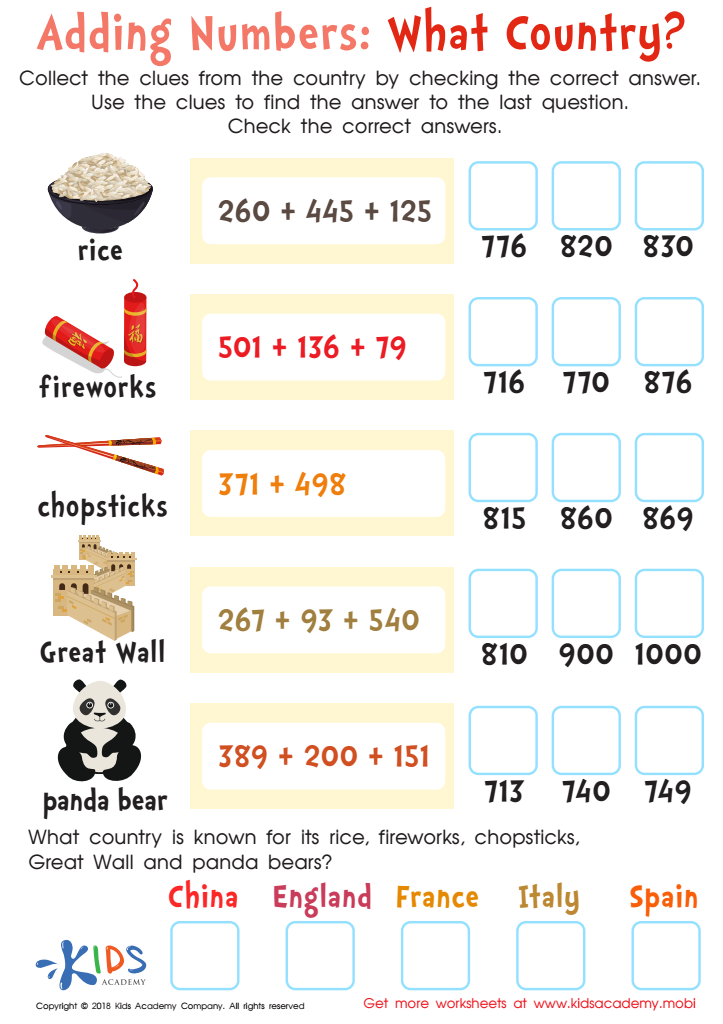
Adding Numbers: What Country Worksheet
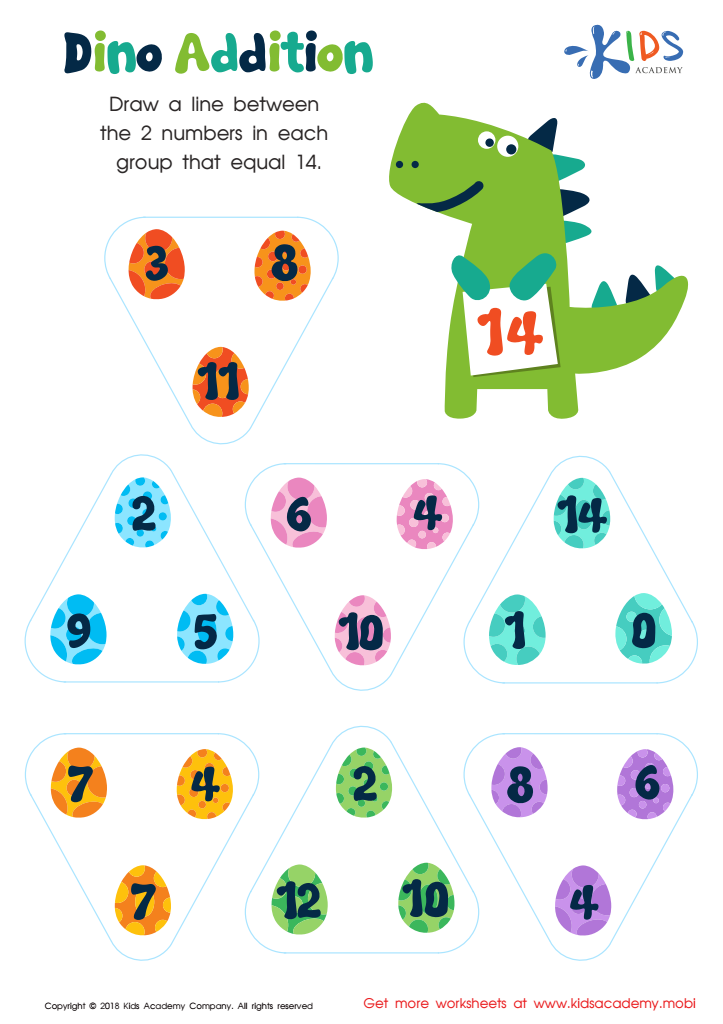
Dino Addition Worksheet

At the Market Worksheet

Leprechaun Maze Printable
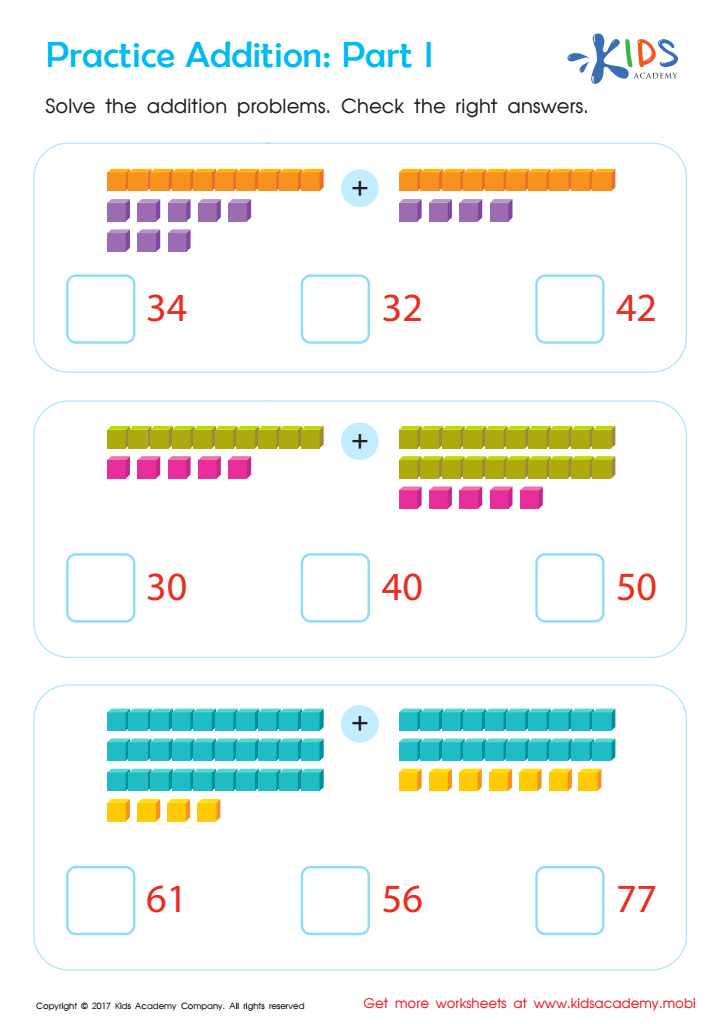
Practice Addition: Part 1 Worksheet








Problem-solving skills in young children, particularly between the ages of 4-9, are crucial for their cognitive, emotional, and social development. At this stage, children start to encounter challenges that require critical thinking and reasoning. Developing these skills helps them navigate everyday situations, from simple tasks like sharing toys to more complex problems in schoolwork.
Parents and teachers play a pivotal role in nurturing these abilities. Engaging children in problem-solving activities fosters creativity and resilience, encouraging them to think independently and explore various solutions. This not only enhances their mathematical understanding but also reinforces essential life skills such as persistence and adaptability.
Children who learn to solve problems effectively are more likely to excel academically, as these skills translate into better comprehension of subjects, especially in math and science. Moreover, problem-solving promotes teamwork and communication, as children often work through solutions in groups, enhancing their social skills.
Ultimately, fostering problem-solving skills lays a strong foundation for lifelong learning, preparing children to tackle more complex challenges as they grow. By prioritizing these skills, parents and teachers help cultivate confident, capable learners who are better equipped to thrive in an ever-evolving world.








