Hand-eye Coordination Math Worksheets for Ages 4-9 - Page 2
66 filtered results
-
From - To
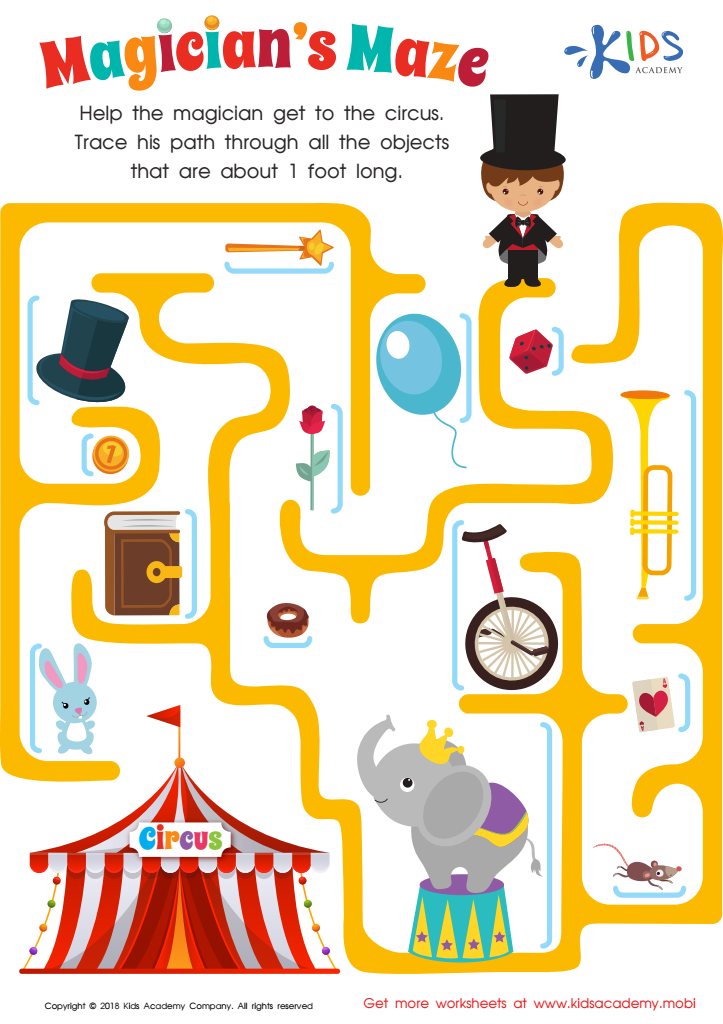
Estimating Length: Magician's Maze Worksheet
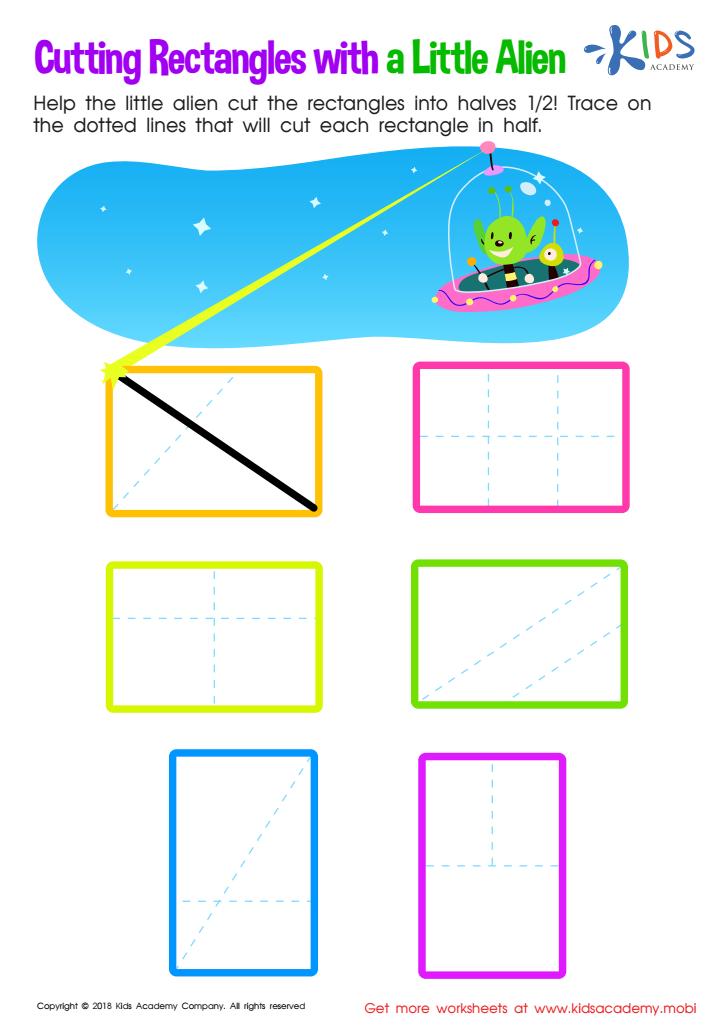
Cutting Rectangles with Alien Worksheet
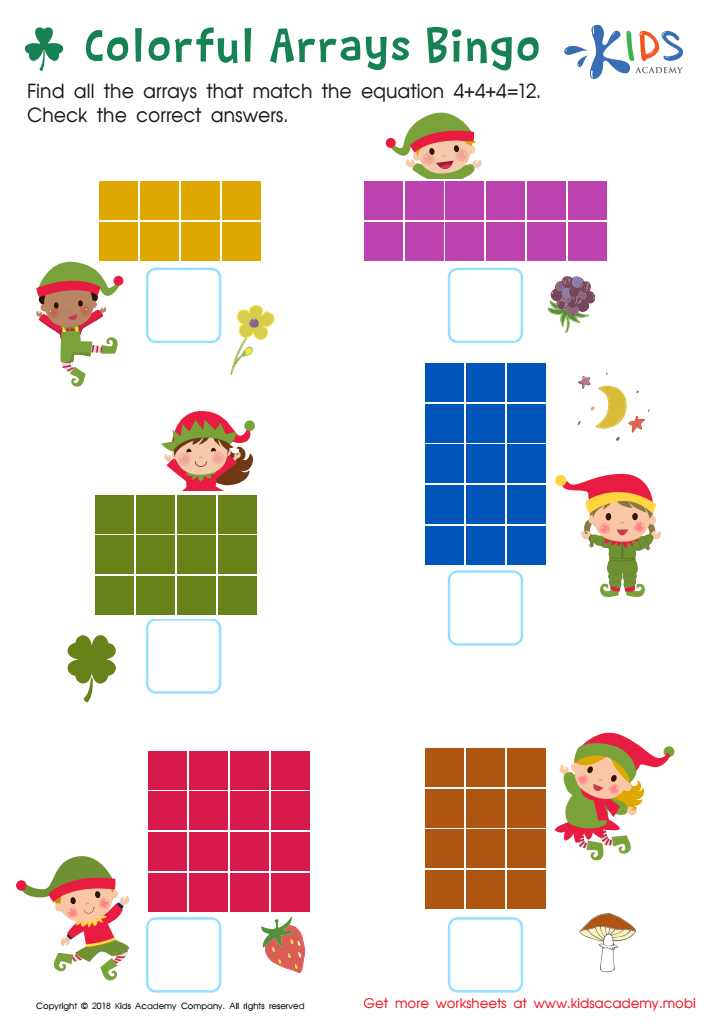
Colorful Arrays Bingo Worksheet
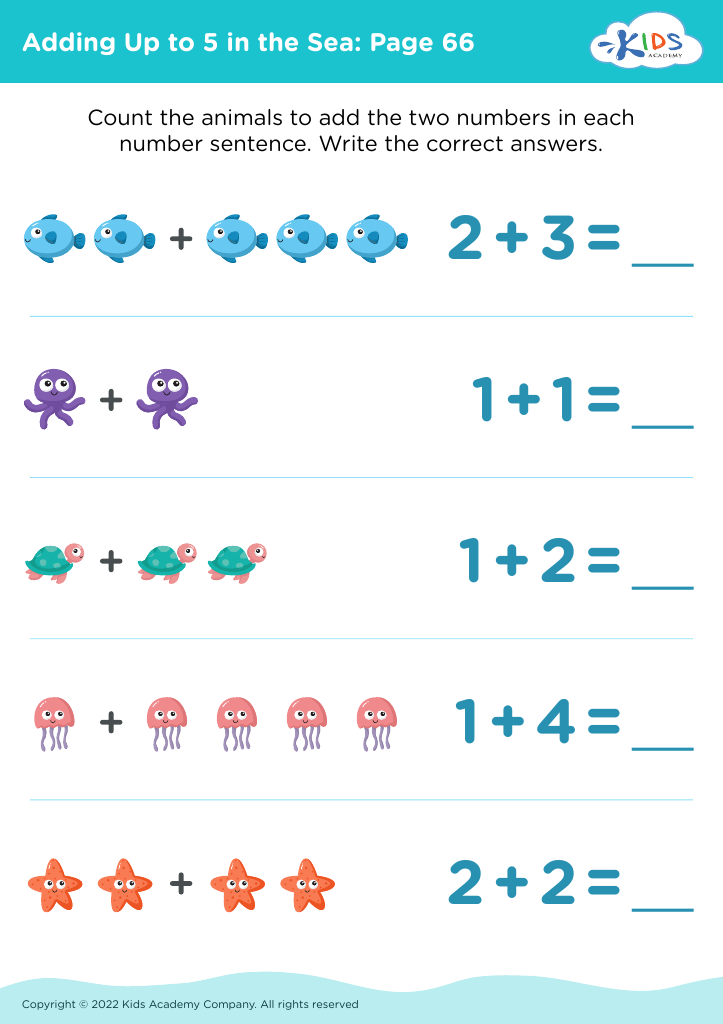
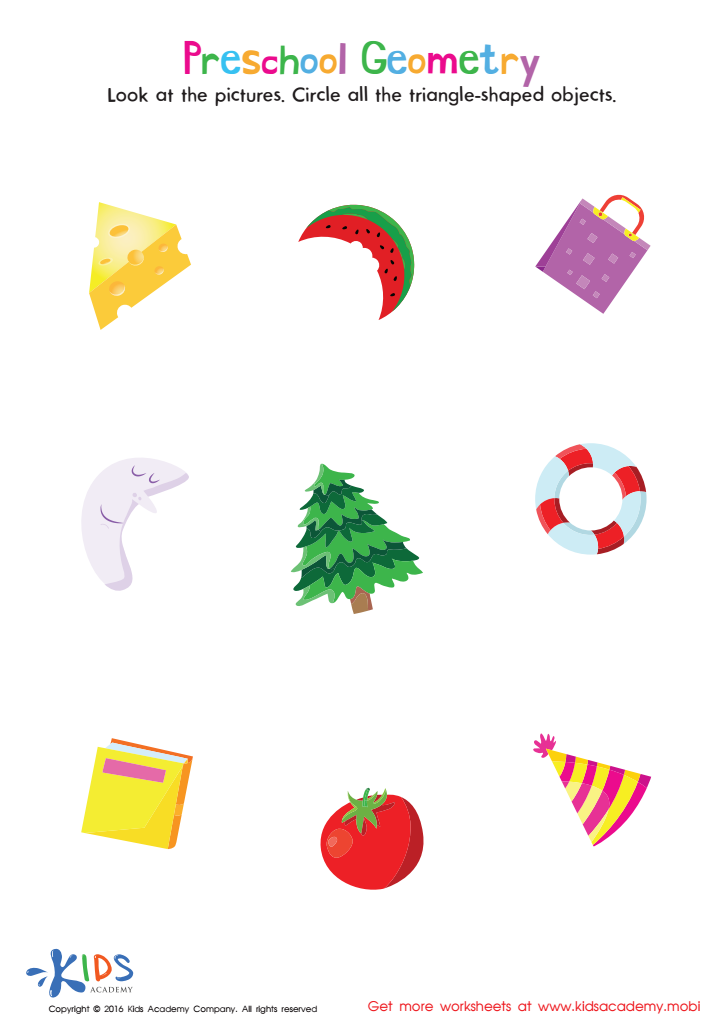
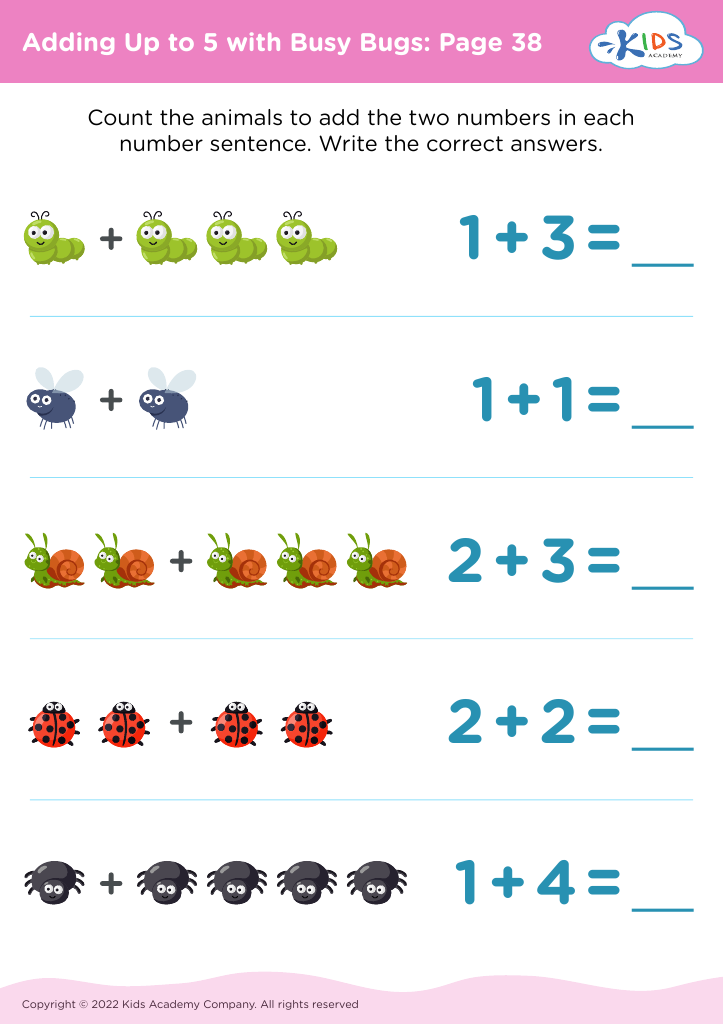
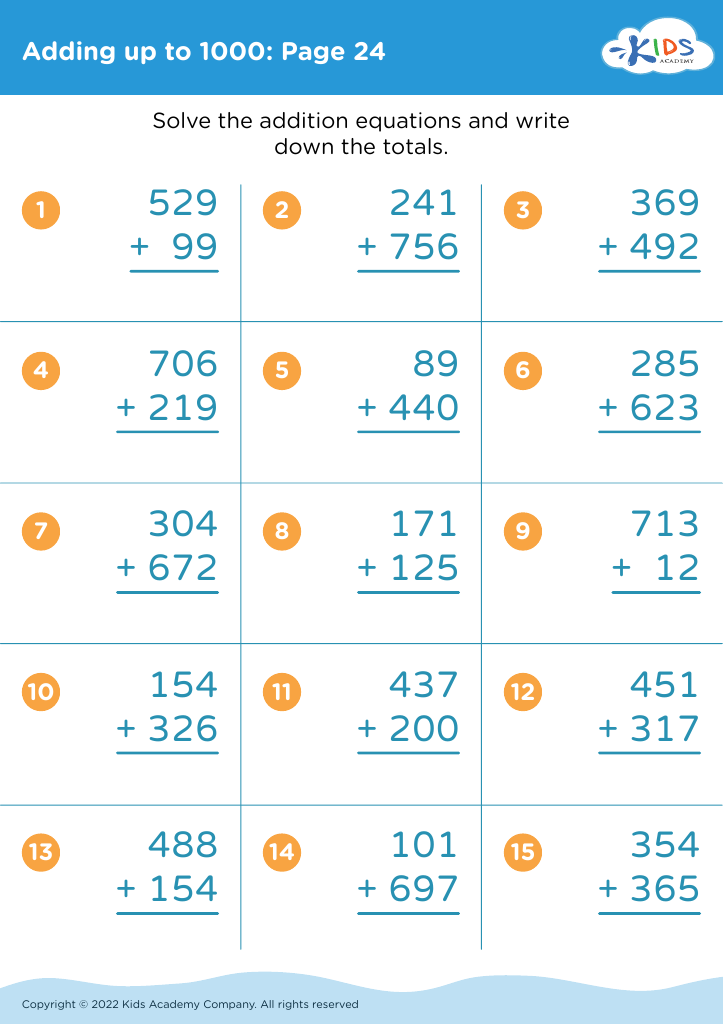
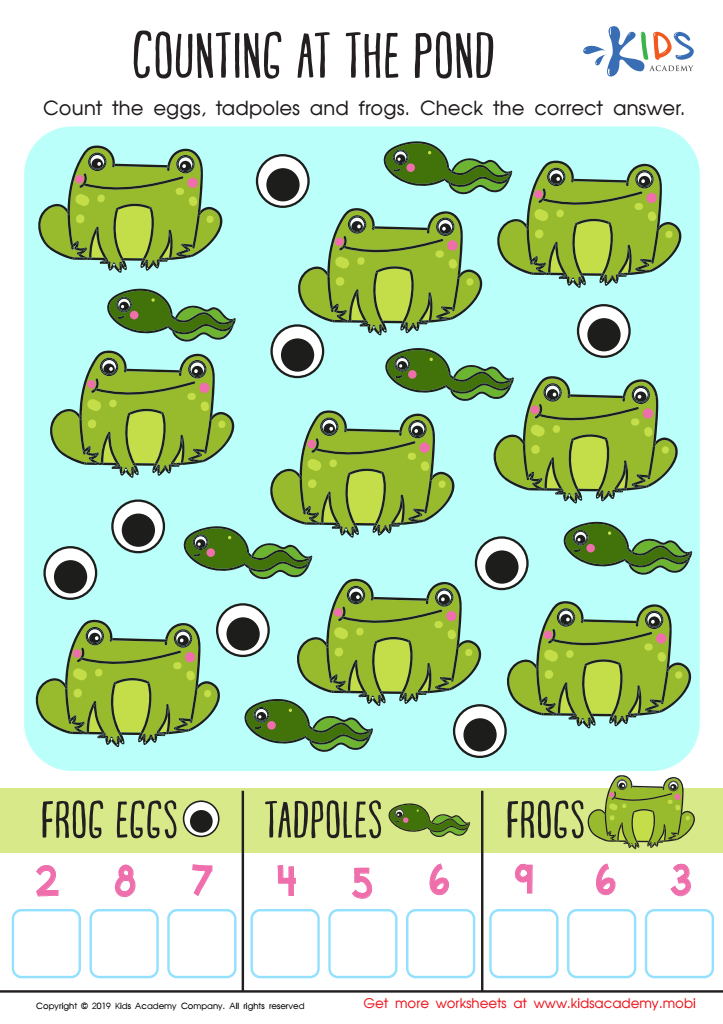
Counting at the Pond Worksheet
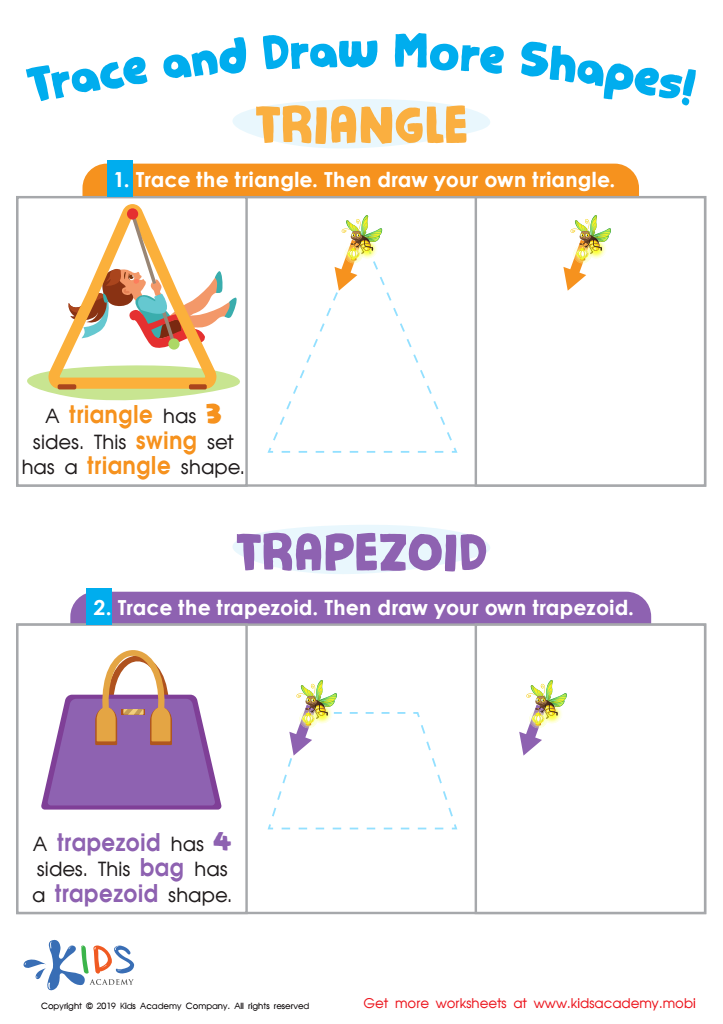
Trace and Draw More Shapes Worksheet
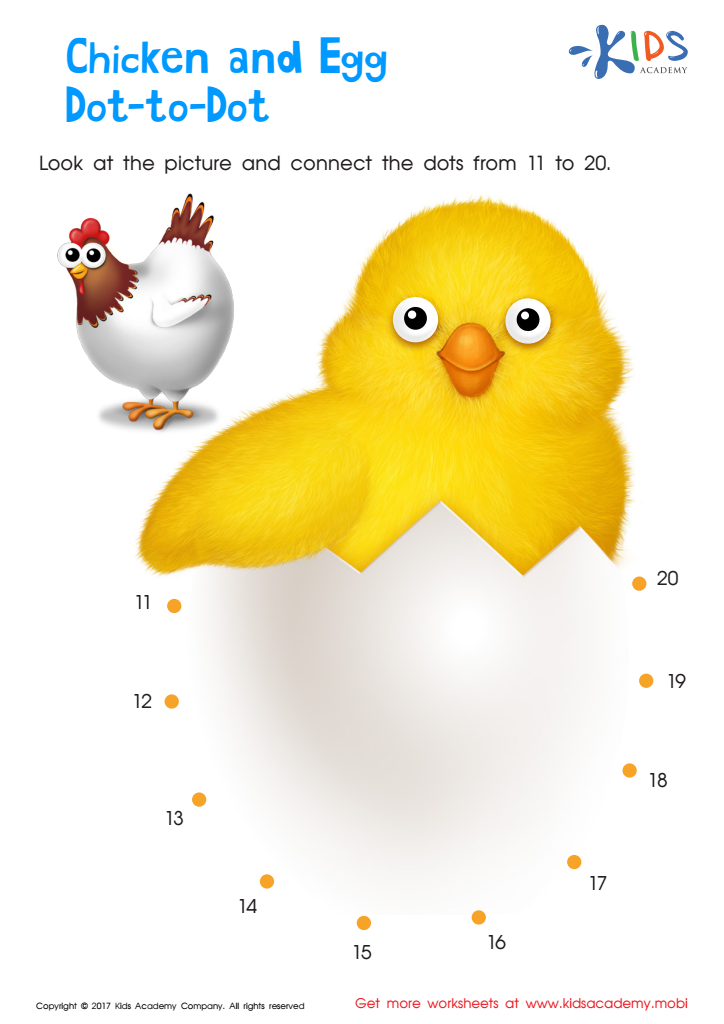
Ordering 11–20: Chicken & Egg Dot–to–dot Worksheet
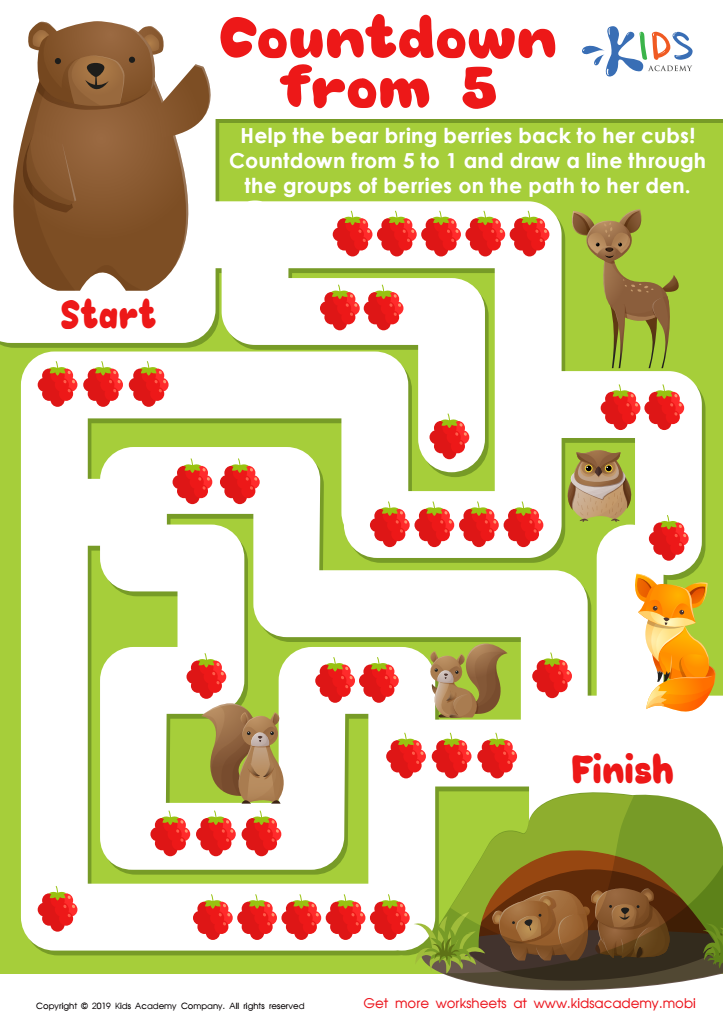
Countdown from 5 Worksheet
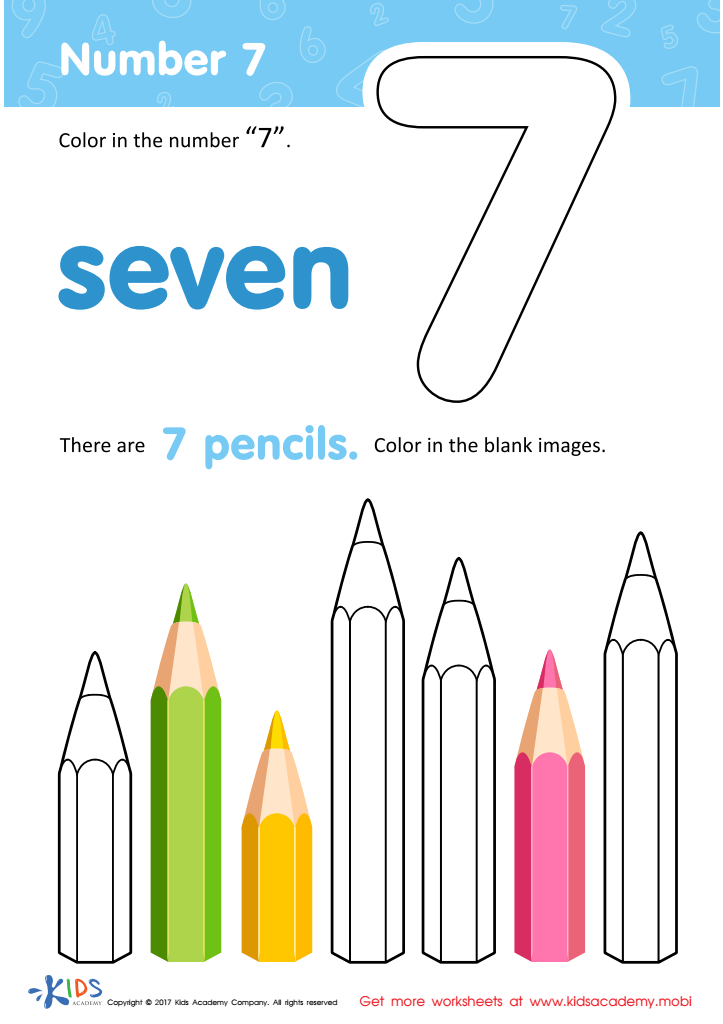
Number 7 Worksheet
 Assign to My Students
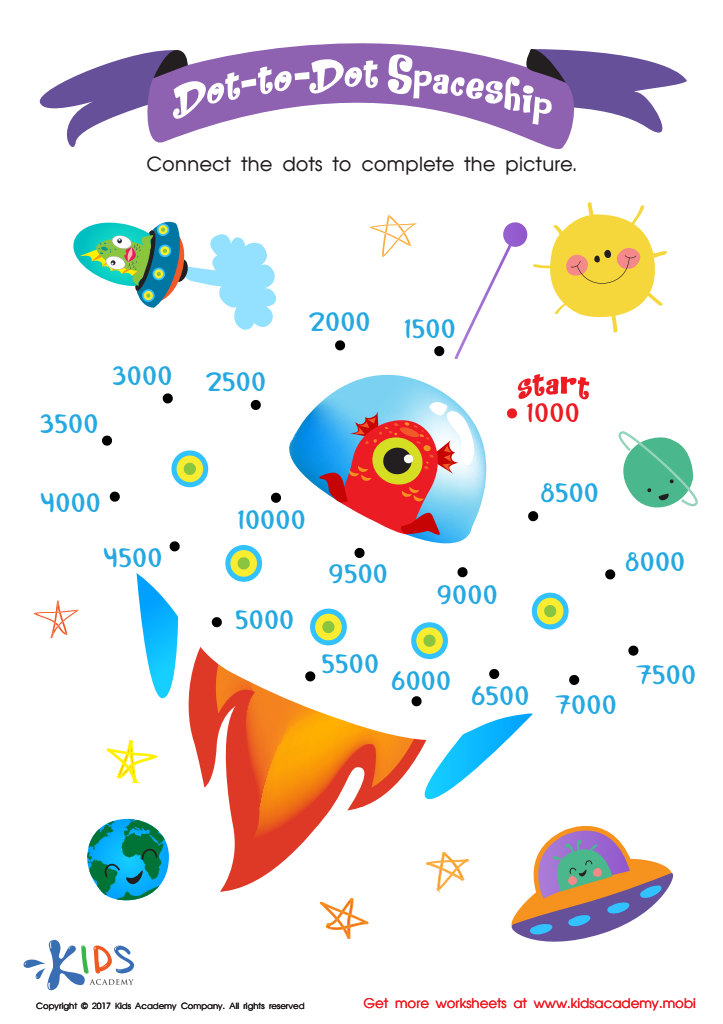
Dot to Dot Worksheet for 3rd Grade
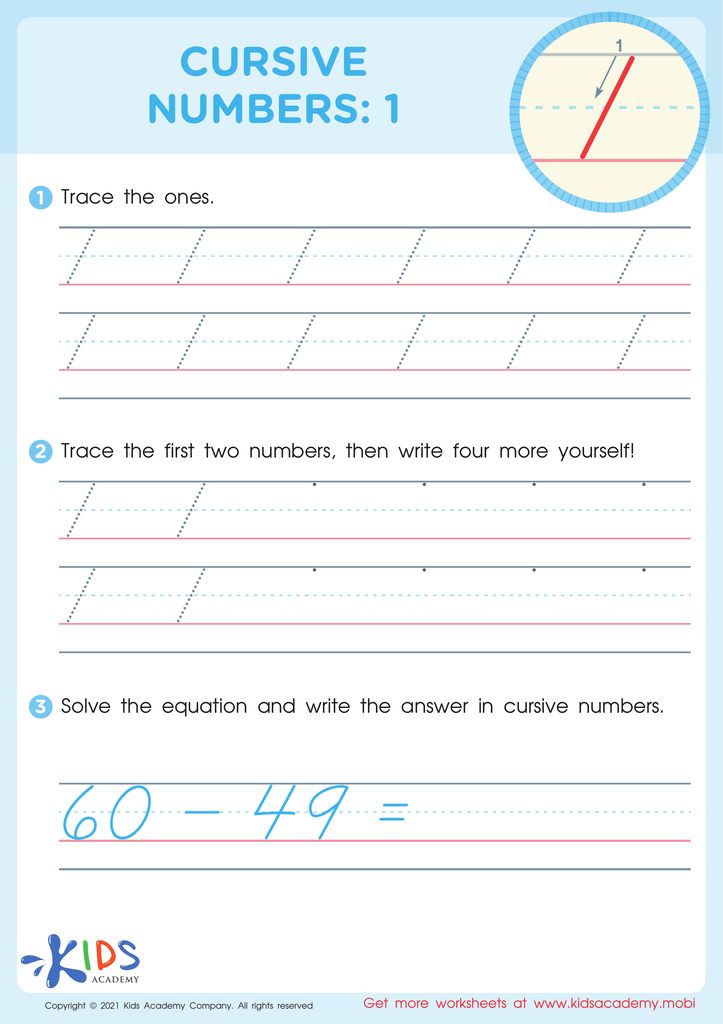
Cursive Numbers: 1 Worksheet
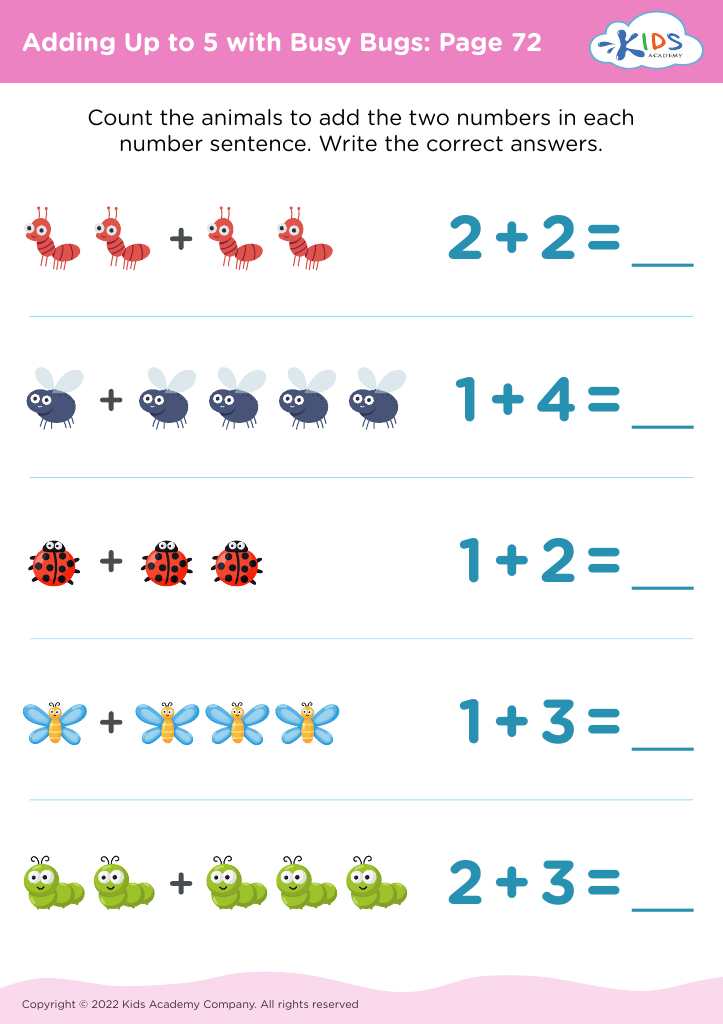
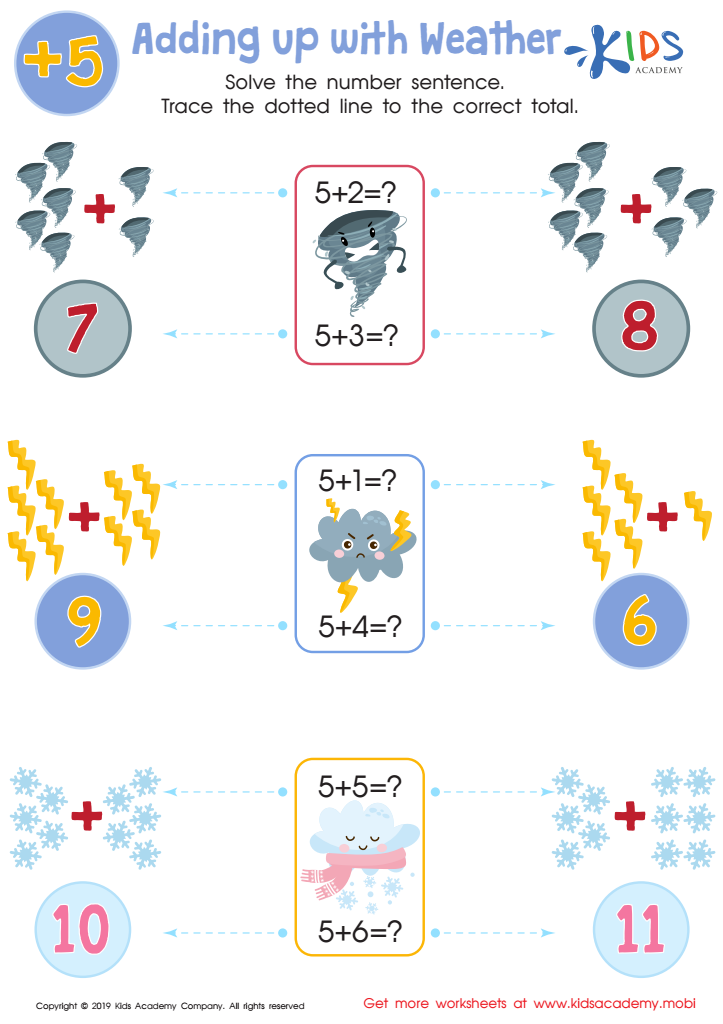
Adding up With Water Worksheet
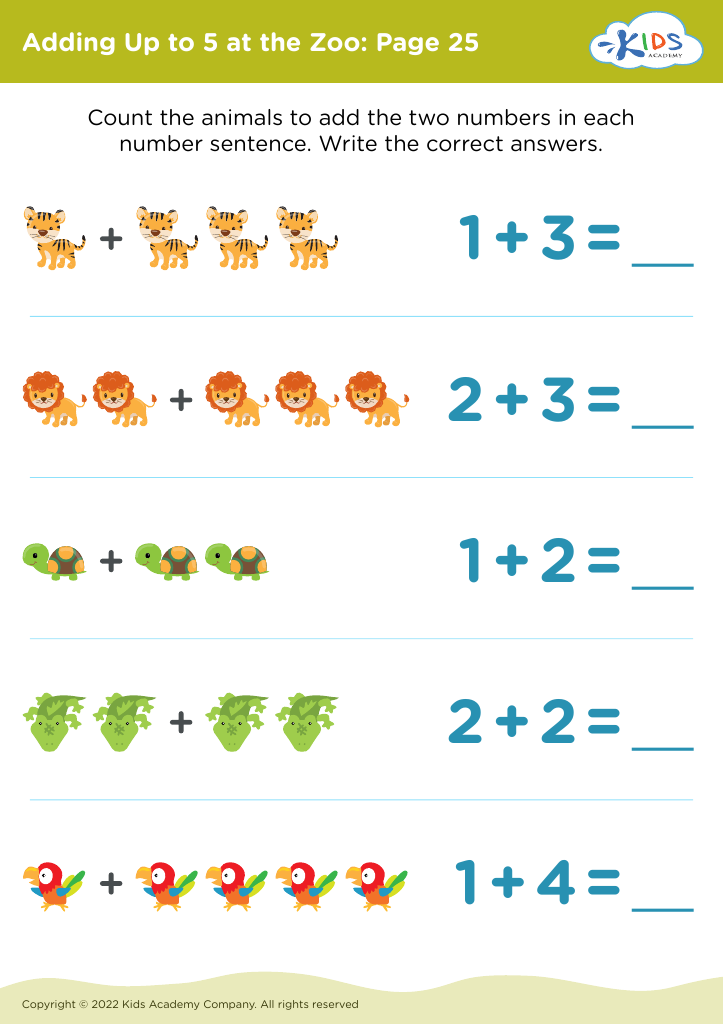
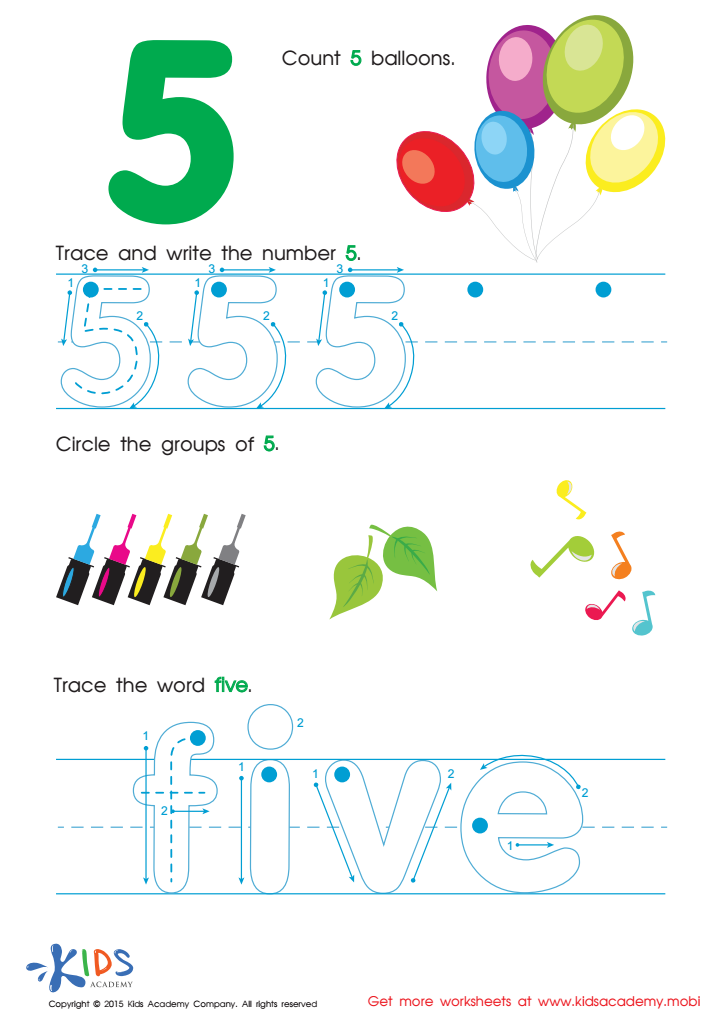
Practice Writing Number 5 Worksheet
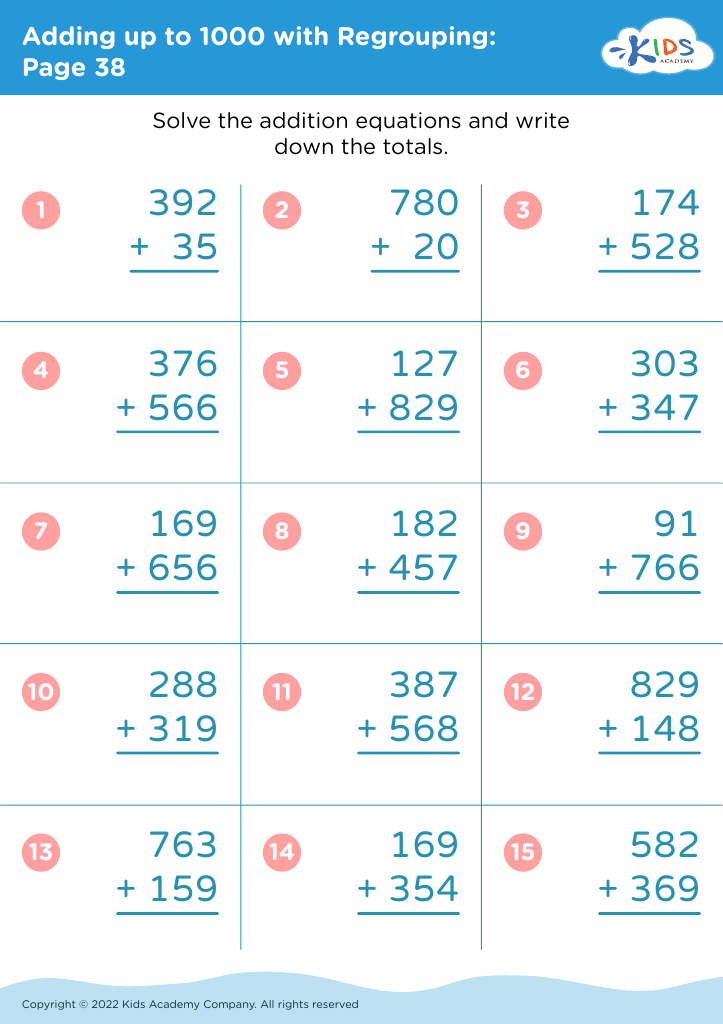
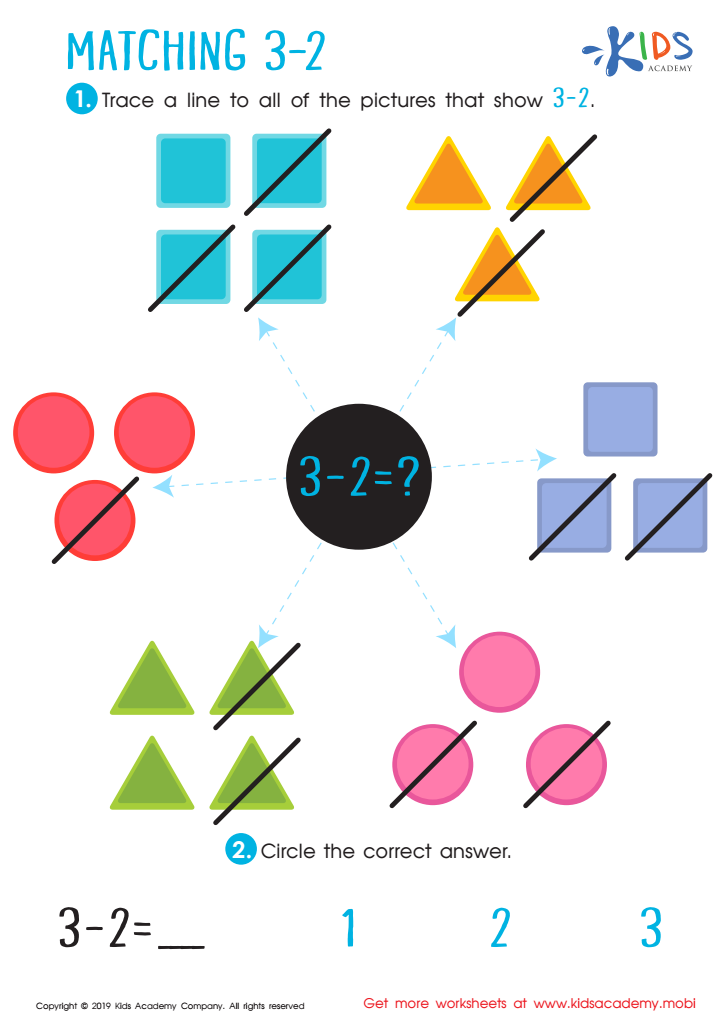
Matching 3-2 Worksheet
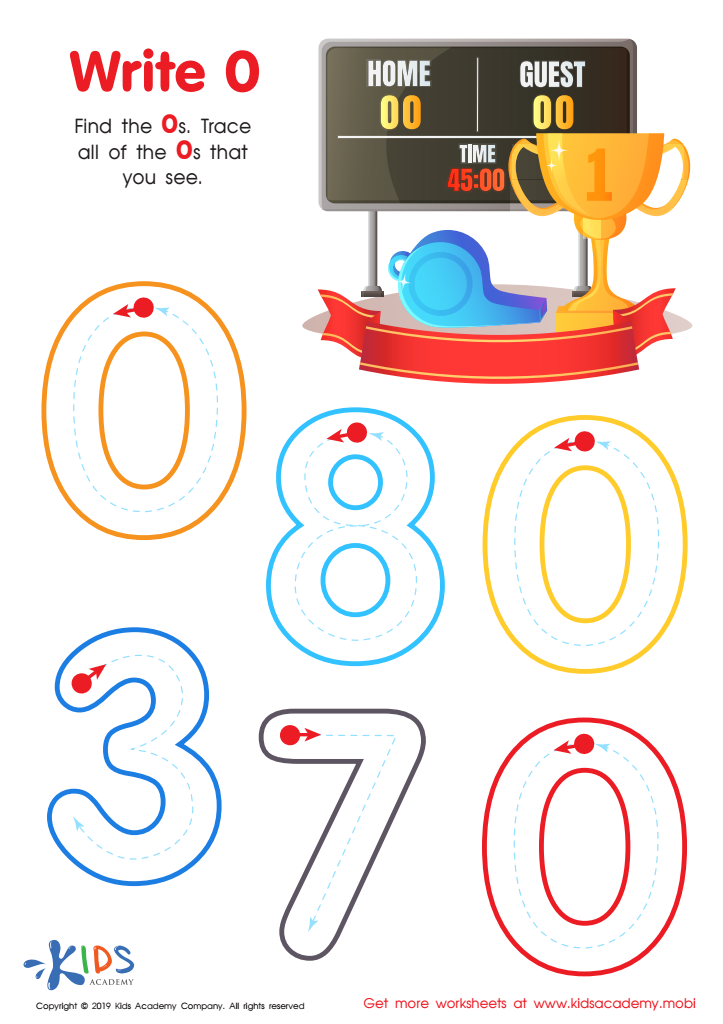
Write 0 Worksheet
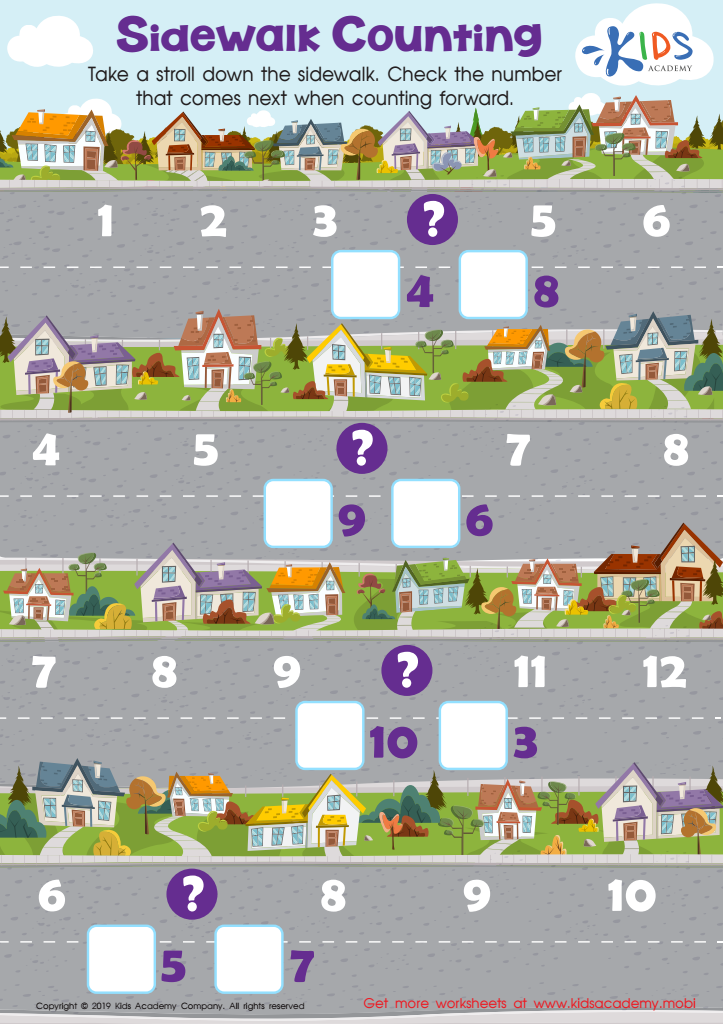
Sidewalk Counting Worksheet
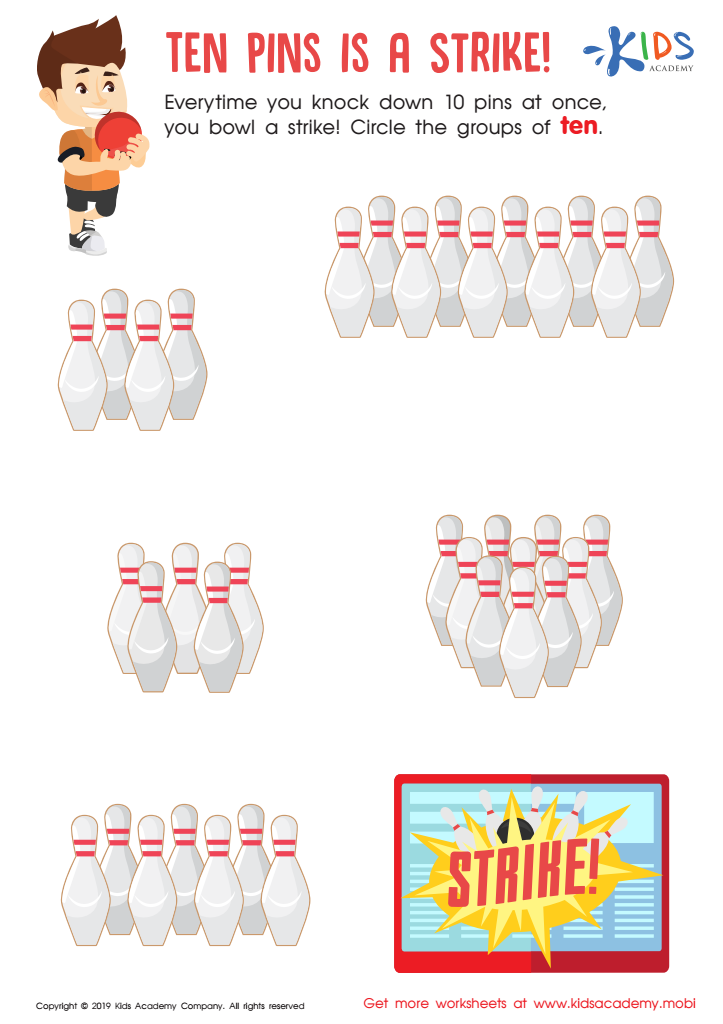
Ten Pins is a Strike Worksheet





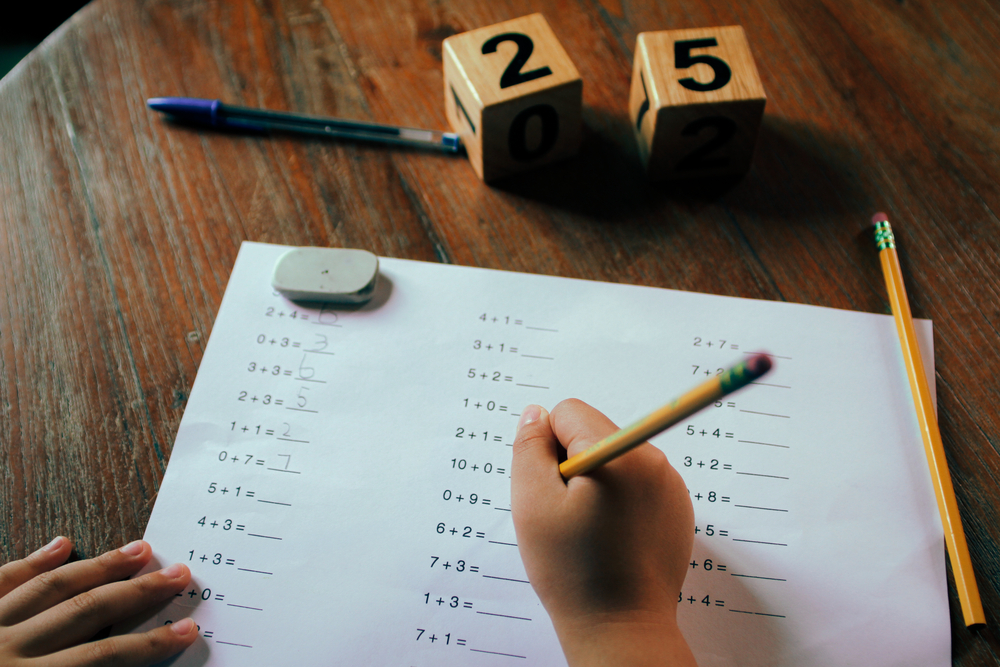

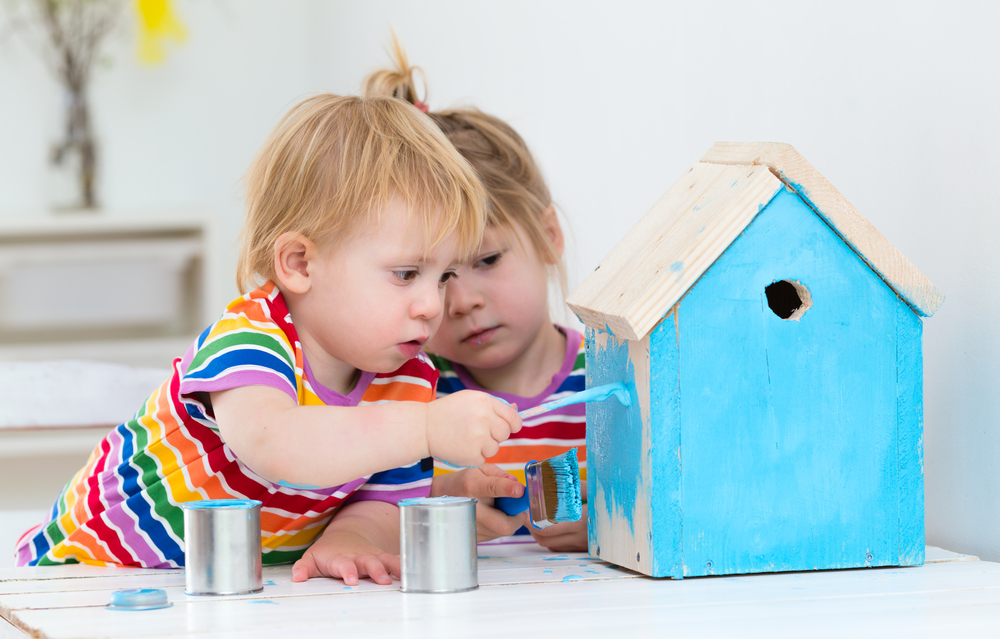
Hand-eye coordination is a crucial developmental skill, especially for children between the ages of 4 and 9, impacting not only physical abilities but also academic success, particularly in math. Engaging children in activities that combine math with hand-eye coordination lays a foundation for cognitive and motor development, fostering essential skills for later academic challenges.
First, hand-eye coordination activities facilitate neural connections that enhance problem-solving and critical thinking skills. For example, using building blocks to understand geometric shapes or counting objects while sorting them can lead to better spatial awareness—a fundamental aspect of math learning.
Furthermore, these activities help in developing fine motor skills, which are necessary for tasks such as writing numbers accurately and aligning them correctly in columns for calculations. Enhanced hand-eye coordination can translate to improved focus and patience, encouraging a child's ability to follow through on complex mathematical problems.
Lastly, incorporating physical movement with math problems makes learning more engaging and enjoyable. This multisensory approach ensures that children stay interested and reduce the frustration that can often accompany early math learning.
Therefore, parents and teachers should emphasize hand-eye coordination math activities to support overall cognitive development, smoother academic progress, and a more positive attitude towards math.








