Critical Thinking Plants and Animals Worksheets for Ages 4-9
13 filtered results
-
From - To
Nurture young minds with our exciting "Critical Thinking Plants and Animals Worksheets for Ages 4-9." Designed to inspire curiosity and enhance understanding of the natural world, these printable worksheets engage children in exploring various plants and animals. By tackling questions that promote critical thinking skills, kids enhance their problem-solving abilities and scientific knowledge. Whether in a classroom or a homeschooling setting, these worksheets make learning about biology fun and interactive. Perfect for children aged 4-9, these activities align with educational standards and foster a lifelong love for science and nature. Dive in and watch as their curiosity blooms!
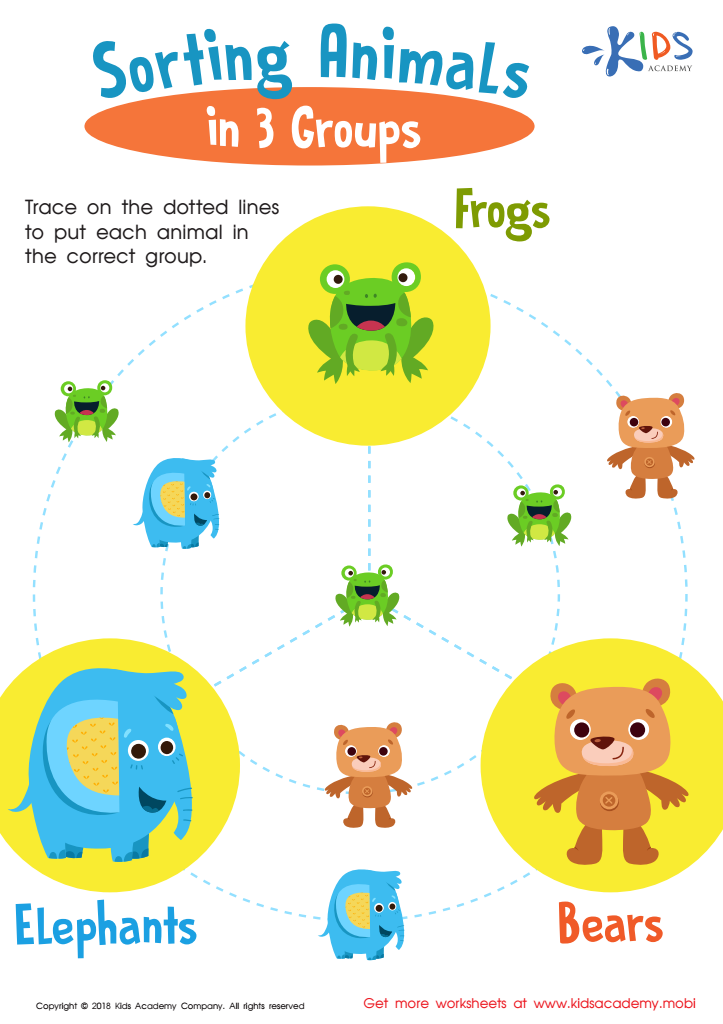
Sorting Animals in 3 Groups Worksheet
 Assign to My Students

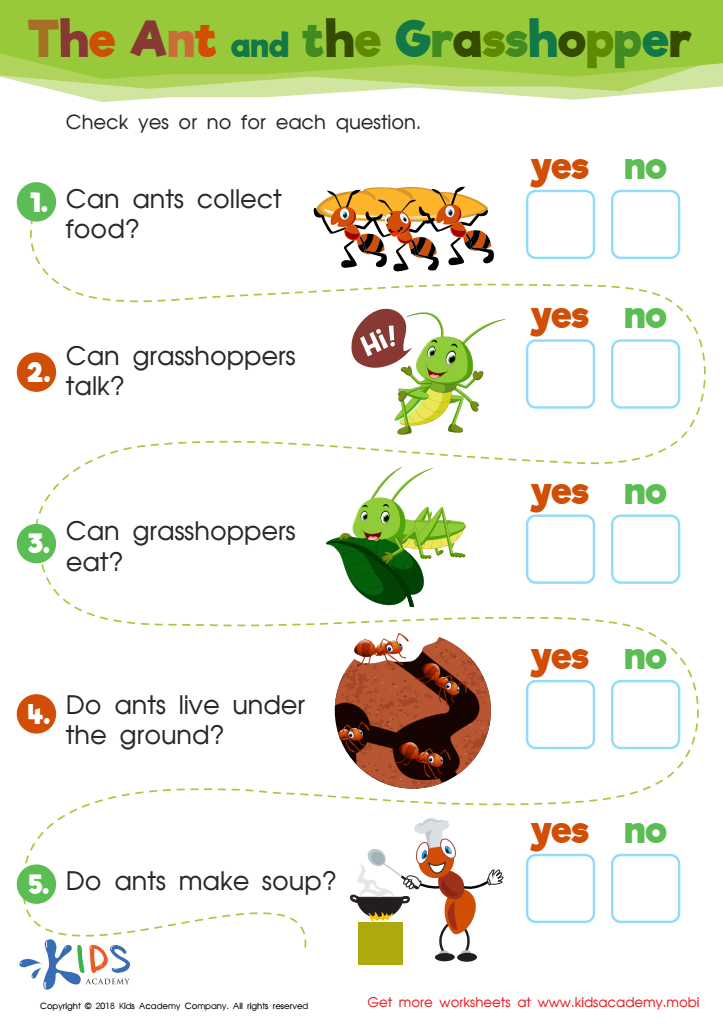
The Ant and The Grasshopper Worksheet
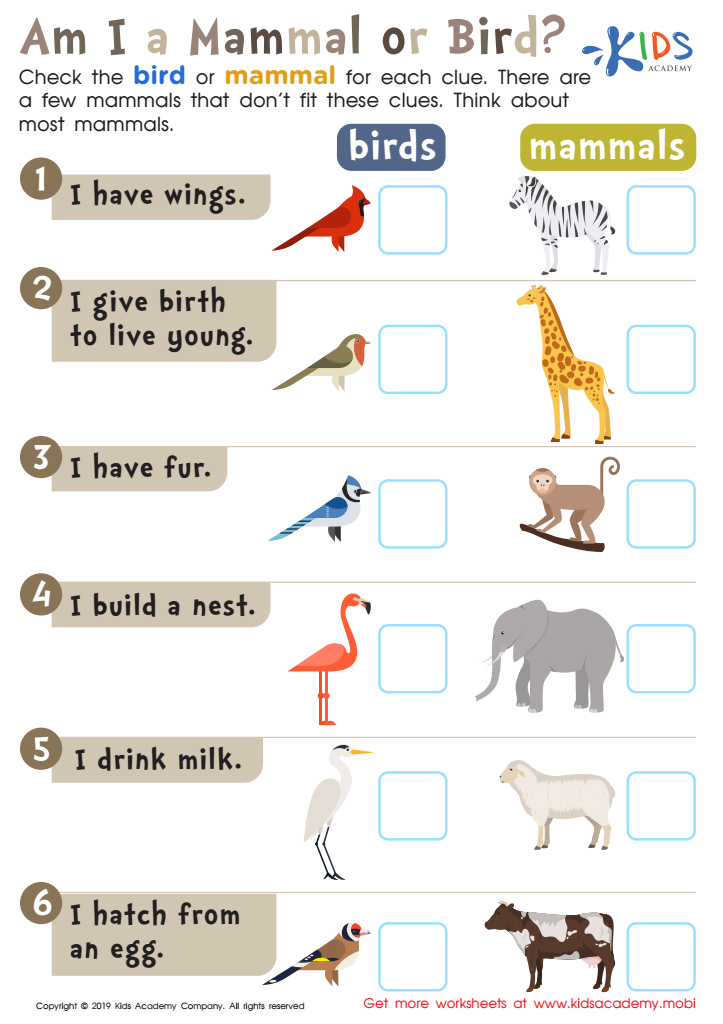
Am I a Mammal or Bird? Worksheet
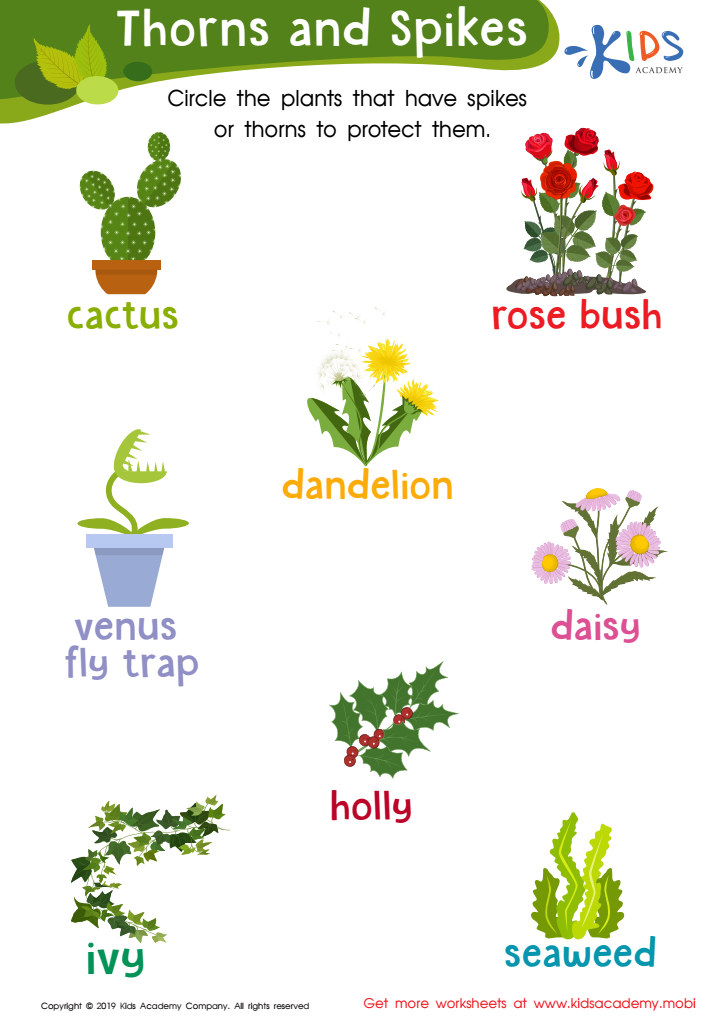
Thorns and Spikes Worksheet
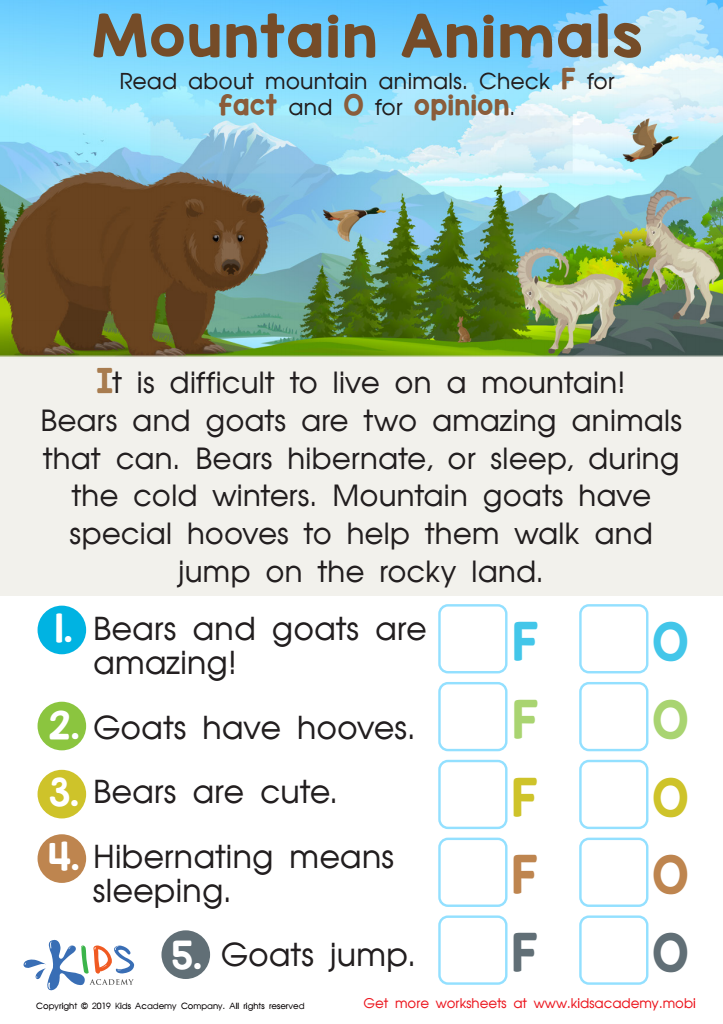
Mountain Animals Worksheet
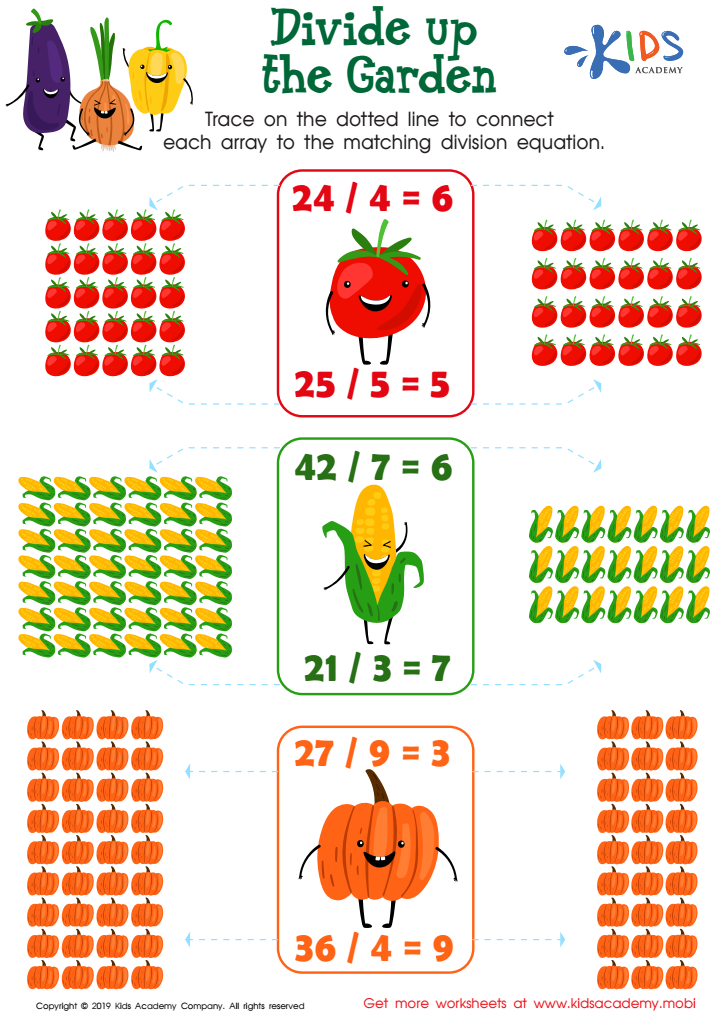
Divide up the Garden Worksheet
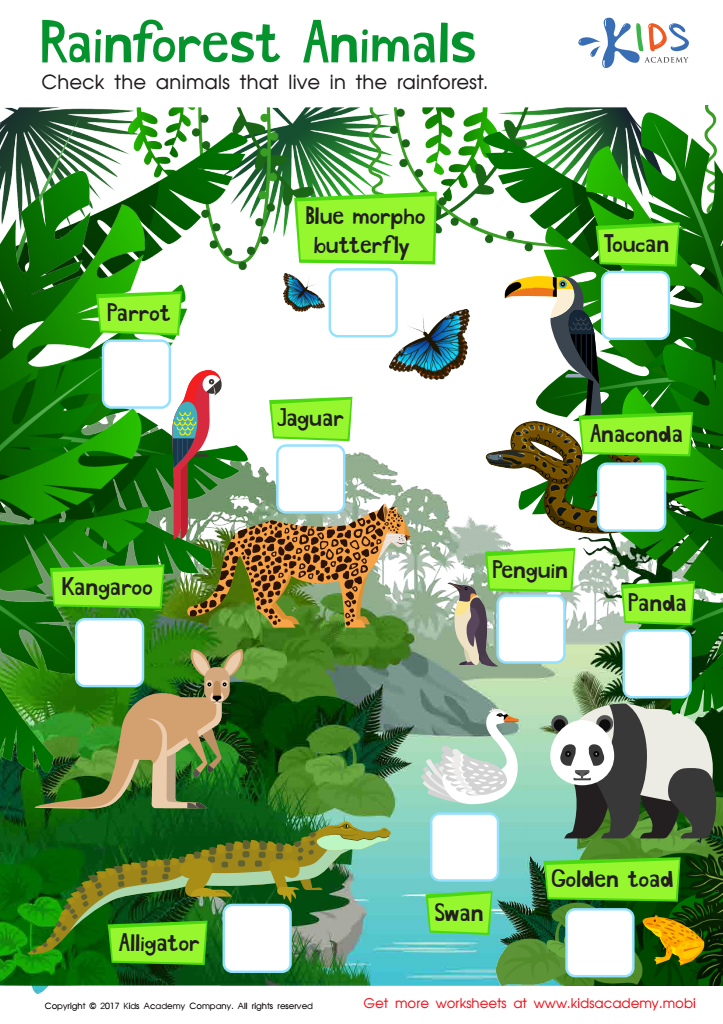
Rainforest Animals Worksheet
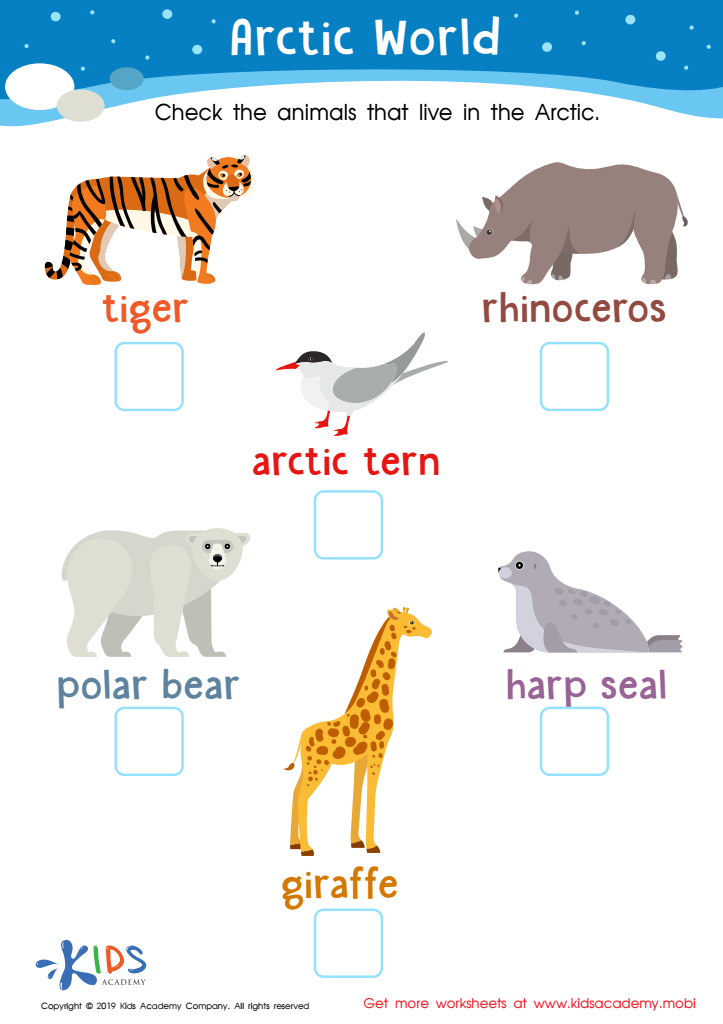
Arctic World Worksheet
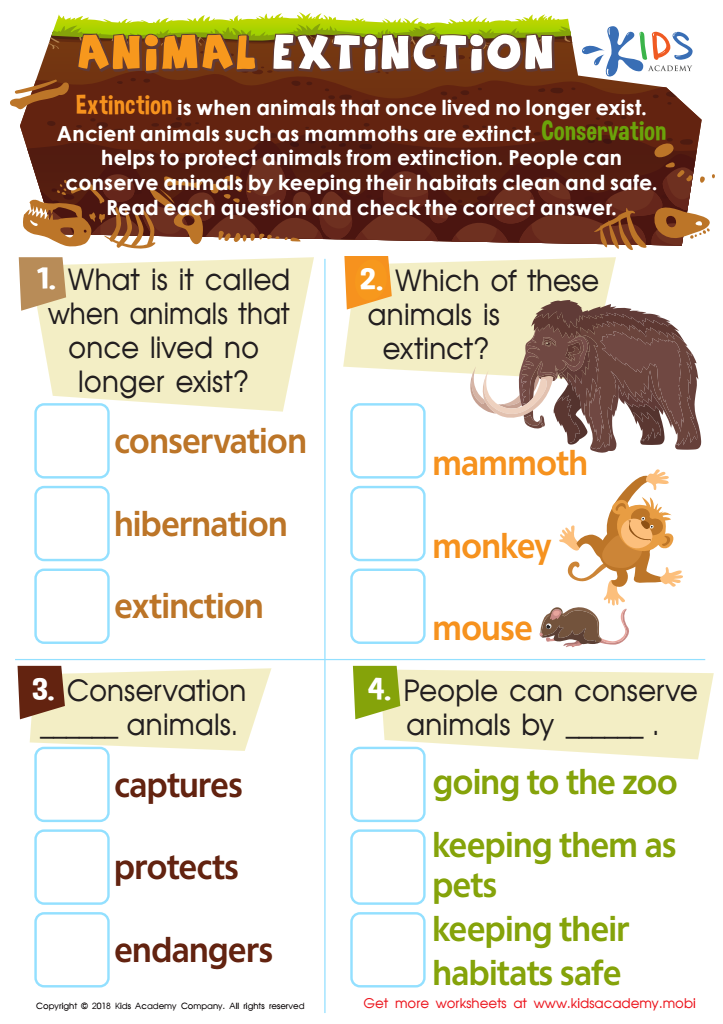
Animal Extinction Worksheet
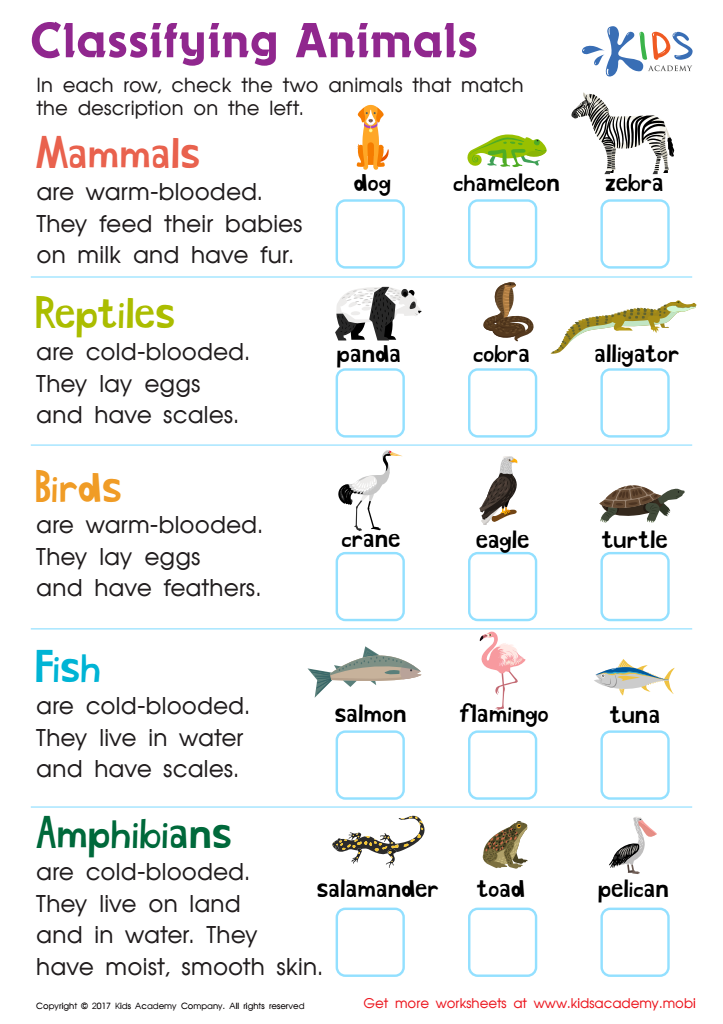
Classifying Animals Worksheet
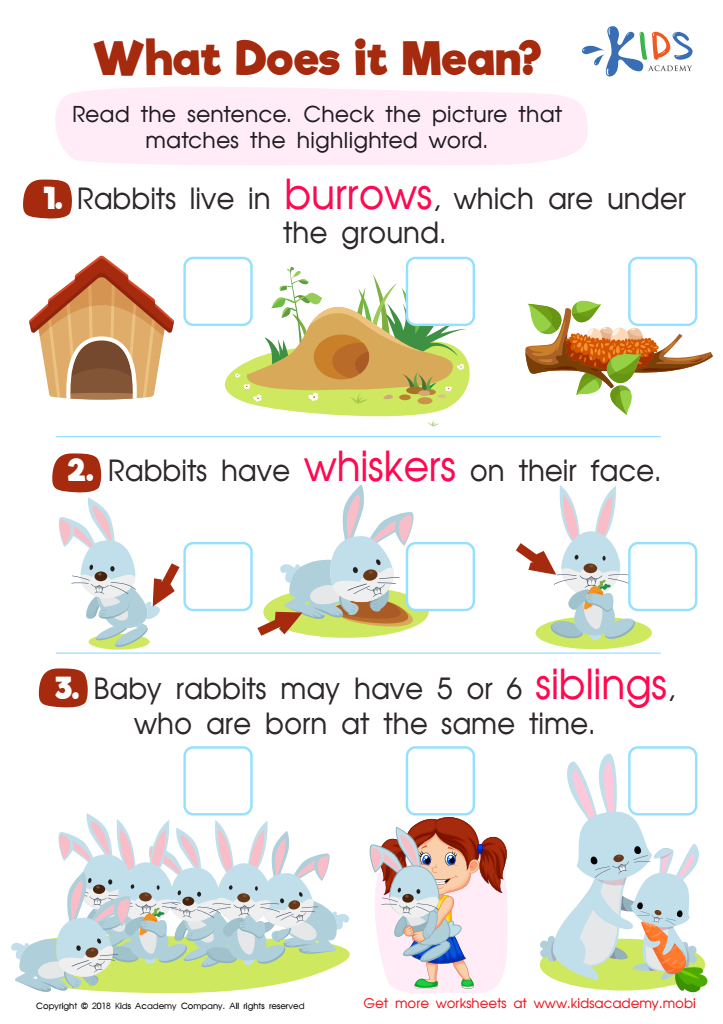
What Does It Mean? Worksheet
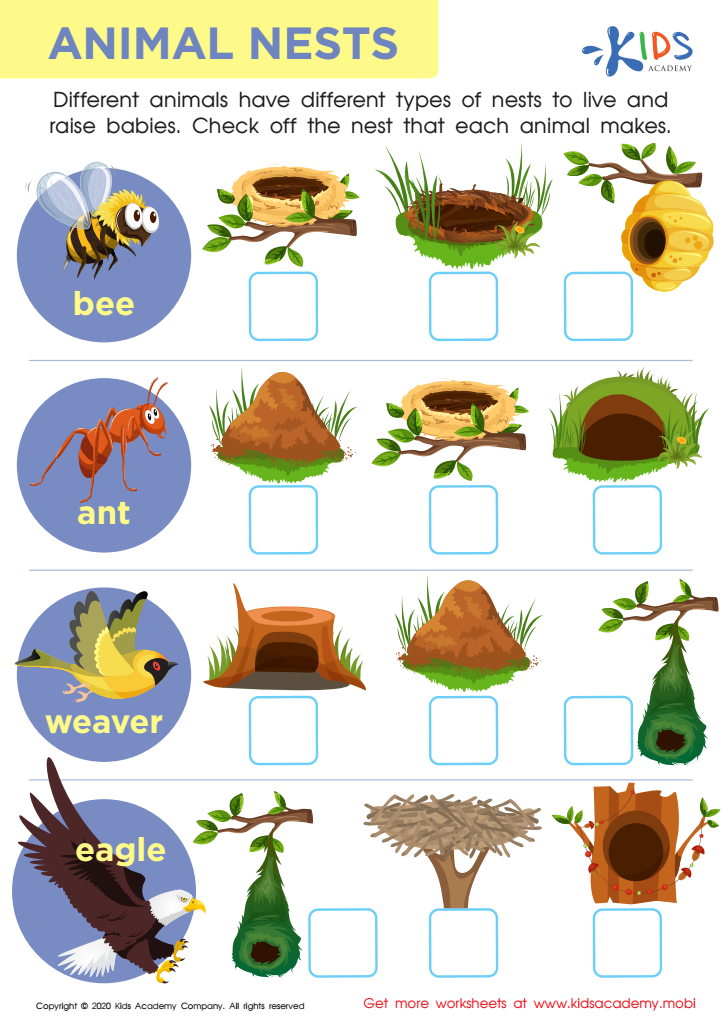
Animal Nests Worksheet
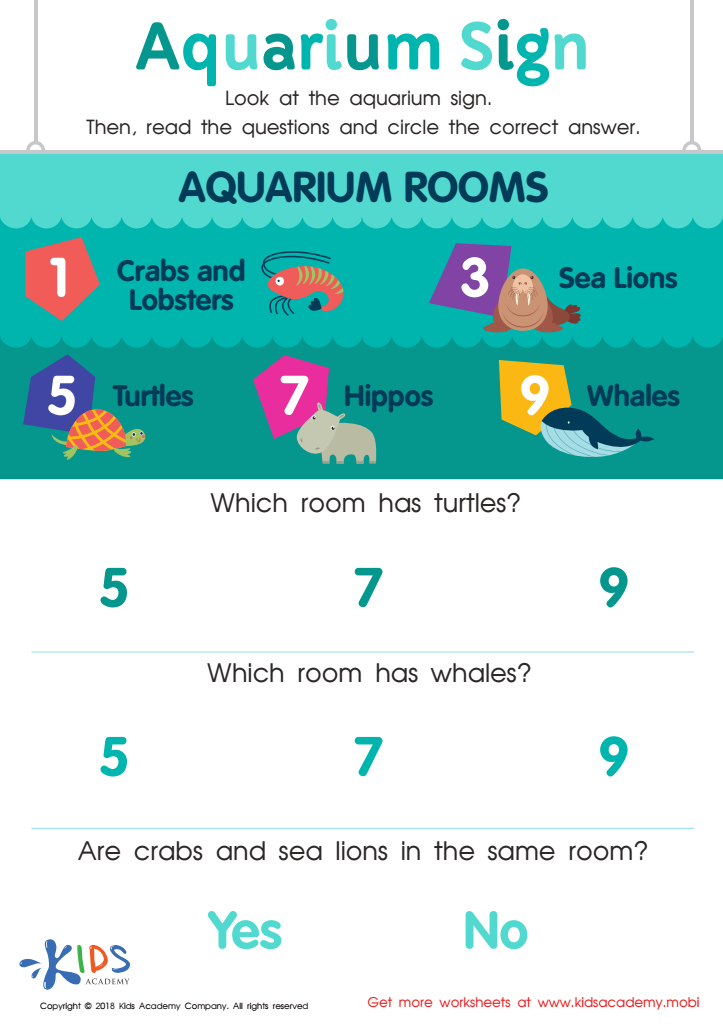
Assessment: Aquarium Sign Worksheet








Parents and teachers should care about fostering critical thinking about plants and animals in children aged 4-9 because it lays a foundation for lifelong learning and problem-solving skills. Early exposure to these topics encourages curiosity and an understanding of the natural world, which are essential components of scientific literacy. At this developmental stage, children are naturally inquisitive and receptive to new ideas. By engaging them in activities that require observation, analysis, and reasoning, we can nurture their ability to think critically.
Learning about plants and animals also introduces children to concepts like ecosystems, biodiversity, and interdependence, helping them understand the importance of environmental stewardship from a young age. Stories, hands-on activities like gardening or field trips, and simple experiments can make these concepts tangible and relatable.
Moreover, critical thinking skills are not confined to science but are transferable to other areas such as reading comprehension, mathematics, and social studies. By developing these skills early on, children are better equipped to ask questions, seek evidence, and form reasoned conclusions. This holistic approach supports academic success and cultivates informed, thoughtful individuals who are better prepared to navigate complex real-world issues.
In summary, critical thinking about plants and animals fosters curiosity, environmental awareness, and problem-solving skills, making it an invaluable part of early education.








