Governance and Civics Worksheets for Ages 4-9 - Page 2
51 filtered results
-
From - To
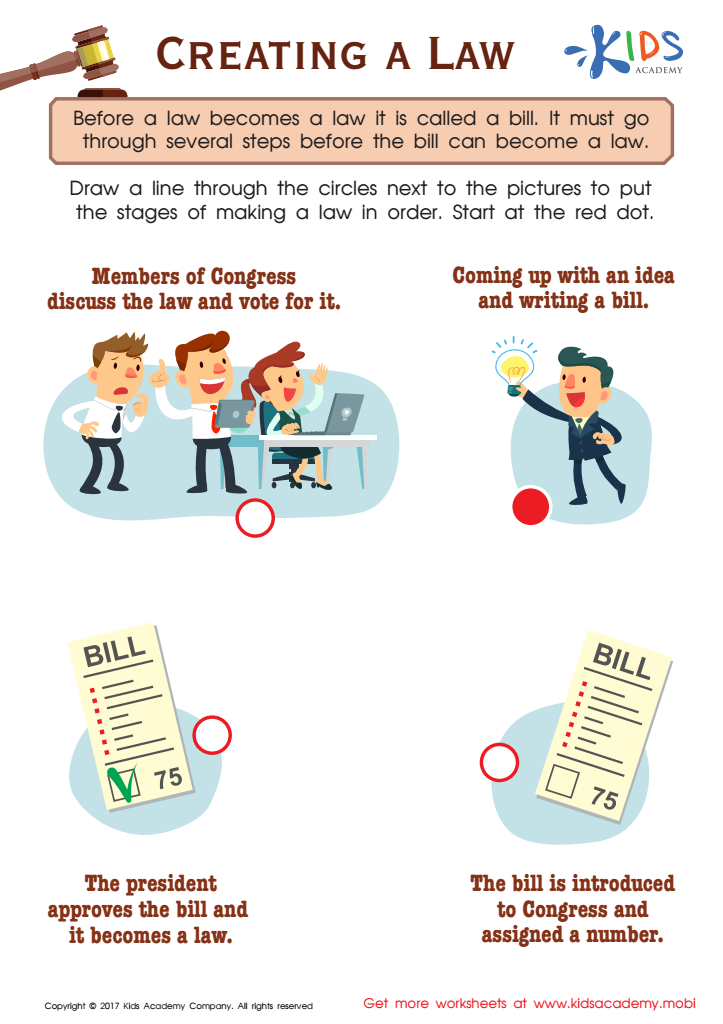
Creating a Law Worksheet
 Assign to My Students
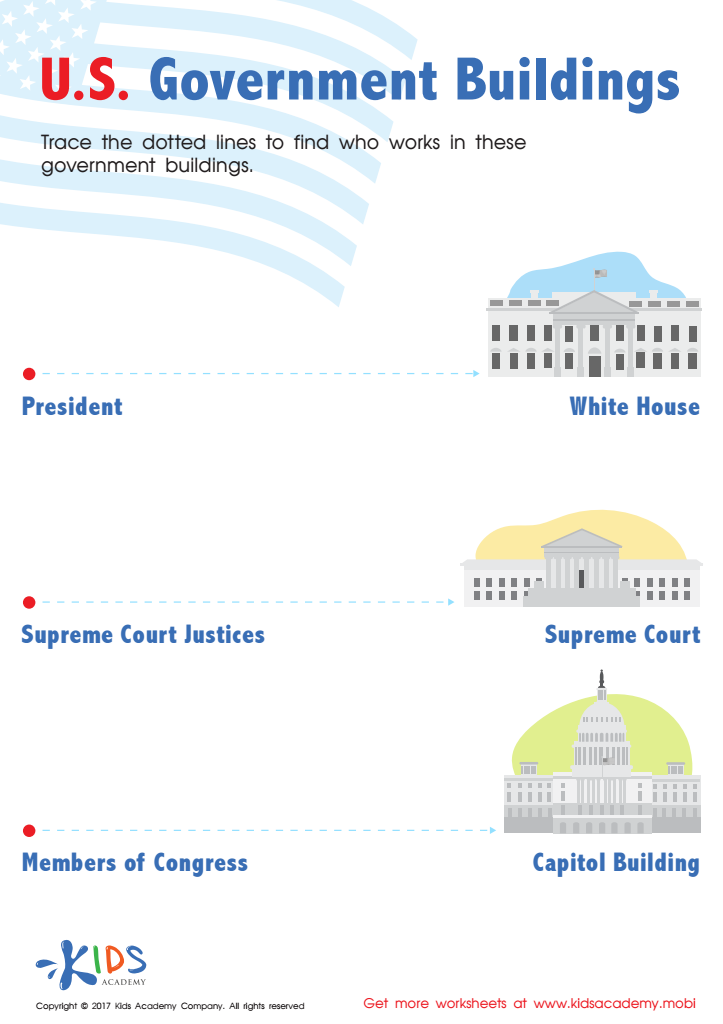
US Government Buildings Printable
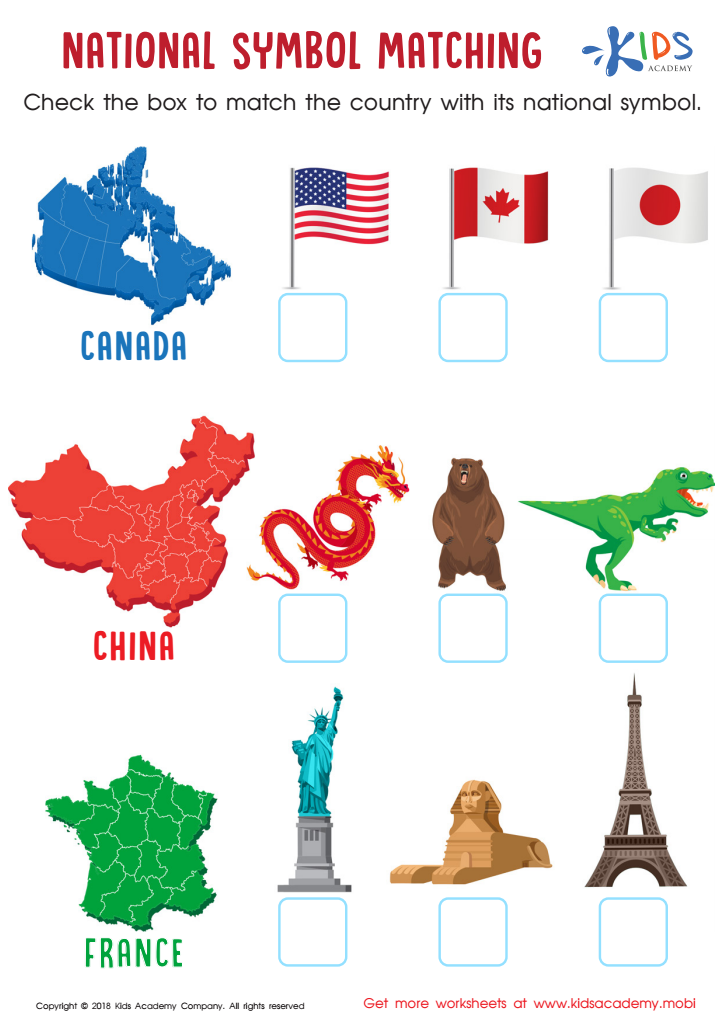
National Symbol Matching Worksheet
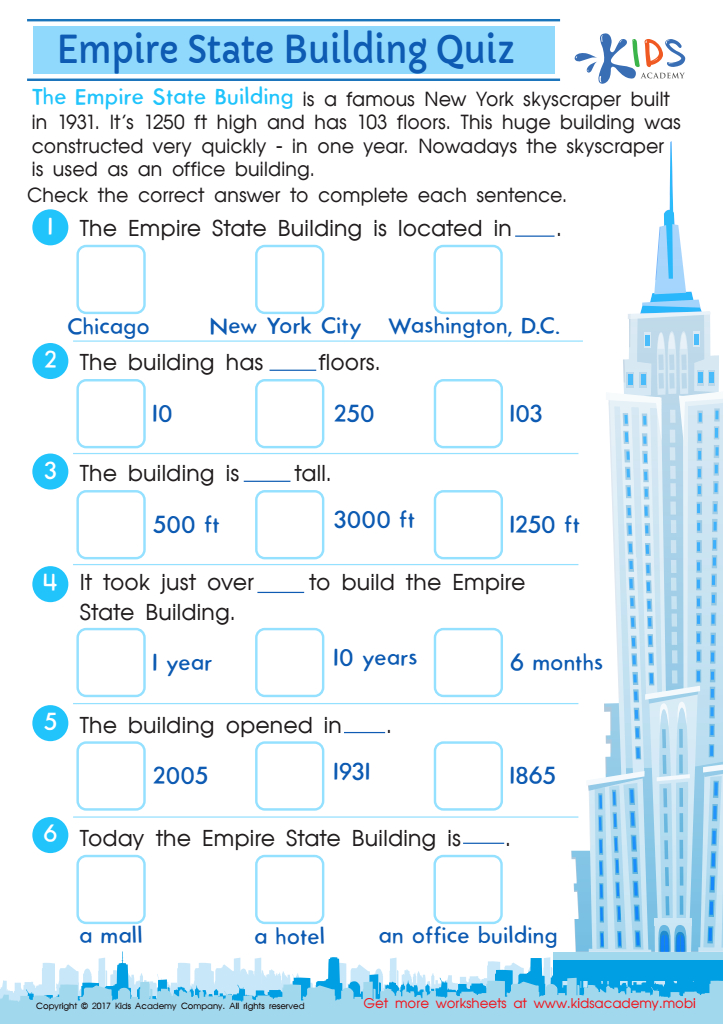
Empire State Building Printable Worksheet
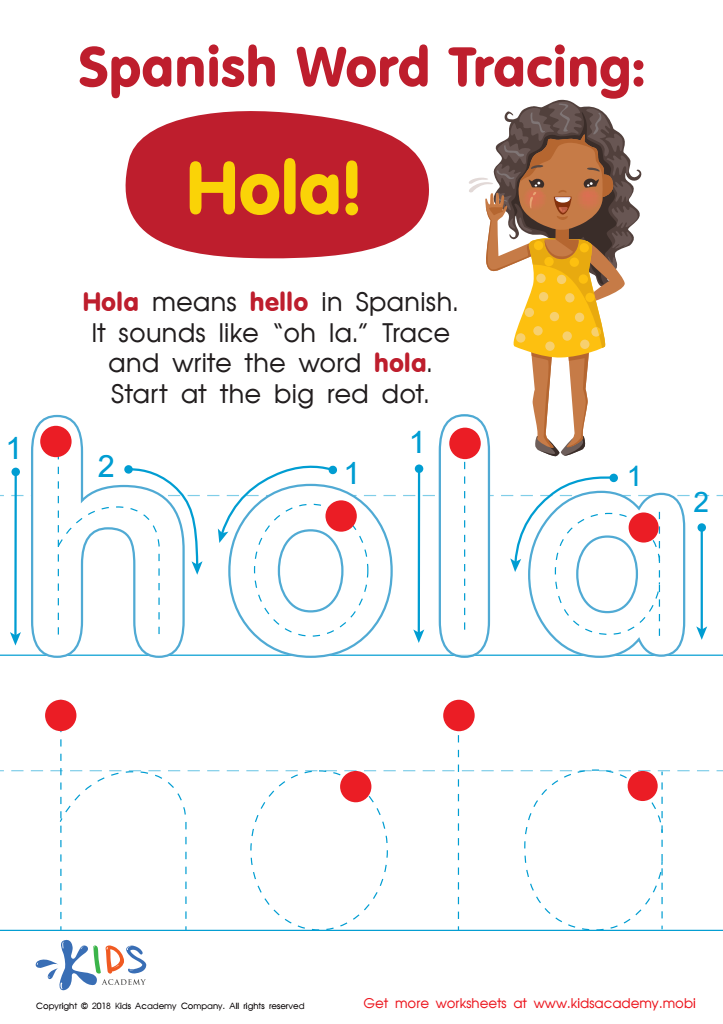
Spanish Word Tracing: Hola Worksheet
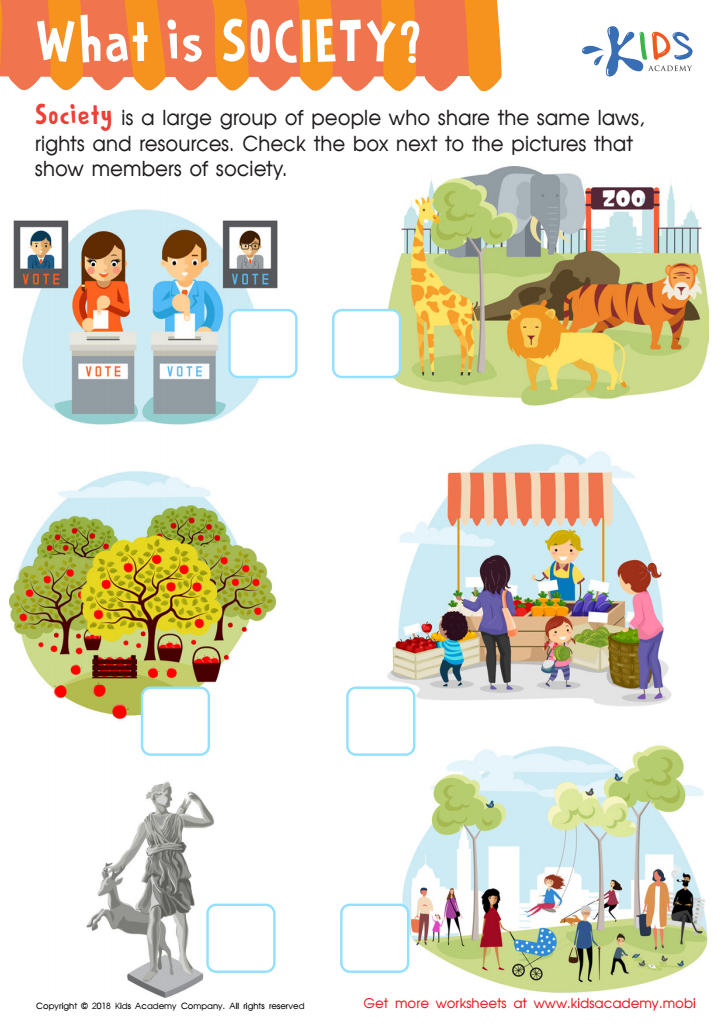
What Is Society? Worksheet
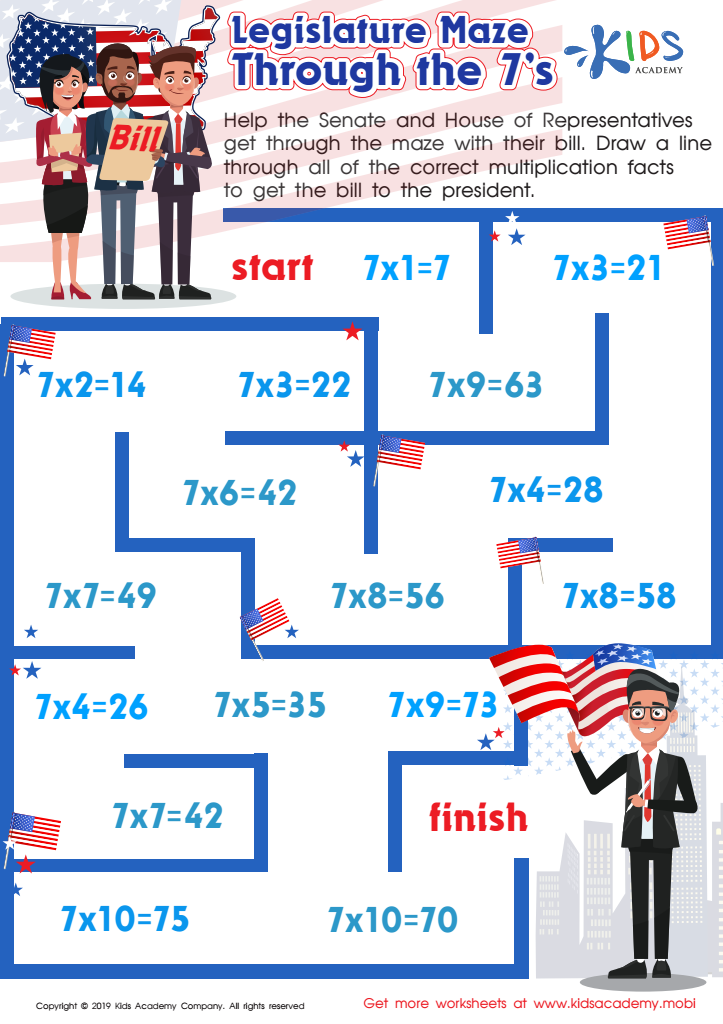
Legislature Maze Through the 7’s Worksheet
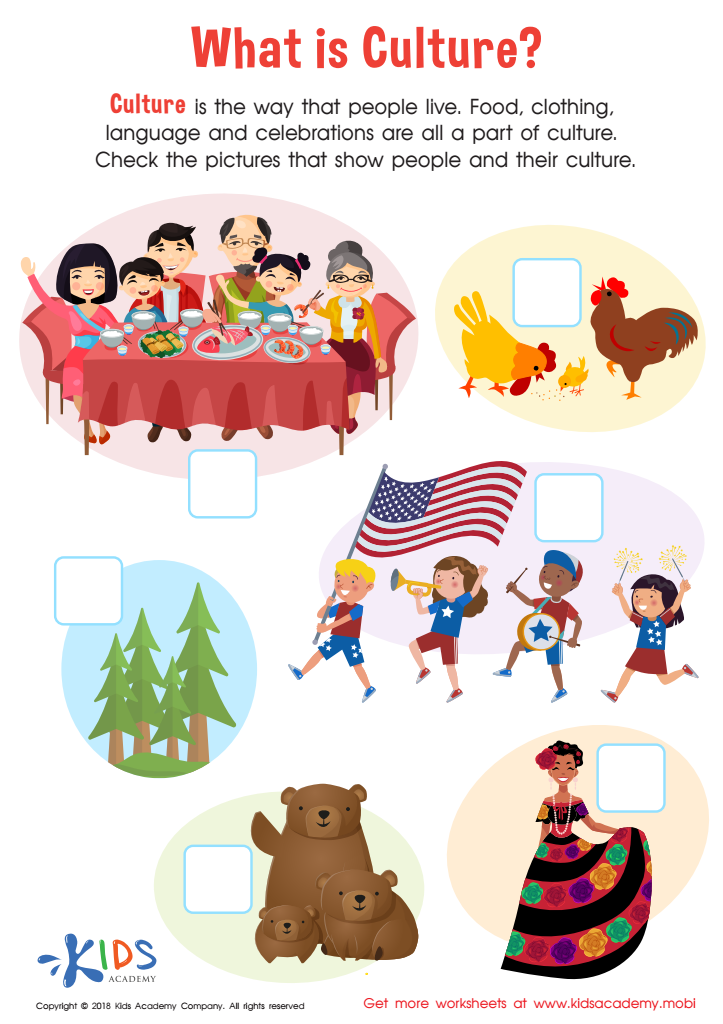
What Is Culture? Worksheet
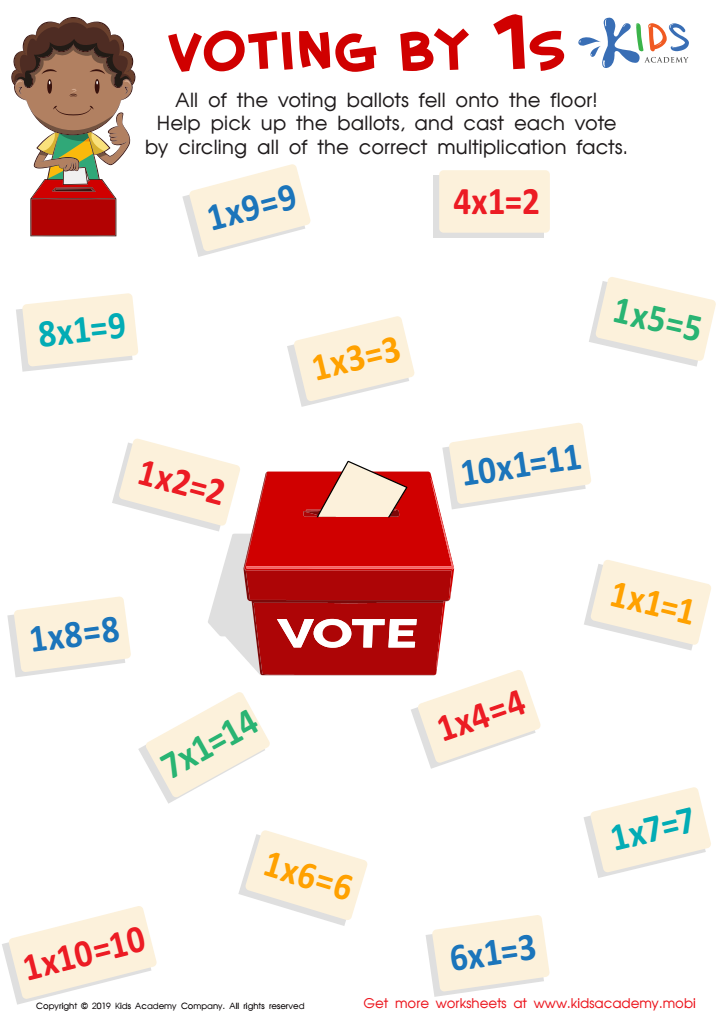
Voting by 1s Worksheet
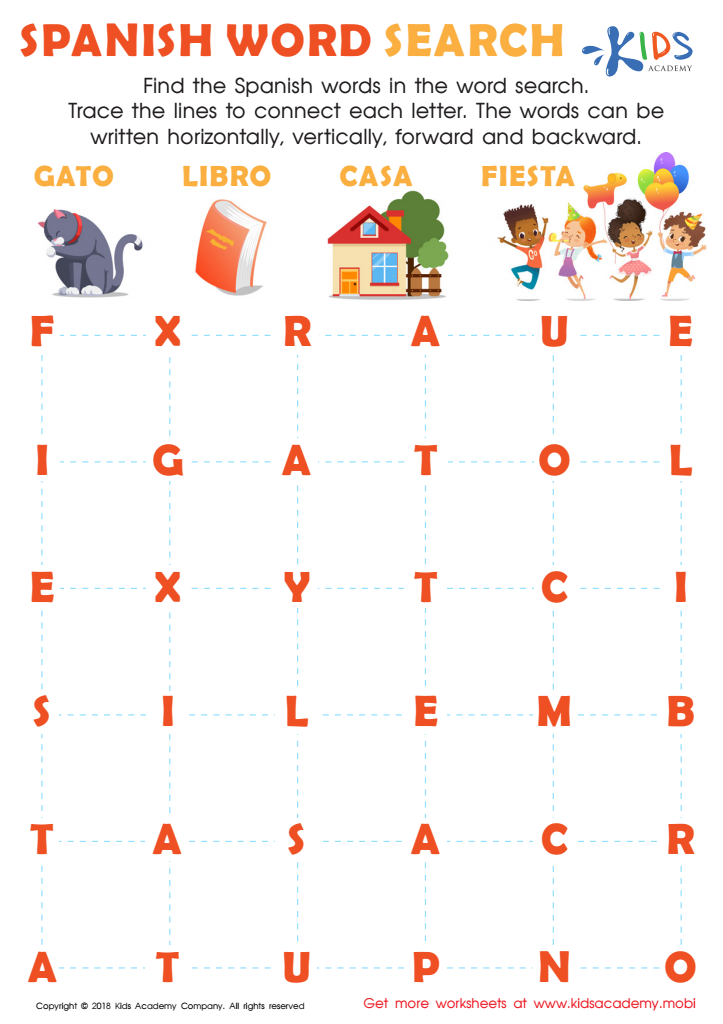
Spanish Word Search Worksheet
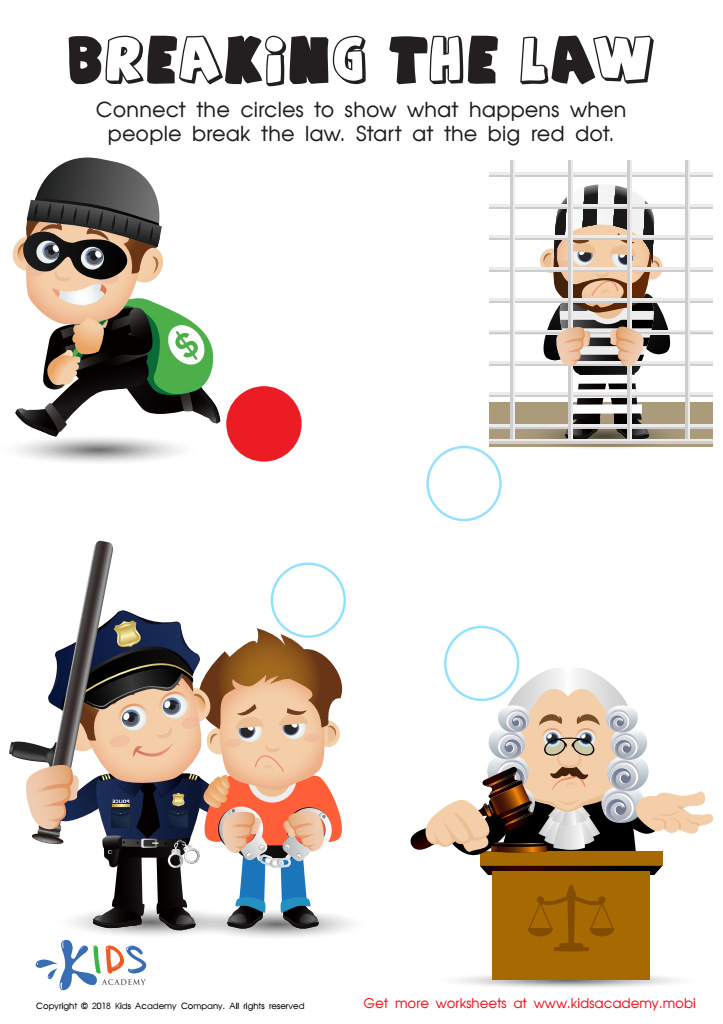
Breaking the Law Worksheet
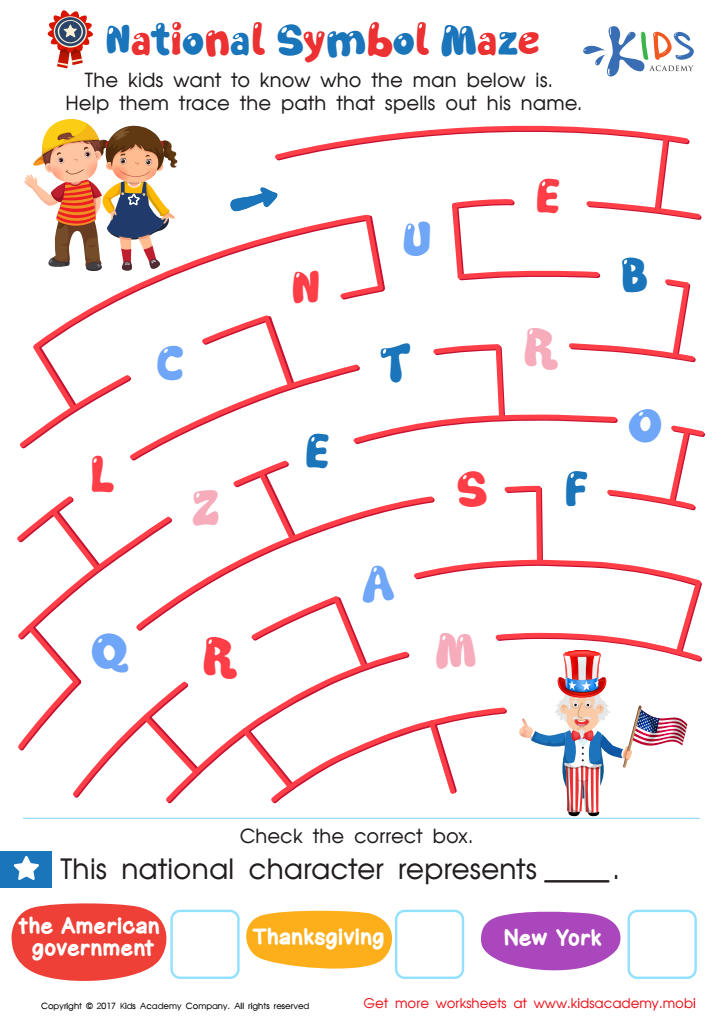
National Symbol Maze Worksheet
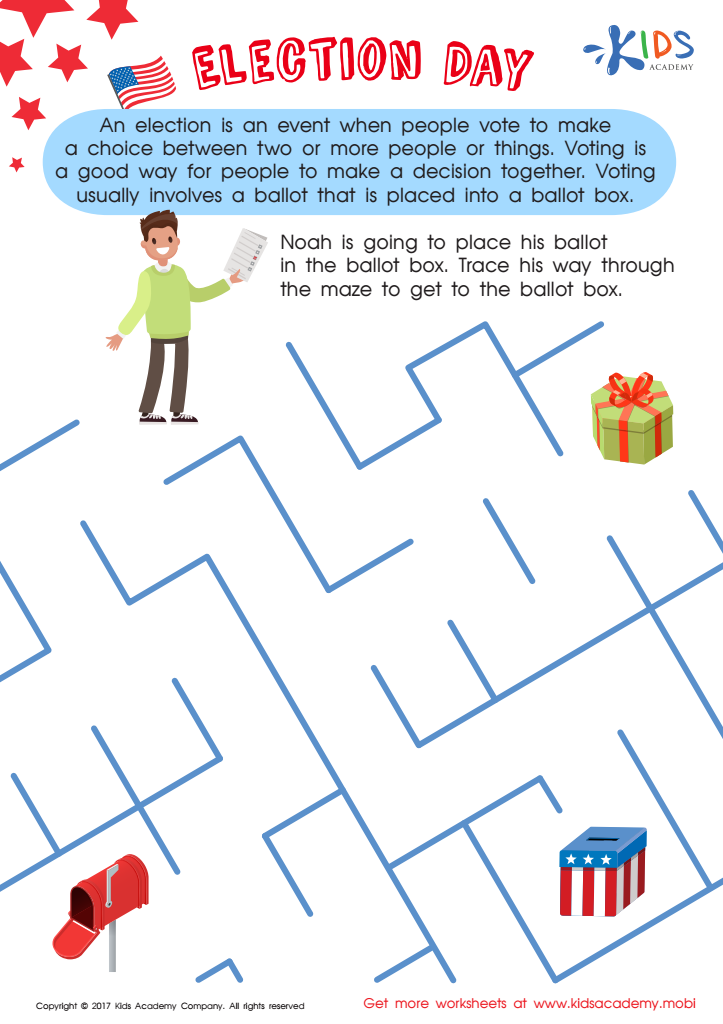
Election Day Worksheet
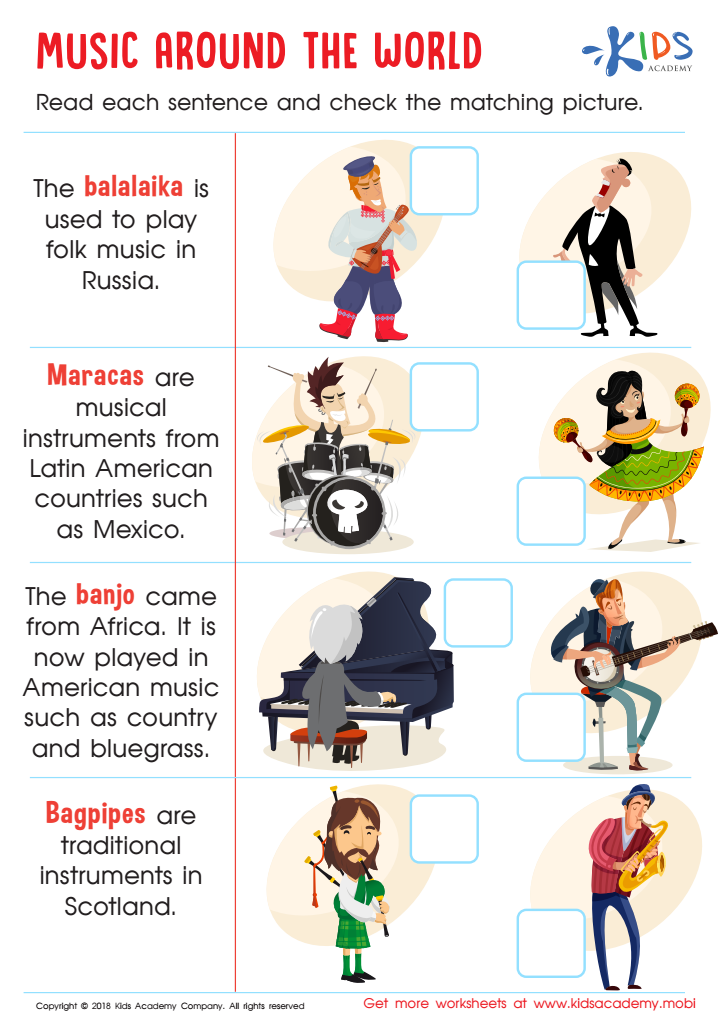
Music Around the World Worksheet
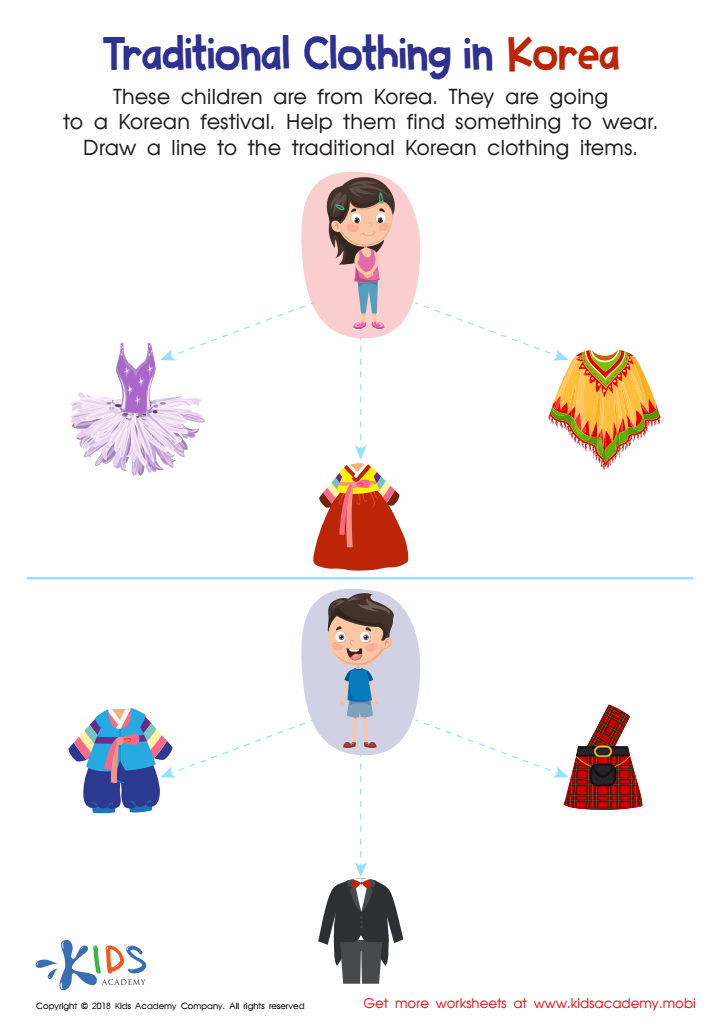
Traditional Clothing in Korea Worksheet
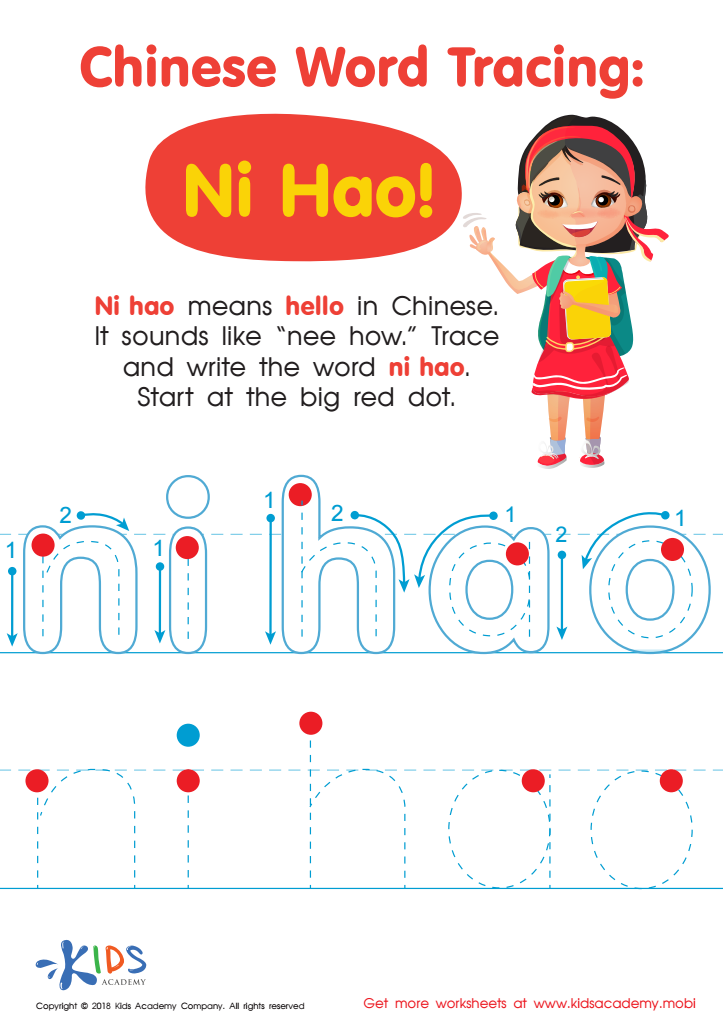
Chinese Word Tracing: Ni Hao Worksheet
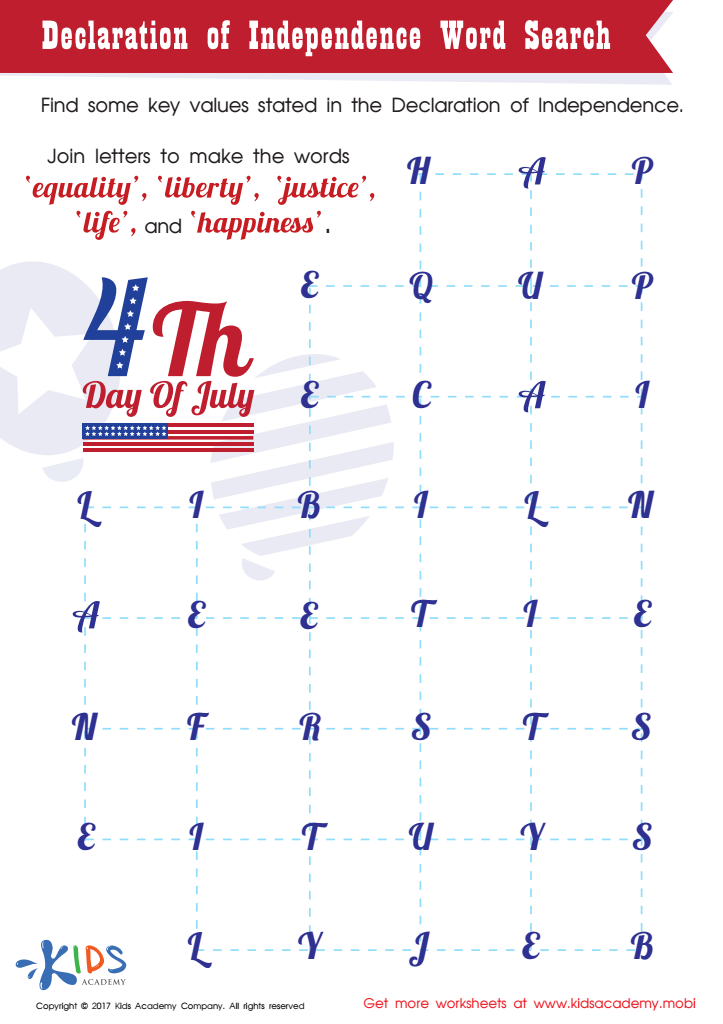
Declaration of Independence Word Search Printable
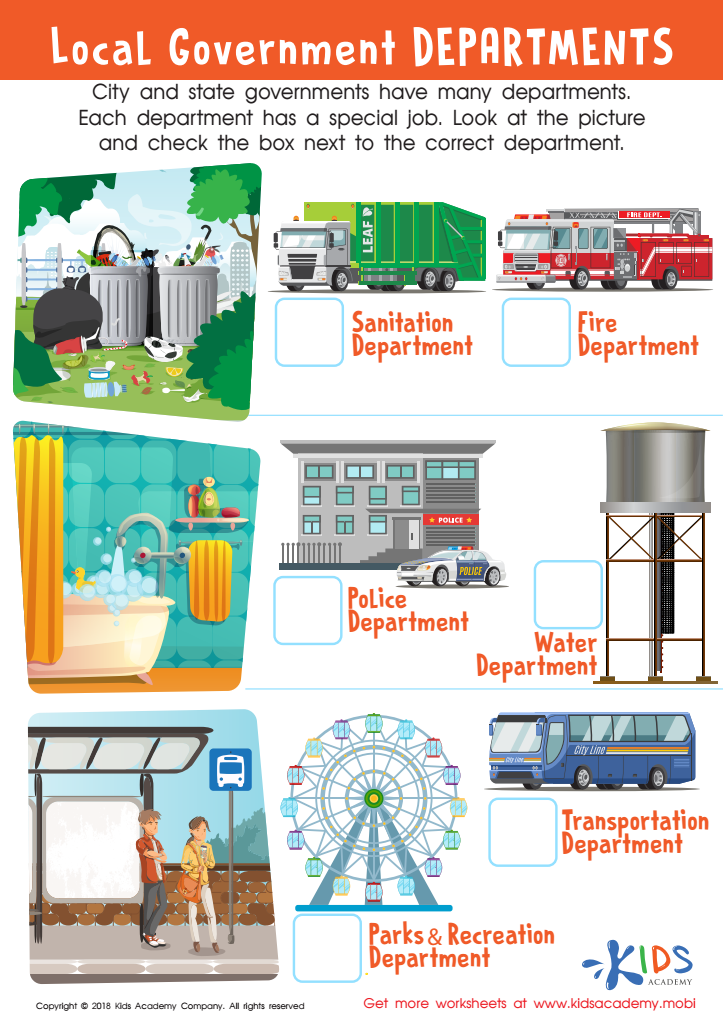
Local Government Departments Worksheet
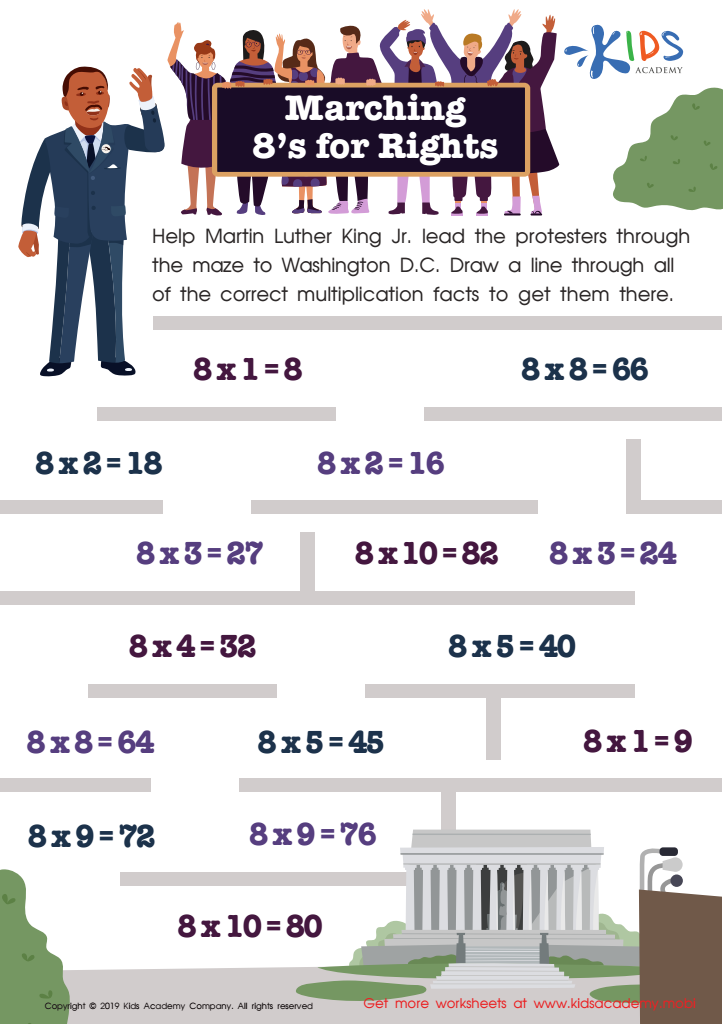
Marching 8’s for Rights Worksheet
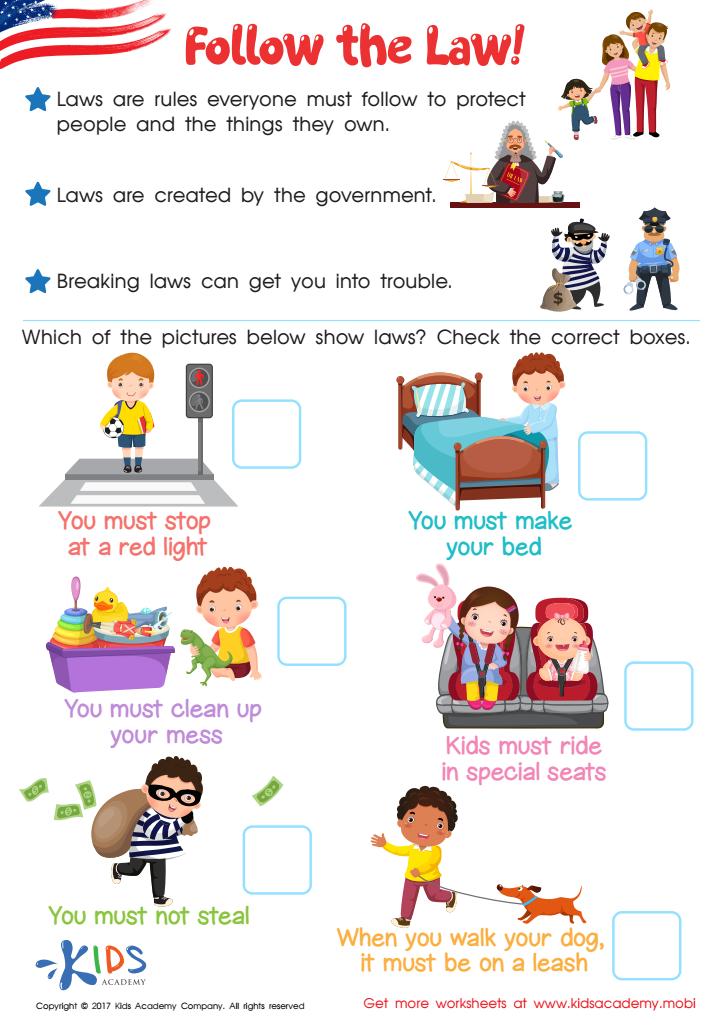
Follow the Law Worksheet
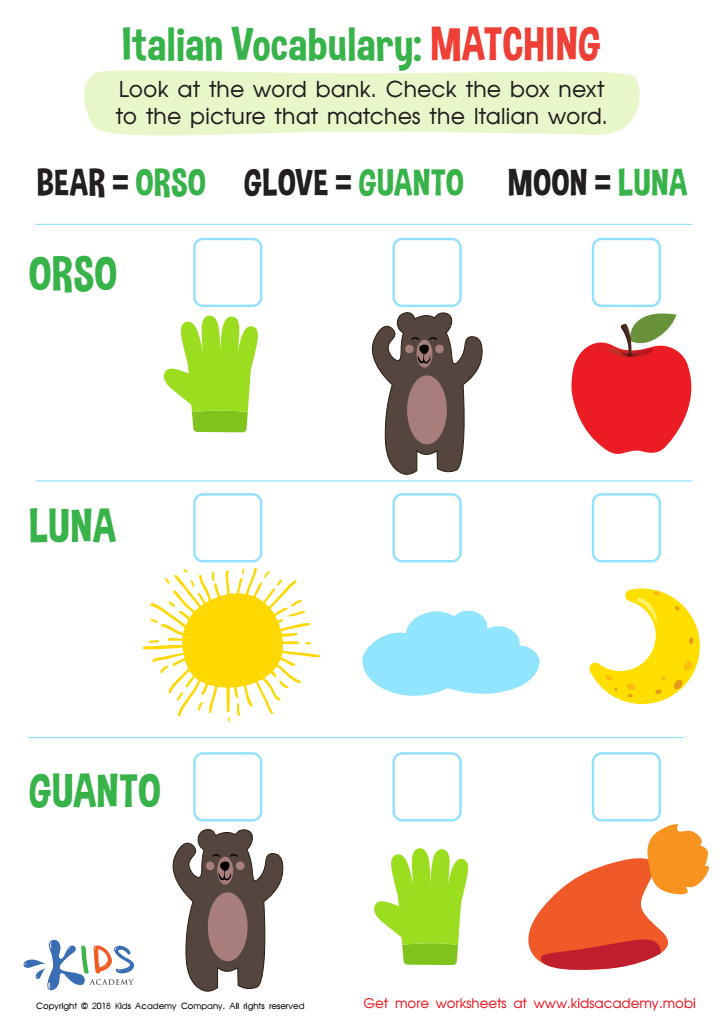
Italian Vocabulary Matching Worksheet
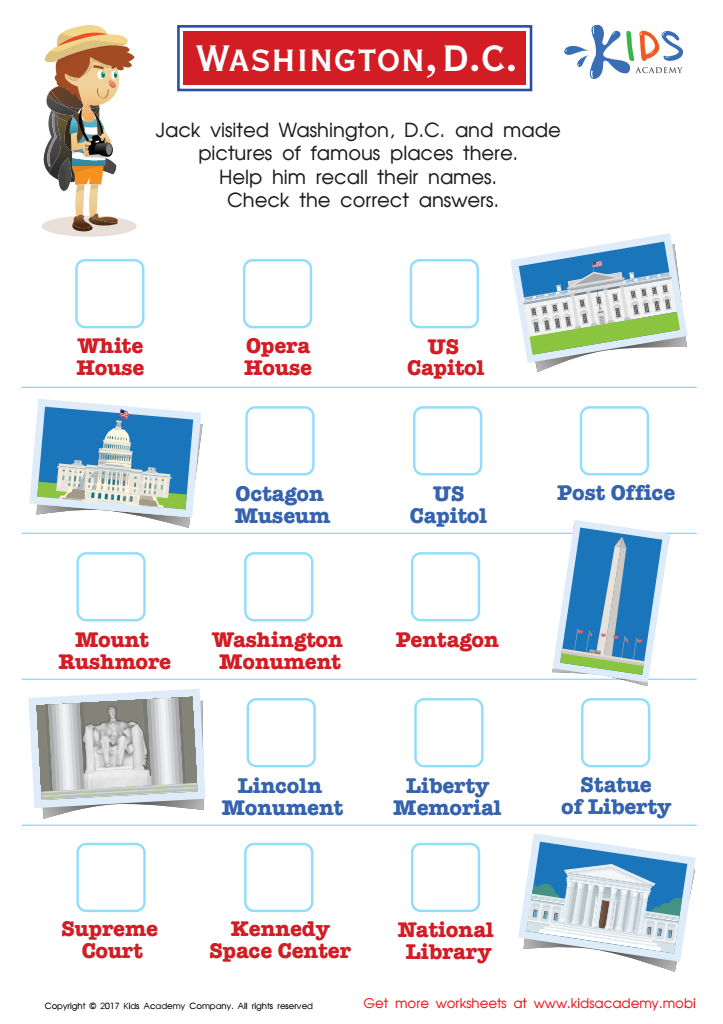
Washington D.C. Printable Worksheet
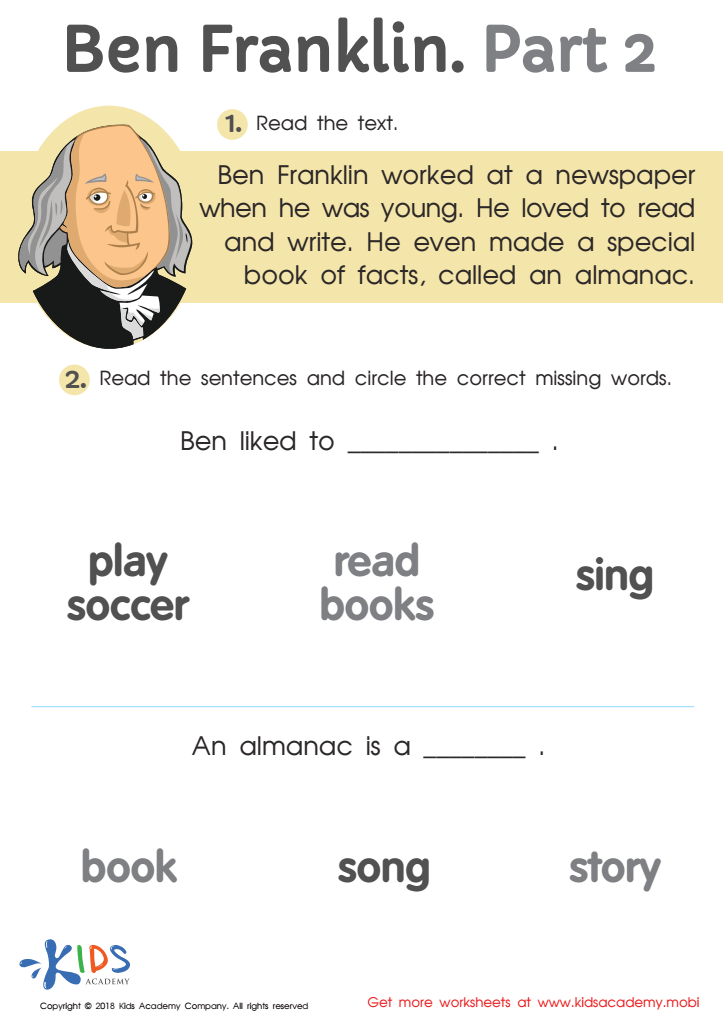
Ben Franklin Part 2 Worksheet
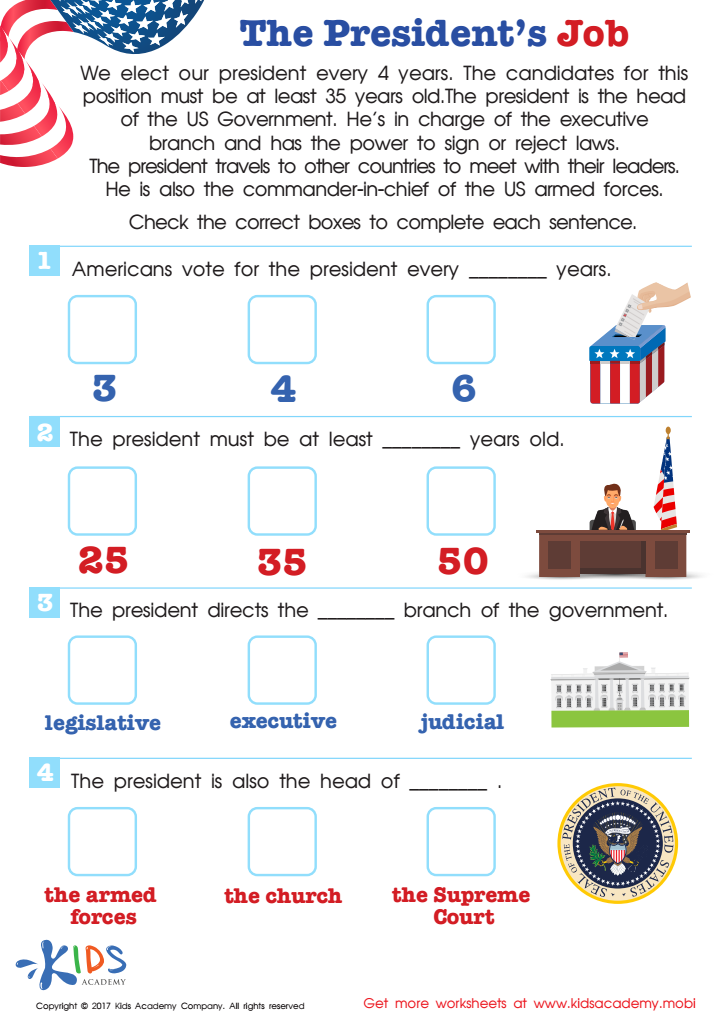
President of the USA Job Description Worksheet


Teaching governance and civics to children aged 4-9 is crucial for fostering responsible and engaged citizens. At this age, children's understanding of the world begins to expand, making it an ideal time to introduce fundamental concepts of democracy, community roles, and social responsibility.
First, early exposure to governance helps children grasp basic principles of fairness, decision-making, and conflict resolution. These concepts encourage them to express their opinions and listen to others, laying the groundwork for respectful dialogue. Moreover, by understanding societal structures, children develop respect for rules and authority, which reinforces positive behavior both at home and in school.
Additionally, incorporating civics into early education nurtures a sense of belonging and empathy. Children learn about their role in the community, fostering a connection to peers and the environment. This encourages the development of values such as sharing, cooperation, and taking turns, which are crucial for cooperation in group activities and future collaborative efforts.
Lastly, instilling these values early on empowers children to become active participants in their communities as they grow. Ultimately, parents and teachers should care about governance and civics education because it cultivates informed, empathetic, and active citizens who can positively influence society in the future.