History Worksheets for Ages 4-9 - Page 4
90 filtered results
-
From - To
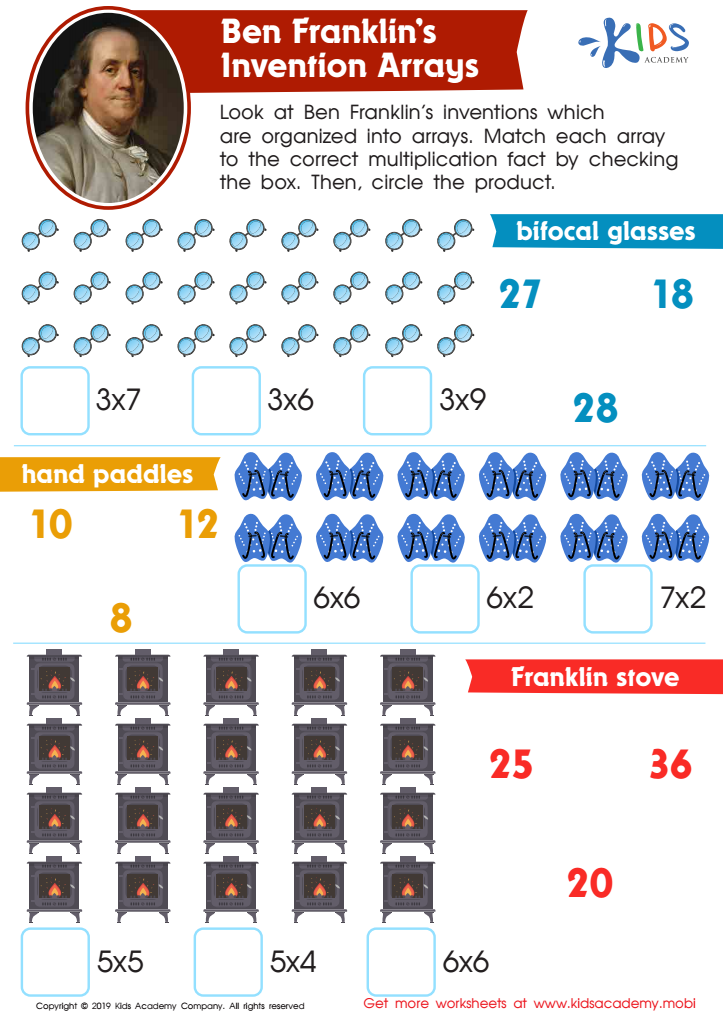
Ben Franklin’s Invention Arrays Worksheet
 Assign to My Students
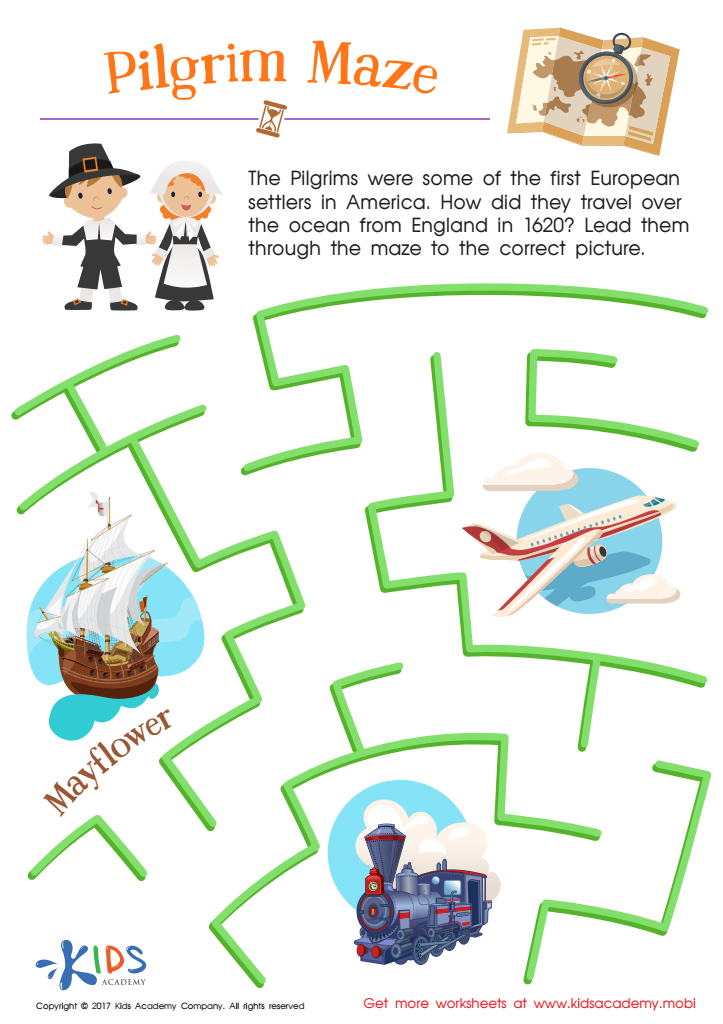
Pilgrim Maze Worksheet
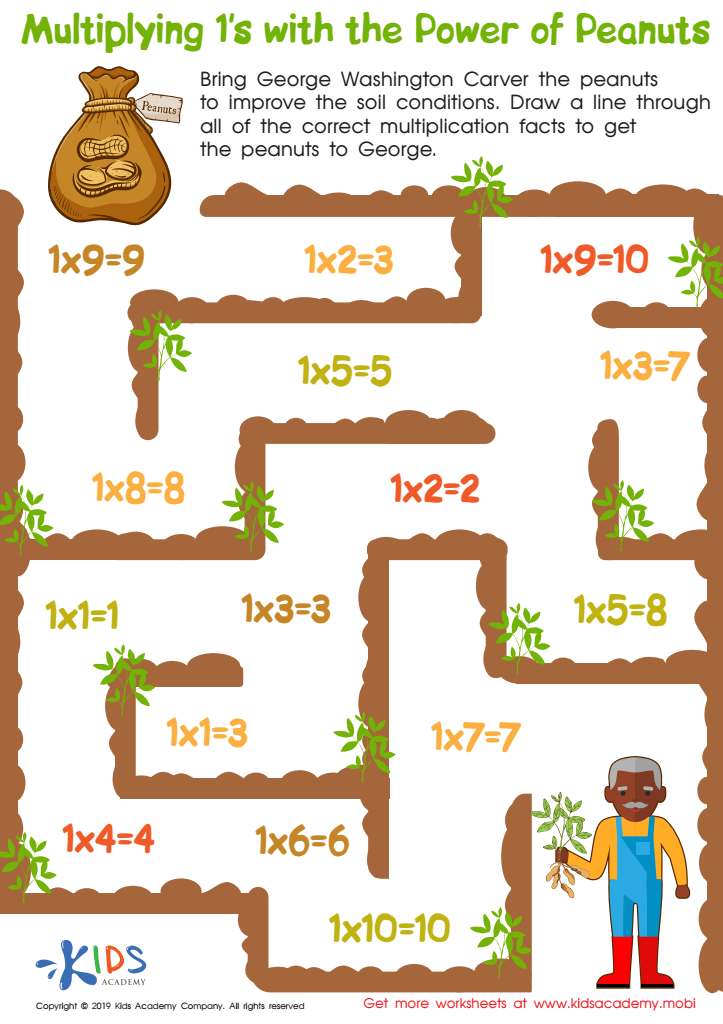
Multiplying 1’s With the Power of Peanuts Worksheet
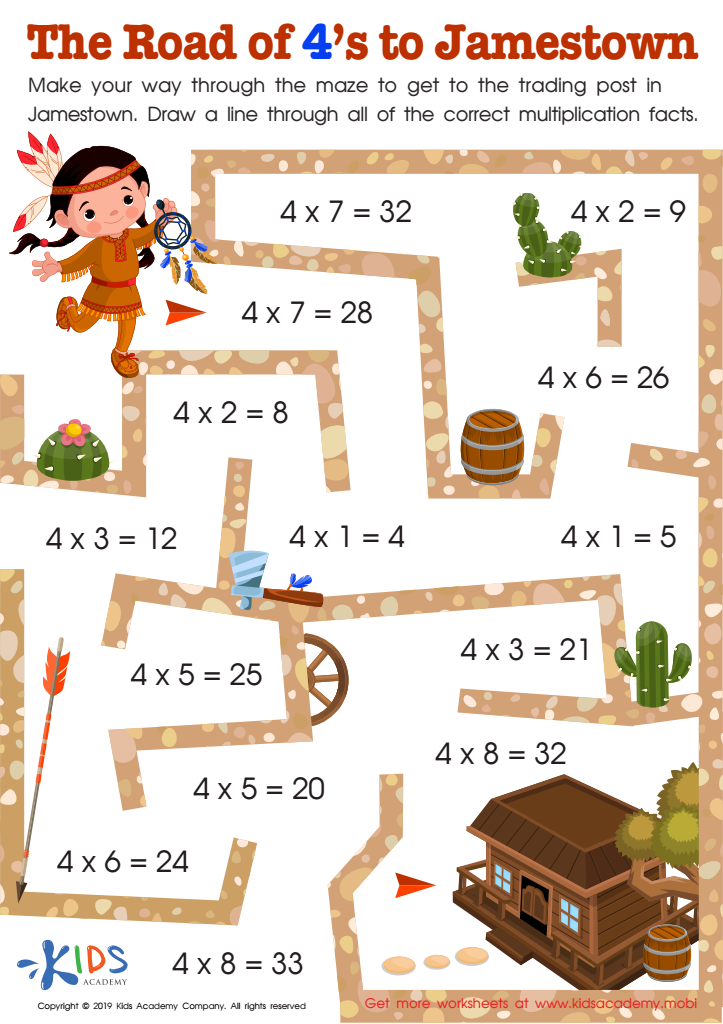
The Road of 4’s to Jamestown Worksheet
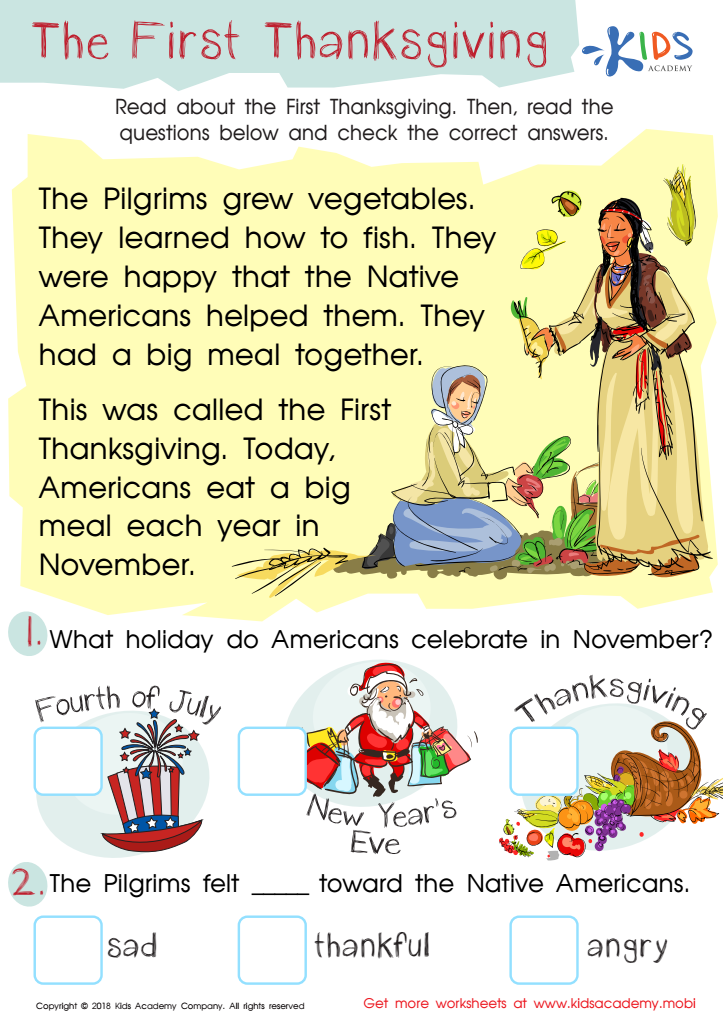
Assessment: First Thanksgiving Worksheet
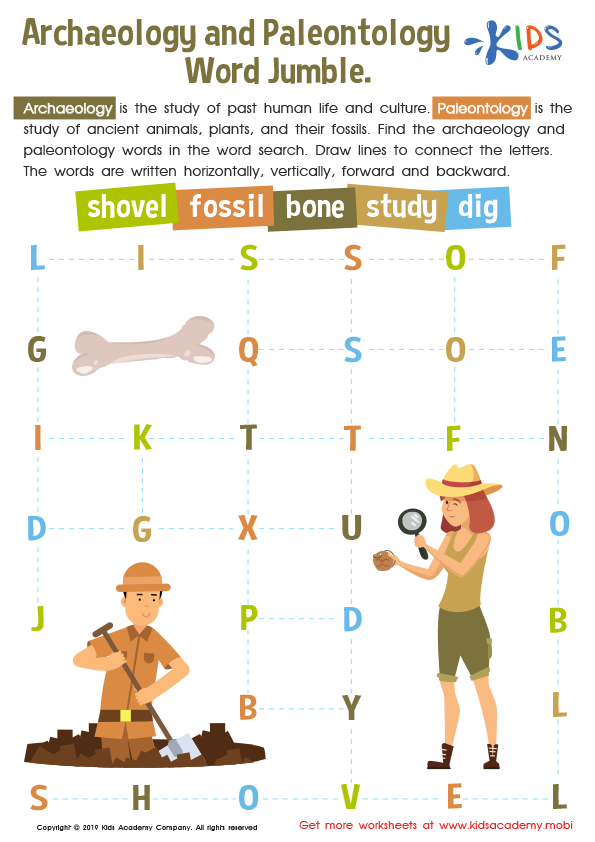
Archaeology and Paleontology Word Jumble Worksheet
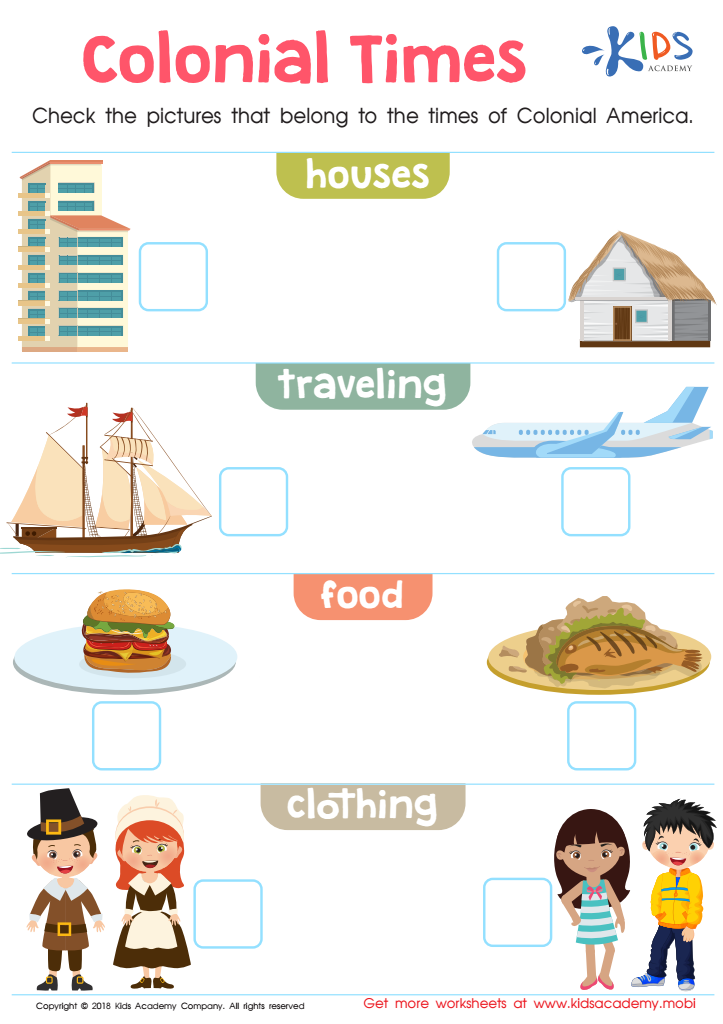
Colonial Times Worksheet
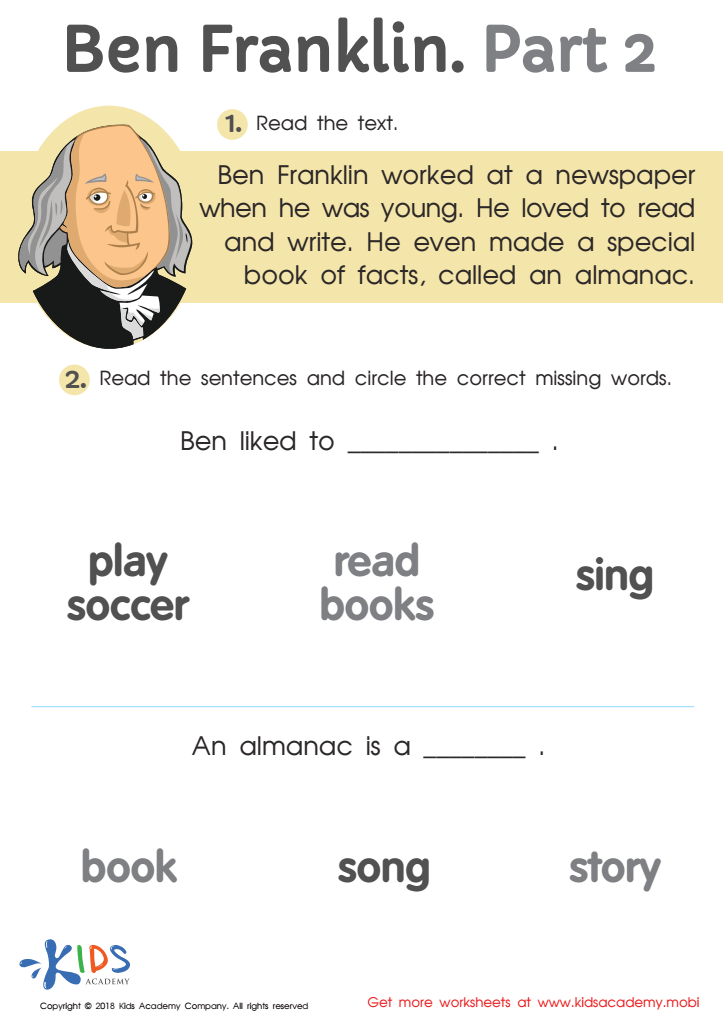
Ben Franklin Part 2 Worksheet
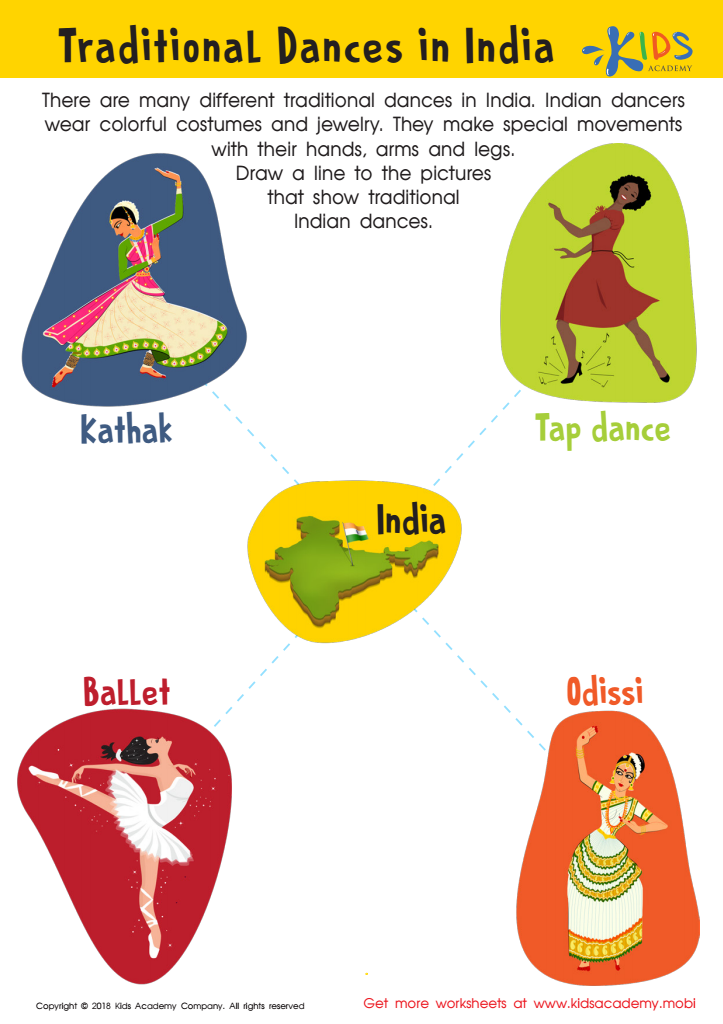
Traditional Dances in India Worksheet
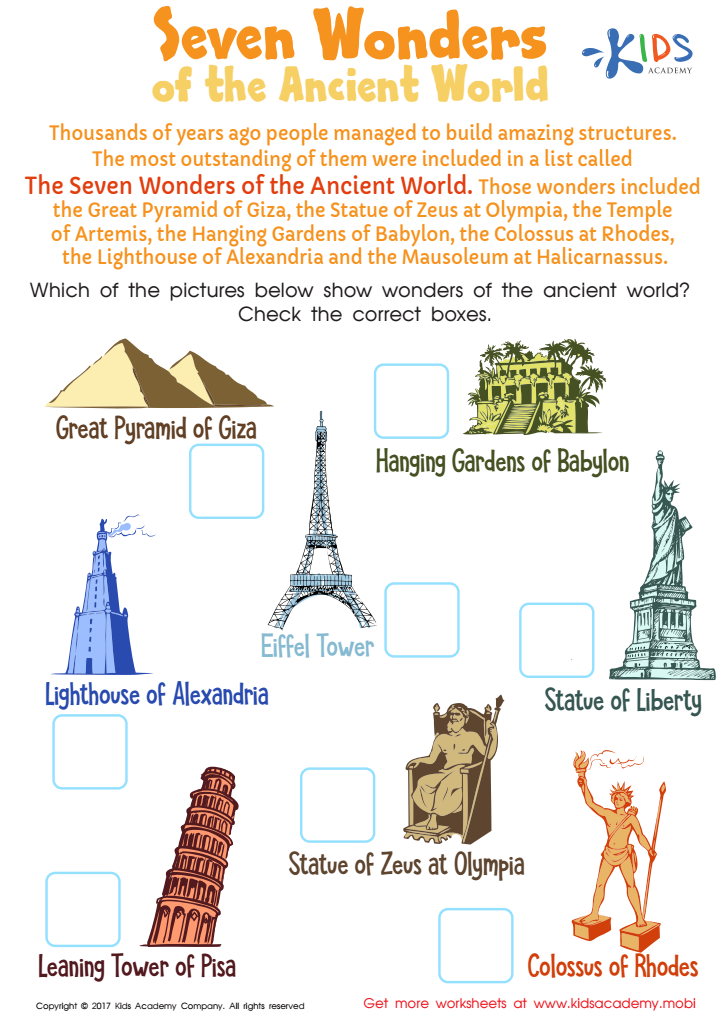
Seven Wonders of the Ancient World Worksheet
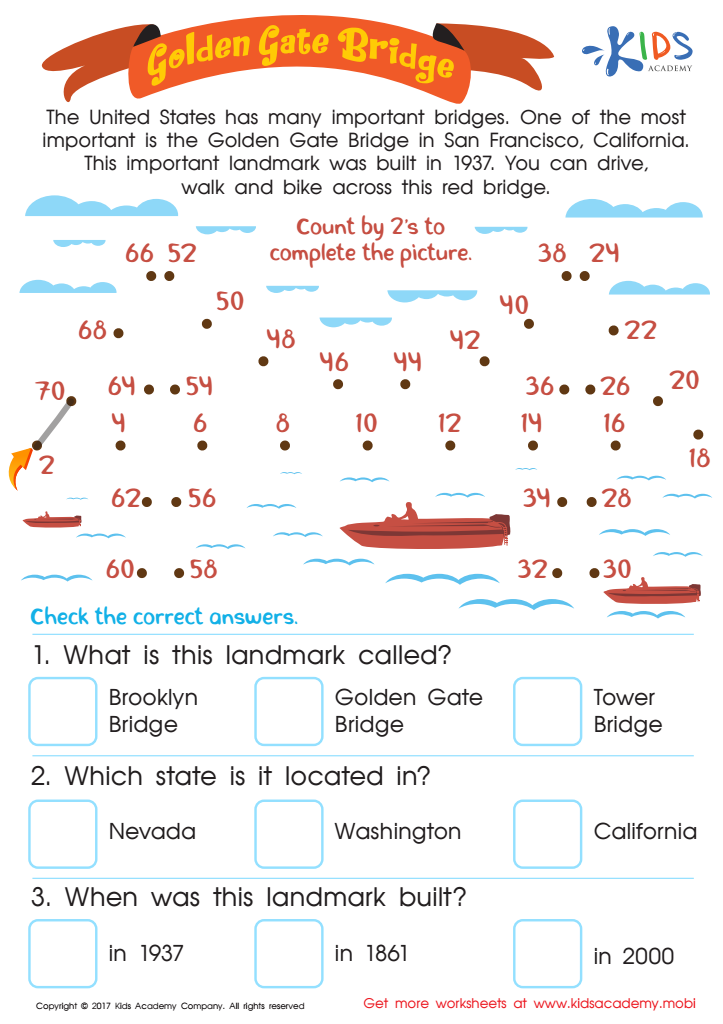
Golden Gate Bridge Worksheet
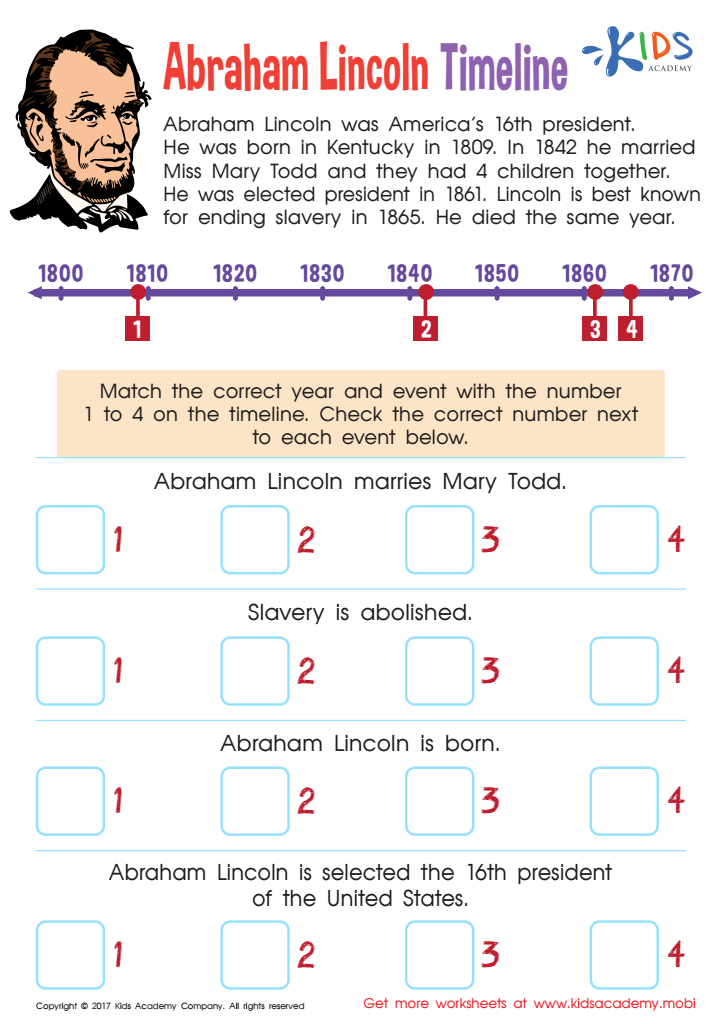
Abraham Lincoln Timeline Worksheet
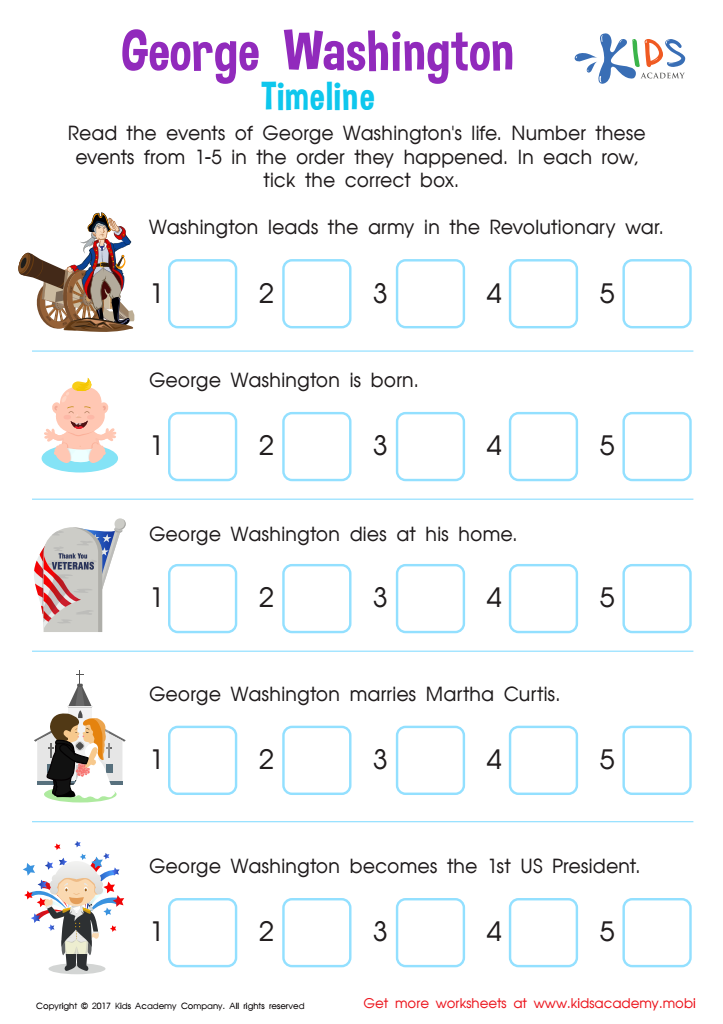
George Washington Timeline Worksheet
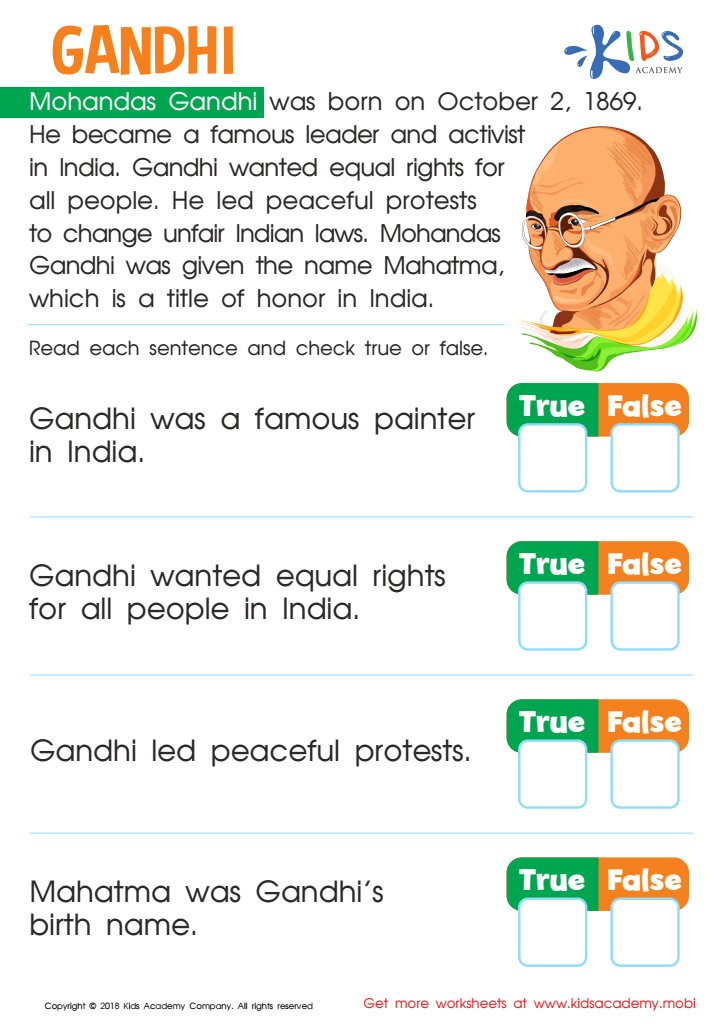
Gandhi Worksheet
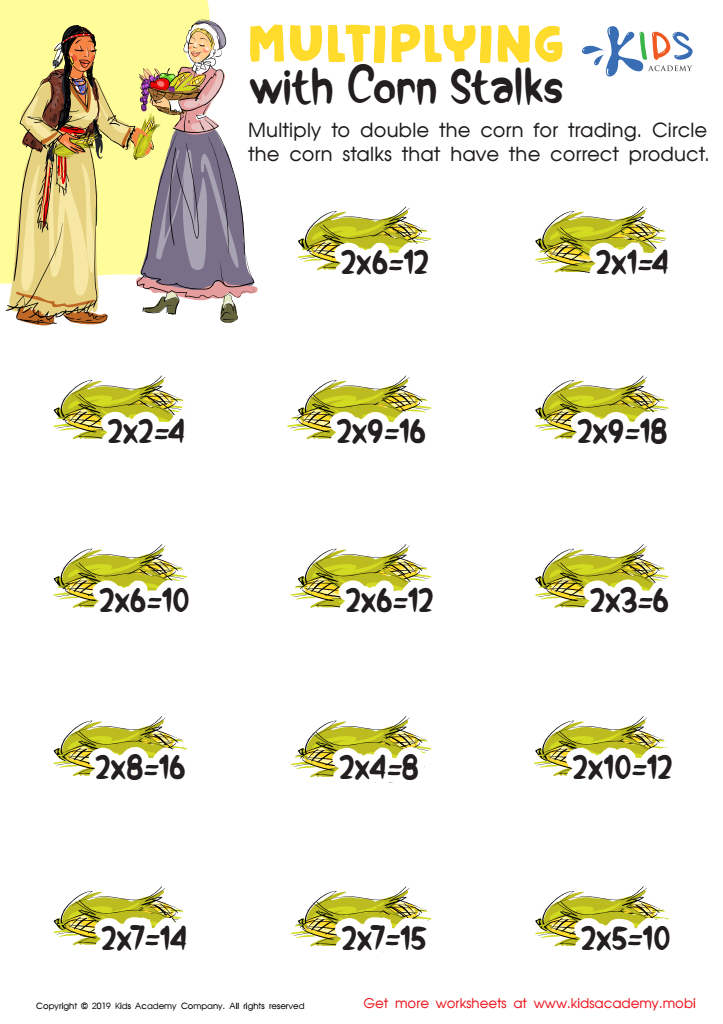
Multiplying With Corn Stalks Worksheet
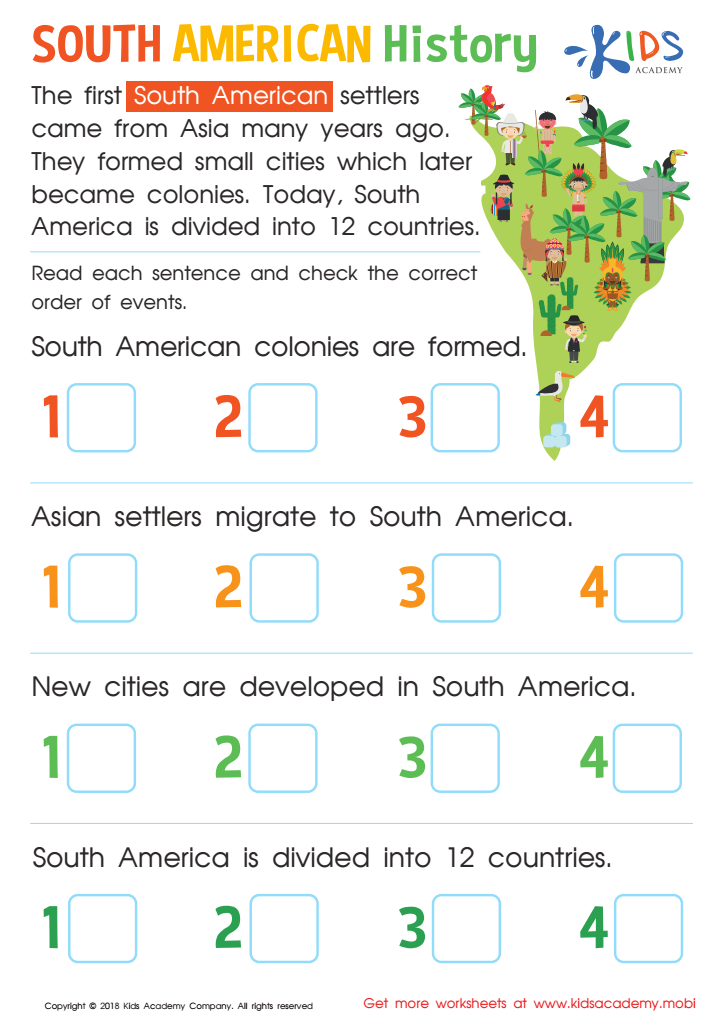
South American History Worksheet
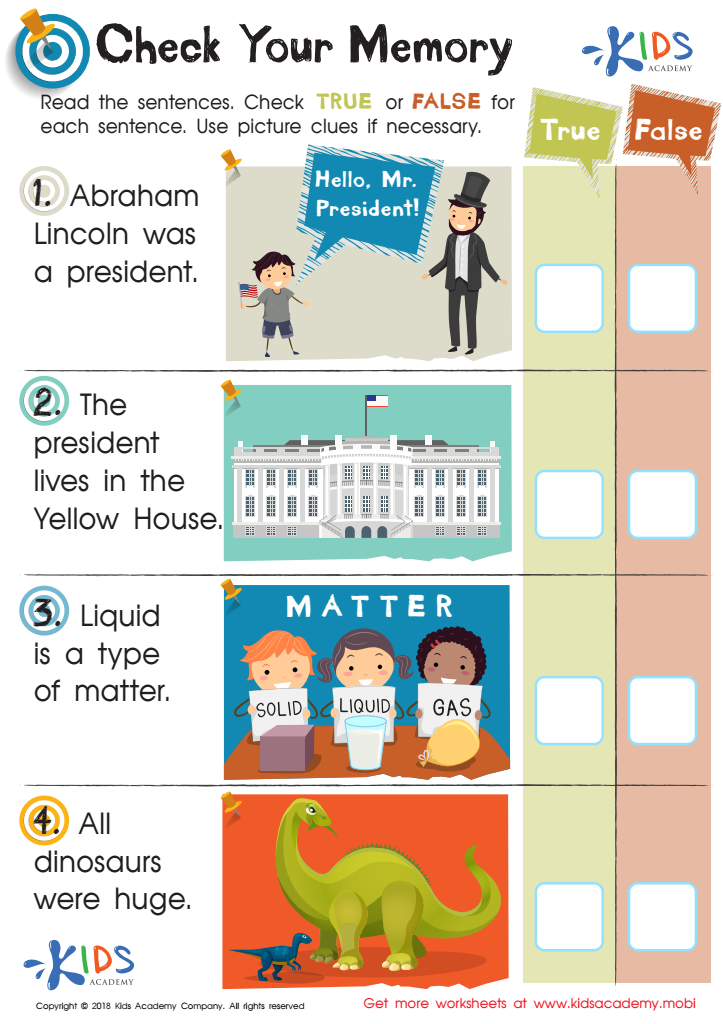
Check Memory Worksheet
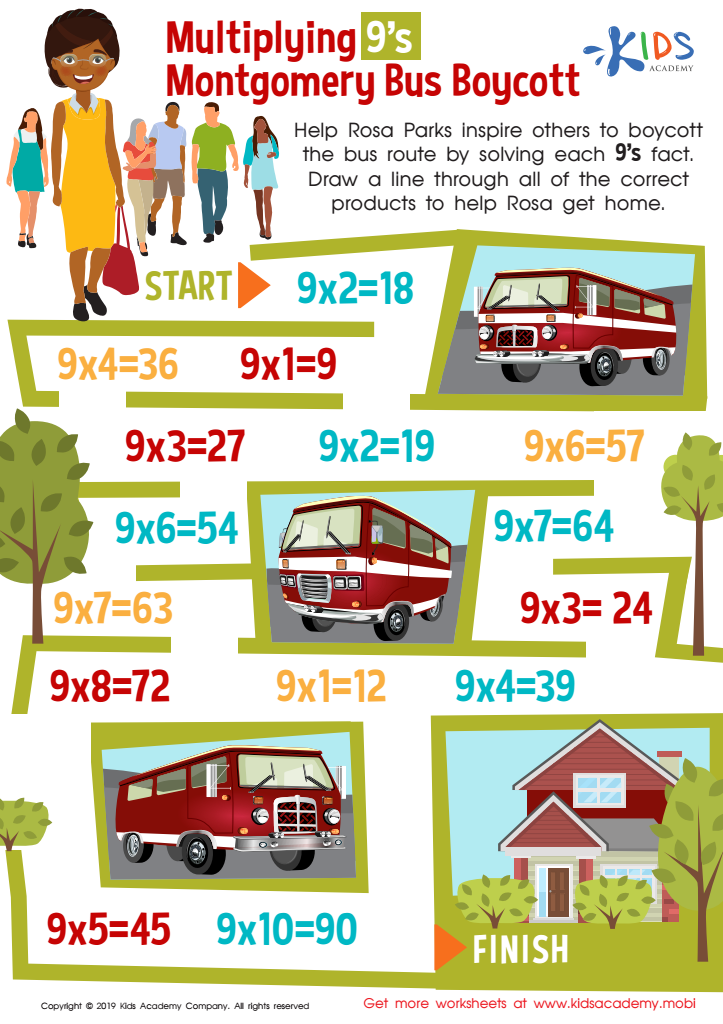
Multiplying 9’s Montgomery Bus Boycott Worksheet








History is vital for children aged 4-9 as it lays the foundation for understanding their identity, culture, and the world around them. During these formative years, children begin to grasp the concept of time, learning that events occur in sequences and that their actions have consequences. Integrating history into their education fosters critical thinking and helps them draw connections between the past and present.
By introducing young learners to historical stories and figures, we cultivate a sense of belonging and community. They learn about diverse cultures, traditions, and values, encouraging empathy and respect for others. These lessons help children appreciate differences, fostering an inclusive mindset as they grow.
Moreover, history encourages curiosity and inquiry. When children explore historical events, they ask questions, investigate causes and effects, and discover how people and societies evolve over time. This nurtures a love for learning and can inspire future academic pursuits.
In summary, parents and teachers should prioritize history because it not only informs knowledge but also shapes character, promotes social awareness, and develops critical thinking skills, all essential for nurturing well-rounded, thoughtful individuals ready to engage with the world.