Long Vowels Worksheets for Ages 5-7 - Page 2
36 filtered results
-
From - To
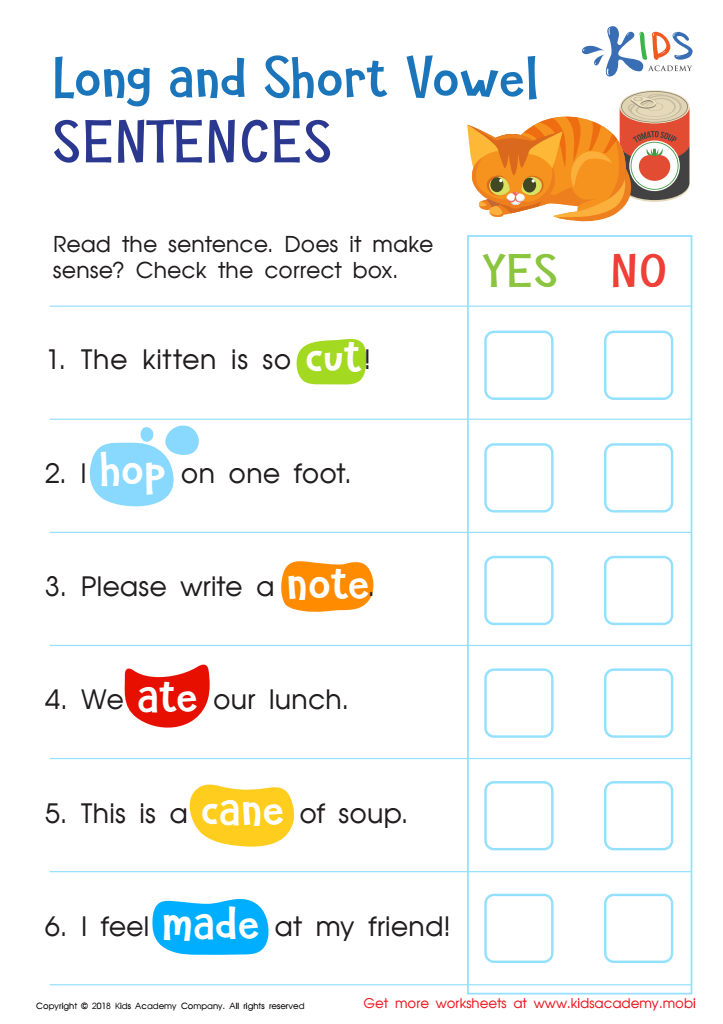
Long and Short Vowel Sentences: Assessment Worksheet
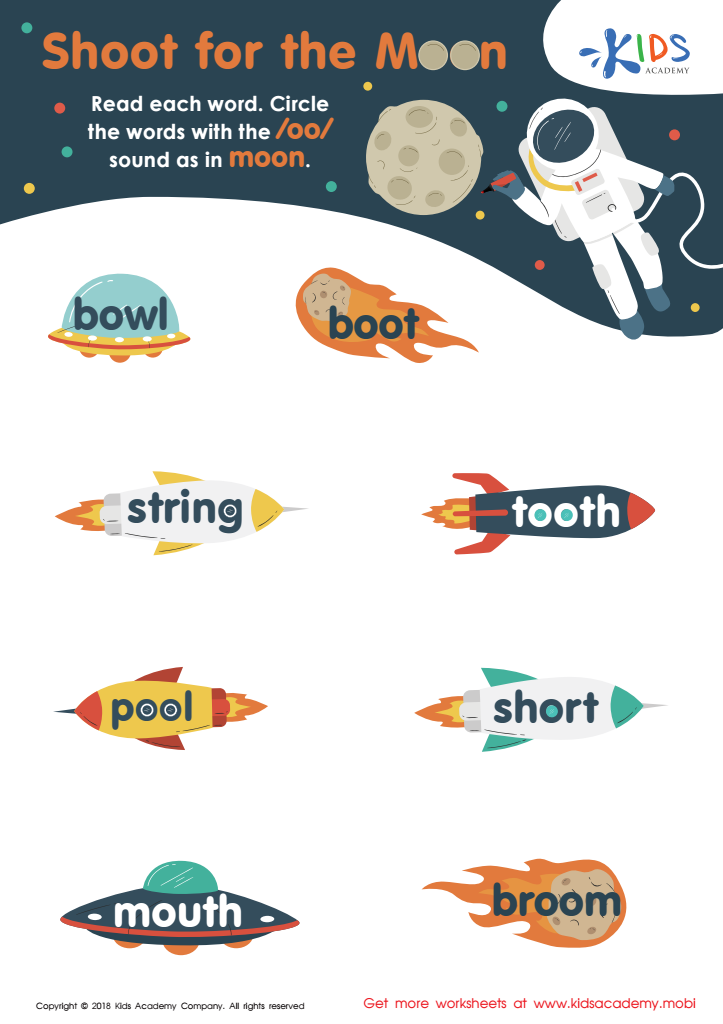
Reading: Shoot for the Moon Worksheet
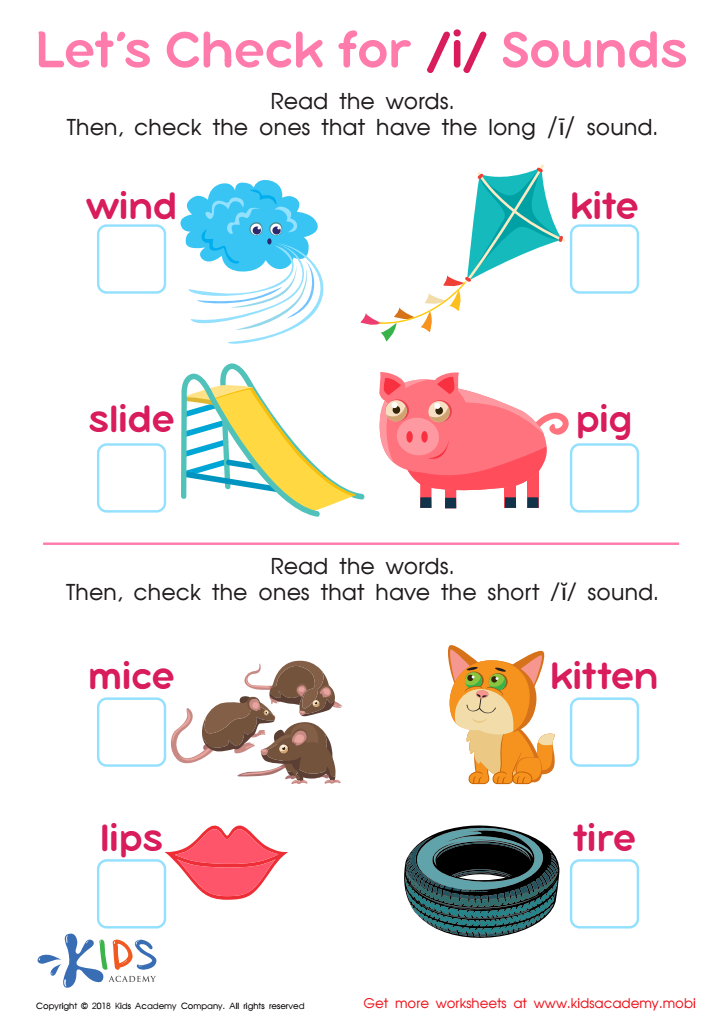
Let's Check for «i» Sounds Worksheet
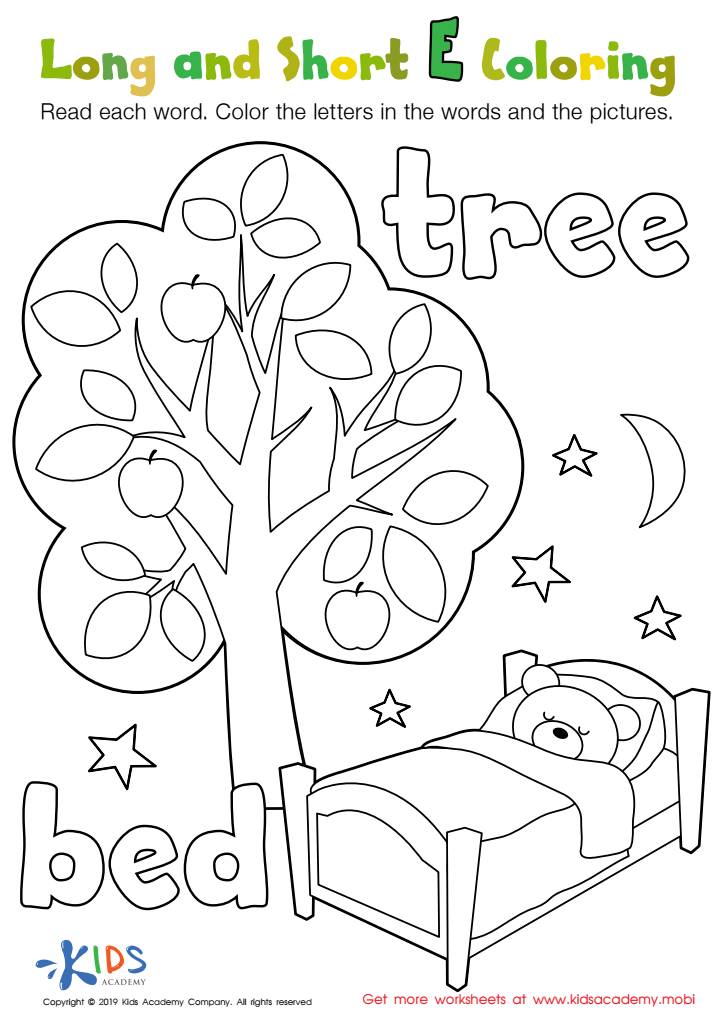
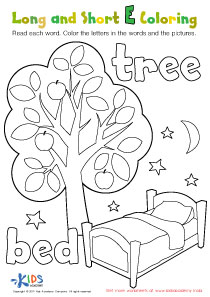
Long and Short E Worksheet
 Assign to My Students
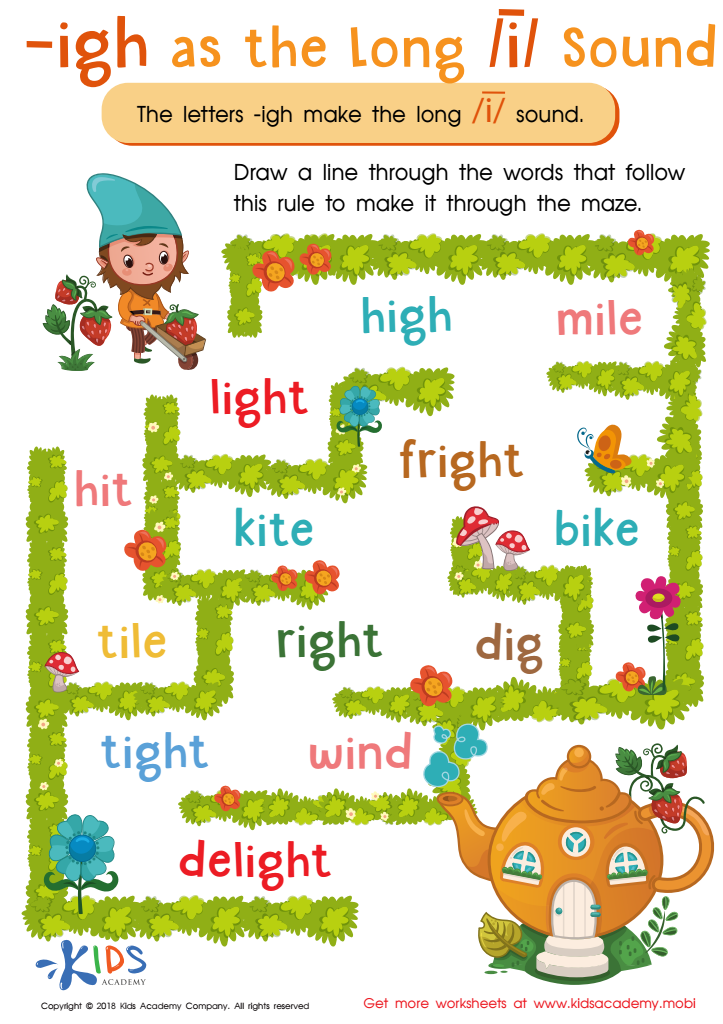
Reading: IGH as Long I Worksheet
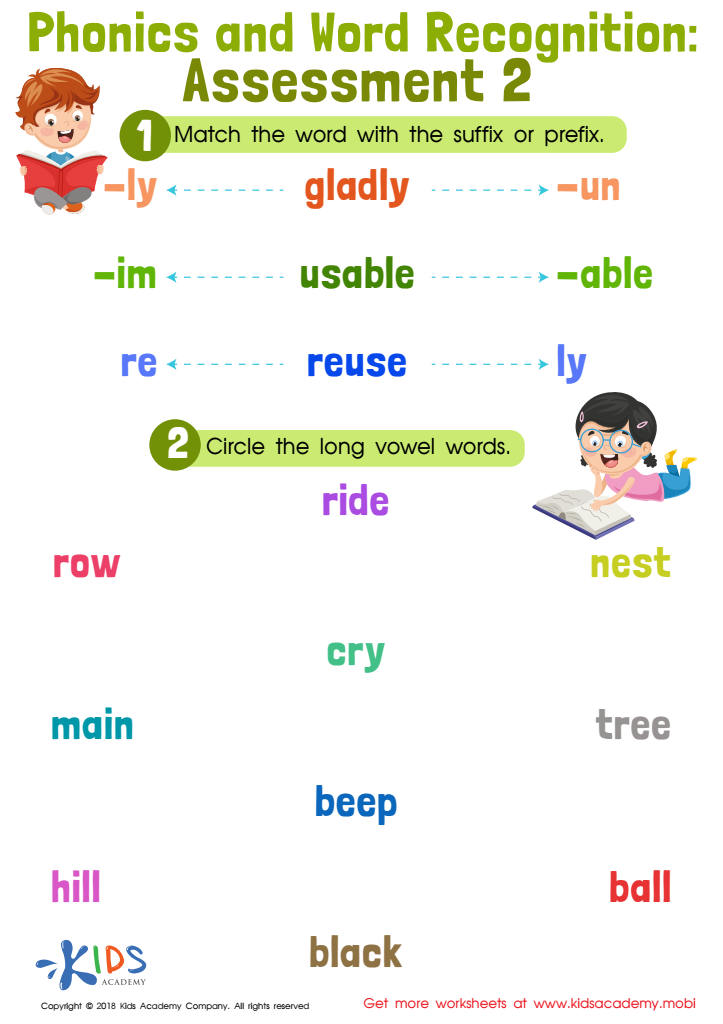
Phonics and Word Recognition: Assessment 2
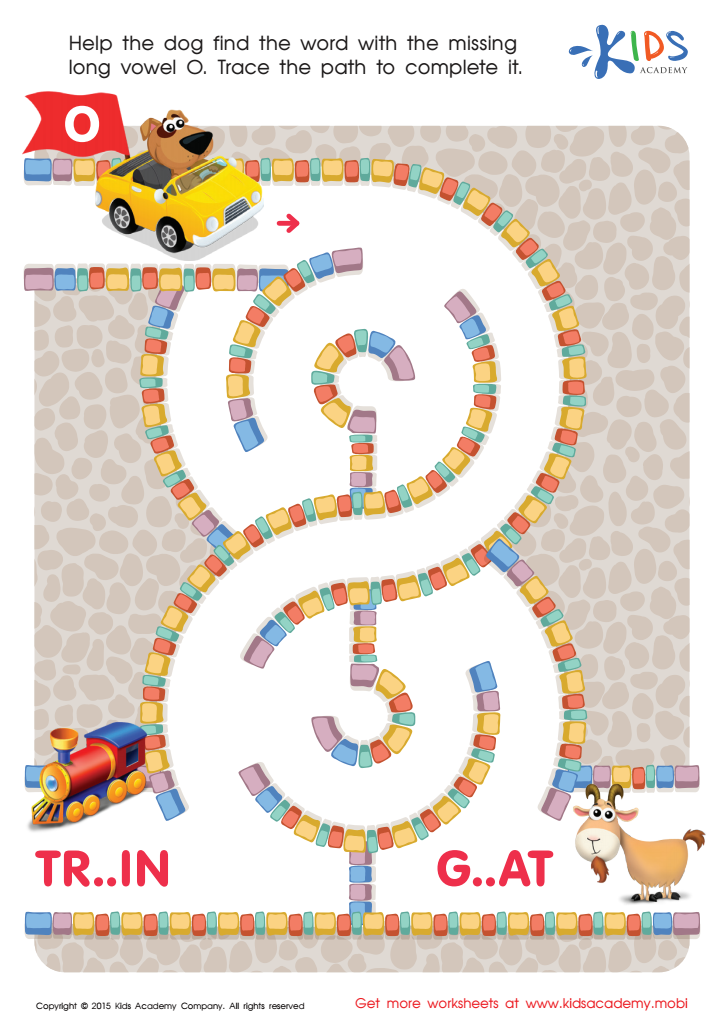
Long Vowel Sound O Worksheet
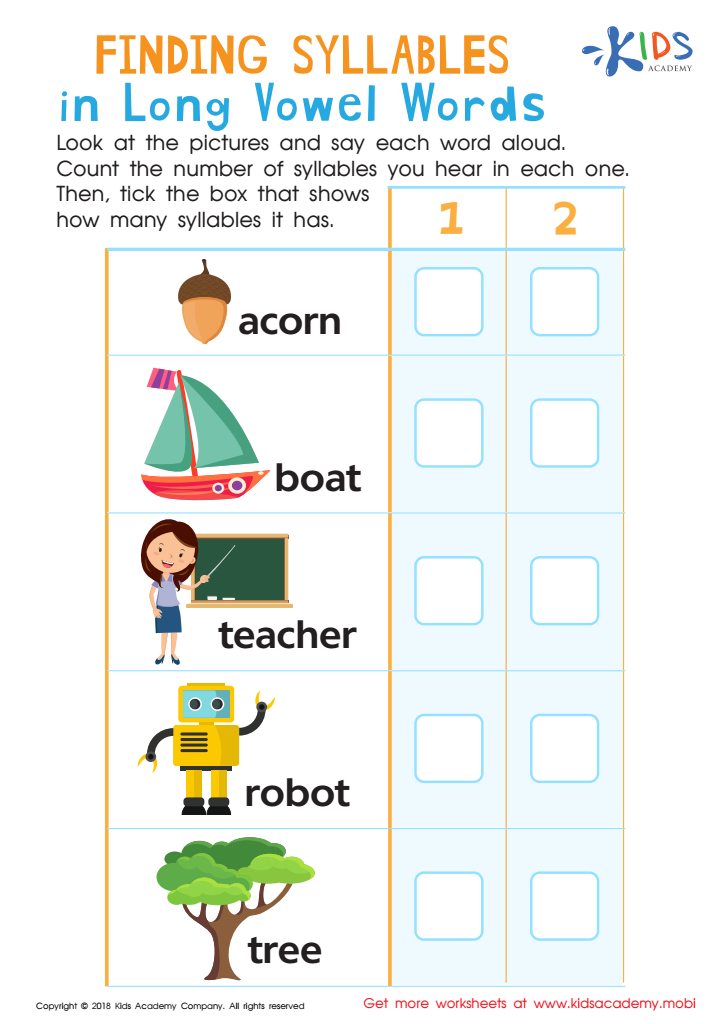
Finding Syllables in Long Vowel Words Worksheet
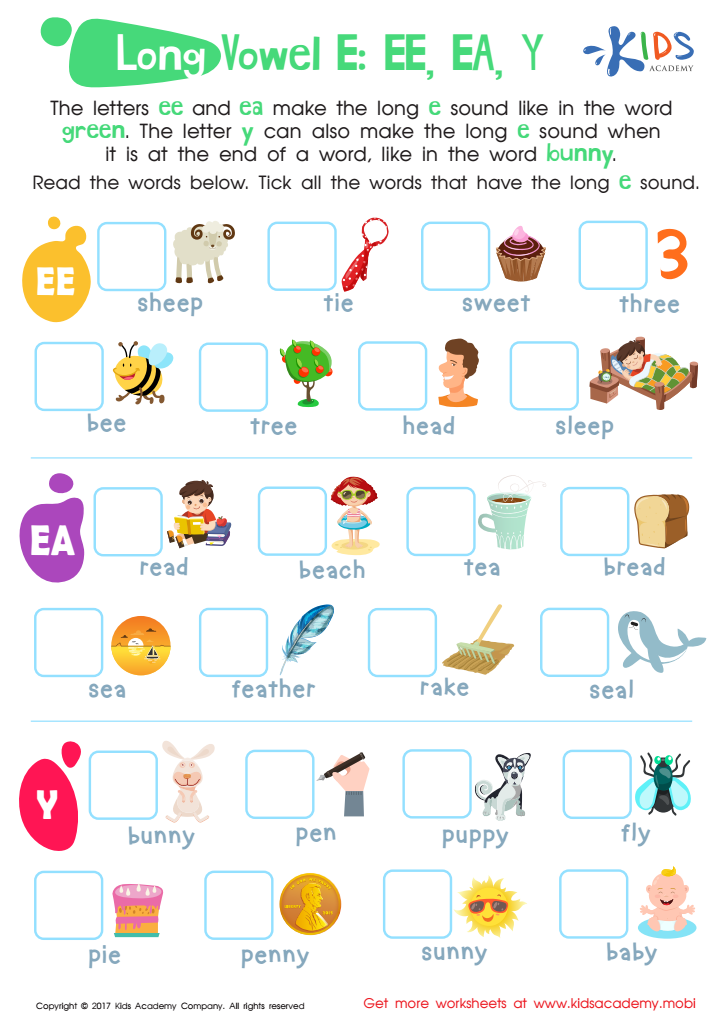
Long Vowel E Printable
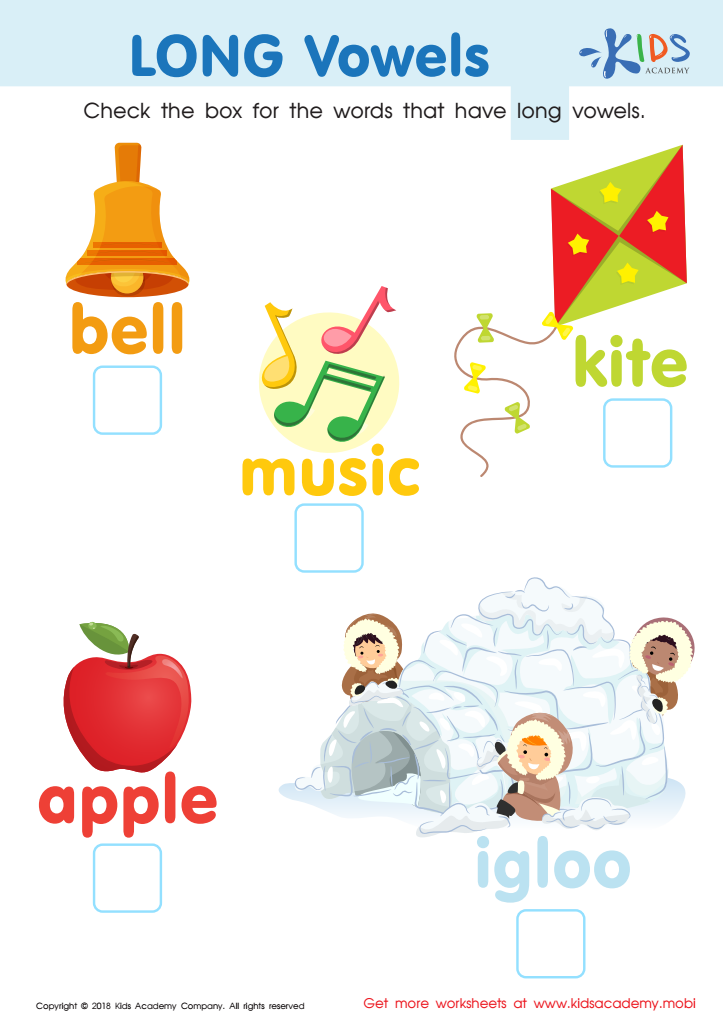
long vowels Worksheet
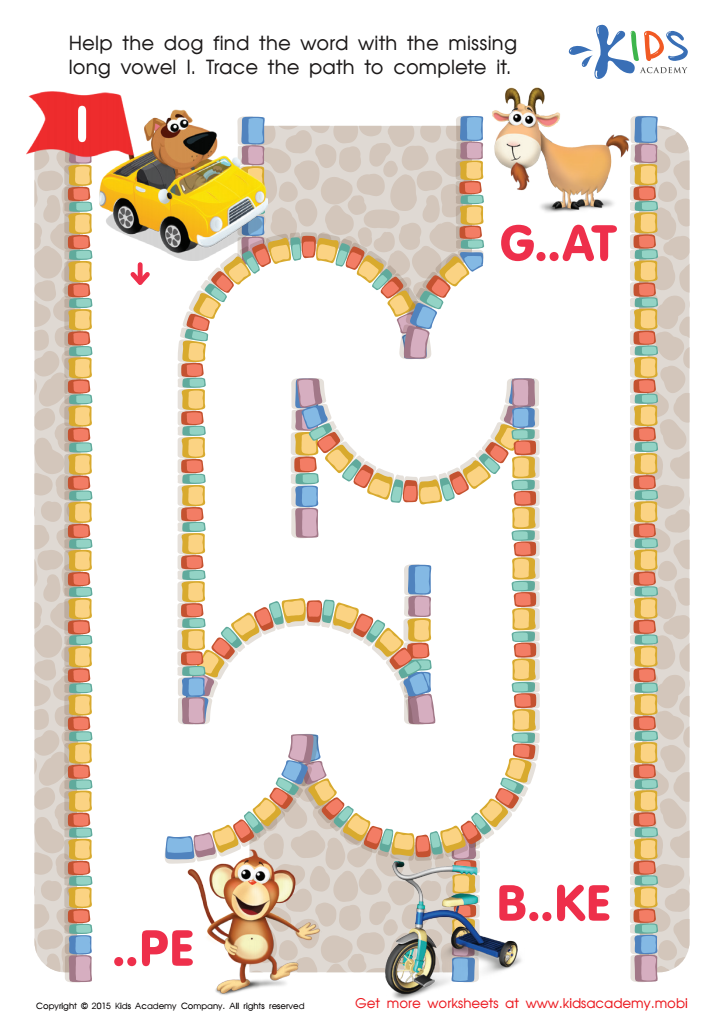
Long Vowel Sound I Worksheet



Understanding long vowels is crucial for children aged 5-7 as it lays the foundation for reading proficiency and language development. Long vowels are a key component of phonics, allowing young learners to decode words more effectively. When children grasp the concept of long vowels, they can recognize and pronounce many words accurately, which boosts their confidence and encourages a love for reading.
Moreover, long vowels help children differentiate between similar-sounding words, enhancing their vocabulary and comprehension skills. This skill is particularly important as they progress in school and encounter more complex texts. Parents and teachers play a significant role in this learning stage. By incorporating fun activities, games, and songs that focus on long vowels, they can make learning engaging and memorable.
Additionally, teaching long vowels aligns with literacy goals recommended in educational curriculums, ensuring that children meet developmental milestones. The ability to read and write proficiently at a young age sets the stage for future academic success. Parents and teachers should therefore care about long vowels, as they are not just letters but gateways to effective communication, creativity, and a lifelong appreciation for learning.