Reading Worksheets for Ages 5-7 - Page 27
631 filtered results
-
From - To
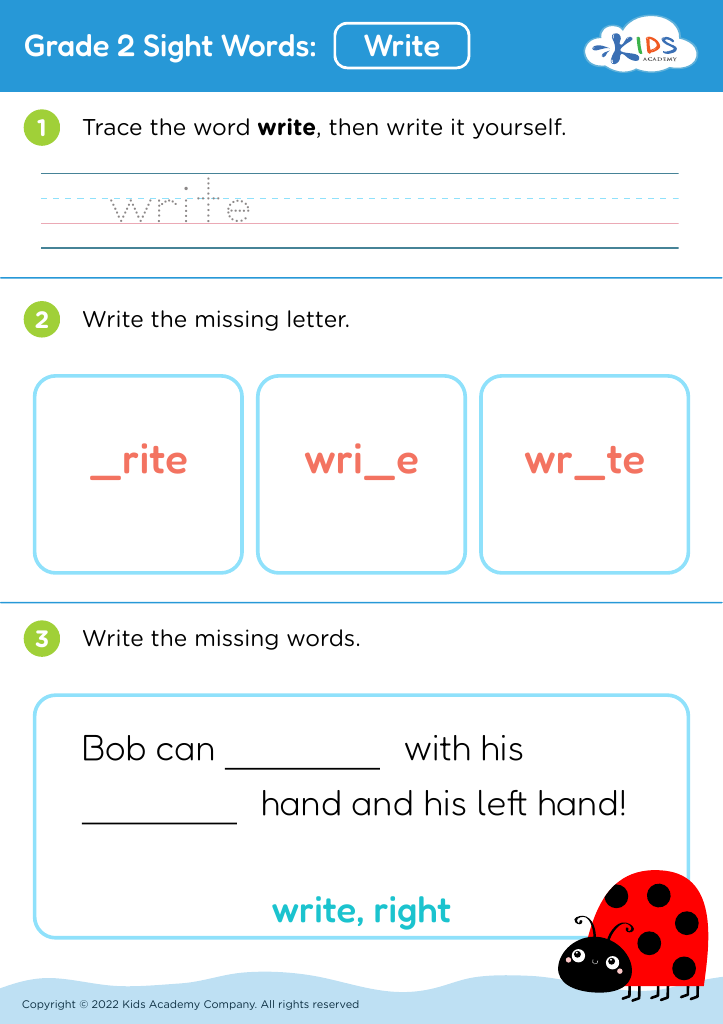
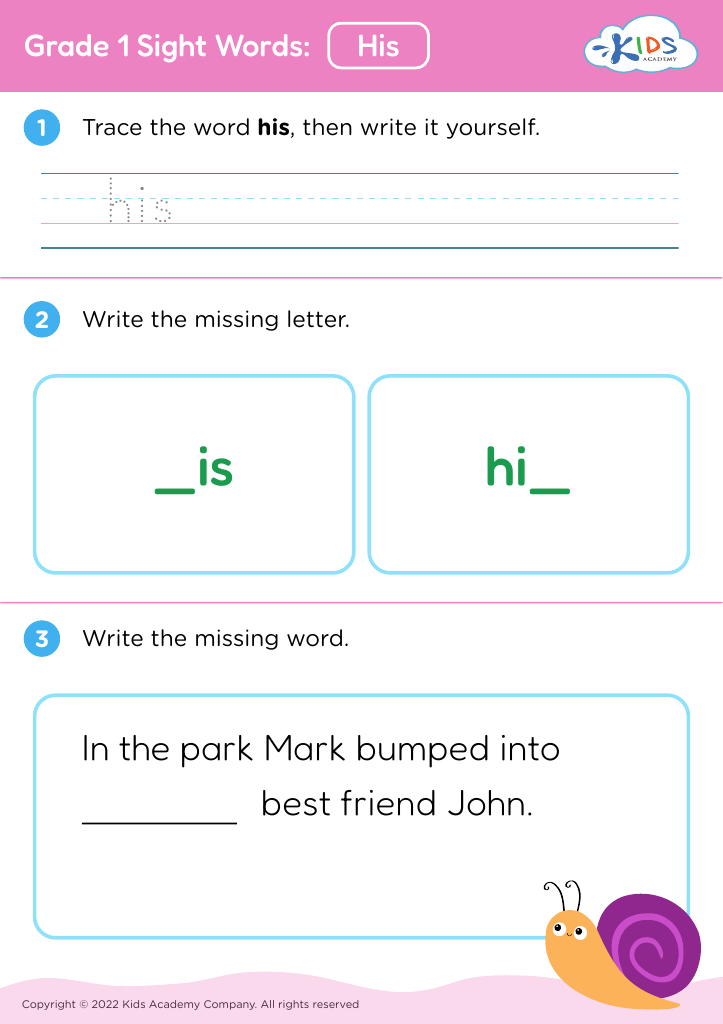
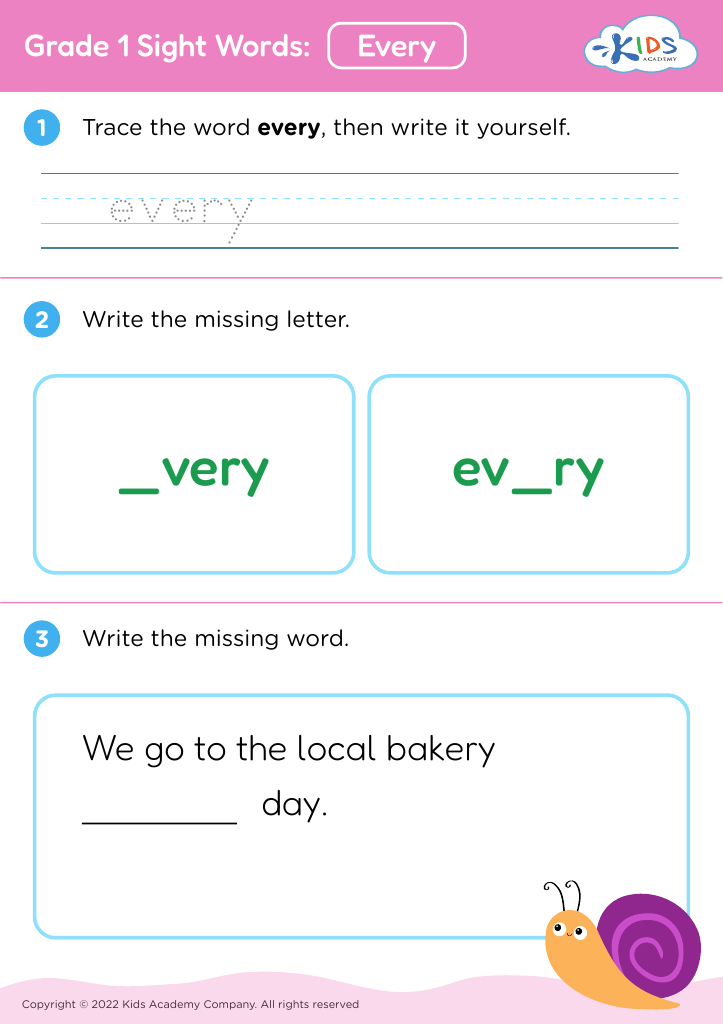
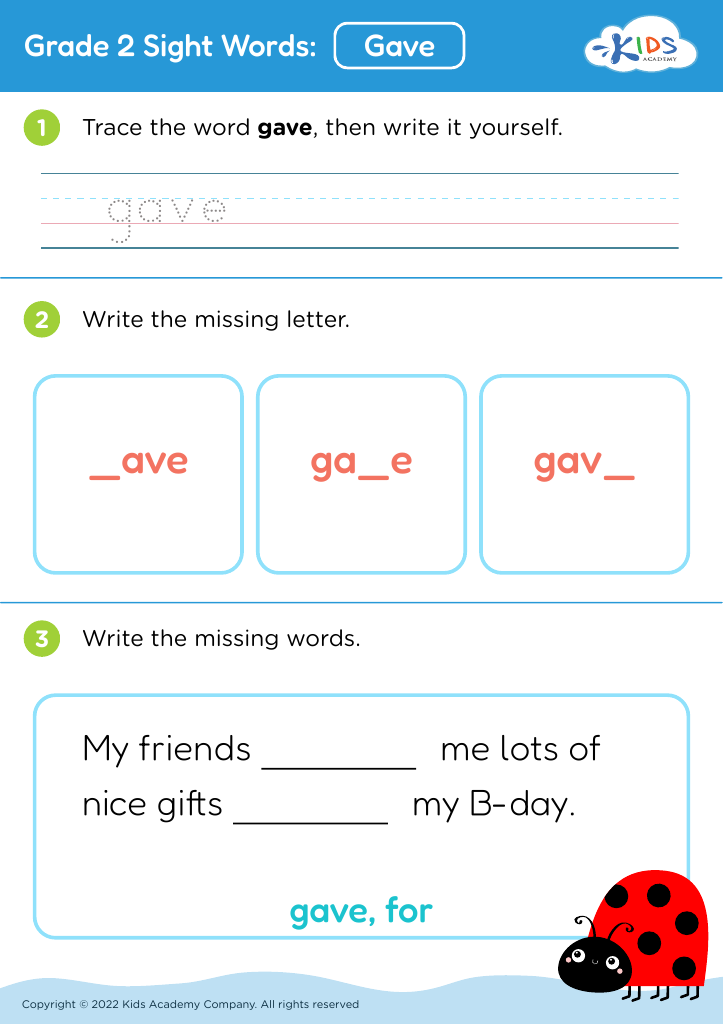
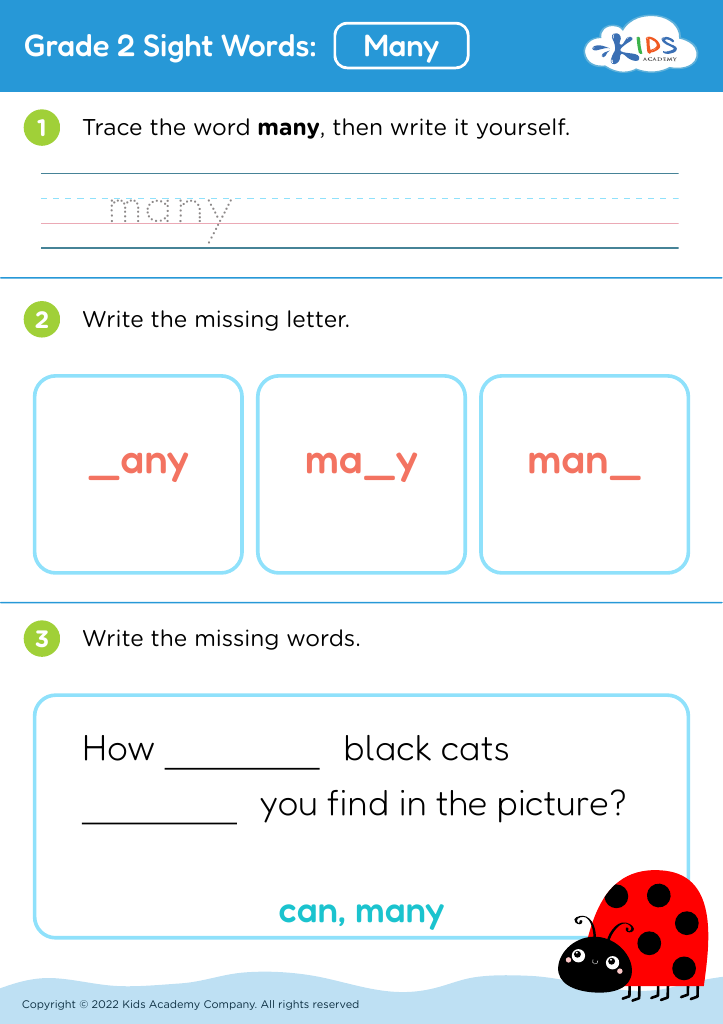
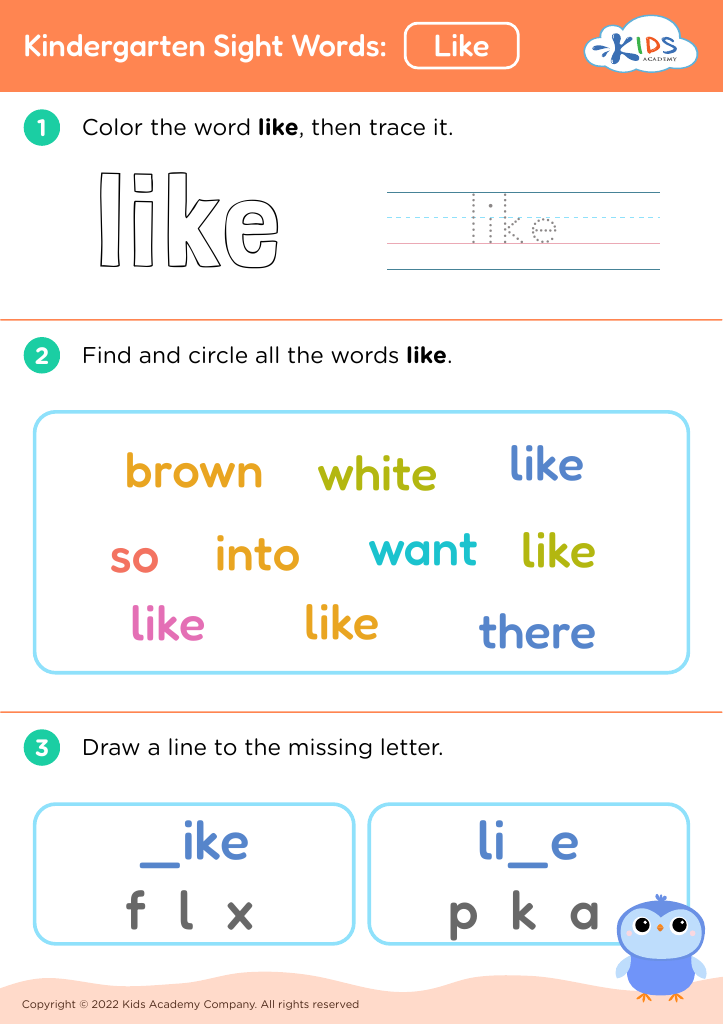
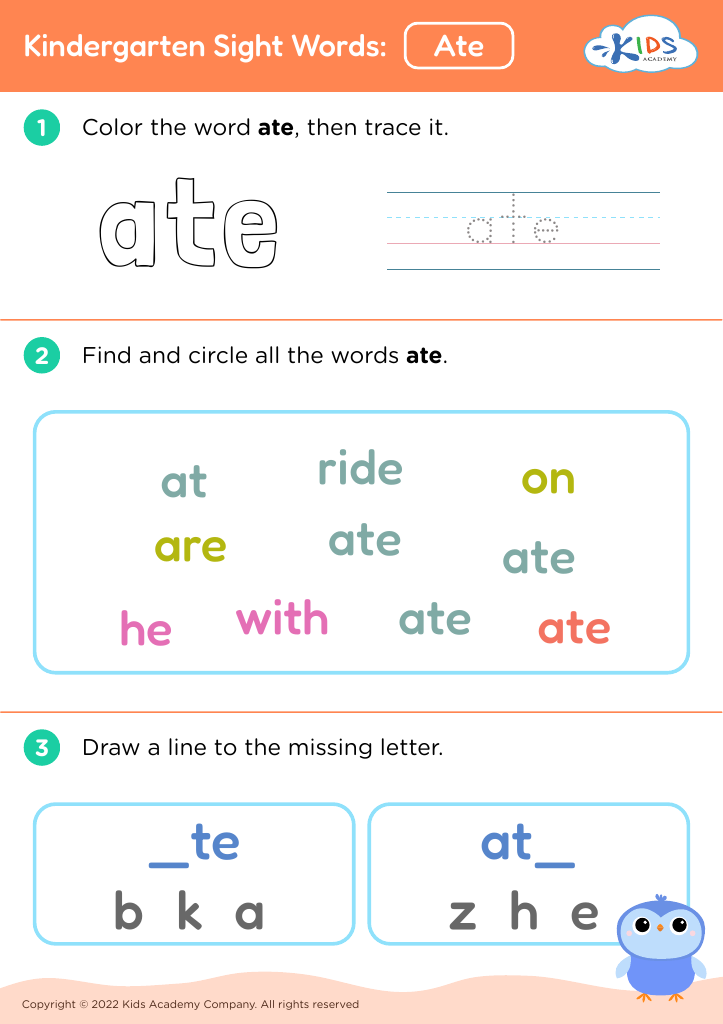


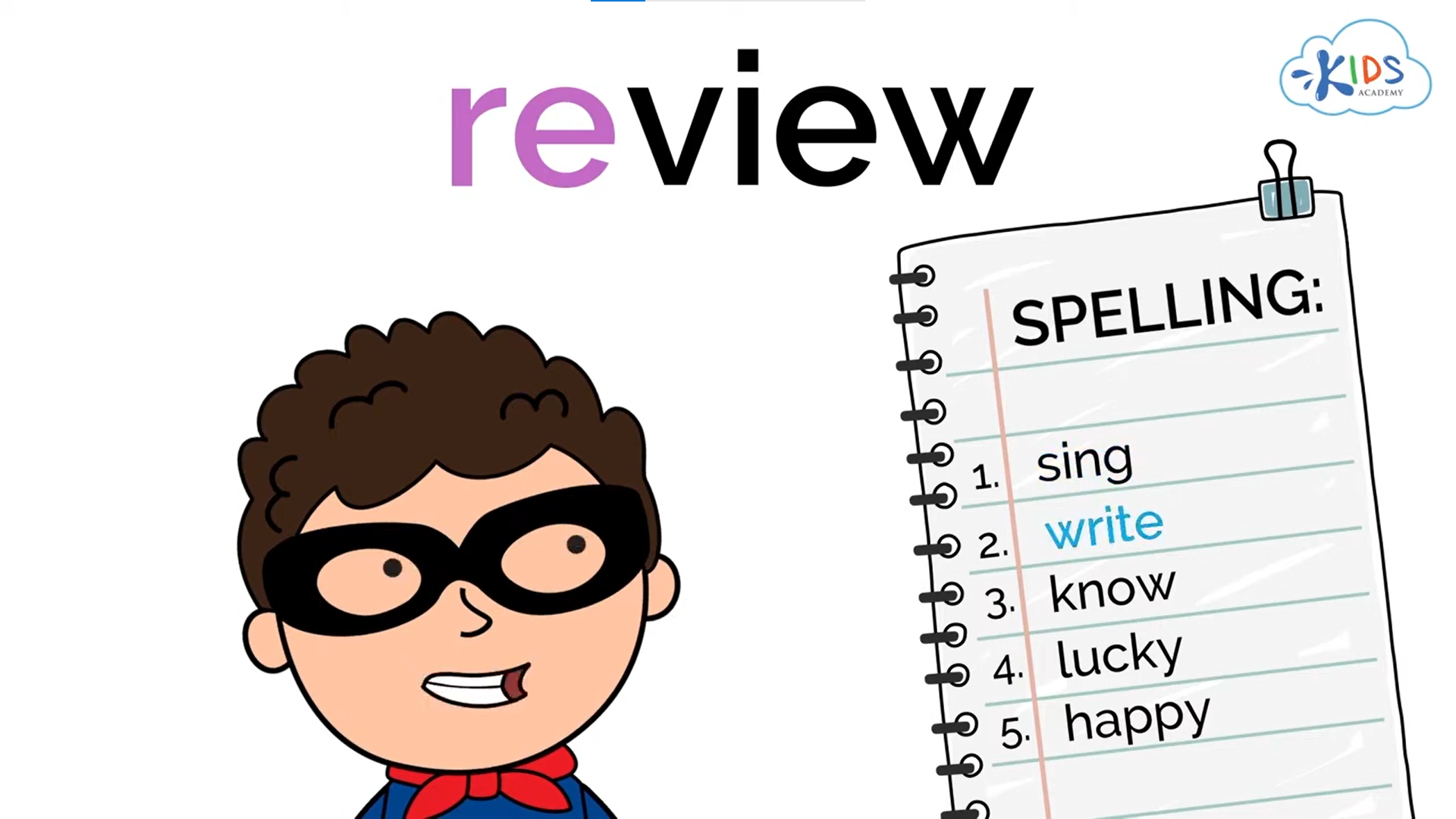




Reading for ages 5-7 is critical as it lays the foundation for lifelong learning and cognitive development. During this period, children's brains are highly receptive and evolving, making it the ideal time to introduce fundamental literacy skills. Mastering reading at an early age enhances a child's vocabulary, comprehension, and ability to express themselves. These skills are crucial not only for their academic success but also for effective communication in everyday life.
Early reading stimulates imagination and creativity. It exposes children to different worlds, cultures, and ideas, broadening their perspective and fostering empathy. Books introduce a wide range of emotions and situations, helping children develop emotional intelligence and problem-solving skills.
Reading regularly at a young age also cultivates focus and concentration as children engage with the stories. It encourages curiosity and a love for learning, traits that benefit their education long-term. Moreover, developing strong reading skills early reduces the risk of future educational struggles and helps them to become independent learners.
Teachers and parents play a pivotal role in this developmental phase by providing a supportive environment rich in reading opportunities. Interactive reading sessions can enhance bonding and make learning enjoyable, thus setting the stage for reading to become a lifelong habit.
Prioritizing reading for ages 5-7 is an investment in a child’s academic, social, and emotional future.








