Story sequencing Reading Worksheets for Ages 5-7
22 filtered results
-
From - To
Enhance your child's reading skills with our engaging Story Sequencing Reading Worksheets designed for ages 5-7. These worksheets provide young learners with the opportunity to practice comprehension and critical thinking through fun, age-appropriate stories. By arranging events in the correct order, children develop their understanding of narratives and improve their ability to summarize plots. Each worksheet features colorful illustrations and relatable themes that captivate young imaginations. Perfect for home or classroom use, our story sequencing activities not only foster a love of reading but also lay the foundation for more advanced literacy skills. Explore our collection and watch your child thrive in reading!
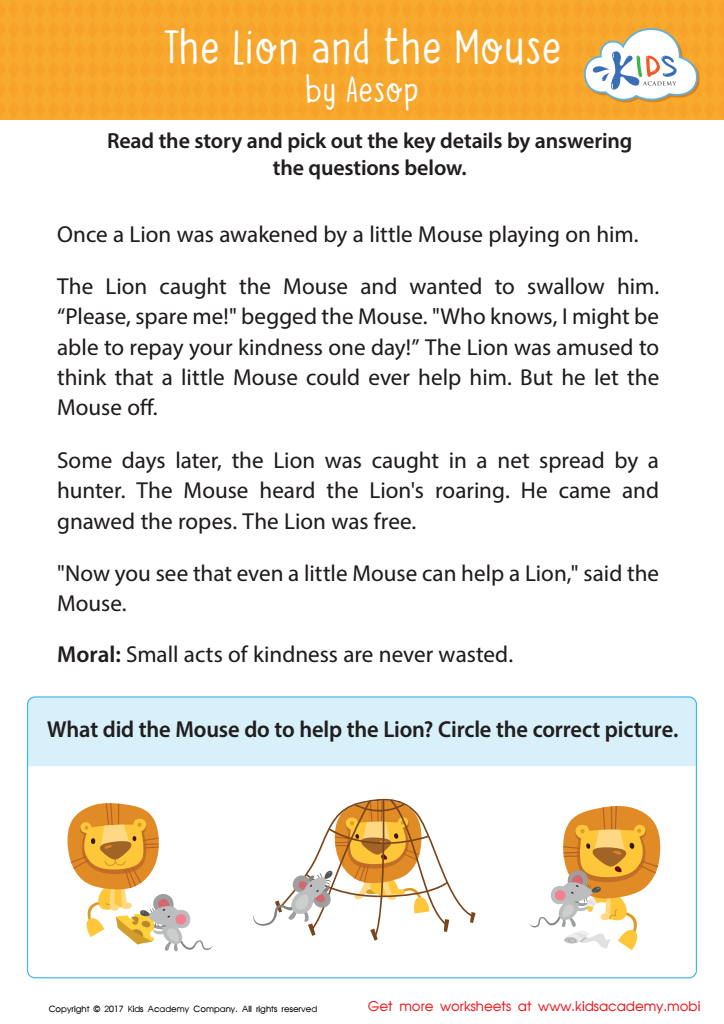
The Lion and The Mouse Sequencing Worksheet
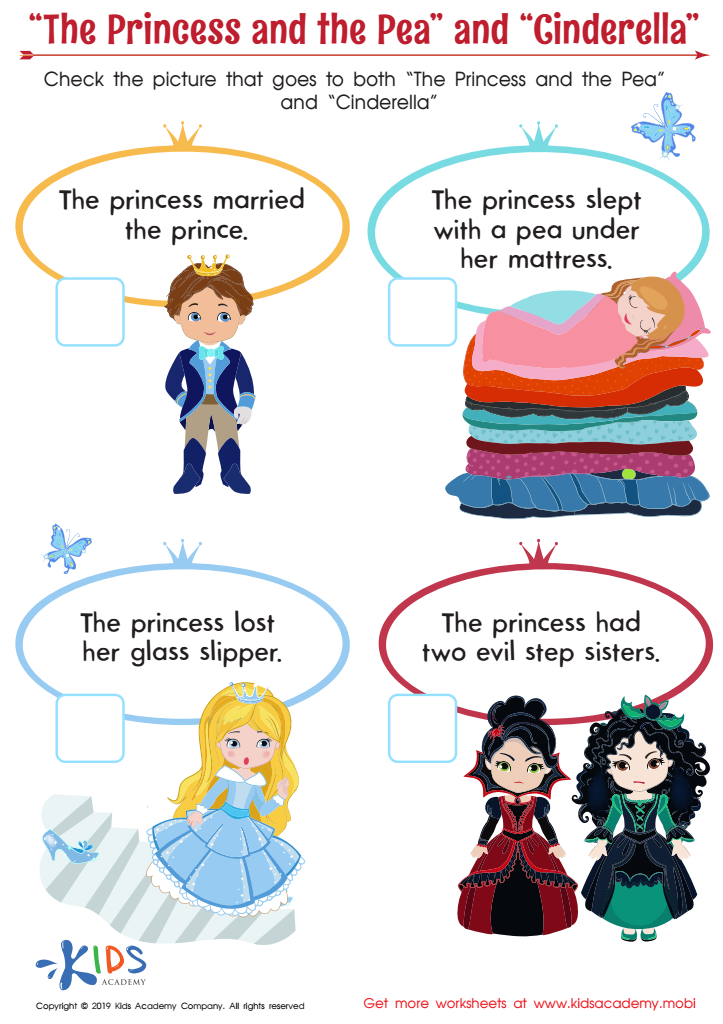
“The Princess and the Pea” and “Cinderella” Worksheet
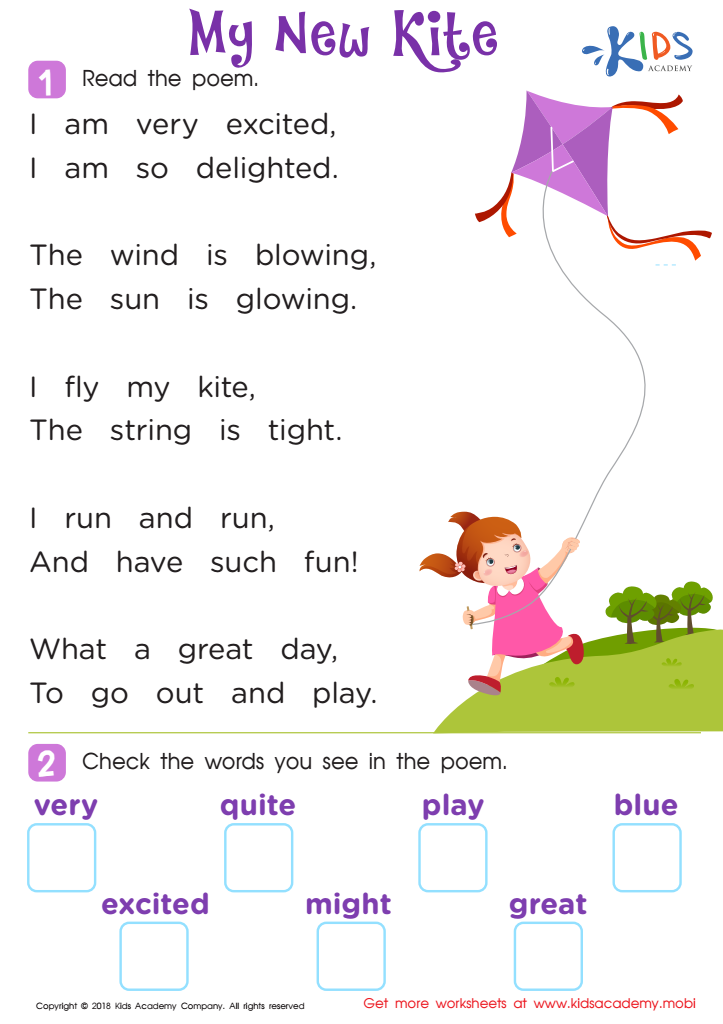
Poem: My New Kite Worksheet
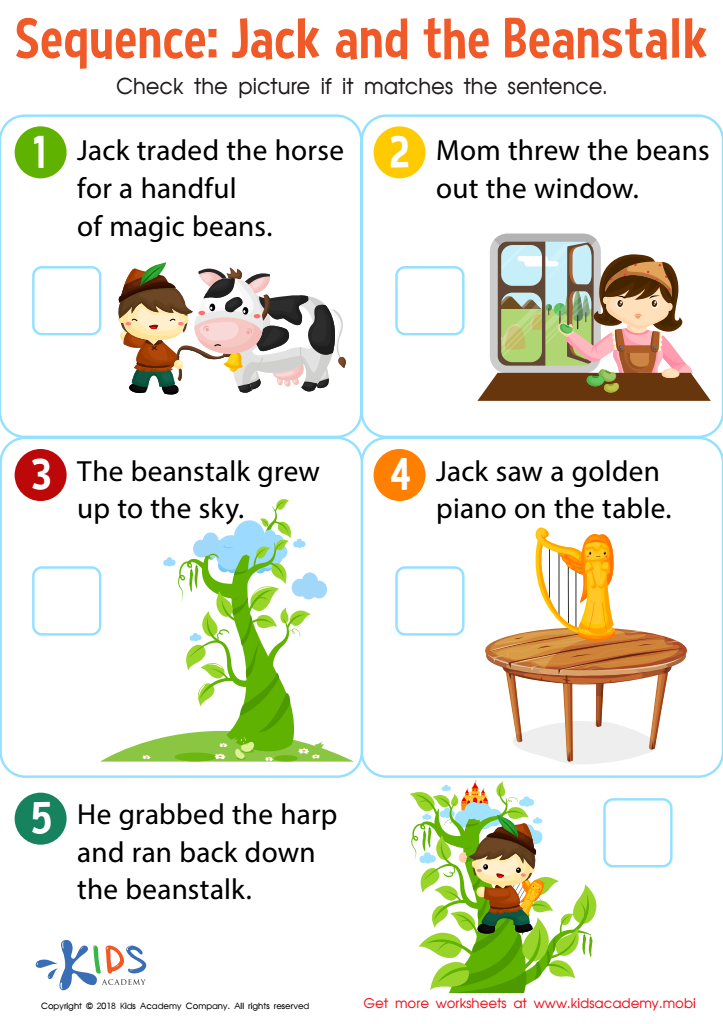
Sequence: Jack and The Beanstalk Worksheet
Folktales Printable PDF Worksheet: The 3 Little Pigs
 Assign to My Students
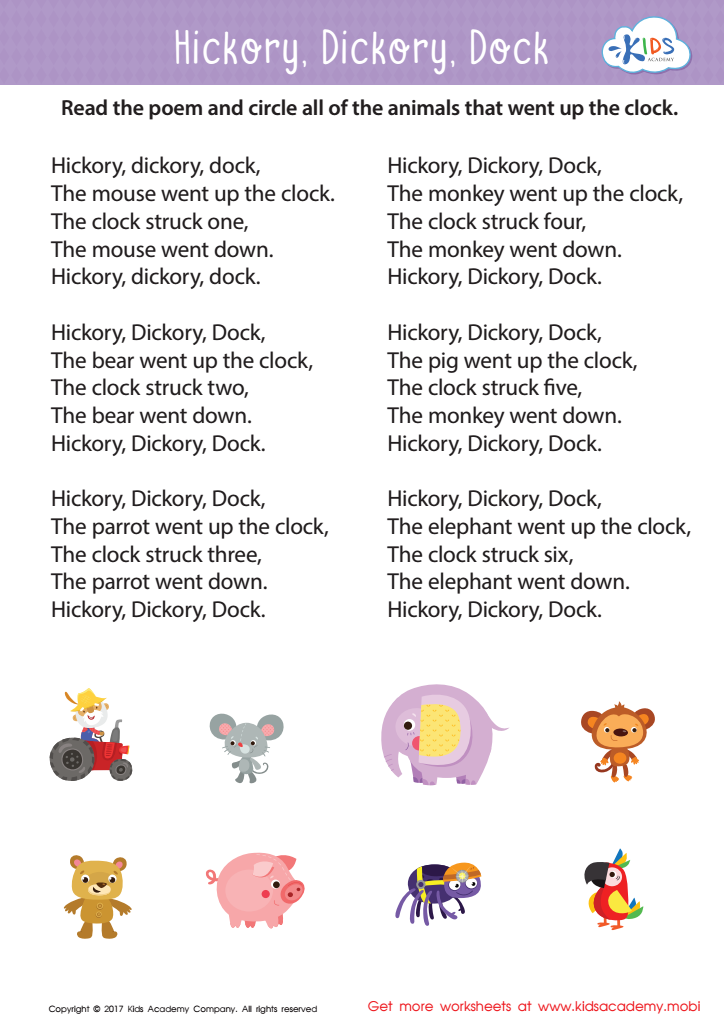
Hickory Dickory Dock Sequencing Worksheet
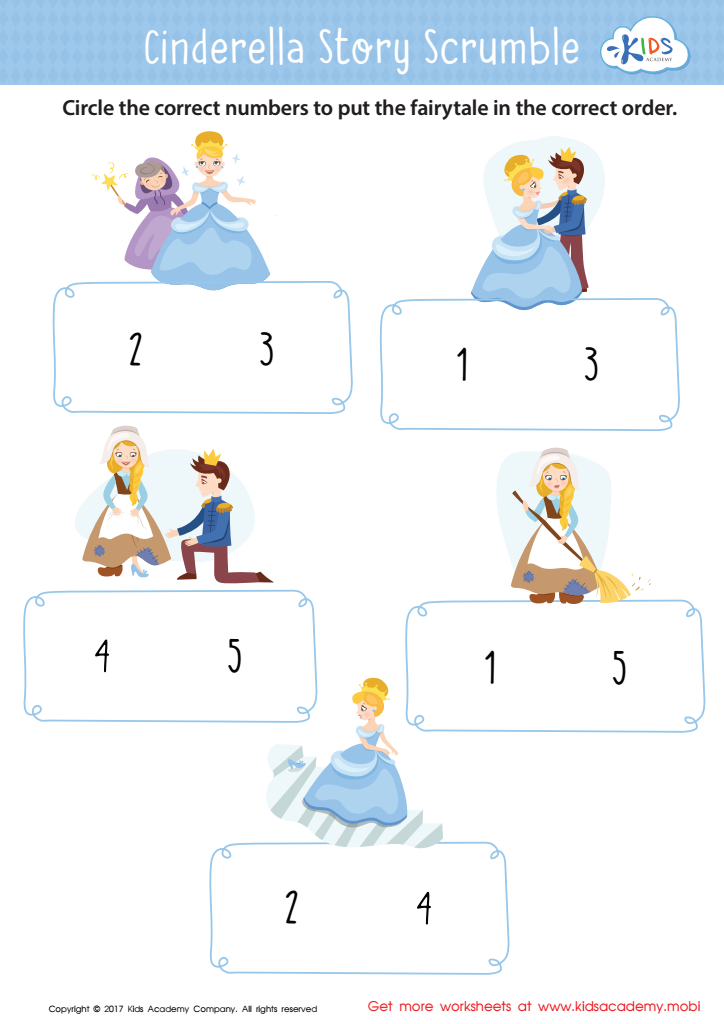
Cinderella Story Sequencing Worksheet
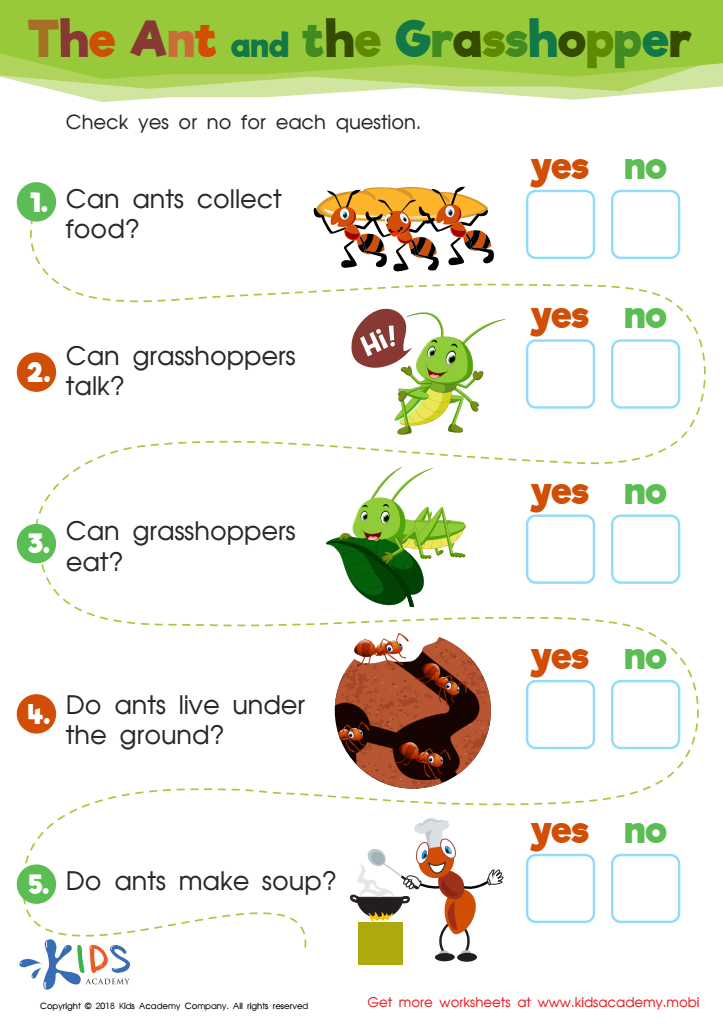
The Ant and The Grasshopper Worksheet
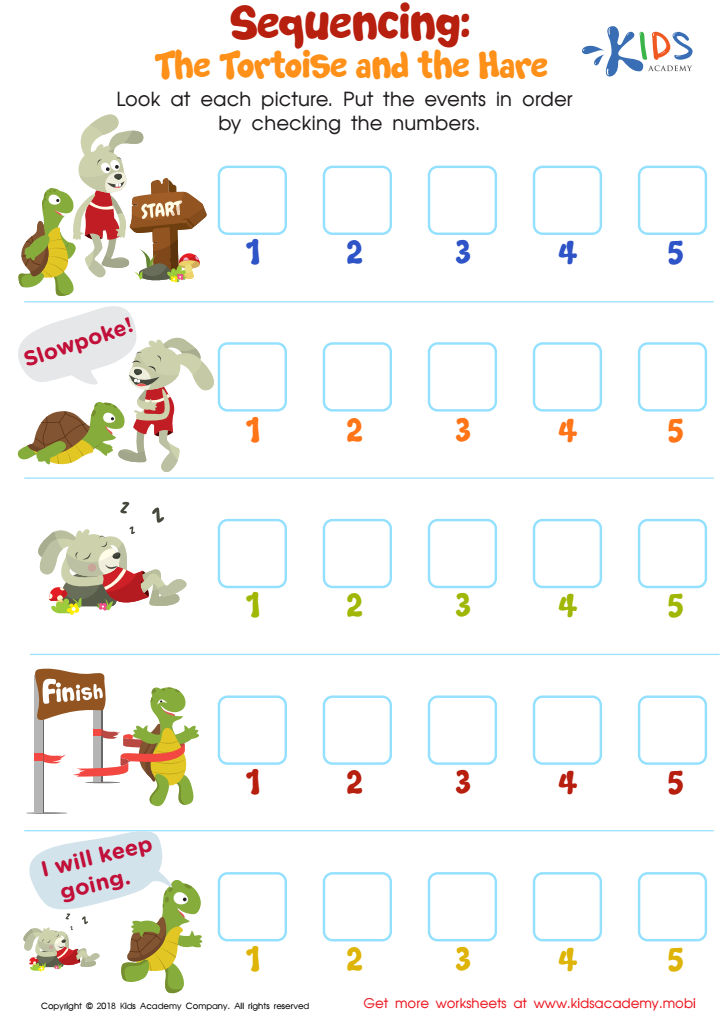
Sequencing: The Tortoise and the Hare Worksheet
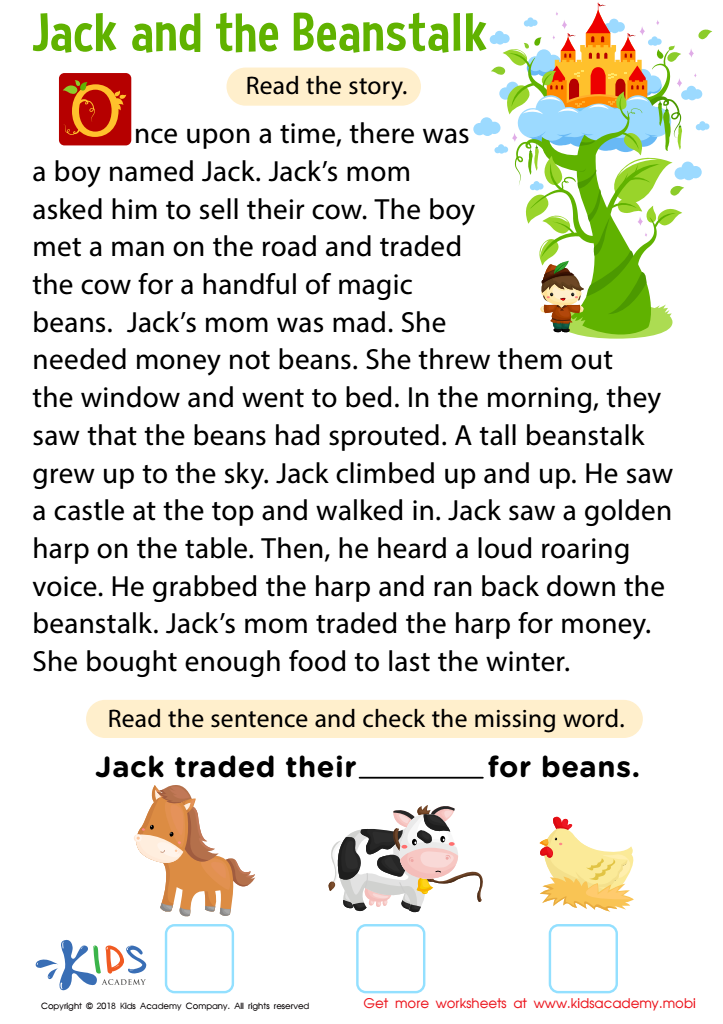
Jack and Beanstalk Worksheet
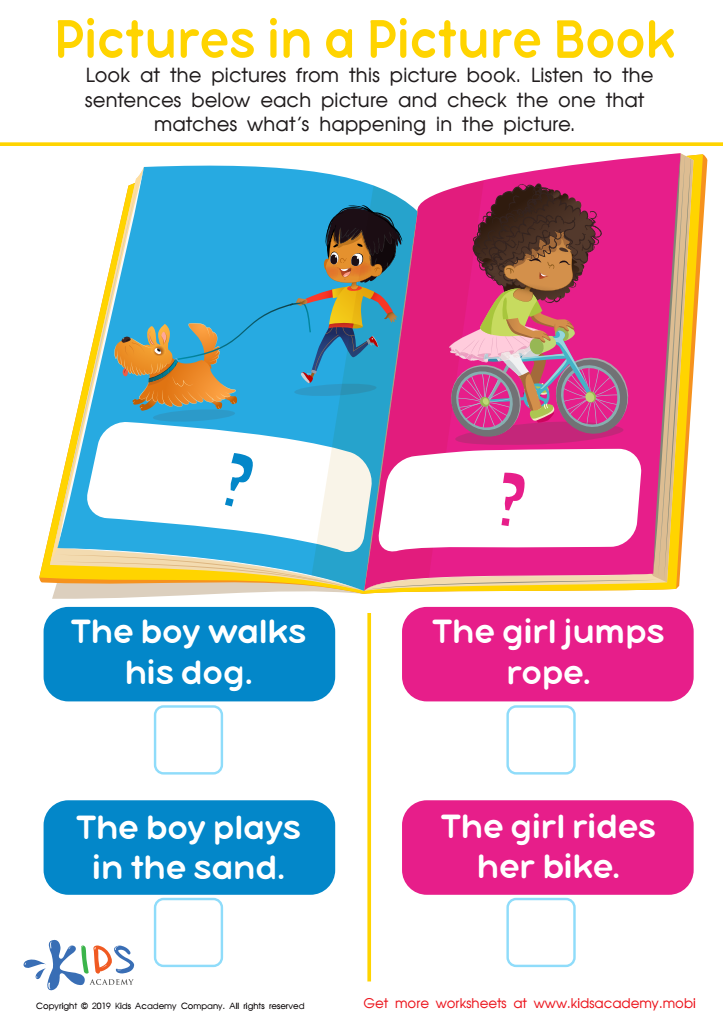
Picture in Books Worksheet
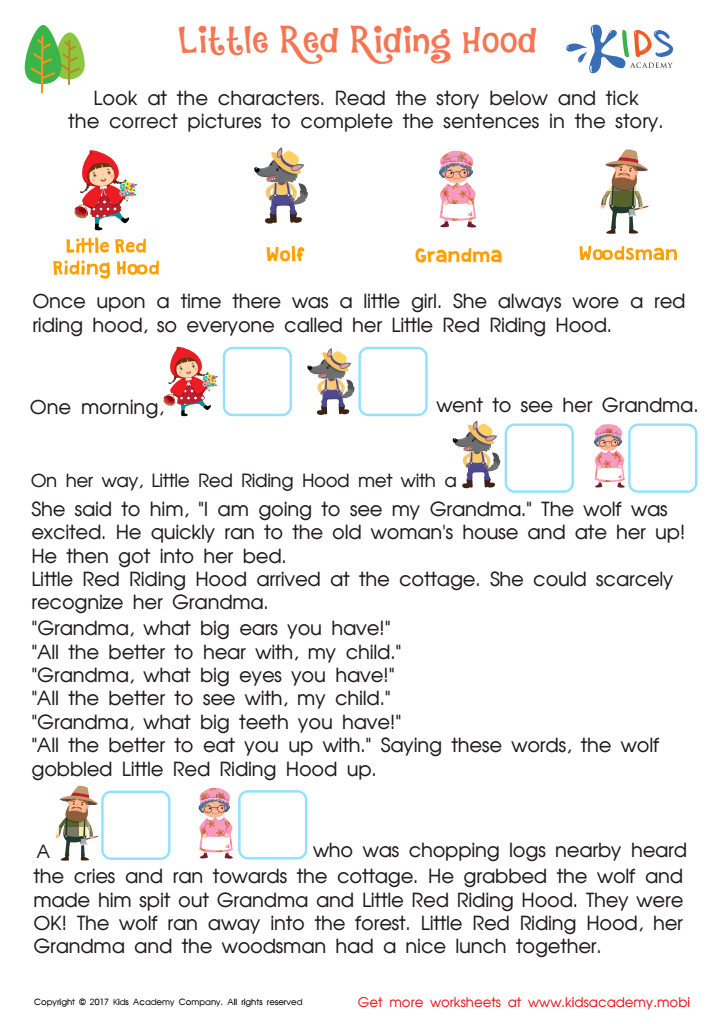
Little Red Riding Hood Printable
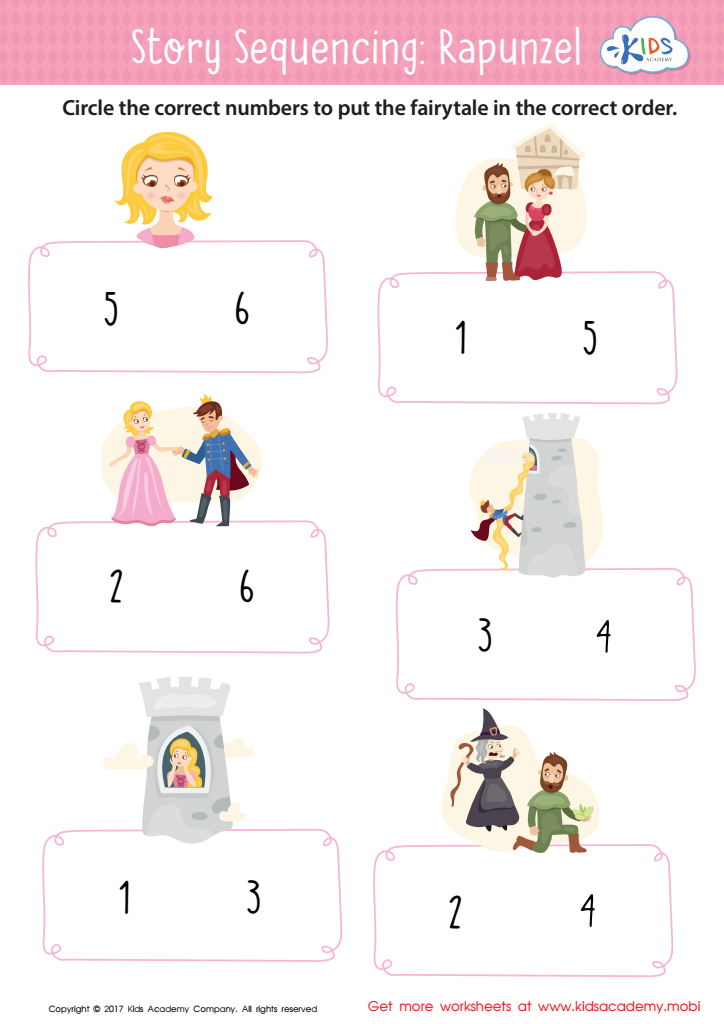
Rapunzel Story Sequencing Worksheet
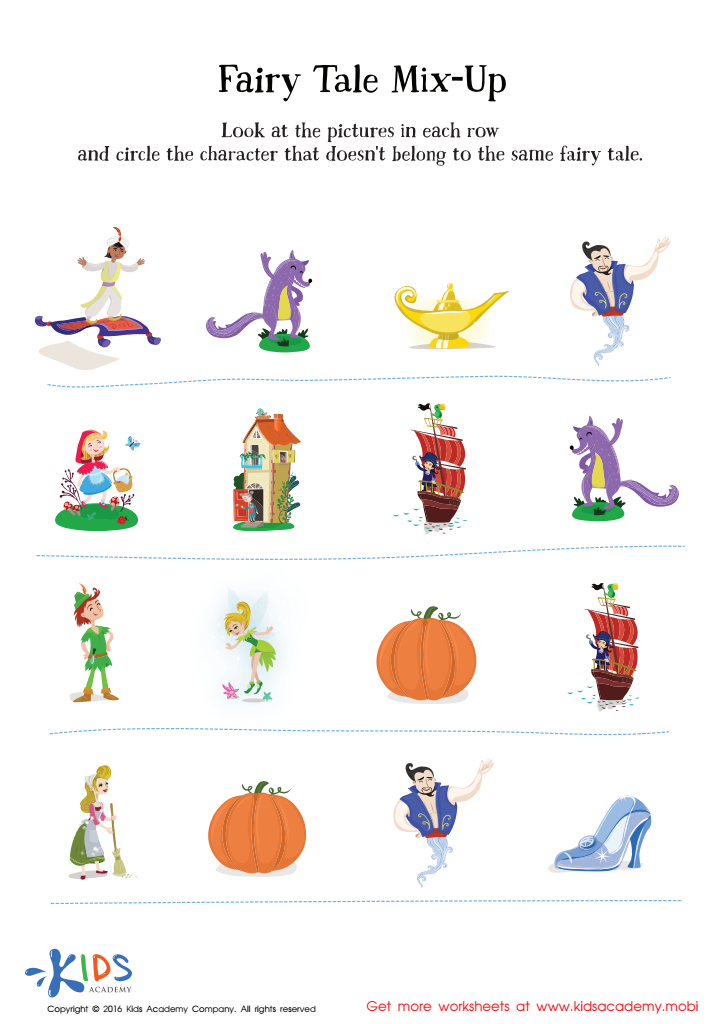
Fairy Tale Worksheet: Story Mix Up
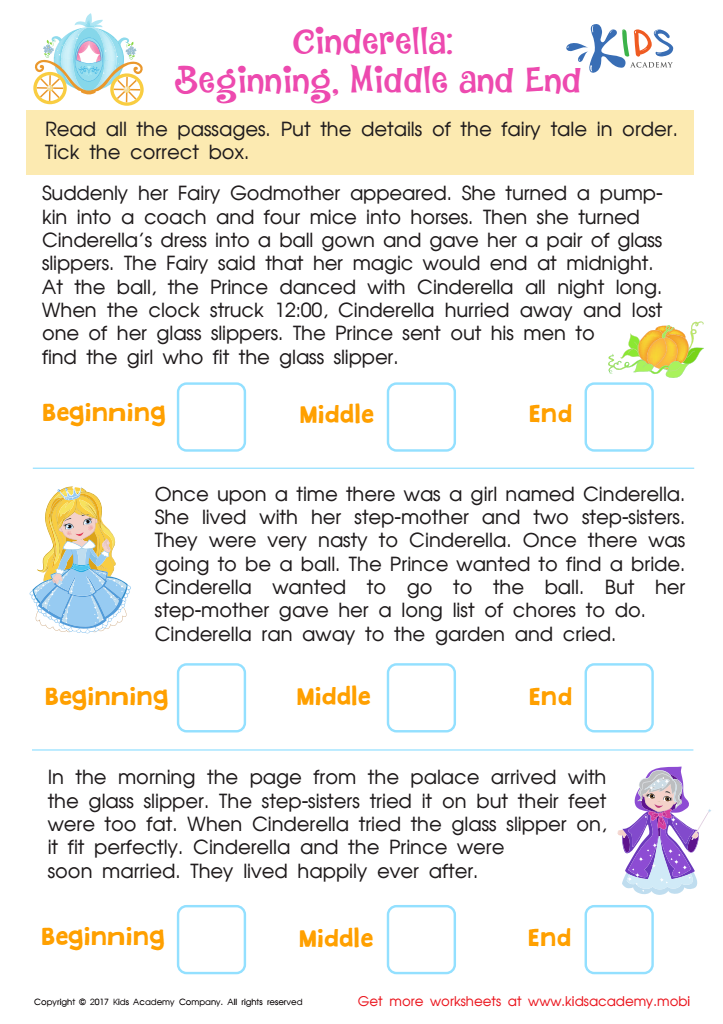
Cinderella: Beginning, Middle and End Worksheet
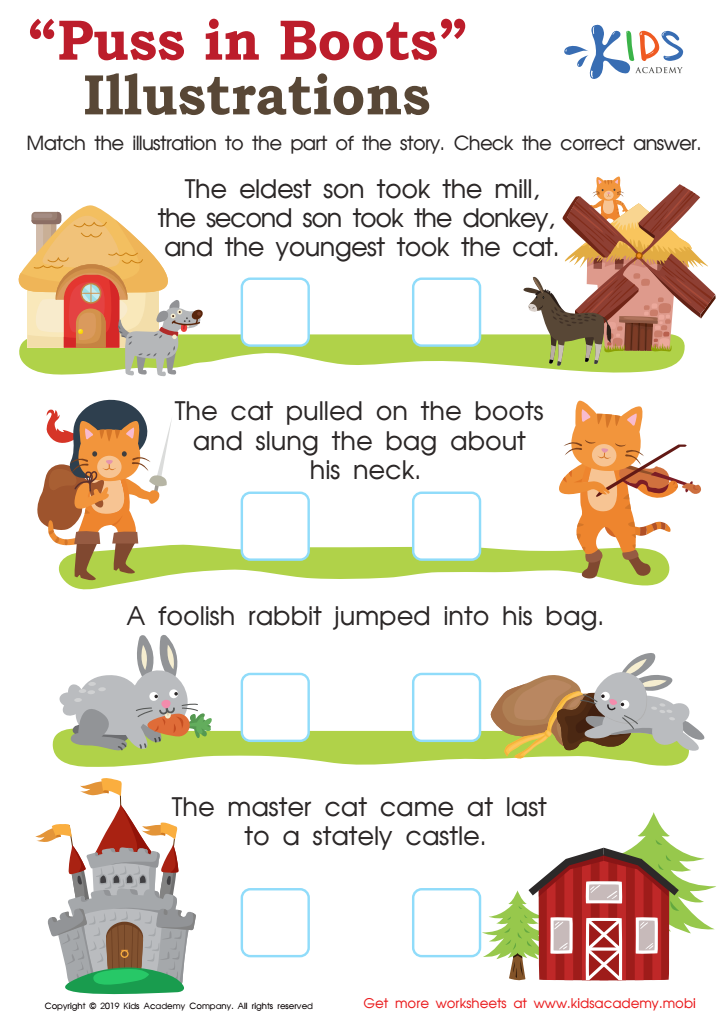
Puss in Boots Illustrations Worksheet
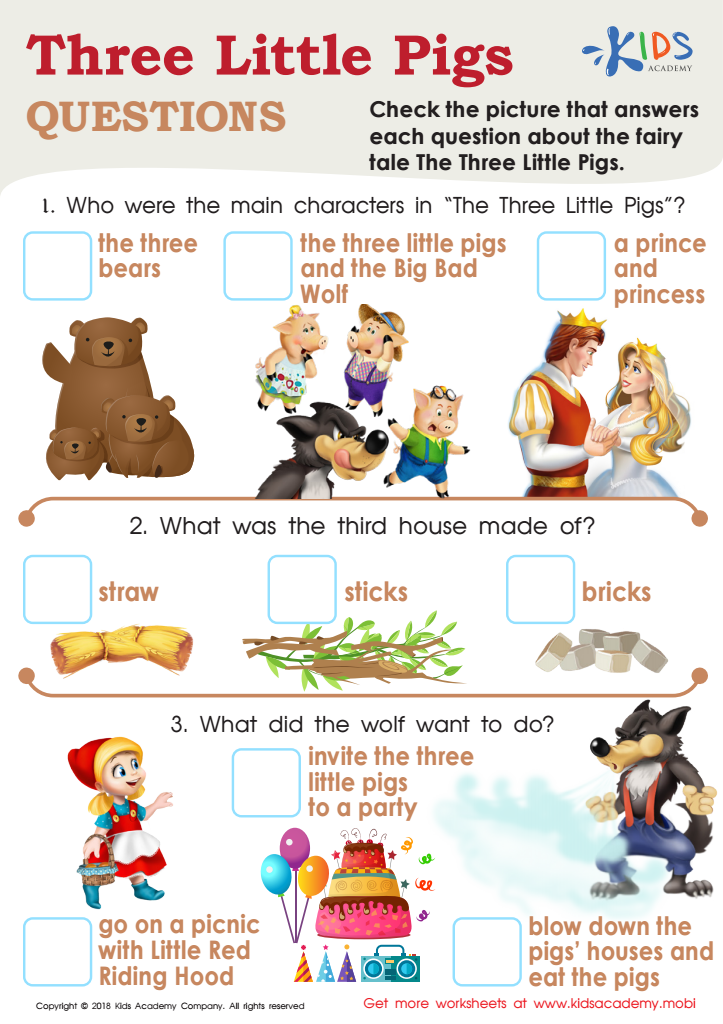
Three Little Pigs Questions Worksheet
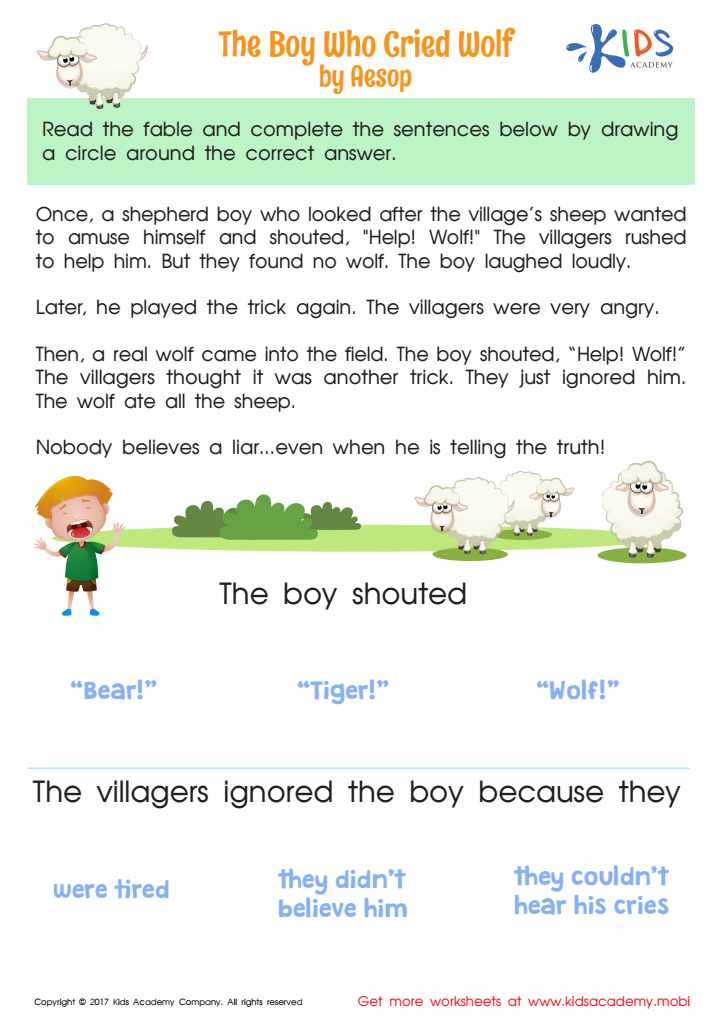
The Boy Who Cried Wolf Worksheet
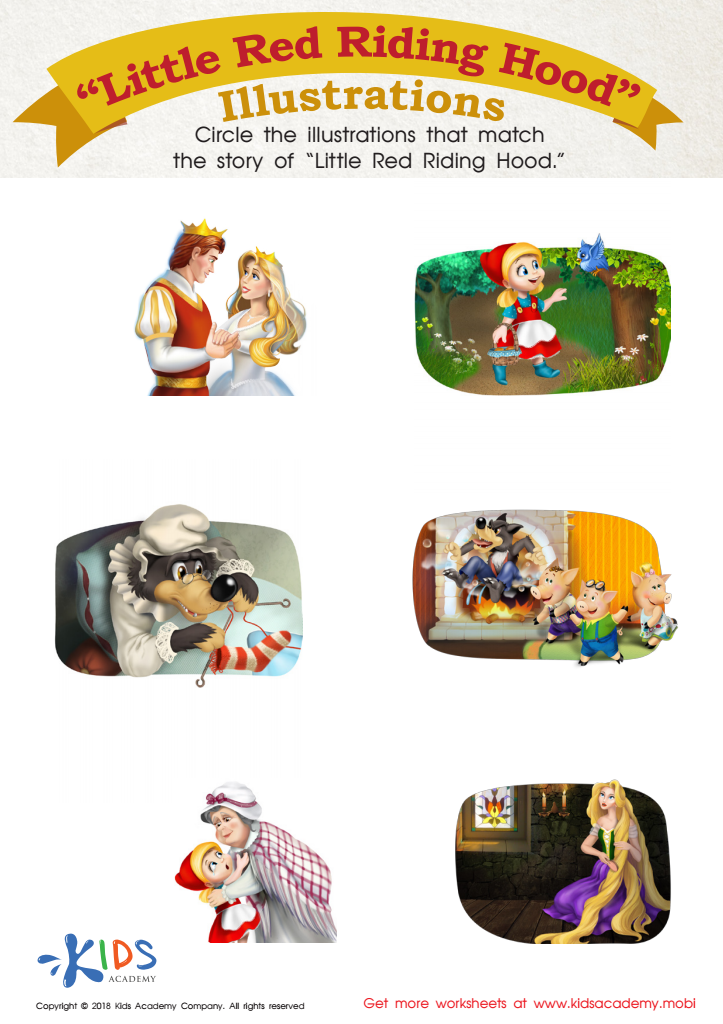
Little Red Riding Hood: Illustrations Worksheet
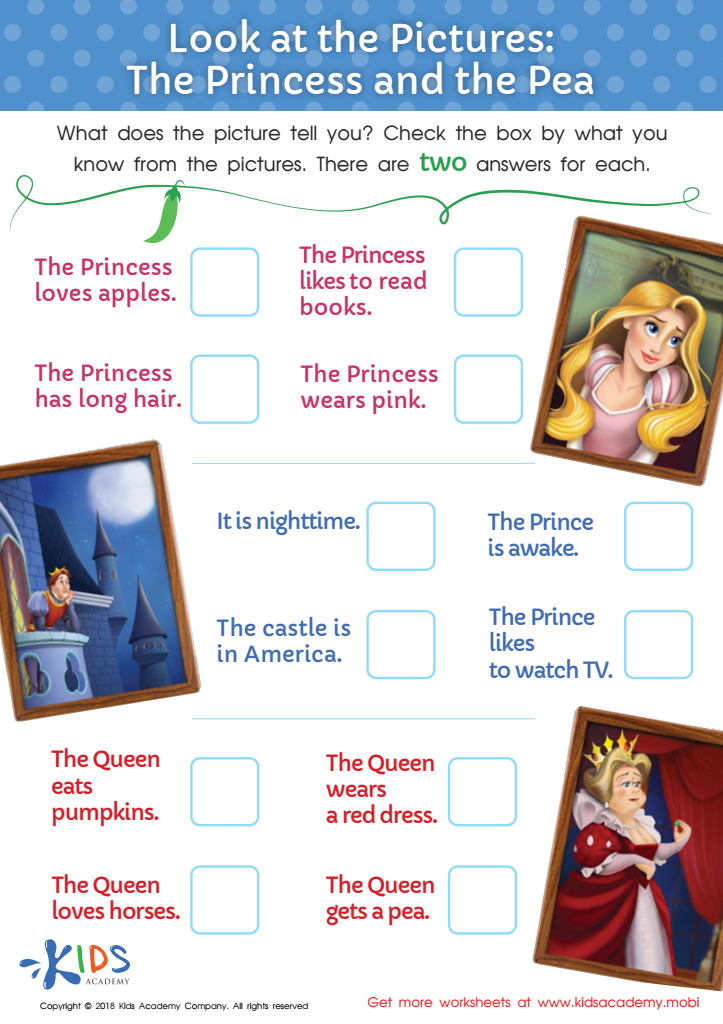
Look at the Pictures: The Princess and the Pea Worksheet
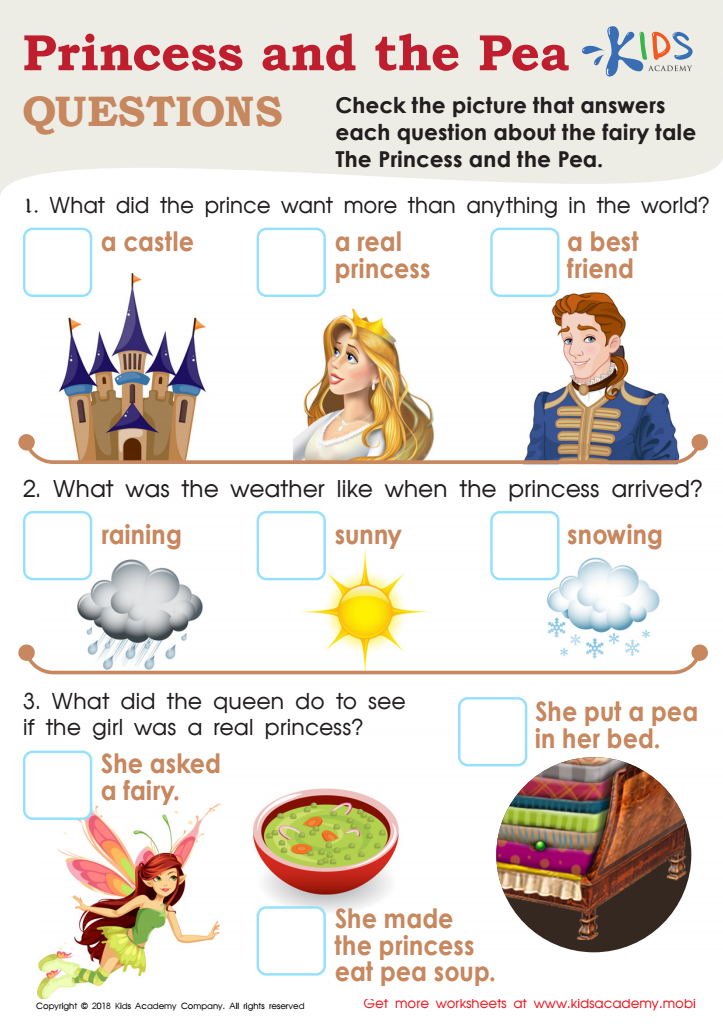
Princess and the Pea Questions Worksheet
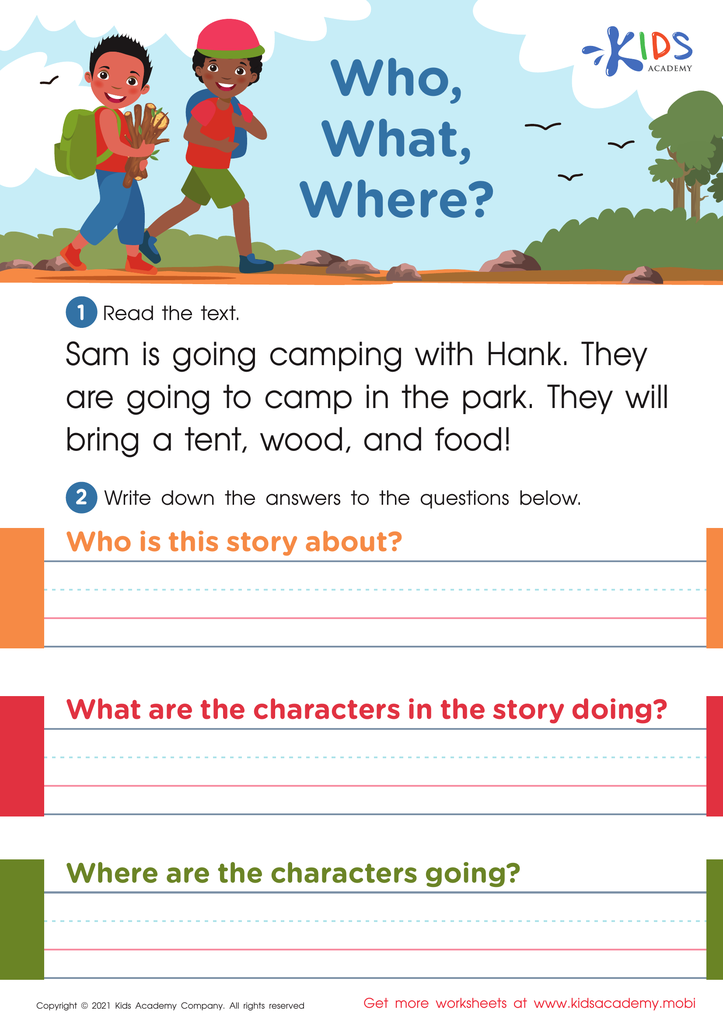
Who, What, Where? Worksheet








Story sequencing is a crucial skill for young readers aged 5-7, as it lays the foundation for comprehension and critical thinking. Understanding the order of events helps children to make sense of narratives, enhancing their ability to retell stories accurately and connect plot points. This skill not only promotes better literacy but also stimulates cognitive development, as children learn to recognize patterns and predict outcomes.
Parents and teachers should prioritize story sequencing because it encourages engagement with texts. When children sequence stories, they develop a richer understanding of character motives, settings, and conflicts, leading to deeper discussions and enhanced vocabulary. Moreover, this skill fosters creative thinking; as children arrange events, they begin to appreciate narrative structure, which can inspire their own storytelling.
Additionally, practicing story sequencing supports emotional and social development. It introduces children to concepts of time and cause and effect, helping them navigate their own experiences. By prioritizing this skill, adults empower children to become more confident readers and communicators. Overall, investing in story sequencing during these formative years equips children with tools that will serve them well not just in literacy but across all areas of learning and life.








