Reading comprehension Science Worksheets for Ages 5-7 - Page 2
81 filtered results
-
From - To
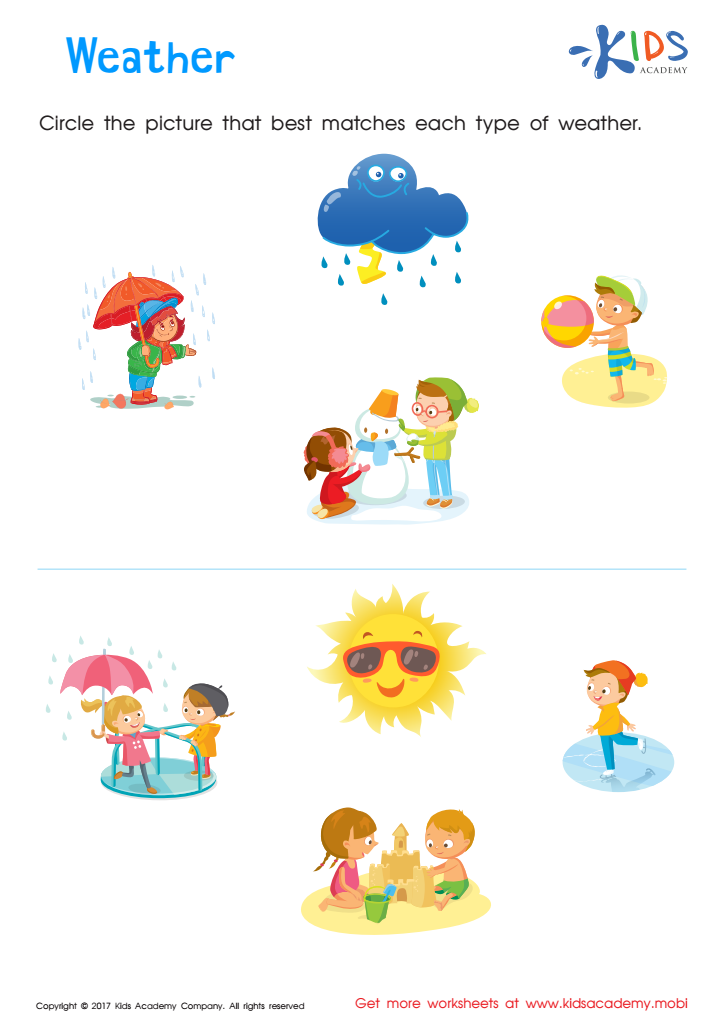
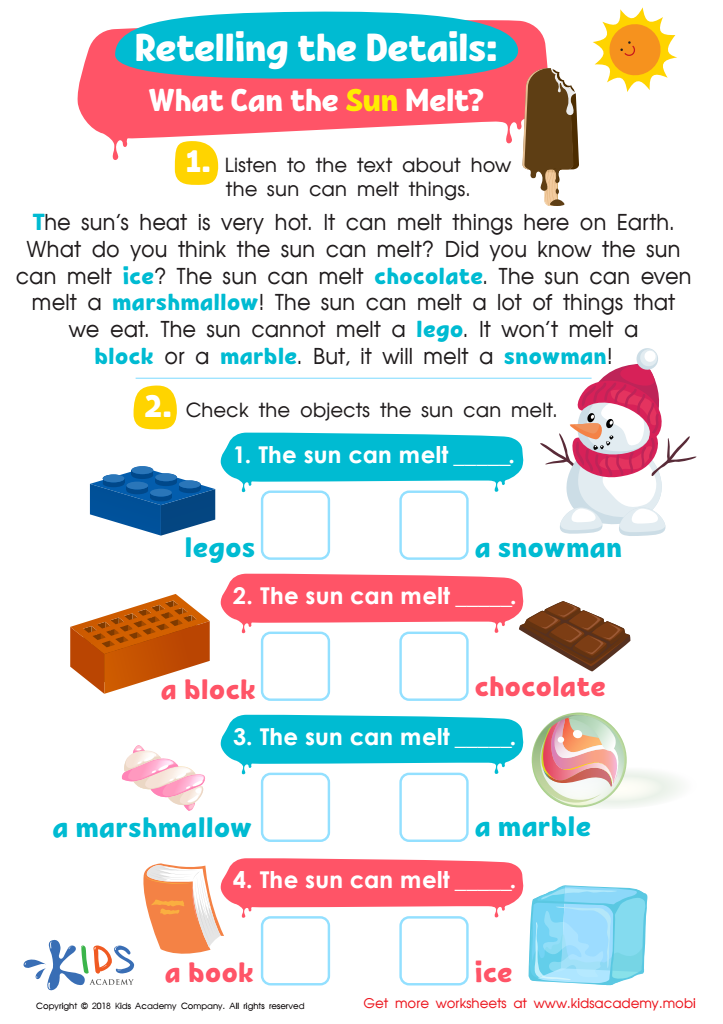
Retelling the Details: What Can the Sun Melt? Worksheet
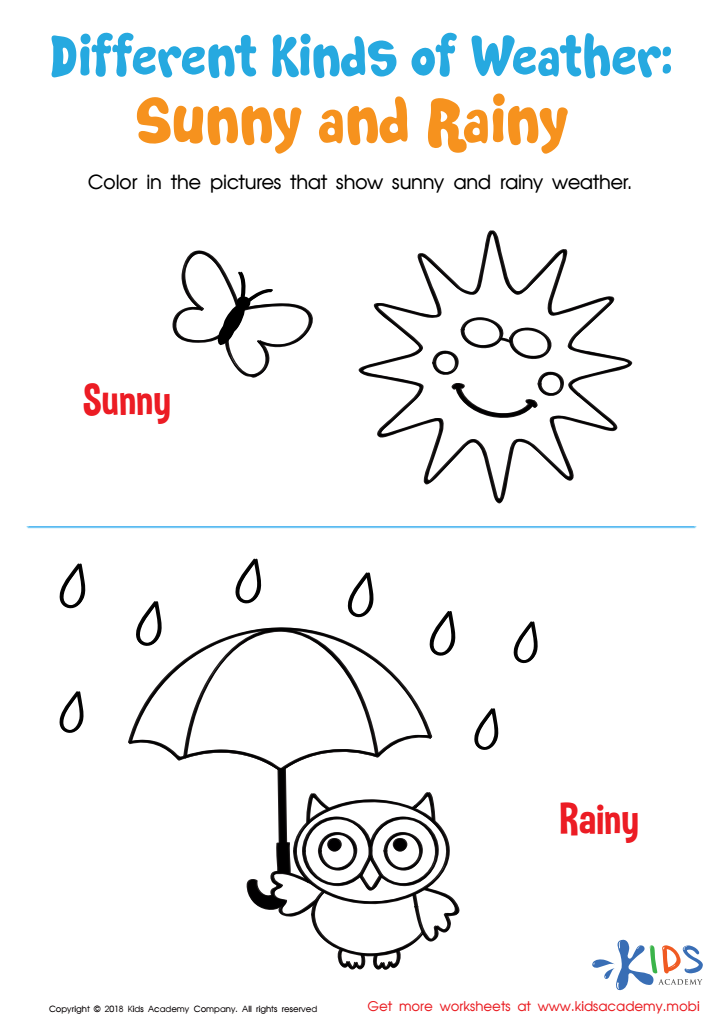
Different Kinds of Weather: Sunny and Rainy Worksheet
 Assign to My Students
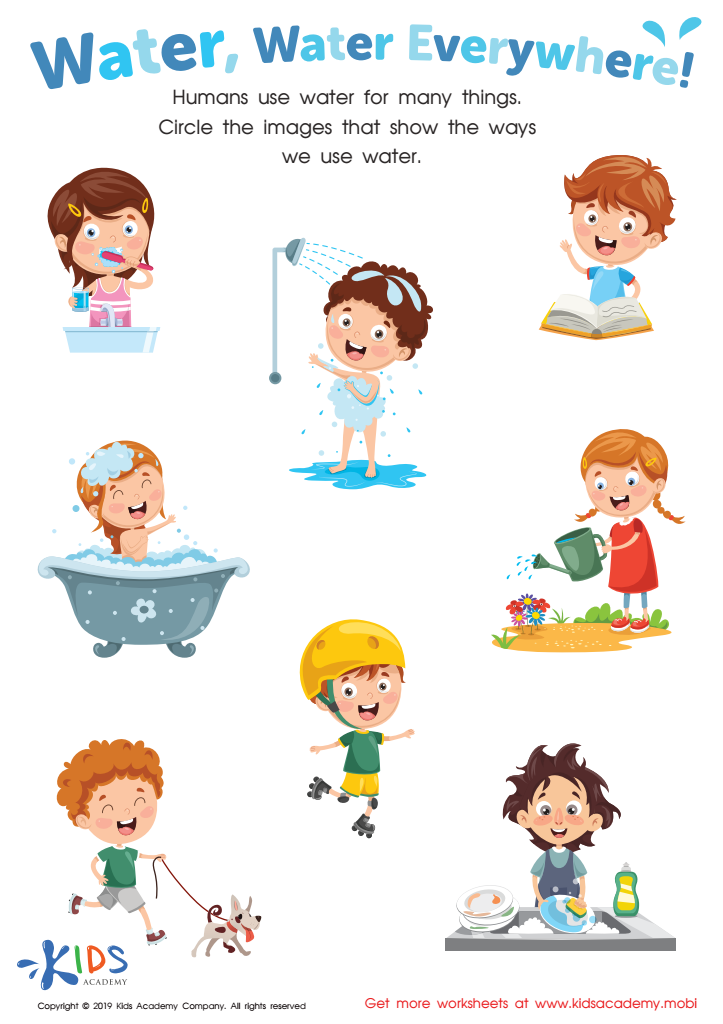
Water, Water Everywhere! Worksheet
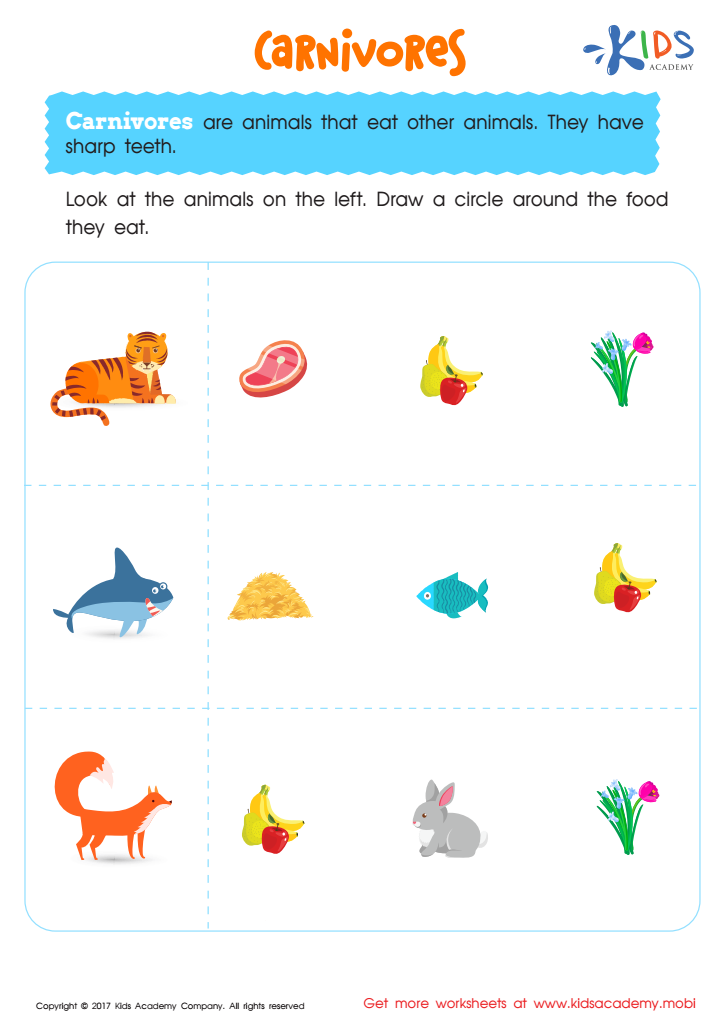
Carnivores Worksheet
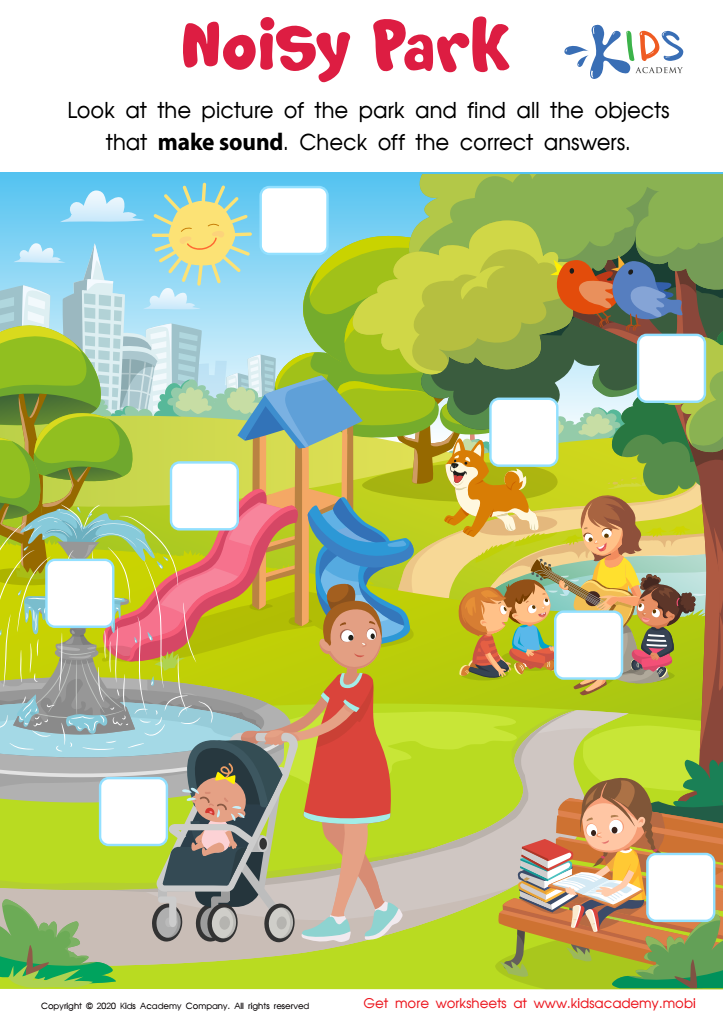
Noisy Park Worksheet
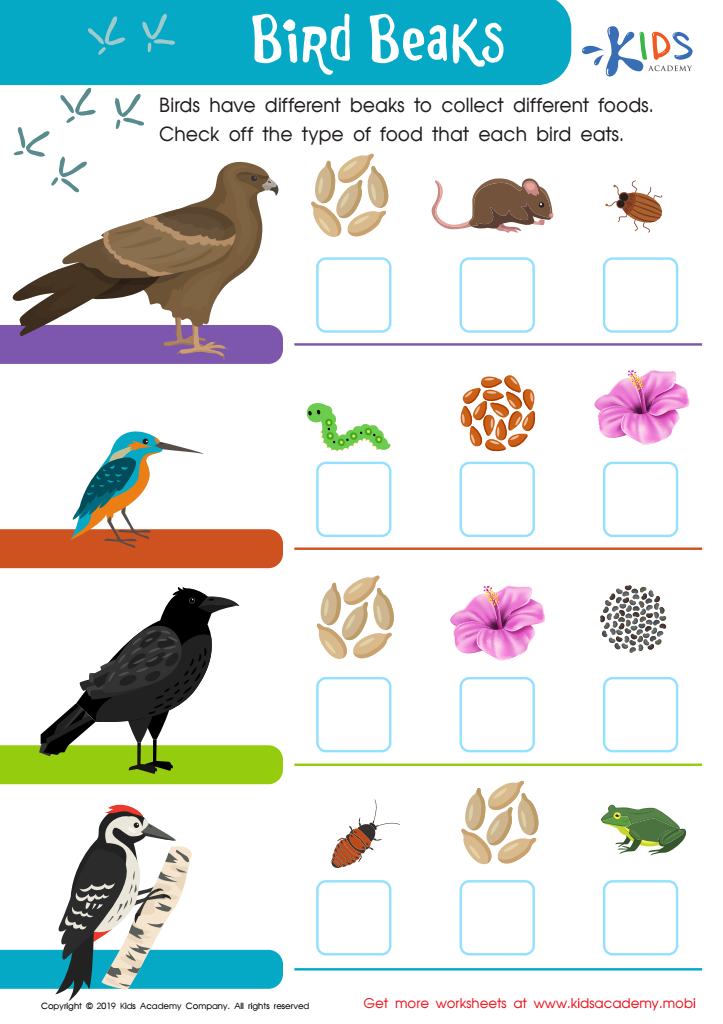
Bird Beaks Worksheet
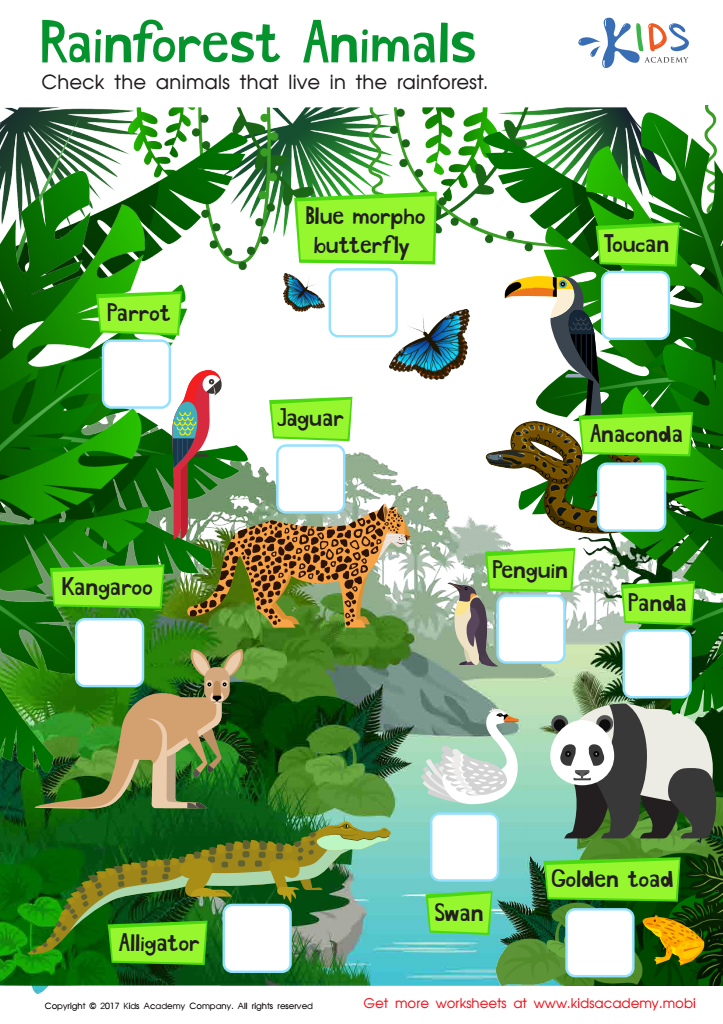
Rainforest Animals Worksheet
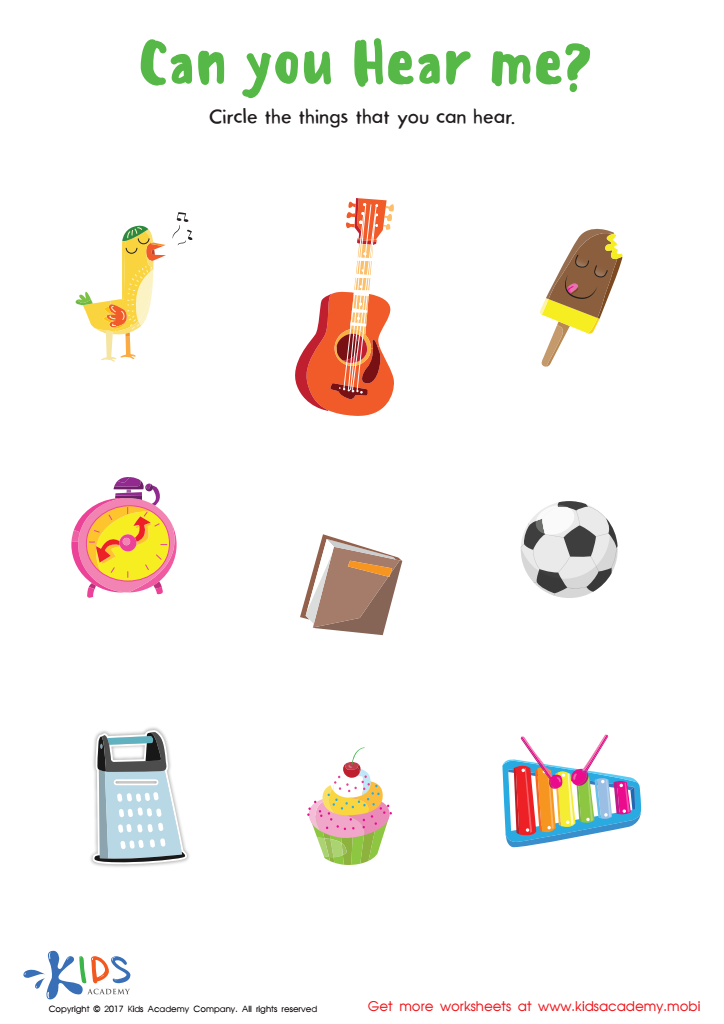
Can You Hear Me Worksheet
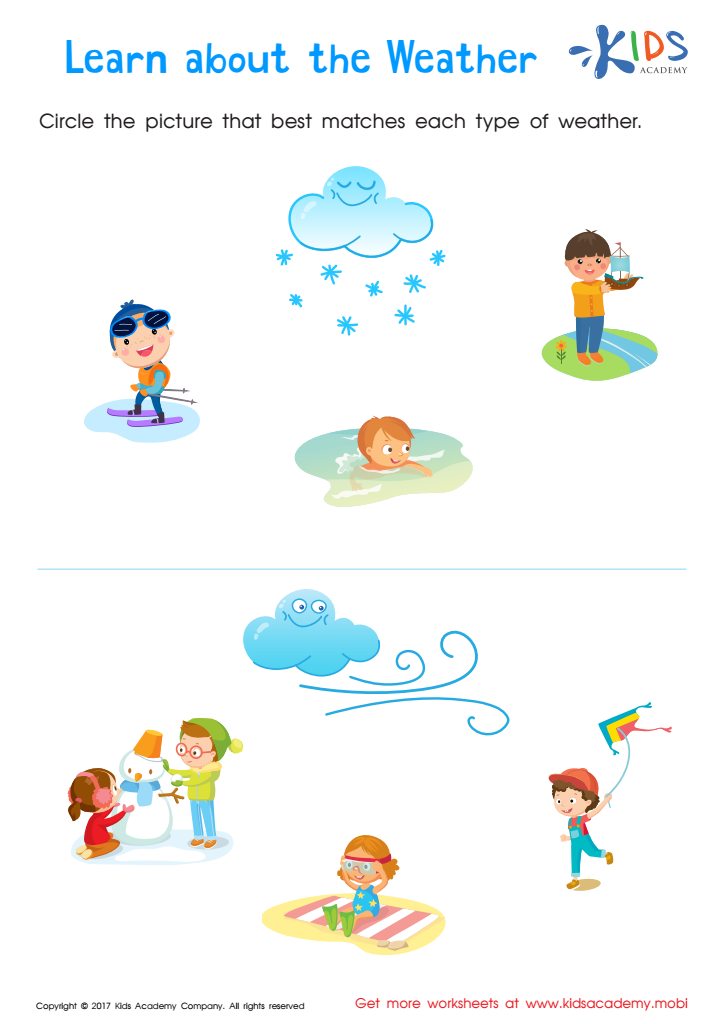
About the Weather Printable
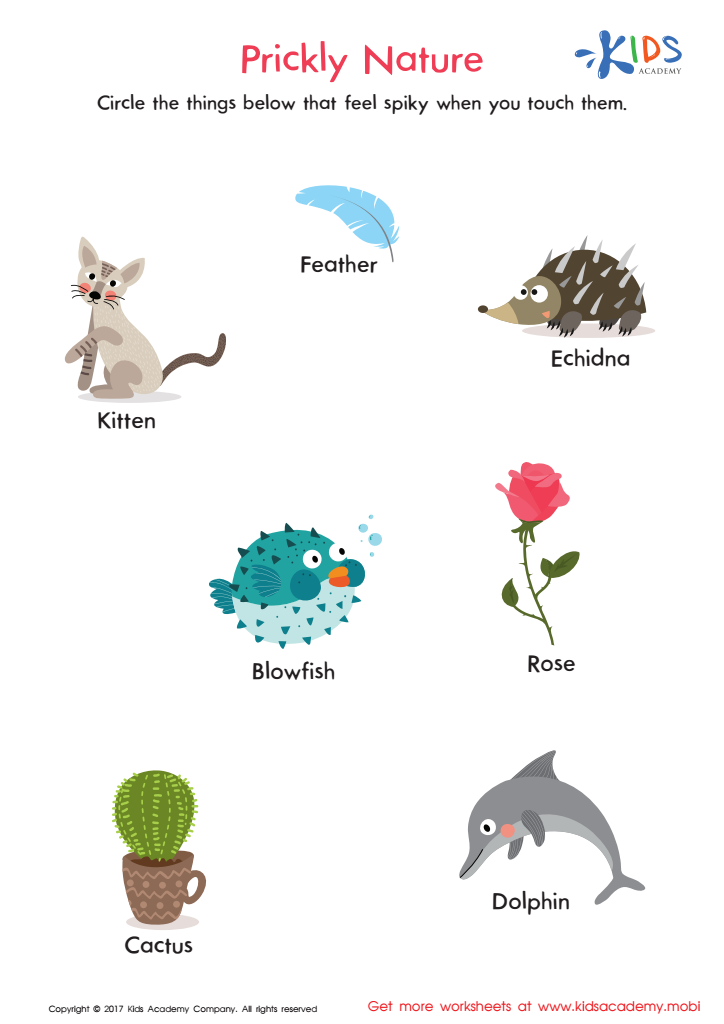
Prickly Nature Worksheet
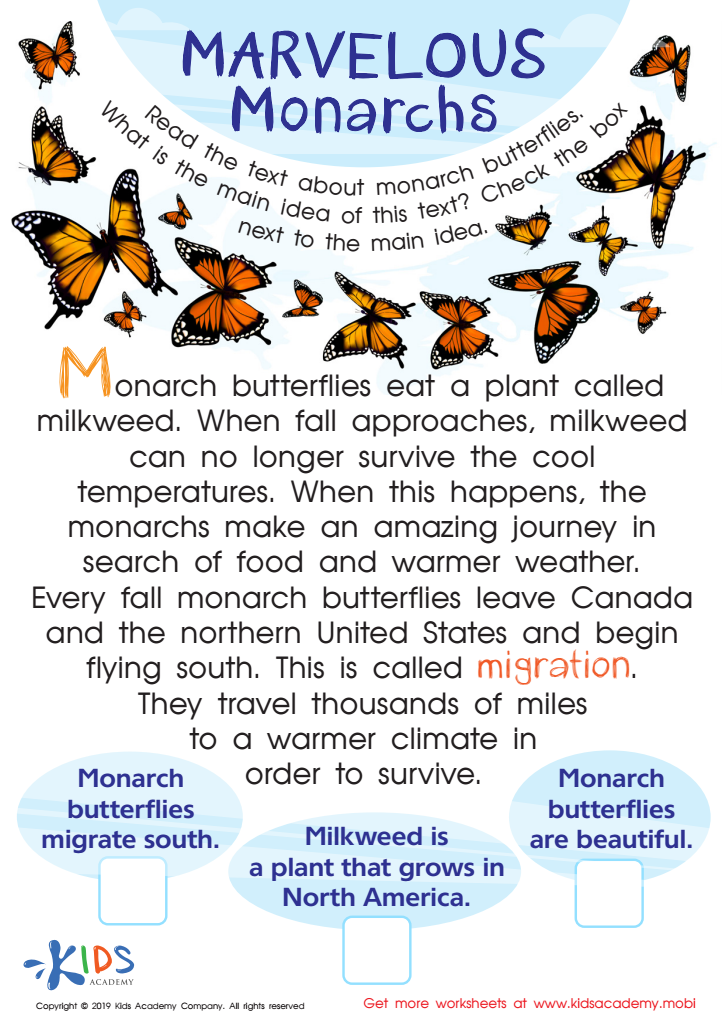
Marvelous Monarchs Worksheet
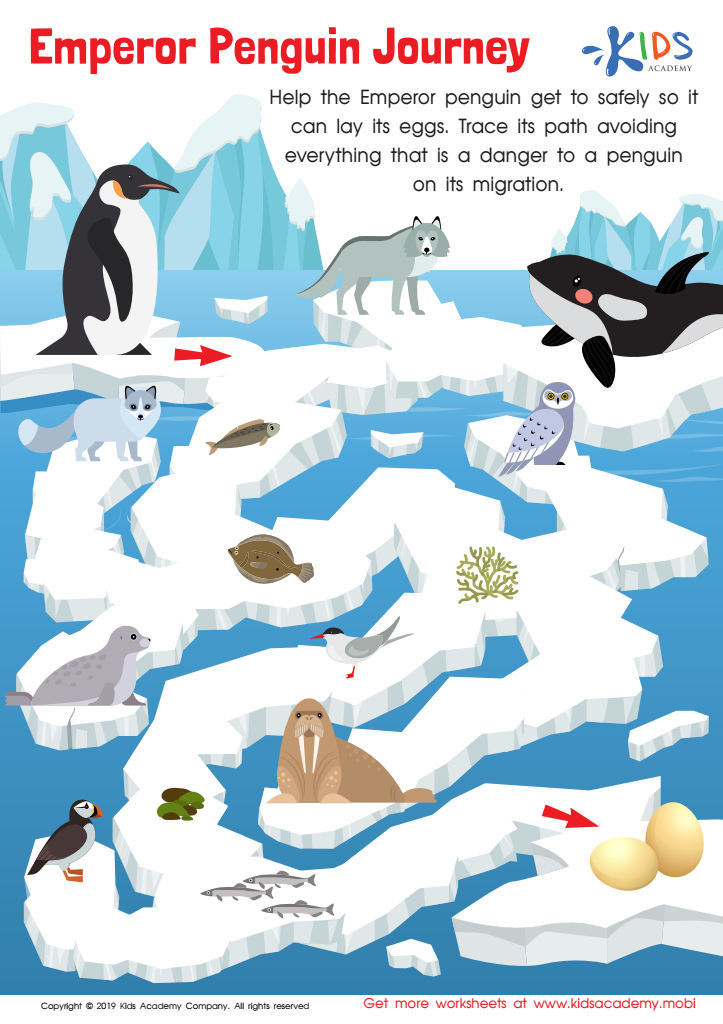
Emperor Penguin Journey Worksheet
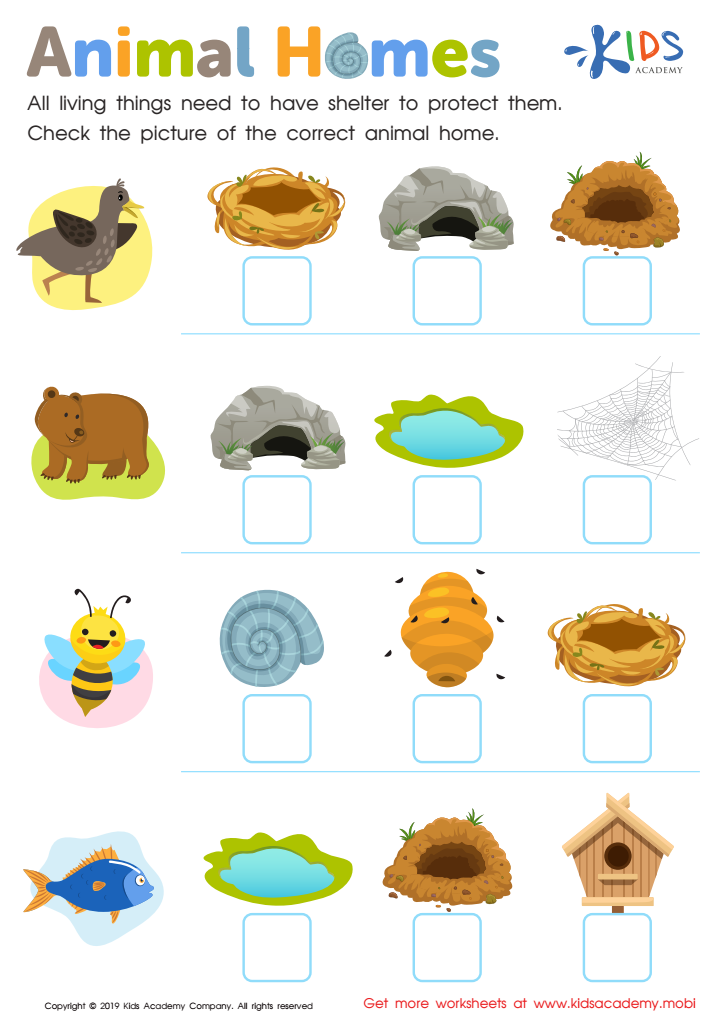
Animal Homes Worksheet
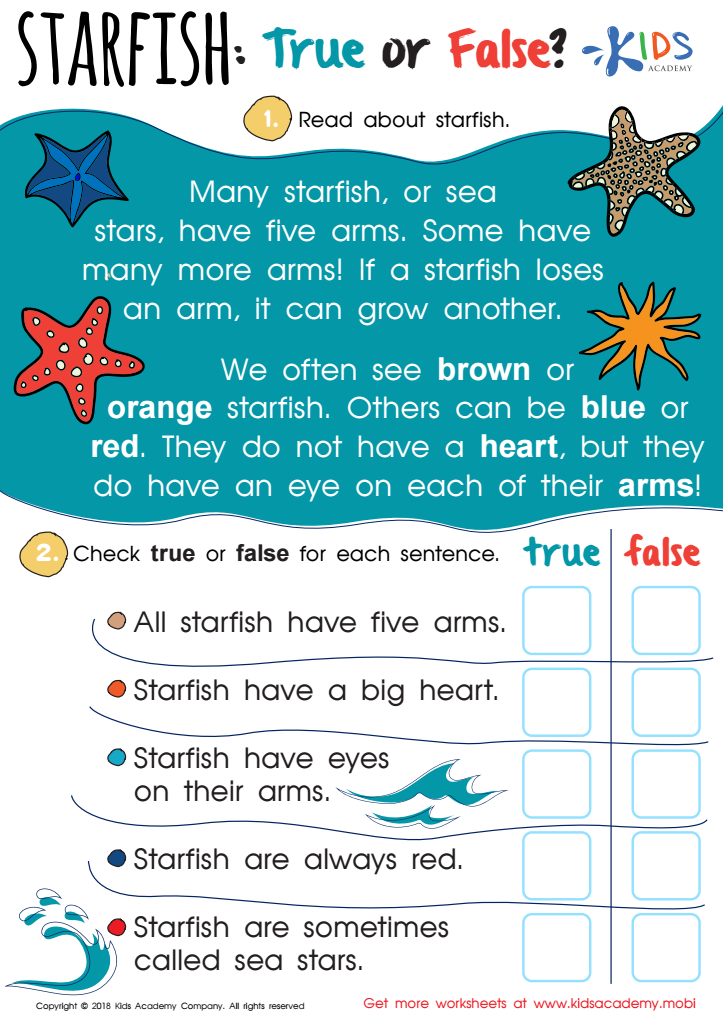
Starfish: True or False Worksheet
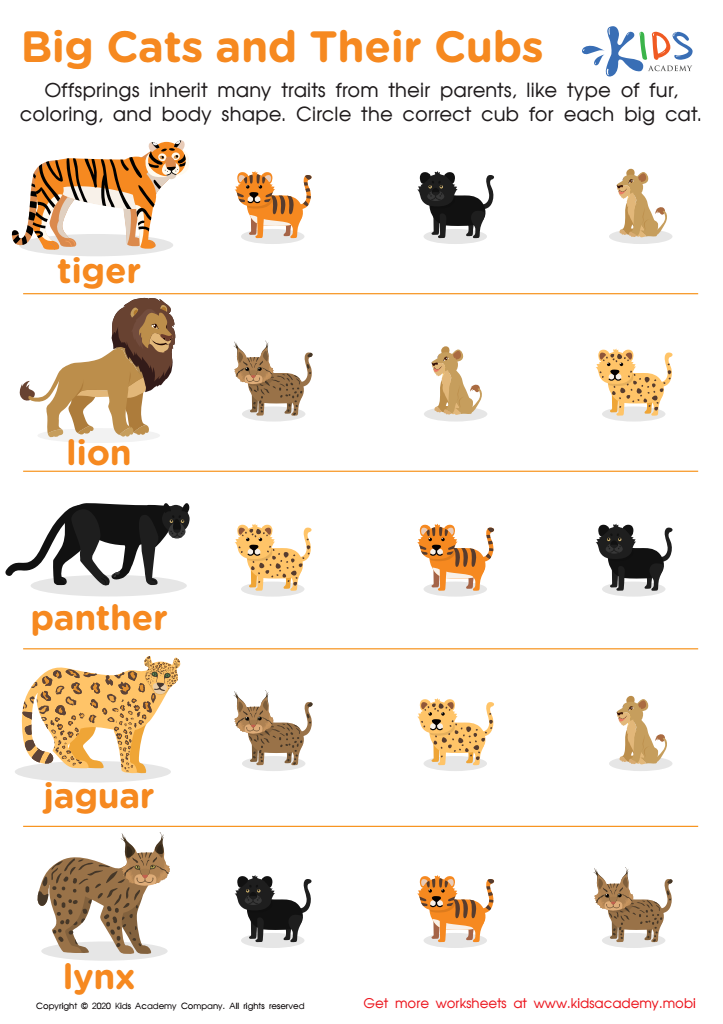
Big Cats and Their Cubs Worksheet
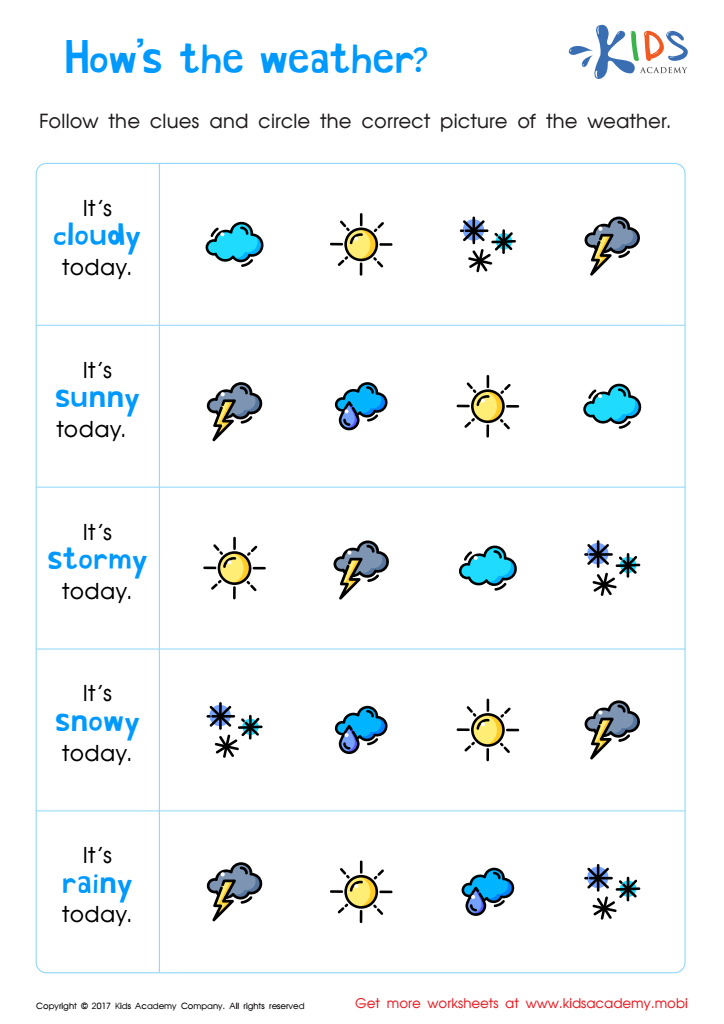
Hows the Weather Worksheet
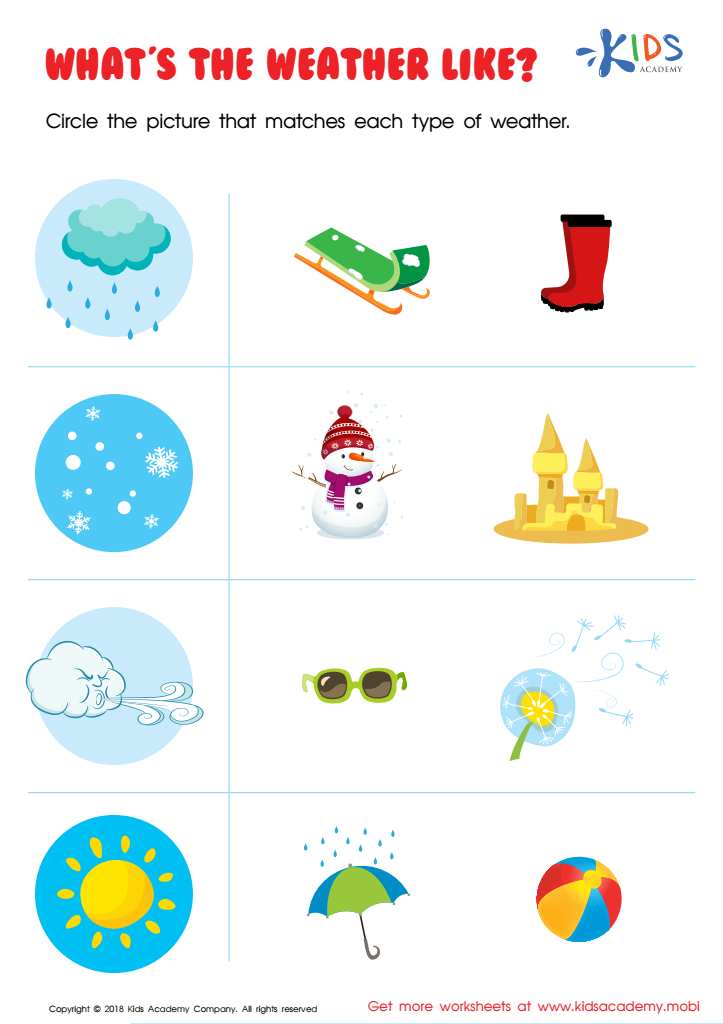
What's the Weather Like? Worksheet
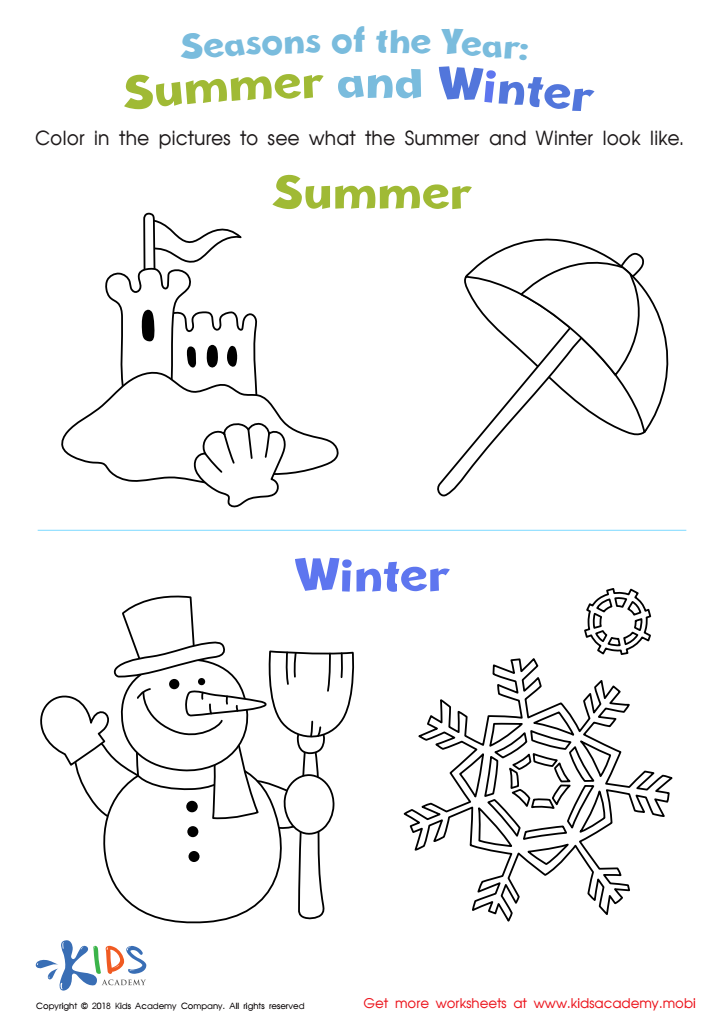
Summer and Winter Worksheet
Assign to My Students
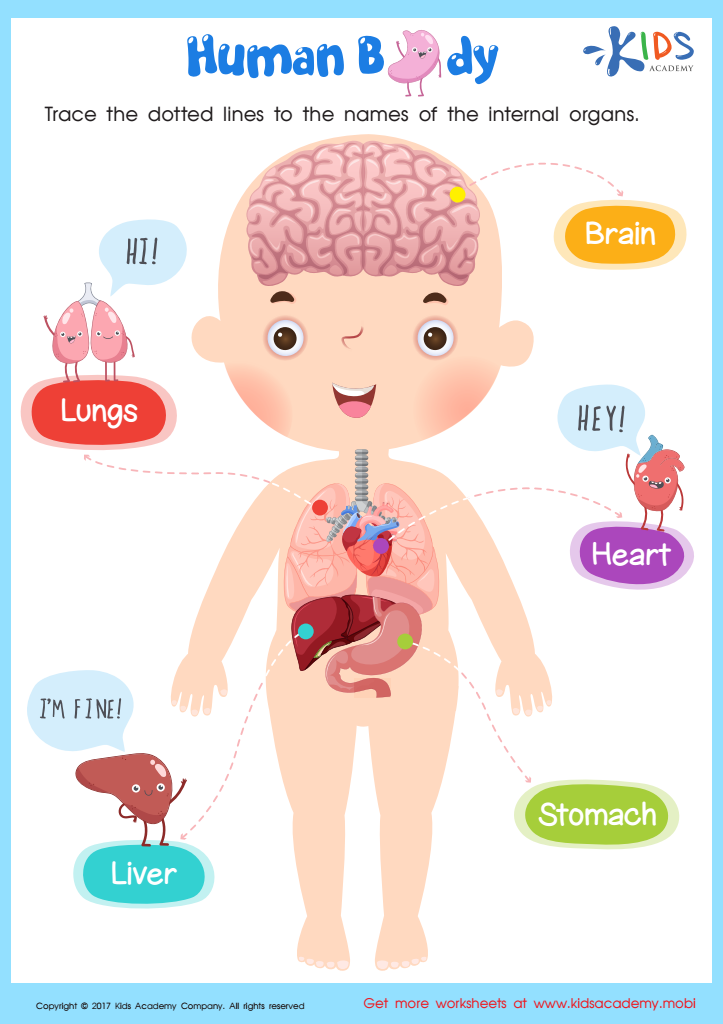
Human Body Worksheet
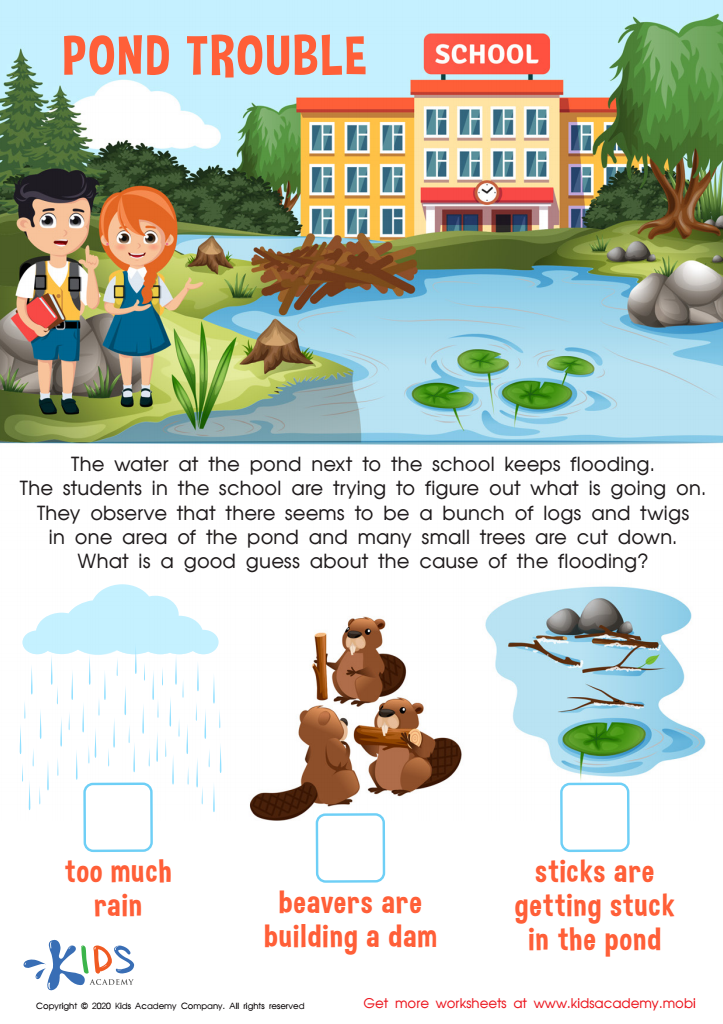
Pond Trouble Worksheet
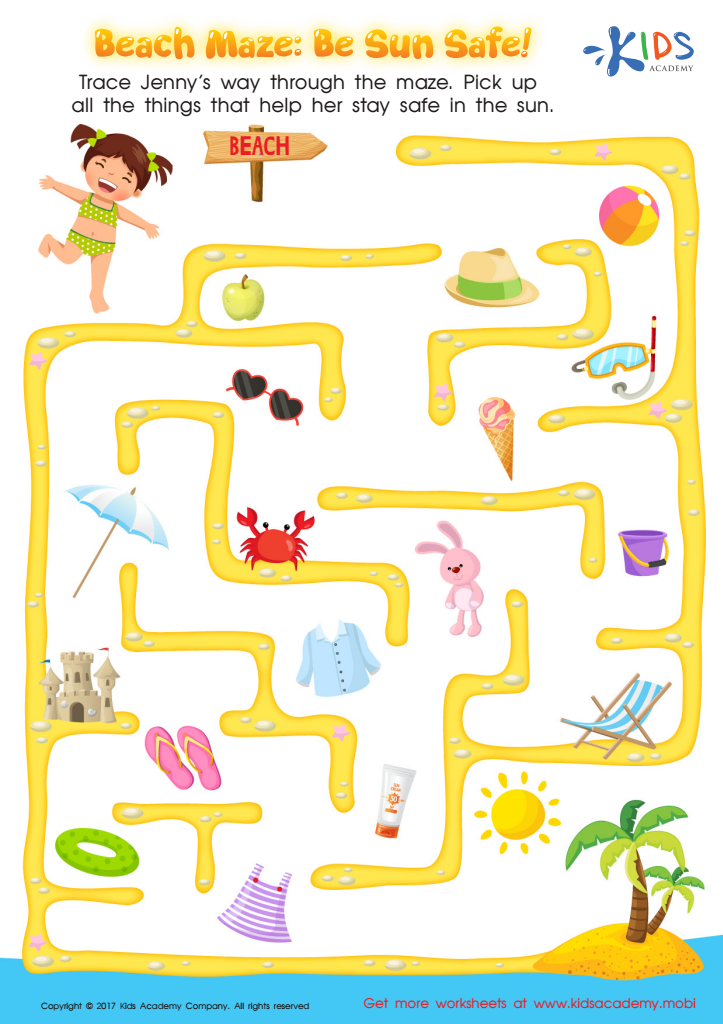
Beach Maze: Sun Safe Worksheet
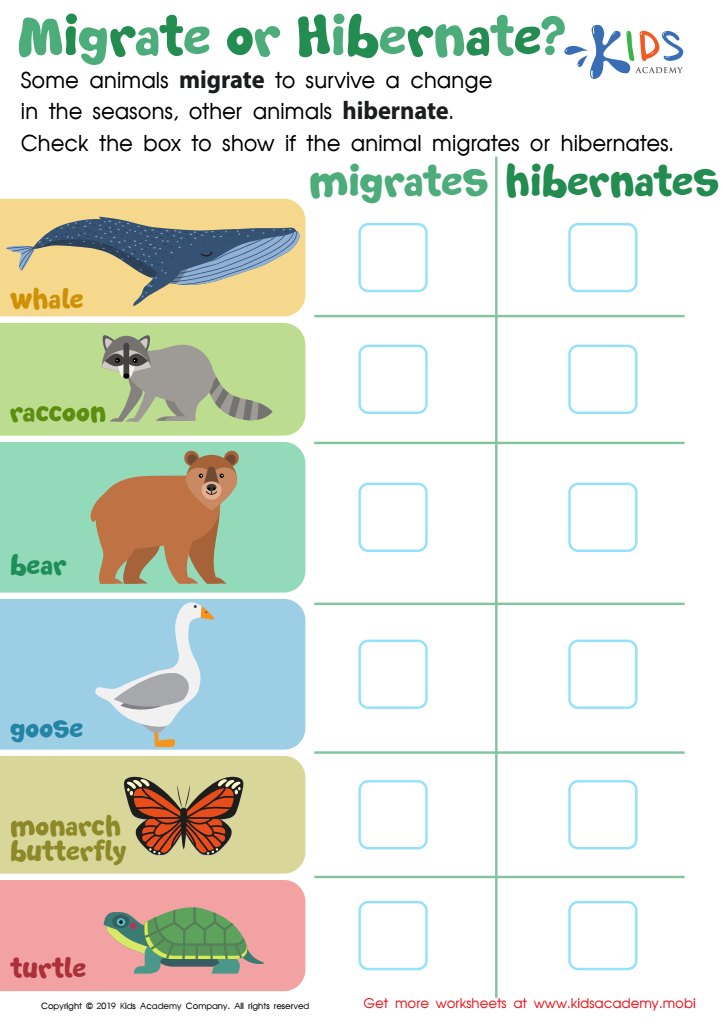
Migrate or Hibernate? Worksheet



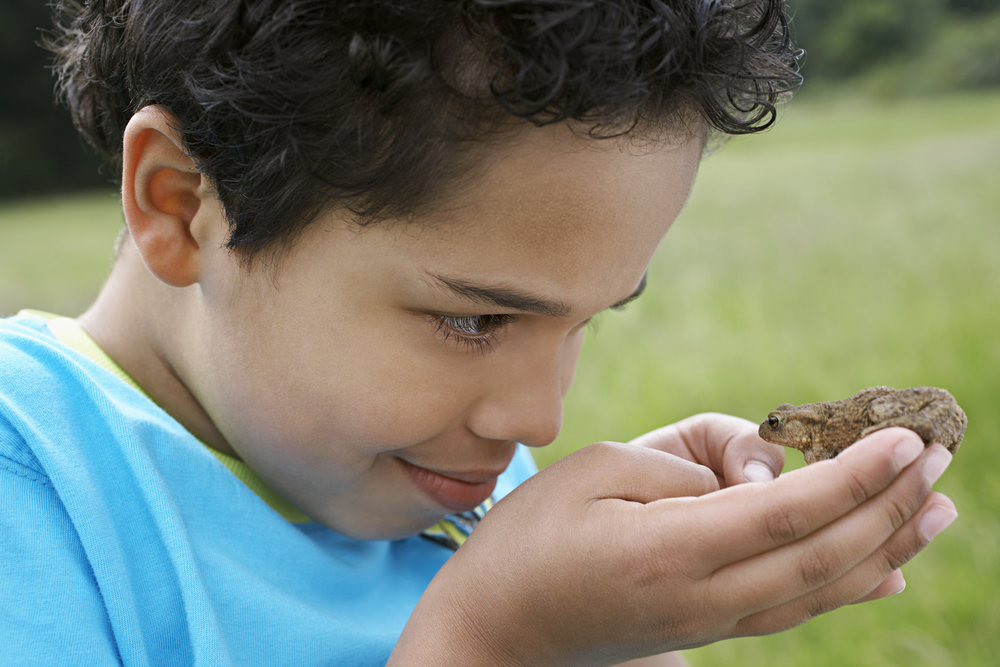




Parents and teachers must prioritize reading comprehension in science for children aged 5-7 because it lays the groundwork for critical thinking and lifelong learning. At this early age, children are naturally curious about the world around them. Combining science with reading helps them develop essential skills to understand and interpret information, fostering curiosity and exploration.
Reading comprehension allows young learners to grasp scientific concepts presented in texts, enhancing their ability to ask questions and seek answers. It nurtures their understanding of cause and effect, systematic observation, and logical reasoning—key elements in scientific inquiry.
Moreover, the ability to comprehend text is vital for academic success across all subjects. When children can read and understand science content, they build confidence and motivation to learn more. Engaging with diverse science-related reading materials—like stories about animals, plants, and space—also promotes vocabulary development and enhances communication skills.
Lastly, improved reading comprehension supports the integration of science into everyday life, encouraging children to discuss and relate scientific ideas outside the classroom. By fostering these skills, parents and teachers prepare students not only for further academic endeavors but also for informed decision-making as responsible citizens.







