Problem-Solving Skills Plants and Animals Worksheets for Ages 5-7
4 filtered results
Difficulty Level
Grade
Age
-
From - To
Subject
Activity
Standards
Foster your child's critical thinking and scientific curiosity with our "Problem-Solving Skills Plants and Animals Worksheets for Ages 5-7." Designed to engage young learners, these worksheets incorporate fun, interactive challenges that build essential problem-solving skills. Children explore the fascinating world of flora and fauna, enhancing their understanding of living organisms while developing their analytical abilities. Ideal for classroom use or at-home learning, our worksheets make science exciting and accessible. Whether identifying plant parts or observing animal behaviors, kids will enjoy hands-on activities that nurture their love for nature and sharpen their intellectual skills. Explore today and watch your child's curiosity bloom!
Favorites
With answer key
Interactive
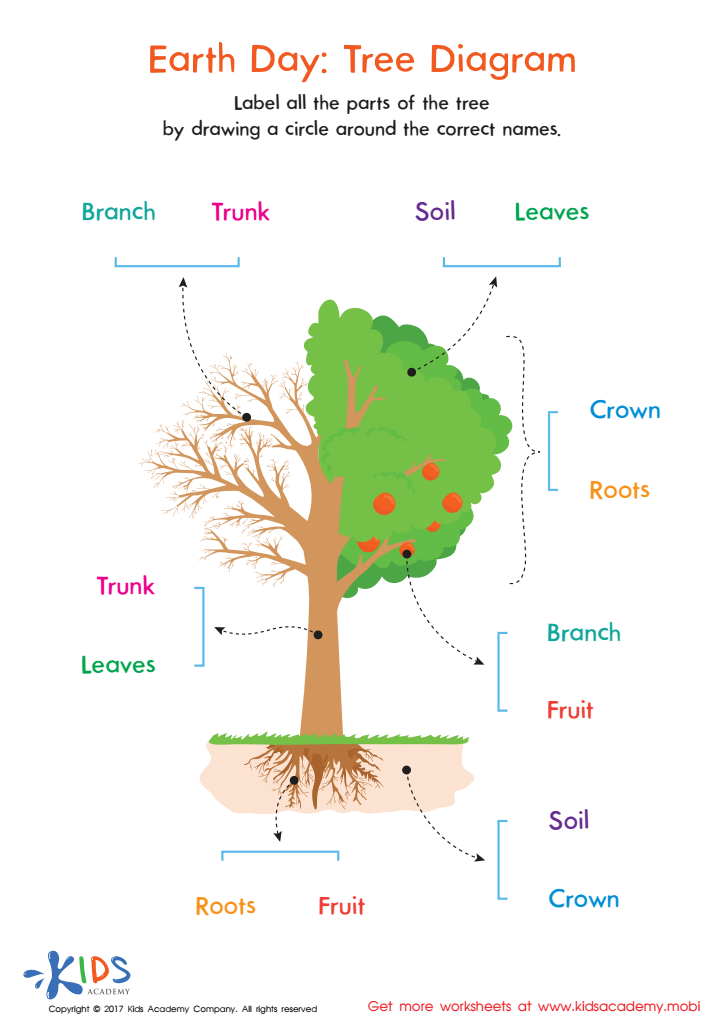
Earth Day: Tree Diagram Worksheet
Teaching our kids about environmental science is essential. Get your child excited about plants and nature with our colorful parts of a tree worksheet! It will help them gain an understanding and appreciation of trees, plants, and the earth. Download it now and open the door to the natural world of your child's everyday!
 Assign to My Students
Earth Day: Tree Diagram Worksheet
Worksheet
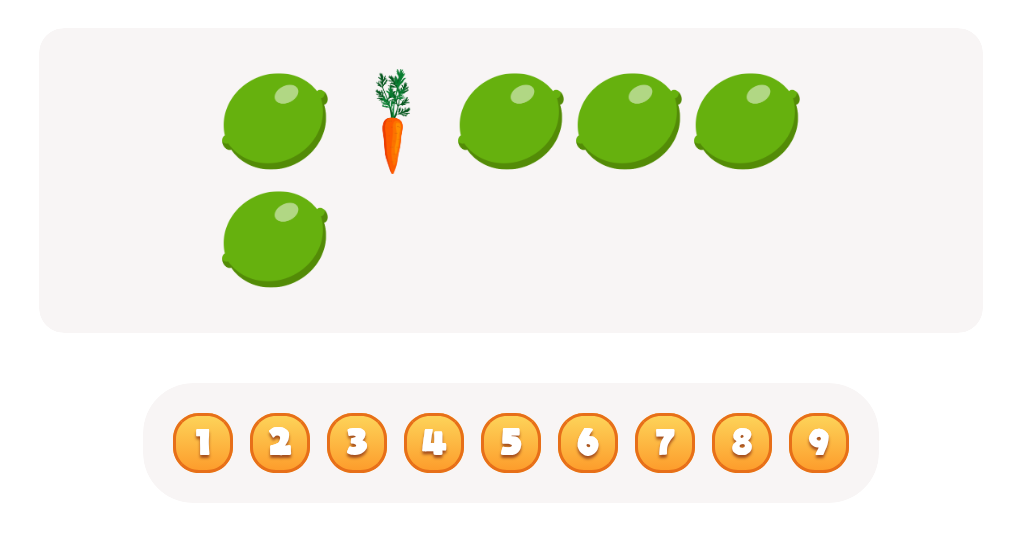

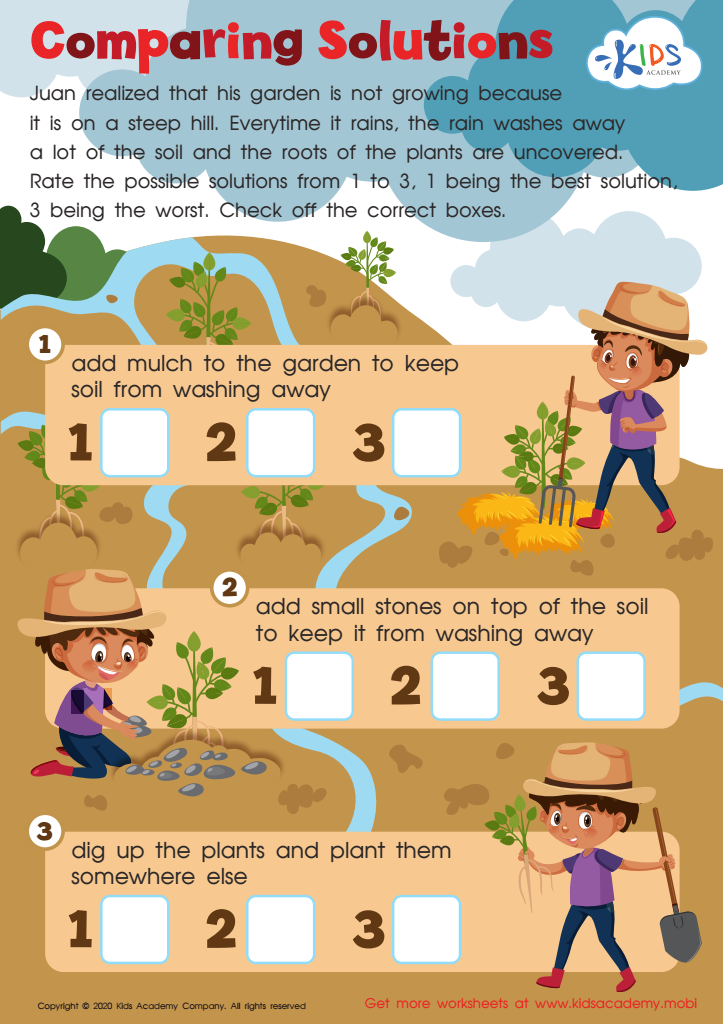
Comparing Solutions Worksheet
Juan can't get his veg garden growing as he'd like, planted on a steep hill. Help your child practice problem-solving by comparing solutions and rating them from most to least effective. With this thought-provoking worksheet, learners can hone the important skill of finding the best solution from a range of options.
Comparing Solutions Worksheet
Worksheet
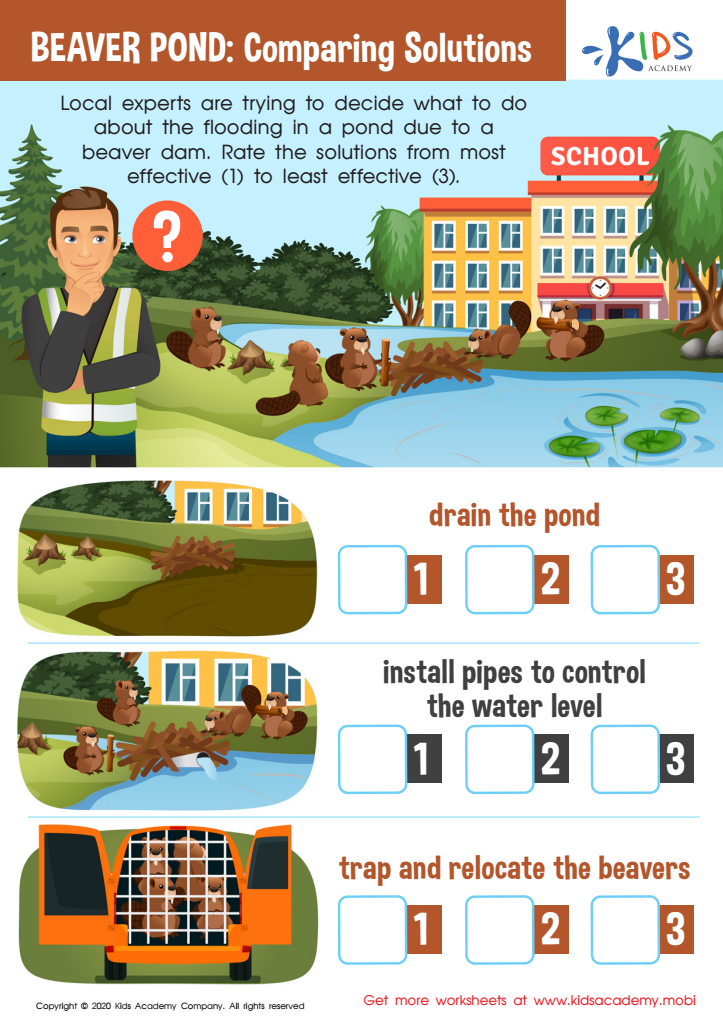
Beaver Pond: Comparing Solutions Worksheet
Got a problem? This science worksheet is great for helping your child compare solutions and pick the best one. Kids get to rate each option's effectiveness by ticking off boxes, from most to least. It's a great way to encourage problem-solving skills, while having fun!
Beaver Pond: Comparing Solutions Worksheet
Worksheet
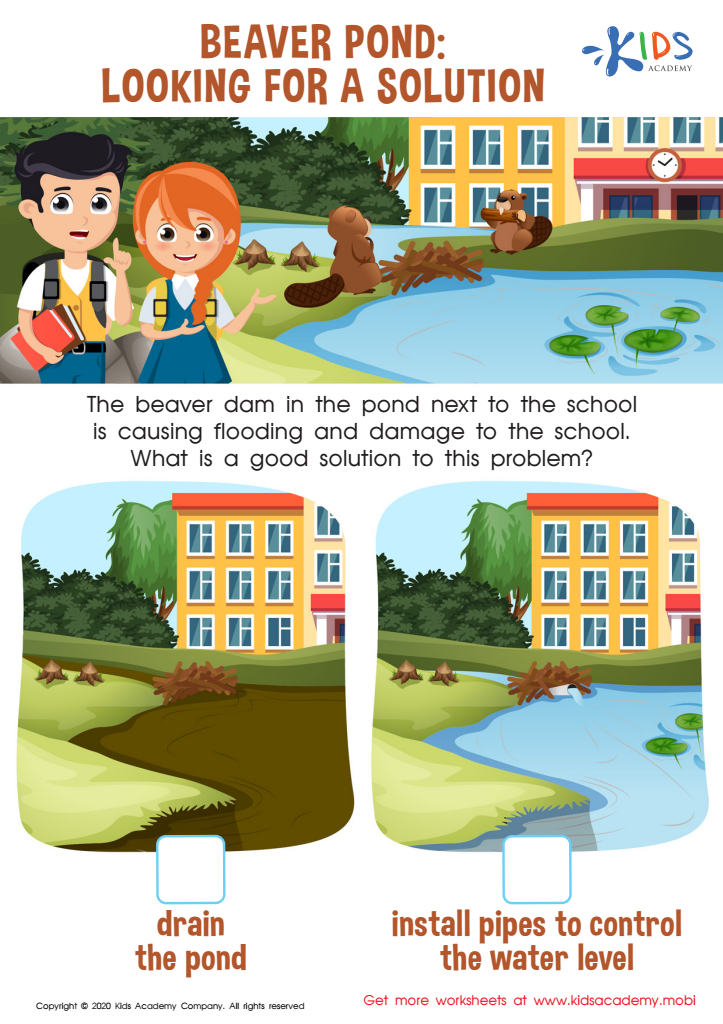
Beaver Pond: Looking for a Solution Worksheet
Beavers are building dams and flooding the local pond! Help your child practice problem-solving skills by reading through and selecting from possible solutions, with this fun PDF worksheet. See how your child's skills are improved!
Beaver Pond: Looking for a Solution Worksheet
Worksheet
Join Kids Academy for Free
Who is primarily going to use this learning content?


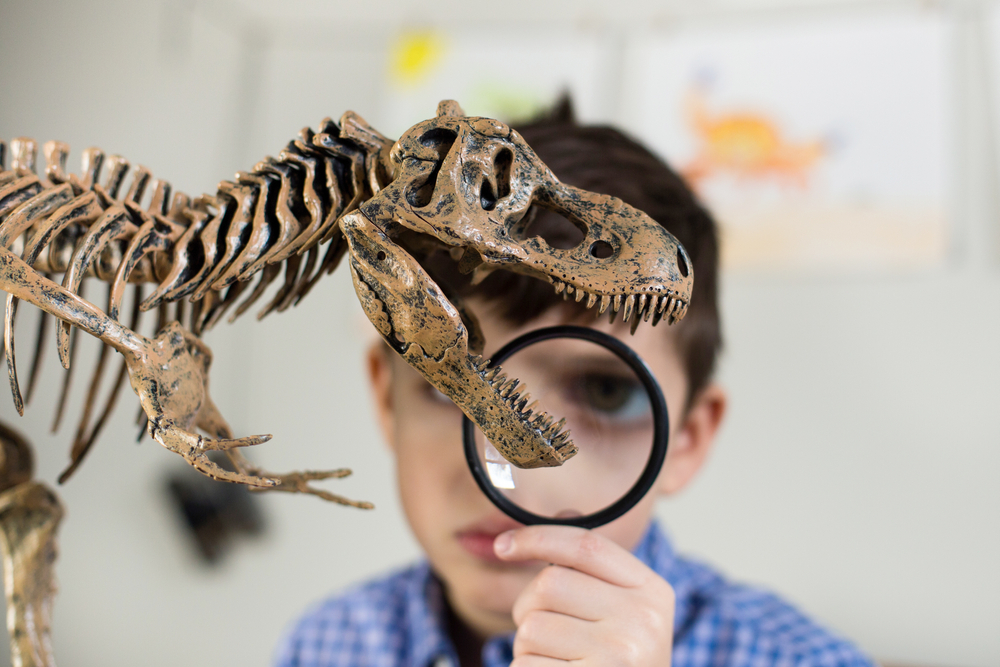




Problem-solving skills are essential for children ages 5-7 as they serve as the foundation for critical thinking, creativity, and resilience. Introducing concepts related to plants and animals provides a concrete and engaging context for developing these skills. By exploring natural phenomena, children exercise curiosity and learn to ask questions, make observations, and derive answers, thereby enhancing their cognitive abilities.
For instance, understanding how plants grow from seeds teaches children about life cycles, ecosystems, and interdependence, emphasizing the importance of nature conservation. Similarly, learning about animals' behaviors and habitats can foster empathy and a sense of stewardship for living creatures, shaping their environmental awareness early on.
Parents and teachers should prioritize problem-solving activities involving plants and animals to support holistic child development. These activities improve not only intellectual skills, such as analytical thinking and reasoning, but also emotional and social skills. Team-based problem-solving encourages collaboration, communication, and listening abilities. Encouraging such interactive learning experiences at an early age cultivates a love for science, lays down an essential groundwork for future academic achievements, and helps build practical life skills that extend beyond the classroom.
By integrating problem-solving scenarios into their daily learning, children become adept at tackling complex challenges with confidence, which is beneficial throughout their academic journey and beyond.