Life Science Worksheets for Ages 5-7
3 filtered results
-
From - To
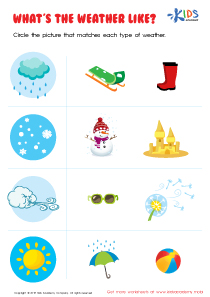
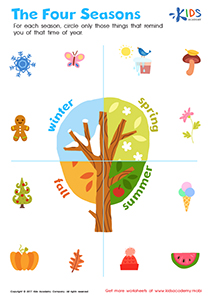
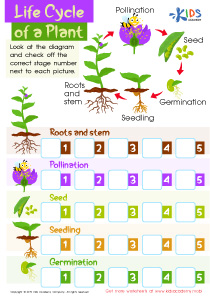
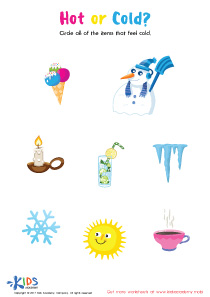
Explore our engaging "Life Science Worksheets for Ages 5-7" and let your child embark on a fun-filled adventure through the natural world! Designed to captivate young minds, these printable worksheets cover fascinating topics such as plant life, animal habitats, and the basics of ecosystems. Each activity is thoughtfully crafted to enhance observation, cognitive skills, and a love for science. Perfect for classroom settings or at-home learning, our worksheets foster curiosity and knowledge in an enjoyable way. Unlock a world of discovery and encourage your little one’s budding scientific curiosity with Kids Academy today!
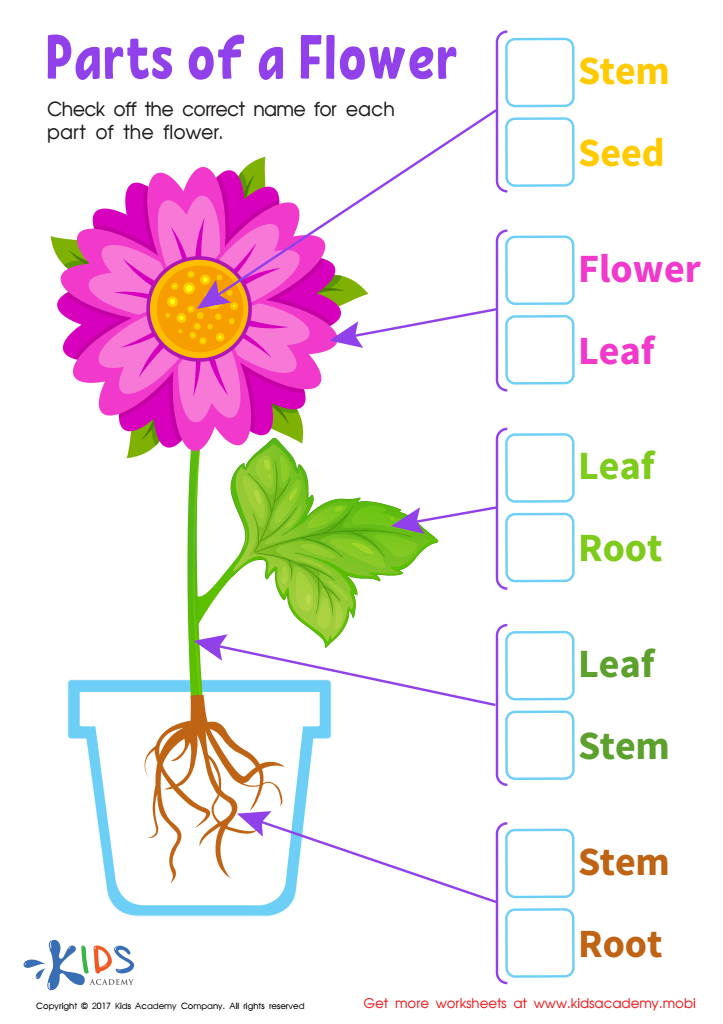
Parts Flower Printable
 Assign to My Students
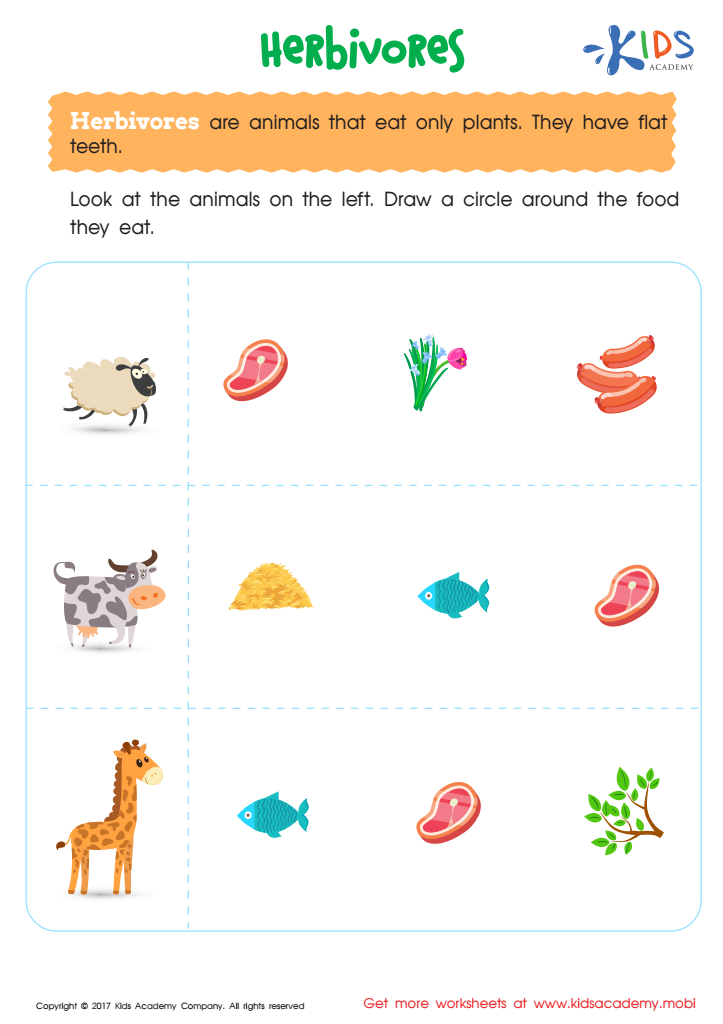
Herbivores Printable
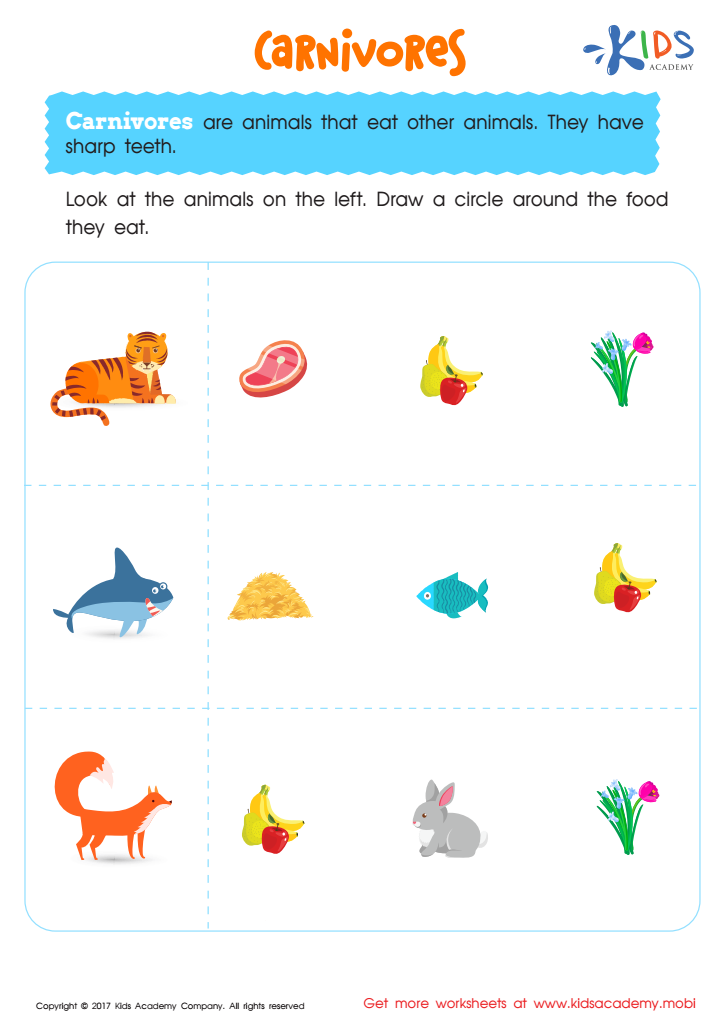
Carnivores Worksheet



.jpg)




Life Science studies living organisms and ecosystems, and for children aged 5-7, it plays a pivotal role in nurturing curiosity and foundational understanding of the natural world. At this developmental stage, young minds are exceptionally eager to explore and comprehend their environment. Introducing them to Life Science generates a sense of wonder and ignites a passion for discovery that can last a lifetime.
Engaging in Life Science activities promotes critical thinking skills, allowing children to observe, hypothesize, and experiment. These activities not only enhance cognitive function but also encourage problem-solving abilities. For example, simple experiments, studying plants' growth or observing animals' behavior, provide hands-on learning that is both enjoyable and educational.
Moreover, understanding Life Science equips children with knowledge about health, hygiene, and the importance of biodiversity, instilling early habits that contribute to their well-being and fosters respect for nature. Learning about various life forms extols the concept of interdependency within ecosystems, teaching respect and empathy for all living things, crucial traits for holistic development.
Parents and teachers who support Life Science education in early grades lay the foundation for a scientifically literate society. Cultivating an early interest in Life Science not only prepares children for future academic success but also encourages environmentally responsible behavior, benefiting the broader community.