Tracing Letters Worksheets for Ages 5-8 - Page 2
58 filtered results
-
From - To
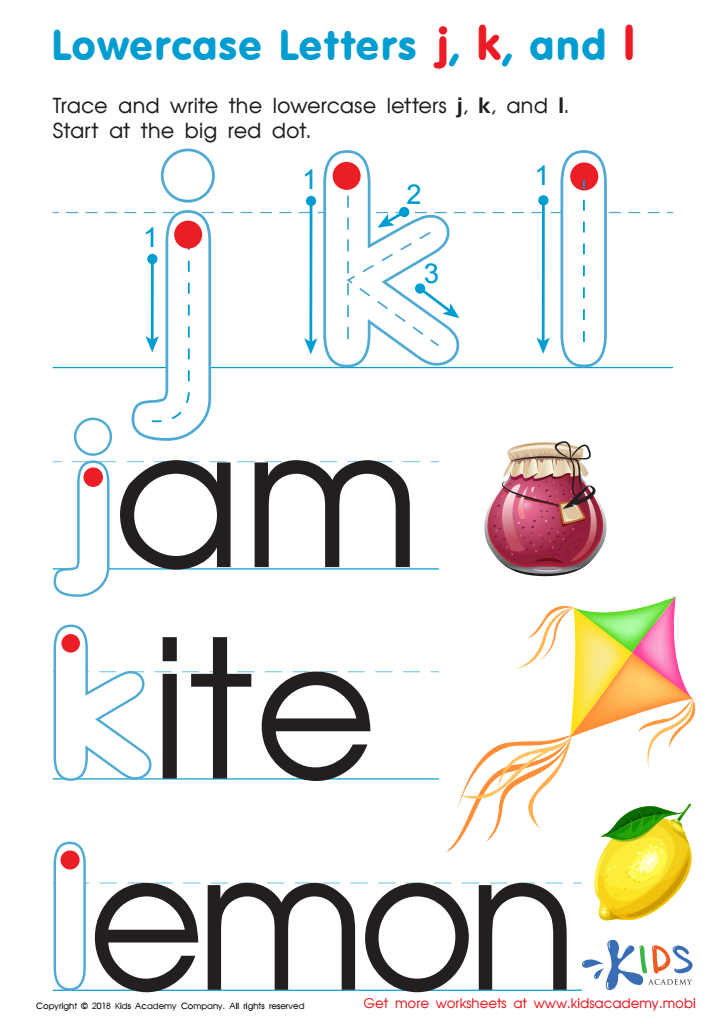
Lowercase Letters j k l Worksheet
 Assign to My Students
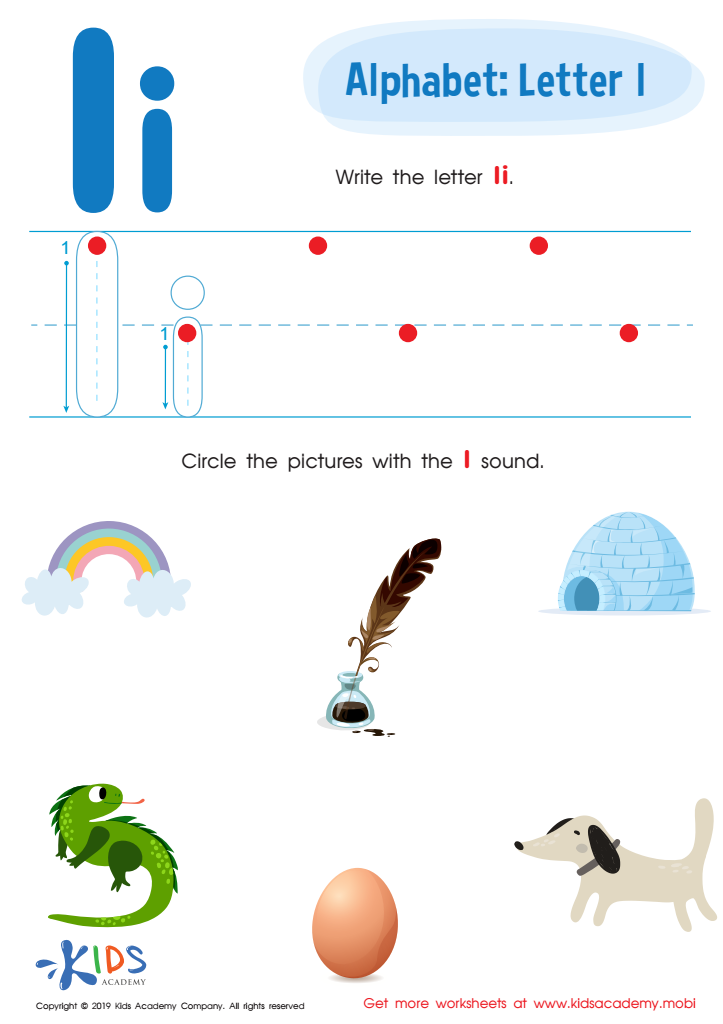
Letter I Tracing Worksheet
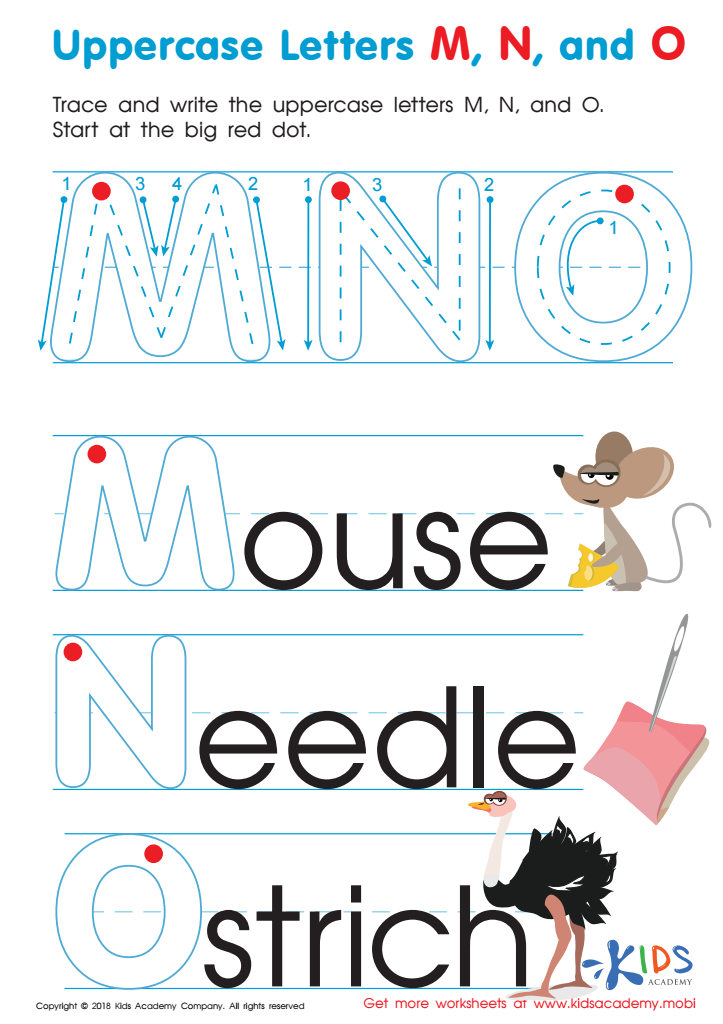
Uppercase Letters M, N, and O Worksheet
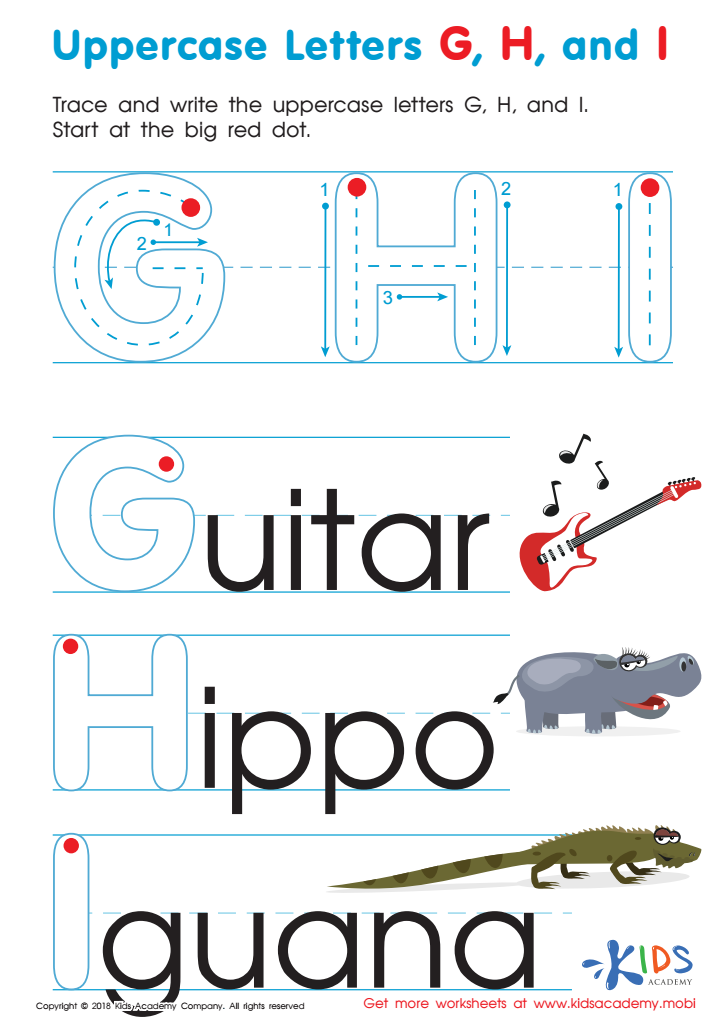
Uppercase Letters G, H, and I Worksheet
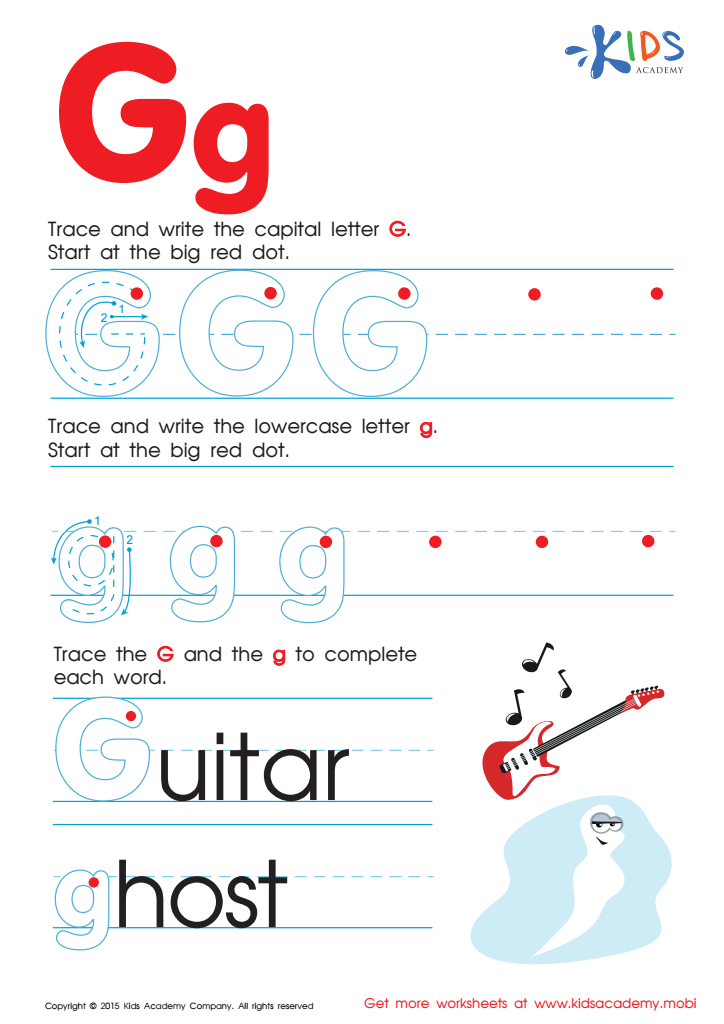
Letter G Tracing Page
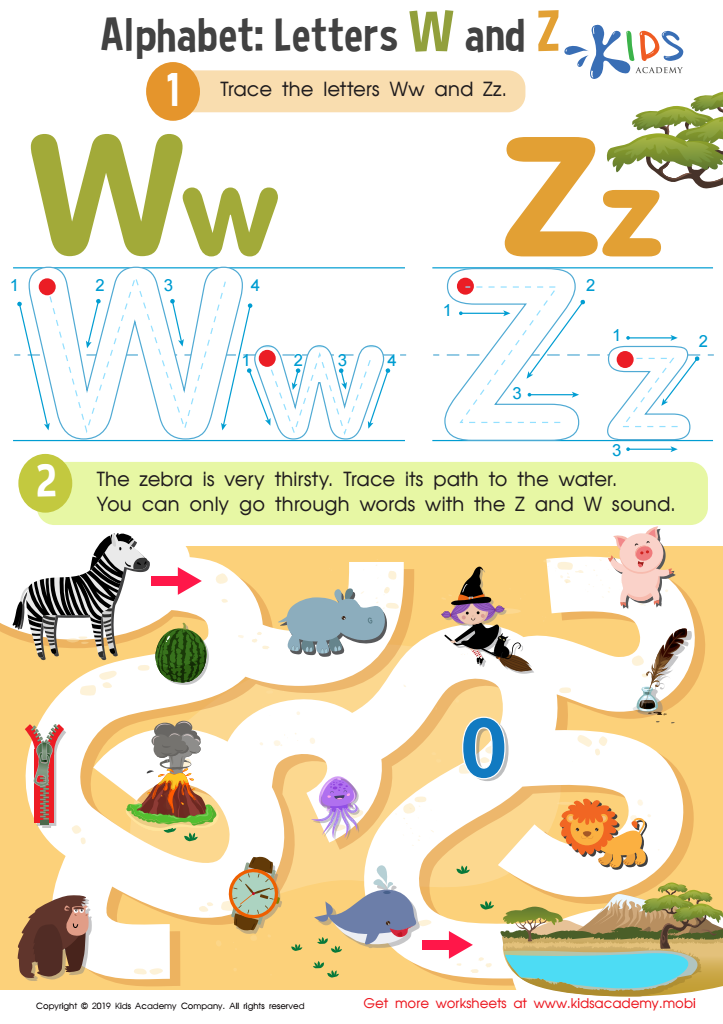
Letters W and Z Tracing Worksheet

Letter J Tracing Page
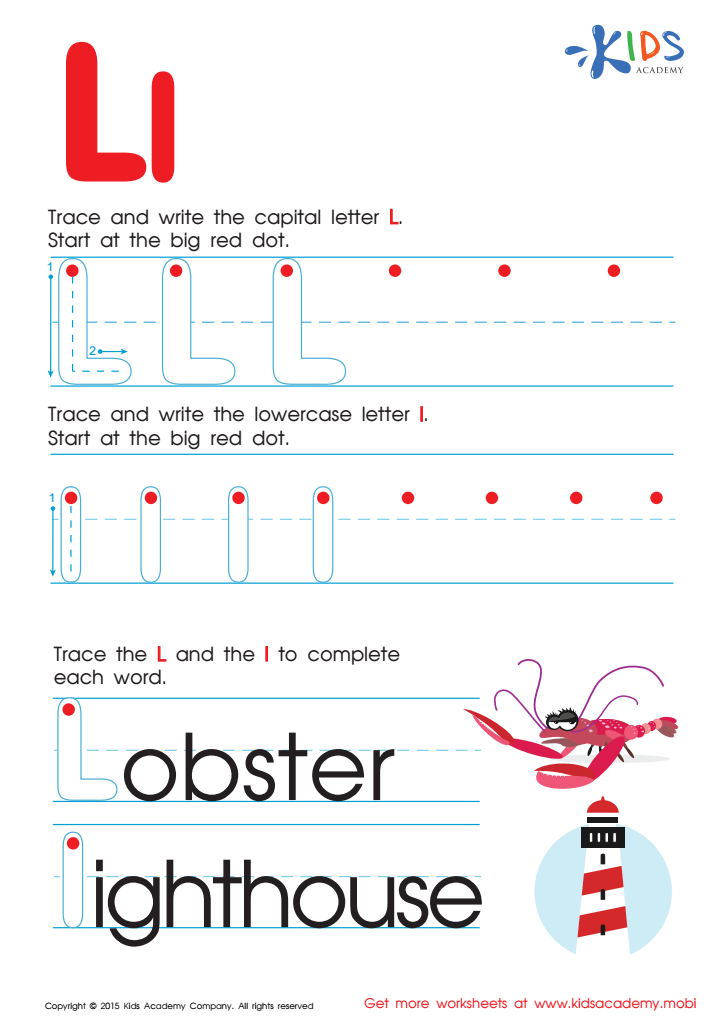
Letter L Tracing Page
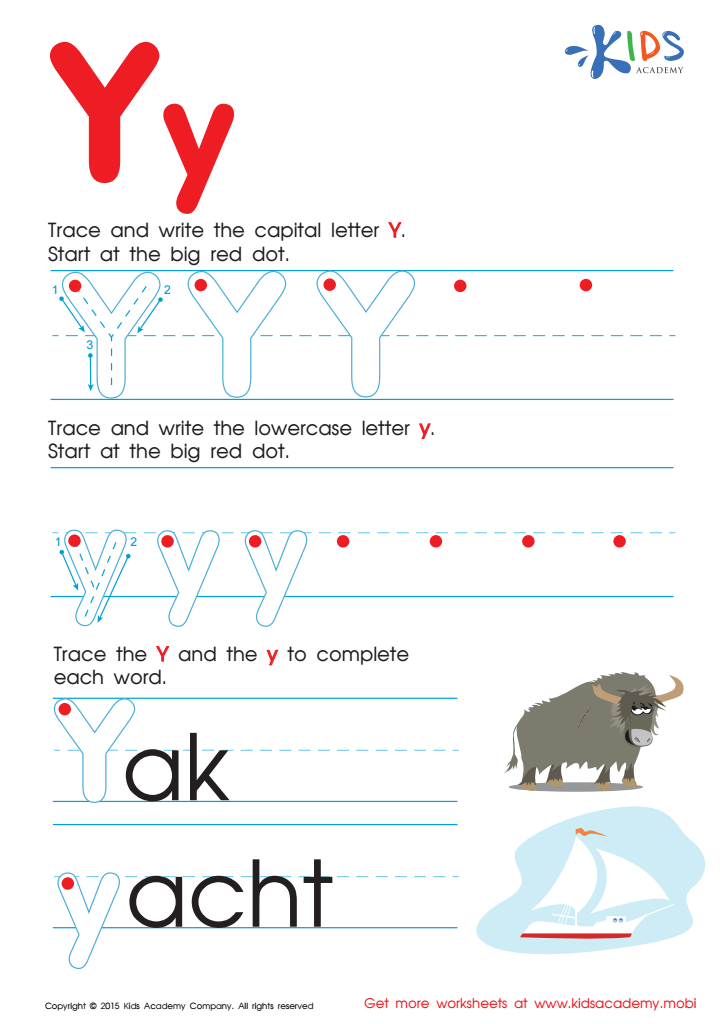
Letter Y Tracing Page
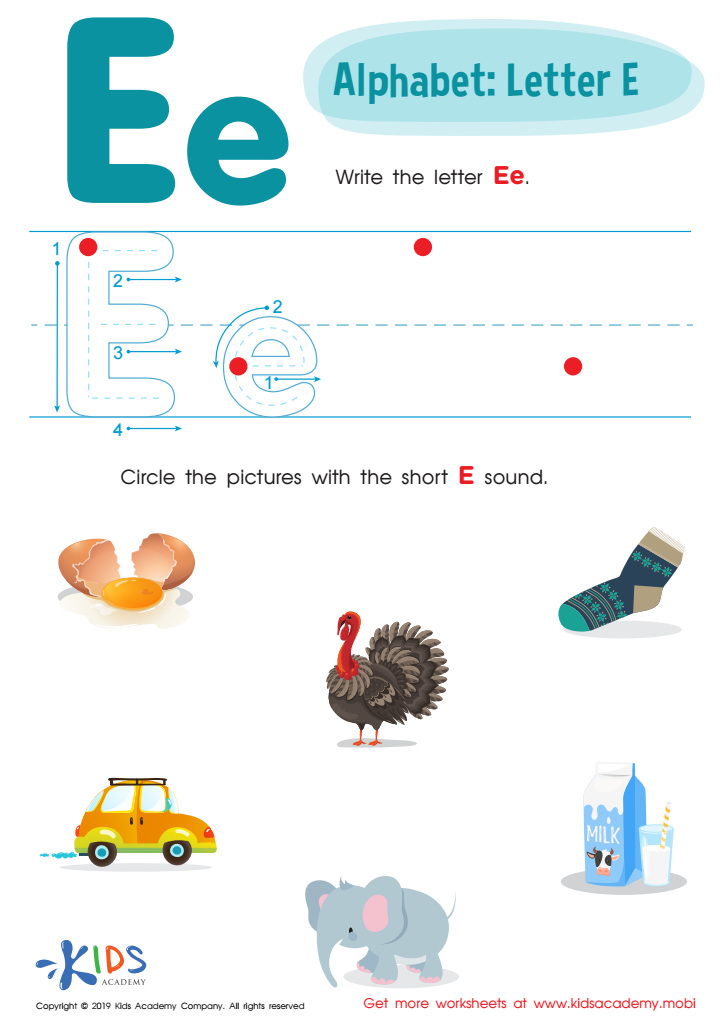
Letter E Tracing Worksheet
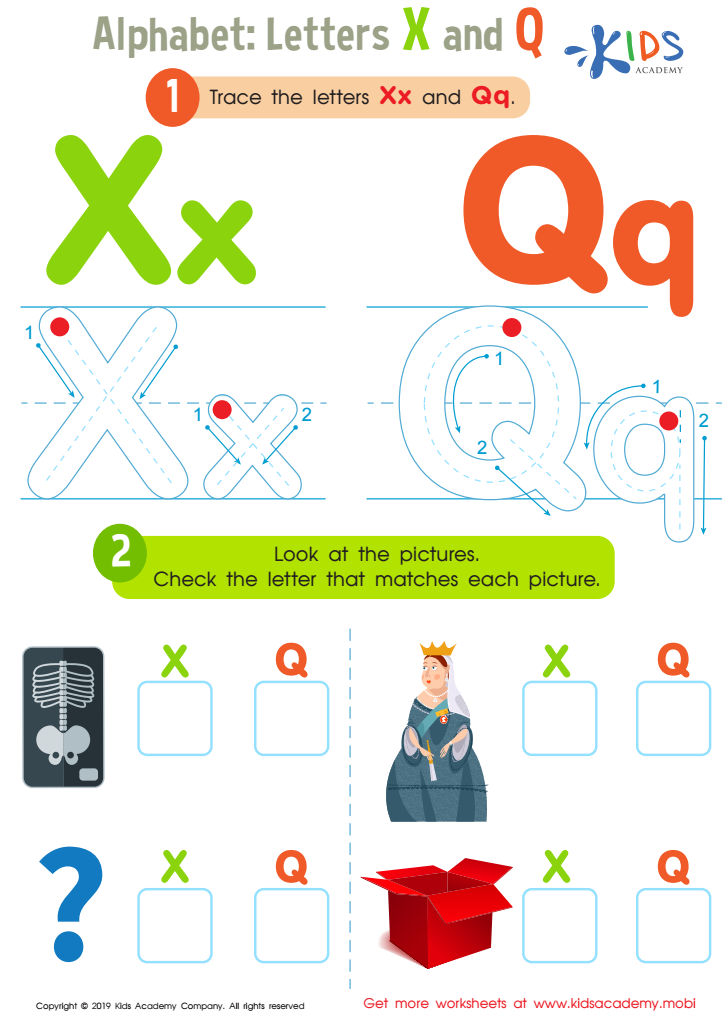
Letters X and Q Tracing Worksheet
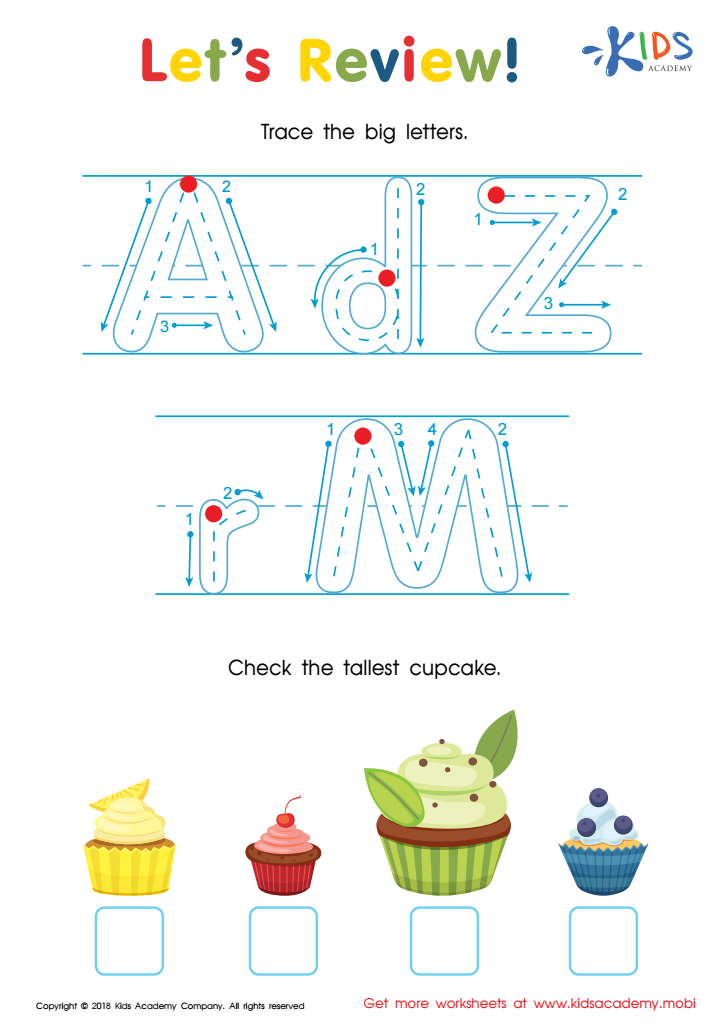
Let's Review! Big Letters Worksheet

Lowercase Letters m n o Worksheet

Letter B Tracing Page

Letter N Tracing Page
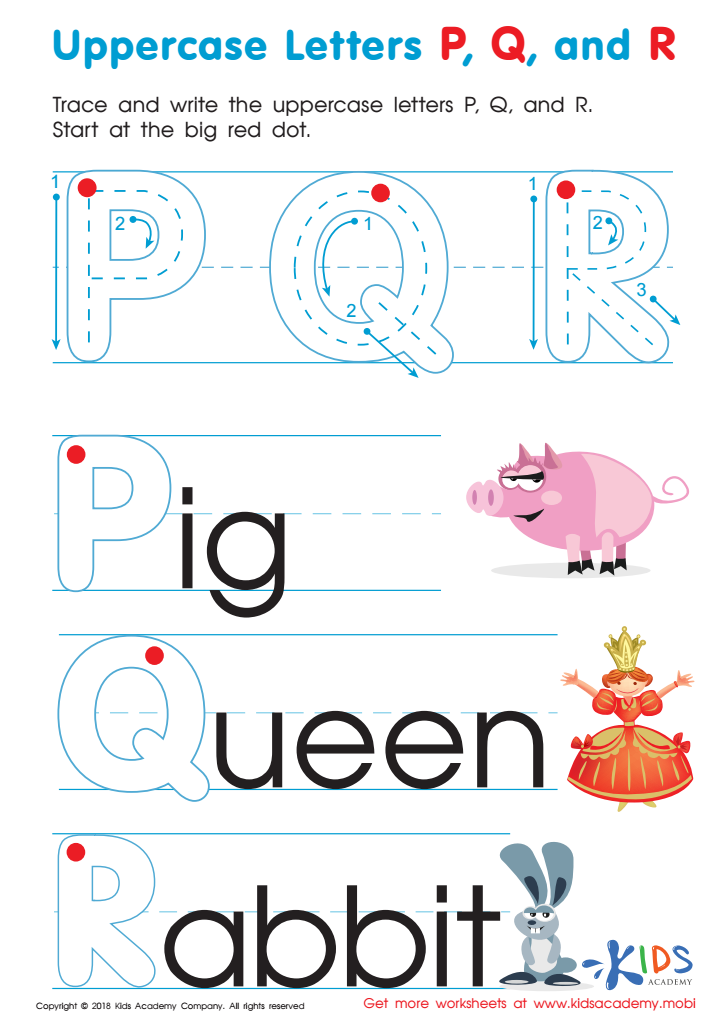
Uppercase Letters P, Q, and R Worksheet
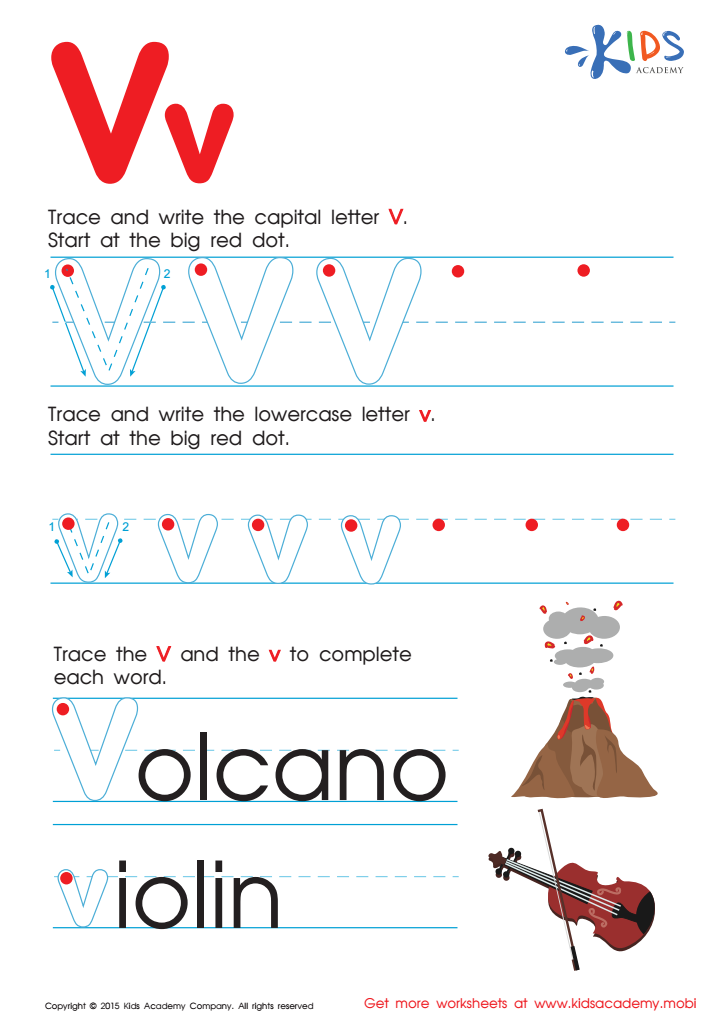
Letter V Tracing Page
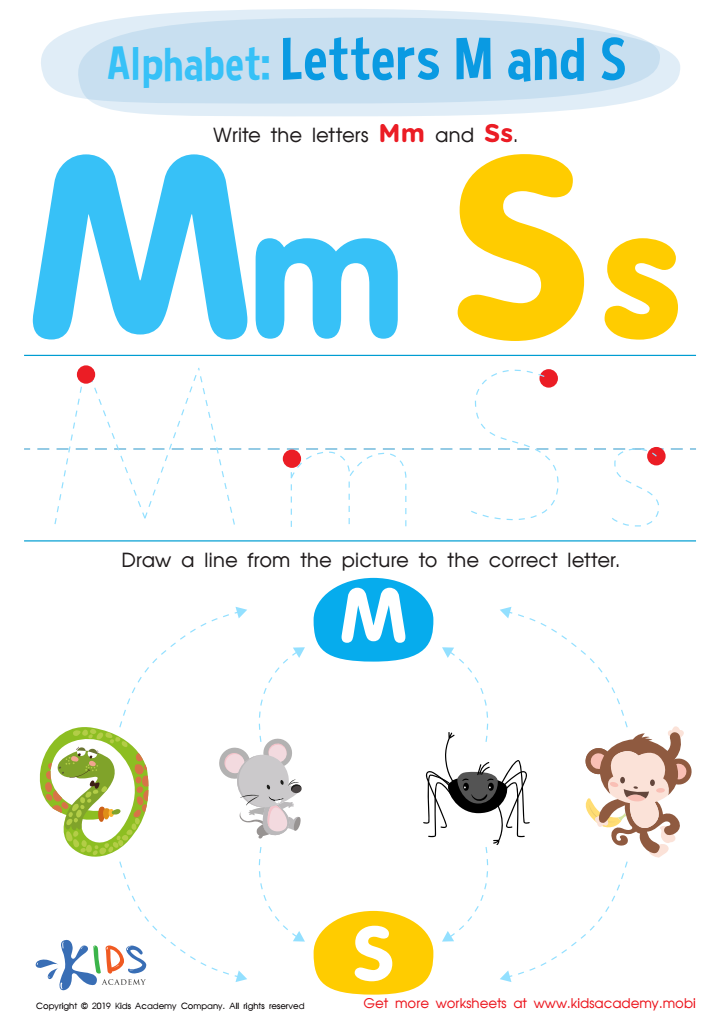
Letters M and S Tracing Worksheet
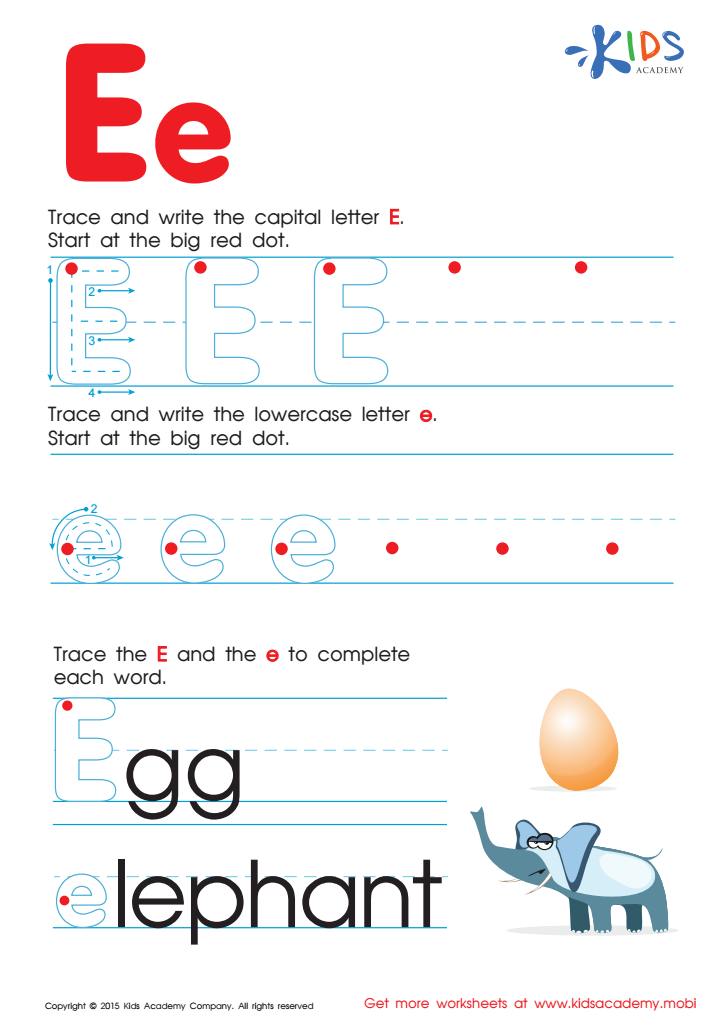
Letter E Tracing Page

Letter A Tracing Worksheet
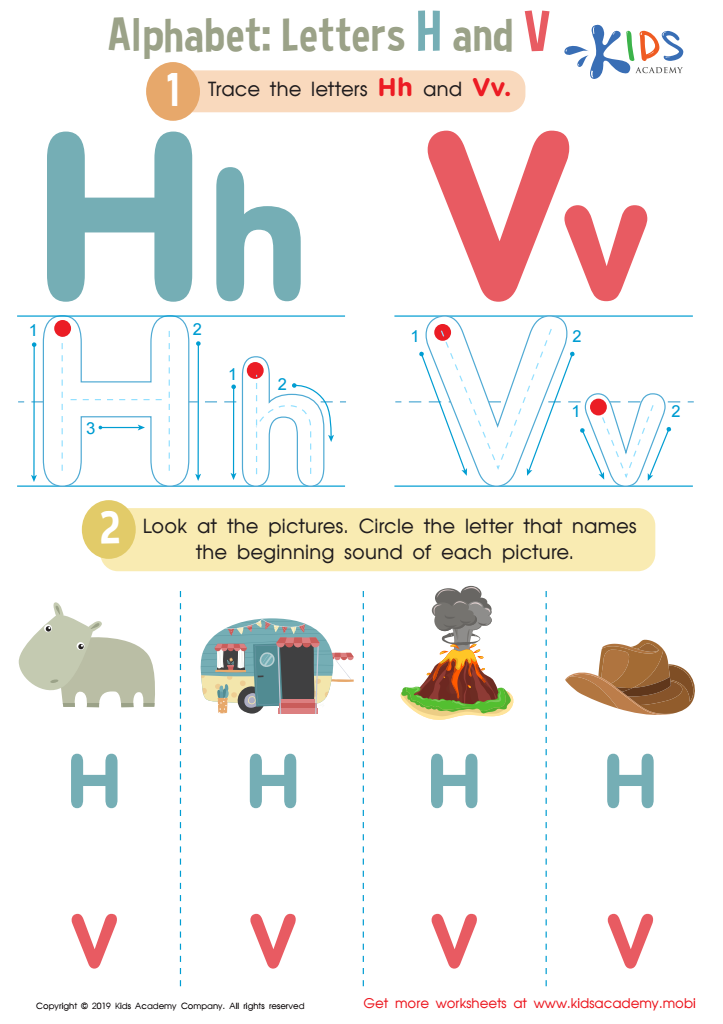
Letters H and V Tracing Worksheet
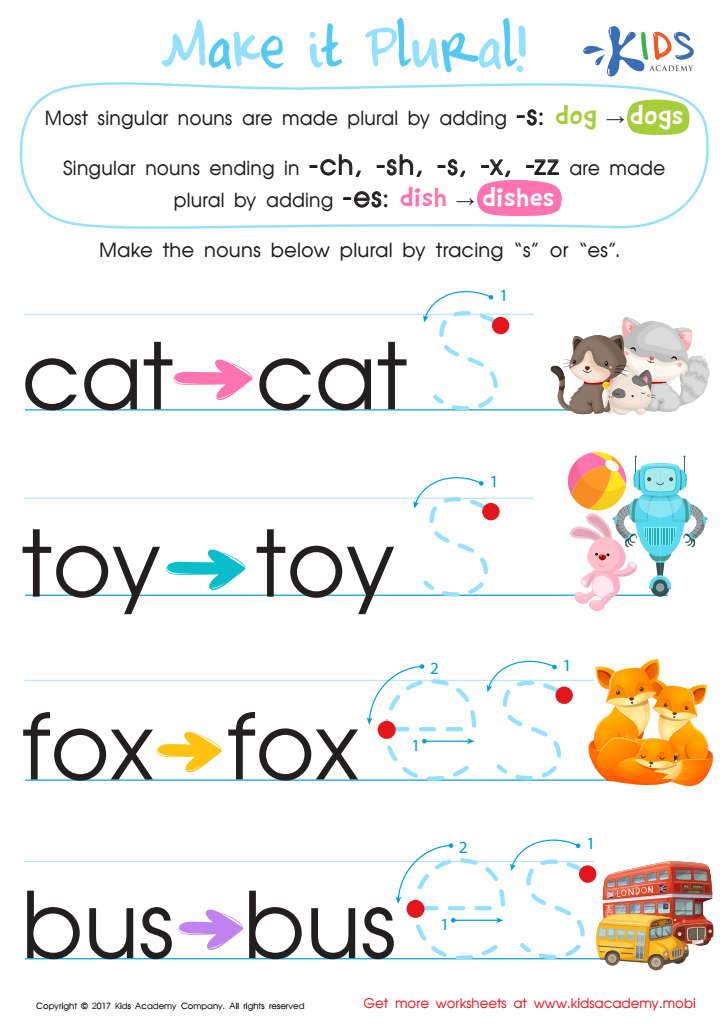
Make it Plural Worksheet
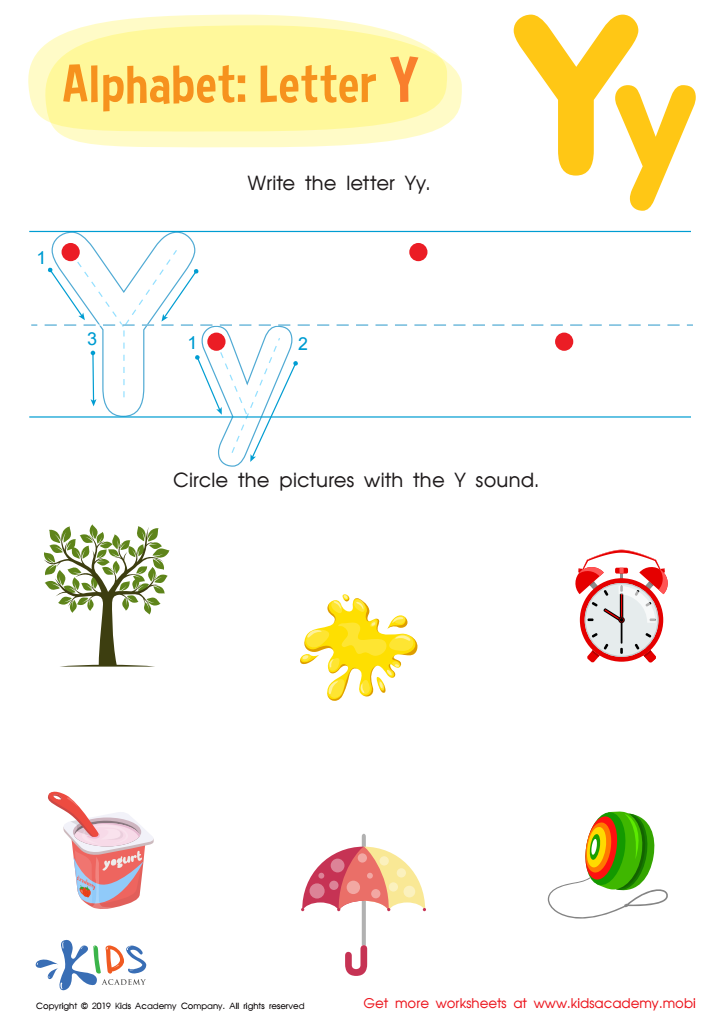
Letter Y Tracing Worksheet
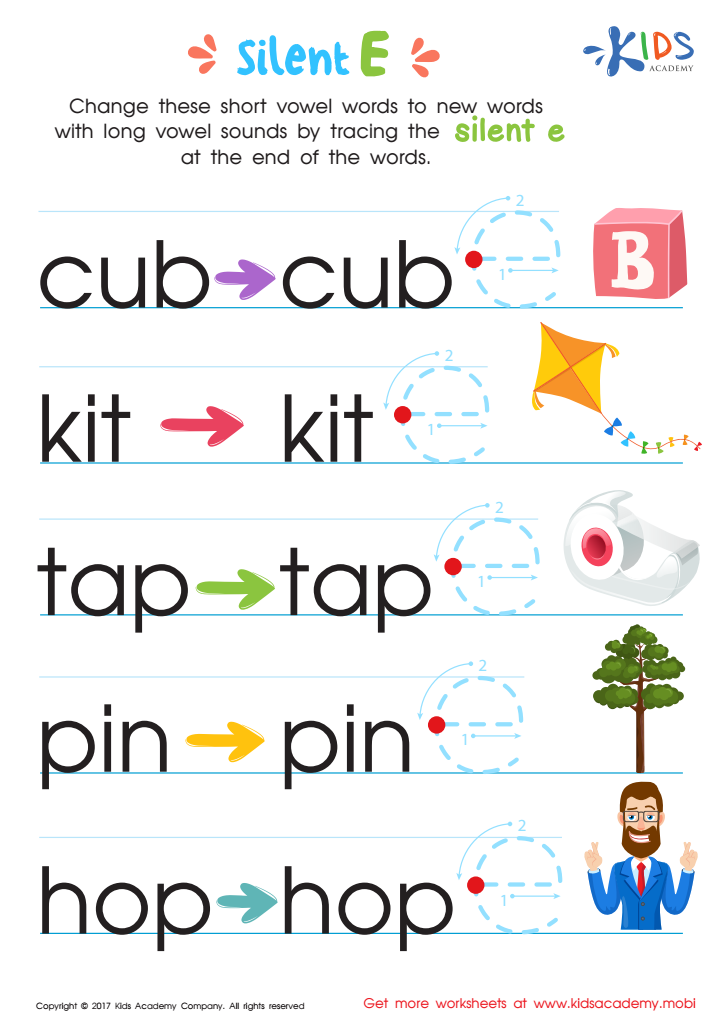
Silent E Words Worksheet








Tracing letters is an essential activity for children aged 5-8, as it enhances fine motor skills and aids in the development of writing proficiency. For parents and teachers, encouraging this practice is vital because it lays the foundation for effective communication. By tracing letters, children learn the correct shapes and strokes needed for each letter, which helps them eventually progress to independent writing.
Moreover, tracing can improve hand-eye coordination, a critical skill that supports both writing and other activities, such as drawing and crafting. The repetitive nature of tracing reinforces letter recognition and contributes to better literacy skills. As children color in the letters and connect forms, they can also decode letters better, which supports early reading.
Additionally, engaging in tracing activities can be a rewarding experience. It often introduces children to the joy of writing while decreasing frustration levels associated with writing independently. Since children enjoy hands-on activities, incorporating tracing into their learning can lead to a positive attitude toward writing.
Ultimately, prioritizing tracing letters helps build a child’s confidence and competence in literacy, ensuring they are well-prepared for more advanced skills as they move towards later grades.








