Addition Practice Worksheets for Ages 5-8 - Page 2
193 filtered results
-
From - To
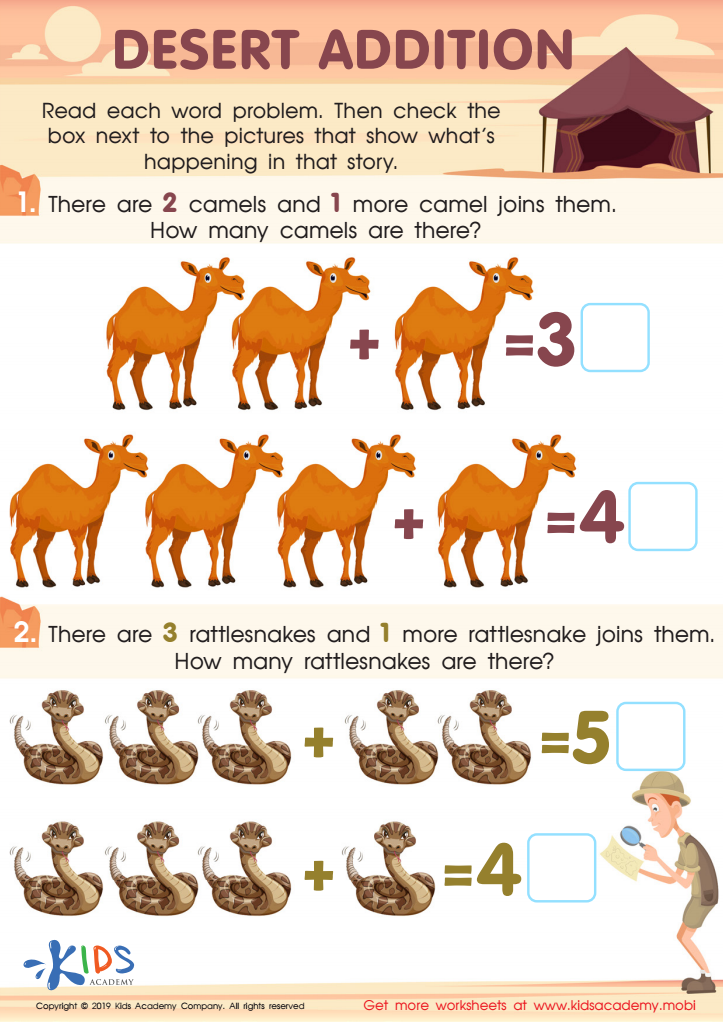
Desert Addition Worksheet
 Assign to My Students
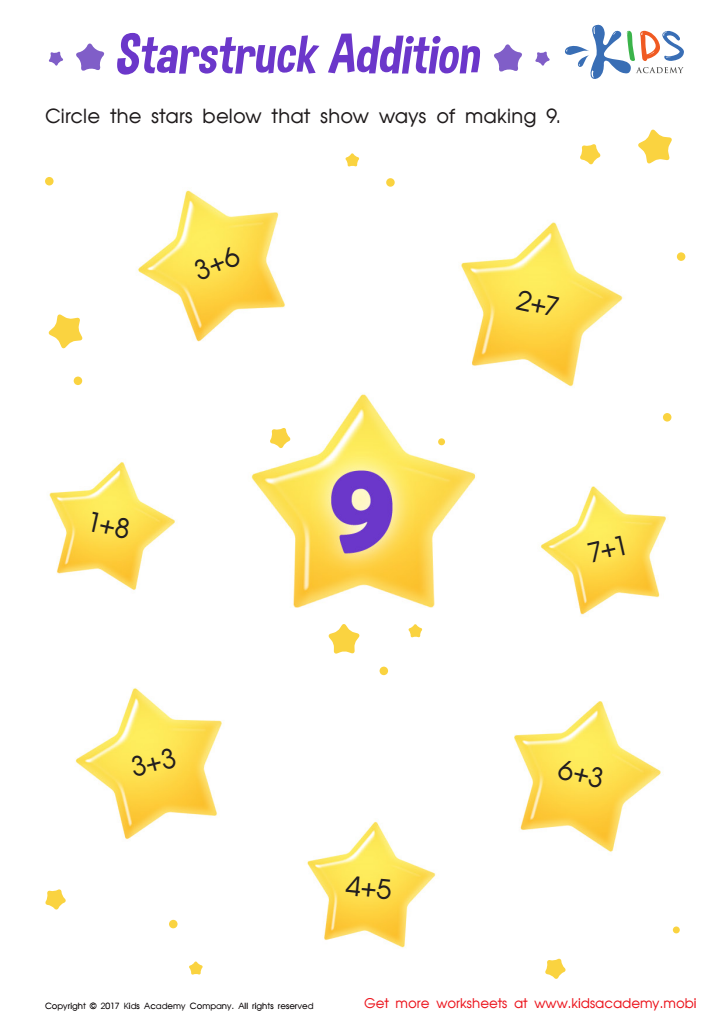
Starstruck Addition Printable
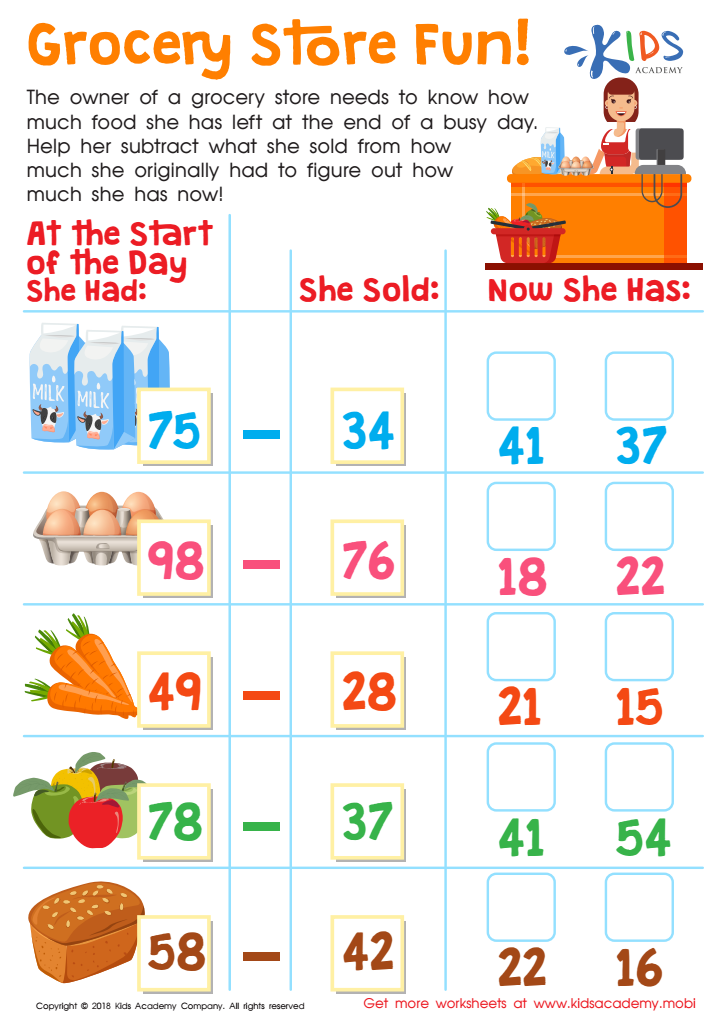
Grocery Store Fun! Worksheet
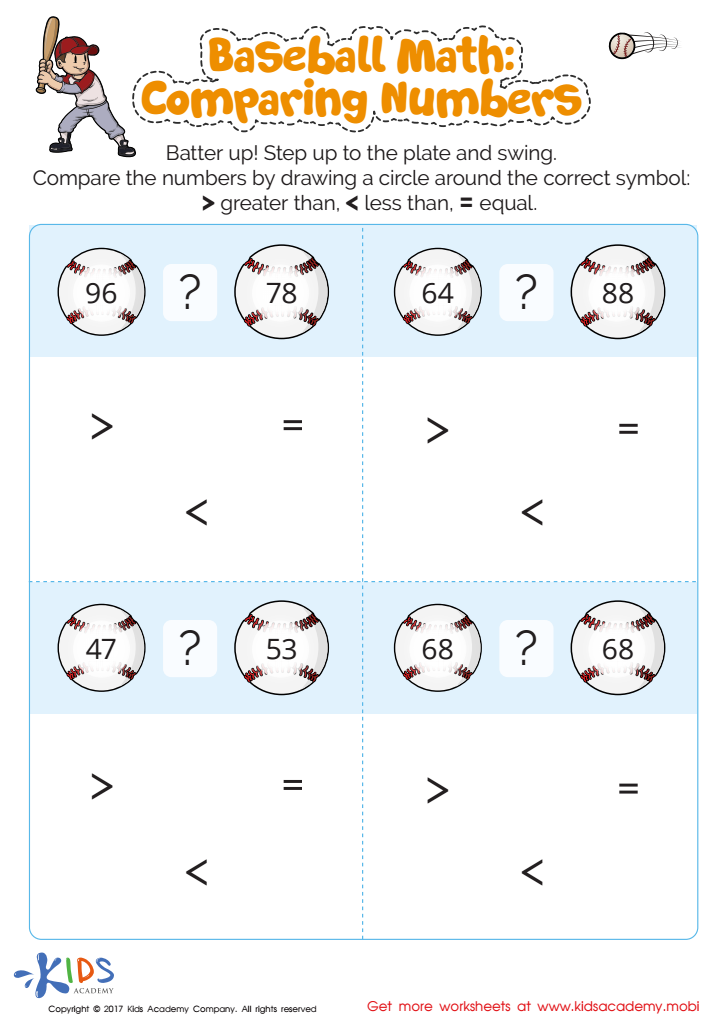
Compare Numbers Printable
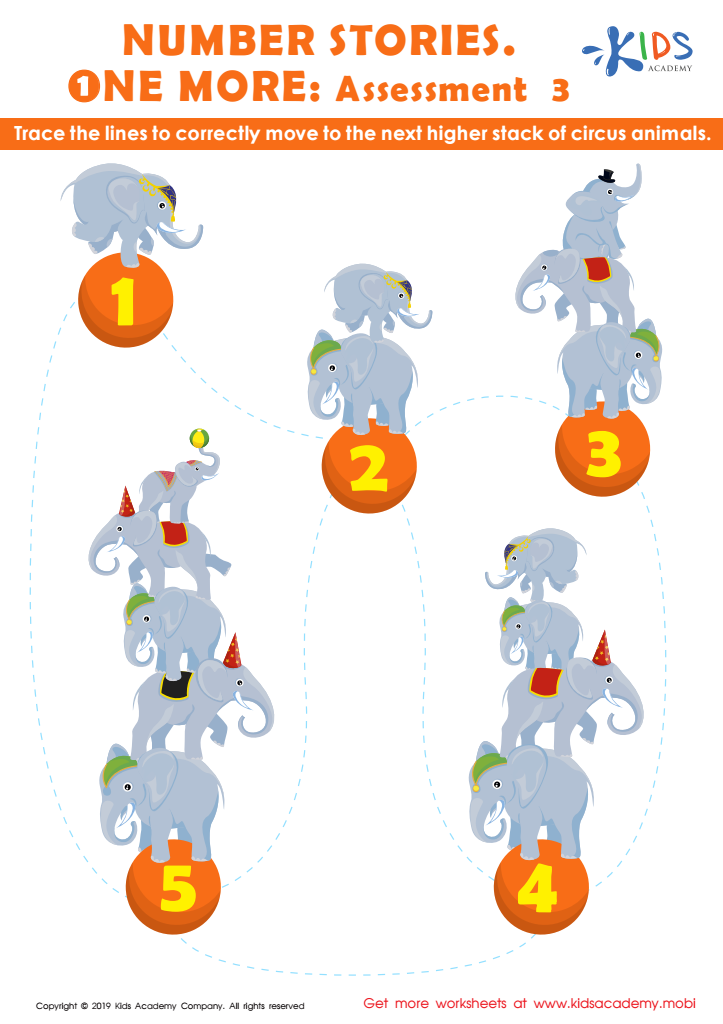
Number Stories One More: Assessment 3 Worksheet
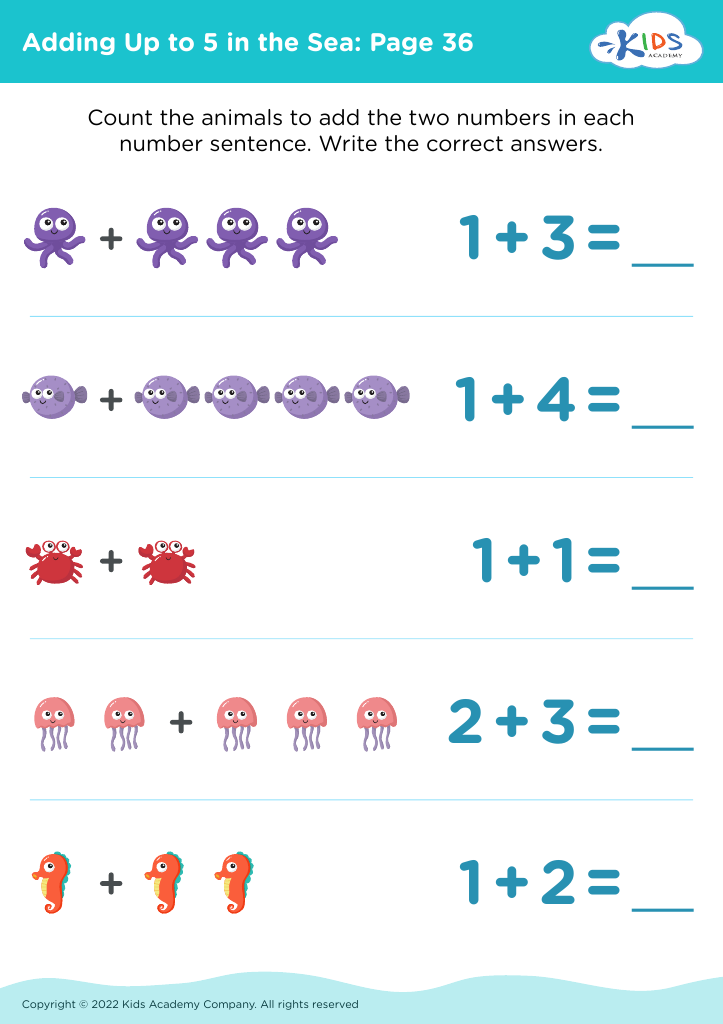
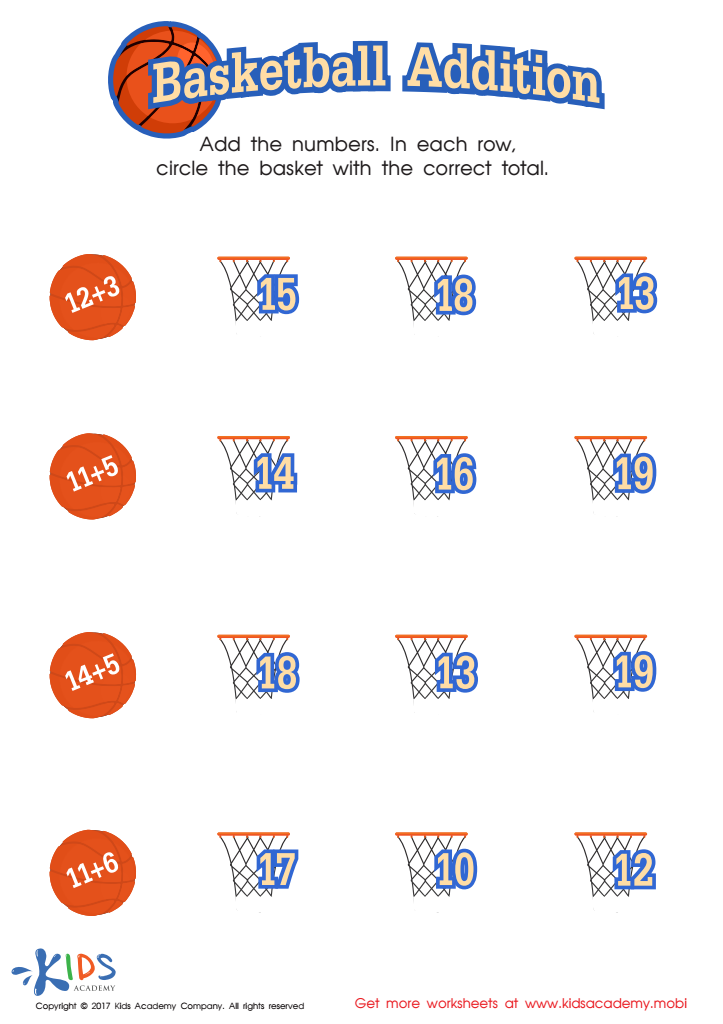
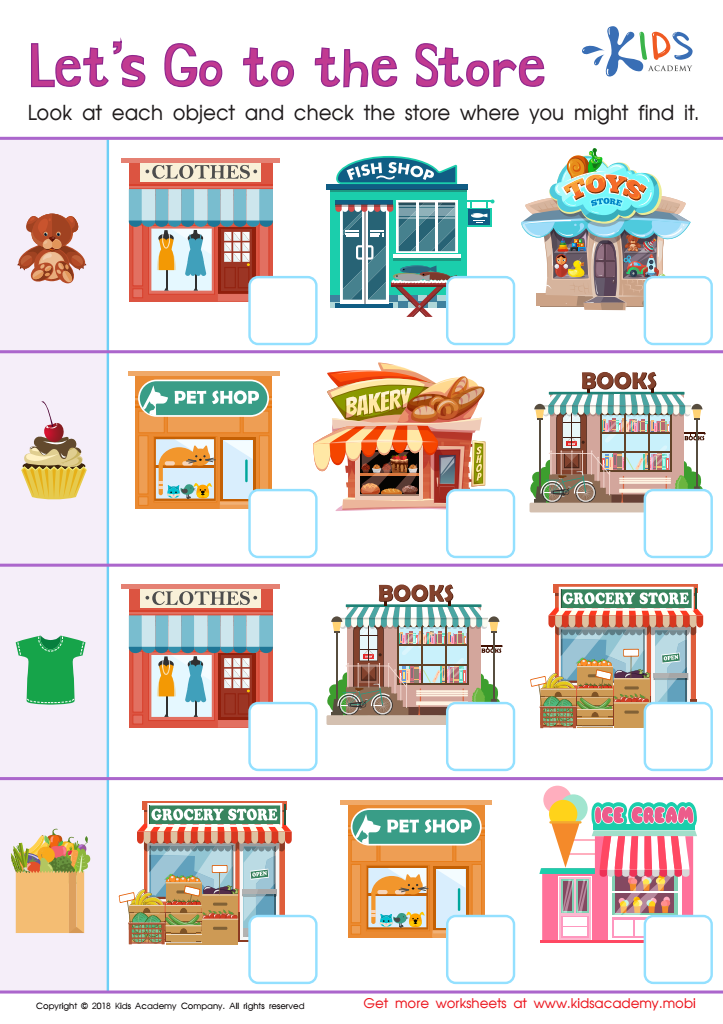
Let's Go to the Store! Worksheet
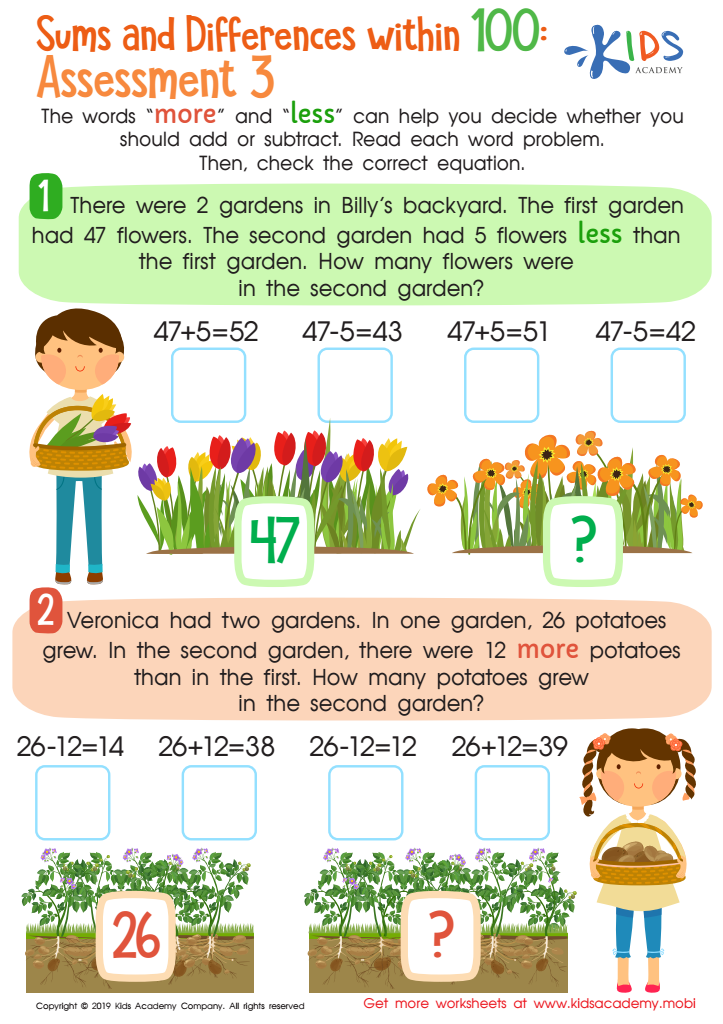
Sums and Differences Within 1 - Assessment 1 Worksheet
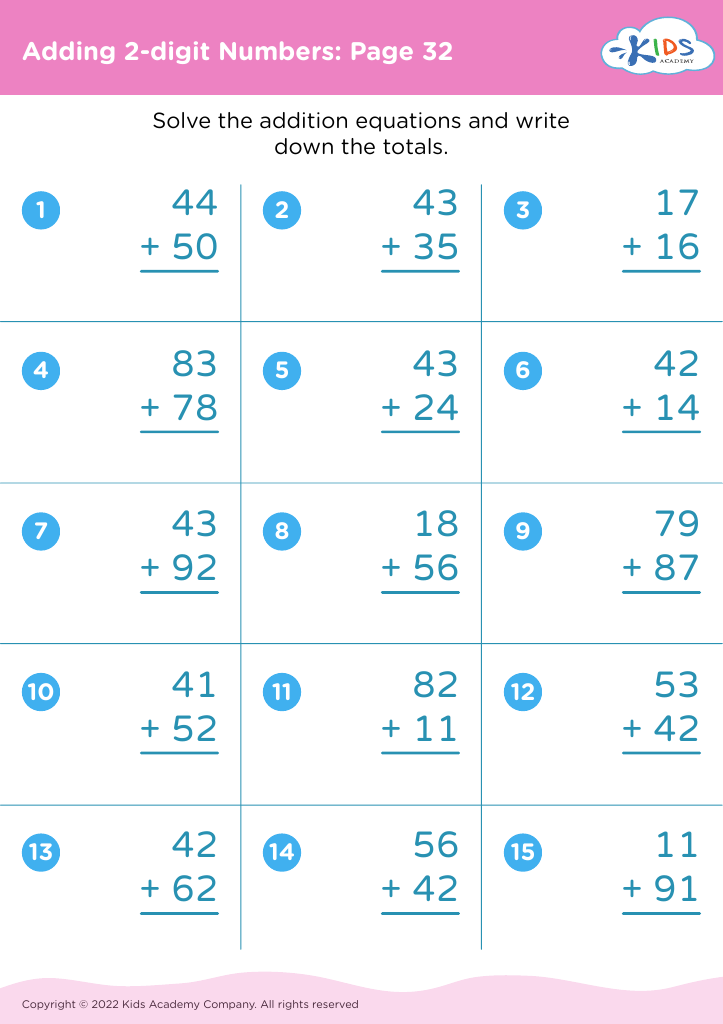
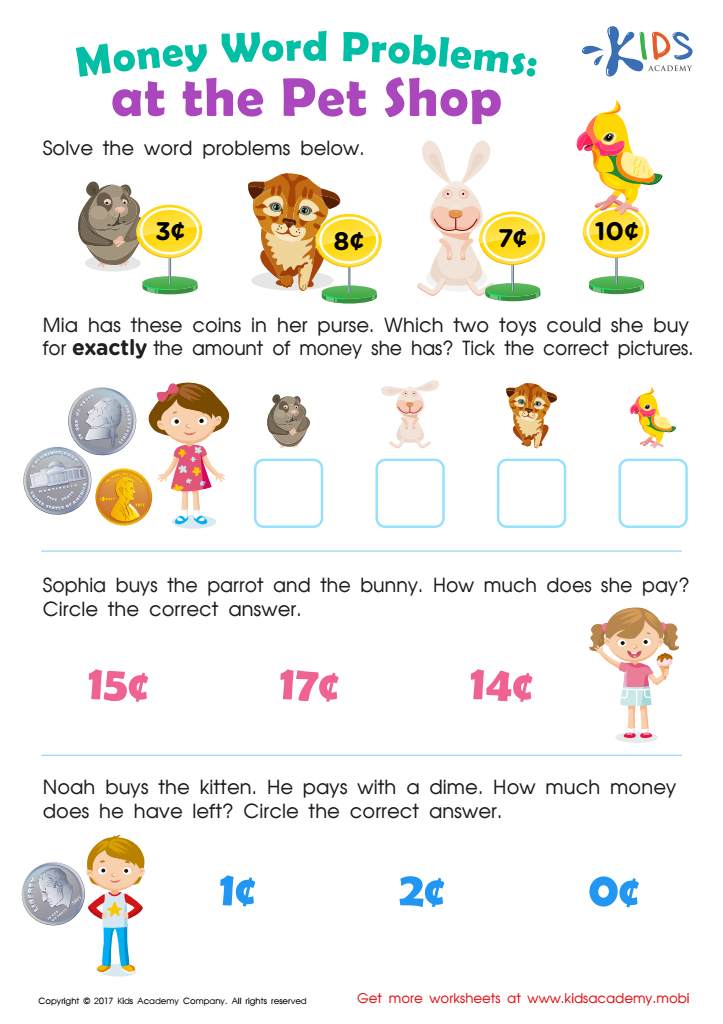
Pet Shop Worksheet
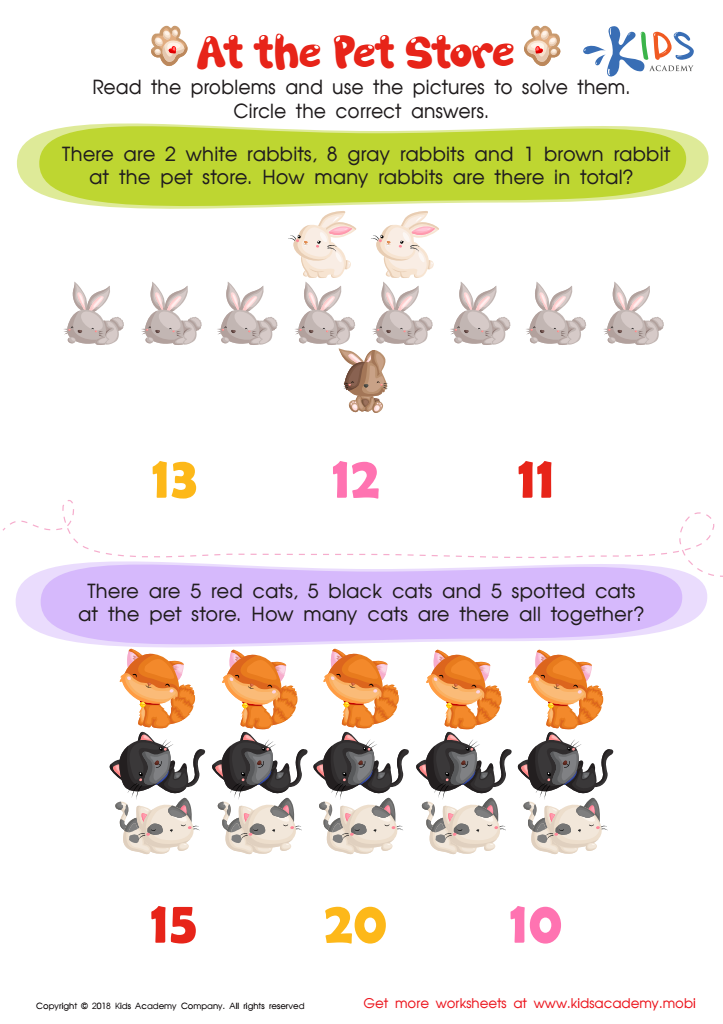
At the Pet Store Word Problems Worksheet
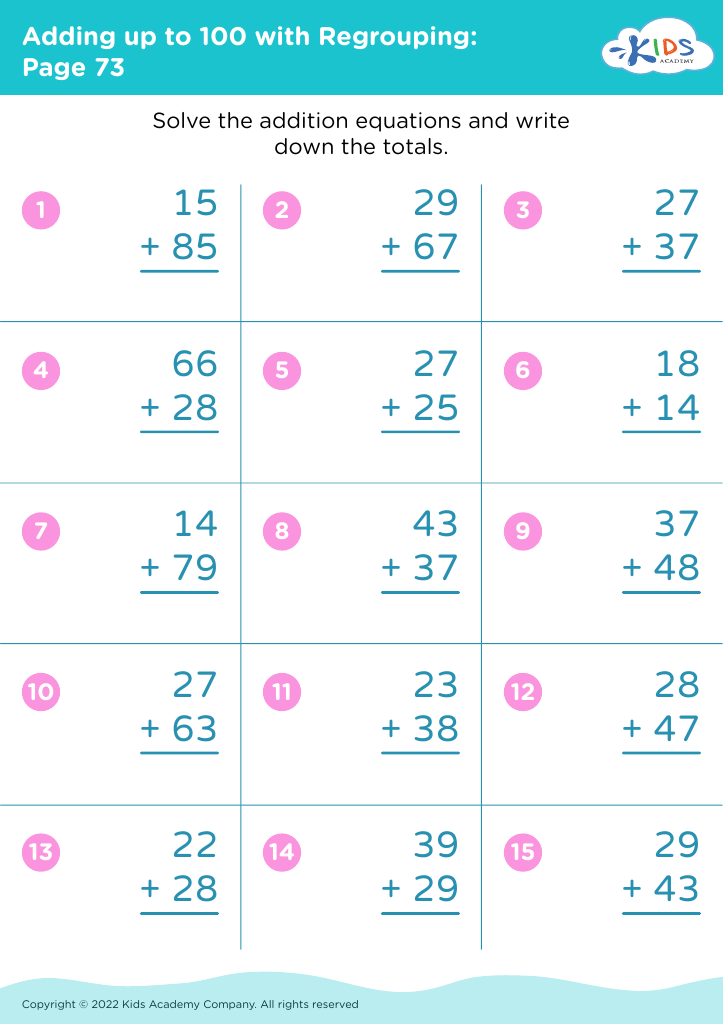
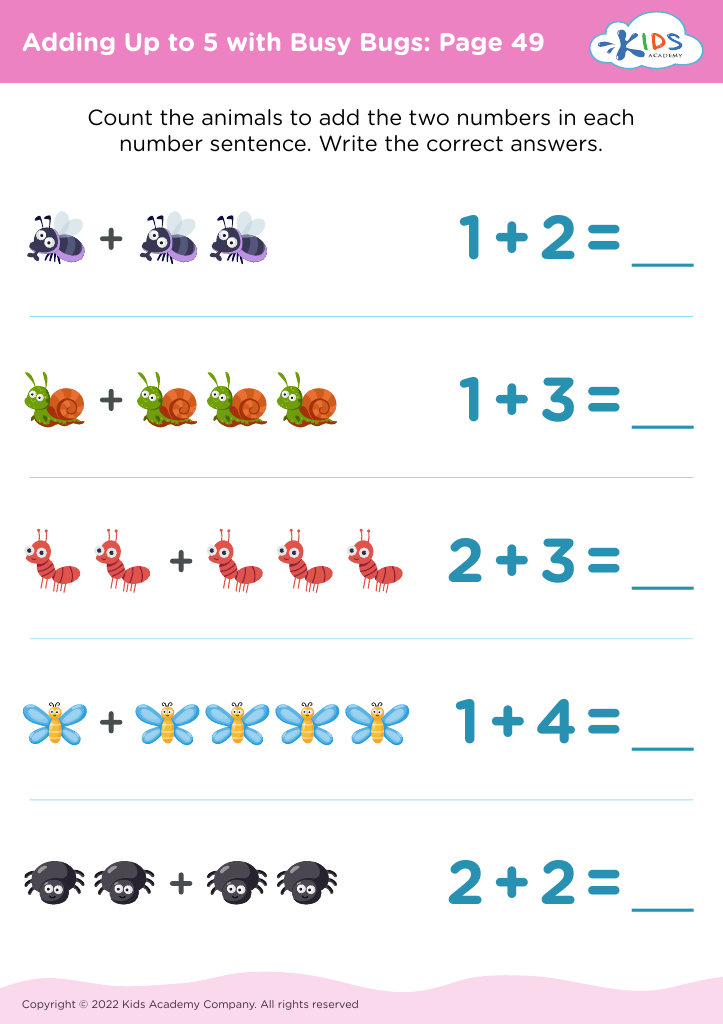
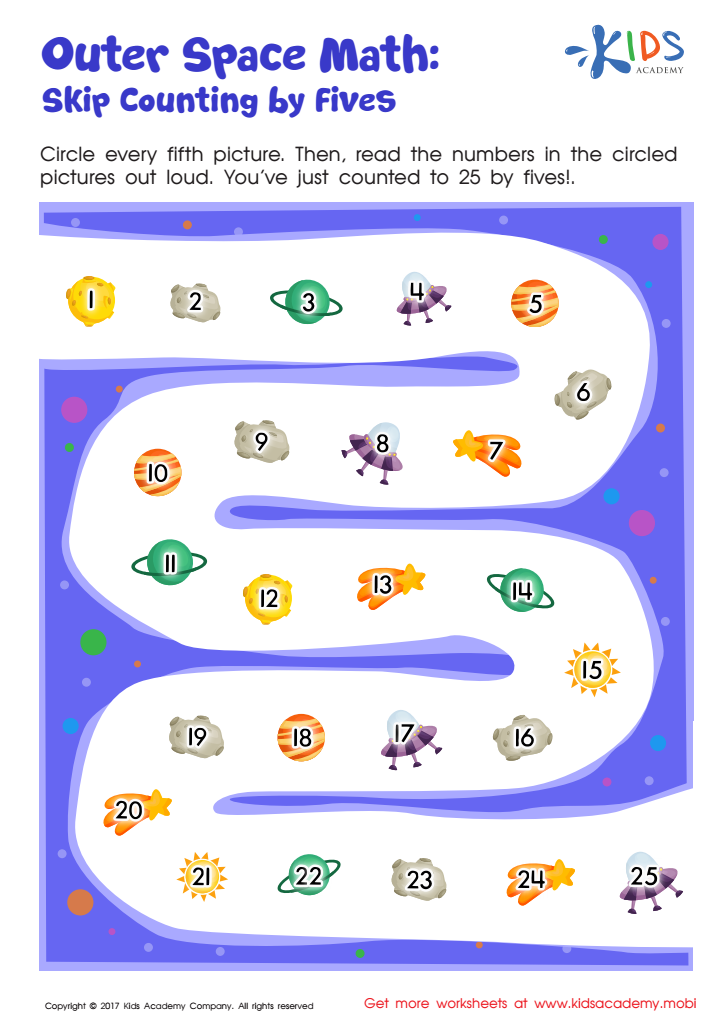
Skip Counting by 5s: Outer Space Math Printable
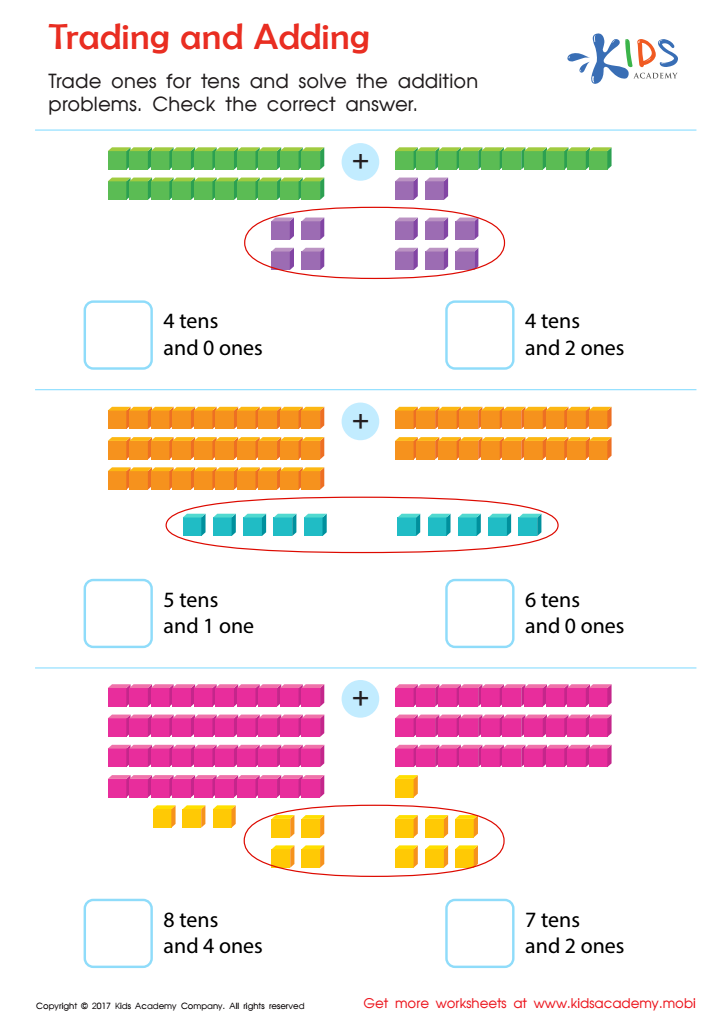
Trading and Adding Worksheet
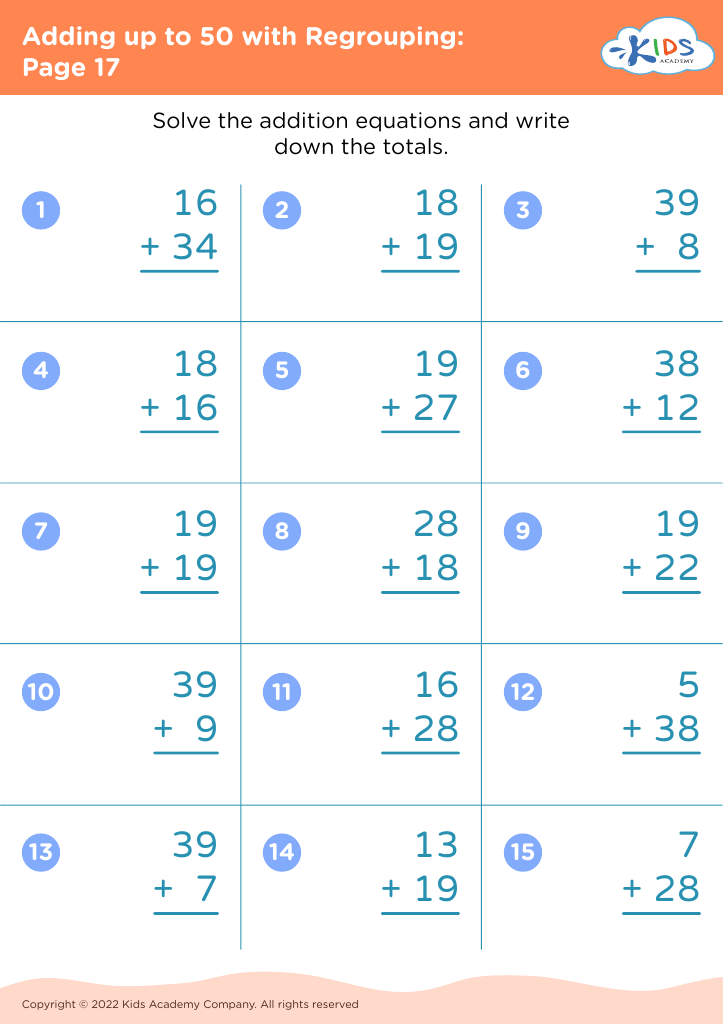
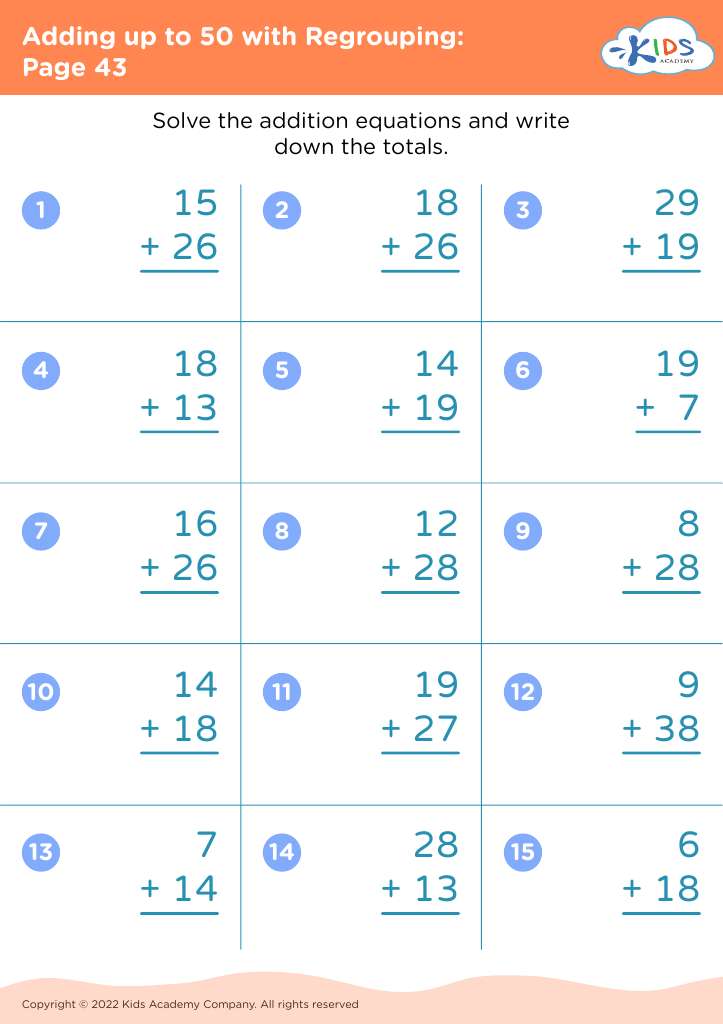
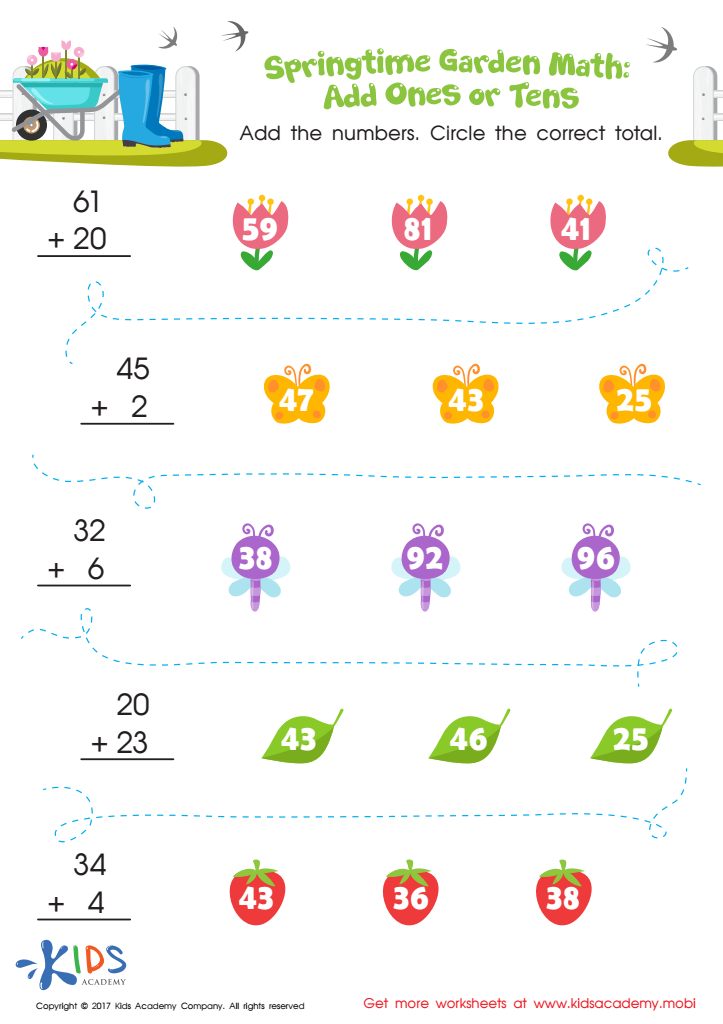
Springtime Garden Math Worksheet
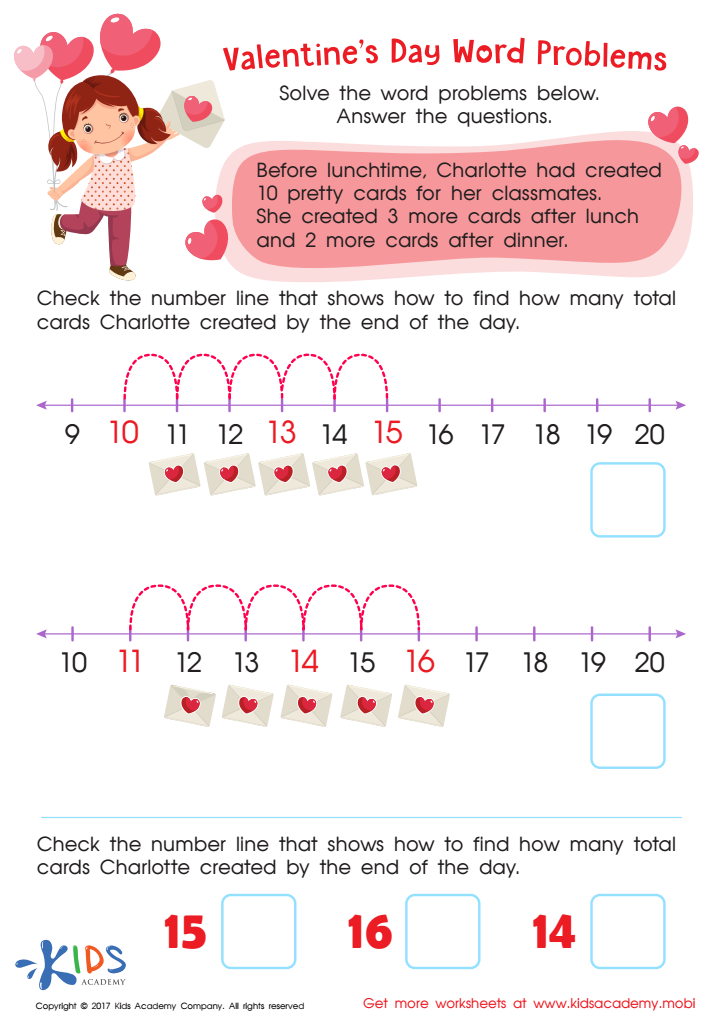
Valentines Day Word Problem Worksheet
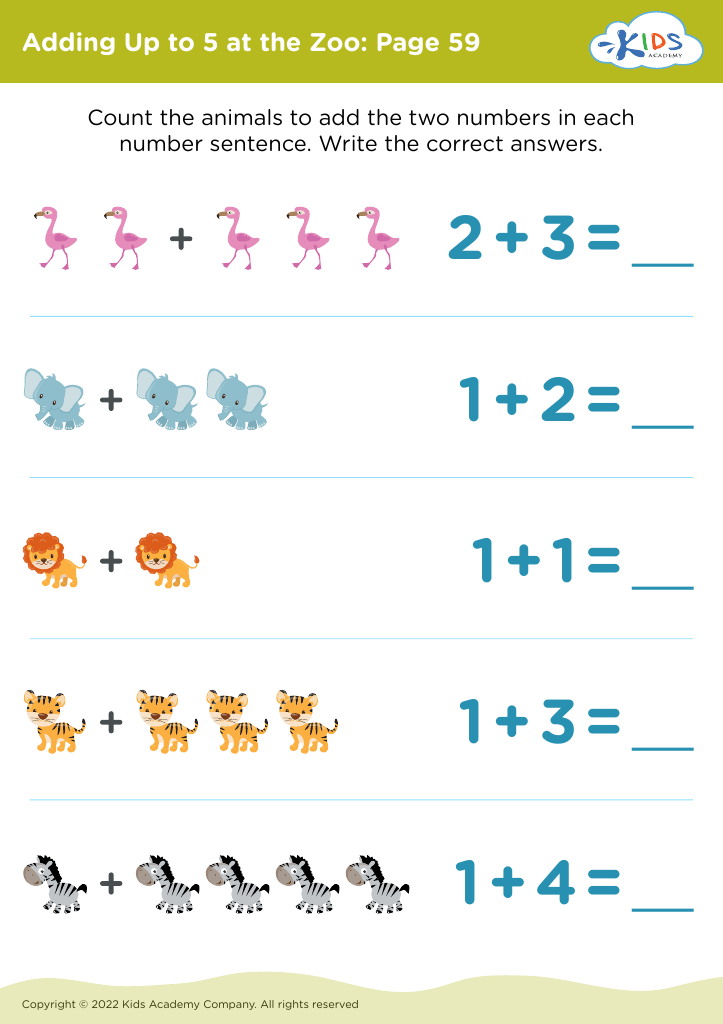
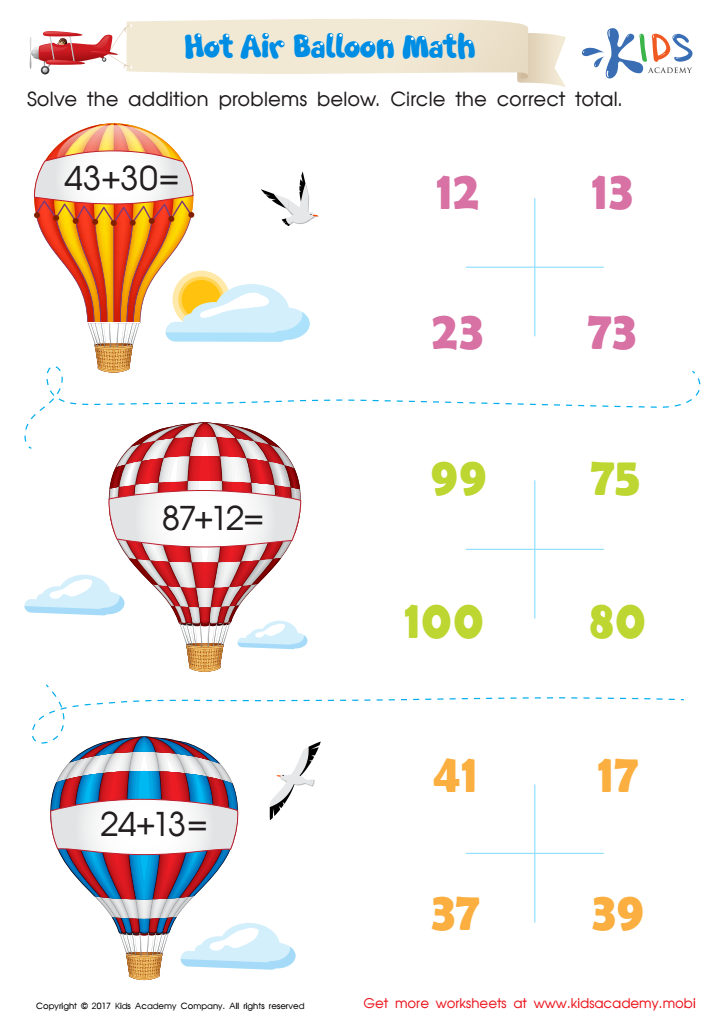
Hot Air Balloon Math Worksheet
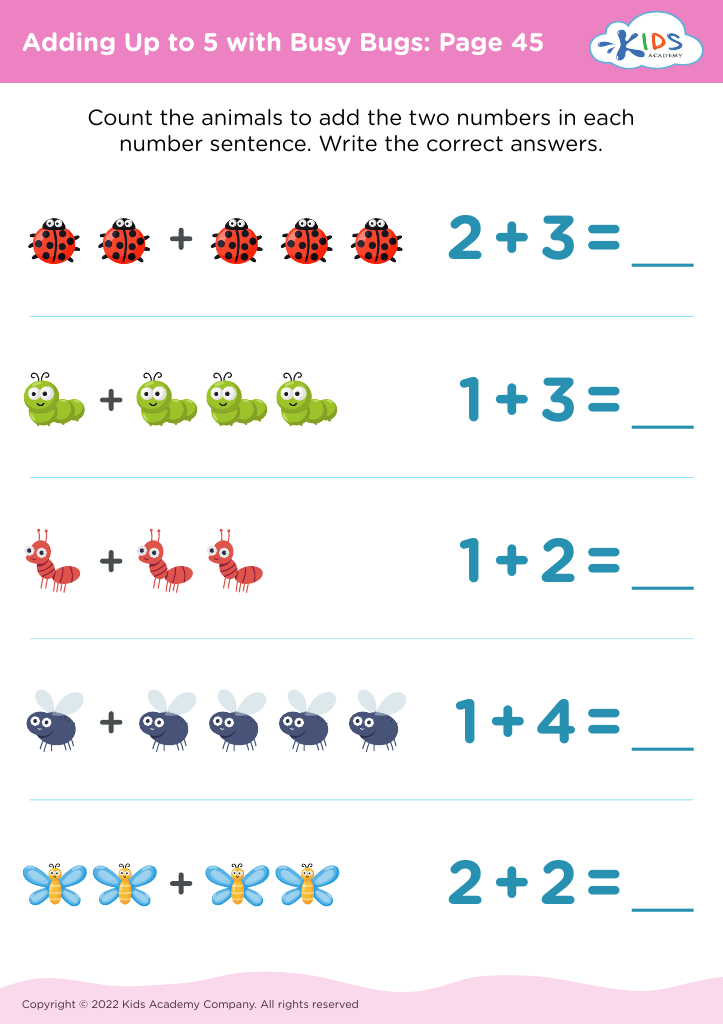








Addition practice for ages 5-8 is crucial for several reasons, and parents and teachers should prioritize it in early childhood education. At this developmental stage, children are beginning to form foundational math skills that will support their academic journey. Mastering addition not only enhances numeric fluency but also strengthens critical thinking and problem-solving abilities.
Furthermore, developing strong addition skills promotes confidence. When children can quickly and accurately solve simple problems, they are more likely to engage positively with math, reducing anxiety and build enthusiasm for the subject. This healthy relationship with math can translate into better performance in later grades.
Additionally, addition practice helps to enhance fine motor skills and cognitive function as children physically manipulate objects or use visual aids to solve problems. Involving real-life contexts, such as counting items during grocery shopping, can make learning more relatable and fun.
Ultimately, embedding addition practice into daily routines fosters habits of lifelong learning, encouraging children to see math as an enjoyable challenge rather than a chore. By focusing on addition at these formative ages, parents and teachers are equipping children with essential tools for academic success and fostering a positive mindset toward mathematics.








