Subtraction practice Worksheets for Ages 5-8 - Page 2
96 filtered results
-
From - To
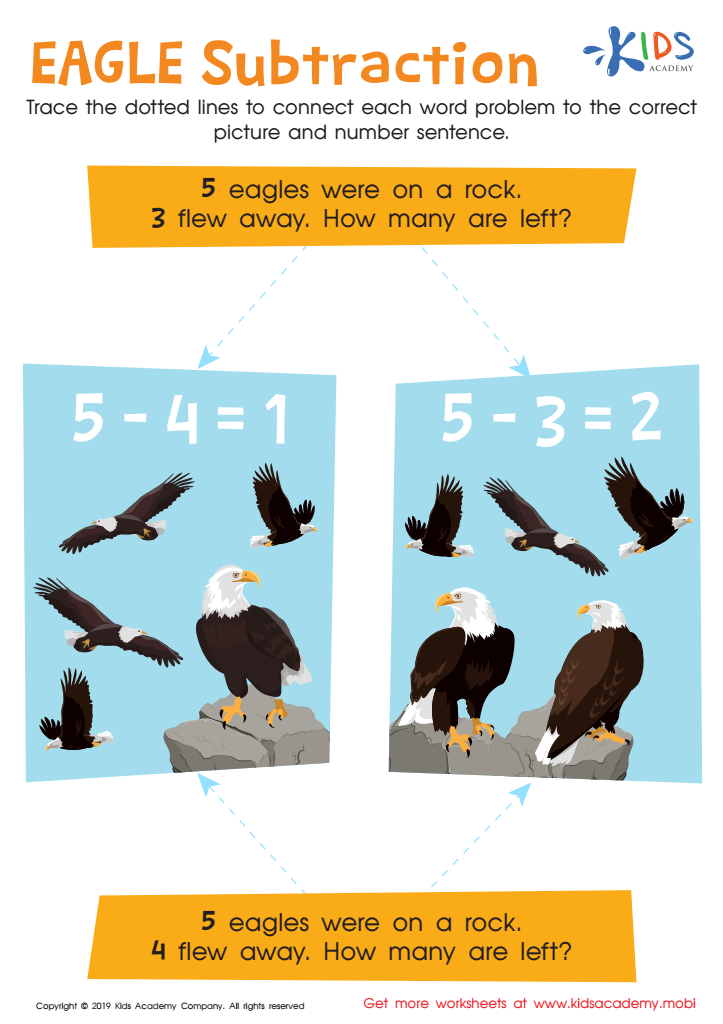
Eagle Subtraction Worksheet
 Assign to My Students
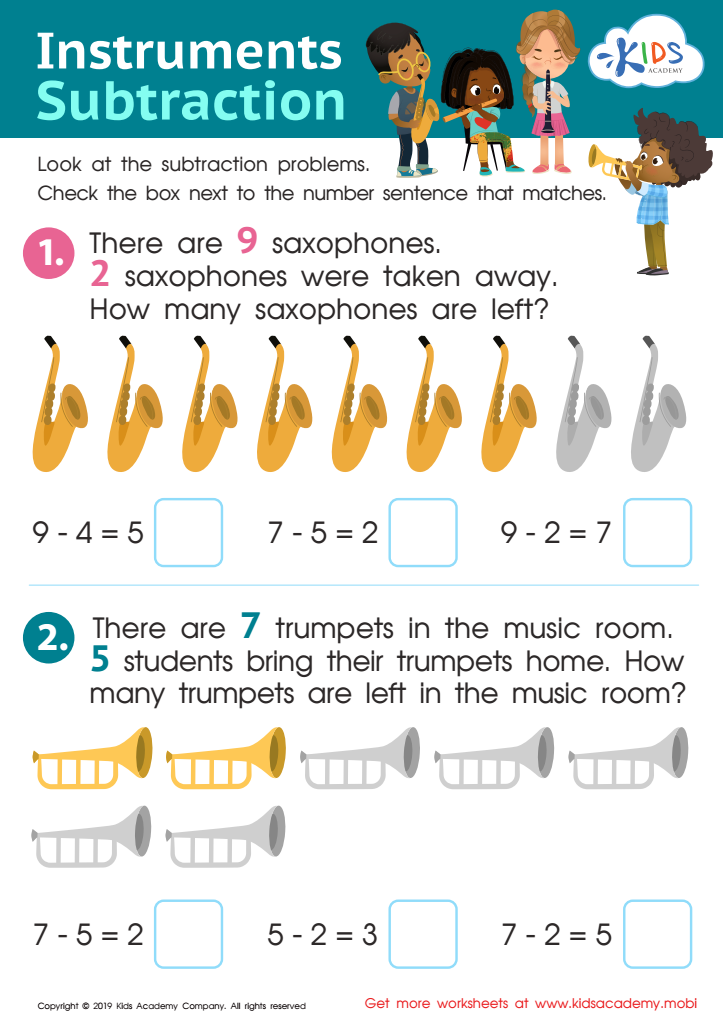
Instrument Subtraction Worksheet
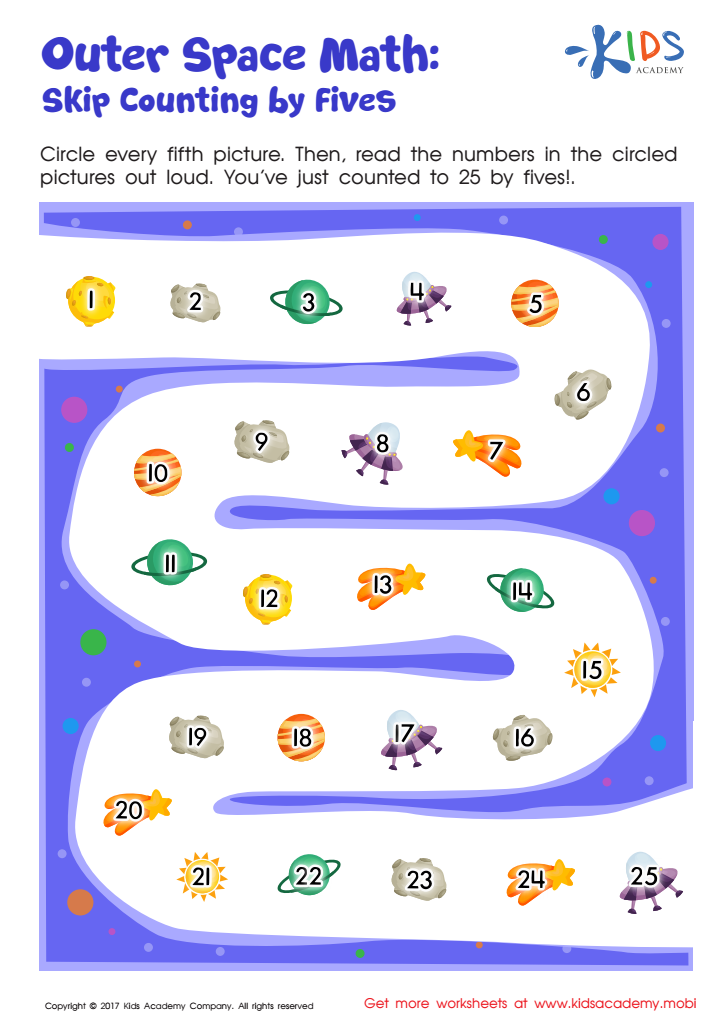
Skip Counting by 5s: Outer Space Math Printable
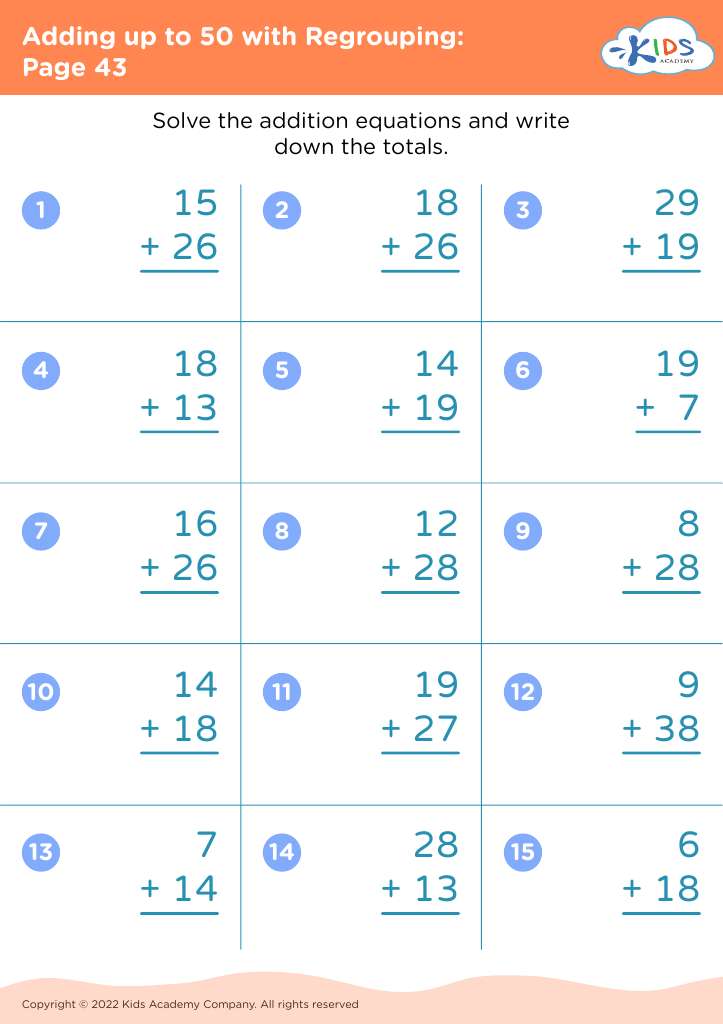
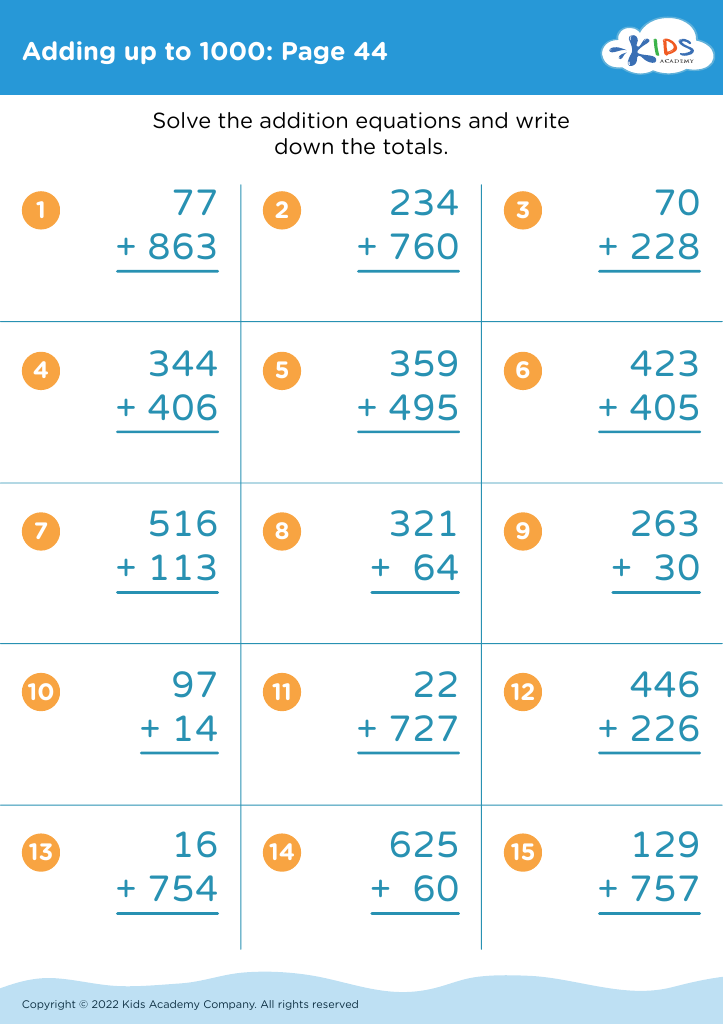
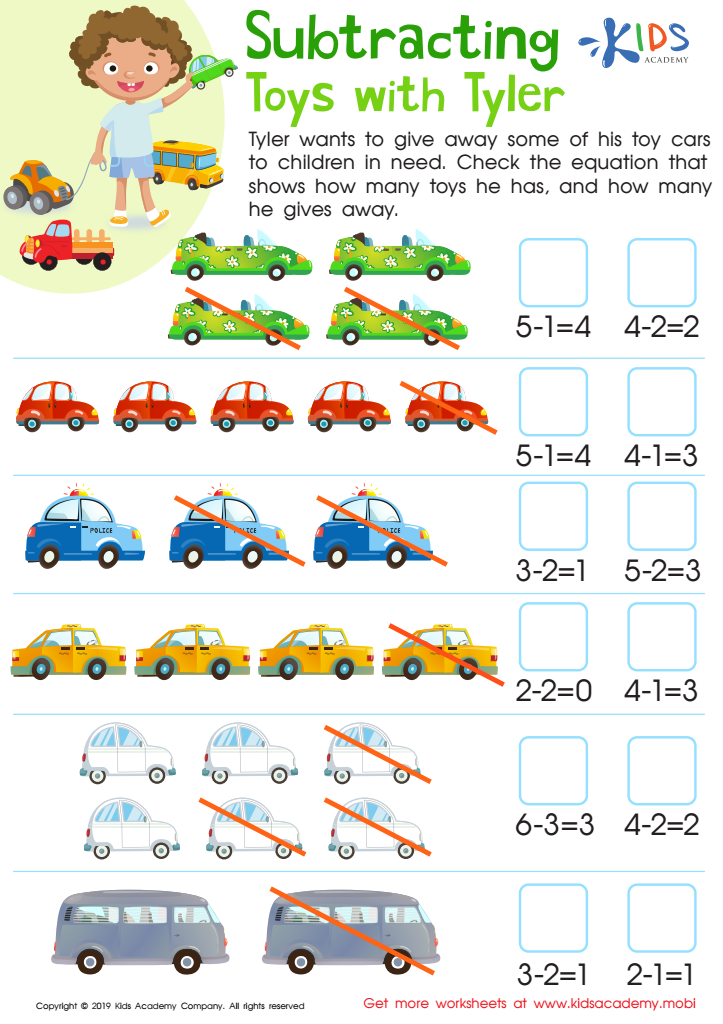
Subtracting Toys with Tyler Worksheet
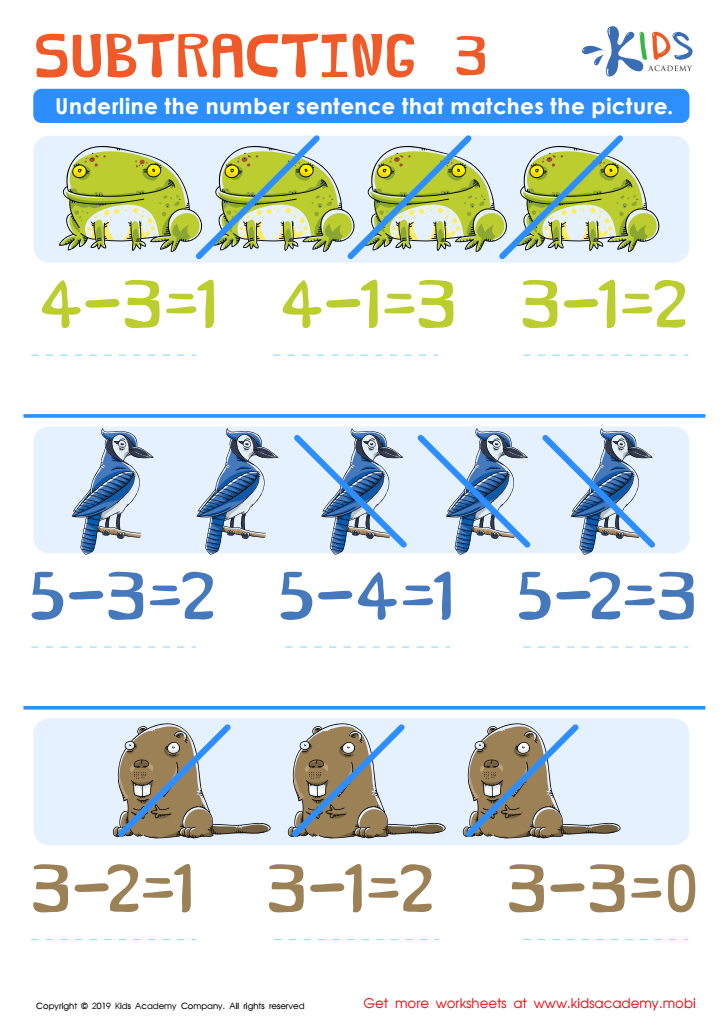
Subtracting 3 Worksheet
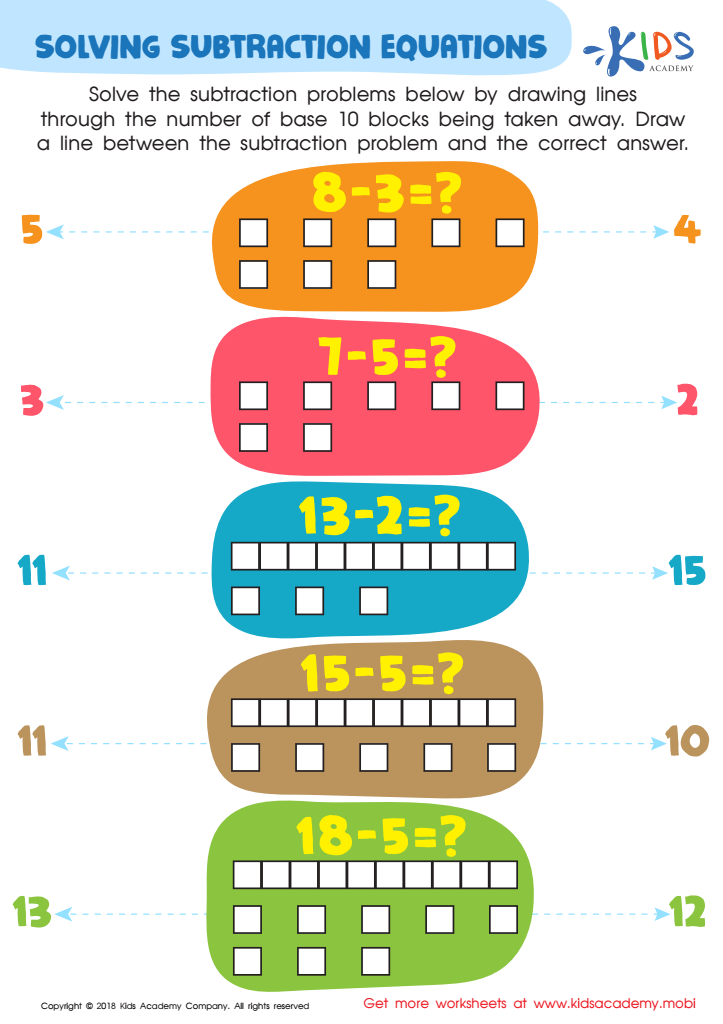
Solving Subtraction Equations Worksheet
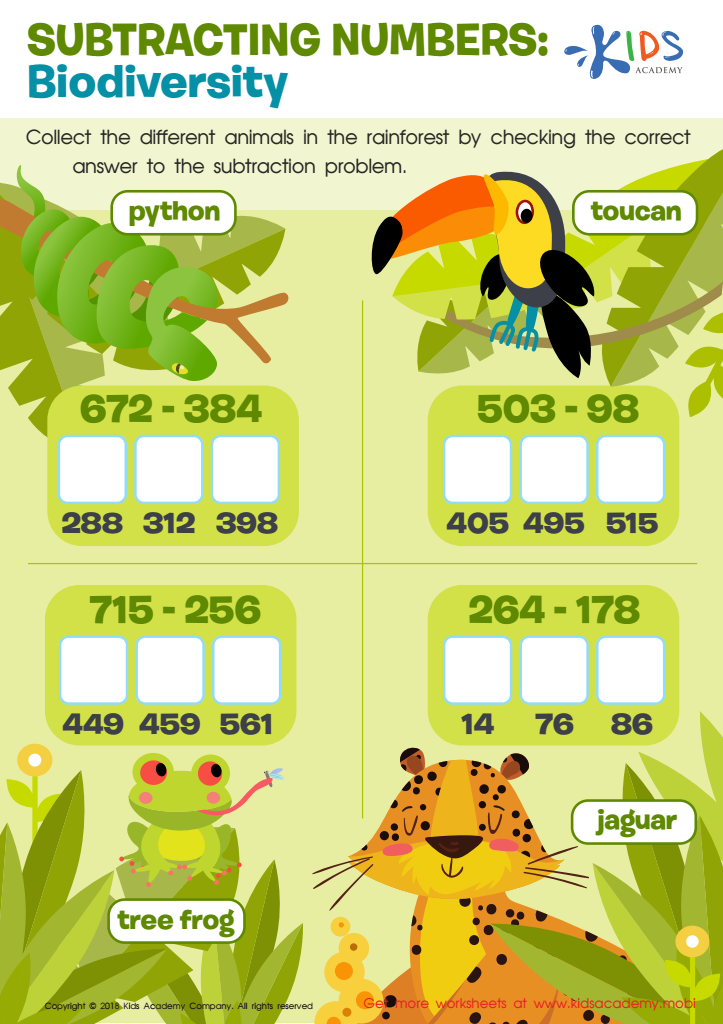
Subtracting Numbers: Biodiversity Worksheet
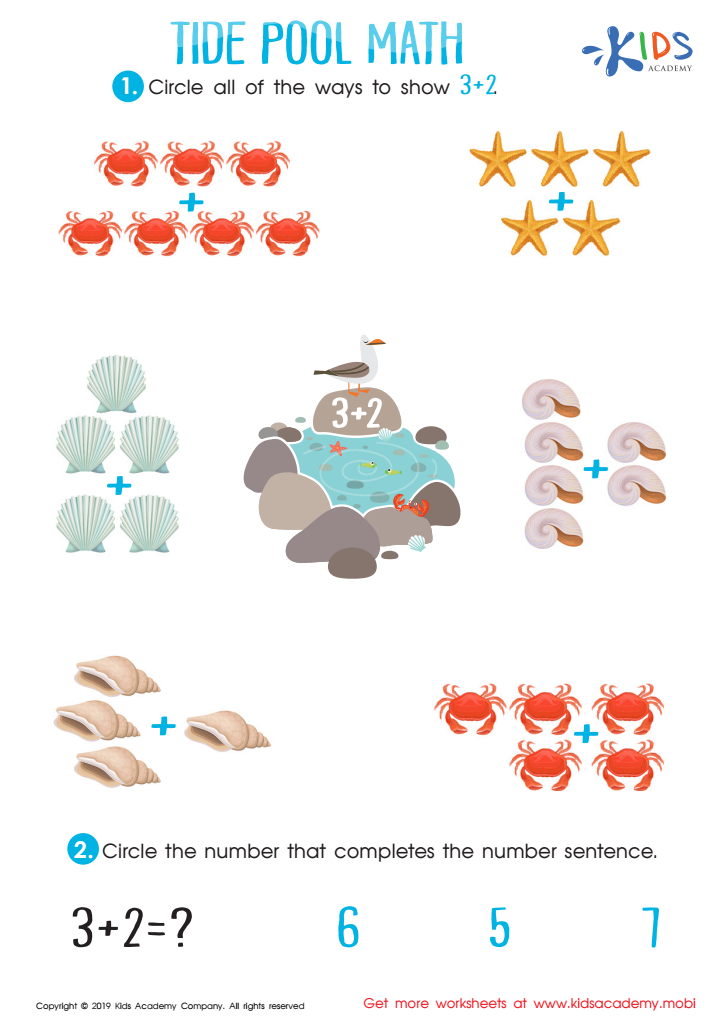
Tide Pool Math Worksheet
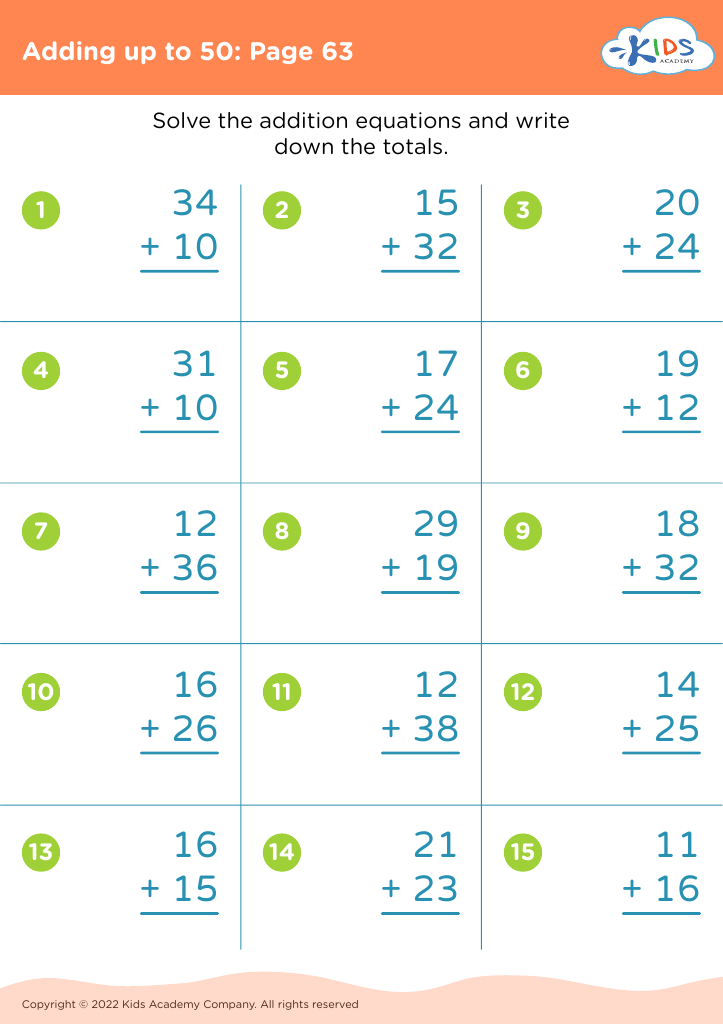
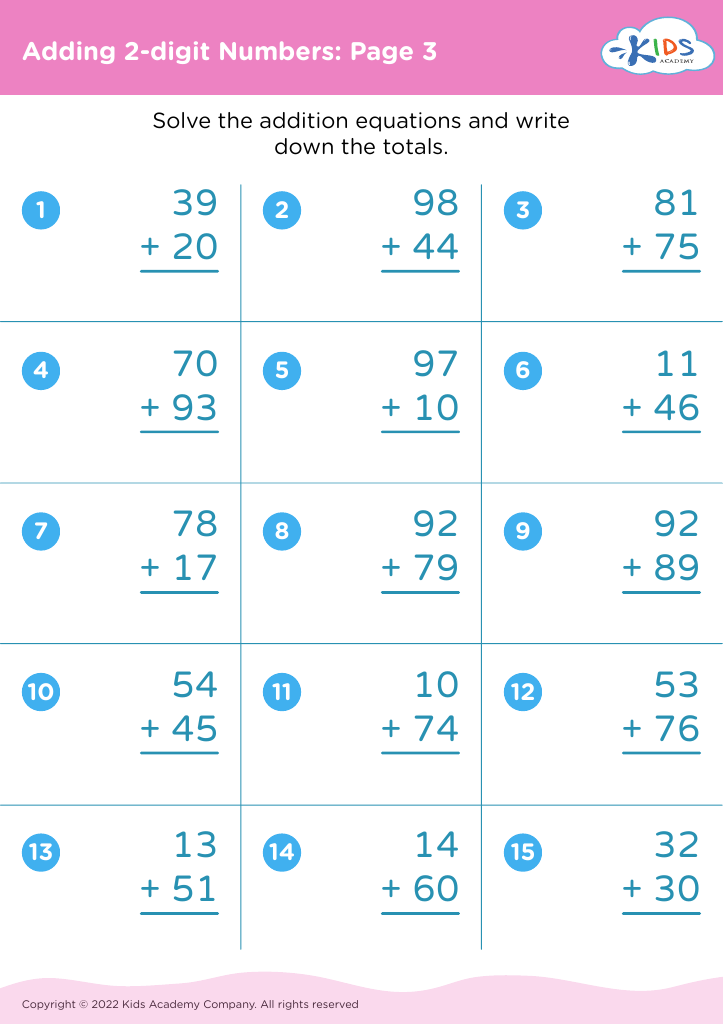
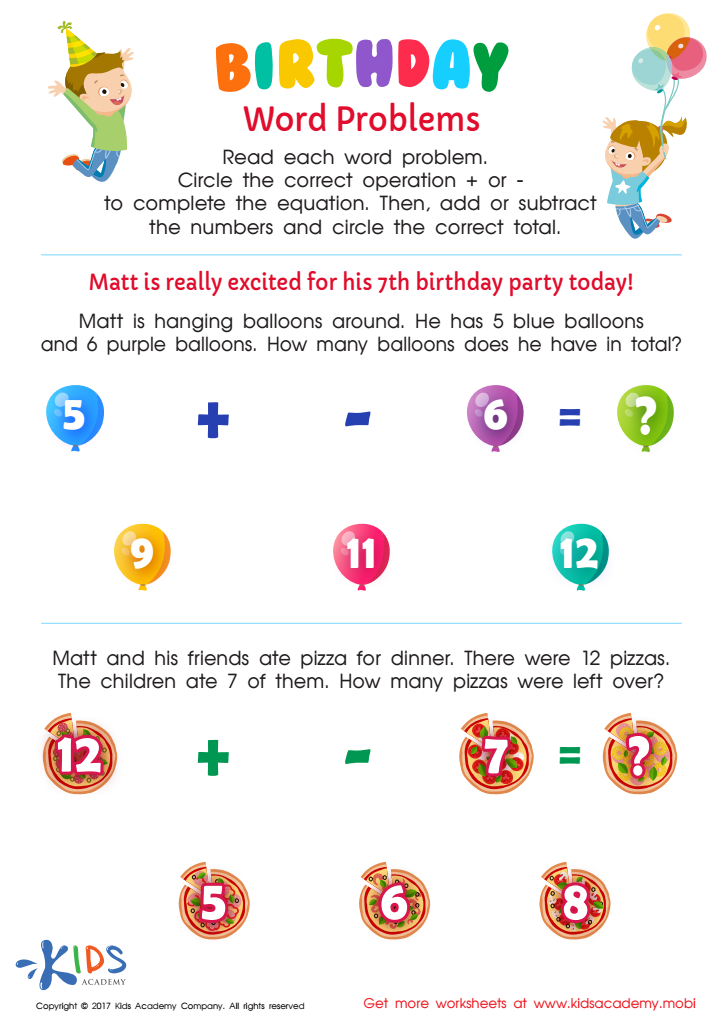
Birthday Word Problems Substraction Worksheet
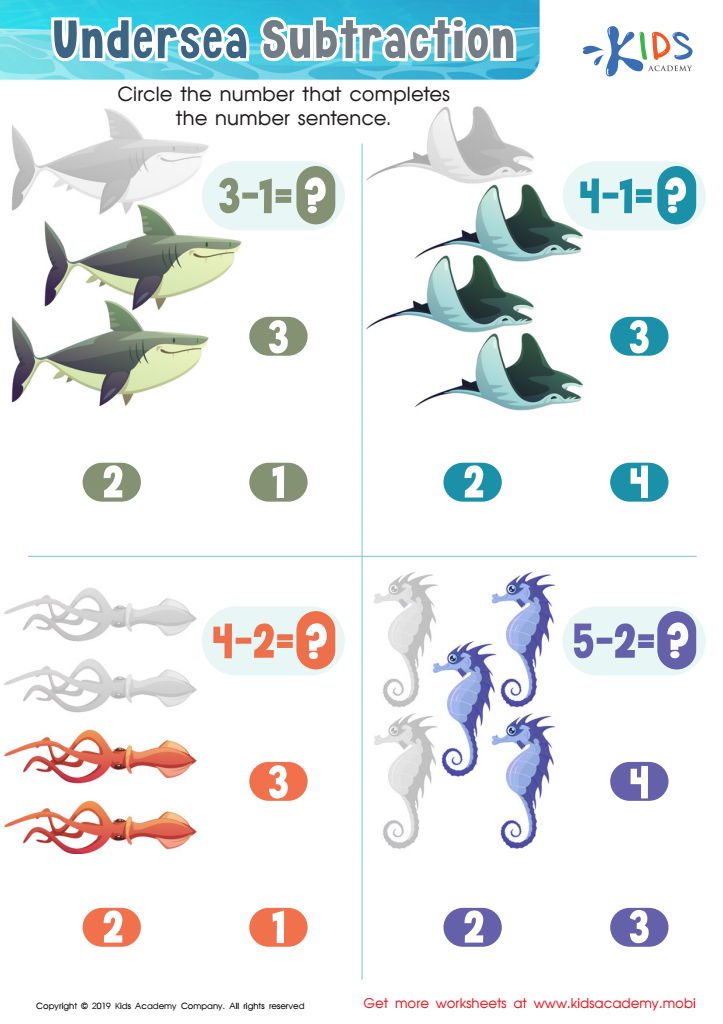
Undersea Subtraction Worksheet
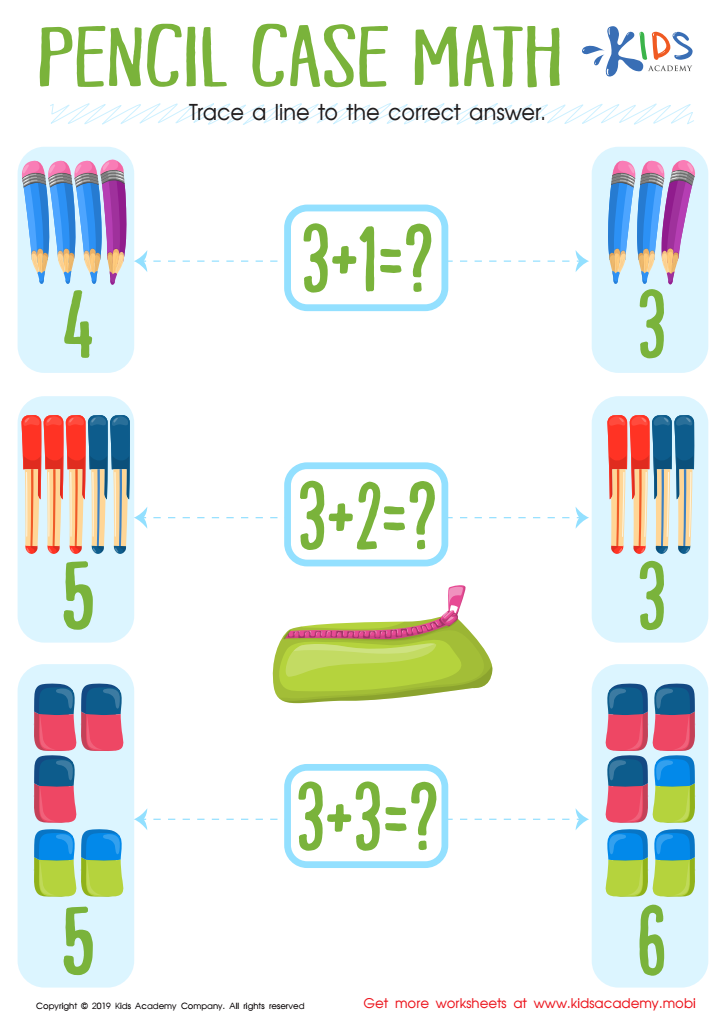
Pencil Case Math Worksheet
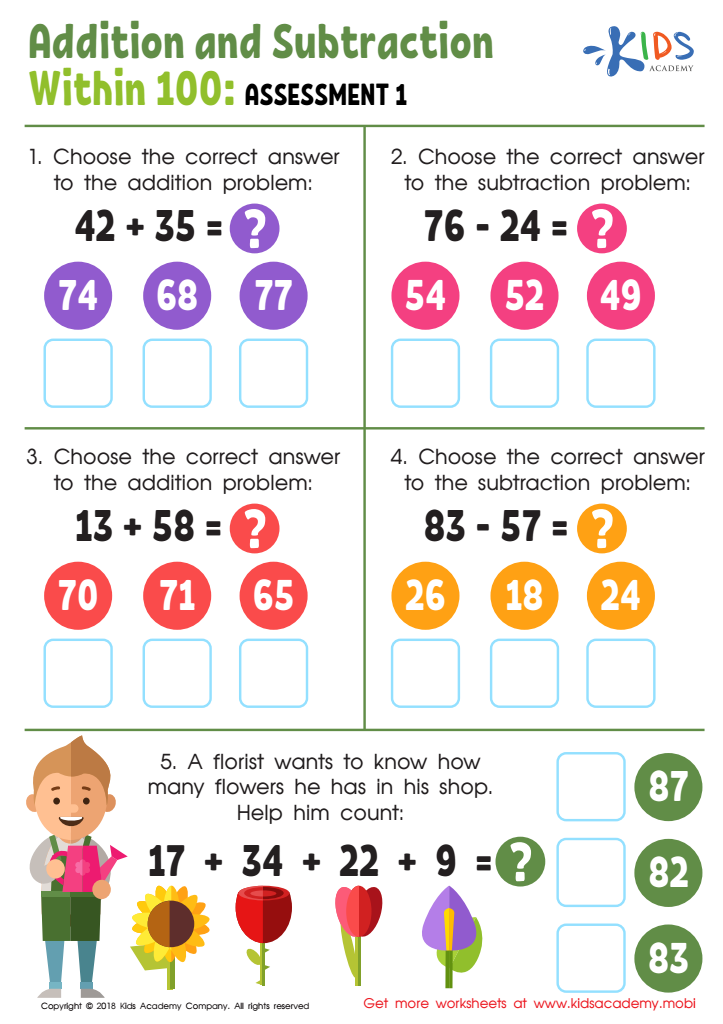
Addition and Subtraction Within 100 Worksheet
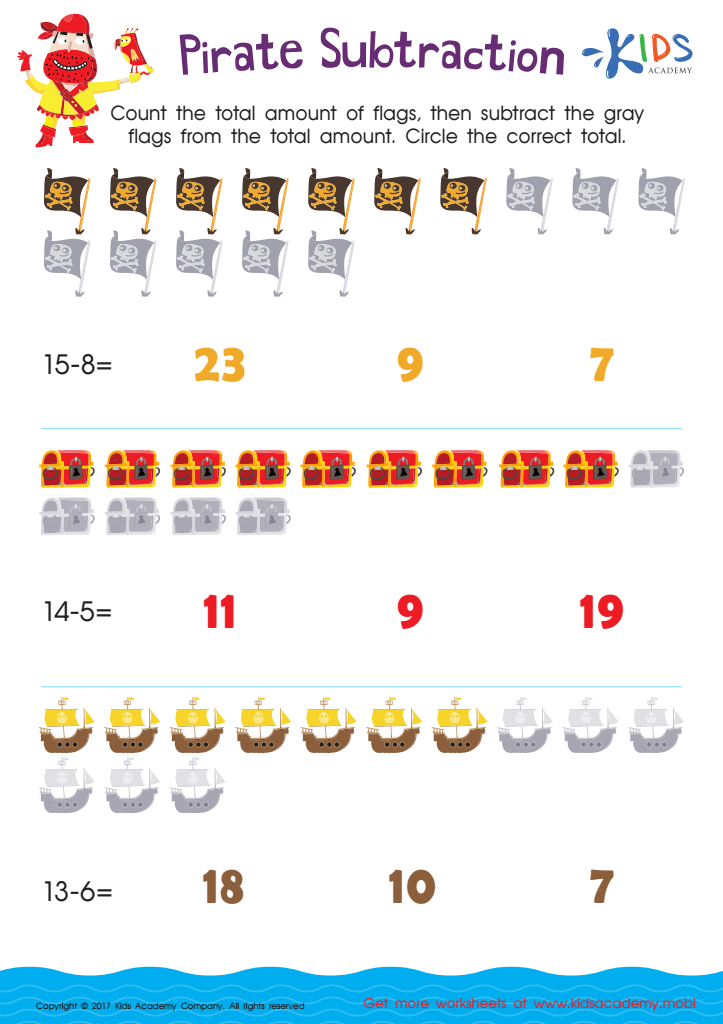
Pirate Subtraction Substraction Worksheet
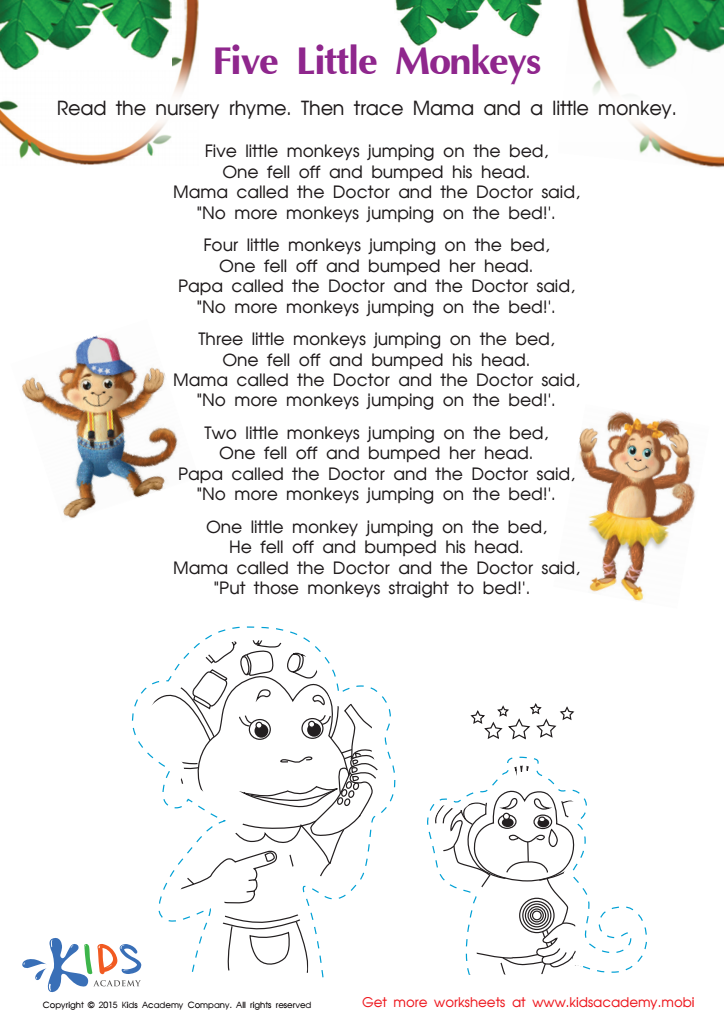
The Five Little Monkeys Nursery Rhyme Worksheet
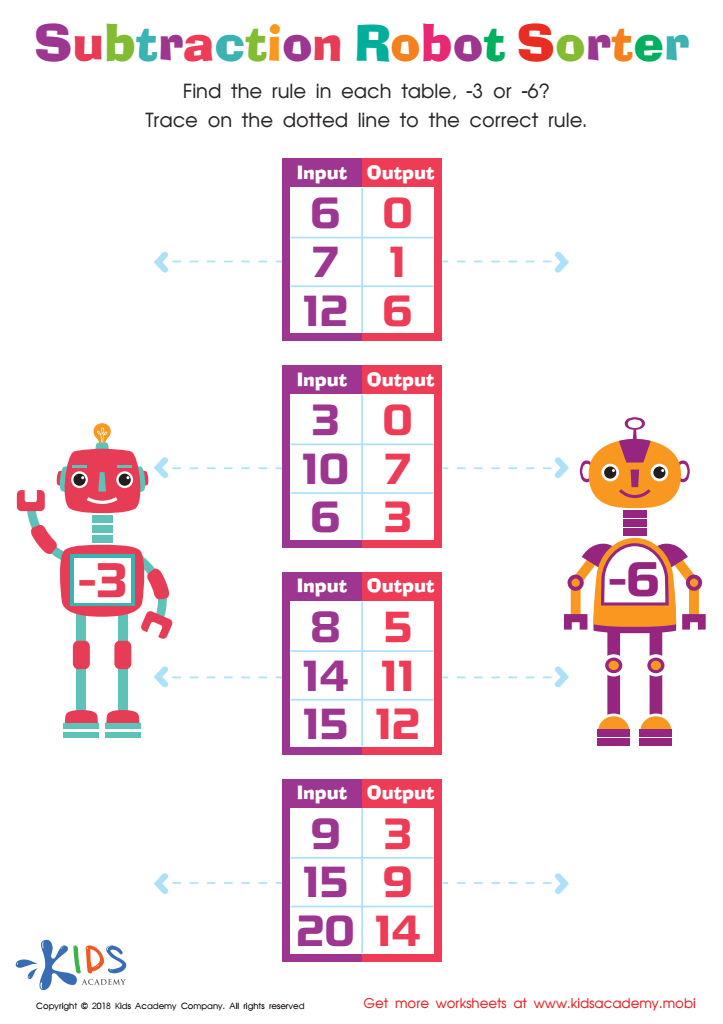
Subtraction Robot Sorter Worksheet
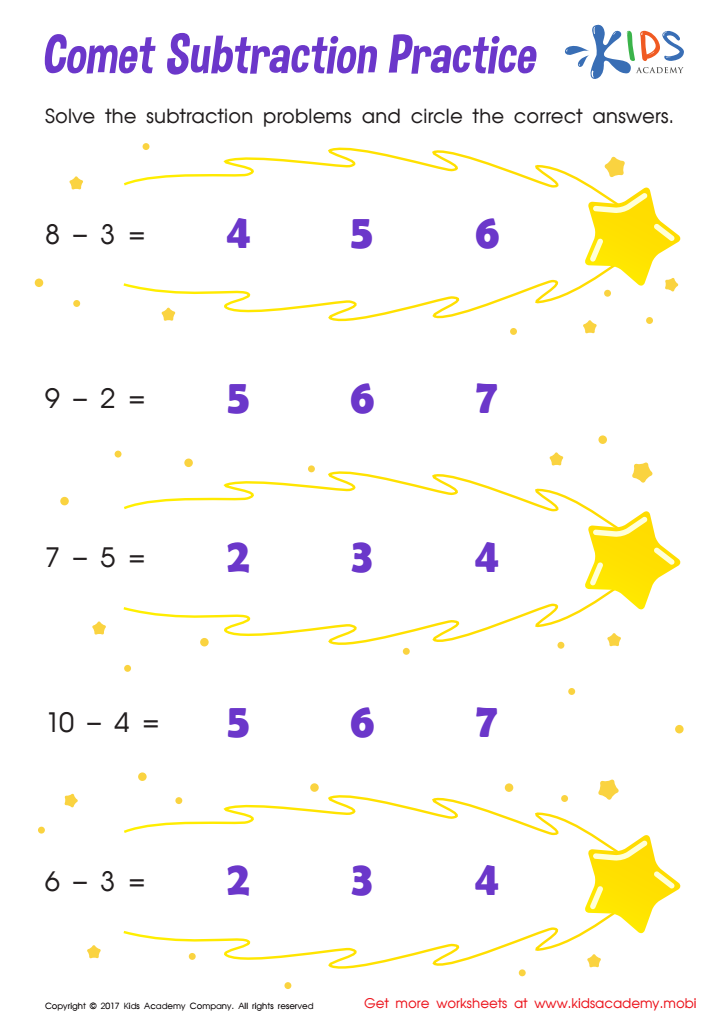
Comet Subtraction Practice Substraction Worksheet
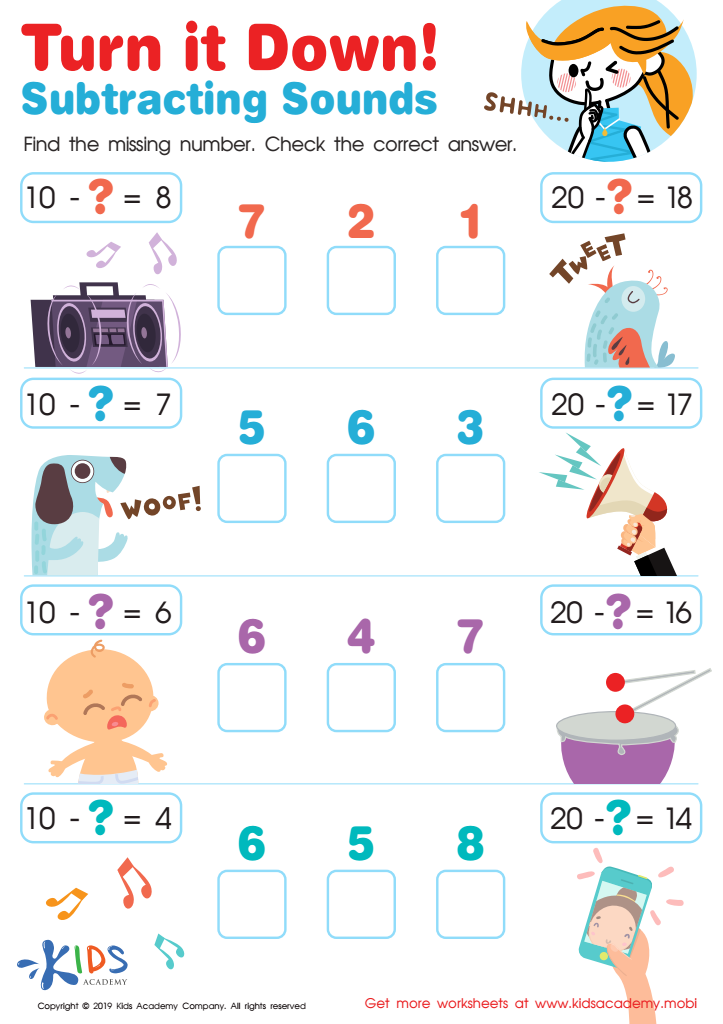
Turn It down! Subtracting Sounds Worksheet
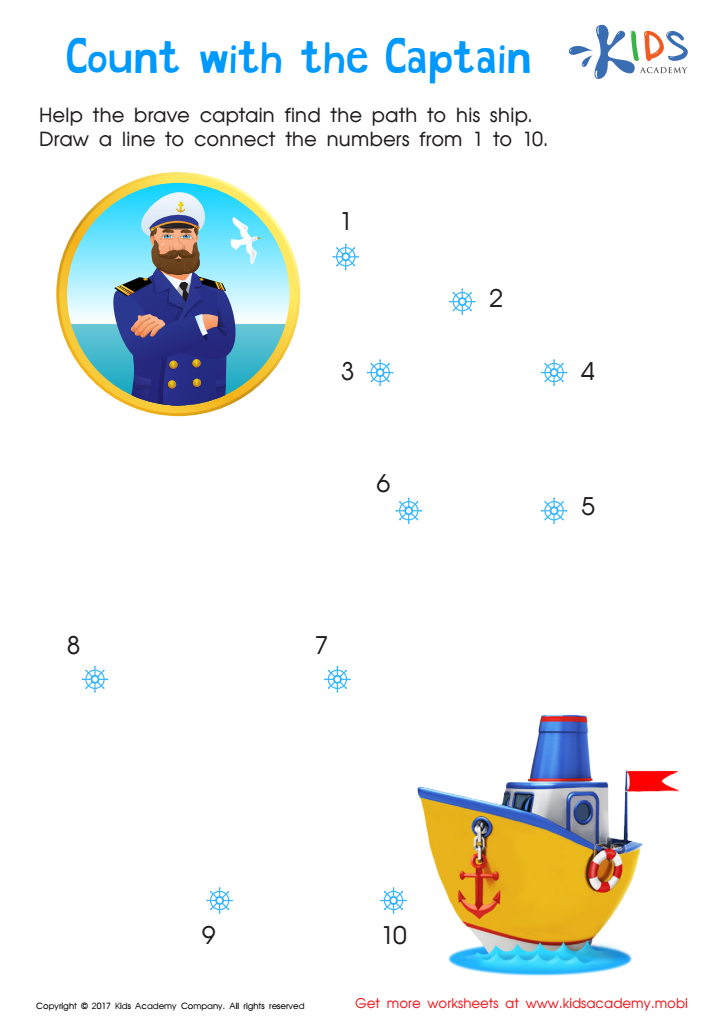
Count with the Captain Connect Dots Worksheet
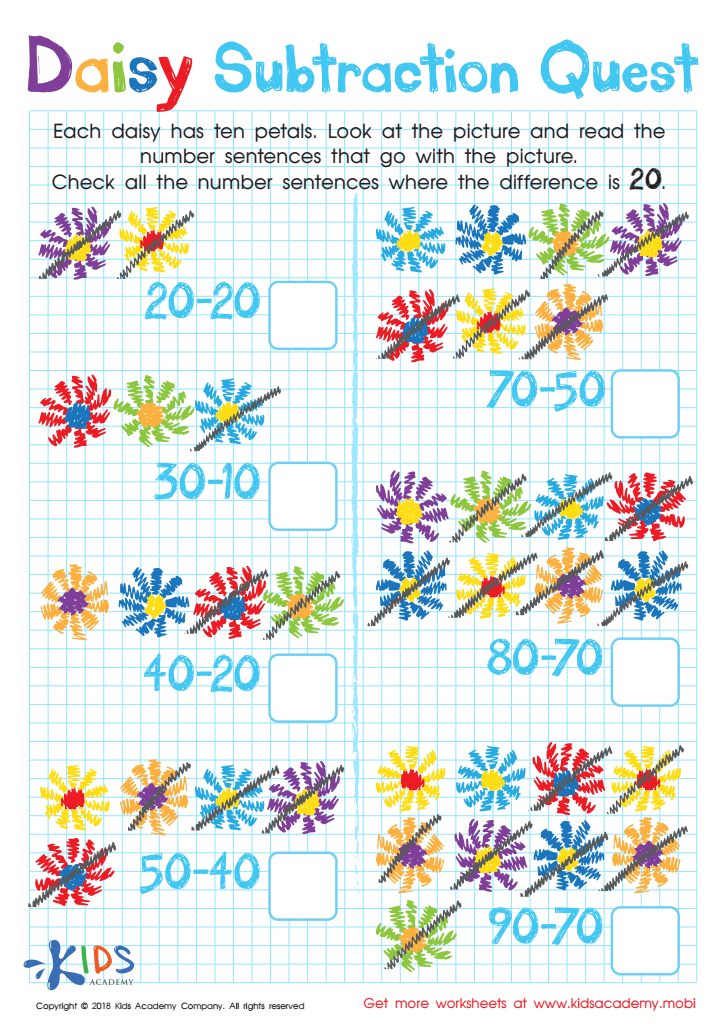
Daisy Subtraction Quest Worksheet
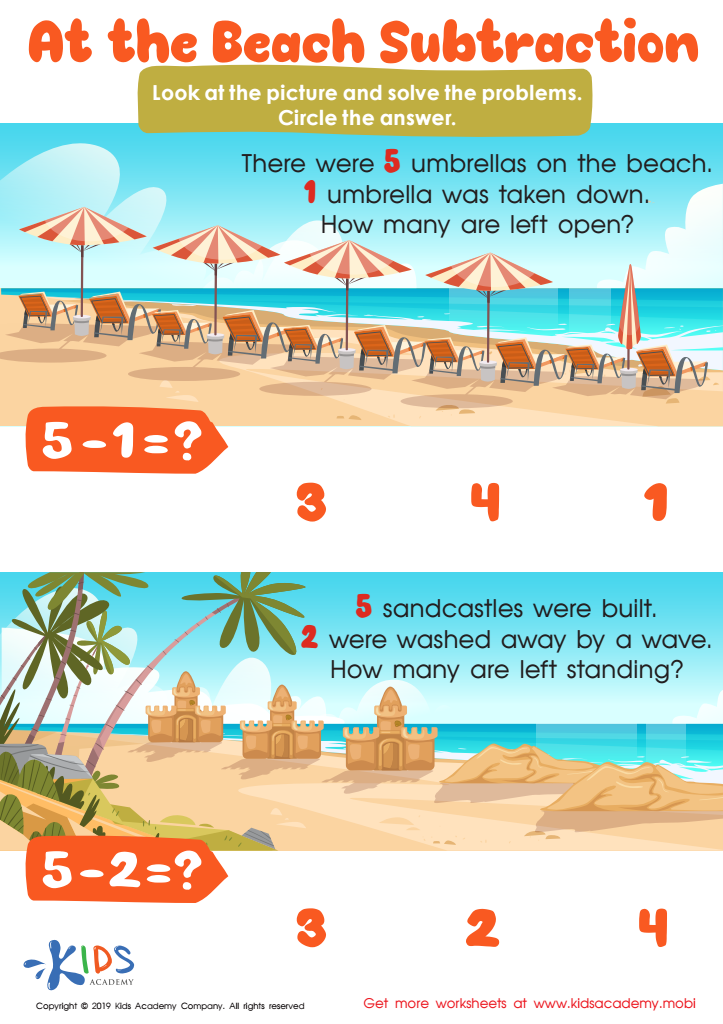
At the Beach Subtraction Worksheet




Parents and teachers should prioritize subtraction practice for children aged 5-8 because it forms a fundamental building block for their overall mathematical development. At this stage, children are transitioning from concrete to more abstract thinking, and understanding subtraction underpins many future learning concepts.
Firstly, subtraction is integral to developing number sense—a critical skill that allows children to understand and manipulate numbers, which is essential for advanced math topics such as algebra and geometry. When children practice subtraction, they gain familiarity with the relationship between numbers, which enhances their overall numerical fluency and mathematical confidence.
Secondly, mastering subtraction enhances problem-solving skills. When children learn to subtract, they also learn to analyze and solve various problems, approaching challenges methodically. This skill is not only crucial in math but also enhances their logical thinking and decision-making abilities, fostering independence and critical thinking in everyday situations.
Lastly, subtraction practice is crucial in daily life. Children use subtraction without realizing it, whether dividing snacks, computing time intervals, or managing their small allowances. When they are proficient in subtraction, they navigate these everyday situations more effectively, easing daily frustrations and building skills they will use throughout their lives.
In summary, investing time in subtraction practice sets young learners on a successful path in math and beyond, promoting cognitive development, problem-solving abilities, confidence, and practical life skills.








