Fine Motor Skills 2D Shapes Worksheets for Ages 5-8
12 filtered results
-
From - To
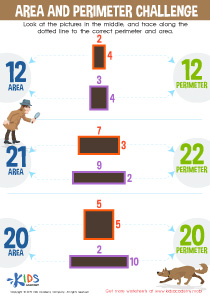
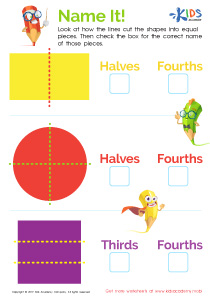
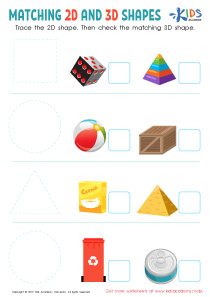
Enhance your child’s fine motor skills with our engaging 2D Shapes Worksheets for ages 5-8! Designed to develop precise hand movements, these printables offer fun tracing, drawing, and cutting activities featuring a variety of shapes. Children will improve their pencil grip, hand-eye coordination, and spatial recognition while exploring triangles, circles, squares, and more. Perfect for at-home practice or classroom use, our worksheets combine learning essential geometry concepts with crucial motor skill development. Boost your child’s confidence and prepare them for academic success with our expertly crafted worksheets. Download and get started today!
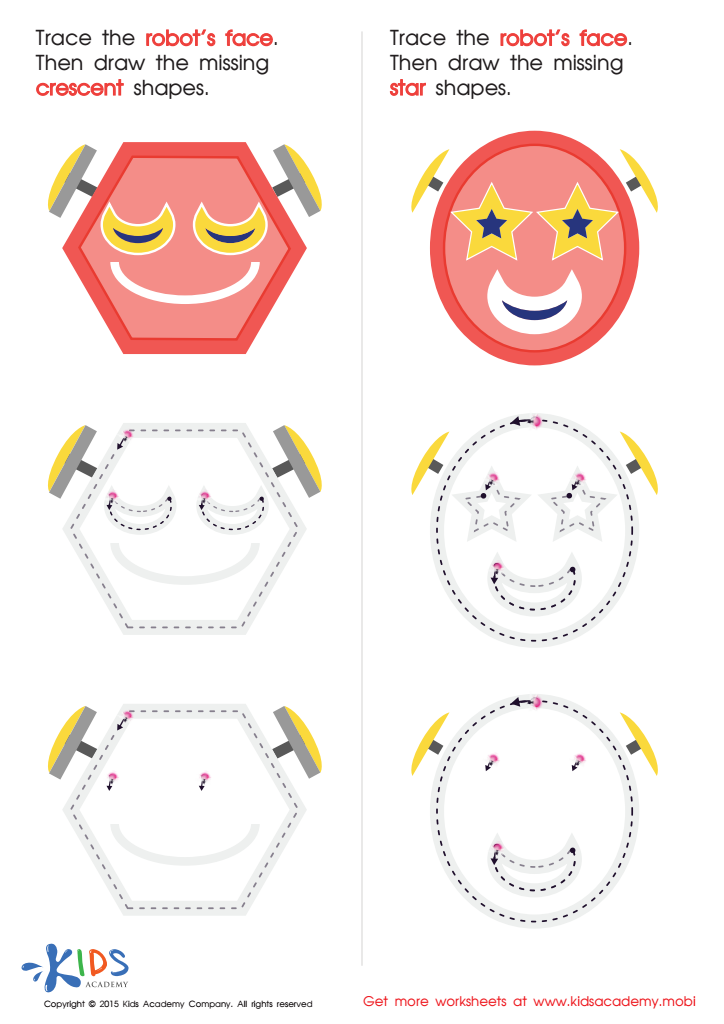
Composing a Robot's Face of Crescents And Stars Worksheet
 Assign to My Students











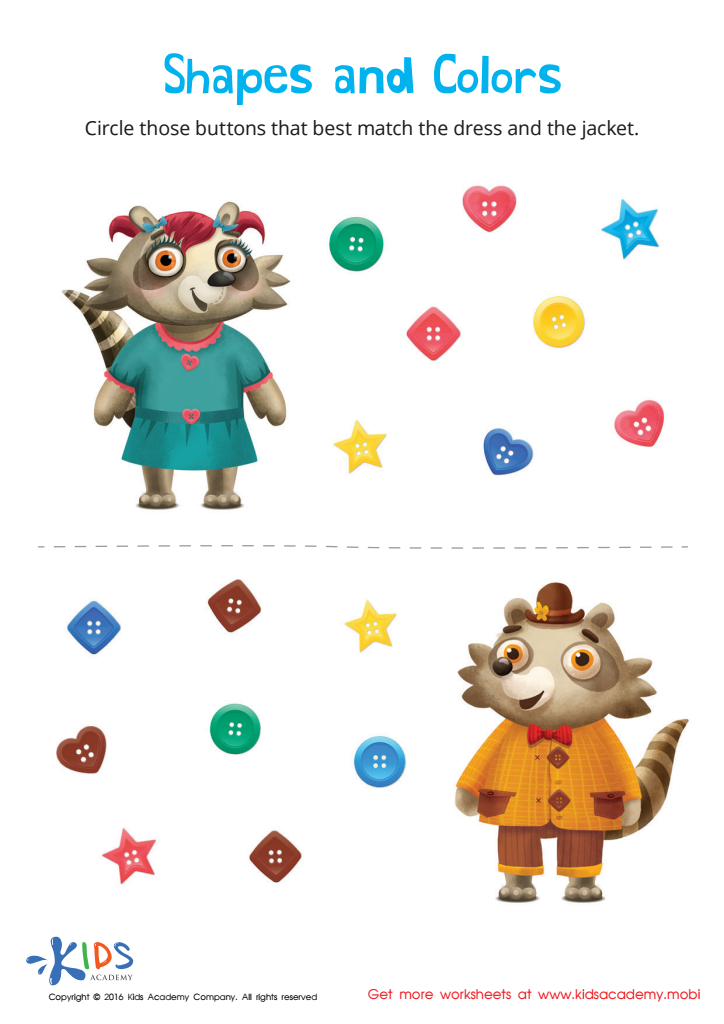
Matching: Shapes and Colors Worksheet
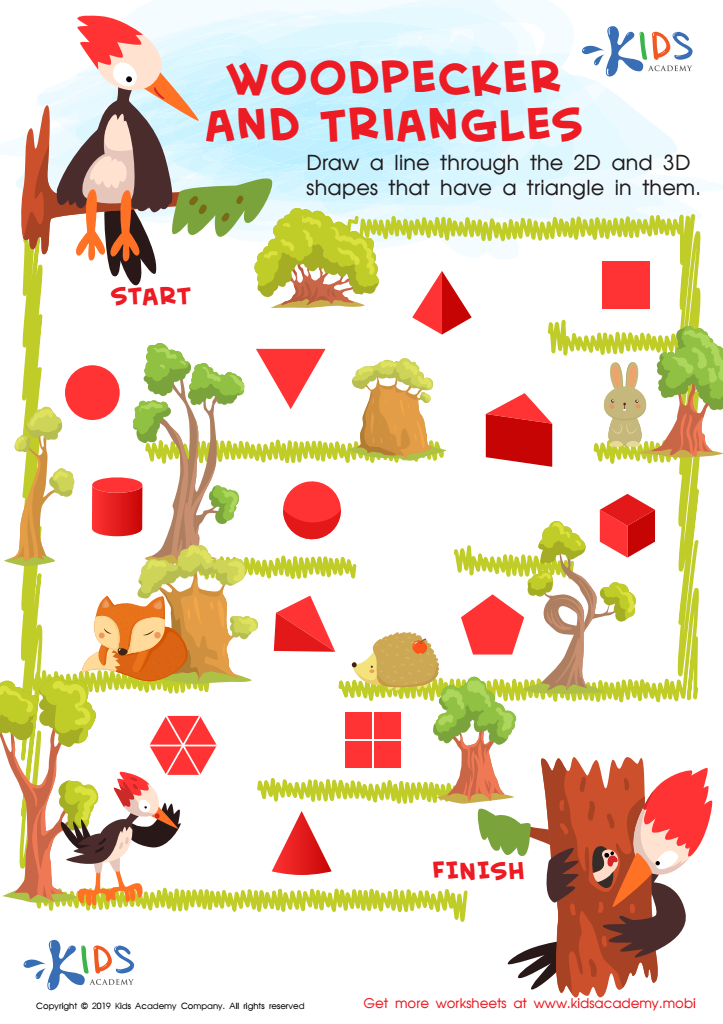
Woodpecker and Triangles Worksheet
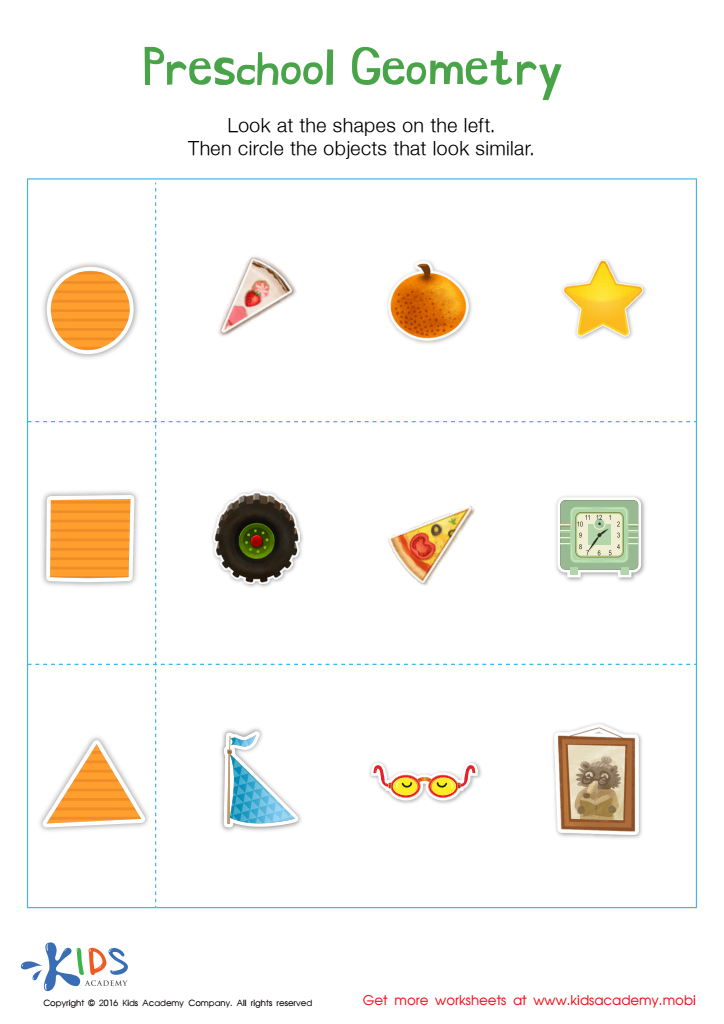
Preschool Geometry Match Up Worksheet
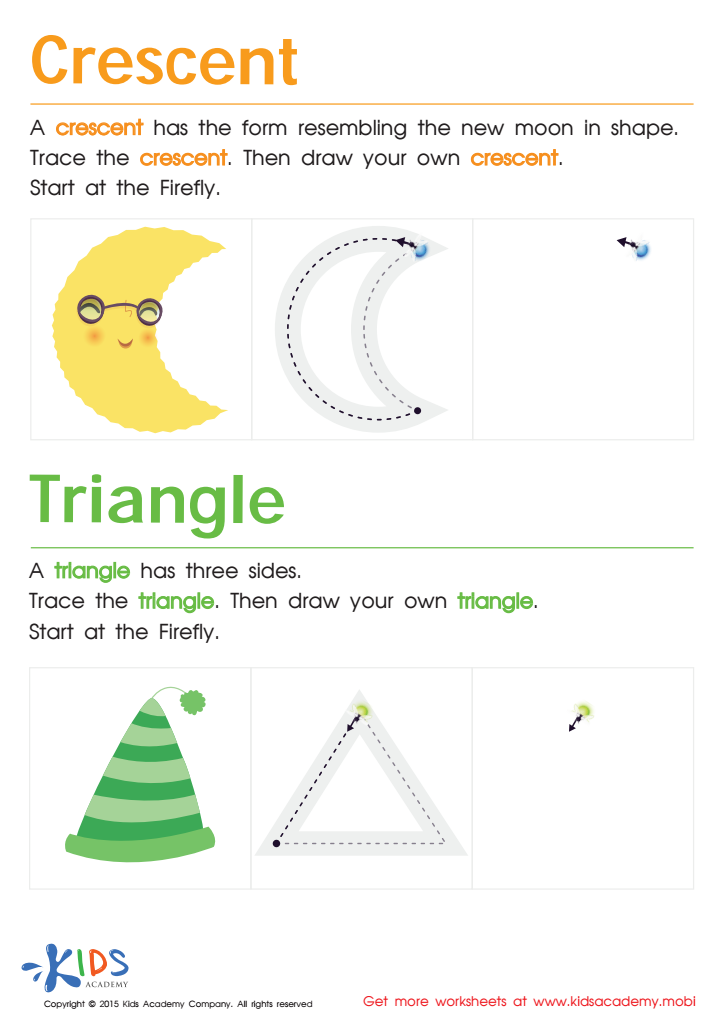
Learning to Draw Crescents And Triangles Worksheet
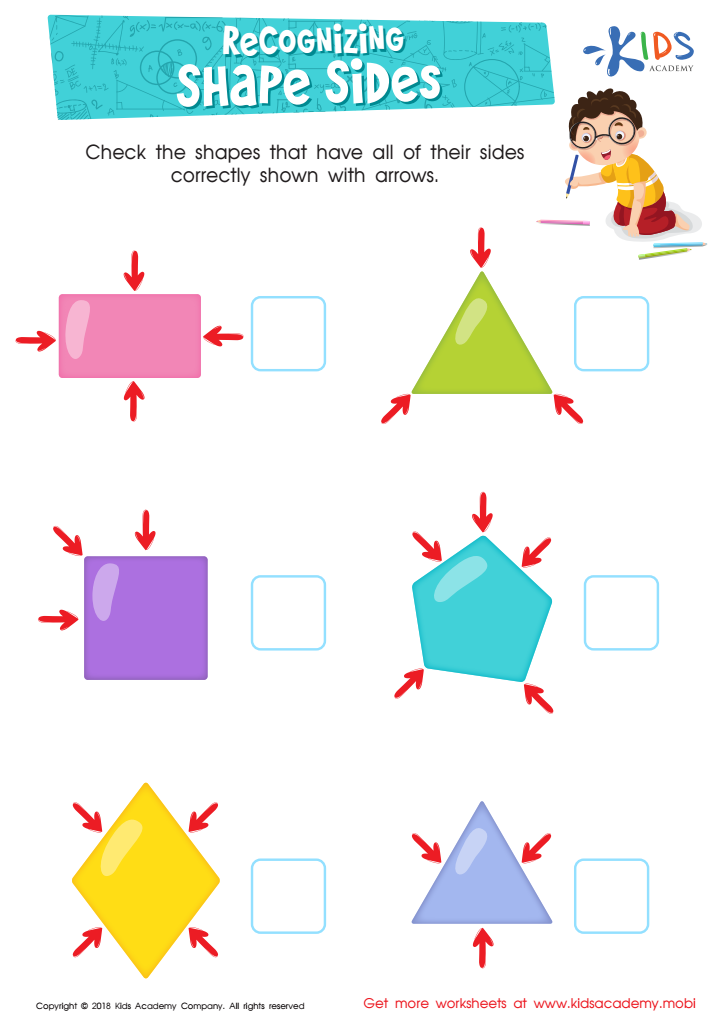
Recognizing Shape Sides Worksheet
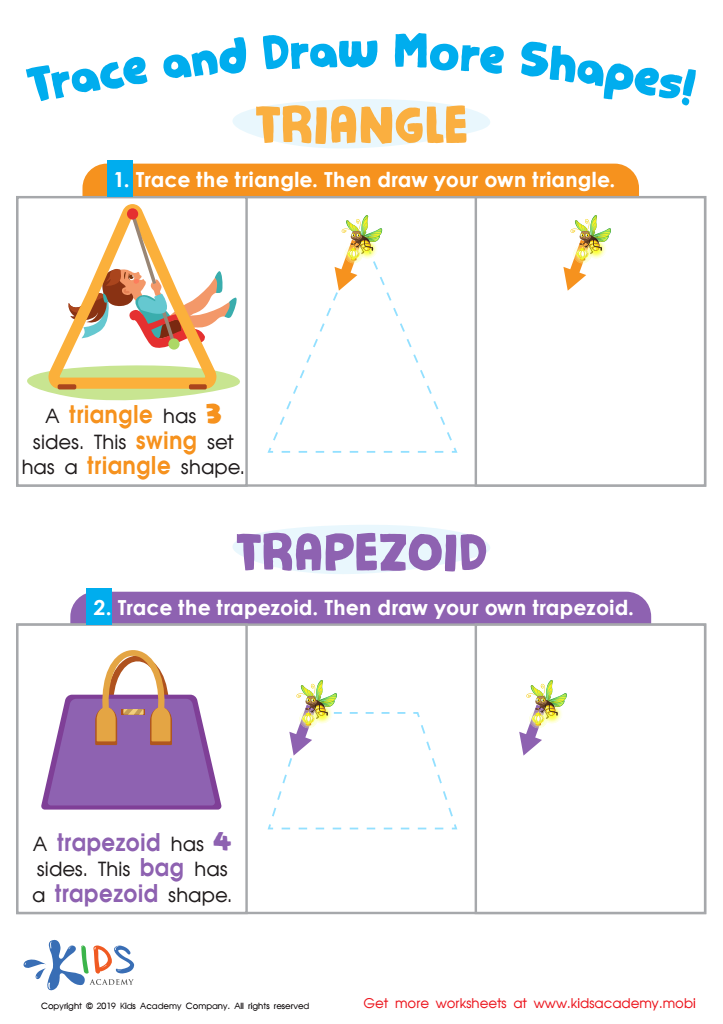
Trace and Draw More Shapes Worksheet
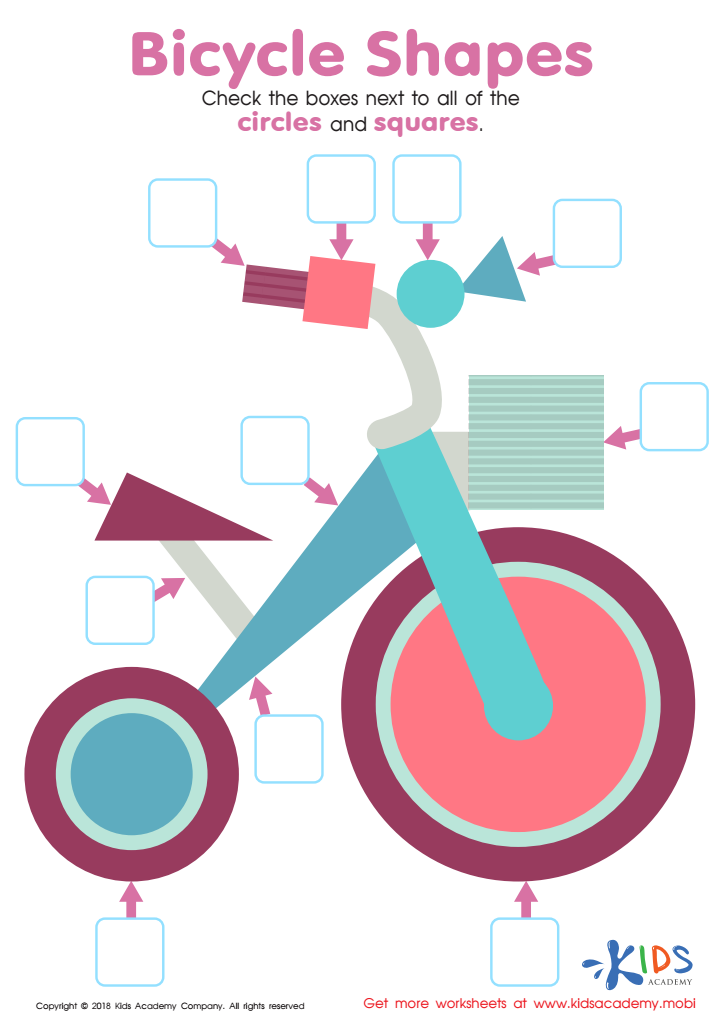
Bicycle Shapes Worksheet
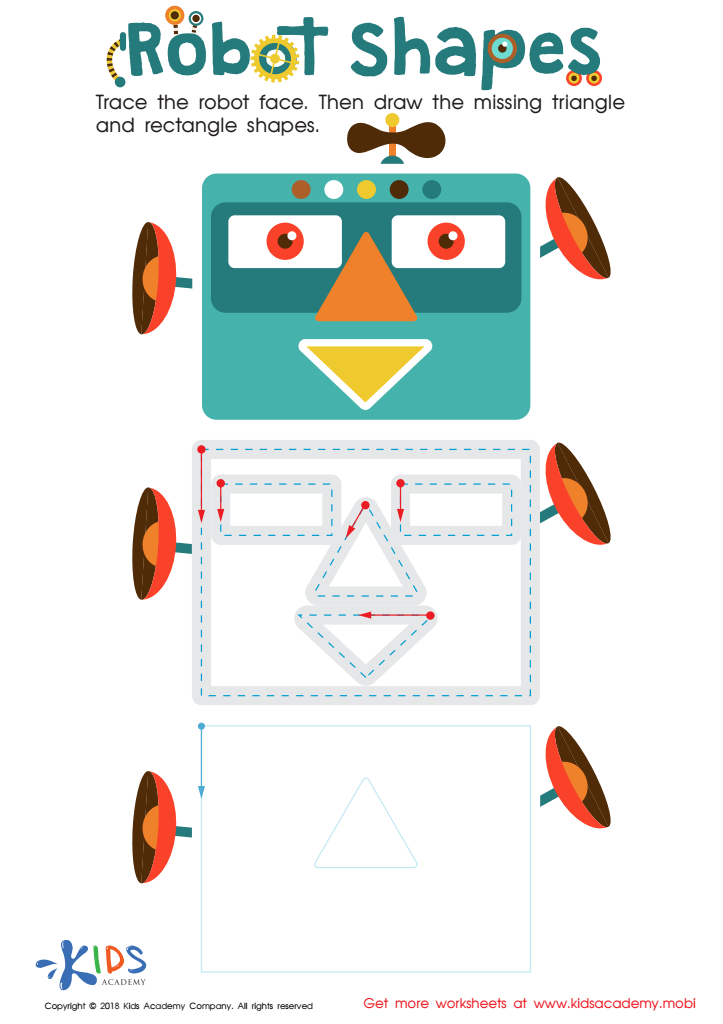
Robot Shapes Worksheet
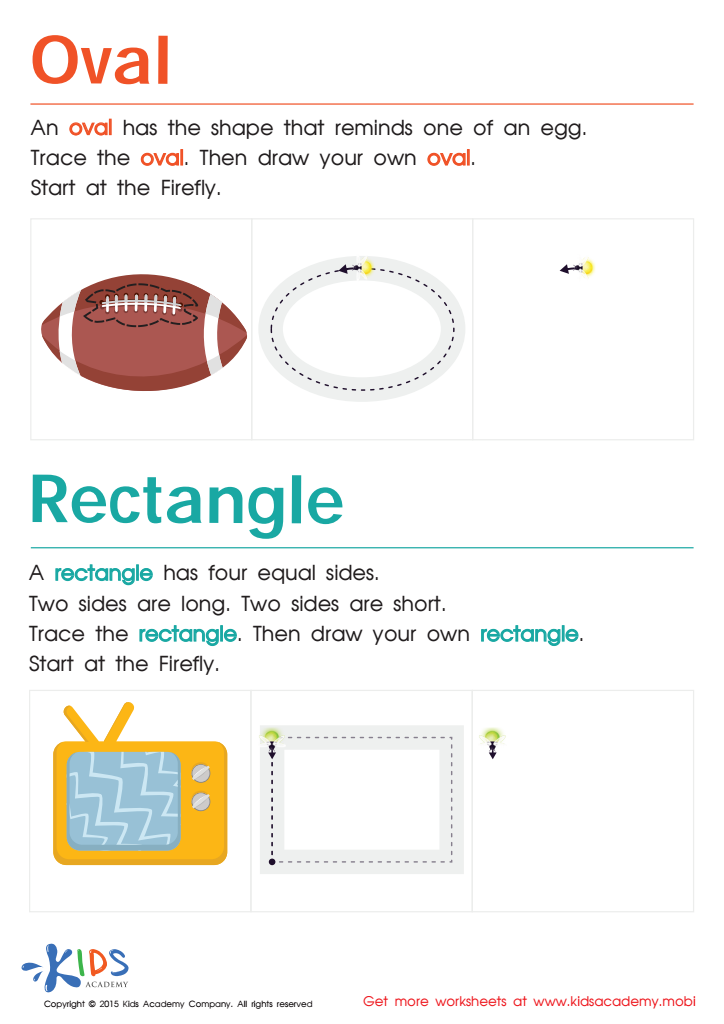
Easy Drawing of Ovals And Rectangles Worksheet
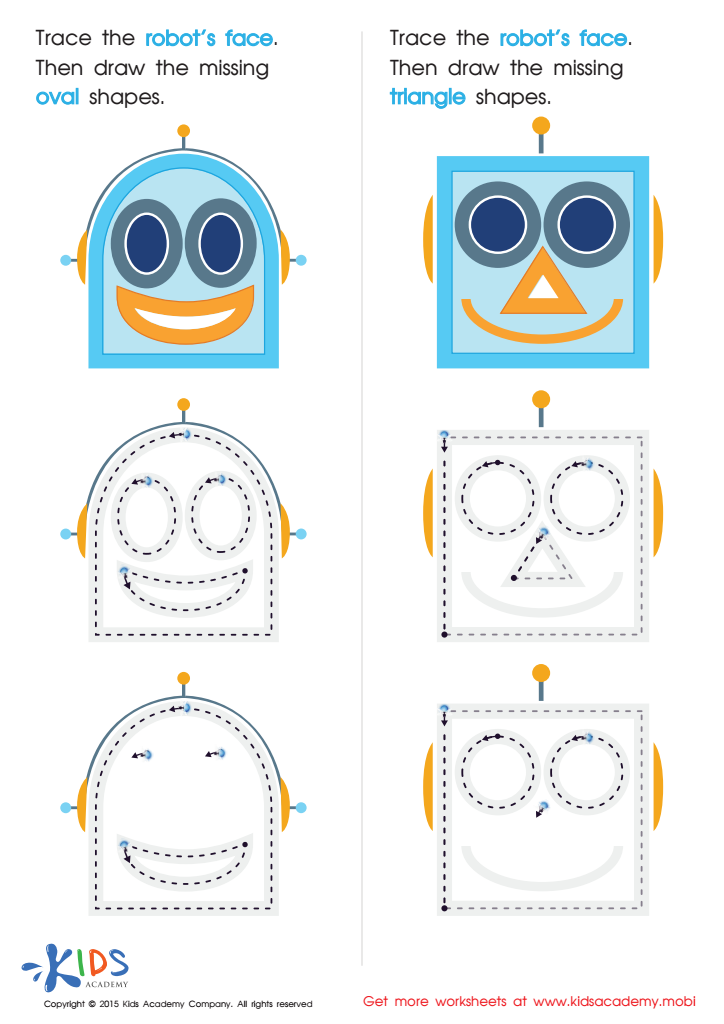
Drawing Ovals And Triangles with Fun Printable
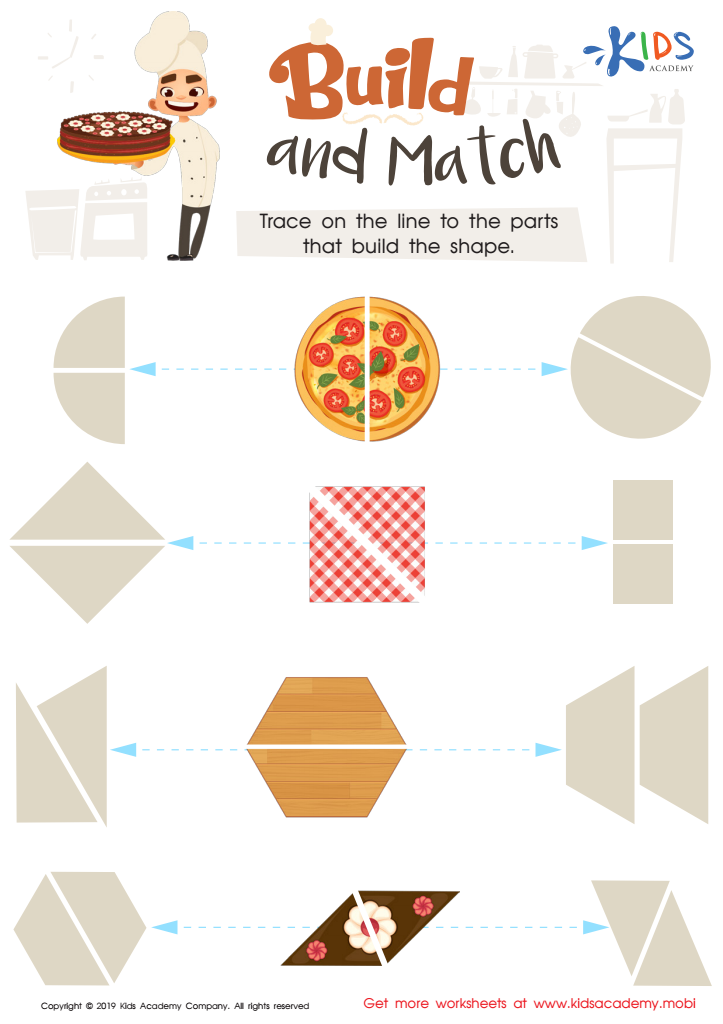
Build and Match Worksheet








Fine motor skills and understanding 2D shapes are pivotal for children aged 5-8 as they lay the foundation for essential developmental milestones. Parents and teachers should prioritize these aspects for several reasons.
Firstly, fine motor skills involve the coordination of small muscle movements in the hands and fingers, crucial for writing, drawing, cutting, and other daily activities. Strengthening these skills aids in the development of hand-eye coordination, dexterity, and control, which are essential for academic tasks such as forming letters and manipulating objects.
Secondly, knowledge of 2D shapes is fundamental for cognitive development and early math skills. Recognizing and understanding shapes like circles, squares, and triangles contribute to a child's ability to categorize and make sense of the world around them. This comprehension is a precursor to more complex geometric and spatial thinking, fostering problem-solving and analytical skills.
Moreover, combining fine motor activities with 2D shapes, such as tracing, drawing, or cutting shapes, makes learning engaging and hands-on. These activities support perseverance and focus, enhancing overall learning experiences. Long-term benefits include better preparedness for future academic challenges, improved self-esteem, and fostering creativity.
In summary, nurturing these skills is crucial for holistic development, impacting not just academic performance but also everyday functioning and emotional well-being of a child.