Shape Recognition Geometry Worksheets for Ages 5-8 - Page 3
71 filtered results
-
From - To
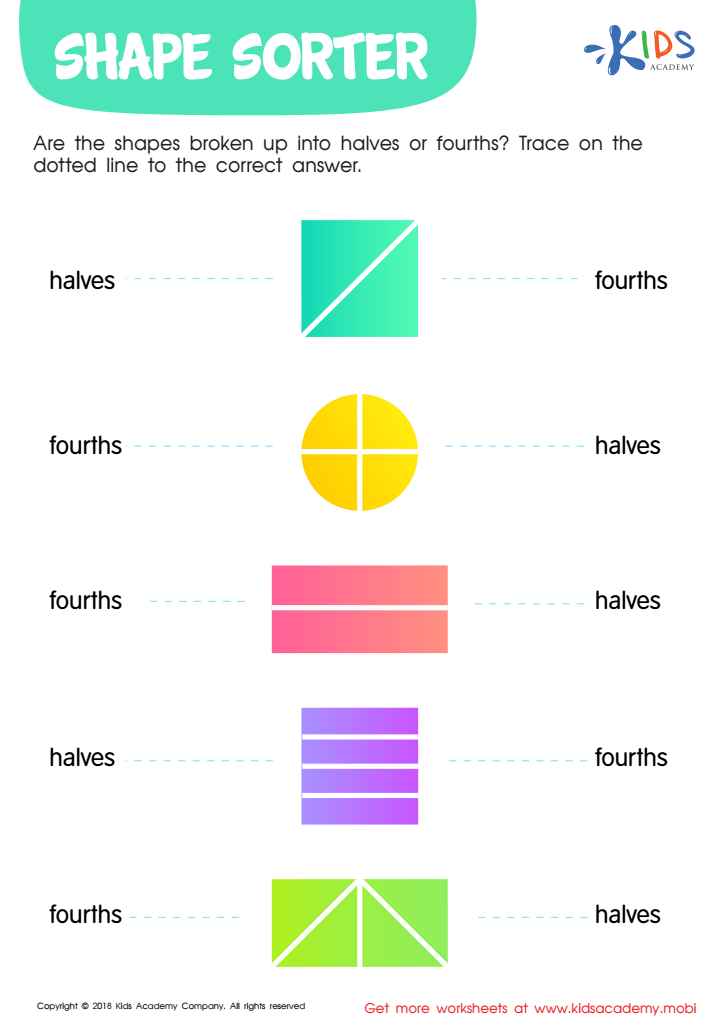
Shape Sorter Worksheet
 Assign to My Students











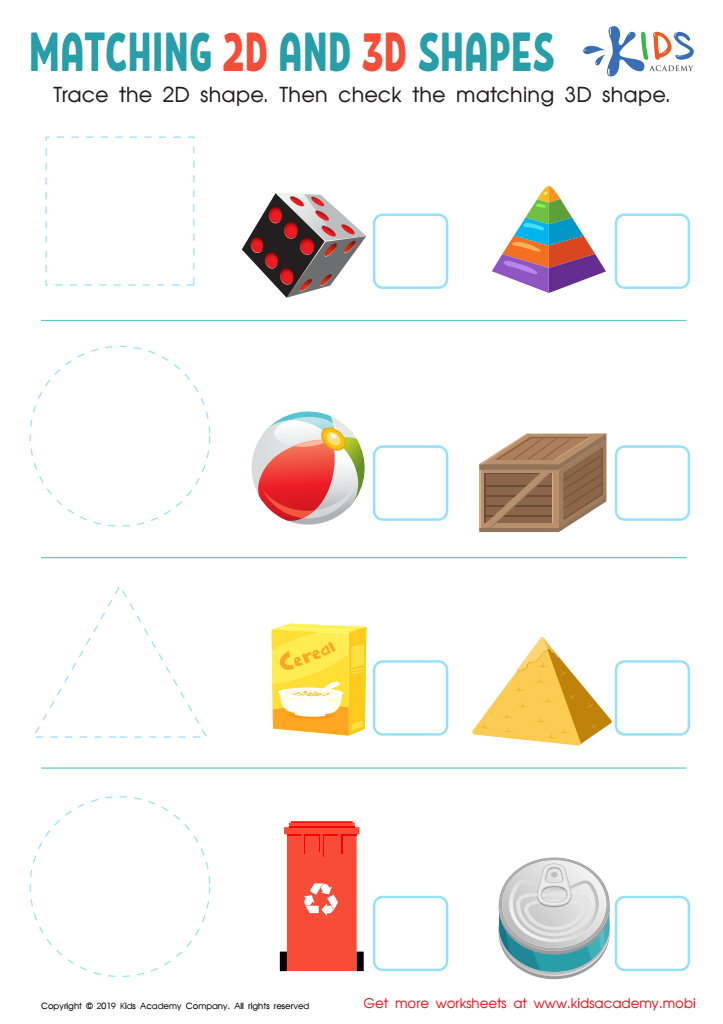
Matching 2D and 3D Shapes Worksheet
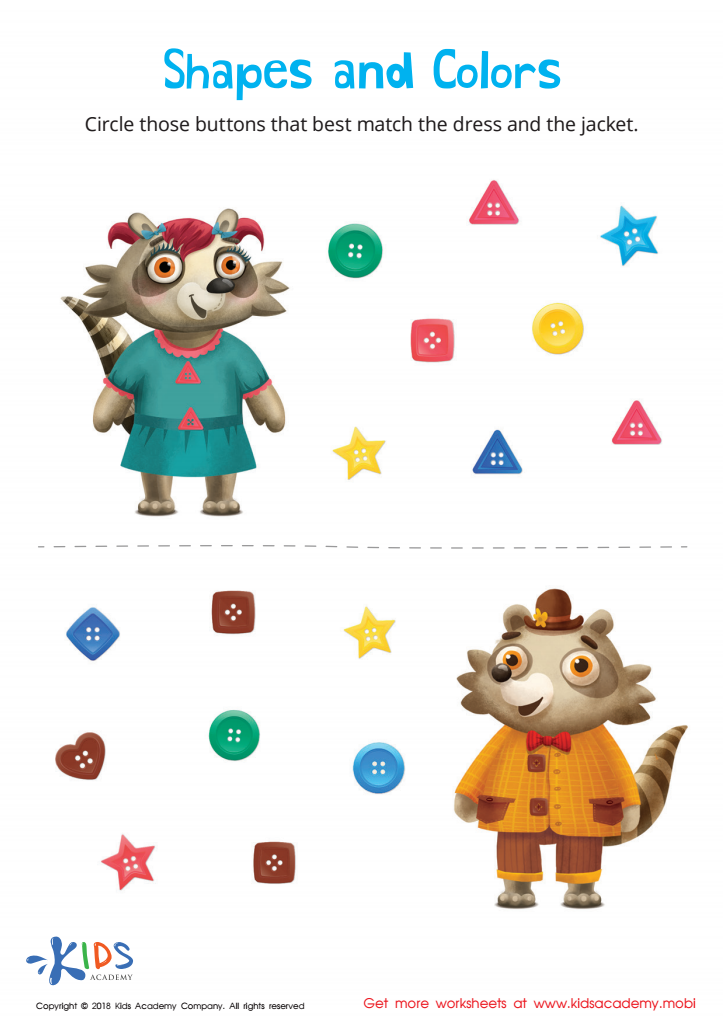
Shapes and Colors Worksheet
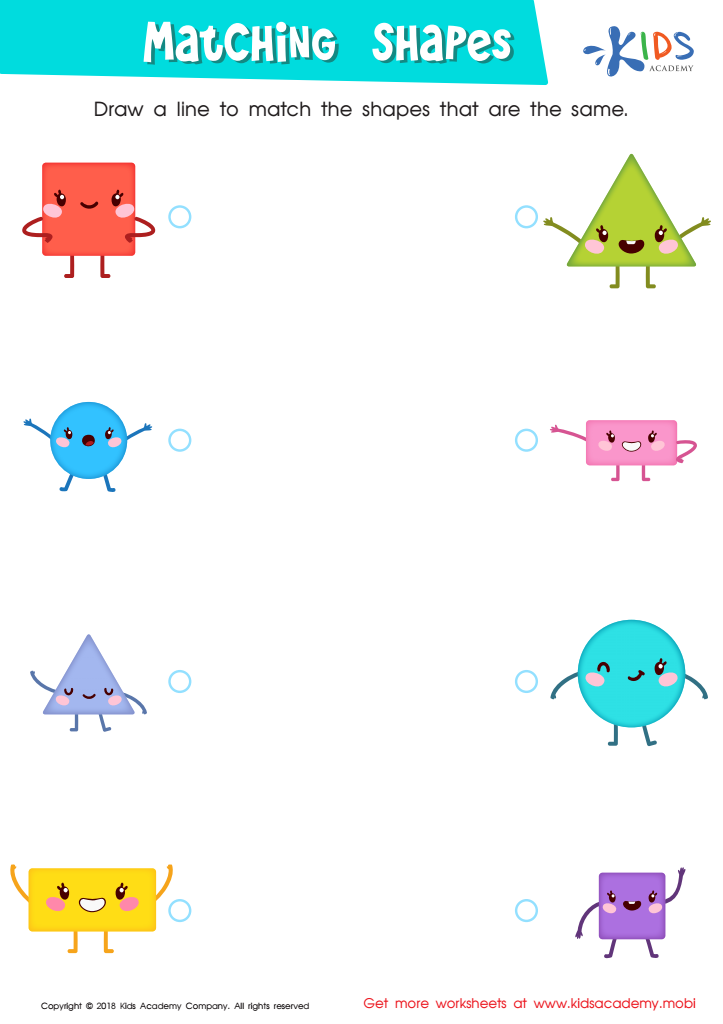
Matching Shapes Worksheet
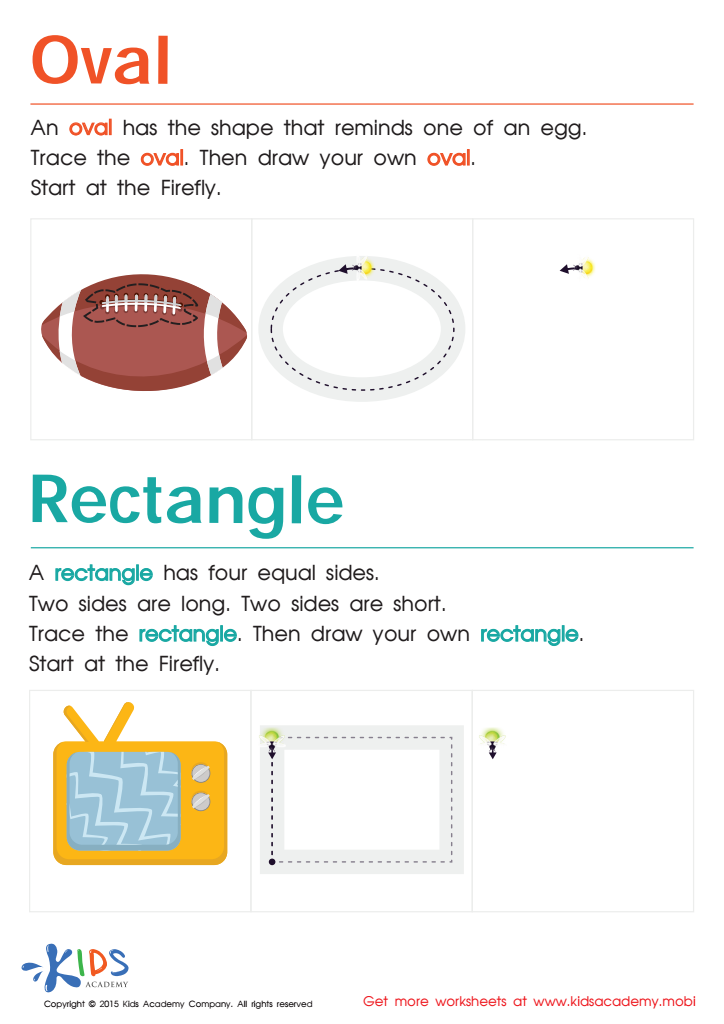
Easy Drawing of Ovals And Rectangles Worksheet
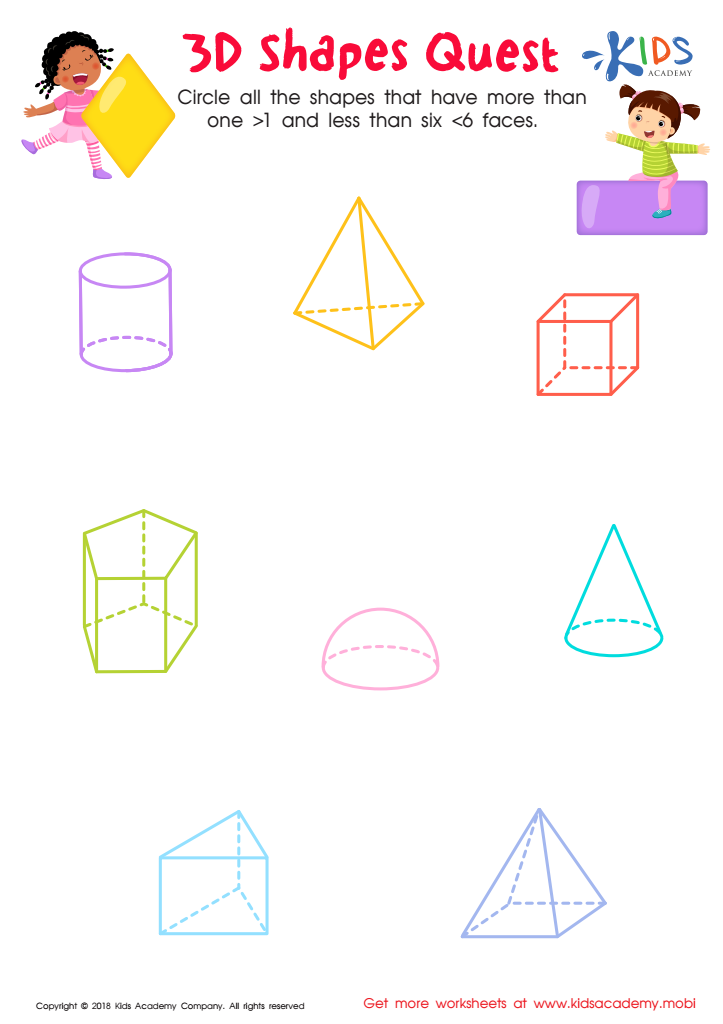
3D Shapes Quest Worksheet
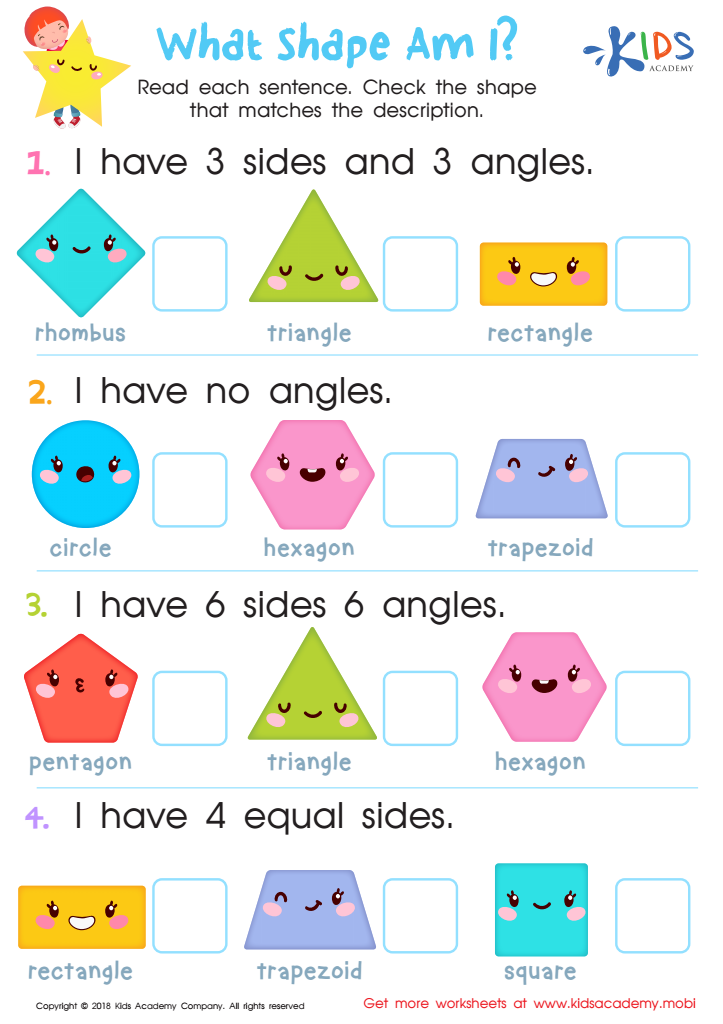
What Shape Am I? Worksheet
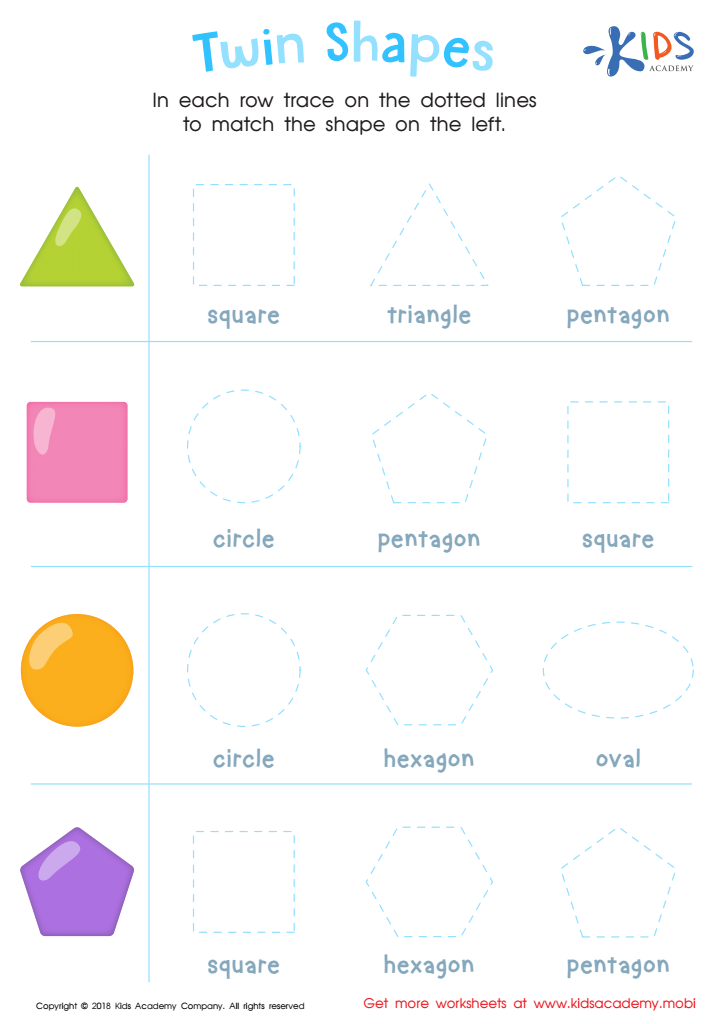
Twin Shapes Dot-to-Dot Worksheet
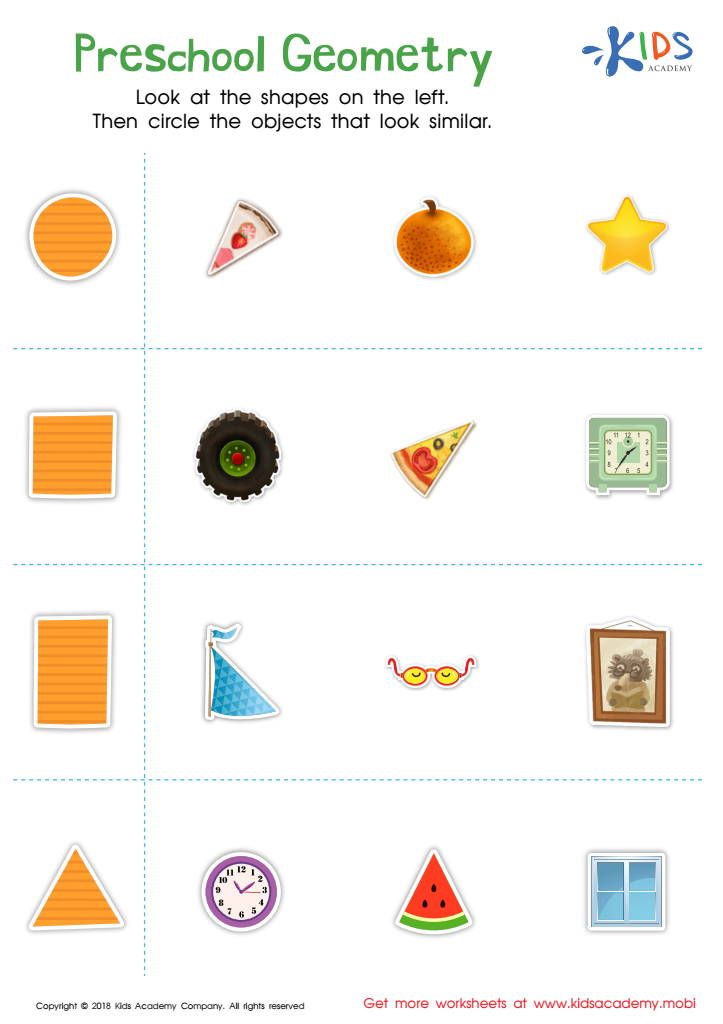
Preschool Geometry Worksheet
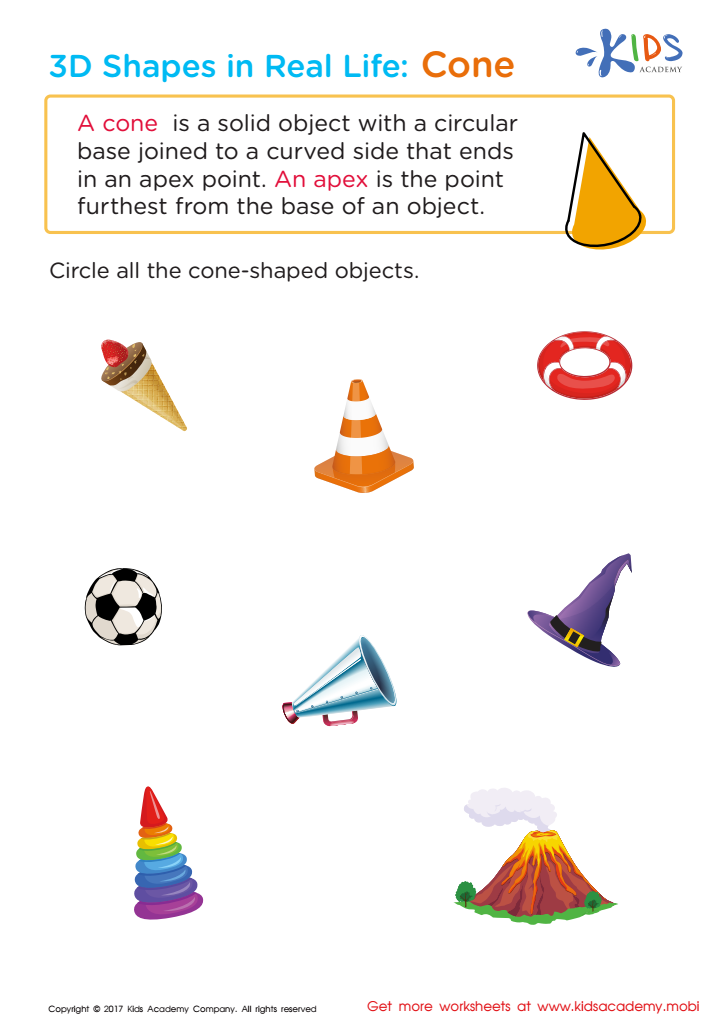
Shapes in Real Life: Cone Worksheet
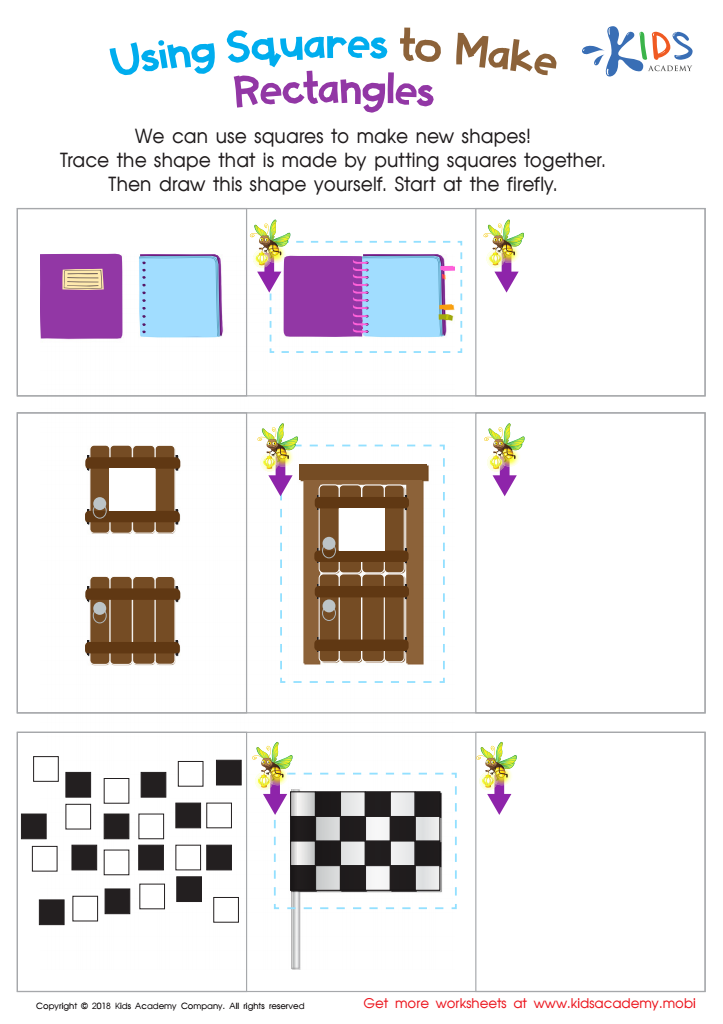
Using Squares to Make Rectangles Worksheet
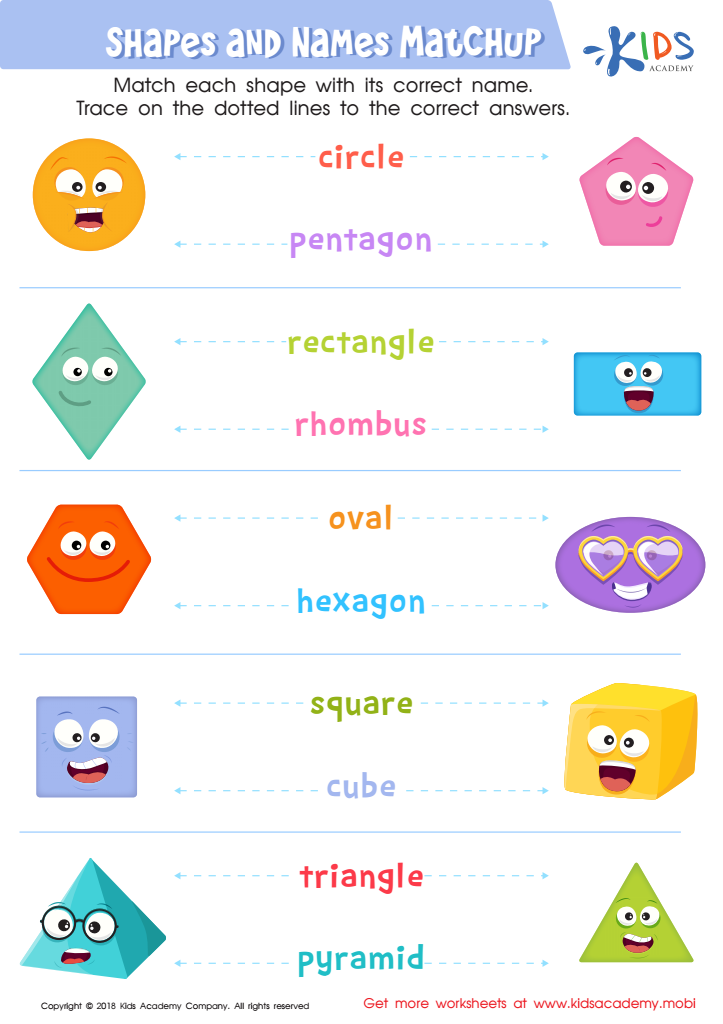
Shapes and Names Matchup Worksheet
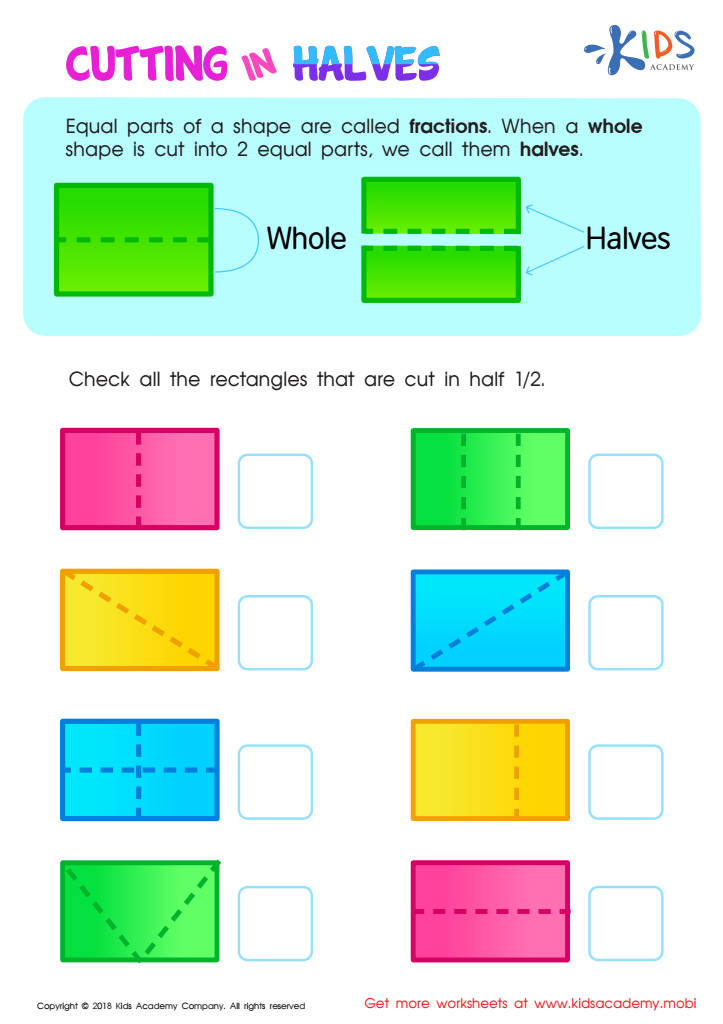
Cutting in Halves Worksheet
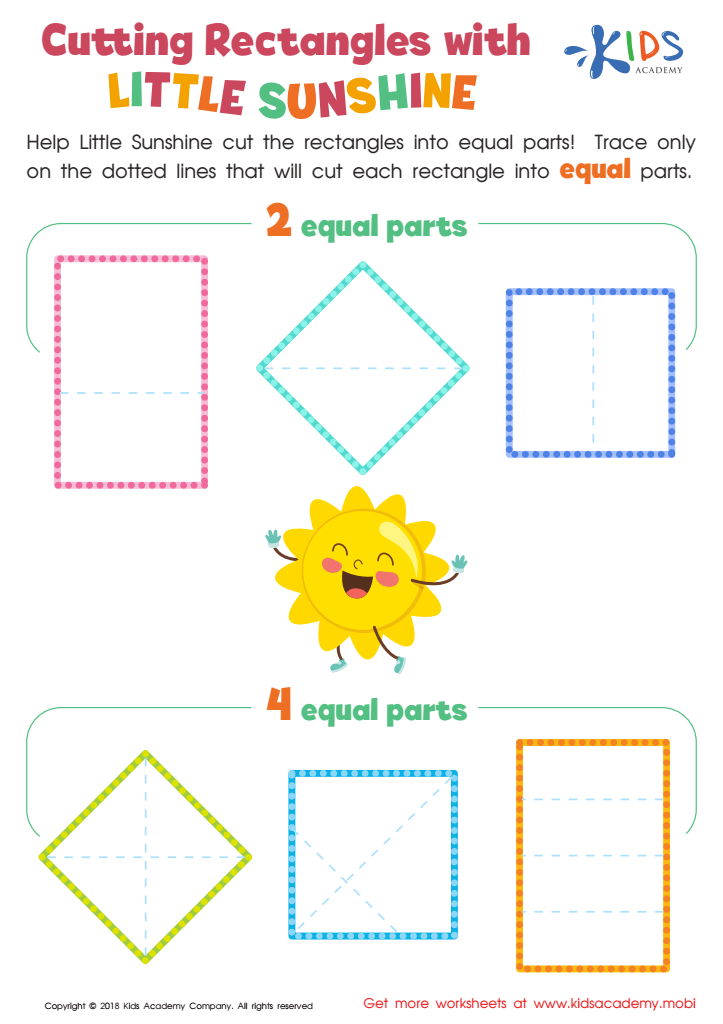
Cutting Rectangles with Little Sunshine Worksheet
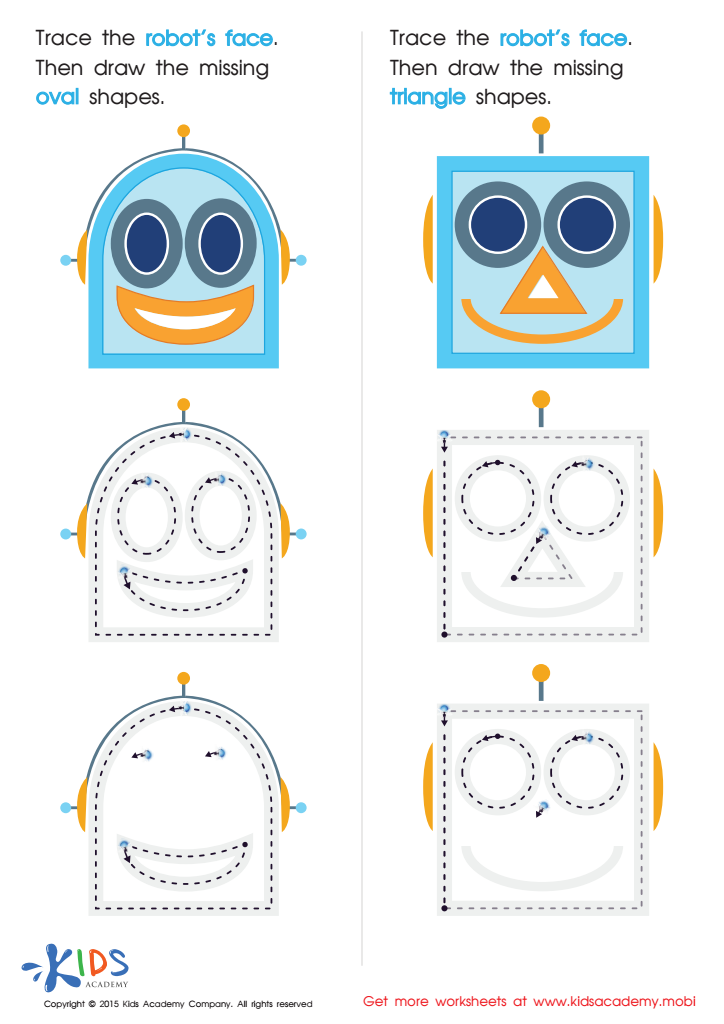
Drawing Ovals And Triangles with Fun Printable
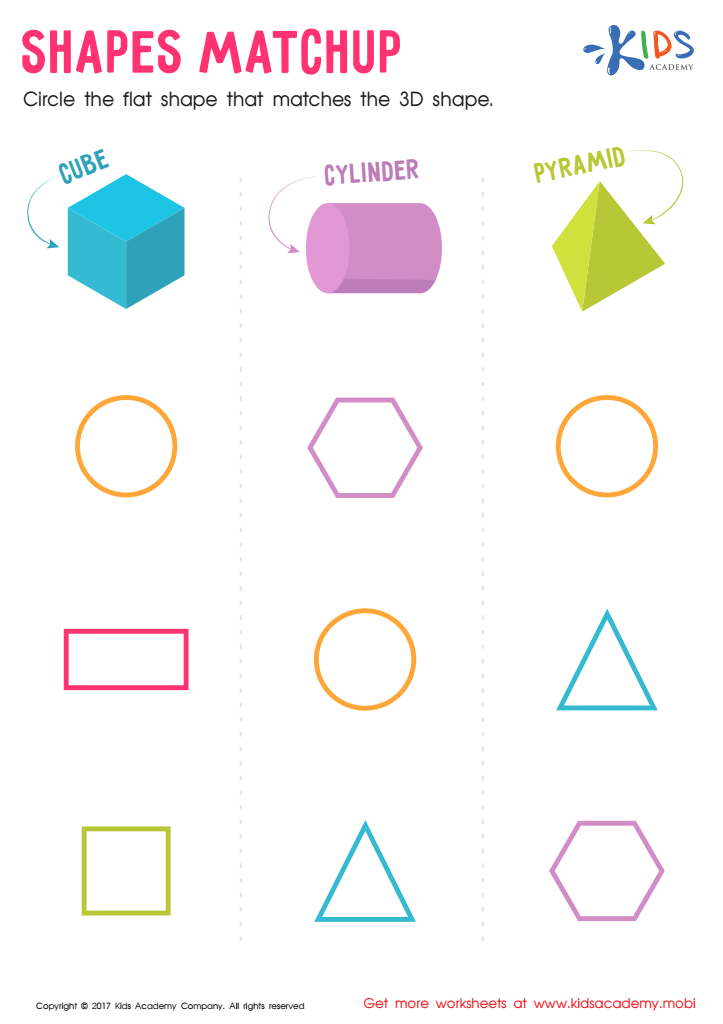
Shapes Matchup Worksheet
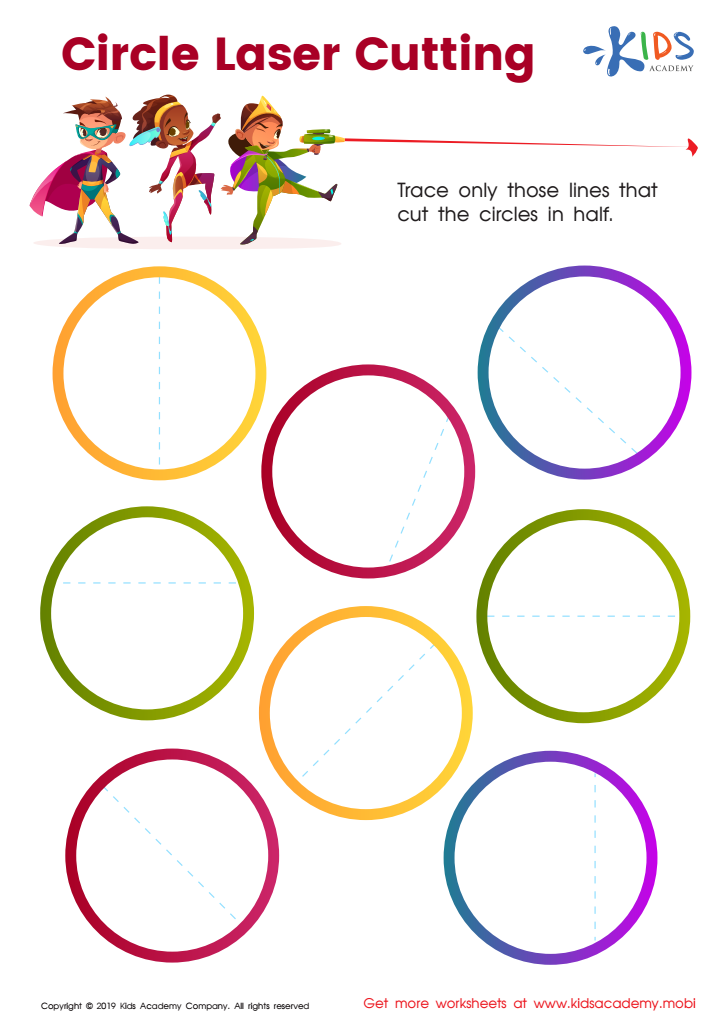
Circle Laser Cutting Worksheet
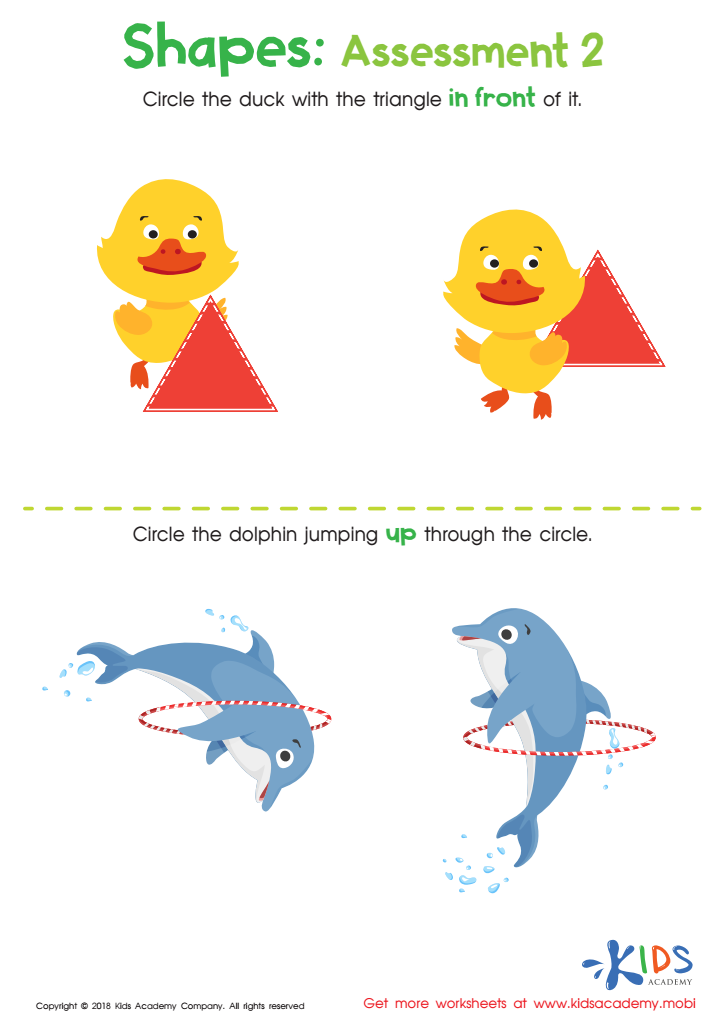
Geometry – Assessment 2 Worksheet
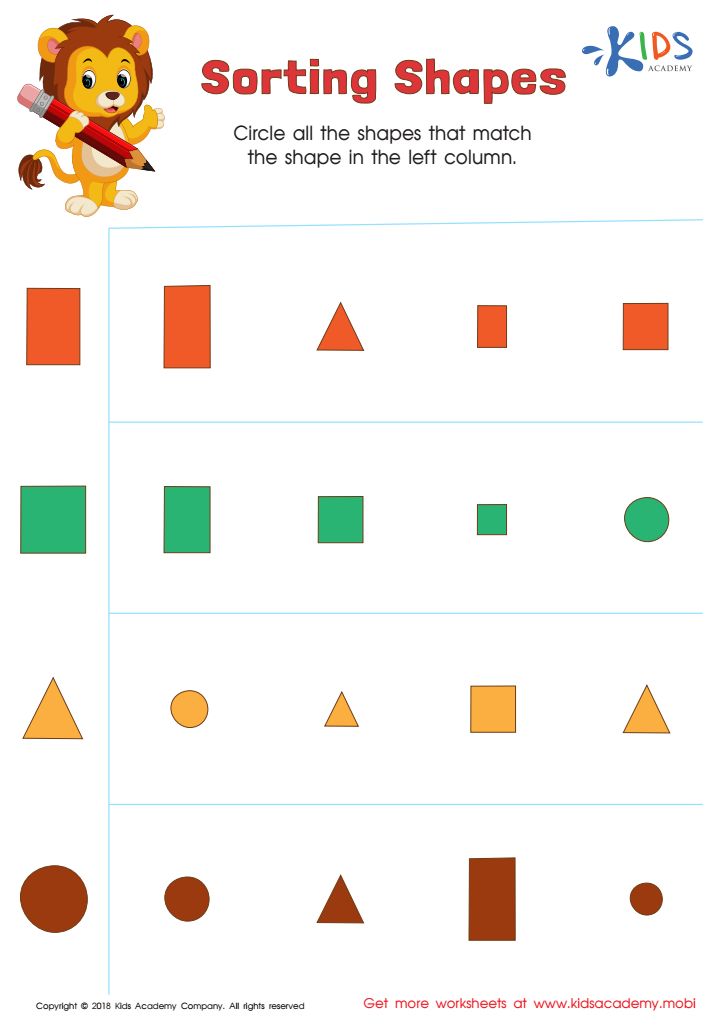
Sorting Shapes - Part 2 Worksheet
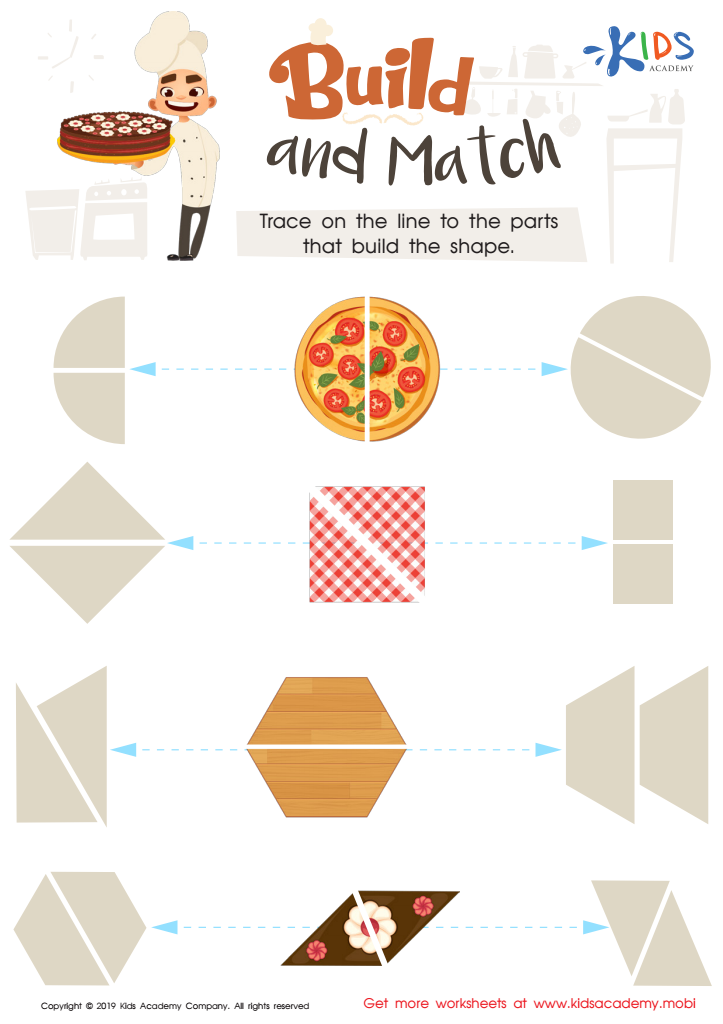
Build and Match Worksheet
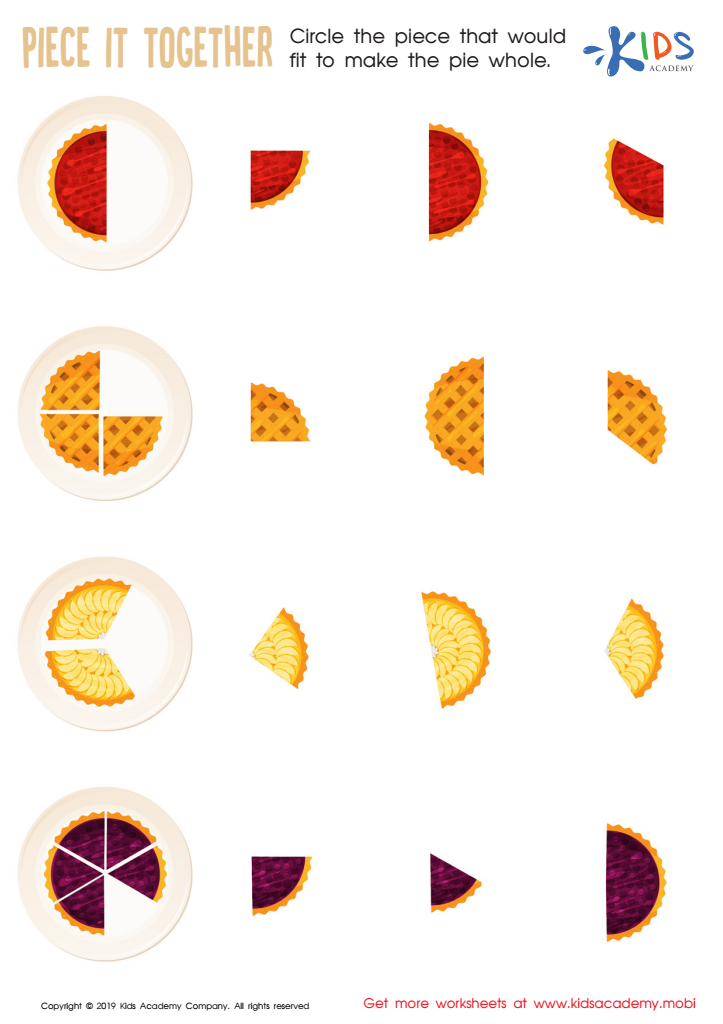
Piece it together Worksheet
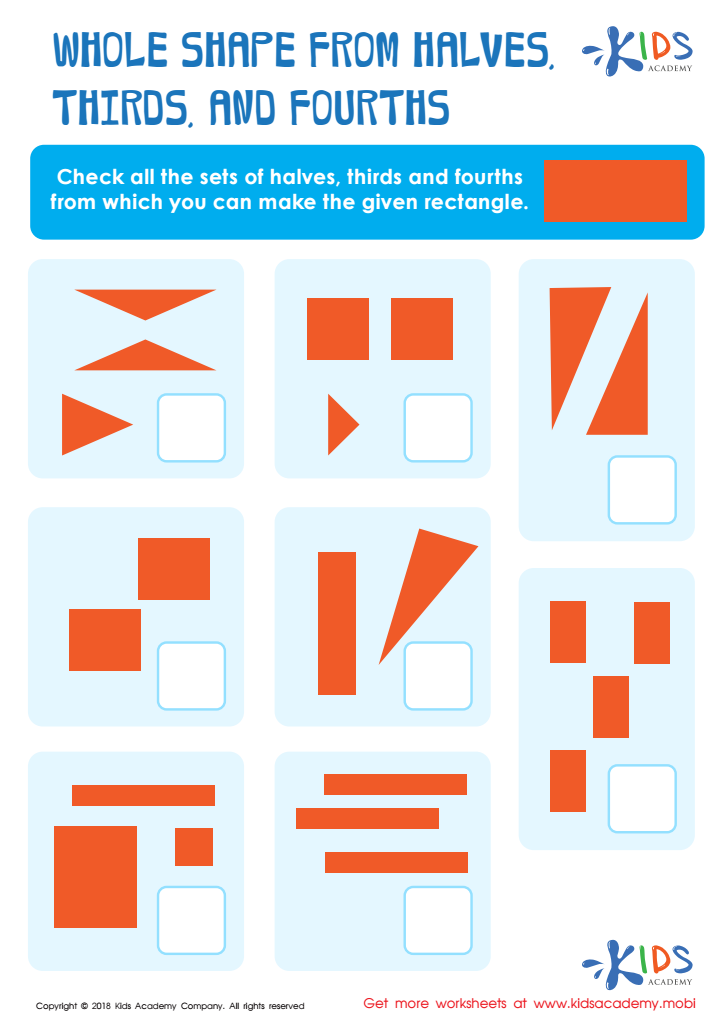
Whole Shape from Halves, Thirds and Fourths Worksheet
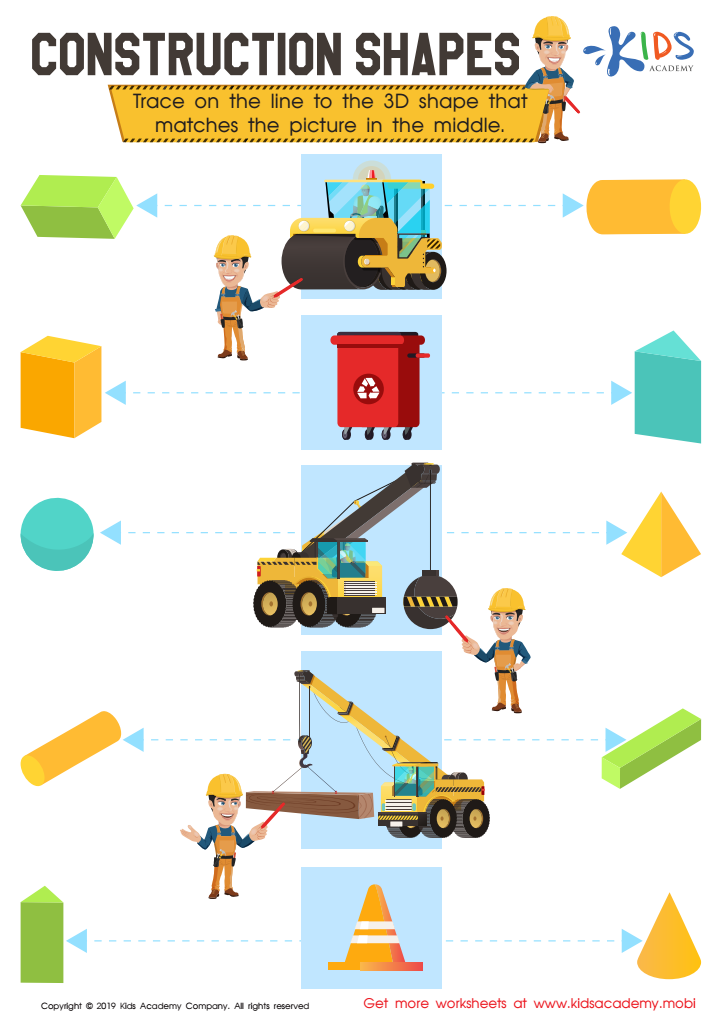
Construction Shapes Worksheet








Shape recognition is a fundamental aspect of early childhood education, particularly in the realm of geometry. For children aged 5-8, understanding shapes is crucial not just for academic progression but for everyday life skills. When parents and teachers prioritize shape recognition, they lay the groundwork for critical thinking and spatial awareness. Recognizing shapes helps children categorize and make sense of the world around them, which is essential in problem-solving and logical reasoning.
Moreover, shape recognition supports the development of fine motor skills as children engage in activities like cutting, drawing, and building shapes with blocks. As they identify and manipulate different shapes, they also improve their hand-eye coordination and spatial reasoning abilities.
Additionally, shape recognition fosters creativity. Children who can identify shapes are more likely to engage in artistic endeavors, seeing shapes in their surroundings and using them as inspiration in play and creation.
Finally, mastering shape recognition not only prepares children for advanced mathematical concepts in later grades but also enhances their cognitive development overall. By engaging children in discussions and activities centered around shapes, both parents and teachers promote a strong foundation for lifelong learning.








