Basic geometry understanding Math Worksheets for Ages 5-8
12 filtered results
-
From - To
Explore our engaging "Basic Geometry Understanding Math Worksheets" designed for children ages 5-8! These worksheets make learning geometry fun and interactive, helping young learners recognize shapes, understand spatial relationships, and develop essential math skills. With colorful visuals and simple instructions, these activities foster creativity while reinforcing important concepts like counting angles, measuring sides, and comparing shapes. Perfect for homeschooling, classroom use, or extra practice at home, our worksheets support foundational geometry knowledge through playful exercises. Encourage your child’s love for math and geometry as they confidently explore the world around them. Start their mathematical journey today!
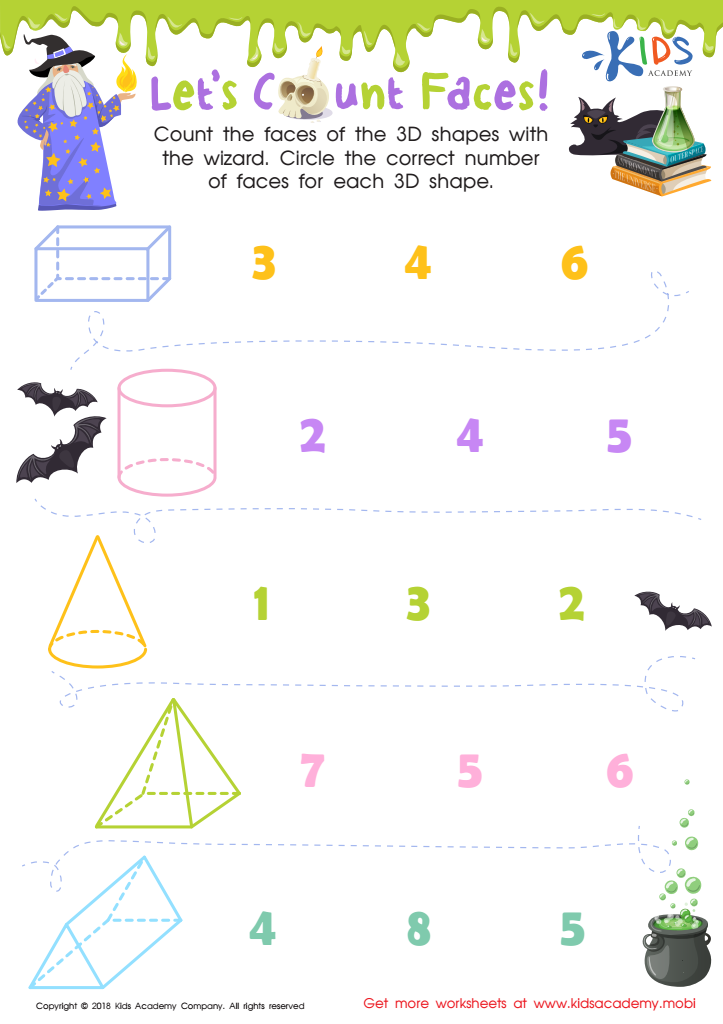
Let's Count Faces! Worksheet
 Assign to My Students
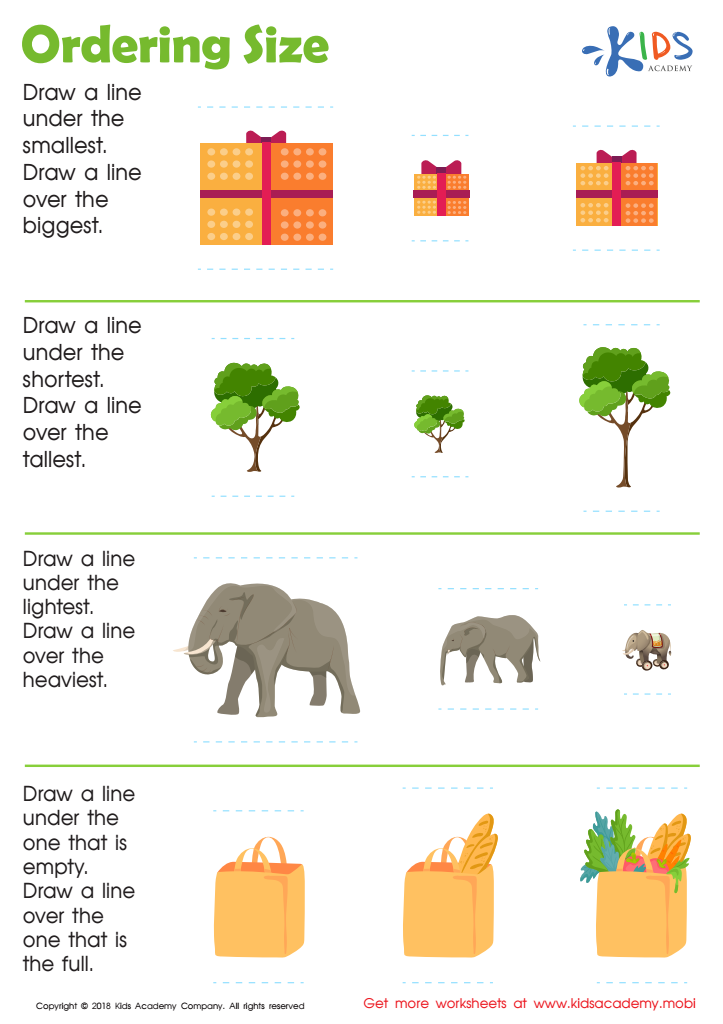
Ordering Size Worksheet
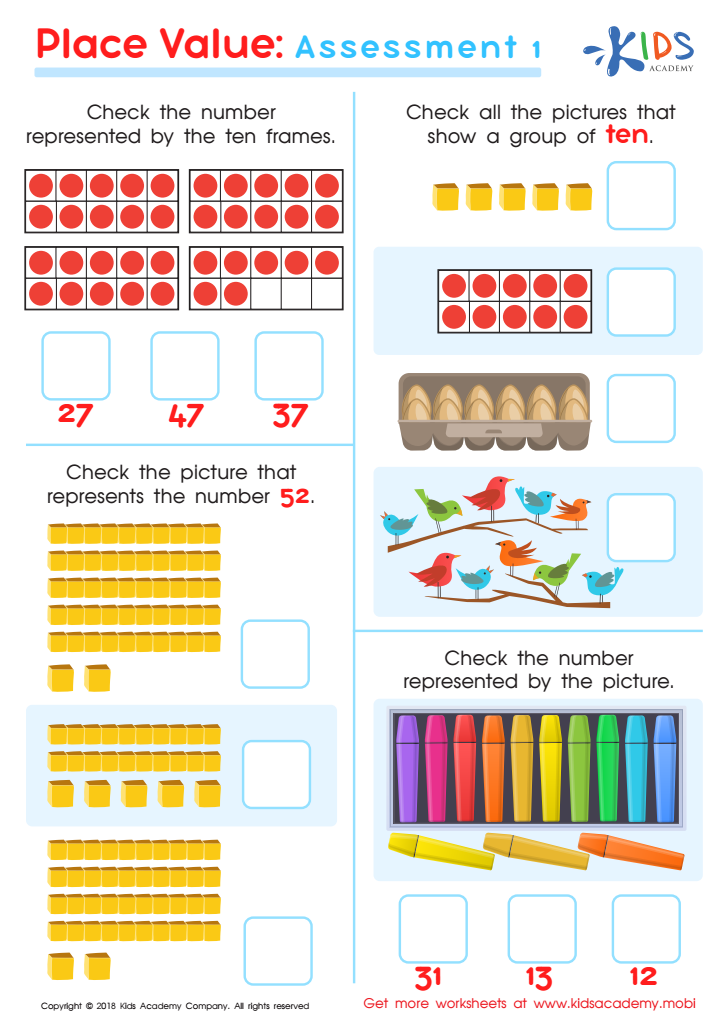
Place Value: Assessment 1 Worksheet
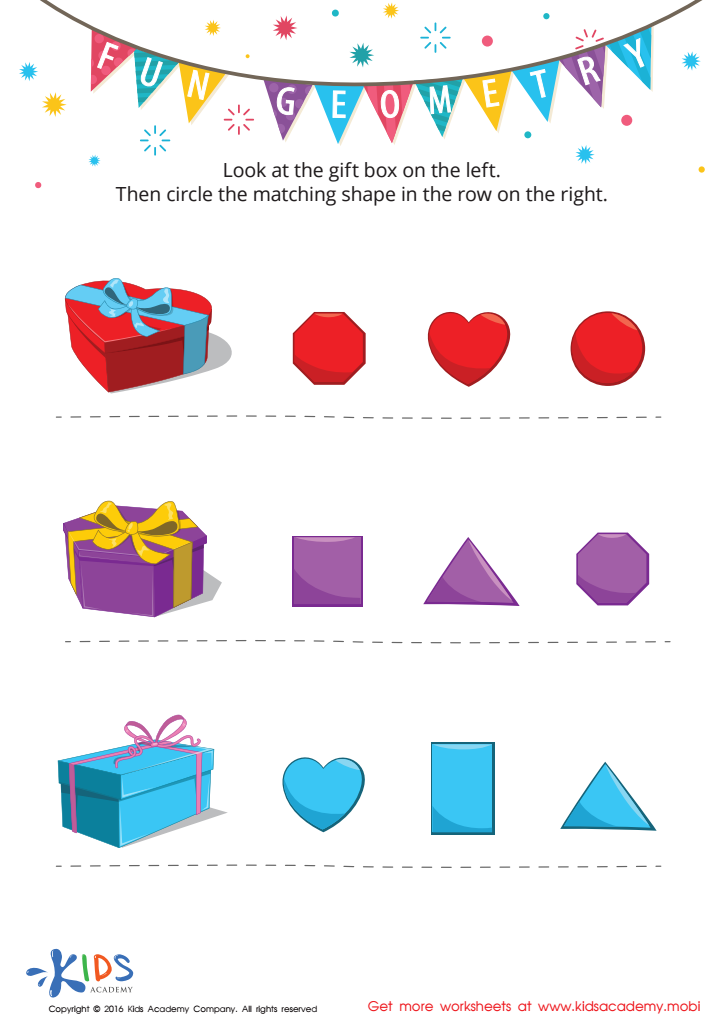
Fun Geometry Worksheet
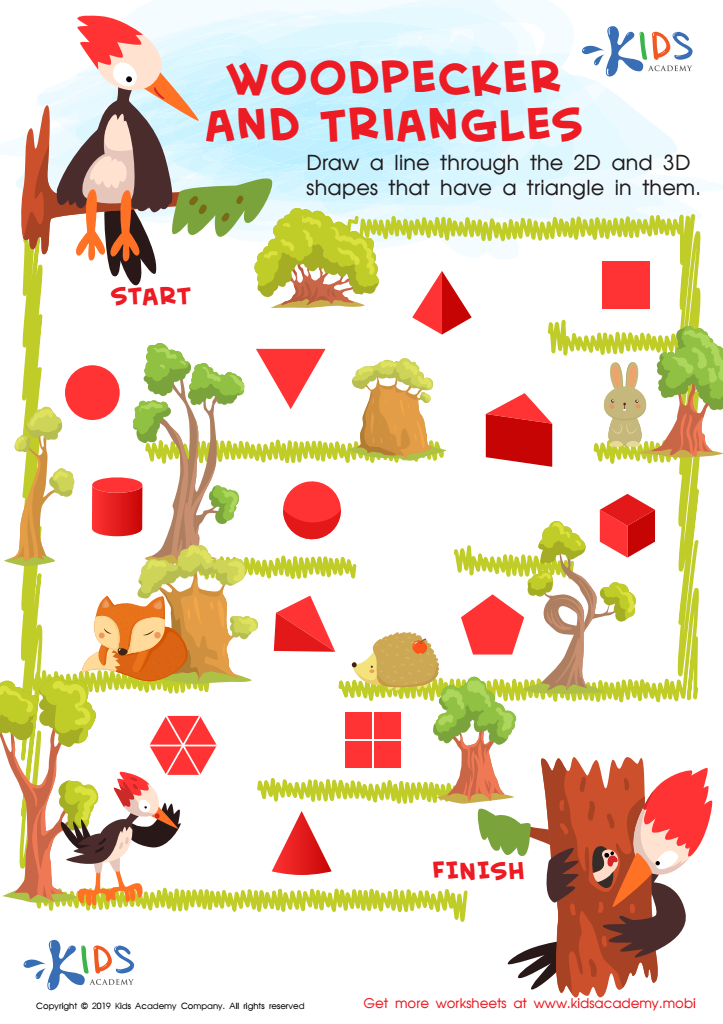
Woodpecker and Triangles Worksheet
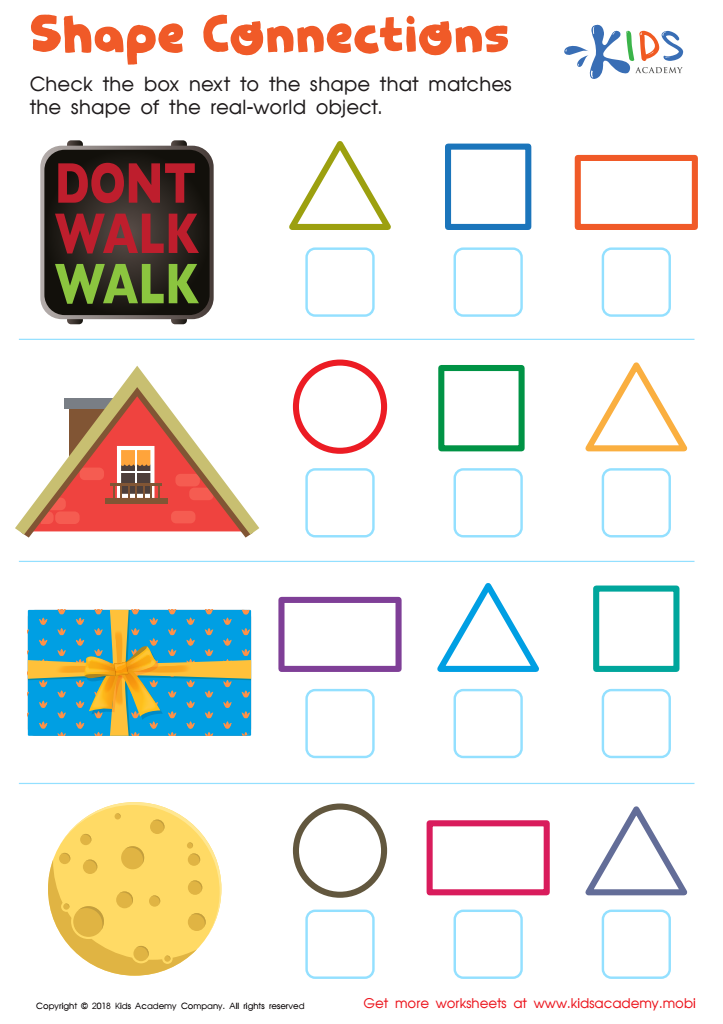
Shape Connections Worksheet
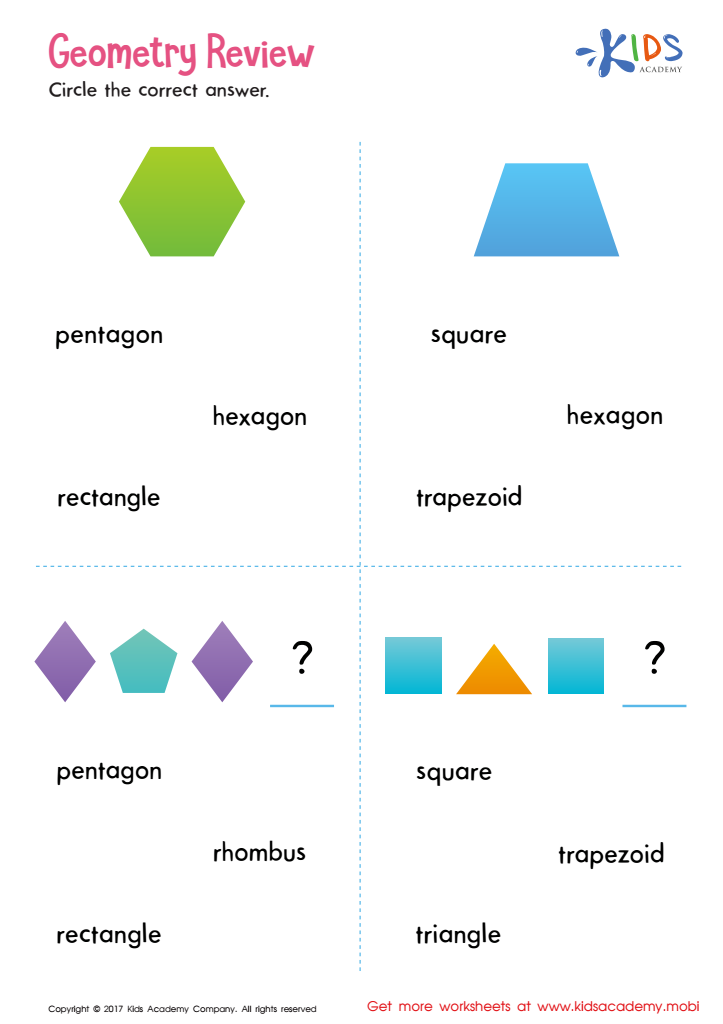
Geometry Review Printable
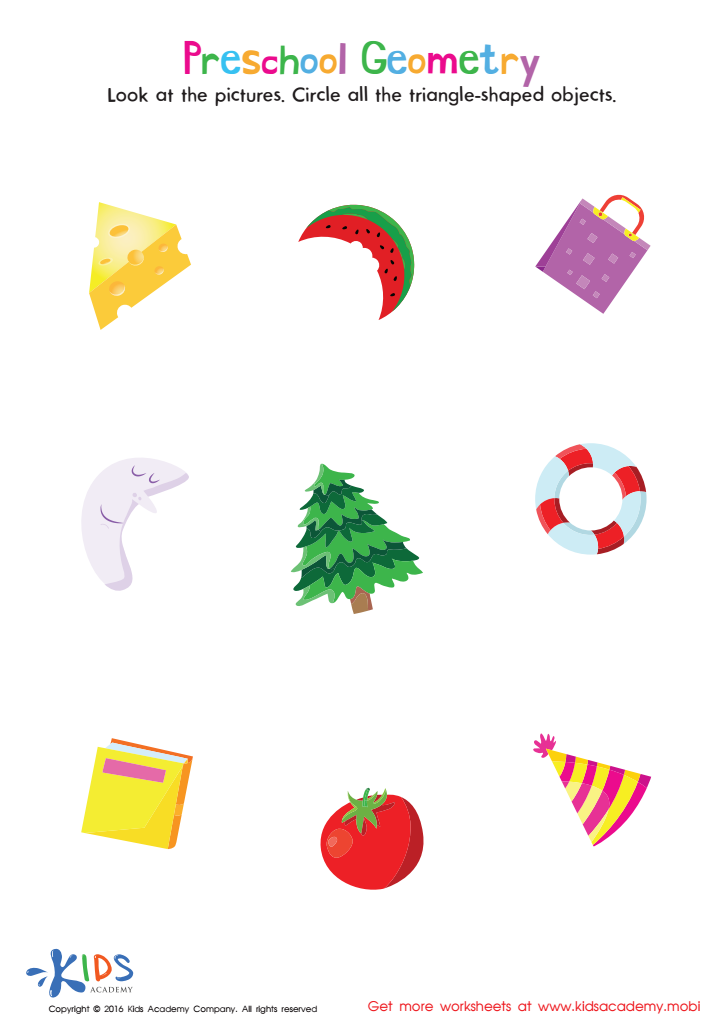
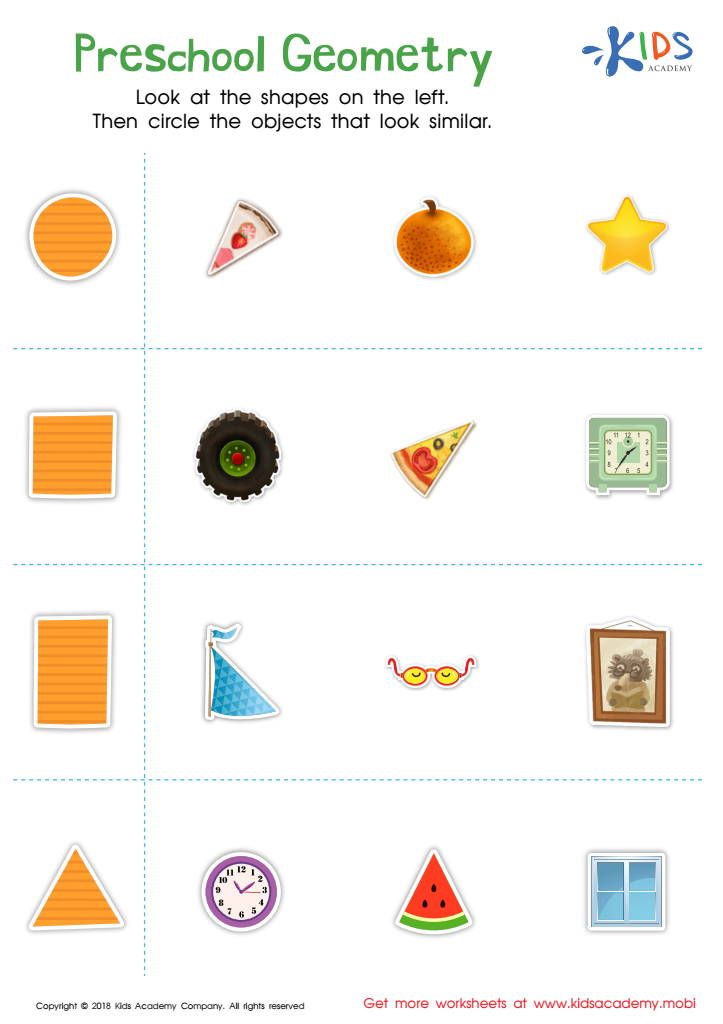
Preschool Geometry Worksheet
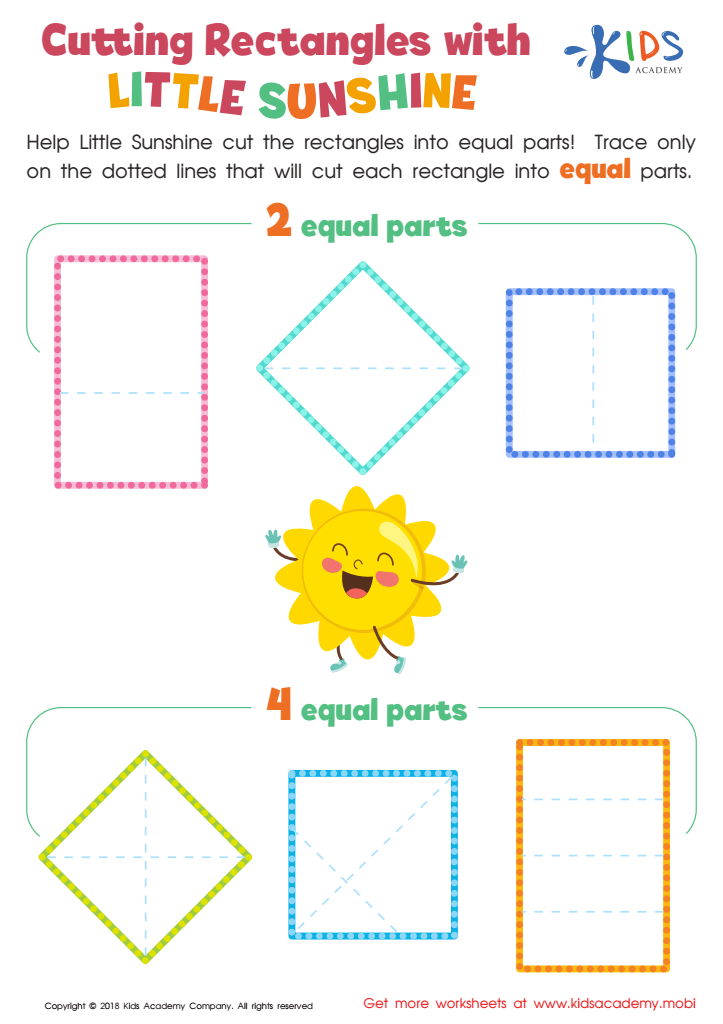
Cutting Rectangles with Little Sunshine Worksheet
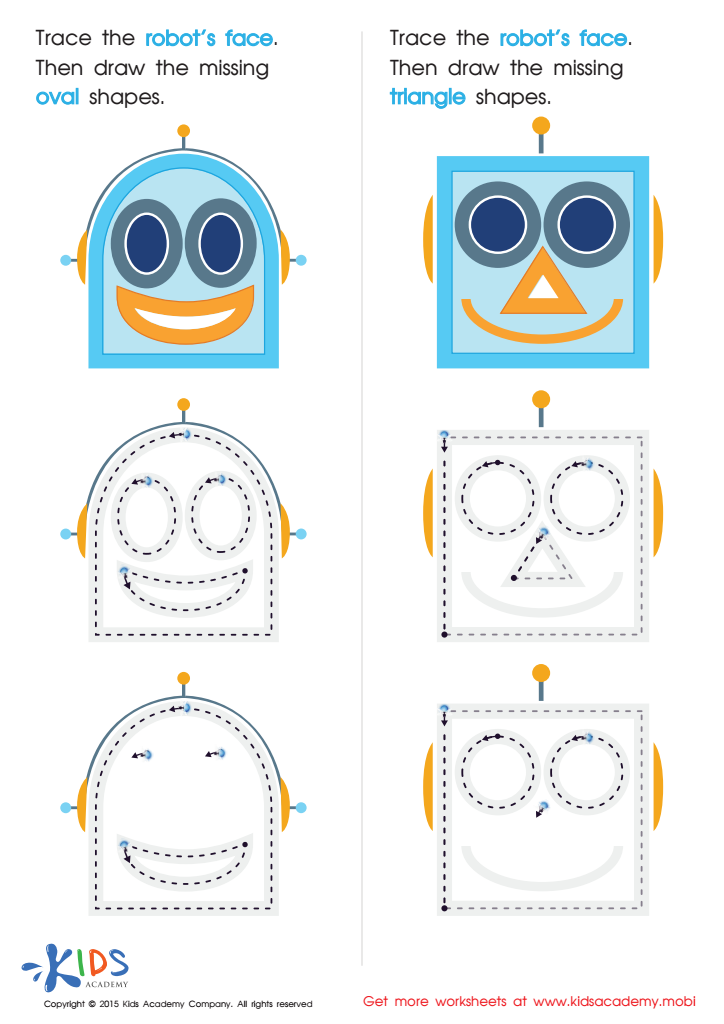
Drawing Ovals And Triangles with Fun Printable
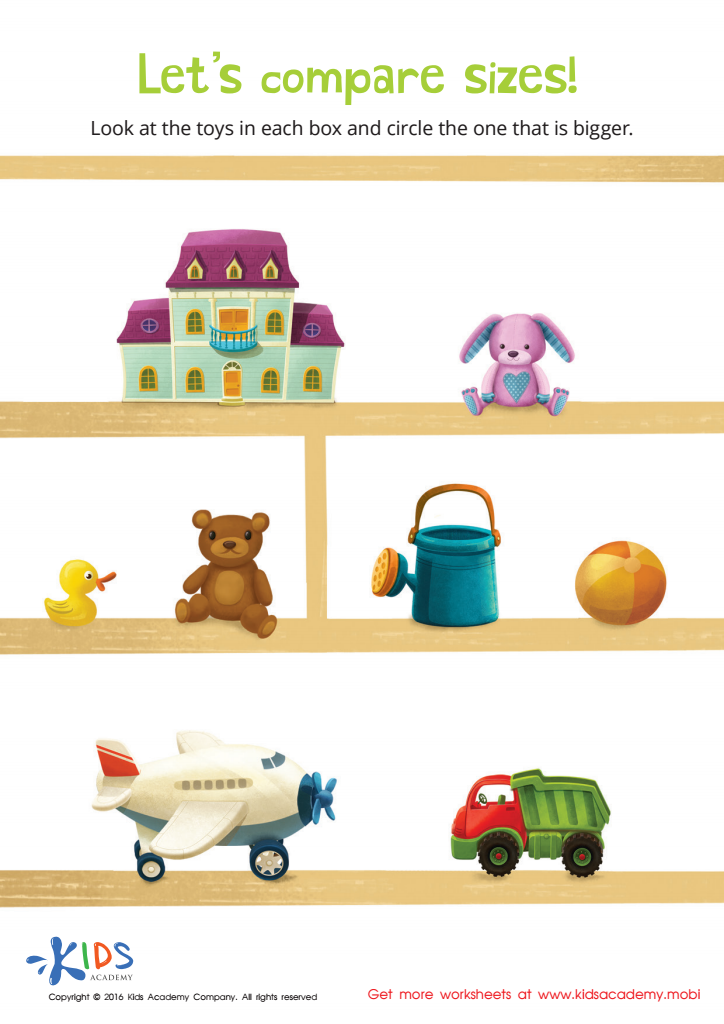
Classifying by Size Sorting Worksheet




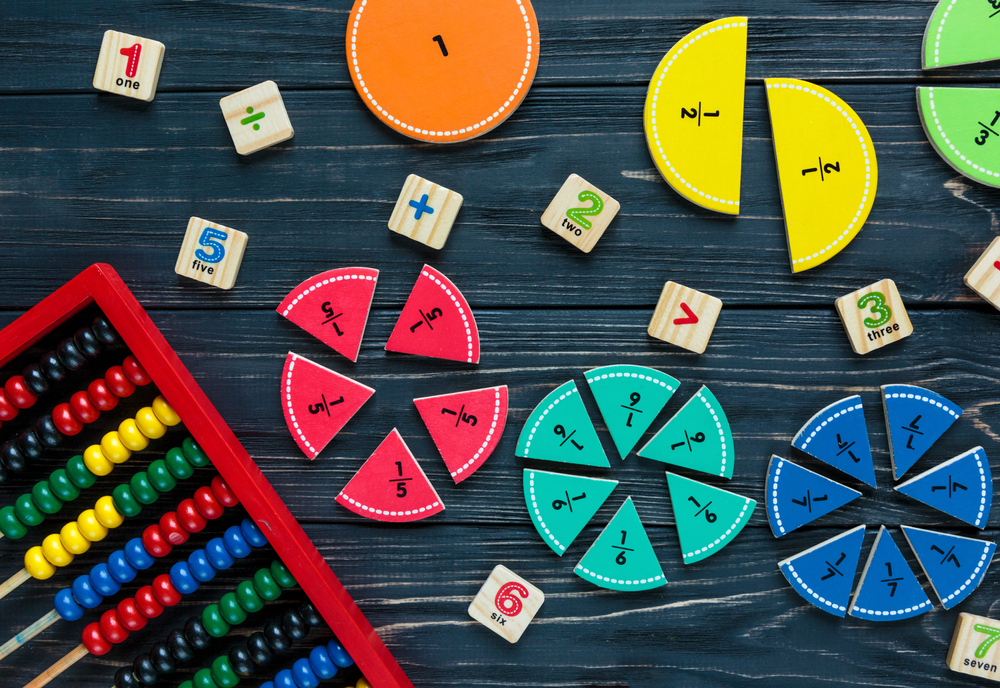

Basic geometry is a foundational element in early education that serves as a critical building block for mathematical understanding in children ages 5-8. At this stage, learners engage with shapes, spatial awareness, and relationships between objects, which not only lays the groundwork for more advanced mathematical concepts but also enhances cognitive development.
Geometry helps children develop problem-solving skills and logical reasoning. By learning to identify, classify, and manipulate shapes, students cultivate critical thinking and learn to recognize patterns, an essential skill in everyday life. Additionally, geometry fosters creativity; when students engage in hands-on activities like constructing shapes or exploring symmetry, they express their artistic abilities while applying mathematical knowledge.
Moreover, early geometry experiences influence children's attitudes toward math. Positive exposure to these concepts can diminish anxiety around mathematics later in life, encouraging a sense of confidence and curiosity. Understanding geometry also relates to practical life skills—such as understanding maps, reading graphs, and navigating spaces—preparing children for tasks they will encounter as they grow.
In conclusion, parents and teachers should prioritize geometric understanding in young learners, as it equips them with essential skills, nurtures their love for learning, and sets the stage for future academic success.








