Shape Recognition Tracing Shapes Worksheets for Ages 5-8
13 filtered results
-
From - To
Our "Shape Recognition Tracing Shapes Worksheets for Ages 5-8" are designed to make learning fun and engaging. These printable worksheets help young learners identify and trace various shapes, enhancing their fine motor skills and geometric understanding. With clear, kid-friendly instructions and delightful illustrations, children effortlessly develop shape recognition and spatial awareness. Ideal for use at home or in the classroom, these worksheets cater to early learners' needs, making foundational math concepts accessible and enjoyable. Support your child's educational journey with our expertly-crafted, age-appropriate resources, and watch their confidence and skills flourish.
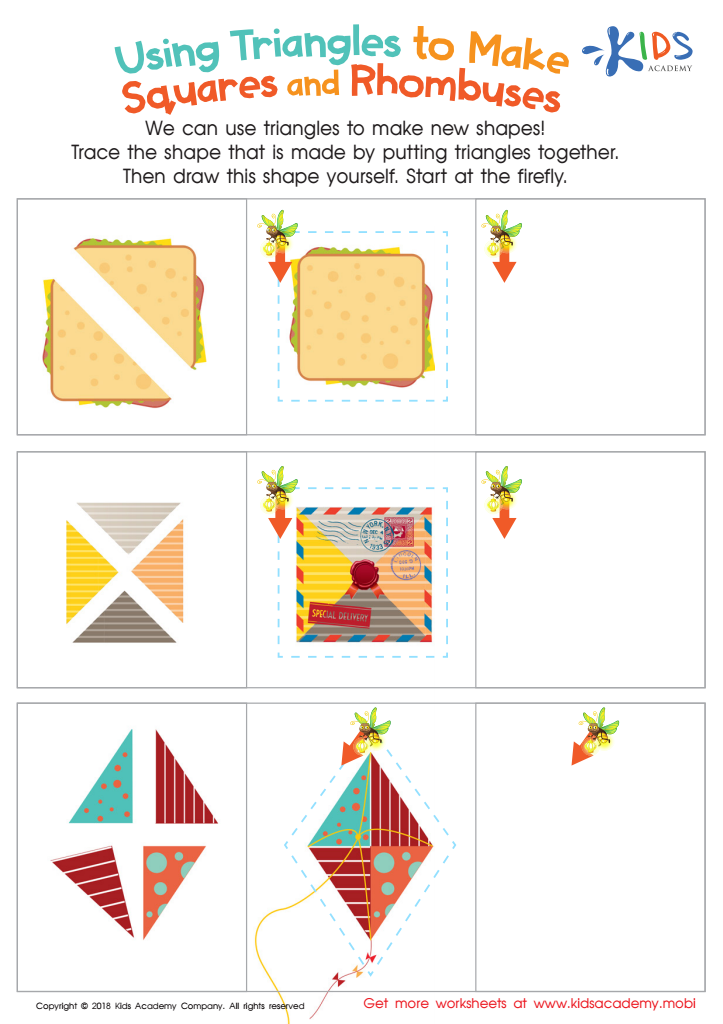
Using Triangles to Make Squares and Rhombuses Worksheet
 Assign to My Students
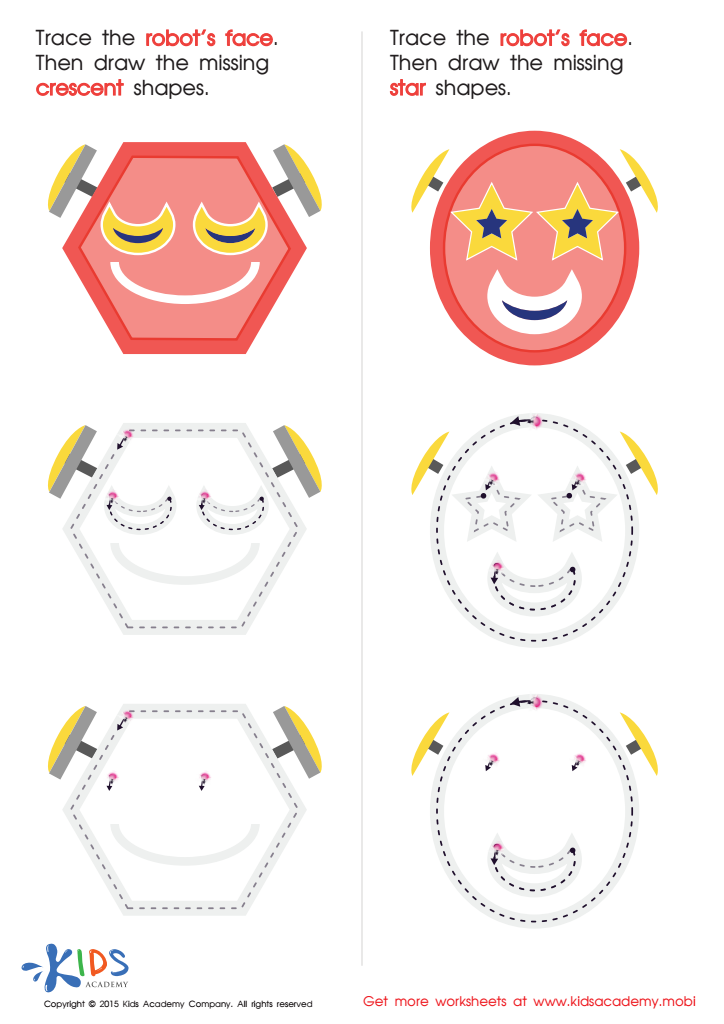
Composing a Robot's Face of Crescents And Stars Worksheet
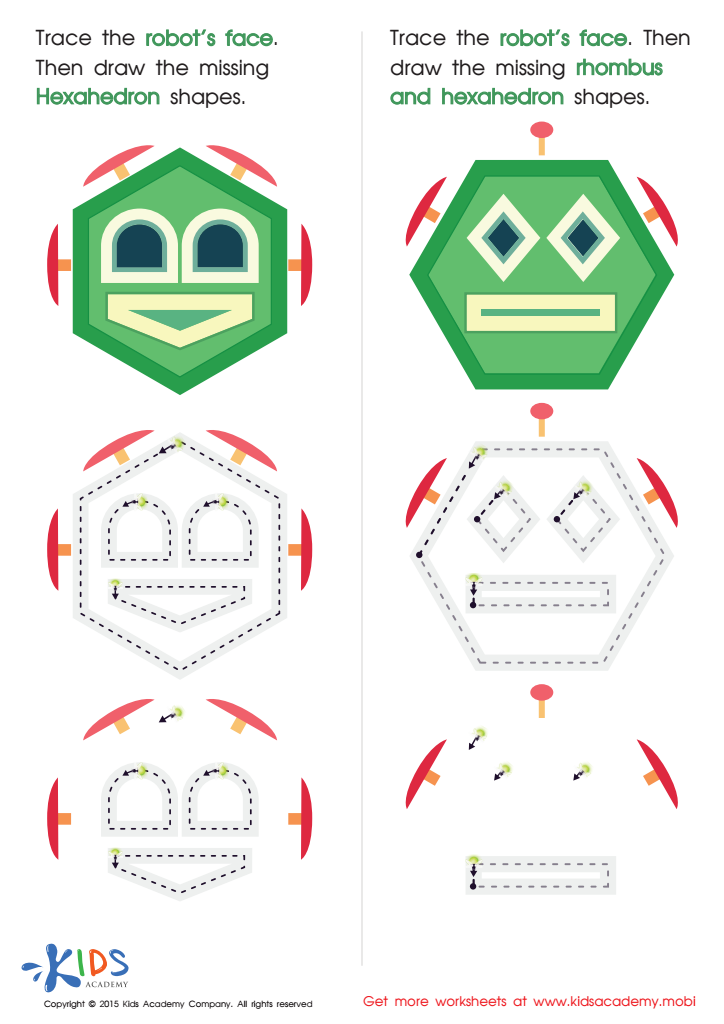
Practice Drawing Hexahedrons And a Rhombus Worksheet
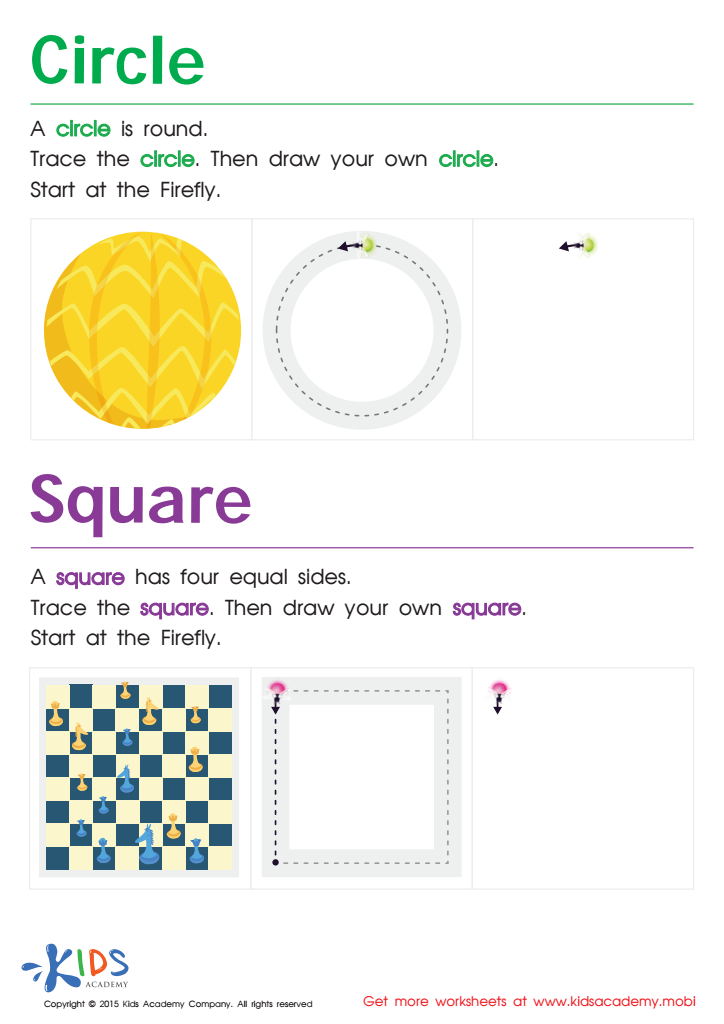
Trace And Draw a Circle And a Square Worksheet
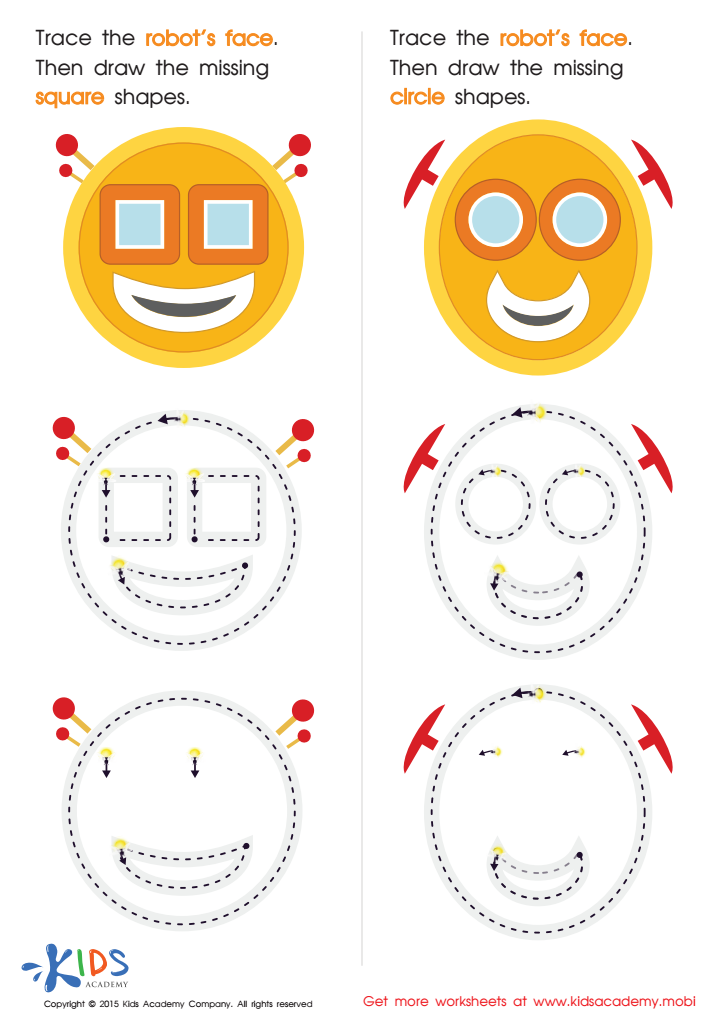
Practicing to Draw Circles And Squares Printable
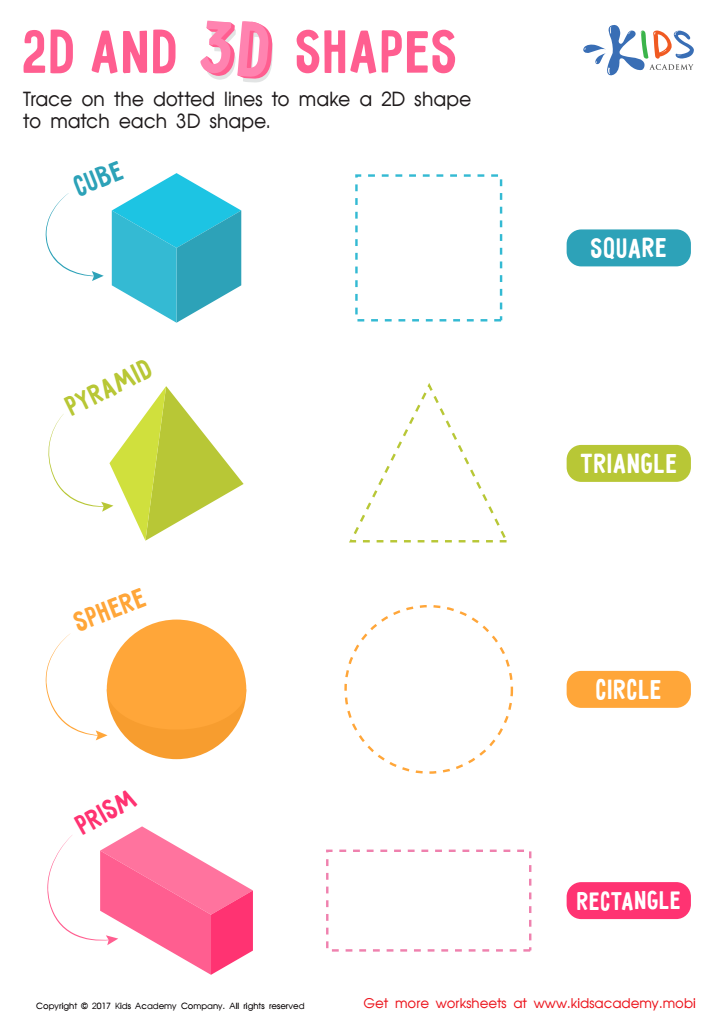
2D and 3D Shapes Worksheet
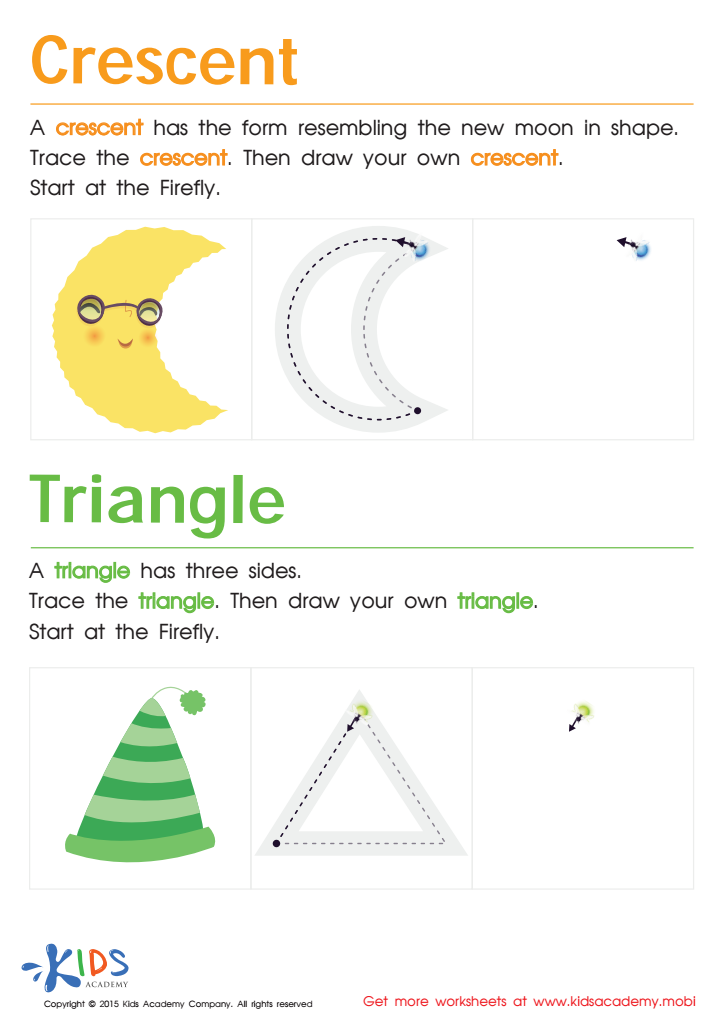
Learning to Draw Crescents And Triangles Worksheet
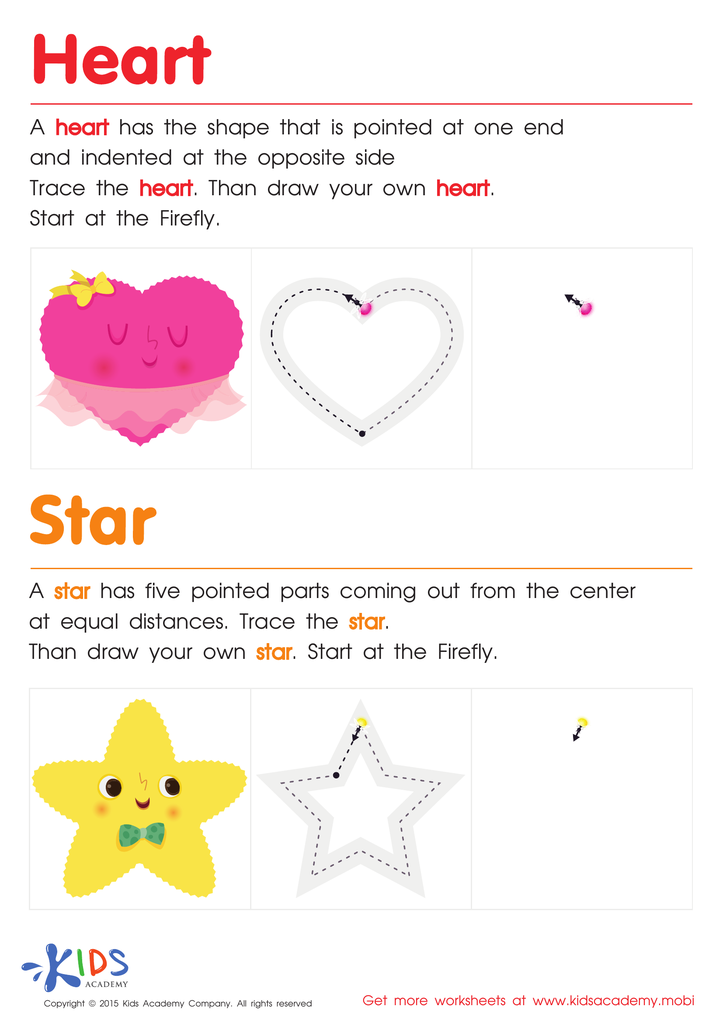
Let's Learn to Draw Hearts And Stars Printable
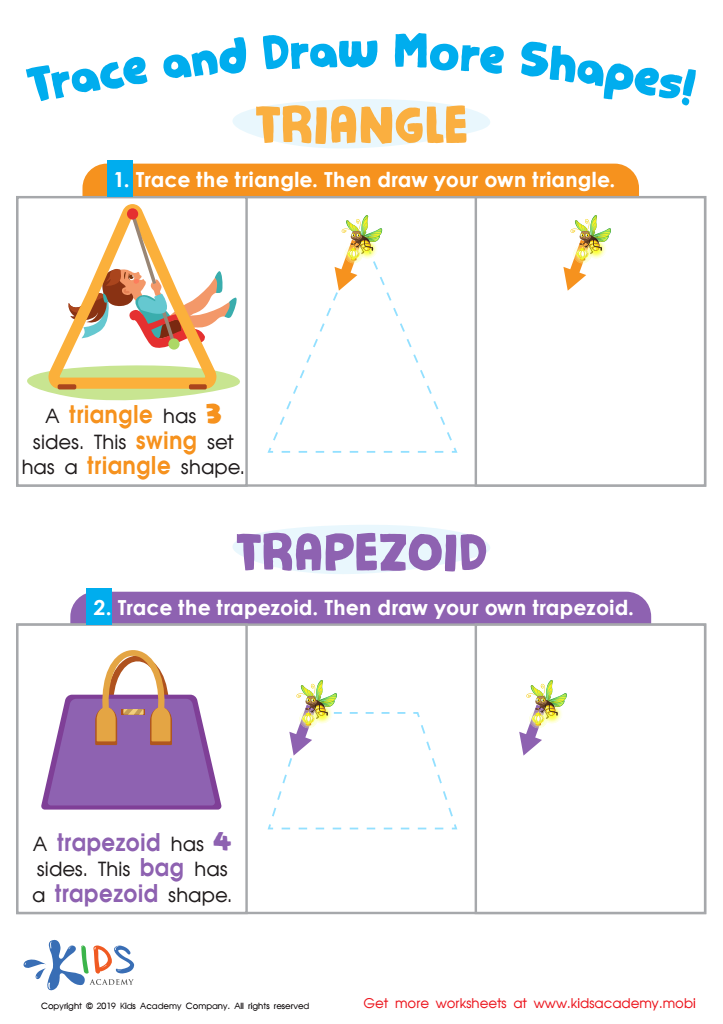
Trace and Draw More Shapes Worksheet
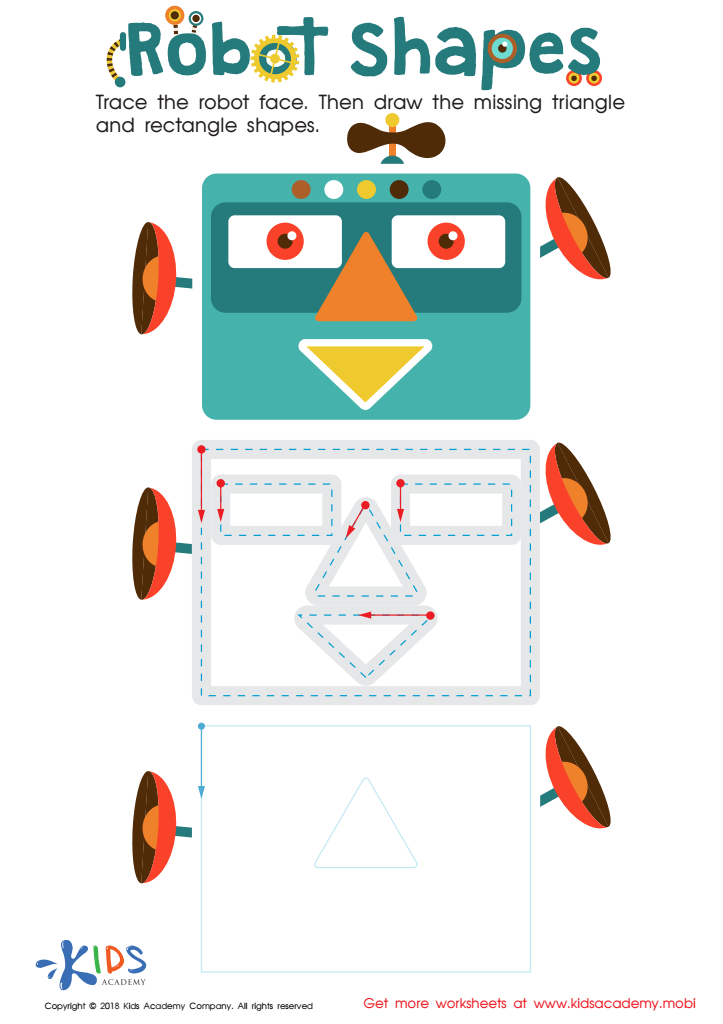
Robot Shapes Worksheet
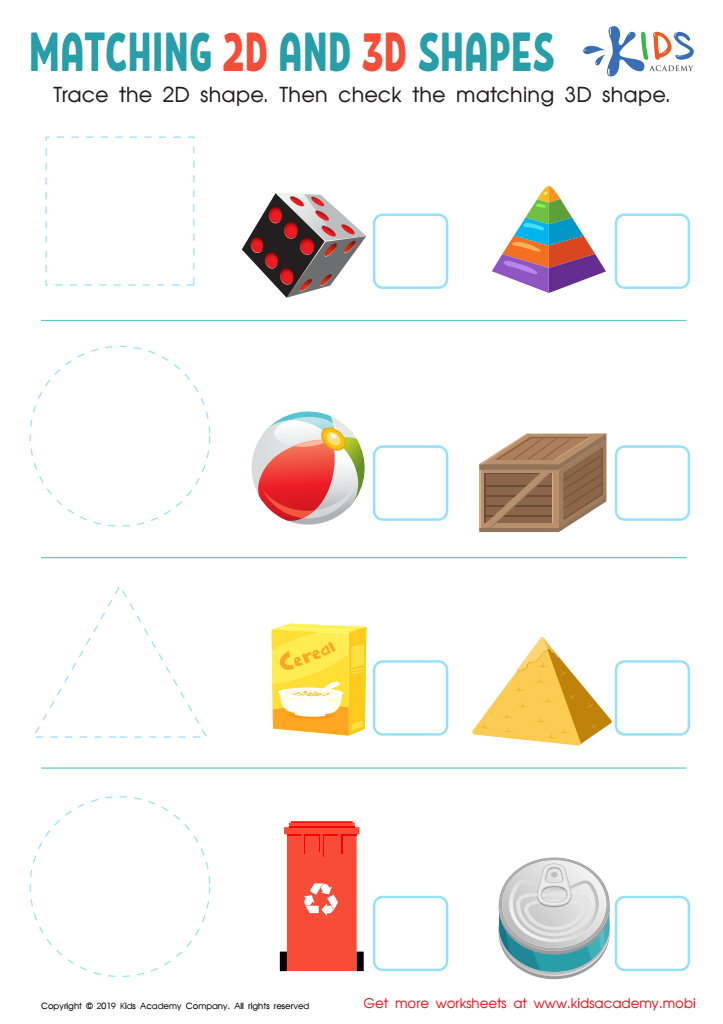
Matching 2D and 3D Shapes Worksheet
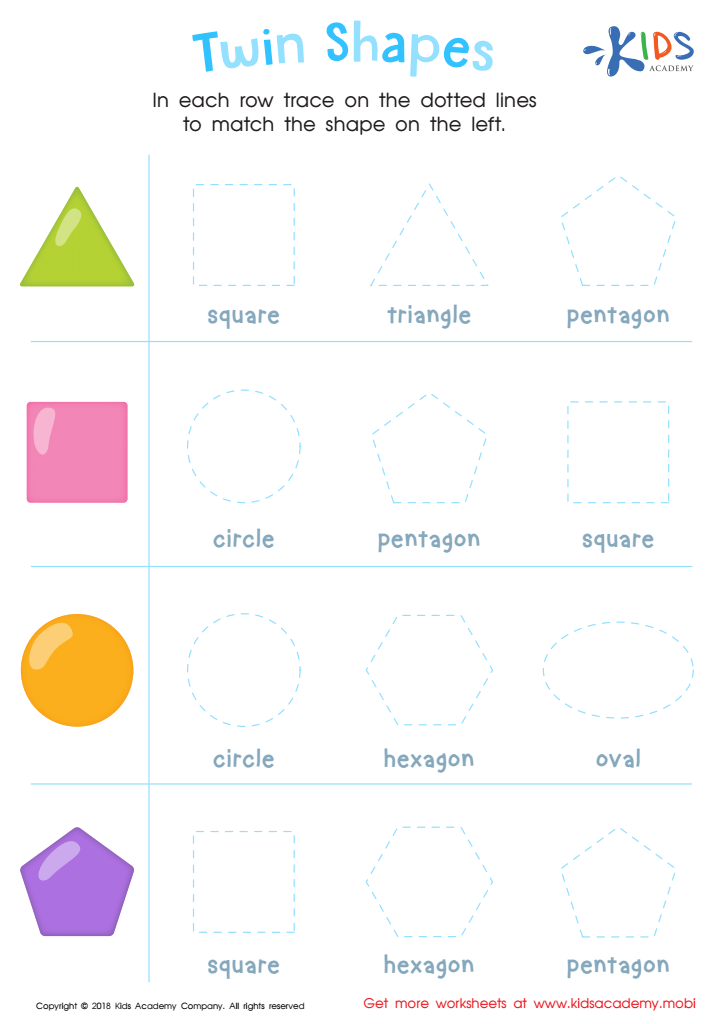
Twin Shapes Dot-to-Dot Worksheet
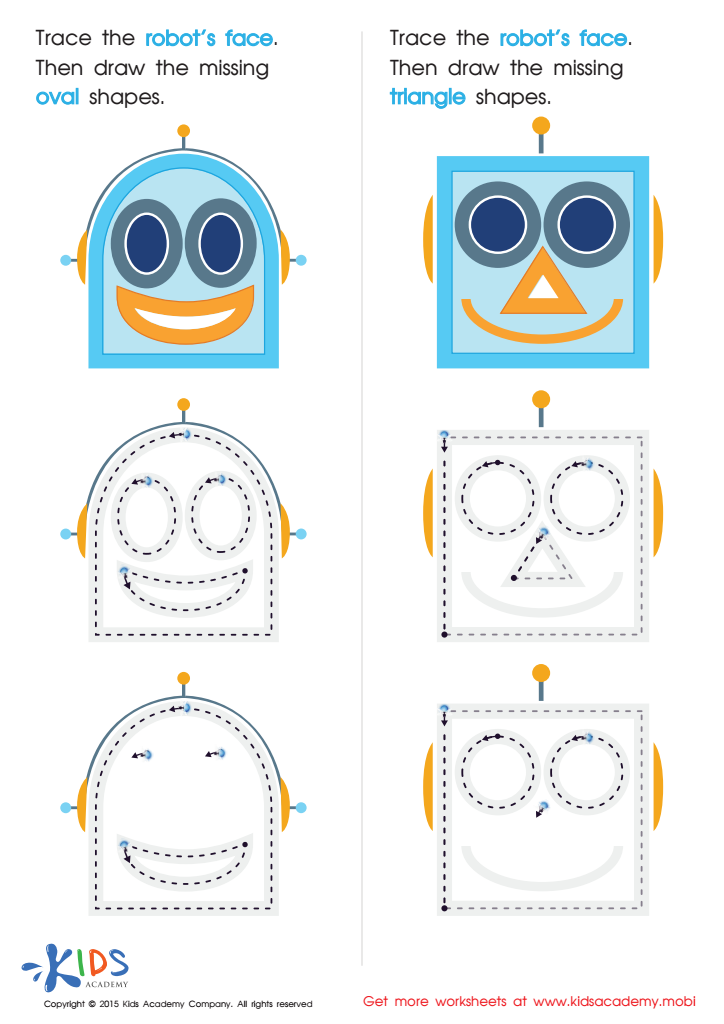
Drawing Ovals And Triangles with Fun Printable








Shape recognition and tracing activities are fundamental elements in early childhood education, especially for children ages 5-8, due to their numerous developmental benefits. First, these activities enhance fine motor skills: tracing involves precise hand movements, thereby strengthening the small muscles of the fingers, hands, and wrists, which are crucial for writing.
Secondly, shape recognition contributes to early math skills. Recognizing and understanding shapes sets the foundation for geometry and helps children develop spatial awareness. This knowledge is critical not only for math but also for understanding patterns, graphs, and other visual information.
Furthermore, shape recognition and tracing foster cognitive development. When children identify, distinguish, and trace shapes, they engage in problem-solving and critical thinking processes. These skills improve their ability to comprehend various concepts and instructions.
Socially and emotionally, success in these activities builds confidence. Through regular practice, children gain a sense of achievement which boosts their self-esteem. Additionally, incorporating shapes into everyday activities makes learning enjoyable, fostering a positive attitude towards education.
In summary, focusing on shape recognition and tracing during these formative years supports fine motor development, cultivates early math and cognitive skills, and nurtures emotional well-being, laying a well-rounded foundation for future learning.