History Worksheets for Ages 5-8 - Page 4
90 filtered results
-
From - To
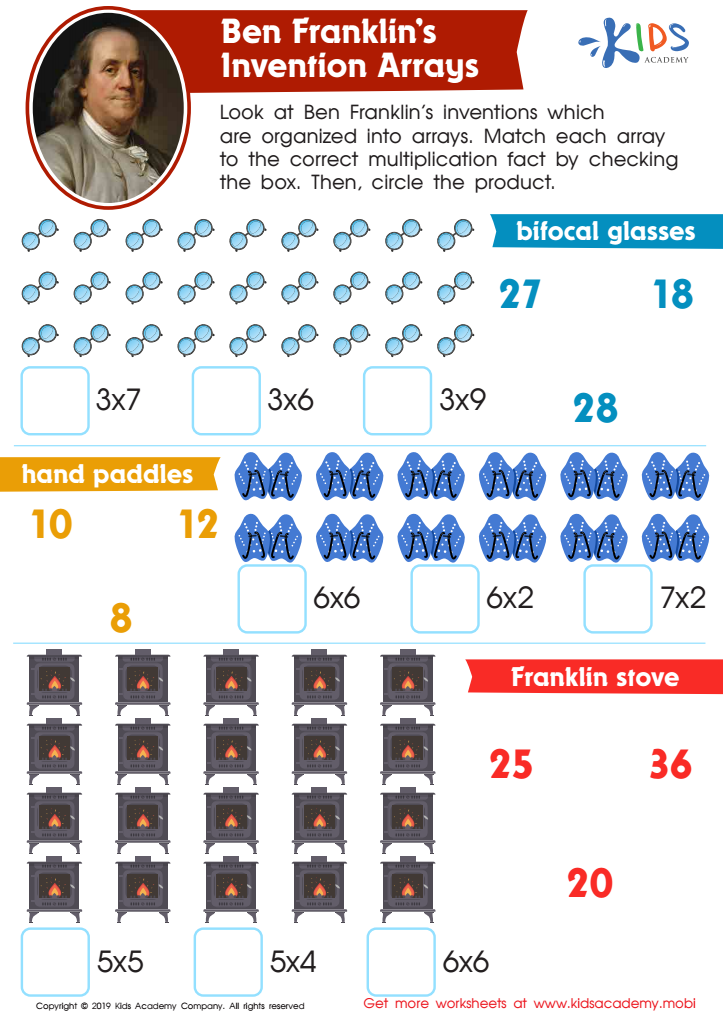
Ben Franklin’s Invention Arrays Worksheet
 Assign to My Students
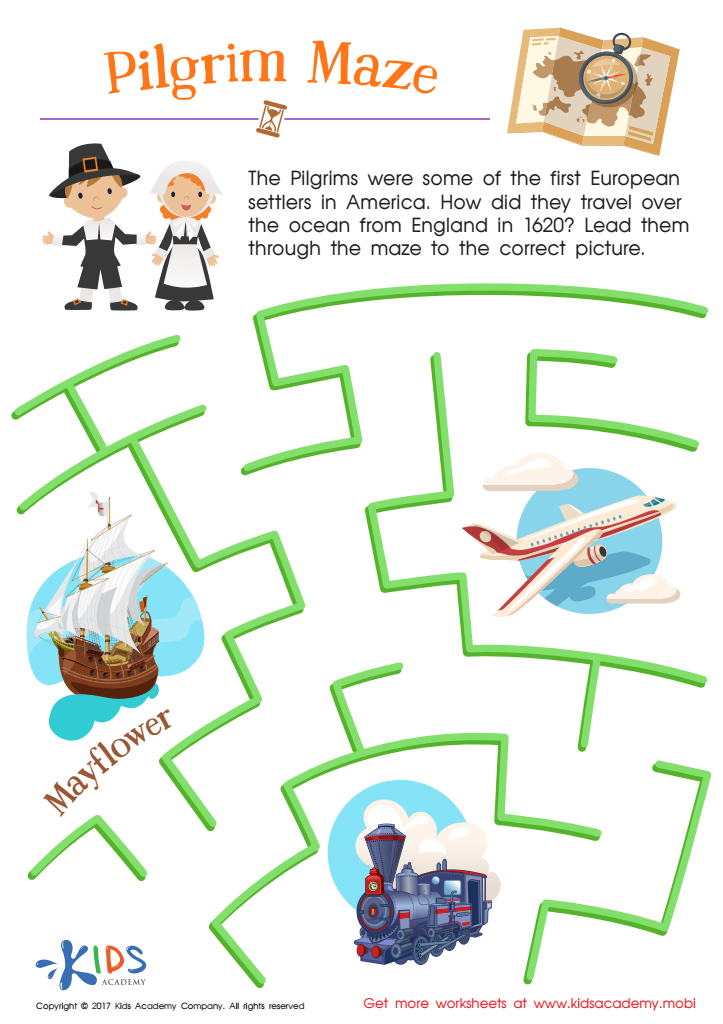
Pilgrim Maze Worksheet
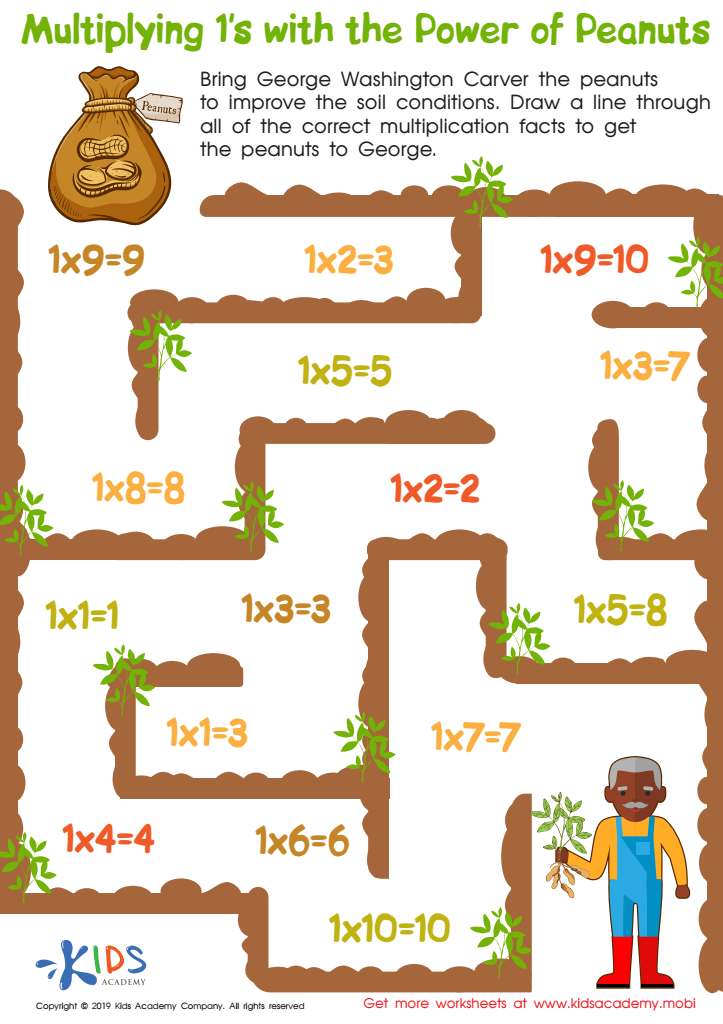
Multiplying 1’s With the Power of Peanuts Worksheet
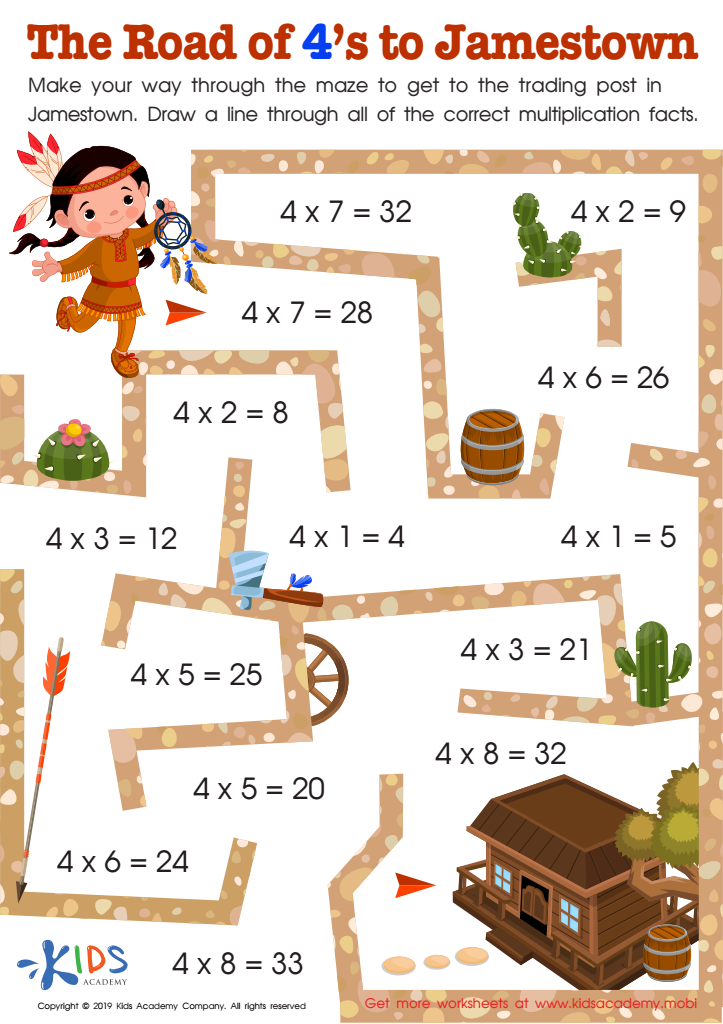
The Road of 4’s to Jamestown Worksheet
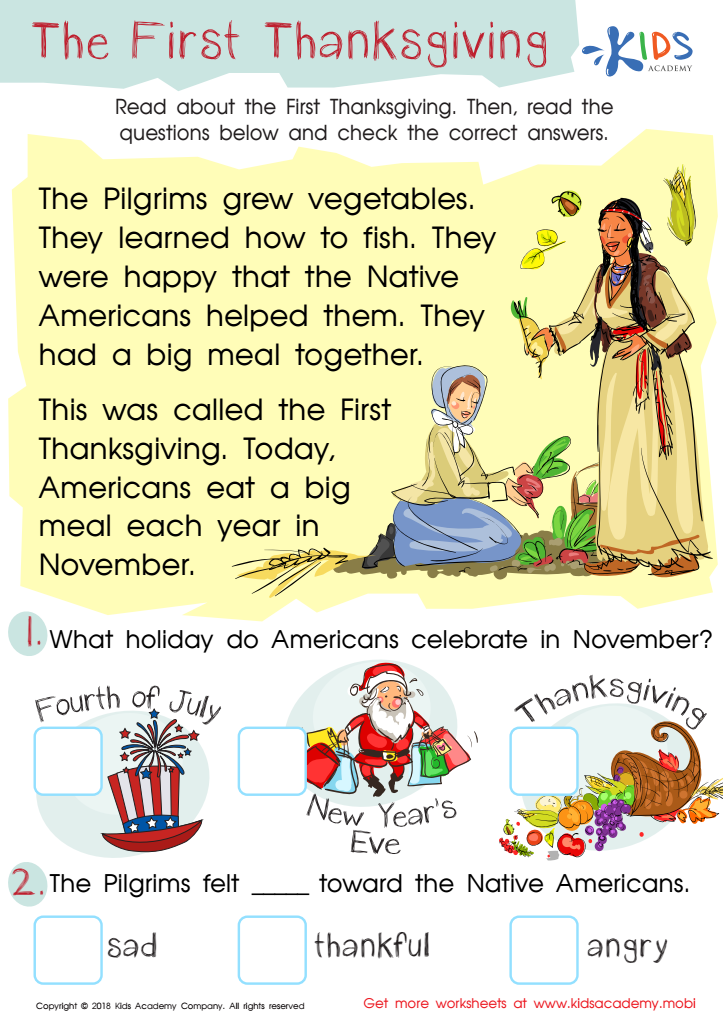
Assessment: First Thanksgiving Worksheet
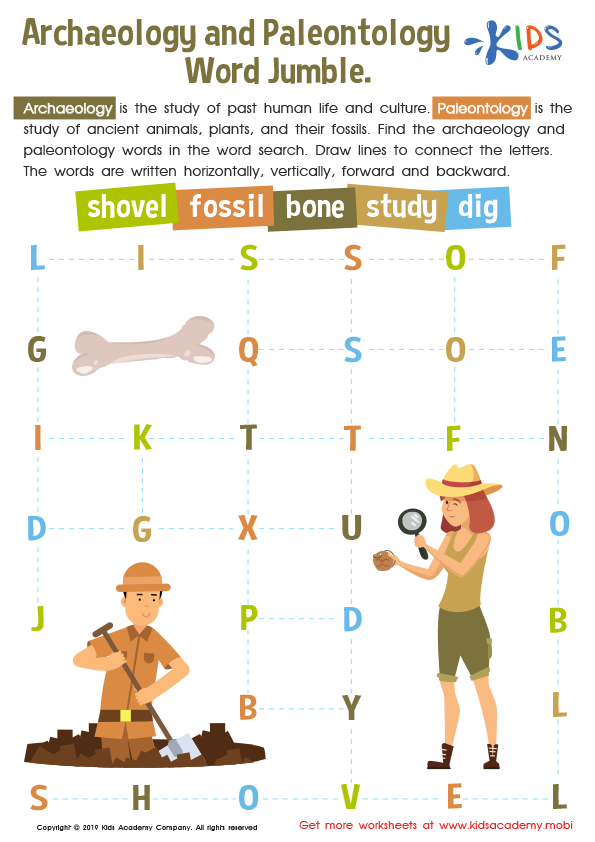
Archaeology and Paleontology Word Jumble Worksheet
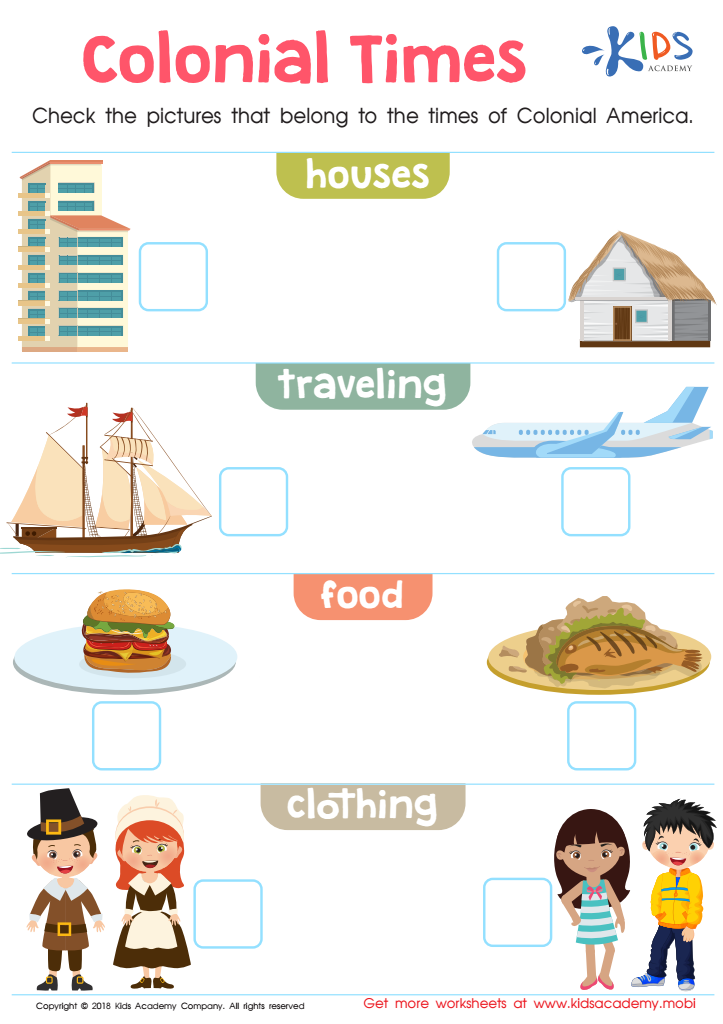
Colonial Times Worksheet
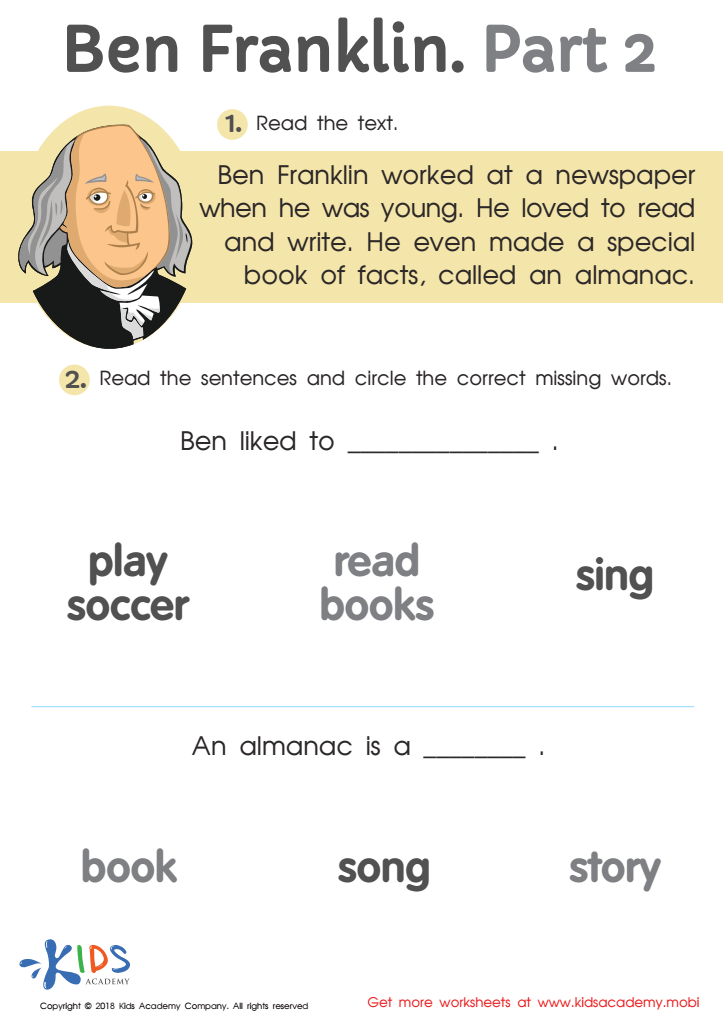
Ben Franklin Part 2 Worksheet
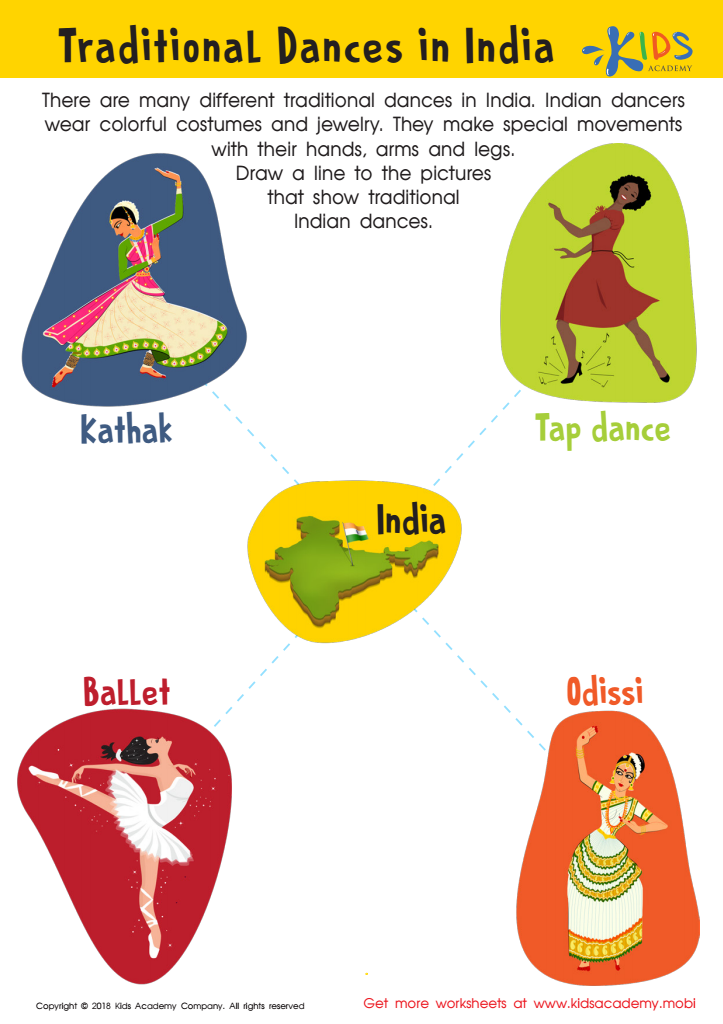
Traditional Dances in India Worksheet
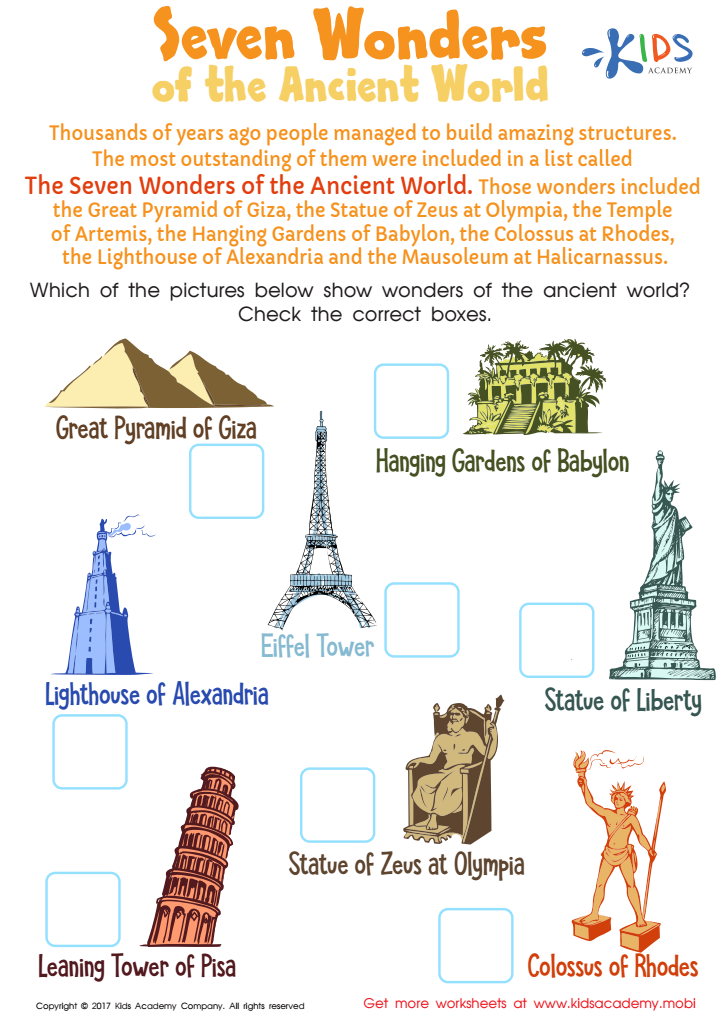
Seven Wonders of the Ancient World Worksheet
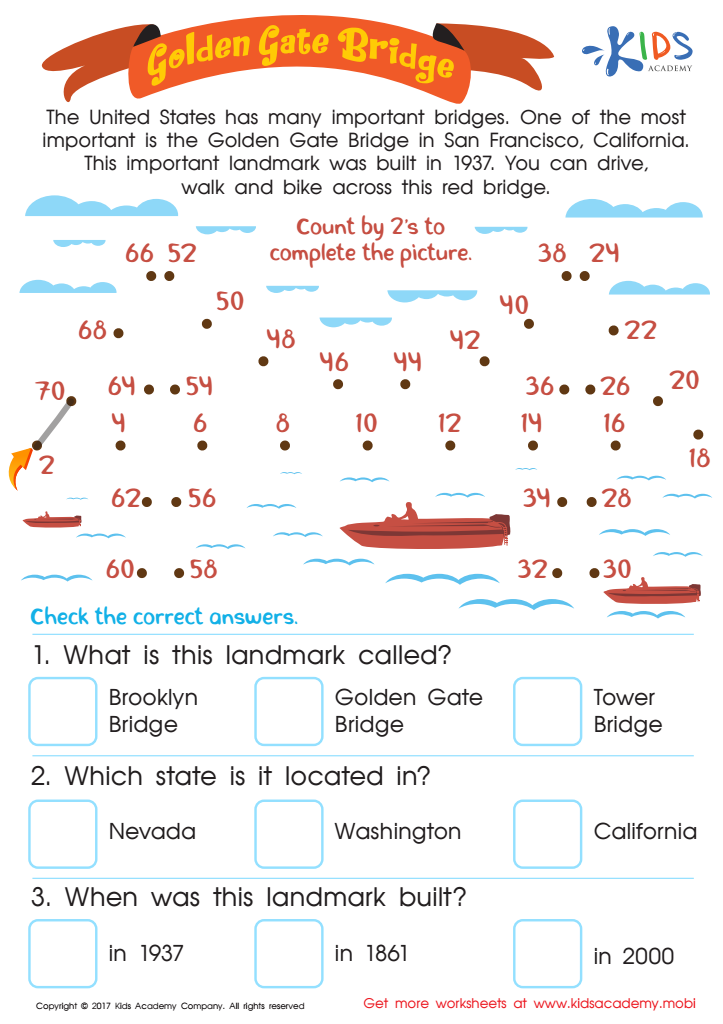
Golden Gate Bridge Worksheet
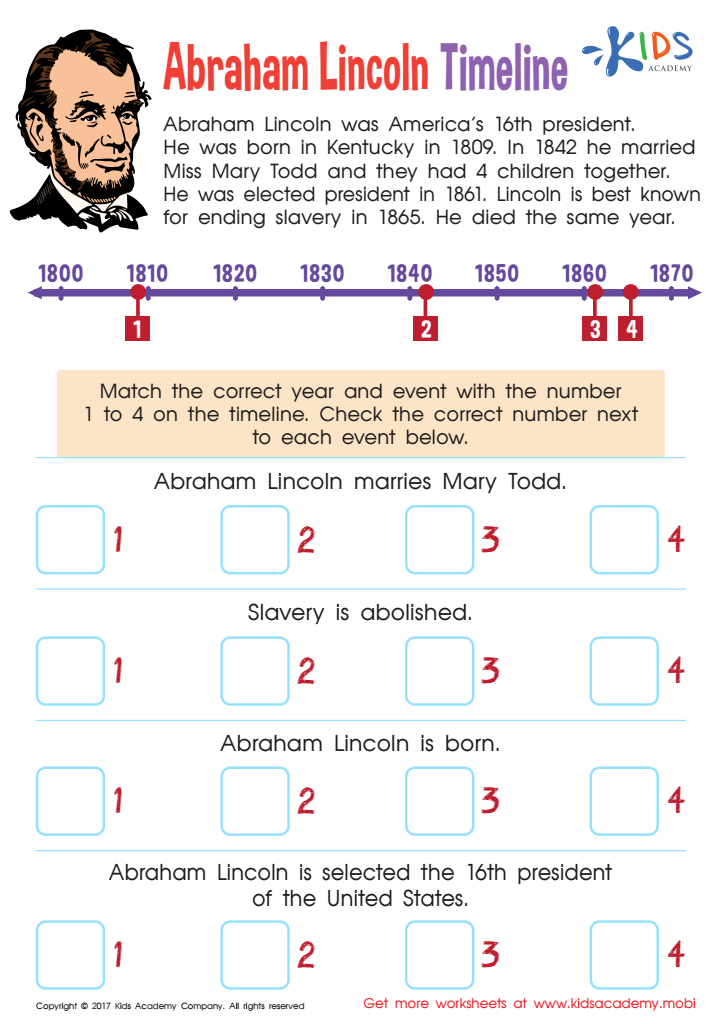
Abraham Lincoln Timeline Worksheet
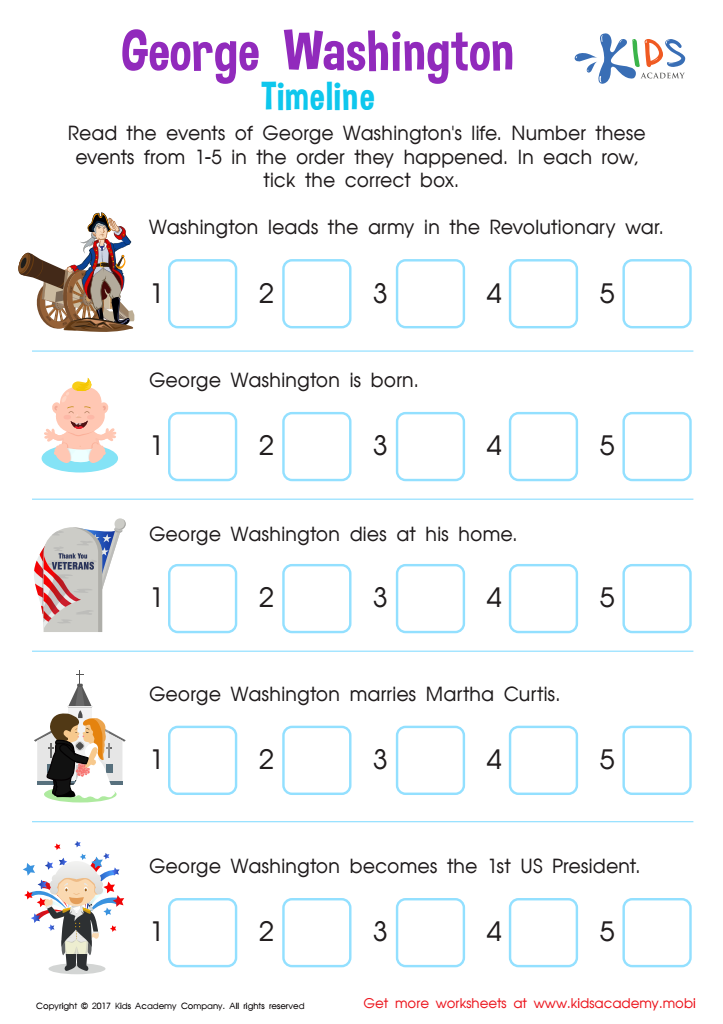
George Washington Timeline Worksheet
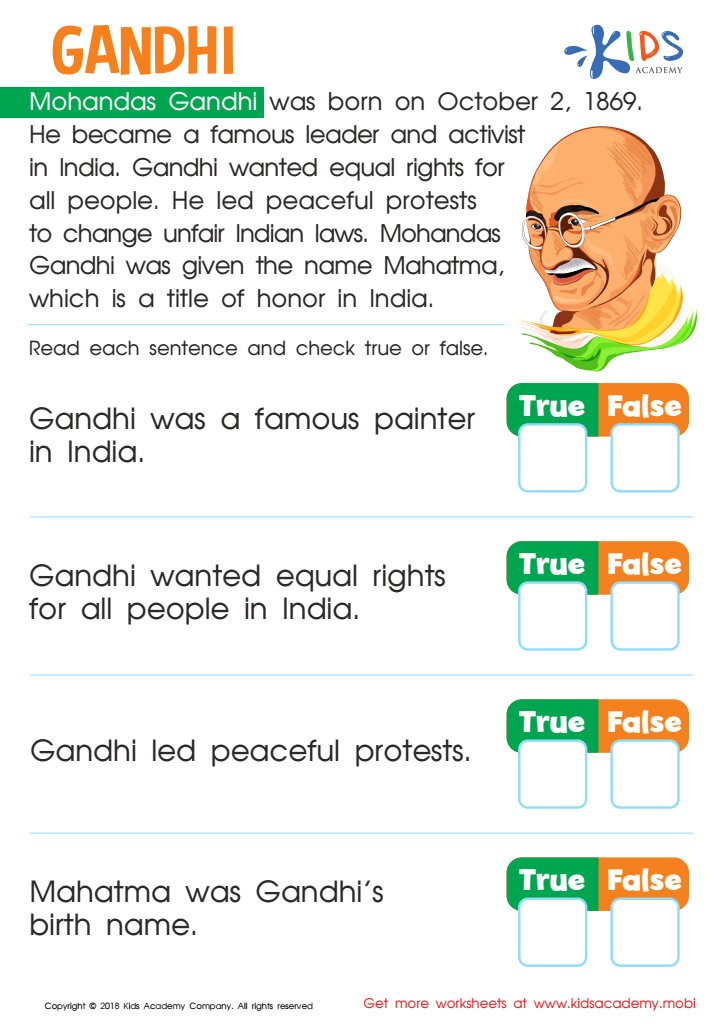
Gandhi Worksheet
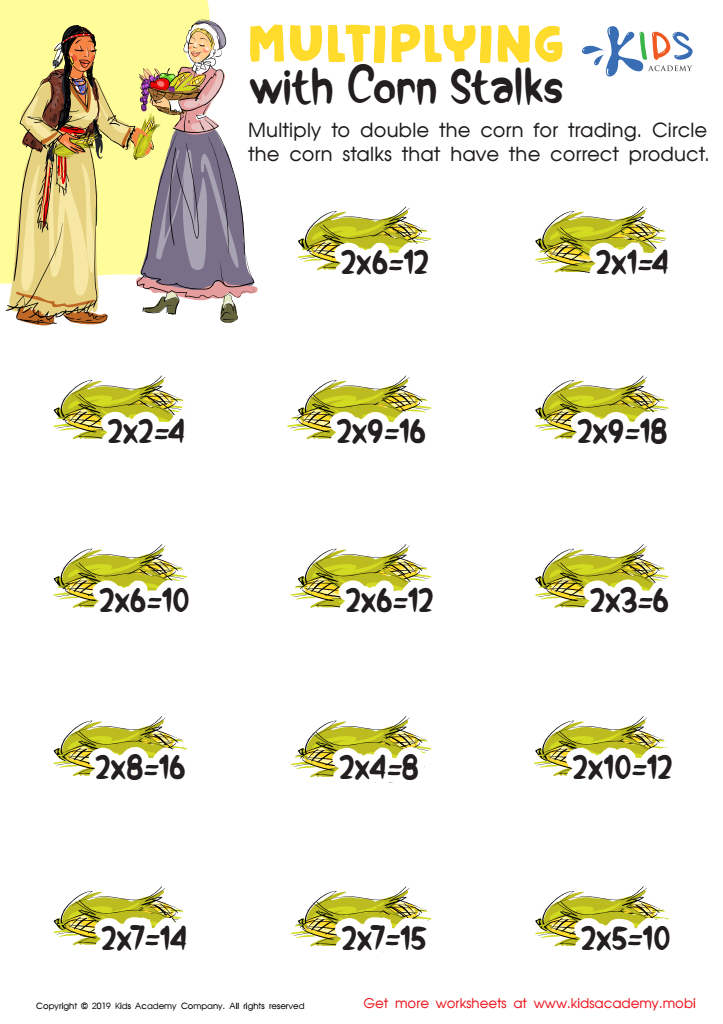
Multiplying With Corn Stalks Worksheet
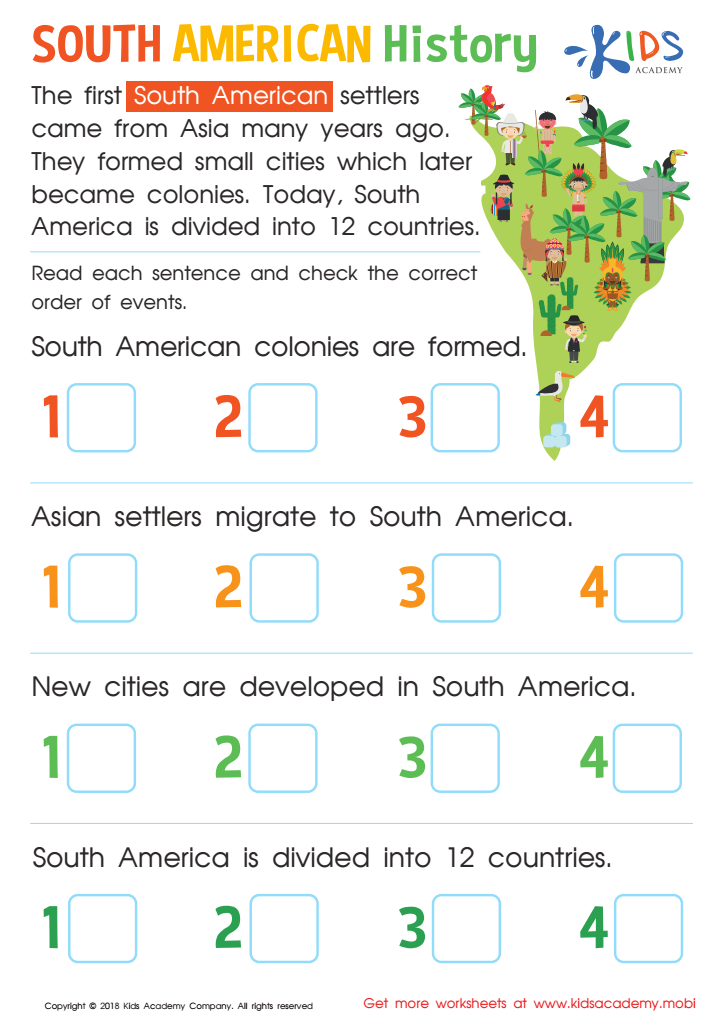
South American History Worksheet
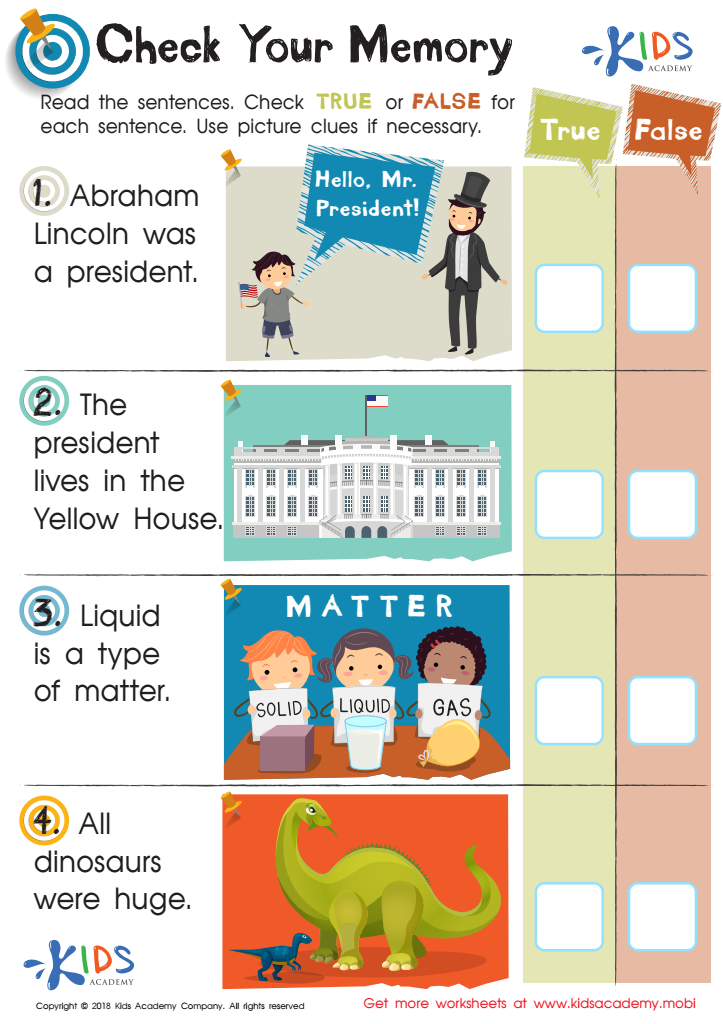
Check Memory Worksheet
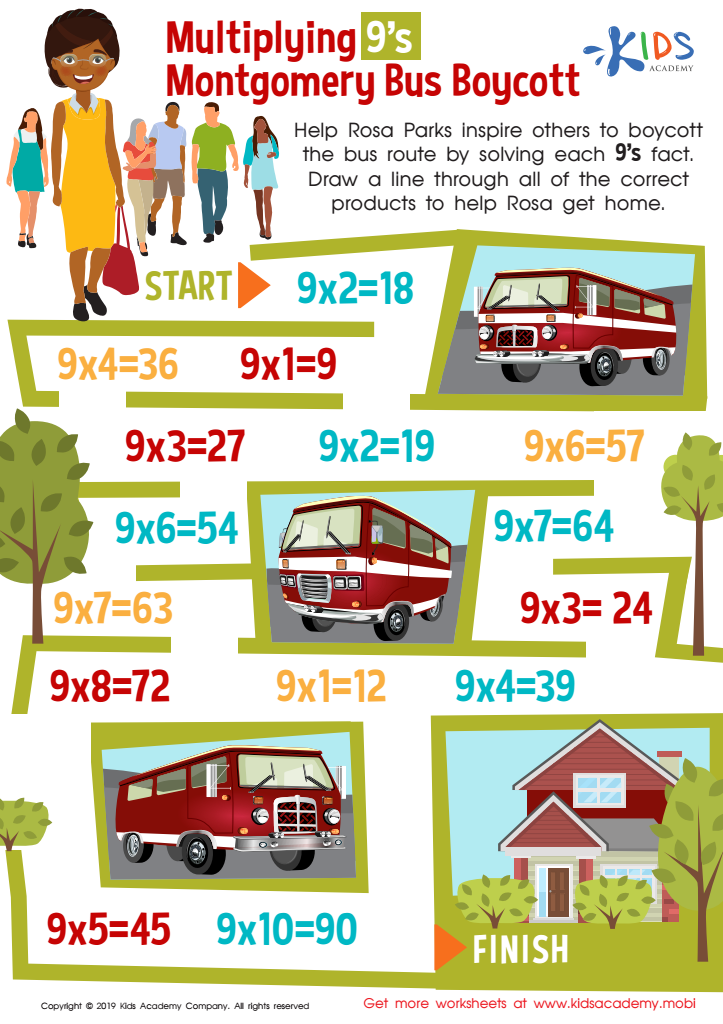
Multiplying 9’s Montgomery Bus Boycott Worksheet








History is a cornerstone of learning for young children because it helps them understand their world and develop critical cognitive and emotional skills. At ages 5-8, children are naturally curious and beginning to form their own identities. Learning about history introduces them to the stories of different cultures, fosters empathy, and teaches important lessons about human behavior, choices, and consequences.
History also enhances cognitive development. When children explore events of the past, they practice sequencing, critical thinking, and analyzing cause and effect. These skills are foundational for all learning. Moreover, framing these lessons in an engaging narrative format—which often involves stories of adventure, challenge, and triumph—captures young minds and encourages a love of learning.
Emotionally, learning about history helps young kids develop a sense of place and belonging. It connects them to their community, showing how their family's past is part of a broader tapestry of human experience. This can be particularly empowering as it gives them roots and context for their own lives.
For educators and parents, using history to teach life skills such as tolerance, perseverance, and the importance of kindness offers invaluable teachable moments. Therefore, integrating history into early education profoundly enriches a child's development and prepares them to be thoughtful, informed individuals.