World Around Us Worksheets for Ages 5-8 - Page 3
107 filtered results
-
From - To
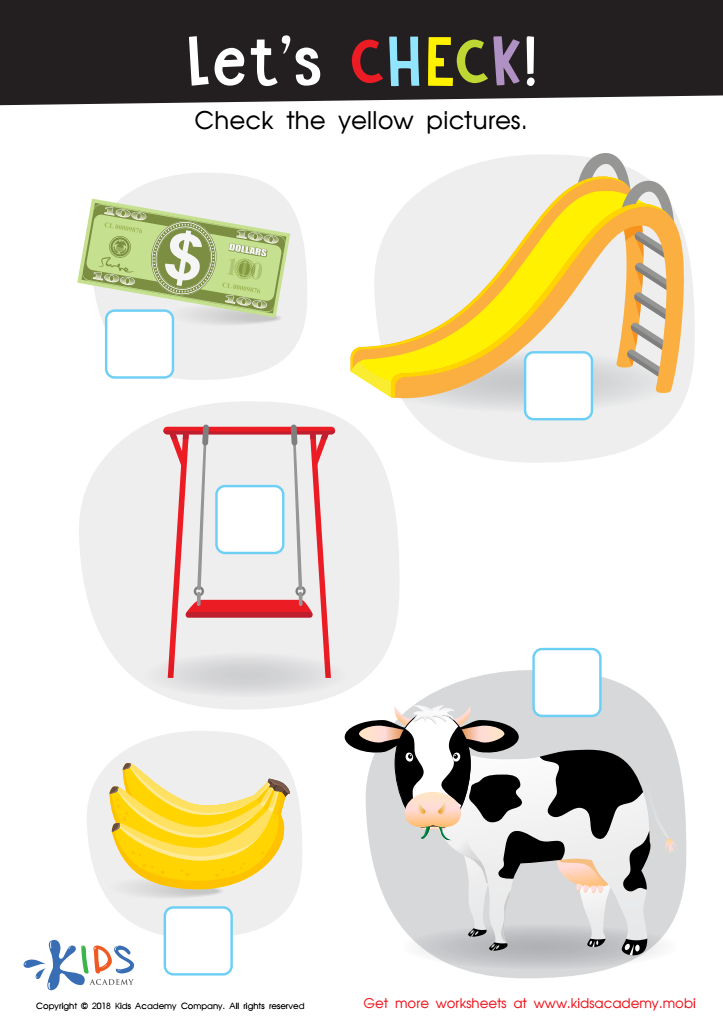
Let's Check! Worksheet
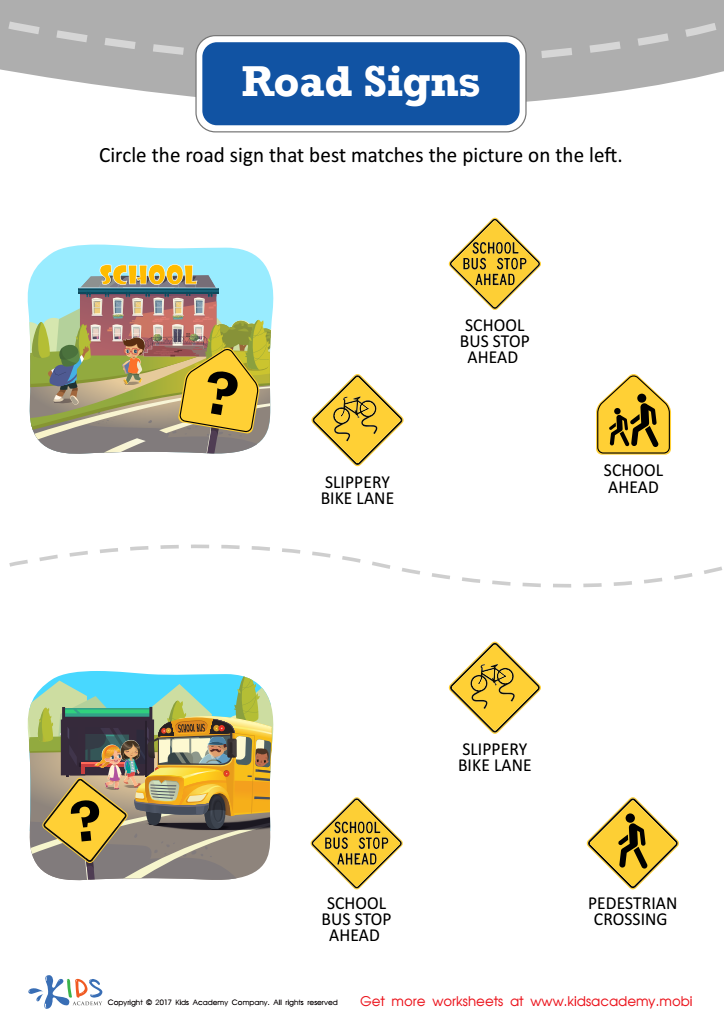
Road Signs (Part 1) Worksheet
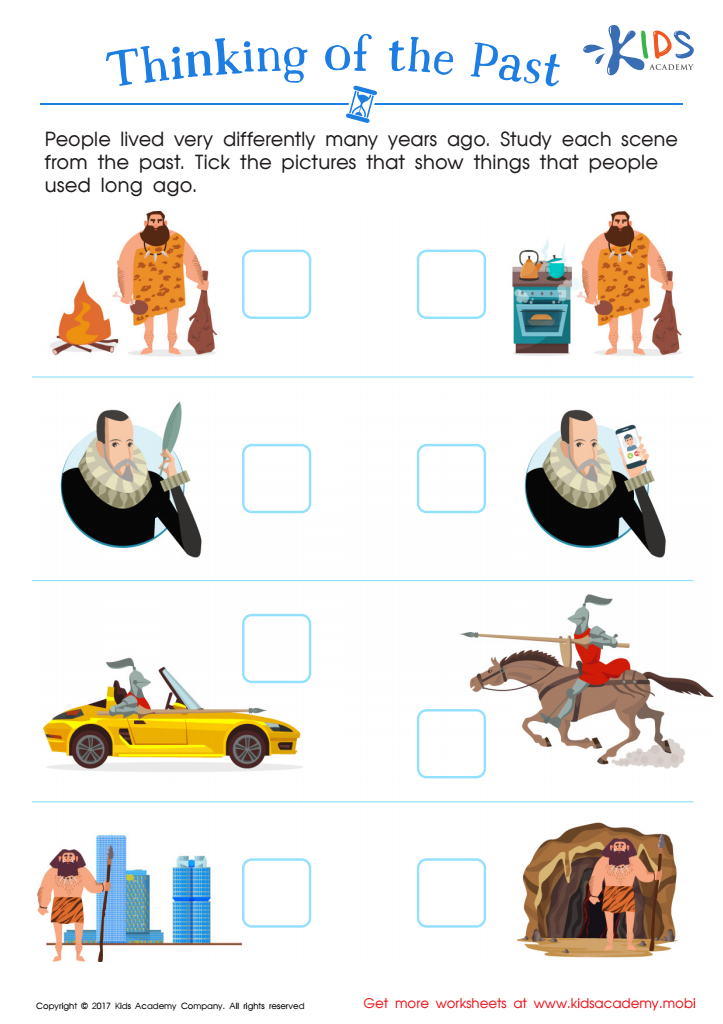
Thinking Past Printable
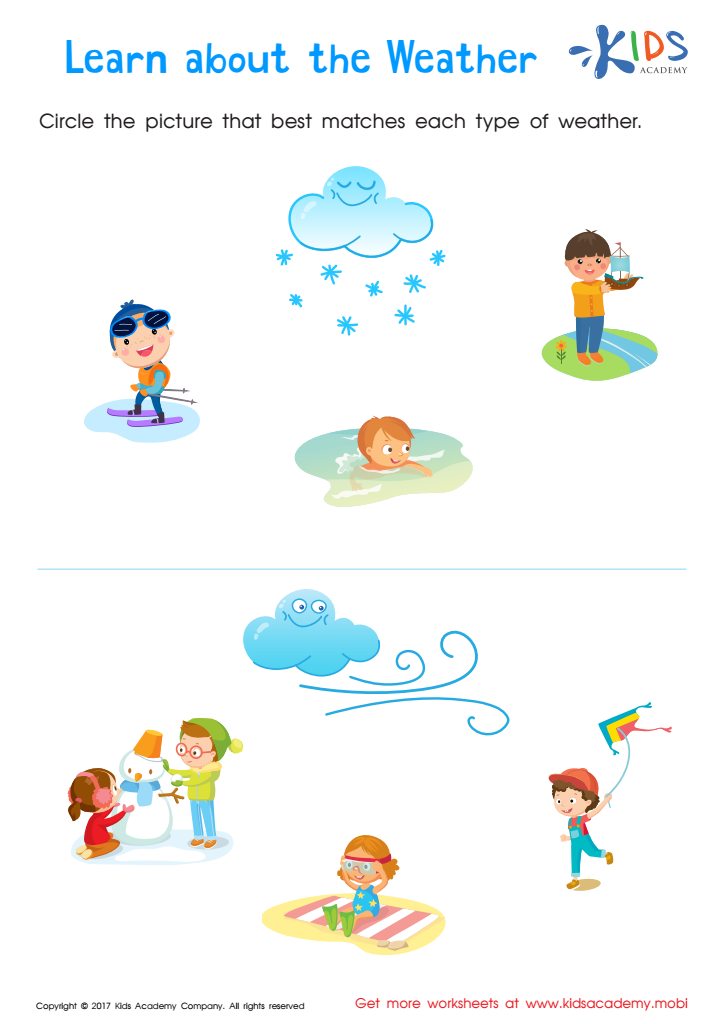
About the Weather Printable
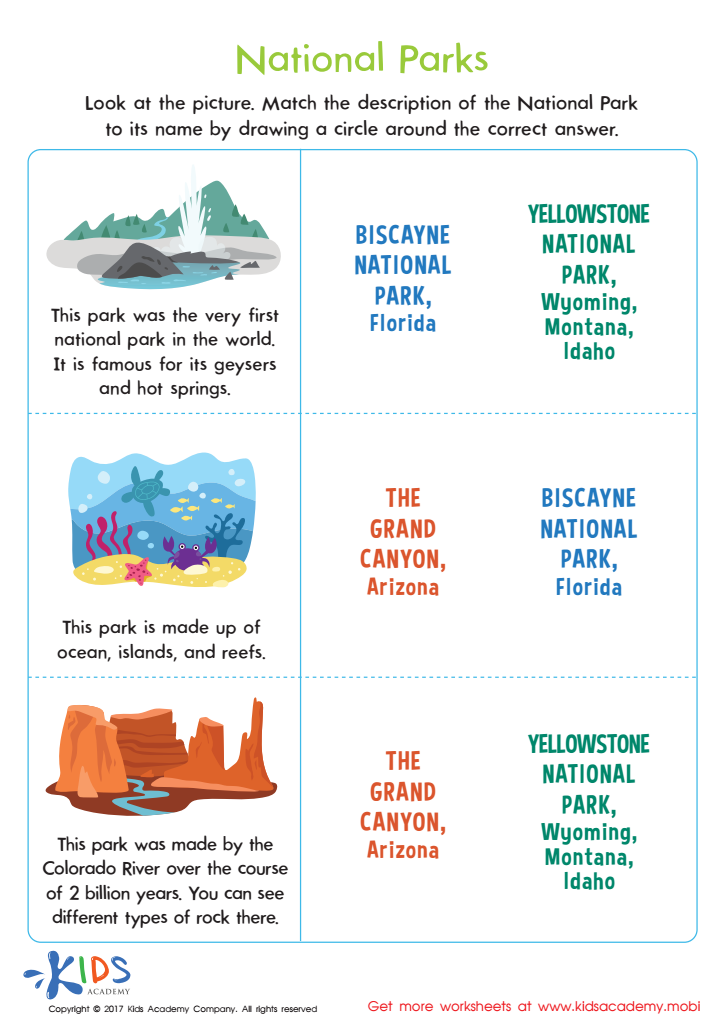
National Parks Printable
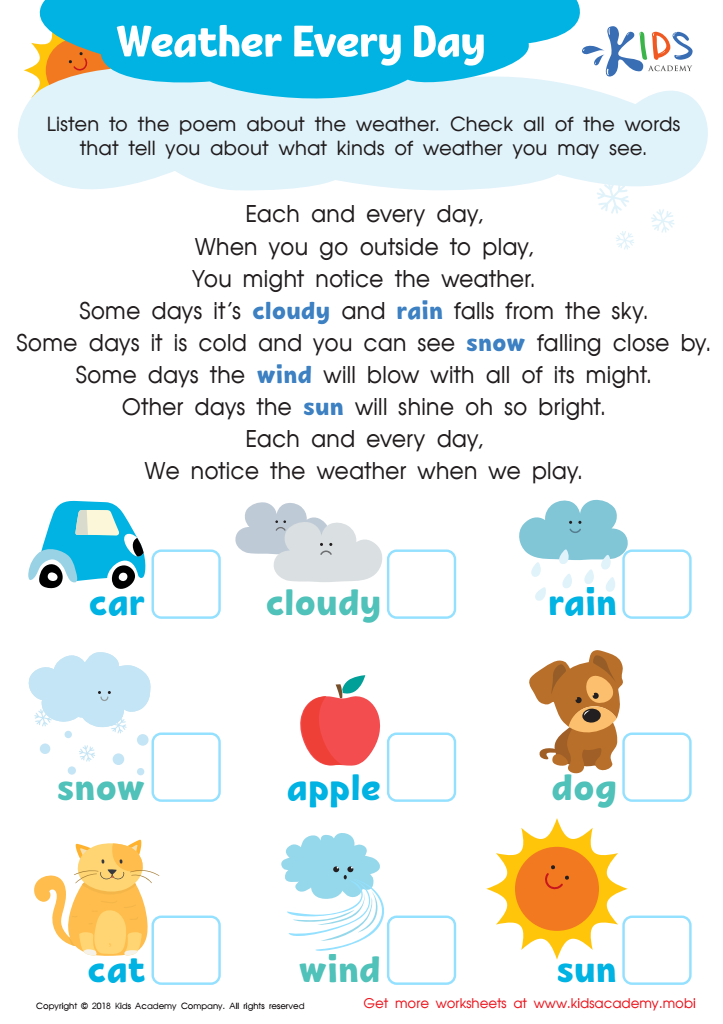
Weather Every Day Worksheet
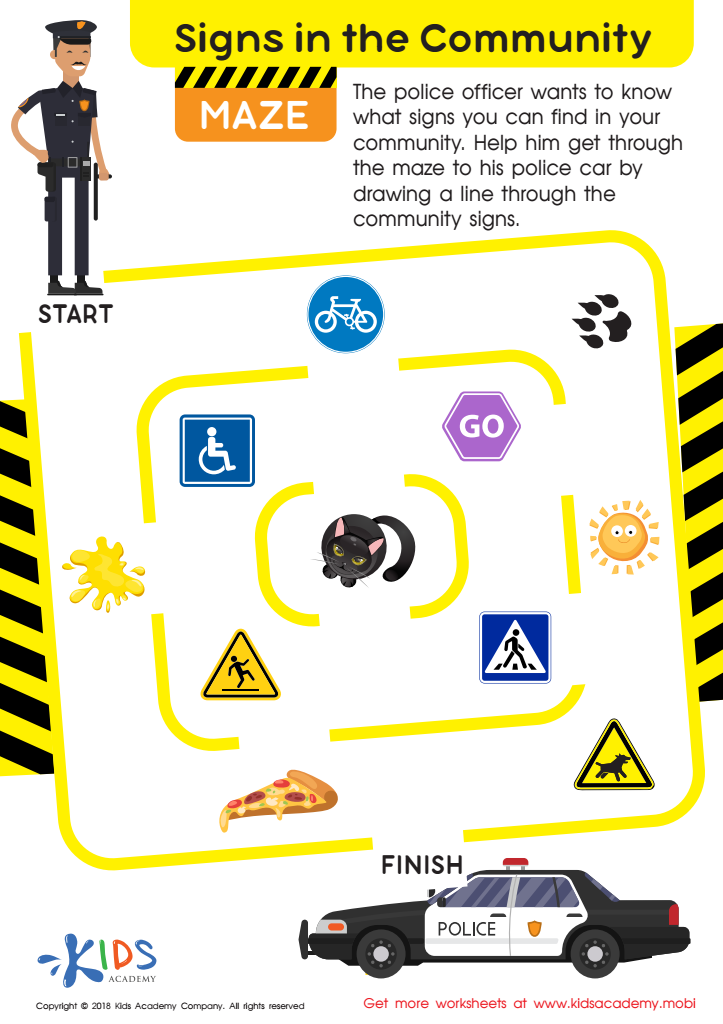
Signs in the Community: Maze Worksheet
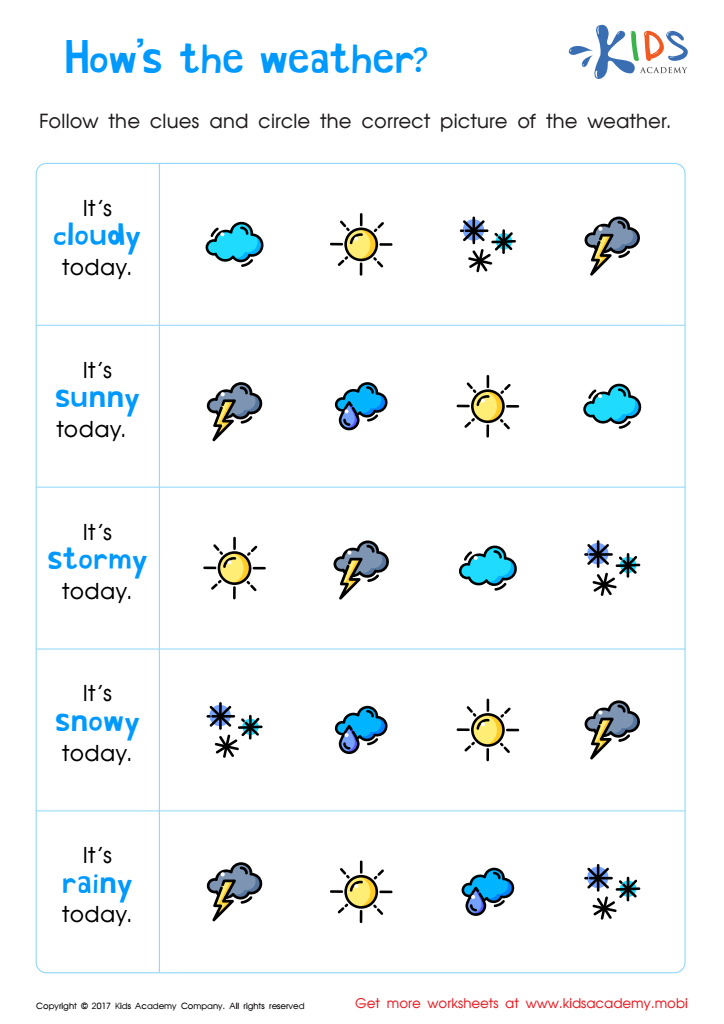
Hows the Weather Worksheet
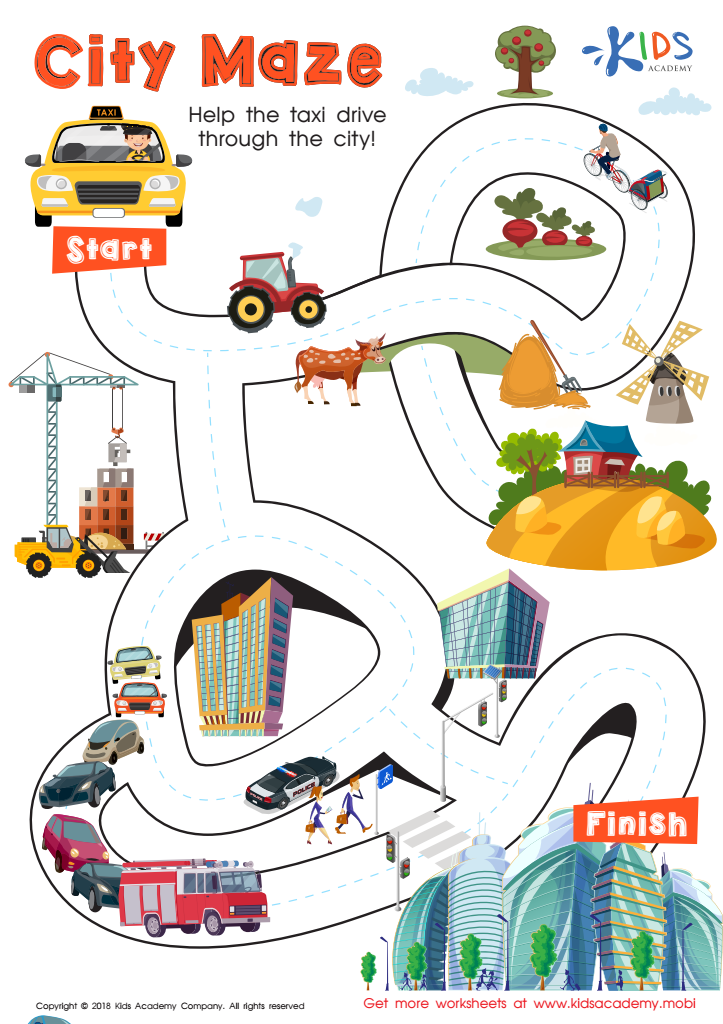
City Maze Worksheet
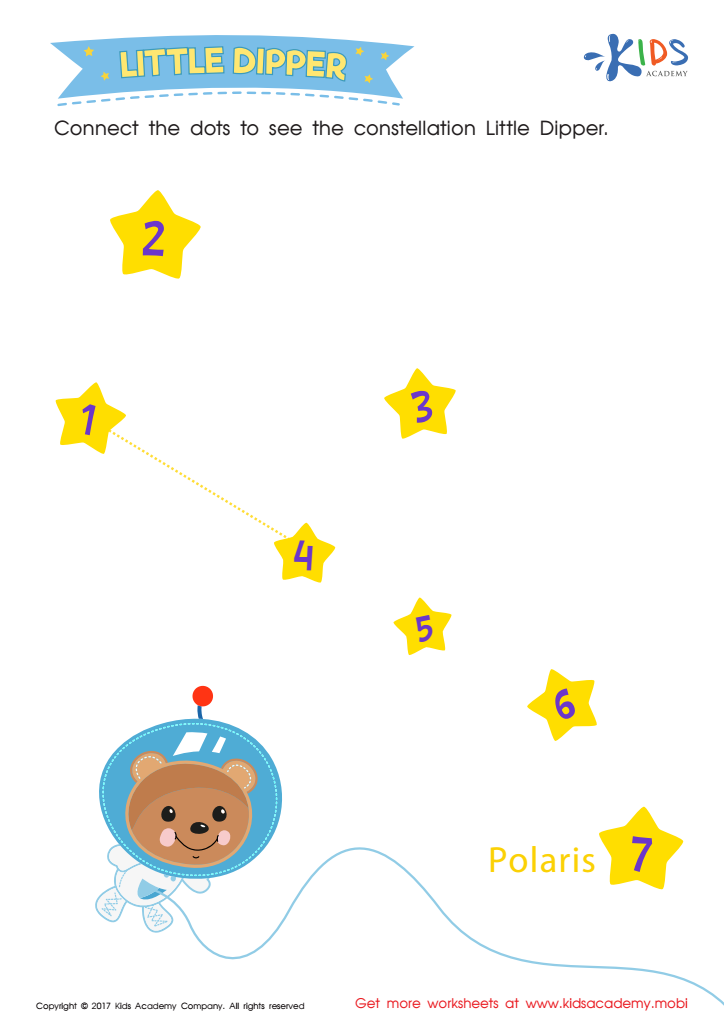
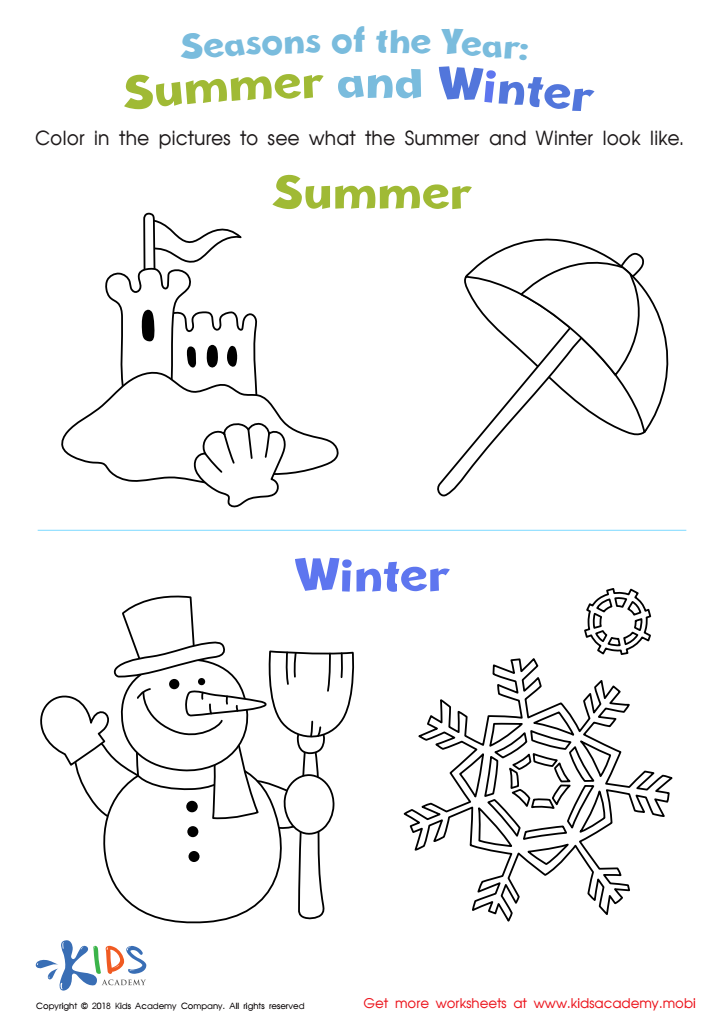
Summer and Winter Worksheet
 Assign to My Students
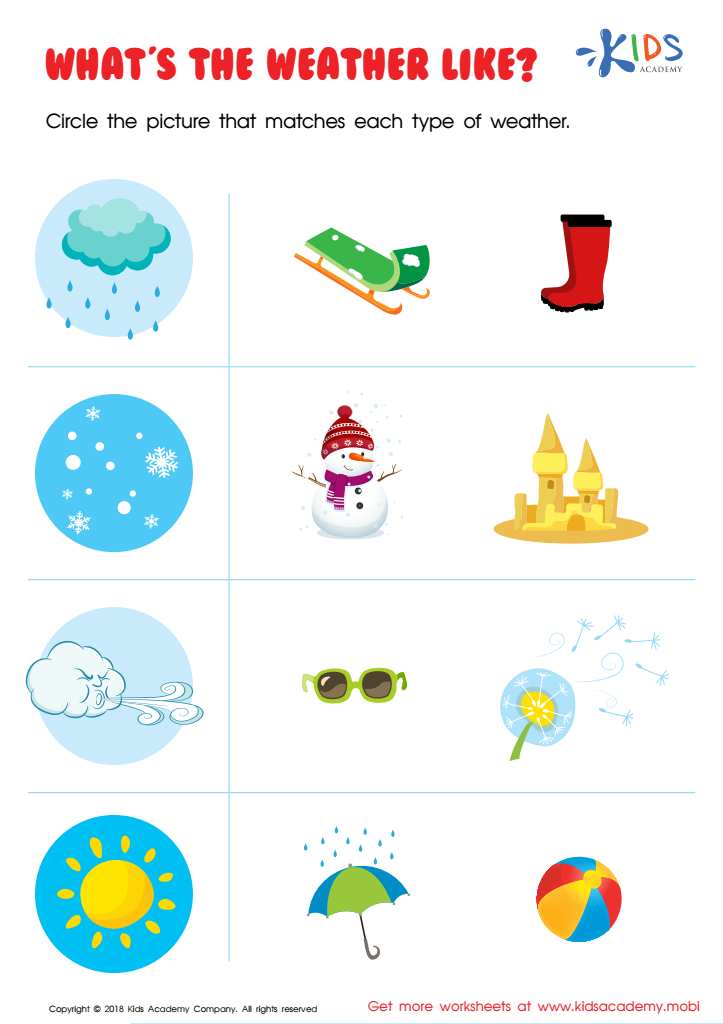
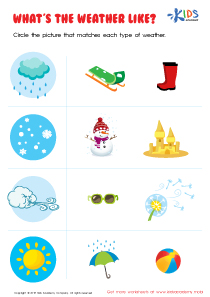
What's the Weather Like? Worksheet
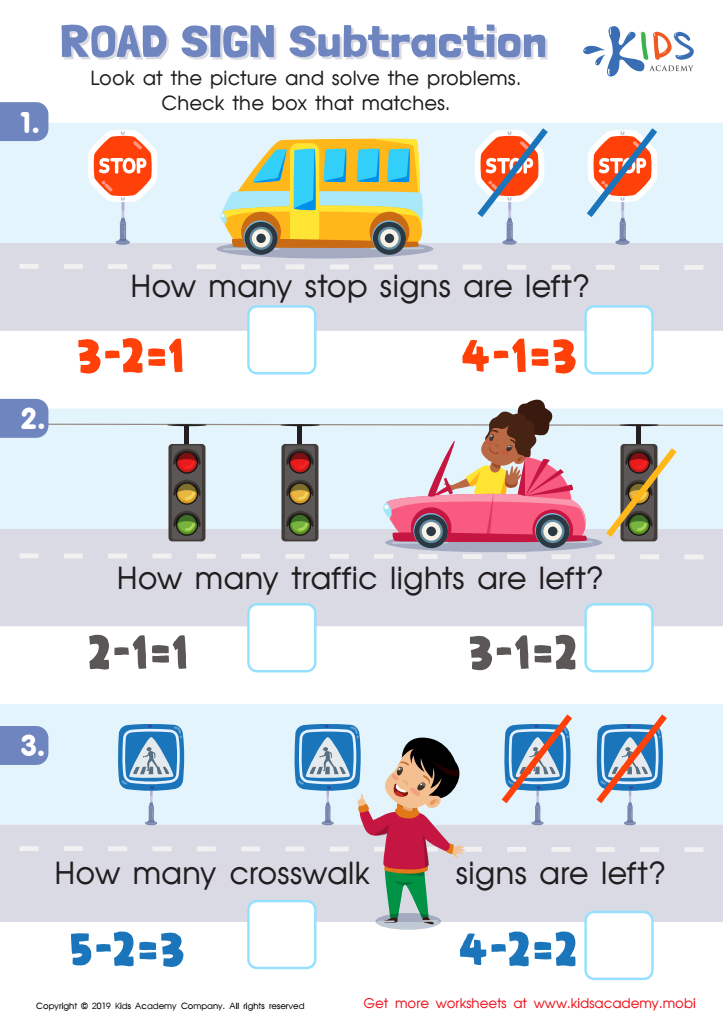
Road Sign Subtraction Worksheet
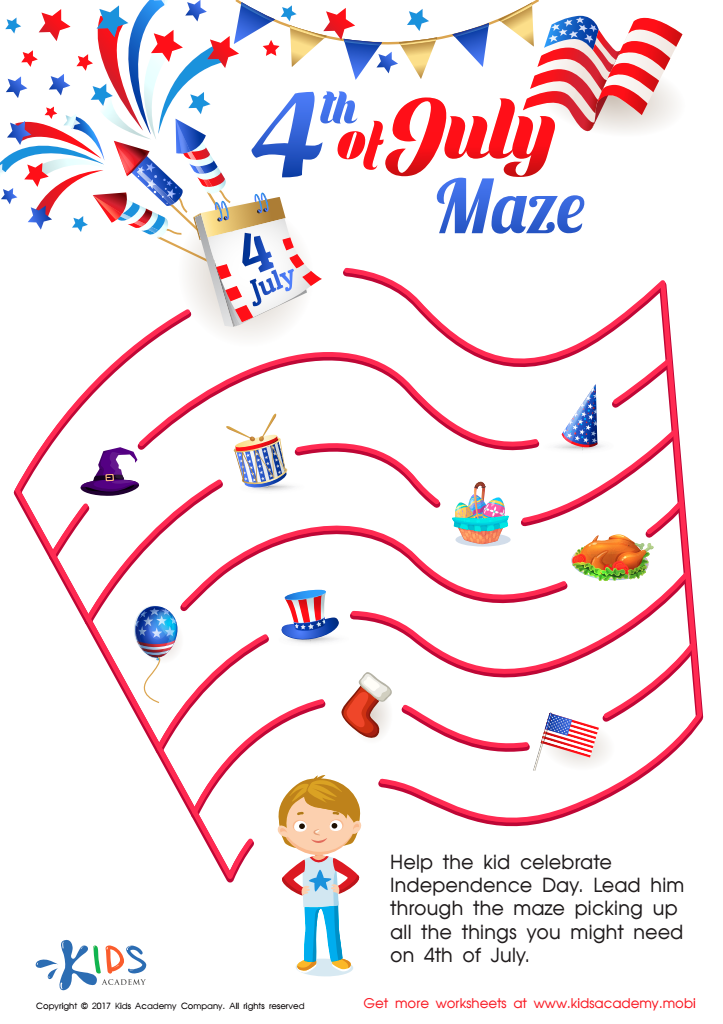
Fourth of July Maze Printable
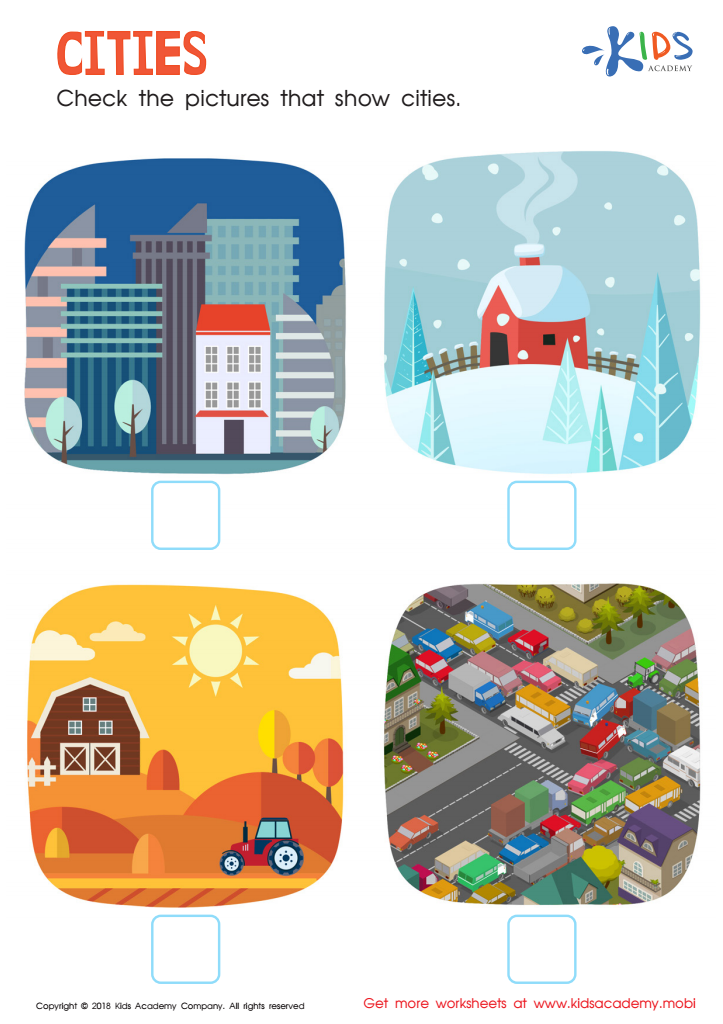
Cities Worksheet
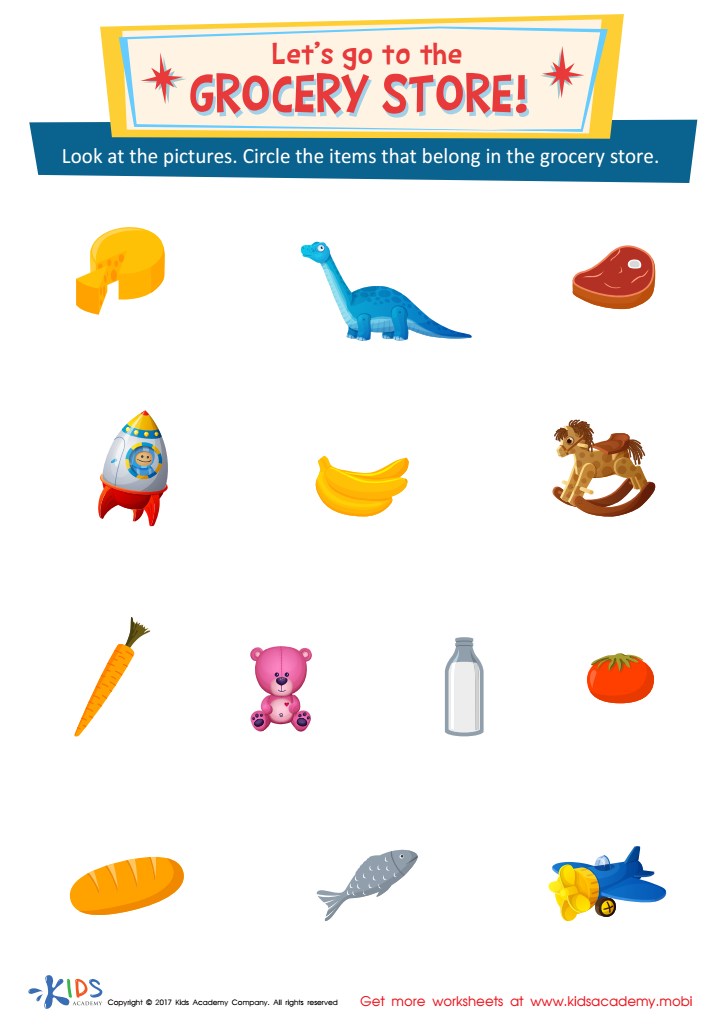
Grocery Store Worksheet
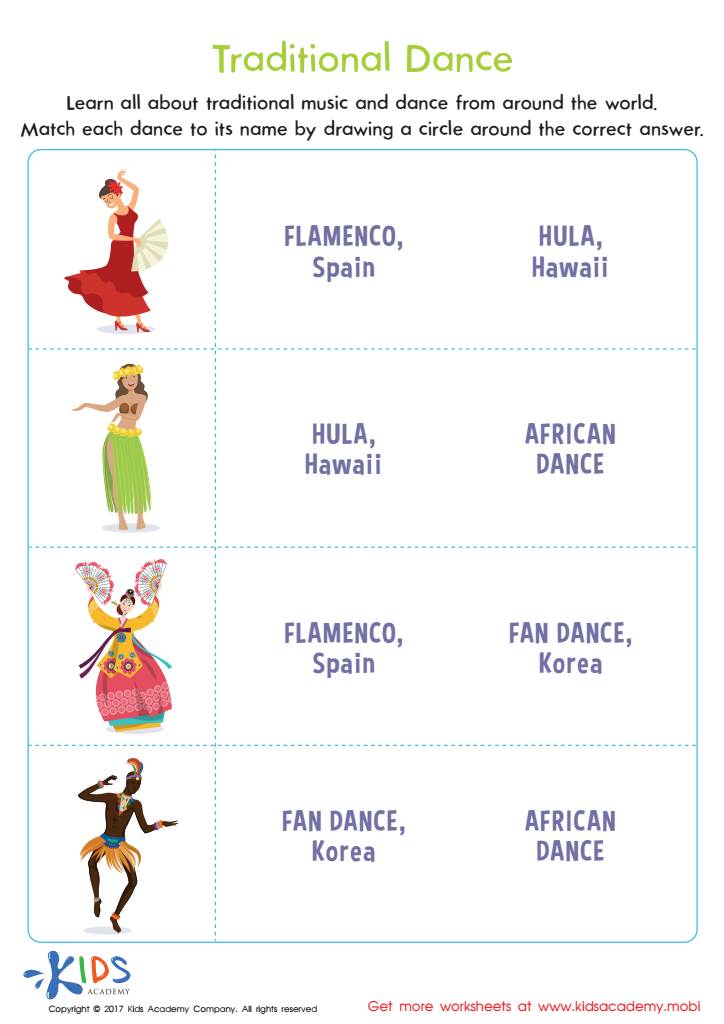
Traditional Dance Printable
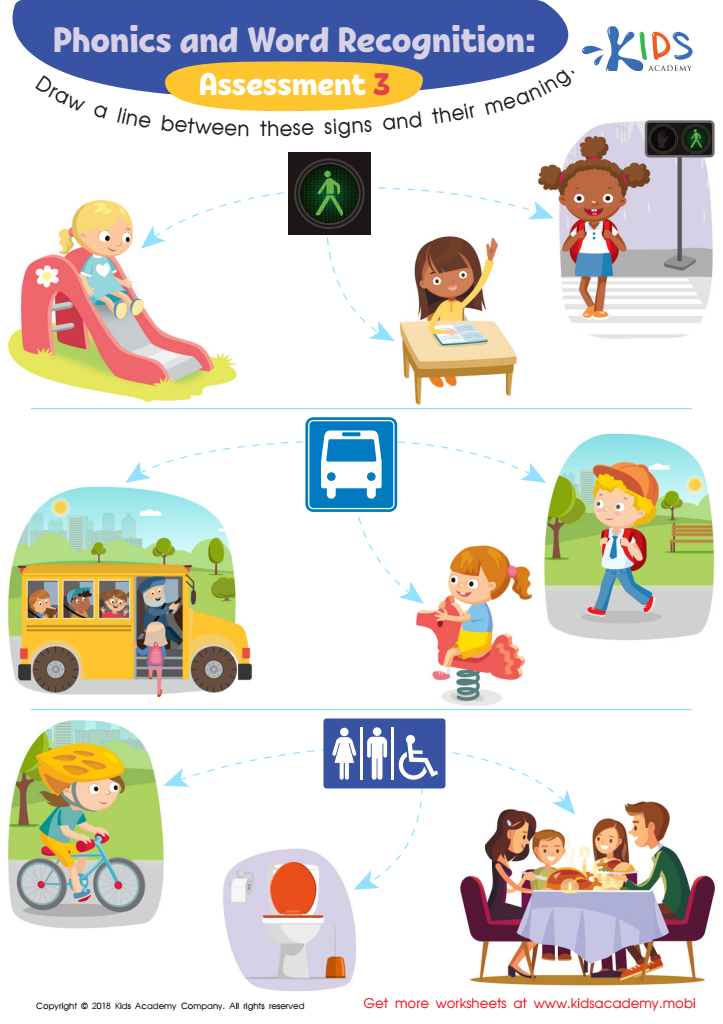
Phonological Awareness: Assessment 3 ELA Worksheet
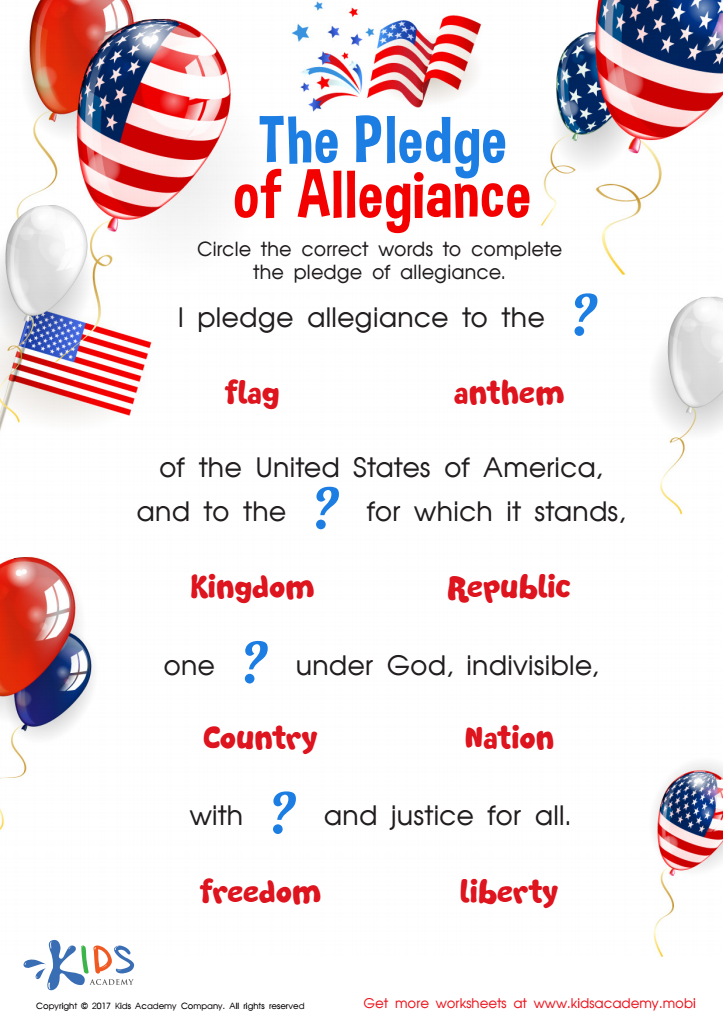
The Pledge of Allegiance Worksheet
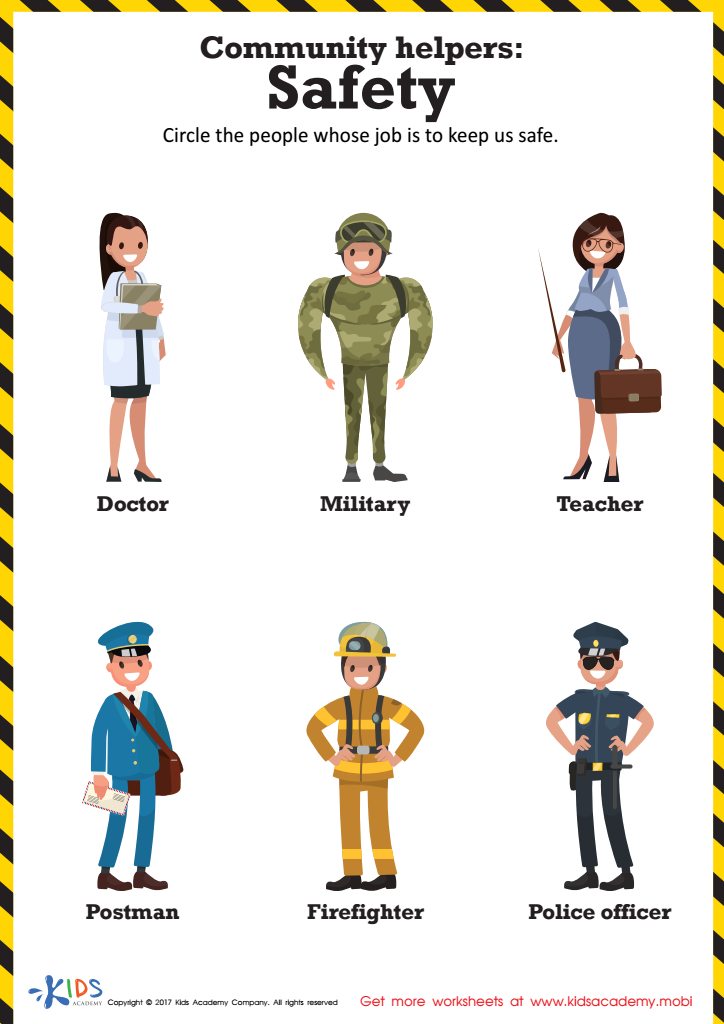
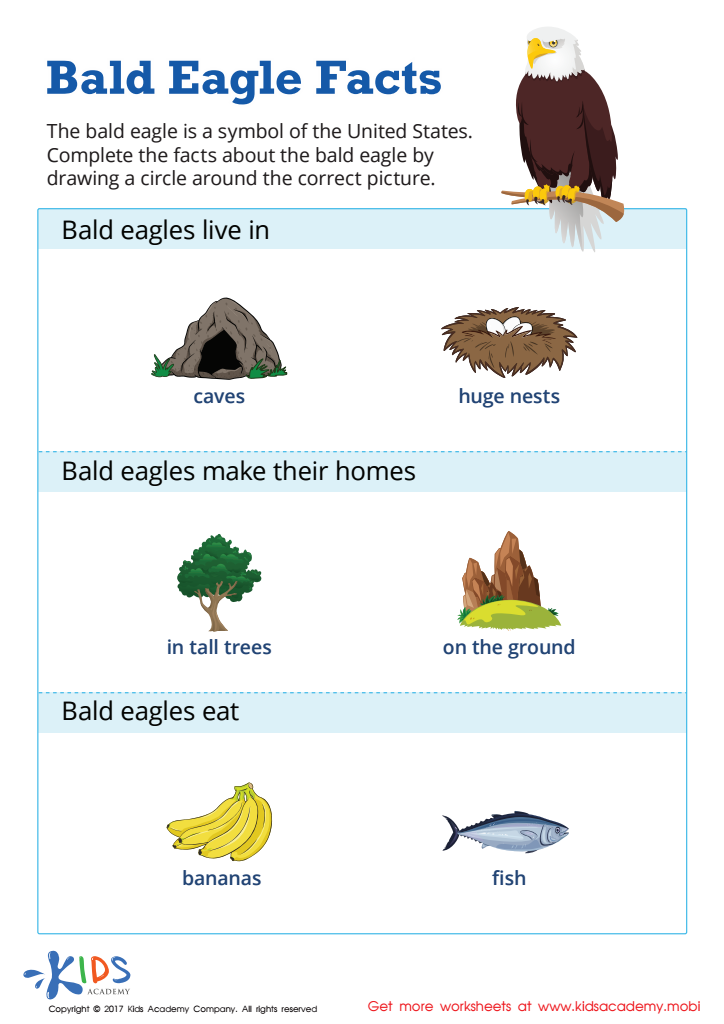
Bald Eagle Facts Worksheet
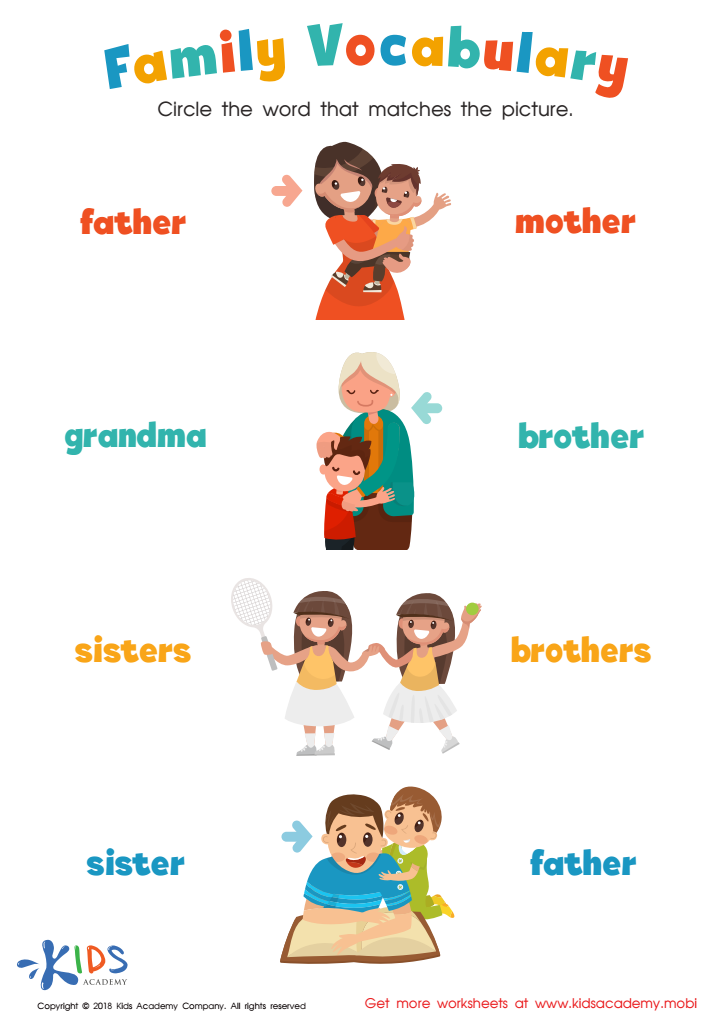
Family Vocabulary Worksheet
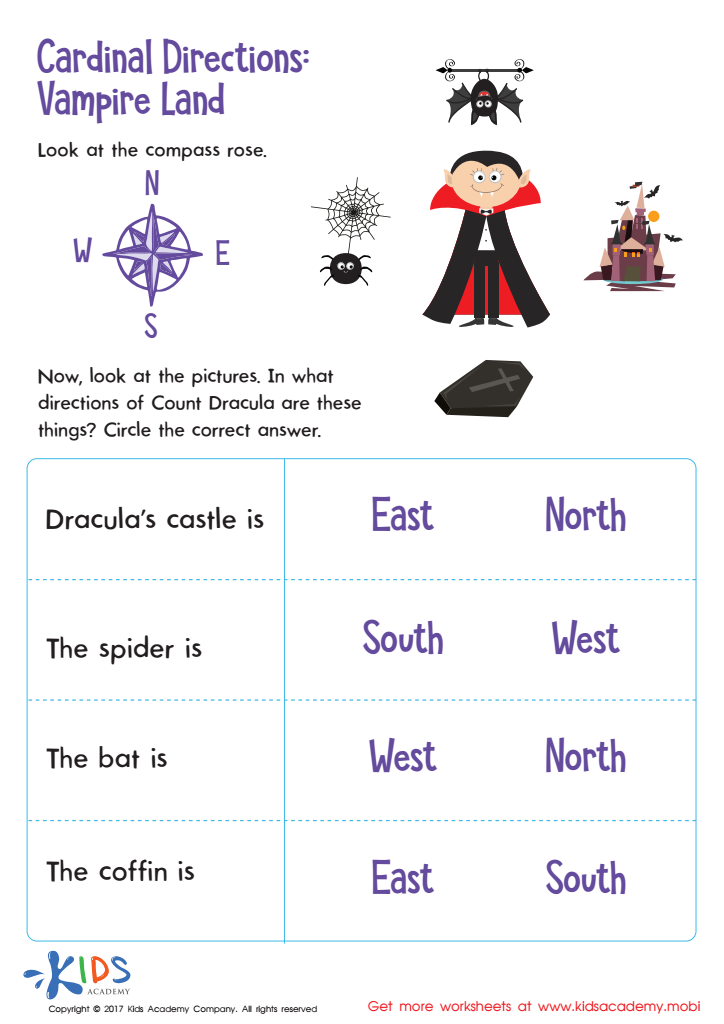
Cardinal Directions Printable


.jpg)




Teaching young children about the World Around Us is crucial for their holistic development and understanding of their environment. At ages 5-8, children are incredibly curious and eager to explore. Engaging them in learning about their surroundings fosters a love for nature and encourages them to ask questions about the world, thus sparking their critical thinking skills.
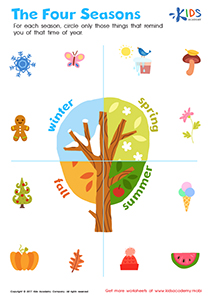
Understanding concepts such as community, ecosystems, and cultural diversity helps children appreciate different perspectives and promotes empathy. Additionally, learning about environmental stewardship instills a sense of responsibility for the planet. As they explore topics like seasons, animals, plants, and the roles of individuals in society, children start to comprehend their place in the world.
Moreover, such knowledge can enhance language and communication skills, as they learn to express their thoughts and experiences. Creative activities, such as nature walks or community projects, can be both fun and educational, facilitating teamwork and social skills.
Ultimately, teaching the World Around Us equips children with essential life skills, a broader worldview, and an appreciation for the intricate connections within their environment, shaping them into informed and responsible individuals. This foundation sets the stage for lifelong learning and community engagement.