Tracing Words Worksheets for Ages 5-8
42 filtered results
-
From - To
Help your young learner master the art of writing with our Tracing Words Worksheets for Ages 5-8! Tailored to boost confidence and improve penmanship, these engaging worksheets feature fun illustrations and easy-to-trace words. Perfect for preschoolers and early elementary students, our vibrant printables offer a delightful way to practice spelling and word recognition. Each worksheet is designed to enhance fine motor skills while ensuring a joyful learning experience. Printable and convenient, these educational tools reward persistence and celebrate progress—ideal for both home and classroom settings. Unlock the joy of writing today with Kids Academy!
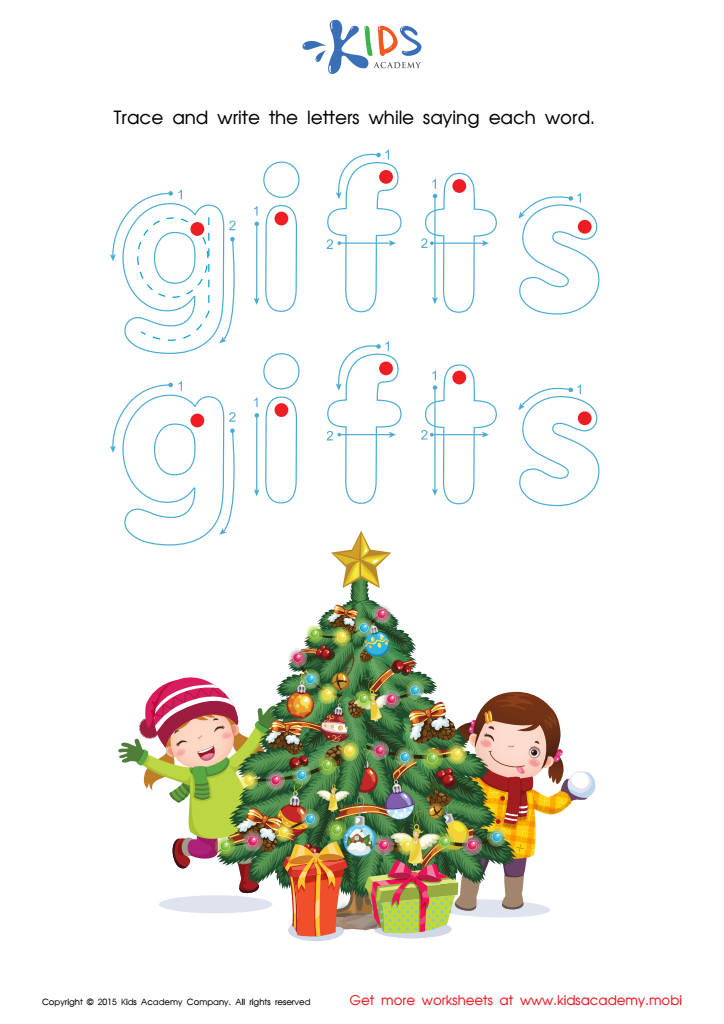
Christmas Tree Tracing Winter Words Worksheet
 Assign to My Students
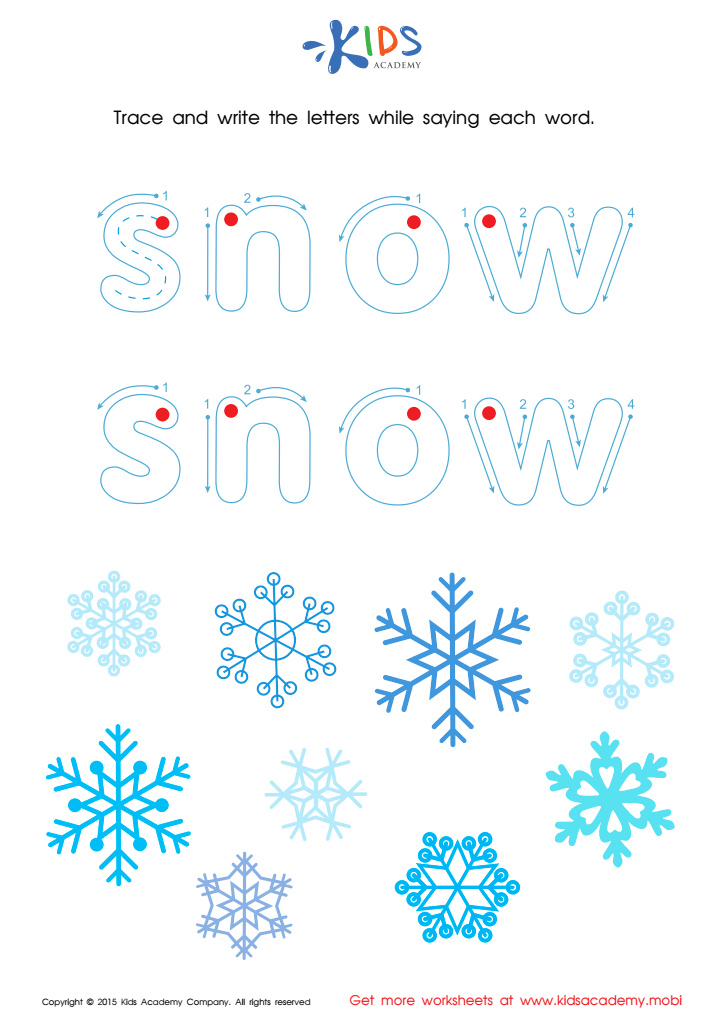
Snowflake Tracing Winter Words Worksheet
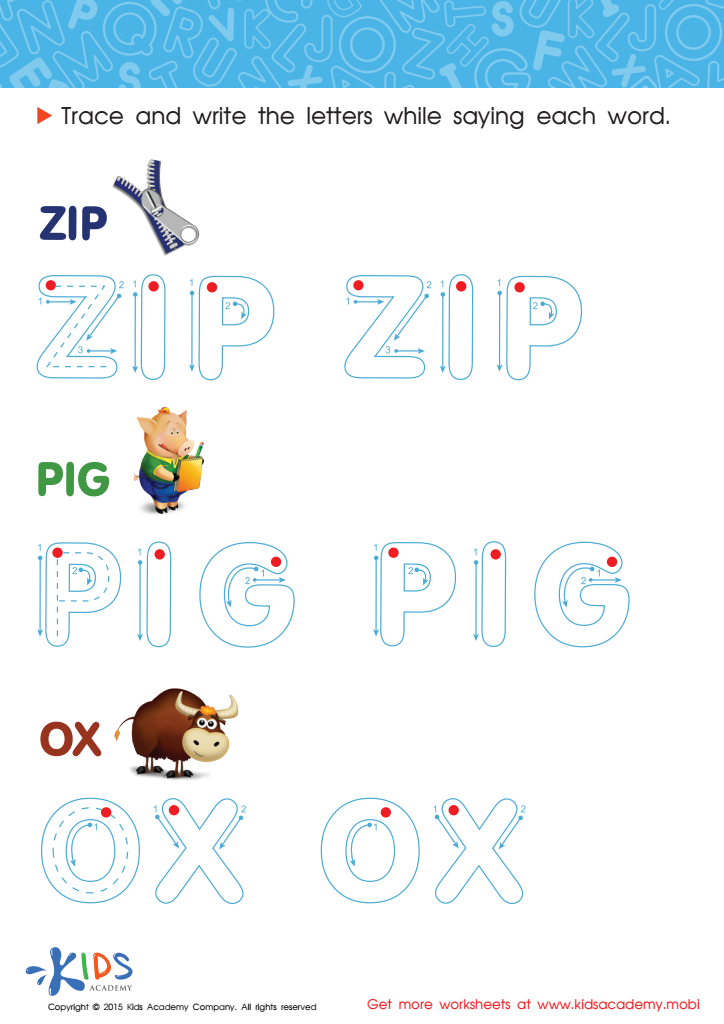
A Zip, a Pig and an Ox Spelling Worksheet
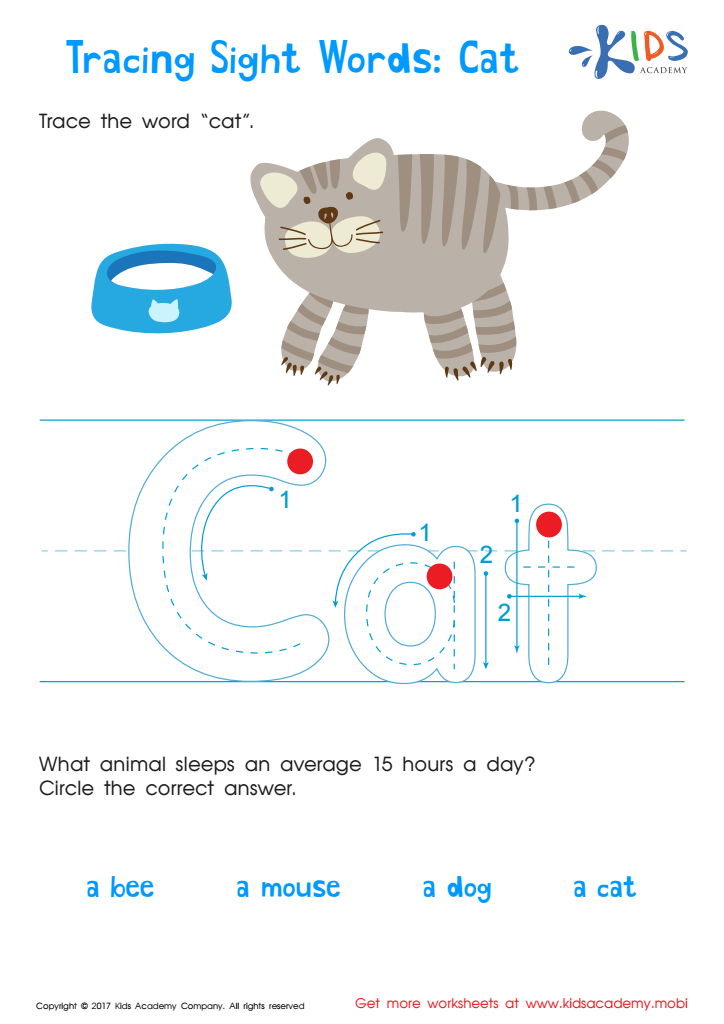
Cat Printable Sight Words Worksheet
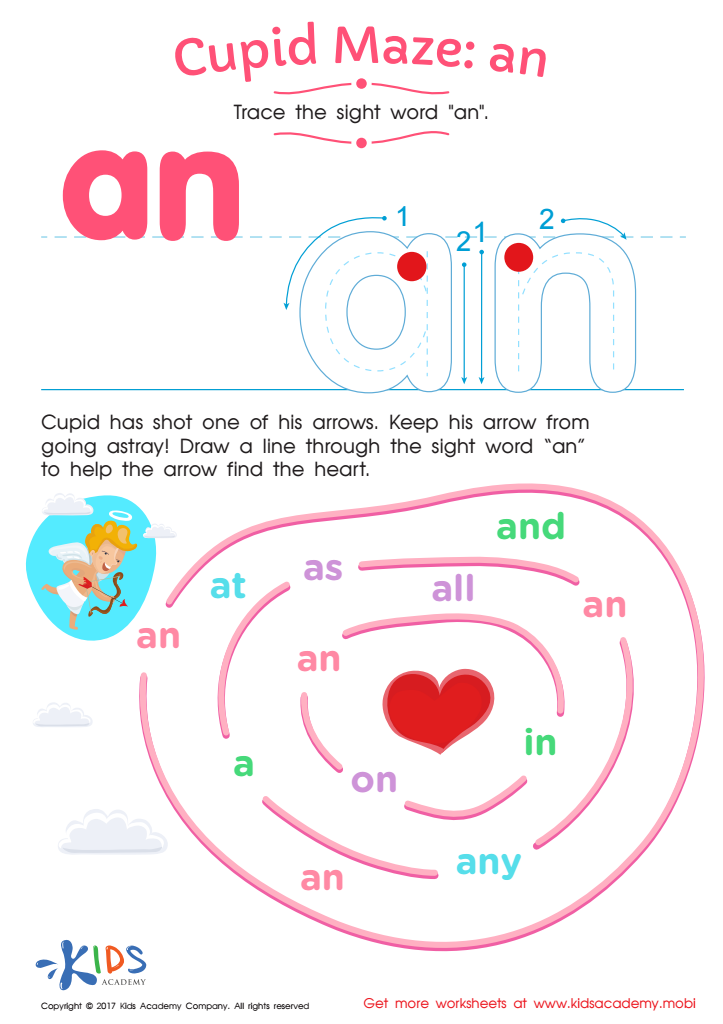
Cupid Maze: An Printable
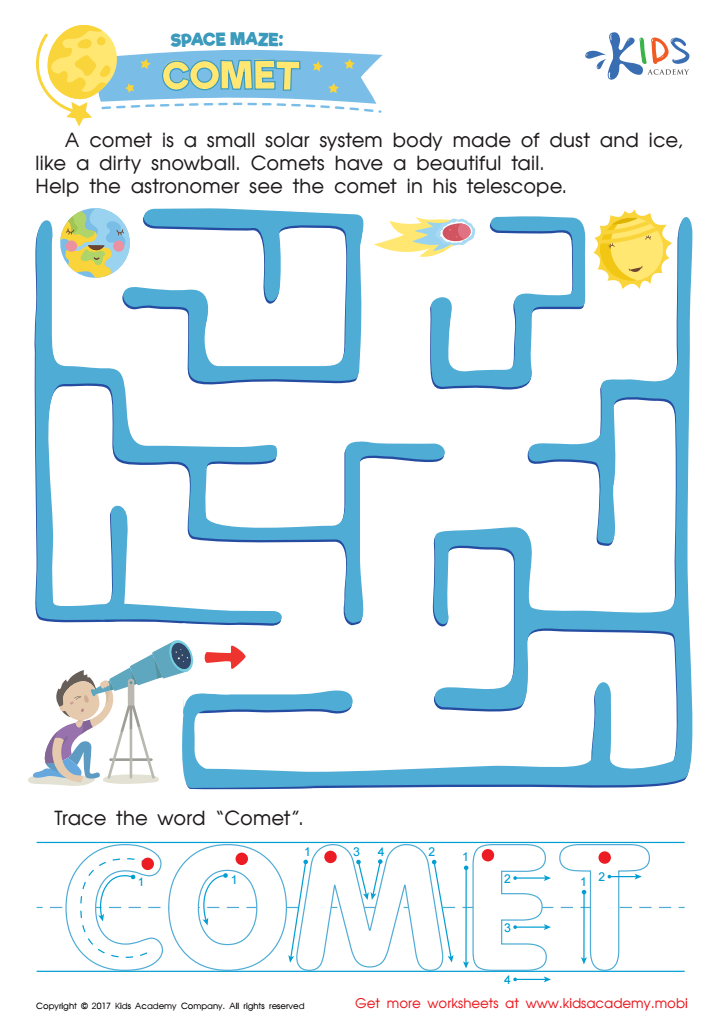
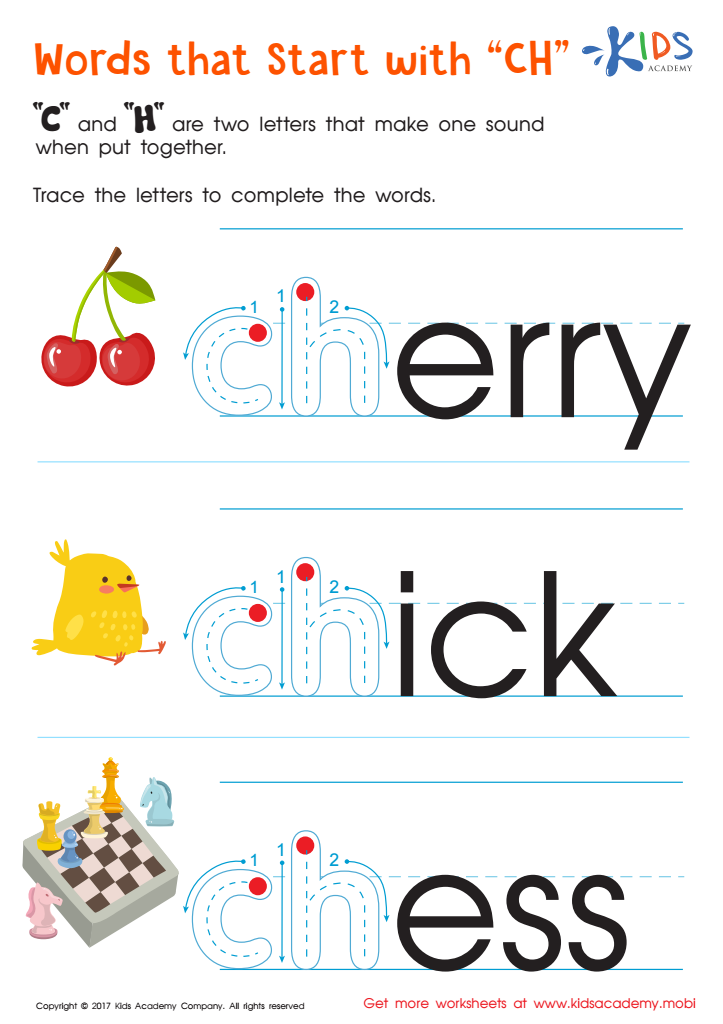
Words That Start with "ch" Spelling Worksheet
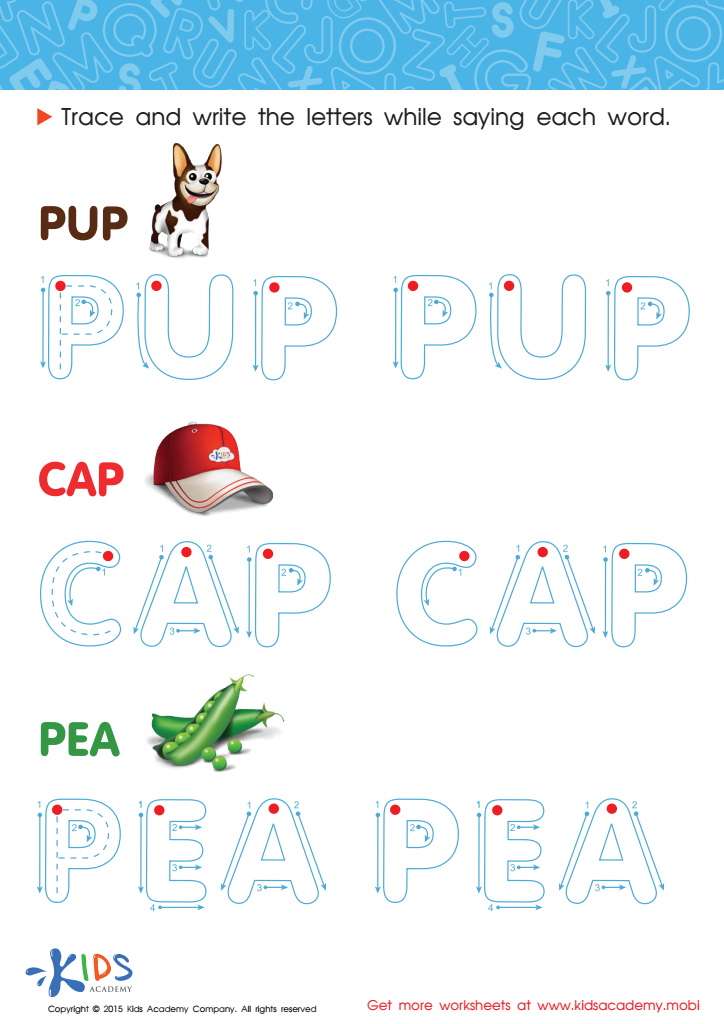
A Pup, a Cap and a Pea Spelling Worksheet
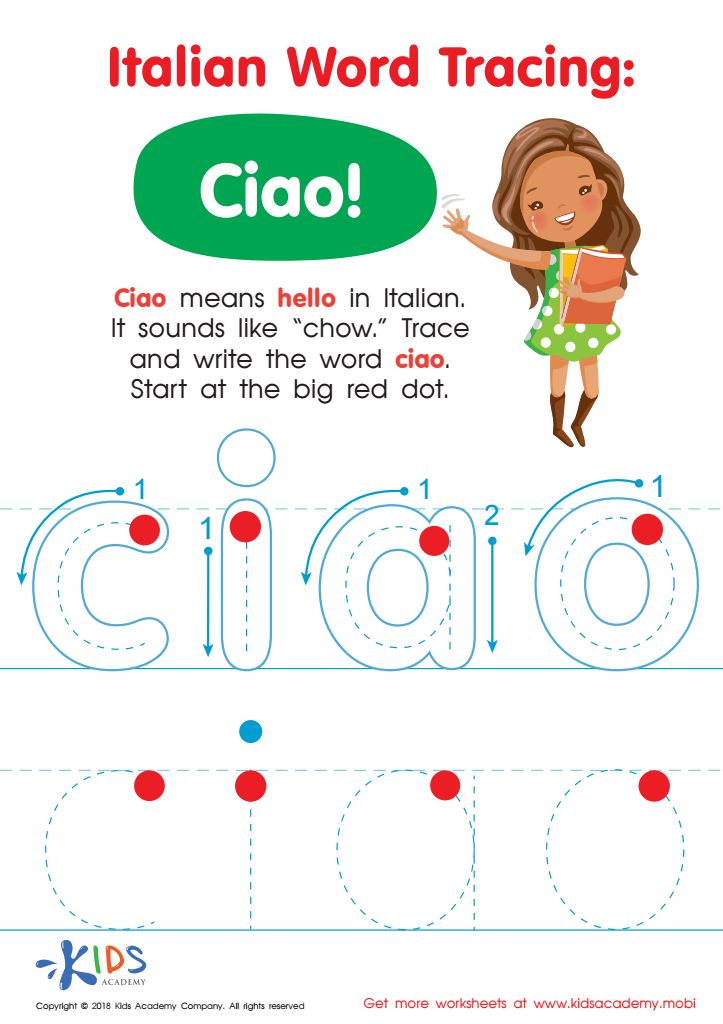
Italian Word Tracing: Ciao Worksheet
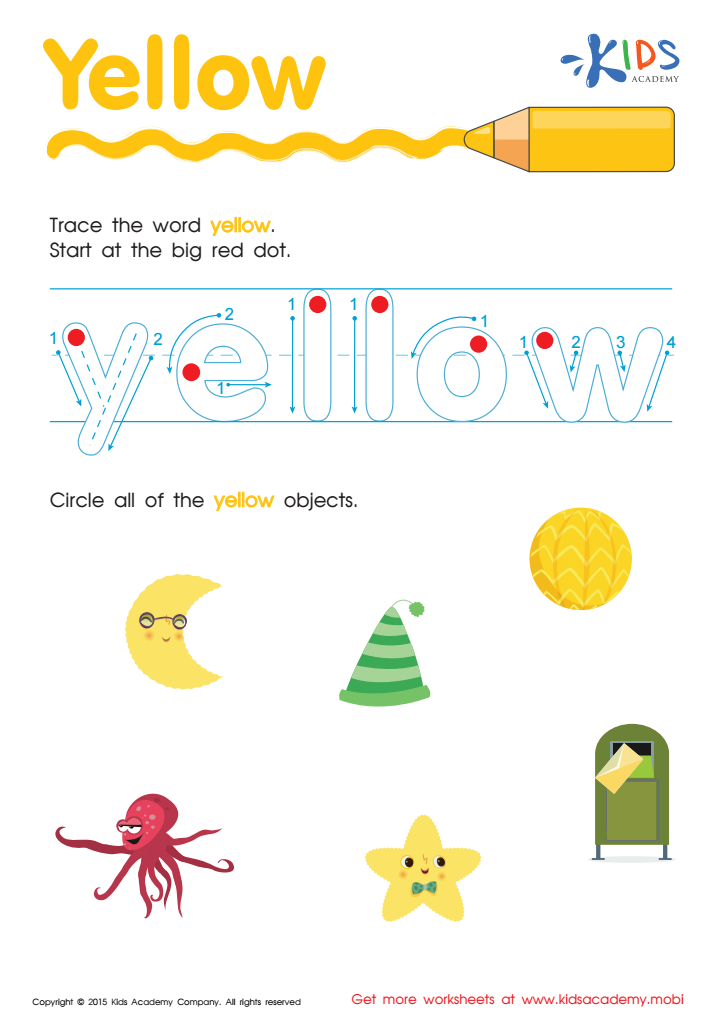
Yellow Tracing Color Words Worksheet
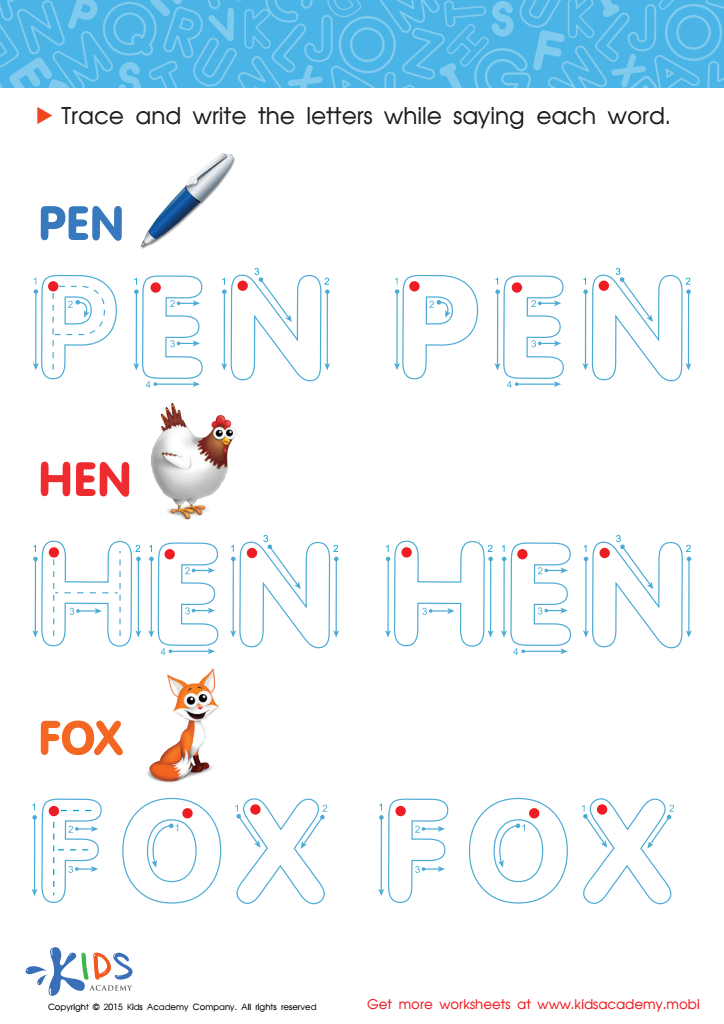
A Pen, a Hen and a Fox Spelling Worksheet
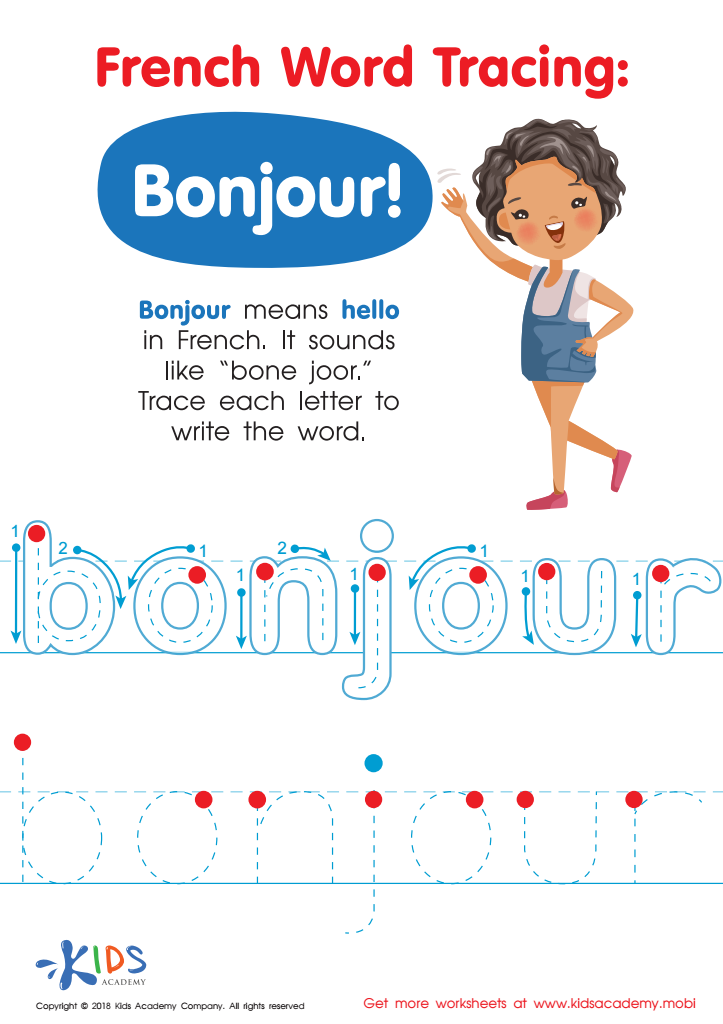
French Word Tracing: Bonjour Worksheet
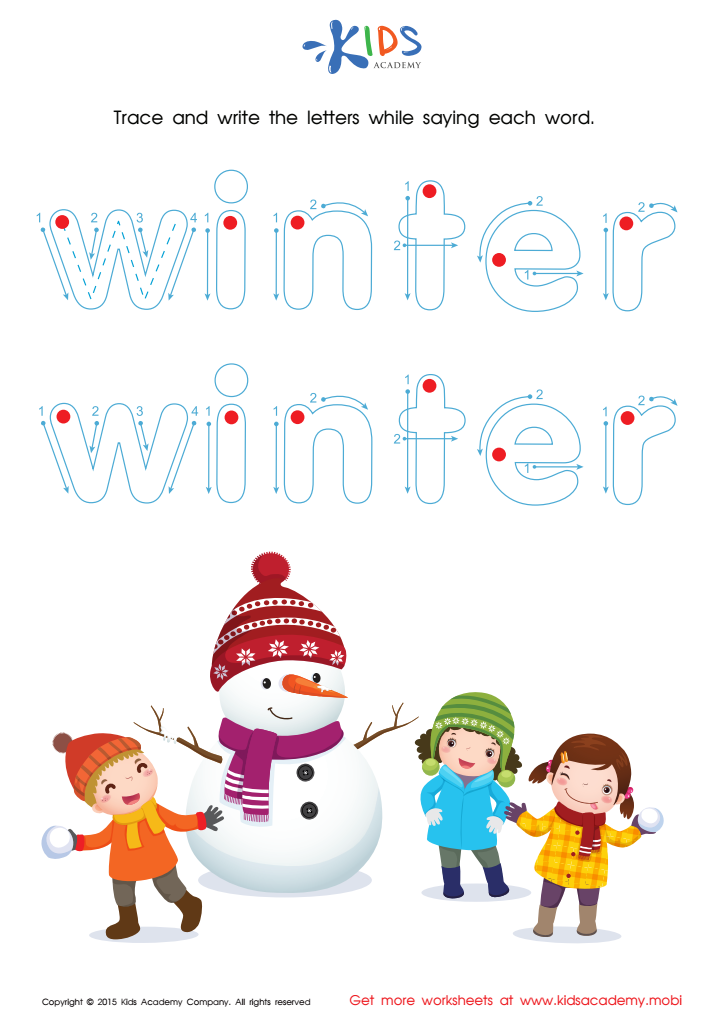
Snowman Tracing Winter Words Worksheet
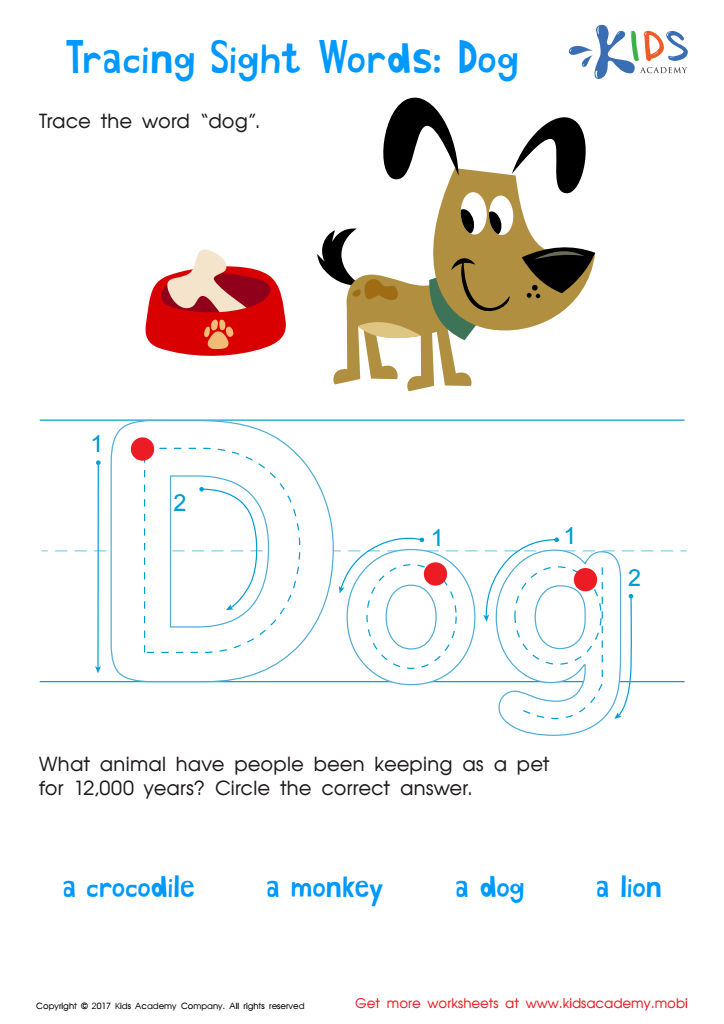
Dog Worksheet Sight Words Worksheet
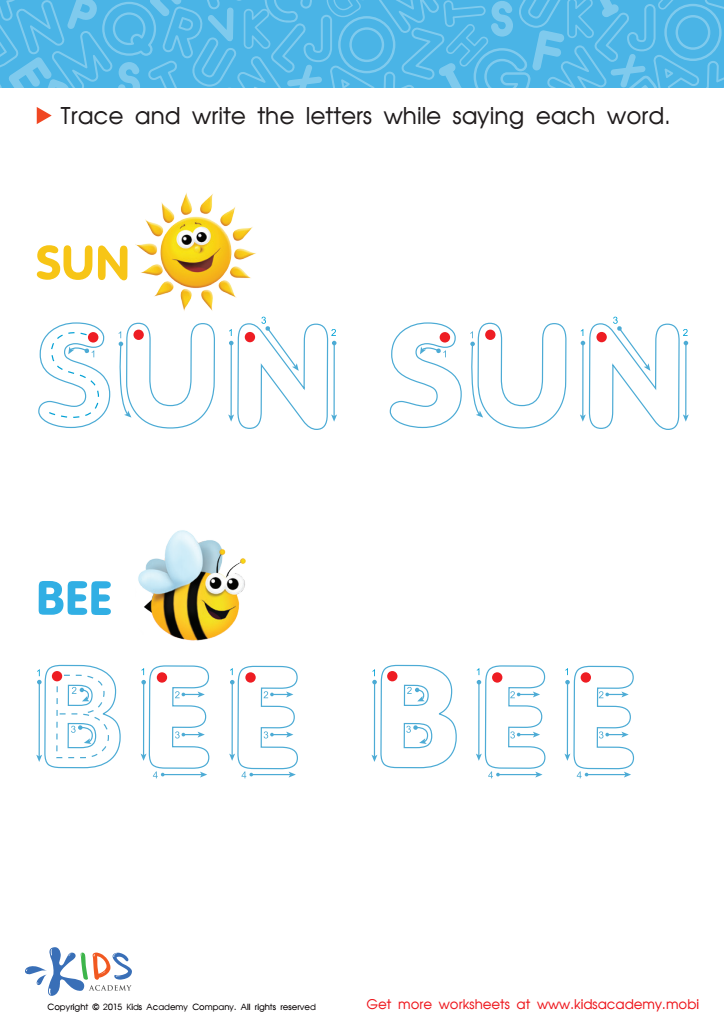
The Sun and a Bee Spelling Worksheet
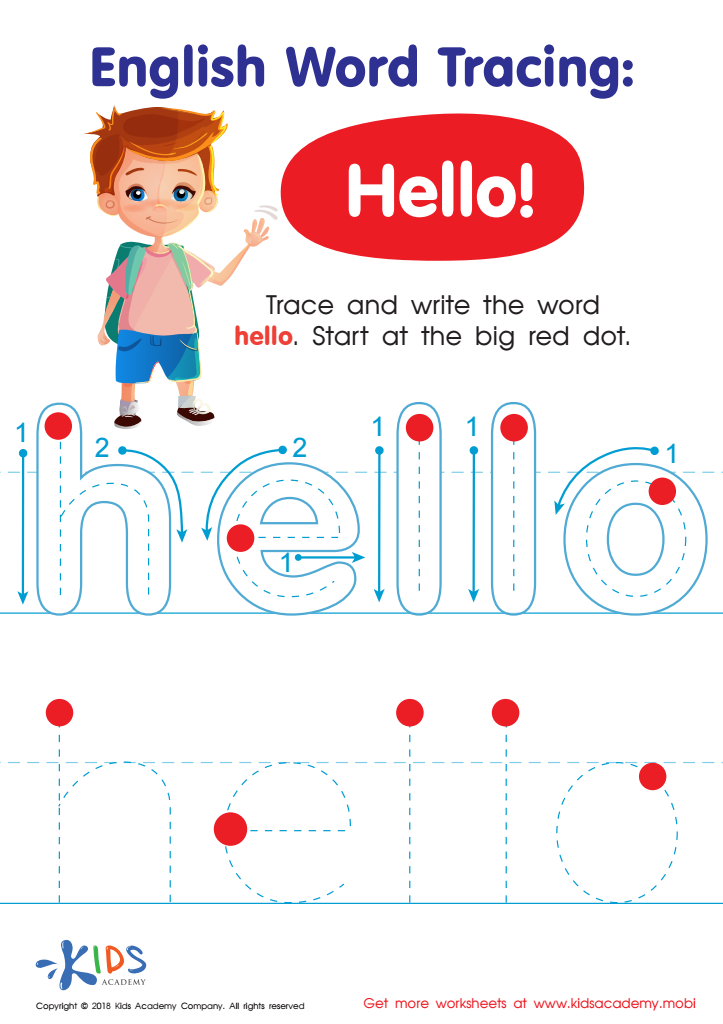
English Word Tracing: Hello Worksheet
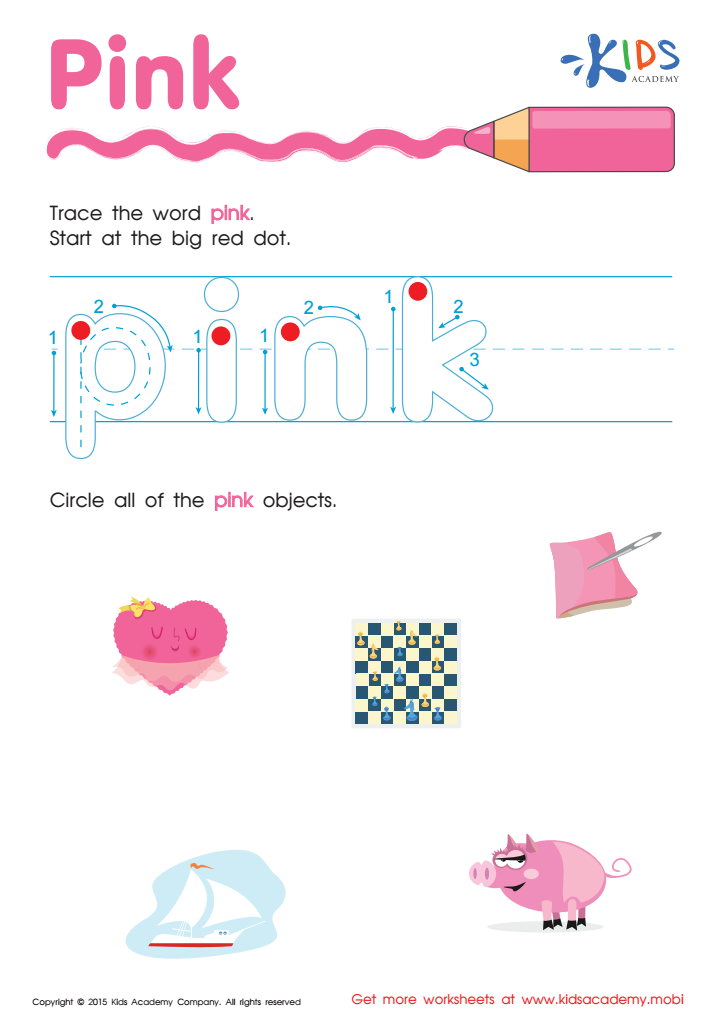
Pink Tracing Color Words Worksheet
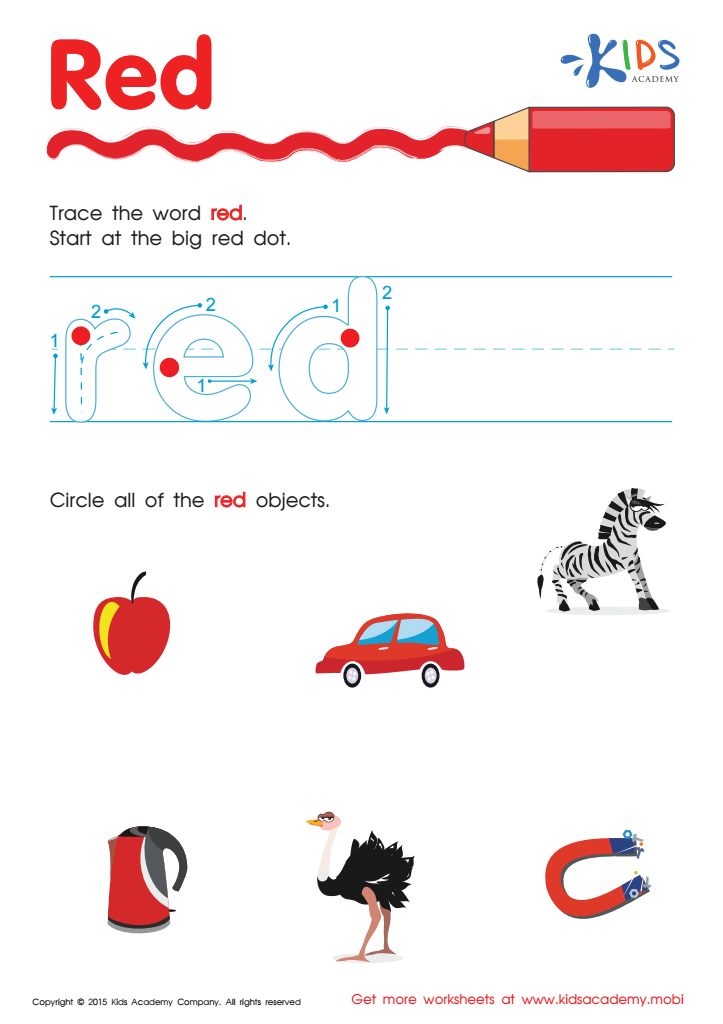
Red Tracing Color Words Printable
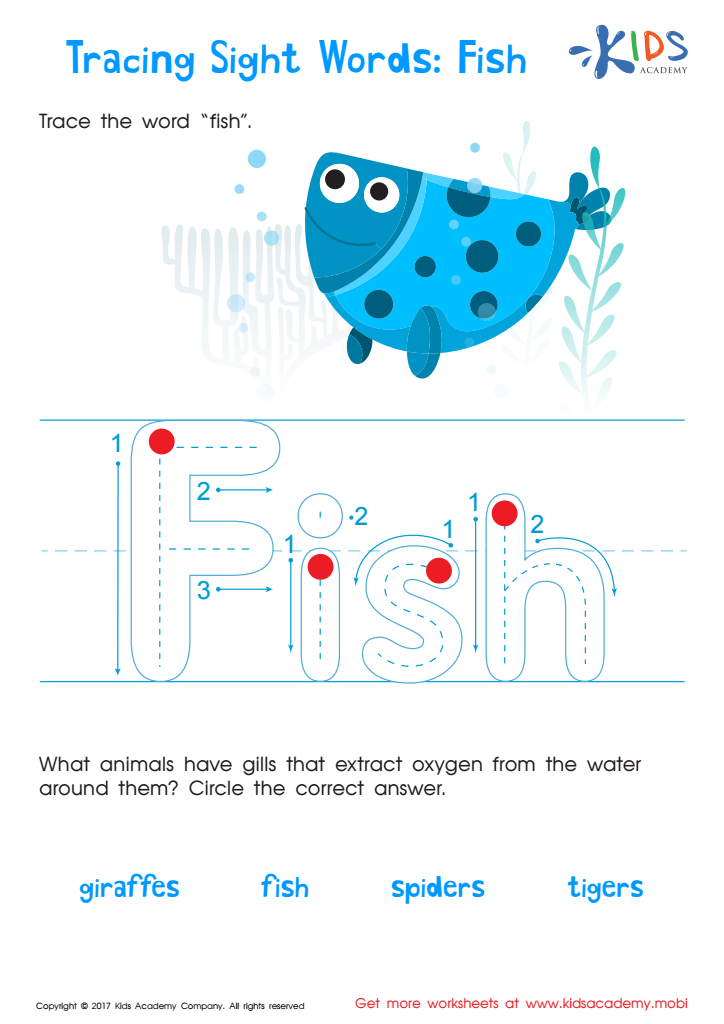
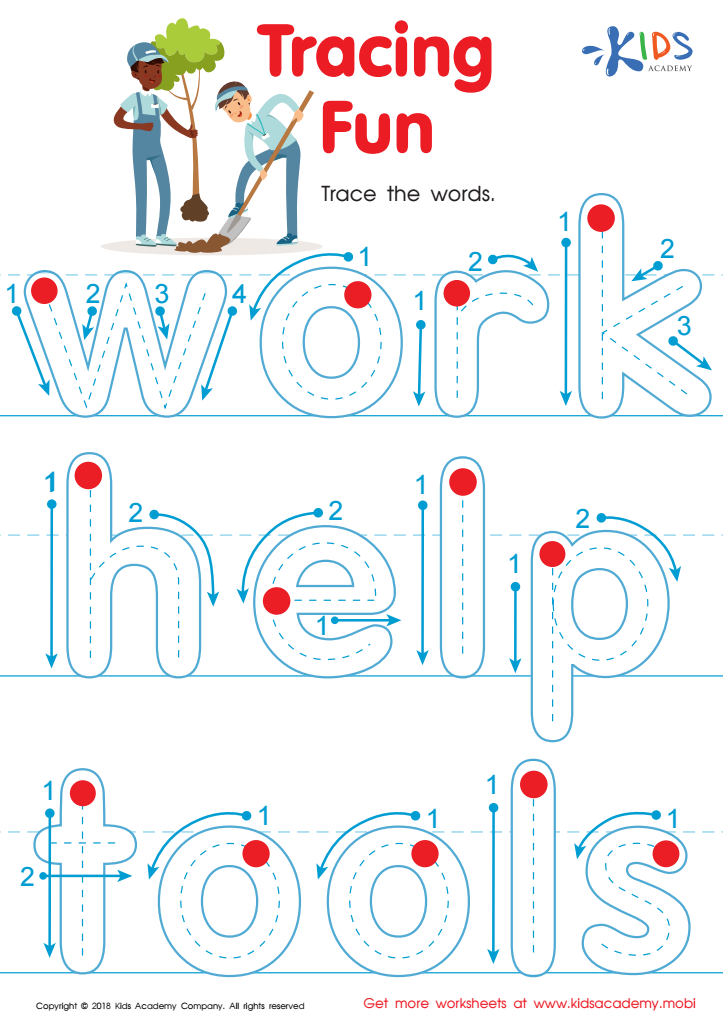
Tracing Fun Worksheet
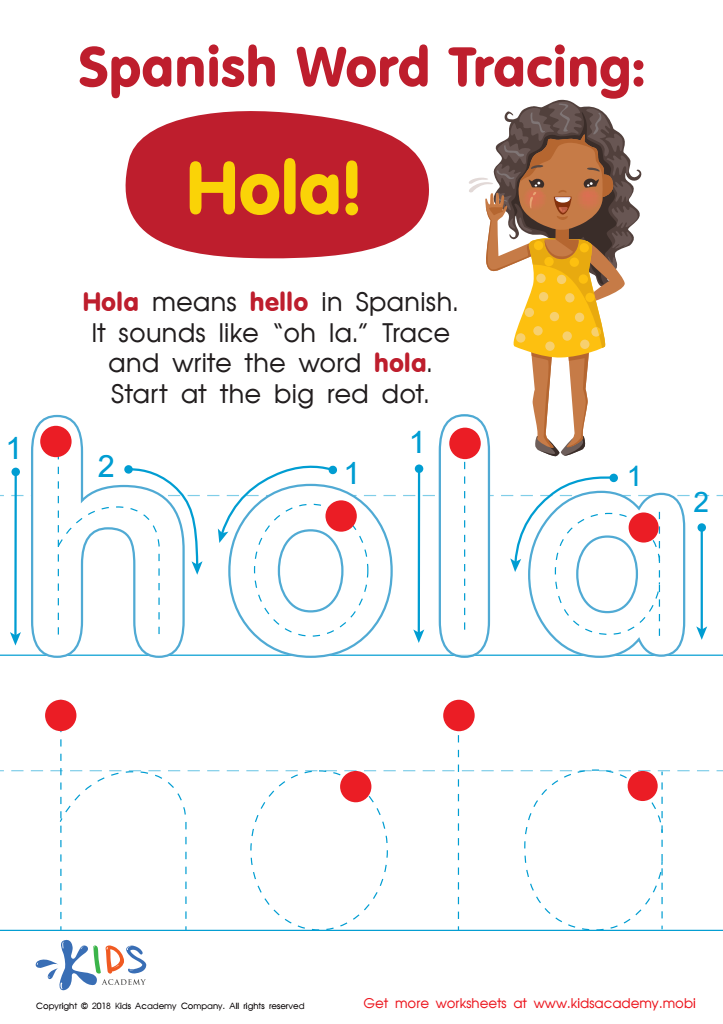
Spanish Word Tracing: Hola Worksheet
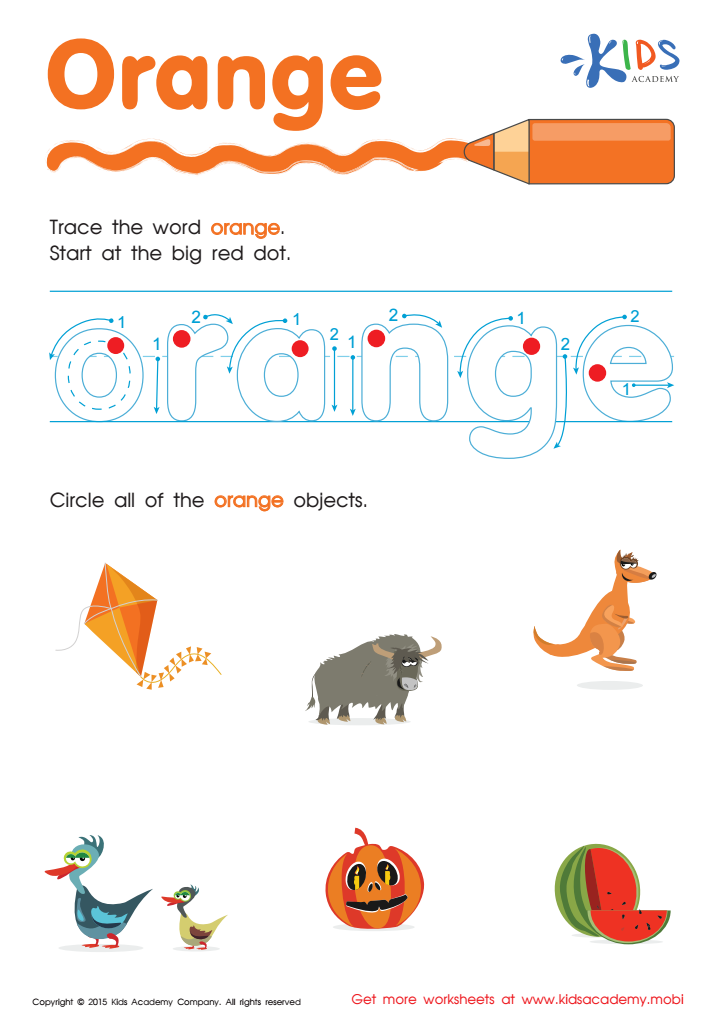
Orange Tracing Color Words Worksheet
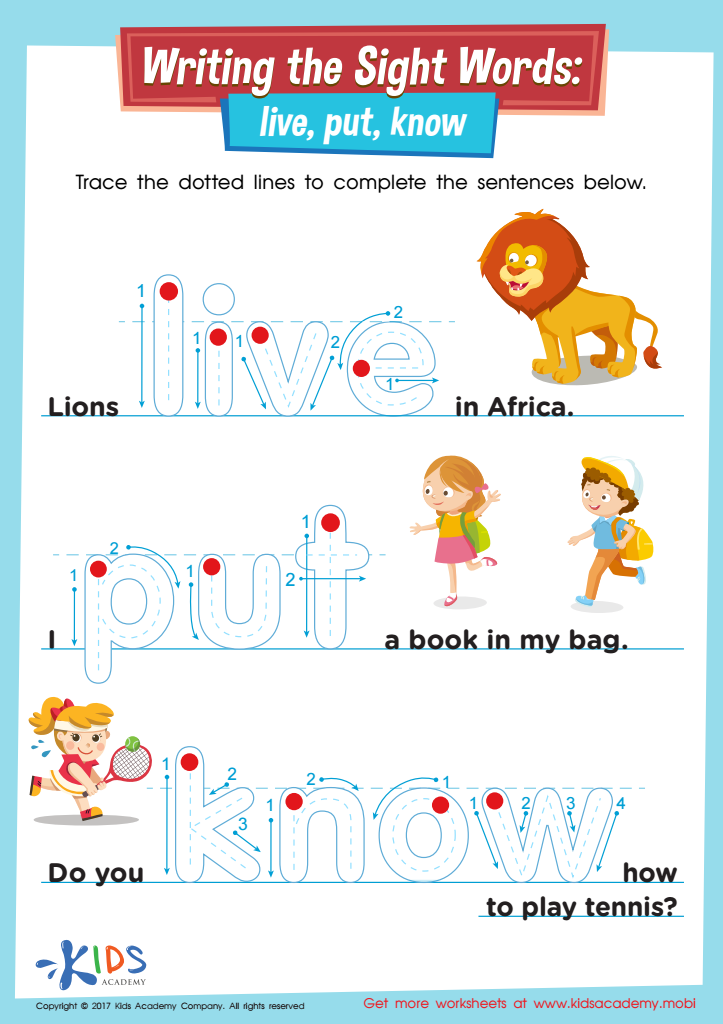
Live, Put, Know Printable Sight Words Worksheet
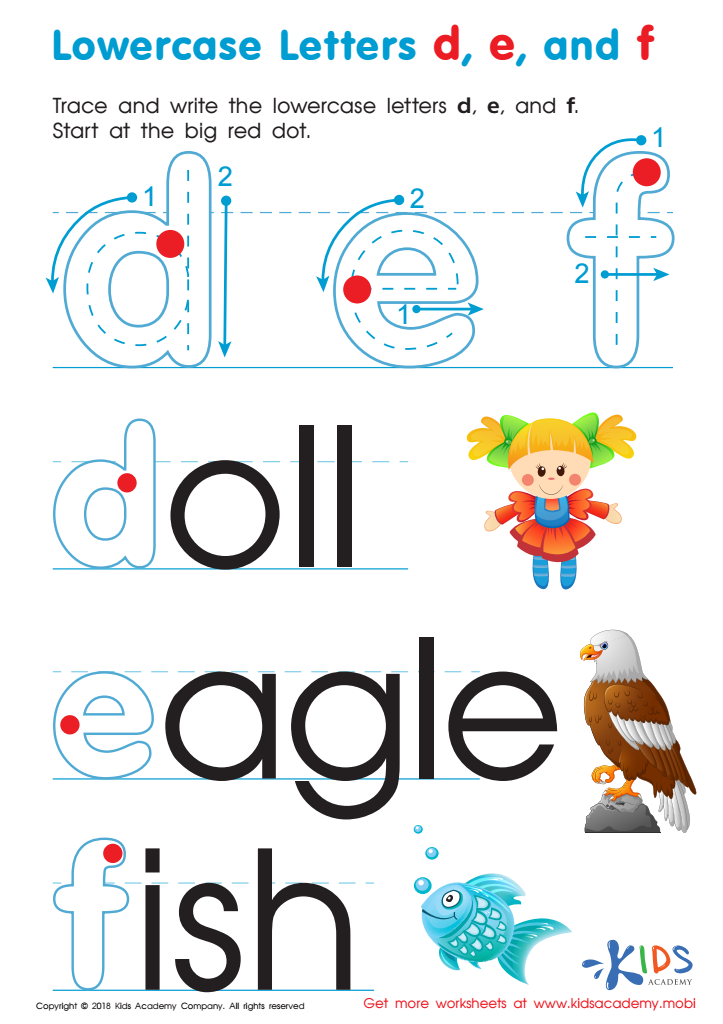
Lowercase Letters d e f Worksheet








Tracing words is an essential activity for children ages 5-8, and parents and teachers should prioritize it for several key reasons. First, it directly supports the development of fine motor skills. As children learn to control a pencil or crayon, they enhance the muscles in their hands, which is crucial for various daily tasks beyond writing, like buttoning clothes or using utensils.
Second, word tracing plays a significant role in literacy development. Through repetitive tracing, children become more familiar with the shapes and forms of letters, improving their handwriting and enabling them to recognize and replicate letters correctly. This foundational skill is critical as it lays the groundwork for fluent writing and effective communication.
Additionally, tracing activities help with cognitive development. By concentrating on staying within the lines and following the correct letter patterns, children enhance their focus, attention to detail, and visual-spatial awareness. These skills transfer to other areas of learning and everyday life.
Lastly, tracing can be a confidence booster. As children see their own progress—from shaky beginnings to smooth, well-formed letters—they gain a sense of accomplishment and a positive attitude towards learning. This encouragement is crucial in fostering a lifelong love of education.
Incorporating word tracing into daily routines ensures that young learners develop the skills needed for academic success and practical life skills.








