Logical thinking Worksheets for Ages 5-9
39 filtered results
-
From - To
Enhance your child's cognitive skills with our carefully crafted Logical Thinking Worksheets for ages 5-9! Designed to stimulate young minds, our engaging worksheets offer a variety of fun and educational activities that challenge critical thinking and problem-solving abilities. From simple patterns and sequences to more complex puzzles and riddles, these worksheets are perfect for building a solid foundation in logical reasoning. Ideal for both classroom use and at-home learning, our resources not only make learning enjoyable but also help kids develop essential skills that will serve them throughout their academic journey and beyond.
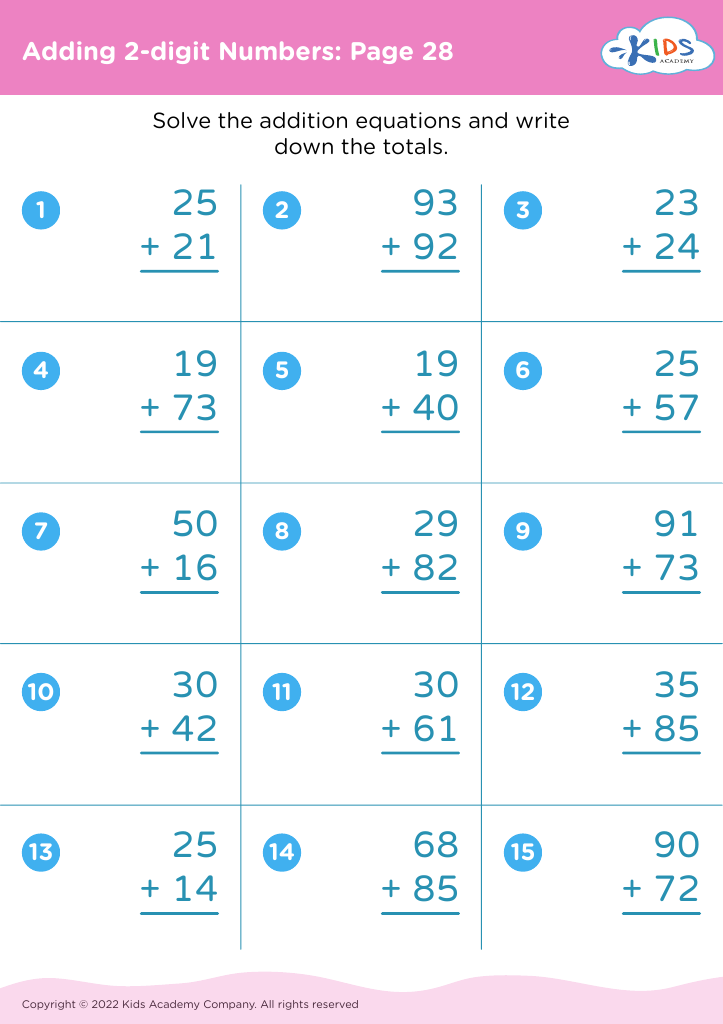

Alexander the Great Maze Worksheet
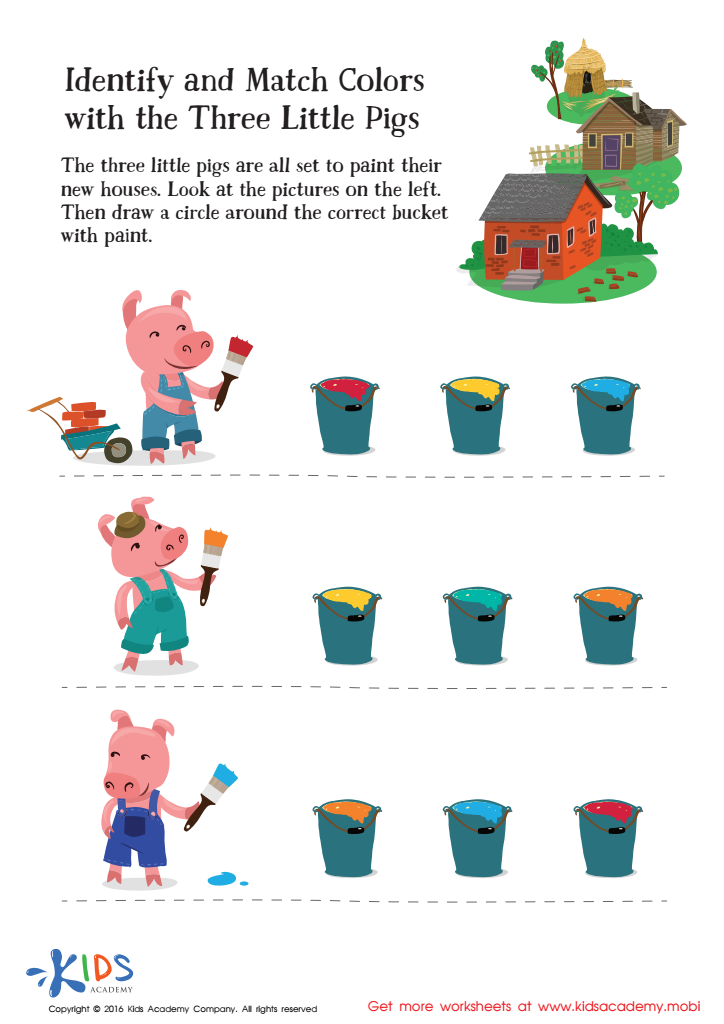
Fairy Tale Worksheet: Identify and Match Colors with Three Little Pigs
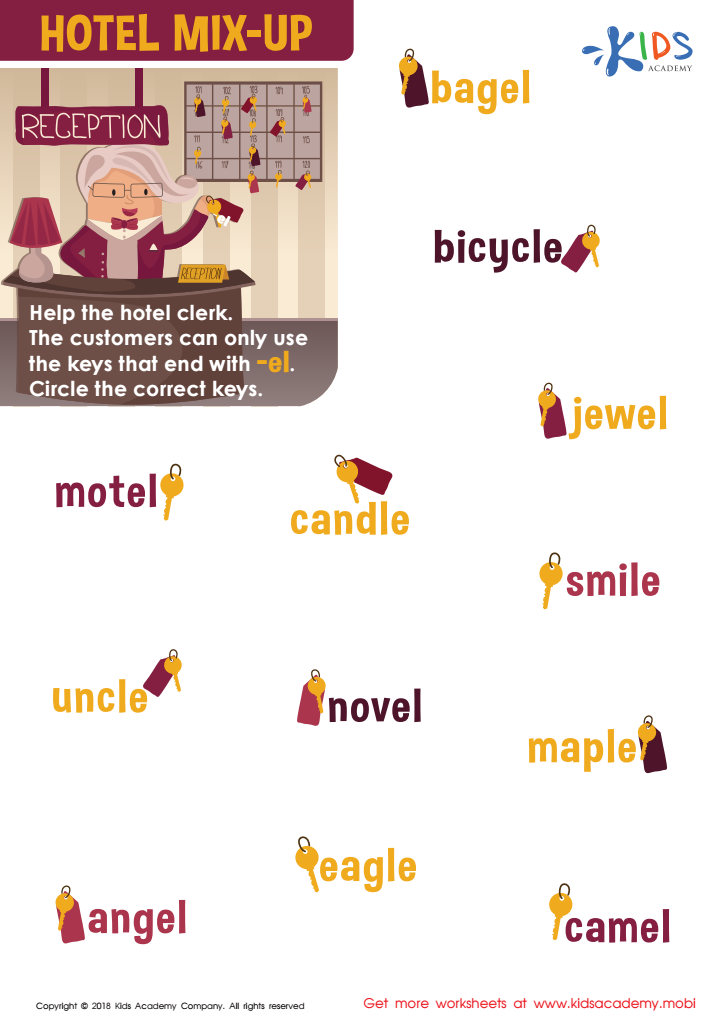
Hotel Mix-up Worksheet
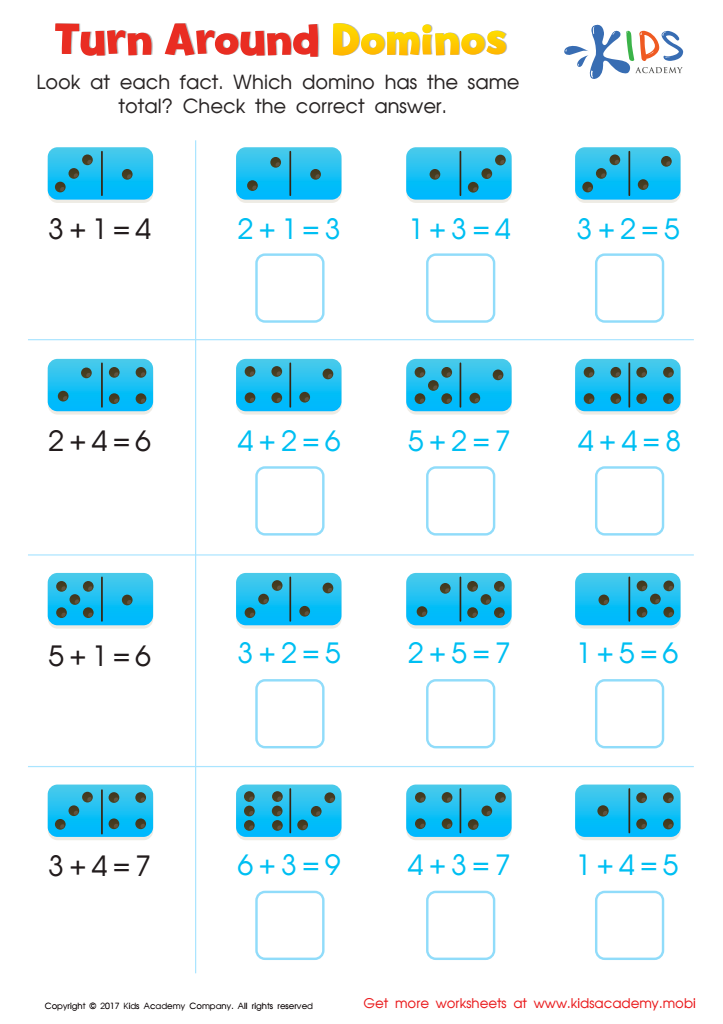
Turn Around Dominos Worksheet
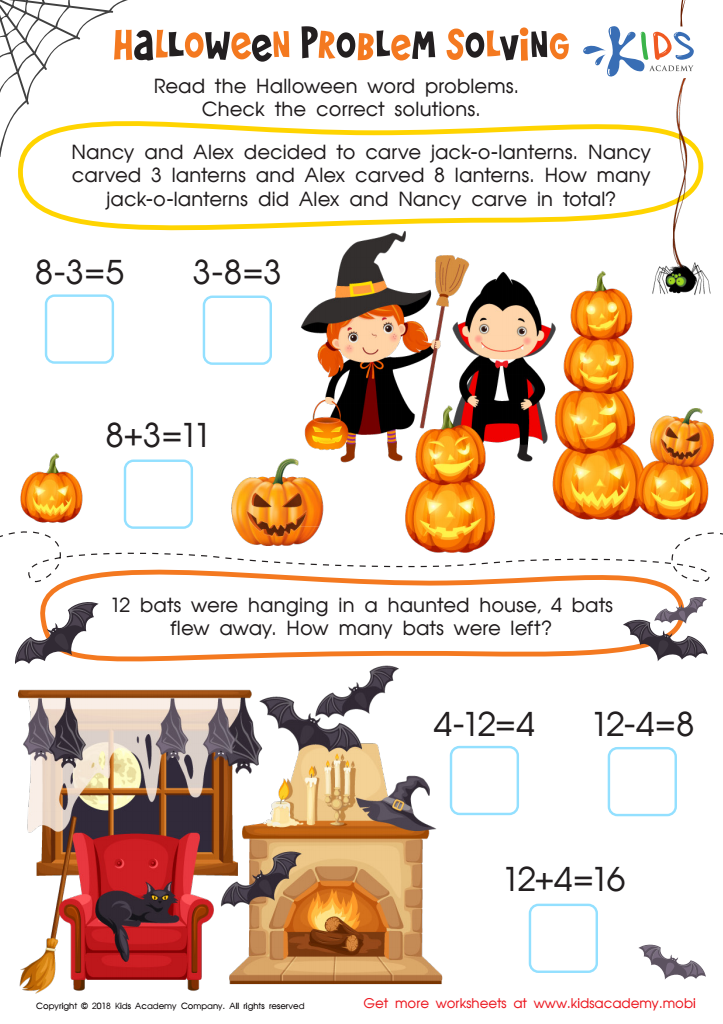
Halloween Problem Solving Worksheet
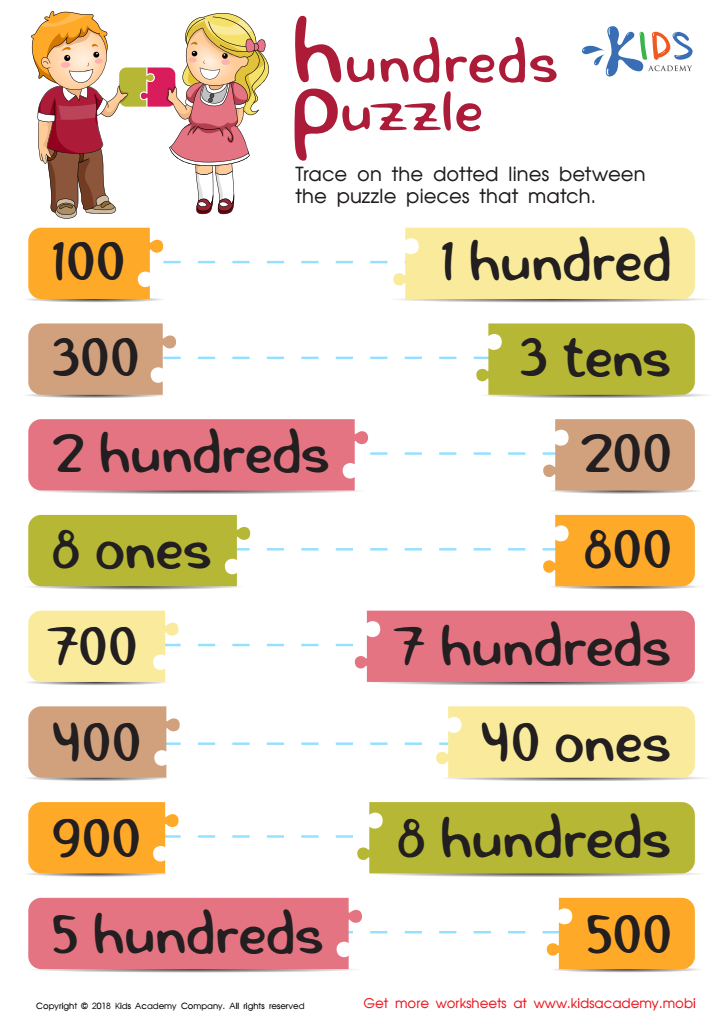
Hundreds Puzzle Worksheet
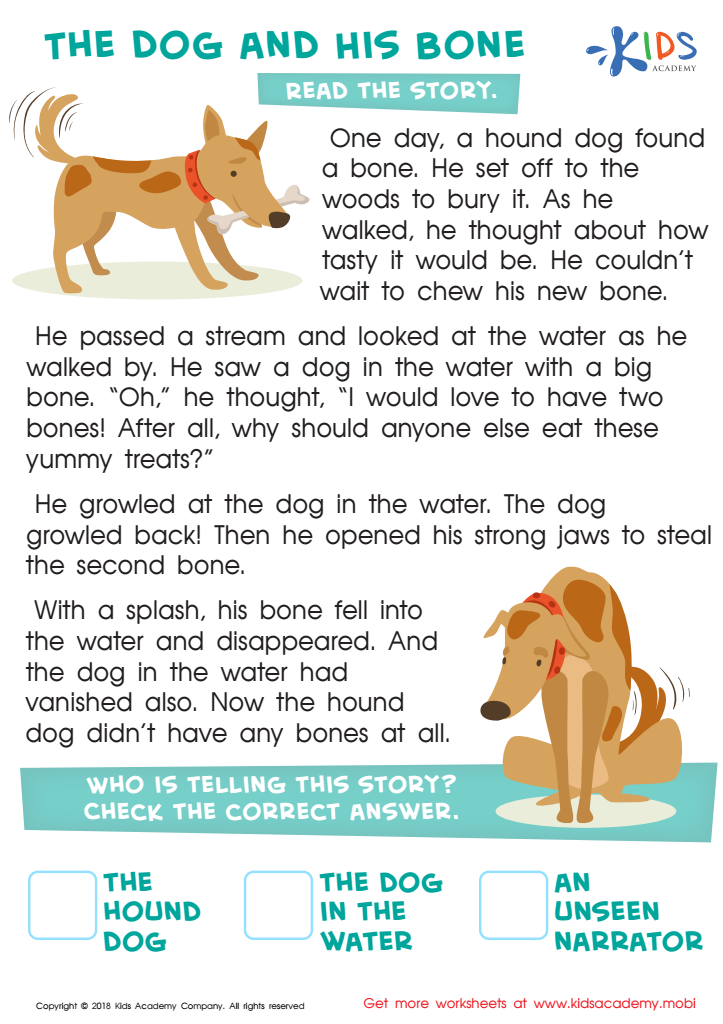
The Dog and His Bone Worksheet
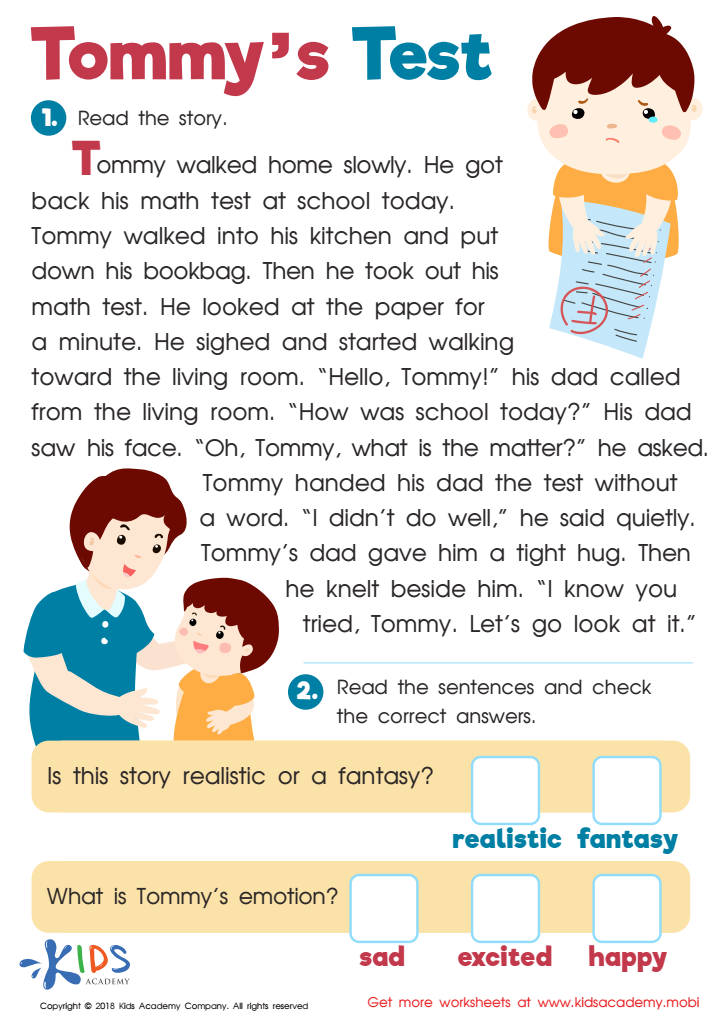
Tommys Test Worksheet
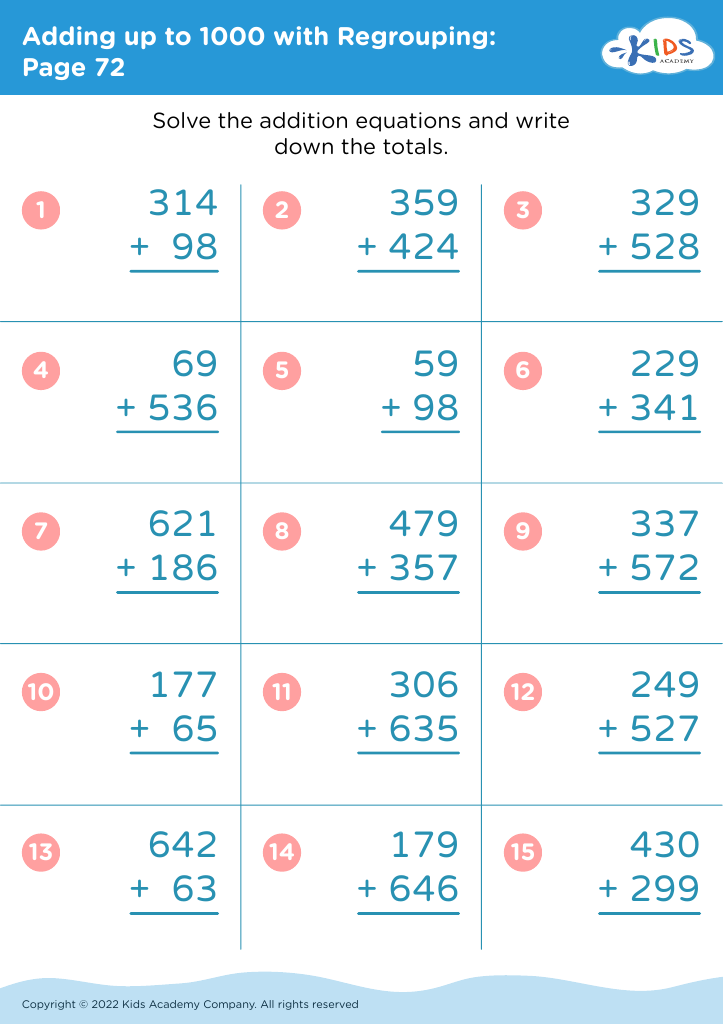
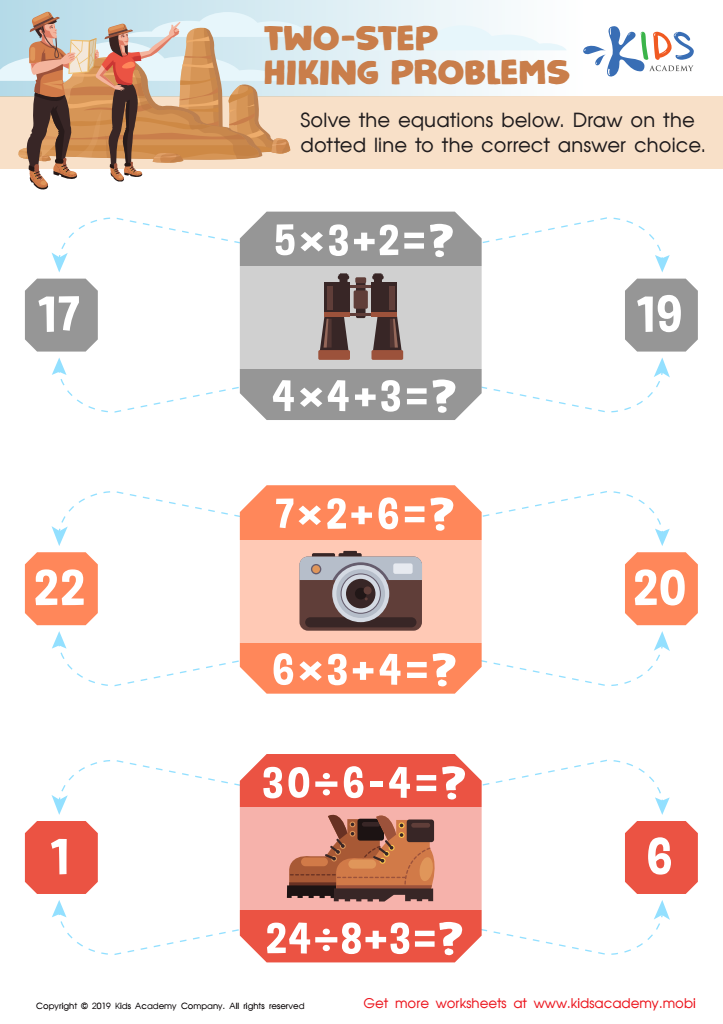
Two-Step Hiking Problems Worksheet
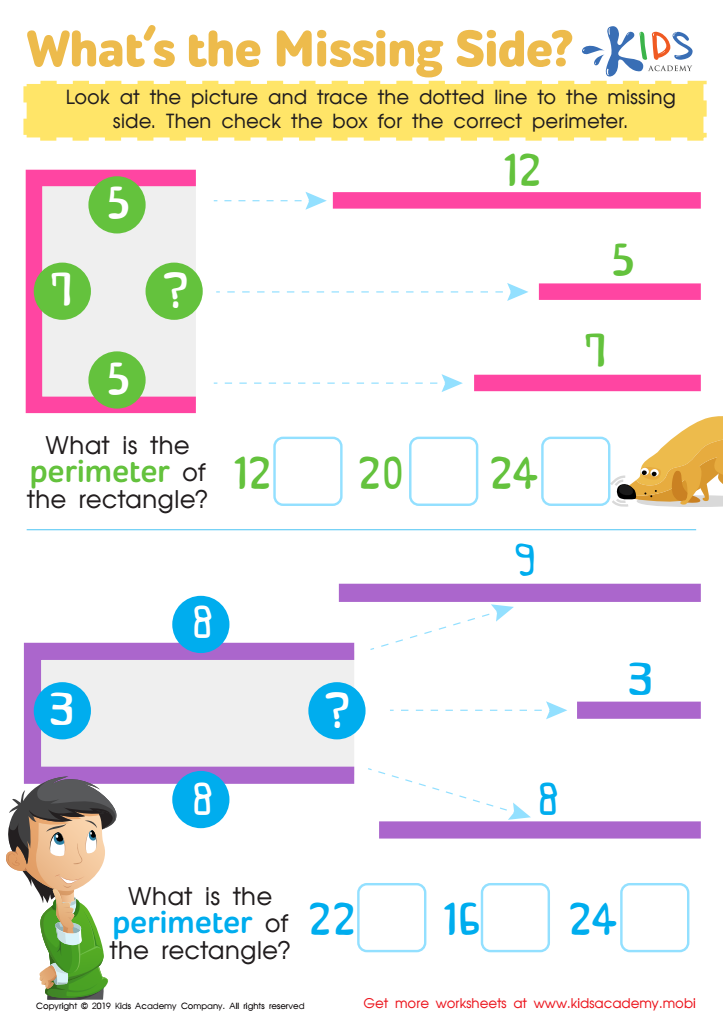
What's the Missing Side Worksheet
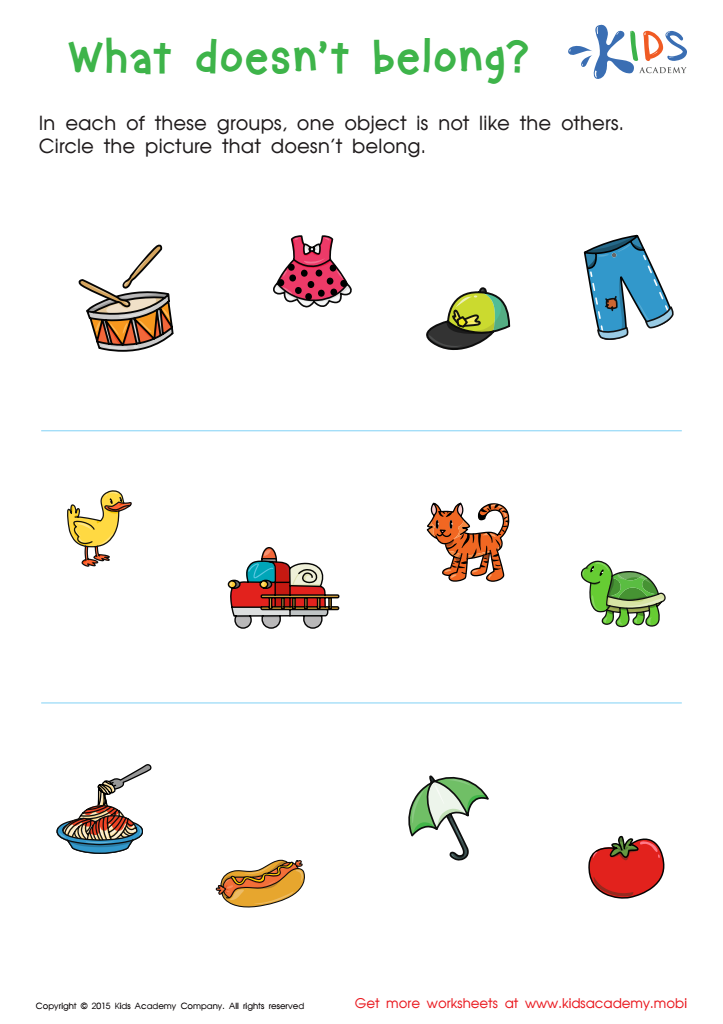
First Words: What Doesn't Belong Worksheet
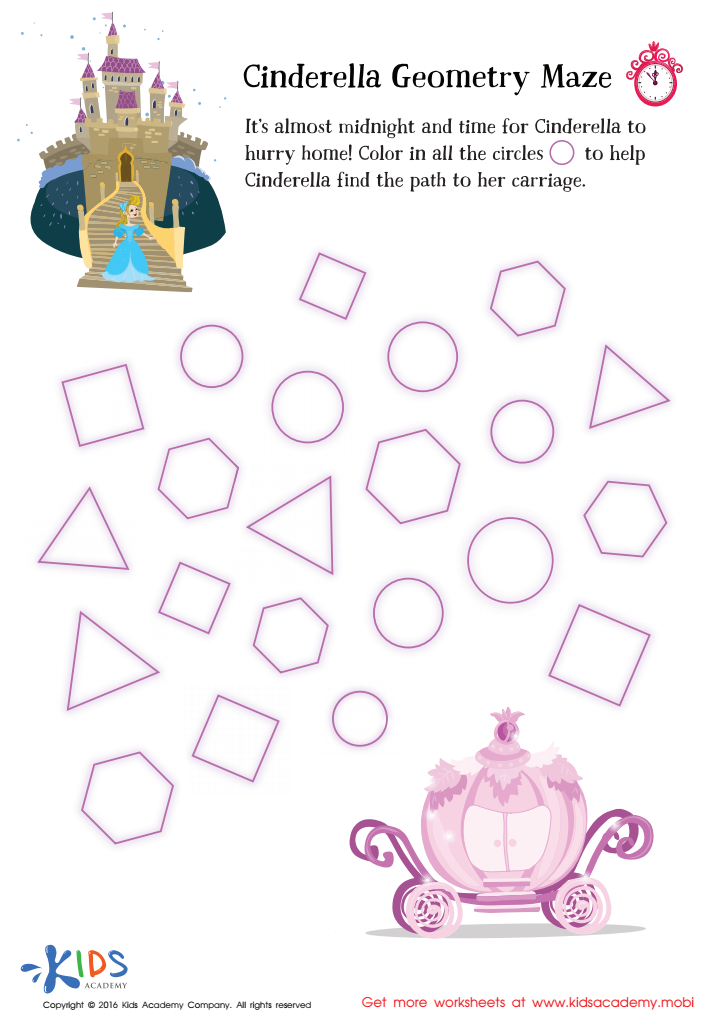
Cinderella Geometry Maze Worksheet
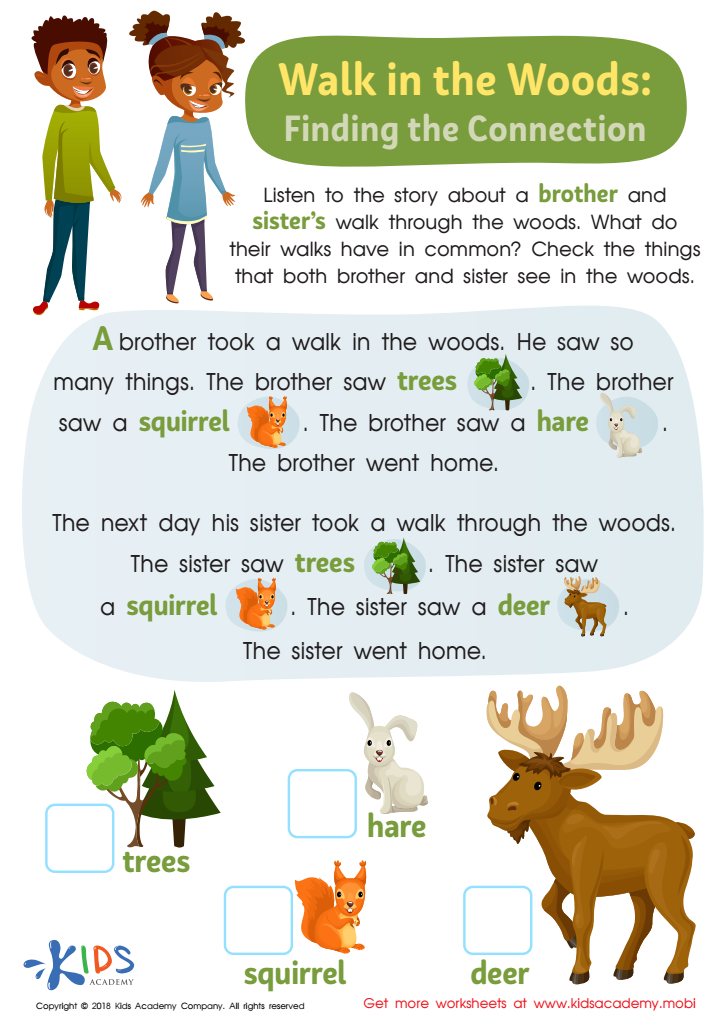
Walk In the Woods: Finding Connections Worksheet
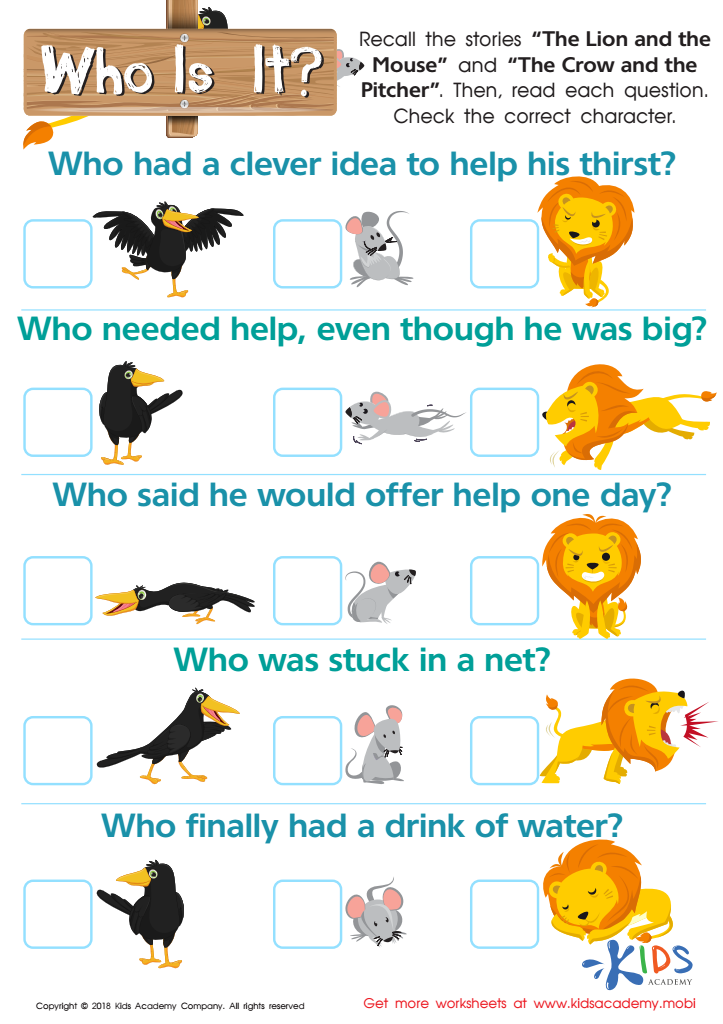
Who Is It? Worksheet
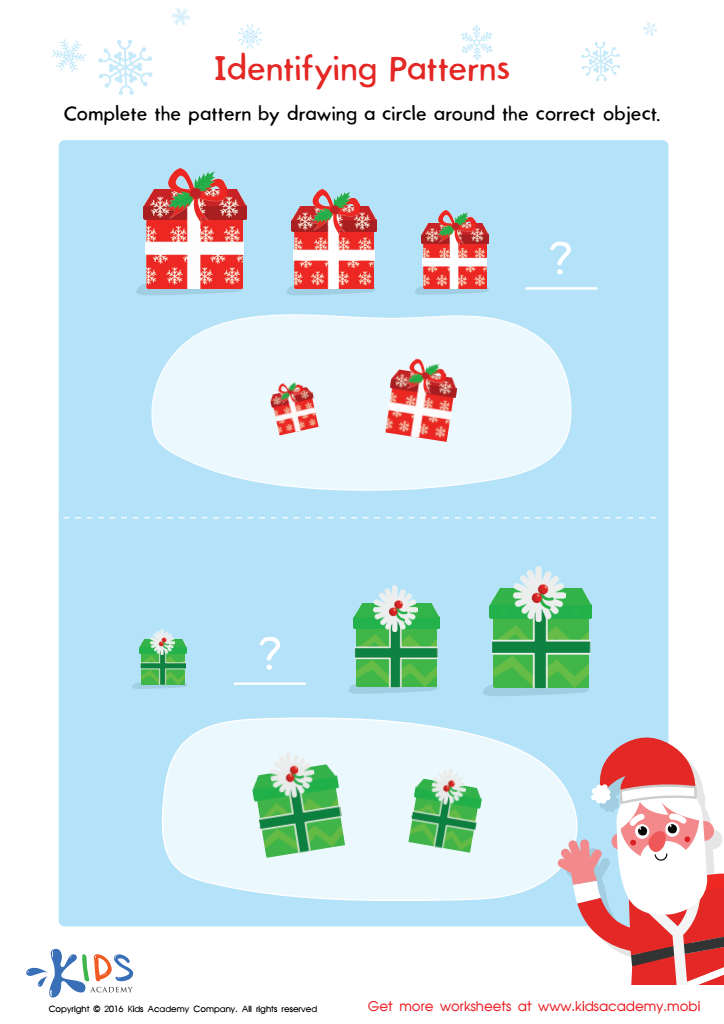
Identifying Patterns Worksheet
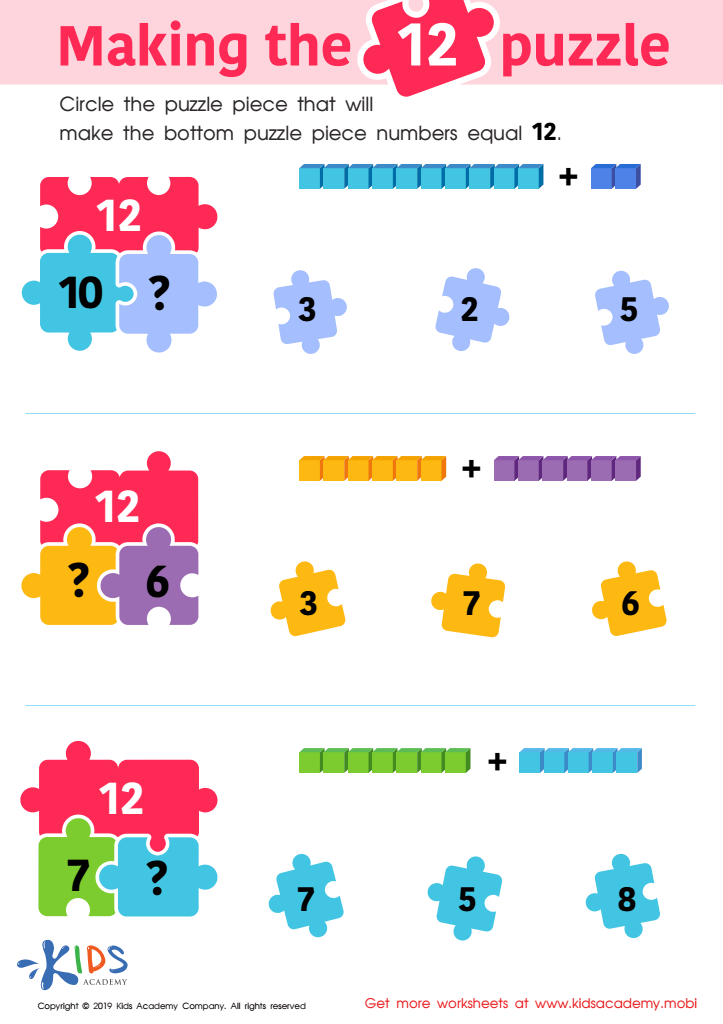
Making the 12 Puzzle Worksheet
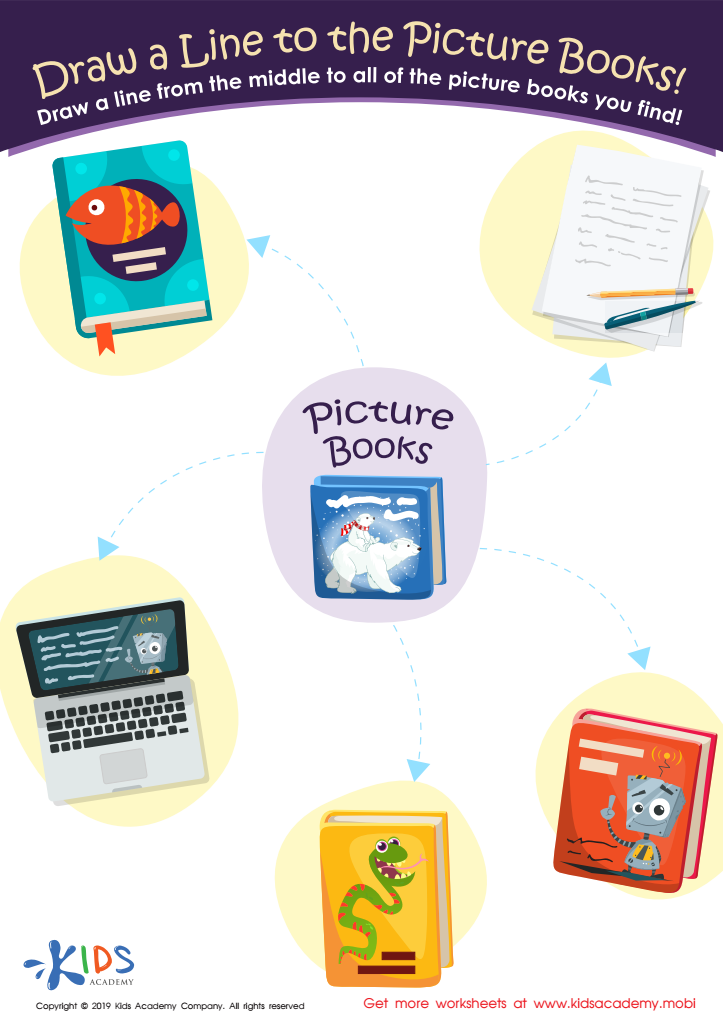
Draw a Line to the Picture Books Worksheet
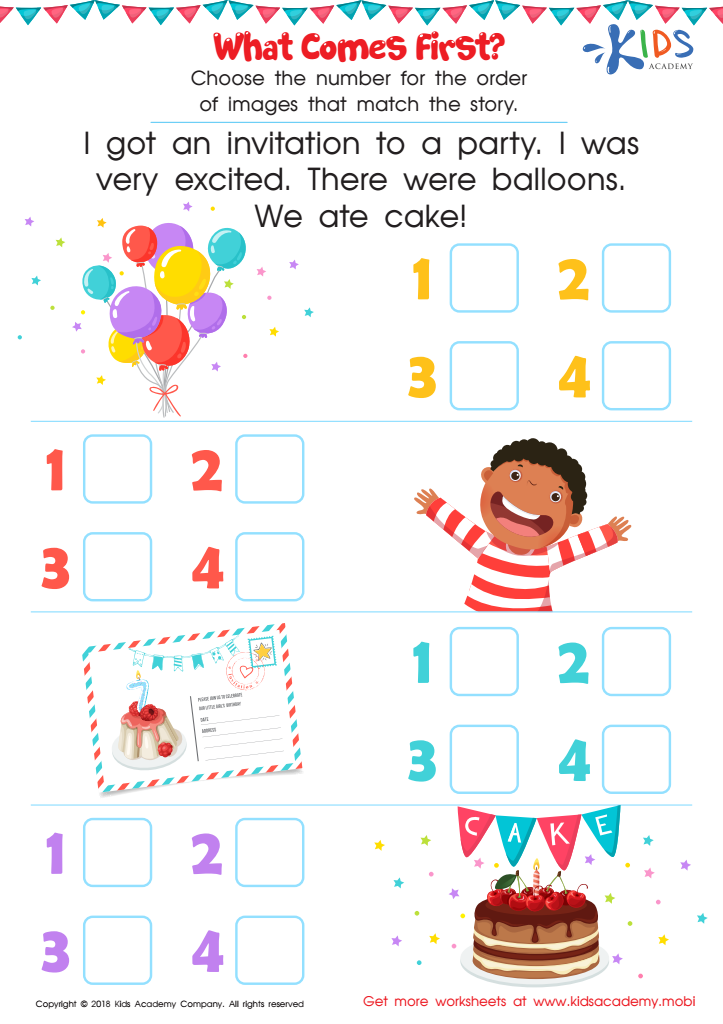
What Comes First Worksheet
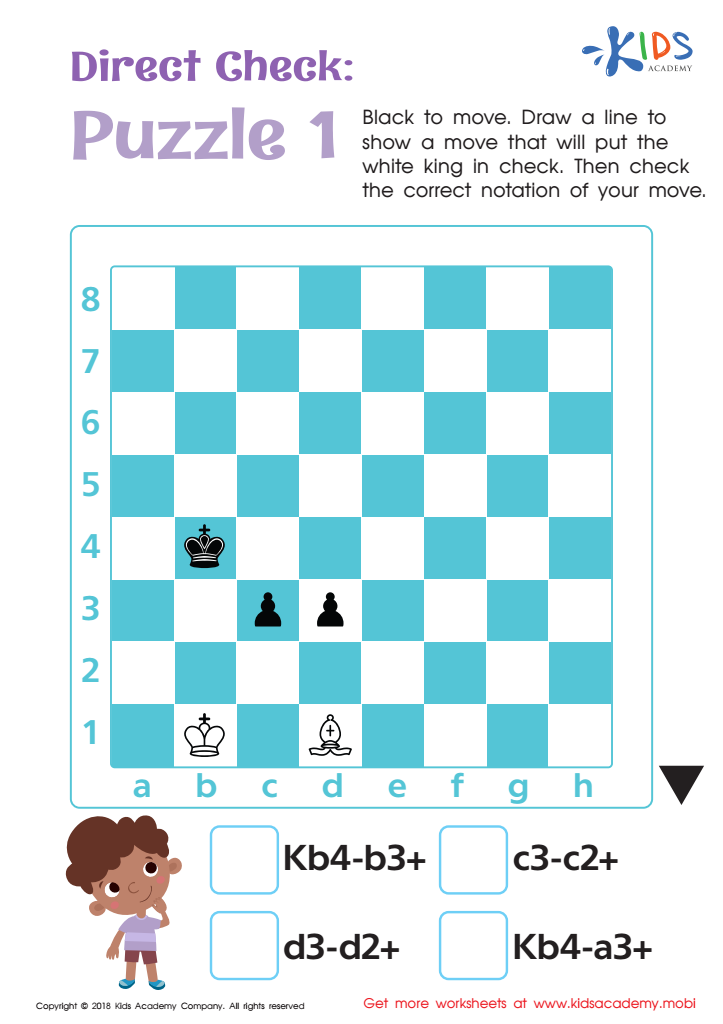
Direct Check: Puzzle 1 Worksheet
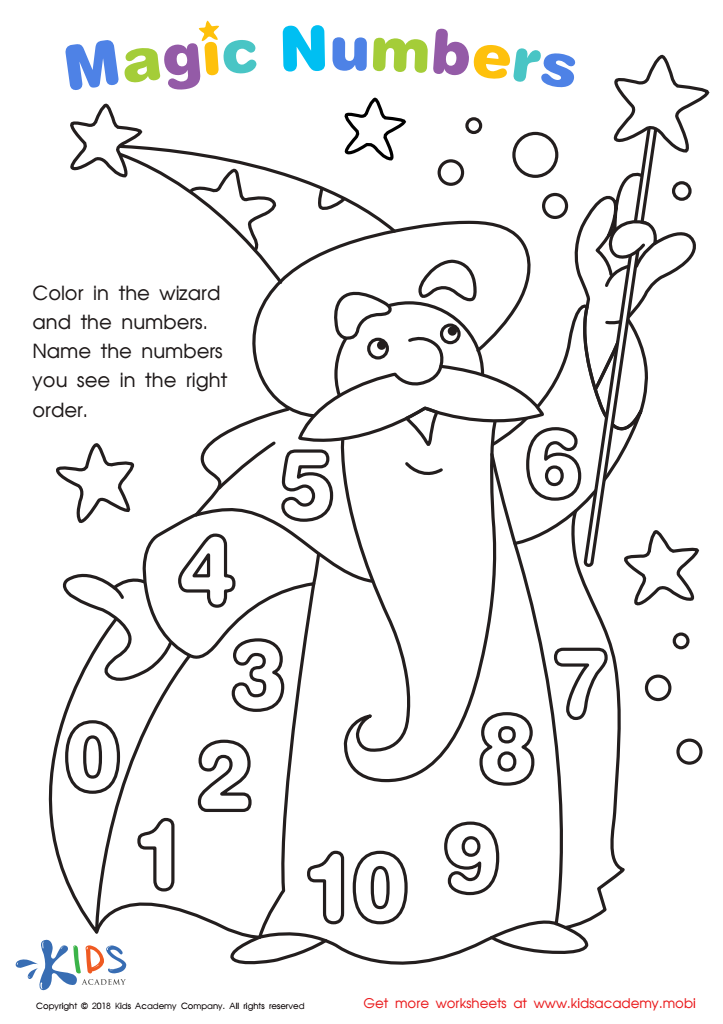
Magic Numbers Worksheet
 Assign to My Students







Developing logical thinking in children aged 5-9 is crucial for their cognitive growth and lays the foundation for future learning. Logical thinking enhances problem-solving skills by teaching kids to approach issues systematically and identify effective solutions. This ability is essential not just in math and science, but in everyday decision-making and social interactions.
At this formative age, fostering logical thinking helps improve concentration and attention to detail. These skills lead to better academic performance and a more robust understanding of how the world works. For example, engaging children in activities like puzzles, games involving patterns, or simple cause-and-effect experiments can significantly enhance their ability to think critically about different scenarios.
Moreover, logical thinking contributes to emotional development. When children can reason through situations, they are better equipped to manage conflicts, understanding the consequences of their actions. It promotes resilience and the ability to navigate challenges thoughtfully rather than impulsively.
Teachers and parents play a pivotal role in nurturing these skills. By posing open-ended questions, encouraging curiosity, and providing opportunities for children to explore and reason, adults can create environments where logical thinking flourishes. Investing in these practices supports well-rounded development and prepares children for the complexities of life ahead.








