Reading comprehension Science Worksheets for Ages 5-9 - Page 3
102 filtered results
-
From - To
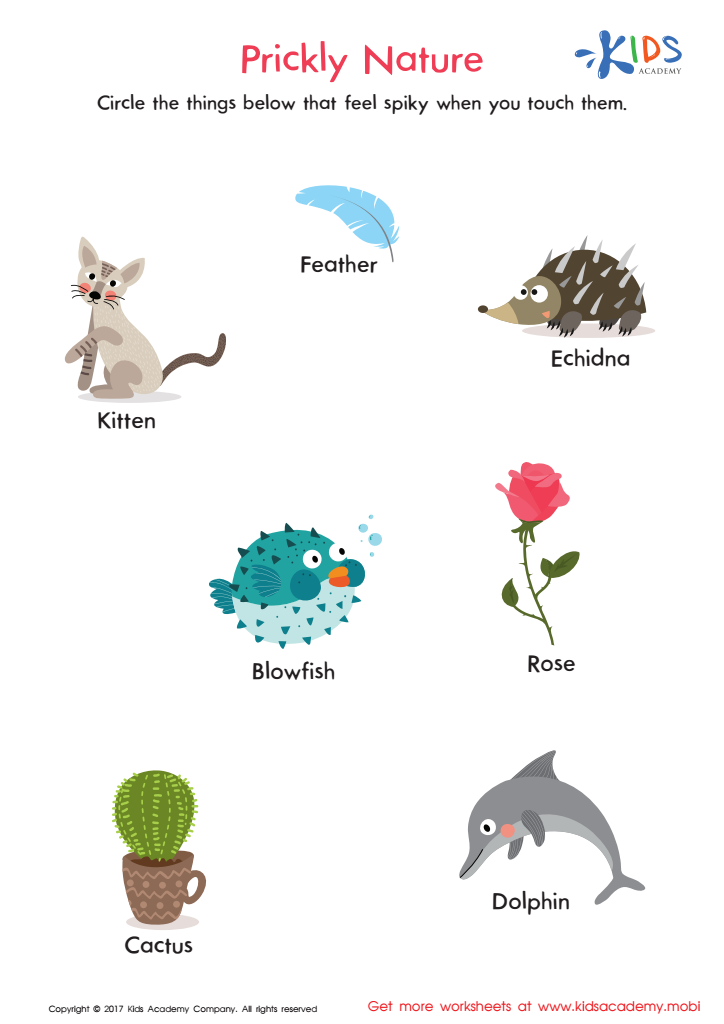
Prickly Nature Worksheet
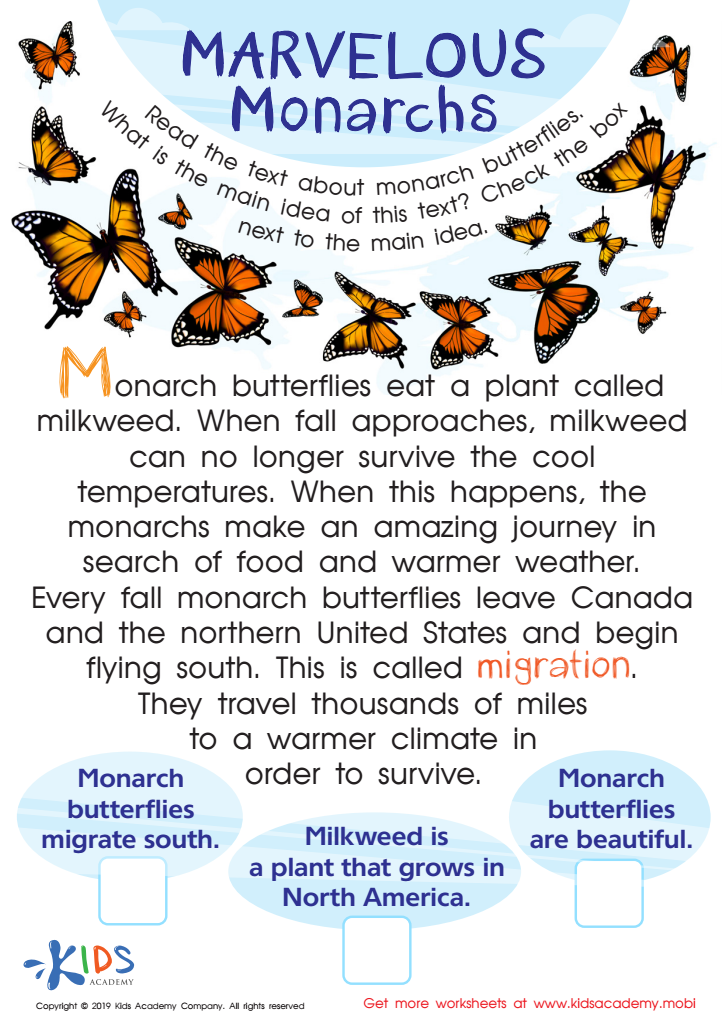
Marvelous Monarchs Worksheet
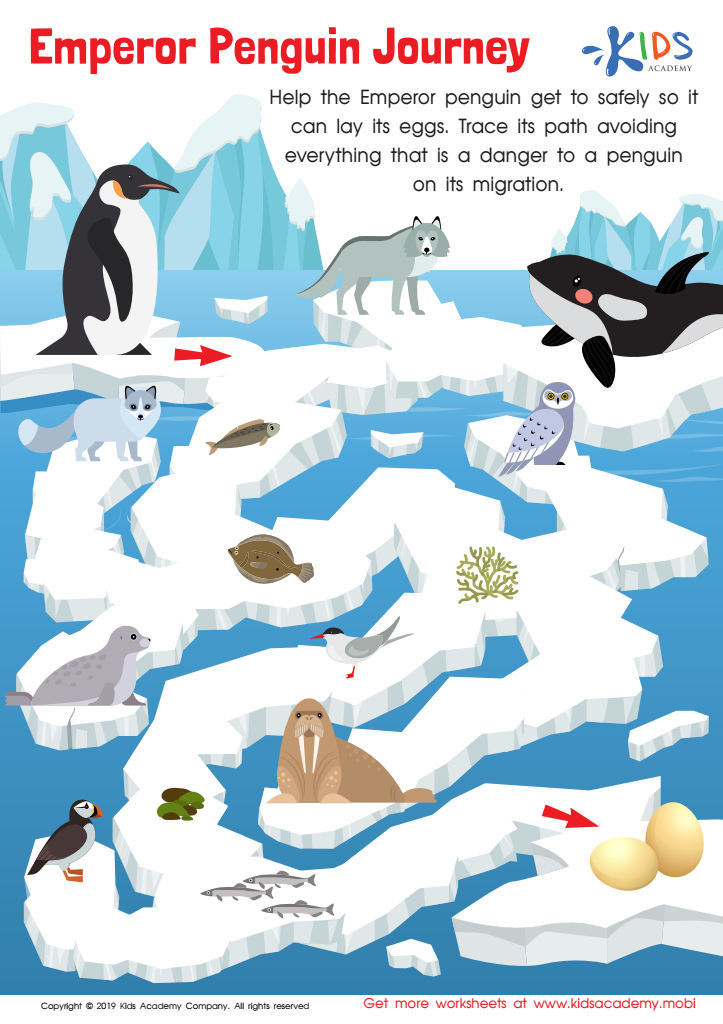
Emperor Penguin Journey Worksheet
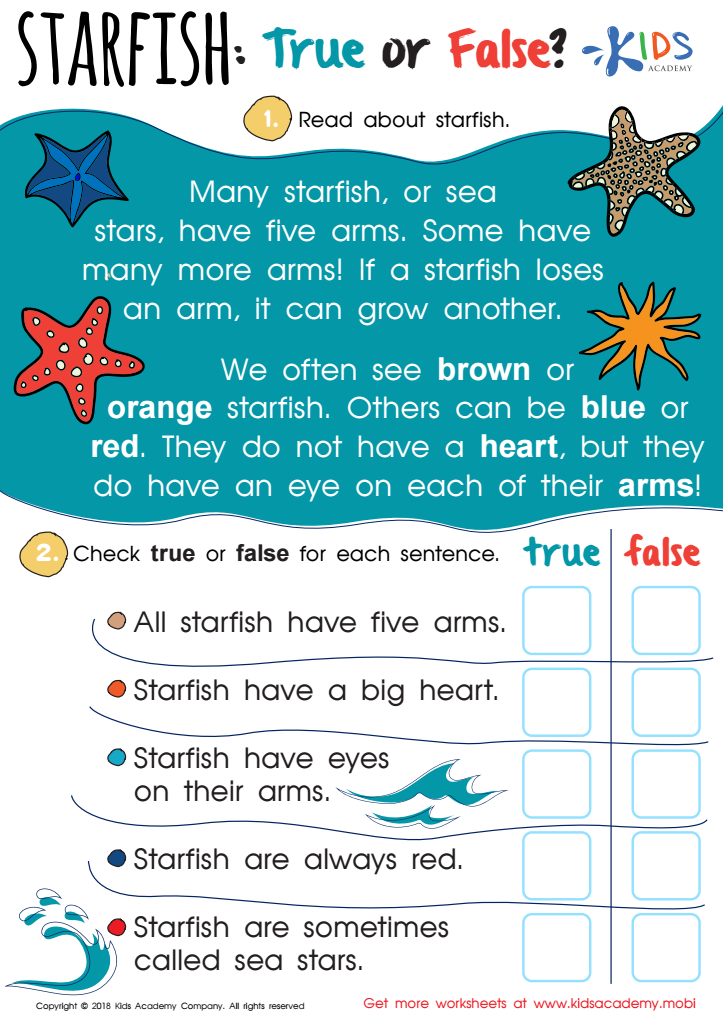
Starfish: True or False Worksheet
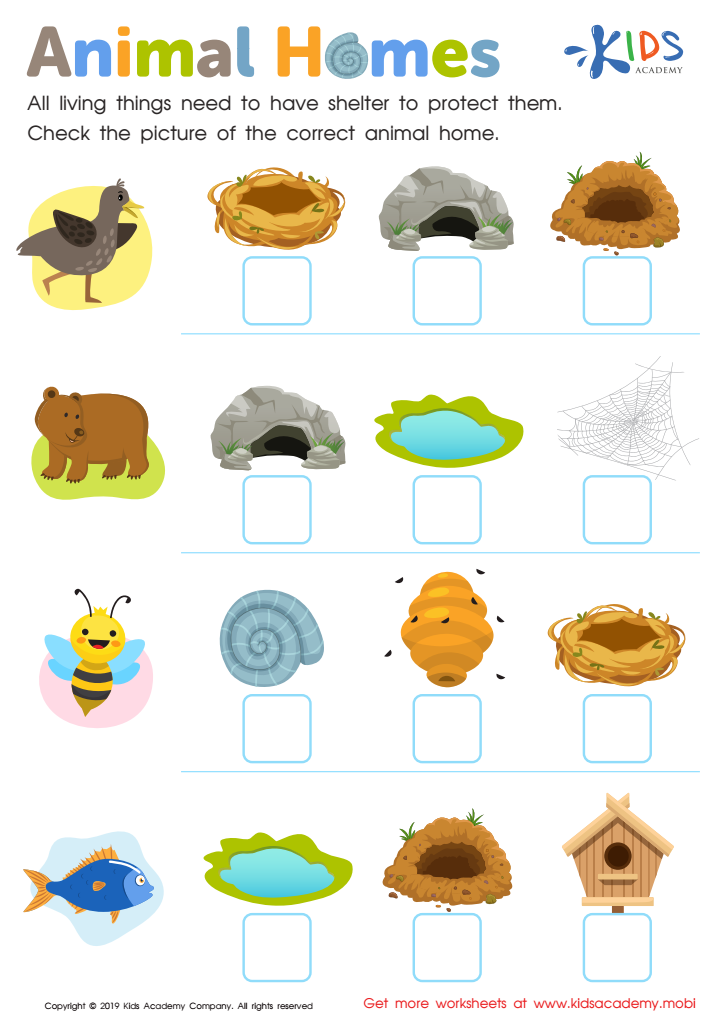
Animal Homes Worksheet
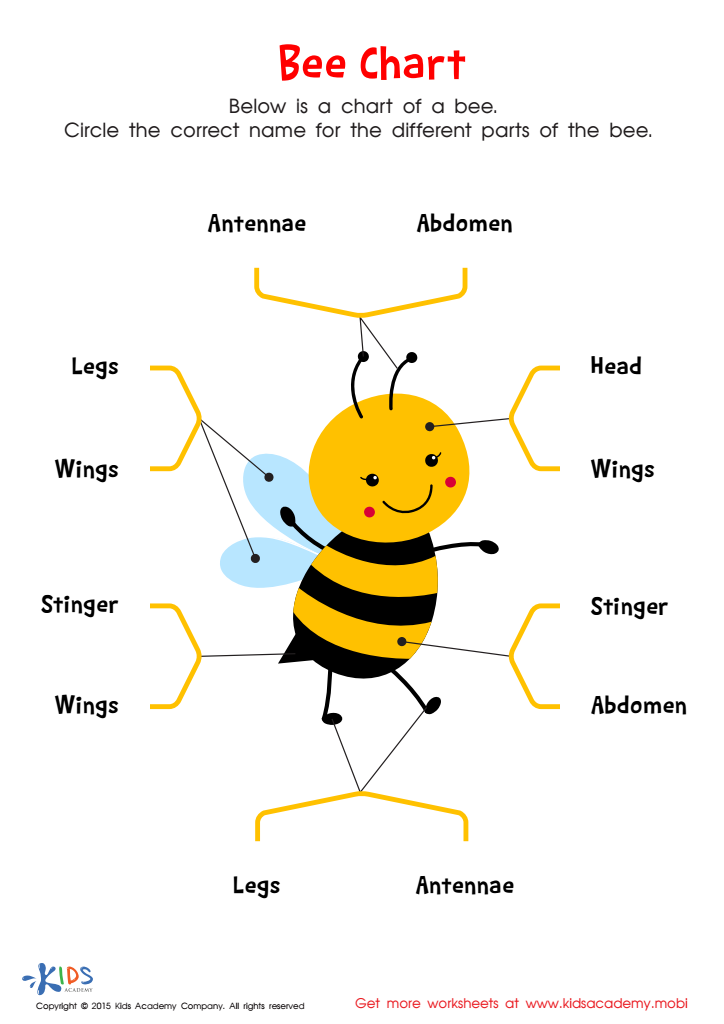
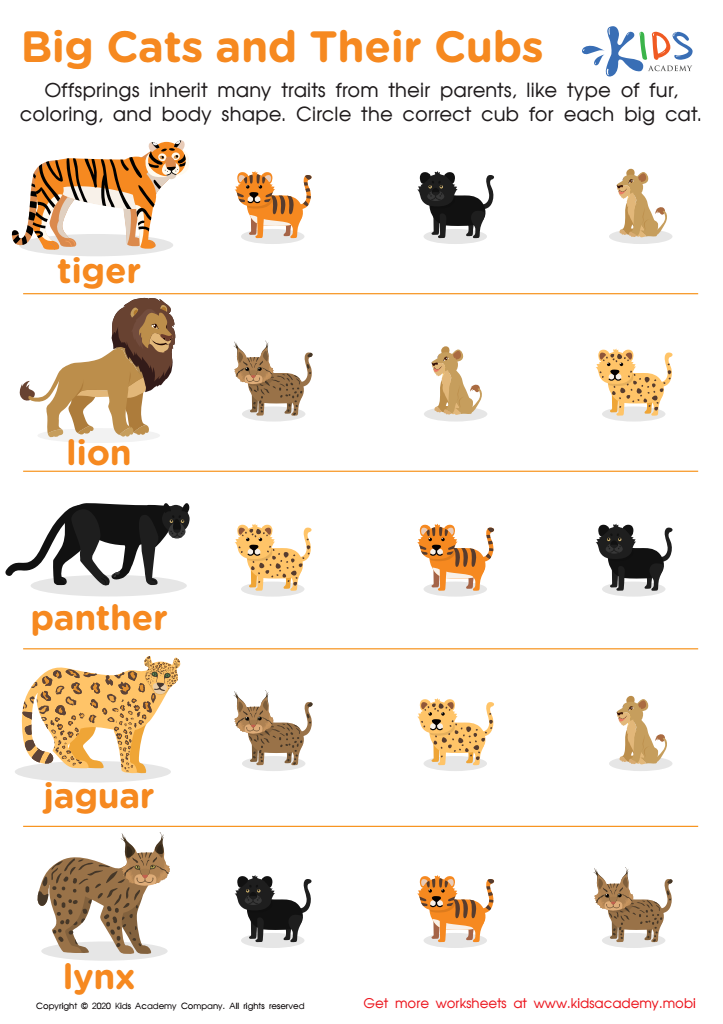
Big Cats and Their Cubs Worksheet
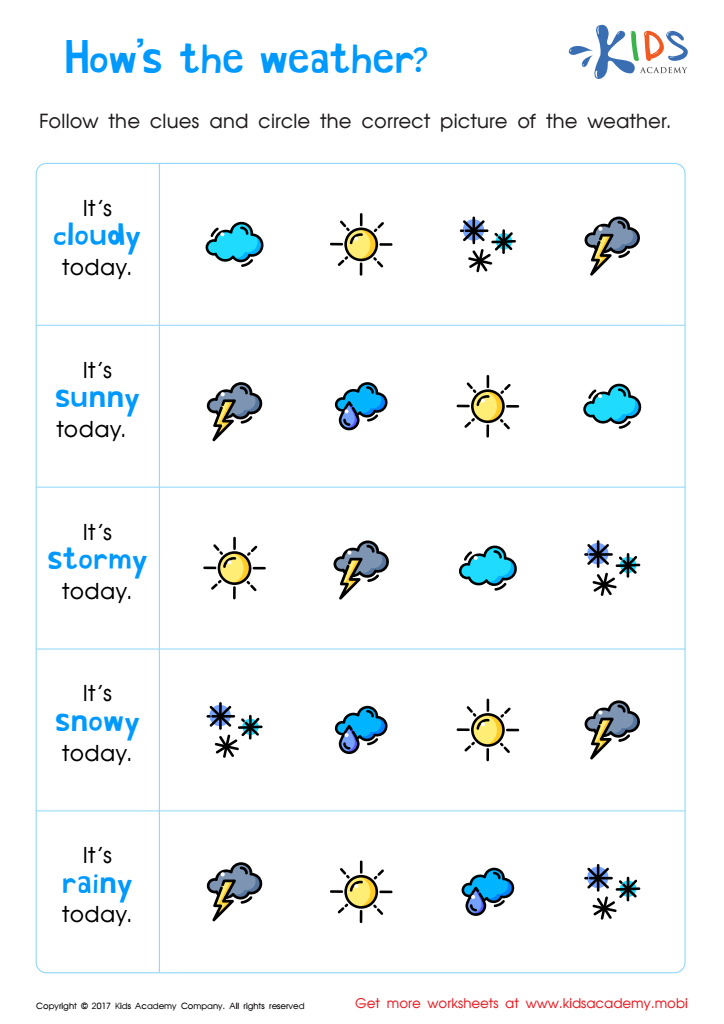
Hows the Weather Worksheet
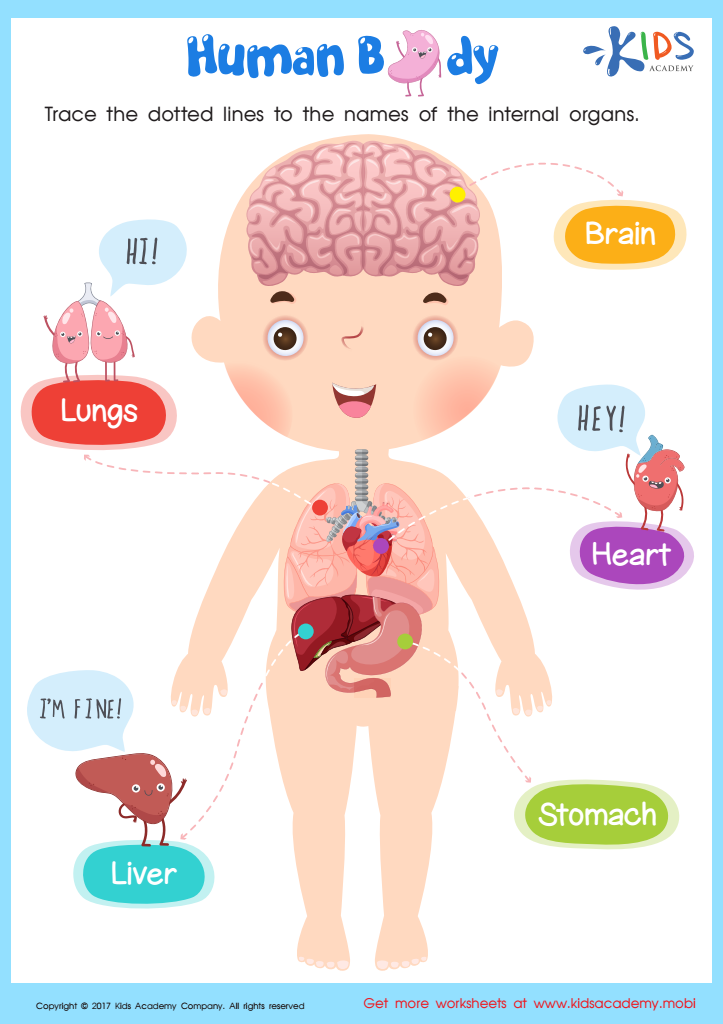
Human Body Worksheet
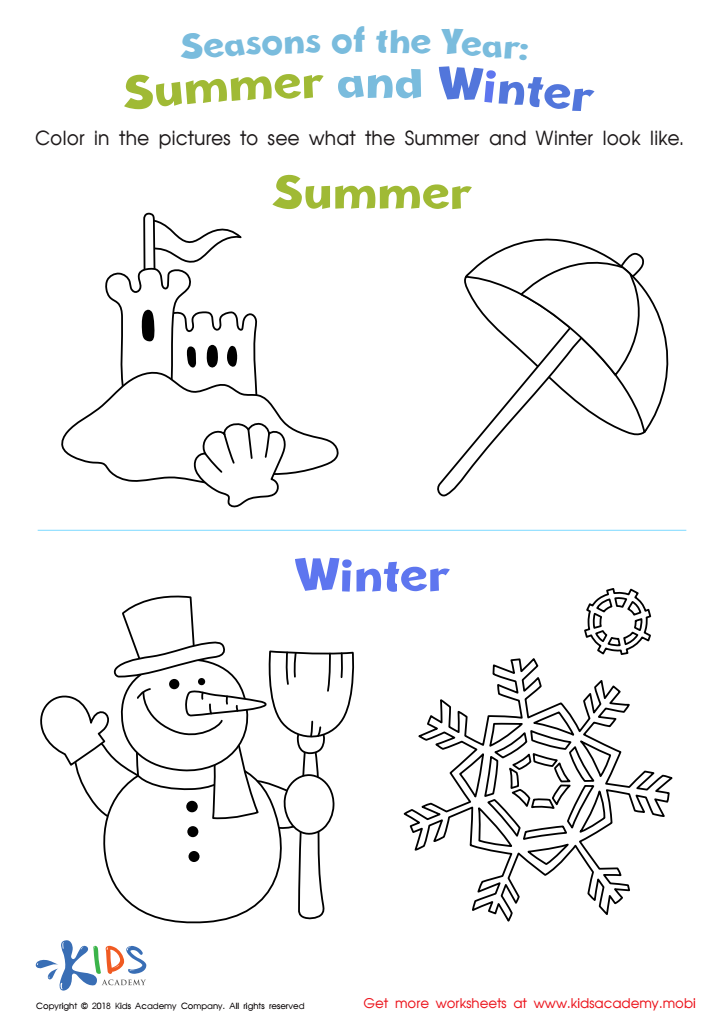
Summer and Winter Worksheet
 Assign to My Students
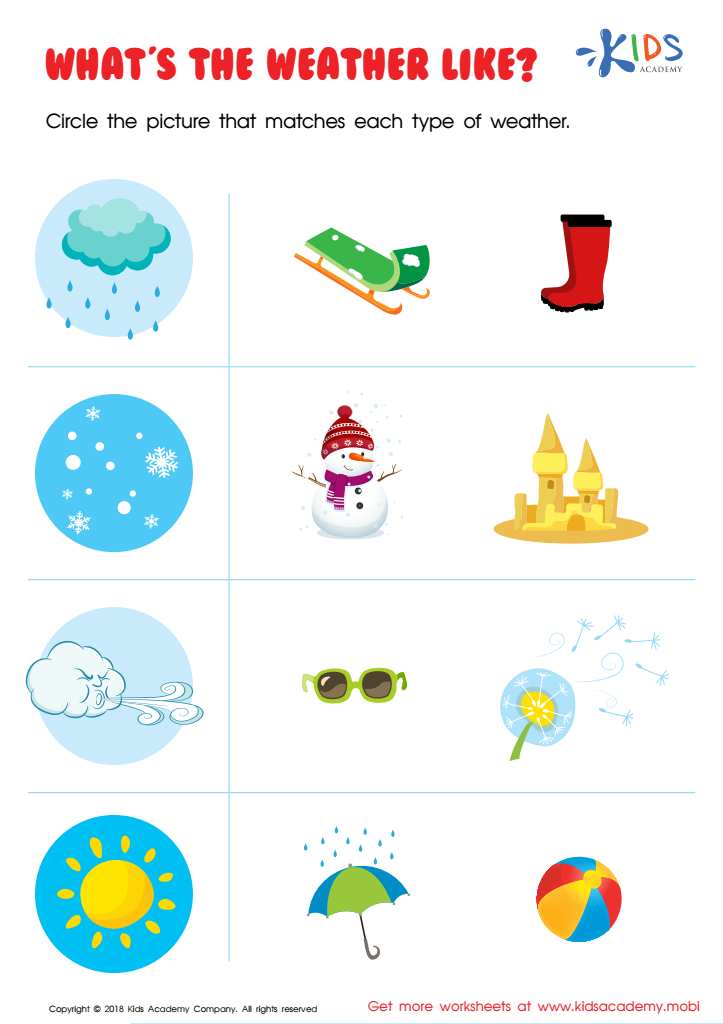
What's the Weather Like? Worksheet
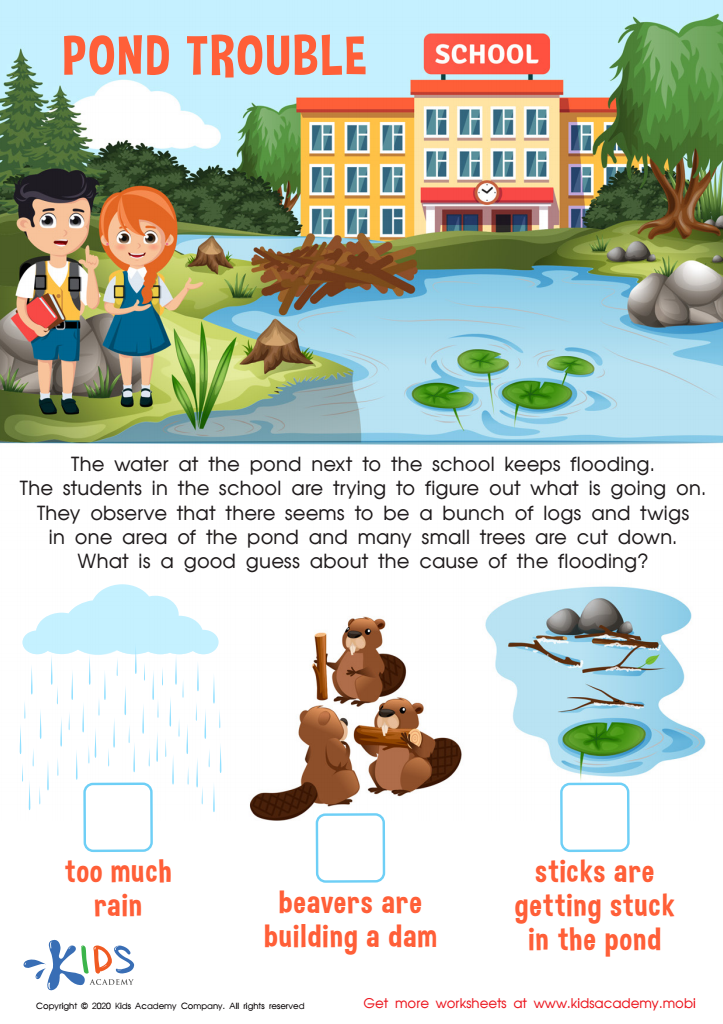
Pond Trouble Worksheet
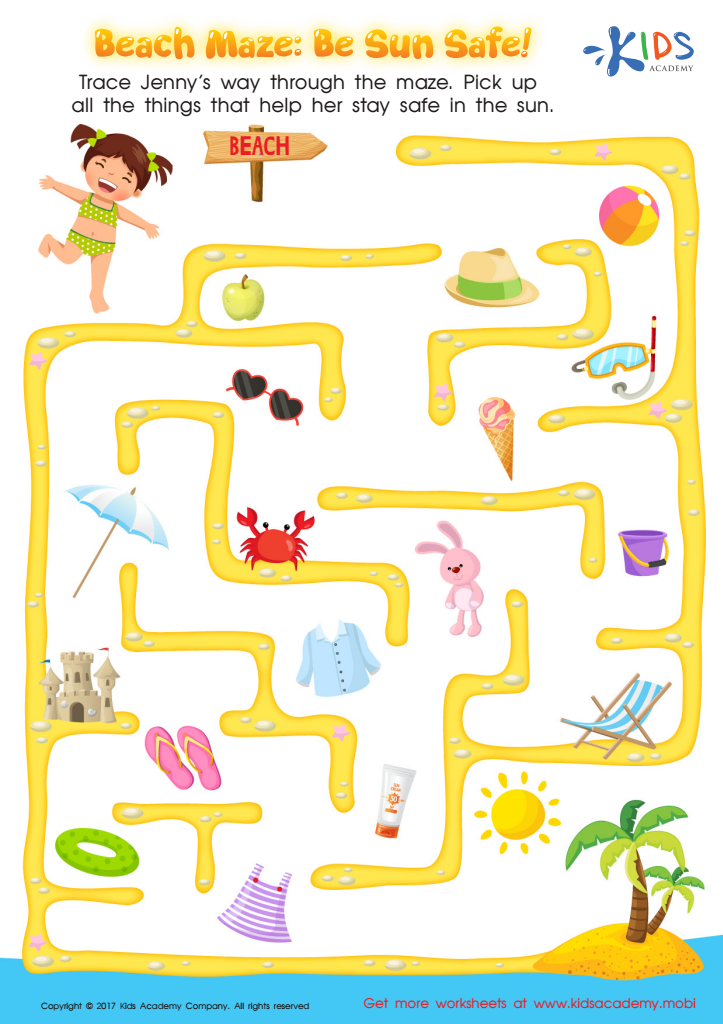
Beach Maze: Sun Safe Worksheet
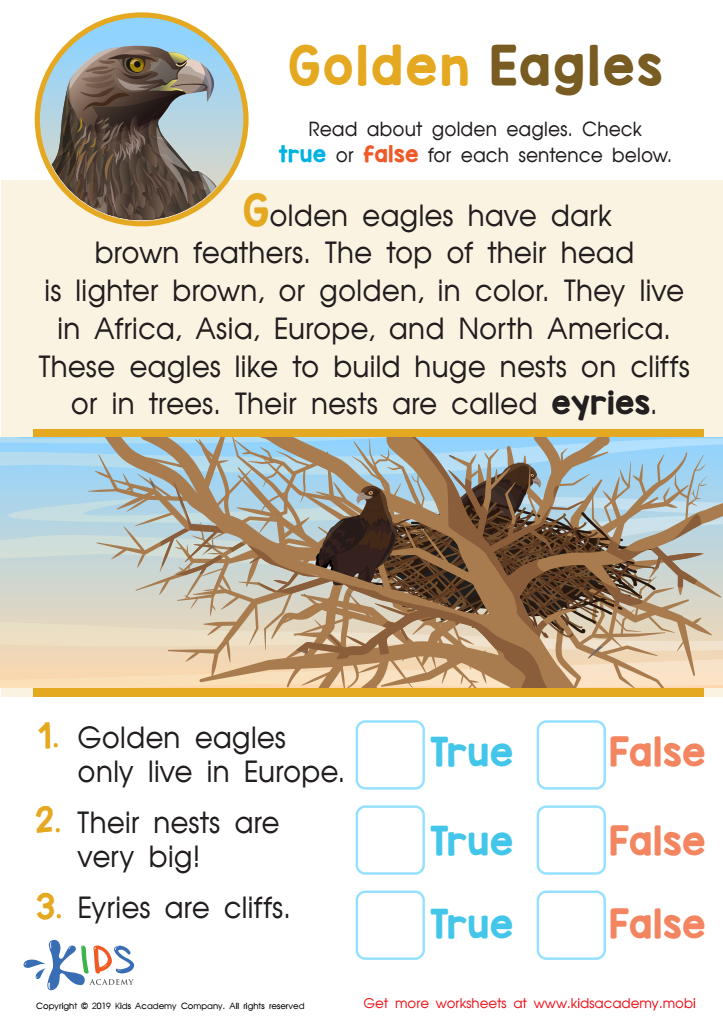
Golden Eagles Worksheet
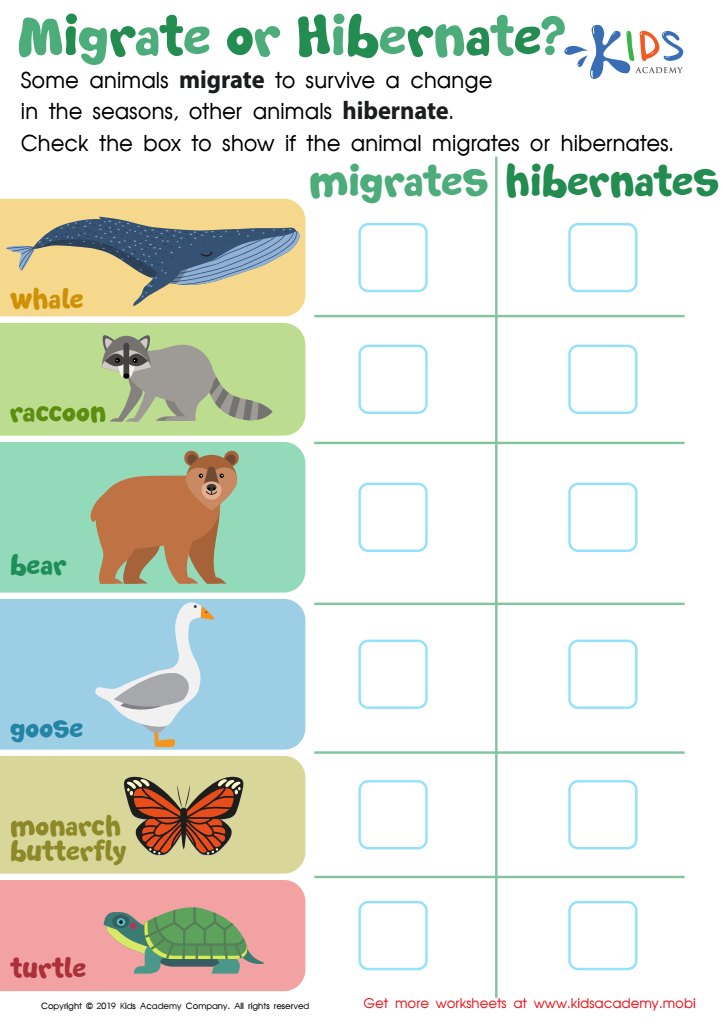
Migrate or Hibernate? Worksheet
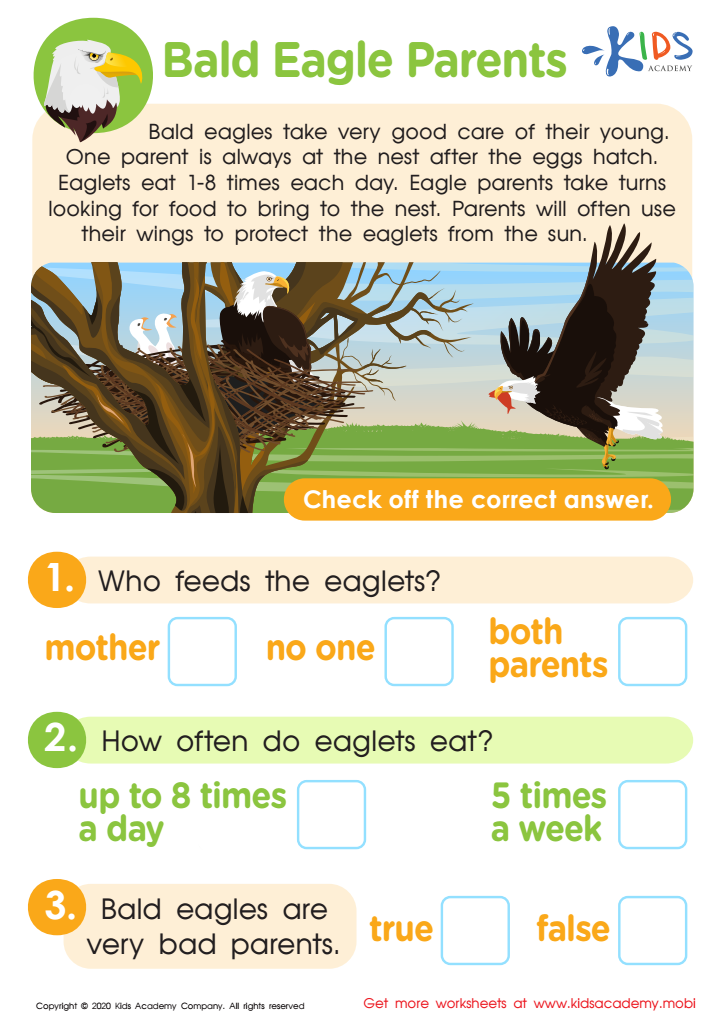
Bald Eagle Parents Worksheet
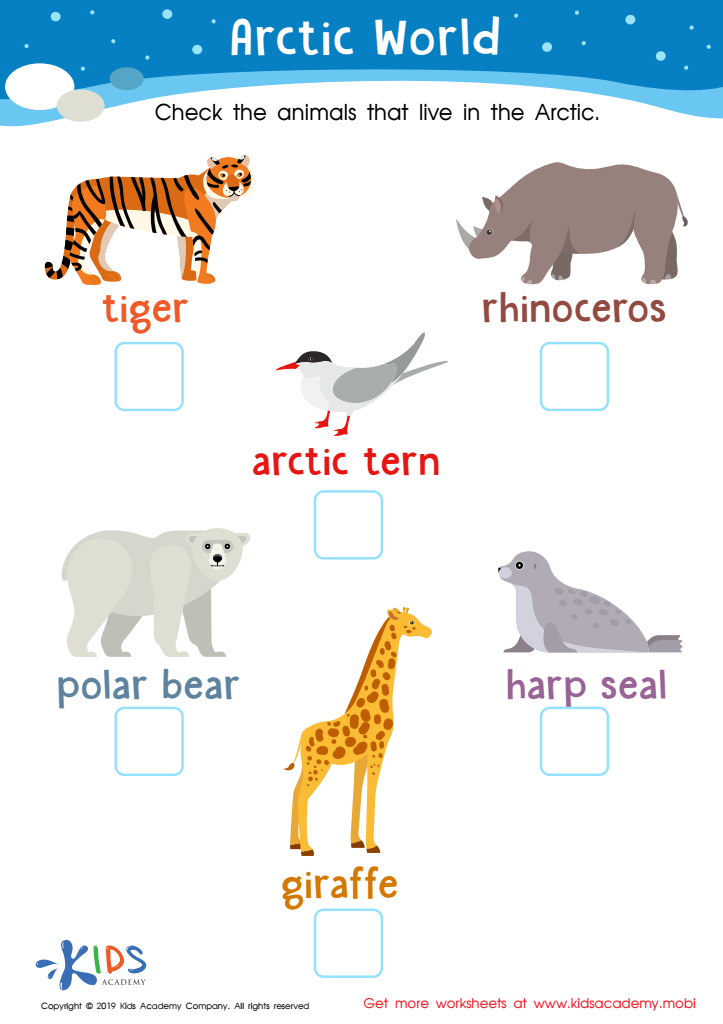
Arctic World Worksheet
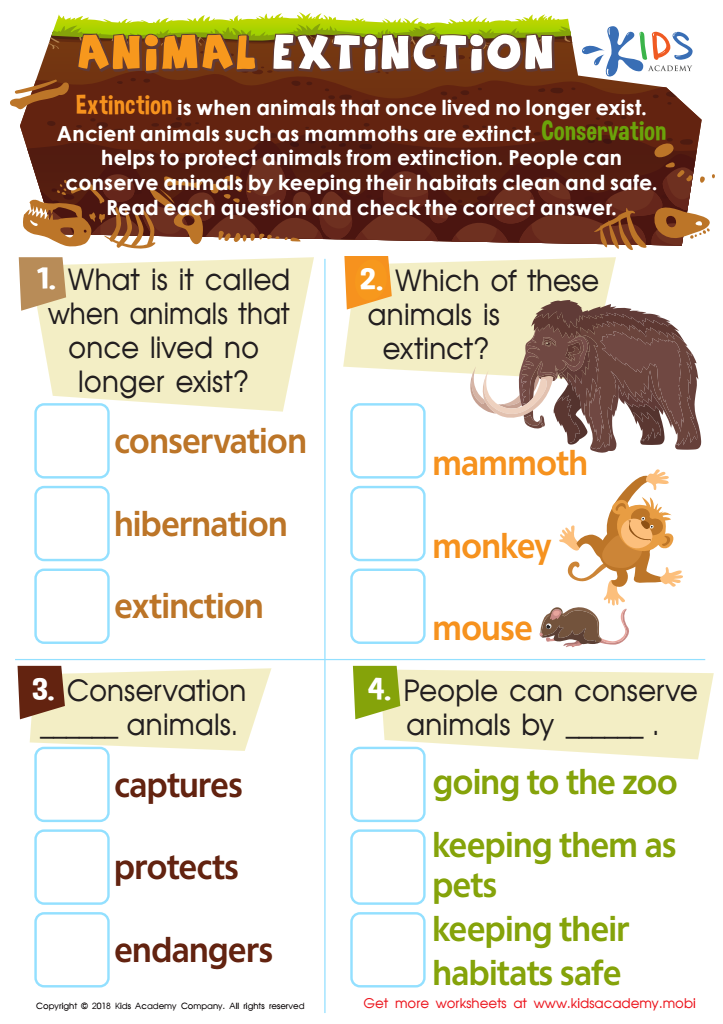
Animal Extinction Worksheet
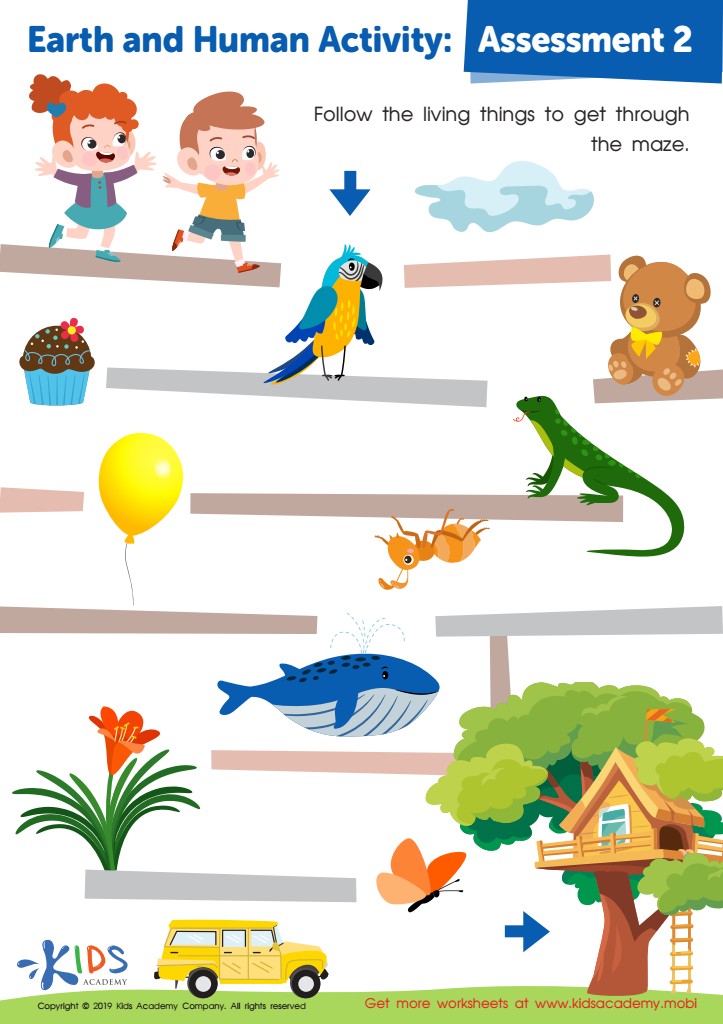
Earth and Human Activity: Assessment 2 Worksheet
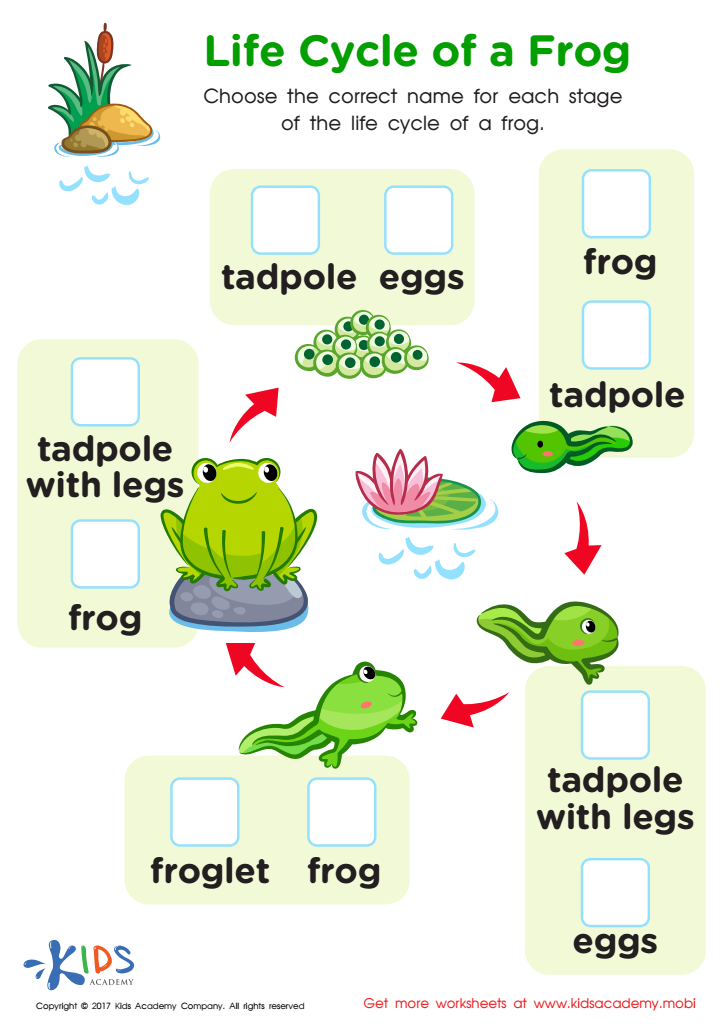
Life Cycle Frog Printable
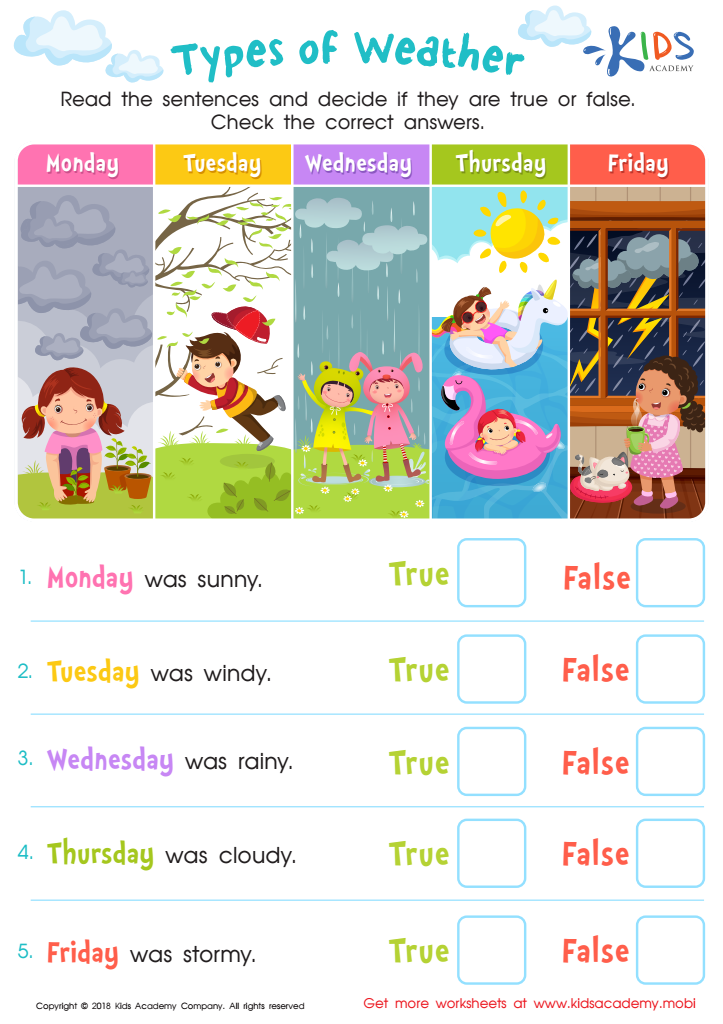
Types of Weather Worksheet
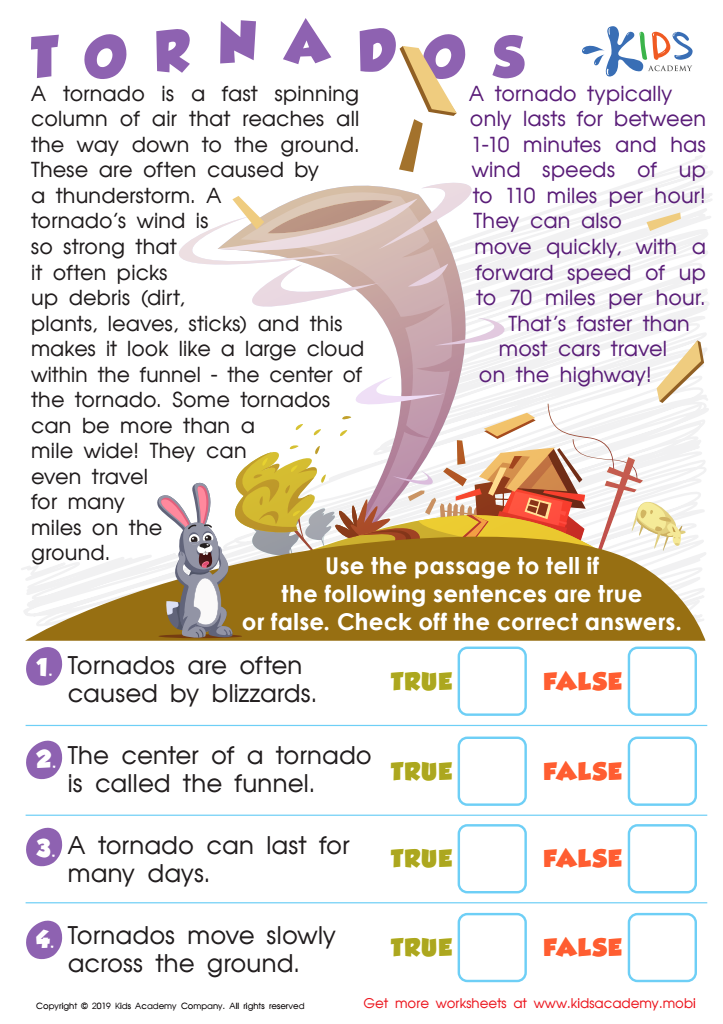
Tornados Worksheet
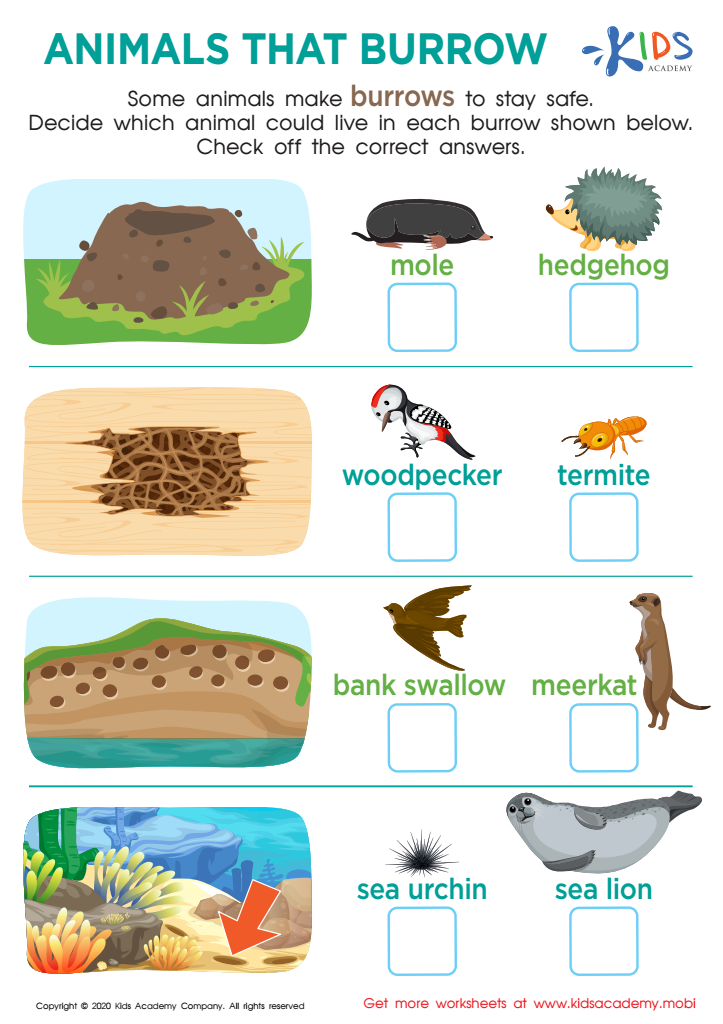
Animals That Burrow Worksheet
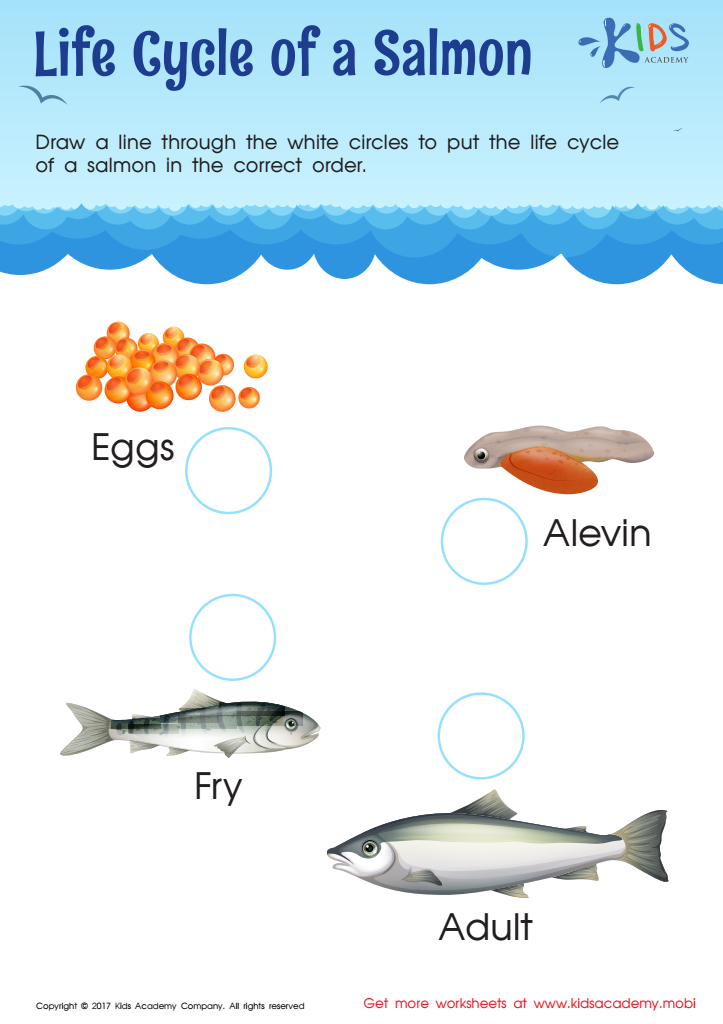
Cycle Of Salmon Worksheet




.jpg)
Reading comprehension is a critical skill that lays the foundation for all future learning, especially in science for children aged 5-9. During these formative years, children are curious about the world around them and naturally seek to understand scientific concepts and phenomena. By fostering reading comprehension in science, parents and teachers can enhance children's ability to extract meaning from texts, which is essential for grasping scientific ideas.
Effective reading comprehension skills enable young learners to engage with and interpret scientific stories, experiments, and factual sources. Understanding science texts helps children build vocabulary, promotes critical thinking, and encourages them to ask questions—integral parts of the scientific process. Furthermore, nurturing these skills at an early age can spark interest in scientific subjects, inspiring future exploration and learning.
Additionally, a strong foundation in reading comprehension positively impacts overall academic performance. Children who excel in understanding texts are generally better at problem-solving, reasoning, and conducting research across all subjects. For parents and teachers, investing in reading comprehension development is key to preparing children not only for advanced science learning but also for informed and active participation in everyday life, where scientific literacy is increasingly important.







