Problem-Solving Skills Worksheets for Ages 6-8 - Page 2
368 filtered results
-
From - To
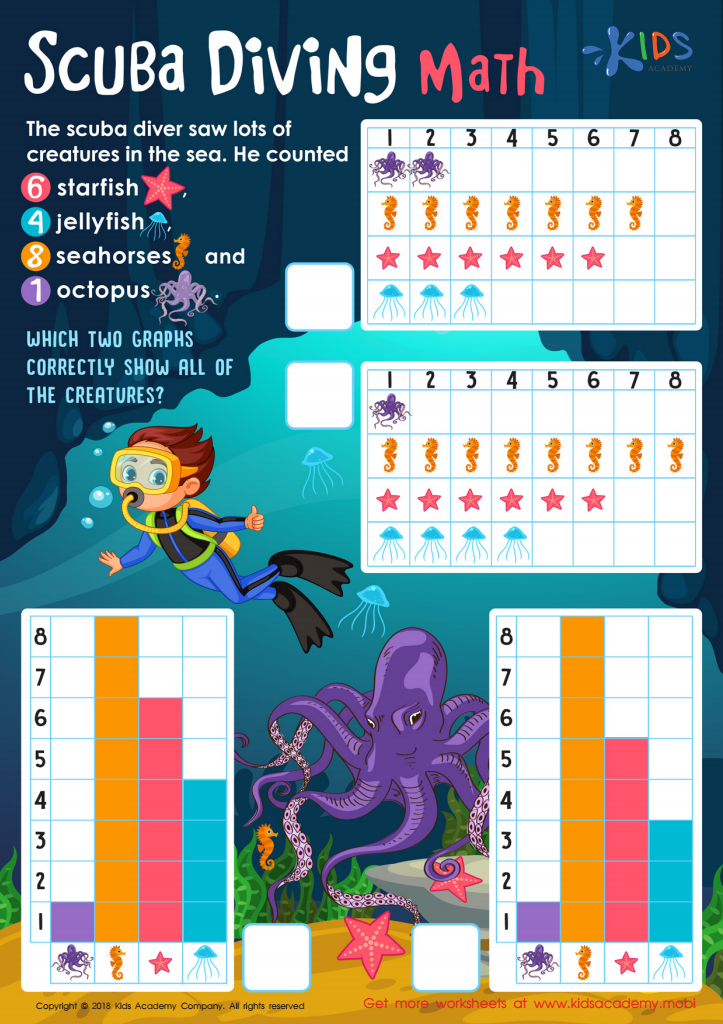
Scuba Diving Math Worksheet
 Assign to My Students
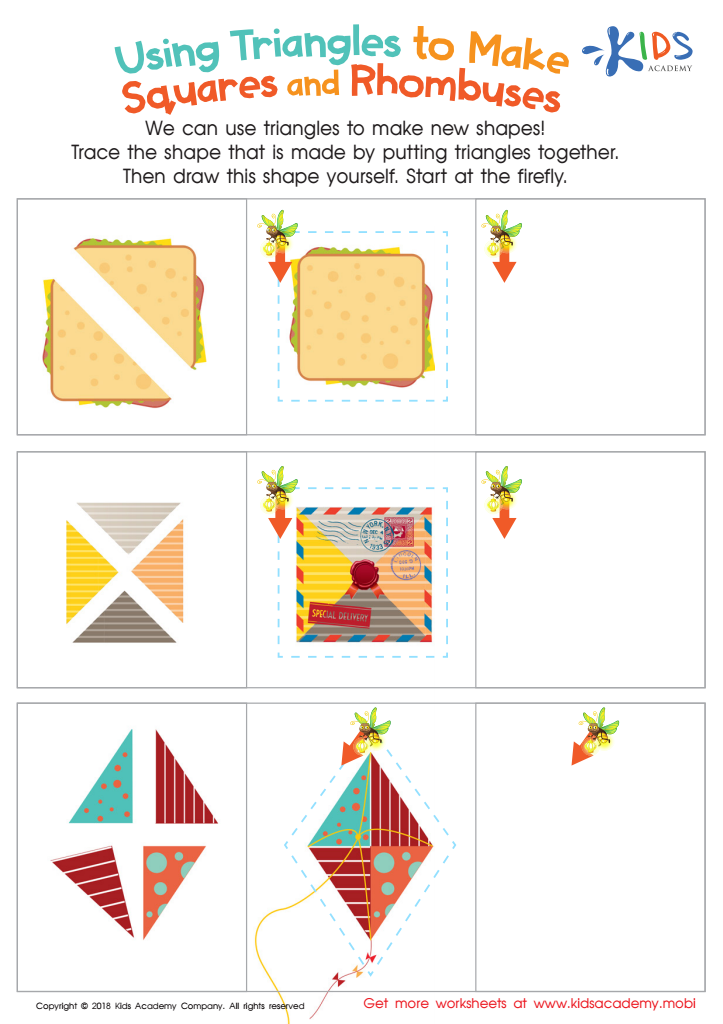
Using Triangles to Make Squares and Rhombuses Worksheet
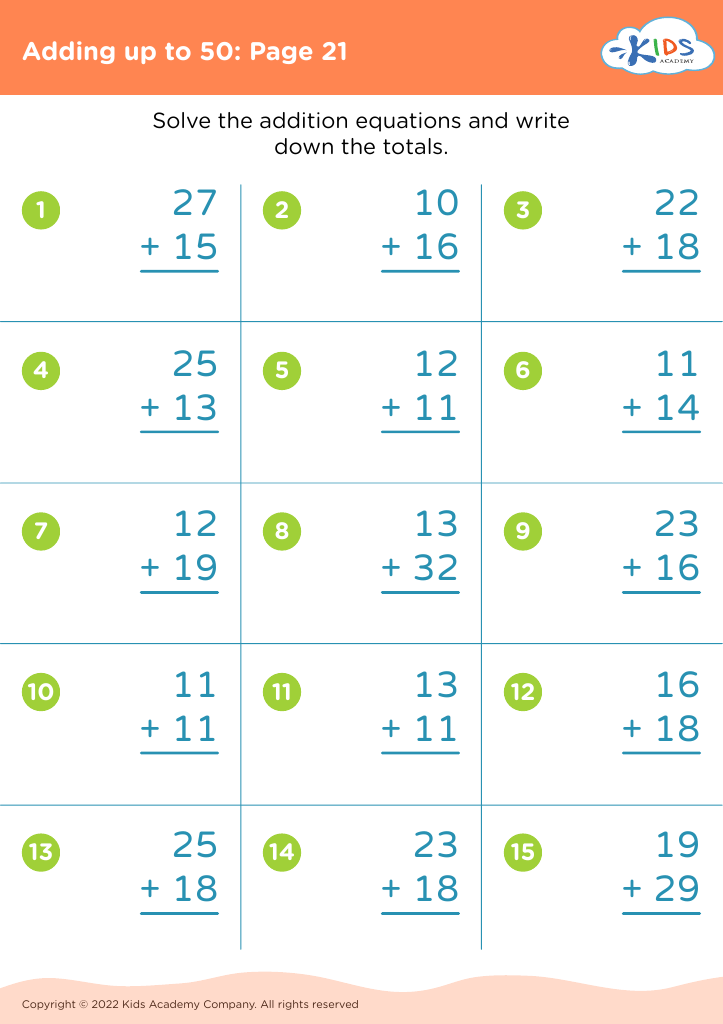
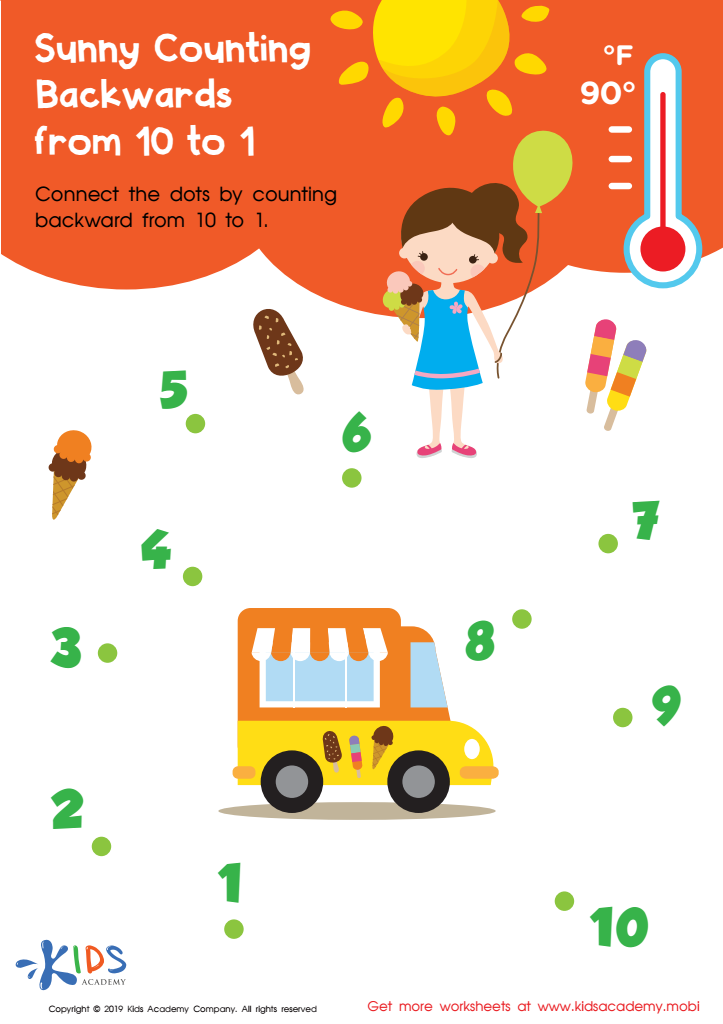
Sunny Counting Backwards from 10 to 1 Worksheet
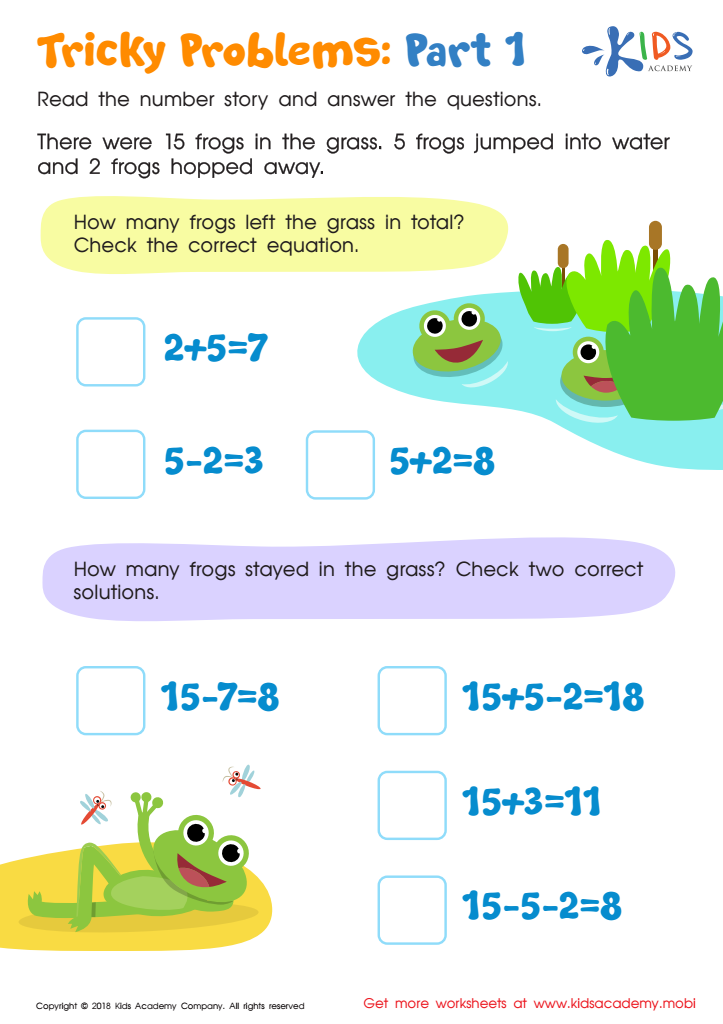
Tricky Problems Worksheet: Part 1
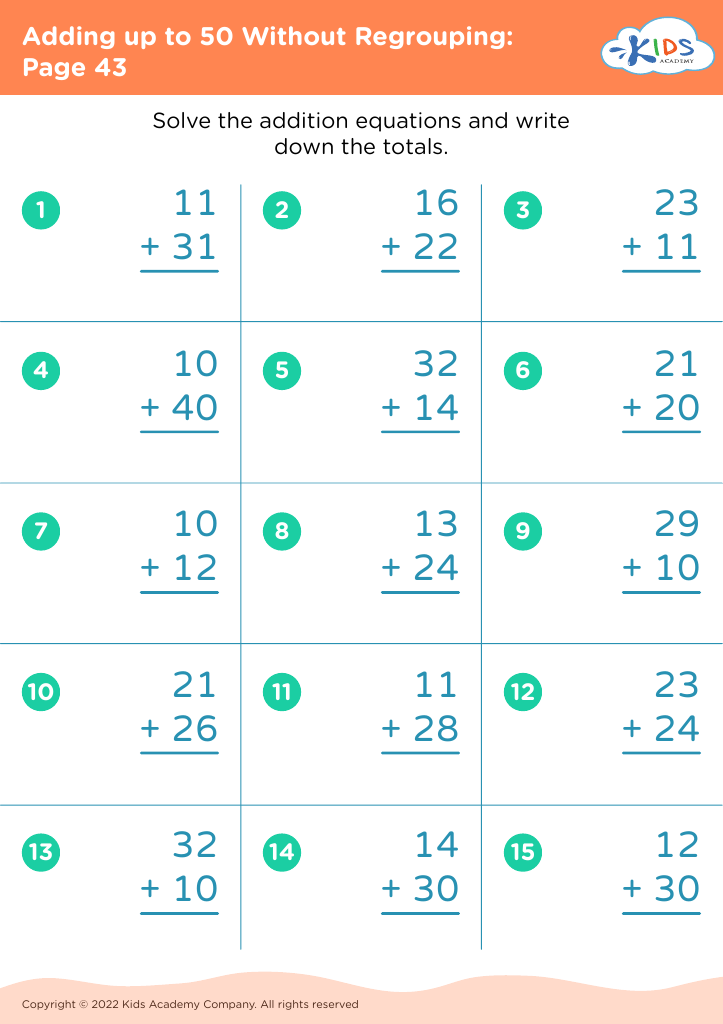
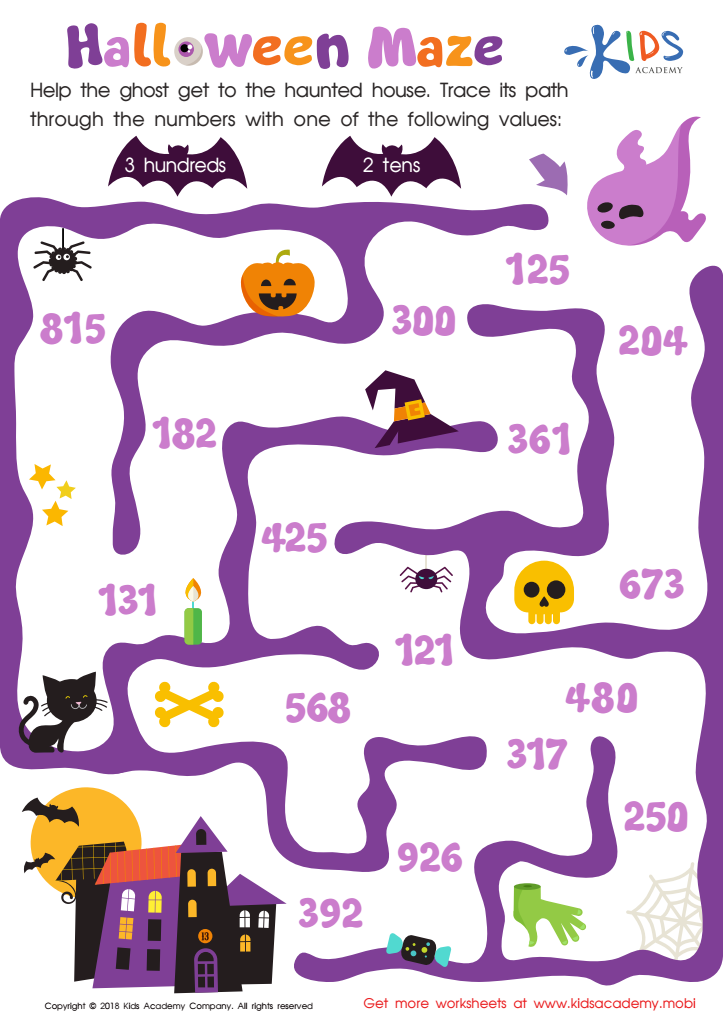
Place Value: Halloween Maze Worksheet
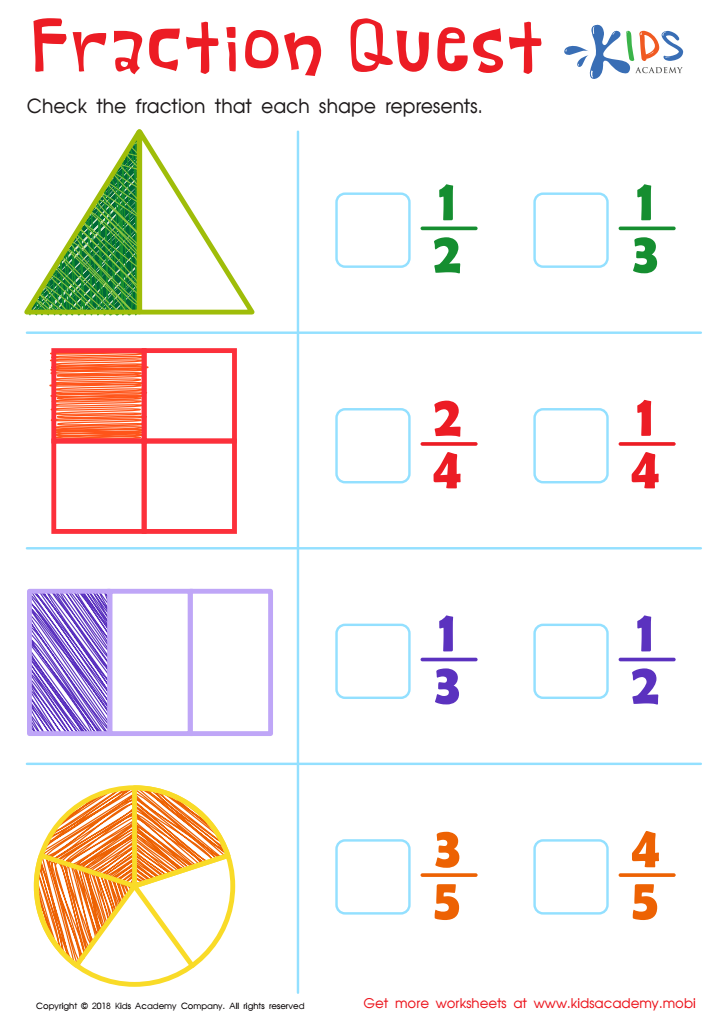
Fraction Quest Worksheet

Alexander the Great Maze Worksheet
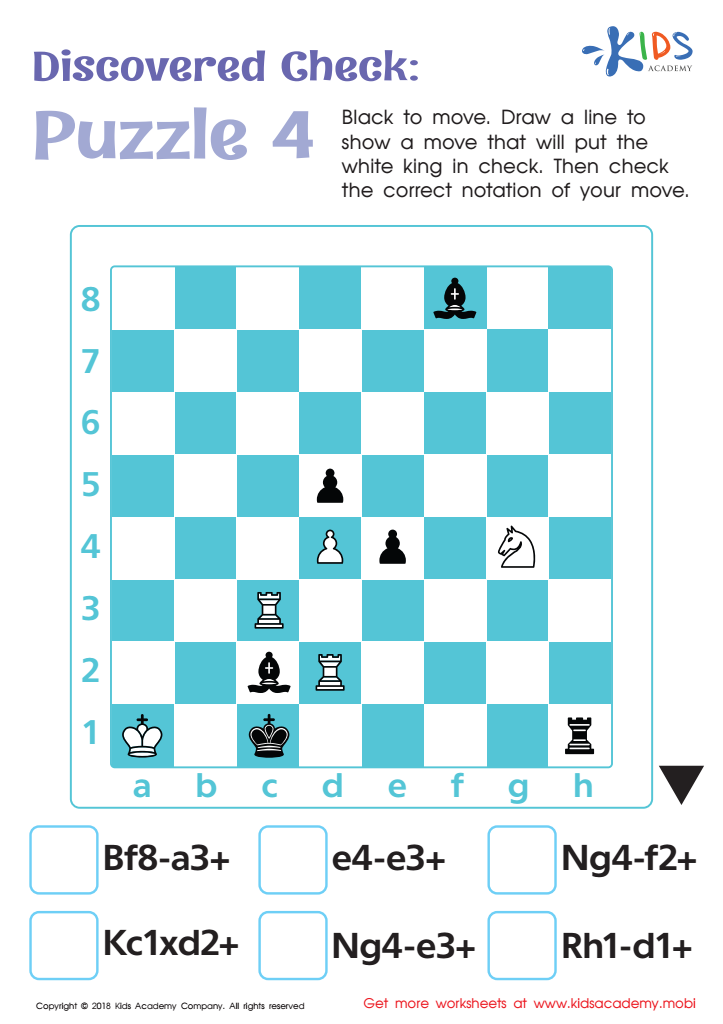
Discovered Check: Puzzle 4 Worksheet
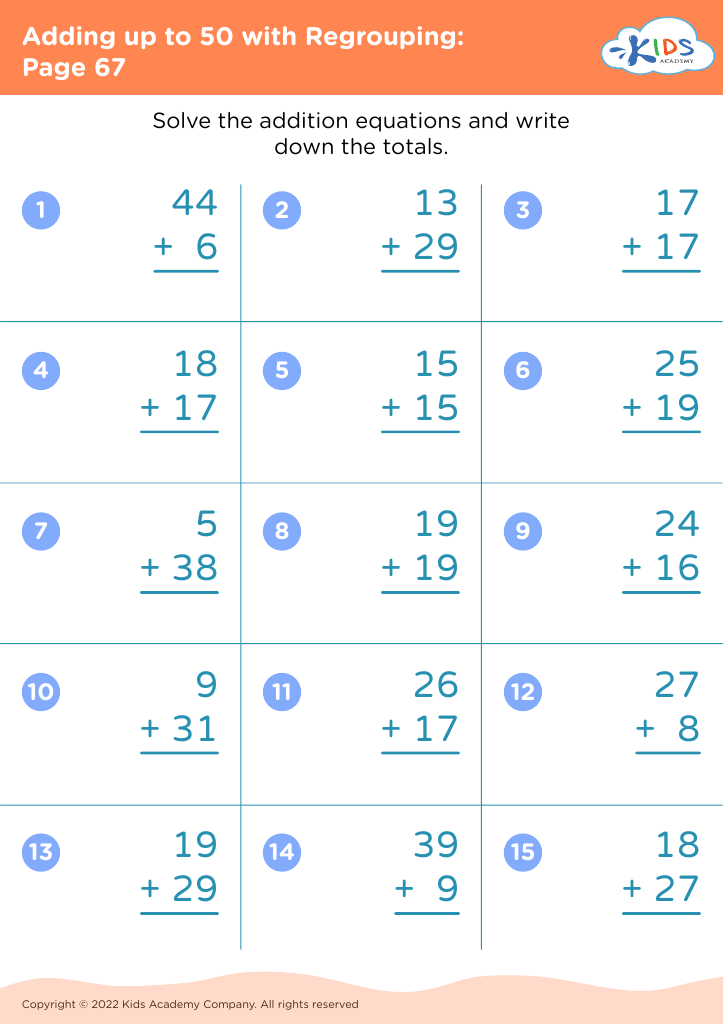
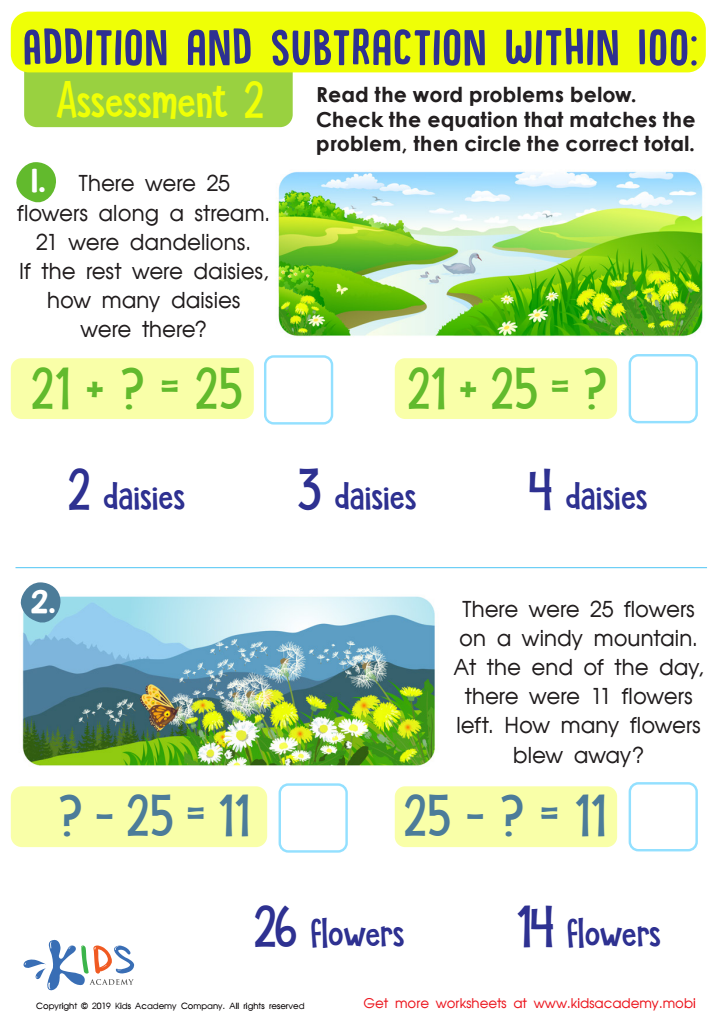
Assessment 2 Math Worksheet
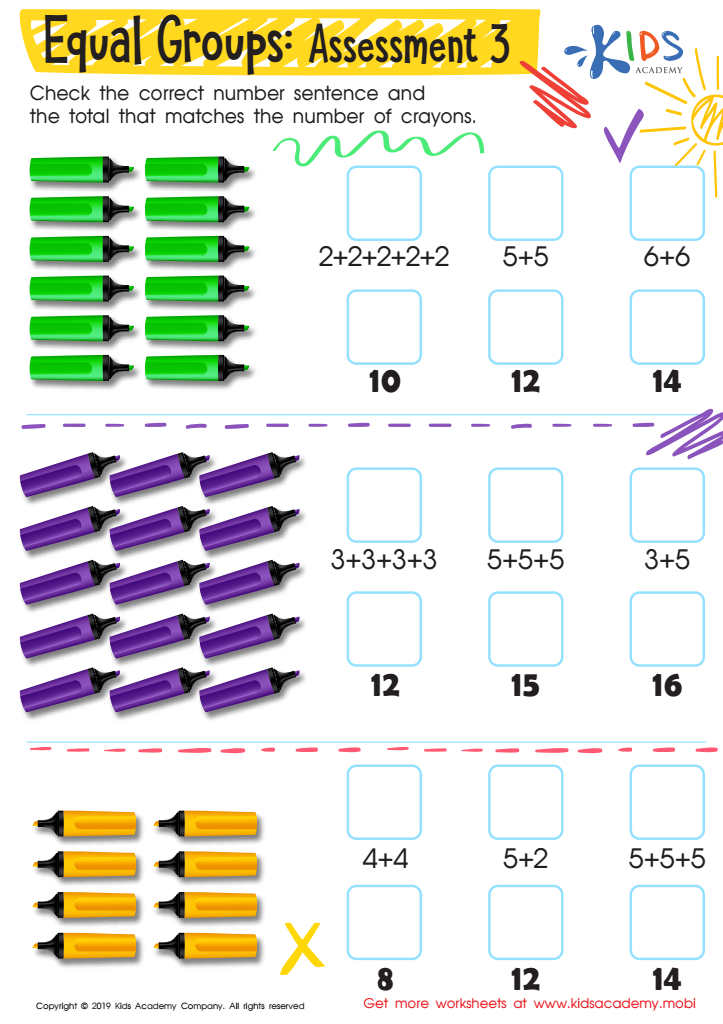
Equal Groups: Assessment 3 Worksheet
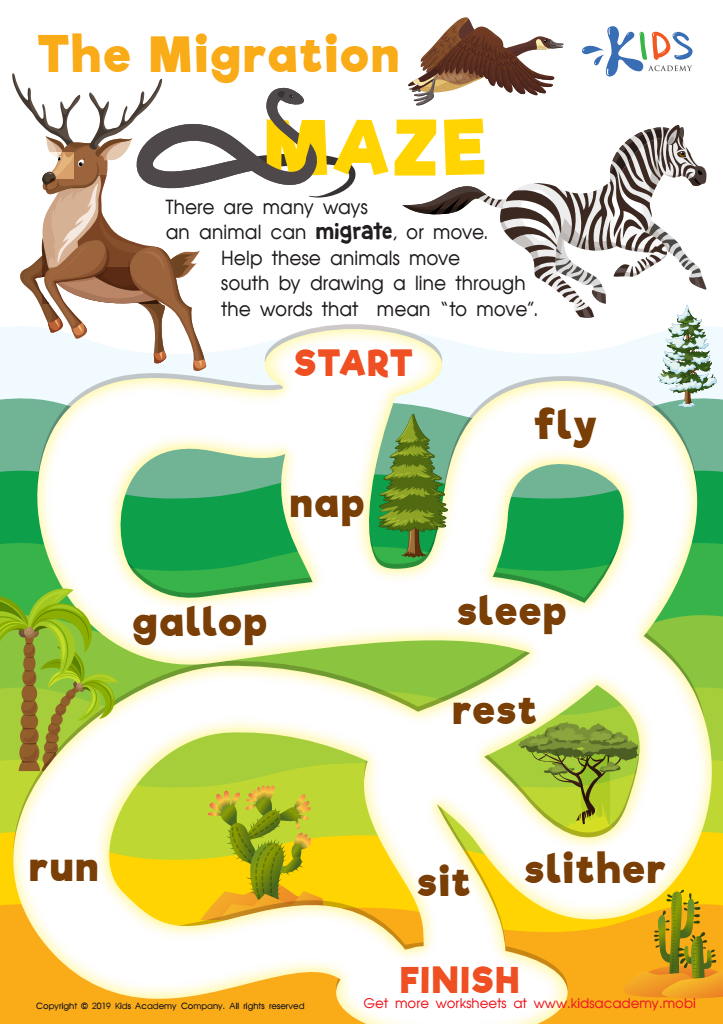
The Migration Maze Worksheet

Hotel Mix-up Worksheet
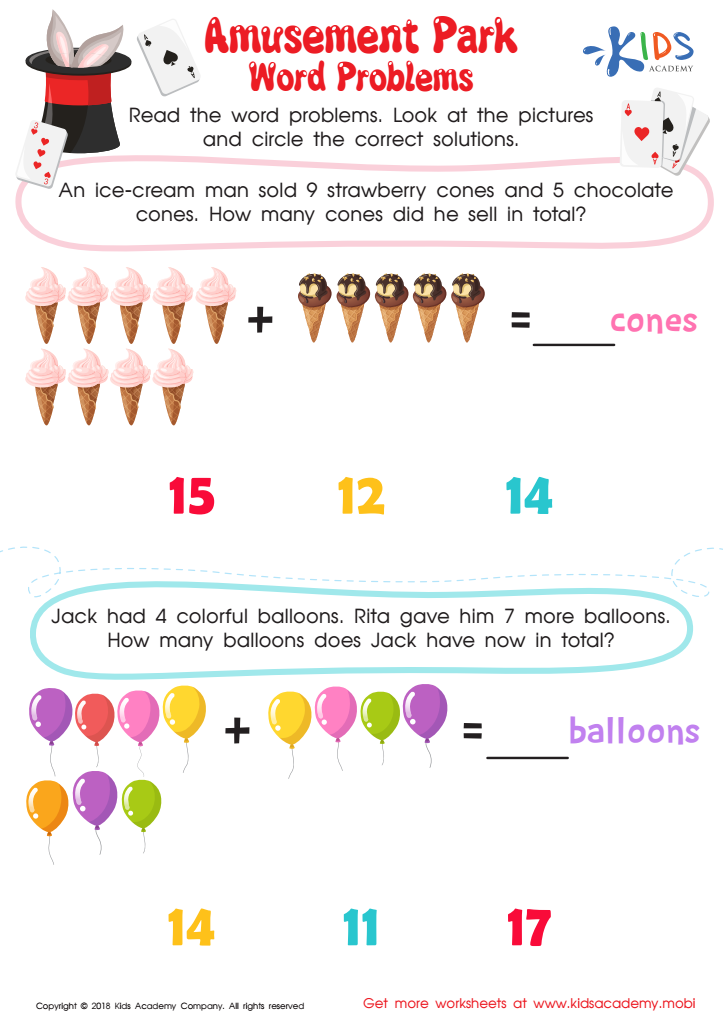
Amusement Park Word Problems Worksheet
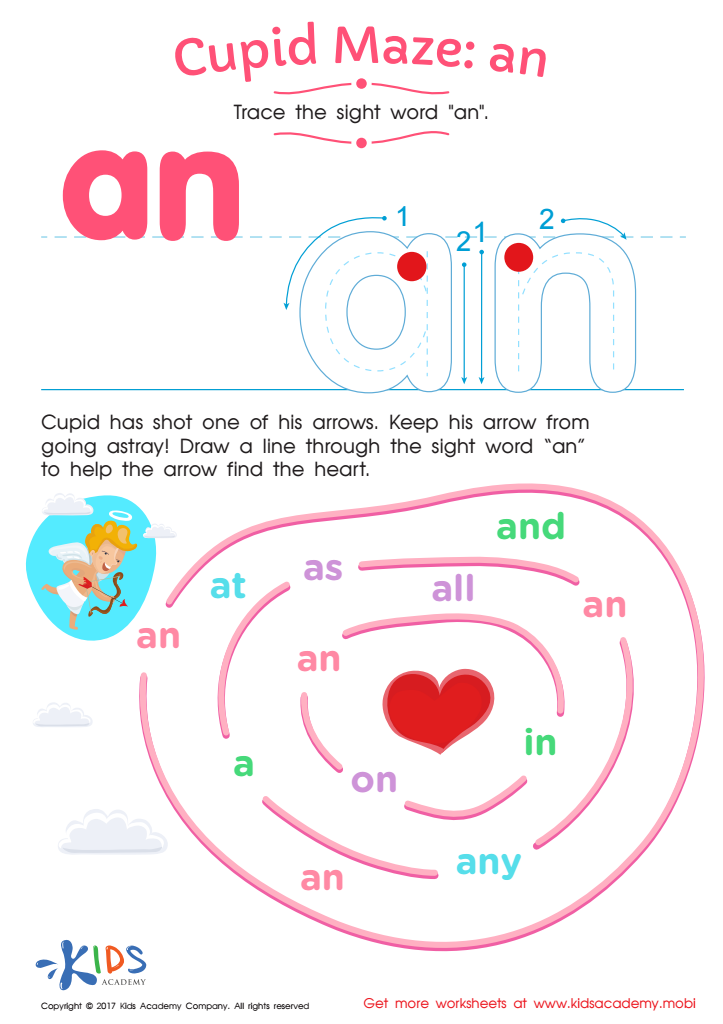
Cupid Maze: An Printable
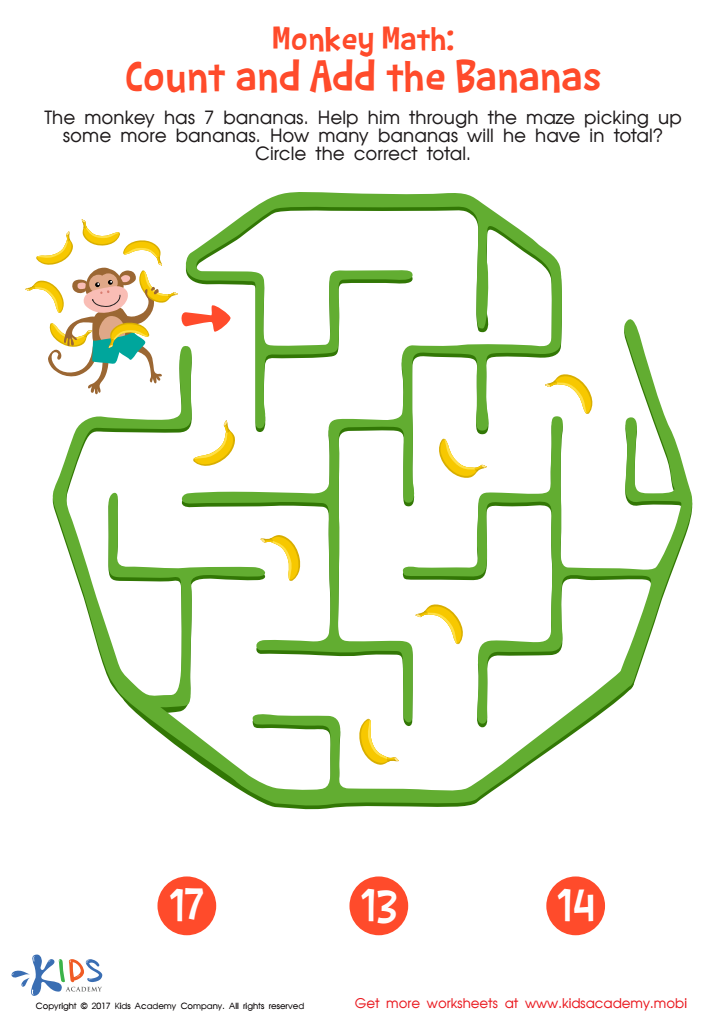
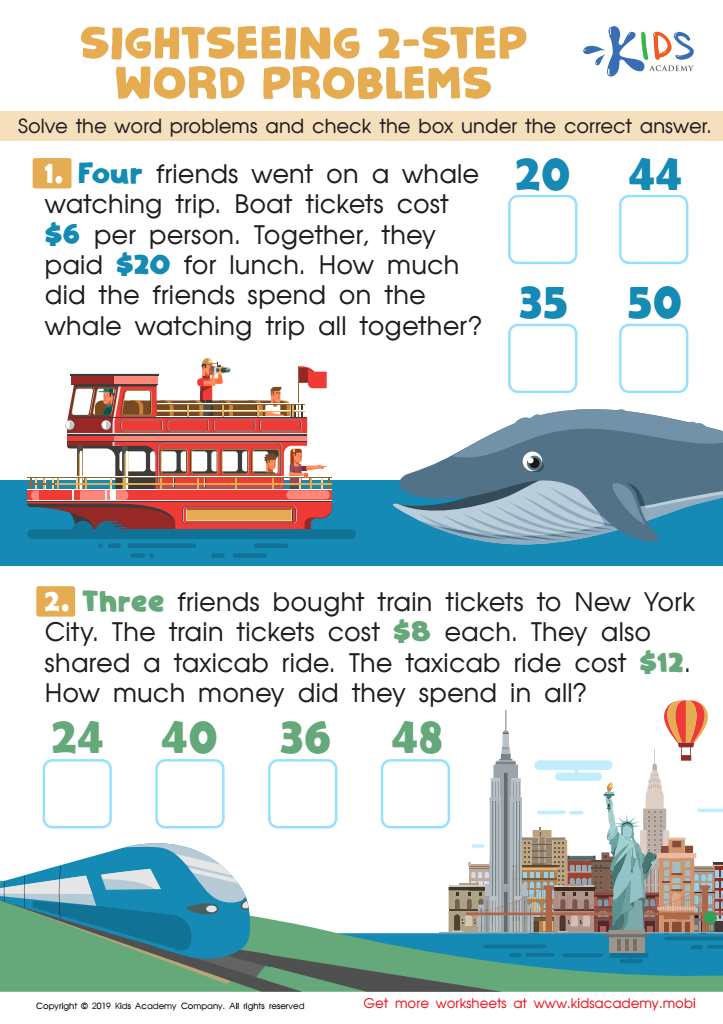
Sightseeing 2-Step Word Problems Worksheet
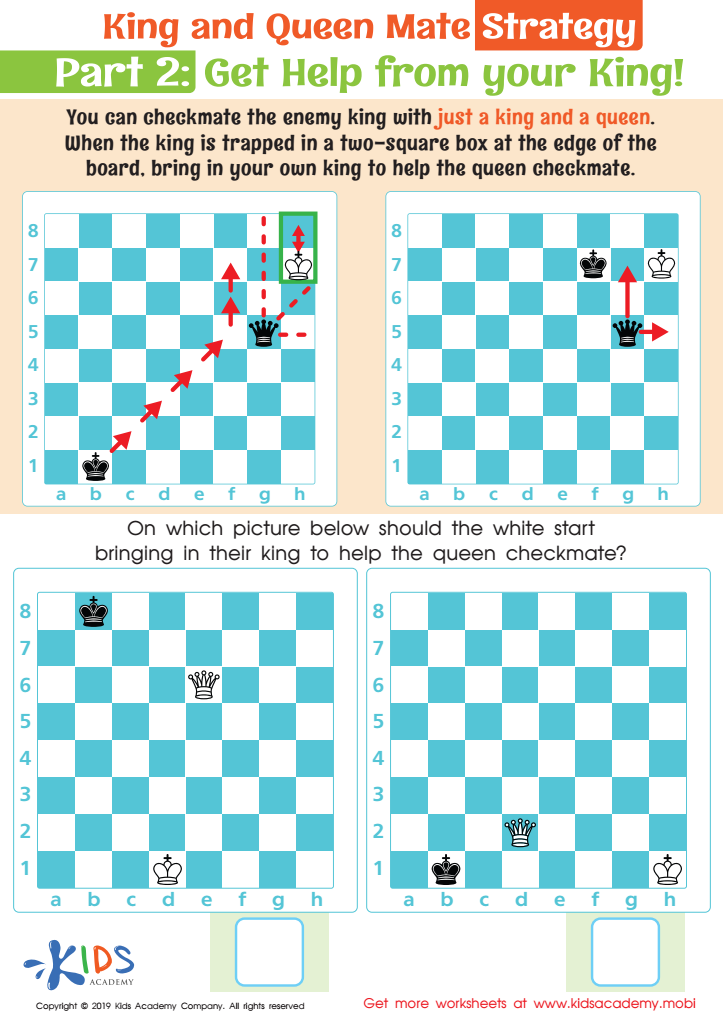
King and Queen Mate Strategy: Part 2 Worksheet
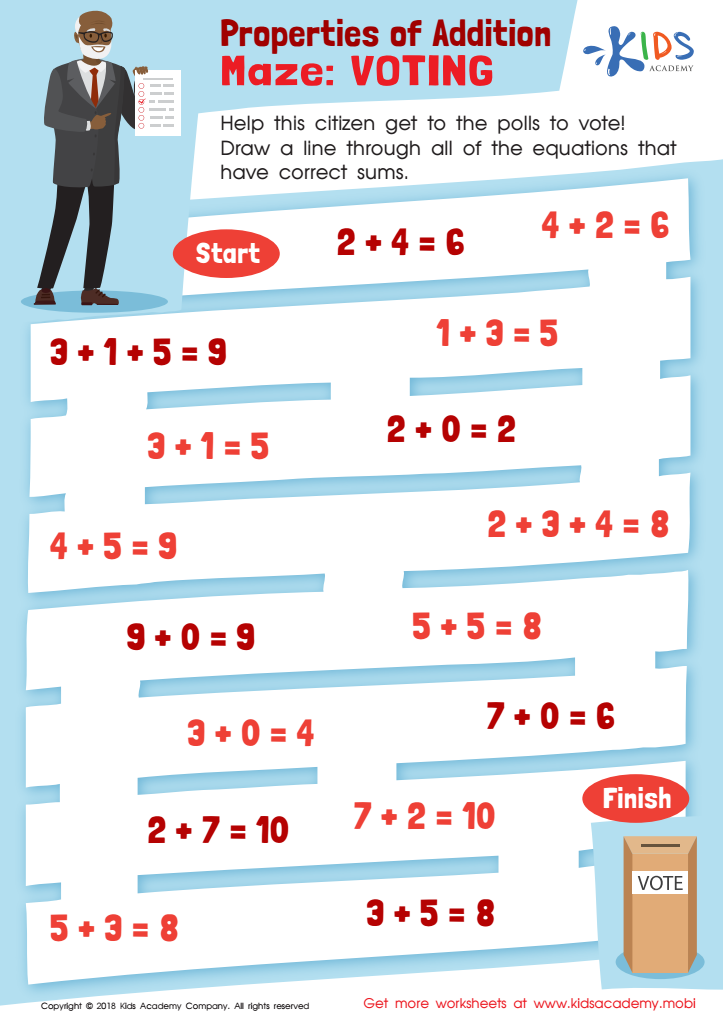
Properties of Addition Maze: Voting Worksheet
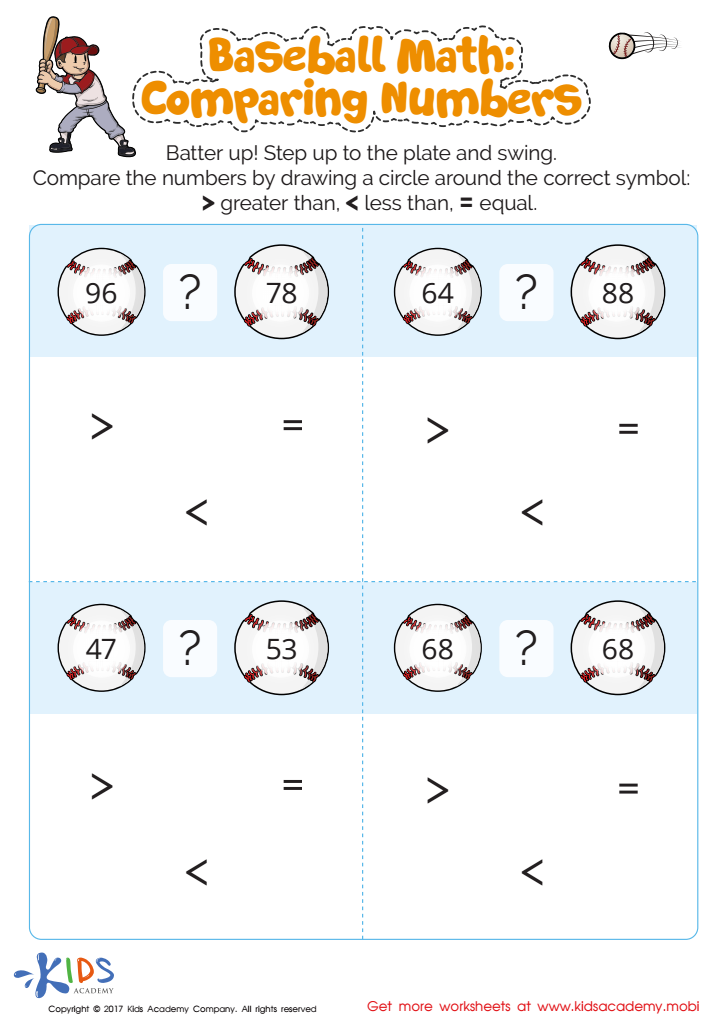
Compare Numbers Printable
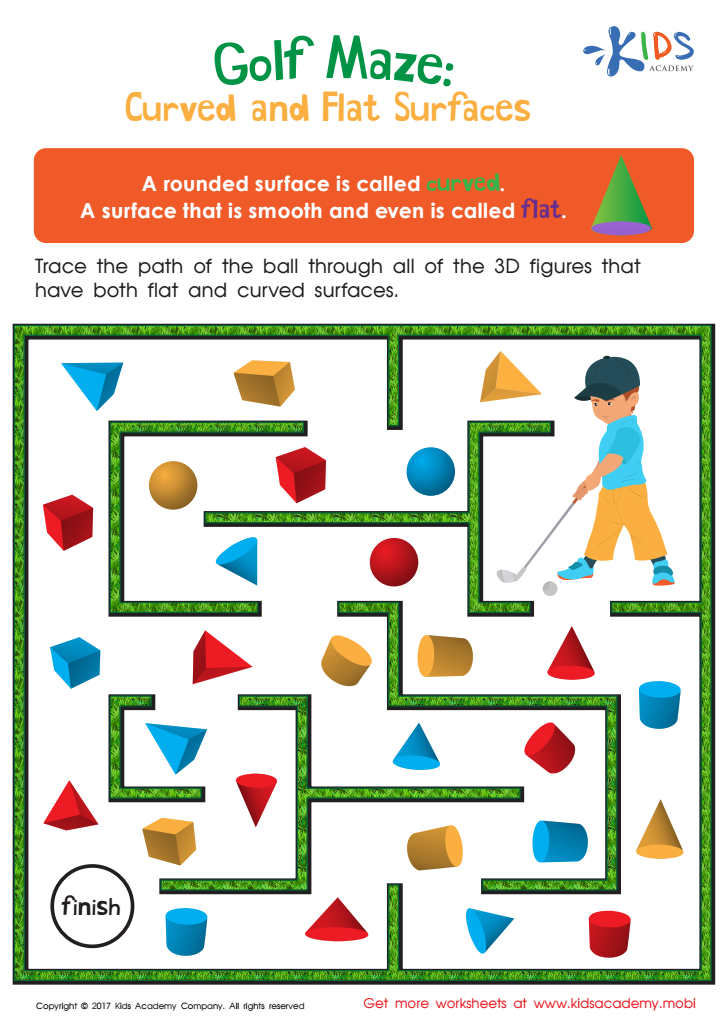
Golf Maze: Curved and Flat Surfaces Worksheet
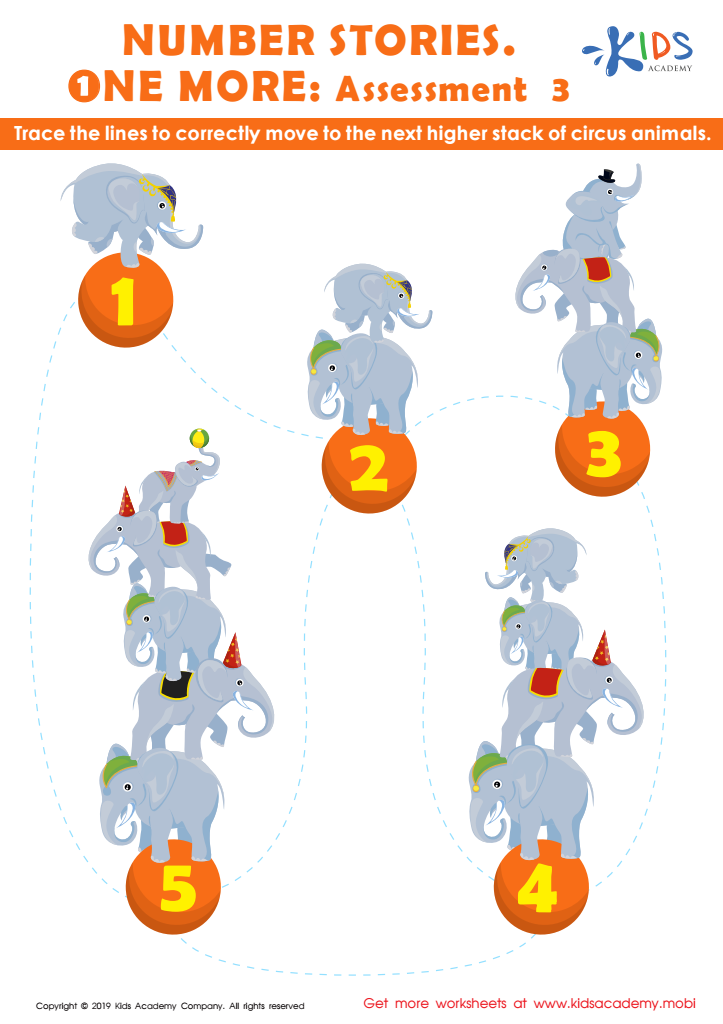
Number Stories One More: Assessment 3 Worksheet







Parents and teachers should prioritize problem-solving skills for children aged 6-8 because these foundational years shape their cognitive and emotional development. At this age, kids begin to think more logically and understand the world around them in more complex ways. Encouraging problem-solving helps them develop critical thinking skills essential for later academic success and everyday life.
Problem-solving skills foster independence, enabling children to tackle challenges without excessive guidance. This independence builds confidence and resilience, helping them handle setbacks and learn from mistakes. When children solve problems, they also enhance their creativity, as they explore different approaches and solutions. Moreover, collaboration with peers during problem-solving activities promotes social skills such as communication, cooperation, and empathy. Children learn to listen to others, express their ideas, and negotiate disagreements.
In the classroom, developing problem-solving skills can make learning more engaging. Hands-on activities and real-world problems stimulate curiosity and active participation, which deepen understanding and retention of concepts. Additionally, these skills are not confined to academics; they prepare children for everyday situations like resolving conflicts with friends or organizing their tasks. Therefore, nurturing problem-solving abilities in early childhood equips kids with lifelong tools to navigate various challenges, making it an essential focus for parents and teachers alike.








