Matching Worksheets for Ages 6-8 - Page 3
62 filtered results
-
From - To
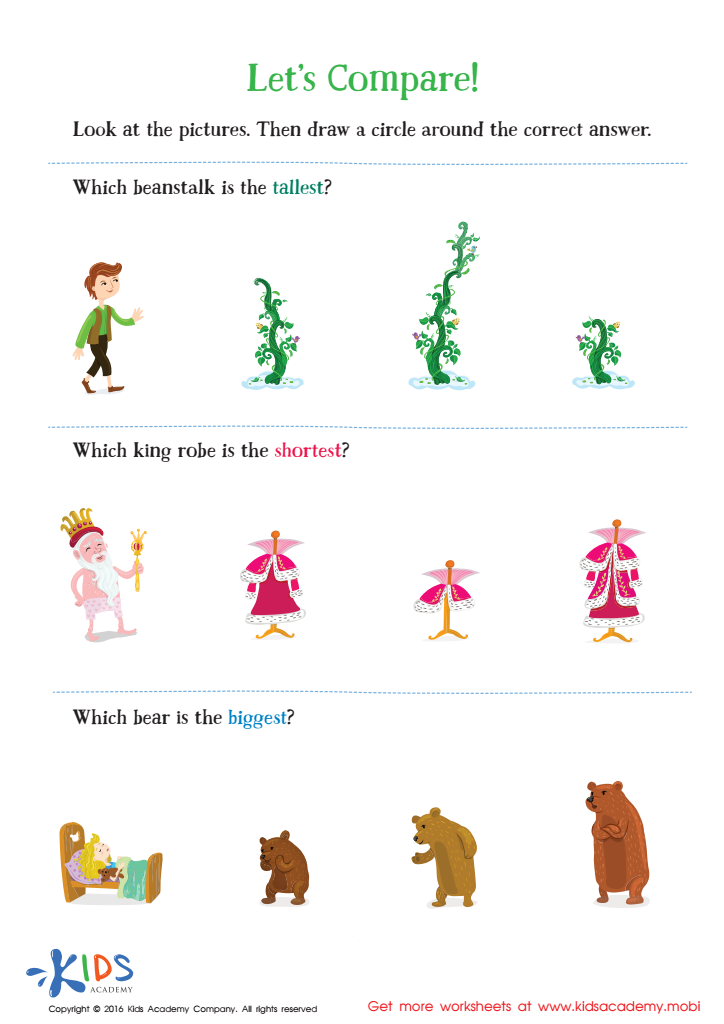
Fairy Tale Worksheet: Let's Compare
 Assign to My Students
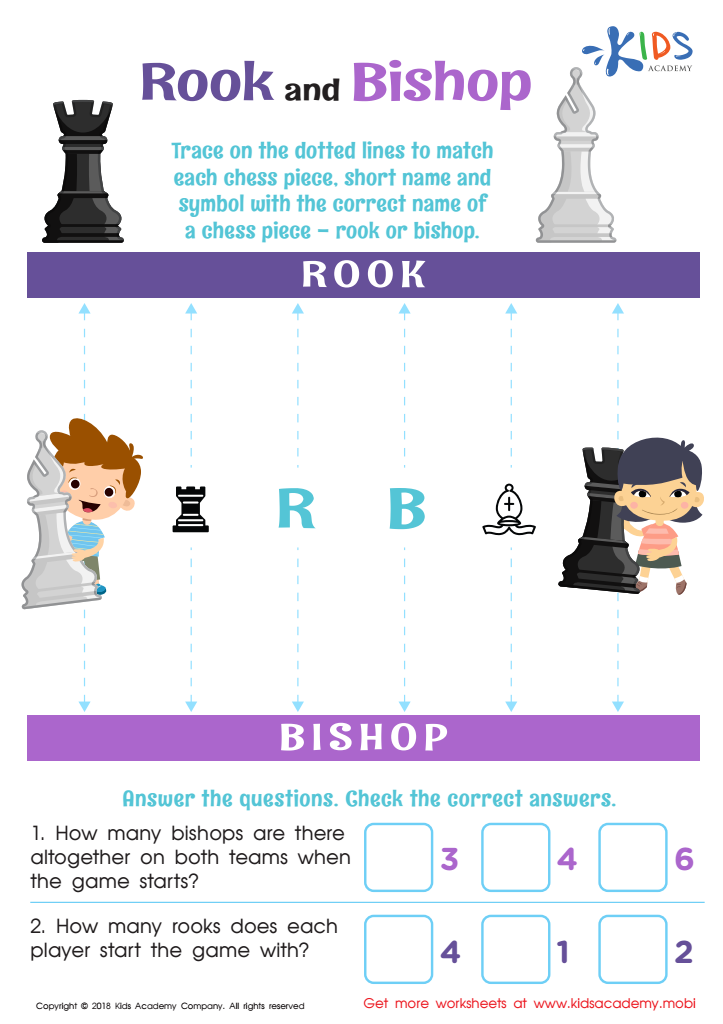
Rook and Bishop Worksheet
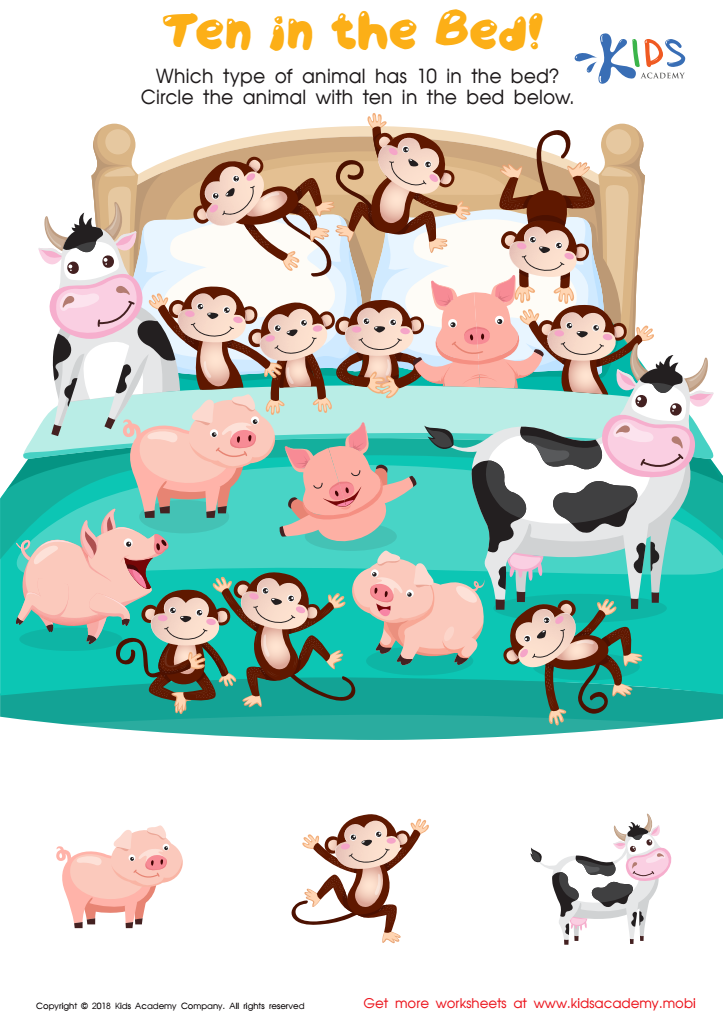
Ten in the Bed Worksheet
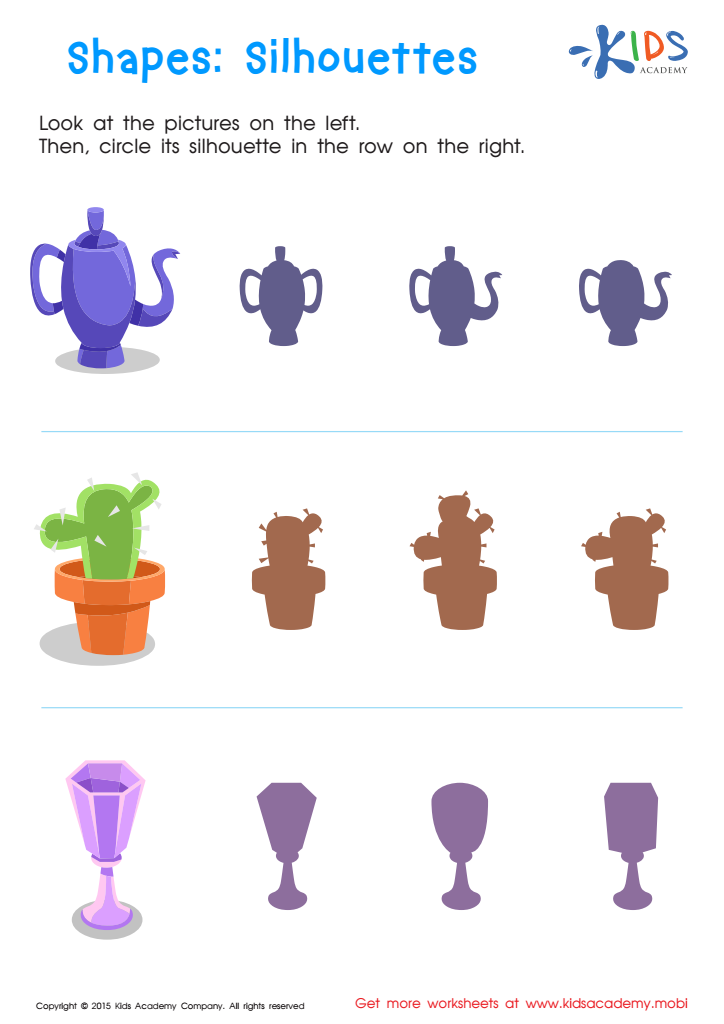
Silhouettes – Shapes Worksheet
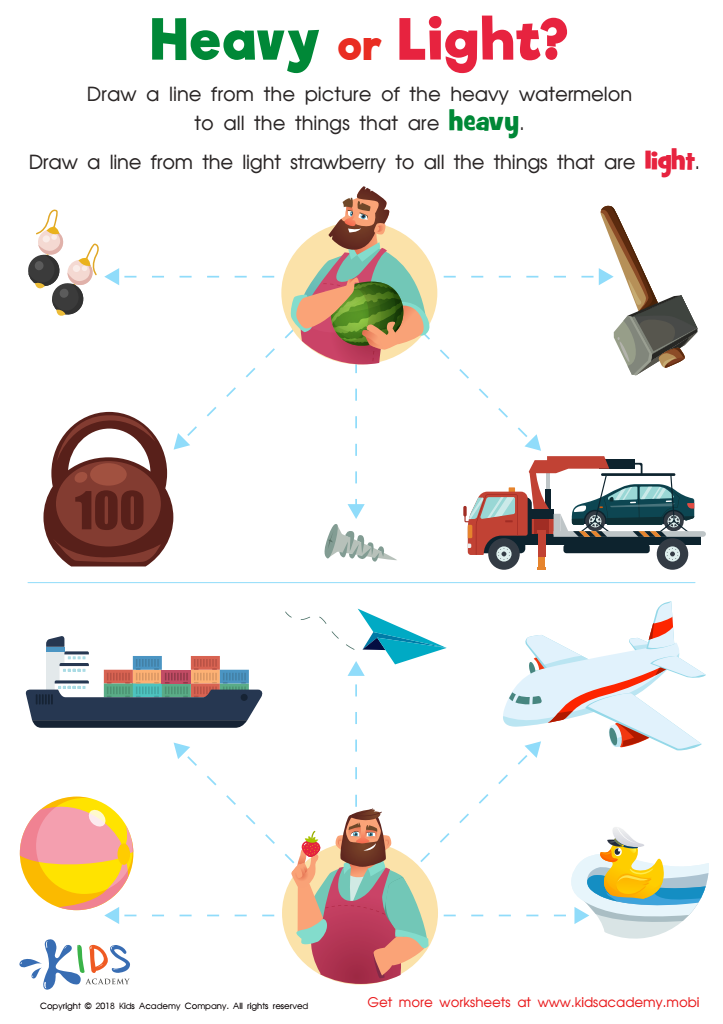
Heavy or Light? Worksheet
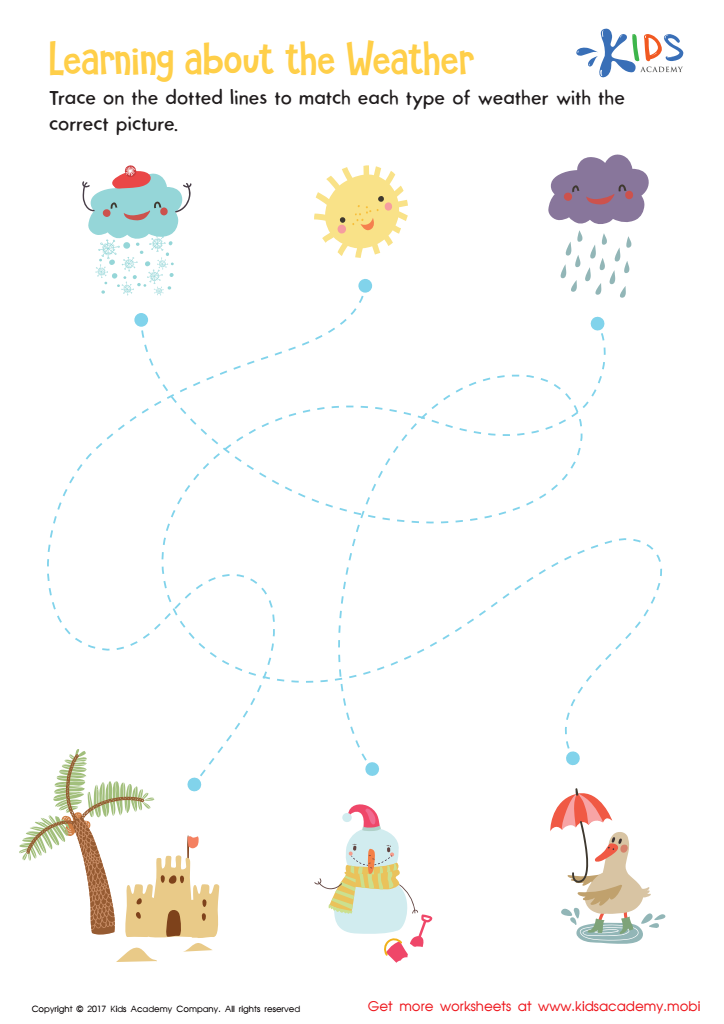
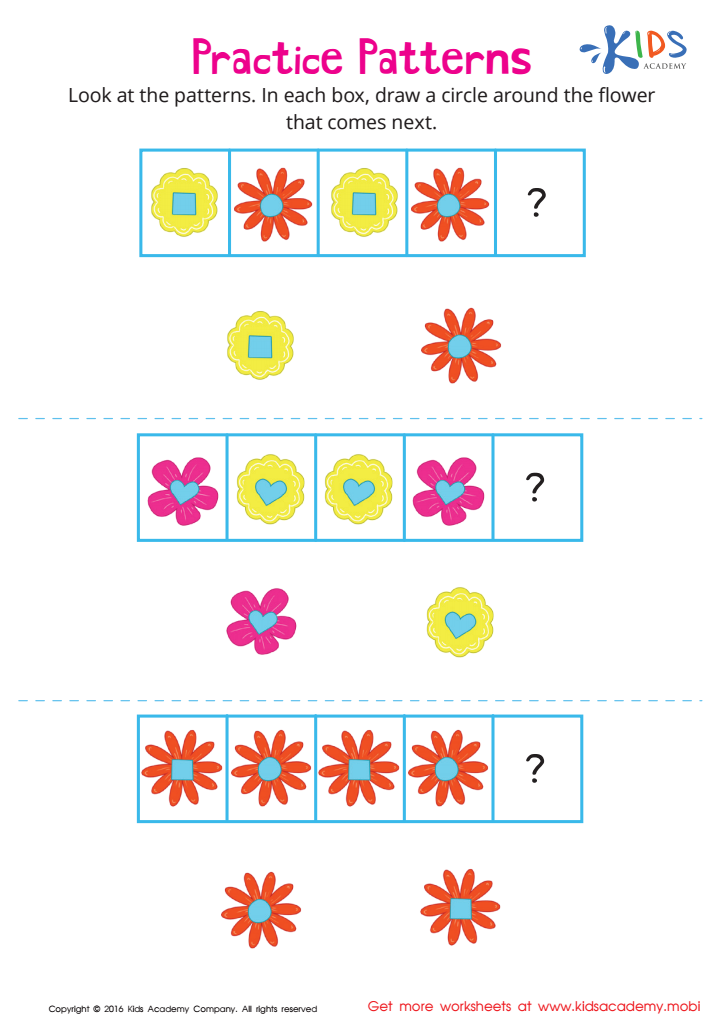
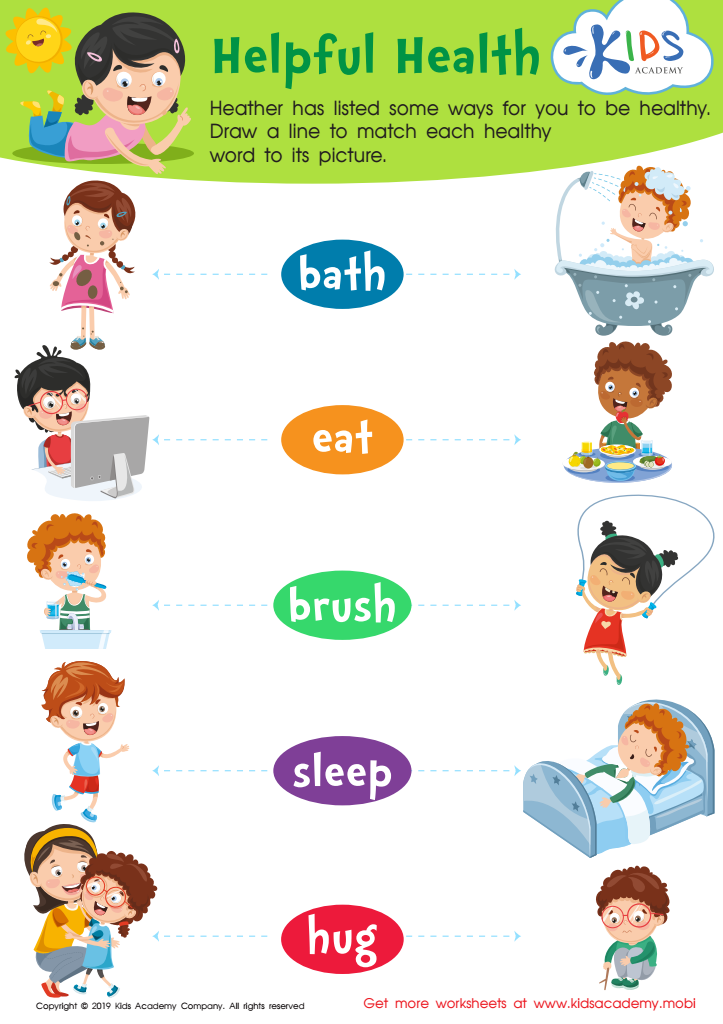
Helpful Health Worksheet
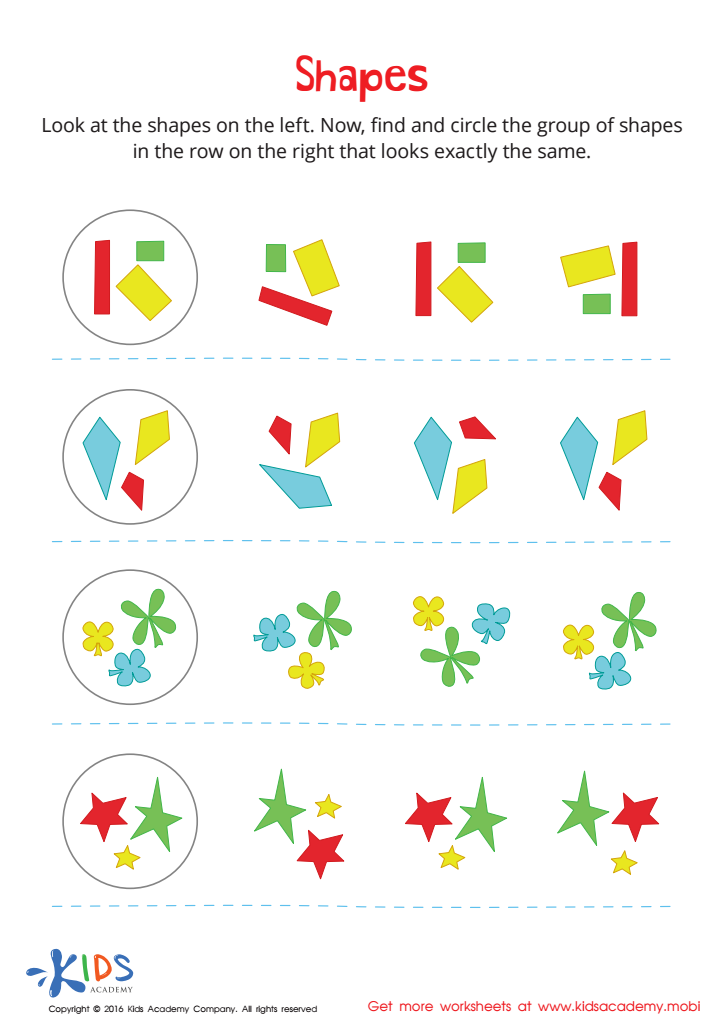
Shapes Worksheet
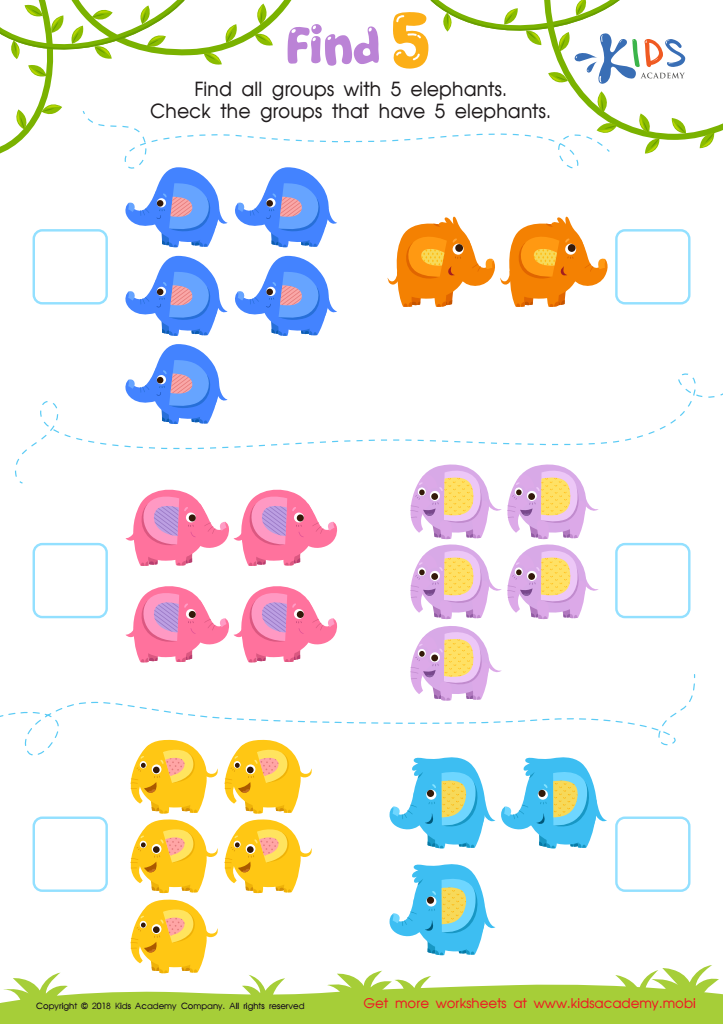
Find 5 Worksheet
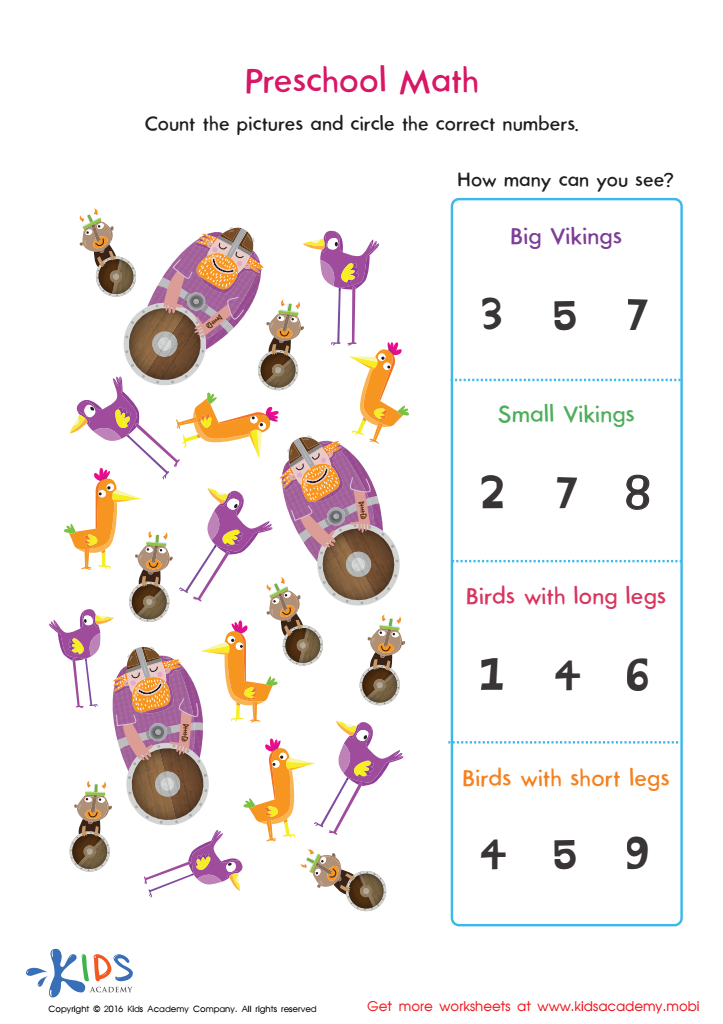
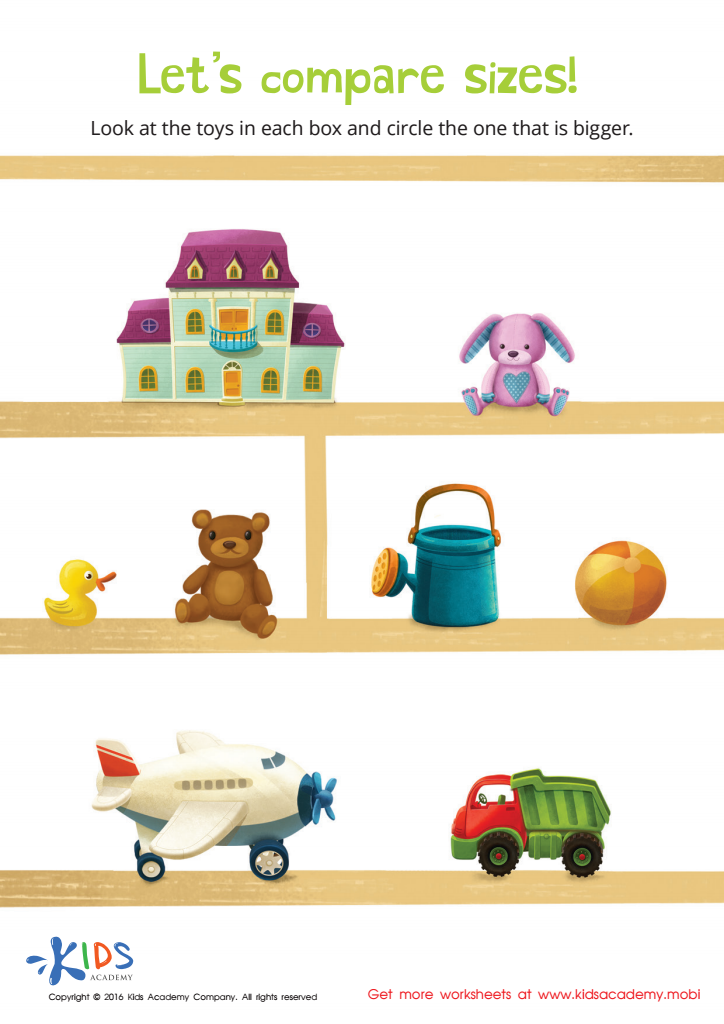
Classifying by Size Sorting Worksheet
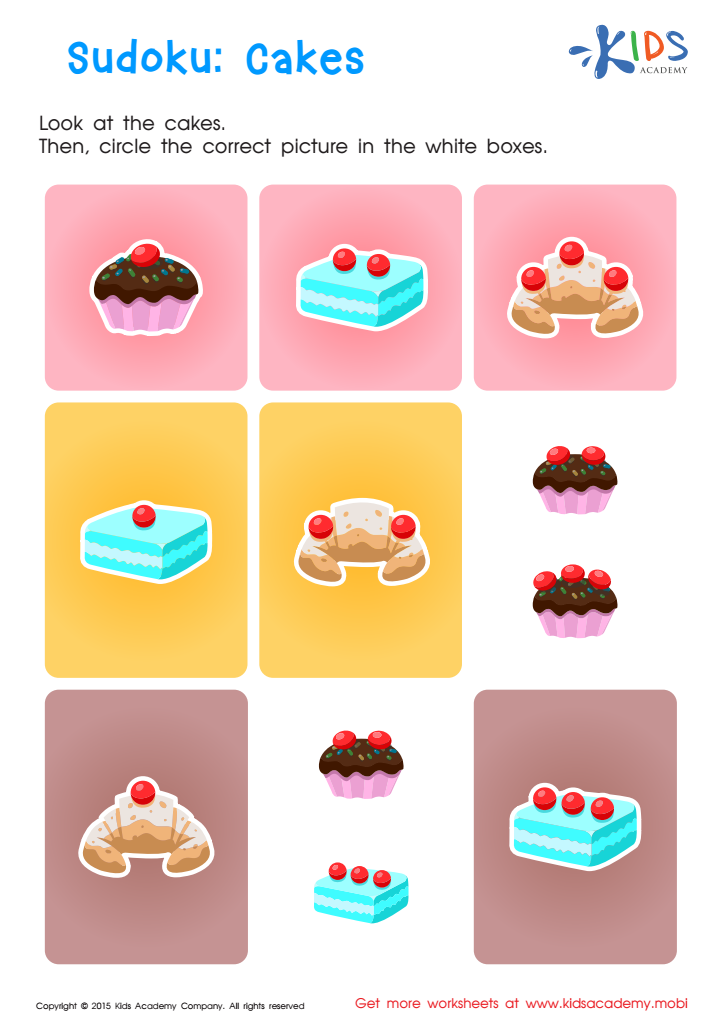
Sudoku Worksheet
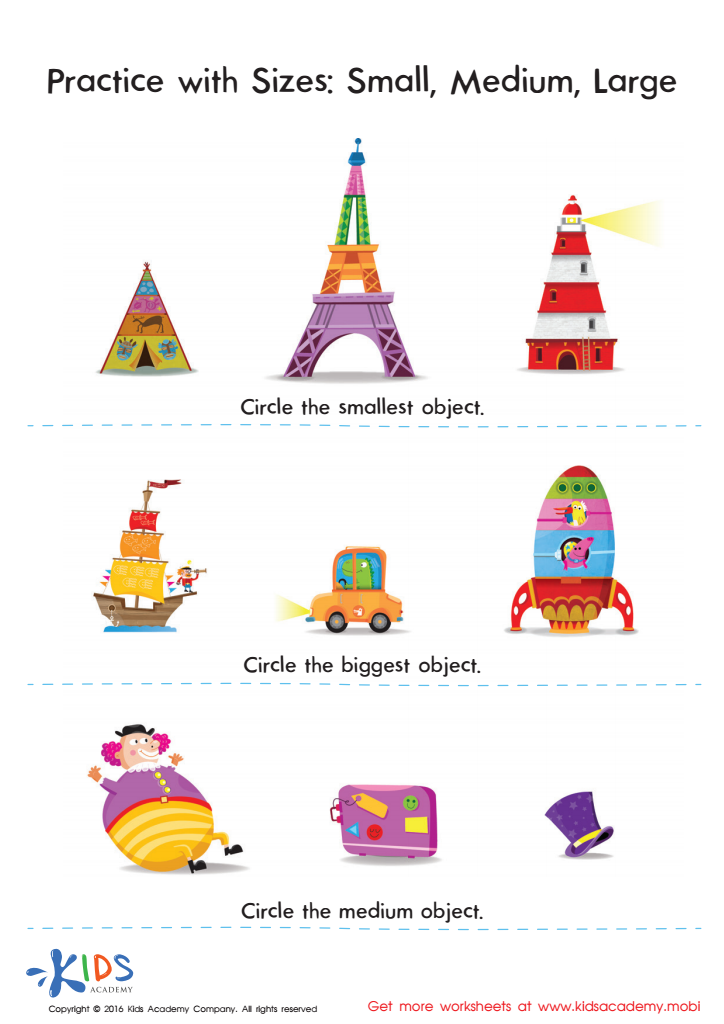








Matching activities for ages 6-8 are essential for fostering cognitive, social, and emotional development in children. At this age, children are naturally curious and eager to learn, making it an ideal time to engage them in activities that promote critical thinking skills. Matching games can improve memory, concentration, and the ability to recognize patterns as children identify and group similar items or concepts.
Additionally, these activities encourage collaboration among peers, fostering social skills and teamwork. When children work together on matching tasks, they learn to communicate effectively, share ideas, and resolve conflicts. Parents and teachers can use these moments to reinforce positive interactions and build a sense of community in the classroom or at home.
Moreover, matching games can be customized to align with educational goals, incorporating vocabulary, math concepts, or science topics. This makes learning fun, engaging, and relevant, motivating children to explore and discover new information.
In conclusion, matching activities are not just simple games; they are valuable tools that significantly contribute to a child’s holistic development. By prioritizing these experiences, parents and teachers set the foundation for lifelong learning and interpersonal skills, preparing children for future academic and social success.








