Critical Thinking Social Studies Worksheets for Ages 6-8
30 filtered results
-
From - To
Unlock the power of critical thinking with our engaging Social Studies worksheets designed specifically for ages 6-8! These interactive resources encourage young learners to explore diverse topics while developing essential skills. Each worksheet combines fun activities with thought-provoking questions, fostering curiosity and promoting analytical thinking. As children engage with their communities, history, and cultural differences, they'll build a strong foundation for responsible citizenship. Perfect for both classroom settings and at-home learning, our critical thinking worksheets are tailored to nurture your child's understanding of the world. Encourage exploration, discussion, and problem-solving with these invaluable teaching tools! Explore today and inspire future thinkers!
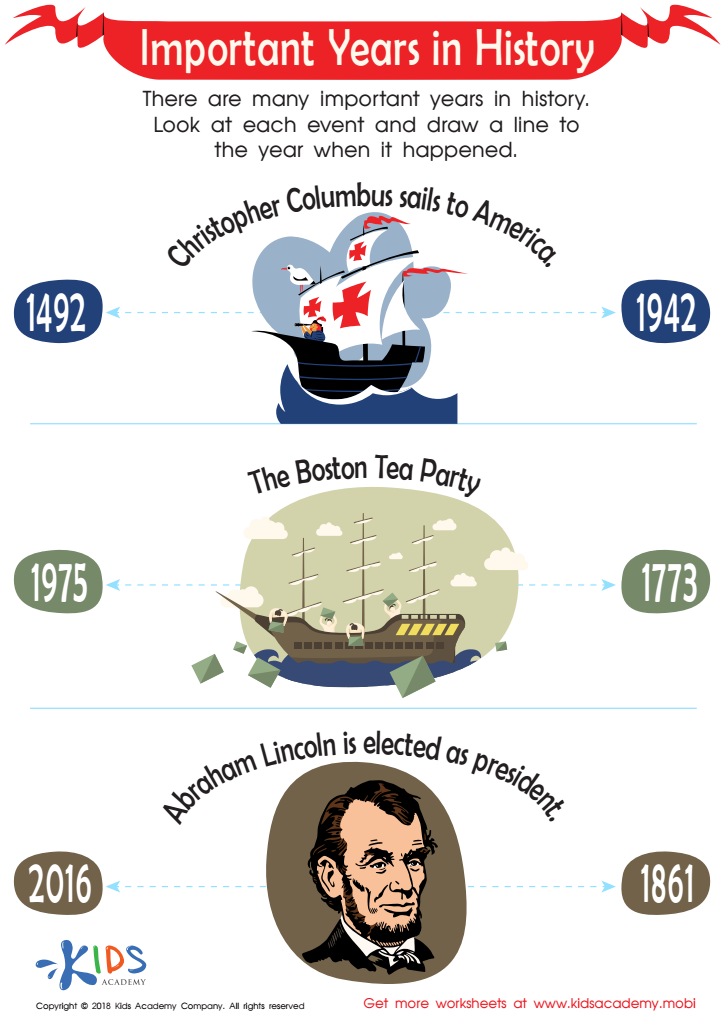
Important Years in History Worksheet
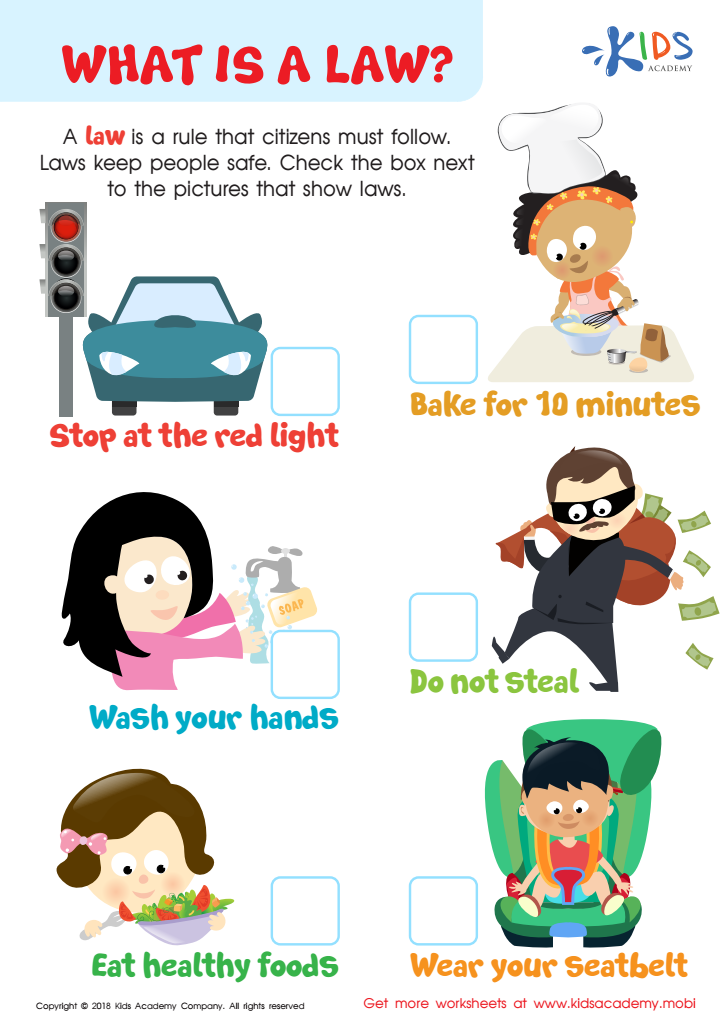
What is a Law? Worksheet
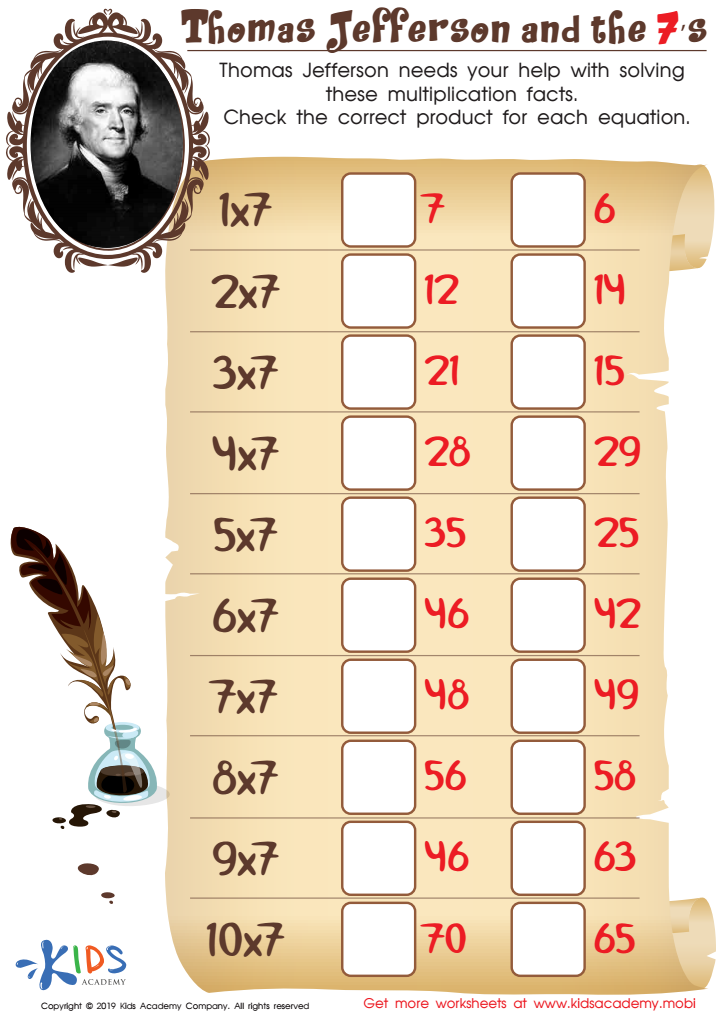
Thomas Jefferson and the 7’s Worksheet

Native American Word Search Printable
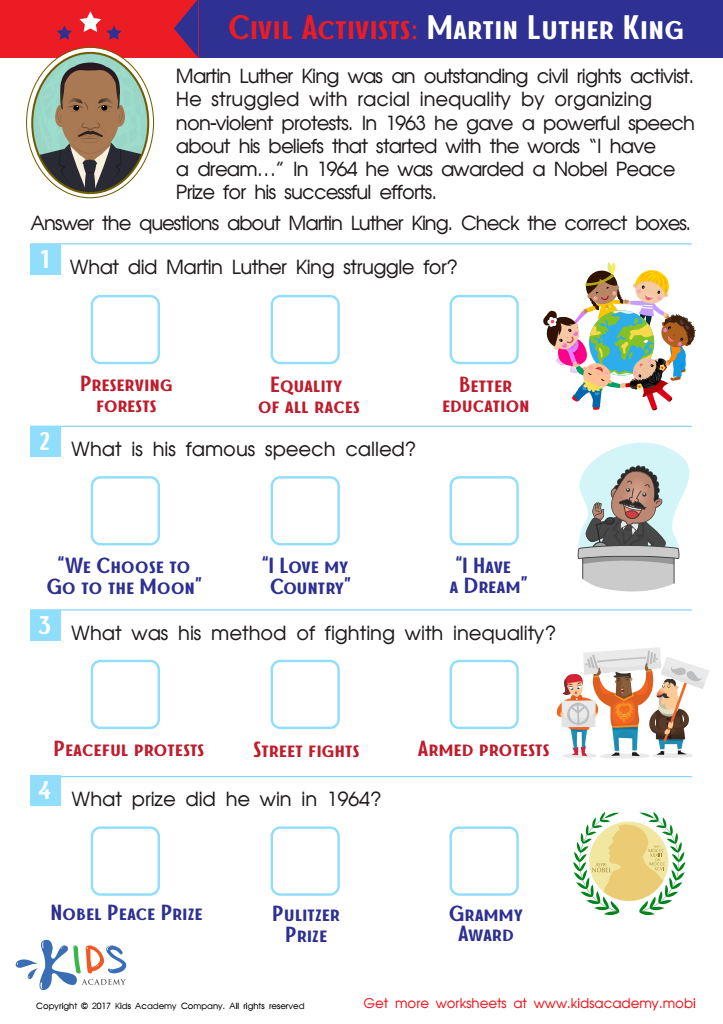
Martin Luther King Worksheet
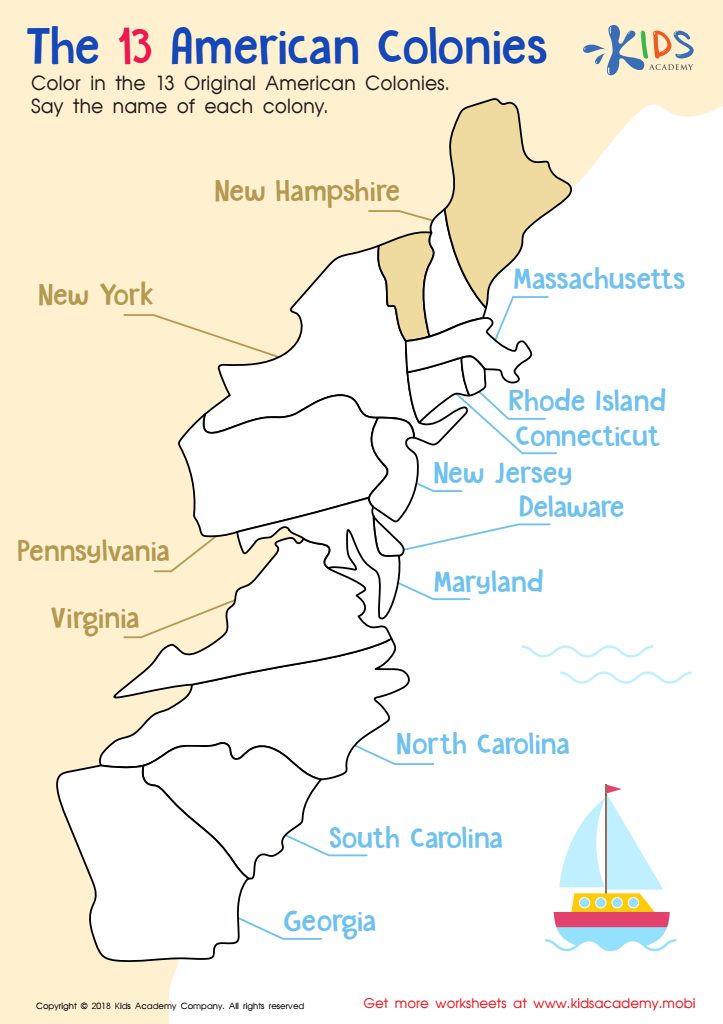
The 13 American Colonies Worksheet
 Assign to My Students
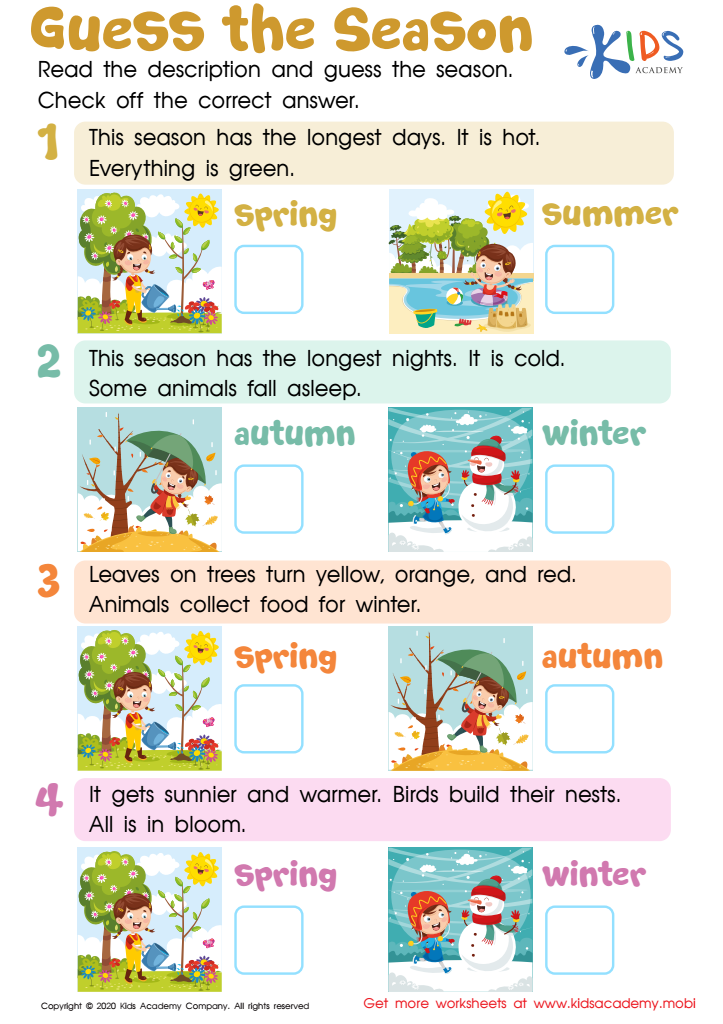
Guess the Season Worksheet
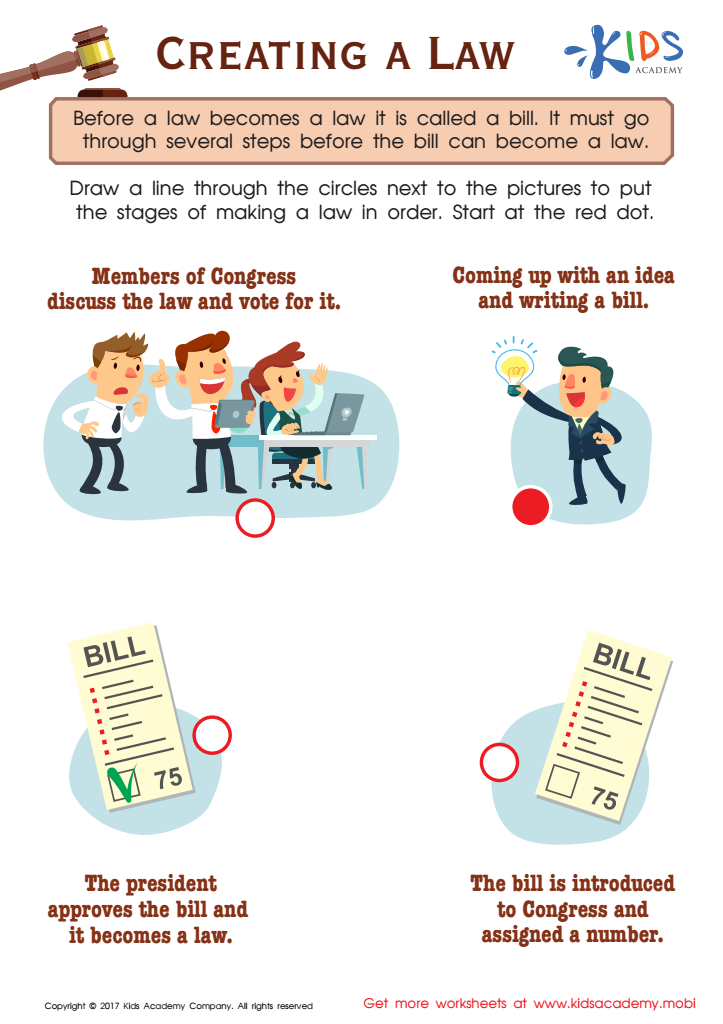
Creating a Law Worksheet
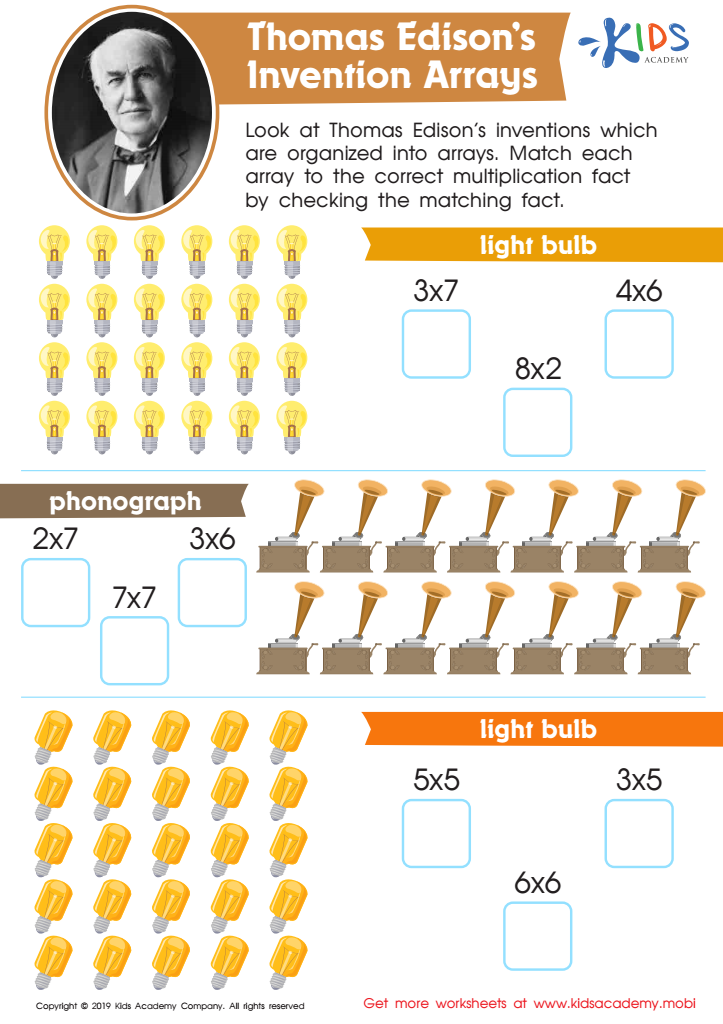
Thomas Edison’s Invention Arrays Worksheet
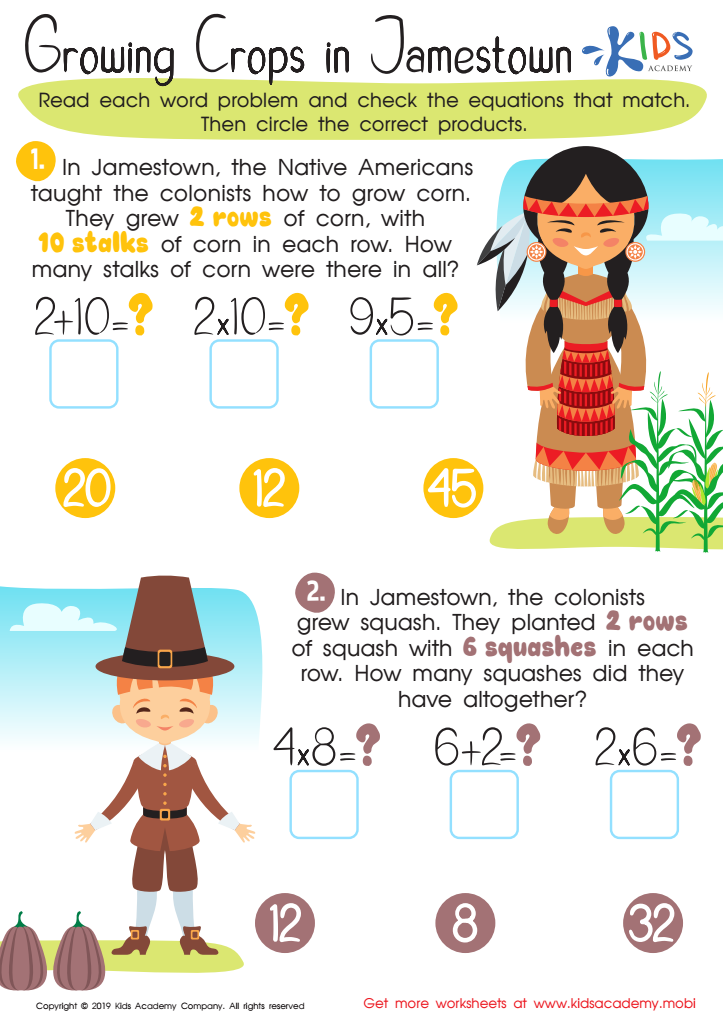
Growing Jamestown Worksheet
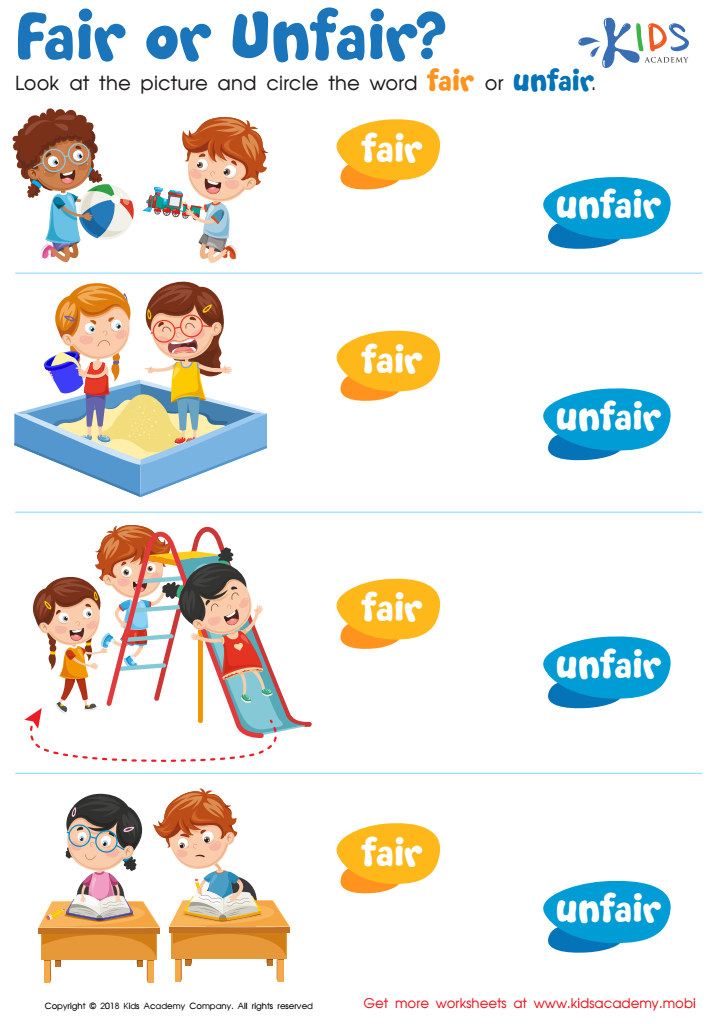
Fair or Unfair Worksheet
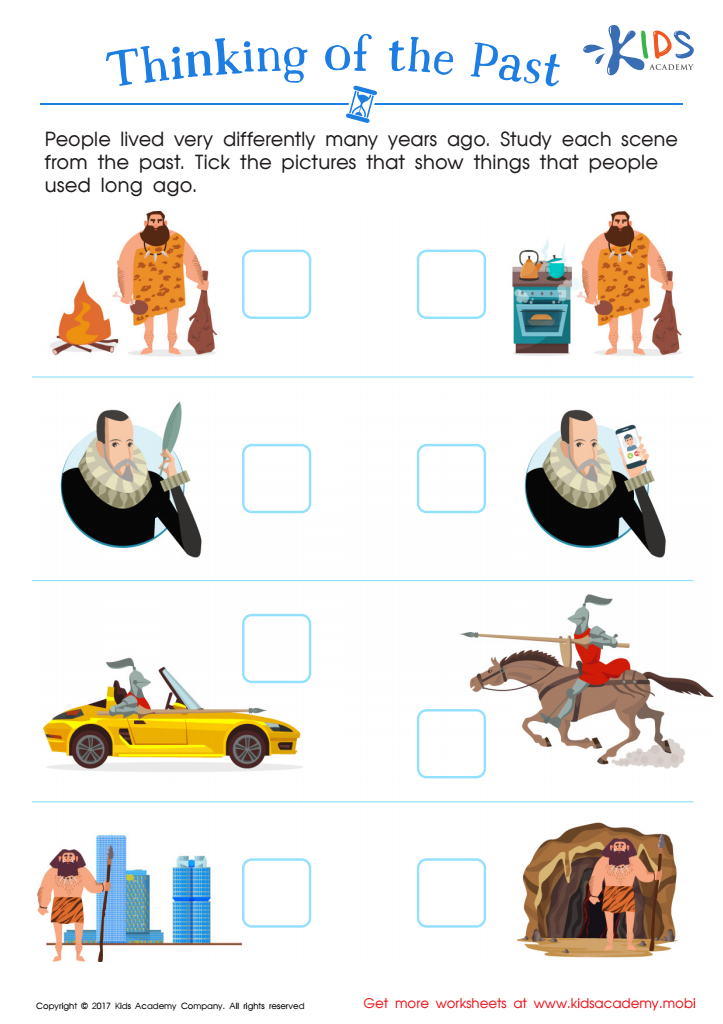
Thinking Past Printable

Thanksgiving Holiday Printable
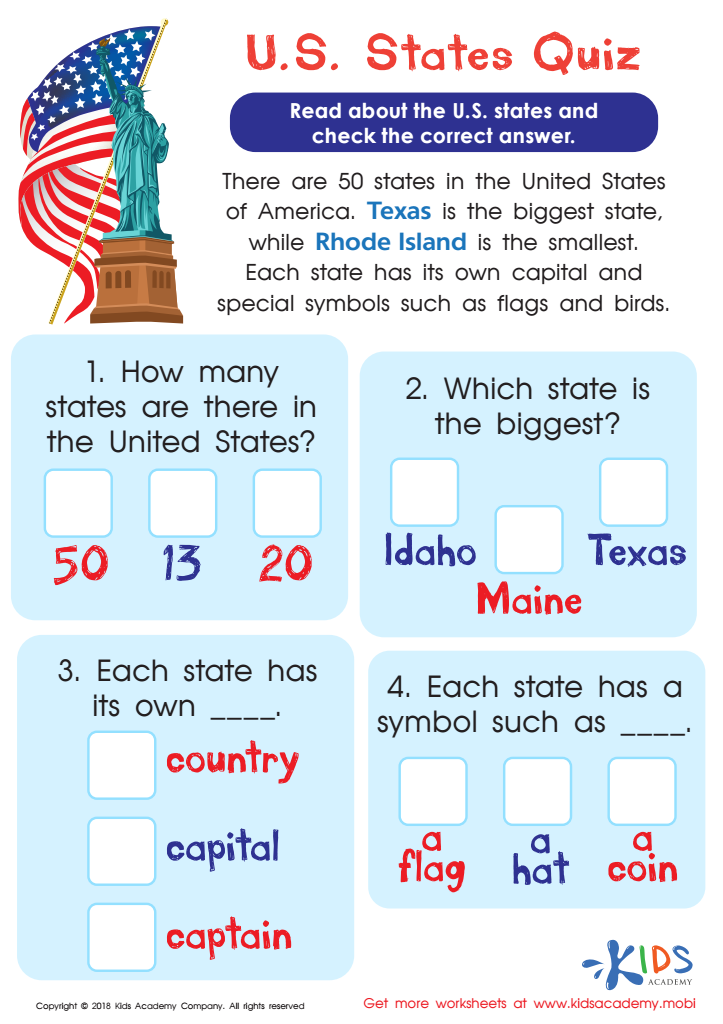
U.S. States Quiz Worksheet
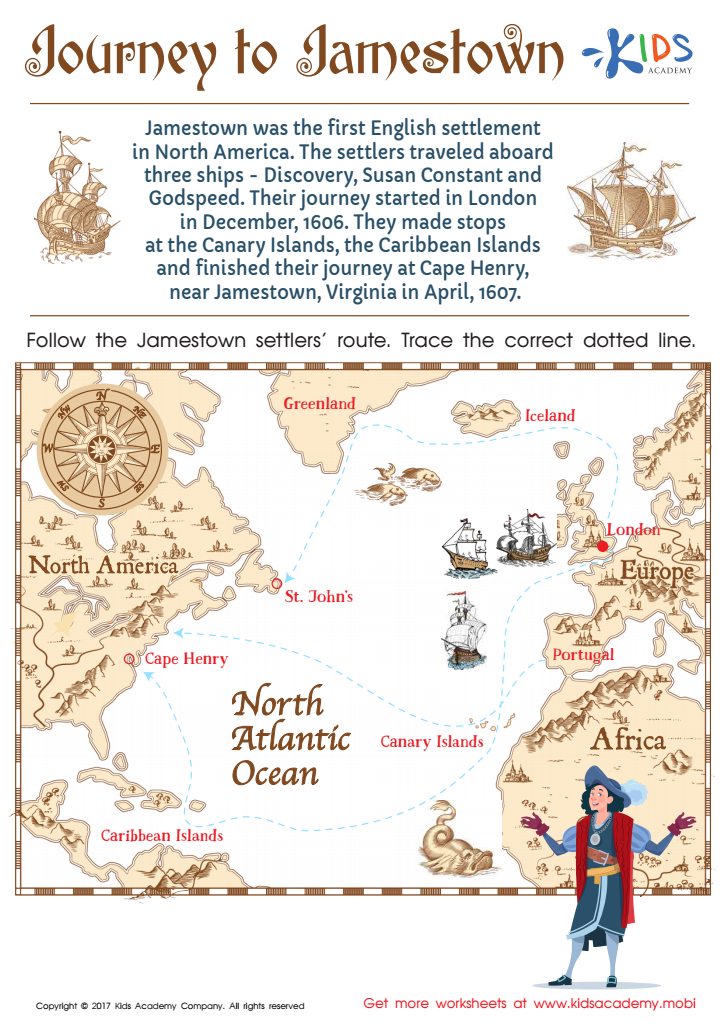
Journey to Jamestown Worksheet
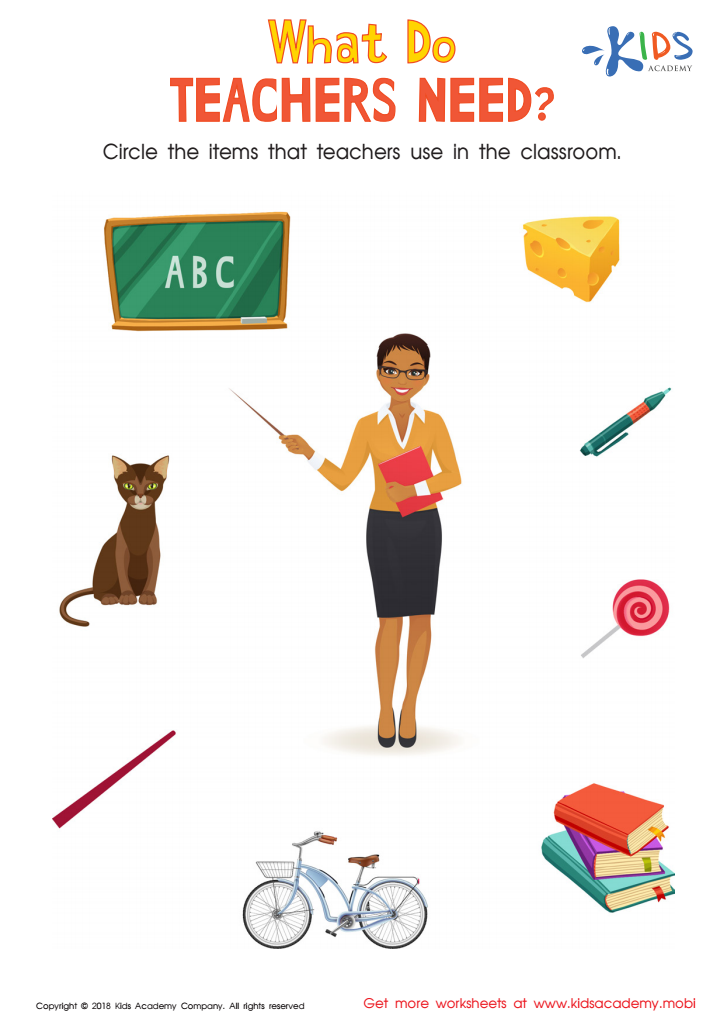
What Do Teachers Need Worksheet
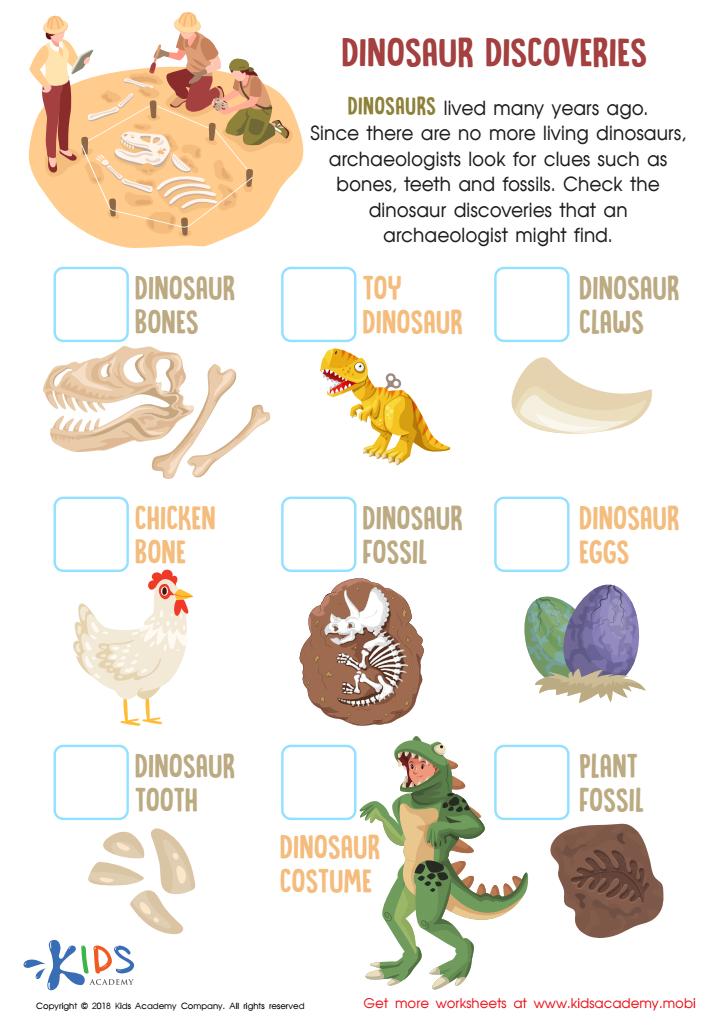
Dinosaur Discoveries Worksheet
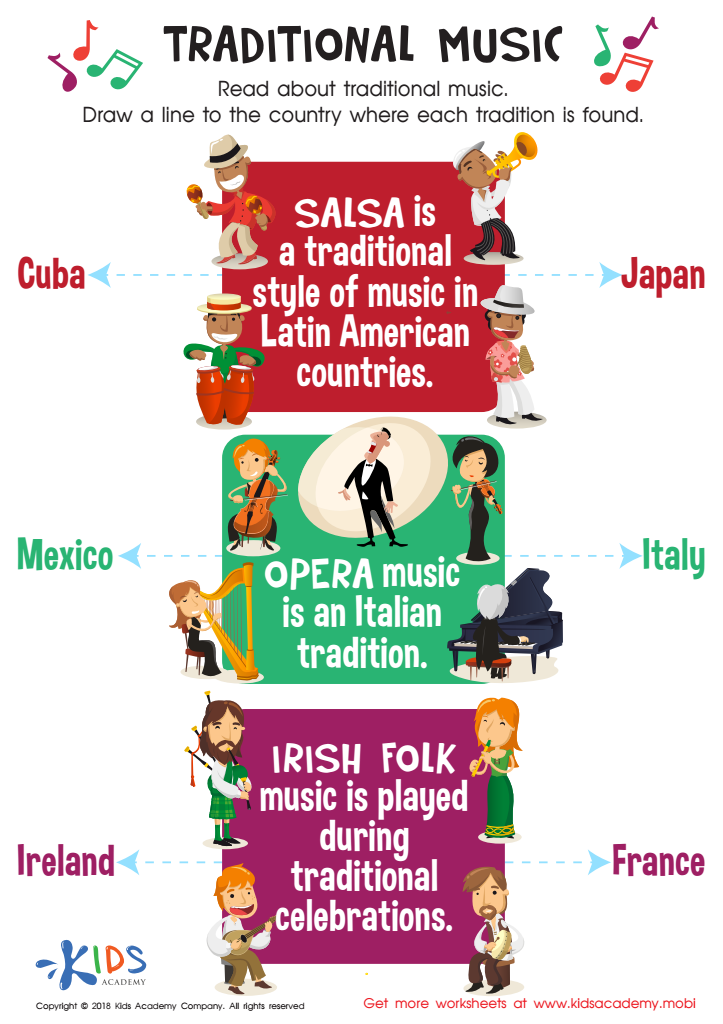
Traditional Music Worksheet
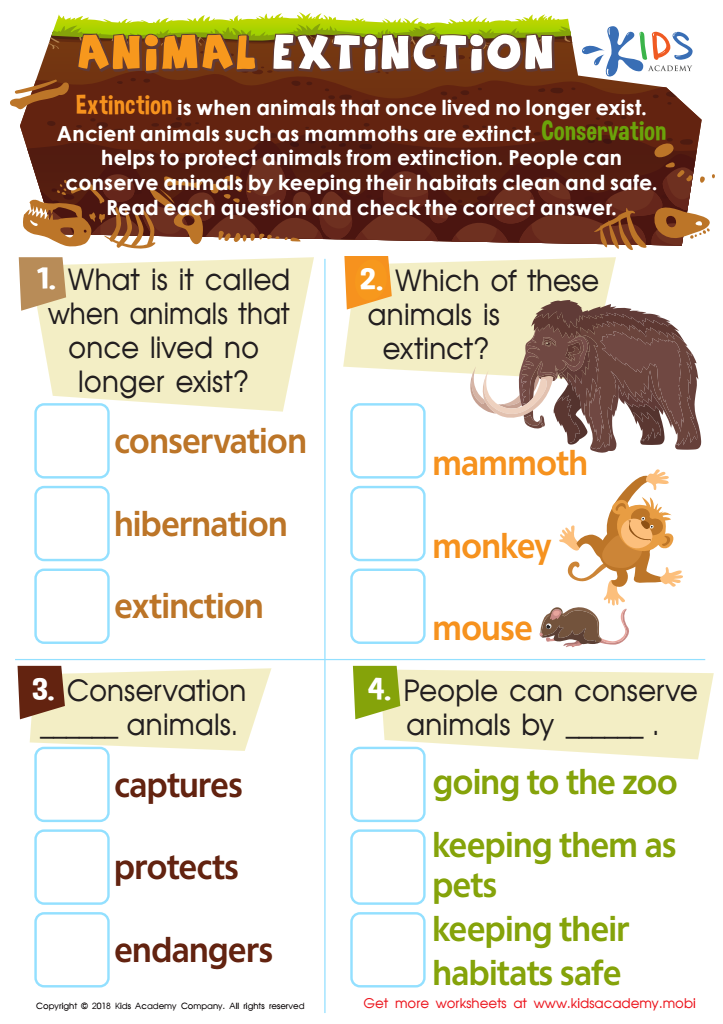
Animal Extinction Worksheet
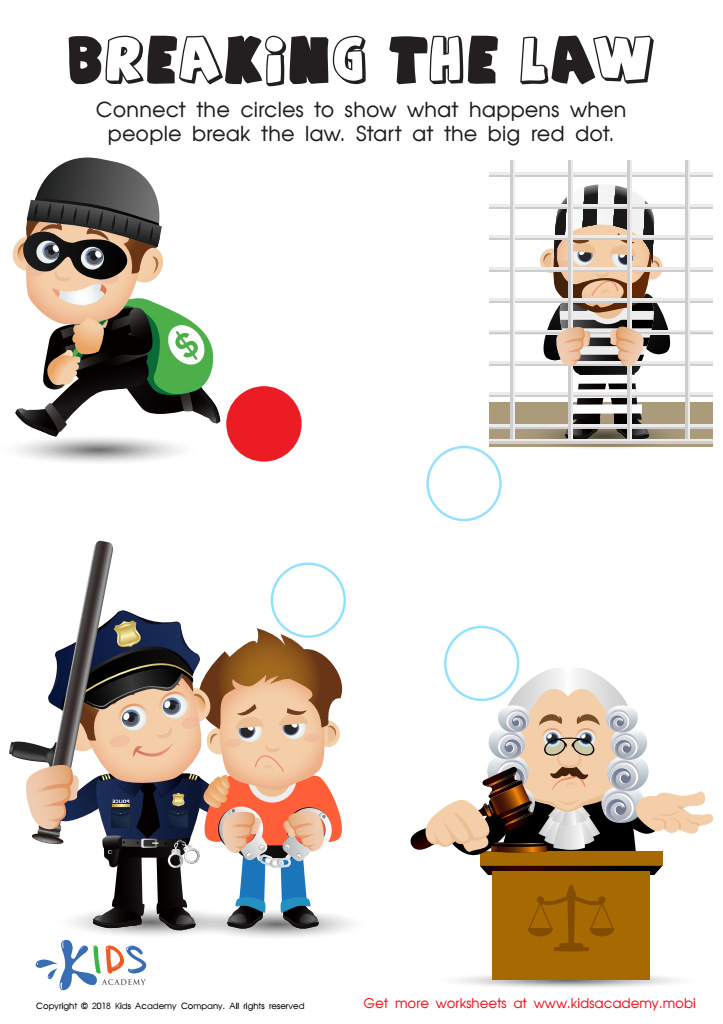
Breaking the Law Worksheet
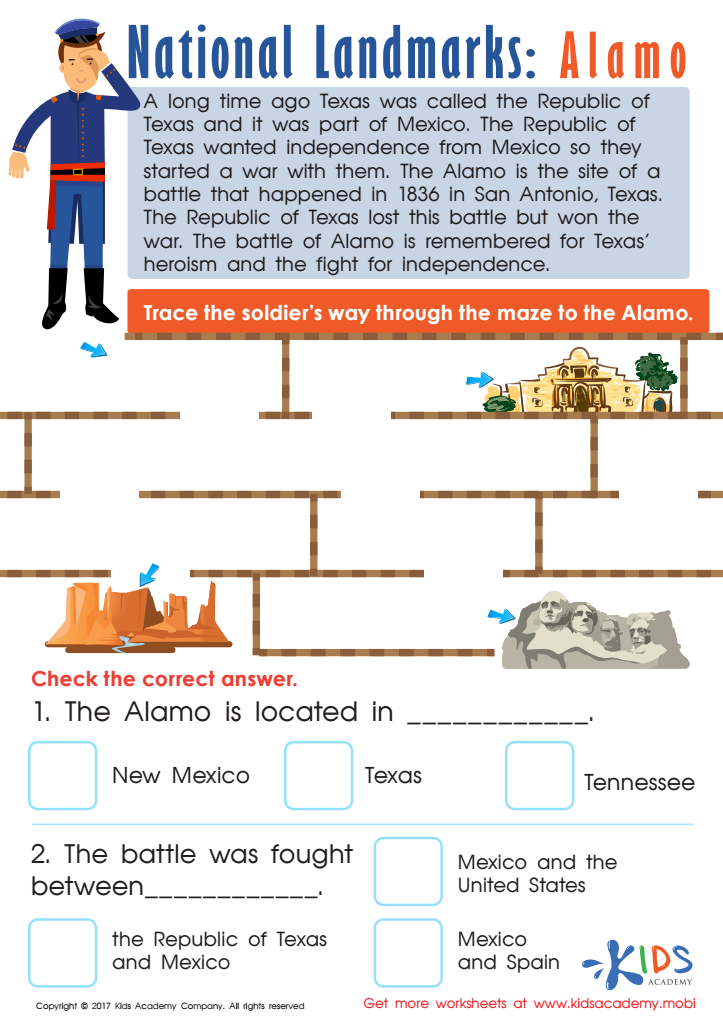
Alamo Printable Worksheet
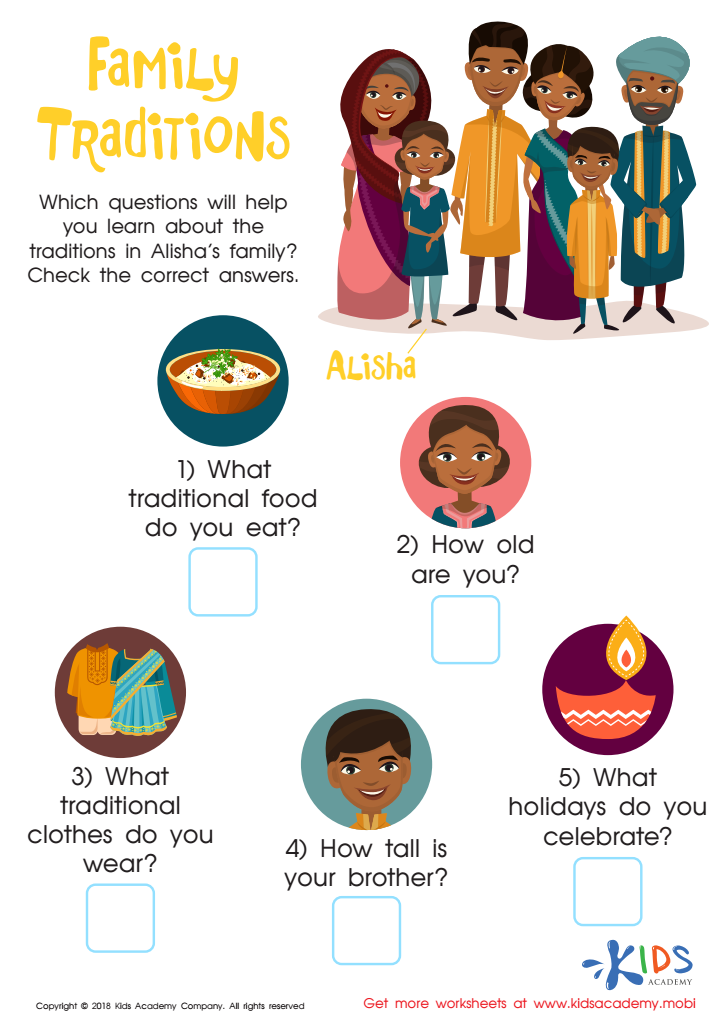
Family Traditions Worksheet
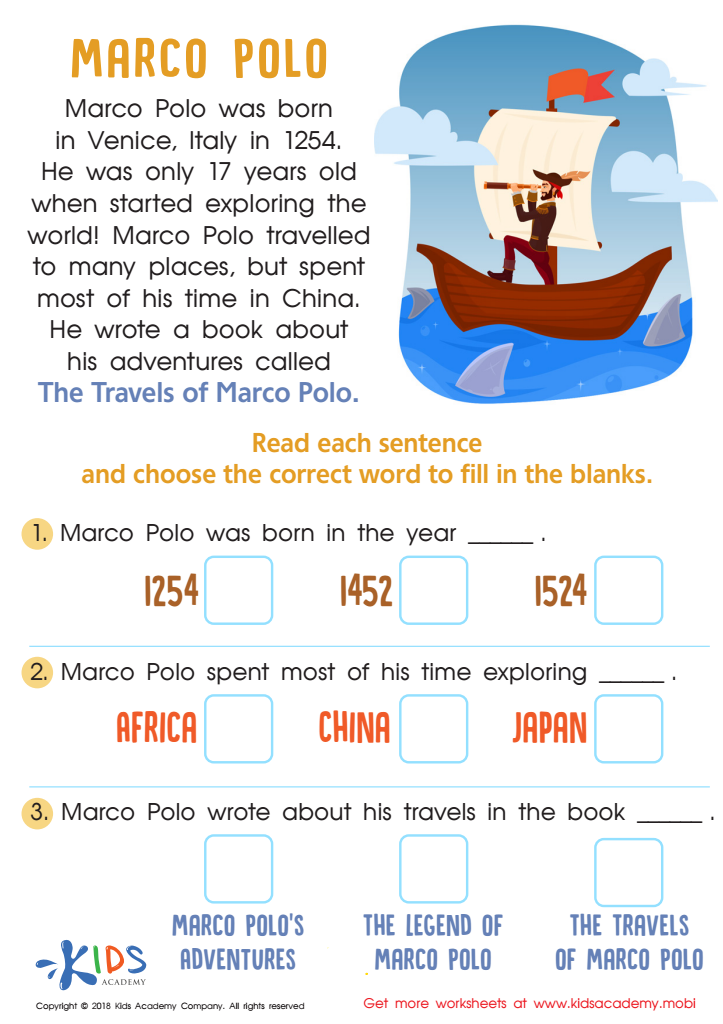
Marco Polo Worksheet
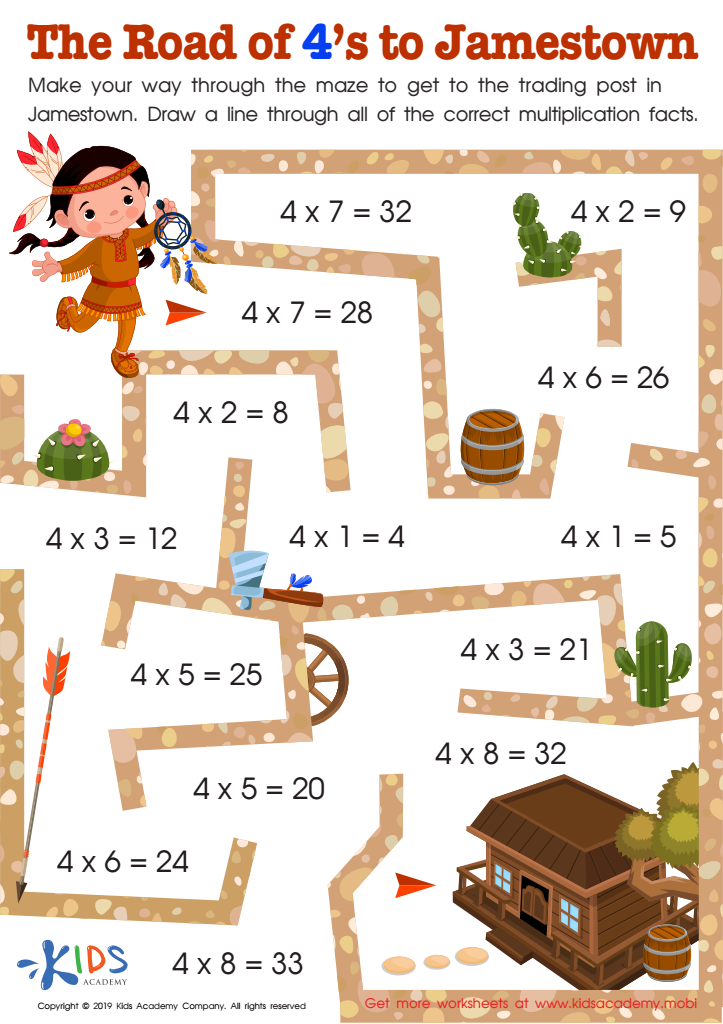
The Road of 4’s to Jamestown Worksheet








Critical thinking in Social Studies is essential for children aged 6-8 as it lays the foundation for understanding the world around them. At this developmental stage, children begin to formulate ideas about communities, cultures, and historical events. Encouraging critical thinking helps them analyze information, ask thoughtful questions, and cultivate a sense of curiosity.
Parents and teachers should prioritize this skill because it empowers children to think independently and make informed decisions. Through engaging activities and discussions about social contexts—like the structures of their communities or the significance of holidays—children learn to evaluate different perspectives, fostering empathy and respect for diversity.
Moreover, critical thinking enhances problem-solving skills. When young learners tackle challenges, such as understanding differing viewpoints on a local issue, they practice reasoning and negotiation. These skills are foundational not just for their academic journey but for their roles as informed citizens in a complex society.
Finally, instilling critical thinking in early social studies classes promotes collaboration. Children learn to communicate their thoughts clearly and work together to establish solutions, preparing them for future academic and social interactions. Ultimately, prioritizing critical thinking in Social Studies helps shape thoughtful, engaged, and proactive members of society.