Consonants Worksheets for Ages 6-9 - Page 2
34 filtered results
-
From - To
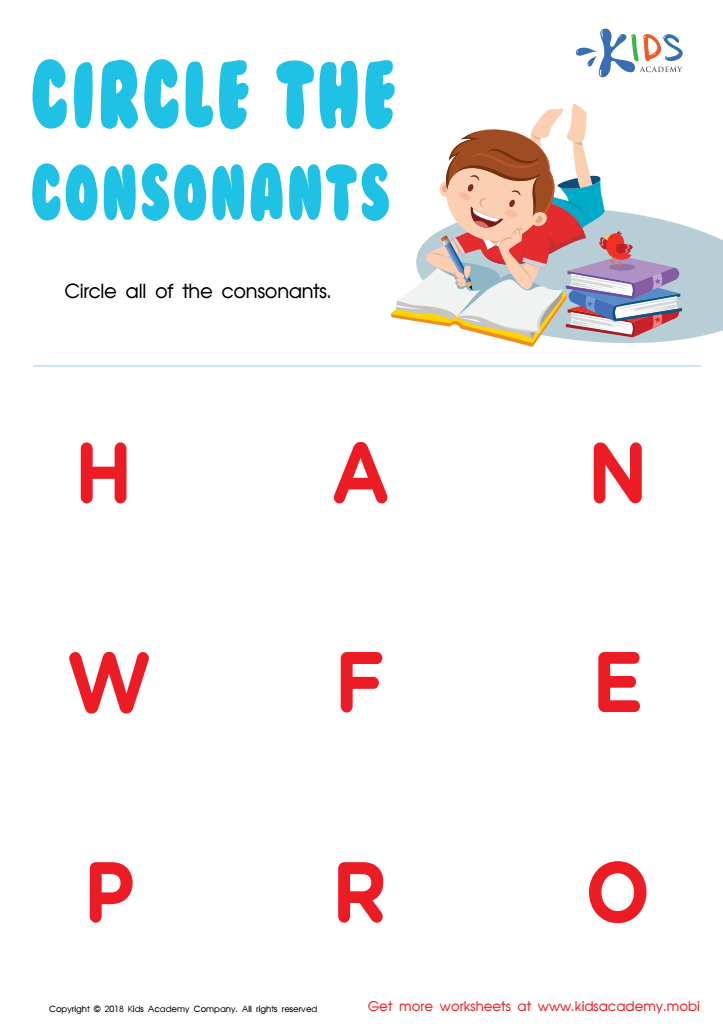
Circle the Consonants Worksheet
 Assign to My Students
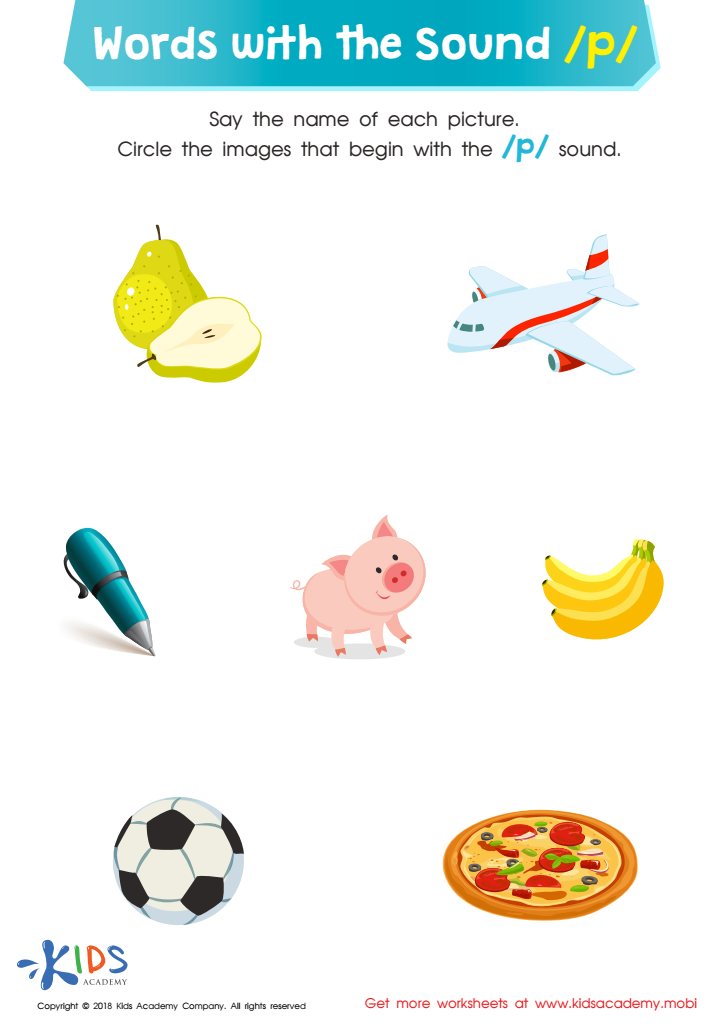
Words with sound p Reading Worksheet
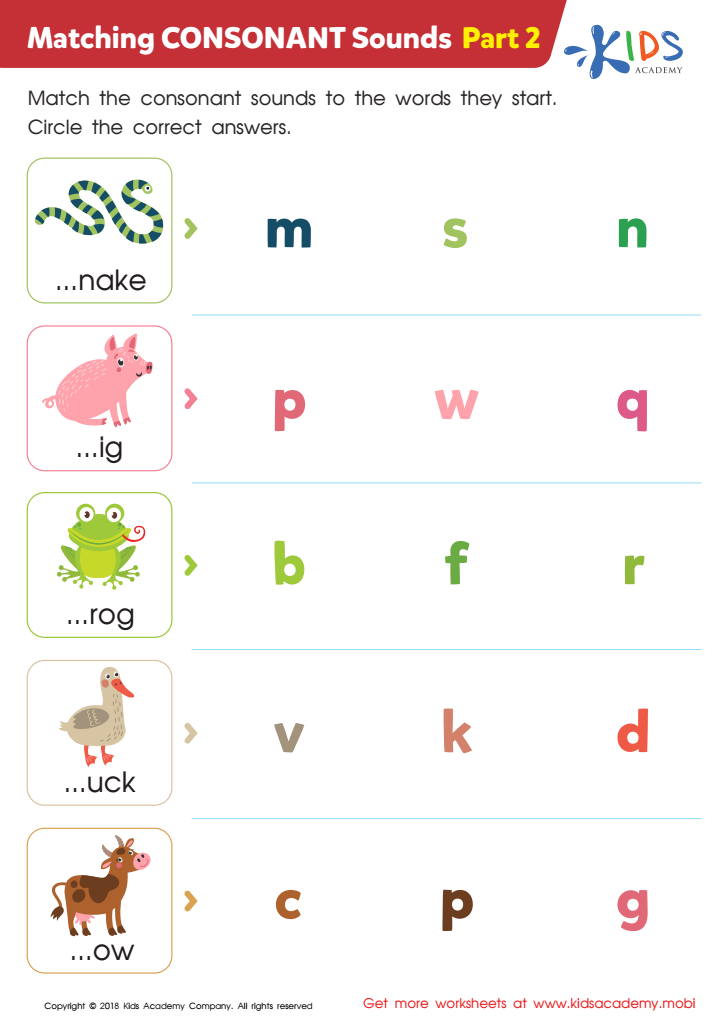
Matching Consonant Sounds: Part 2 Worksheet
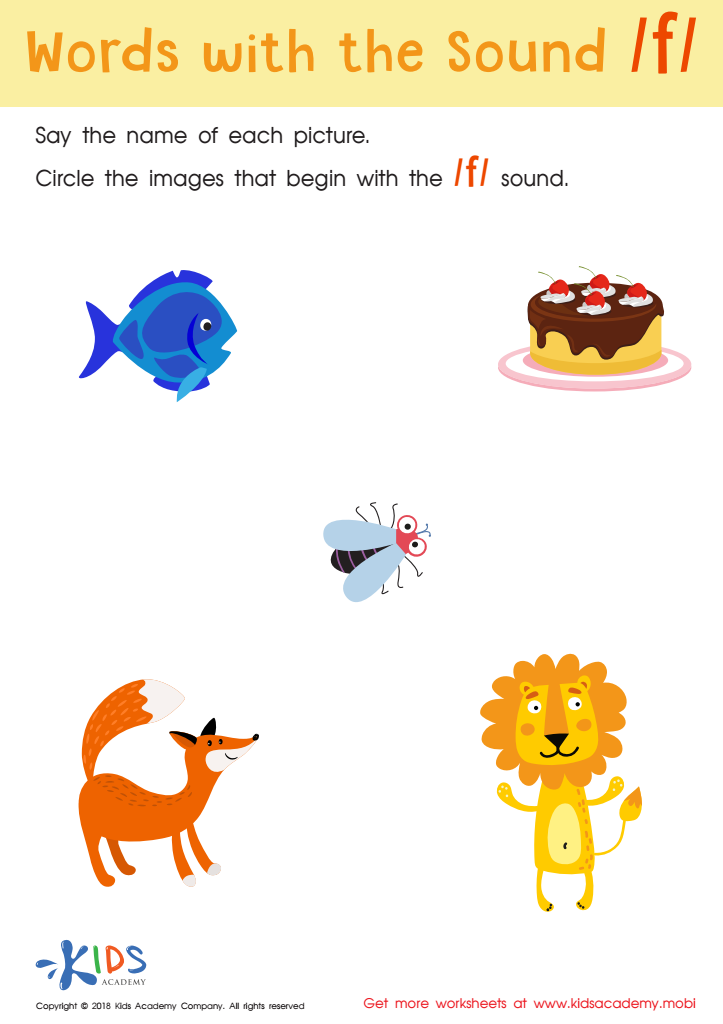
Words with sound f Reading Worksheet
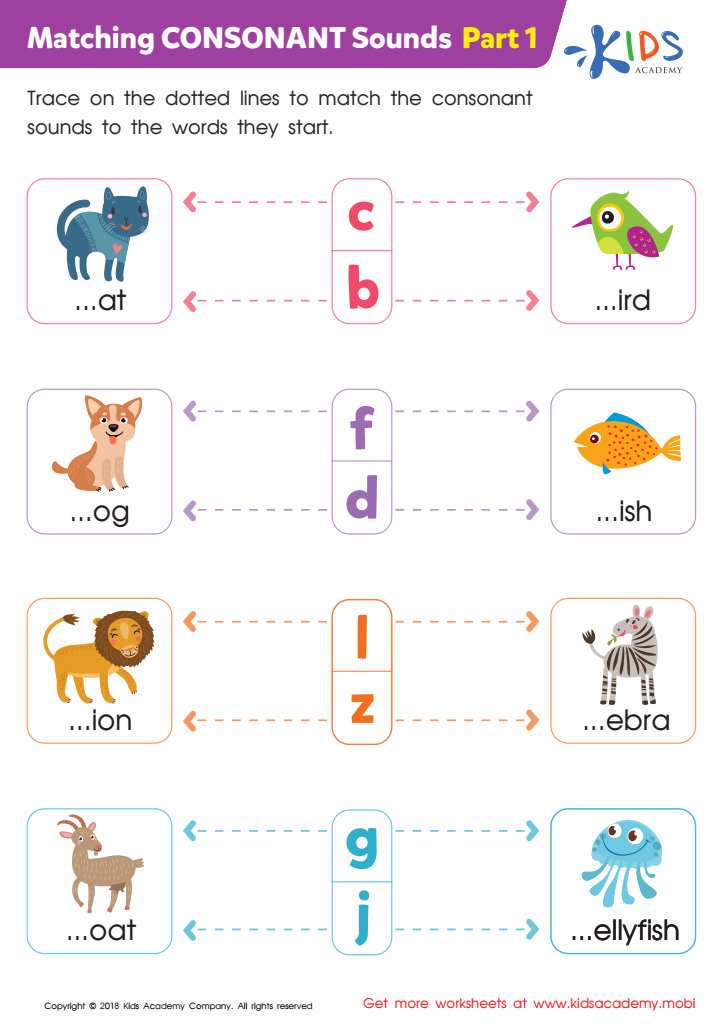
Matching Consonant Sounds: Part 1 Worksheet
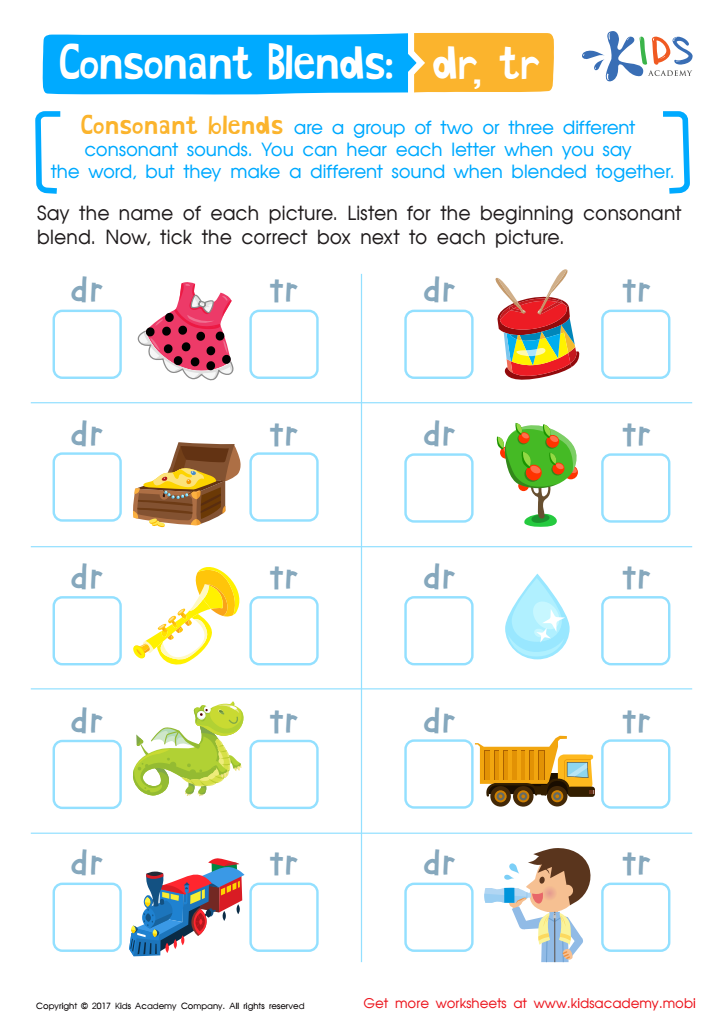
Consonant Blends: "Dr" and "Tr" Printable
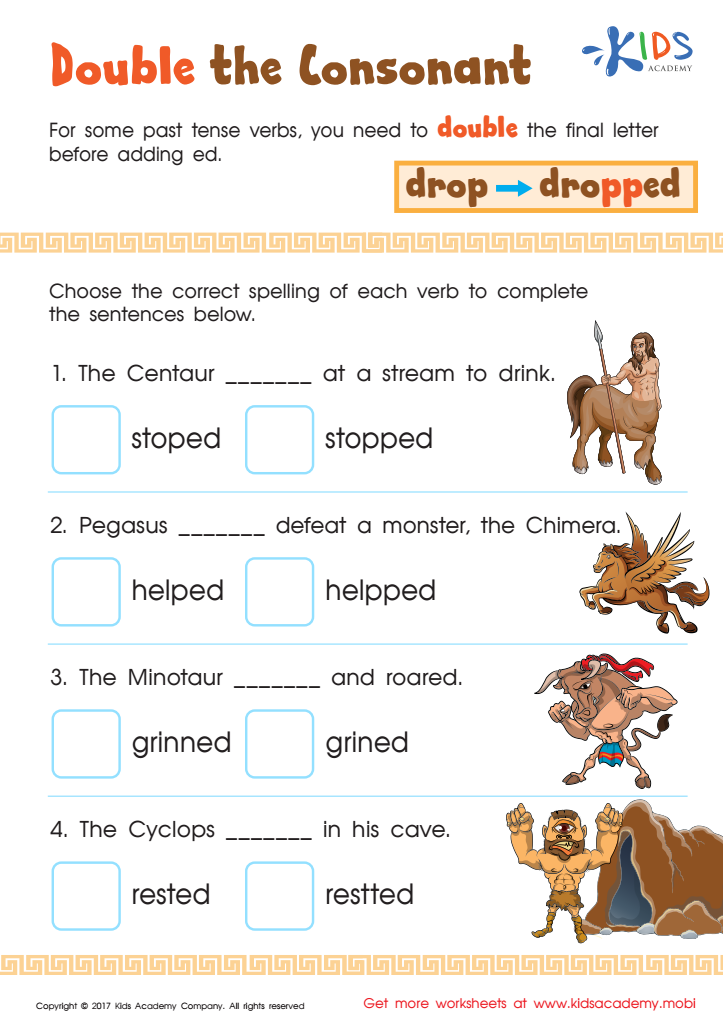
Double Consonant Spelling Worksheet
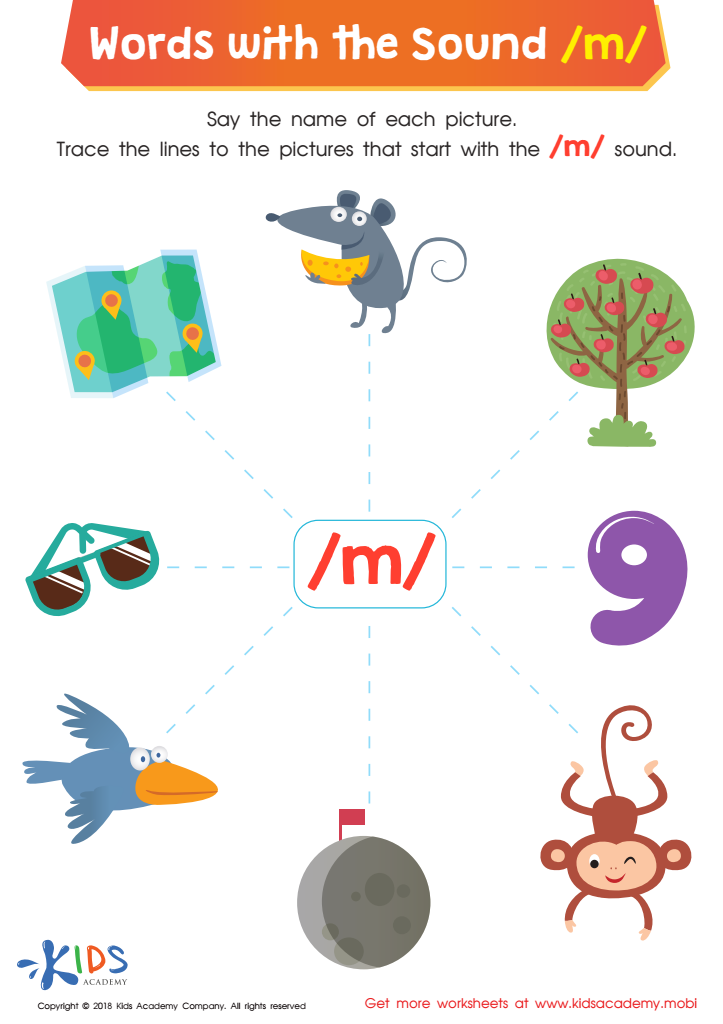
Words with Sound M Reading Worksheet
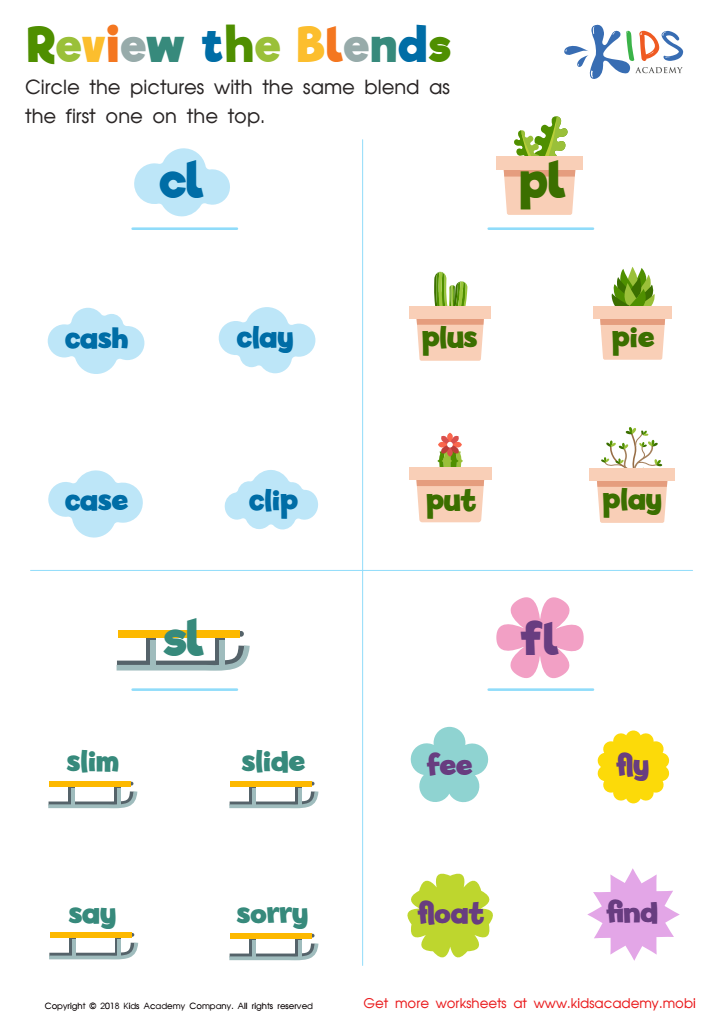
Review the Blends Worksheet
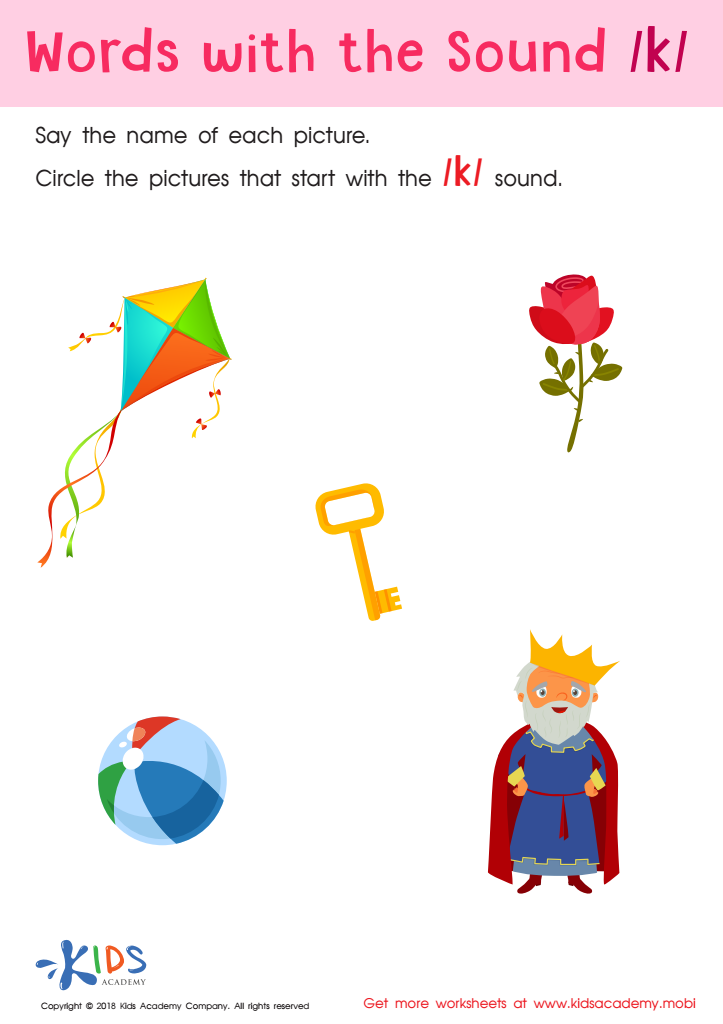
Words with sound k Reading Worksheet



Understanding consonants is fundamental for children aged 6-9 as they develop early reading and writing skills. At this stage, students are transitioning from learning to read to reading to learn, making consonants crucial for decoding words. Consonants form the backbone of language, representing distinct sounds that help kids identify and articulate words, which is vital for both literacy and communication skills.
When parents and teachers prioritize consonant knowledge, they are supporting phonemic awareness—the ability to hear, identify, and manipulate sounds. This skill significantly enhances children's reading fluency and comprehension. Teaching consonants also lays a foundation for spelling because understanding how consonants function within words enables children to sound them out when writing.
In addition, recognizing consonant sounds helps children with phonics, where the relationship between letters and sounds is critical. Strong consonant awareness is associated with better overall literacy outcomes, paving the way for academic success in the future. Engaging activities, such as games and interactive lessons focused on consonants, can make learning enjoyable and effective. By emphasizing consonants, parents and teachers empower children with the tools needed not just for literacy, but for effective communication and confident self-expression.







