Long And Short Vowel Worksheets for Ages 6-9
19 filtered results
-
From - To
Discover our engaging "Long and Short Vowel Worksheets" designed specifically for children ages 6-9! These worksheets help young learners master the difference between long and short vowel sounds through fun exercises and activities. Perfect for classroom use or at-home learning, each worksheet is crafted to enhance phonemic awareness, spelling skills, and reading fluency. Featuring colorful illustrations and interactive tasks, our resources make learning enjoyable and effective. Support your child's literacy development with our printable worksheets, tailored to support early readers in recognizing and using vowel sounds confidently. Dive into a world of vowel fun and empower your child's learning journey today!
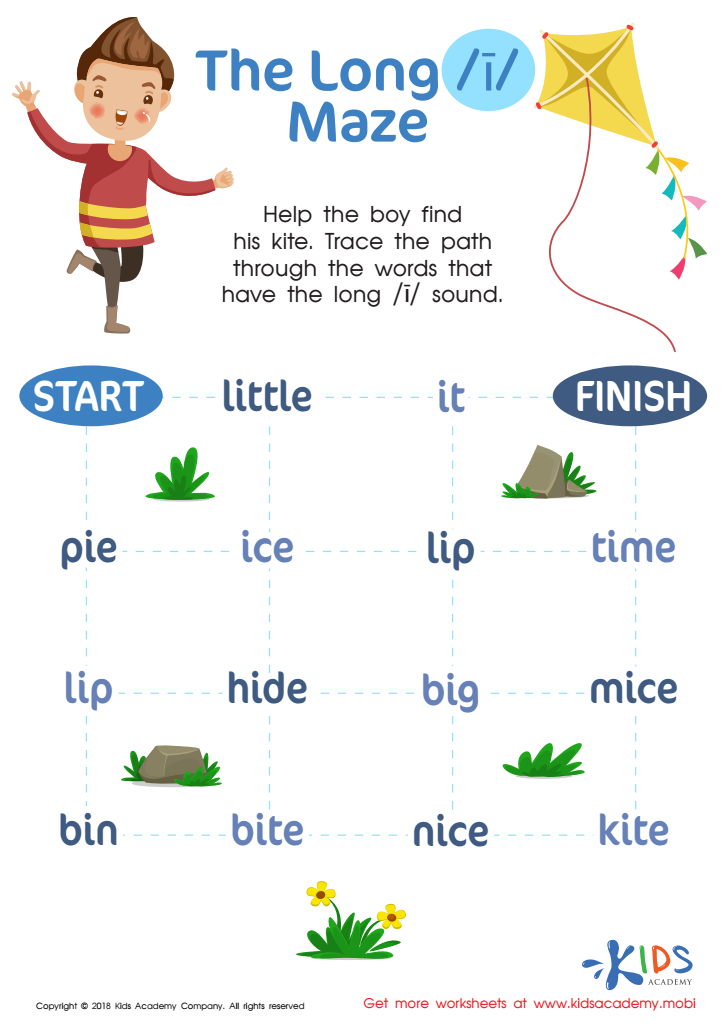
The Long I Maze Reading Worksheet
 Assign to My Students
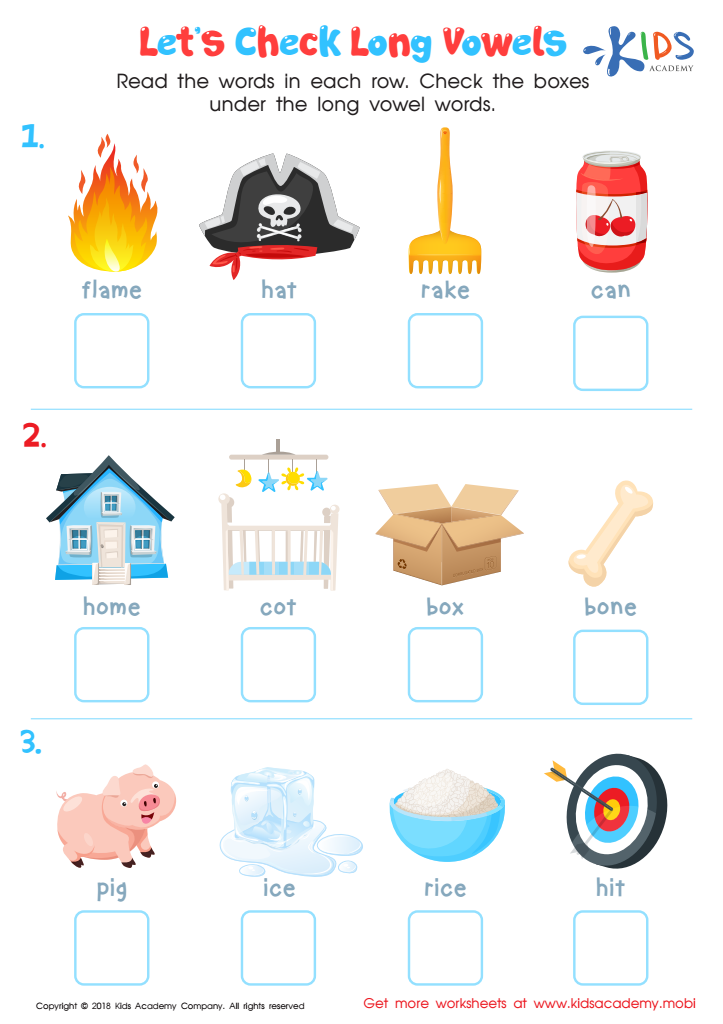
Let's Check Long Vowels: Assessment Worksheet
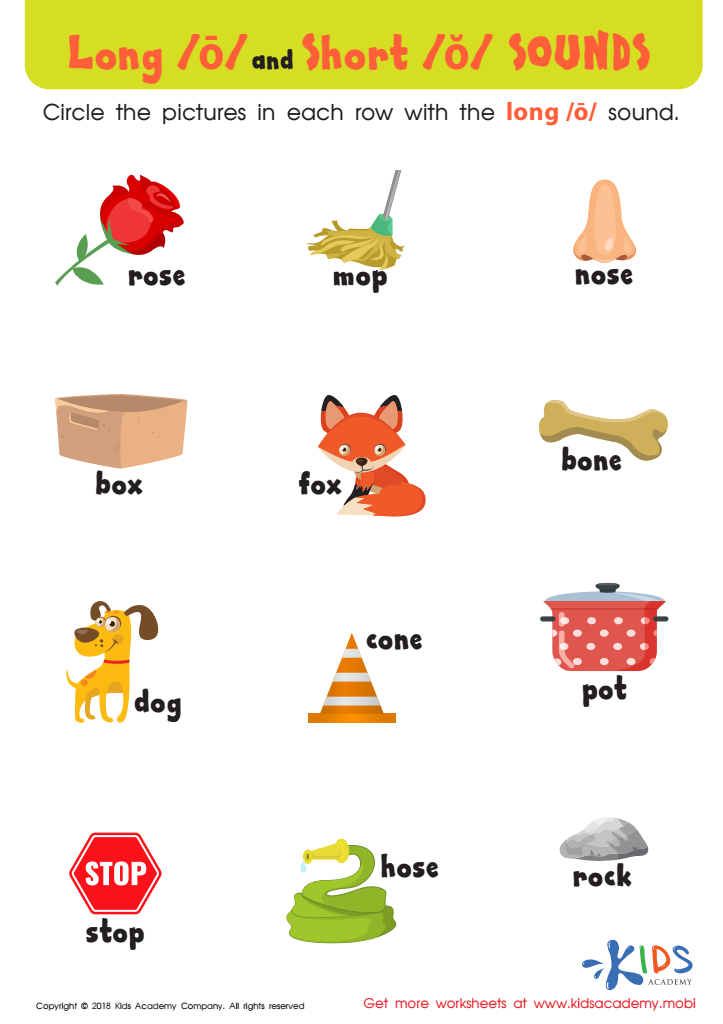
Reading: Long O and Short O Sounds Worksheet
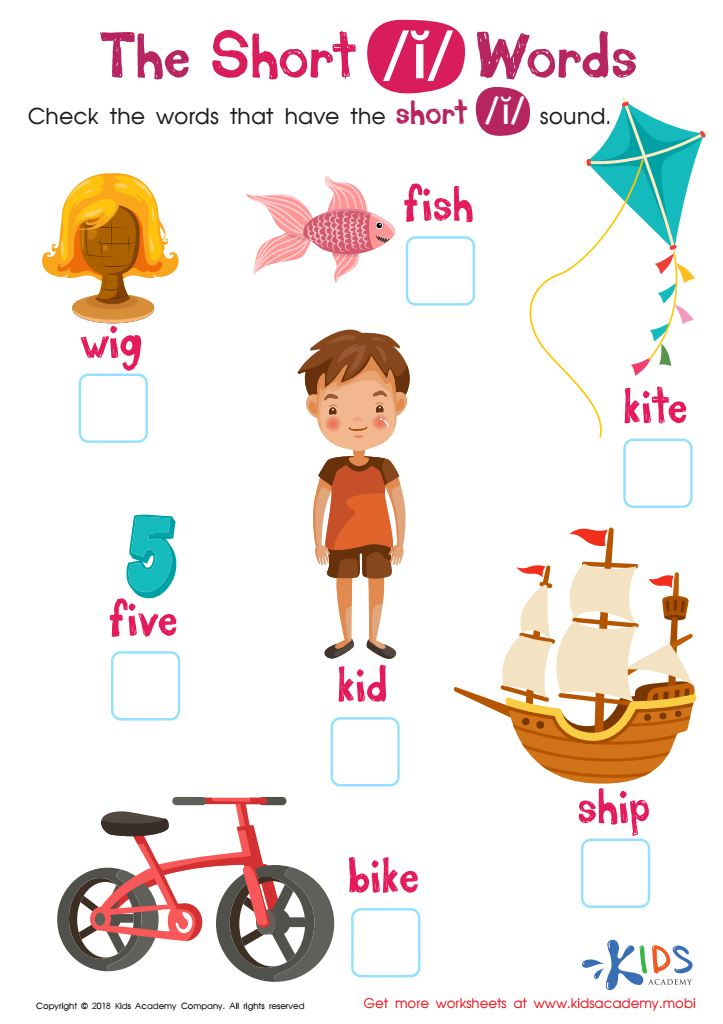
The Short I Words Reading Worksheet
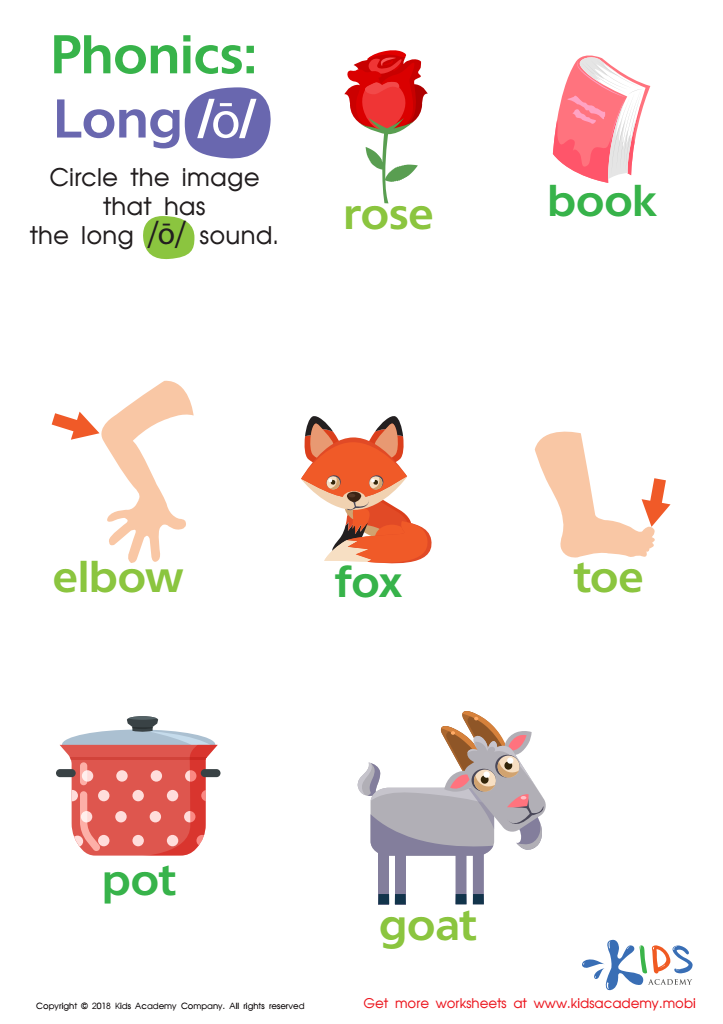
Phonics Long O Reading Worksheet
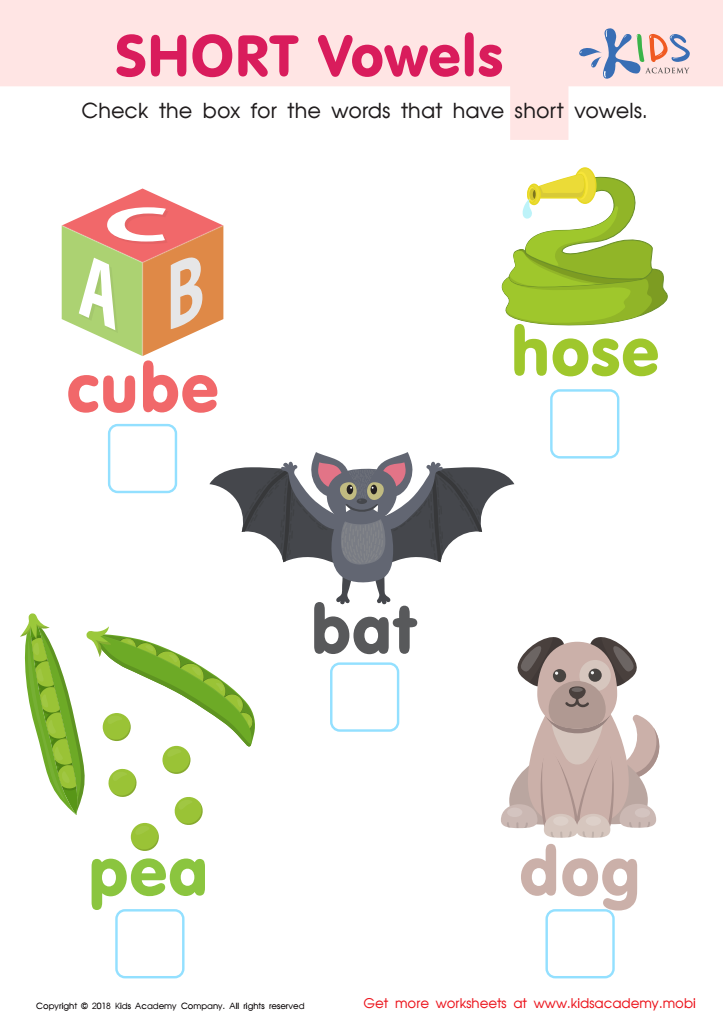
short vowels Worksheet
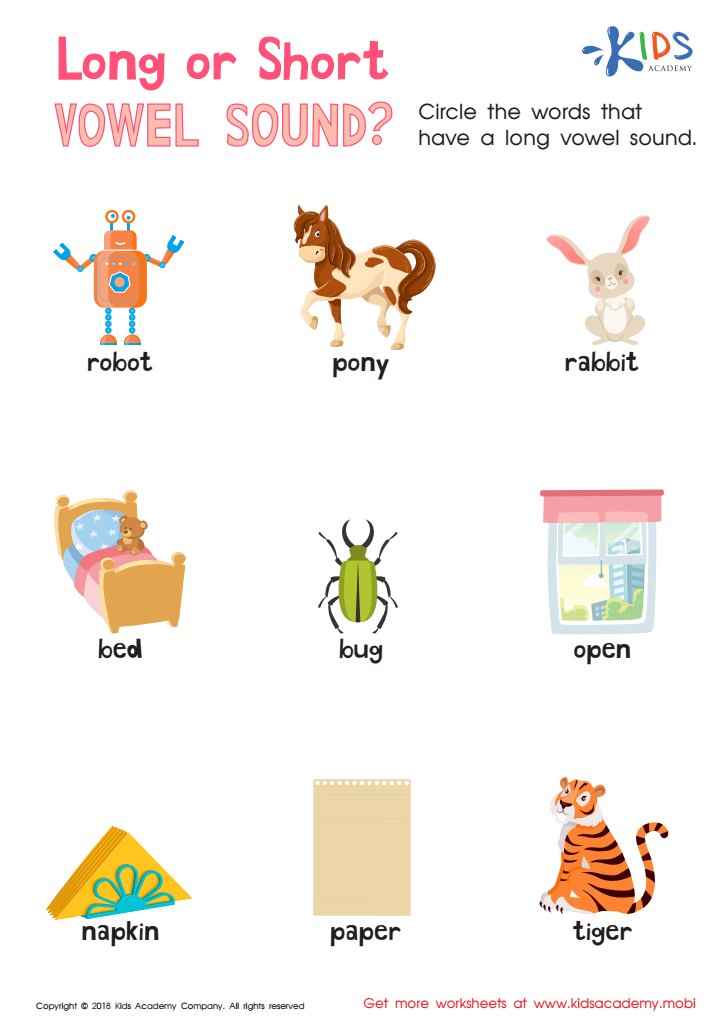
Long or Short Vowel Sound? Worksheet
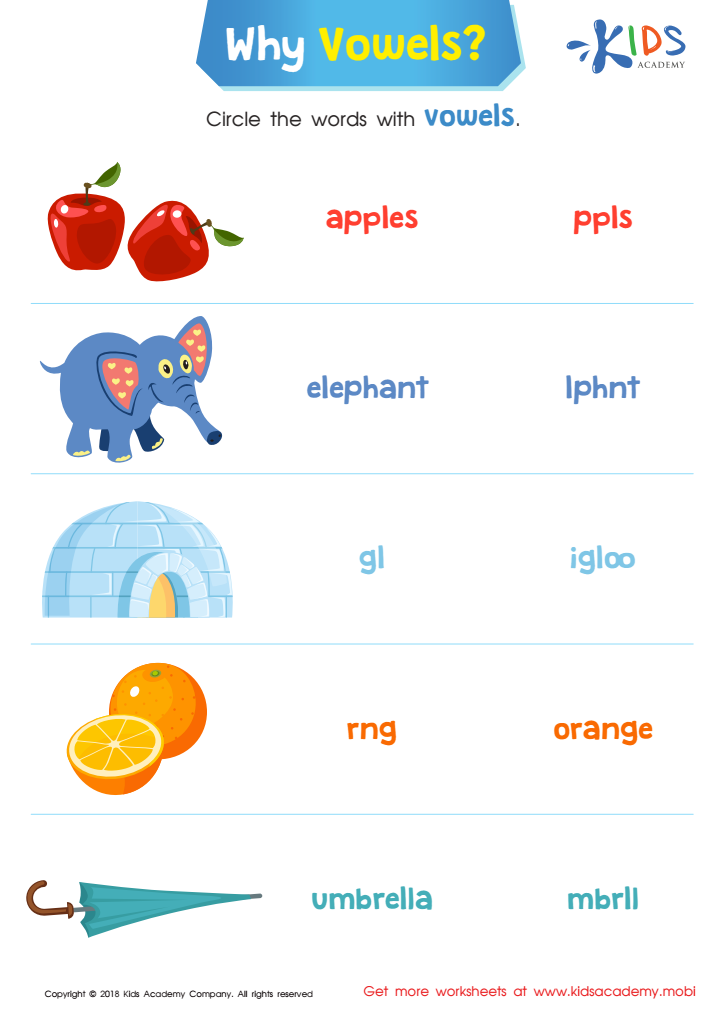
Why Vowels? Reading Worksheet
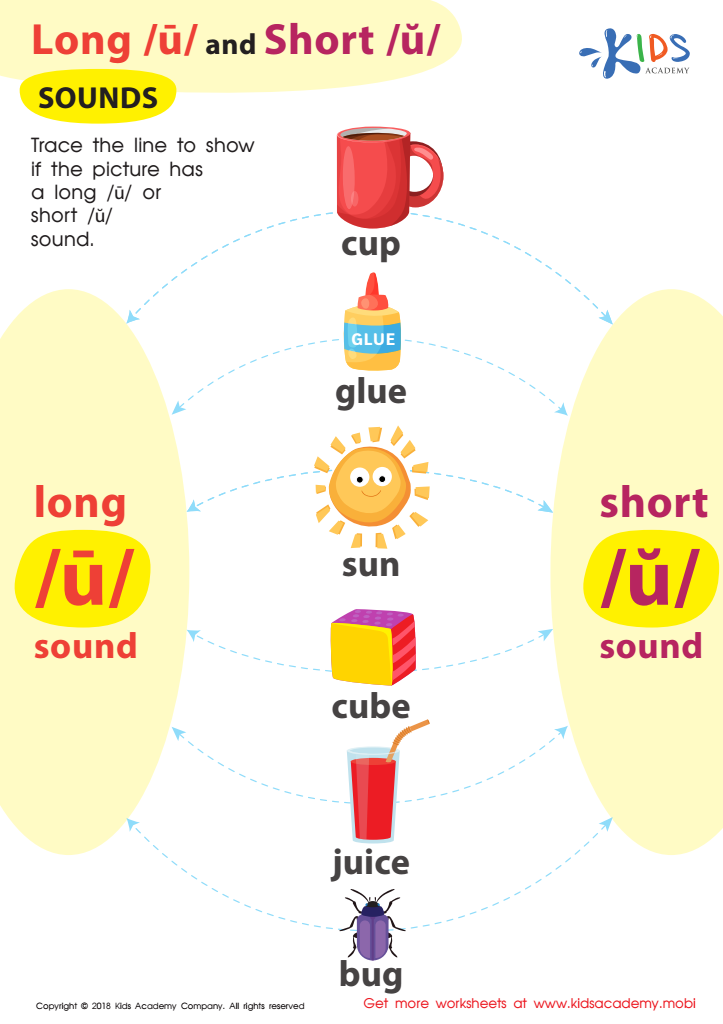
Reading: Long U and Short U Sounds Worksheet
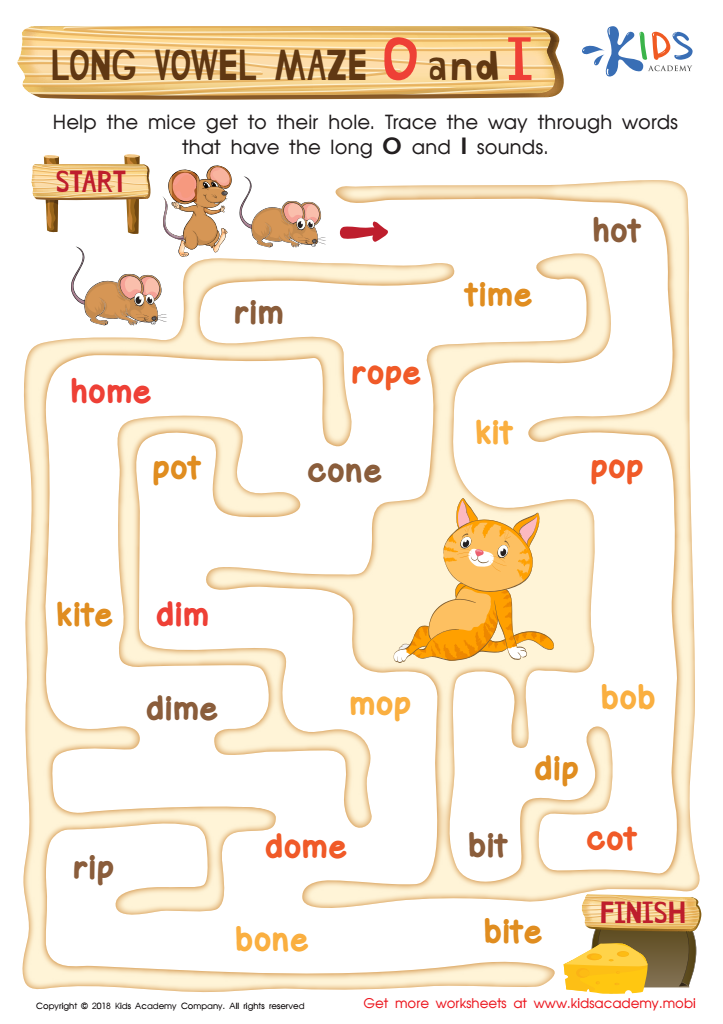
Long Vowel Maze /o/ and /i/ Worksheet
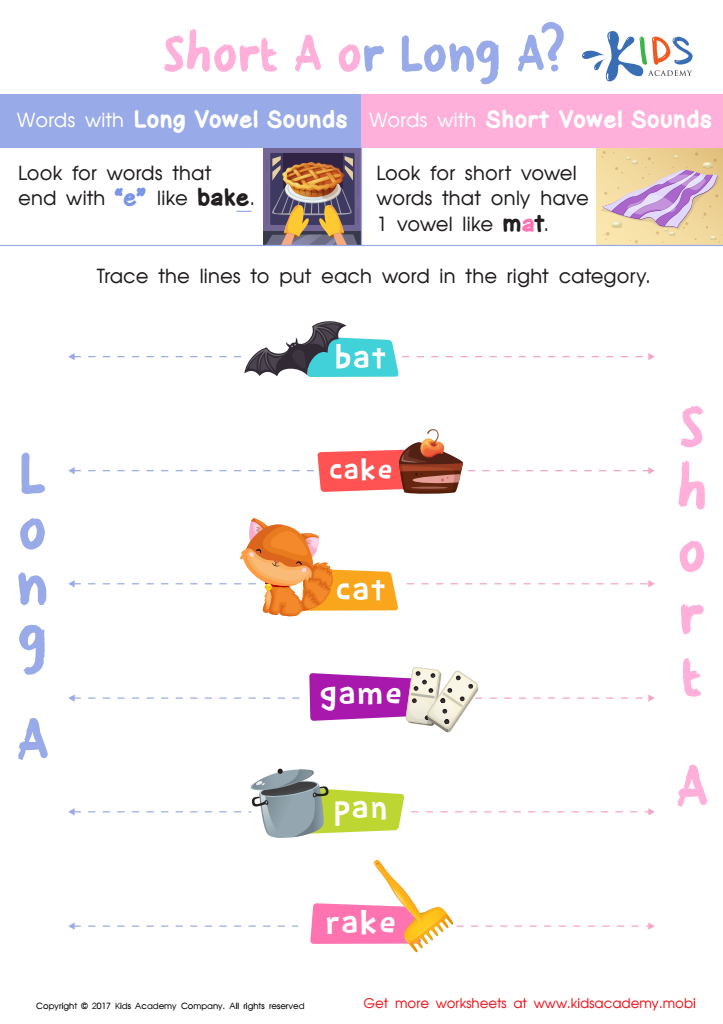
Short /a/ or Long /a/? Worksheet
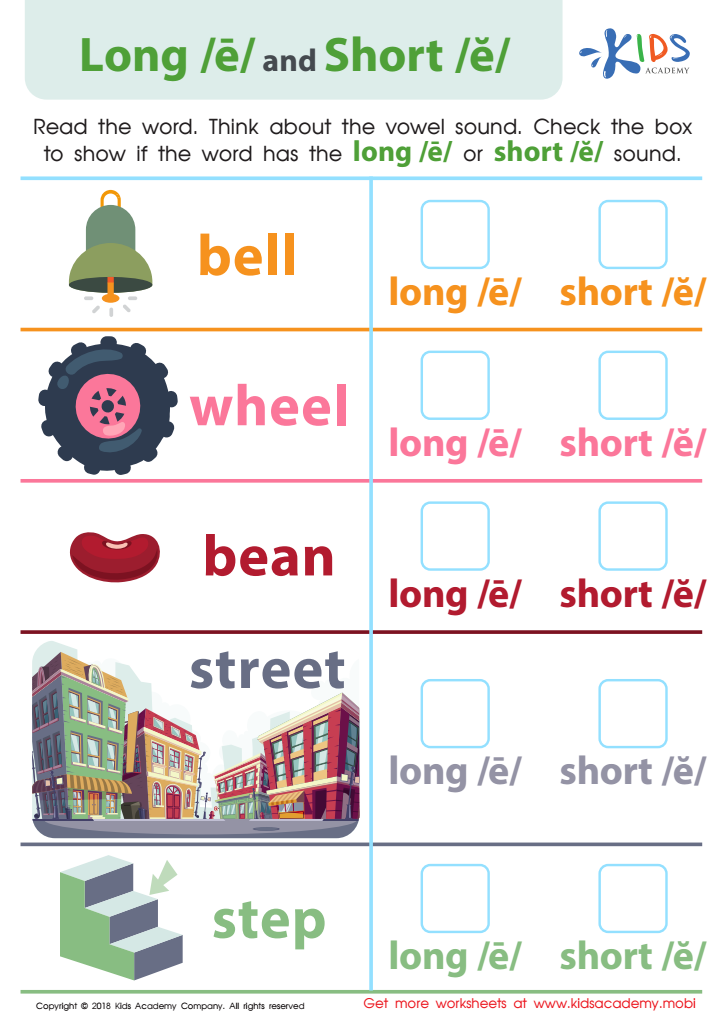
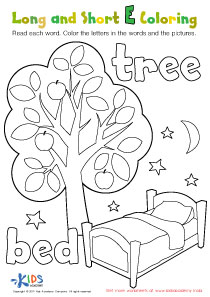
Reading: Long E and Short E Worksheet
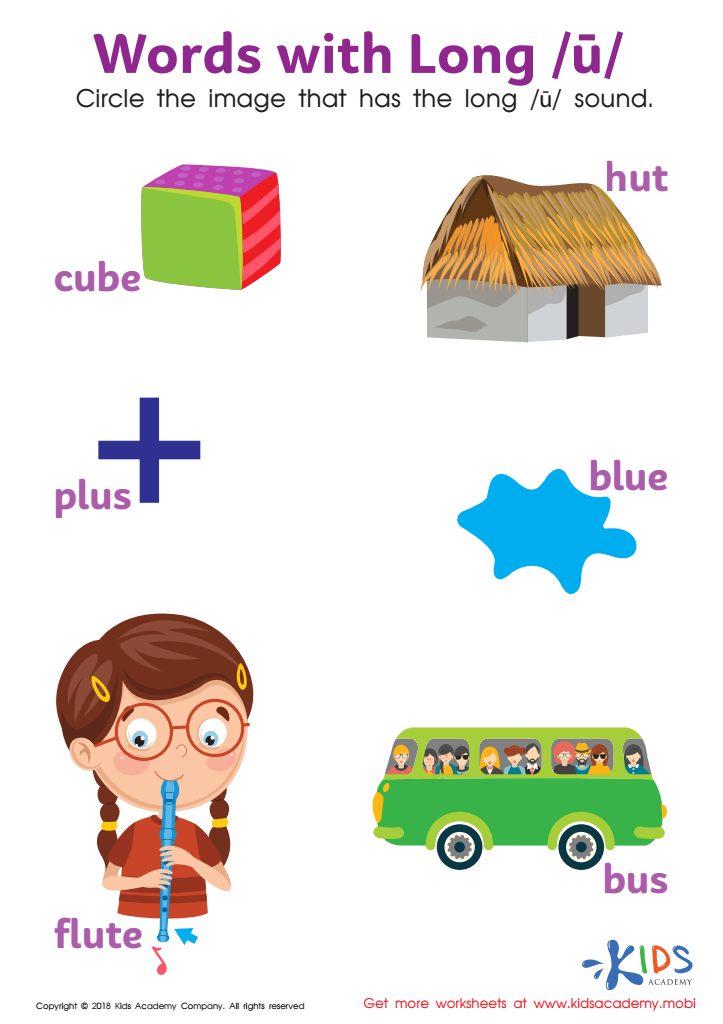
Words with Long U Reading Worksheet
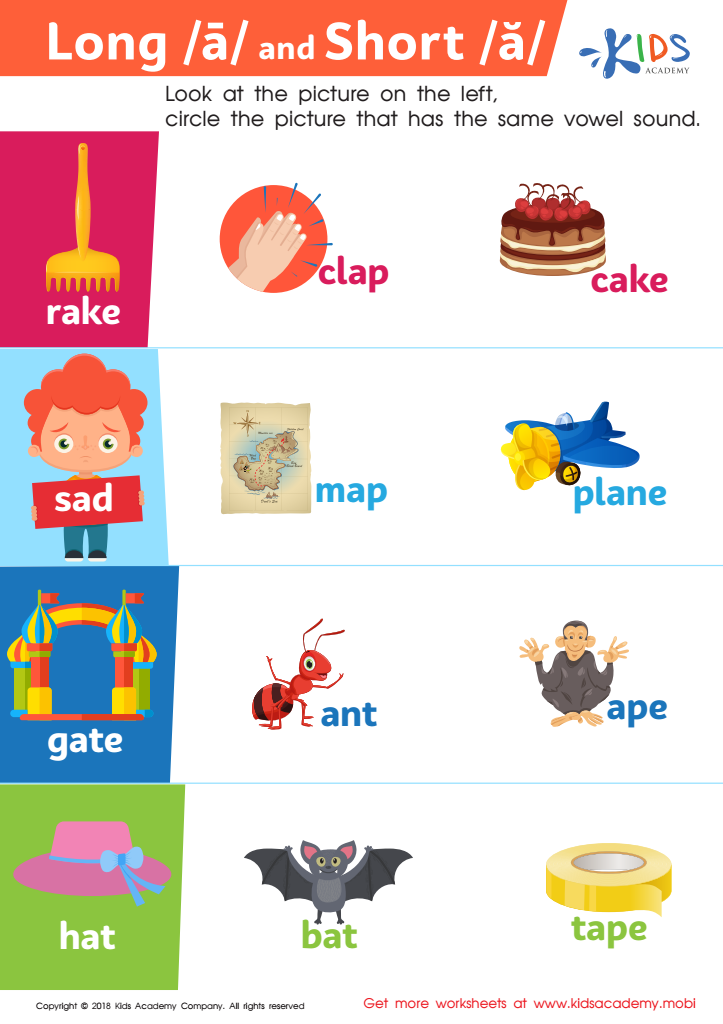
Reading: Long a and Short a Worksheet
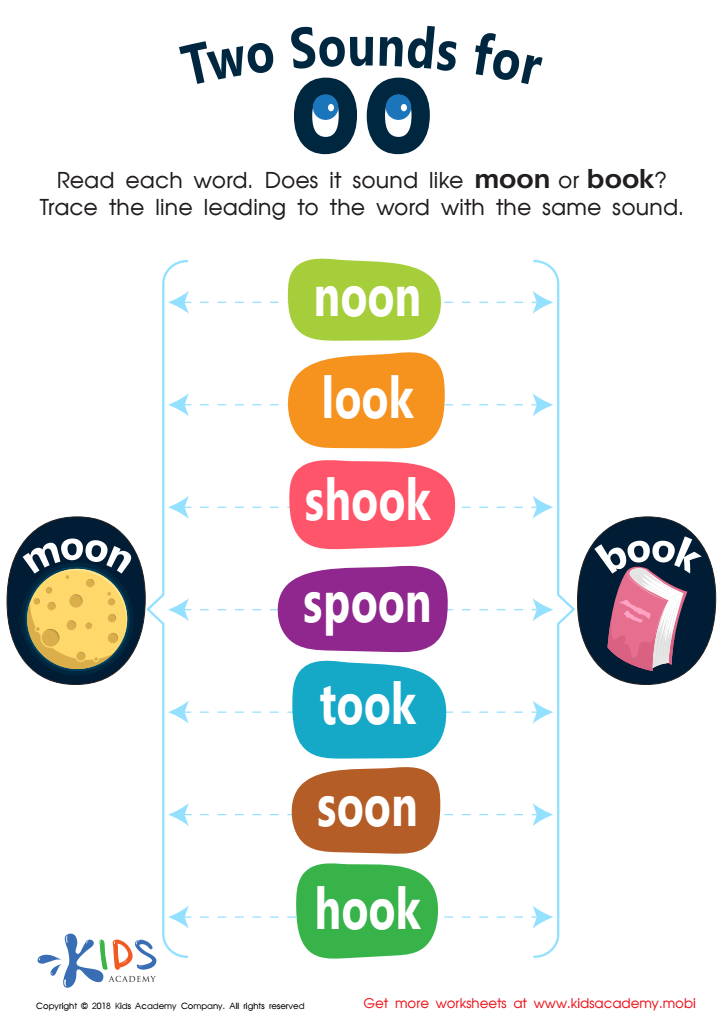
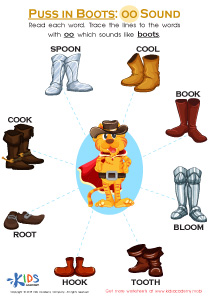
Two Sounds for OO Worksheet
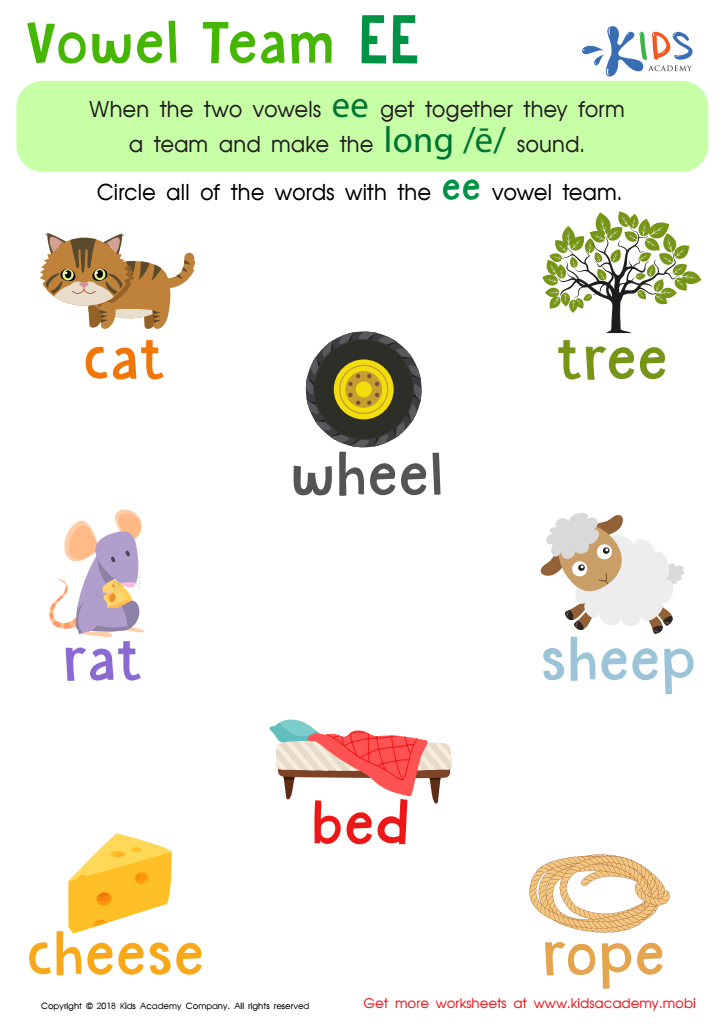
Reading: Vowel Team EE Worksheet
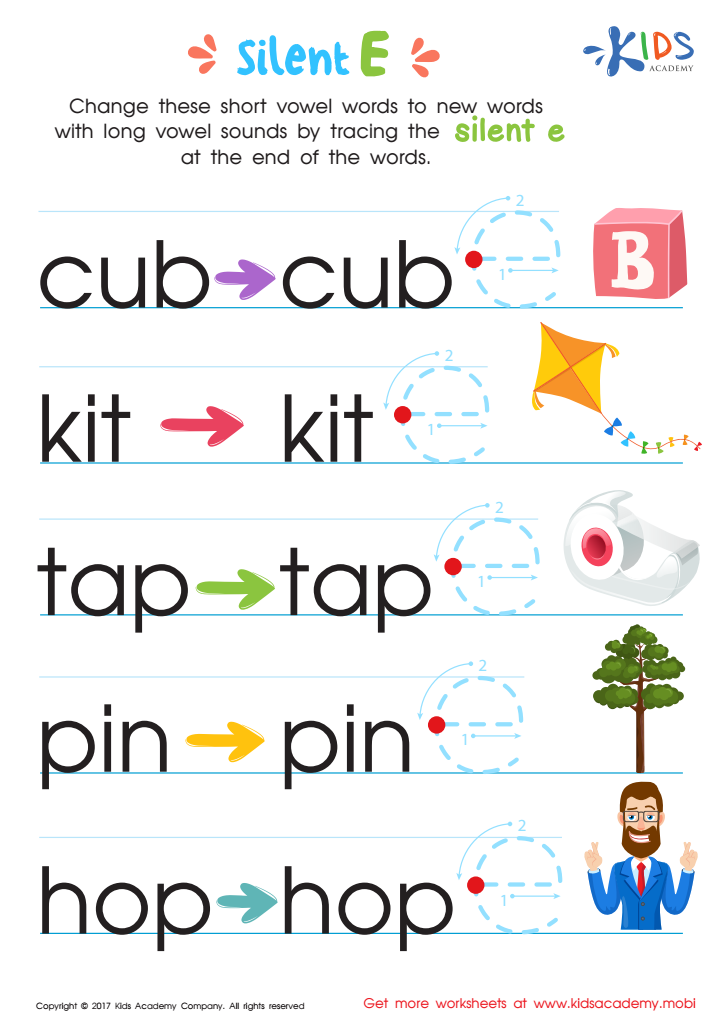
Silent E Words Worksheet
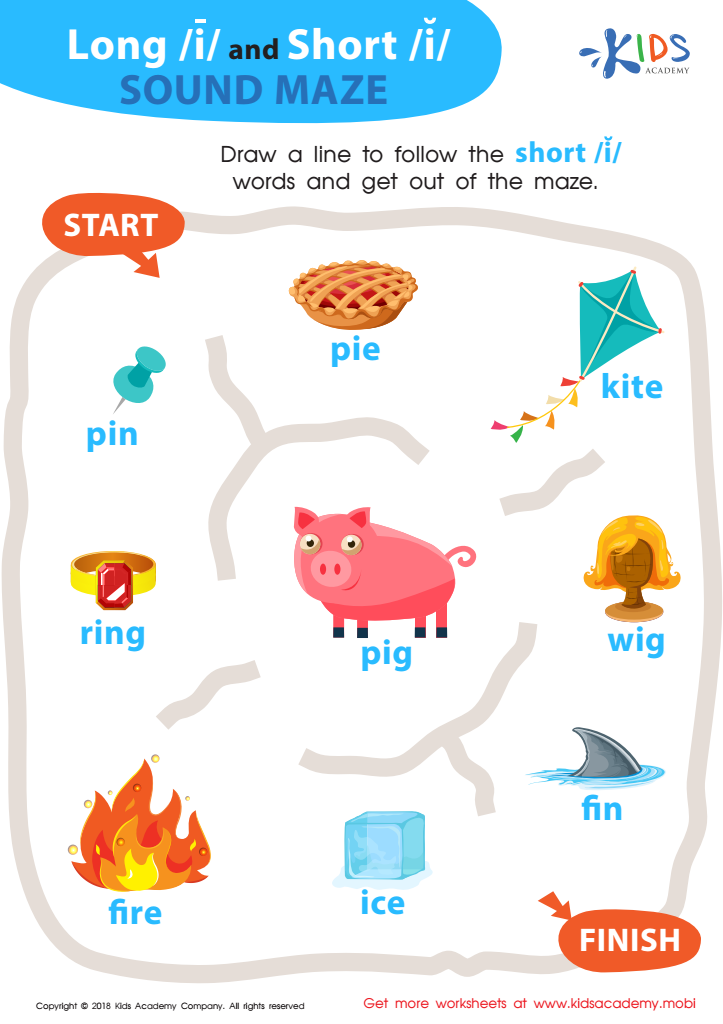
Reading: Long I and Short I Sound Maze Worksheet
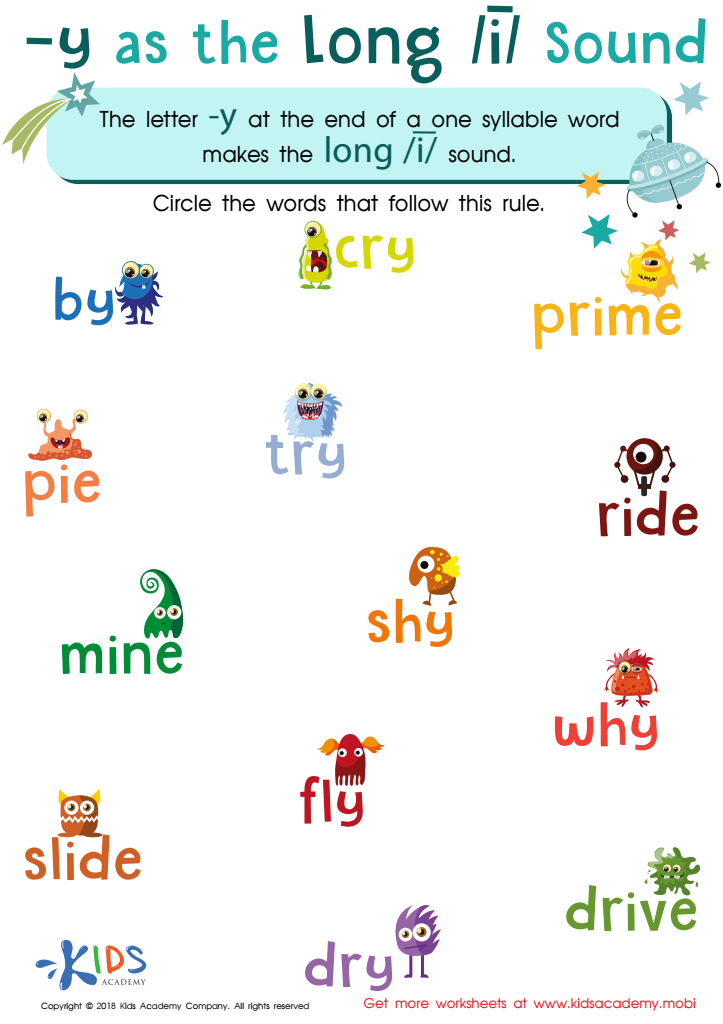
Reading: Y as Long I Worksheet




Understanding long and short vowels is crucial for children aged 6-9 as it forms the foundation of their reading and writing skills. During these formative years, kids learn how to decode words, and mastering vowel sounds plays a significant role in this process. Short vowels (like 'a' in 'cat') are typically found in simple phonetic patterns, making them the building blocks of basic word formation. Conversely, long vowels (like 'a' in 'cake') usually occur in combinations and are essential for understanding more complex vocabulary.
When parents and teachers emphasize the learning of long and short vowels, they enable children to improve their phonemic awareness, a key skill for reading fluency. This awareness helps students decode unfamiliar words and enhance their spelling capabilities. Additionally, solid vowel knowledge boosts their confidence and makes reading enjoyable, reducing the likelihood of frustration.
Moreover, early mastery of vowel sounds encourages a love for language and literature, laying the groundwork for lifelong literacy skills. In summary, parents and teachers should prioritize the understanding of long and short vowels to support children's academic growth and foster positive attitudes toward reading and learning.