Shape Recognition Geometry Worksheets for Ages 6-9 - Page 2
66 filtered results
-
From - To
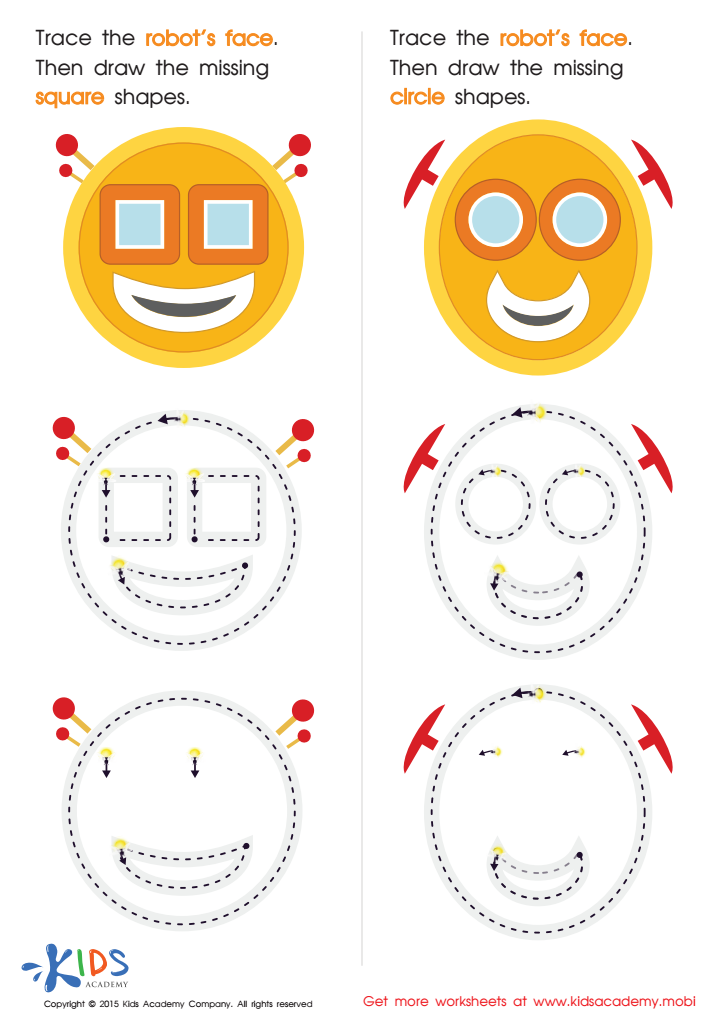
Practicing to Draw Circles And Squares Printable











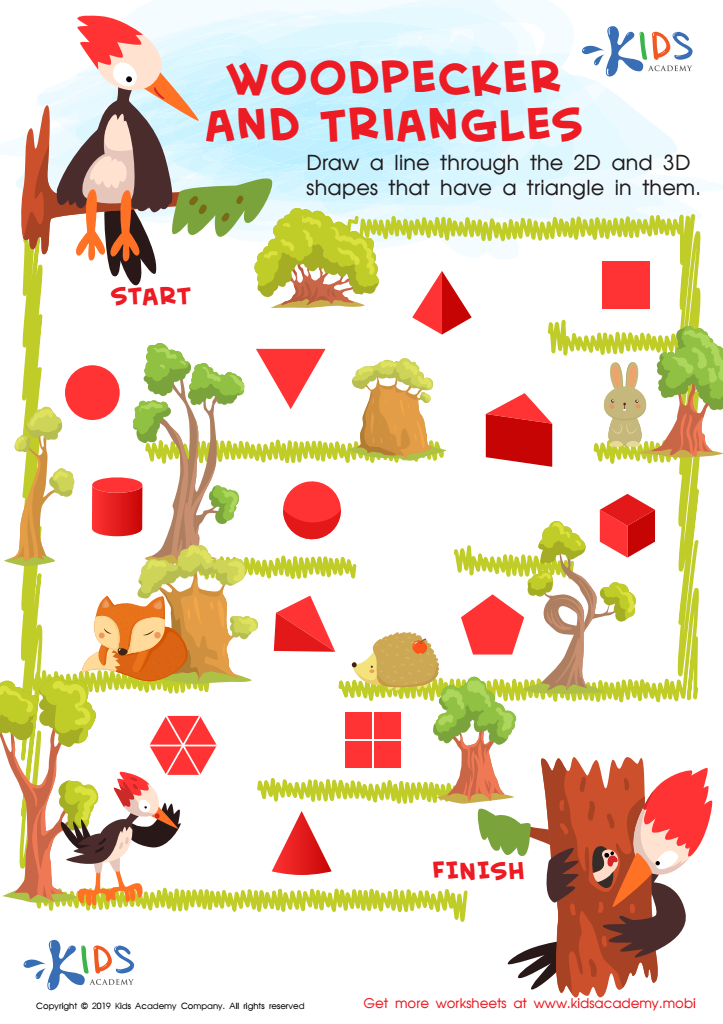
Woodpecker and Triangles Worksheet
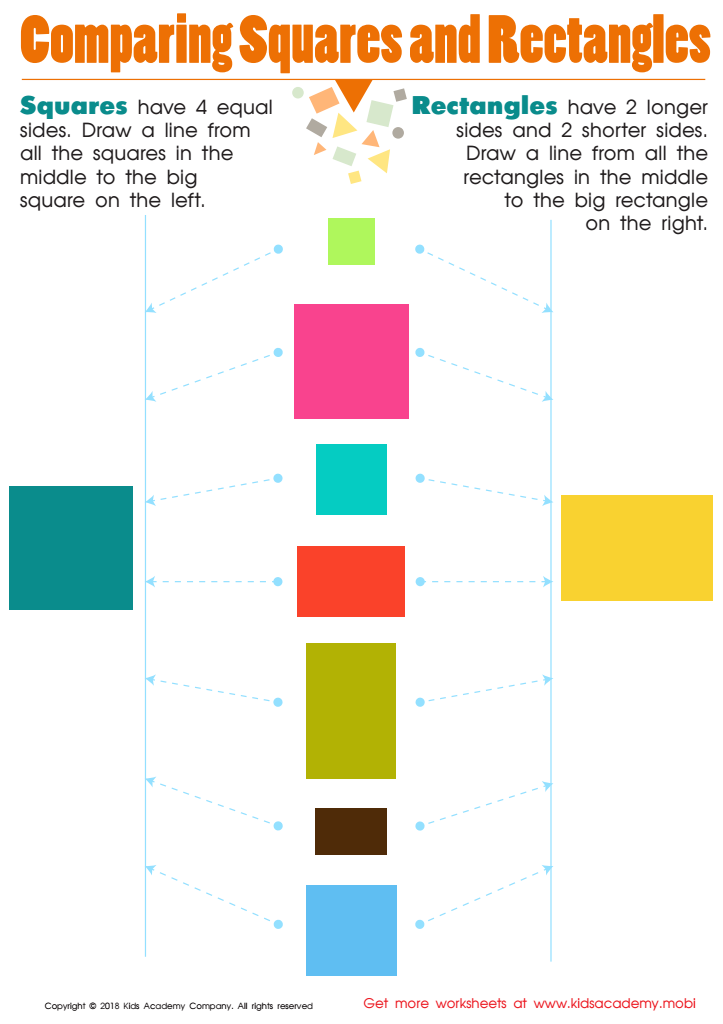
Comparing Squares Rectangles Worksheet
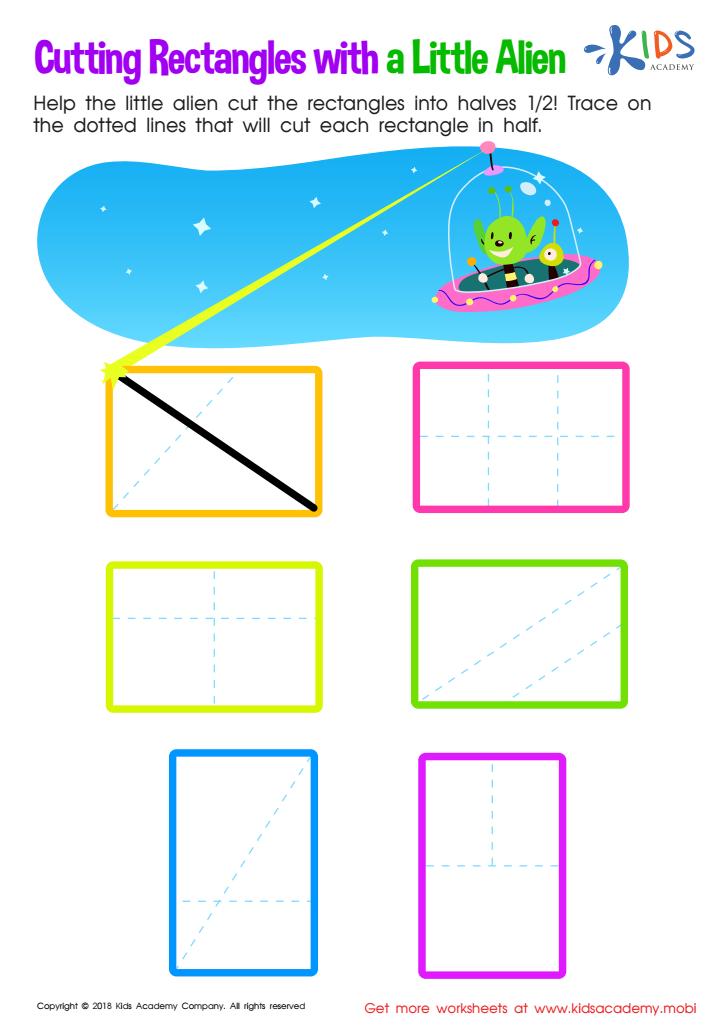
Cutting Rectangles with Alien Worksheet
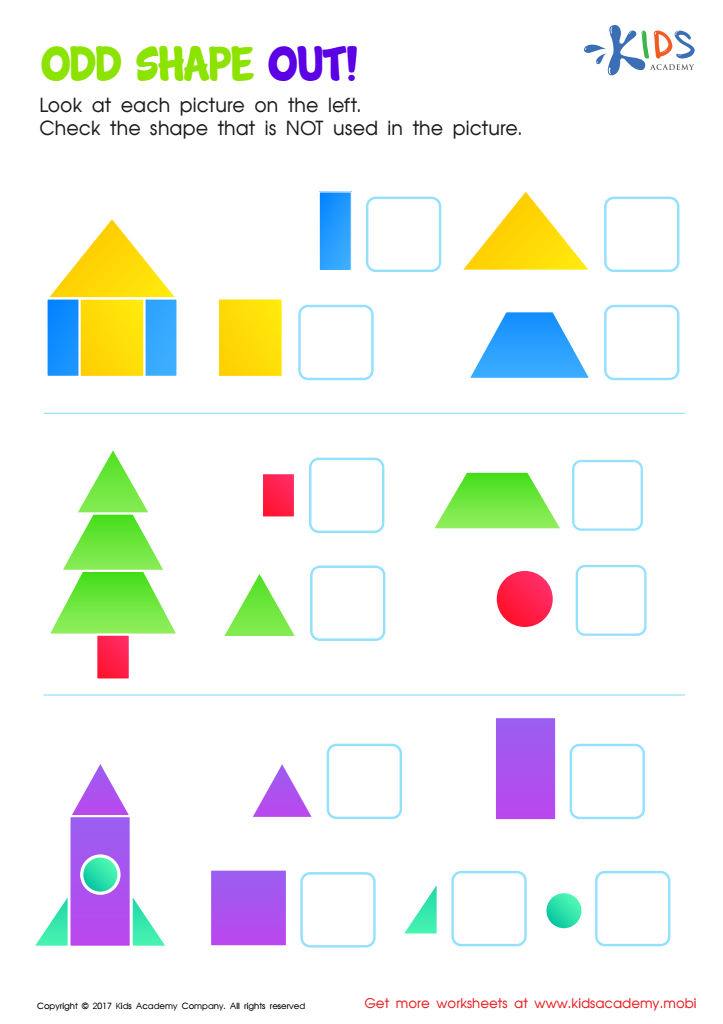
Odd Shape Out Worksheet for Grade 1
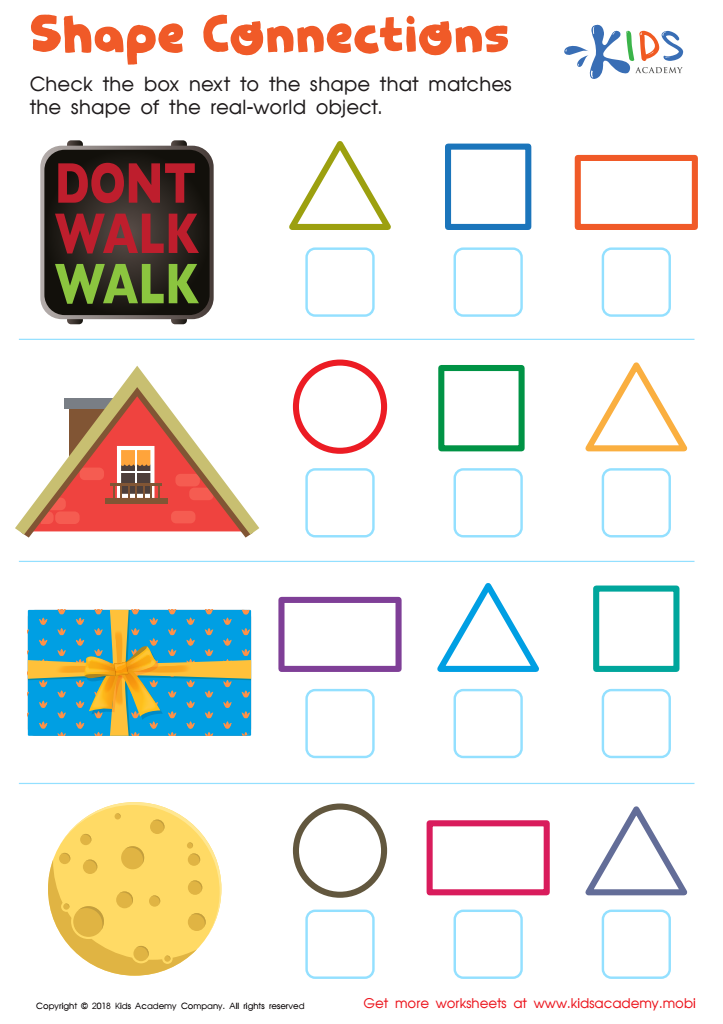
Shape Connections Worksheet
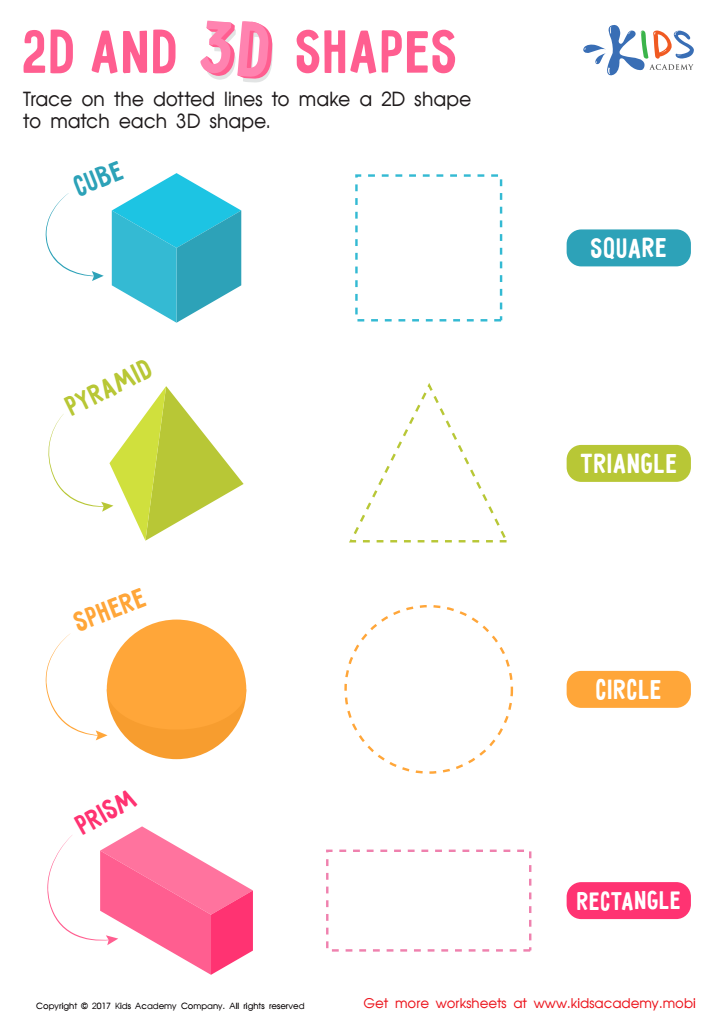
2D and 3D Shapes Worksheet
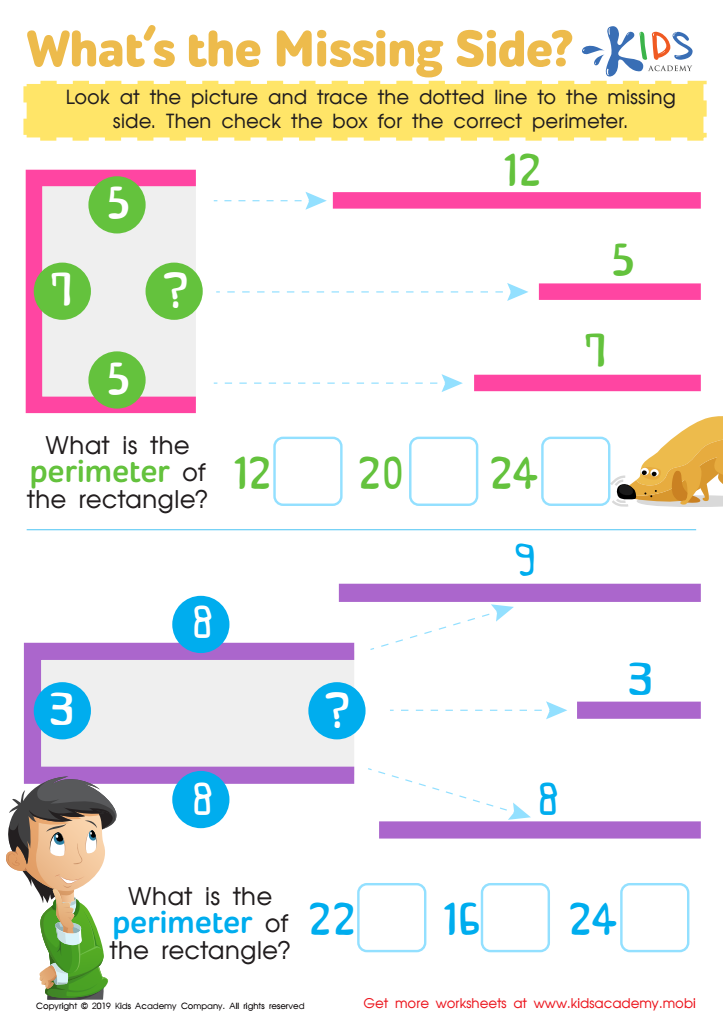
What's the Missing Side Worksheet
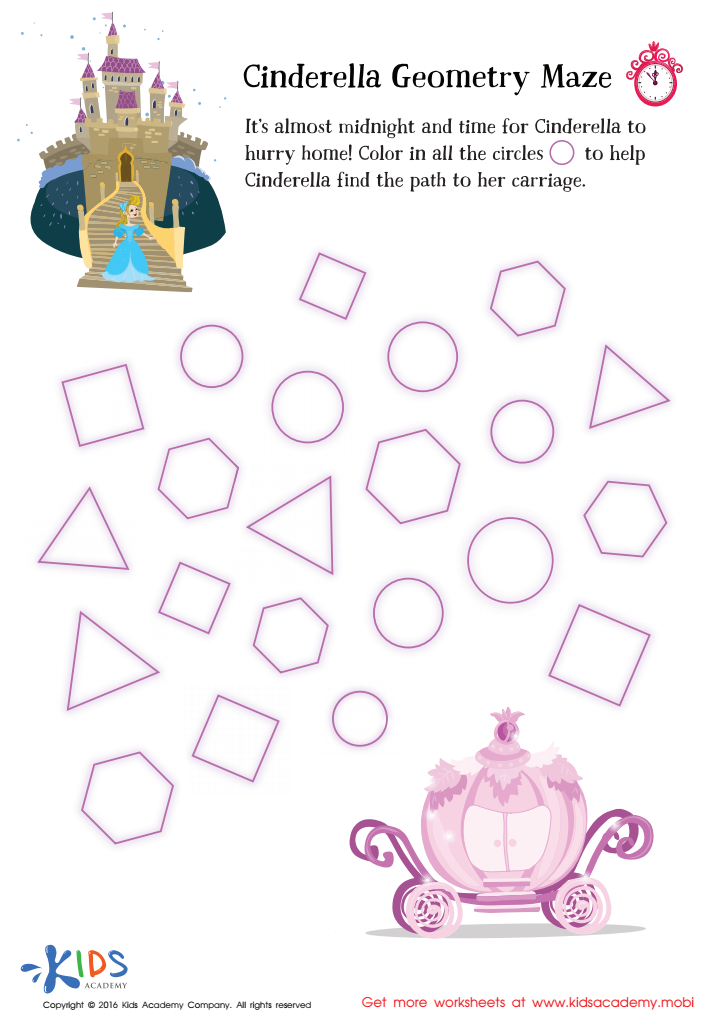
Cinderella Geometry Maze Worksheet
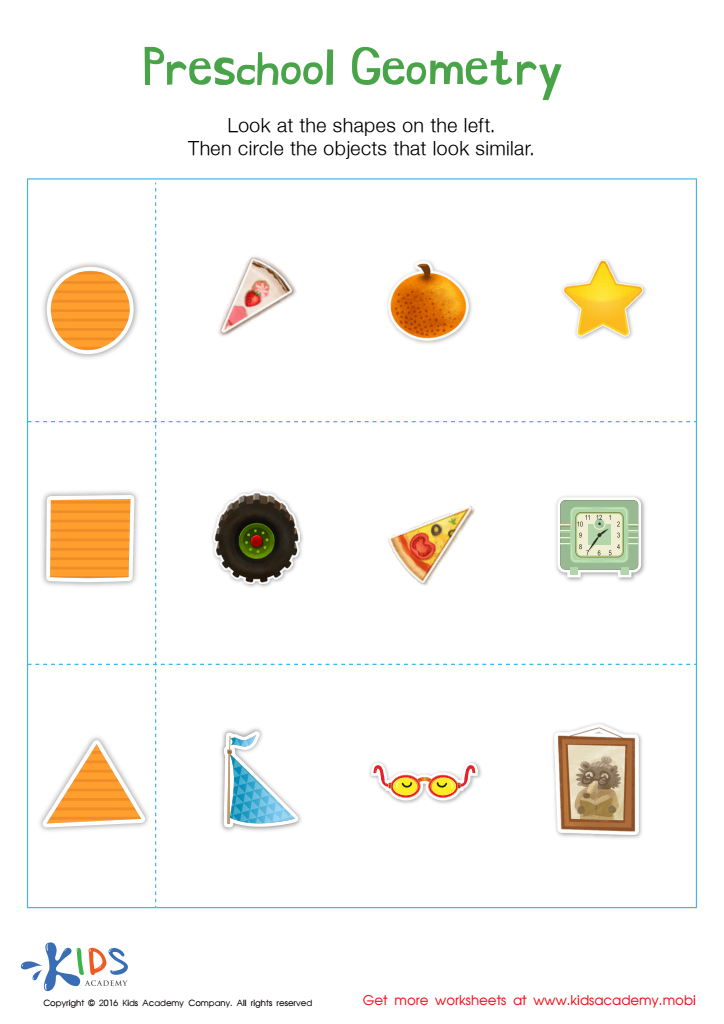
Preschool Geometry Match Up Worksheet
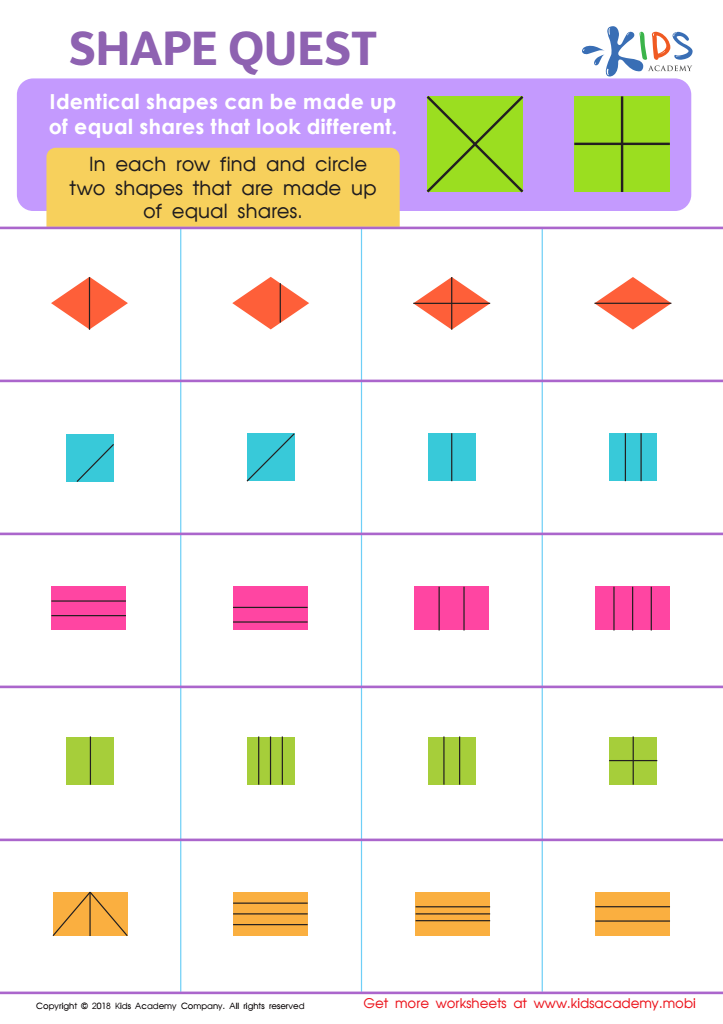
Shape Quest Worksheet
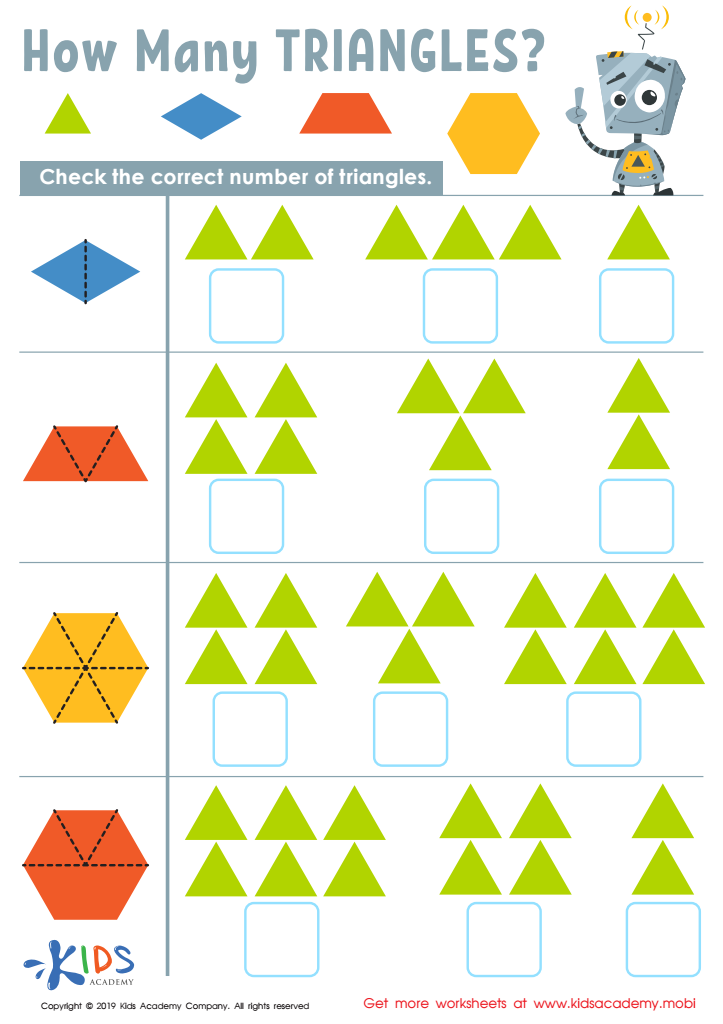
How Many Triangles Worksheet
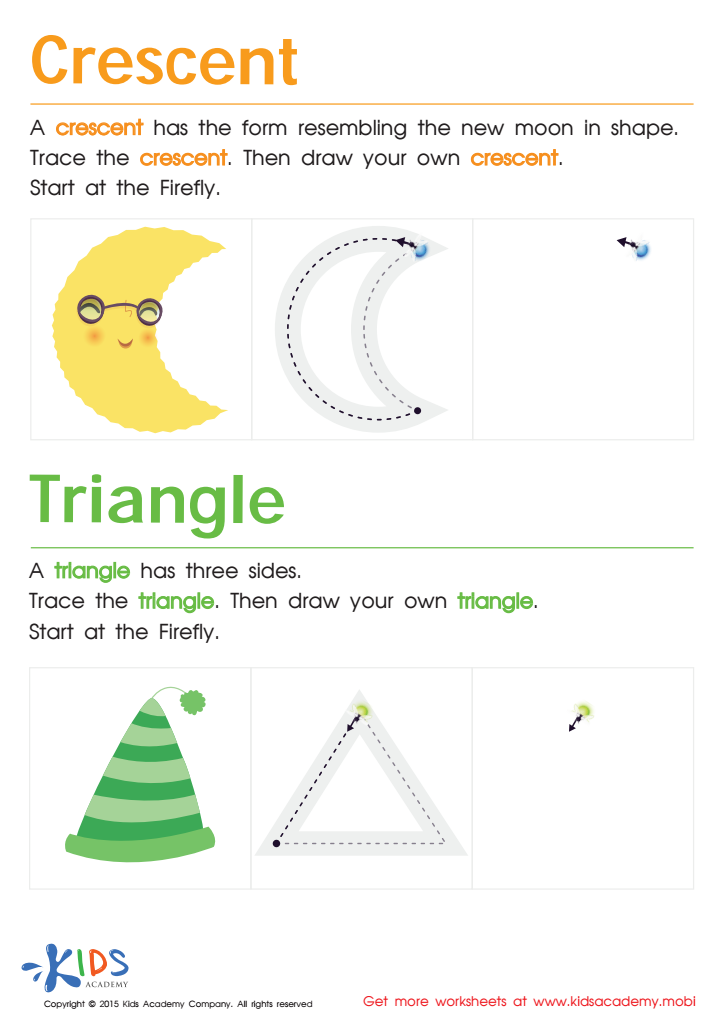
Learning to Draw Crescents And Triangles Worksheet
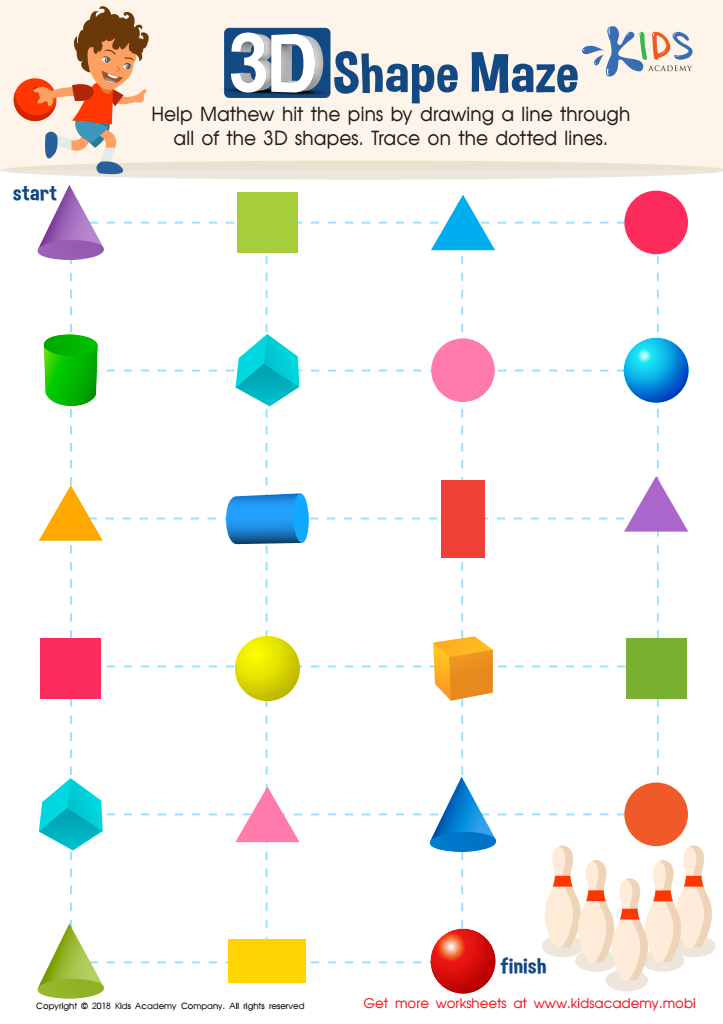
Shapes Maze Geometry Worksheet
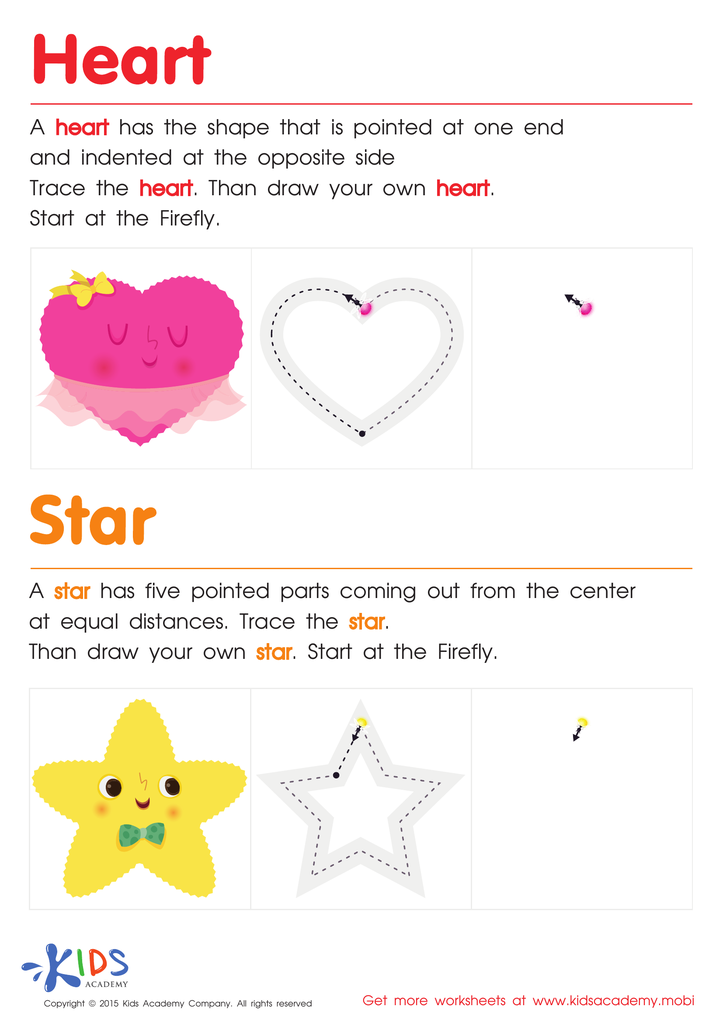
Let's Learn to Draw Hearts And Stars Printable
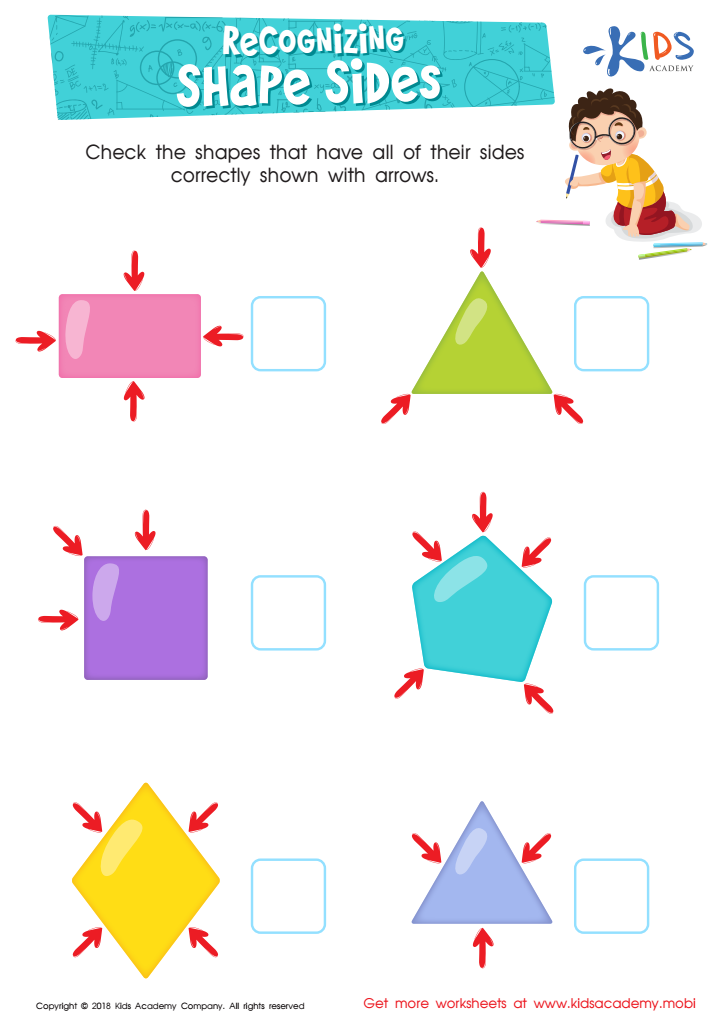
Recognizing Shape Sides Worksheet
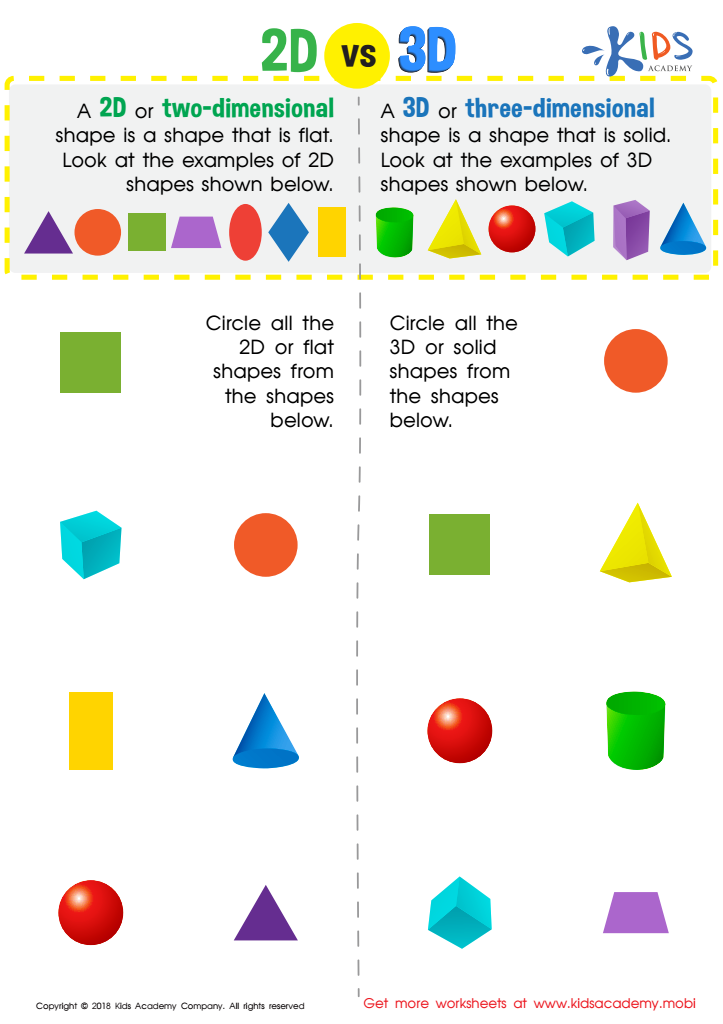
2D vs 3D Shapes Worksheet
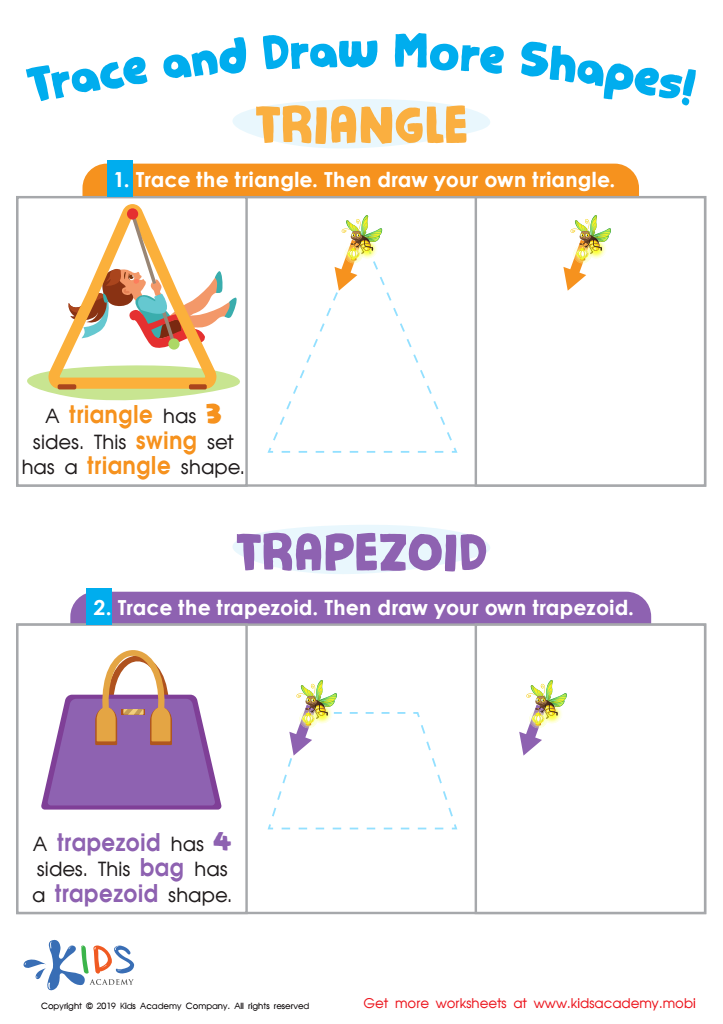
Trace and Draw More Shapes Worksheet
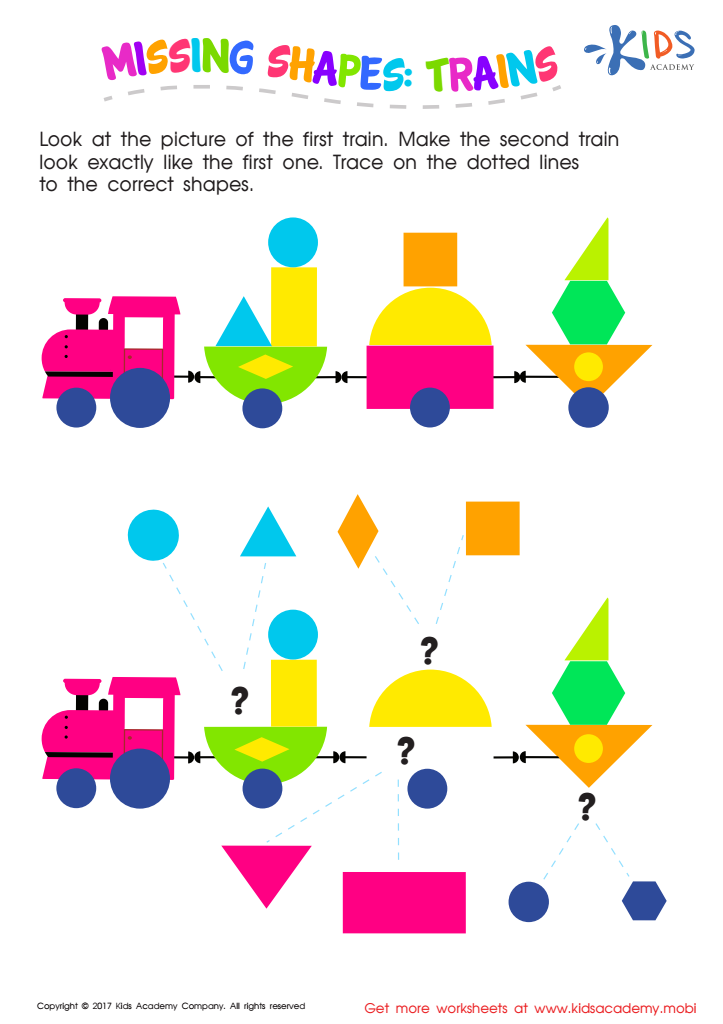
Missing Shapes: Trains Worksheet
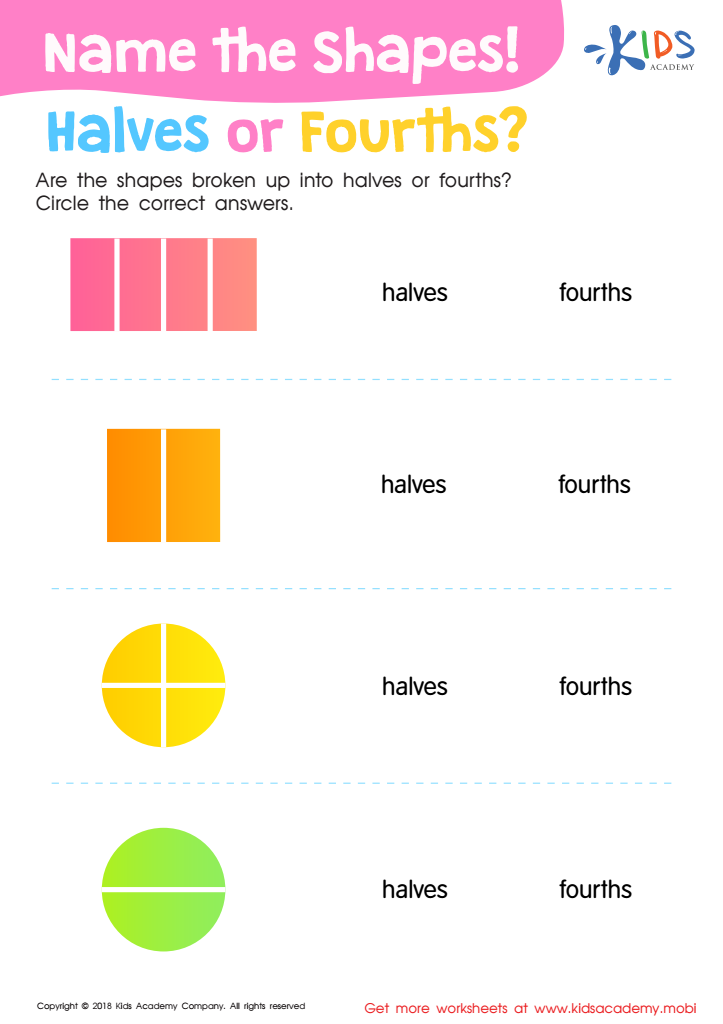
Name the Shapes Halves or Fourths? Worksheet
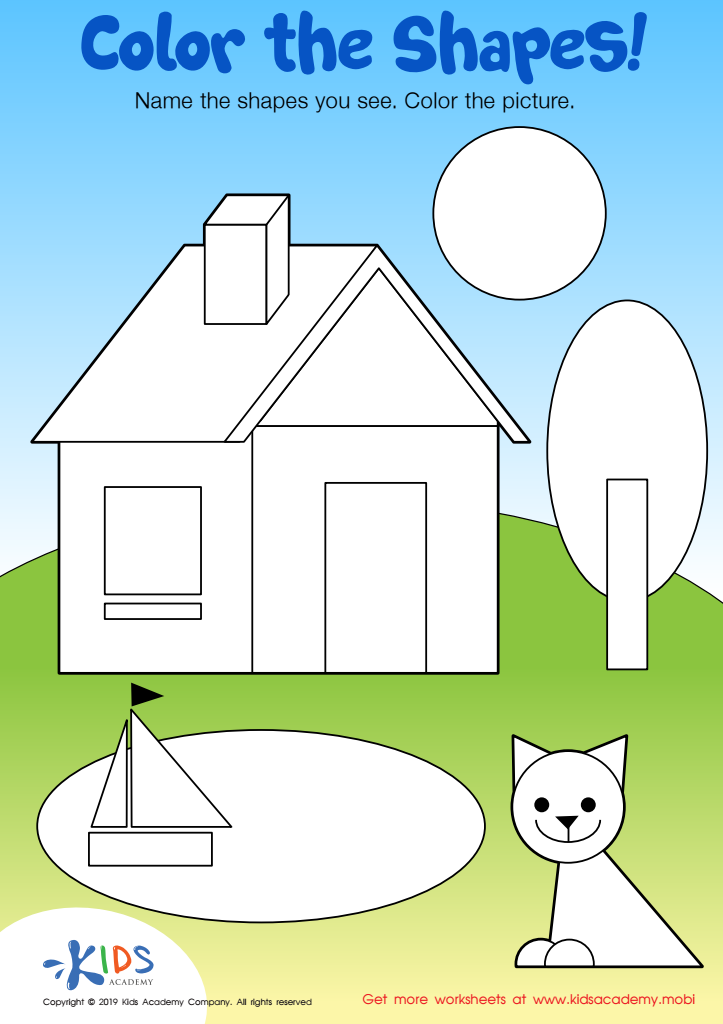
Color the Shapes Worksheet
 Assign to My Students
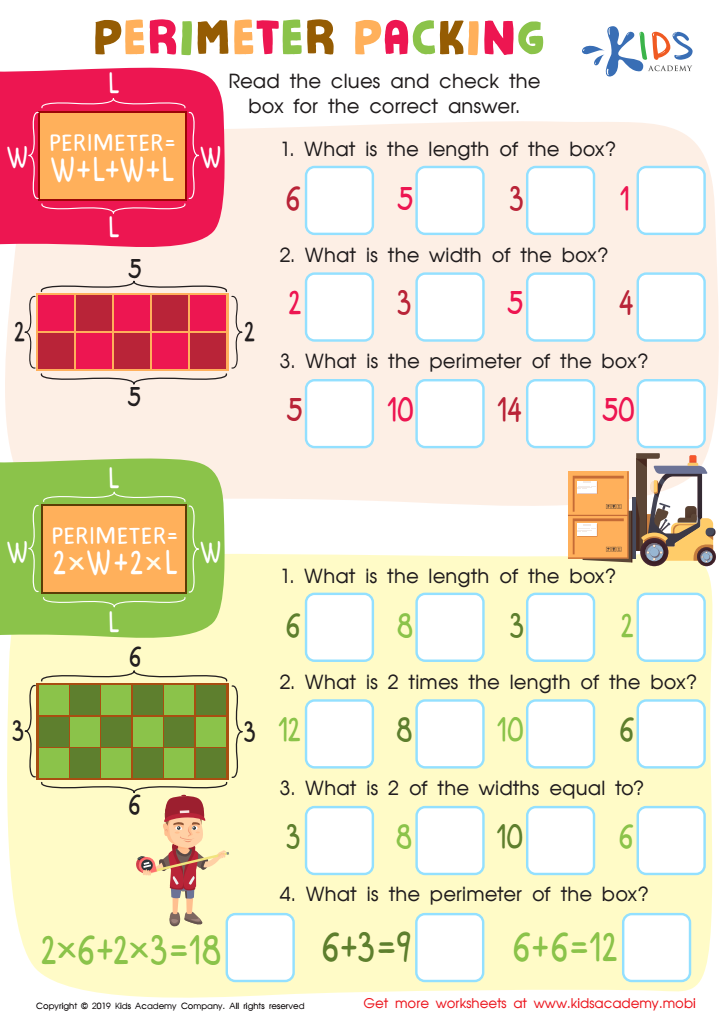
Perimeter Parking Worksheet
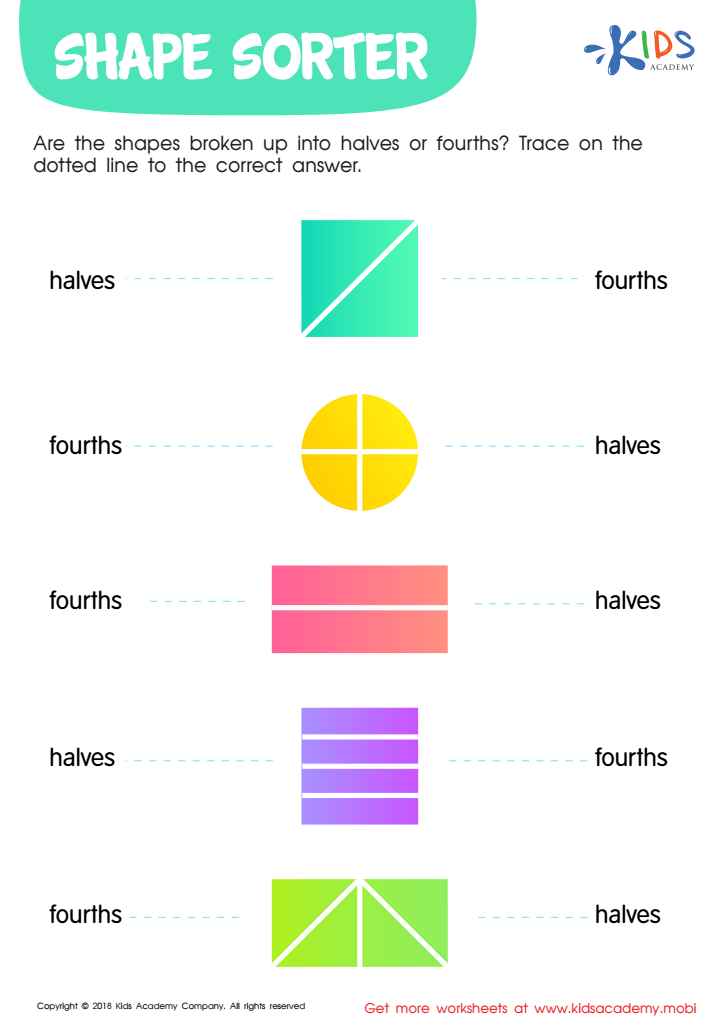
Shape Sorter Worksheet








Shape recognition is a fundamental skill in early childhood education, especially for children aged 6-9. Parents and teachers should prioritize this area of geometry for several reasons. First, shape recognition fosters cognitive development by enhancing spatial awareness, which is essential for problem-solving and critical thinking. Understanding shapes helps children recognize patterns, make connections, and engage in logical reasoning, laying the groundwork for more complex mathematical concepts later.
Second, shape recognition aids in the development of fine motor skills. Activities that involve sorting, constructing, or tracing shapes allow children to practice hand-eye coordination and precision. Moreover, this skill can influence everyday life; children learn to identify shapes in their environment, boosting observation skills and curiosity about the world around them.
Finally, mastering shape recognition supports academic success across various subjects, including math, art, and science. Engaging with different shapes builds confidence and encourages creativity, empowering children to explore and express their ideas. By investing in shape recognition, parents and teachers not only enhance short-term learning but also instill long-lasting cognitive and practical skills that prepare children for future academic journeys. Ultimately, an emphasis on geometry at this age cultivates a positive attitude toward learning and critical thinking.








