Phonics Skills Phonics Worksheets for 6-Year-Olds - Page 2
44 filtered results
-
From - To
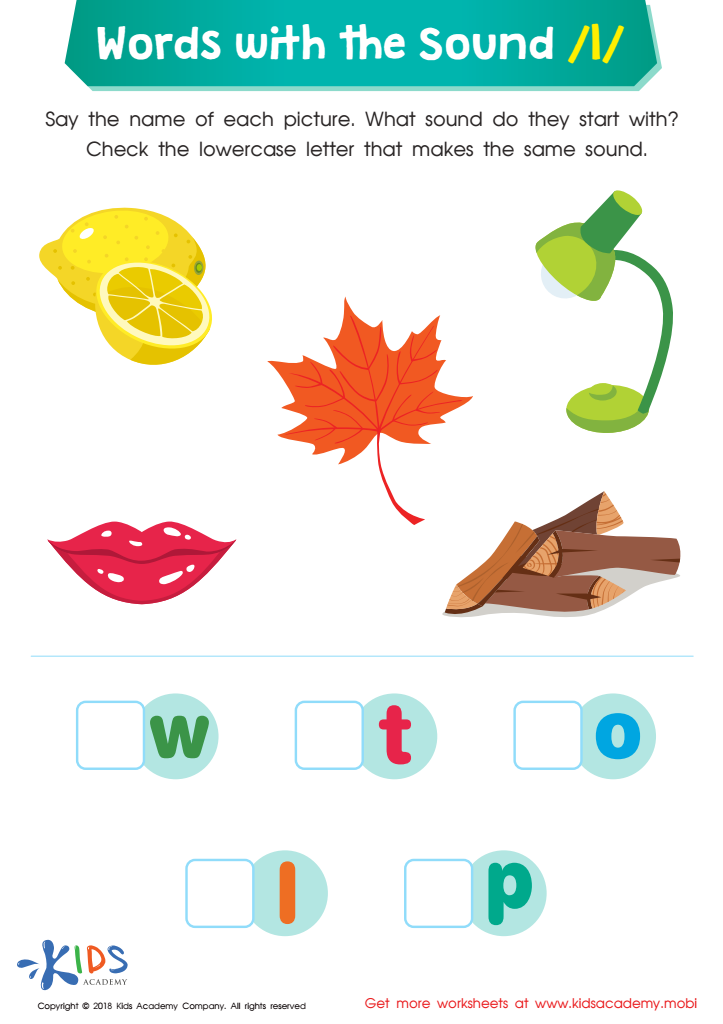
Words with Sound L Reading Worksheet
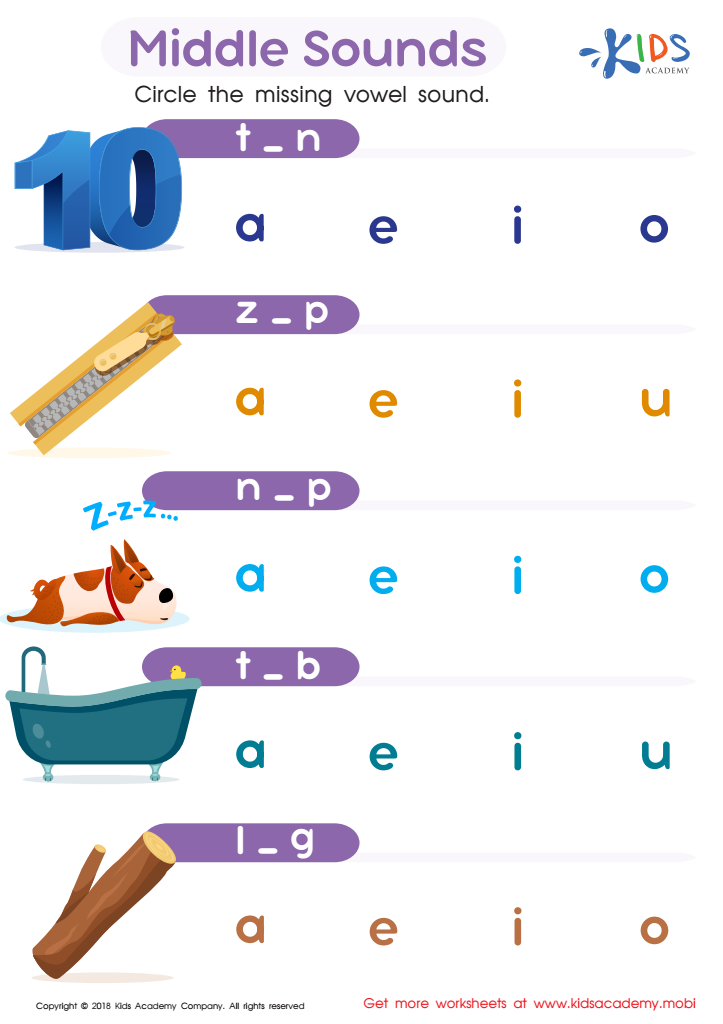
Middle Sounds Worksheet
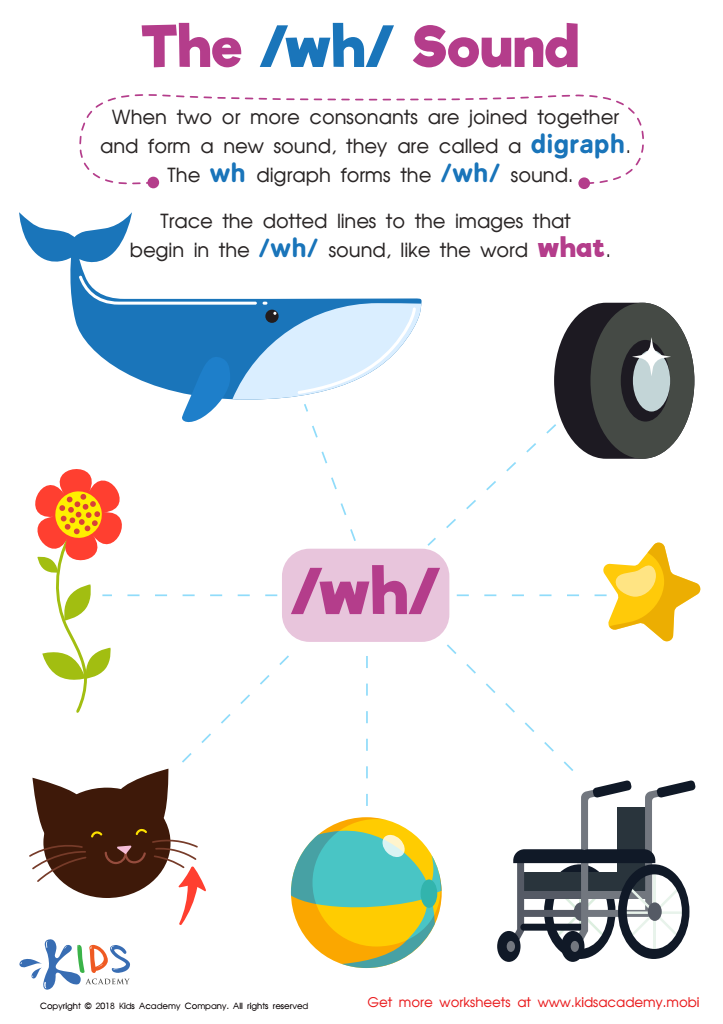
The /wh/ Sound Worksheet
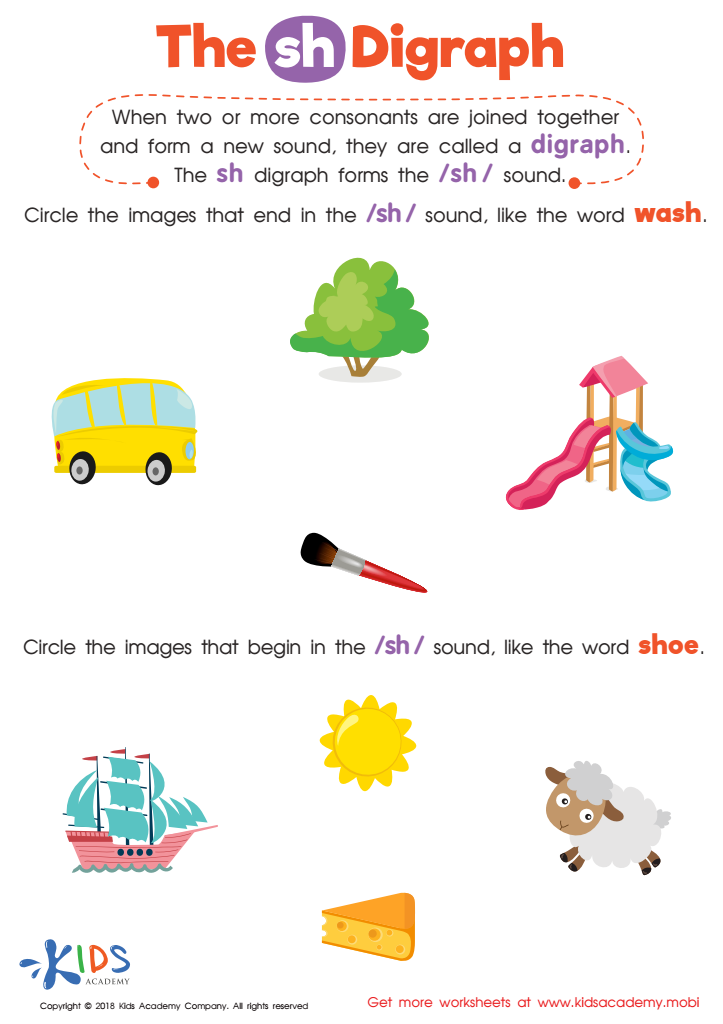
The SH Digraph Worksheet
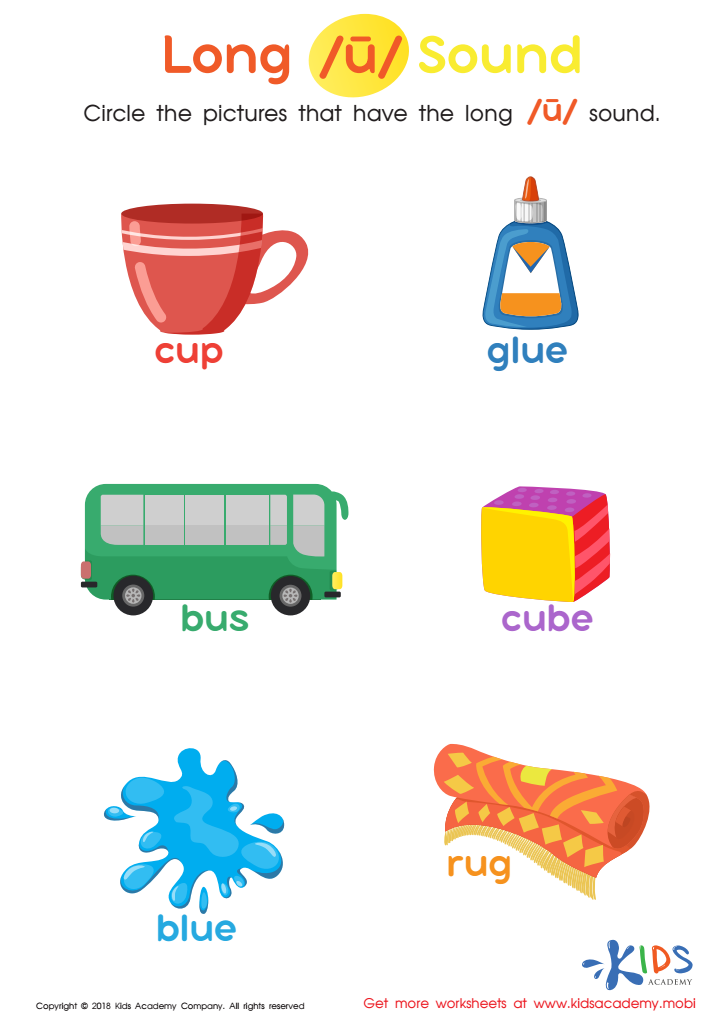
Long «u» Sound Worksheet
Long Vowel Sound A Worksheet Worksheet
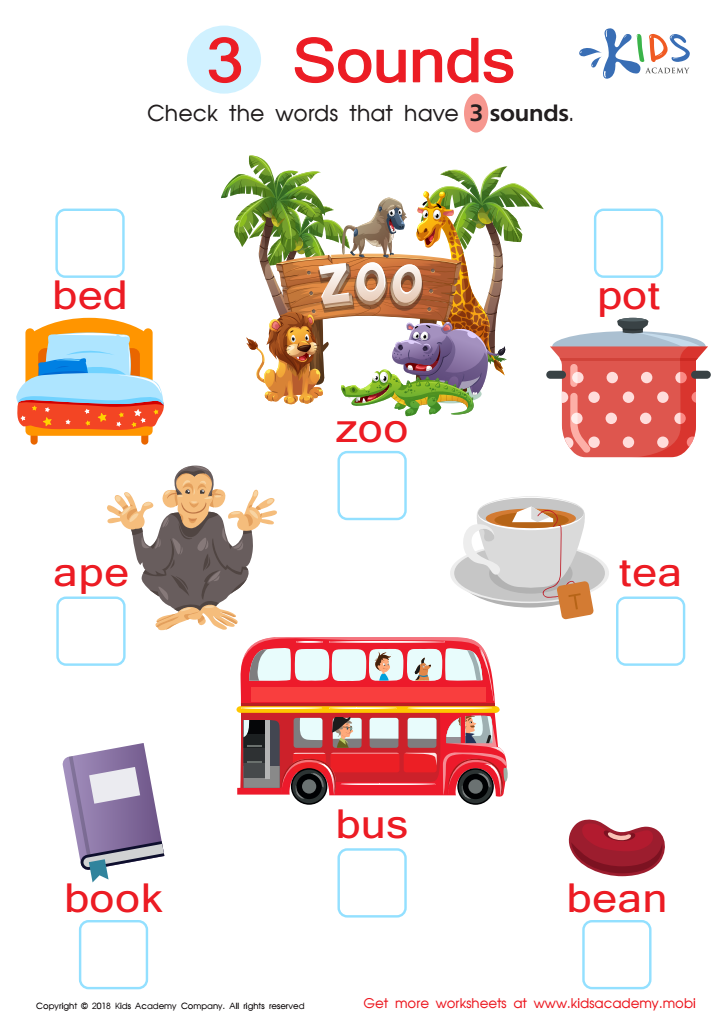
3 Sounds Worksheet
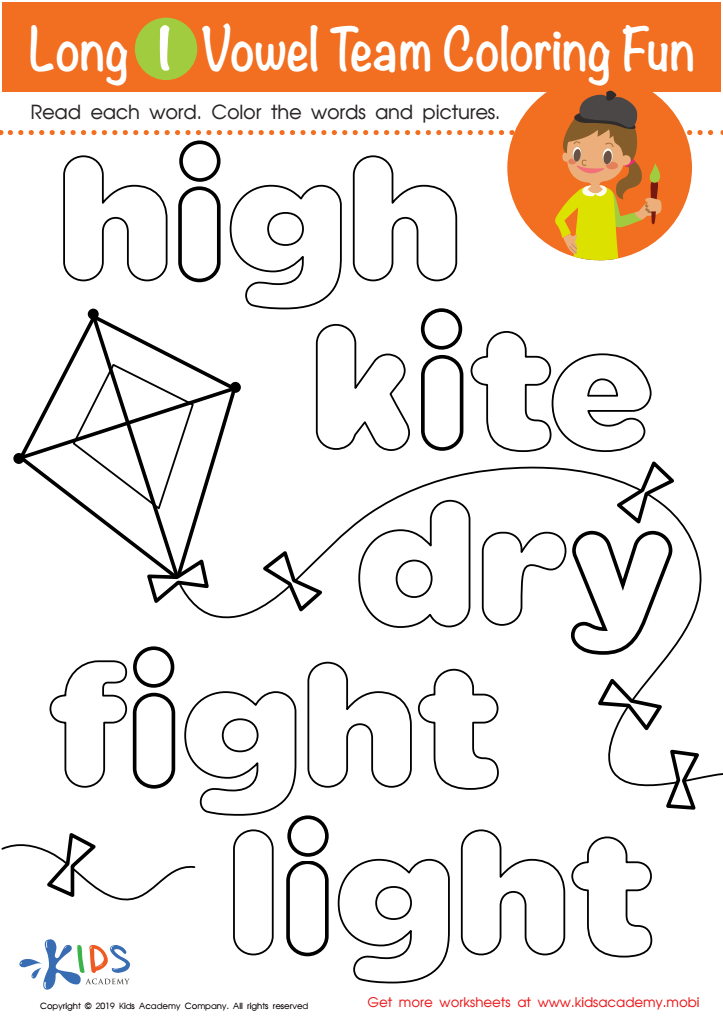
Long I Vowel Team Coloring Worksheet
 Assign to My Students
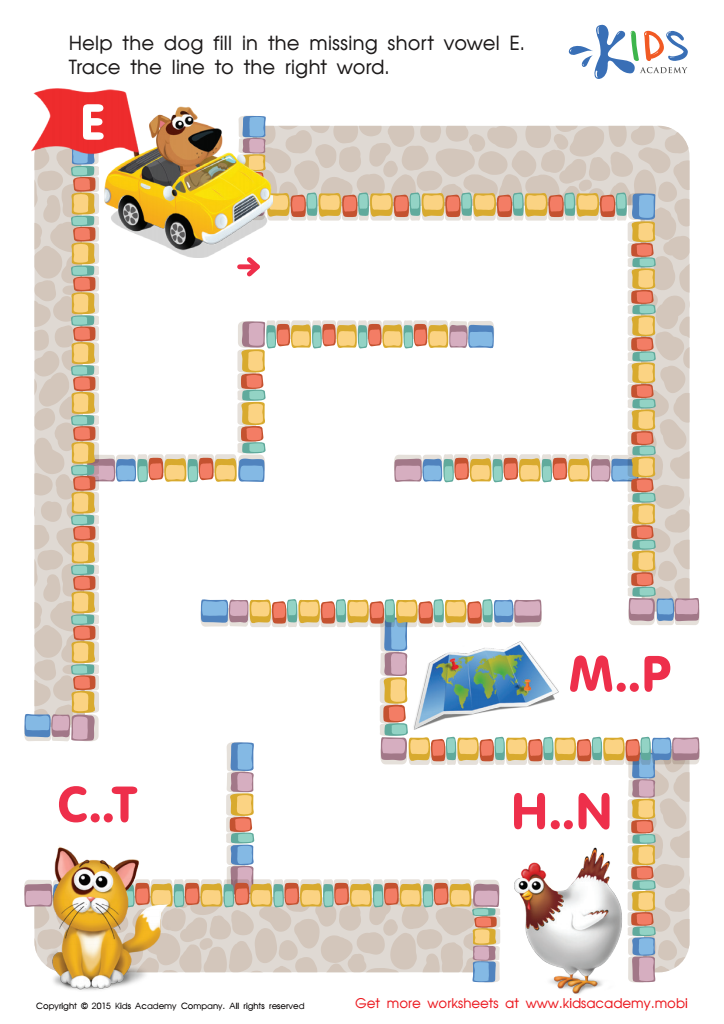
Short Vowel Sound E Worksheet
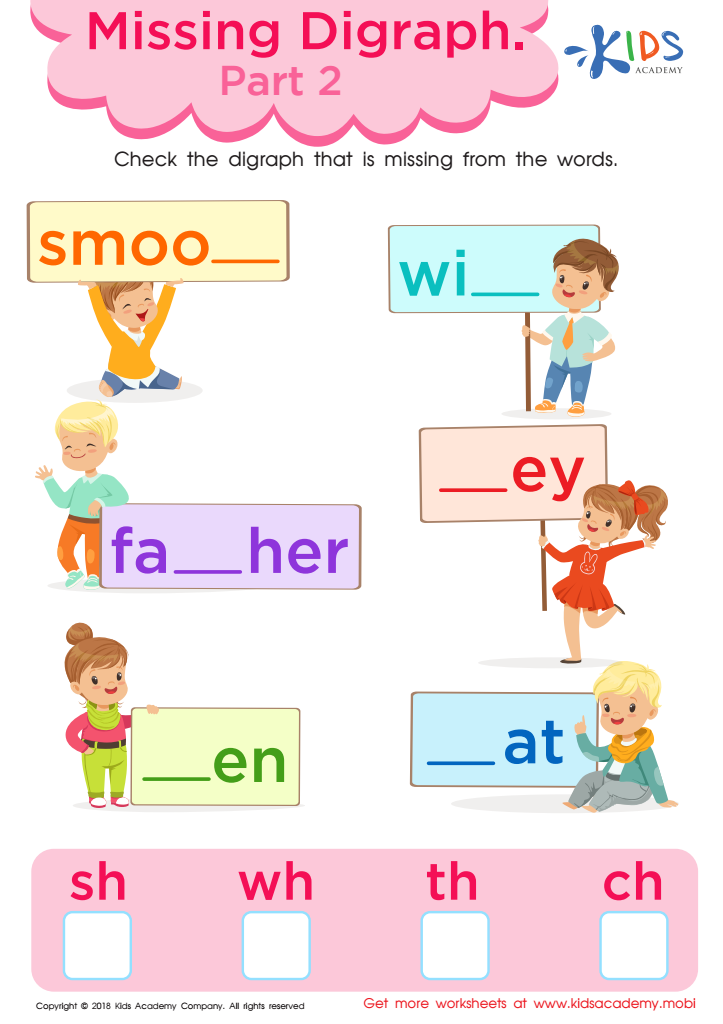
Missing Digraph: Part 2 Worksheet
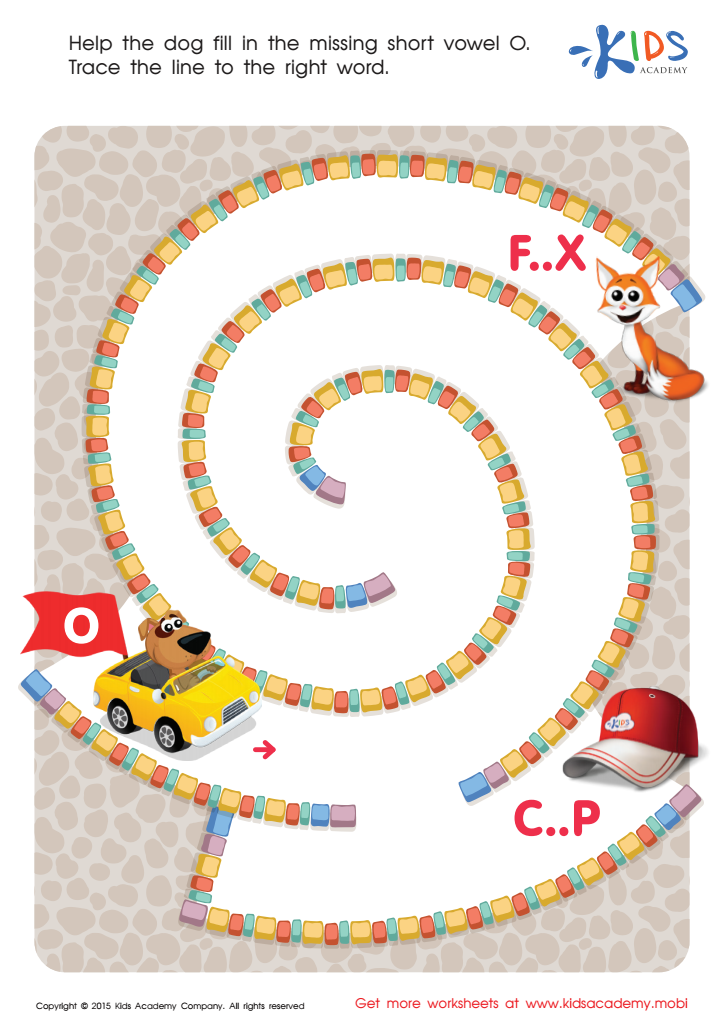
Short Vowel Sound O Worksheet
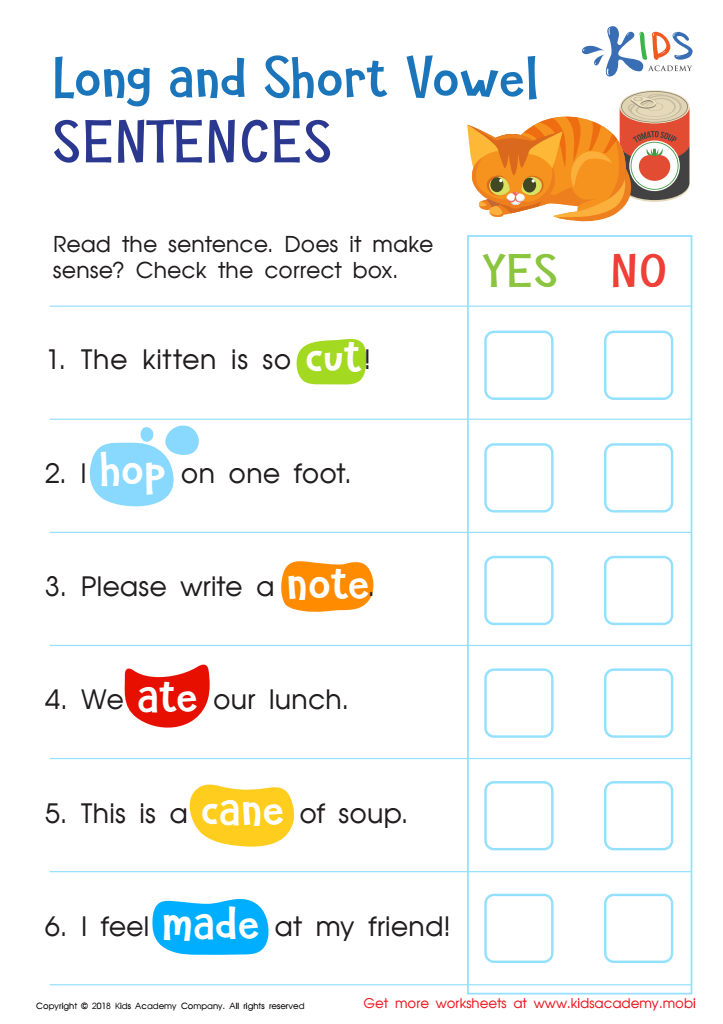
Long and Short Vowel Sentences: Assessment Worksheet
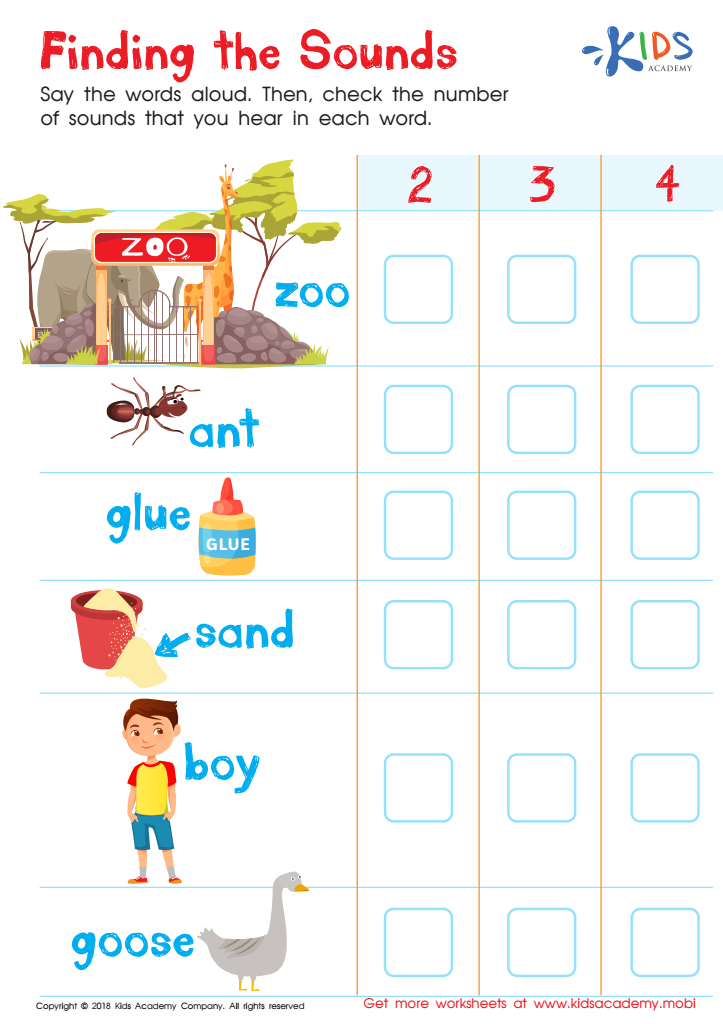
Finding the Sounds Worksheet
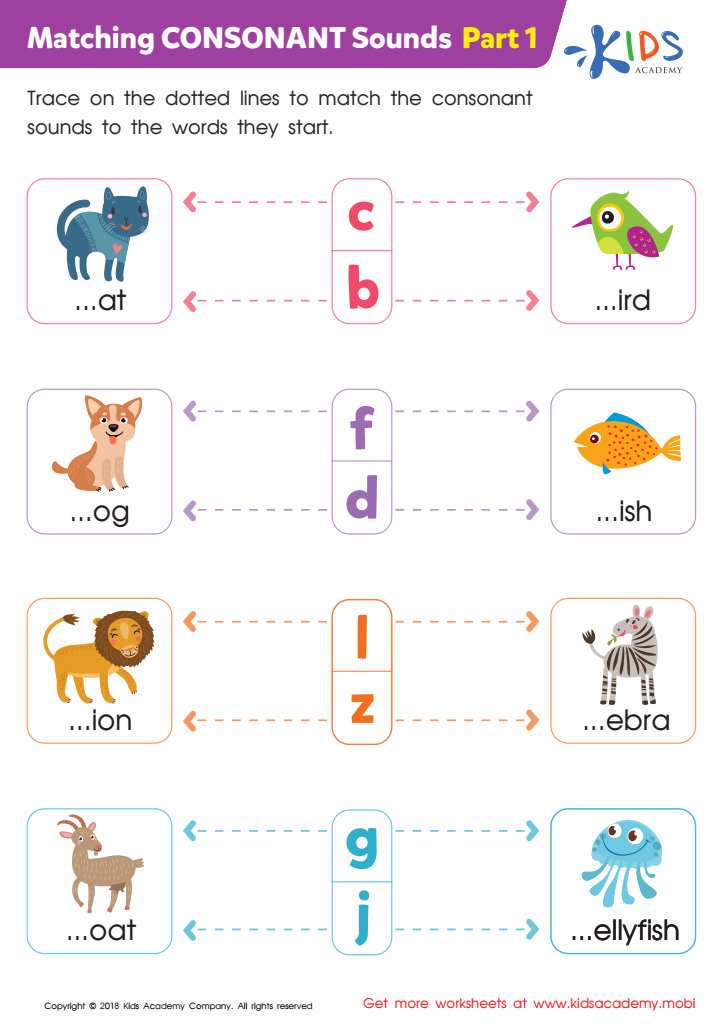
Matching Consonant Sounds: Part 1 Worksheet
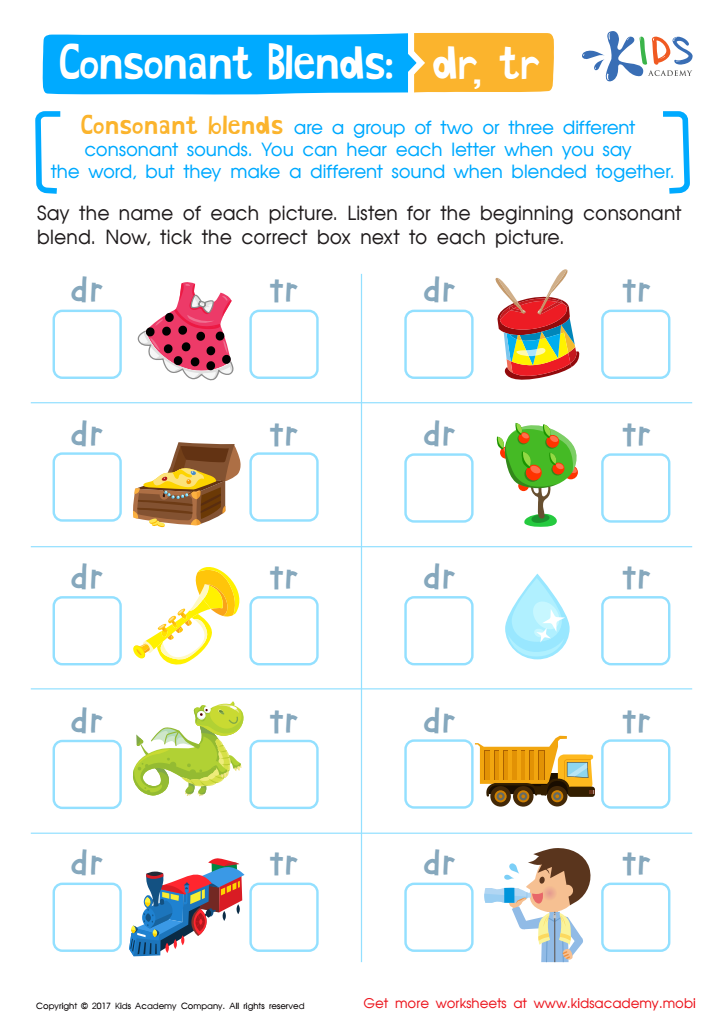
Consonant Blends: "Dr" and "Tr" Printable

Long and Short E Worksheet
Assign to My Students
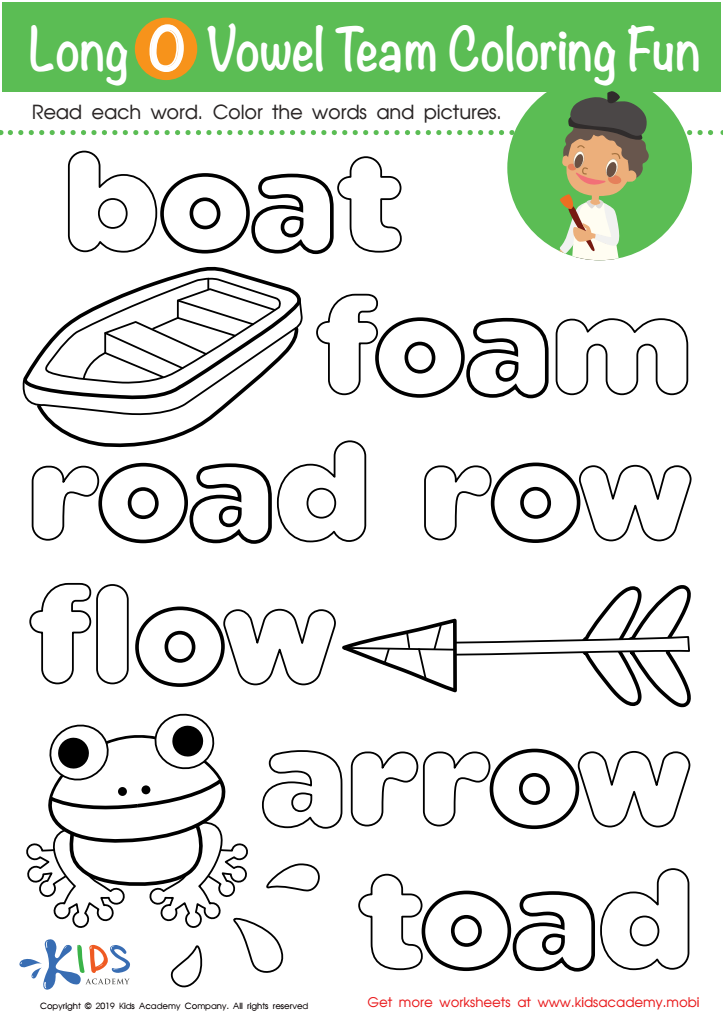
Long O Vowel Team Coloring Worksheet
Assign to My Students
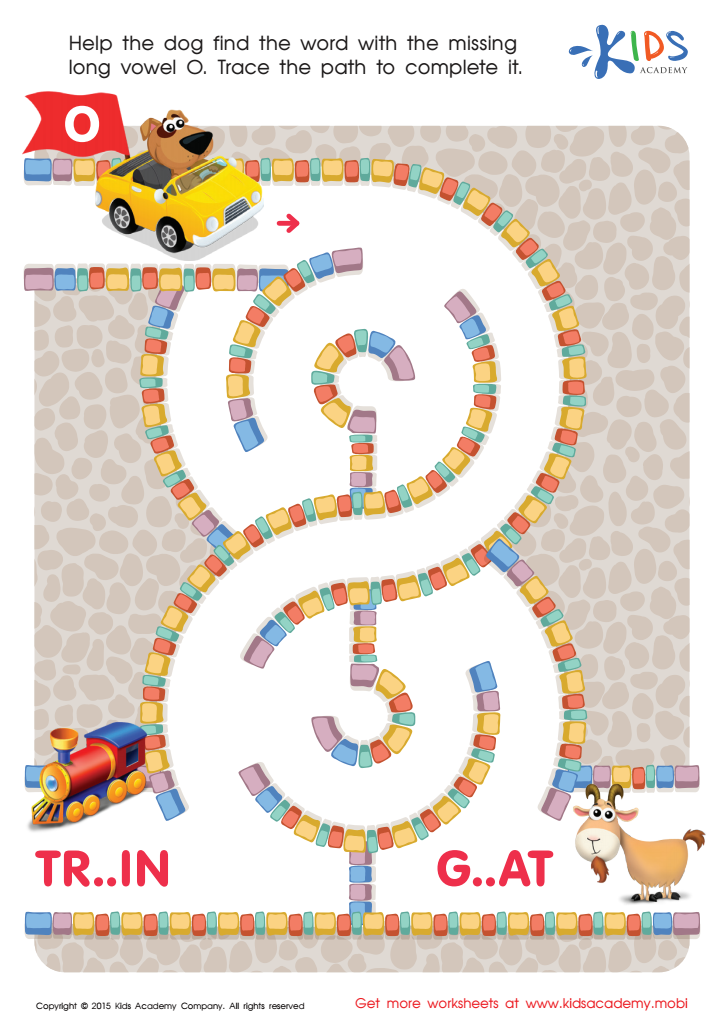
Long Vowel Sound O Worksheet
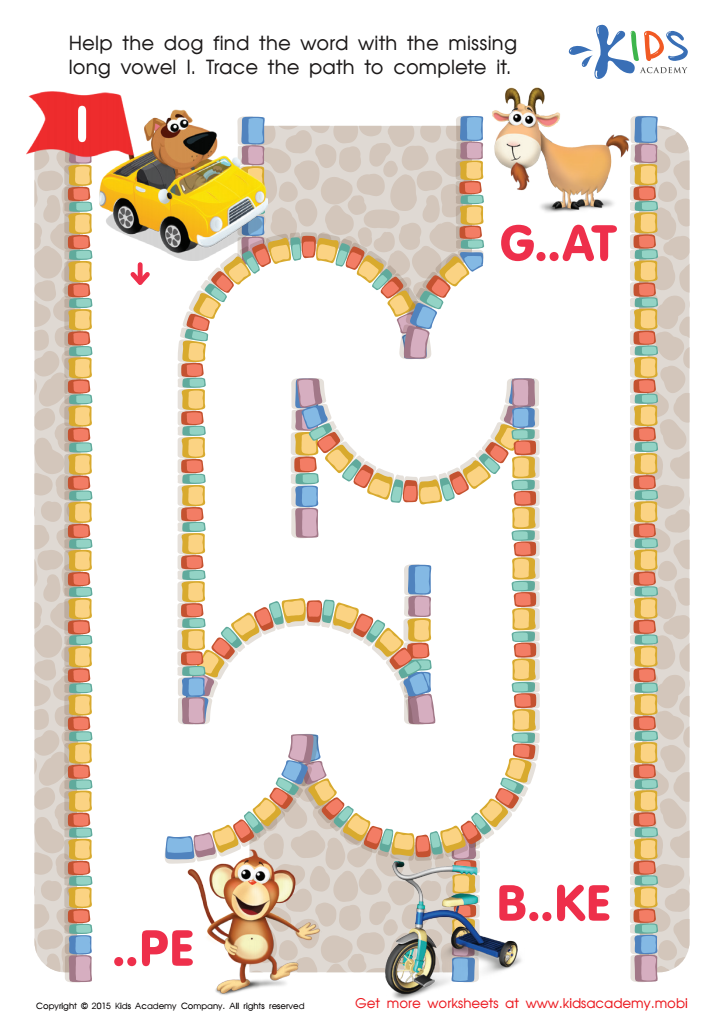
Long Vowel Sound I Worksheet
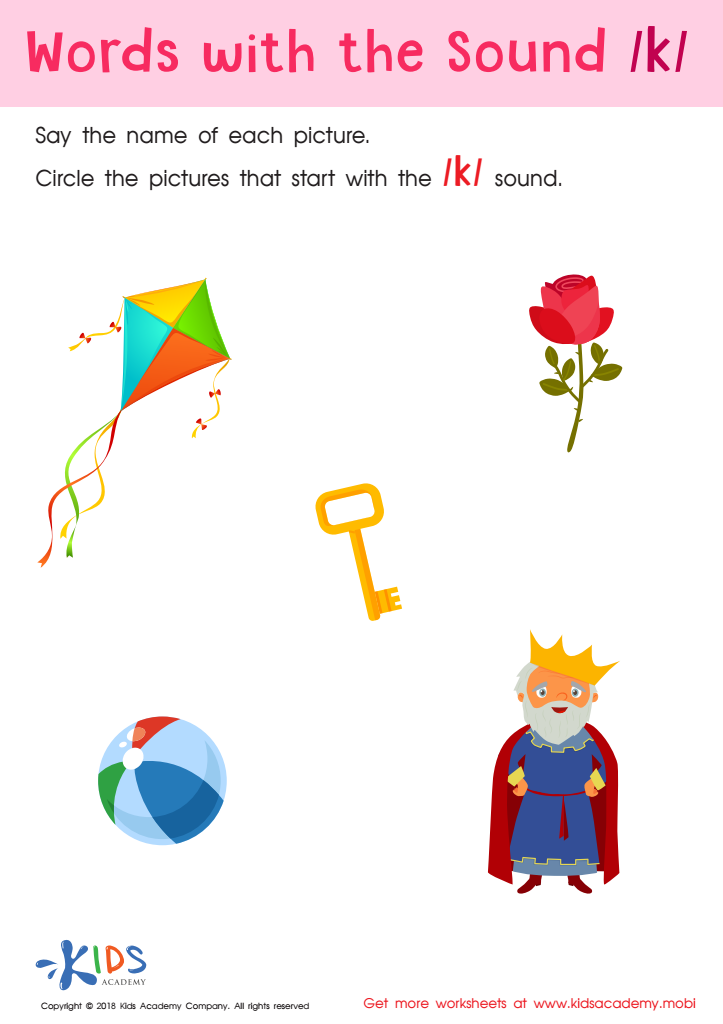
Words with sound k Reading Worksheet








Parents and teachers should prioritize phonics skills for 6-year-olds because these foundational abilities are crucial for early reading success. Phonics involves understanding the relationship between letters and sounds, enabling children to decode words when reading and spell them correctly when writing. At age six, children are often in the first or second grade, a critical period for developing literacy skills that will influence their academic progress.
Phonics instruction helps children break down words into manageable parts, fostering a more straightforward learning process. When kids recognize patterns in sounds and letters, they become more adept at reading fluently. This fluency boosts their confidence and motivates them to engage more with texts, promoting better comprehension.
Moreover, strong phonics skills significantly deter future reading difficulties. Early intervention through systematic phonics instruction can ensure children do not fall behind their peers, promoting equitable learning opportunities. For parents, supporting phonics skill development at home through reading practices and games creates a nurturing environment that emphasizes the importance of learning and reinforces classroom teaching.
Overall, investing in phonics education at this formative age equips children with the essential tools they need for literacy, laying a solid foundation for all future learning.







