Fine Motor Skills Geometry Worksheets for 6-Year-Olds
19 filtered results
-
From - To
Enhance your 6-year-old's learning experience with our Fine Motor Skills Geometry Worksheets! Designed specifically for young learners, these engaging worksheets combine essential geometric concepts with fun fine motor activities. Children will draw shapes, trace lines, and color geometric patterns, refining their dexterity and hand-eye coordination while developing a solid understanding of geometry. Each worksheet is tailored to foster a love for learning, encouraging creativity and skill-building in a playful environment. Perfect for home or classroom use, these resources offer an enjoyable way for kids to master geometry and improve their fine motor skills simultaneously. Start building a foundation for future success!
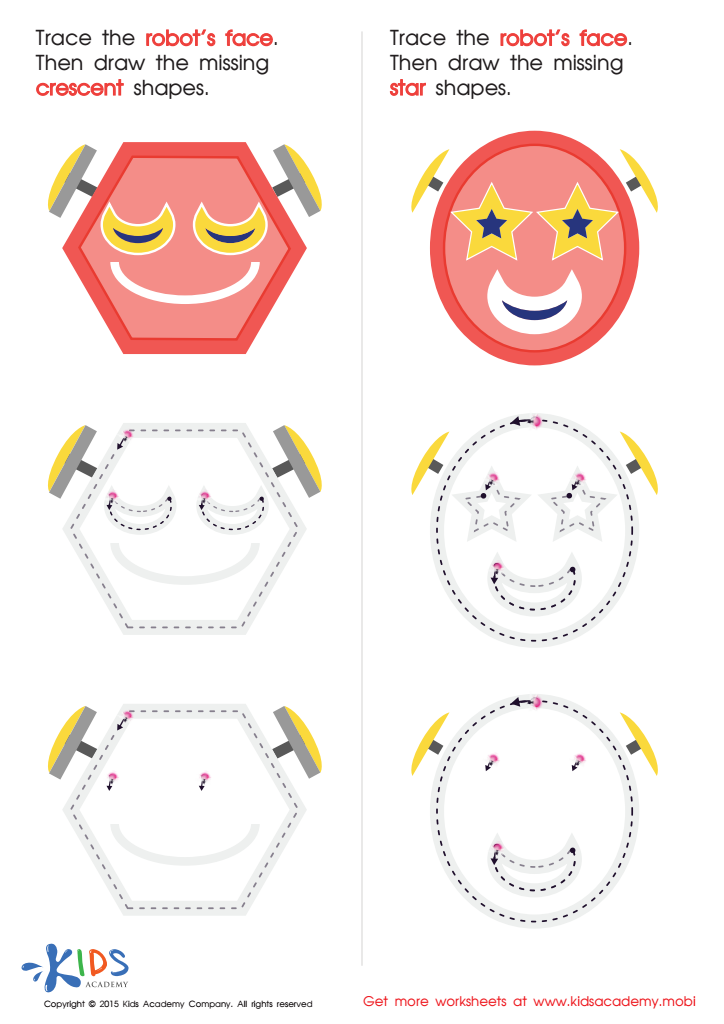
Composing a Robot's Face of Crescents And Stars Worksheet
 Assign to My Students











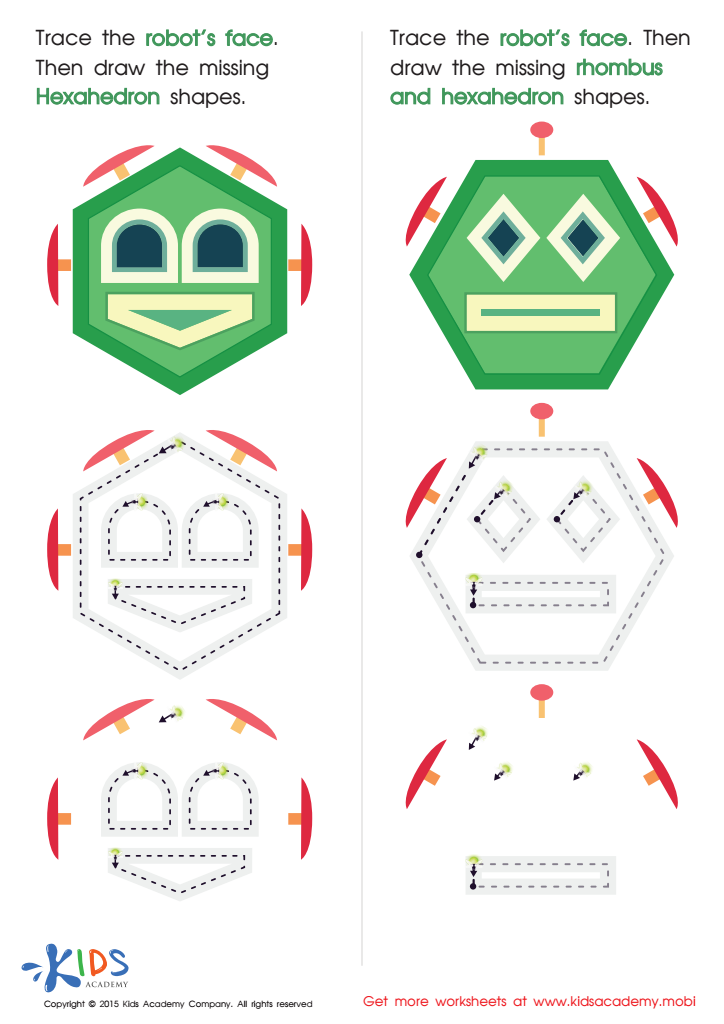
Practice Drawing Hexahedrons And a Rhombus Worksheet
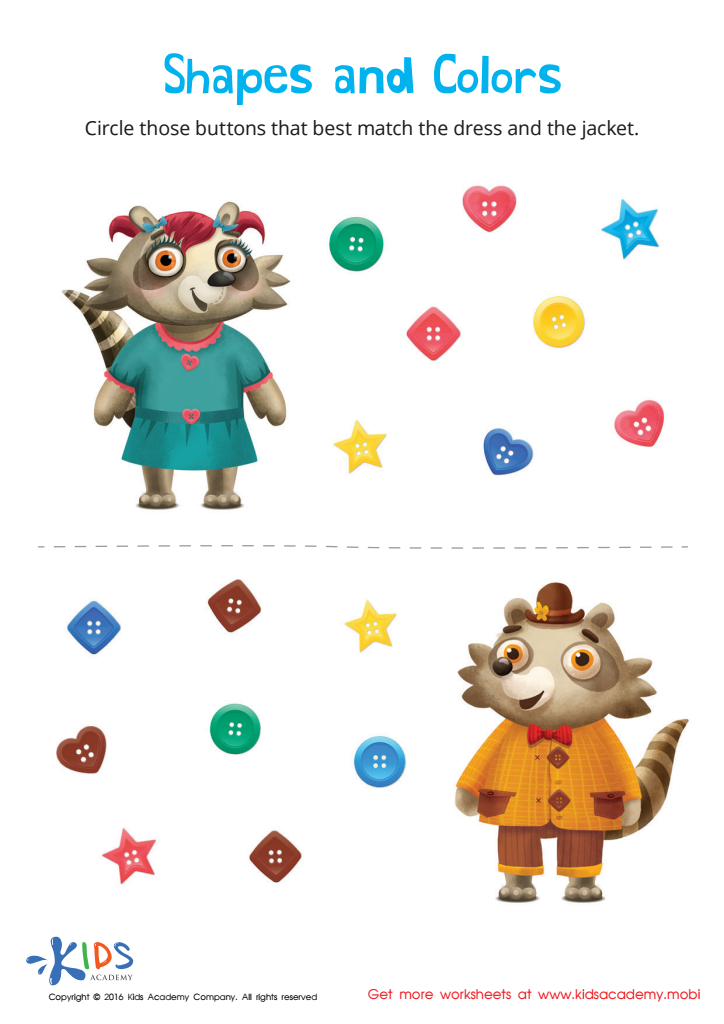
Matching: Shapes and Colors Worksheet
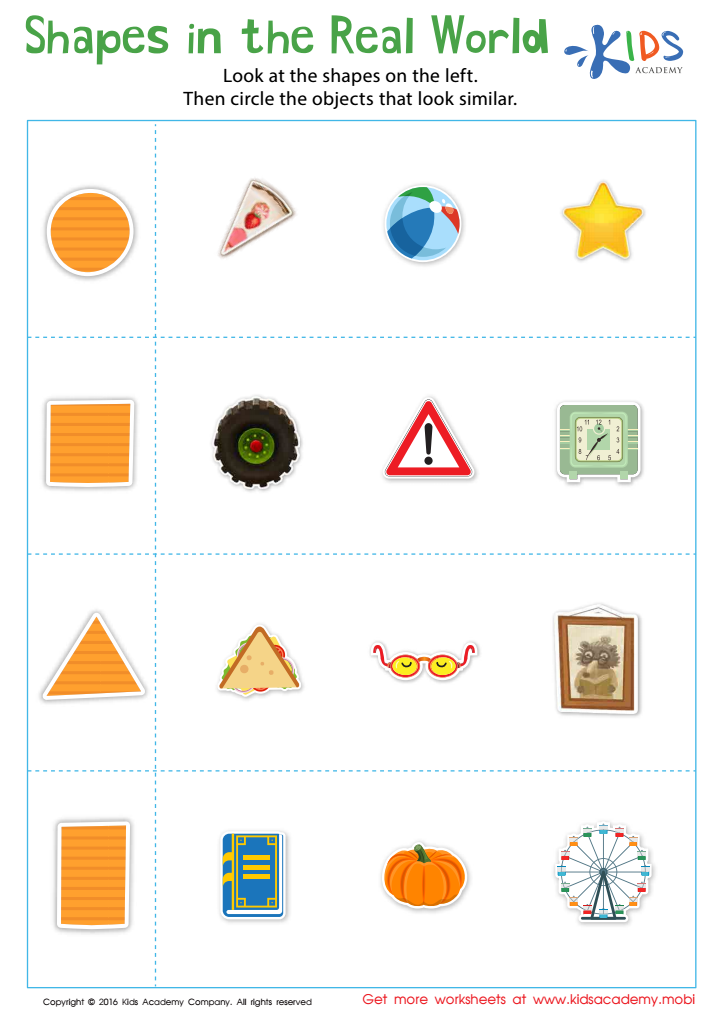
Shapes in the Real World Worksheet
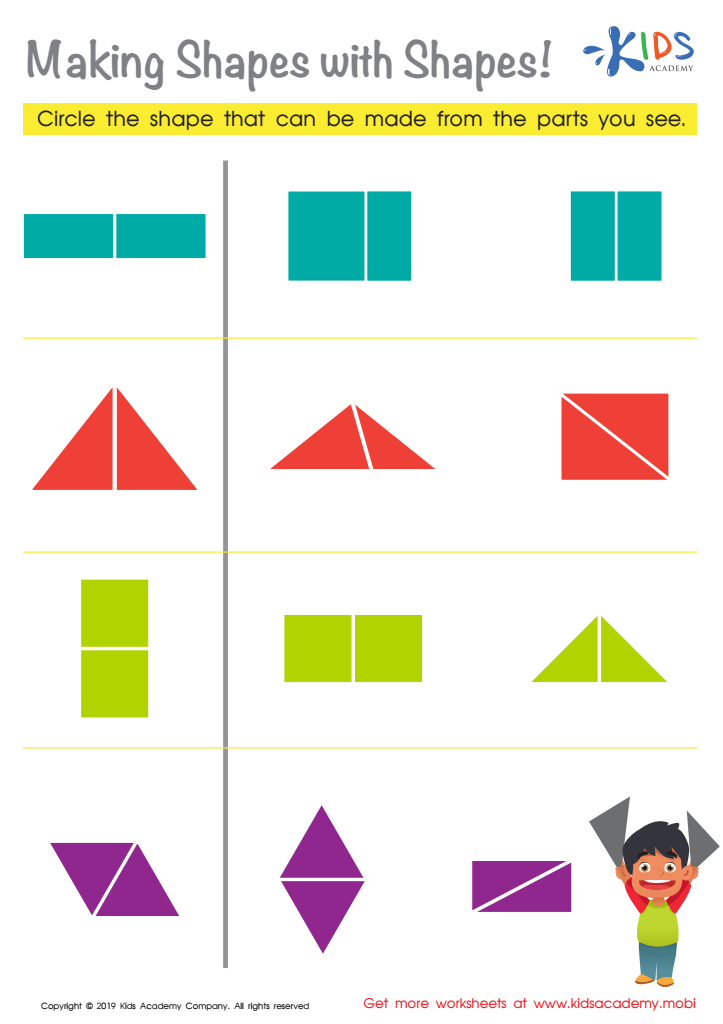
Making Shapes with Shapes Worksheet
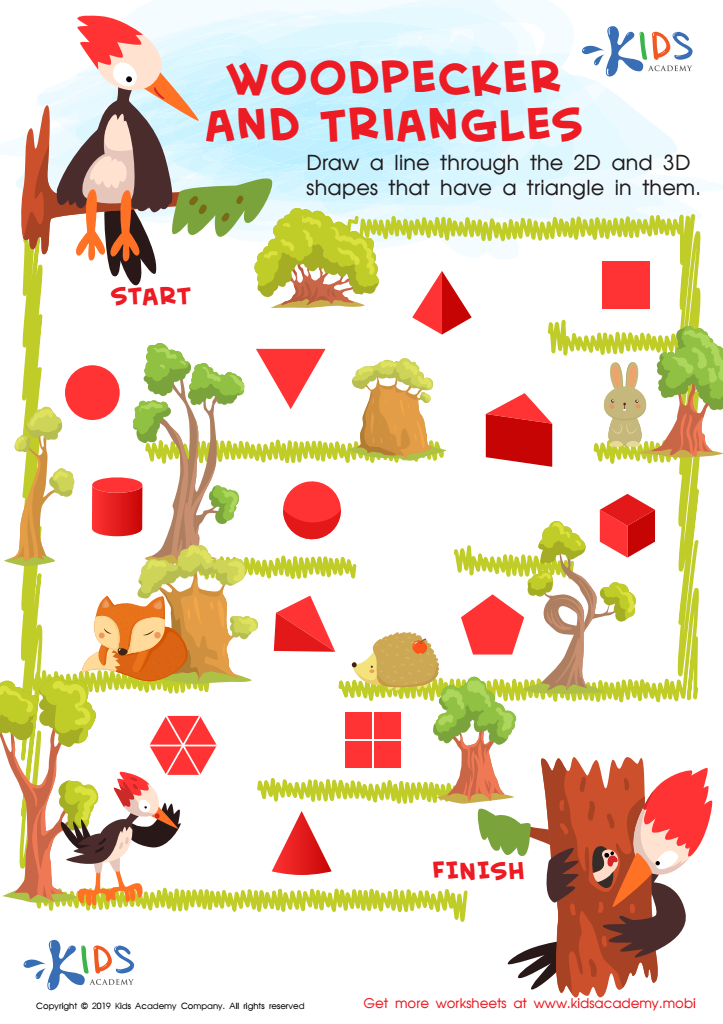
Woodpecker and Triangles Worksheet
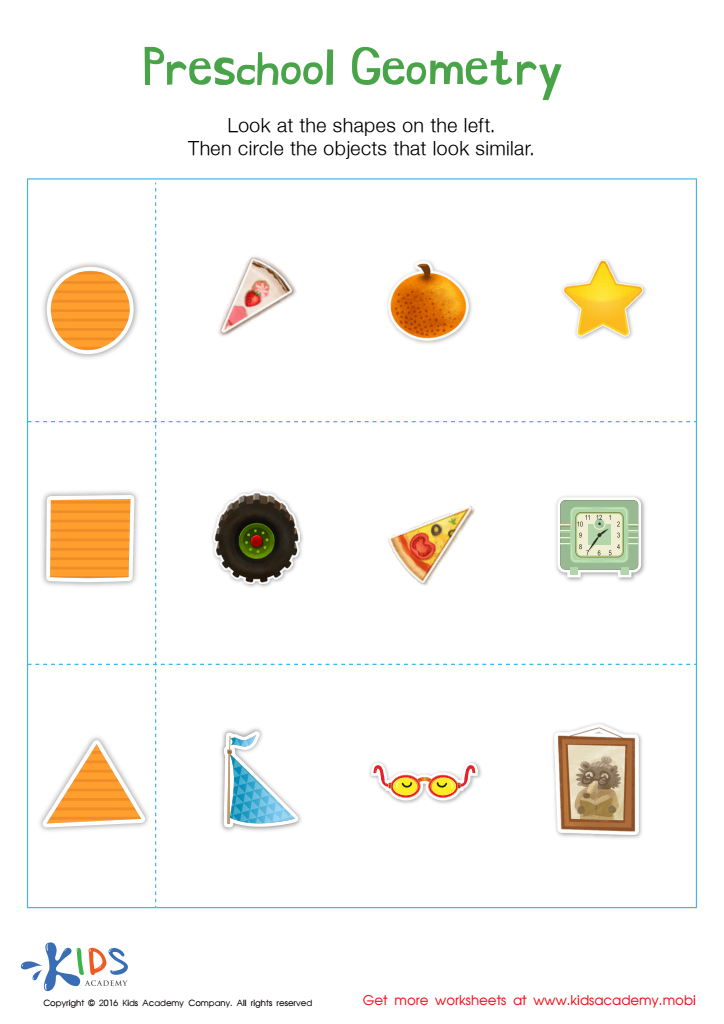
Preschool Geometry Match Up Worksheet
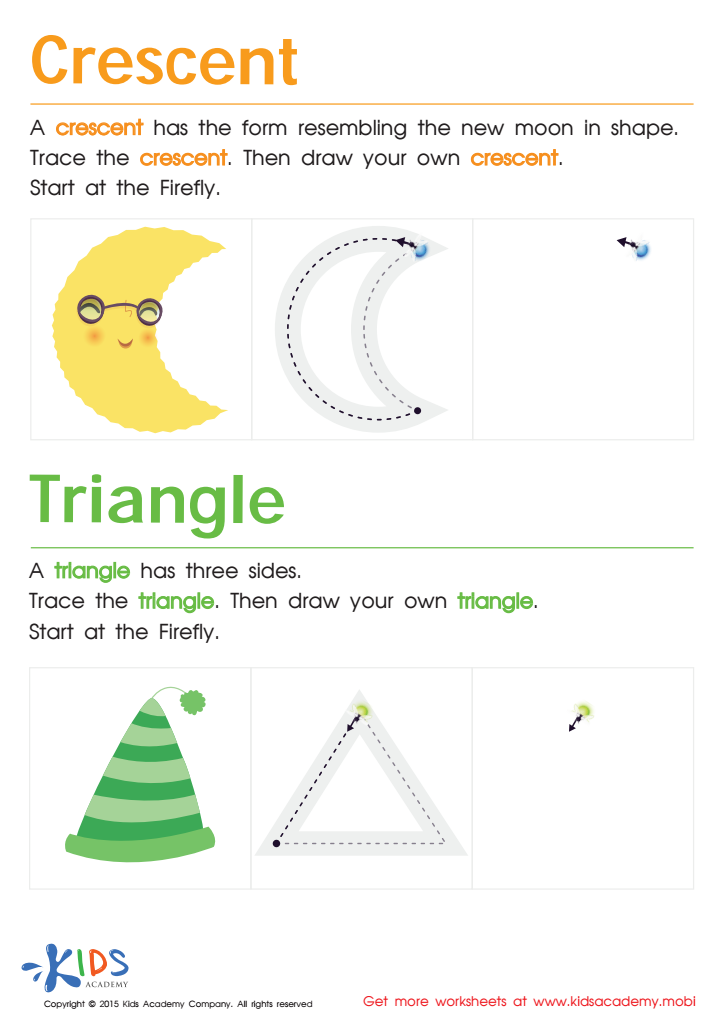
Learning to Draw Crescents And Triangles Worksheet
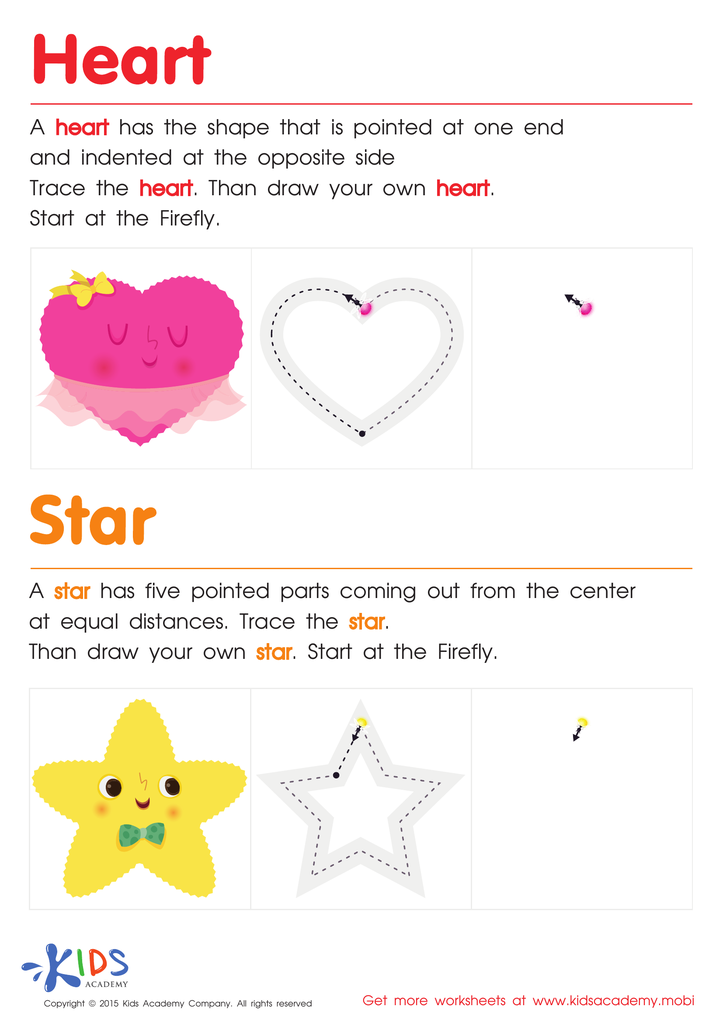
Let's Learn to Draw Hearts And Stars Printable
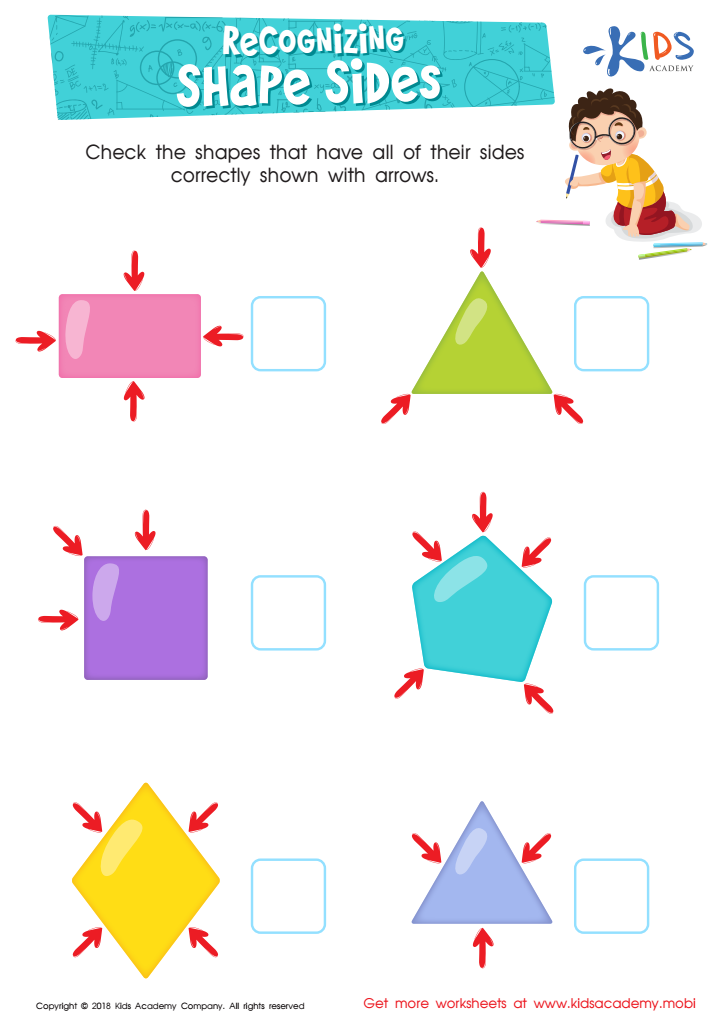
Recognizing Shape Sides Worksheet
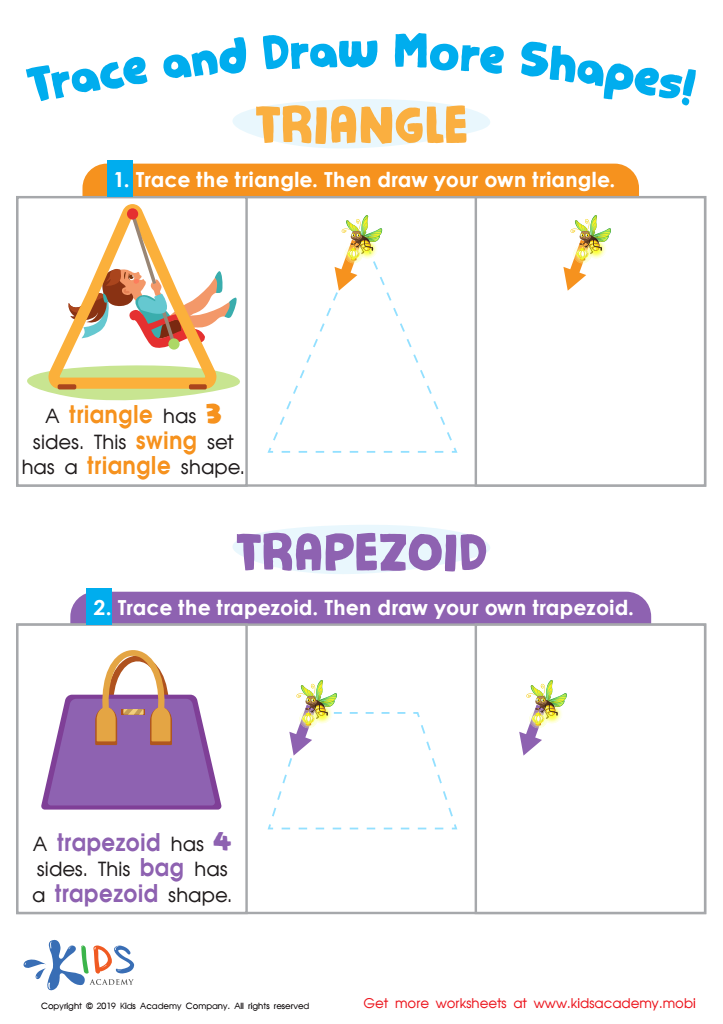
Trace and Draw More Shapes Worksheet
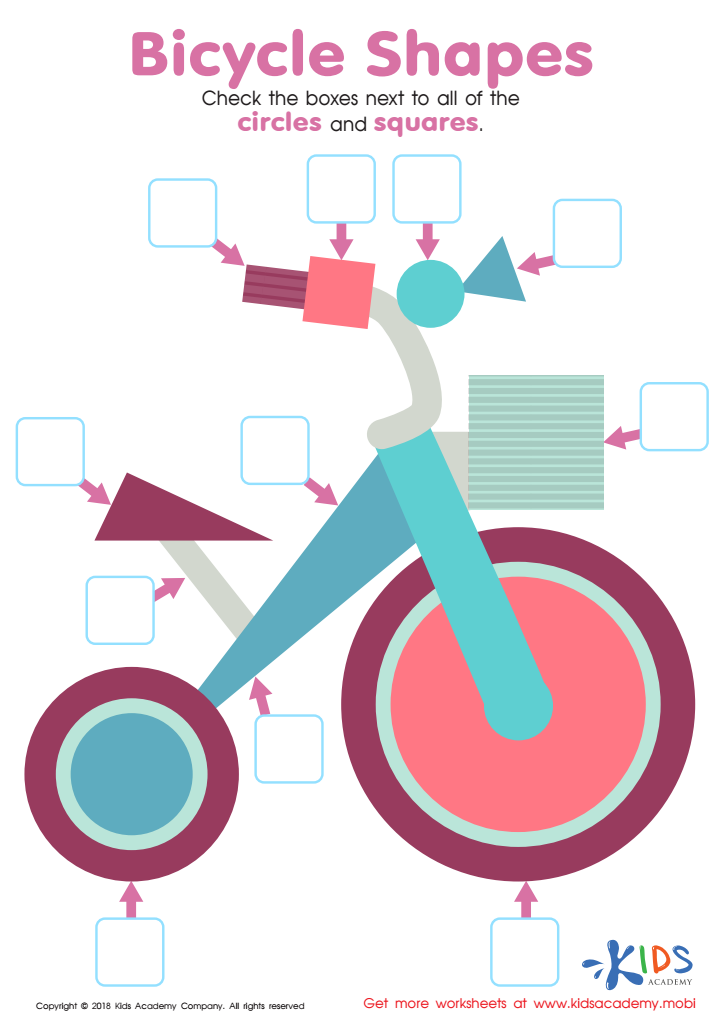
Bicycle Shapes Worksheet
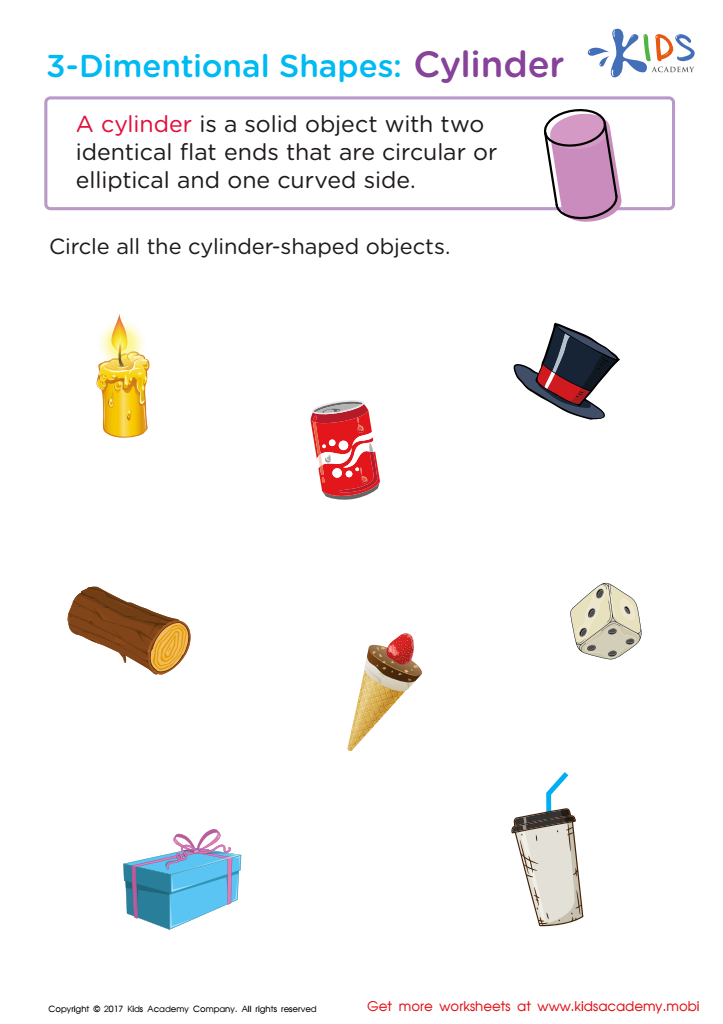
Three–Dimensional Shapes: Cylinder Worksheet
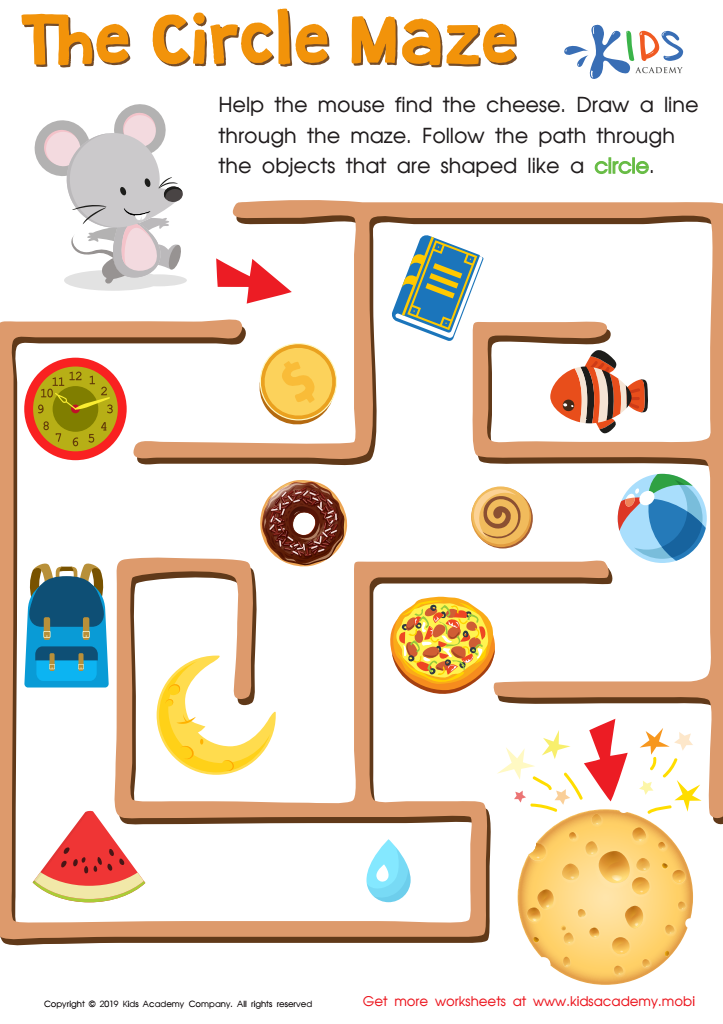
The Circle Maze Worksheet
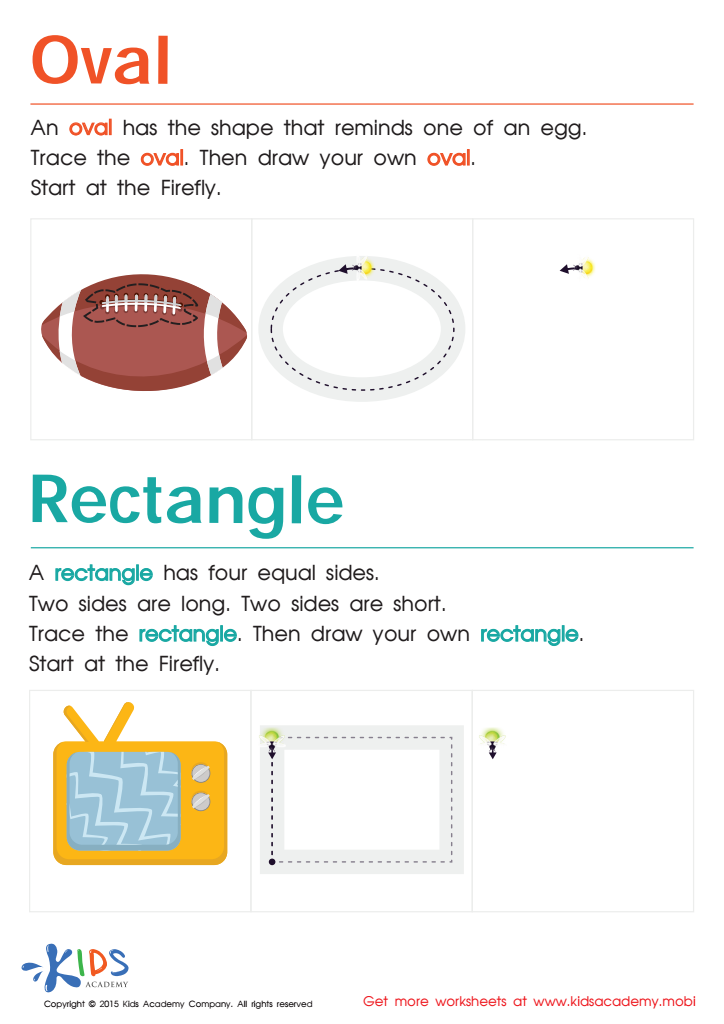
Easy Drawing of Ovals And Rectangles Worksheet
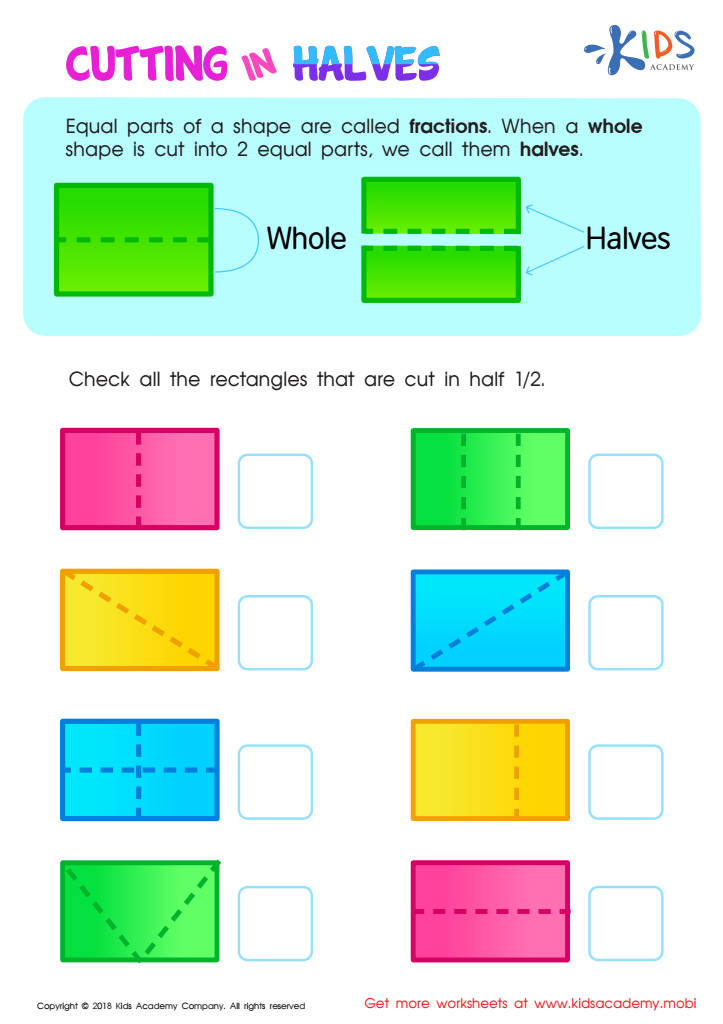
Cutting in Halves Worksheet
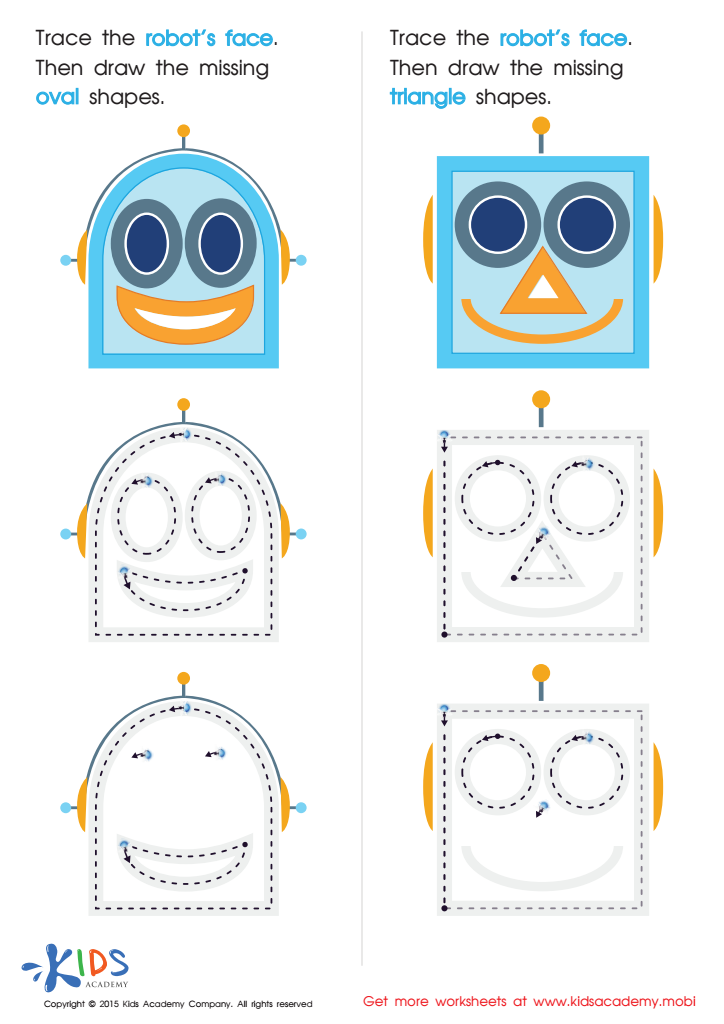
Drawing Ovals And Triangles with Fun Printable
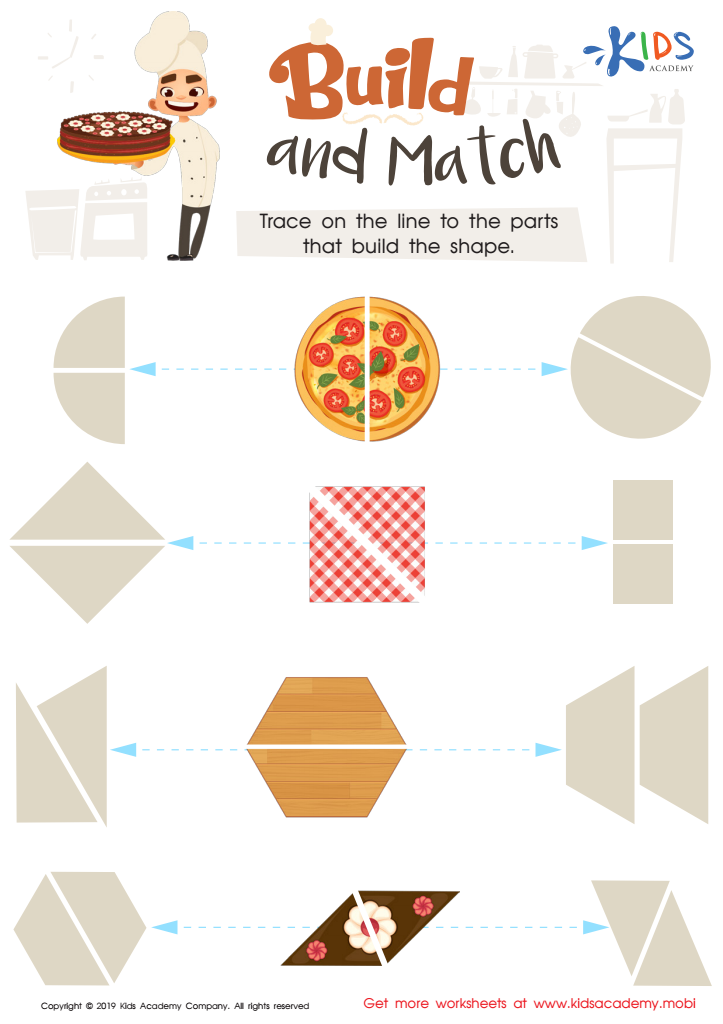
Build and Match Worksheet
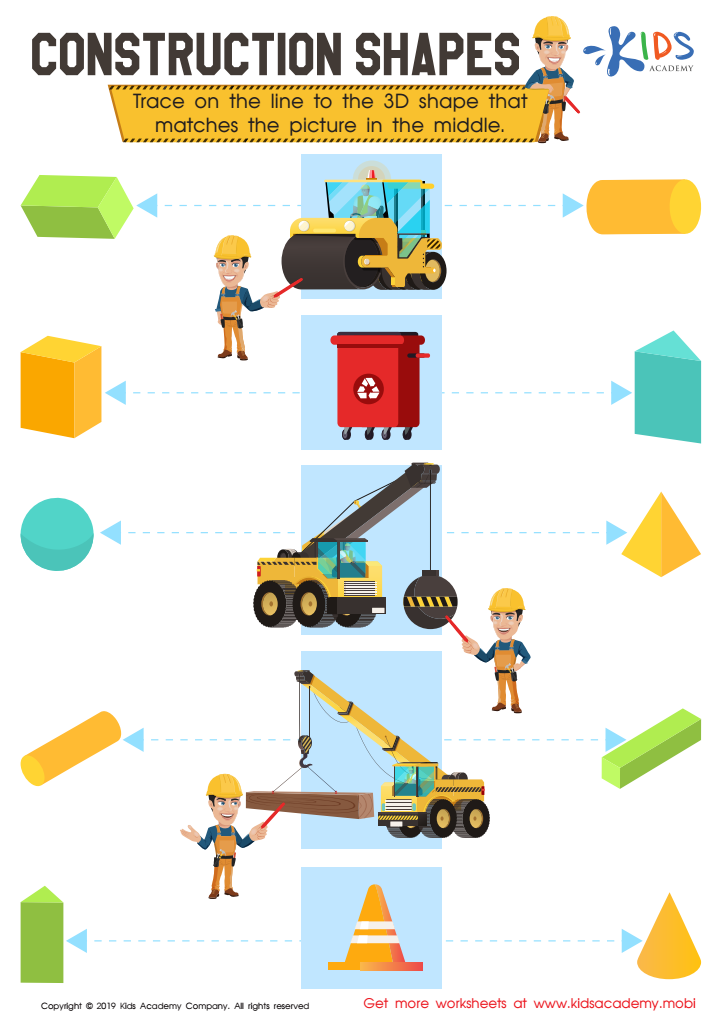
Construction Shapes Worksheet








Fine motor skills and geometry play a crucial role in the early development of children, particularly for 6-year-olds. Parents and teachers should care about these skills because they serve as a foundation for later learning and everyday activities. Fine motor skills involve the coordination of small muscles in the hands, fingers, and wrists, essential for tasks such as writing, cutting, and manipulating small objects. At this age, children refine these skills through activities like drawing shapes, building with blocks, or practicing with scissors.
In parallel, an understanding of basic geometric concepts helps children recognize, categorize, and understand their environment. Engaging in geometry-related activities enables them to perceive spatial relationships, differentiate shapes, and develop critical thinking skills. Together, these domains enhance not only academic readiness but also daily life skills.
When children build fine motor skills while engaging in geometry, they improve their hand-eye coordination, attention to detail, and problem-solving abilities. Furthermore, parents and teachers can create fun, hands-on experiences, making learning enjoyable and effective. As these skills progress, they foster confidence and independence, preparing children for future success in both education and real-world scenarios. Investing time and resources in these areas ultimately contributes to a well-rounded and capable individual.








